Beautiful Brochures, Harsh Realities
That glossy travel magazine made it look perfect. Then visitors arrive, and reality hits hard. Aggressive vendors won't quit, and the prices skyrocket beyond reason. The whole experience feels like an elaborate, unpleasant tourist trap.

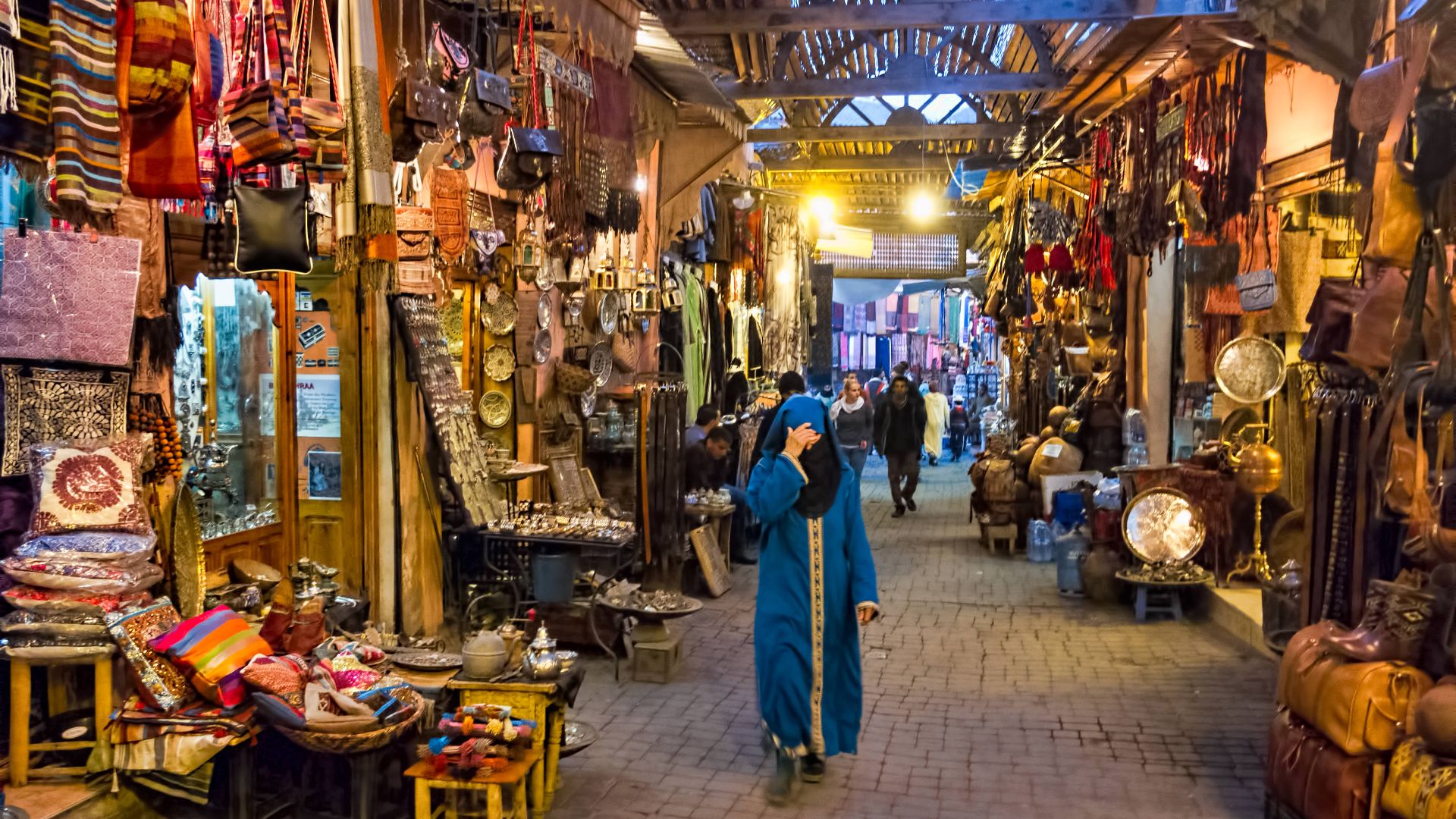
Morocco
Marrakesh's souks promise enchanting haggling experiences, but merchants corner tourists with aggressive sales tactics that turn browsing into psychological warfare. Women report constant catcalling and unwanted touching in crowded medinas, and apparently, the street vendors literally block pathways until you purchase overpriced trinkets.
 Dan Lundberg, Wikimedia Commons
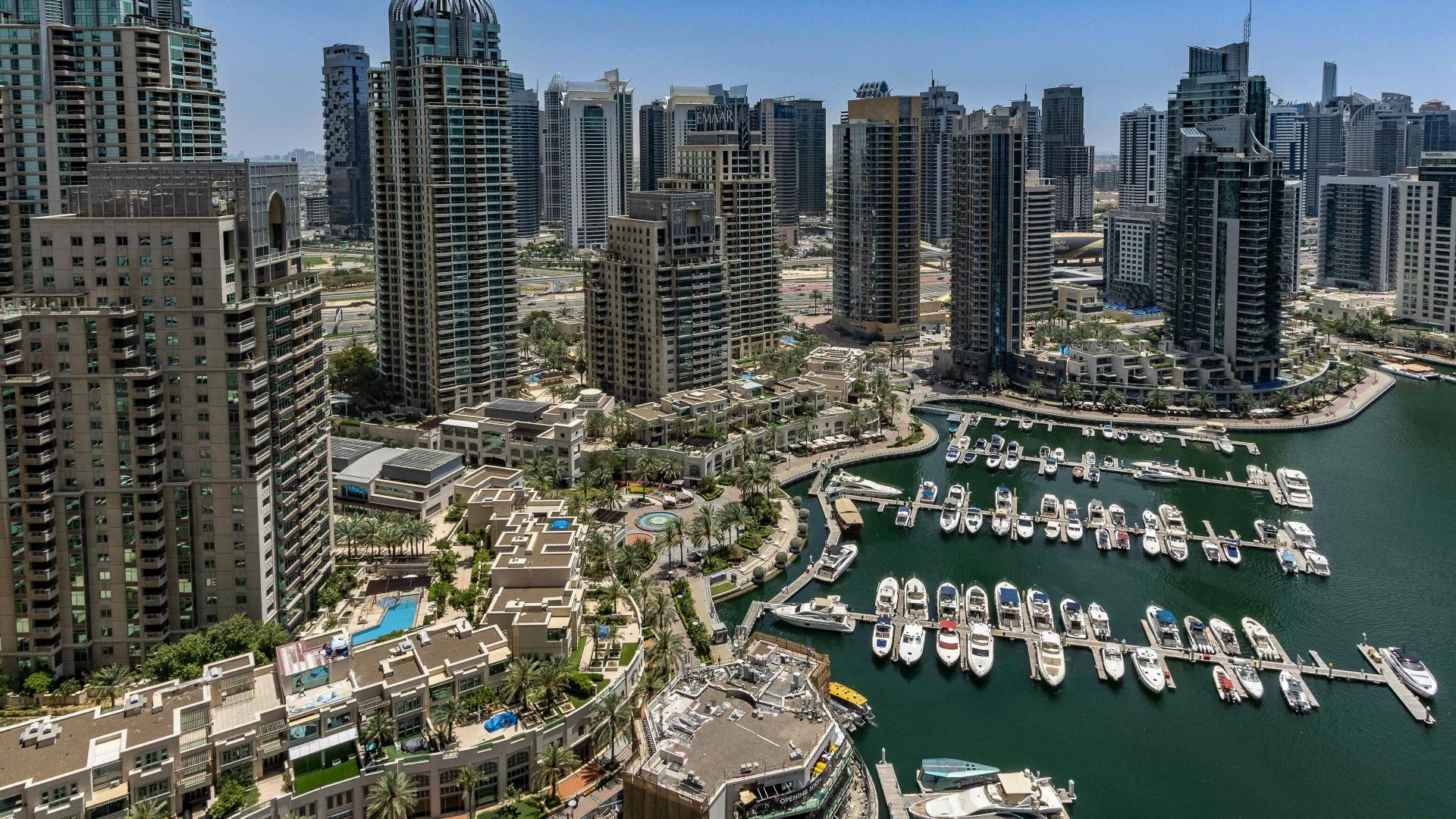
United Arab Emirates (Dubai)
Its glittering skyline masks a soulless, expensive tourist experience. First off, everything, and we mean everything, even a bottle of water, costs multiple times what it should. Tourists also complain of the super-high temperatures that regularly hit 115°F in summer. The strict laws here can land anyone in jail.
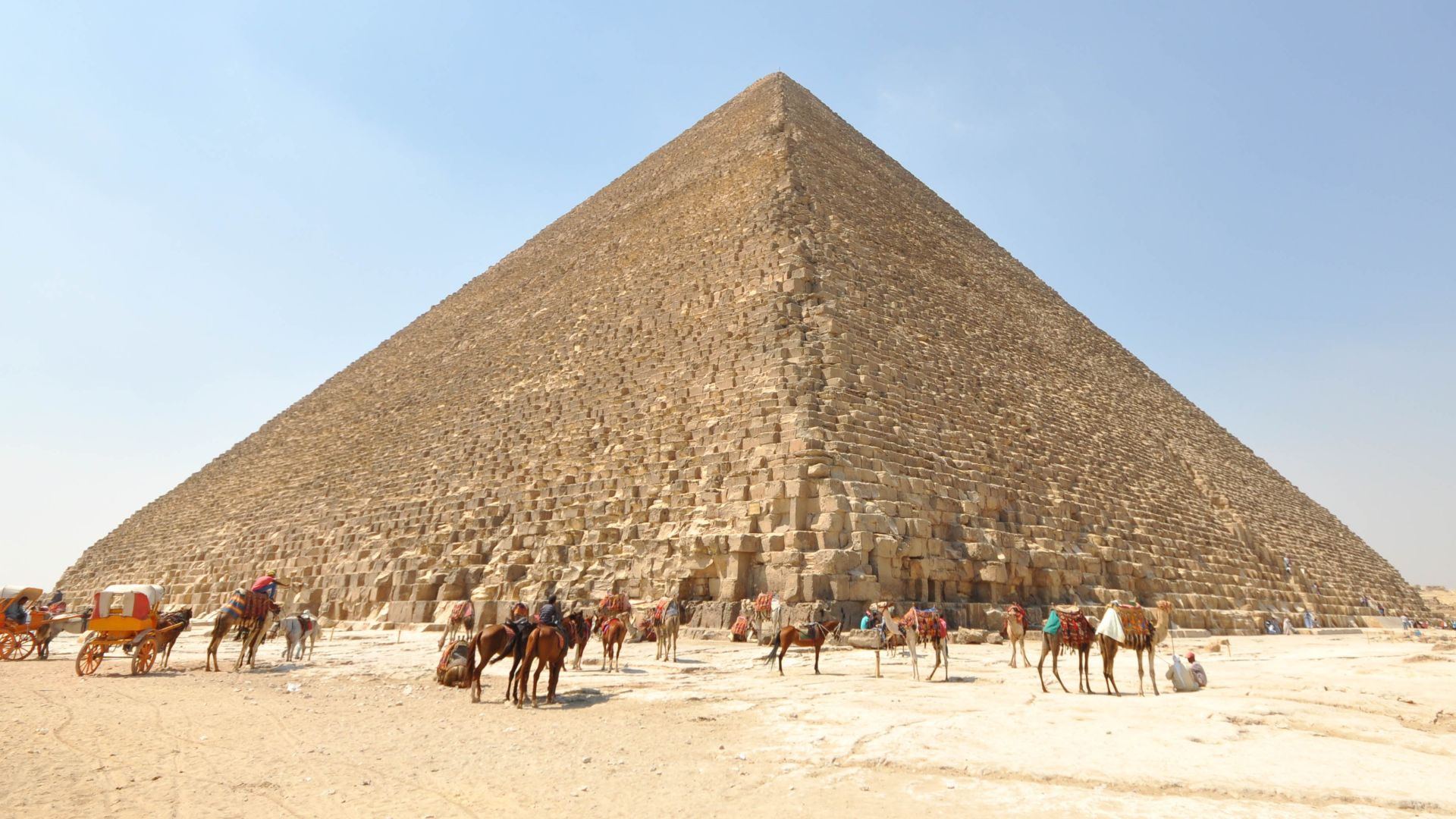
Egypt
Cairo's traffic creates apocalyptic gridlock where crossing streets becomes a life-threatening gamble requiring nerves of steel. Touts surround pyramid entrances demanding tips for unsolicited photography advice or camel rides nobody requested. Women face relentless verbal harassment in public spaces, even when dressed conservatively.
 Jorge Láscar from Melbourne, Australia, Wikimedia Commons
India
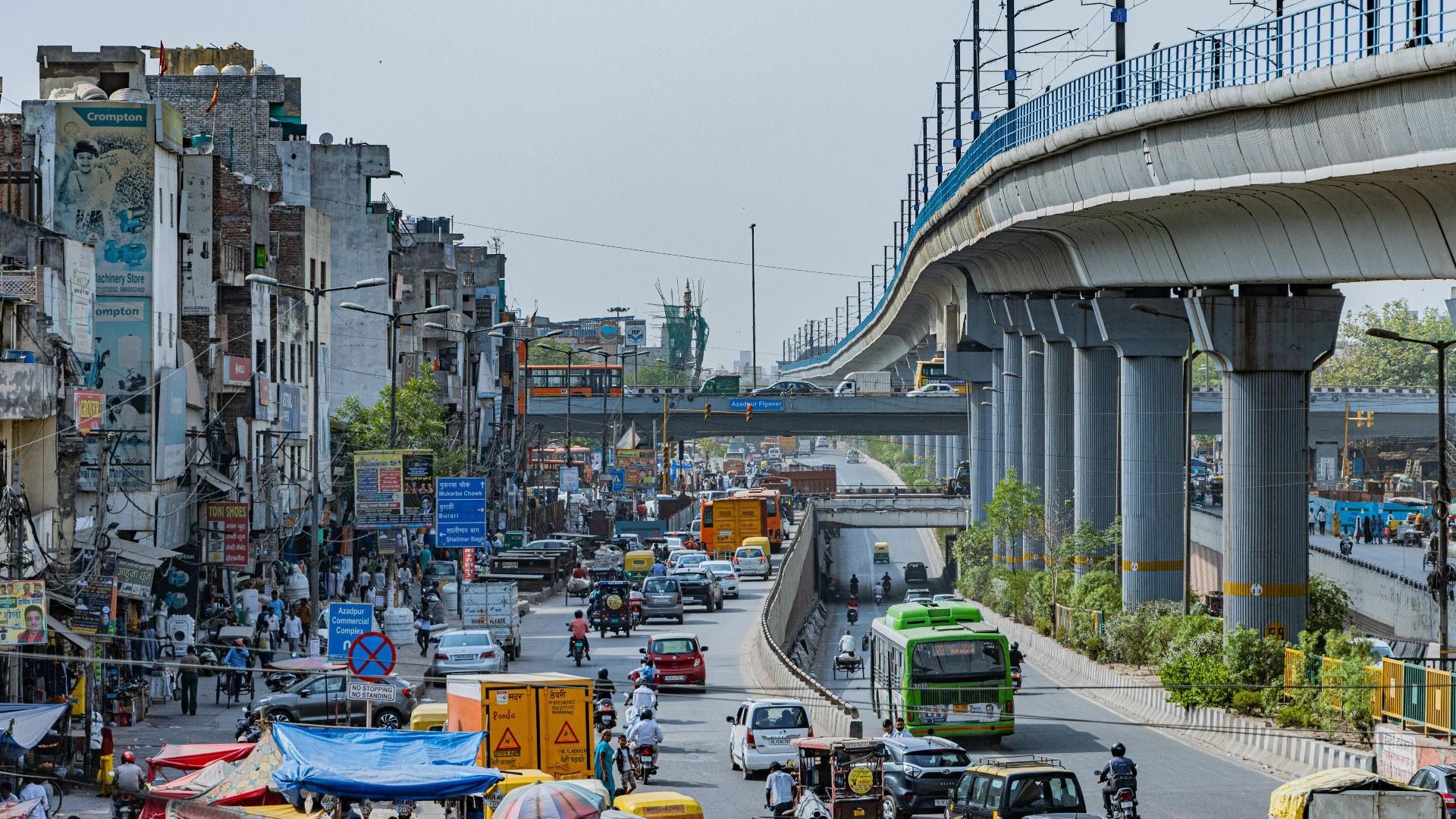
When you get to Delhi, you will notice just how poverty confronts you immediately with aggressive begging. The street food looks delicious, but if you just eat from anywhere, you could get food poisoning within days despite taking precautions. Sexual harassment also remains a serious problem, particularly in crowded tourist areas.
Nigeria
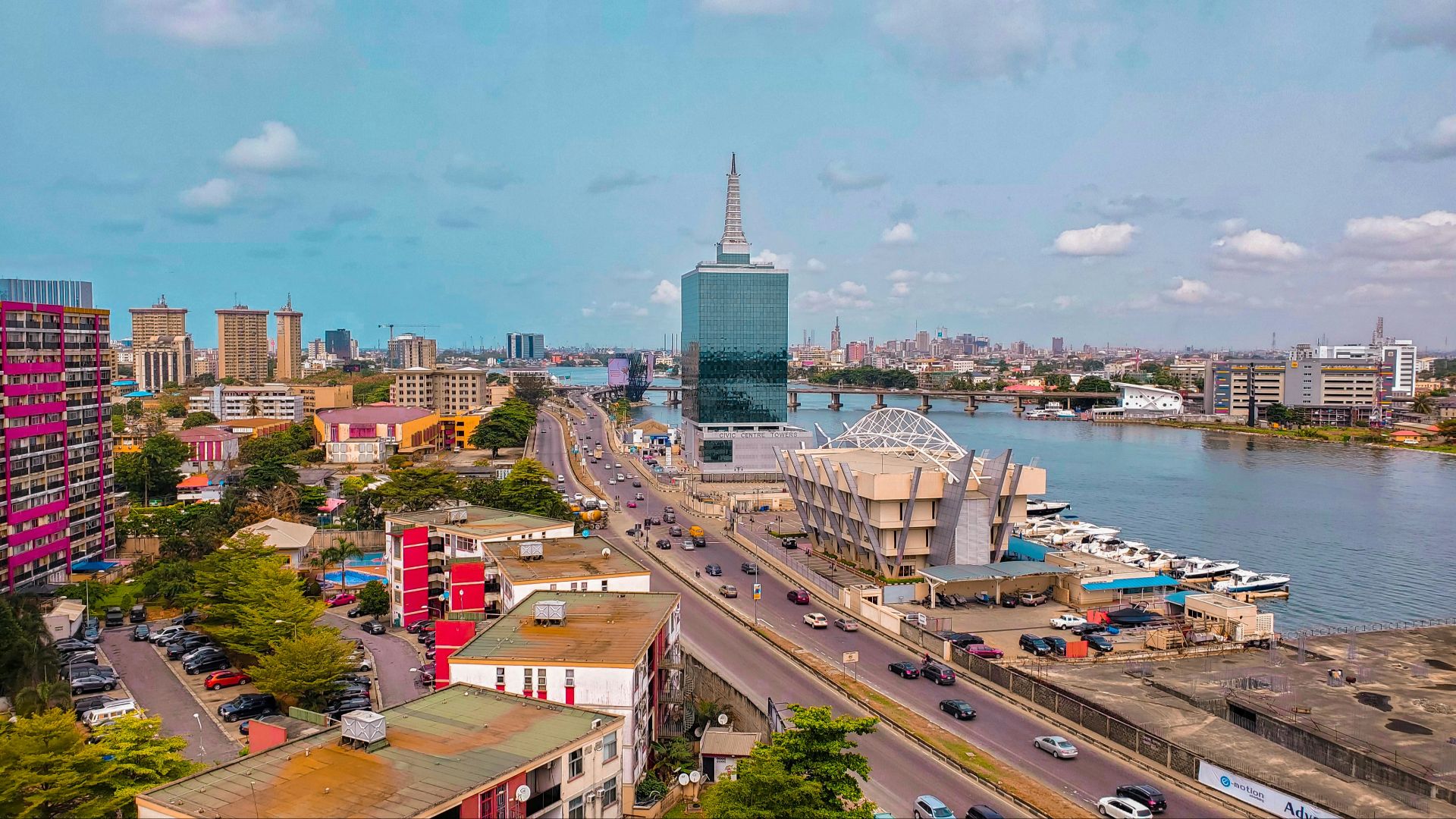
Did you know that Lagos ranks among the world's most stressful cities? Here, kidnapping threats force foreigners into expensive security protocols constantly. Power outages occur multiple times daily, disrupting basic activities and rendering internet service nearly useless. Other downsides include bribery expectations at every official checkpoint, and the roads desperately need fixing.
China
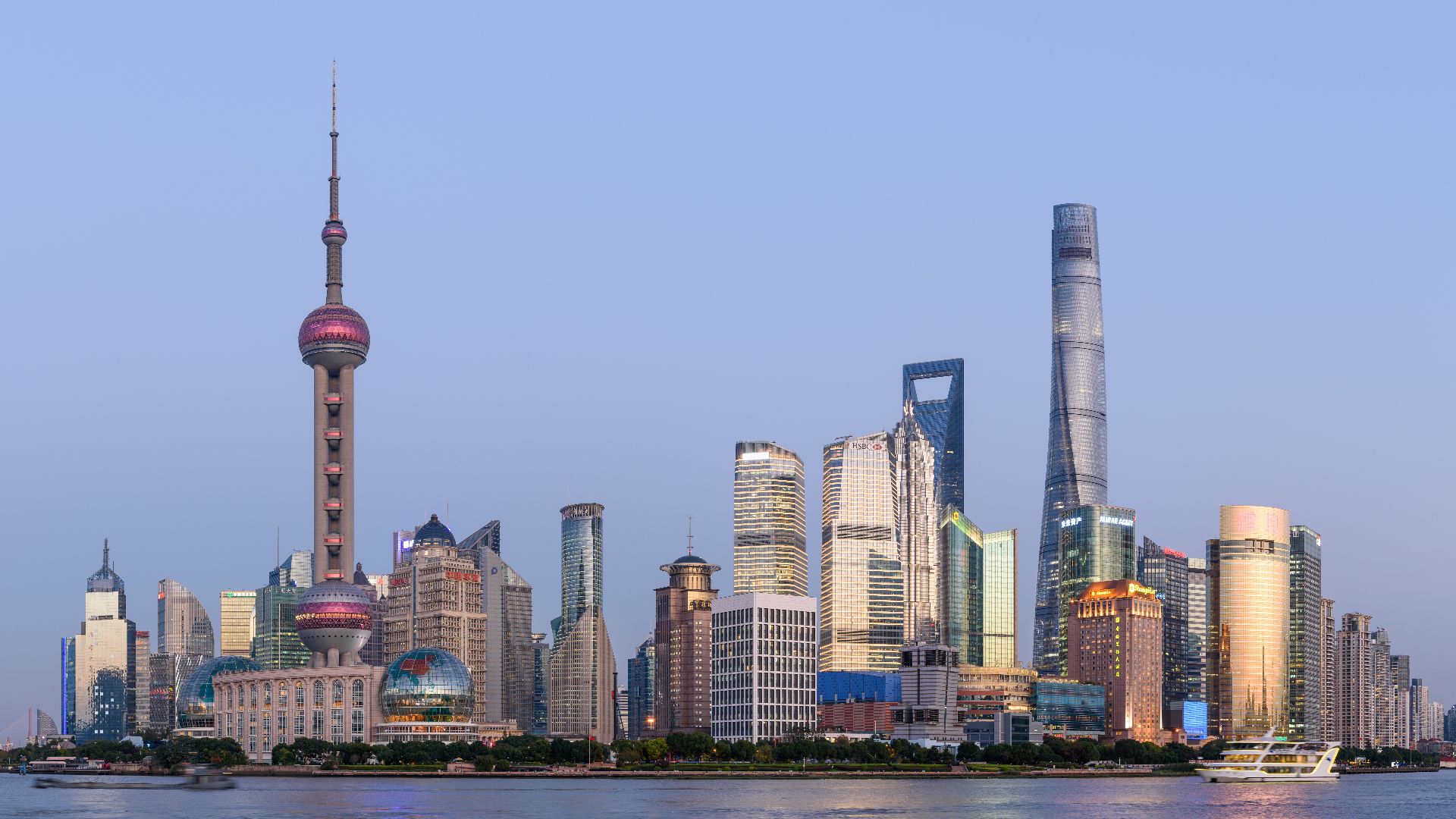
Language barriers cripple basic communication, as English signage is scarce outside international hotels. Then the government surveillance creates constant unease, especially for Americans who might attract extra scrutiny from authorities. Internet censorship blocks familiar apps and websites, and this isolates American visitors from normal digital routines.
 King of Hearts, Wikimedia Commons
Turkey
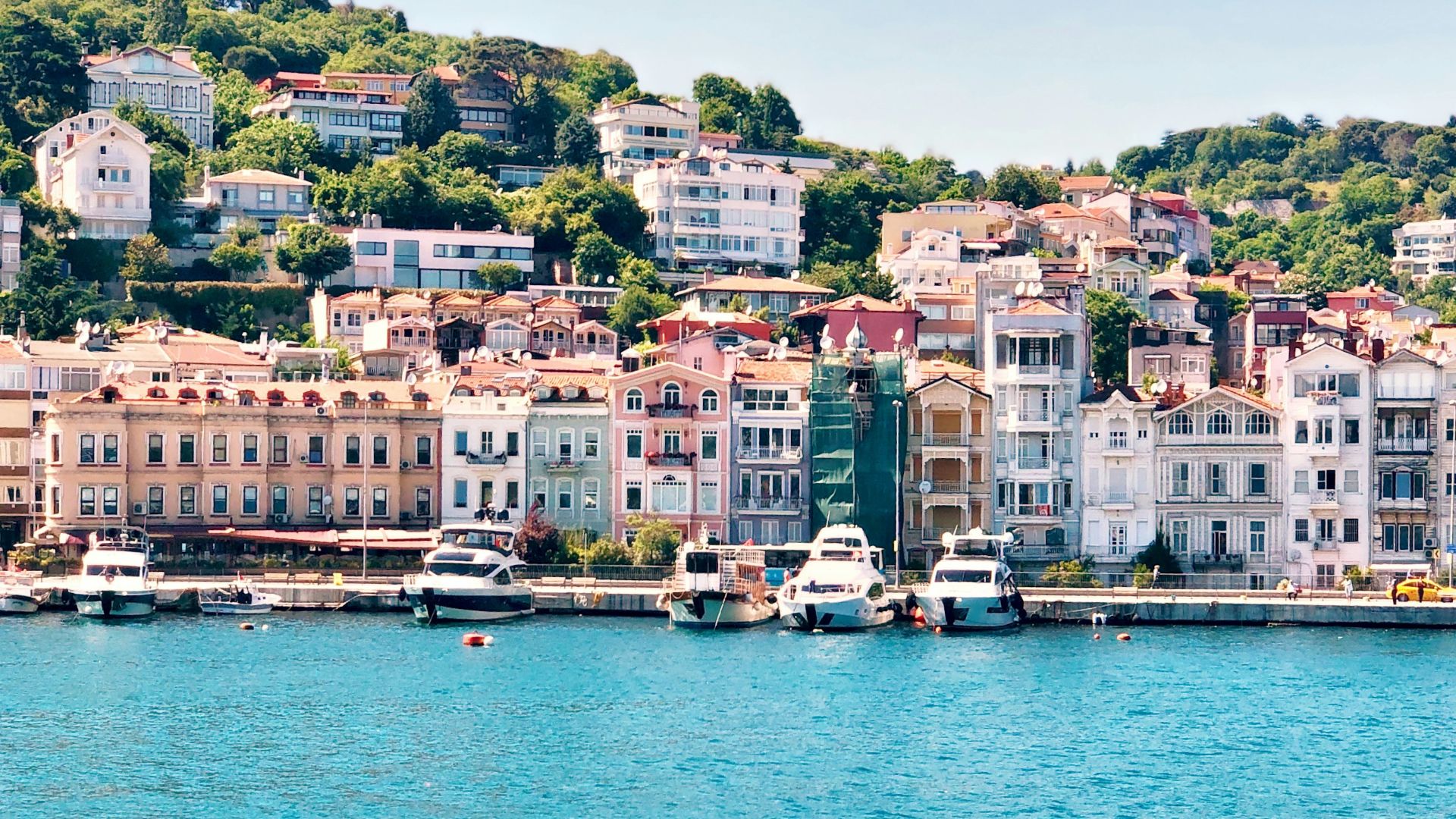
The resort zones assault visitors with relentless shopkeepers and restaurant touts who become verbally aggressive when ignored. And if you want to go to the beach, their access requires paying for overpriced sun loungers crammed together like sardines in a can. The merchants here are also quite persistent.
Maldives
American tourists regret going here because the resort islands charge high prices for mediocre food and limited activities beyond lounging on beaches. Getting anywhere requires speedboat transfers that drain vacation budgets fast. Male, the capital, disappoints visitors seeking culture. The photos don’t justify the costs.
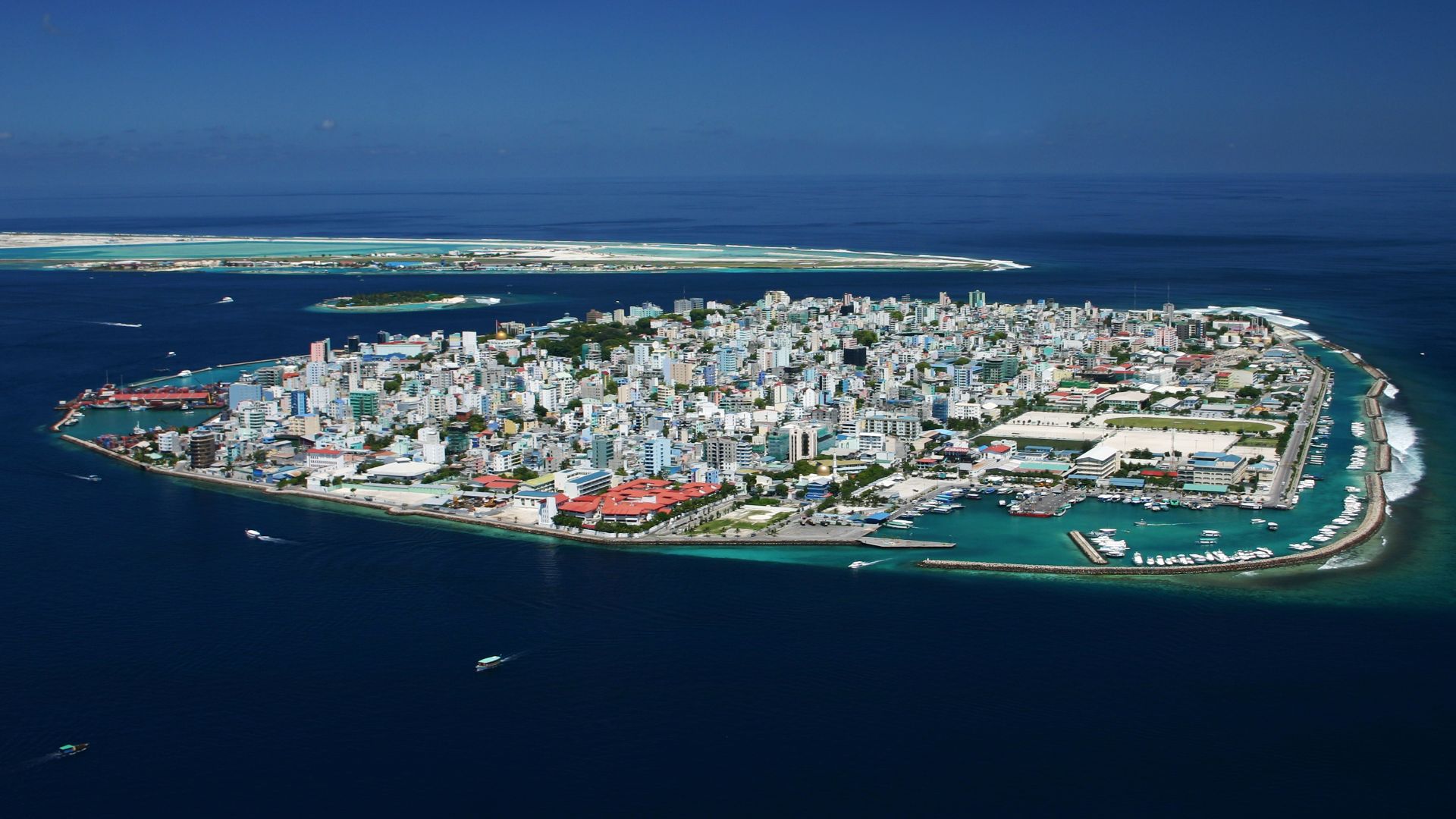 Shahee Ilyas, Wikimedia Commons
Switzerland
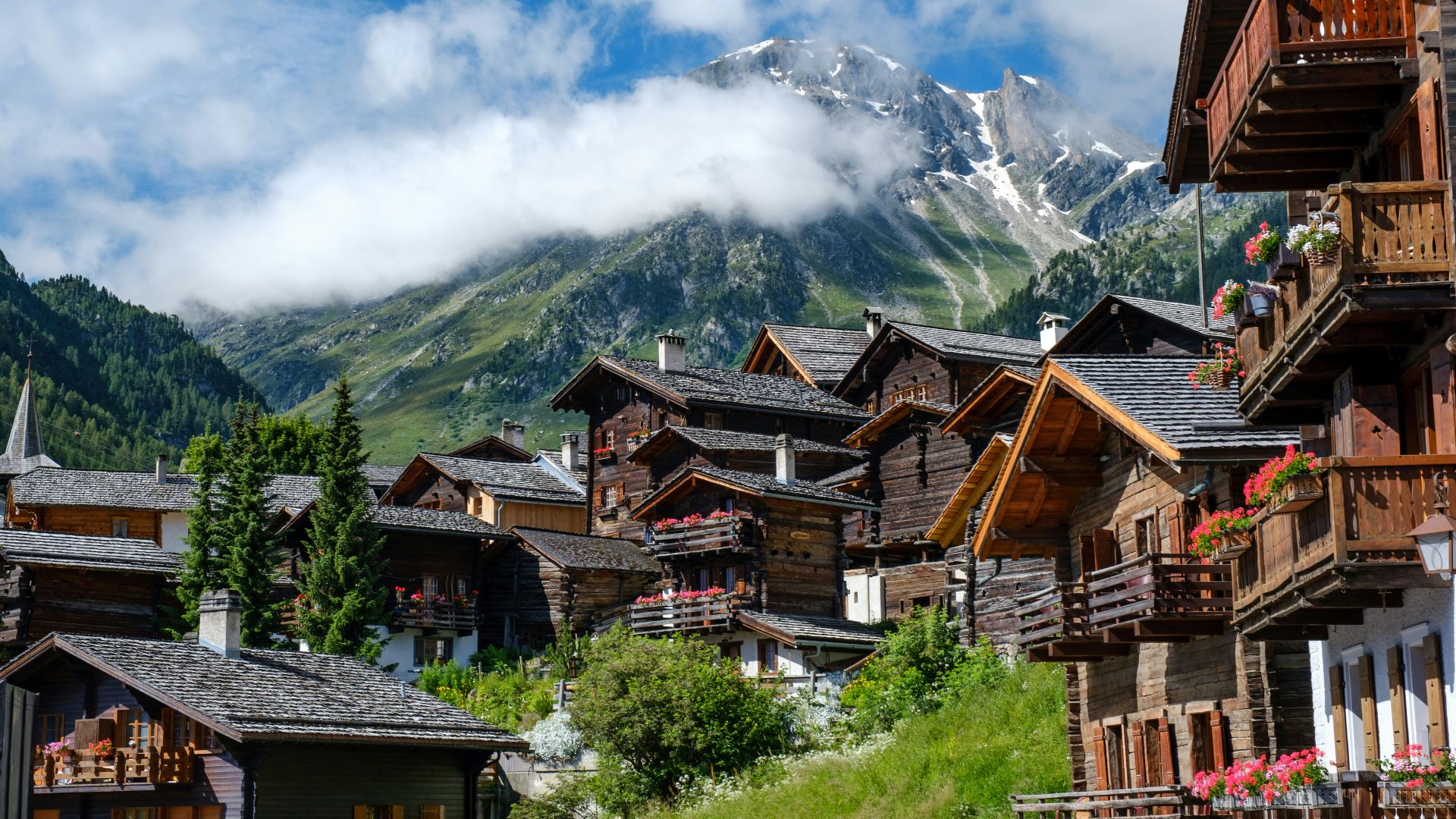
Oh, the land of chocolate is pretty, and US travelers cannot disagree on that. The issue lies in the prices: most restaurant meals routinely exceed $50 per person for ordinary pasta dishes, mind you, without drinks included. Public transportation is also another hefty cost that adds up shockingly fast.
 Patrick Robert Doyle, Unsplash
Bermuda
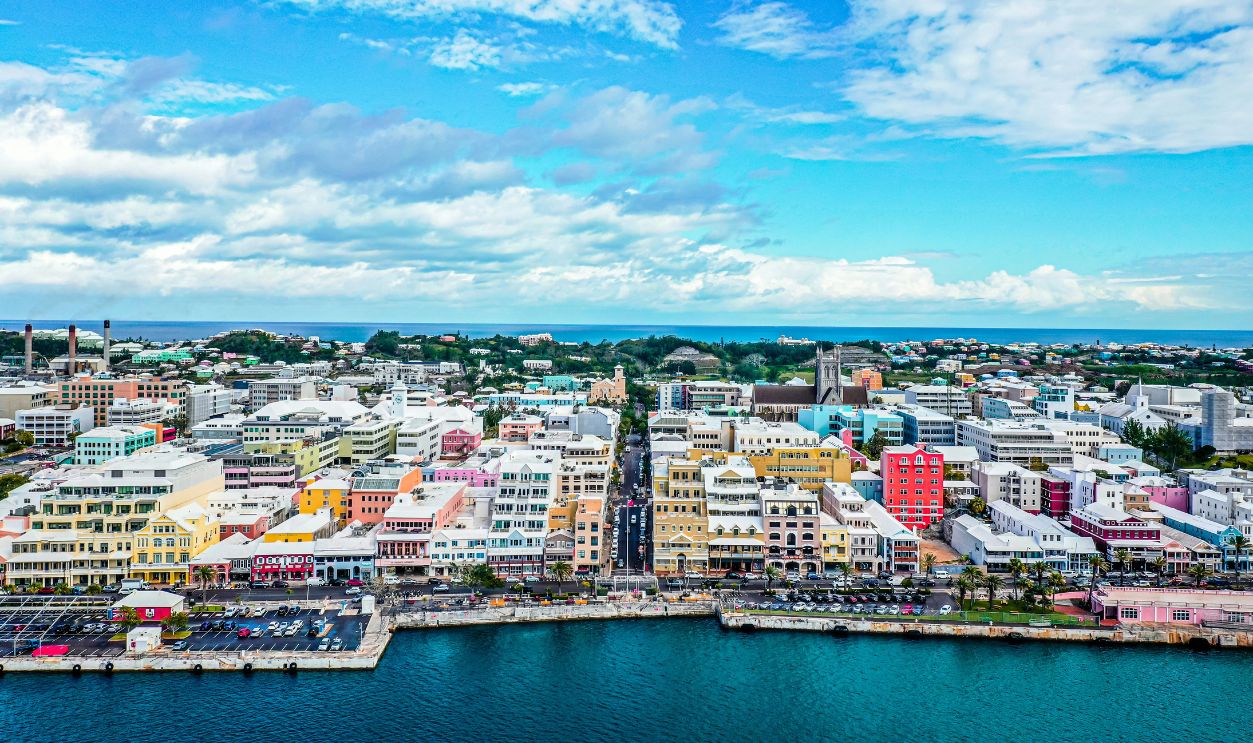
This tiny island charges premium prices for average experiences that don't justify the expense. Taxis from the airport cost $75 for a 20-minute ride to hotels. Pink sand beaches look pretty, but don't differ enough from Caribbean alternatives to warrant the premium. Better values exist throughout the region.
Liechtenstein
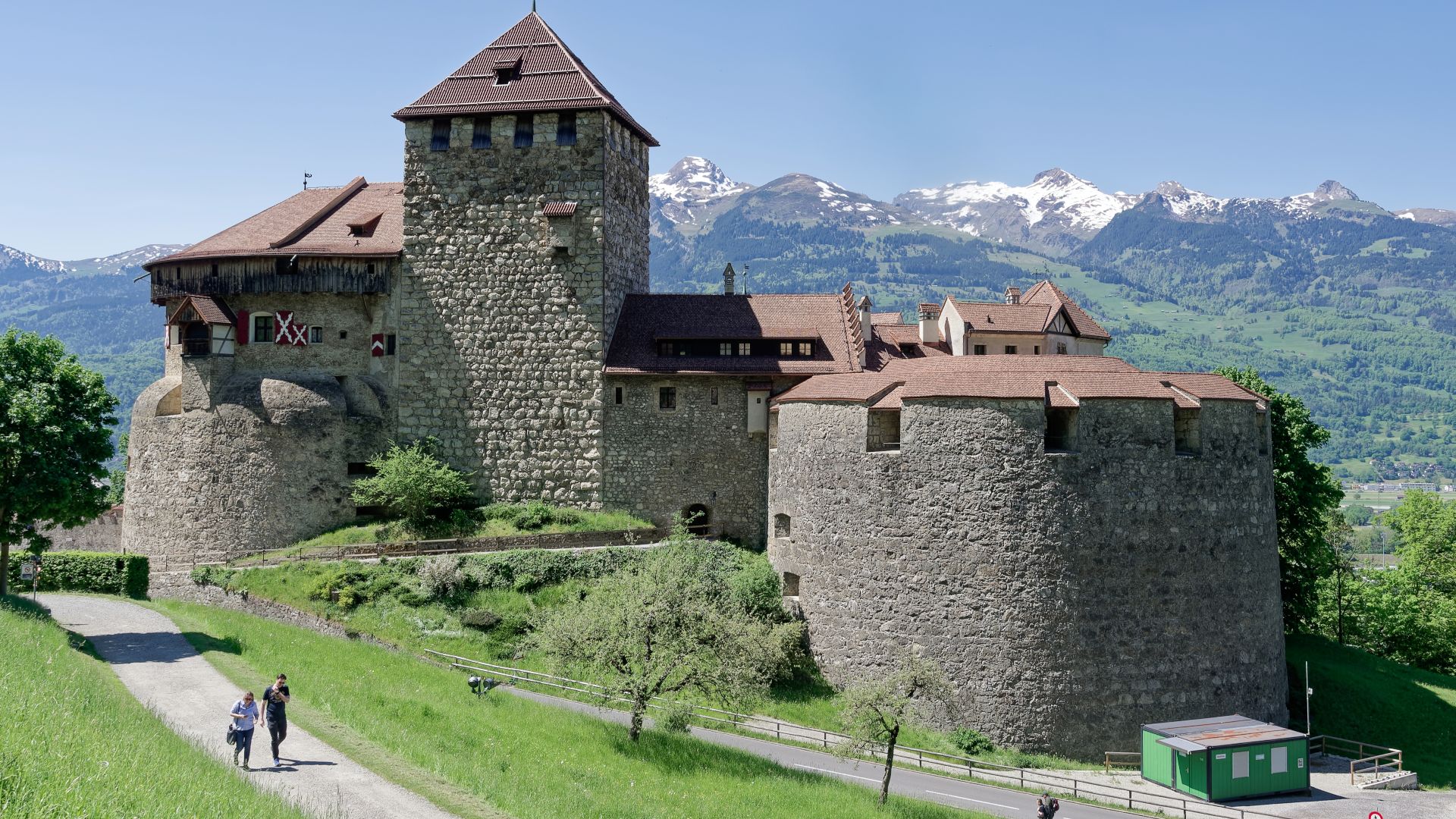
Vaduz offers little beyond a castle you cannot even enter. It also has souvenir shops packed with generic Alpine junk. Another factor is that the whole country takes a couple of hours to see. The hotel prices here rival those in Switzerland. Austria and Germany, nearby, offer far more reasons to linger.
 Jakub Halun, Wikimedia Commons
Dominican Republic
Travers who visit Punta Cana attest that hosts force them into all-inclusive resorts where everything feels packaged and frankly, quite forgettable. Now, suppose you want to do some exploring, stepping outside exposes the harsh poverty that hangs over the trip. Add to the equation vendors pushing hard.
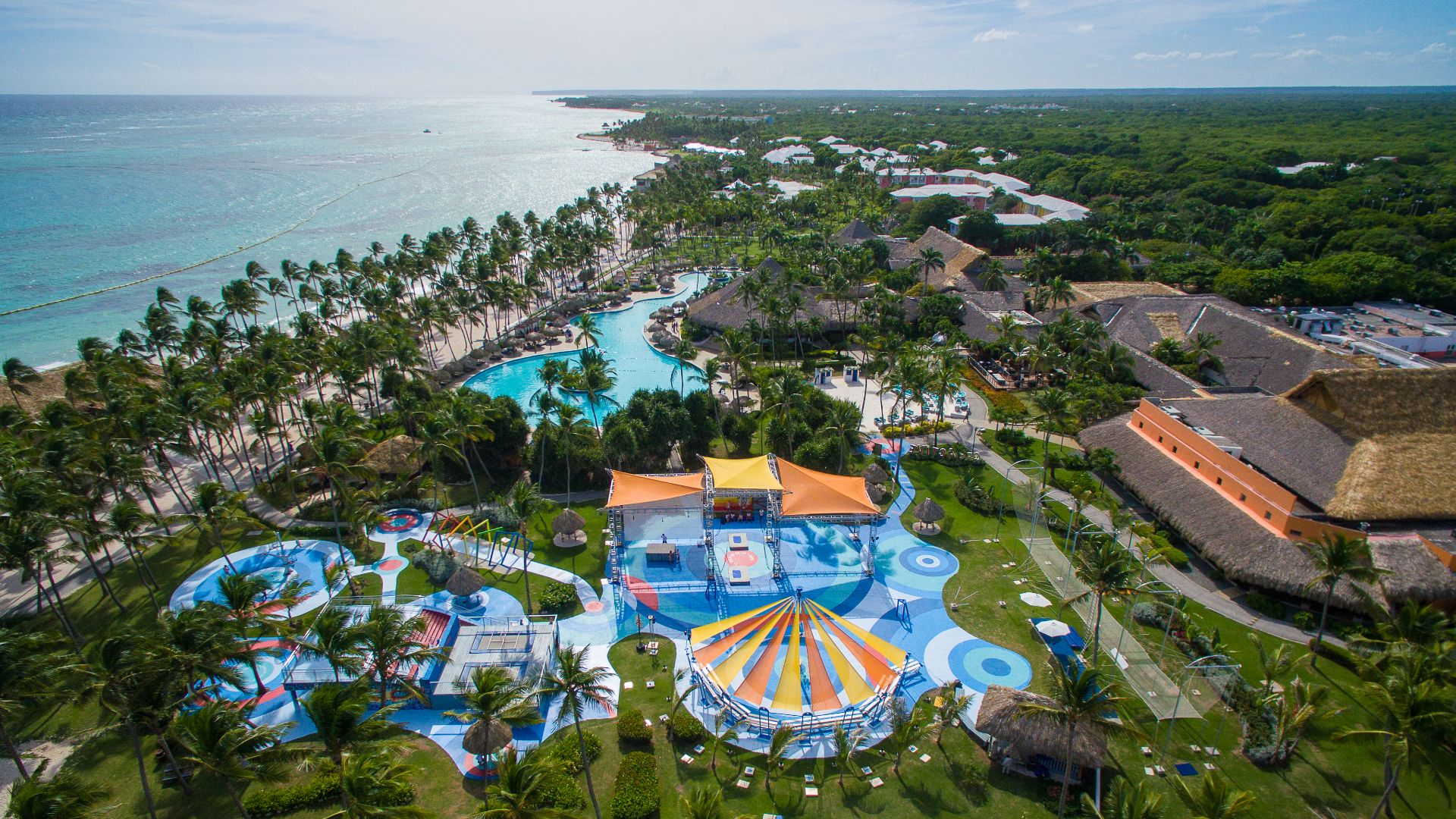 Ila Mae Thie, Wikimedia Commons
Costa Rica
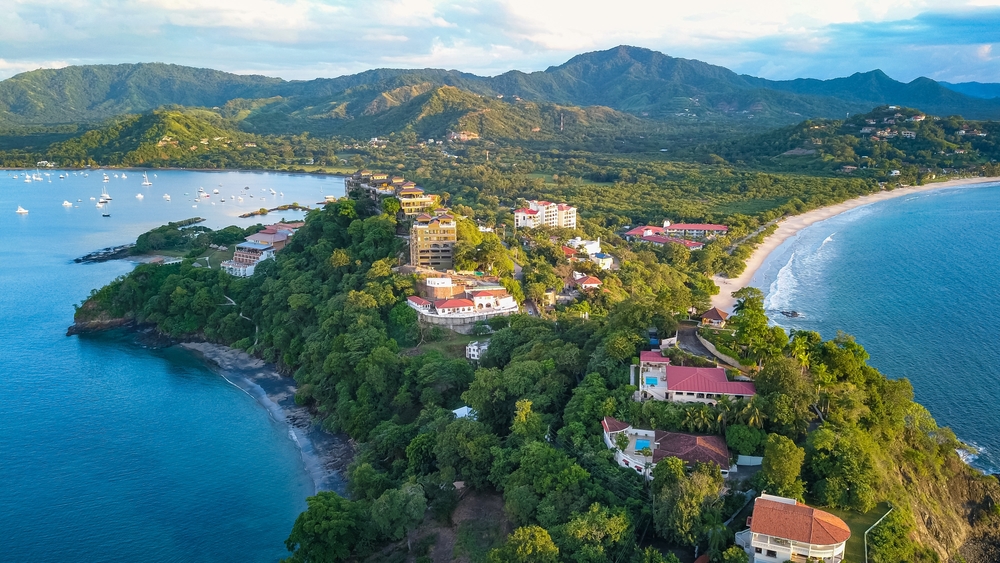
The location’s eco image falls apart amid crowds, traffic, and inflated prices. Tours cost far more than in nearby Nicaragua for similar rainforests and wildlife. Roads clog constantly, hostels overcharge for basic rooms, and the hype promises more than the country reliably delivers.
South Africa
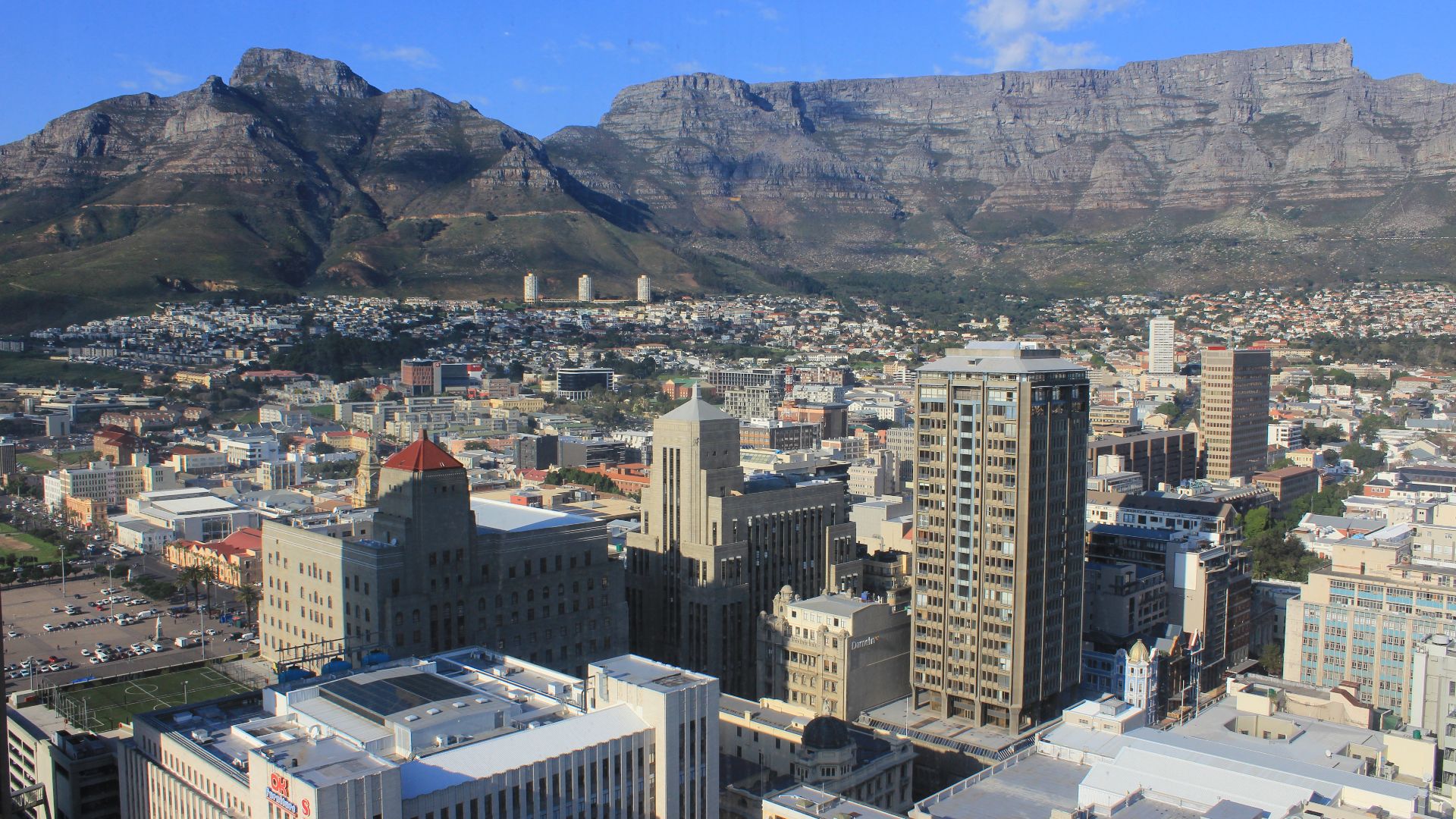
When you get here, just know that some locations demand nonstop awareness. Tourists hear warnings about crime and are advised to avoid walking after dark, despite the fact that they may spot armed guards everywhere. Even beautiful areas feel tense. Getting a tour guide who understands the area helps, though.
 Sami Mlouhi, Wikimedia Commons
Mexico
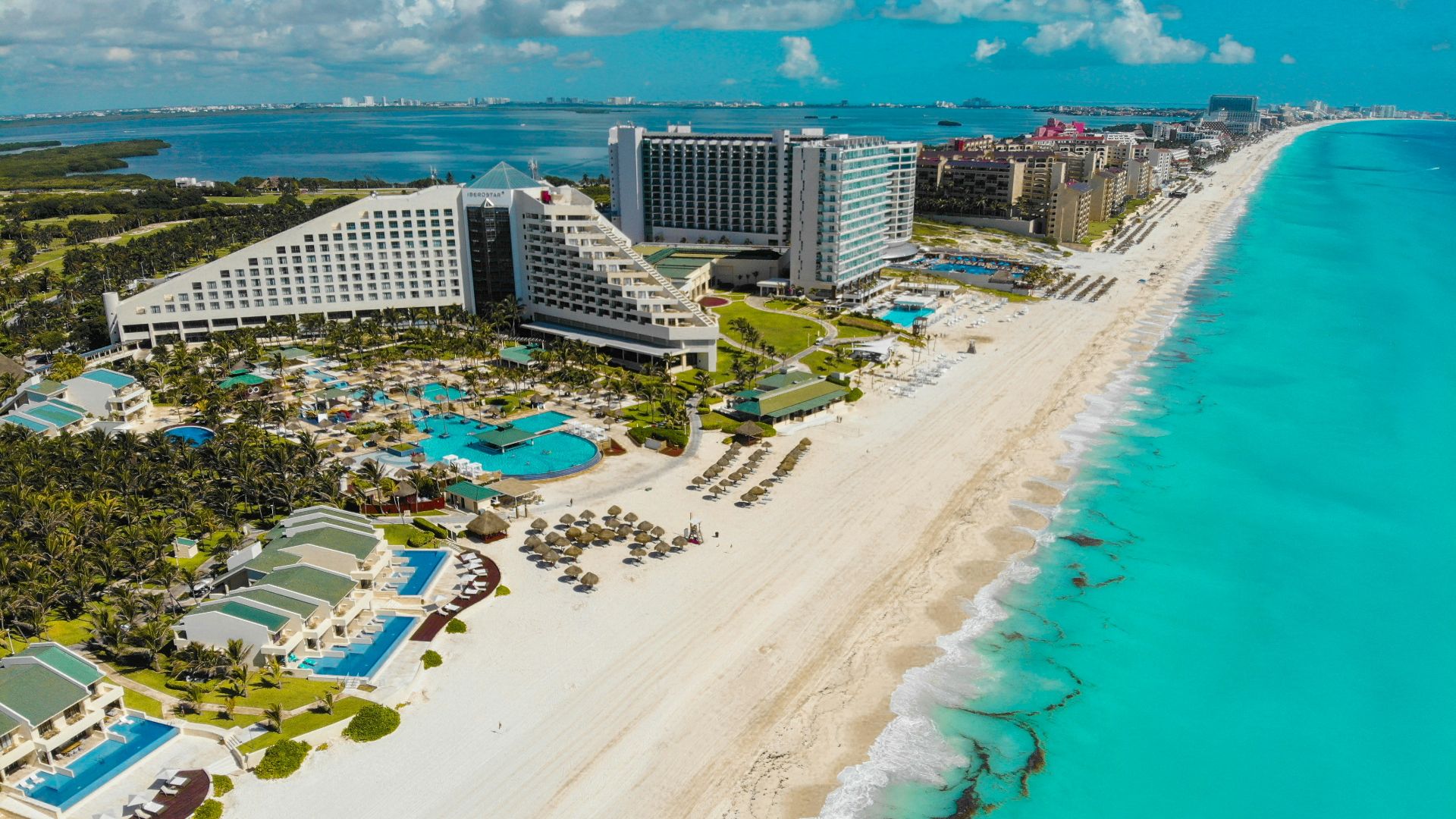
Cancun’s hotel zone feels disconnected from Mexico itself, filled with American-style entertainment and diluted food. Outside tourist bubbles, safety concerns grow real. Vendors push relentlessly, and authentic experiences require going elsewhere entirely to avoid constant frustration.
Venezuela
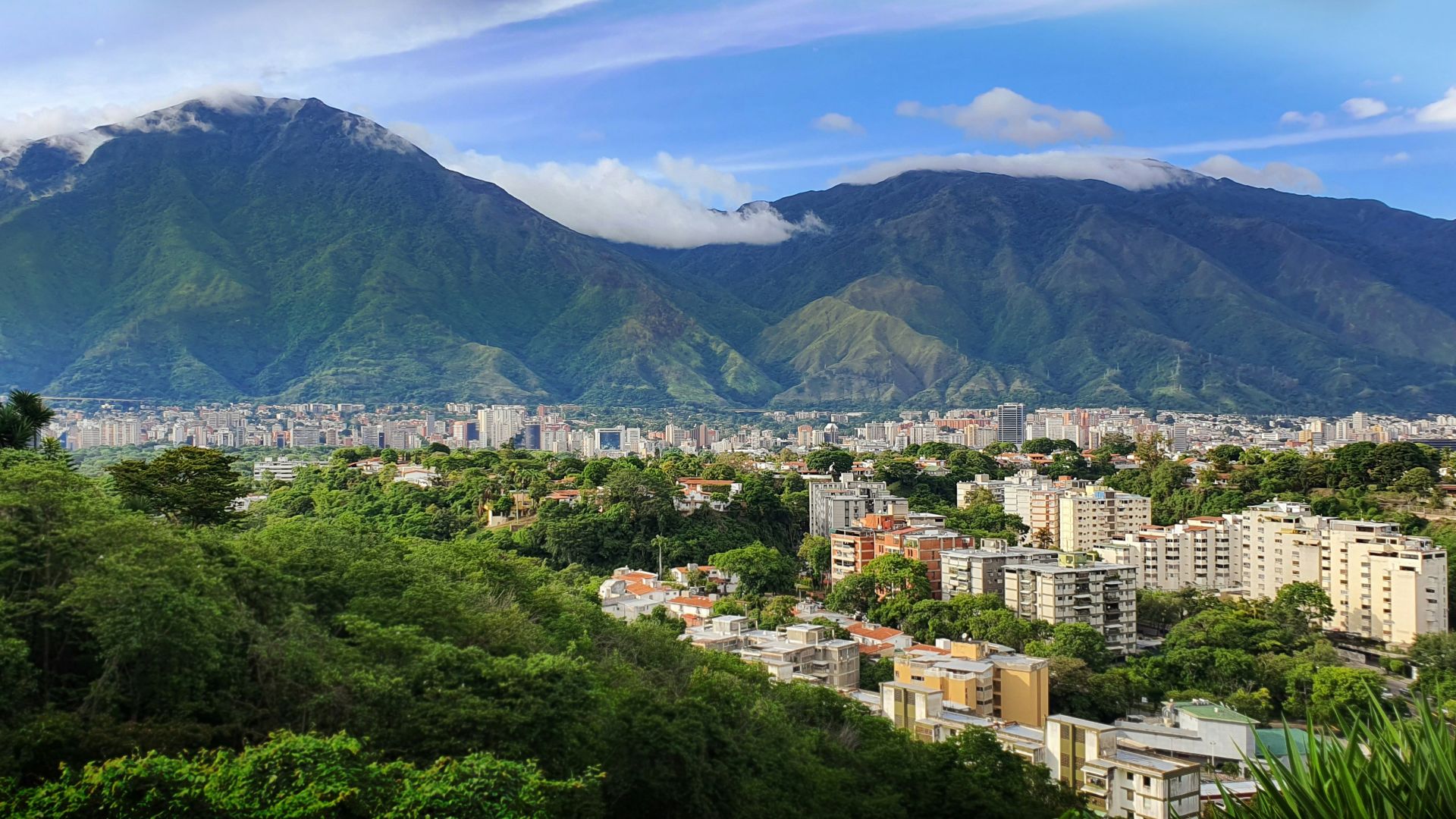
Visitors have complained of feeling overwhelmed with instability. It all starts with prices shifting constantly. Then shortages of items, power, and water in restaurants and hotels affect your stay. The crime rates are also concerning since they remain extreme. Political uncertainty adds tension, making travel stressful rather than adventurous.
Brazil
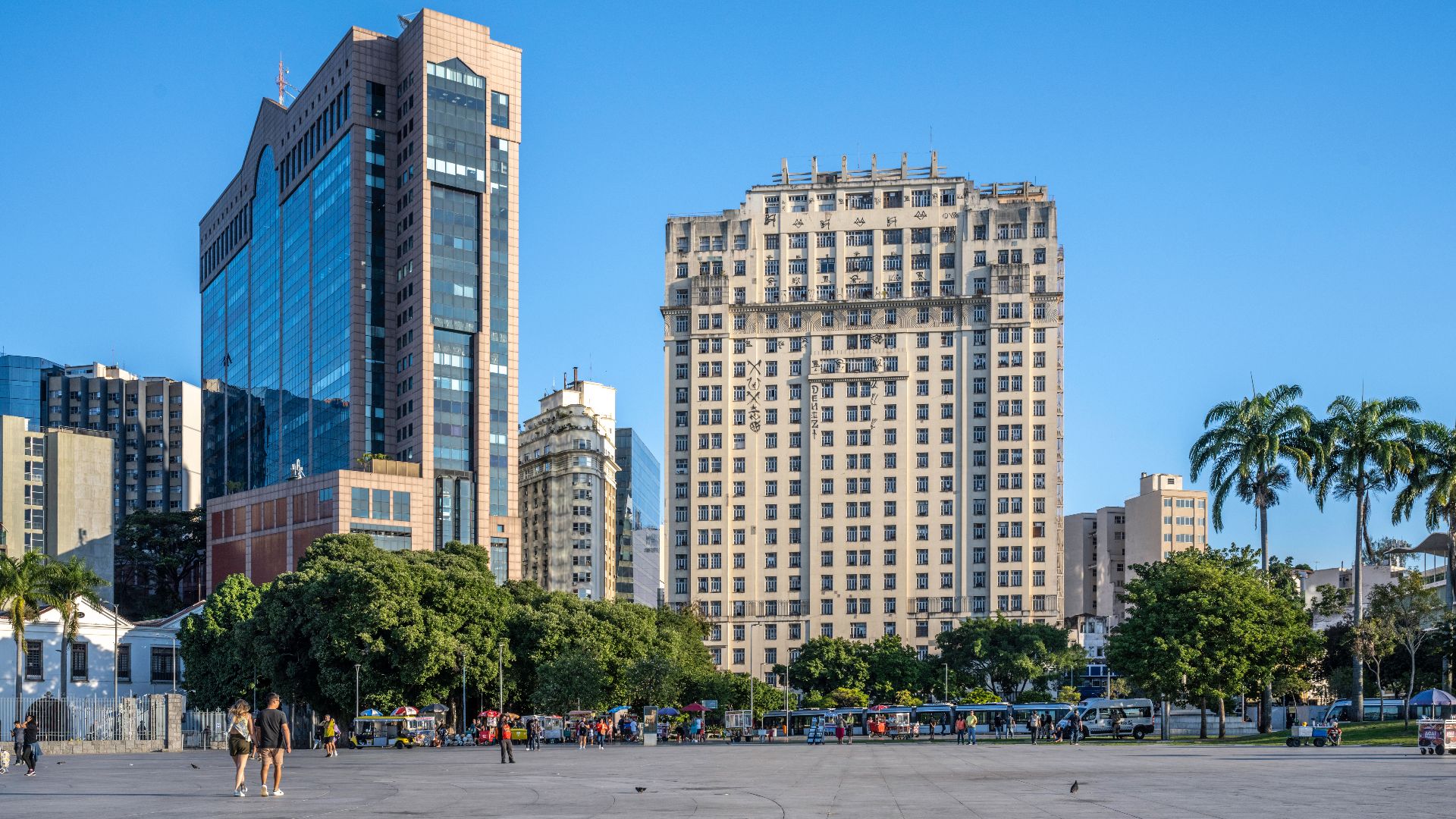
Rio’s beauty comes with constant caution. Wealthy areas border deep poverty, making tourists visible targets. Pickpockets work fast, and if you try report theft or petty crime of any kind, the police help feels unreliable. The city demands vigilance that drains energy from beaches, music, and scenery.
Bolivia
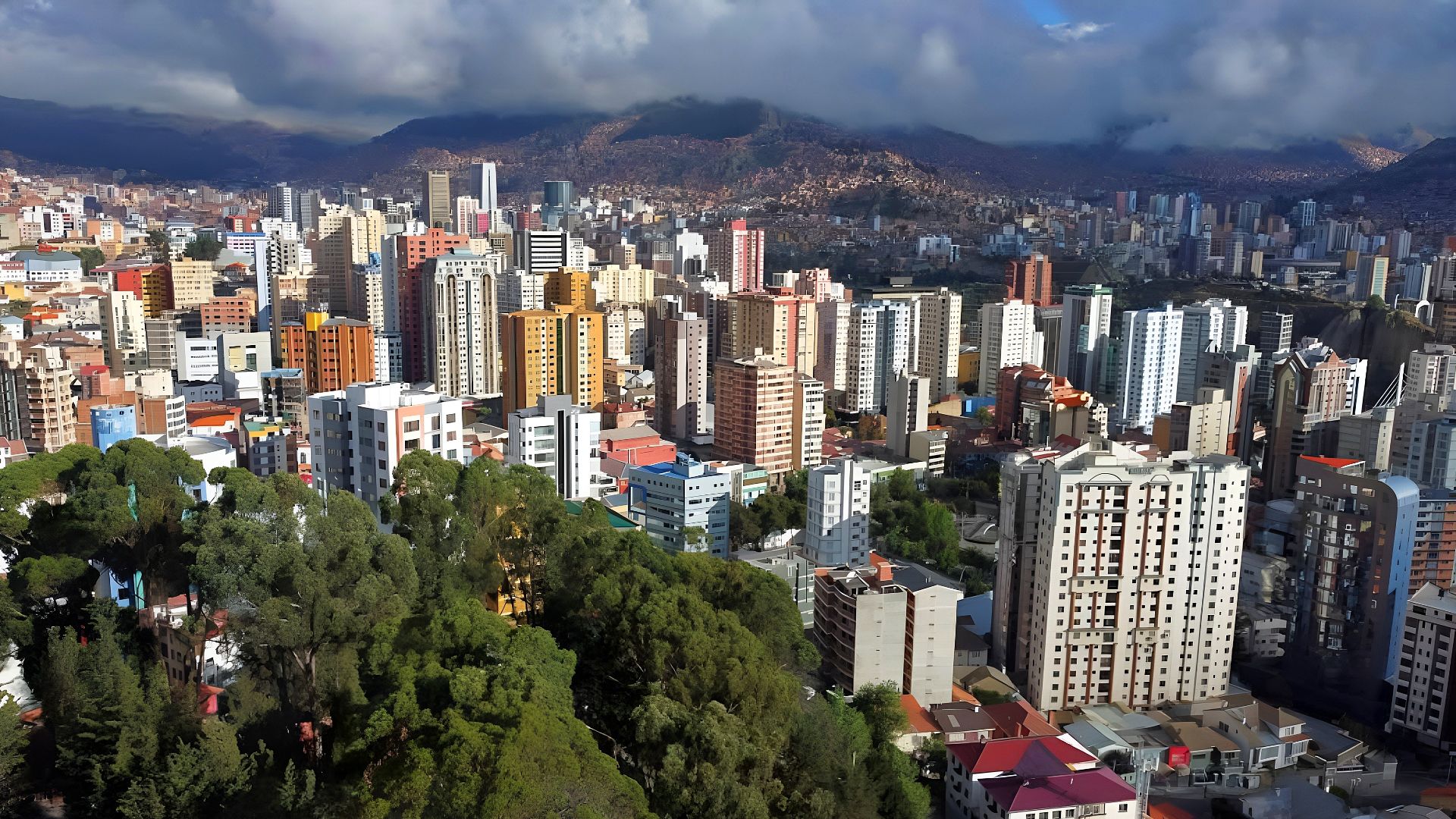
Altitude sickness in La Paz ruins the first days for many travelers. Long bus rides feel cramped and uncomfortable; infrastructure lags behind that of neighbors. Sanitation issues may cause stomach trouble. Incredible scenery exists, but the daily discomfort of getting through it wears visitors down fast.
 Parallelepiped09, Wikimedia Commons
Thailand
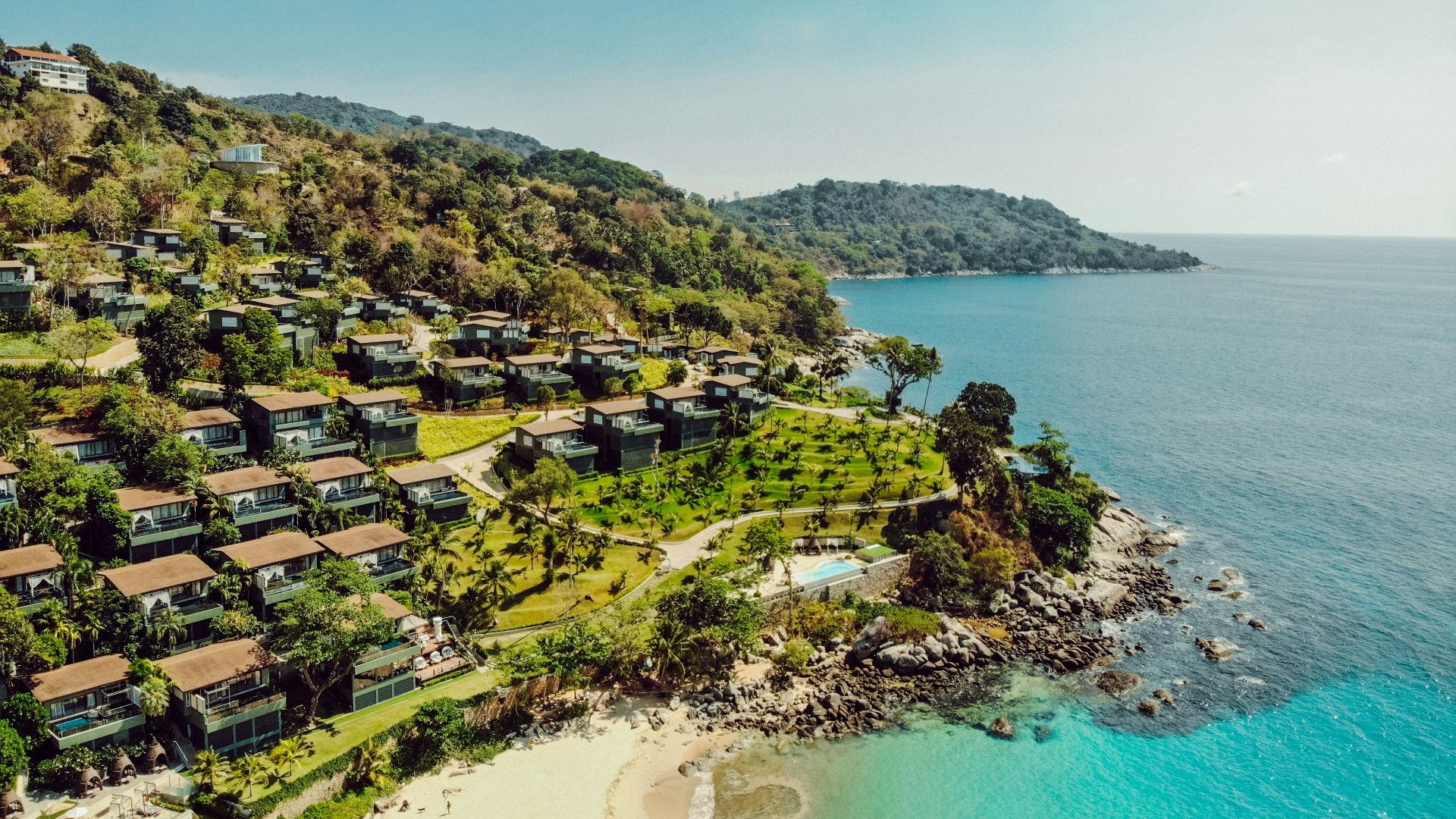
The country’s tourist zones are rife with scams, overcharging, and constant hustling. Phuket beaches feel privatized by vendors, while party islands attract chaos and drugs. Pollution and traffic additionally overwhelm cities to the point where crowds erase the peaceful escape image that once drew travelers here.
Vietnam
Crossing streets feels dangerous; vendors chase relentlessly. And don’t get us started on the scams that appear everywhere. Any person visiting slips into a constant state of vigilance, which becomes the norm. Natural beauty exists, but the mental effort required to avoid being cheated makes genuine relaxation rare.
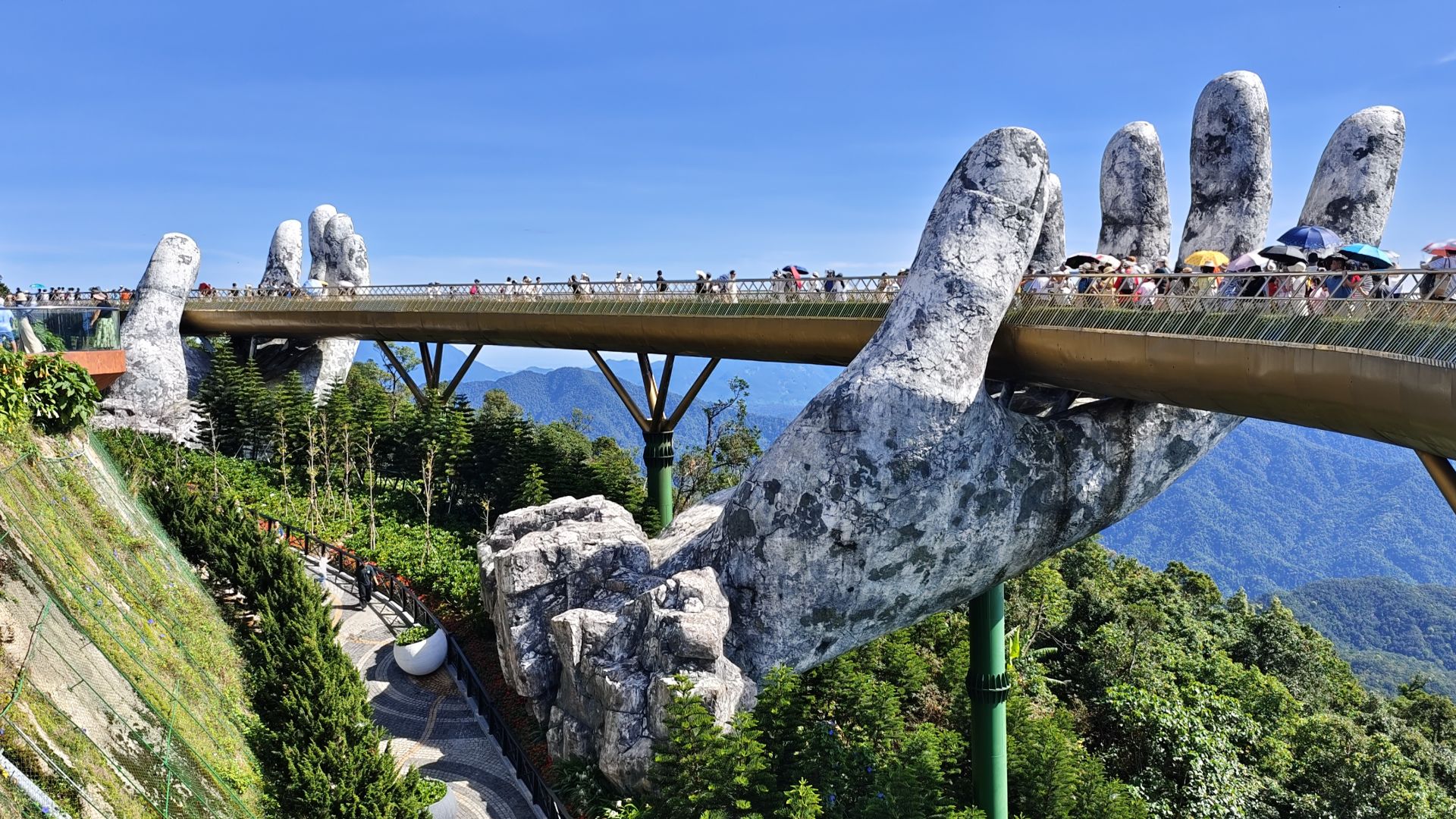
France
This nation disappoints with unfriendly locals who openly show disdain toward English-speaking tourists. There have also been reports of the city reeking of urine in metro stations and popular tourist zones around major landmarks. Safety is also a concern, as pickpockets operate brazenly near famous landmarks, targeting distracted visitors.
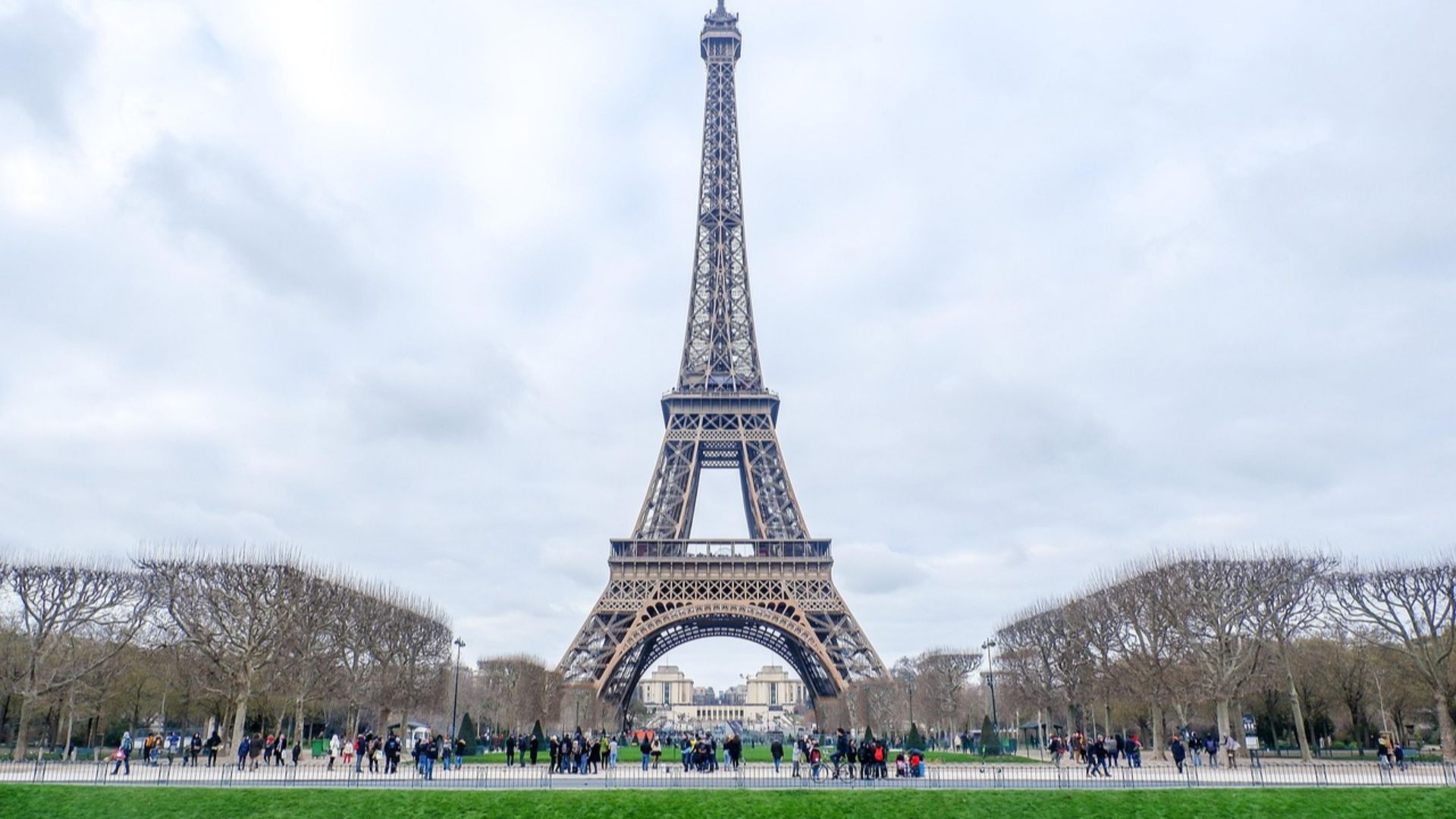
Italy
Venice drowns under cruise ship crowds that clog narrow walkways. Gondola rides cost over 100 euros (approximately $117) for 30 minutes of bumper-boat navigation through congested canals. The entire city literally sinks by millimeters each year, while tourism significantly accelerates structural damage.
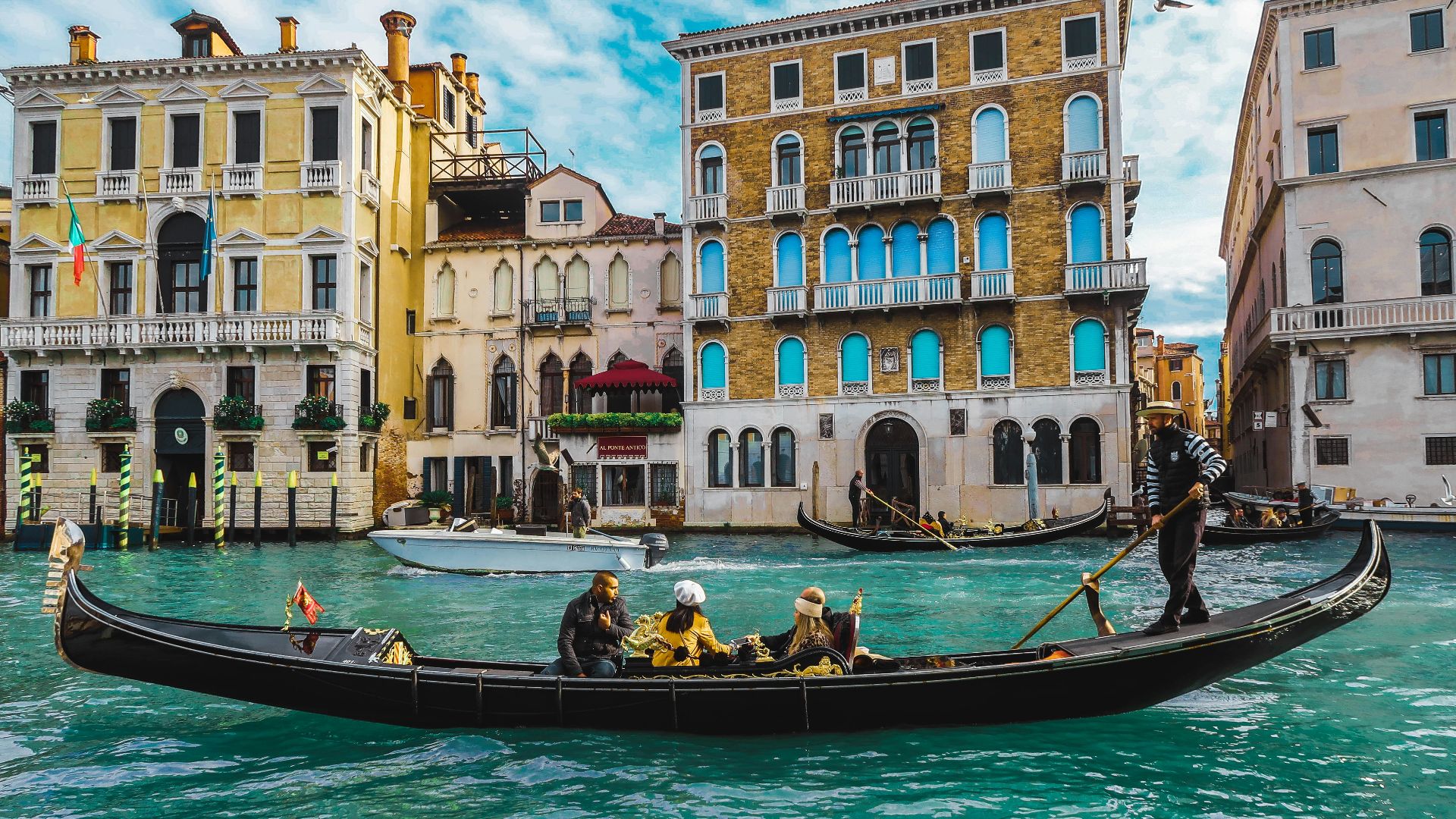
Greece
Greece’s famous sunsets, especially in Santorini, demand pushing through shoulder-to-shoulder crowds just to see the horizon. Cliffside hotels charge premium prices for cramped rooms and questionable plumbing that sometimes smells awful. Donkeys hauling tourists up steep paths show signs of exhaustion and mistreatment in the heat.
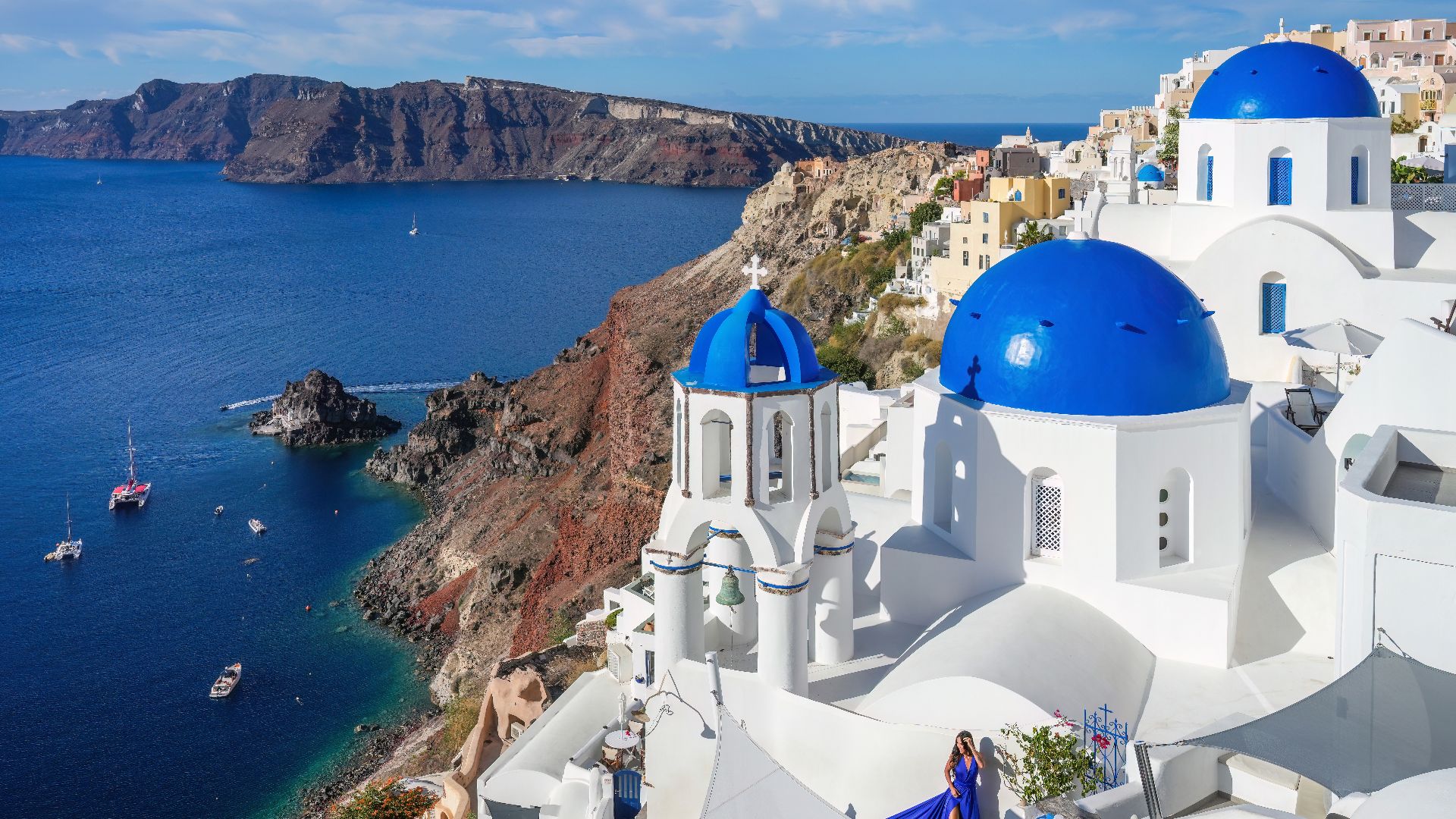 Giles Laurent, Wikimedia Commons
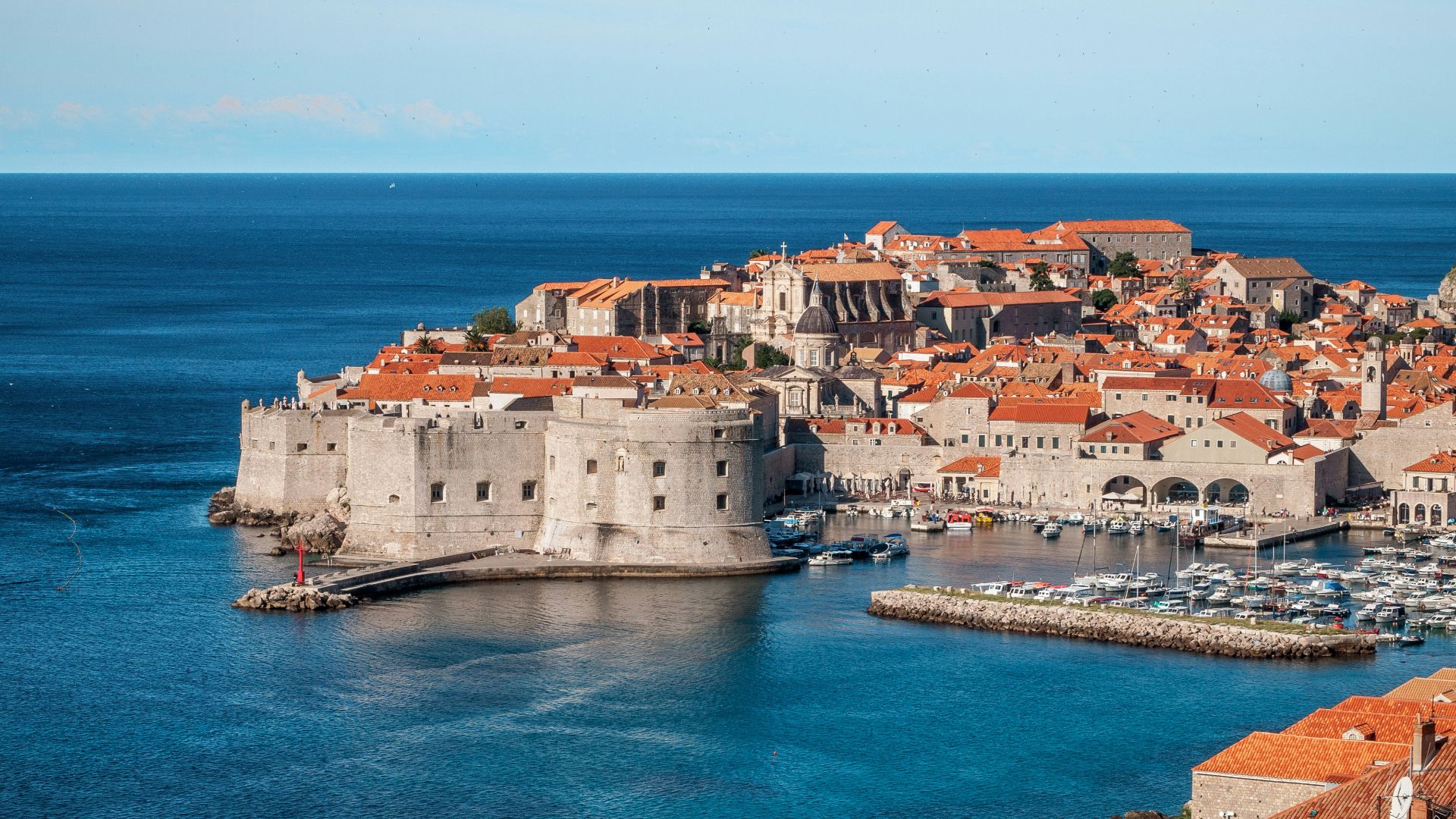
Croatia
Dubrovnik changed fast after Game of Thrones fame flooded the walled city with tourists. Cruise ships unload thousands daily, crushing narrow streets. Local character vanished, replaced by overpriced gelato and dragon egg souvenirs. Restaurants doubled prices and cut quality. Medieval beauty remains barely.
Czech Republic
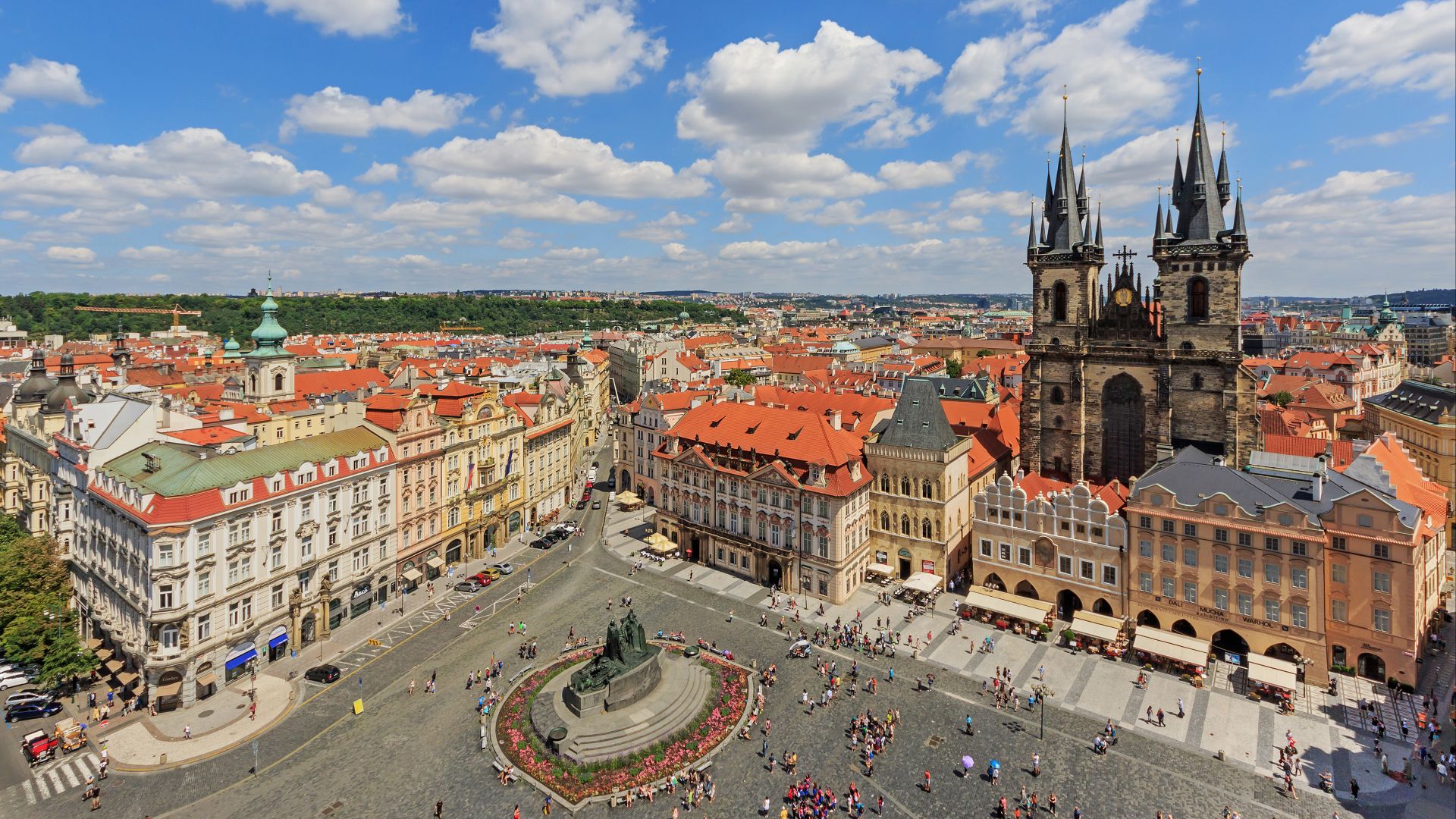
Prague’s Old Town feels like theme park Europe, crowded with stag parties and guidebook followers. Meals repeat bland schnitzel and dumplings everywhere. The astronomical clock in the city draws massive crowds for a second-long show. Cheap beer helps, but still, other Eastern European cities feel more real overall.