Well, This Vacation Just Got Interesting
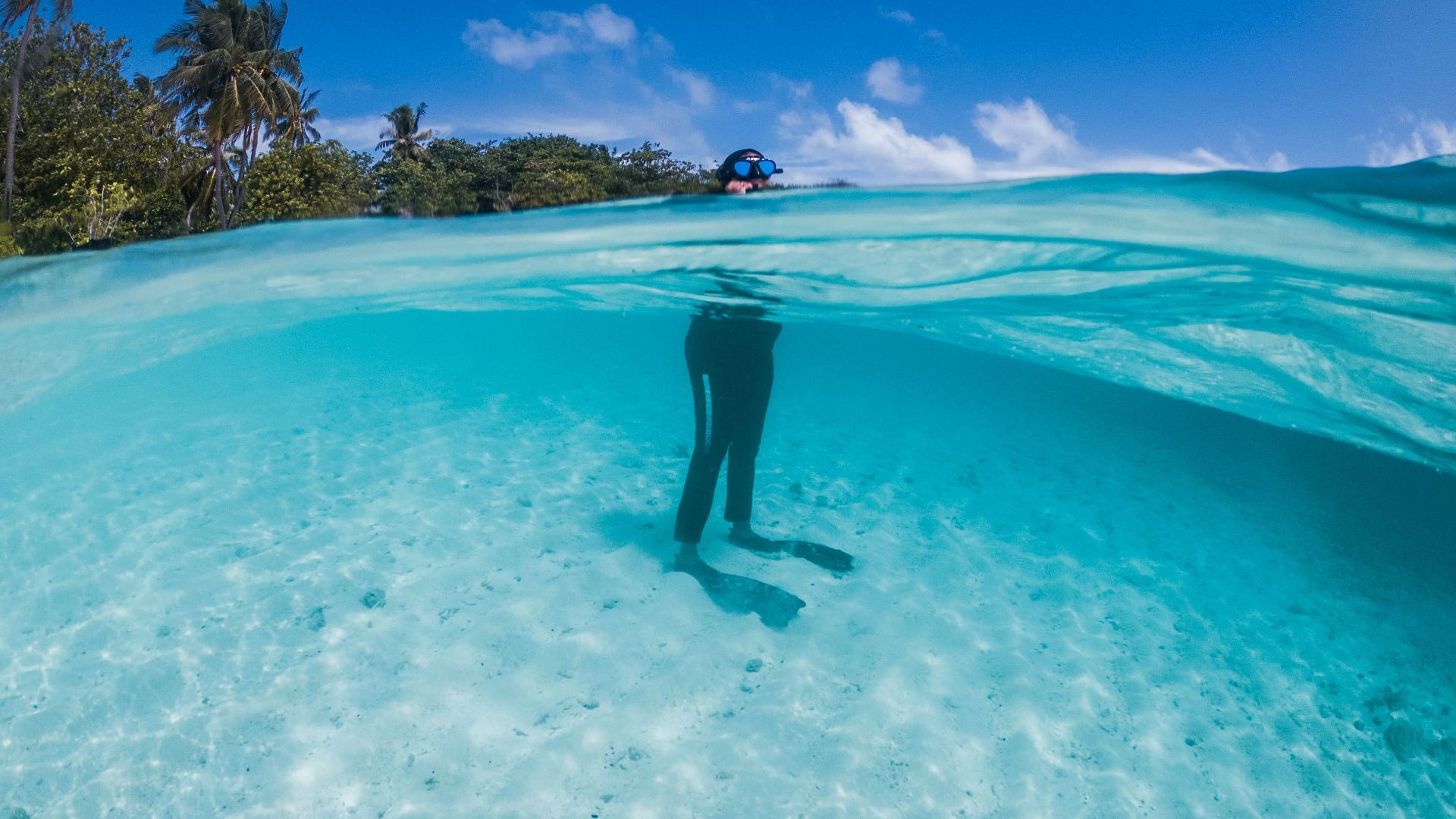
You're snorkeling in clear water when something on the bottom catches the light. You reach down, brush away a little sand and realize it isn't a bottle cap.
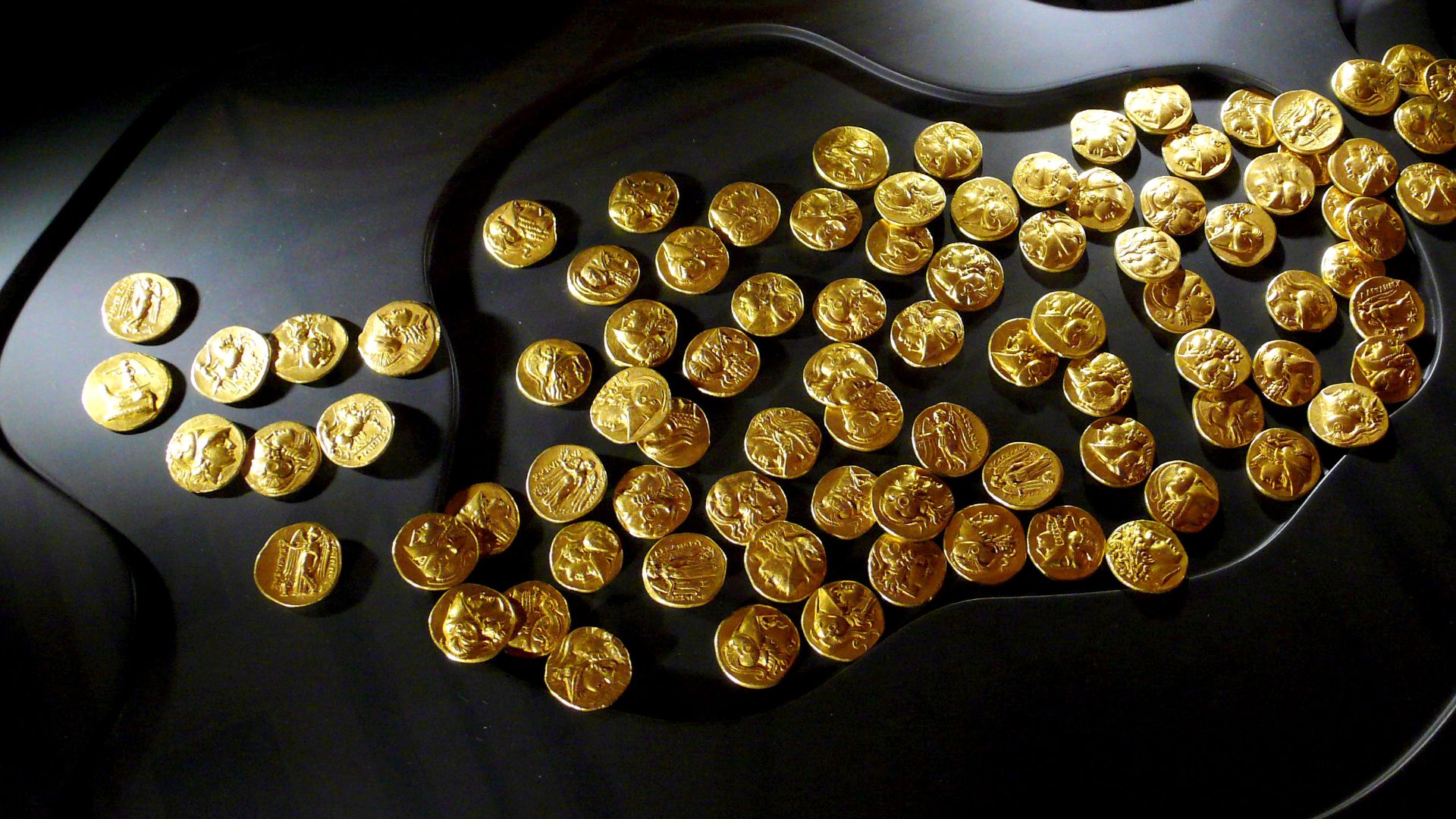
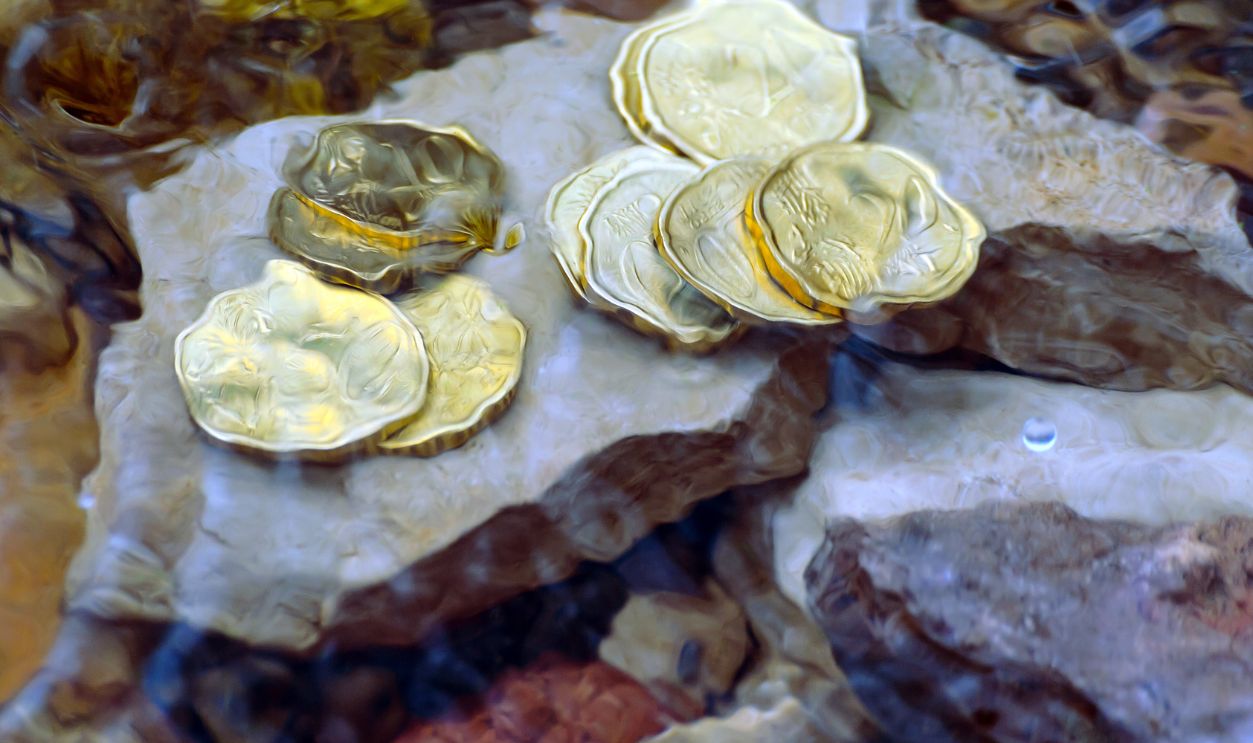
It's a coin. Then another. Then another. By the time you're done, you've found 10 old coins underwater. Congratulations. You may have found treasure. You may also have created a surprisingly complicated legal problem.

It Feels Like The Easiest Rule In The World
Nobody handed you the coins. You didn't sneak onto someone's property. You were swimming, spotted something apparently abandoned and picked it up. That sounds like the childhood definition of "finders keepers." Unfortunately, governments and archaeologists have slightly more complicated rules than the ones we used on the playground.
The First Question Isn't What They're Worth
Before wondering whether those coins might pay for the vacation, there's something more important to figure out: Where exactly were you when you found them? The country, the beach, whether you were inside protected waters and even who owns the seabed beneath you can completely change the answer.
Underwater Is Where Things Get Complicated
A coin someone dropped beside a beach chair yesterday and a centuries-old coin sitting on the seabed may look similar. Legally, they can be very different. Once something starts looking historical or archaeological, ordinary lost-property rules may stop being the biggest concern.
 Stanislav Stelmakhovich, Unsplash
And Ten Coins Makes This More Interesting
One modern coin in shallow water probably isn't going to have anyone reaching for an archaeology textbook. Ten apparently old coins clustered in one spot deserve more caution. They could have an innocent explanation. Or they could be connected to something much bigger beneath the sand.
Archaeologists Care About More Than The Coins
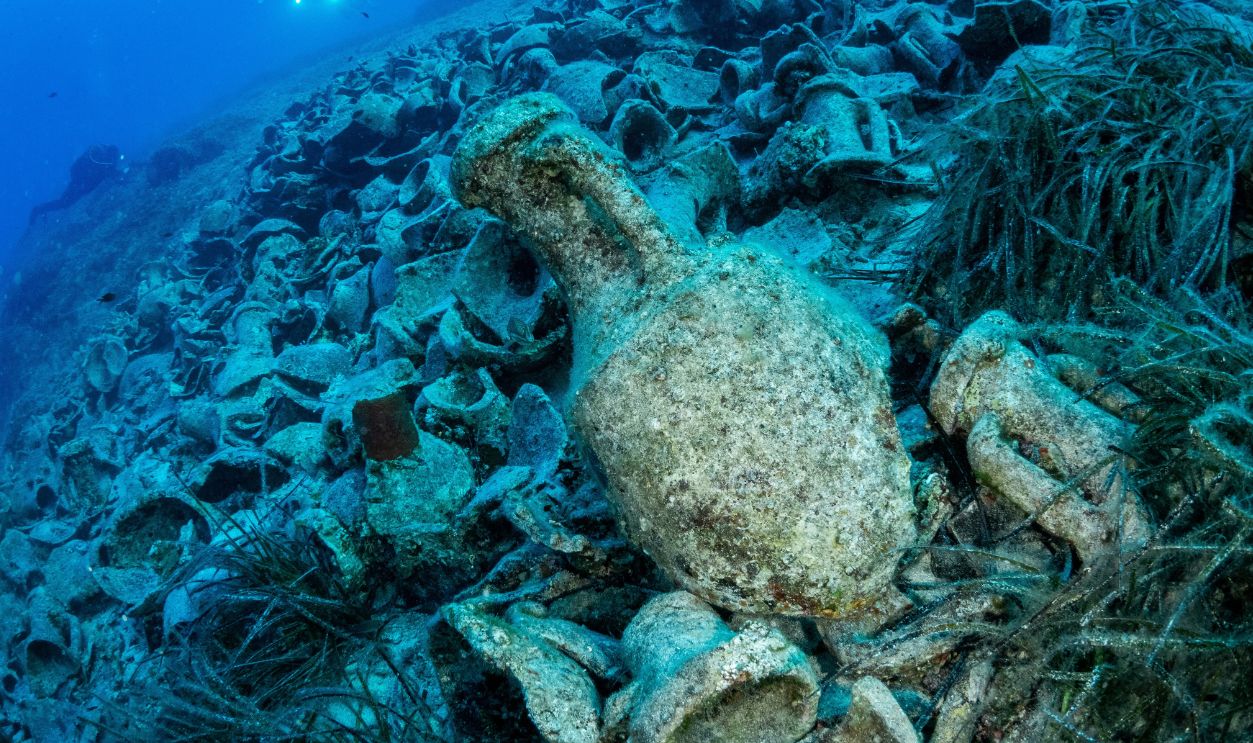
To you, the exciting part is the handful of old money. To an archaeologist, where those coins were sitting may be just as important. Their position beside wood, pottery or other objects could help reveal whether you found loose change or part of an archaeological site.
 https://www.flickr.com/photos/rosemania/, Wikimedia Commons
"Old" Isn't A Magic Legal Category
There isn't one worldwide rule saying something becomes government property the moment it reaches a certain age. Different countries protect archaeological material differently. Still, there is one number that comes up surprisingly often when underwater archaeology enters the conversation: 100 years.
UNESCO Uses The 100-Year Mark
UNESCO's 2001 Convention defines underwater cultural heritage as certain historically or archaeologically significant traces that have been underwater for at least 100 years. That can include artifacts, vessels and cargo. The United States isn't a party to the convention, but the 100-year mark appears much closer to home too.
But UNESCO Doesn't Own Your Coins
The UNESCO convention doesn't decide who owns every old object found underwater, and it doesn't replace each country's laws. In fact, it doesn't settle ownership at all. The important part is simpler: once something looks genuinely historic, assuming it's ordinary abandoned property becomes a risky shortcut.
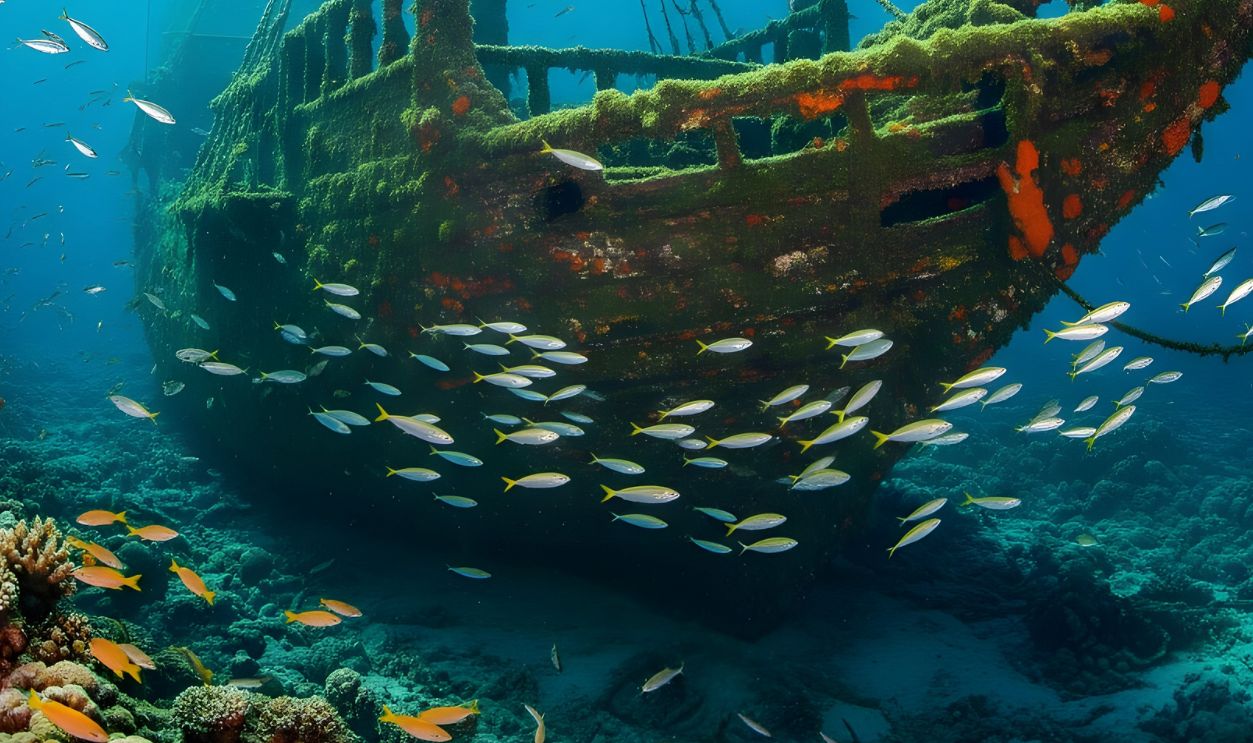
America Has A 100-Year Rule Too
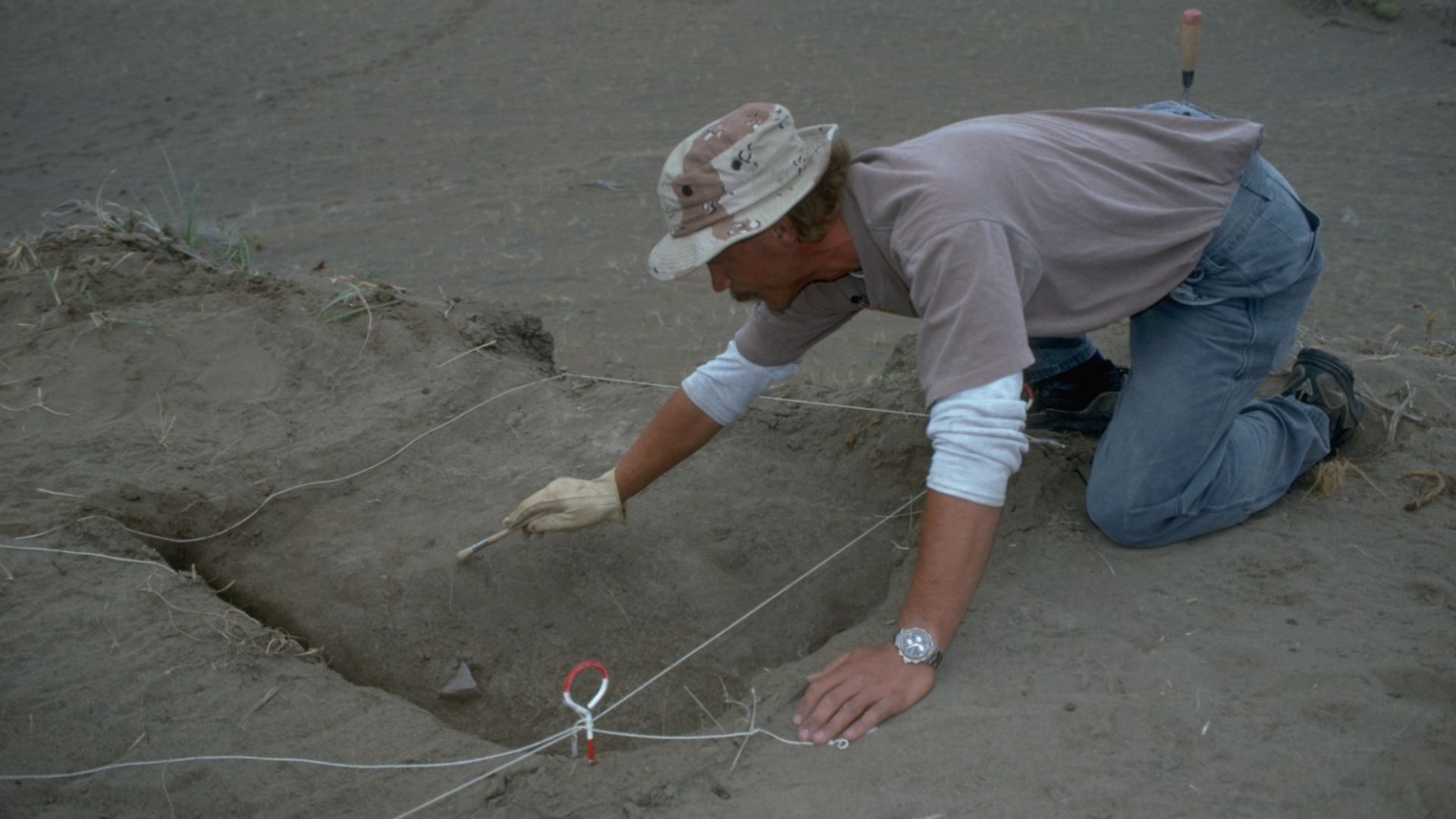
That 100-year number also appears in U.S. federal archaeology law. Under the Archaeological Resources Protection Act, an archaeological resource generally must be at least 100 years old and of archaeological interest. ARPA applies on federal public lands and Indian lands, not every beach in America.
 Bureau of Land Management, Wikimedia Commons
In A National Park, The Answer Is Easy
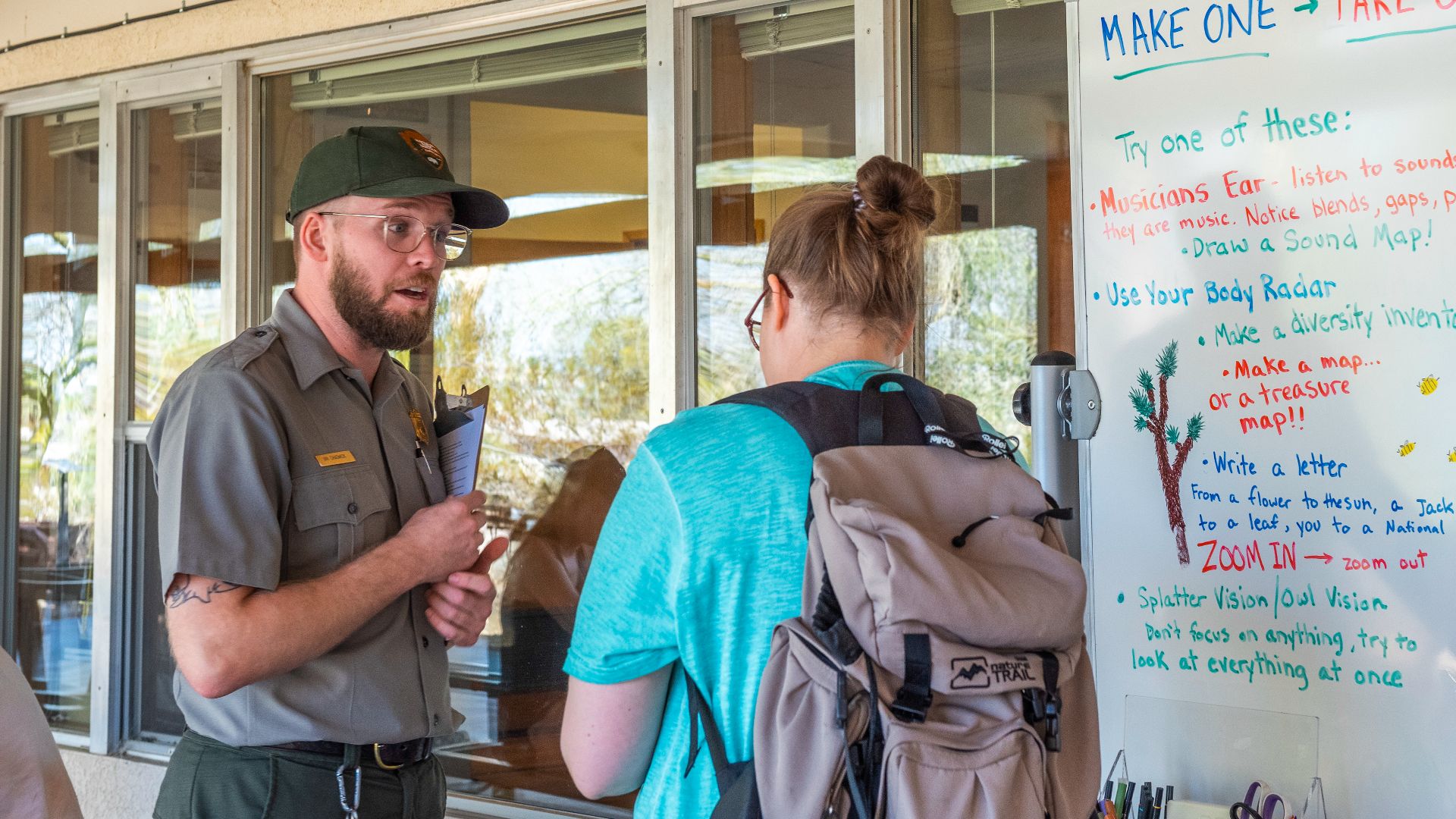
If you find archaeological artifacts in a U.S. national park, don't take them. The National Park Service tells visitors to leave artifacts where they find them, including underwater. In this situation, "finders keepers" gets a different ending: finders tell a ranger.
 Joshua Tree National Park, Wikimedia Commons
Florida Is A Perfect Example
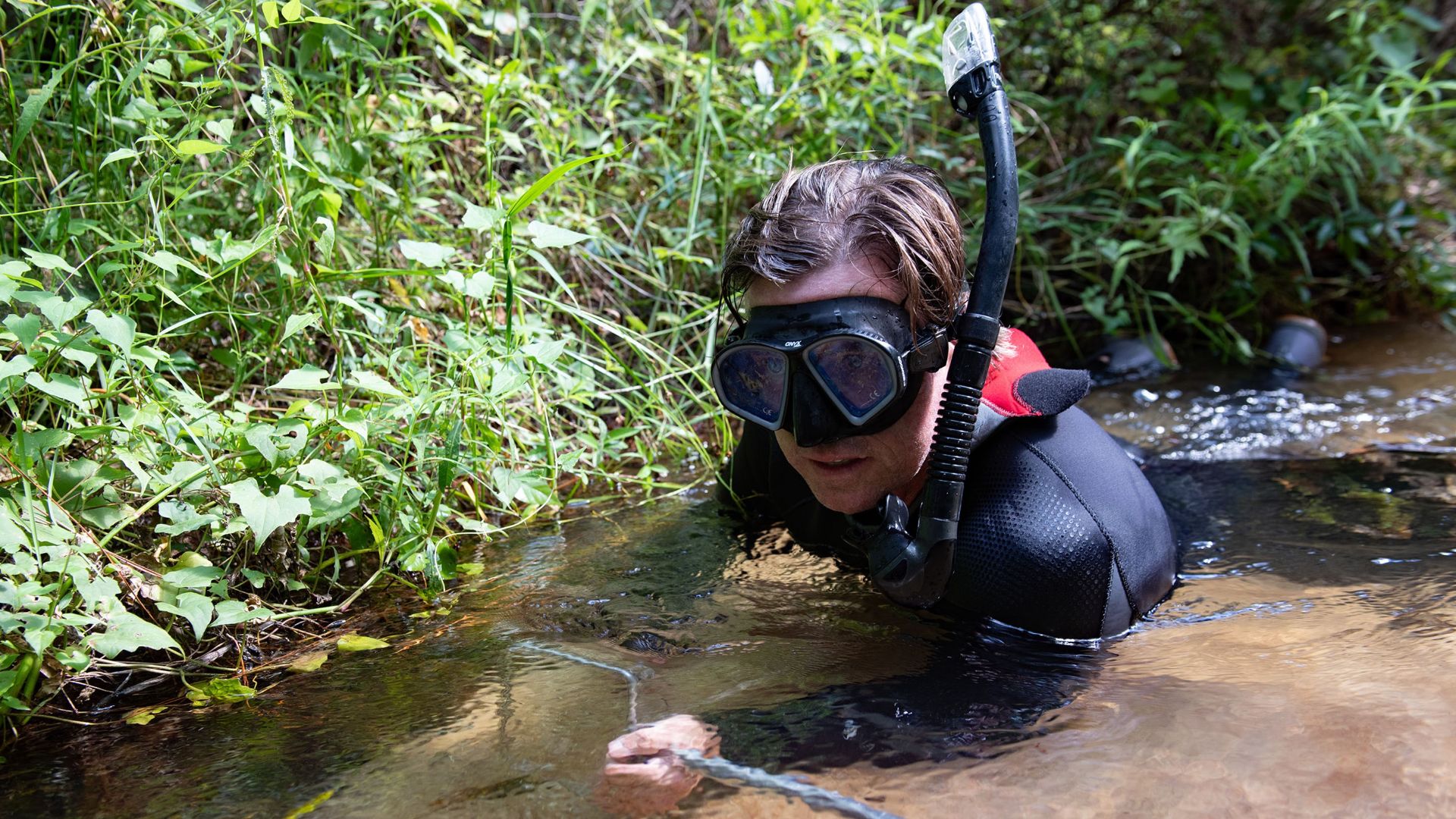
Imagine our snorkeling vacation happens in Florida, which isn't exactly a stretch. Florida encourages people to explore its underwater history and historic wreck sites. What it doesn't encourage is treating archaeological material on state-owned submerged land like the souvenir aisle at the airport.
Florida Says Look, Don't Take
Florida says archaeological and historical objects on state-owned lands and submerged bottomlands can't simply be disturbed or removed without authorization. Its underwater archaeology office advises people who discover archaeological material to leave it in place, photograph it and report it instead.
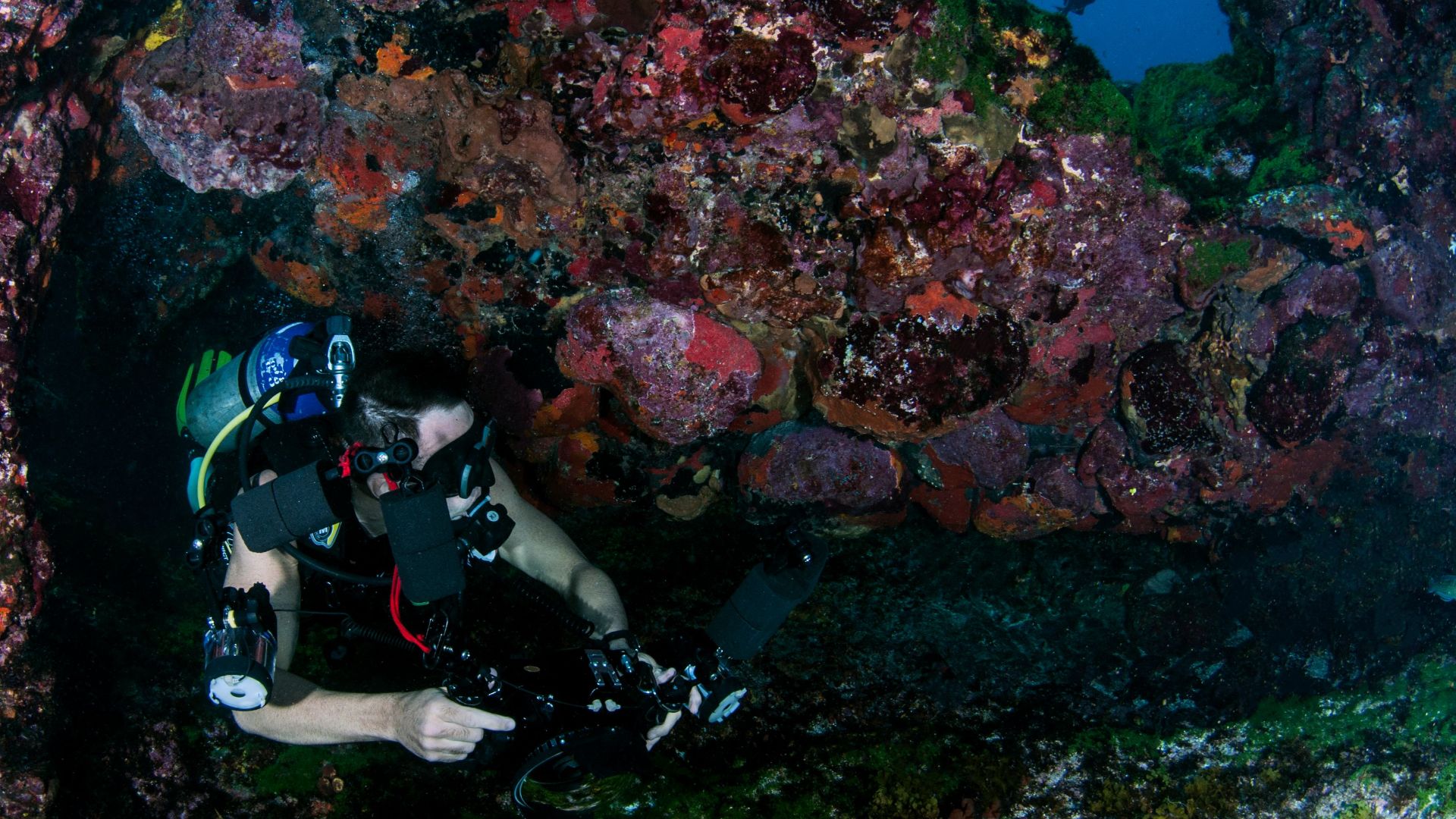
Yes, The Bottom Can Belong To The State
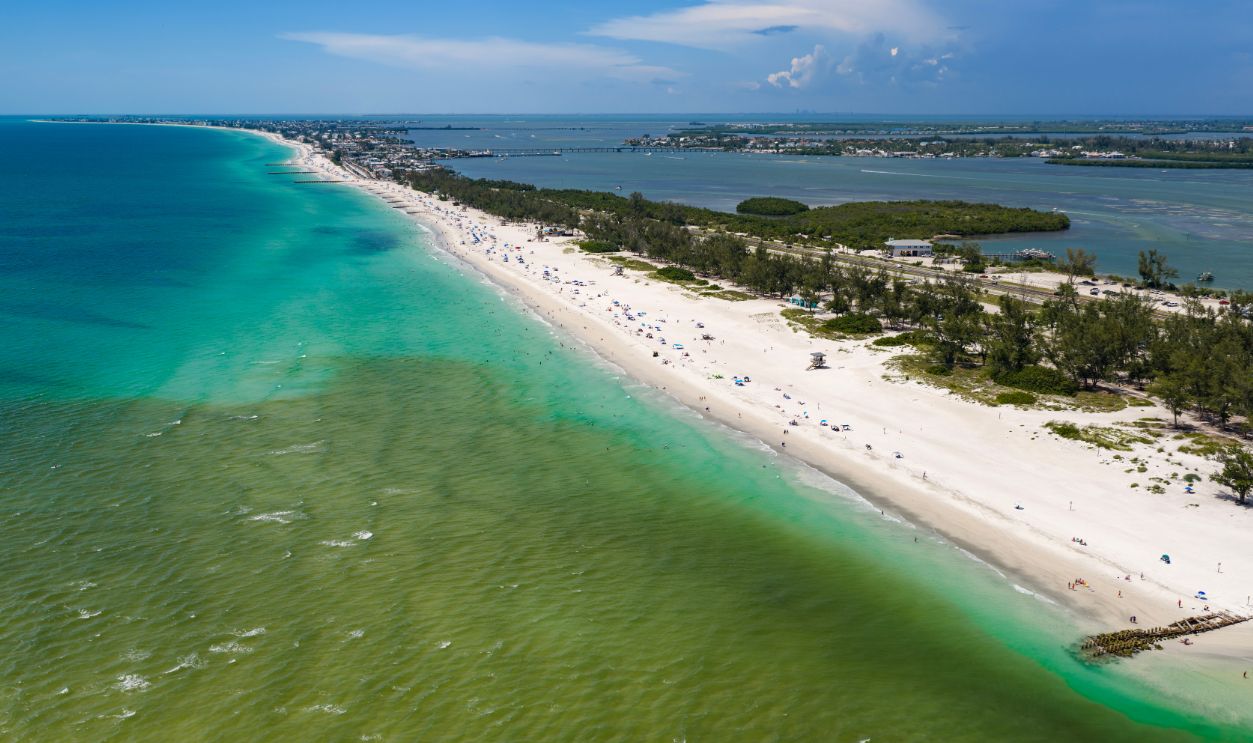
This is the part vacationers probably don't think about. Florida's state-owned submerged lands include areas beneath navigable waterways and offshore waters extending roughly three miles into the Atlantic and nine miles into the Gulf. Finding something underwater doesn't necessarily mean you found it on nobody's property.
And Then There Are Shipwrecks
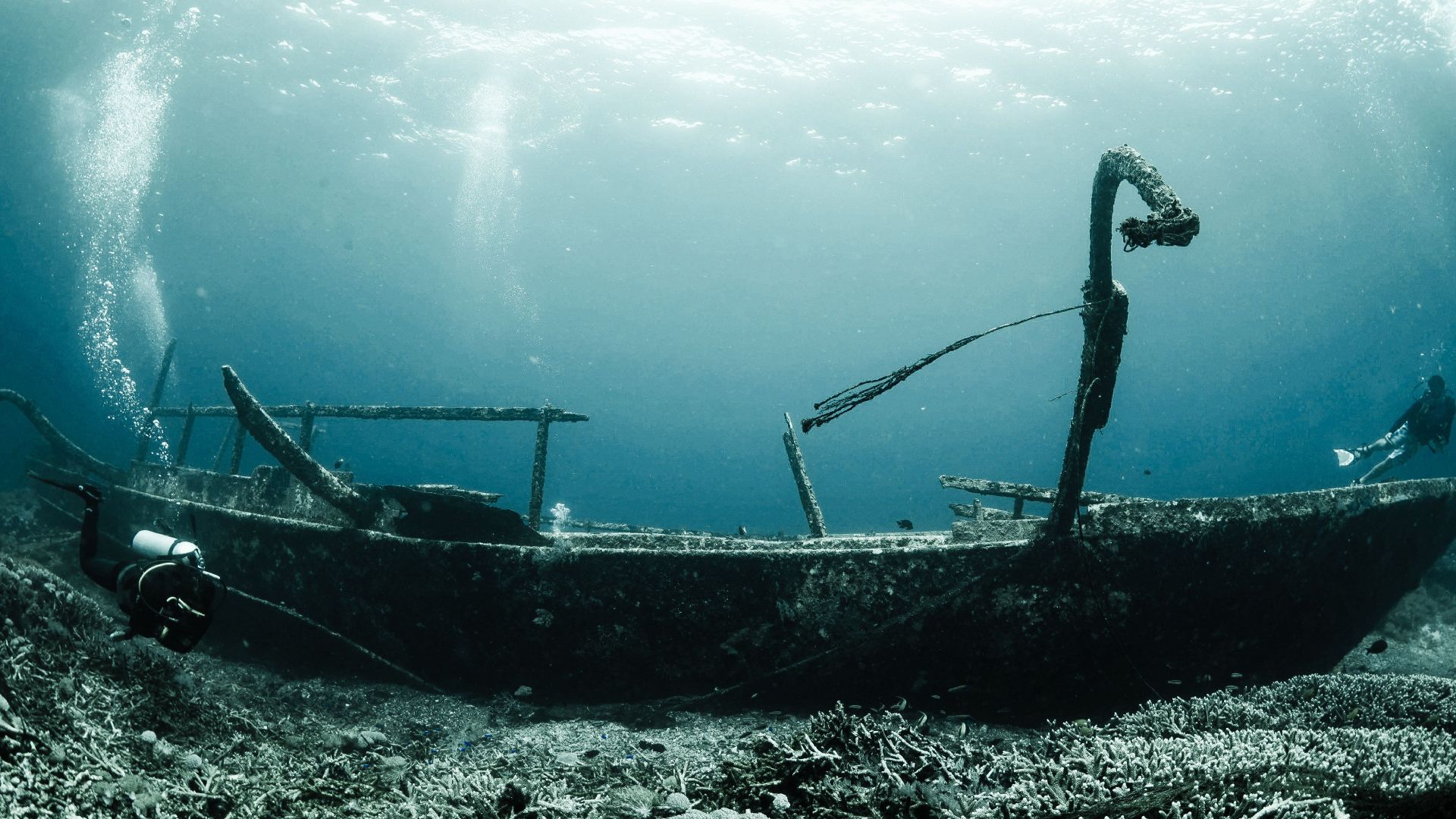
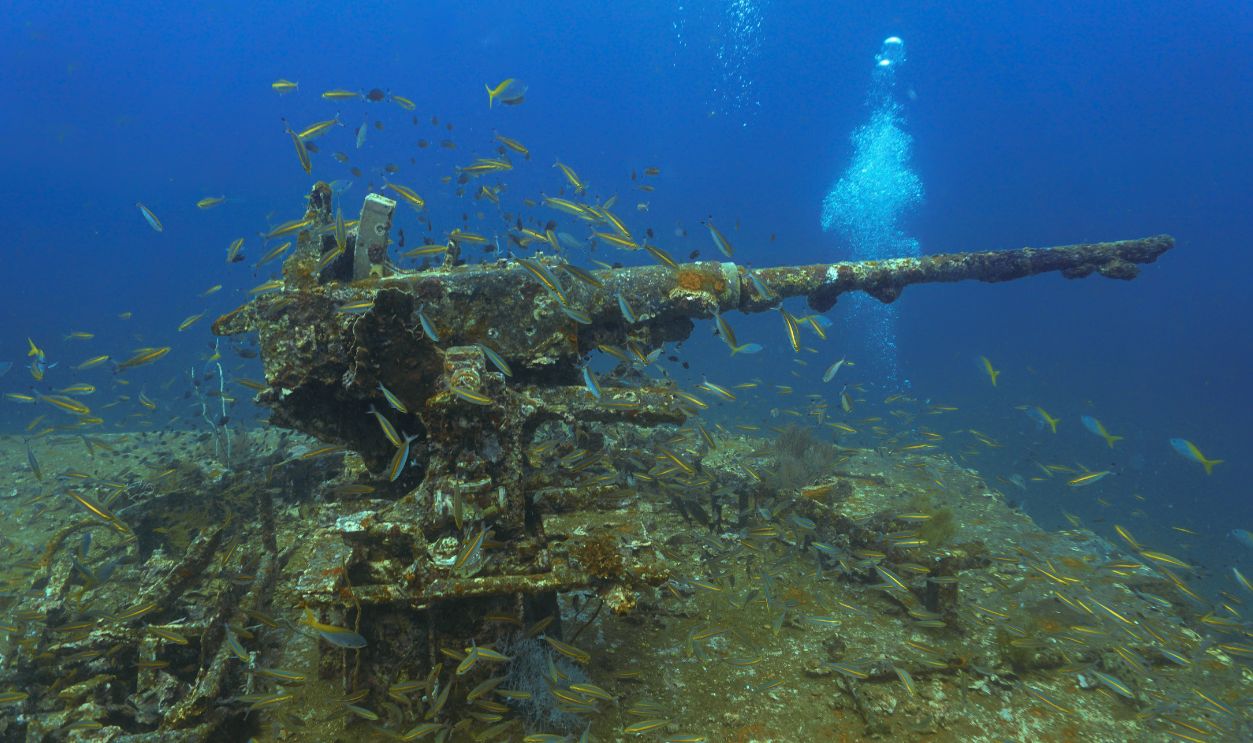
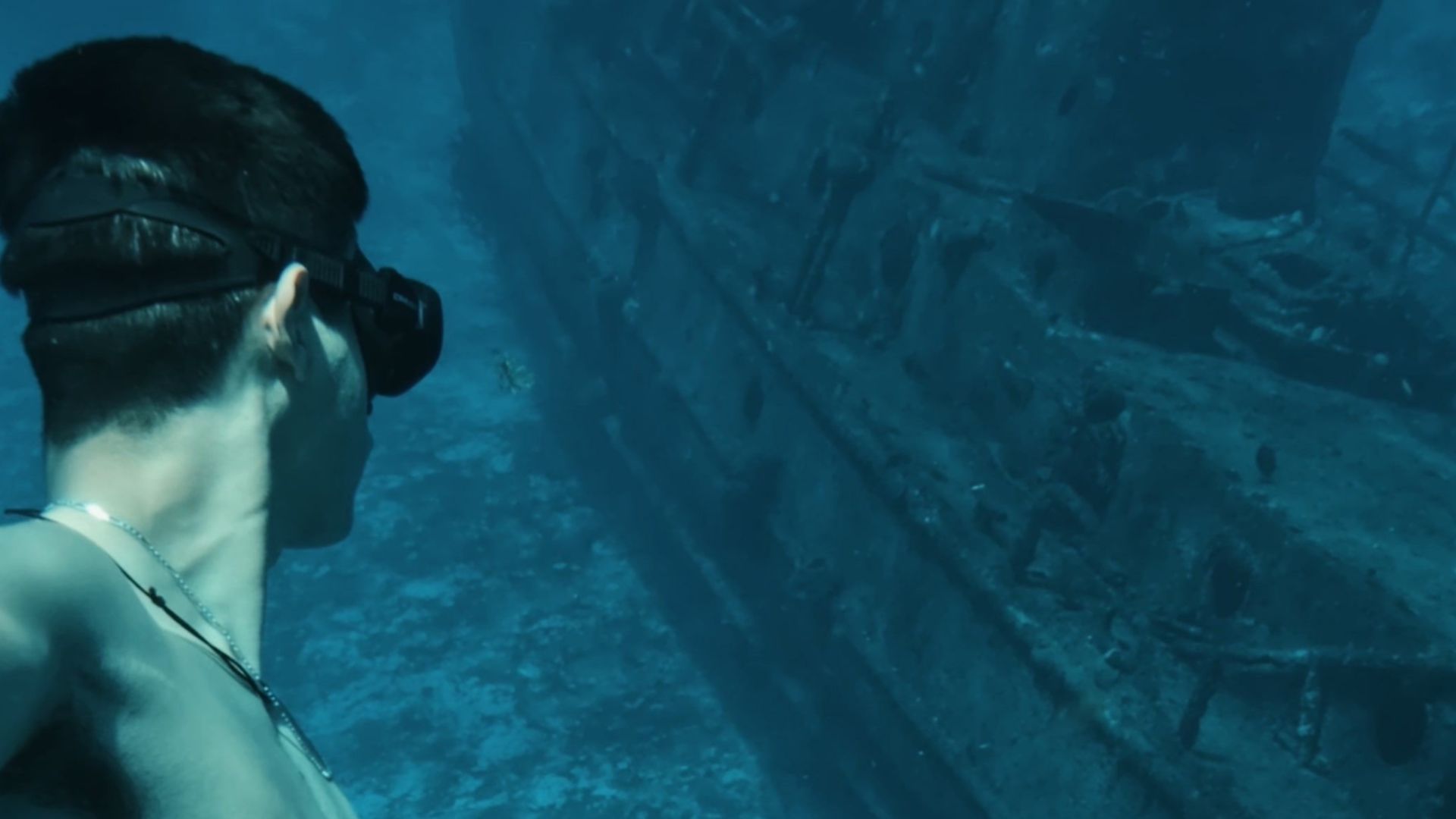
Now those 10 coins get considerably more interesting. If they're associated with an old wreck, you're no longer talking about money another swimmer dropped. You could be standing over a historic site, and American law has some very specific things to say about those.
Congress Already Thought About This
The Abandoned Shipwreck Act covers certain abandoned wrecks embedded in state submerged lands, along with some historic wrecks sitting on them. For wrecks covered by the law, title goes to the government that owns the submerged land, and the normal laws of salvage and finds don't apply.
Military Wrecks Can Be Even More Complicated
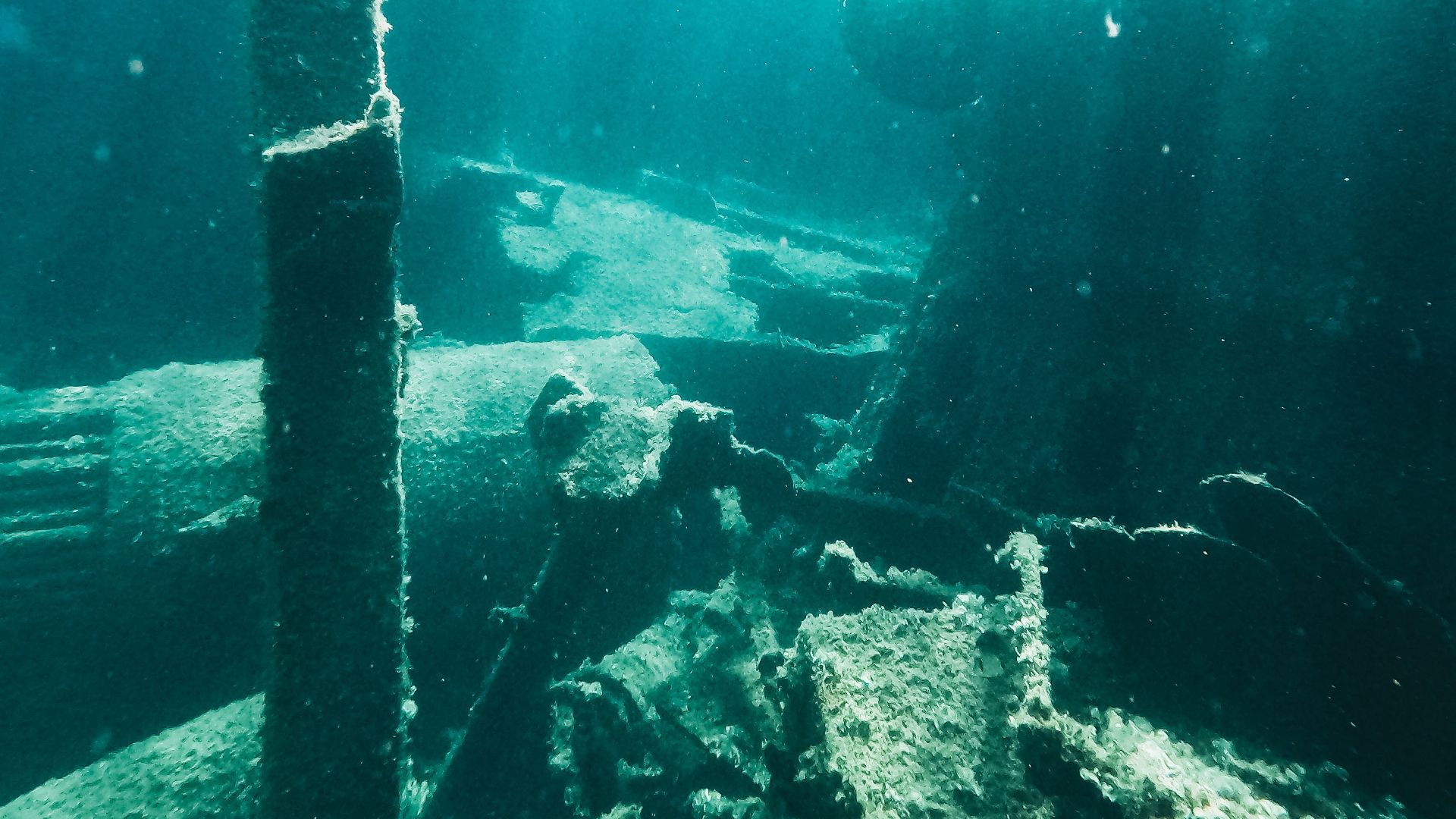
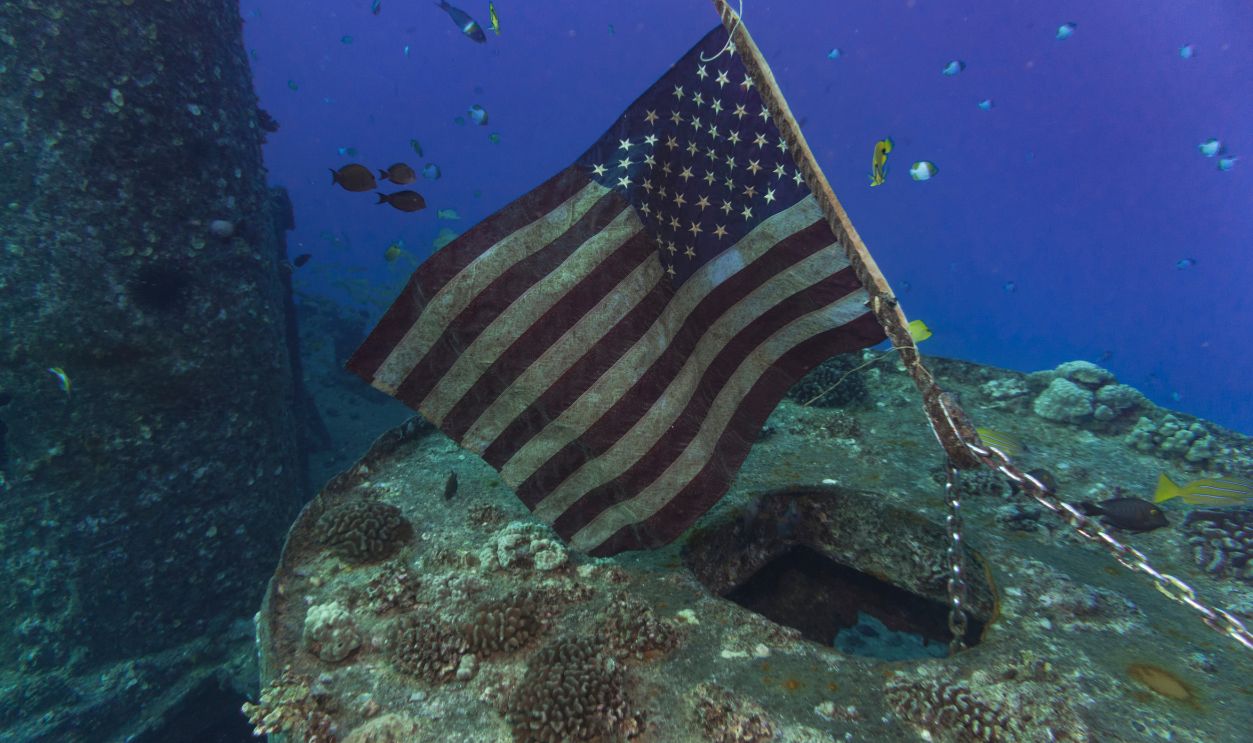
U.S. sunken military craft don't become free treasure just because they've spent generations underwater, and protected foreign military wrecks in U.S. waters can still belong to another government. Federal law blocks the ordinary "law of finds" from turning these wrecks into first-come, first-served treasure chests.
And This Can Get Expensive Fast
Here's where "maybe I'll just take one coin" becomes a terrible plan. Unauthorized disturbance of protected U.S. Navy sunken military craft can bring civil penalties of up to $100,000 per violation. Leaving that mysterious shiny thing exactly where you found it suddenly sounds like a pretty smart vacation move.
"Salvage" Doesn't Automatically Make It Yours
Maritime salvage isn't really the grown-up version of finders keepers. Traditionally, a successful salvor may earn a reward for saving property rather than automatically owning it. And for protected wrecks, ordinary salvage or finds claims can be blocked entirely.
The Location May Matter More Than The Coins
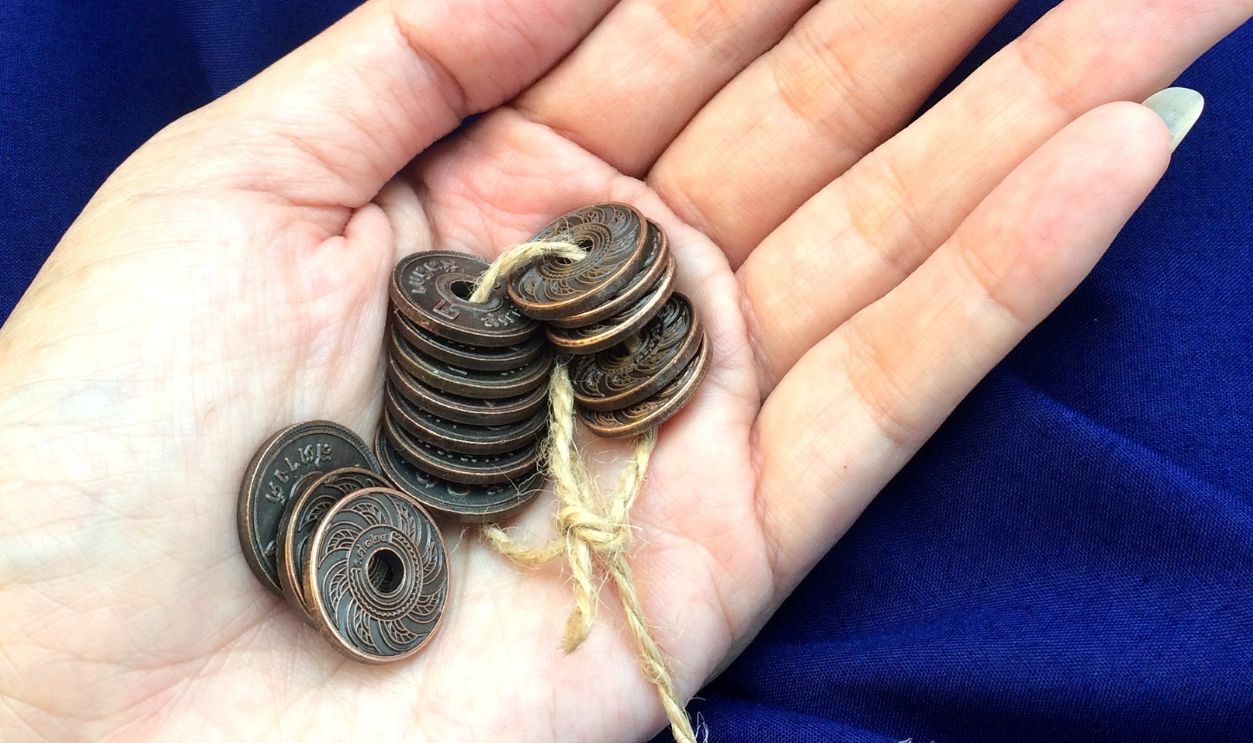
Those coins might be worth $5 each. They might be worth thousands. Archaeologically, that isn't necessarily the biggest deal. Their exact location could help date a site or identify a wreck. Move them first, and you may destroy information that can't simply be put back.
 Wilaiwan Kaewpol, Shutterstock
So Don't Start Cleaning Them
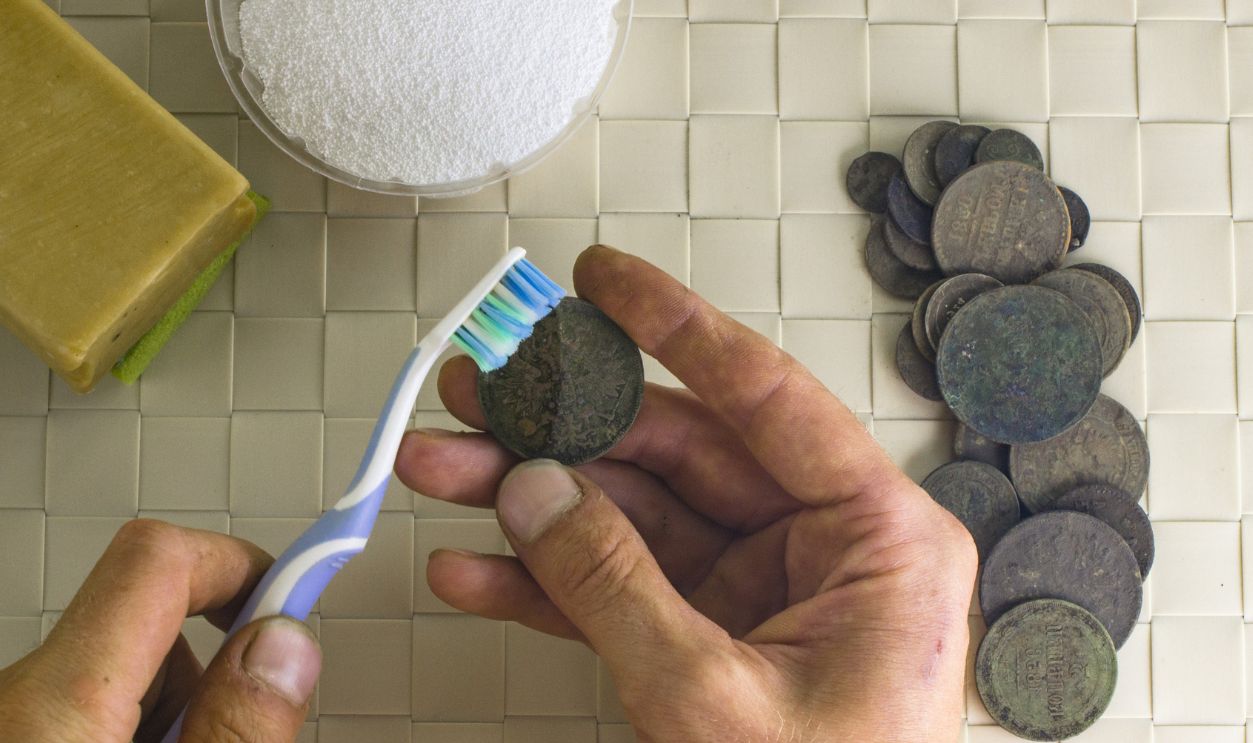
Let's say excitement won and the coins are already sitting on a towel back at the hotel. Resist the urge to scrub them until they shine. Objects that have spent a long time underwater may need specialized conservation. The complimentary hotel toothbrush probably shouldn't become part of the archaeological record.
Maybe Don't Post The Exact Spot Either
Your first instinct may be to photograph the discovery and tell everyone exactly where you found it. That's not always smart if you've stumbled onto a possible archaeological site. Publicizing the location could send considerably less responsible treasure hunters straight to it.
Getting Them Home Could Be Problem Number Two
Found the coins overseas? Getting off the beach may not end the problem. CBP says stolen cultural property, items smuggled into the United States and property that wasn't properly declared can be seized. Separate U.S. restrictions can also cover certain archaeological material, including some ancient coins.
 Frame Stock Footage, Shutterstock
What You Should Actually Do
If the coins are still underwater, leave them there if it's safe to do so. Take photos, note the location and avoid disturbing anything nearby. Then contact whoever manages the area, whether that's a park ranger, archaeological office, marine authority or local heritage agency.
What If You Already Took Them?
Don't panic, but don't sell them either. Write down exactly where you found them, avoid cleaning them and contact the appropriate local authority. If they're ordinary modern lost property, that's one thing. If they're archaeological artifacts, you'll be glad you checked before turning them into vacation souvenirs.

Could You Ever Actually Keep Them?
Possibly. Finding coins underwater doesn't automatically mean a government gets them. Modern lost property found somewhere collection is permitted can be very different from archaeological material or protected wreck cargo. You just need to know which situation you're dealing with before confidently putting anything in your pocket.
So...Finders Keepers?
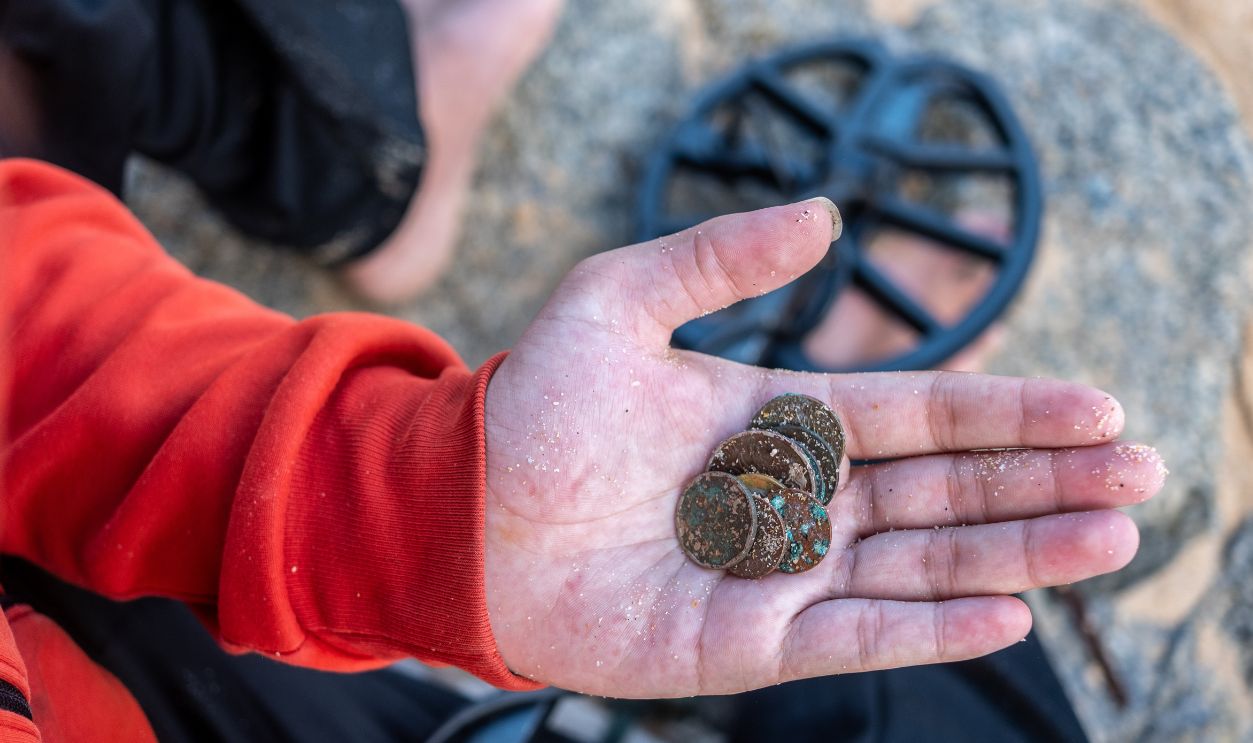
Maybe. But not until you know what you found. Ten old coins could be ordinary lost property, part of an archaeological site or cargo from a protected wreck. Take the photo. Remember the location. Just don't assume your next stop should be the nearest coin dealer.
You Might Also Like: