Altitude Adjustment
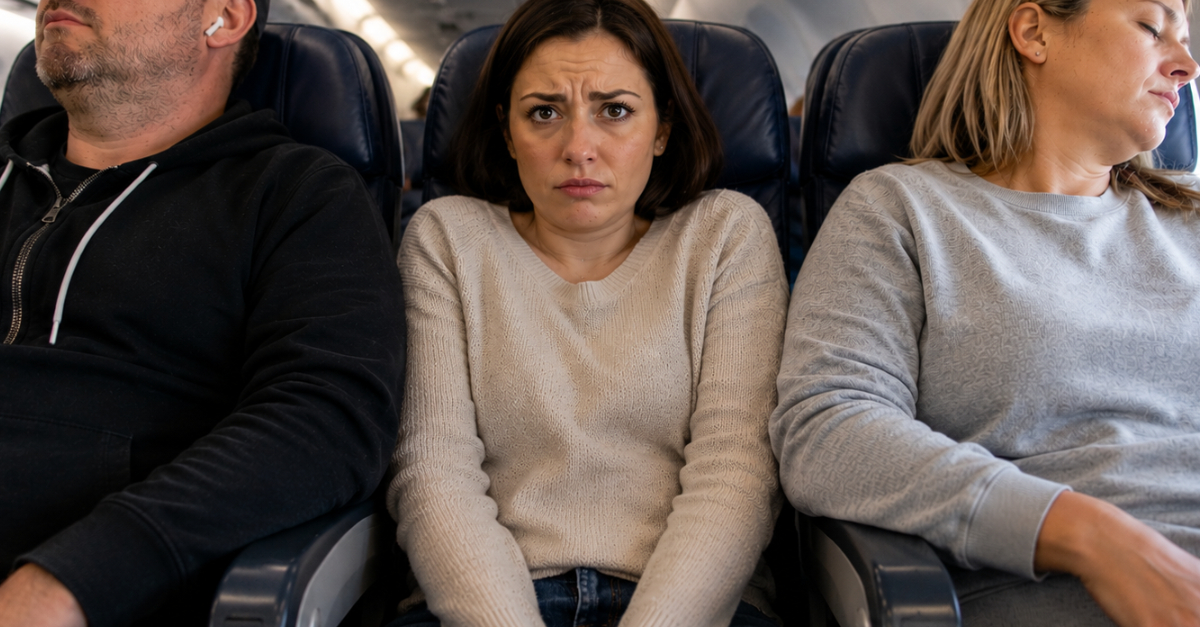
There's nothing quite like the stabbing ear pain that can turn an otherwise pleasant flight into an ordeal. For some travelers, it's a minor annoyance. For others, the pressure becomes so intense that they dread landing. Fortunately, experienced flyers have several tricks for preventing airplane ear, and most are surprisingly simple.
Why Your Ears Hurt
The problem is called ear barotrauma, and it happens when air pressure inside your middle ear doesn't match the pressure in the airplane cabin. Normally, tiny passages called Eustachian tubes help equalize that pressure. But when they don't open properly, your eardrums become strained, causing pain, fullness, and muffled hearing.
Landing Is Often Worse
Although ear pressure can occur during takeoff, descending is frequently more uncomfortable. As the aircraft approaches the ground, cabin pressure increases, and air must enter your middle ear to restore the balance. If your Eustachian tubes aren't cooperating, the pressure difference can become painful. That's why frequent flyers start preparing before the plane begins its final descent.
Keep Chewing And Swallowing
One of the oldest tricks is also one of the most effective. Chewing gum, sucking on hard candy, or sipping water encourages repeated swallowing, which helps open your Eustachian tubes. Yawning works too. Start before takeoff and again when the aircraft begins descending, rather than waiting until your ears are already hurting.
Try The Gentle Nose Trick
When swallowing isn't enough, doctors often recommend the Valsalva maneuver. Close your mouth, pinch your nostrils, and gently try to blow air through your nose. You may feel or hear your ears pop as the pressure equalizes. The important word is gently. Blowing forcefully can injure your ears, so never try to overpower a stubborn blockage.
Special Earplugs Might Help
You've probably seen pressure-regulating earplugs, including products marketed specifically for flying. Unlike ordinary foam earplugs, these contain filters designed to slow pressure changes in the ear canal. Some travelers find them helpful during takeoff and landing, although scientific evidence of their effectiveness is limited. They're worth considering, but they don't eliminate the need to swallow or yawn.
Consider Decongestants Carefully
If nasal congestion makes flying particularly painful, certain medications may help. Decongestant nasal sprays can temporarily reduce swelling, while oral decongestants may also improve pressure equalization. However, these medications aren't suitable for everyone. People with high blood pressure, heart conditions, or certain other medical concerns should consult a healthcare professional first. Nasal decongestant sprays can also worsen congestion if used for too many consecutive days.
Don't Sleep Through Landing
That tempting nap could make your ears considerably more uncomfortable. When you're asleep, you swallow less frequently and can't respond immediately to changing pressure. Experienced travelers who struggle with airplane ear often stay awake during takeoff and descent, keeping water or gum handy. If you're prone to severe discomfort, set an alarm before the aircraft begins descending.
Flying With A Cold?
A stuffy nose, sinus infection, or ear infection can make pressure equalization much more difficult. Swelling around the Eustachian tubes increases the risk of painful barotrauma. If you're seriously congested, postponing your flight may be the safest option. If travel is unavoidable, speak with a healthcare professional about appropriate precautions rather than assuming an over-the-counter remedy will solve everything.
Know When To Get Help
Most cases of airplane ear improve shortly after landing, but persistent symptoms shouldn't be ignored. Severe pain, significant hearing loss, dizziness, or more serious symptoms can indicate an injury requiring medical attention. If your ears remain blocked or painful, or you repeatedly experience severe symptoms during flights, an ear, nose, and throat specialist can investigate the underlying cause.
The good news is that most travelers don't need expensive gadgets or complicated treatments. A little preparation, frequent swallowing, and knowing when to equalize pressure can make your next flight considerably more comfortable.
You May Also Like: