
A Trip That Starts With A Bad Feeling
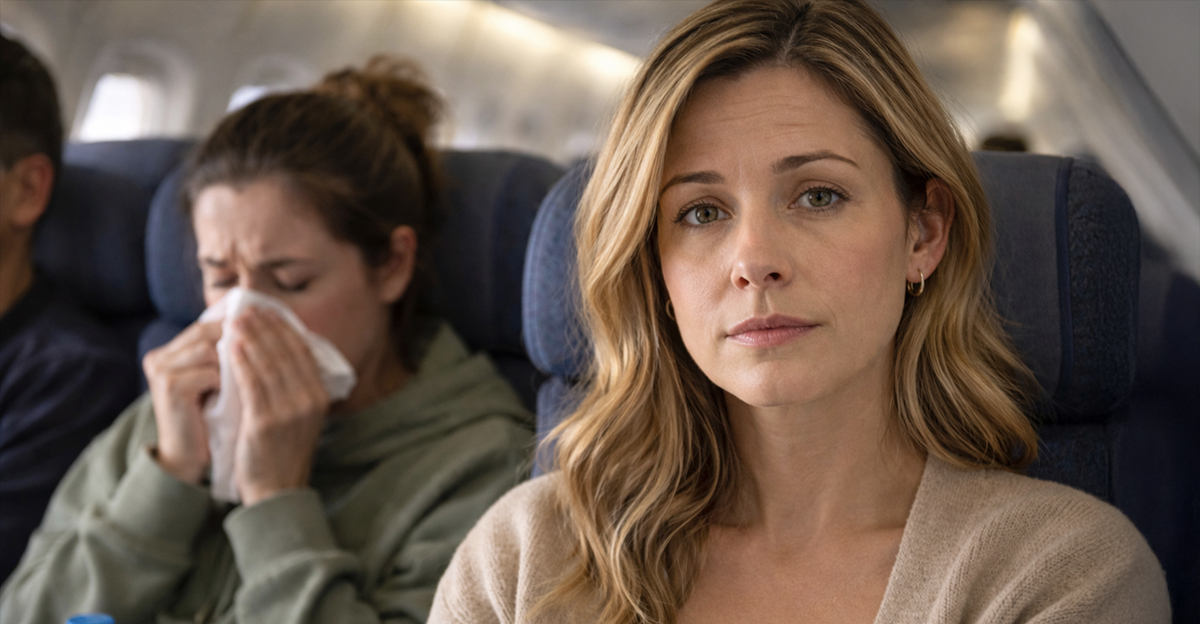
You boarded your flight already uneasy about the passenger nearby who was visibly coughing and sneezing. Just your luck: you ended up seated next to her. You asked to move to another seat, hoping to avoid getting sick before your vacation even began. The flight attendant refused to let you move since the plane was full. Now, days later, you’re laid up in bed at your hotel, wondering if this could have been prevented.
Why This Situation Feels So Frustrating
You did everything right. You noticed a risk, alerted the right people, and asked for a reasonable accommodation. When the airline refused, it left you feeling powerless. Now that you are sick, it feels like the system let you down. That frustration is completely understandable, especially when your time and money are at stake.

The Reality Of Illness On Flights
Airplanes are enclosed environments where passengers sit in close quarters for hours. Even with air filtration systems, being seated next to someone who is actively coughing increases your exposure risk. Illness transmission on flights is well documented, especially for those passengers seated within a few rows of an infected traveler.
What Airlines Are Responsible For
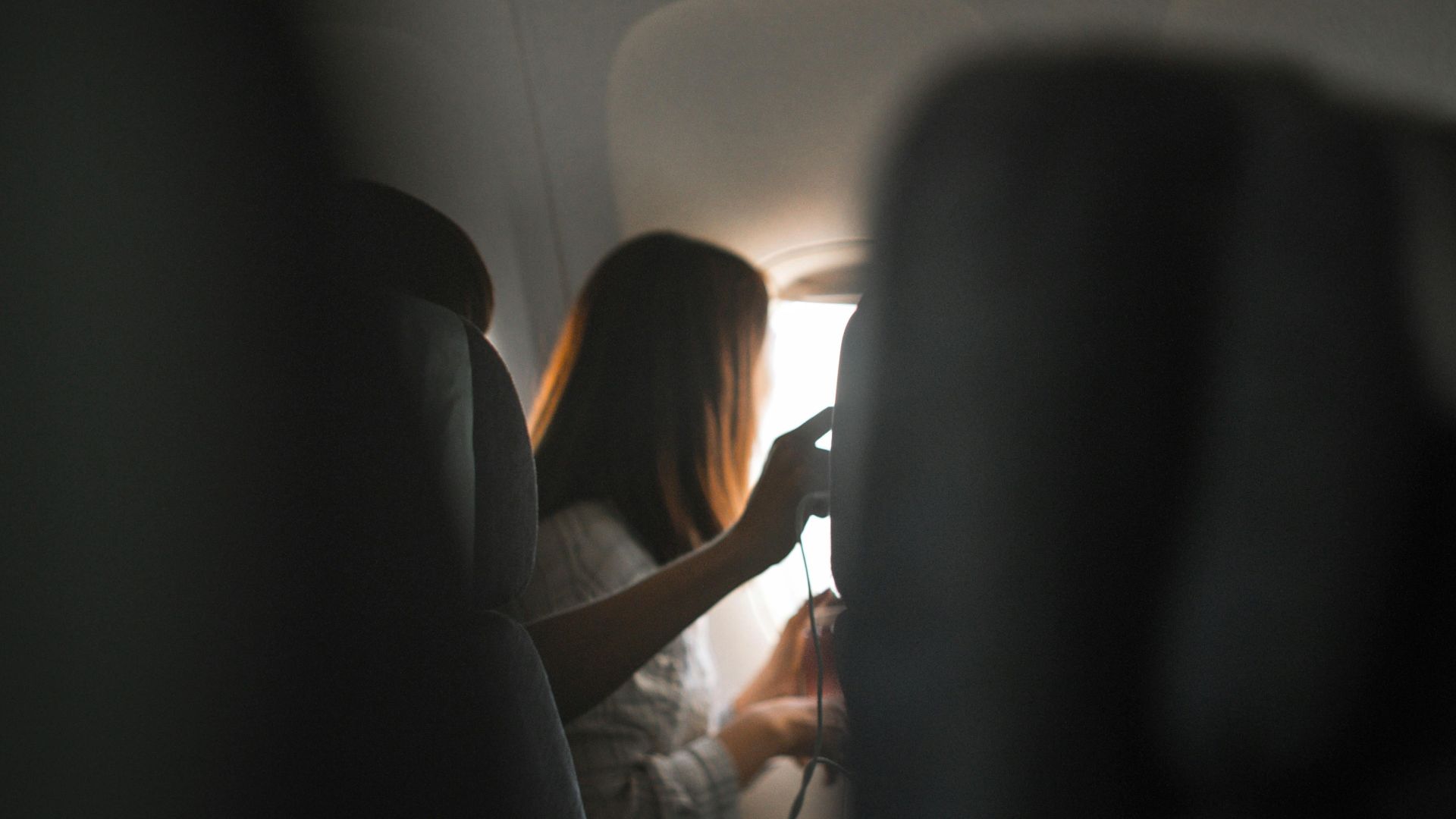
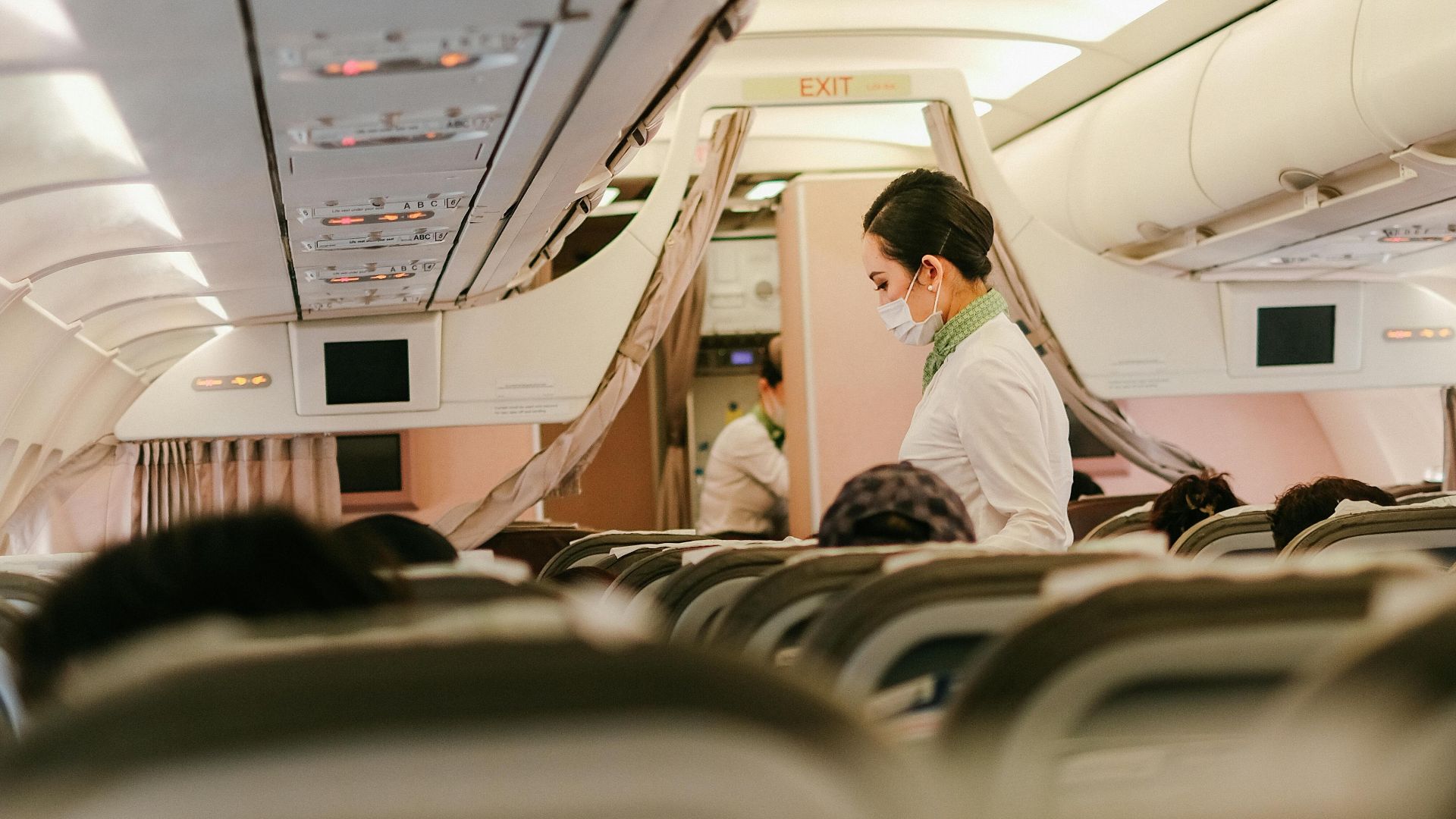
Airlines have a duty to transport passengers safely, but that duty has limits. They’re not generally required to guarantee a germ-free environment. Their responsibility is focused more on operational safety rather than stopping the spread of everyday illnesses like colds or flu between passengers.
The Challenge Of Proving Liability
Even if you strongly believe you got sick from that specific passenger, proving that would be extremely difficult. Illnesses can incubate for days, and exposure could have happened in the airport, on transportation, or elsewhere. Without clear proof, assigning legal responsibility to the airline becomes very challenging.
Seat Changes Aren’t Guaranteed
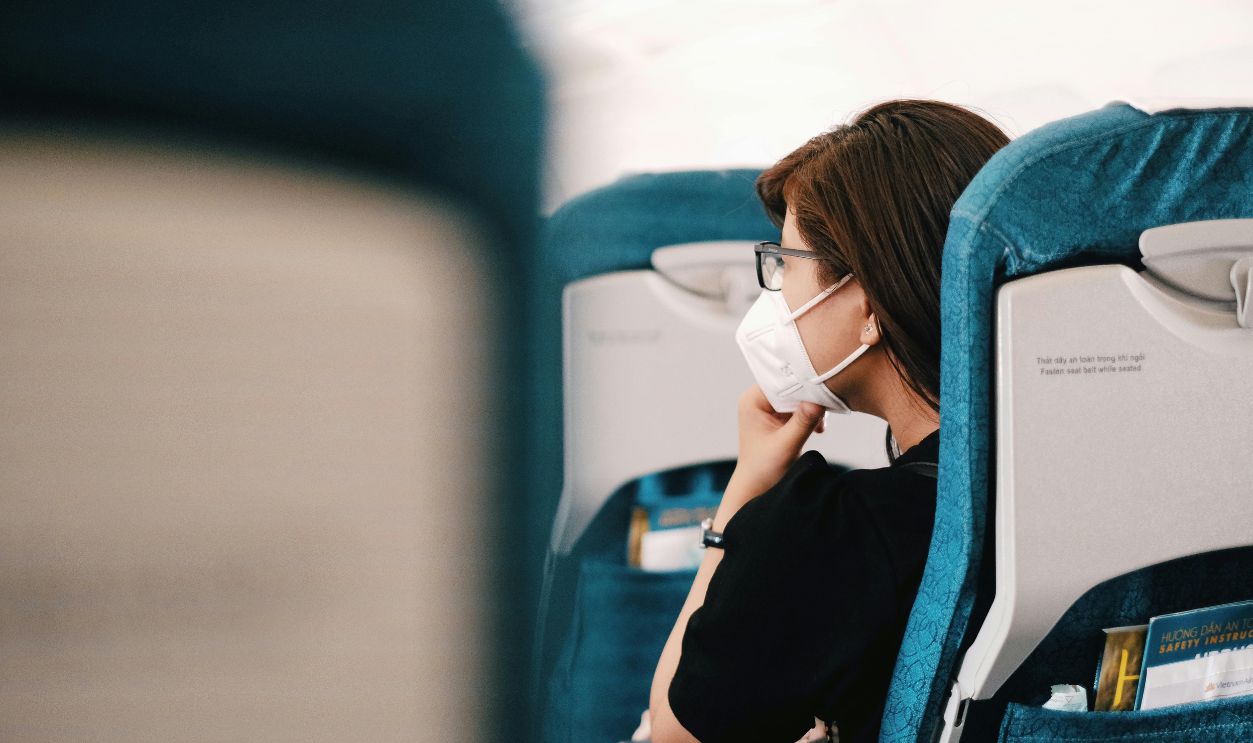
Airlines manage seating based on availability, ticket class, and operational constraints. Even if your request seems reasonable, they’re under no obligation to move you unless there’s a safety or regulatory issue. A coughing passenger, while unpleasant, usually doesn’t meet that threshold in airline policies.
When Airlines Might Take Action
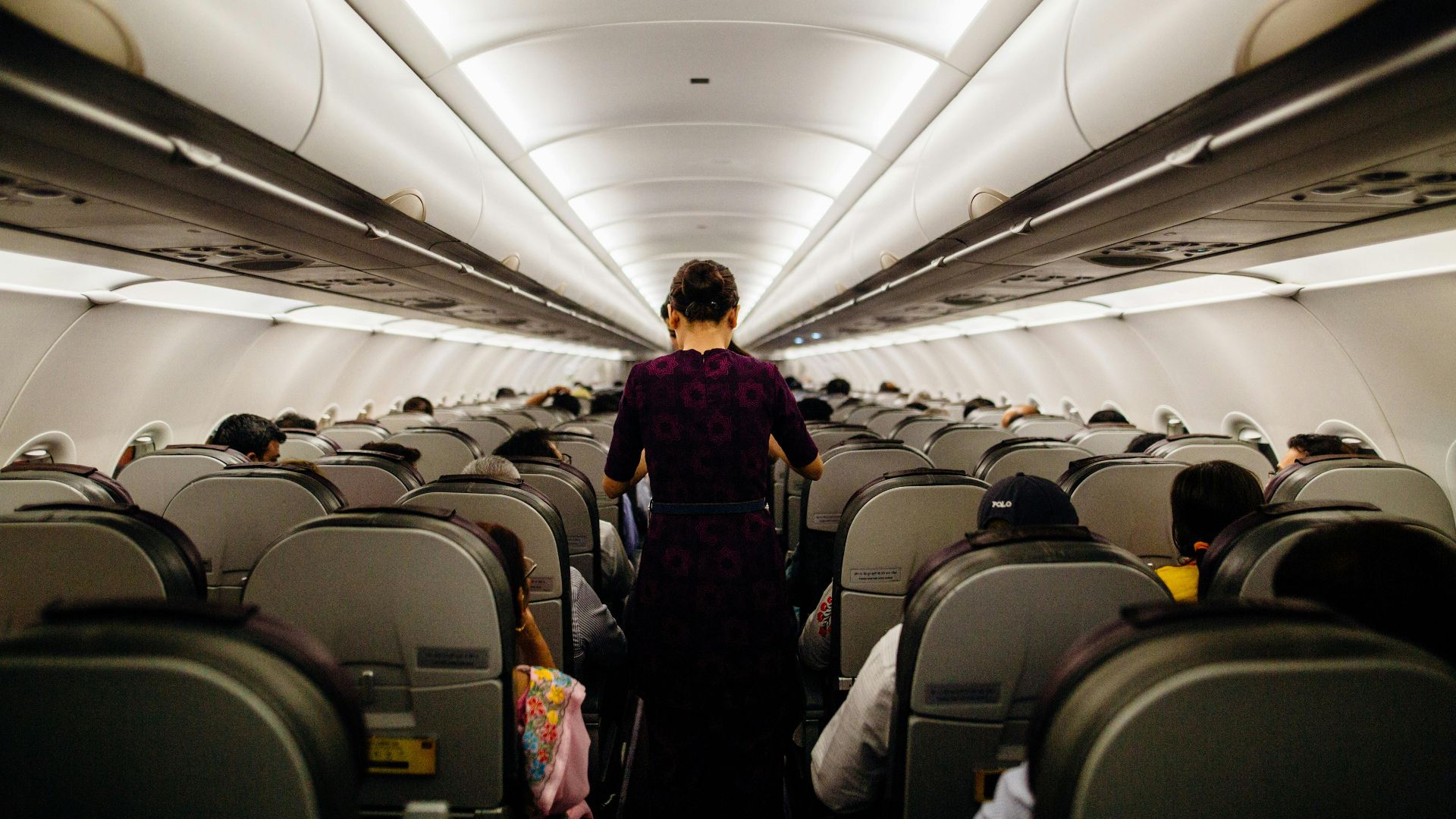
In more extreme cases, such as a passenger showing severe or contagious symptoms that could pose a broader health risk, airlines may intervene. Crew members can deny boarding or relocate passengers if necessary. However, for common respiratory symptoms, action tends to be limited or inconsistent.
Your Request Still Matters
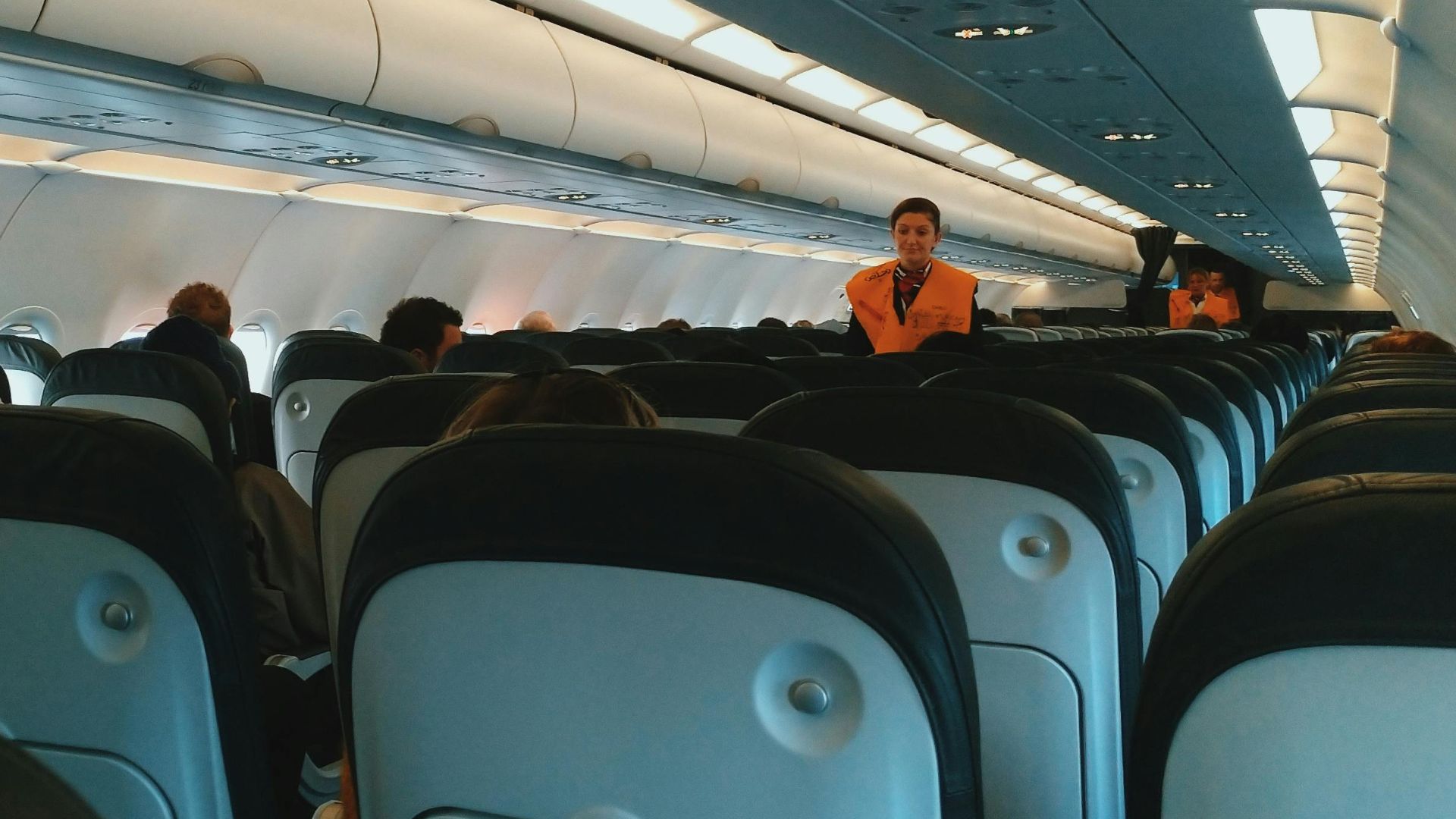
Even though the flight attendant declined your request, documenting that you asked to move can be important. It shows you attempted to mitigate risk. If you later file a complaint or claim, that detail helps to at least establish a timeline and show that your concerns were raised during the flight.

The Role Of Airline Policies
Each airline has its own policies regarding passenger health and seating changes. Some may be more open to accommodation than others. Reviewing the airline’s contract of carriage can give insight into what they promise and what they explicitly do not guarantee when it comes to passenger comfort and health concerns.

Can You Claim Compensation From The Airline?
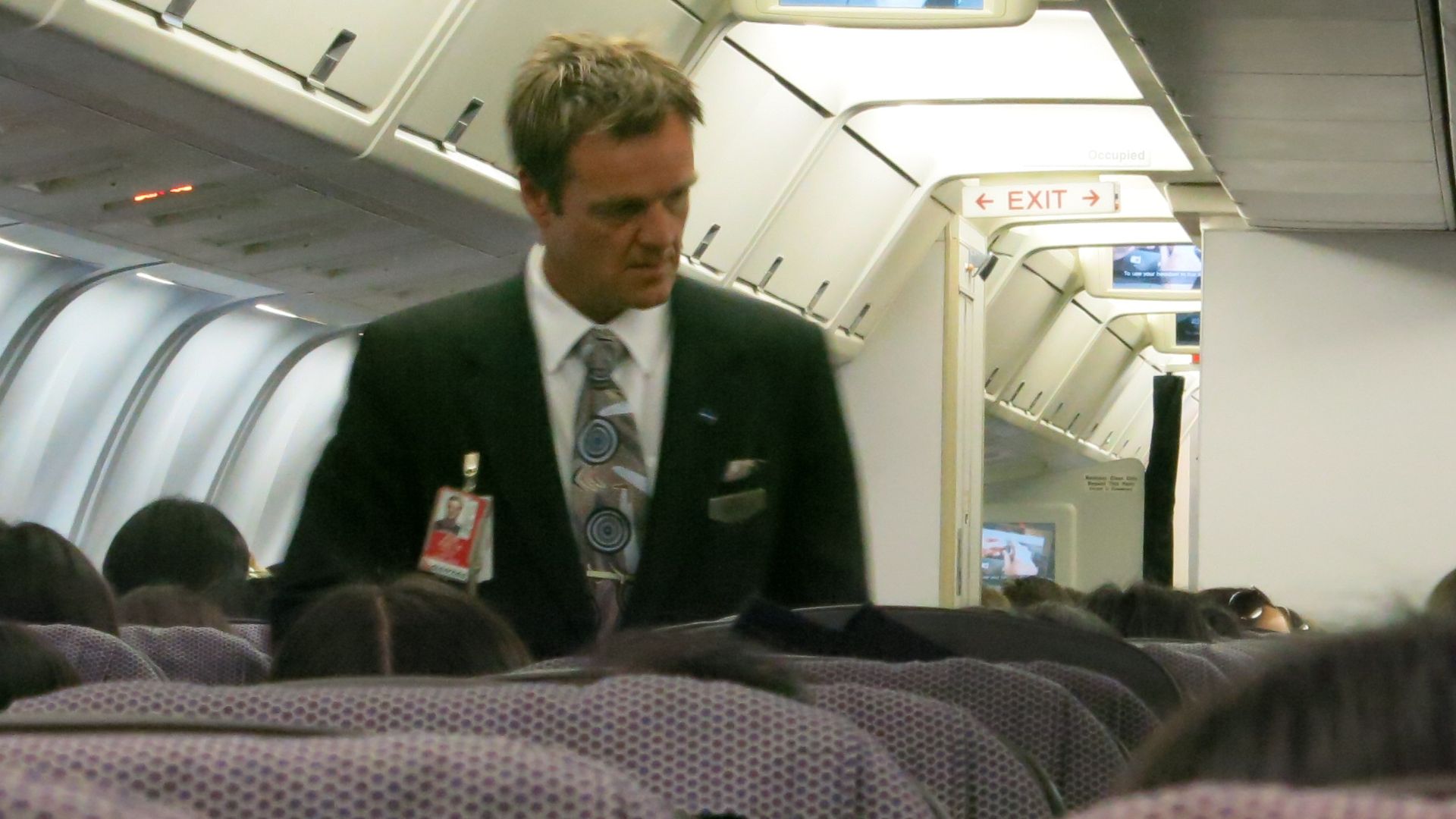
In almost all cases, airlines aren't going compensate passengers for illnesses allegedly contracted during a flight. Since causation is so hard to prove, they typically deny responsibility. But with that being said, you can still file a complaint, especially if you feel your concerns were dismissed or handled poorly by the crew.
 Douglas Paul Perkins, Wikimedia Commons
Travel Insurance May Be Your Best Option
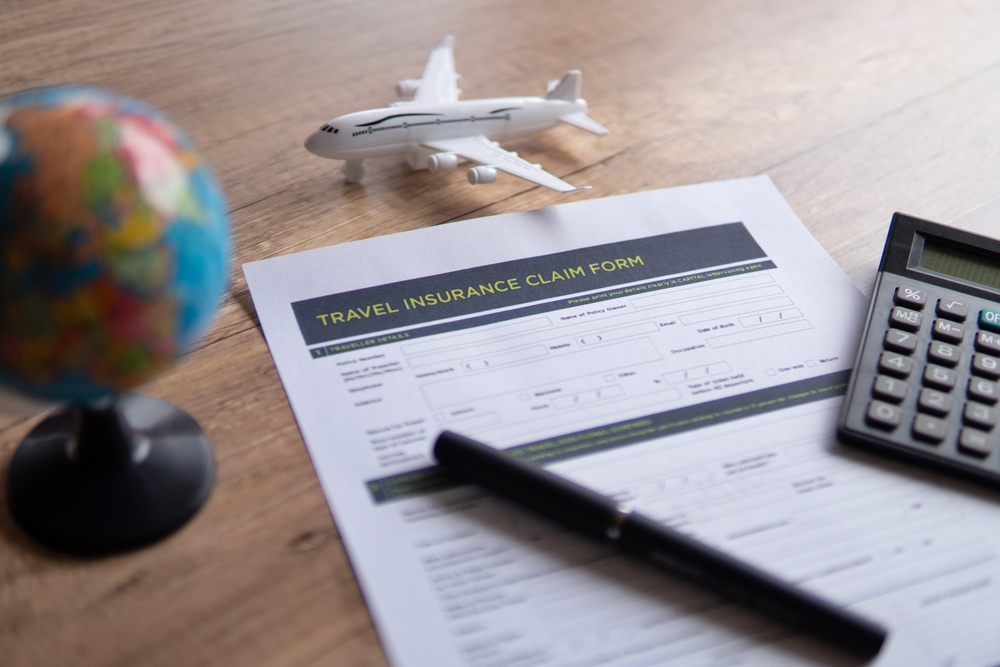
If you bought travel insurance, this is where it becomes highly relevant. Many policies cover trip interruption, medical expenses, or unused bookings due to illness. Even if the airline is not liable, your insurer may reimburse part of your losses depending on your policy’s terms.
Document Everything While You Can
Keep records of your symptoms, any medical visits, receipts, and any communication with the airline. If you saw a doctor at your destination, get and keep that documentation. The more evidence you have, the stronger your position will be when filing insurance claims or complaints.

Filing A Complaint With The Airline
After your trip, submit a formal complaint to the airline. Clearly explain what happened, including your request to move seats and the outcome. While compensation is far from guaranteed, airlines sometimes will offer goodwill gestures such as travel credits if your experience fell short of expectations.

Government Agencies And Oversight
In the United States, the Department of Transportation handles airline consumer complaints. While they may not resolve your individual case directly, filing a complaint can add pressure and create a record of the issue. In Canada, similar concerns can be directed to the Canadian Transportation Agency.
 AgnosticPreachersKid, Wikimedia Commons
Understand What “Liability” Really Means
For an airline to be legally liable, you would typically need to show negligence and a direct link between their actions and your illness. In cases involving common respiratory infections, that standard is very difficult to meet. Most situations like yours fall into a gray area rather than clear liability.

Could This Be Considered Negligence?
If the airline paid no attention to the obvious signs of a serious contagious condition or refused reasonable accommodations without justification, there might be a narrow argument for negligence. But proving that standard in court would require strong evidence and is rarely successful in cases that involve routine illnesses.

What You Can Do Differently Next Time
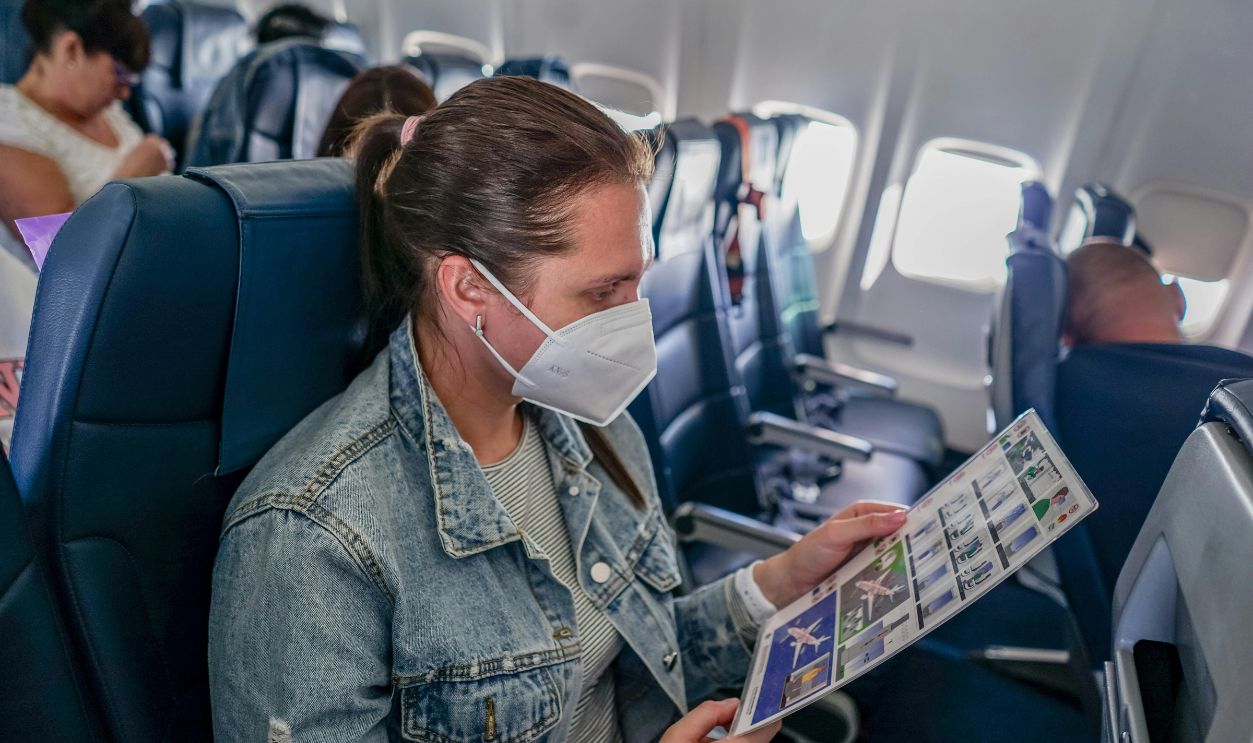
While you can’t control other passengers, you can take steps to reduce risk. Consider wearing a mask, choosing seats with more space, or flying at less crowded times. Carrying disinfectant wipes and practicing good hygiene can also help minimize exposure during your journey.
Choose Flights And Seats Strategically
Whenever you can, choose seats that offer more distance from others, such as aisle seats or those with fewer adjacent passengers. Premium cabins or less crowded flights may reduce your exposure risk. While not foolproof, these choices can give you more control over your travel environment.
When To Push Harder During The Flight
If you run into a similar situation again, escalate your request politely but firmly. Ask multiple crew members if necessary and explain your concerns clearly. While there’s no guarantee of a seat change, persistence sometimes leads to better outcomes, especially if space becomes available later in the flight.
Bottom Line On Airline Responsibility
No doubt this is a frustrating situation and unfortunately not uncommon. While it feels like the airline should have done more, legal liability is difficult to establish. Your best path forward usually involves insurance, documentation, and a formal complaint rather than expecting direct compensation from the airline.
You May Also Like: