That Miserable Three-Hour Wait Can Actually Matter
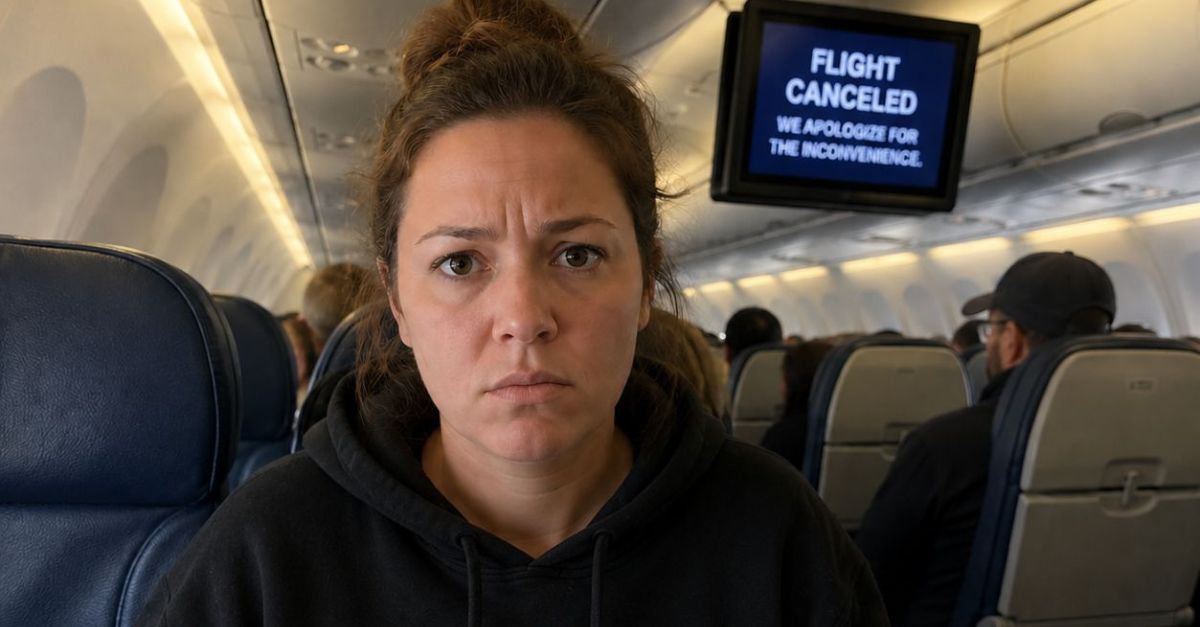
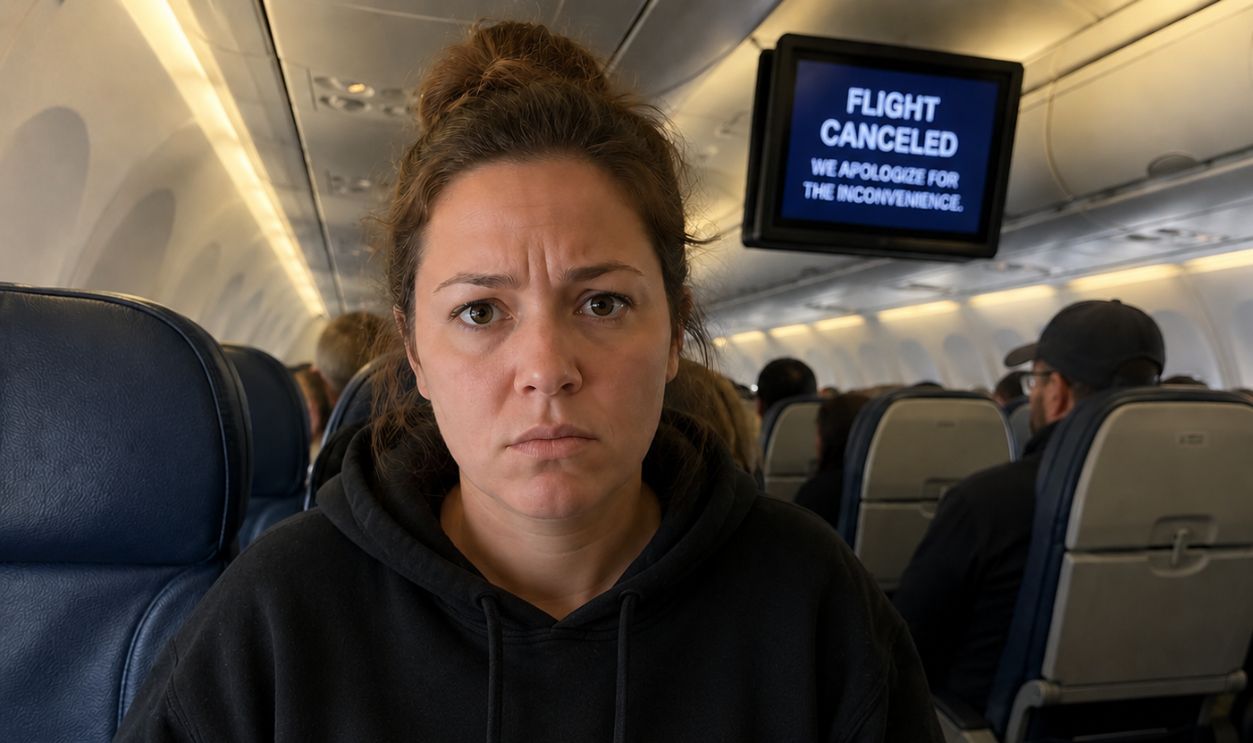
It's what we all fear when pulling up to the airport: You board on time, settle in, and then nothing happens except delays, vague announcements, and rising frustration. Hours later, everyone is told to get off because the flight is canceled. It feels absurd, so the obvious question is whether those hours stuck on the plane count for compensation.
The Answer Depends On Where You Are Flying
Passenger rights vary a lot depending on the country. In the European Union, the United Kingdom, and some other places, compensation rules can be fairly strong, though they are also pretty technical. In the United States, there is usually no federal rule requiring airlines to pay cash just because a flight was delayed or canceled.

In The European Union, Time Onboard Can Count
The key rule for many travelers in Europe is EU Regulation 261, usually called EU261. It covers compensation and assistance for denied boarding, long delays, and cancellations on qualifying flights. If you were kept on the aircraft for a long time before being allowed off, that time can matter.
A Court Ruling Helped Set The Standard
One of the clearest answers came from the Court of Justice of the European Union in a judgment issued on October 25, 2022. The case involved Austrian Airlines and a passenger traveling from Vienna to Cairo. The court looked at whether the time spent onboard before passengers were finally allowed to get off counted when measuring the delay.
What Happened In The Austrian Airlines Case
According to the court, the flight pushed back and passengers remained onboard before the plane eventually returned to the gate because of a technical problem. The passengers then had to stay on the aircraft for a period before they were allowed to leave. The airline later rebooked the traveler, who reached the final destination more than three hours after the originally scheduled arrival time.
The Court Said The Delay Did Not End Until Passengers Could Leave
The EU court held that a delay ends only when passengers are actually allowed to leave the aircraft. That matters because compensation under EU261 often depends on whether the arrival delay reached three hours or more. So if you were stuck onboard before being released, that time can count toward the delay.

Why That Ruling Matters
Airlines sometimes argue that the delay should stop once the plane returns to a stand or reaches the airport. The 2022 EU judgment rejected that idea in this context. The court said passengers are still confined, still under the airline's control, and still unable to get on with their trip until they are allowed off the aircraft.

If Your Flight Was Canceled After Boarding, EU261 May Still Apply
EU261 can require compensation when a qualifying flight is canceled, unless the airline can rely on a defense like extraordinary circumstances or gave enough advance notice. The amount is generally 250, 400, or 600 euros depending mostly on flight distance. Separate from compensation, the regulation also requires care such as meals, refreshments, and sometimes hotel accommodation.
Notice Still Matters In Europe
If the airline told you about the cancellation at least 14 days before departure, standard EU261 compensation is generally not owed. If notice came closer to departure, compensation may still be avoided in some rerouting situations that meet strict timing rules. A same-day cancellation after passengers have already boarded usually leaves the airline with a much harder case.
Airlines Still Have A Defense
Even in Europe, compensation is not automatic. Airlines do not owe EU261 compensation if they can prove the cancellation was caused by extraordinary circumstances that could not have been avoided even if all reasonable steps had been taken. Weather, air traffic control restrictions, security risks, and some airport disruptions can fit that category, while routine technical faults often do not.

Time On The Plane Also Matters For Tarmac Delay Rules
Compensation is one issue, but your rights while stuck onboard are another. In the United States, the Department of Transportation has tarmac delay rules that limit how long airlines can keep passengers on a plane on the ground. For domestic flights, airlines generally must provide an opportunity to deplane before the tarmac delay reaches three hours, subject to safety and air traffic control exceptions.

International Flights In The U.S. Have A Four-Hour Rule
For international flights departing from or arriving at U.S. airports, the tarmac delay limit is generally four hours before passengers must be given the chance to get off. Carriers also must provide food and water no later than two hours after the delay begins, unless safety or security reasons prevent it. Working lavatories and medical attention must also be available when needed.
That Still Does Not Mean Automatic Cash In The U.S.
Here is the frustrating part for American travelers. The U.S. Department of Transportation says there are no federal laws requiring airlines to provide money or other compensation when flights are delayed. If a flight is canceled, passengers are entitled to a refund if they choose not to travel, but that is different from cancellation compensation like the system used in Europe.

The Refund Rule Is One Of The Most Important Protections In The U.S.
The Department of Transportation has made clear that passengers are owed a refund when the airline cancels a flight or makes a significant change and the traveler declines the alternative offered. That can apply even to nonrefundable tickets in many cases. If you sat on the plane for hours and then the flight was canceled, your refund rights may be the most useful protection available in the United States.
Why Boarding First Can Feel Confusing
Many travelers assume that once they board, some special compensation clock automatically starts. Sometimes that is true under certain legal rules, and sometimes it is not. The details can depend on whether the problem is treated as a delay, a cancellation, denied boarding, or a tarmac delay violation.

Europe Already Had A Key Rule On Arrival Time
Another important EU court ruling, issued on September 4, 2014, clarified that an aircraft's arrival time is not when the wheels touch down. The Court of Justice of the European Union said arrival occurs when at least one of the aircraft doors is opened and passengers are allowed to leave. That lines up with the later 2022 decision stressing that being stuck onboard still counts against passengers.
The Main Idea Is Pretty Simple
European courts have repeatedly focused on what the passenger can actually do. If you are stuck in your seat, unable to leave, unable to continue your trip, and still under airline control, the disruption has not really ended. That basic idea has shaped compensation cases in ways that can matter a lot.
The U.K. Uses A Similar System
After Brexit, the U.K. kept a version of the EU compensation regime often called UK261. The U.K. Civil Aviation Authority says compensation may be due for cancellations and long delays on covered flights, again depending on the cause and timing. So if this happened on a qualifying U.K. flight, many of the same questions still apply.
Do Not Mix Up Compensation And Care
A lot of travelers miss this during the chaos of a disruption. Compensation is money owed under specific legal rules. Care obligations are different and can include meals, refreshments, hotel stays, and communication help while you wait.

If The Airline Blames Weather, Ask For Details
Weather is one of the most common reasons airlines give when rejecting compensation claims. Sometimes that defense is valid, and sometimes it is too vague to mean much without more detail. Ask the airline to state the exact reason for the cancellation in writing and keep any app alerts, gate announcements, and emails that show the timeline.

Your Best Evidence Starts With The Timeline
Write down when boarding began, when the aircraft door closed, when the plane pushed back if it did, and when you were finally allowed to get off. Take screenshots of delay notices and keep your boarding pass. If your claim depends on whether the delay crossed a legal threshold, those times can make a big difference.
Receipts Matter More Than Frustration
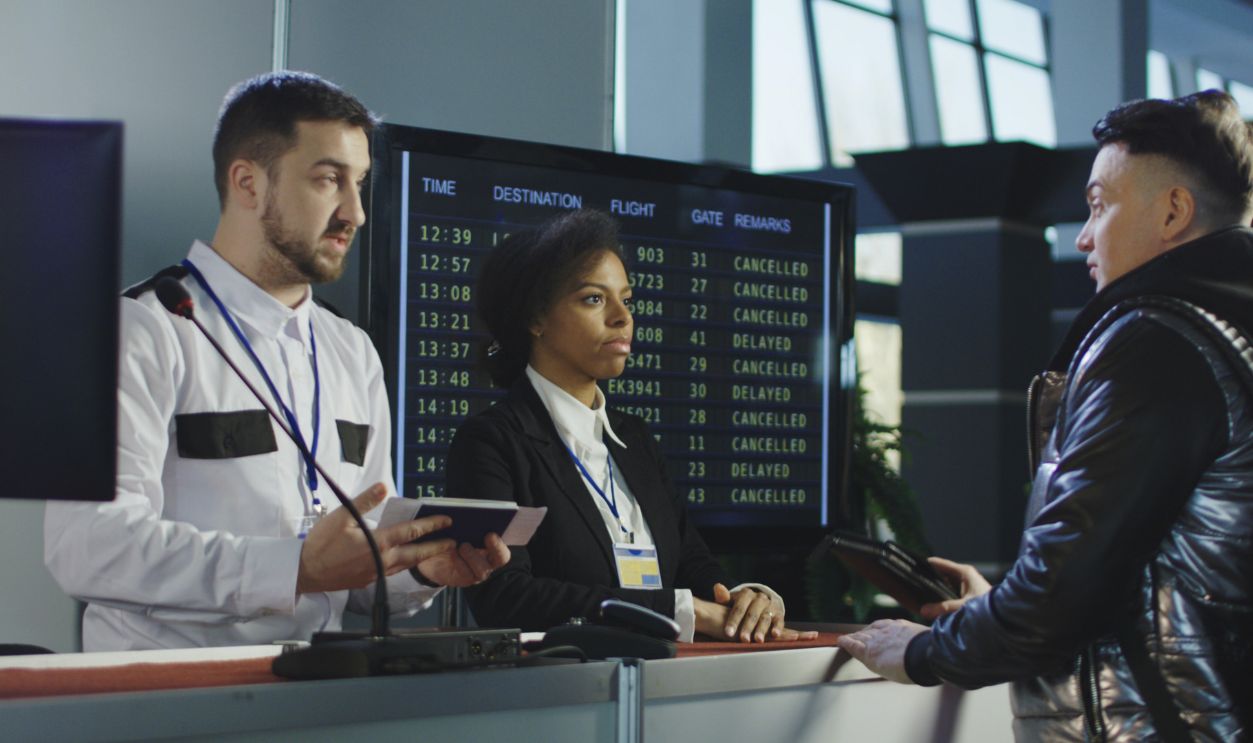
If the disruption forces you to buy food, a hotel room, taxis, or replacement transportation, save every receipt. Reimbursement rules vary, but documented expenses are much easier to recover than rough estimates. It also helps to photograph airport information screens showing the cancellation.

Ask One Important Question Before Leaving The Gate Area
Was the flight officially delayed first and then canceled, or was it really a cancellation all along after boarding? The distinction can matter in Europe because the legal path to compensation may differ, even if the experience felt the same. If airline staff will say so, ask for written confirmation of the flight status and reason.
 Frame Stock Footage, Shutterstock
When Compensation Is Most Likely In Europe
Your chances are usually strongest if the flight was canceled at the last minute, the route was covered by EU261 or UK261, and the airline cannot prove extraordinary circumstances. They may also be strong if the delay at your final destination exceeded three hours, with onboard confinement counting until you were actually allowed off the aircraft. The Austrian Airlines case is an important example on that timing issue.
When Compensation Is Less Likely In The U.S.
If your flight began or ended in the United States and no foreign passenger-rights law applies, you usually will not get automatic cancellation compensation just because you sat onboard for hours. You may still have rights to deplane under tarmac delay rules and rights to a refund if you do not accept rebooking after a cancellation. Anything beyond that often depends on the airline's own contract of carriage or customer service policies.

So Does Time Trapped On The Plane Count
Yes, it can, but not everywhere and not for every kind of claim. In the EU, court rulings make clear that time stuck onboard can count when deciding whether a delay crossed the compensation threshold, because the delay does not end until passengers can actually leave. In the U.S., that same stretch of time is more likely to matter for tarmac delay protections than for cash compensation.
The Best Next Step Is To File A Clear Claim Fast
Submit your claim to the airline in writing and include the flight number, date, route, and a simple timeline of events. If you are relying on EU261 or UK261, say that clearly and point to the arrival delay or cancellation facts. If you are in the U.S., request the refund you are owed if you declined rebooking, and mention any tarmac delay concerns if the airline kept you onboard too long.

The Bottom Line For Frustrated Travelers
Being boarded, stuck on the plane, and then canceled is more than just miserable. In some places, especially Europe, those lost hours can matter legally because the clock may keep running until the cabin door opens and you are free to leave. In the United States, the law is less generous on compensation, but refunds and tarmac delay protections still give travelers some important tools.