The Logos Look Familiar, But The Stay Feels Different
Cross the border and the hotel signs may look familiar, but it doesn't take long to notice that things work a little differently. From surprise card holds and tipping expectations to giant breakfasts and unfamiliar fees, even a basic chain hotel can come with a few American quirks. Here are the differences Canadians tend to notice first.
The Dollar Sign Suddenly Means Something Else
A room advertised at $150 is no longer C$150 once you enter the United States. On September 17, 2026, the Bank of Canada listed one U.S. dollar at about C$1.40. It's easy to forget the conversion when every hotel website still uses a familiar dollar sign.

Hotel Taxes Can Arrive In Layers
Canadians are used to GST or HST on hotel stays, but American destinations can stack several taxes together. New York City hotel rooms, for example, can face city hotel tax, state sales tax, city sales tax, and a state hotel fee. The exact mix depends on the destination.
Resort Fees Are More Visible Than They Used To Be
A major U.S. pricing change took effect in May 2025. Federal Trade Commission rules now require mandatory charges such as resort fees to be included in the most prominently displayed total price. That makes surprise add-on fees harder to hide until checkout.
Government Taxes Can Still Be Added Separately
The first price you see may still not be the final amount charged. Government-imposed taxes do not have to be included in the upfront total under the federal rule. Canadians should still check the final booking breakdown before comparing properties.
The Incidental Hold Can Be A Surprise
Checking in may involve more than paying for the room. Some U.S. hotels place a temporary hold on your credit card for possible incidentals, with amounts varying by property. That can reduce your available credit until the hold is released.

Your Money May Stay Tied Up After Checkout
An unused hold does not always disappear when you leave. Some hotels warn that it may take several business days for the funds to become available again, depending on the bank. On a longer trip with several hotel stays, those holds can quickly eat into your available credit.
You Might Need To Be 21 Just To Check In
Being legally an adult does not guarantee you can check into every American hotel. Some properties require guests to be 21, while others accept guests at 18. Younger Canadians should always check the individual hotel's age policy before booking.

Housekeeping Tips Become Part Of The Budget
Leaving cash for housekeeping is a recognized part of American hotel etiquette. Industry guidance commonly recommends a few dollars per night, ideally left daily because staff assignments can change. It is a small cost, but another one to remember.
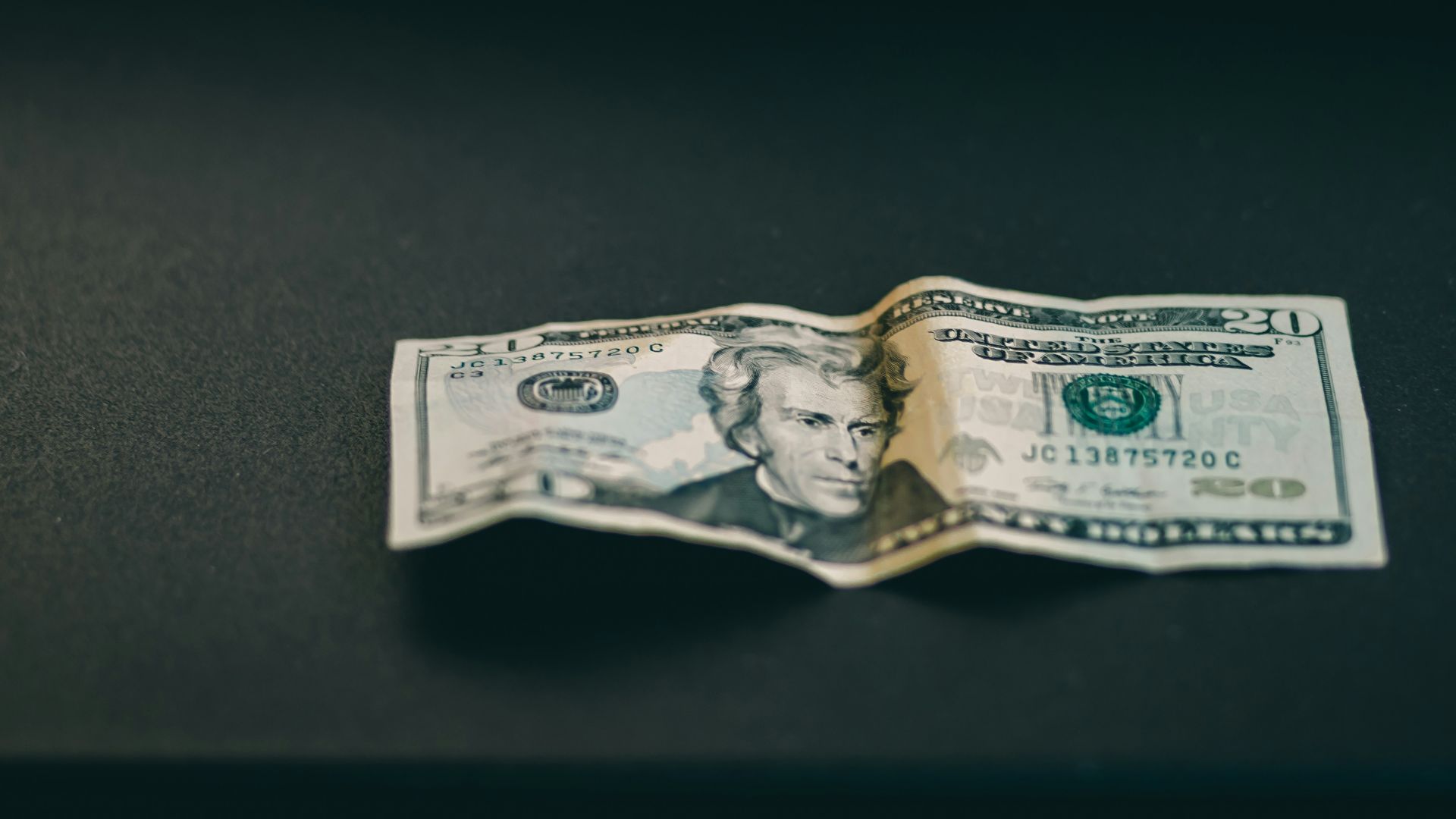
There Are More Tipping Moments Than You Think
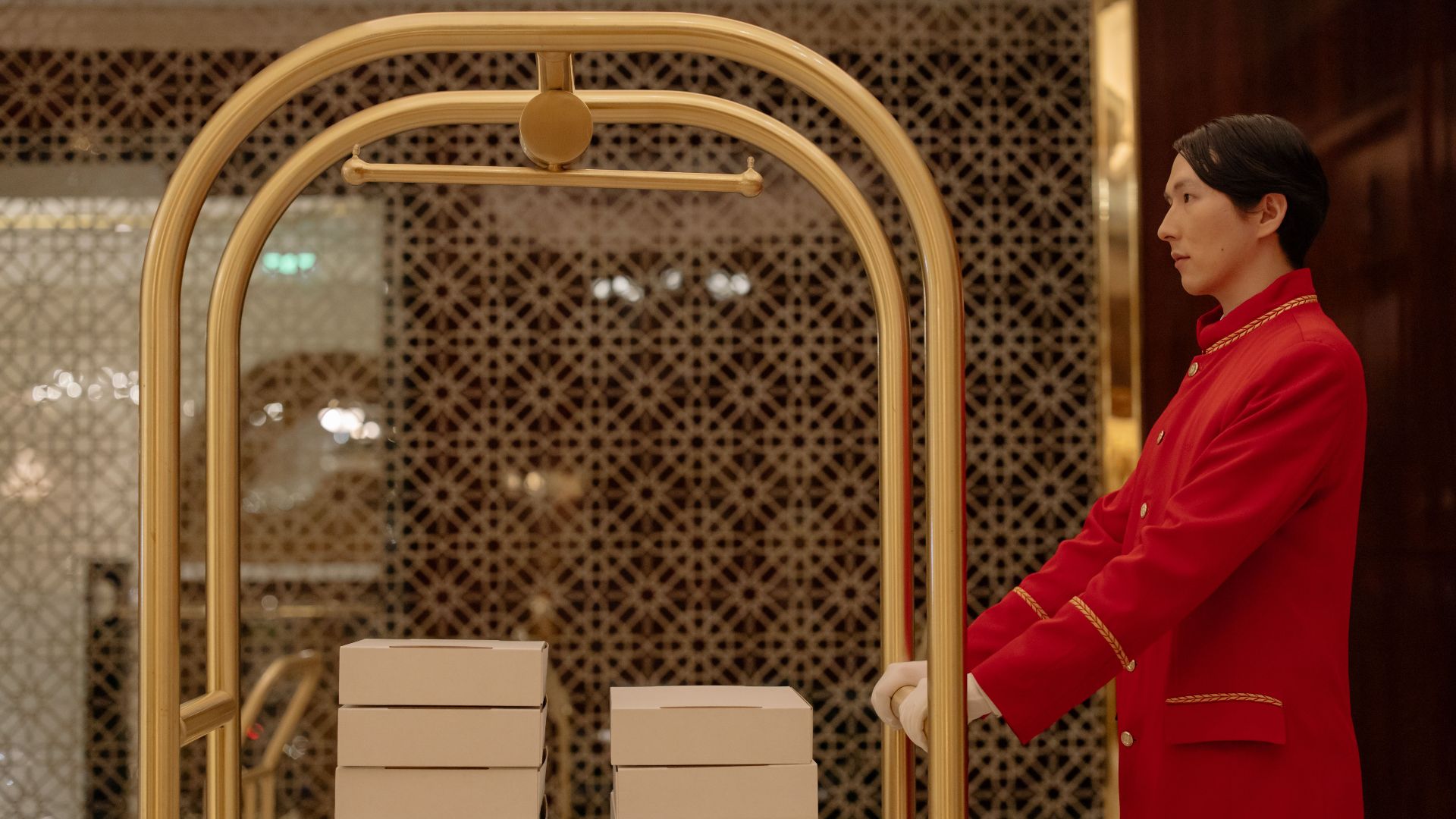
Housekeeping is only the beginning at a full-service hotel. Bell staff, shuttle drivers, parking attendants, and door staff may all be tipped in the United States. A stay with plenty of service can involve several gratuity moments.
Free Breakfast Can Mean A Full Hot Meal
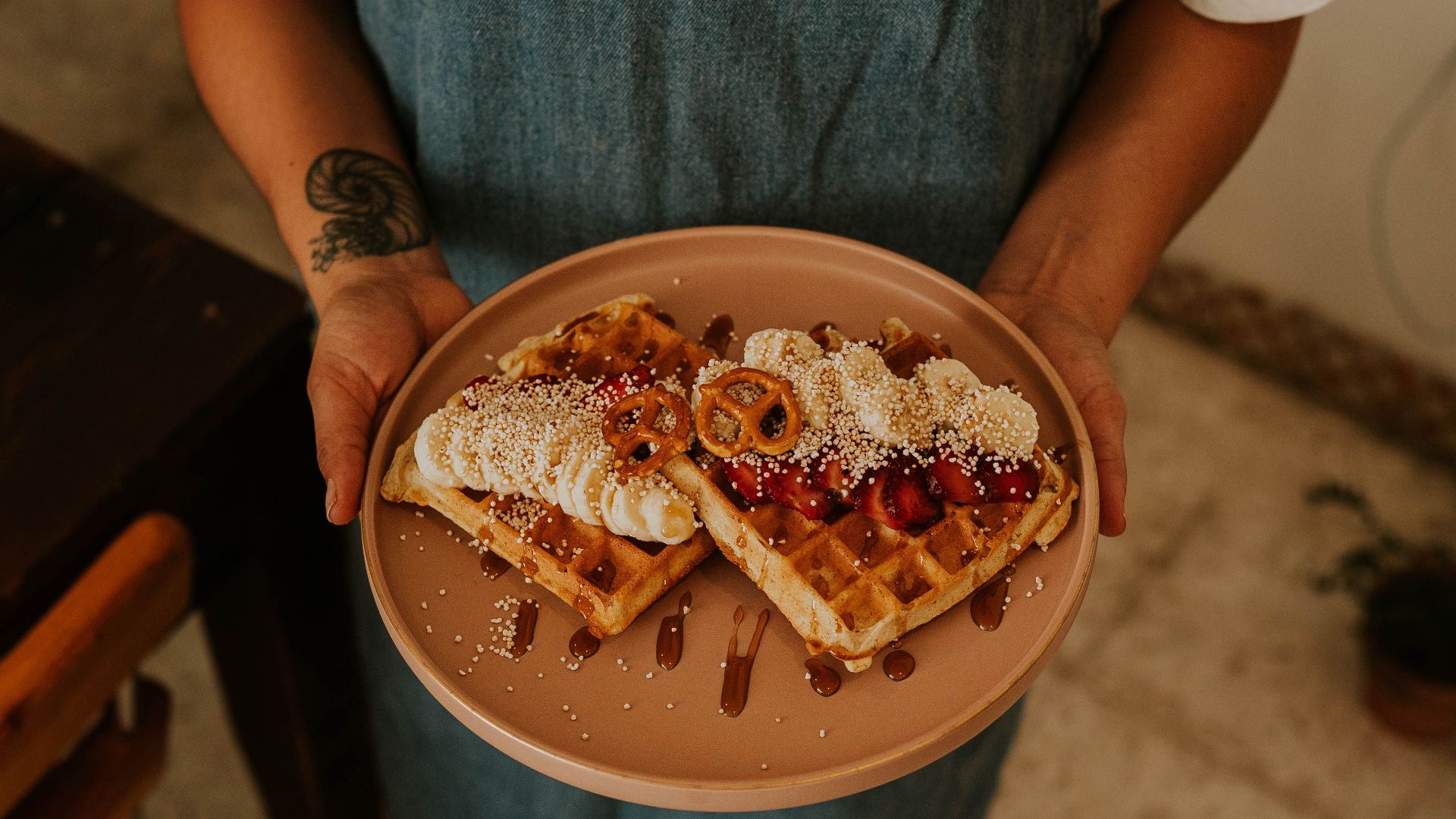
At many American limited-service chains, complimentary breakfast goes well beyond cereal and toast. Brands such as Hampton, Comfort, and Holiday Inn Express advertise hot options including eggs, breakfast meats, and waffles. That can make a basic roadside stay feel unexpectedly generous.

The Waffle Maker Is Practically A Hotel Fixture
A line around a self-serve waffle iron is a common sight at U.S. chain hotels. Hampton treats waffles as a signature breakfast item, while Comfort also promotes them heavily. For some Canadians, the do-it-yourself waffle station is one of the most immediately American parts of the stay.
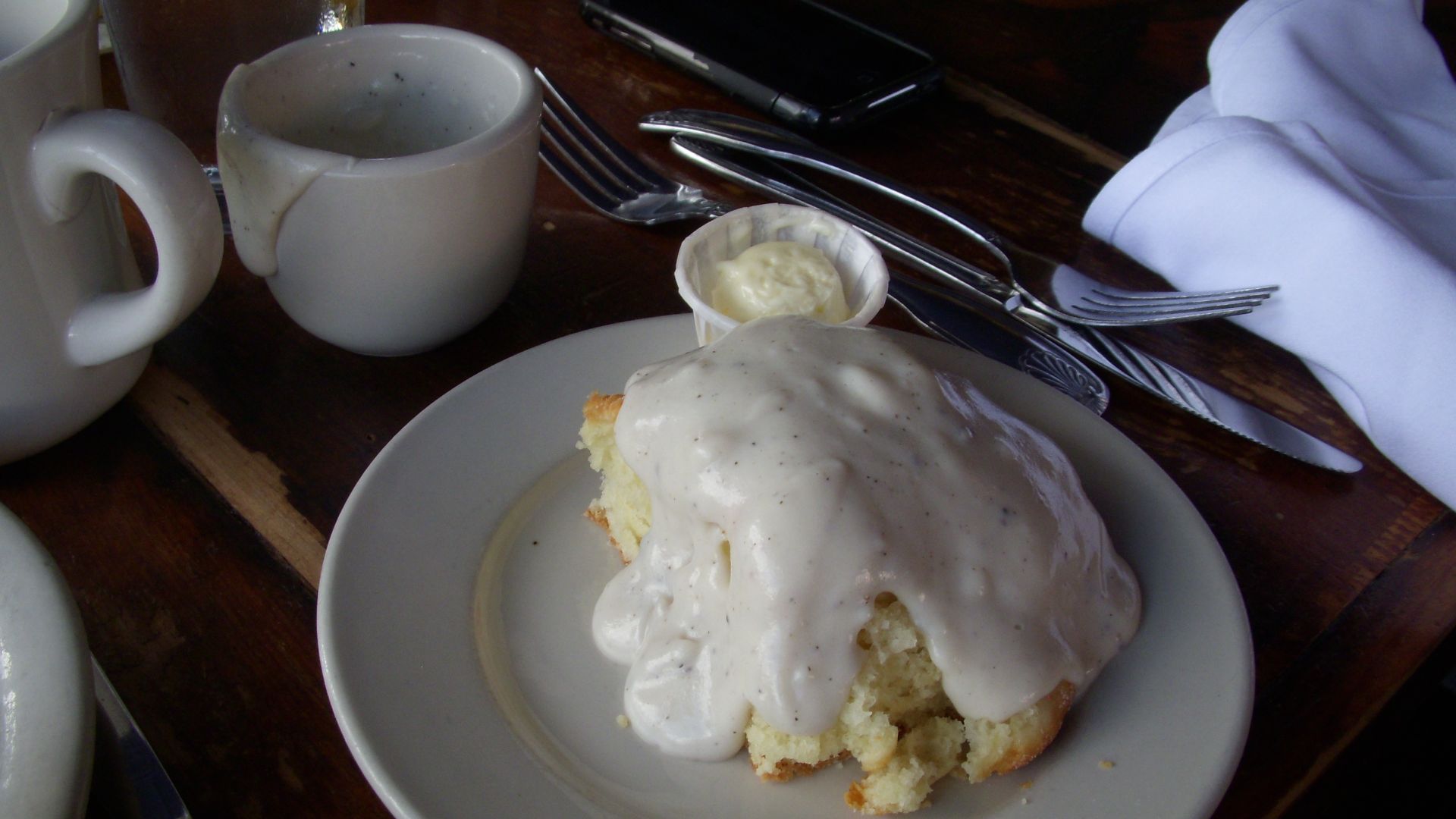
Biscuits And Gravy Really Do Appear At Breakfast
One buffet item can make the setting obvious right away. Drury Hotels includes buttermilk biscuits with peppered gravy alongside eggs, potatoes, and sausage. Canadians unfamiliar with the Southern staple may find it one of the more distinctive breakfast options.
Coffee May Be Available Around The Clock
Some U.S. chains treat lobby coffee as an all-day amenity. Holiday Inn Express promotes bean-to-cup coffee available 24 hours a day at participating properties. It is especially useful after a late arrival or before an early departure.

You May Encounter Hotel Brands You Barely Know
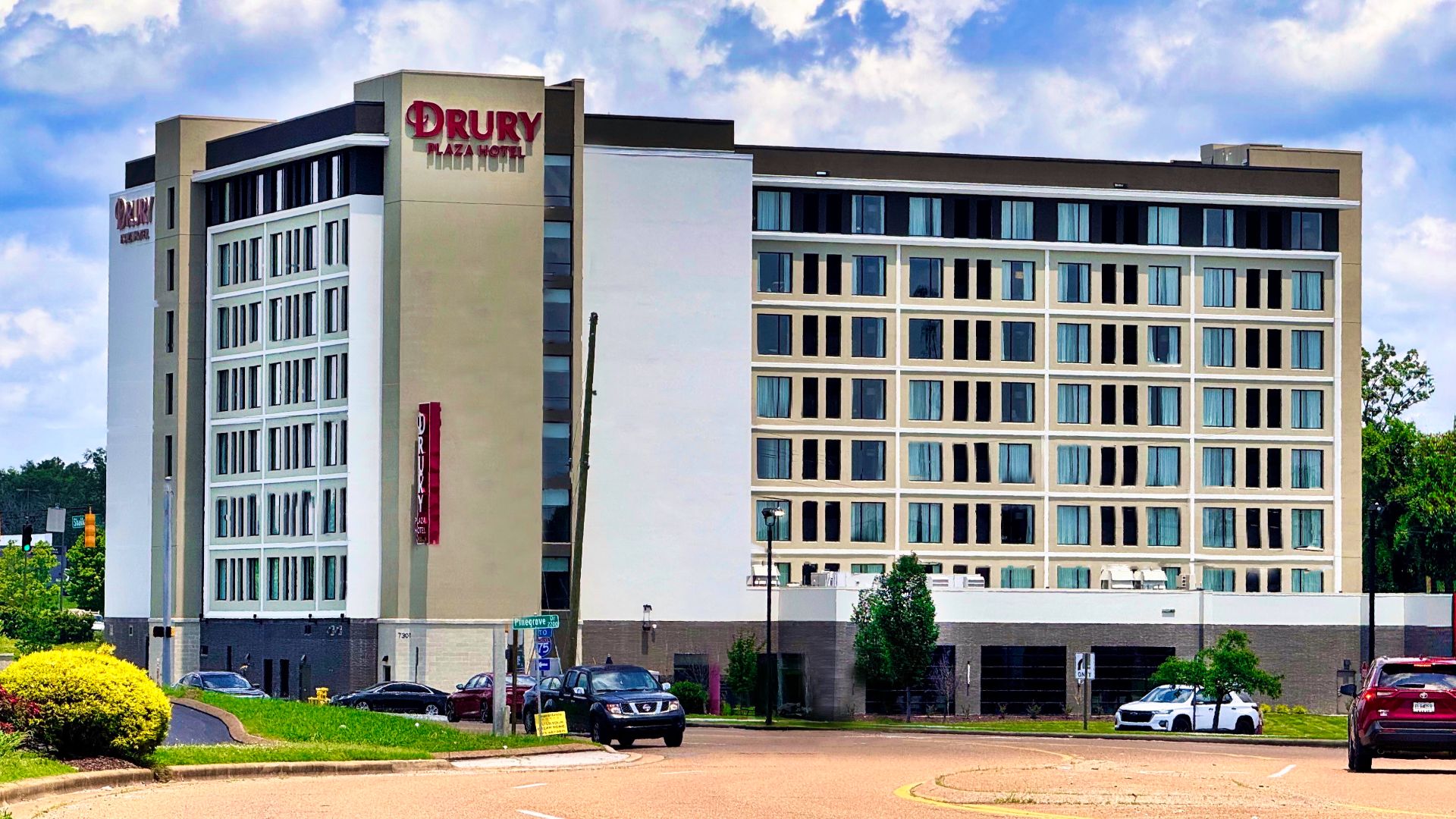
The U.S. market includes major chains with relatively little visibility in Canada. Drury Hotels, for example, operates more than 150 properties across 30 states. A long American road trip can quickly introduce Canadians to unfamiliar names.
 Harrison Keely, Wikimedia Commons
Some Hotels Feed You Again In The Evening
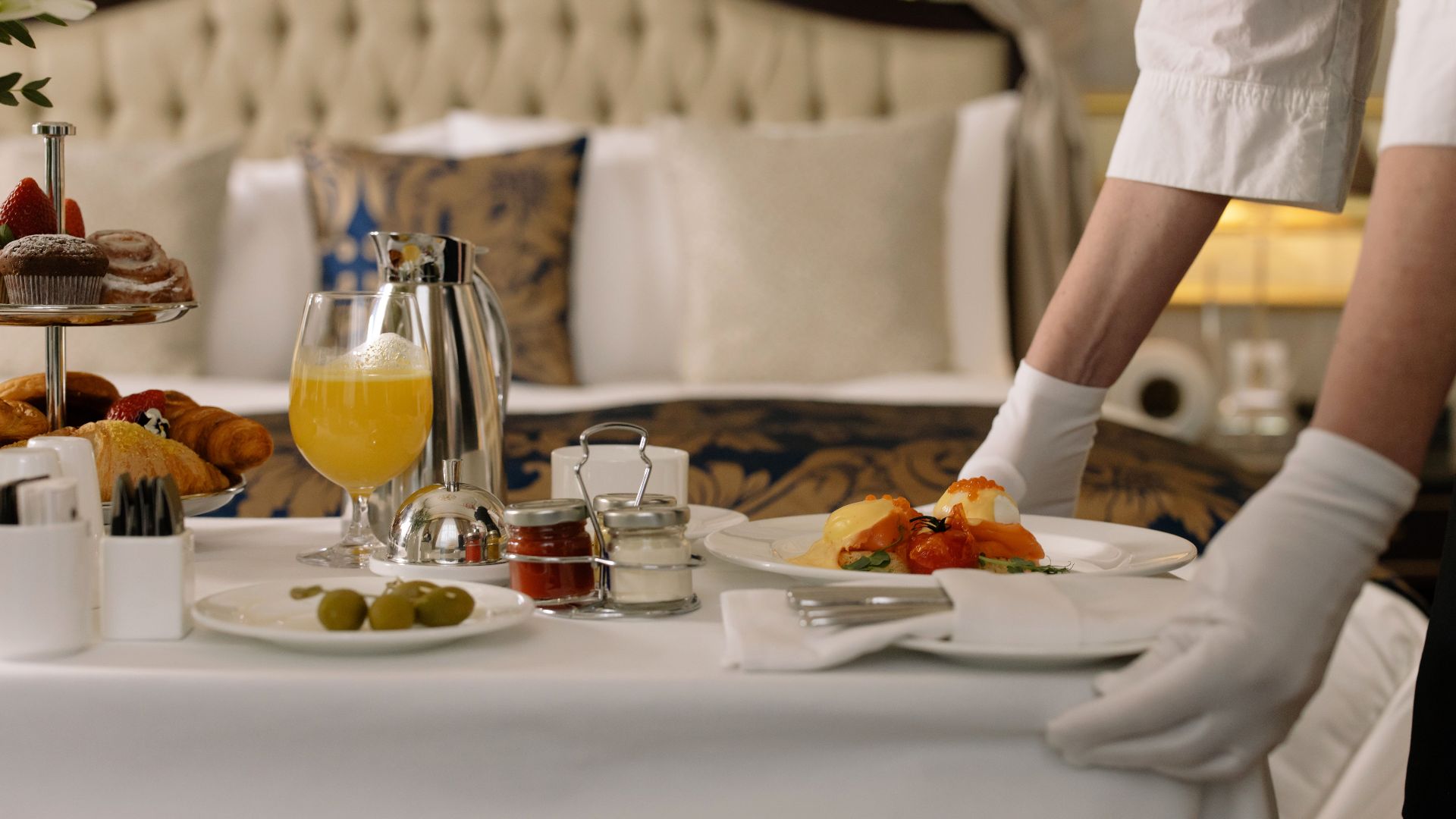
Drury adds another unusual perk with its nightly 5:30 Kickback. Guests receive complimentary evening food and drinks in addition to breakfast. For road trippers, that can noticeably reduce the daily food budget.
Extended-Stay Rooms Can Feel Like Apartments
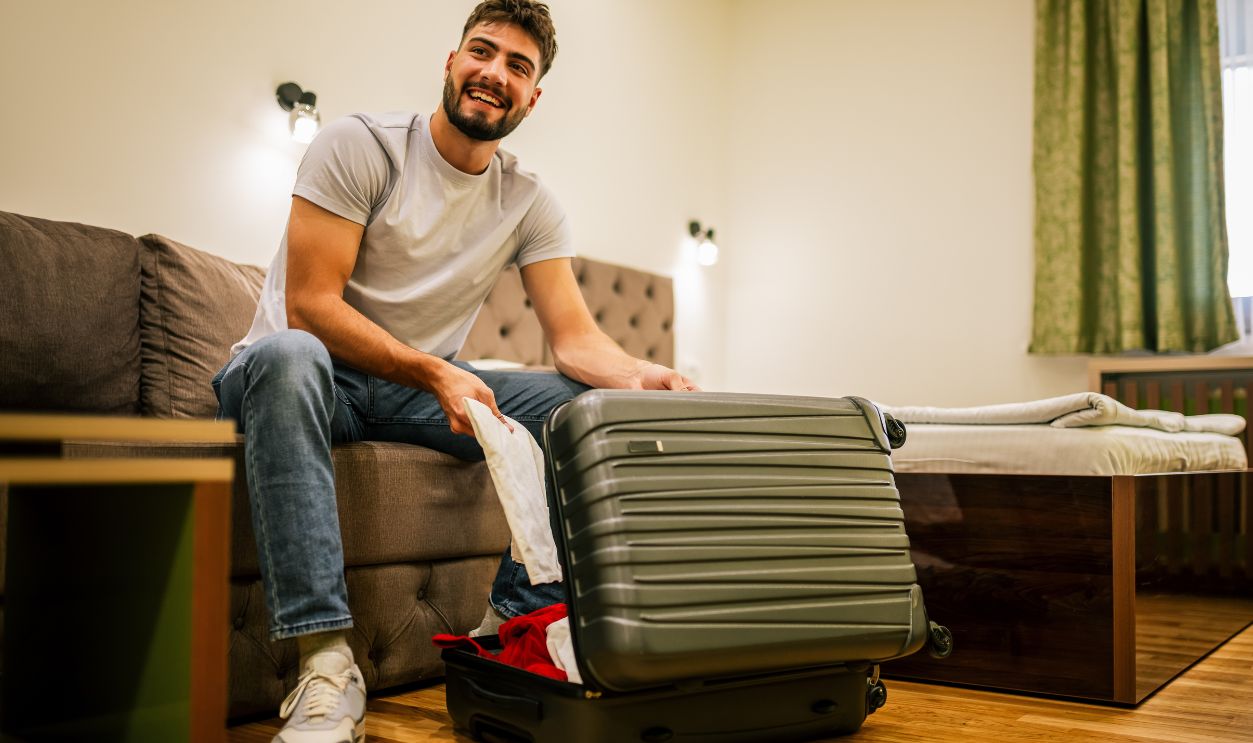
American extended-stay brands often blur the line between a hotel and a small apartment. TownePlace Suites promotes rooms with kitchens, work areas, and on-site laundry. For longer stays, being able to cook can make a major difference.
Even Basic Rooms Can Be Surprisingly Well Equipped
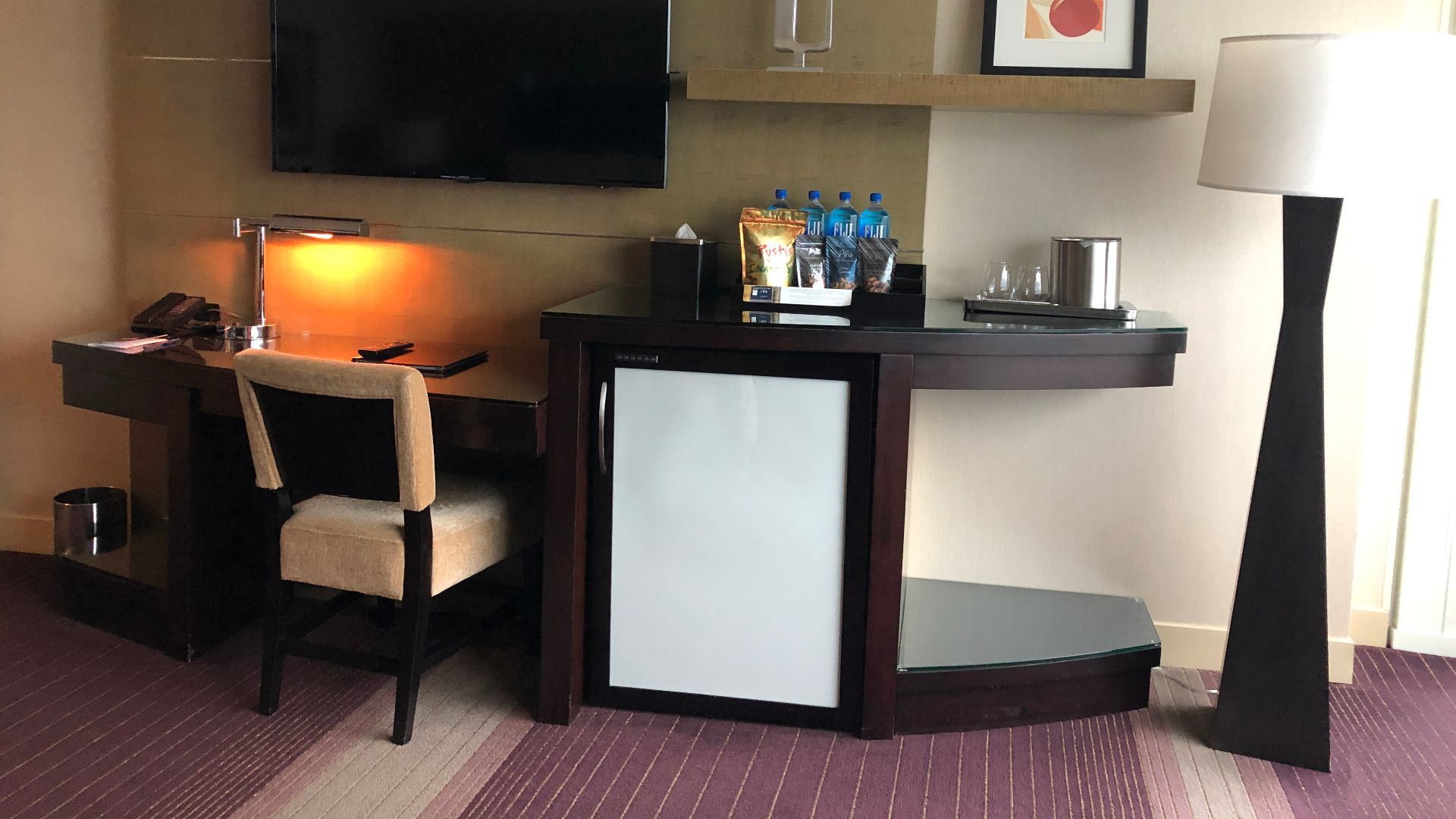
You do not always need an extended-stay hotel to get useful kitchen equipment. Many standard chain properties include mini-fridges and microwaves in guest rooms. Checking the amenity list can reveal more than Canadians might expect from a basic roadside hotel.
Lobby Markets Have Replaced A Lot Of Minibars
Instead of an expensive minibar, many hotels now have a small market near the front desk. These shops sell snacks, drinks, and simple meals at many newer chain properties. They are especially handy at airport and suburban hotels with little nearby.
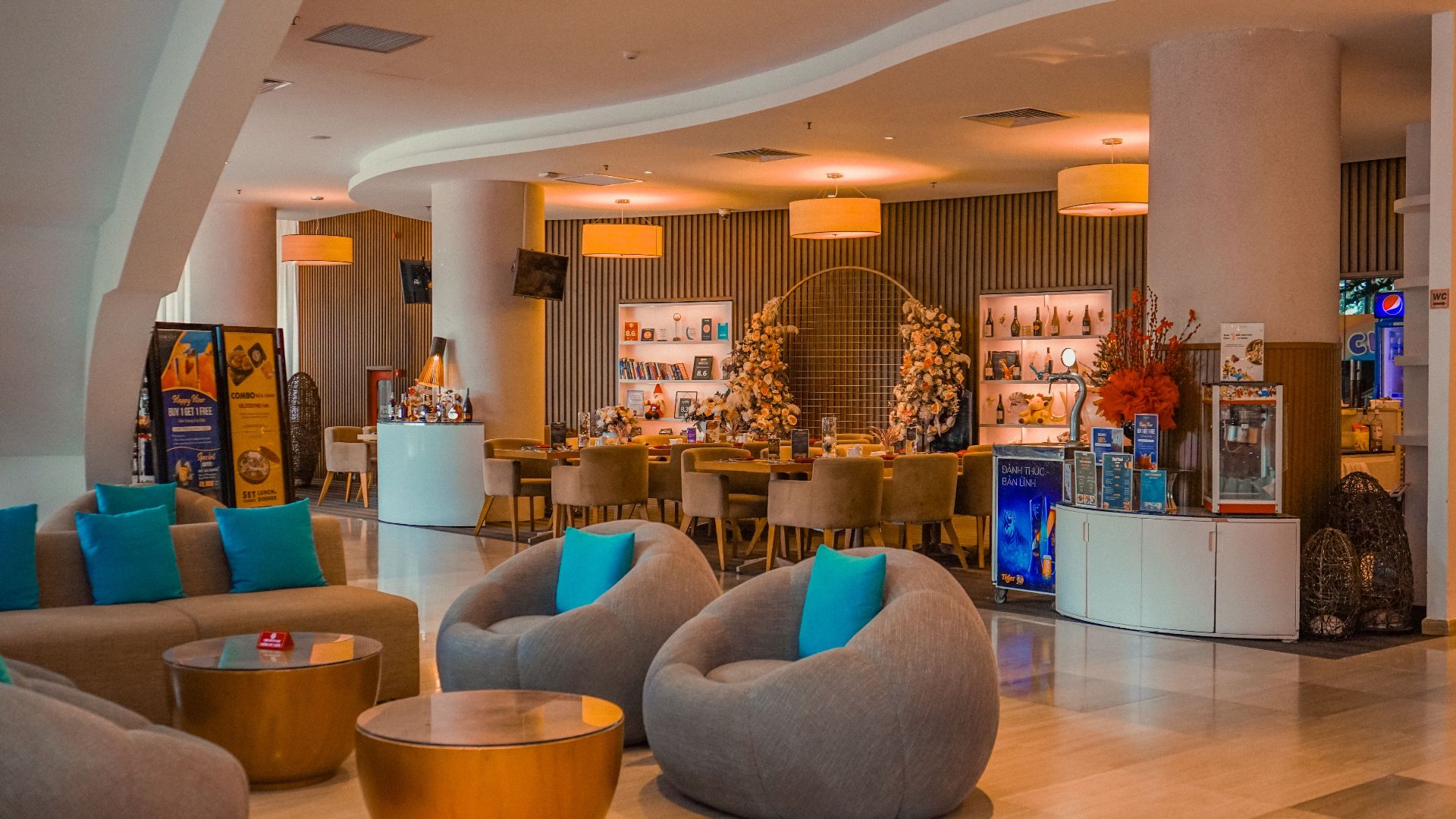
Daily Housekeeping Is No Longer Guaranteed
Staying several nights does not always mean the room will be cleaned every day. Hilton provides housekeeping every other day at several focused-service brands in the U.S. and Canada. Guests who want daily service may need to request it.

Full-Service Hotels Can Follow Different Rules
Move up to a different hotel category and housekeeping can change again. Hilton says its luxury, full-service, lifestyle, and Embassy Suites properties provide complimentary daily housekeeping worldwide. Brand category can matter as much as the company name.
Everything Suddenly Seems To Be Measured In Miles
A hotel website can remind Canadians quickly that they are in the United States. Distances to airports and attractions are routinely listed in miles rather than kilometers. It is a small change, but one that shows up constantly while planning.

Parking Can Be Free Or Wildly Expensive
There is no simple rule for U.S. hotel parking. A roadside property may offer free self-parking, while an upscale city hotel can charge close to $100 per night. Location can turn parking into one of the biggest extra costs of the stay.

Paying For Parking May Not Buy Unlimited Access
Even expensive parking does not always include unlimited entry and exit. Some city hotels charge a daily rate without in-and-out privileges. Travelers planning to use the car several times should read the parking terms carefully.

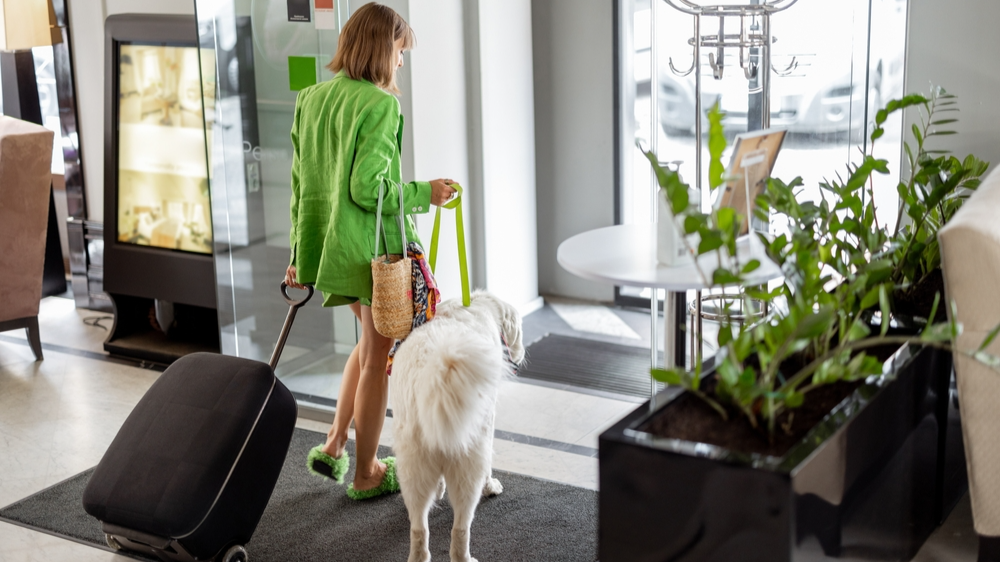
Bringing The Dog Can Get Expensive
Pet-friendly does not necessarily mean inexpensive. Some upscale American hotels charge non-refundable pet fees of hundreds of dollars per stay. Canadians traveling with a dog should compare pet policies almost as carefully as room rates.
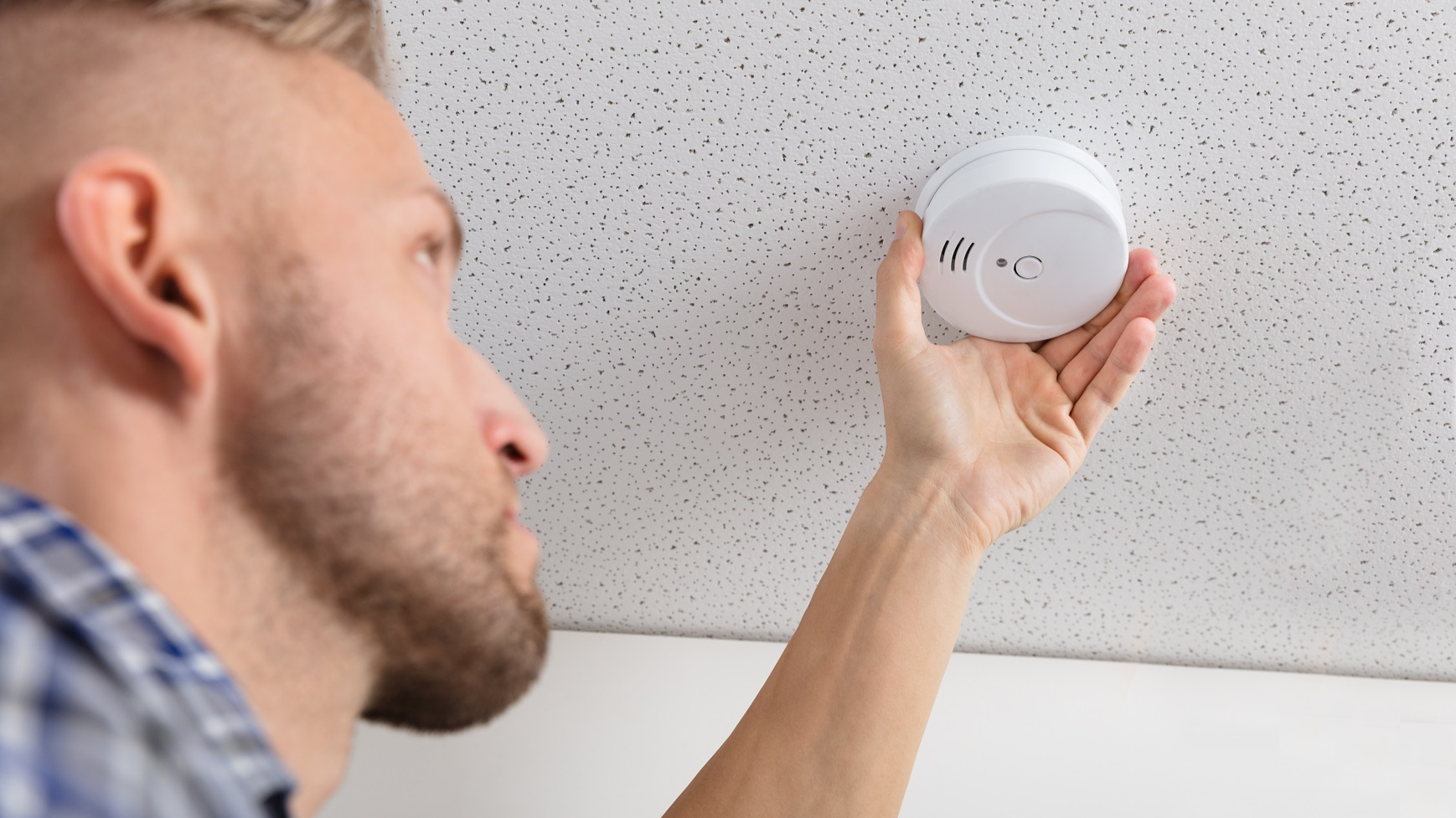
Smoking In The Room Can Cost Hundreds
Many major U.S. hotel chains operate smoke-free properties and enforce the rule with substantial cleaning fees. Individual hotels may charge several hundred dollars for smoking in a non-smoking room. It is worth checking the policy before arrival.
Accessible Rooms Come With Very Specific Features
American hotel accessibility standards can be highly detailed. Federal ADA rules cover the number and design of accessible rooms, while hotel listings often describe features such as grab bars, lowered fixtures, and roll-in showers. That can make it easier to compare rooms before booking.

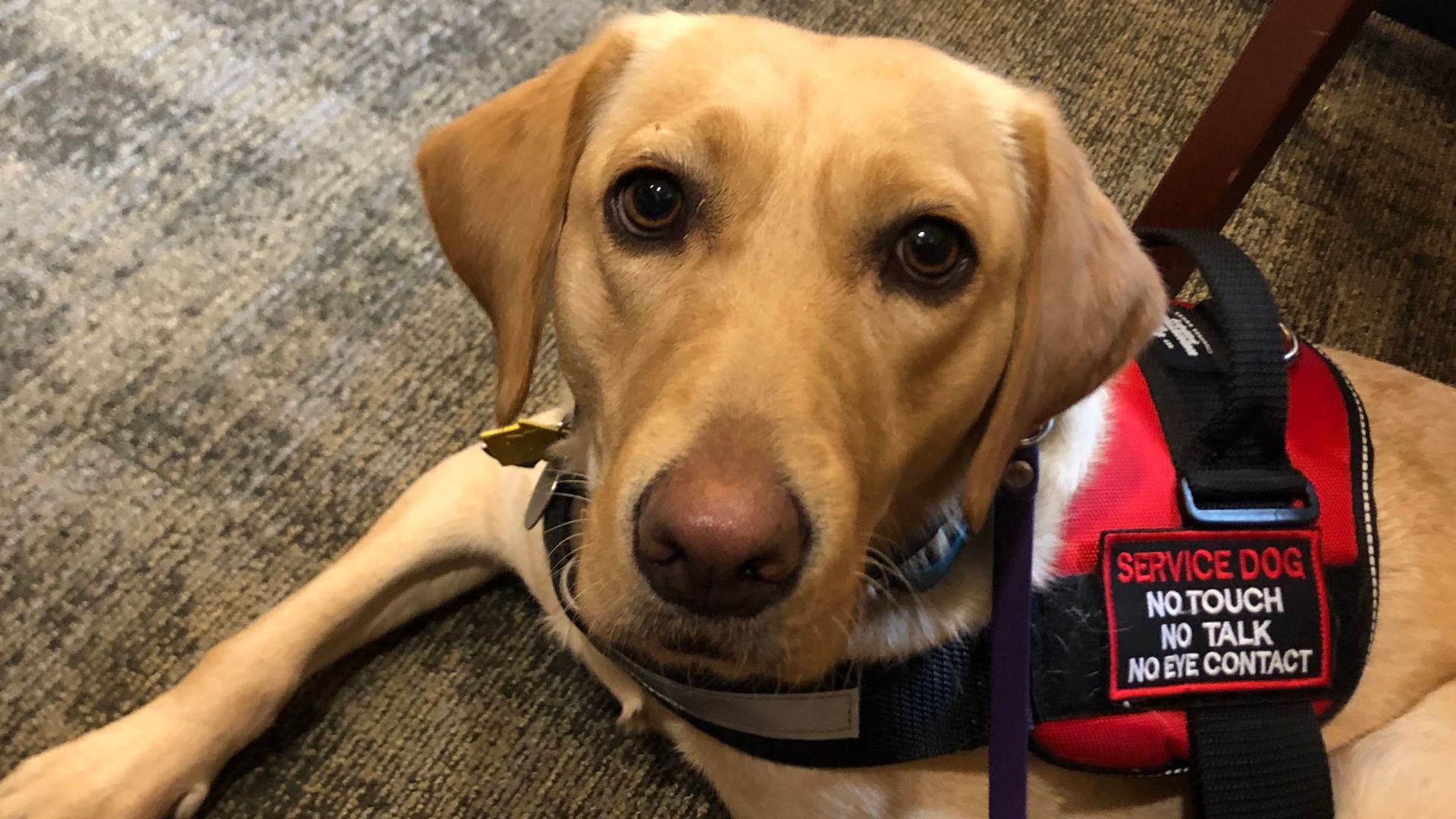
Service Animals Are Not Treated Like Pets
Ordinary pet rules do not apply the same way to qualifying service animals under the Americans with Disabilities Act. Hotels cannot restrict them to pet-designated rooms or charge an ordinary pet cleaning fee. That distinction is protected under federal law.
The Differences Add Up Faster Than Expected
An American chain hotel may look almost identical to its Canadian counterpart at first. Then come the U.S. dollars, taxes, incidental holds, tipping customs, breakfast quirks, pet fees, parking rules, and miles. None of it is dramatic on its own, but together they make the stay feel distinctly American.
You May Also Like:
Things North American Tourists Do Abroad That Locals Immediately Recognize
Things Canadians Notice Immediately When They Visit An American Beach Town