A Discovery That Changed Everything
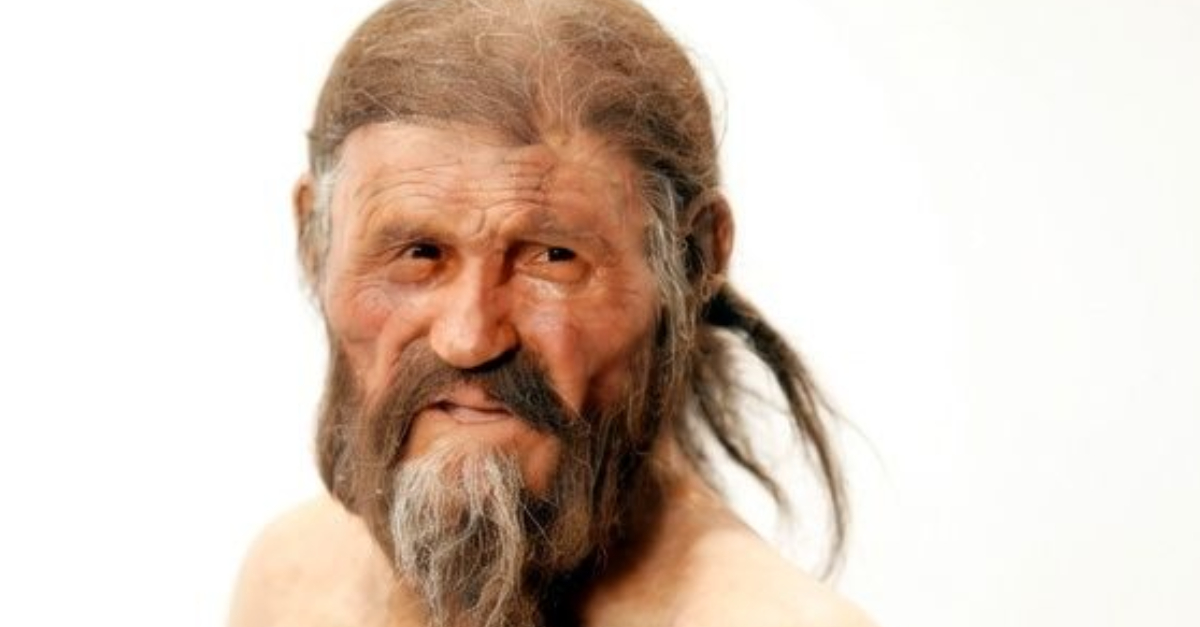
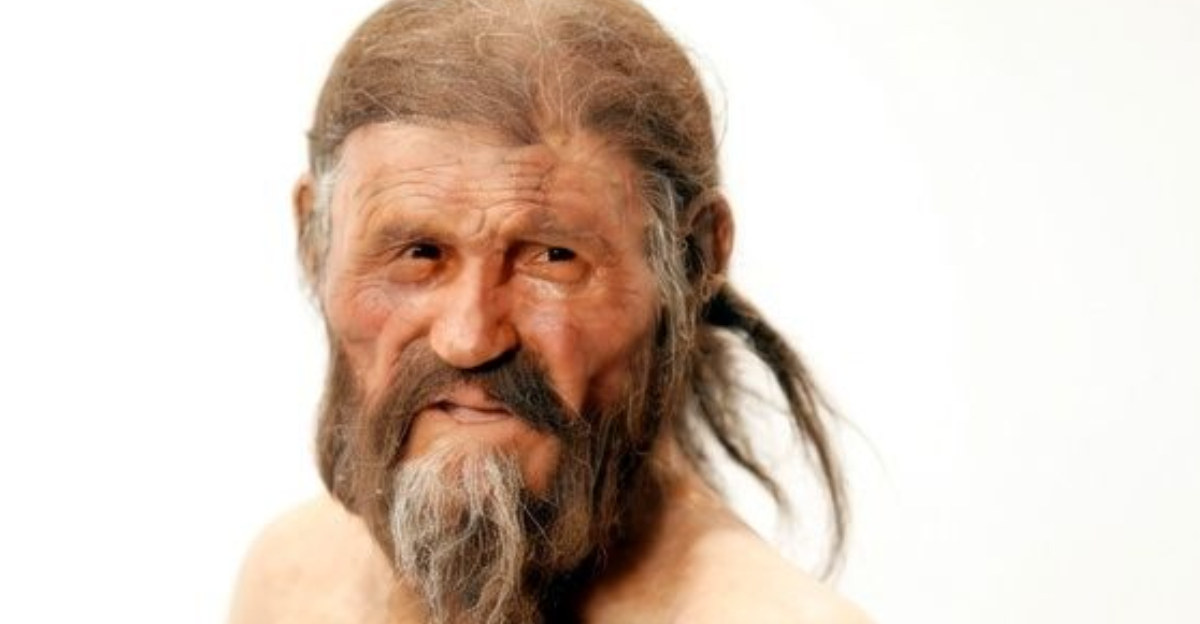
When hikers found a body in the Alps in 1991, nobody expected it to become one of the world’s most famous archaeological discoveries. Scientists eventually worked out how old he was. But ten years passed before they spotted the arrowhead that changed his story completely.
Two Hikers Spotted Something In The Ice
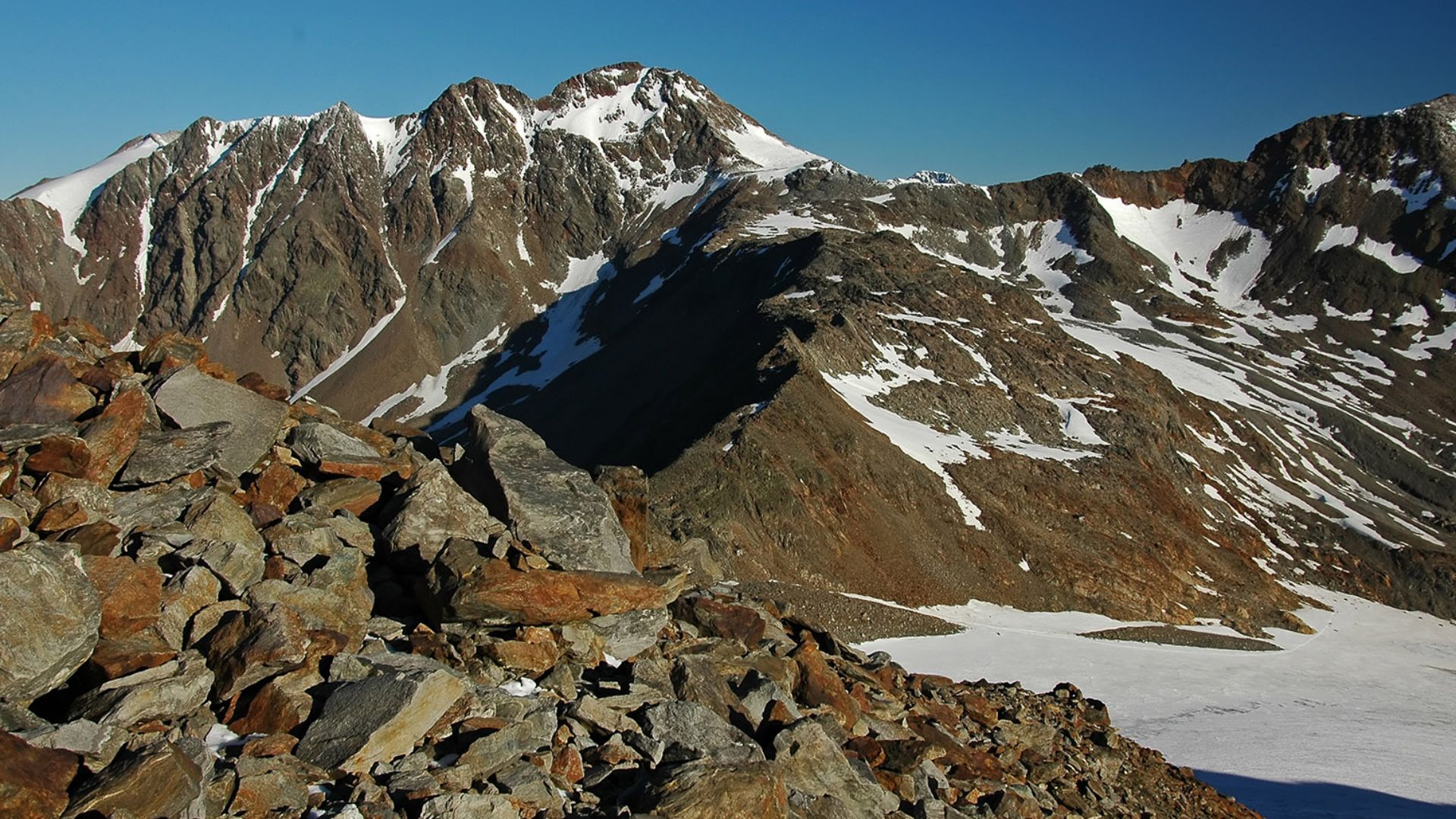
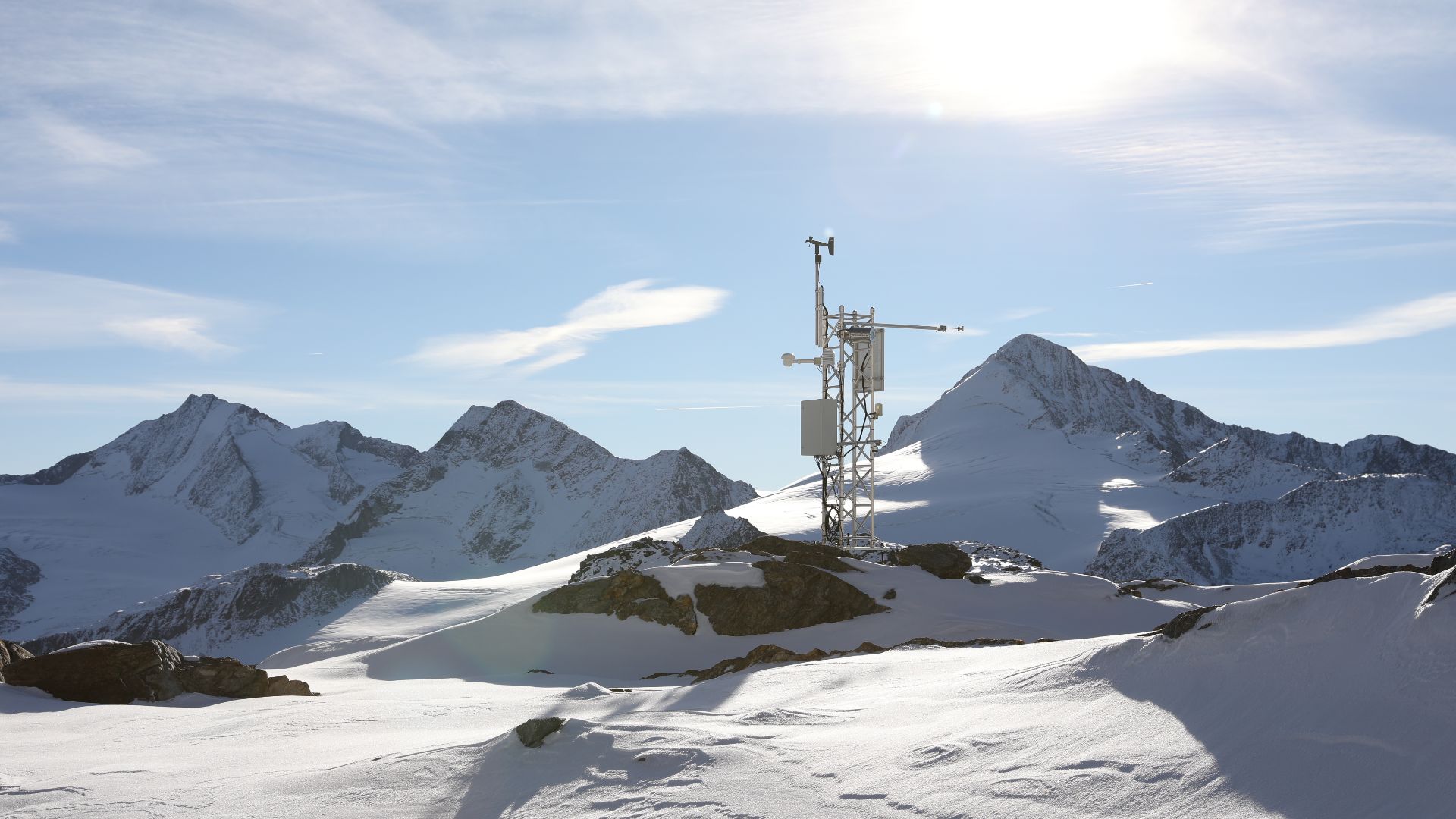
On September 19, 1991, German hikers Erika and Helmut Simon noticed a human body partly exposed in the ice near the border between Austria and Italy. They were more than 10,000 feet above sea level. Naturally, they assumed someone had suffered a mountaineering accident.
Getting Him Out Wasn’t Easy
The body was still trapped in the ice, and early recovery attempts failed. When rescuers finally freed him on September 23, no archaeologist was present. He was transported to Innsbruck for forensic examination, while pieces of leather, string, and other belongings emerged around the discovery site.
 University of Innsbruck, Wikimedia Commons
His Belongings Were The First Big Clue
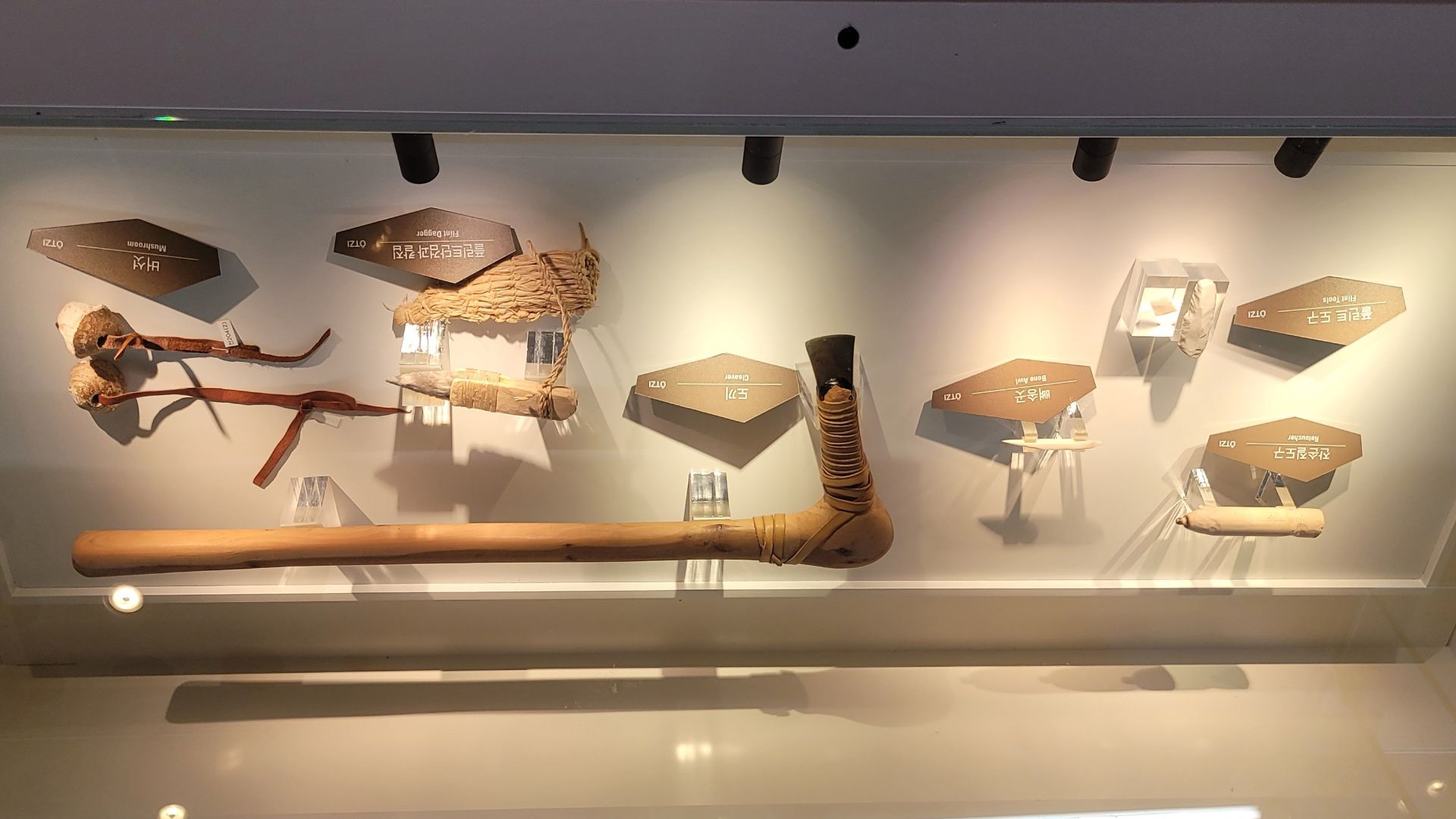
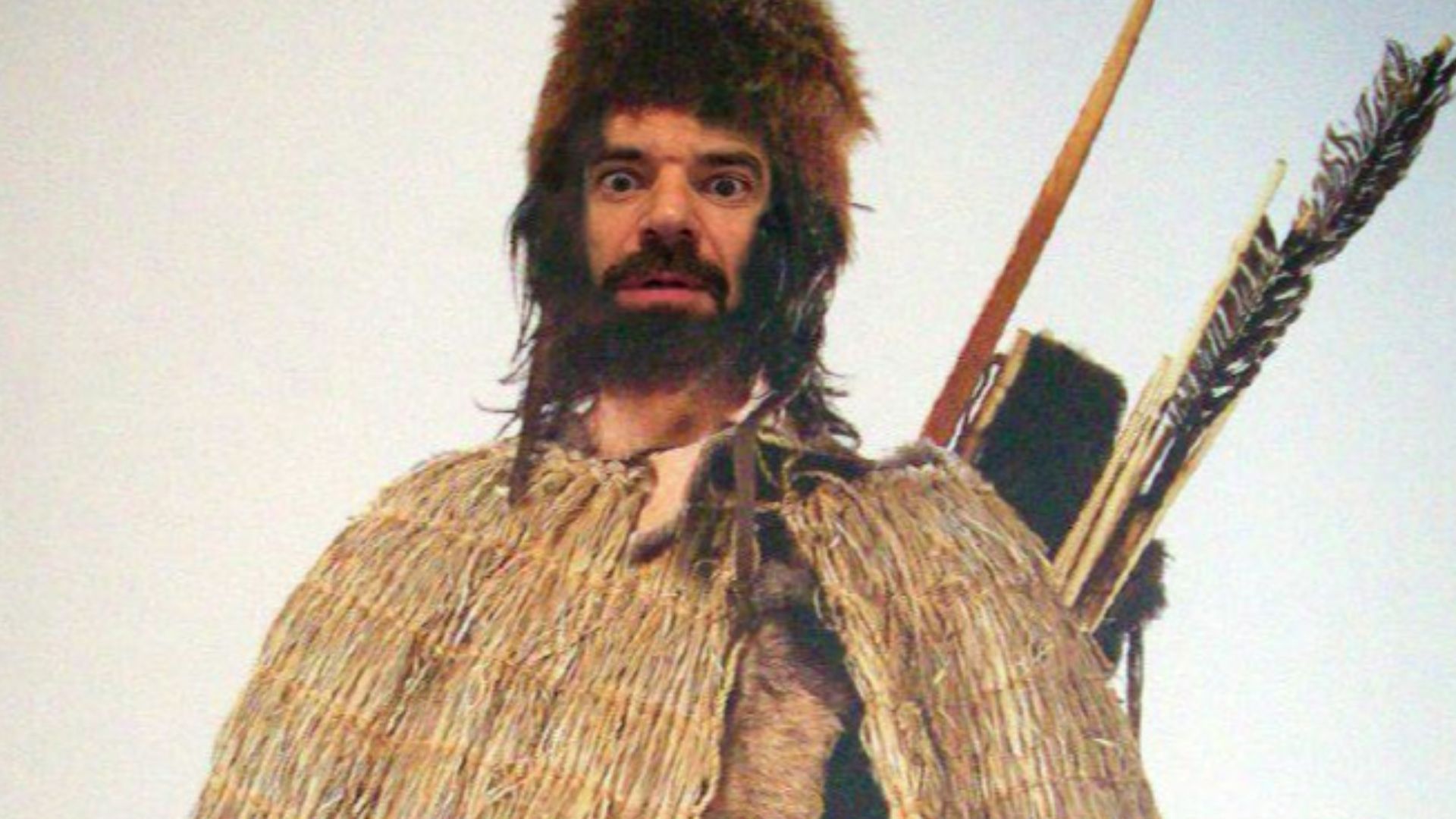
The equipment beside him didn’t look like anything a modern climber would carry. There was an unusual axe, a stone-bladed dagger, and a long wooden object later identified as a bow. When archaeologist Konrad Spindler examined the find, he immediately recognized that this was something much older.
He Had Been There For Thousands Of Years
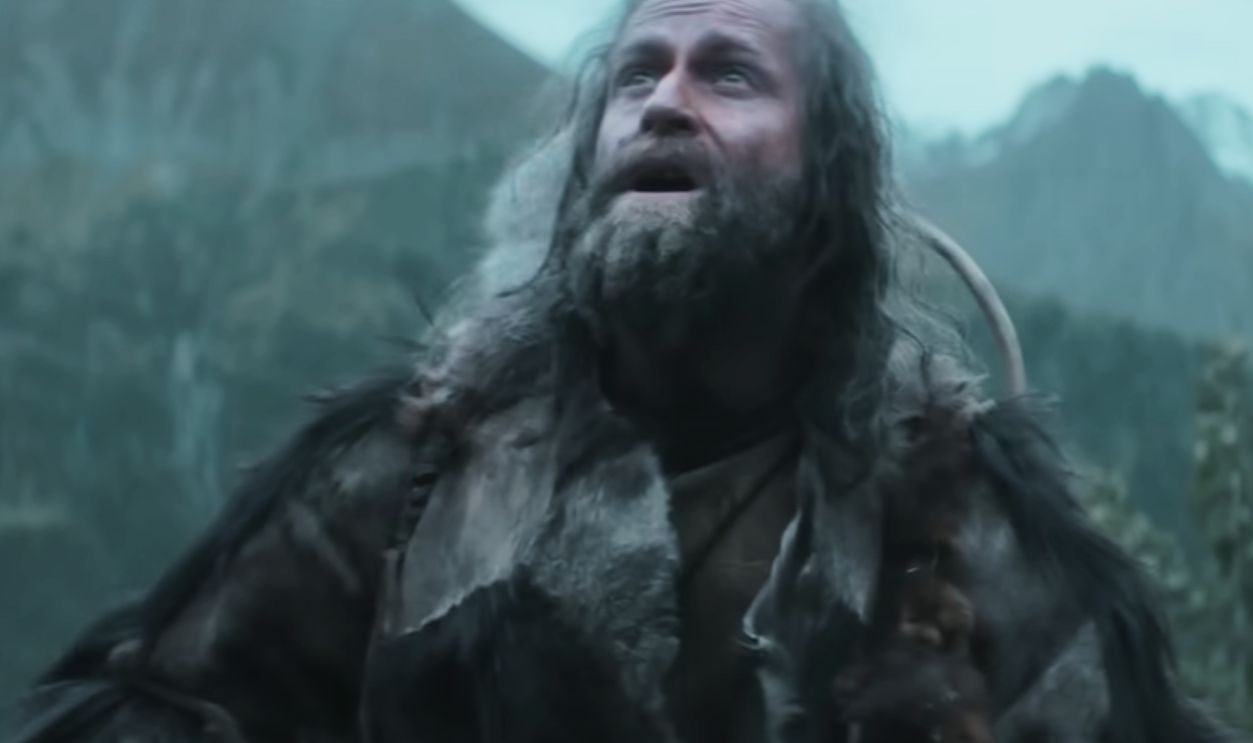
Radiocarbon dating placed him roughly 5,300 years in the past, during the Copper Age. Suddenly, the presumed climbing accident had become an extraordinary window into prehistoric life. The man became known as Ötzi, a nickname taken from the Ötztal Alps where he was found.
 Screenshot from Iceman, Film Movement (2017)
The Cold Seemed Like An Obvious Explanation
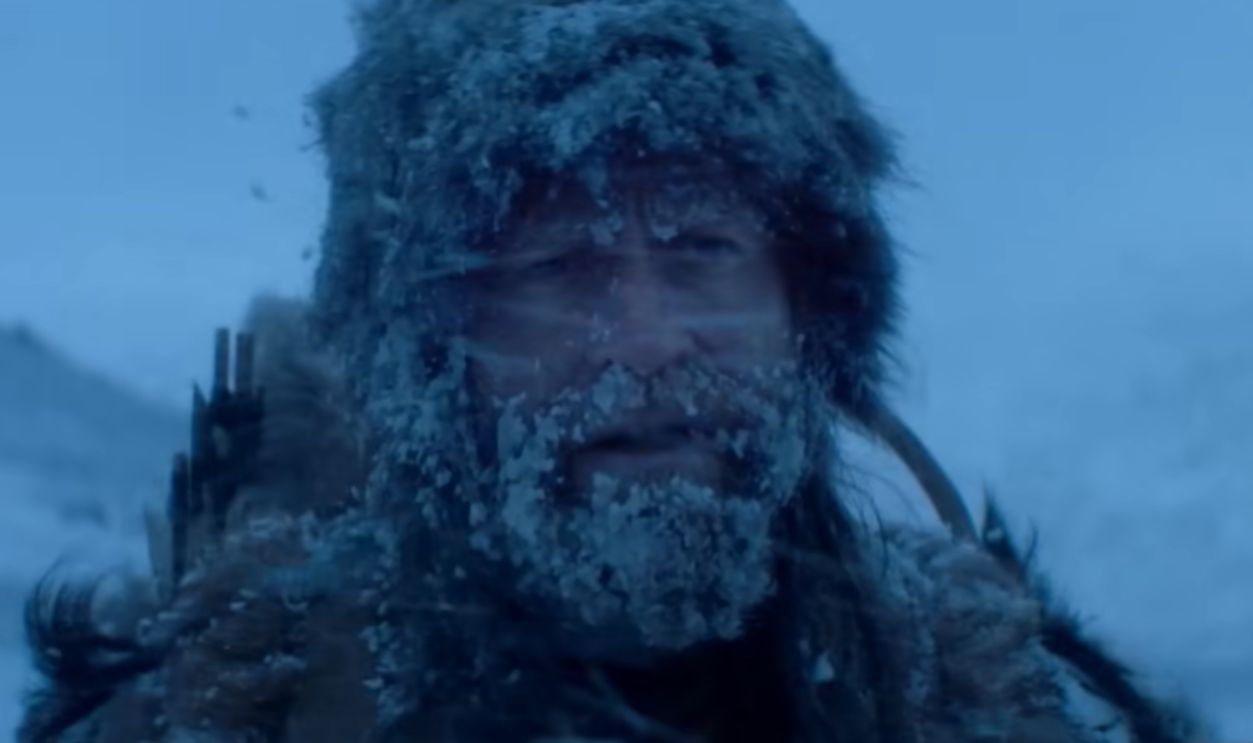
A man found high in the Alps, surrounded by snow and ice, seemed to come with a fairly straightforward explanation. An early reconstruction suggested he had retreated into the mountains and succumbed to the cold. It made sense, but the evidence was still incomplete.
 Screenshot from Iceman, Film Movement (2017)
Scientists Had More Than A Skeleton
Ötzi’s preservation gave researchers something exceptionally rare: ancient human remains with surviving soft tissue and internal organs. They could examine his health, his equipment, and even what he had eaten. Yet all that access still hadn’t answered the biggest question about his final hours.
Then A Radiologist Looked Again
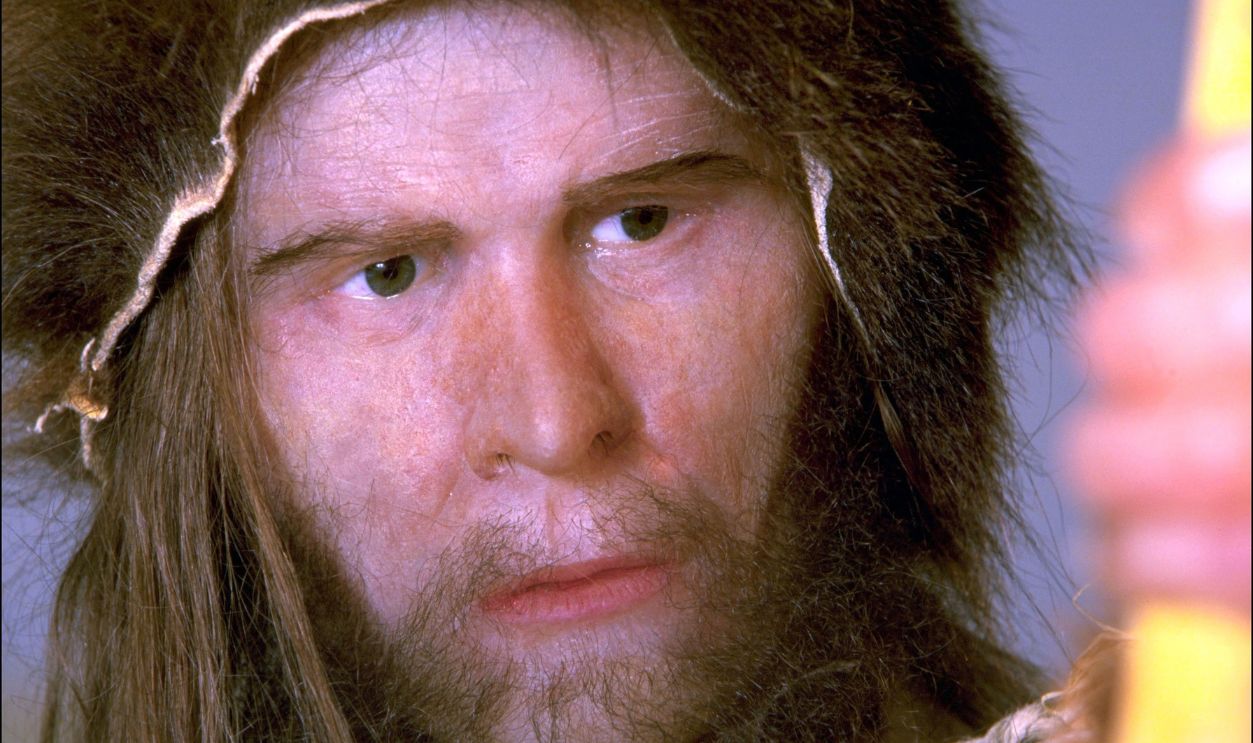
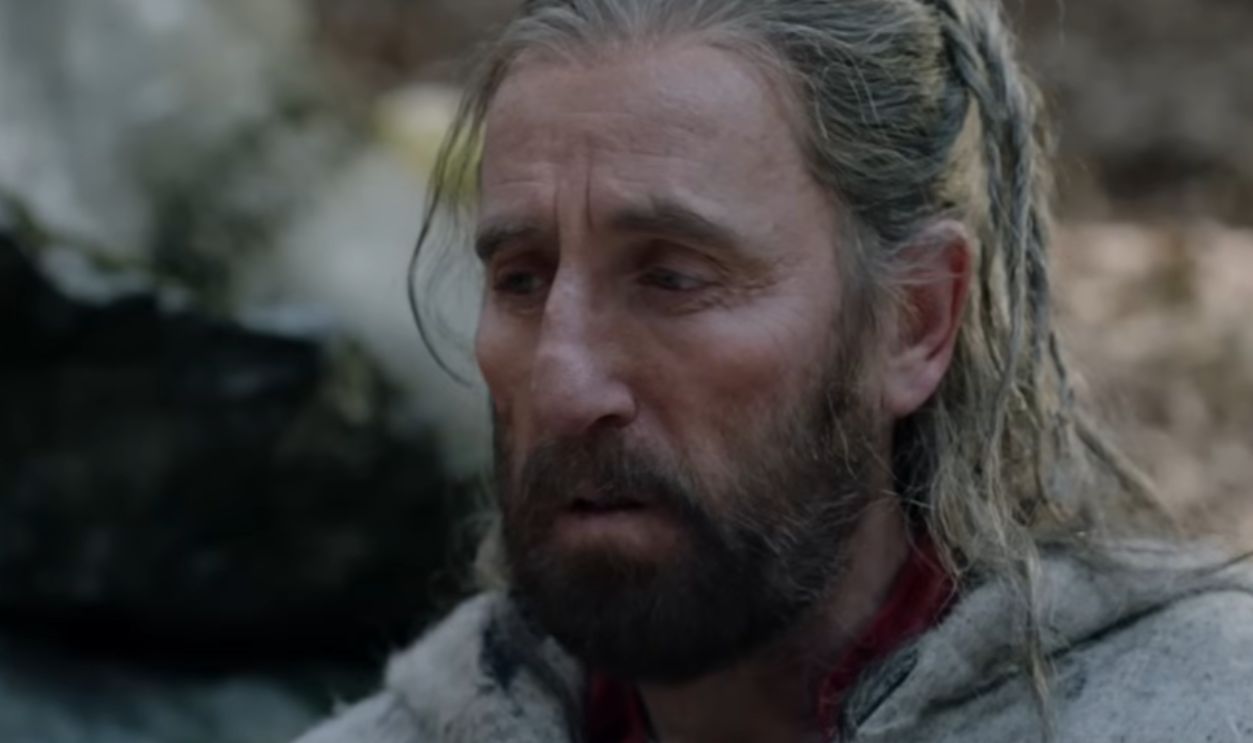
In 2001, radiologist Paul Gostner identified something inside Ötzi’s left shoulder on an X-ray. It was a flint arrowhead. After a decade of examinations, researchers had found evidence of an attack that completely changed how they understood the man in the ice.
 Screenshot from Otzi and the Mystery of Time, FilmRise (2018)
Someone Had Struck Him From Behind
Further examination identified a small entry wound in his back. The arrowhead was still inside him, although the wooden shaft was missing. Someone had struck Ötzi with an arrow before his body was preserved in the mountains. The cold-weather explanation suddenly wasn’t enough to explain what happened.
 Melotzi5713, Wikimedia Commons
The Arrow Had Damaged An Artery
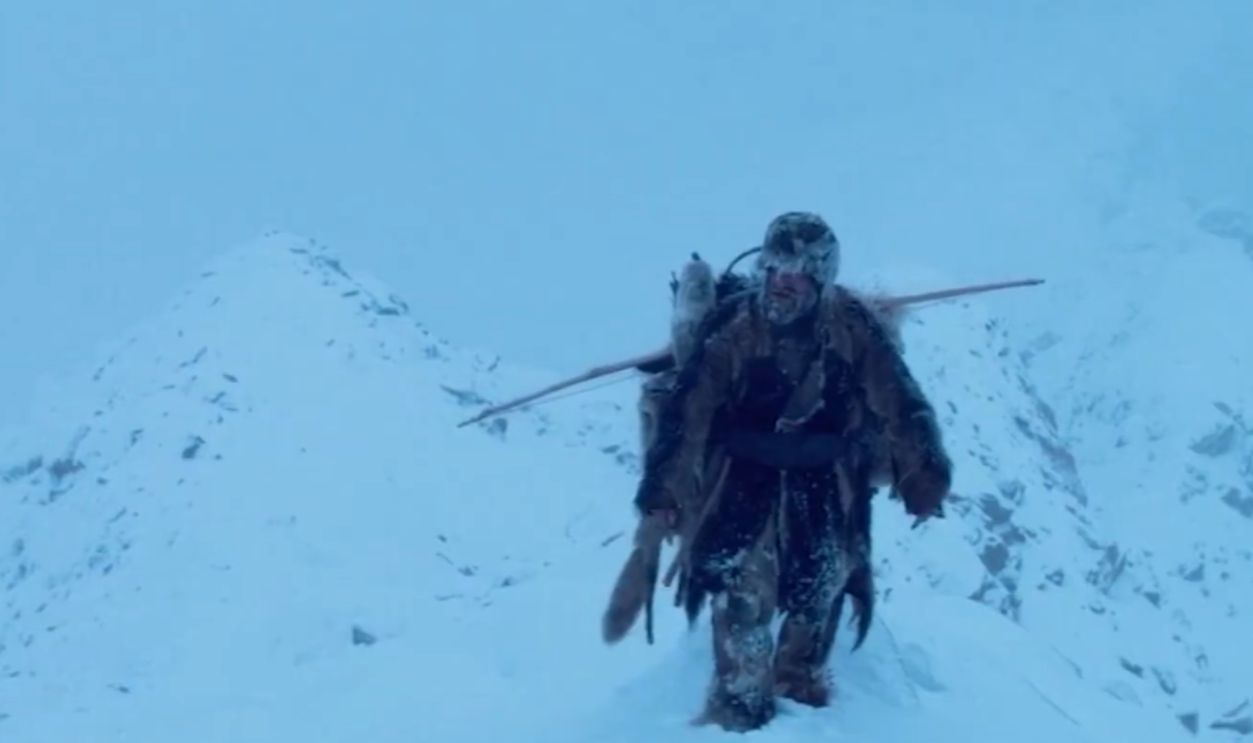
Research reported in 2007 showed damage to the artery beneath his collarbone. That finding supported the explanation that Ötzi had suffered fatal blood loss after the arrow struck. For years, researchers widely described his final moments as a rapid collapse following the injury.
 Screenshot from Iceman, Film Movement (2017)
But He May Have Survived For Hours
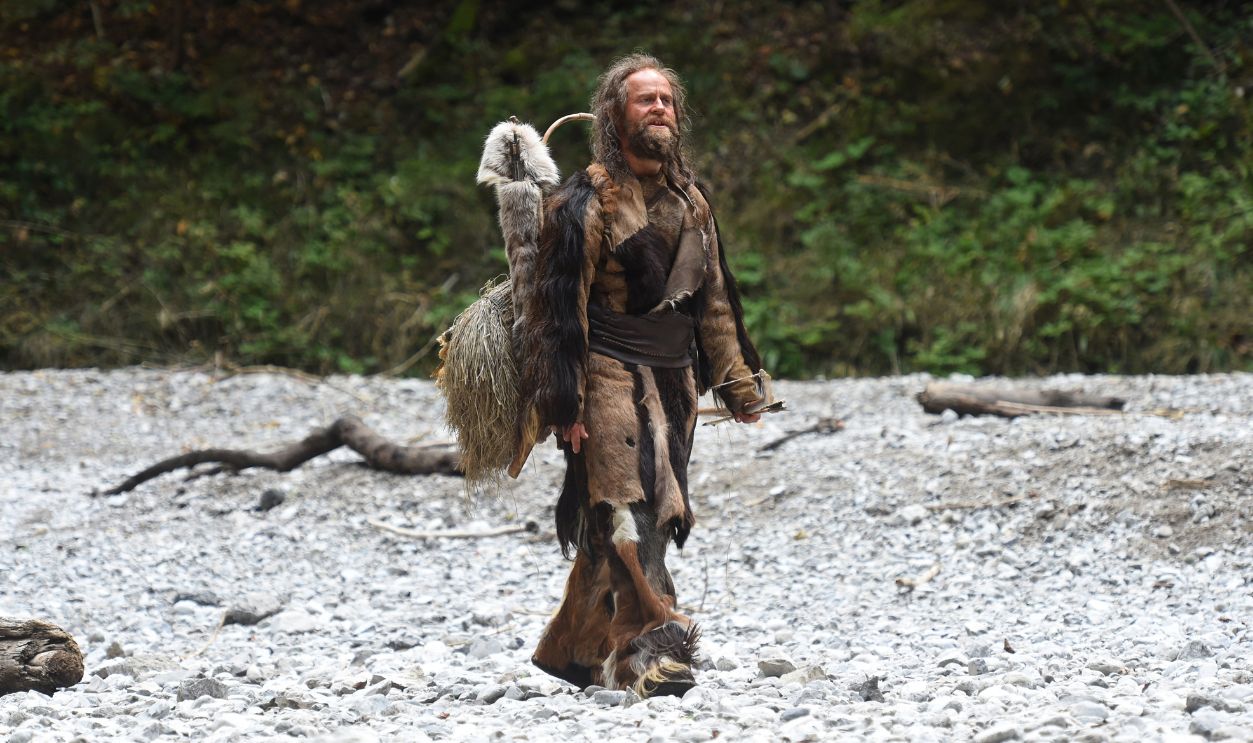
Newer research has challenged that timeline. Studies published in 2025 suggest Ötzi could have survived for several hours after the arrow injury. The attack is firmly supported by the evidence, but how quickly it brought his life to an end remains a subject of debate.
 picture alliance, Getty Images
Another Wound Suggested Earlier Trouble
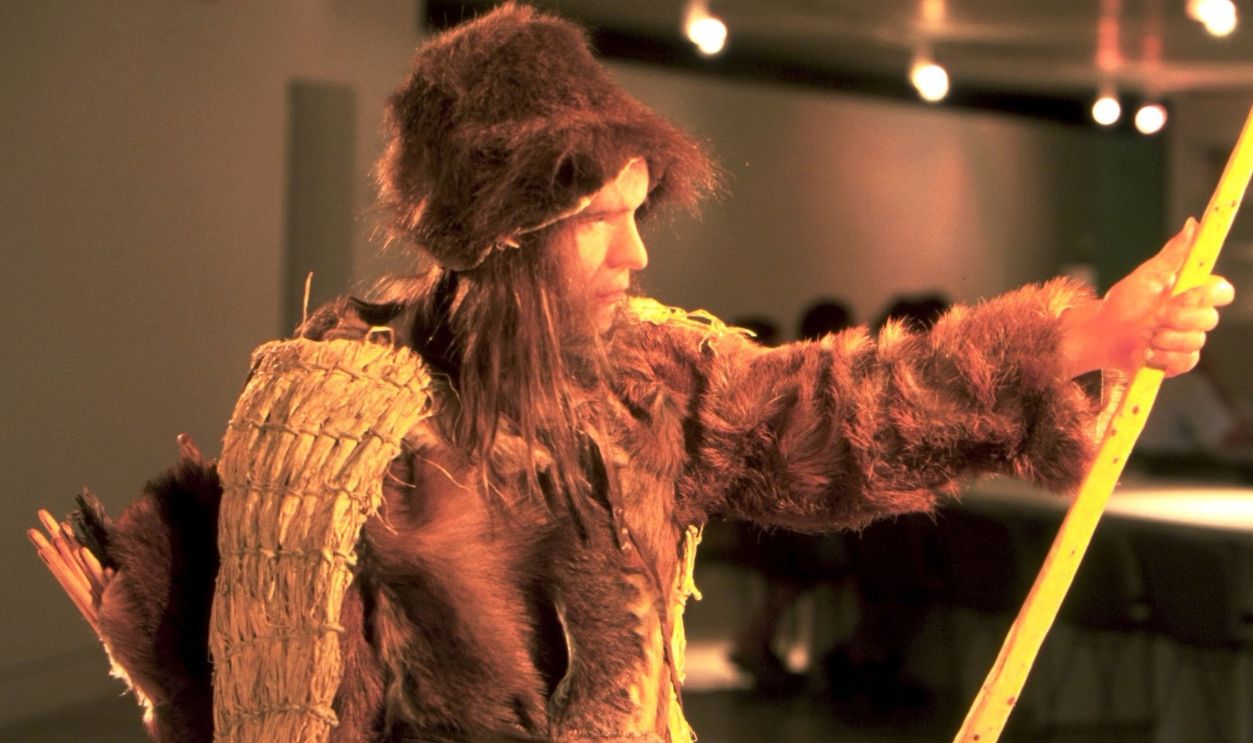
Ötzi also had a deep injury on his right hand, between his thumb and index finger. Research published in 2003 suggested that he sustained it a few days before his final moments. Whatever happened on the mountain, this injury appeared to belong to an earlier incident.
Had He Already Been In A Fight?
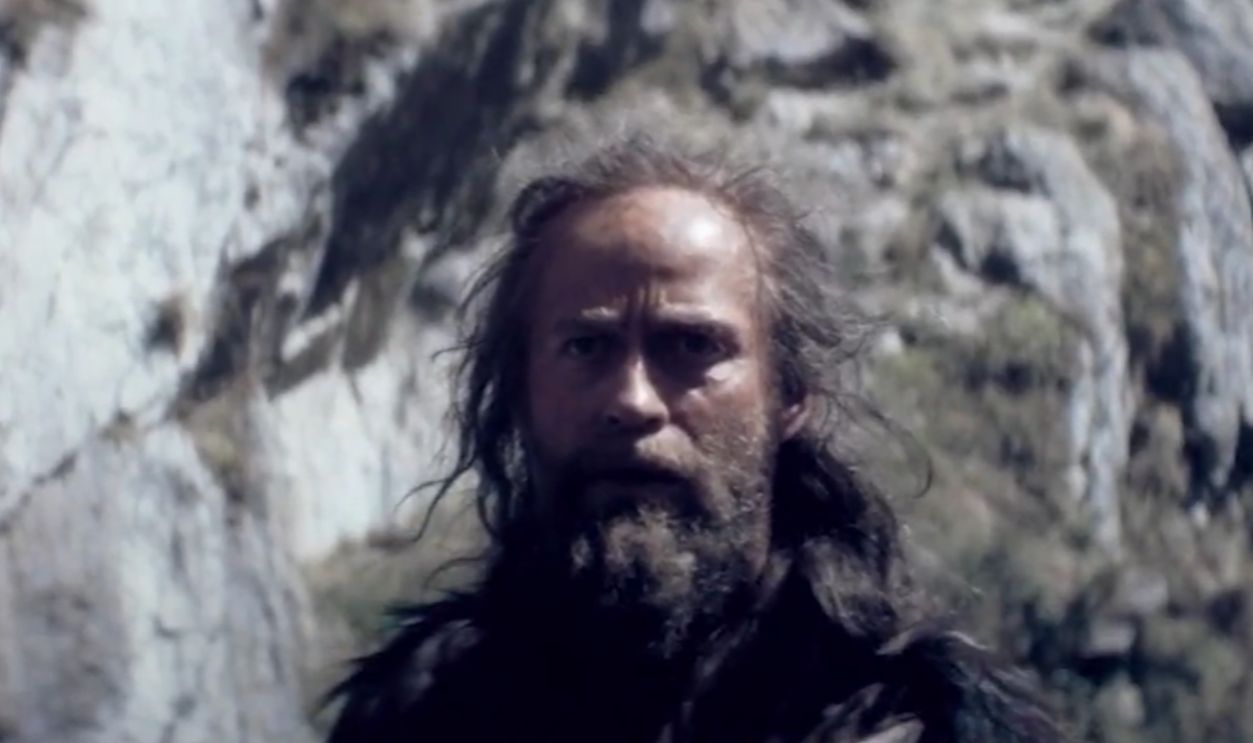
Researchers have interpreted the hand injury as possible evidence of close combat. Was the arrow attack connected to whatever happened earlier? It’s a compelling possibility, but the surviving evidence cannot tell us who was involved or whether both incidents had the same cause.
 Screenshot from Iceman, Film Movement (2017)
He Was Carrying Practical Survival Equipment
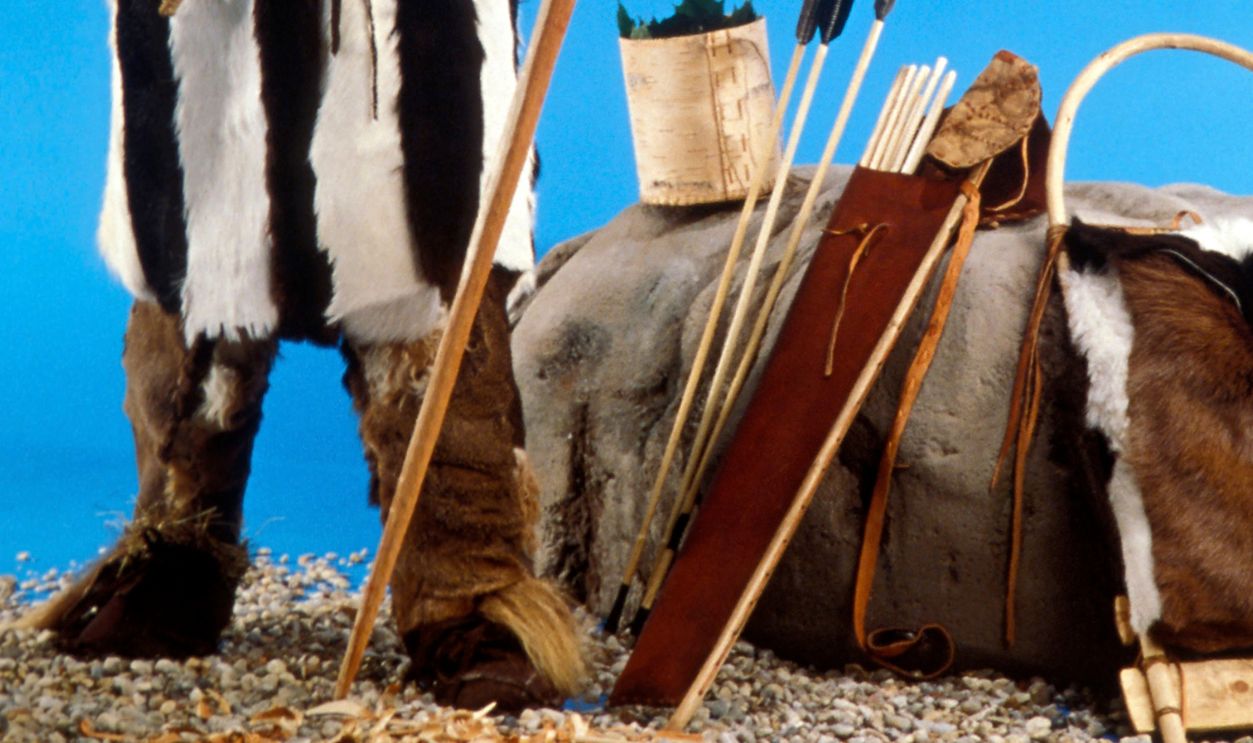
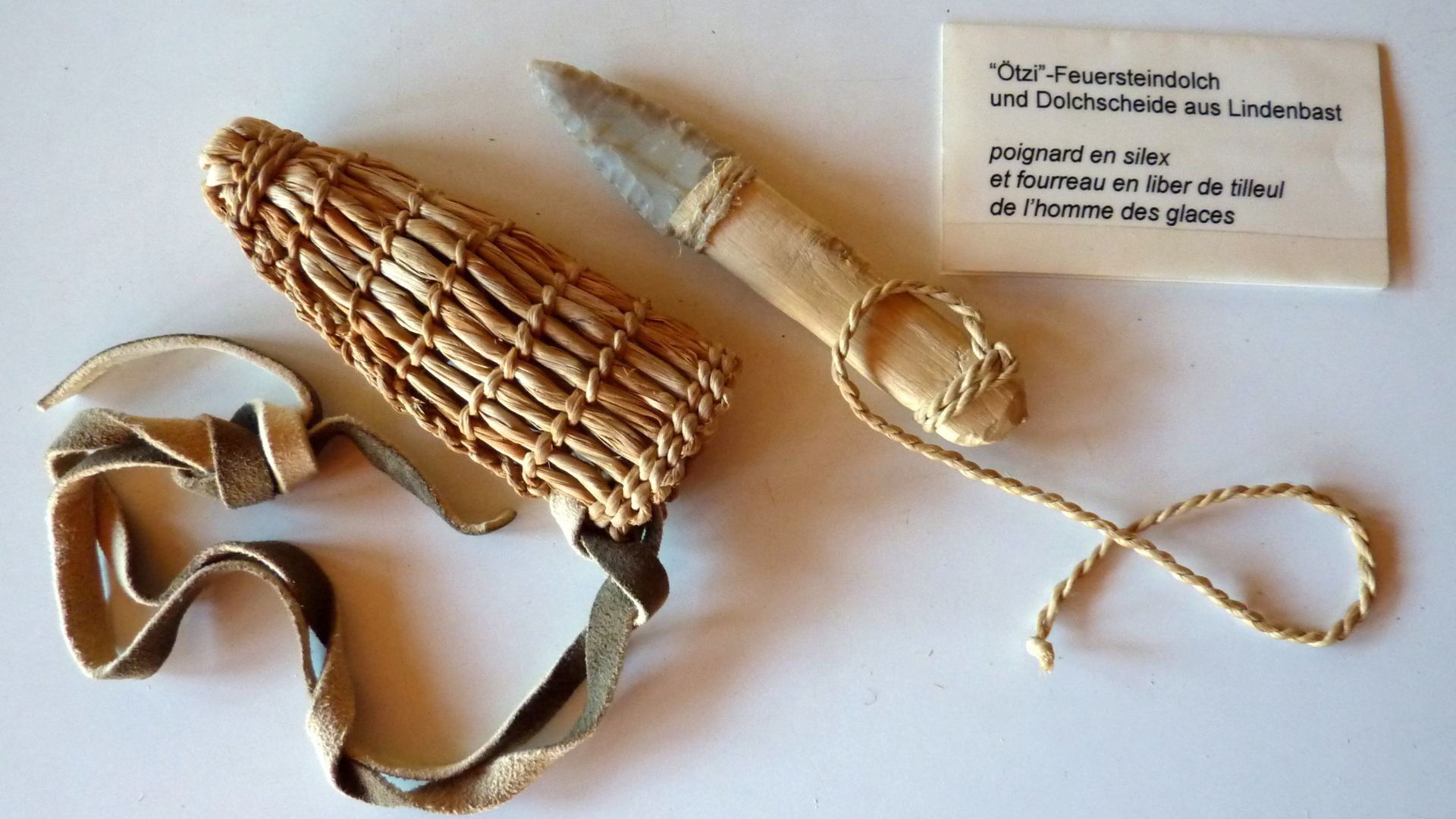
Ötzi’s belongings show that he had equipment for hunting, working wood, maintaining tools, and making fire. His kit included a copper axe, a flint dagger, and birch-bark containers. One container held charcoal and leaves, suggesting he could carry embers rather than start every fire from scratch.
 Patrick Landmann, Getty Images
But His Bow Wasn’t Finished
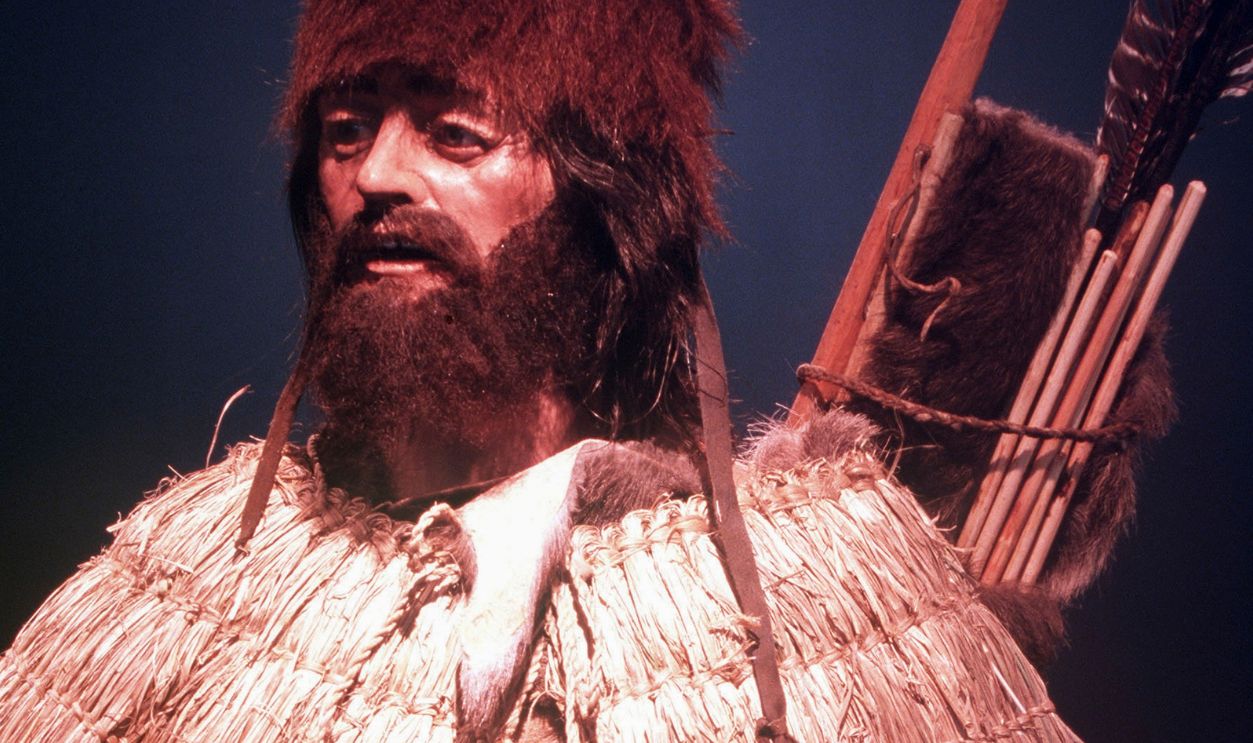
The long piece of yew found with him was a bow in progress, almost six feet long. It still needed finishing work. His quiver held 14 arrows, but only two were finished. Much of his archery equipment was still being prepared when his journey ended.
 Gianni GIANSANTI, Getty Images
His Stone Tools Were Wearing Out
A 2018 study found that several of Ötzi’s stone tools had been heavily used, repeatedly sharpened, or damaged. The researchers concluded that he had lacked access to replacement stone for some time. He knew how to maintain his tools, but several were approaching the end of their usefulness.
 Archaoautor, Wikimedia Commons
Tiny Traces Helped Reconstruct His Journey
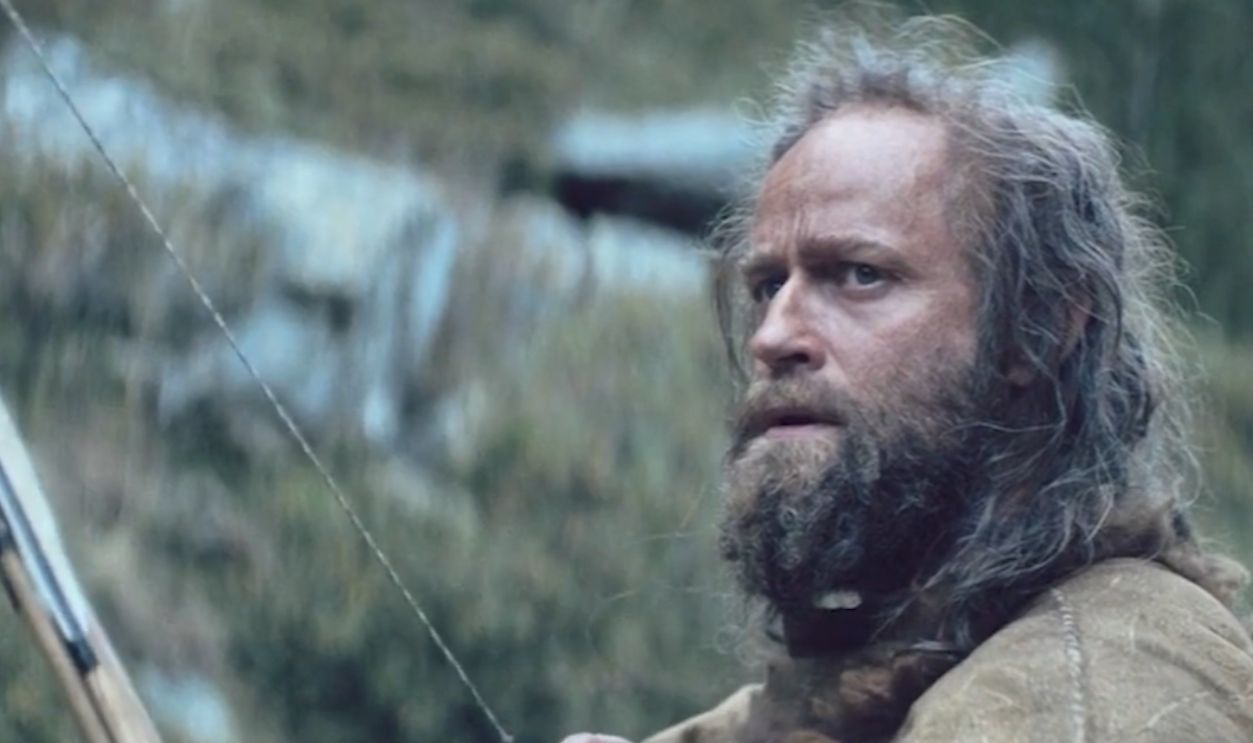
Pollen preserved in his digestive tract offered clues about the environments he had passed through. Researchers reconstructed a journey involving a descent to lower elevations followed by another climb into the high mountains. His final movements appear to have been more complicated than a single steady climb.
 Screenshot from Iceman, Film Movement (2017)
The Route Didn’t Explain The Reason
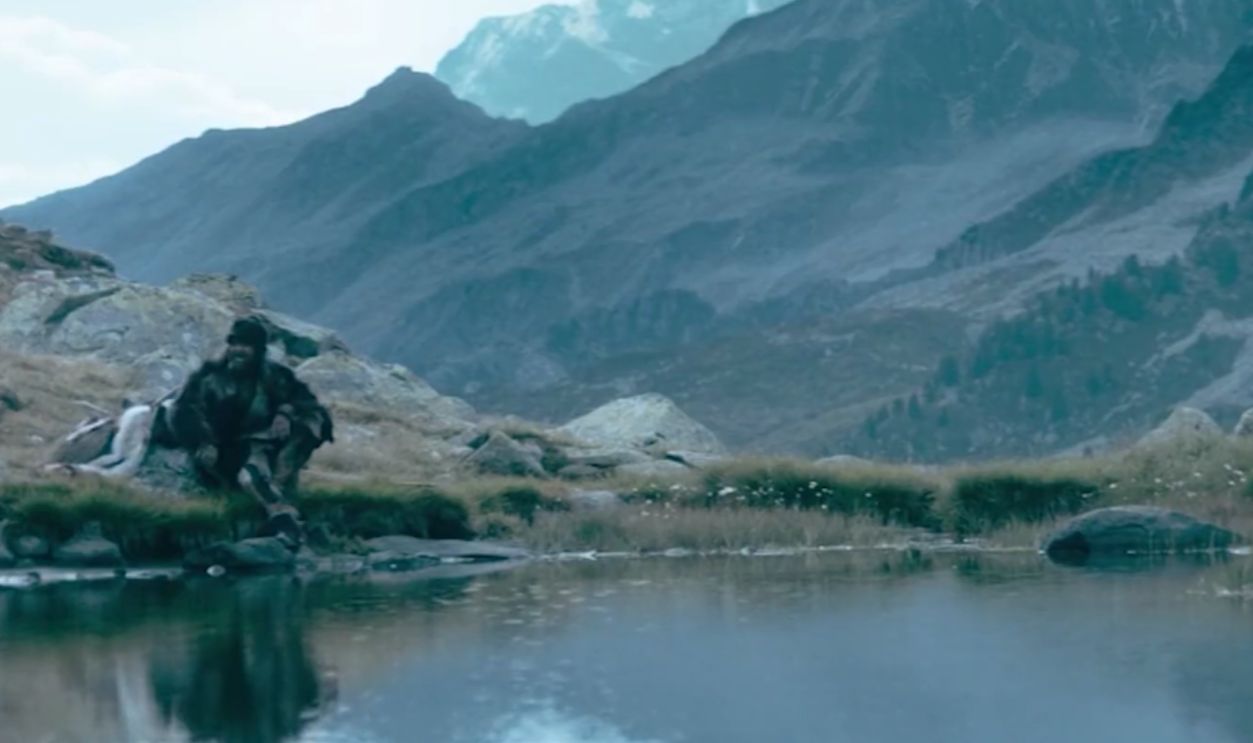
Those movements helped researchers discuss where Ötzi had been, but they couldn’t establish why he was traveling. An earlier injury, unfinished equipment, and an arrow attack have encouraged theories that he was fleeing trouble. It’s a possible reconstruction of events, but it isn’t a confirmed account.
 Screenshot from Iceman, Film Movement (2017)
His Stomach Held Another Clue
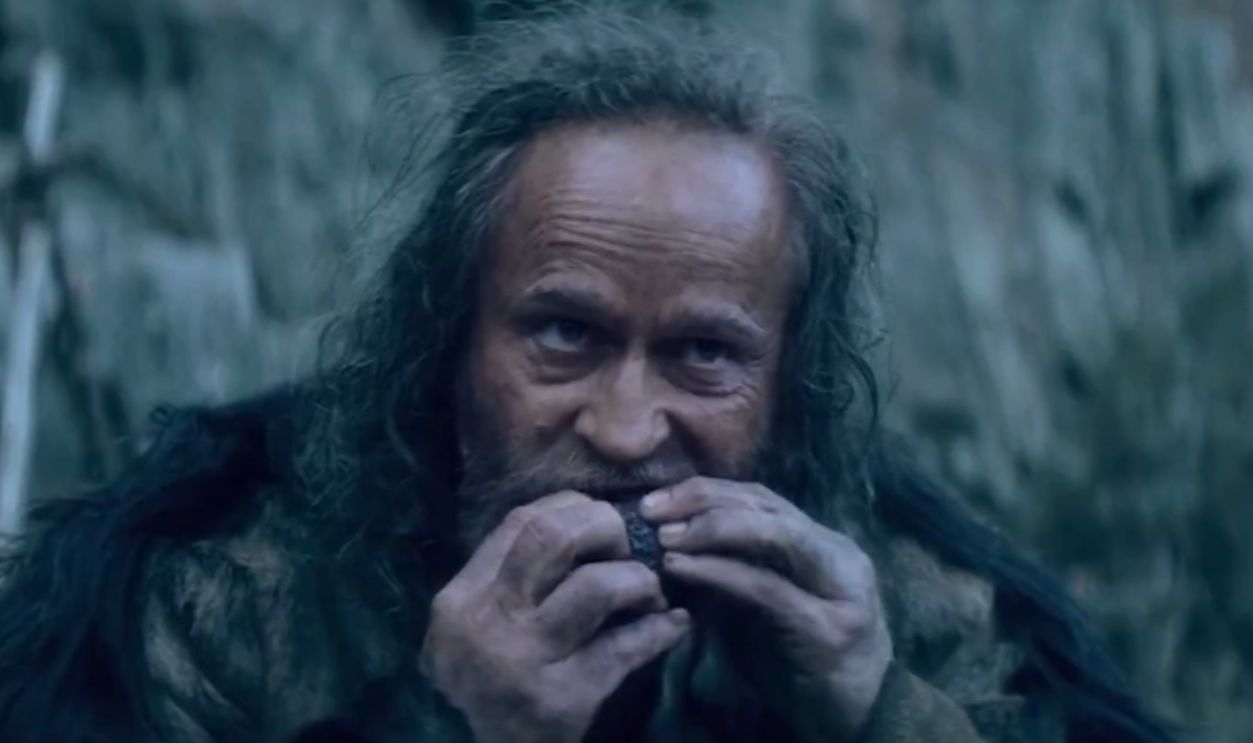
Researchers estimated that Ötzi had eaten a substantial meal between roughly half an hour and two hours before his final moments. That helped them reconstruct his last hours. But it doesn’t establish exactly when he ate in relation to the arrow attack.
 Screenshot from Iceman, Film Movement (2017)
His Last Meal Was Surprisingly Substantial
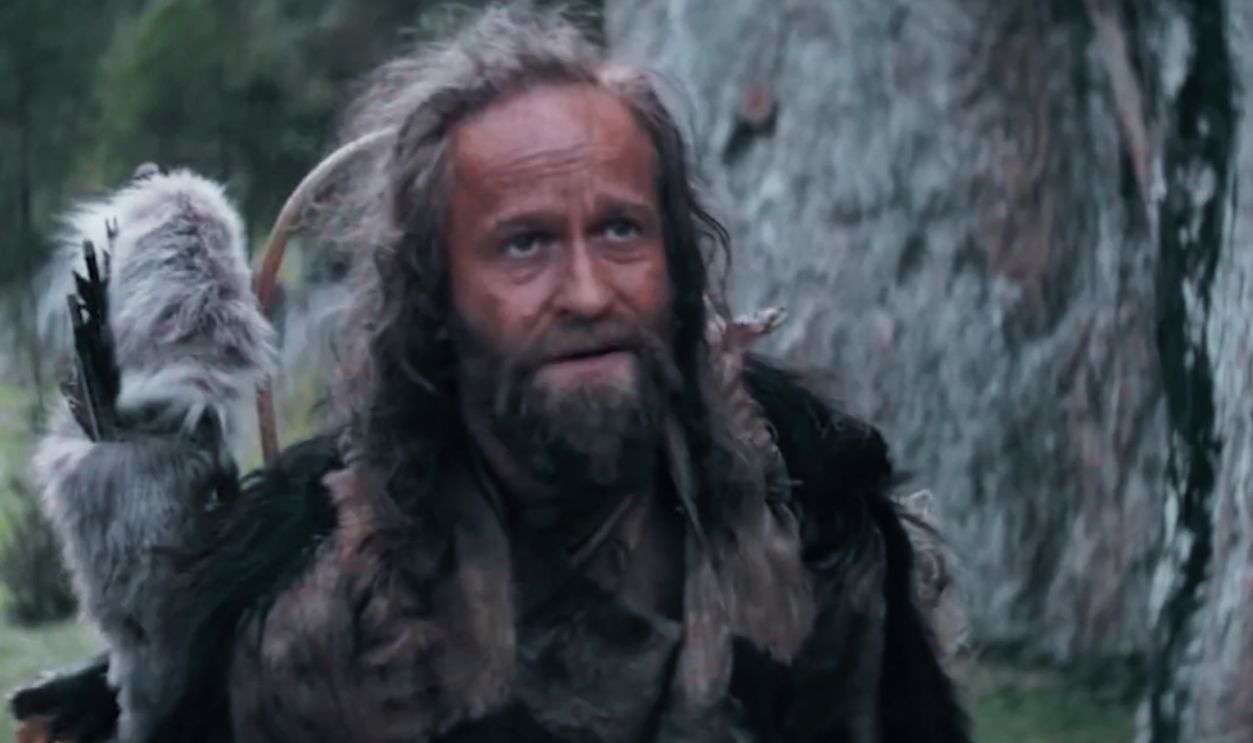
Analysis identified ibex and red deer meat, einkorn wheat, and traces of bracken in his stomach. The meal had a particularly high fat content, offering valuable energy for demanding mountain travel. Researchers could even investigate how some of the meat had been prepared and preserved.
 Screenshot from Iceman, Film Movement (2017)
Did He Think He Was Safe?
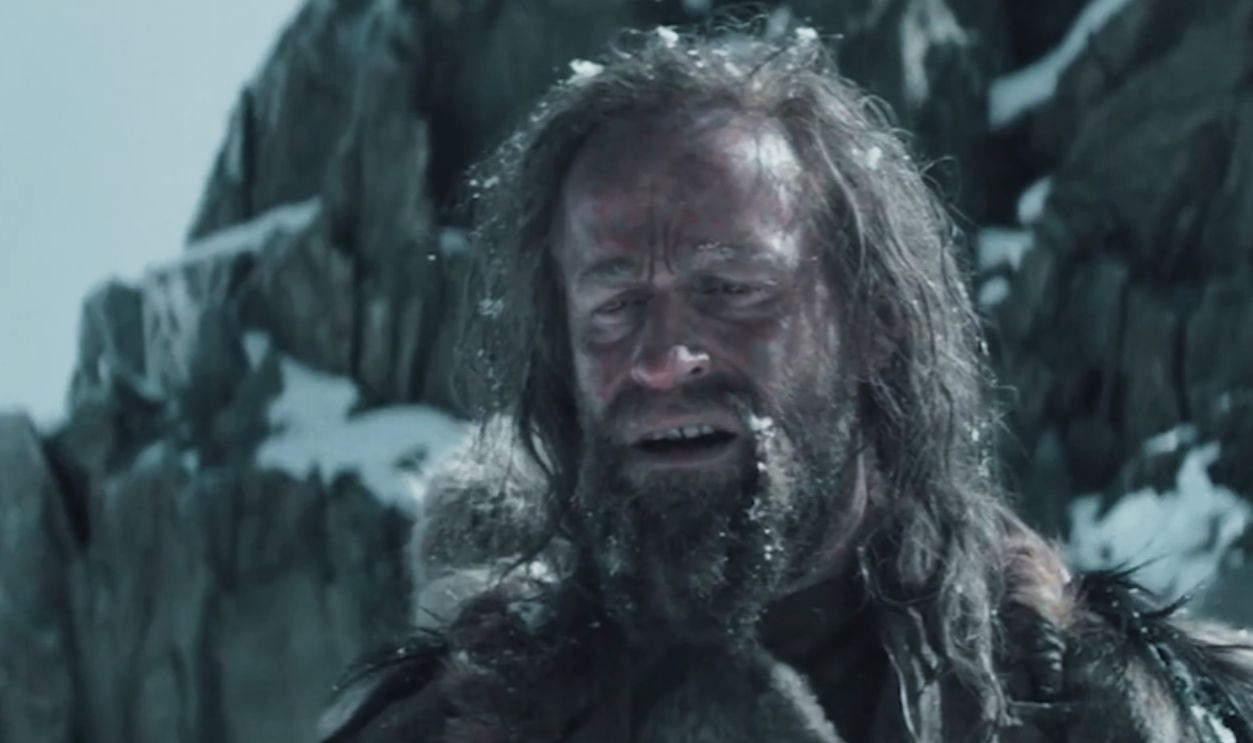
Earlier interpretations suggested that Ötzi had stopped to eat because he felt safe, then faced a surprise attack. That remains a possibility. However, the newer debate about his survival time makes the sequence less certain. His stomach can reveal his food, but it cannot reveal his thoughts.
 Screenshot from Iceman, Film Movement (2017)
A Valuable Axe Was Left Behind
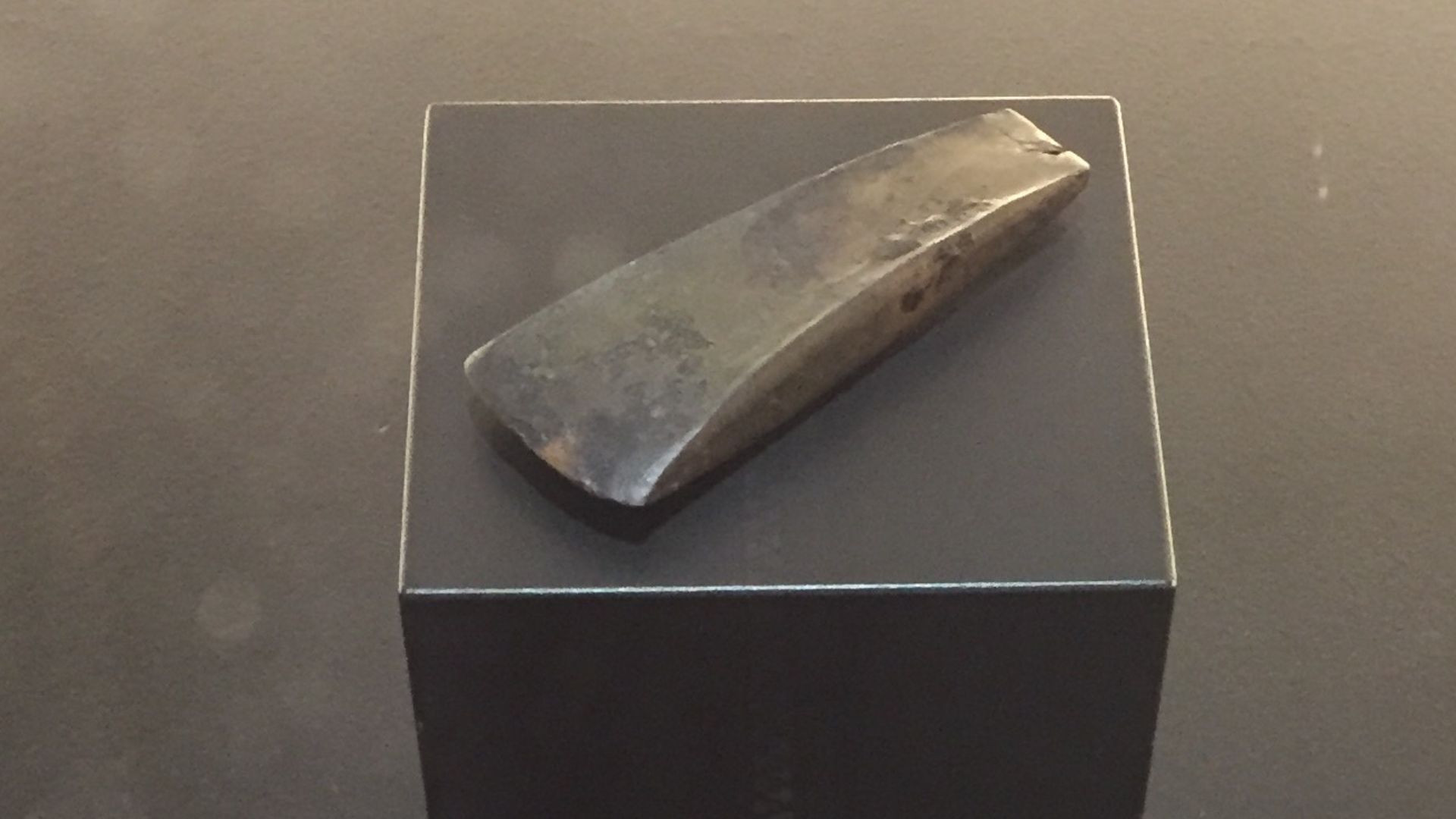
Ötzi’s copper axe remained with his belongings. It was a useful and valuable object, which raises questions about whether taking his possessions was the attacker’s main goal. Researchers have wondered why it was left behind, but the axe alone cannot establish a motive.
 AlexanderLaptev, Wikimedia Commons
Even The Other Injuries Are Still Debated
Earlier research suggested that Ötzi also suffered a serious head injury, possibly from a fall or a blow. A 2025 clinical reassessment questioned that interpretation. Even after decades of examinations, researchers still disagree about some of the injuries attributed to his final moments.
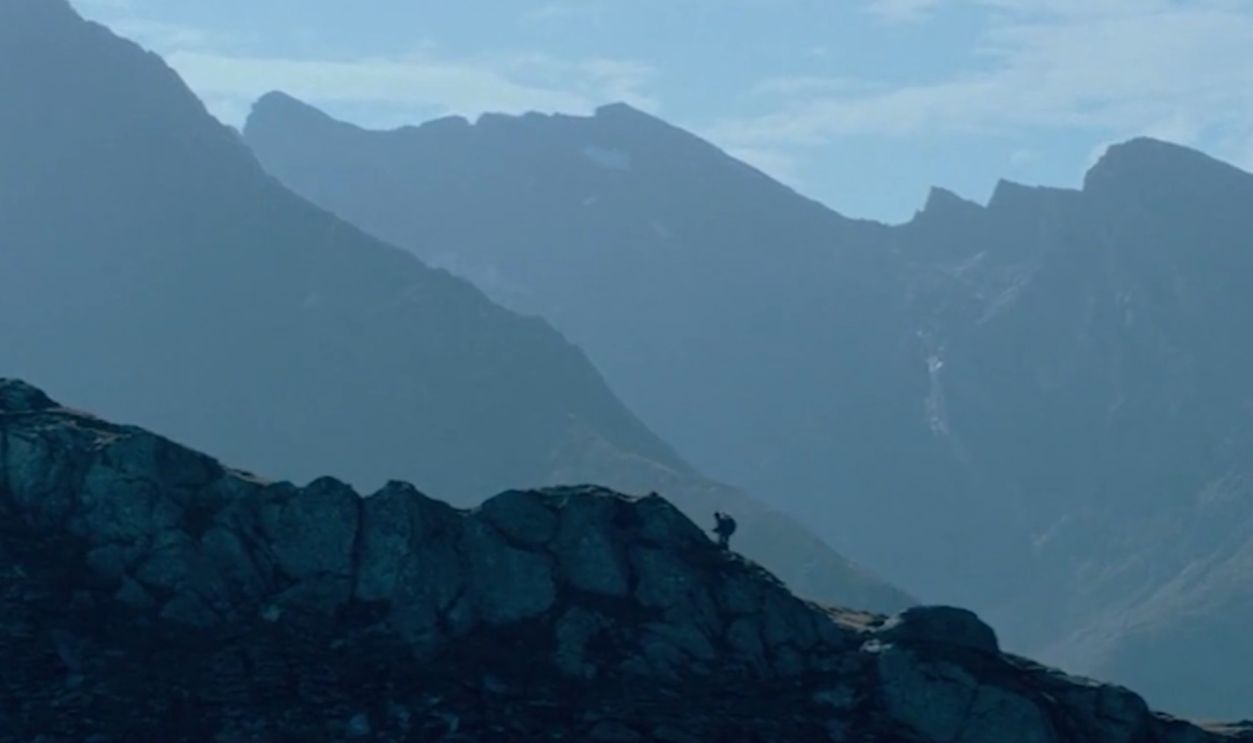 Screenshot from Iceman, Film Movement (2017)
The Ice Has Its Own Complicated Story
A study published online in 2022 also challenged the idea that Ötzi remained continuously sealed in ice. Researchers argued that his body and belongings were periodically exposed by melting, particularly during the first 1,500 years. His preservation was more complicated than one uninterrupted deep freeze.
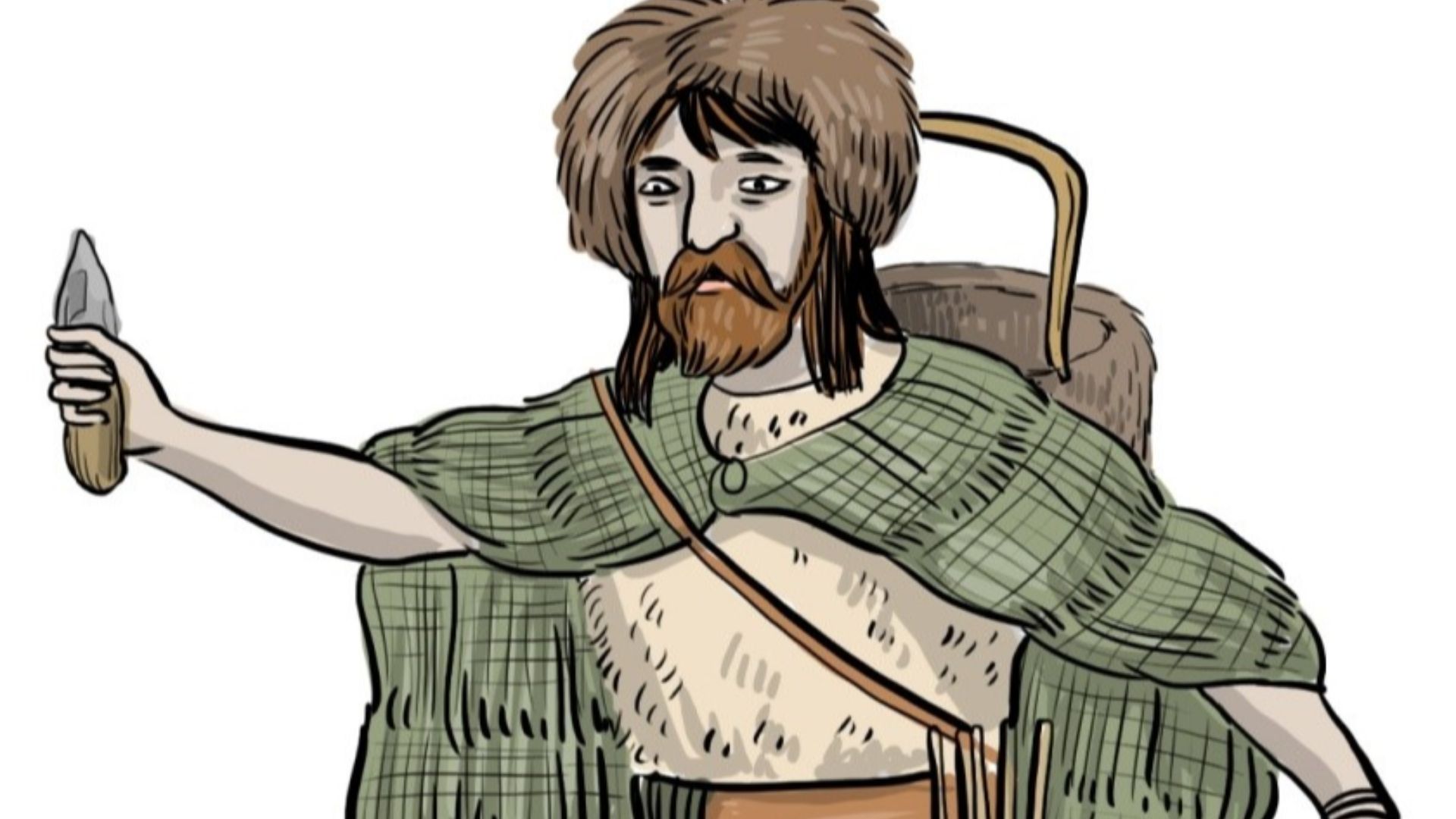
One Discovery Answered A Question And Raised Another
The arrowhead established that Ötzi had suffered an attack, transforming the story scientists had been trying to explain for ten years. But who attacked him, and why? His wounds, equipment, route, and last meal offer clues. None has supplied the answer to those two questions.
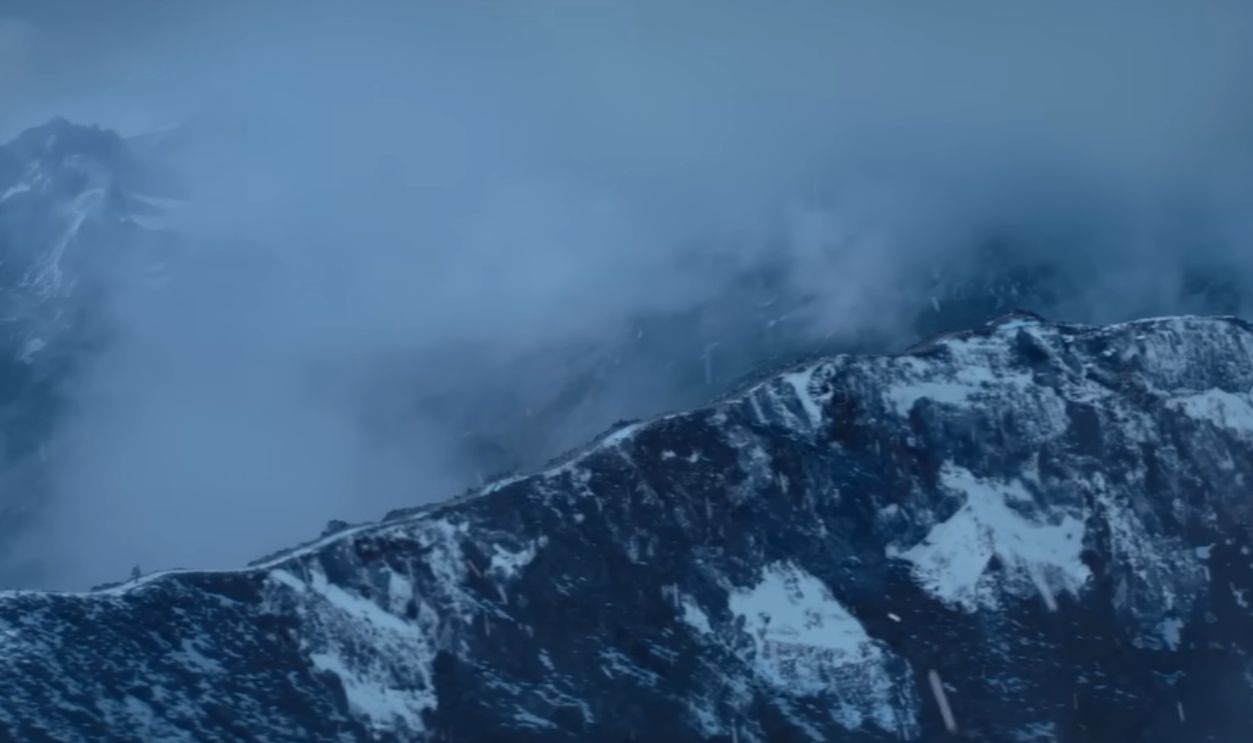 Screenshot from Iceman, Film Movement (2017)
You Might Also Like: