

The Pyramid With A New Mystery
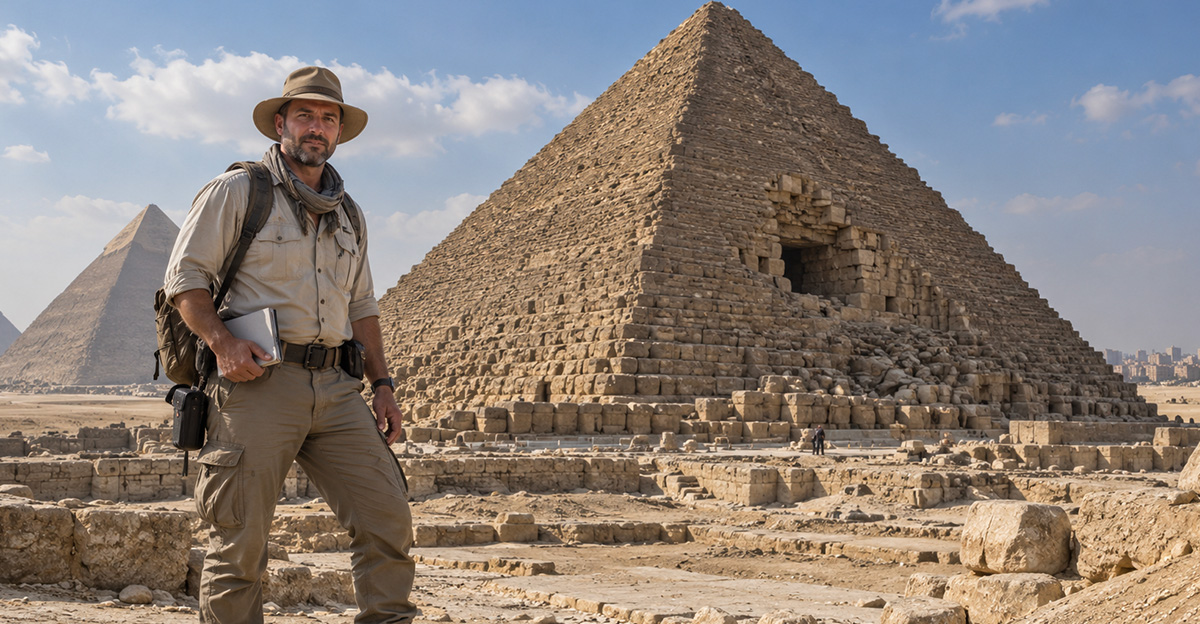
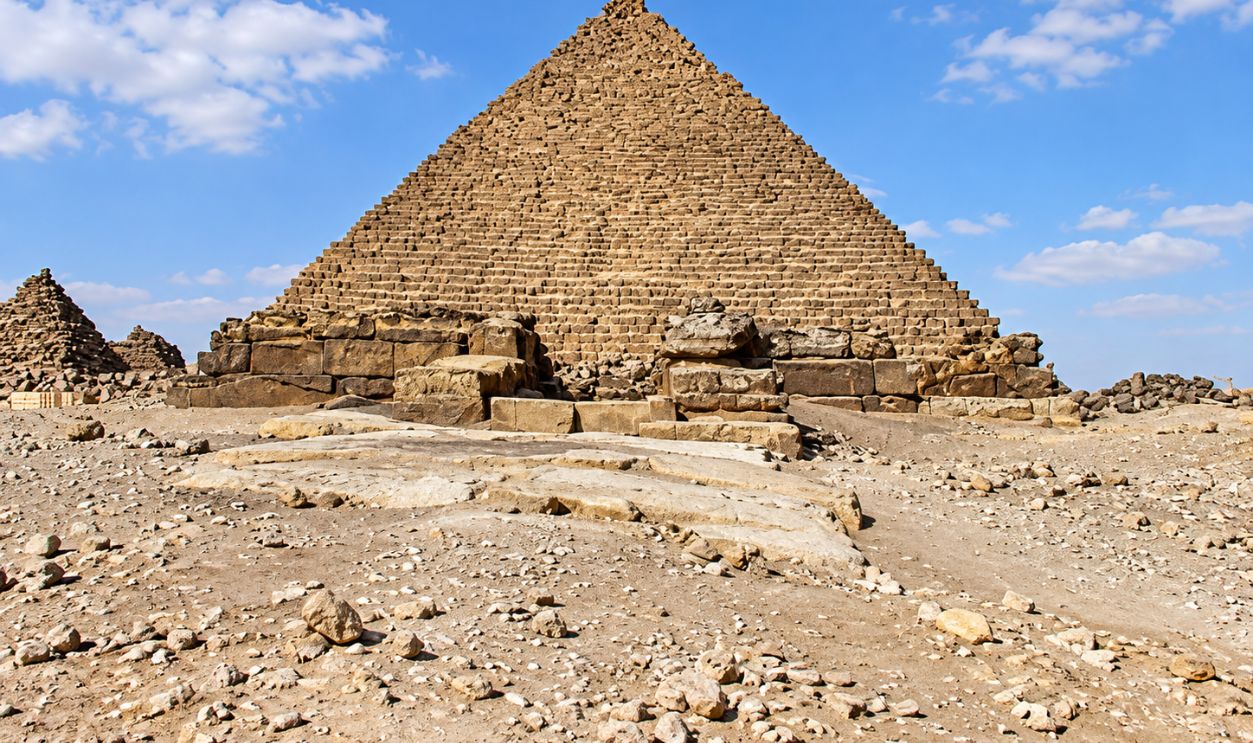
After more than 4,500 years, the pyramids of Giza are still capable of springing surprises. Researchers studying the Pyramid of Menkaure have detected two air-filled anomalies behind its eastern face. Their location is especially intriguing because they sit behind stonework already suspected of concealing another entrance.
Meet Menkaure
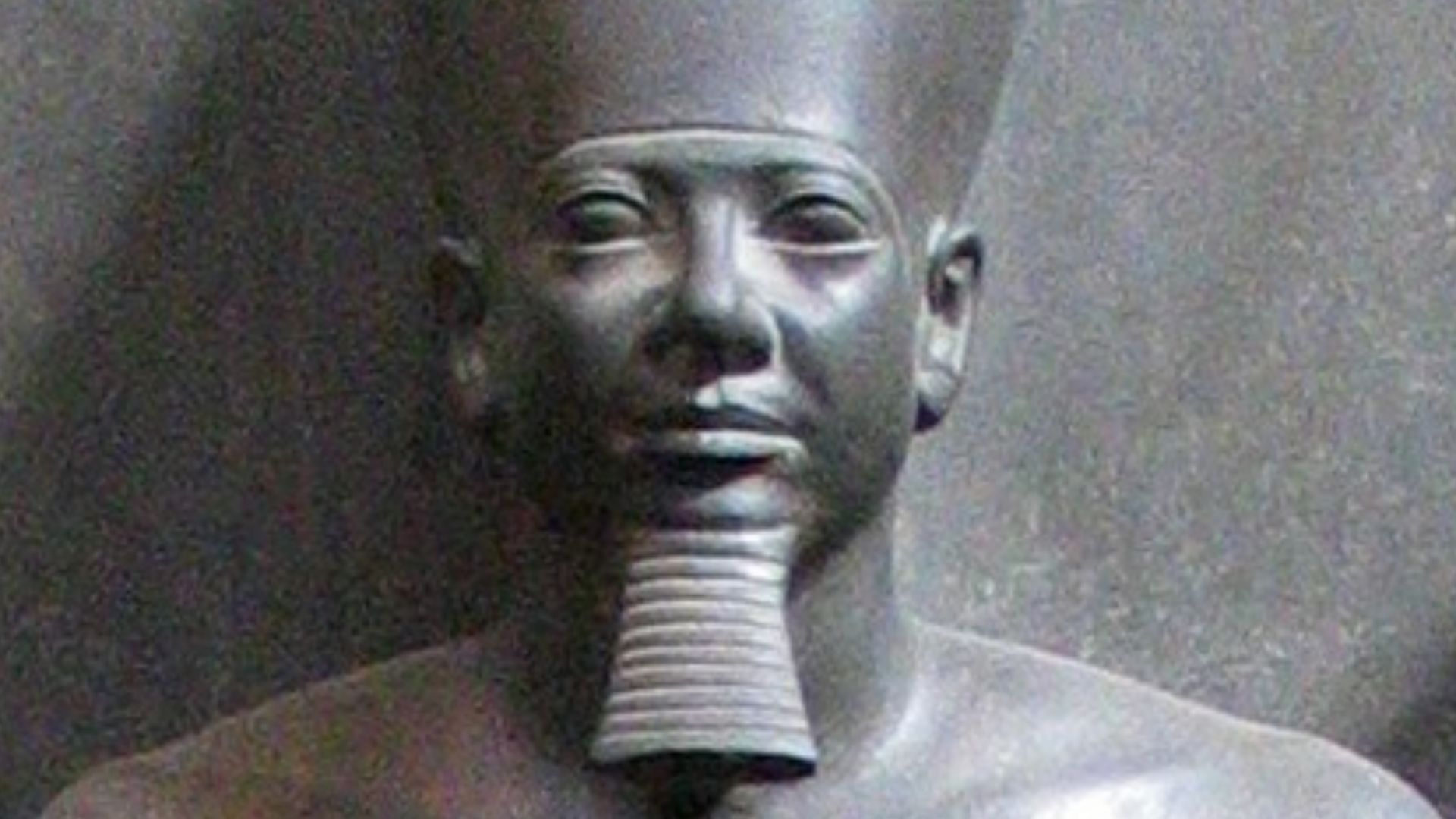
Menkaure was a Fourth Dynasty pharaoh and the builder of the third great pyramid at Giza. Egypt's Ministry of Tourism and Antiquities dates his reign to roughly 2532–2503 BC. His monument may be smaller than those of Khufu and Khafre, but it has never lacked mysteries.
The Smallest Giant At Giza
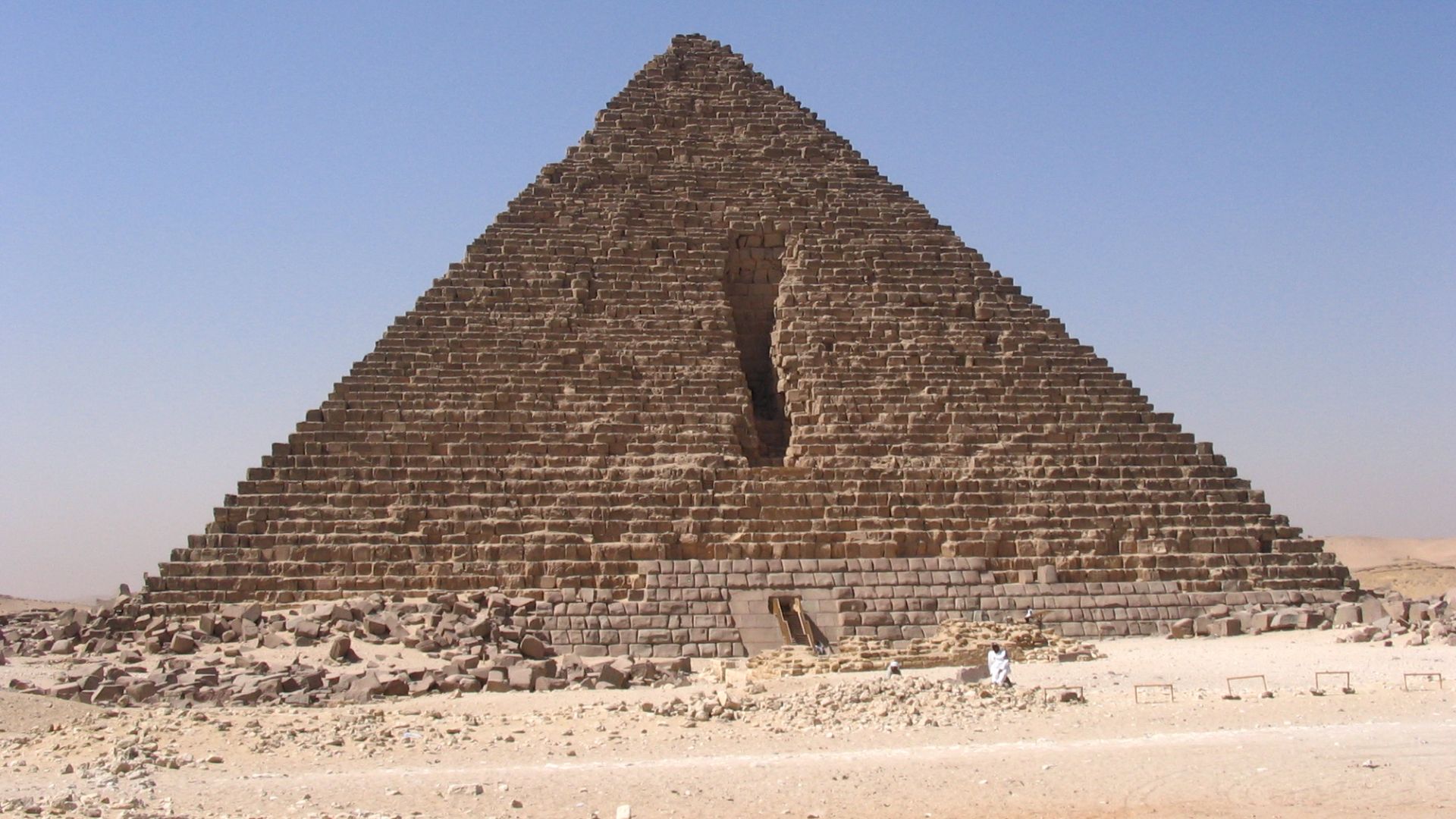
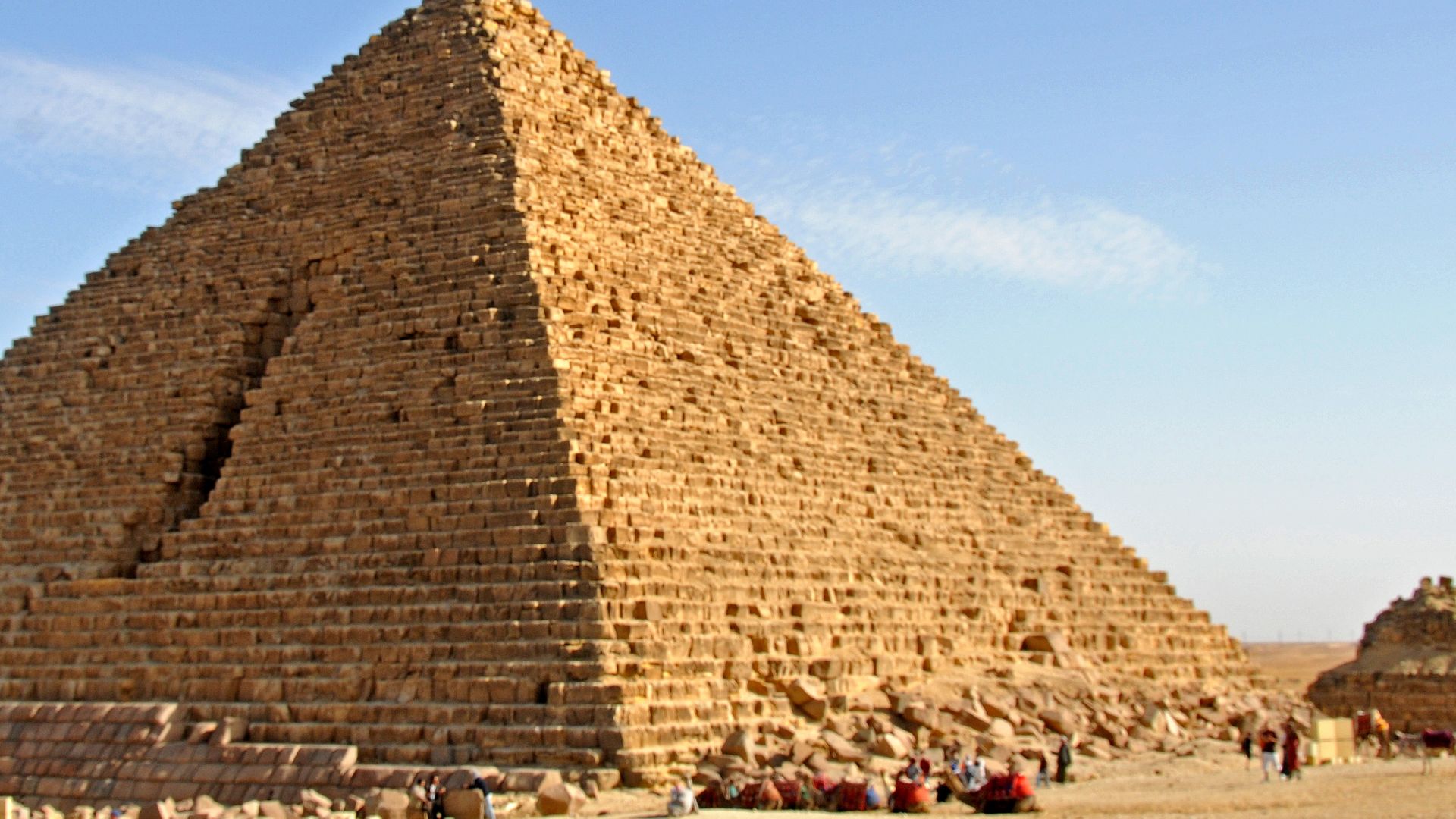
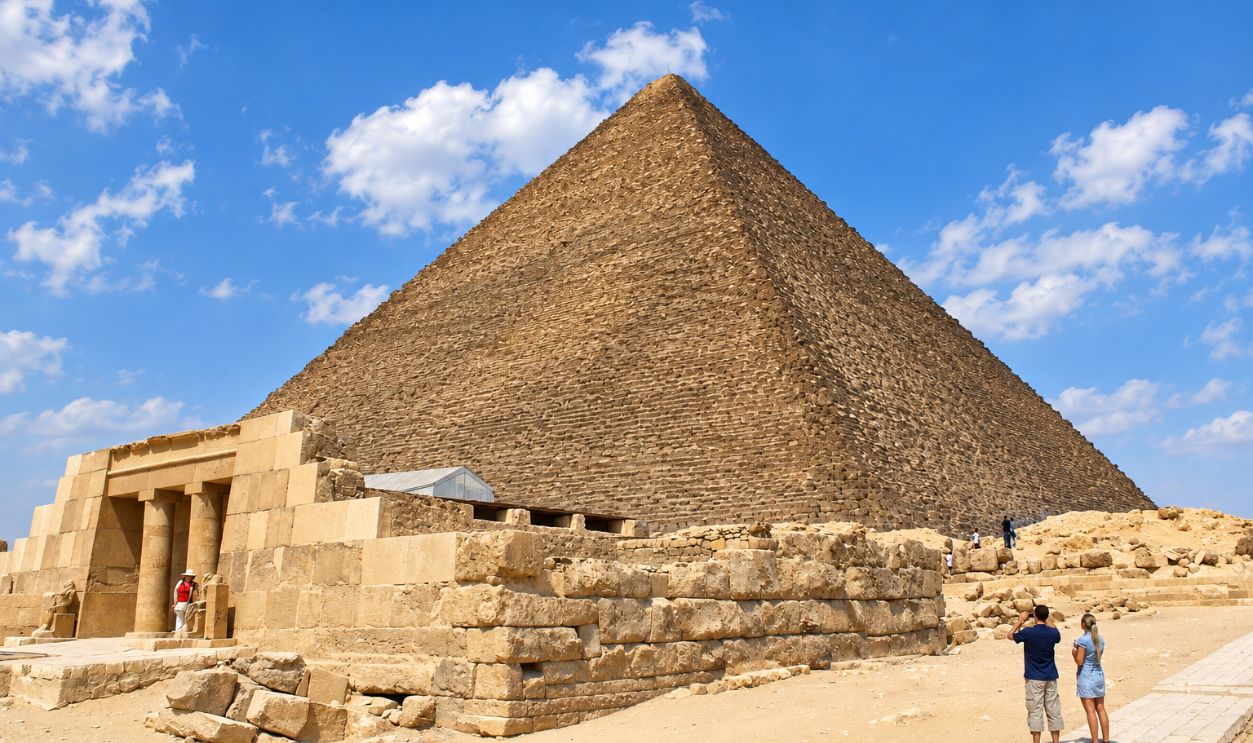
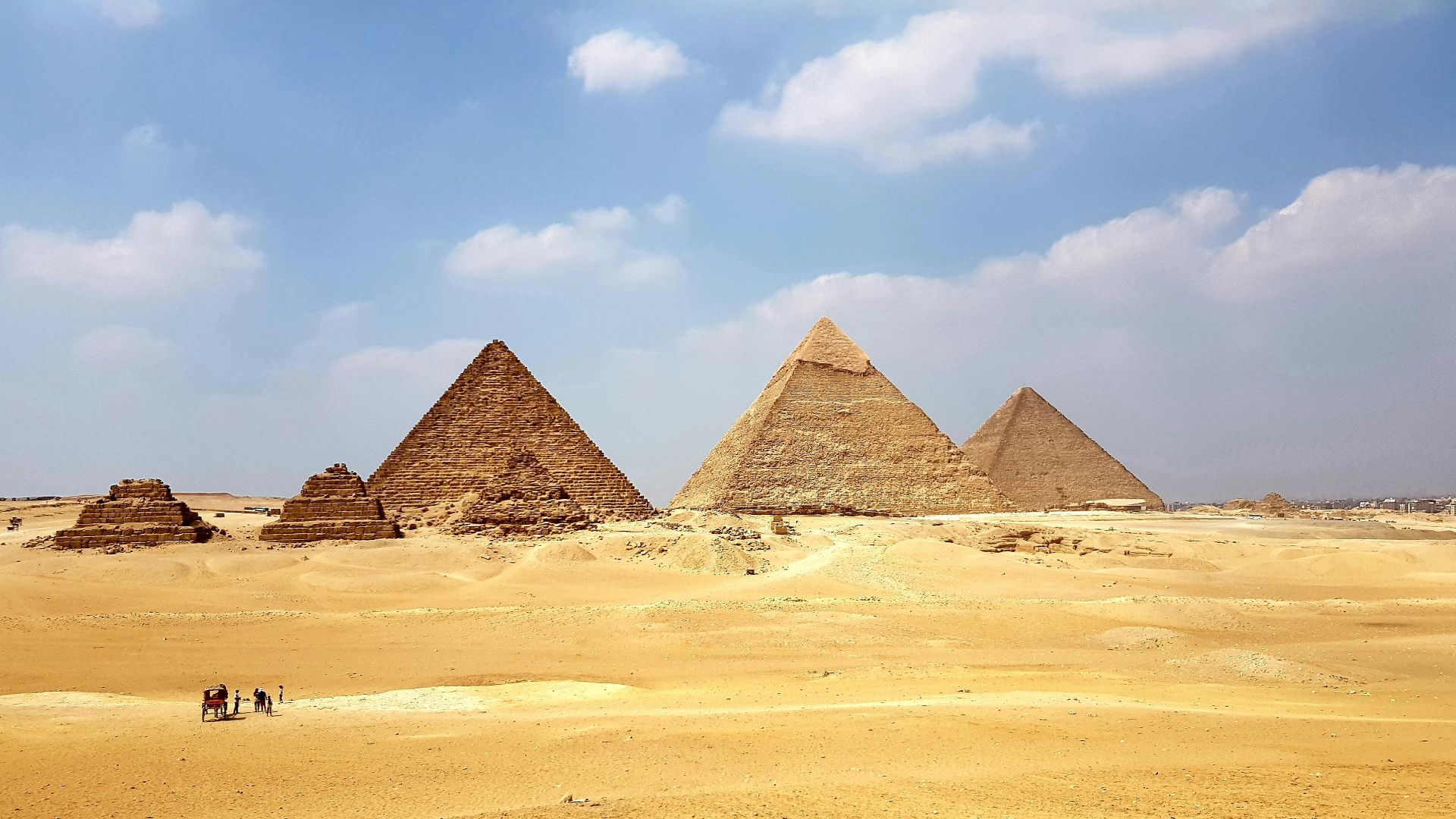
Menkaure's pyramid originally stood about 65 meters high, making it considerably smaller than its famous neighbors. Its base area is less than a quarter of those larger pyramids. Standing beside Khufu's enormous monument, Menkaure almost looks modest, which is a strange word to use for a mountain of stone.
Granite Made It Different
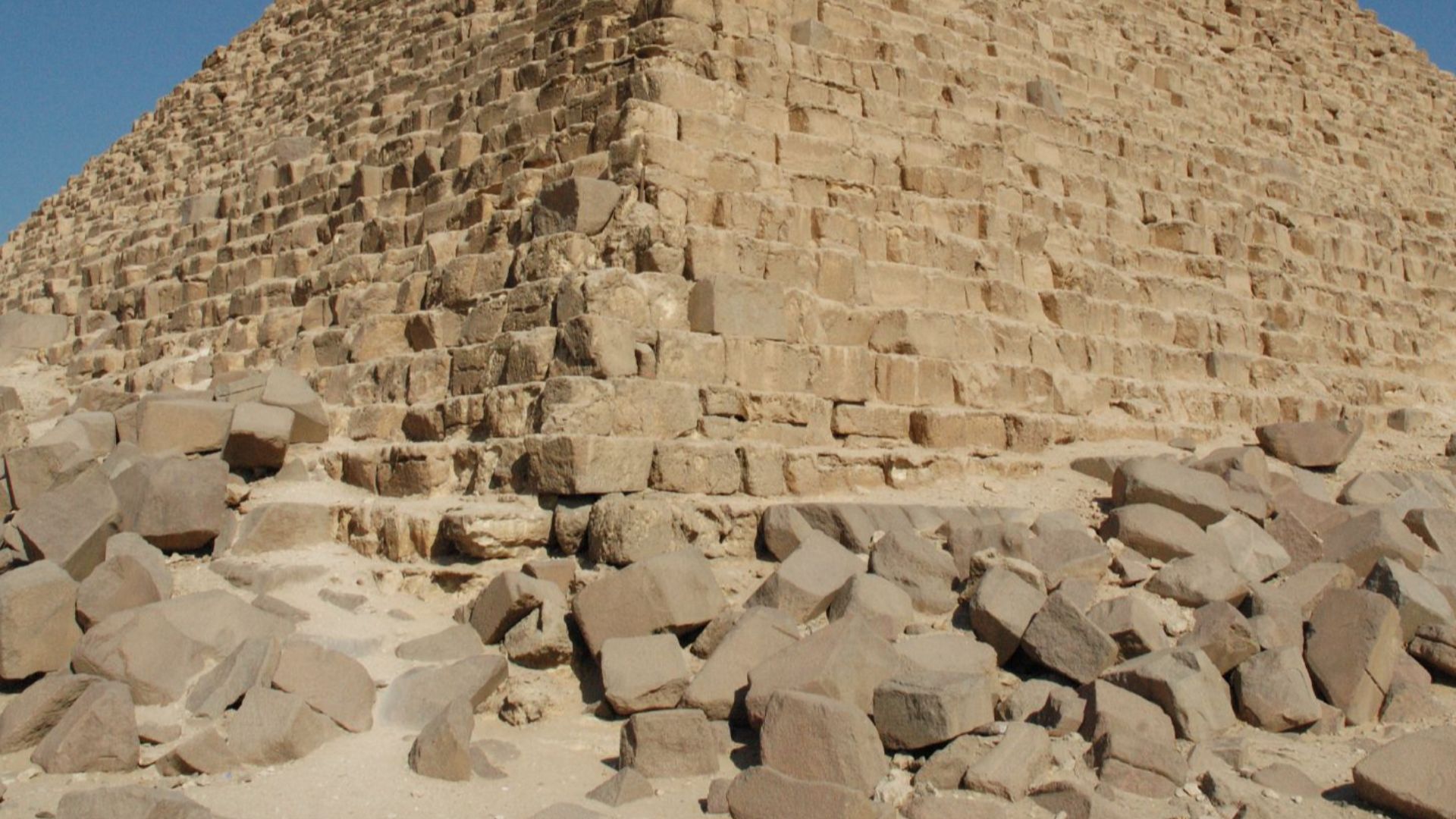
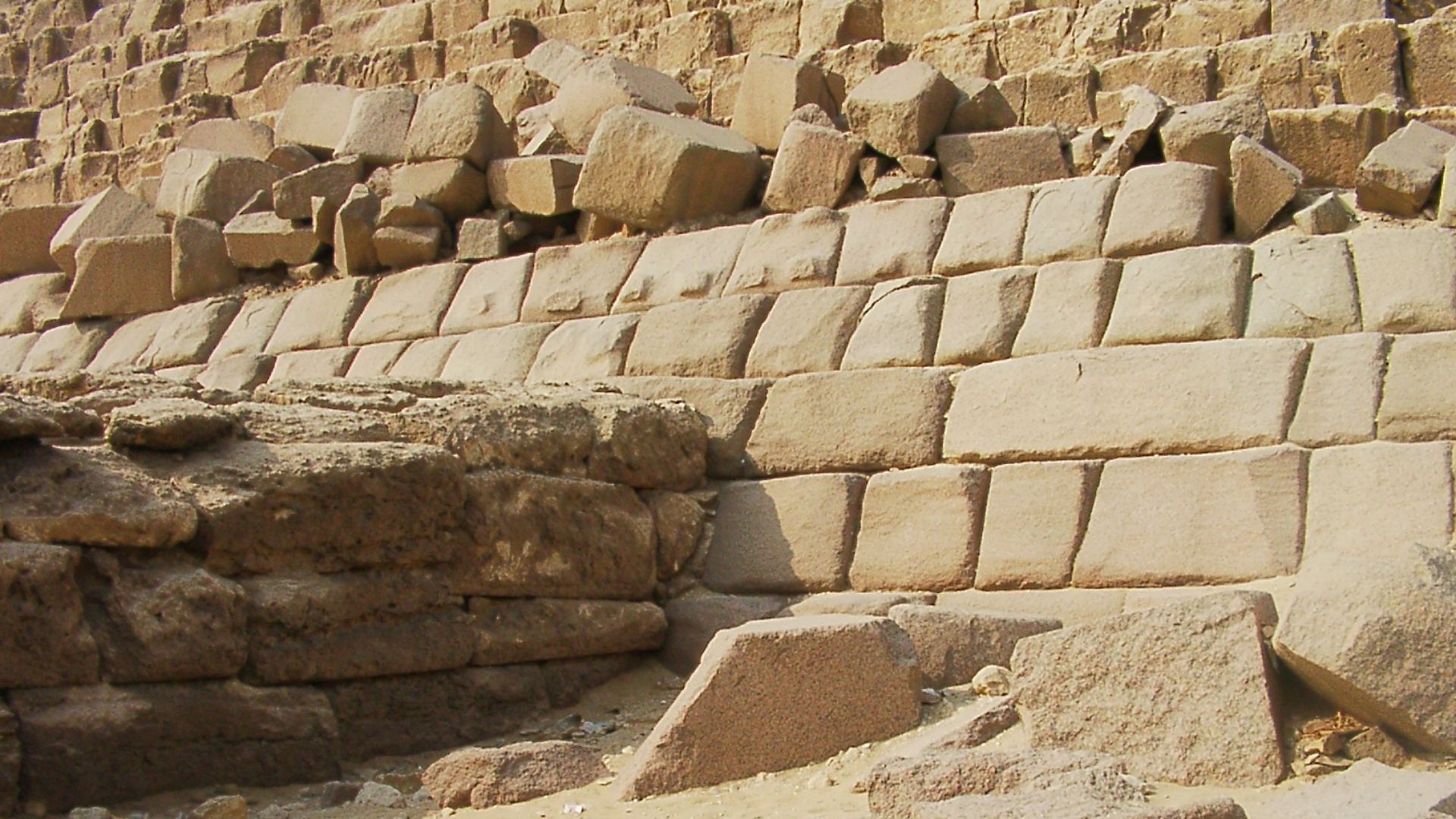
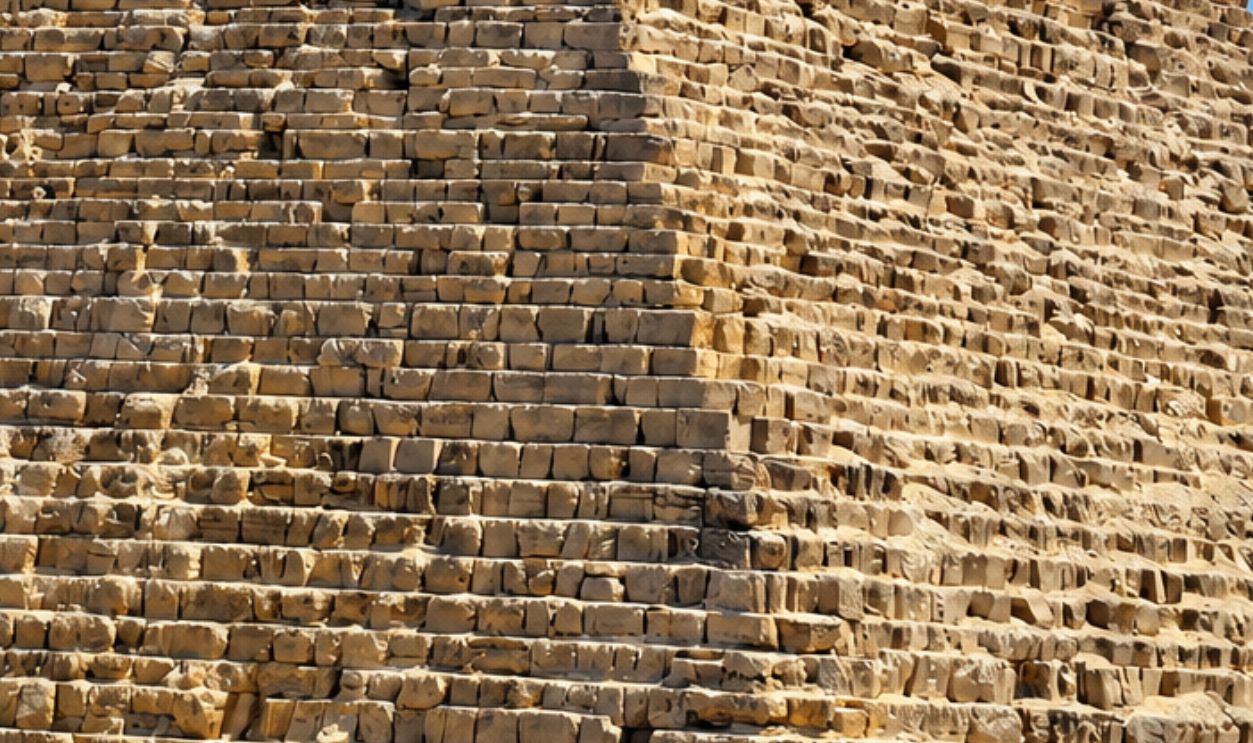
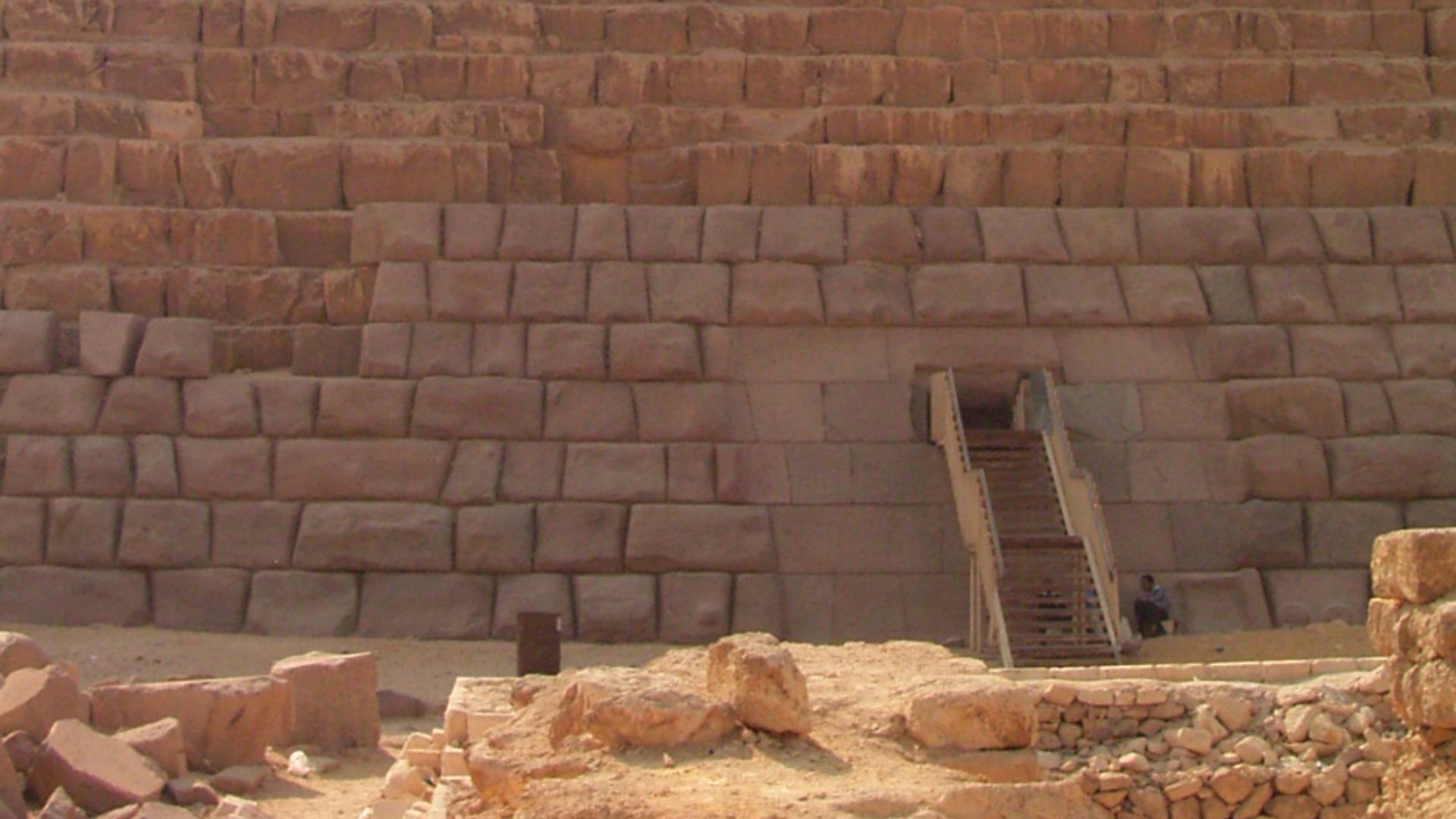
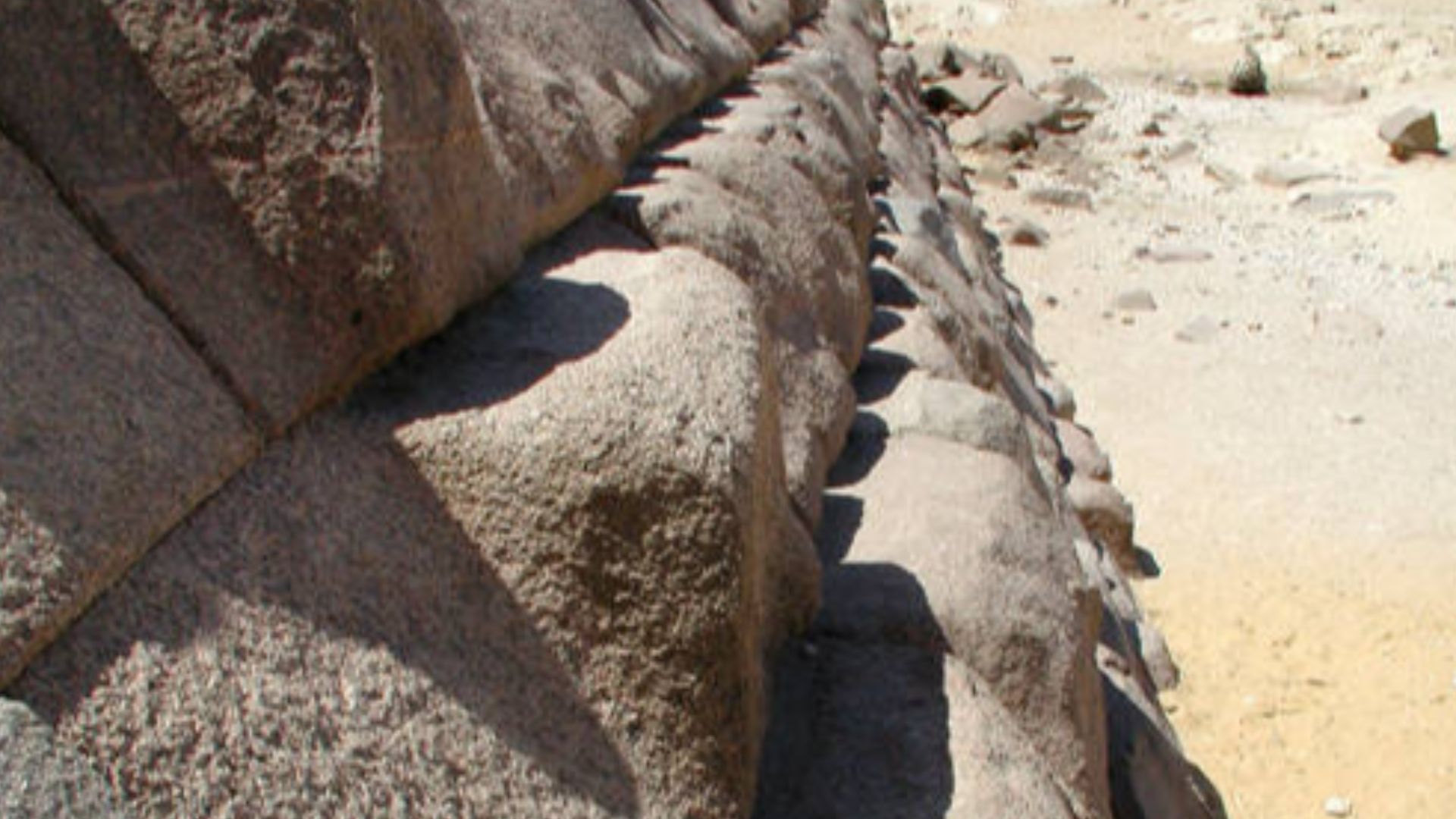
The lower part of Menkaure's pyramid was cased with granite quarried at Aswan, more than 800 kilometers away. Granite is significantly harder to shape than limestone, making its extensive use especially impressive. Much of the surviving lower casing also remains unfinished, offering clues about how Egyptian builders worked.
 Francesco Gasparetti from Senigallia, Italy, Wikimedia Commons
One Patch Looked Suspiciously Smooth
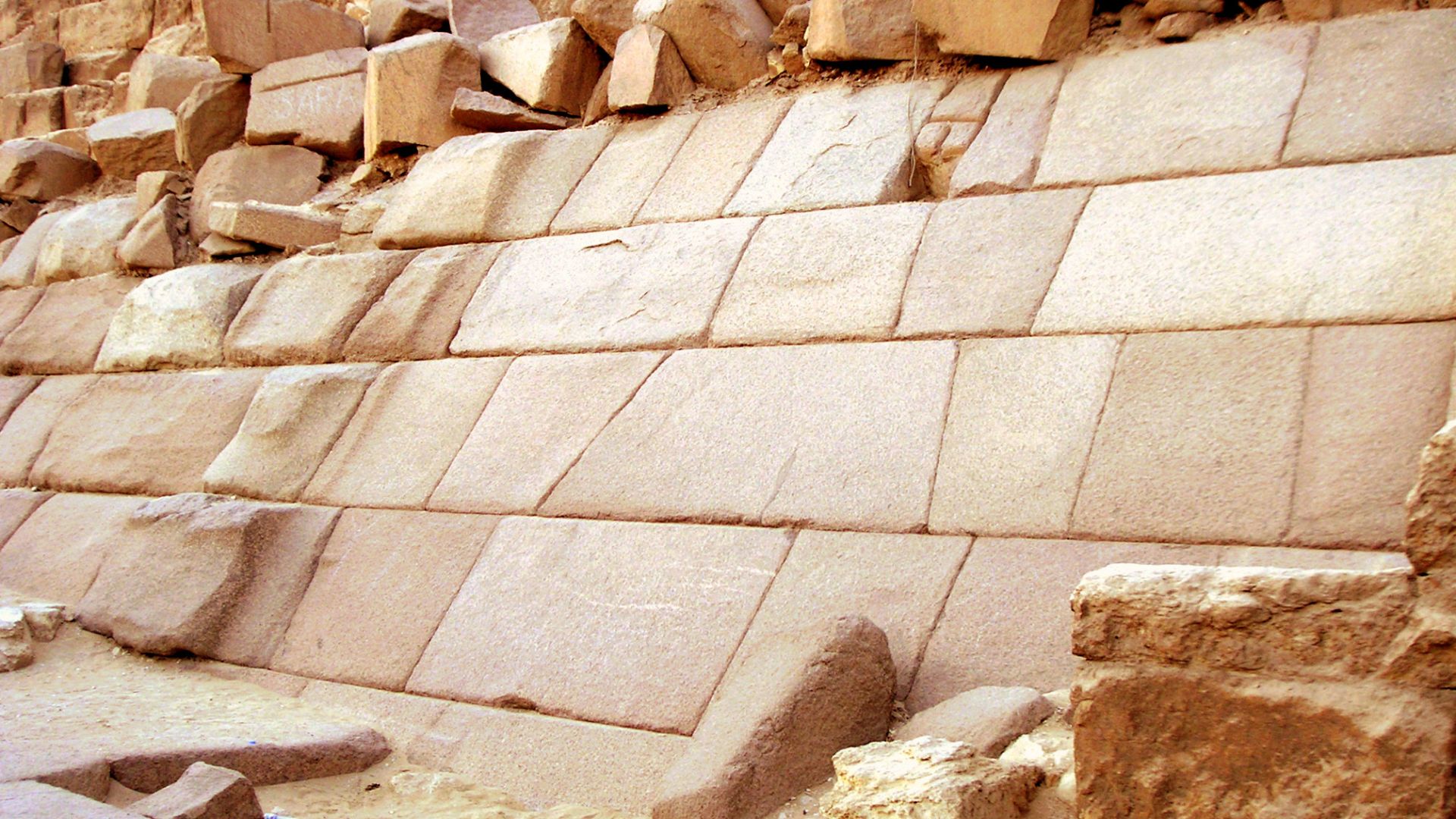
Among all that rough granite, researchers noticed something unusual on the eastern face. A section approximately four meters high and six meters wide had been carefully polished. That mattered because similarly smooth stonework is found around the pyramid's known entrance on the northern side.
A Theory Emerged In 2019
Researcher Stijn van den Hoven proposed in 2019 that the polished eastern blocks might mark another entrance. The idea was tempting, but appearance alone could not prove anything. Ancient builders made plenty of architectural choices whose purposes are no longer obvious to us.
Then ScanPyramids Took A Look
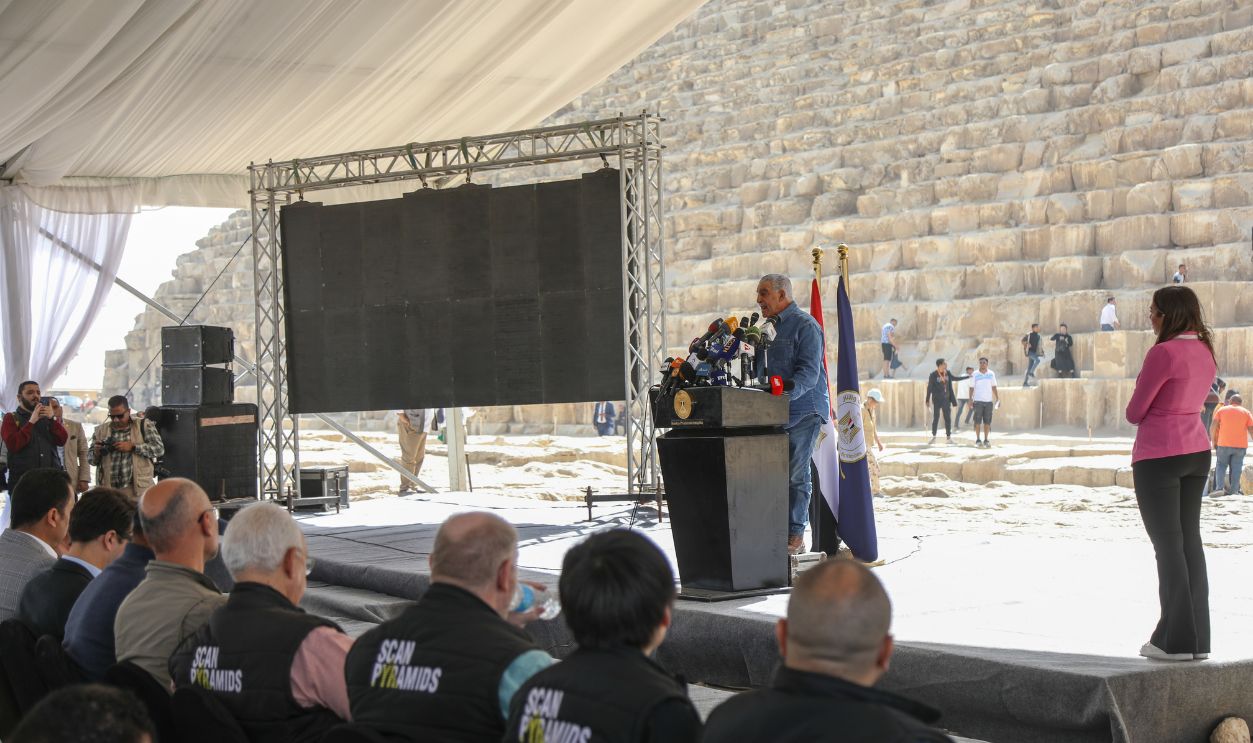
The mystery became a target for the ScanPyramids project, involving researchers from Cairo University and the Technical University of Munich. Instead of cutting into the monument, the team examined the eastern face using non-destructive technologies designed to detect changes behind solid stone.
Three Technologies Joined The Hunt
The researchers did not depend on just one instrument. They used electrical resistivity tomography, ground-penetrating radar and ultrasonic testing. Each technique responds differently to stone and empty space, allowing scientists to compare independent measurements rather than betting everything on a single suspicious signal.
 The Charles Machine Works, Wikimedia Commons
Electricity Can Reveal Empty Space
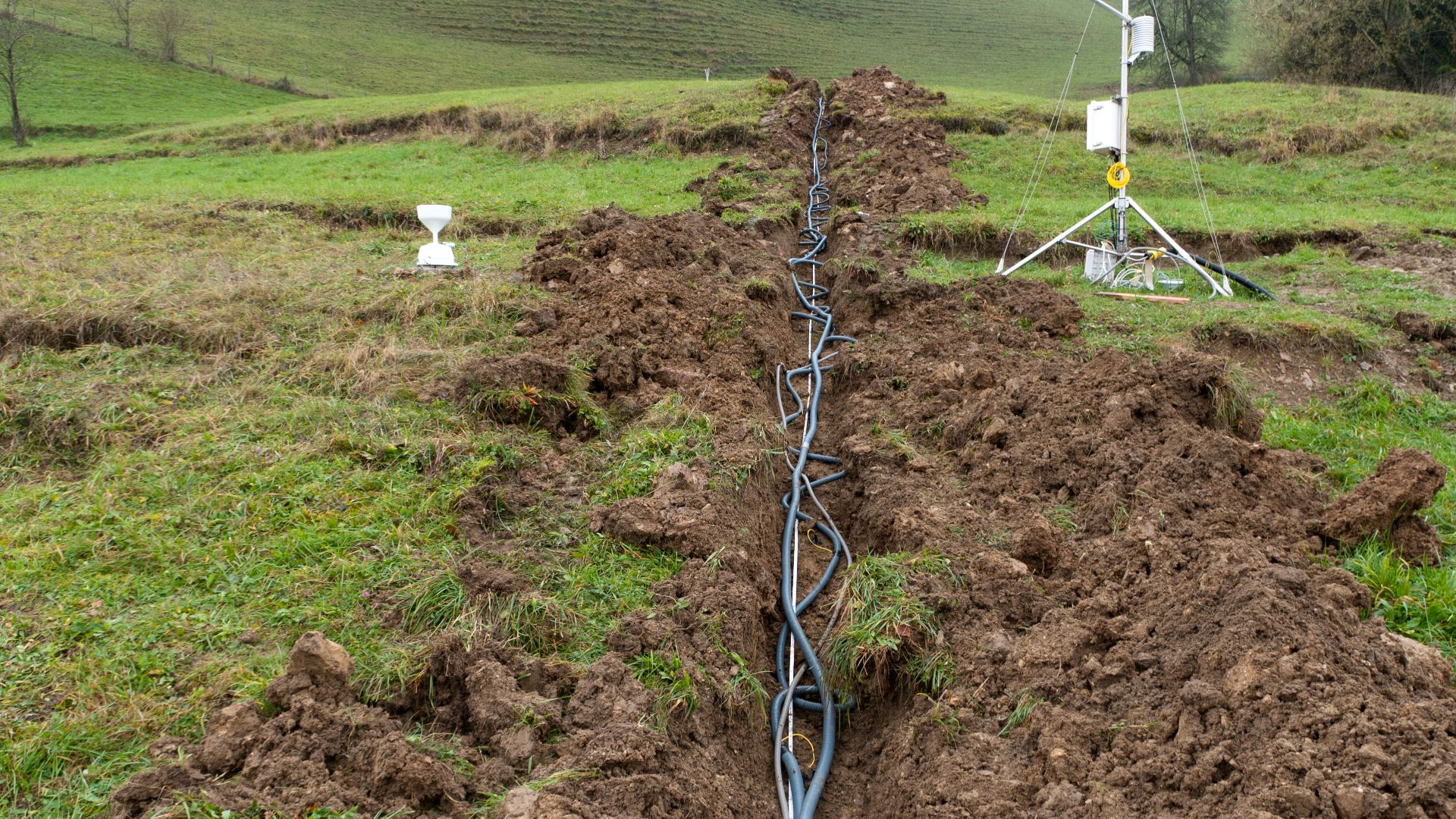
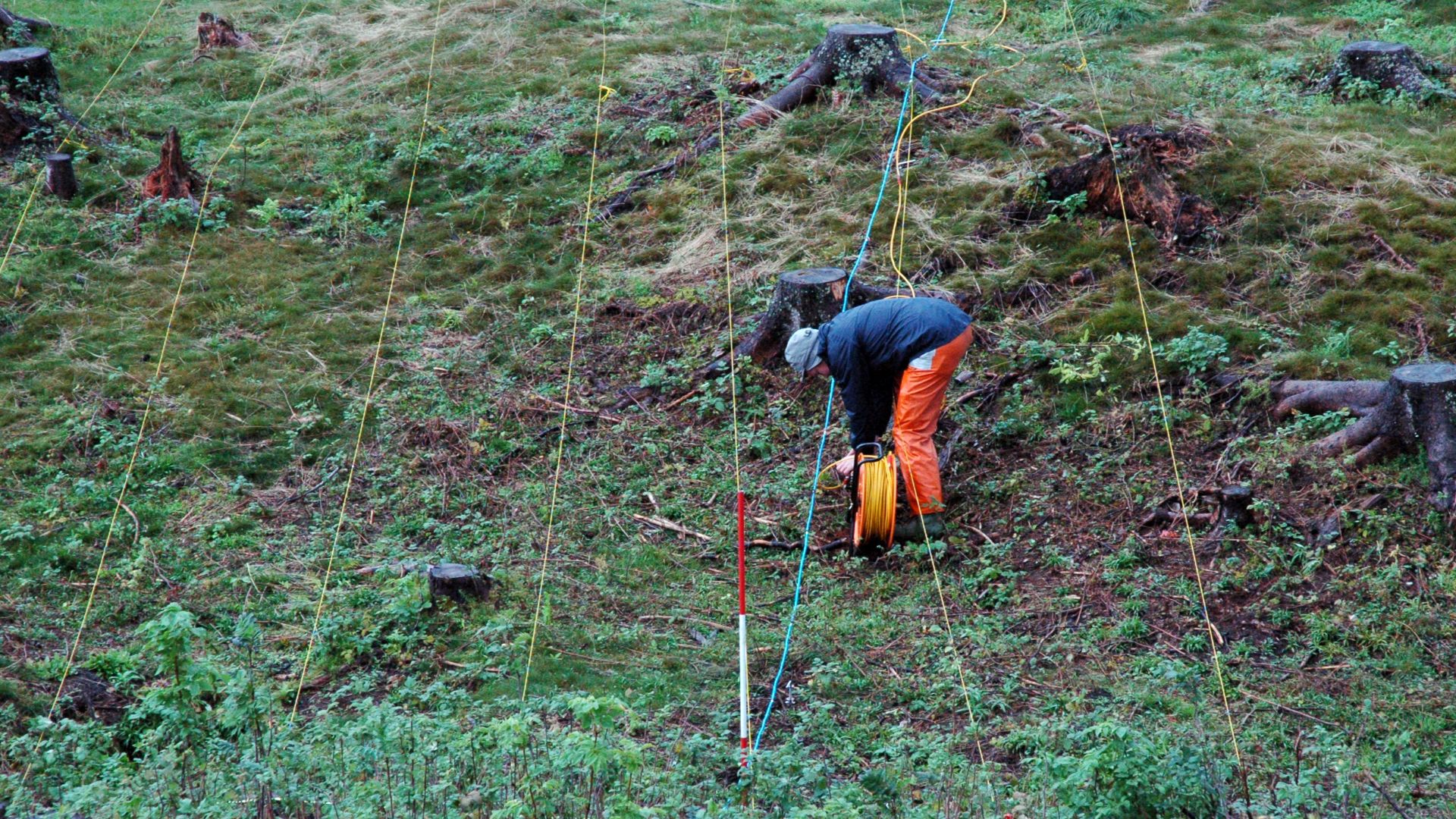
Electrical resistivity tomography examines how electrical current behaves through a structure. Different materials resist that current differently. By taking measurements along several profiles and reconstructing them digitally, the team could look for areas that behaved unlike the surrounding solid masonry.
 Ekrem Canli, Wikimedia Commons
Radar Looked Deeper
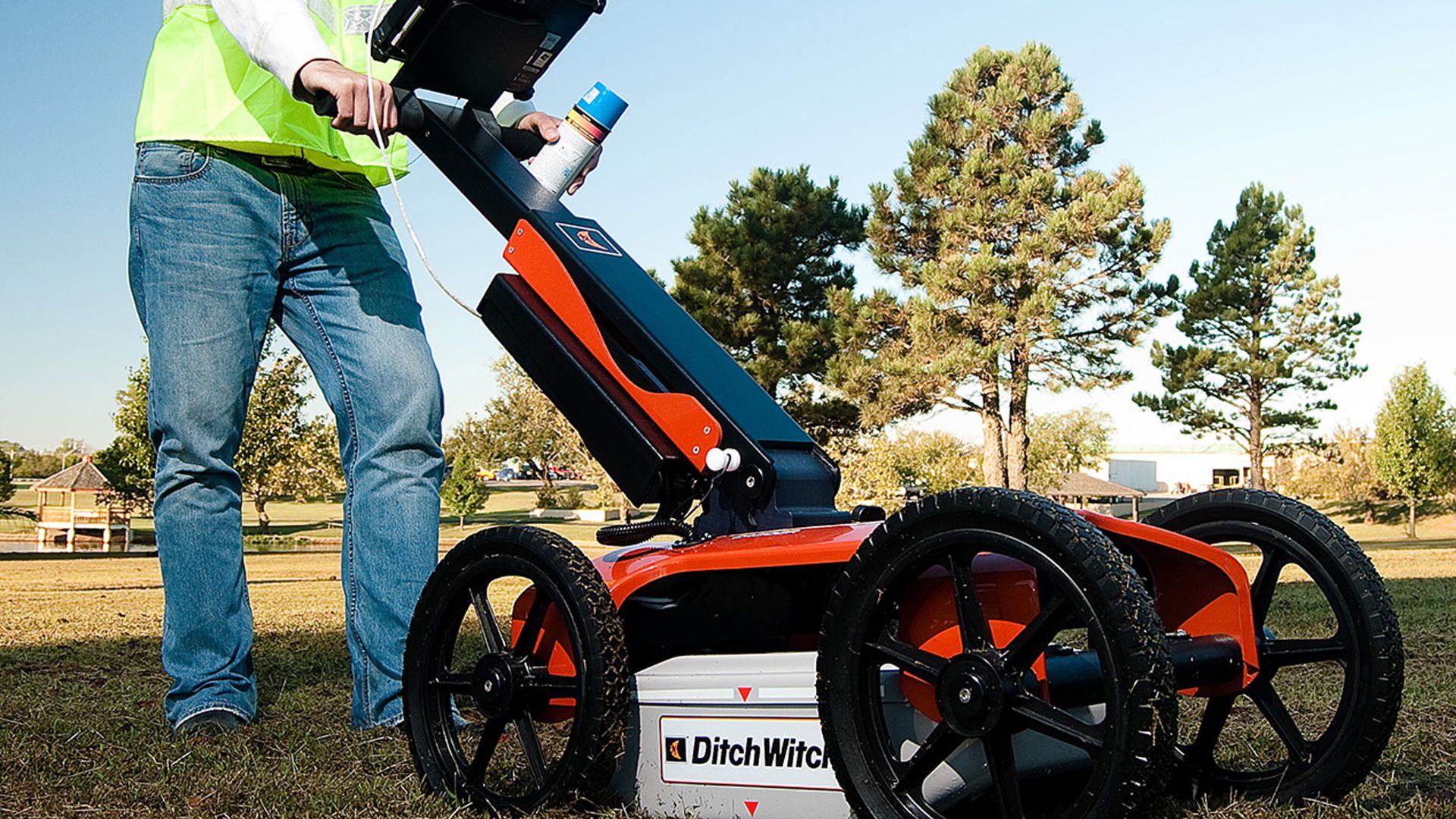
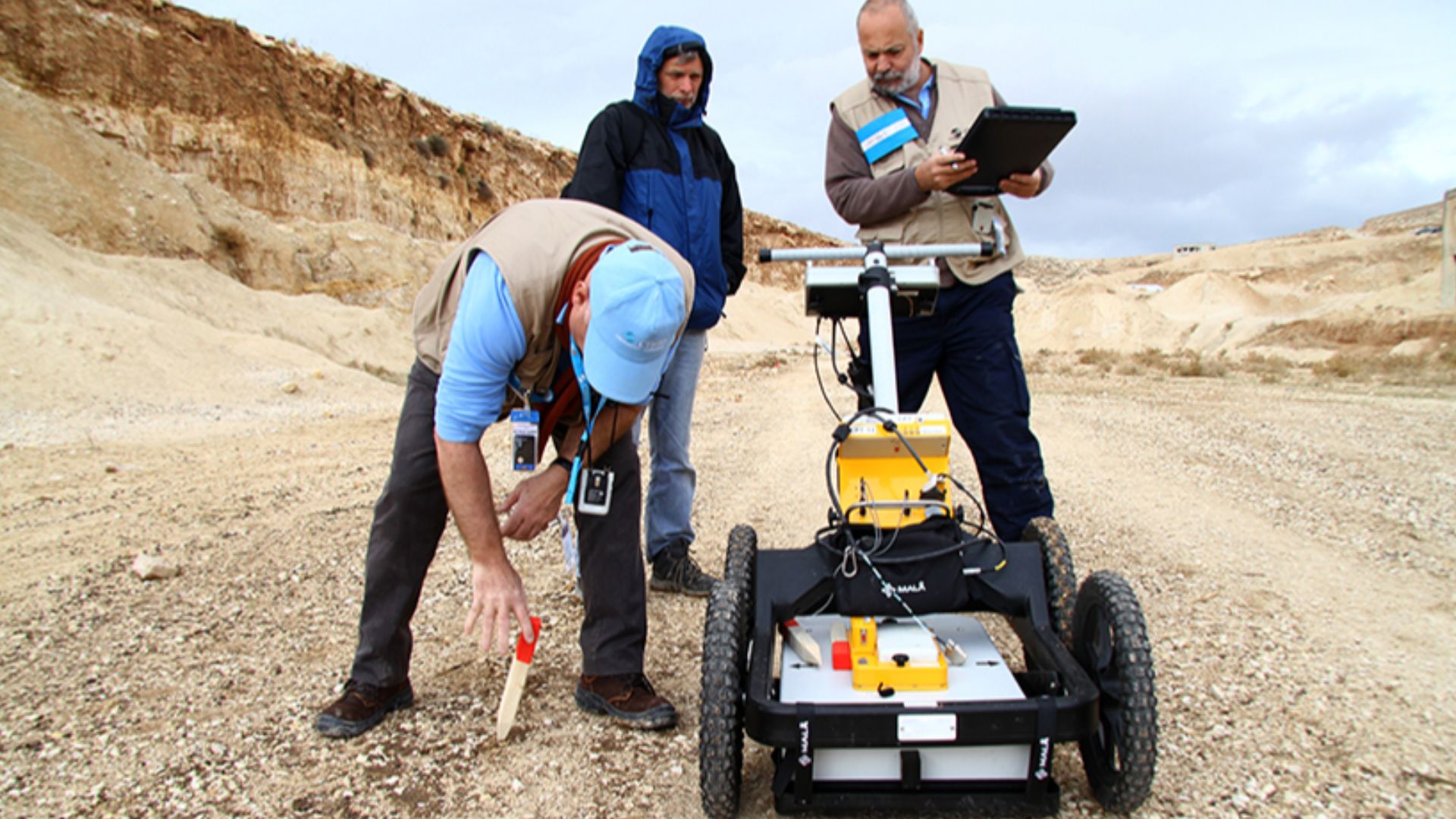
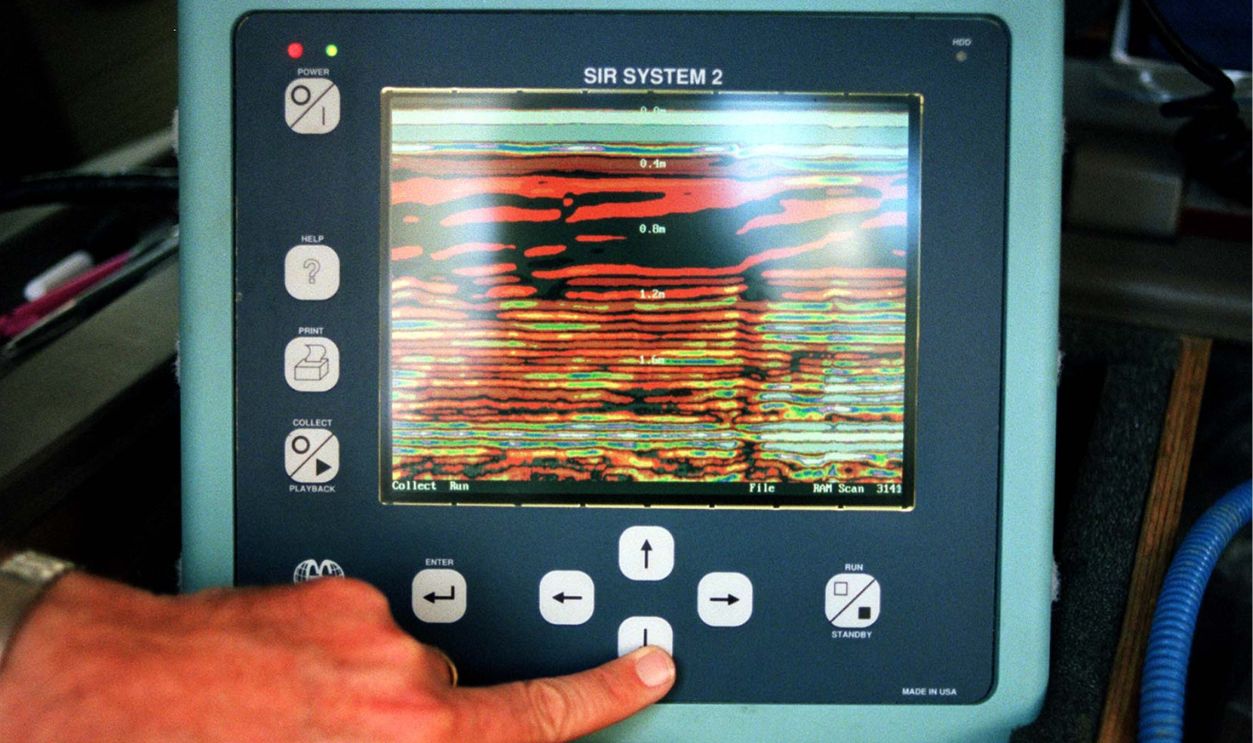
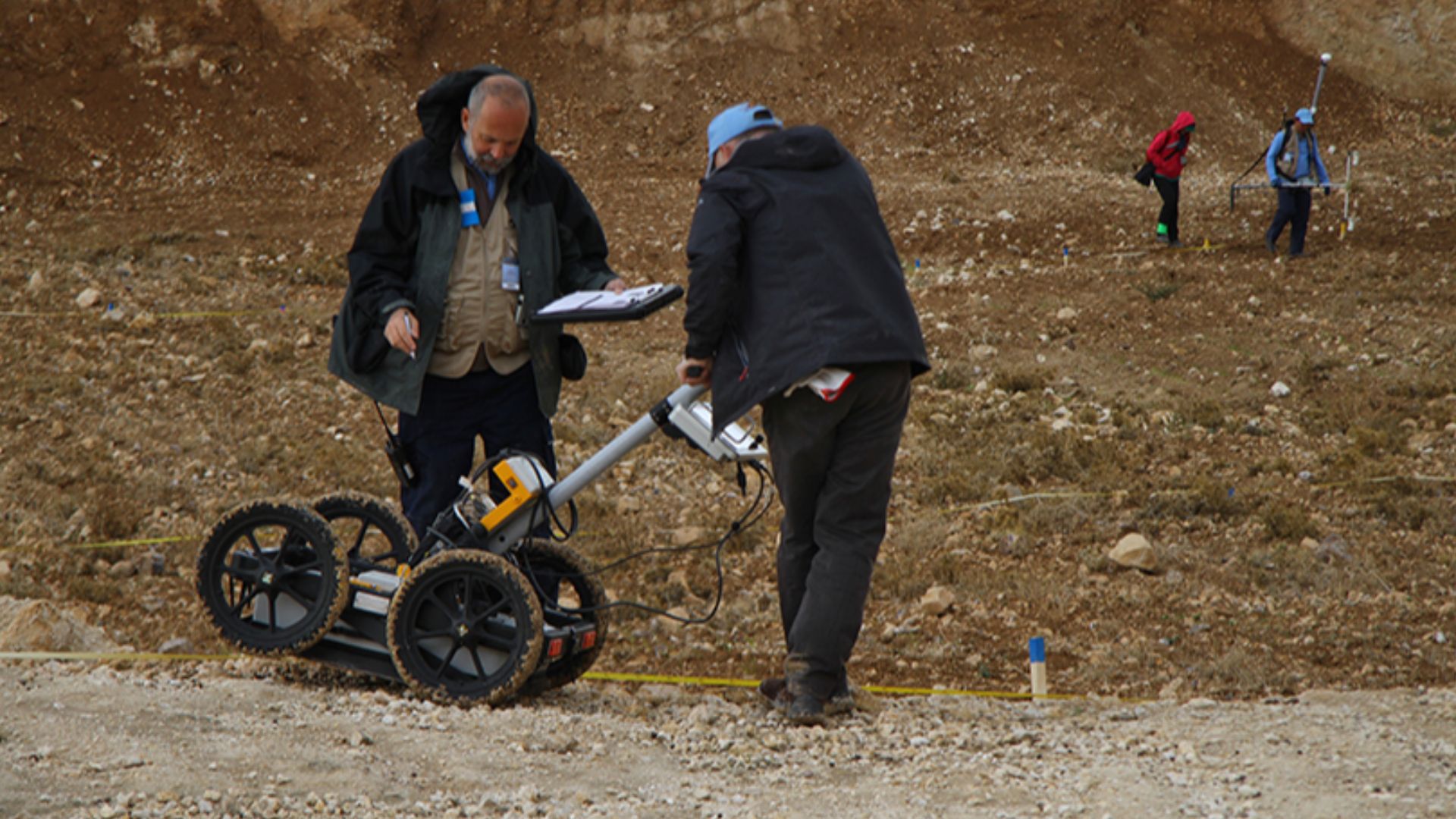
Ground-penetrating radar sends electromagnetic waves into a structure and records reflections produced when those waves encounter changing materials or boundaries. In Menkaure's pyramid, researchers used dual-frequency radar to inspect the area indicated by the broader electrical survey.
 The Official CTBTO Photostream, Wikimedia Commons
Sound Added Another View
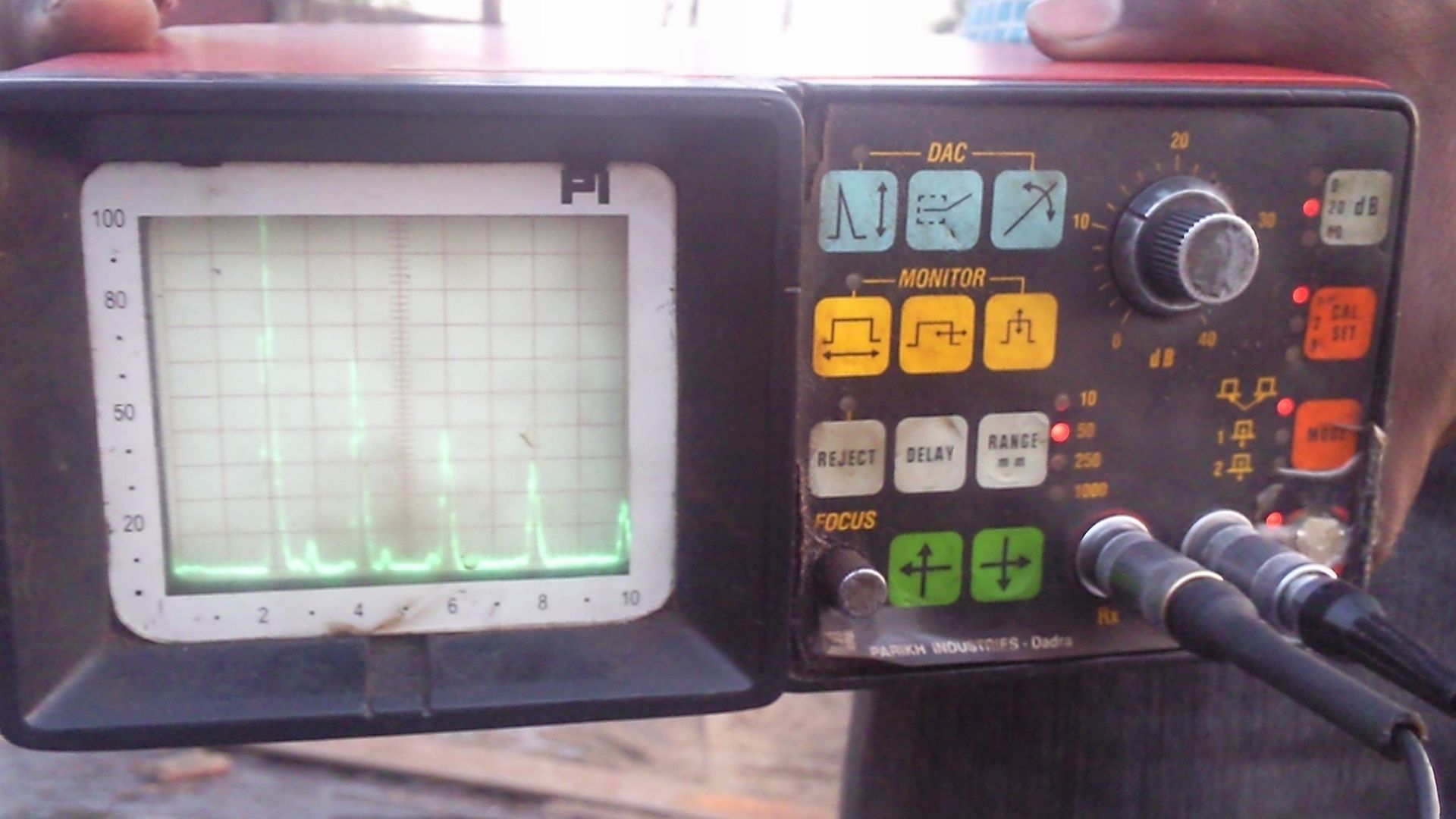
Ultrasonic testing provided a third line of evidence. Sound waves travel through solid stone differently than they behave around gaps or changes in material. The researchers used a multi-channel ultrasonic array, giving them another way to examine what lay behind the polished granite.
 Abhijit Nandi, Wikimedia Commons
The Real Trick Was Combining Everything
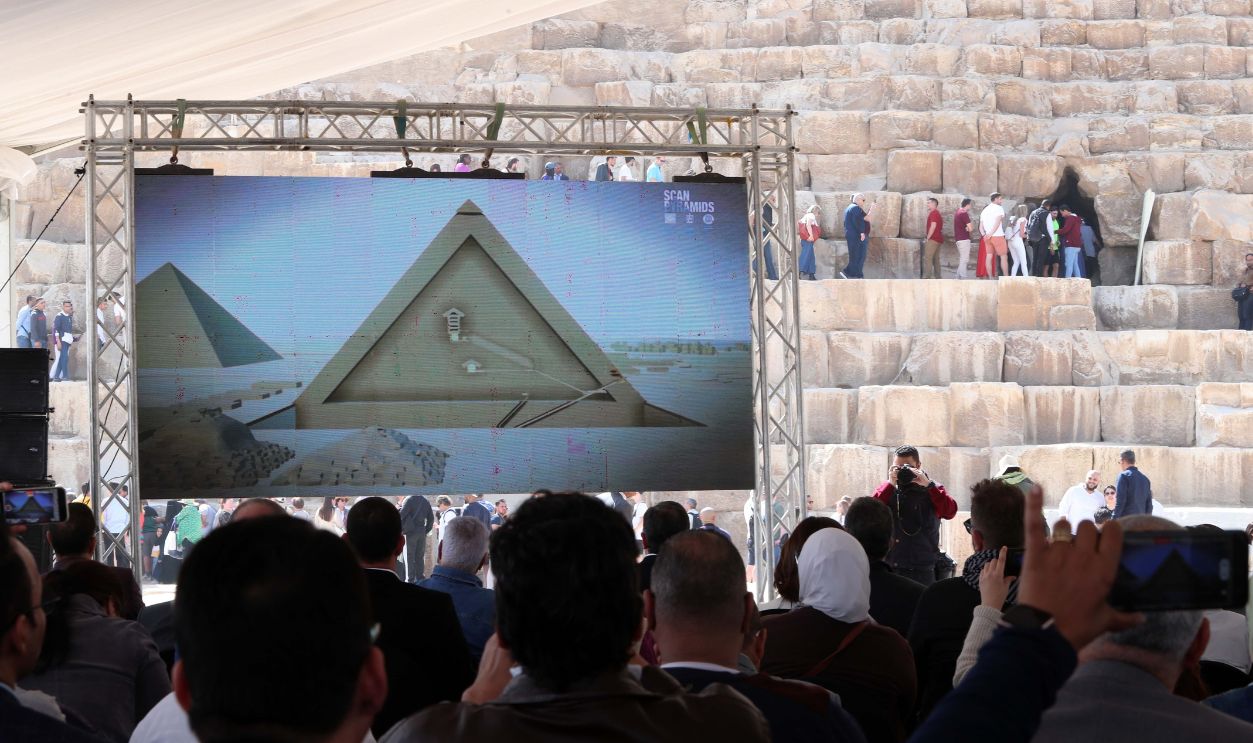
Individually, each method produced useful information. The breakthrough came through "image fusion," which combined results from all three techniques. Aligning the datasets allowed researchers to compare the anomalies across different technologies and estimate their positions and dimensions with much greater confidence.
 Xinhua News Agency, Getty Images
Two Anomalies Appeared
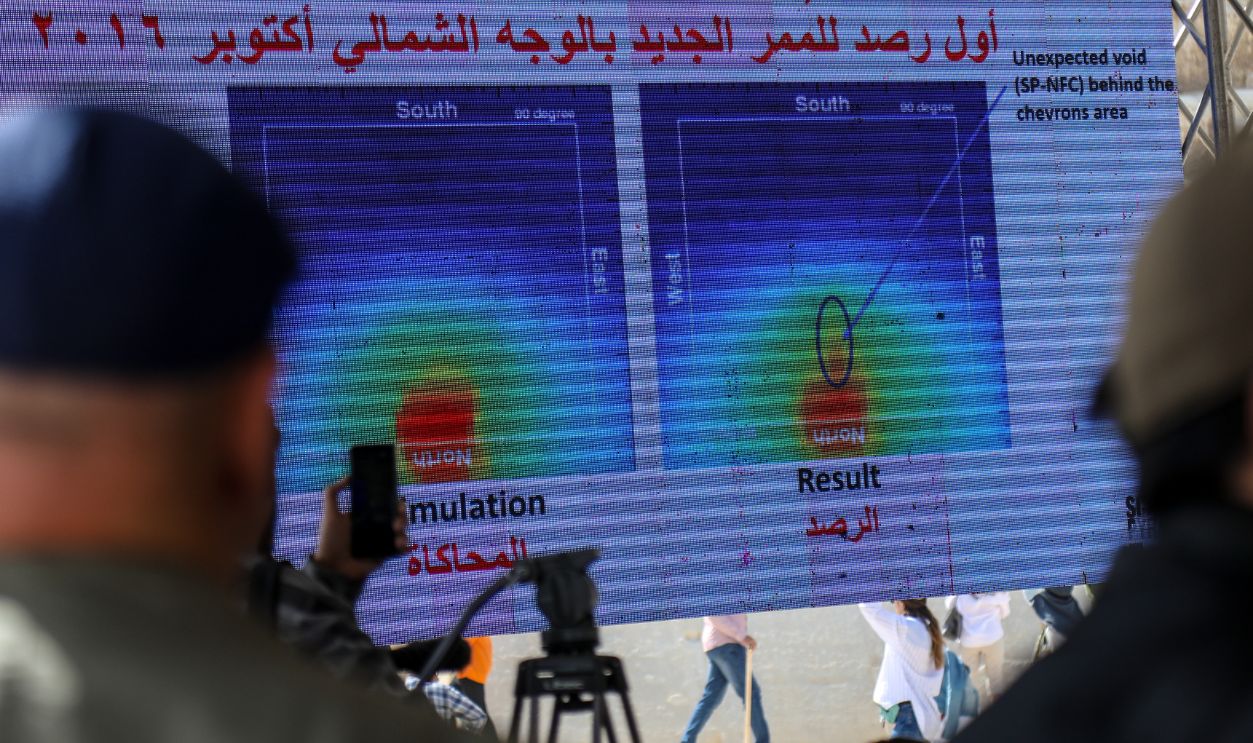
The combined images revealed not one but two anomalies immediately behind the polished eastern blocks. Numerical simulations were also used to test possible explanations under realistic conditions. The researchers concluded that the signals were consistent with air-filled voids rather than ordinary solid masonry.
 Xinhua News Agency, Getty Images
The Larger Void
The larger anomaly sits roughly 1.4 meters behind the outer face of the pyramid. Researchers estimate it at around one meter high and 1.5 meters wide. That is not a gigantic chamber, but it is large enough to demand an explanation.
 David Broad, Wikimedia Commons
The Second Void Is Smaller
A second anomaly begins approximately 1.13 meters behind the facade. It measures about 0.9 meters by 0.7 meters. Finding two separate void-like features in the same suspicious area makes the eastern facade much more interesting than it already was.
 MOHAMED ABOUELENEN/AFPTV, Getty Images
Why Air Makes Archaeologists Interested
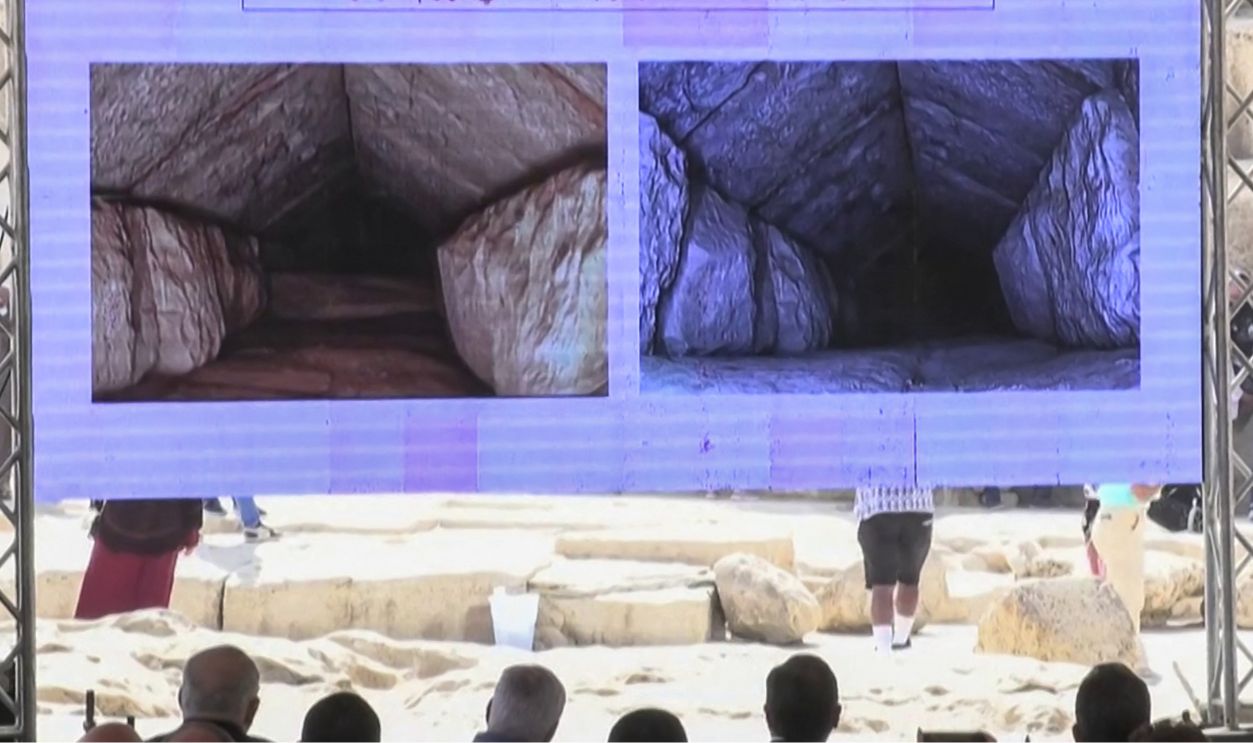
Solid pyramid masonry should naturally produce very different measurements from an empty pocket. That does not automatically mean the cavities were designed as corridors, but detecting air where stone might be expected is important. Archaeologists now have something physical to investigate rather than a surface pattern alone.
 Sarbast.T.Hameed, Wikimedia Commons, Modified
Location Is Everything
Had the voids appeared behind an ordinary stretch of masonry, the interpretation might be very different. Instead, both lie directly behind the unusually polished section of the eastern facade. That alignment is the reason the possible entrance theory has received renewed attention.
 Jon Bodsworth, Wikimedia Commons
Could This Really Be Another Entrance?
Christian Grosse of the Technical University of Munich said the second-entrance hypothesis is "very plausible." The newly detected spaces certainly fit the idea better than an empty wall would. Still, researchers have not announced the discovery of an actual doorway or passage leading into the pyramid.
 Warren LeMay from Chicago, IL, United States, Wikimedia Commons
Plausible Does Not Mean Proven
This distinction matters. The instruments detected anomalies interpreted as air-filled voids, not a carved doorway with a helpful sign reading "Entrance Here." Further research will be needed to determine their shapes, purpose and whether they connect to any larger internal structure.
The Known Entrance Faces North
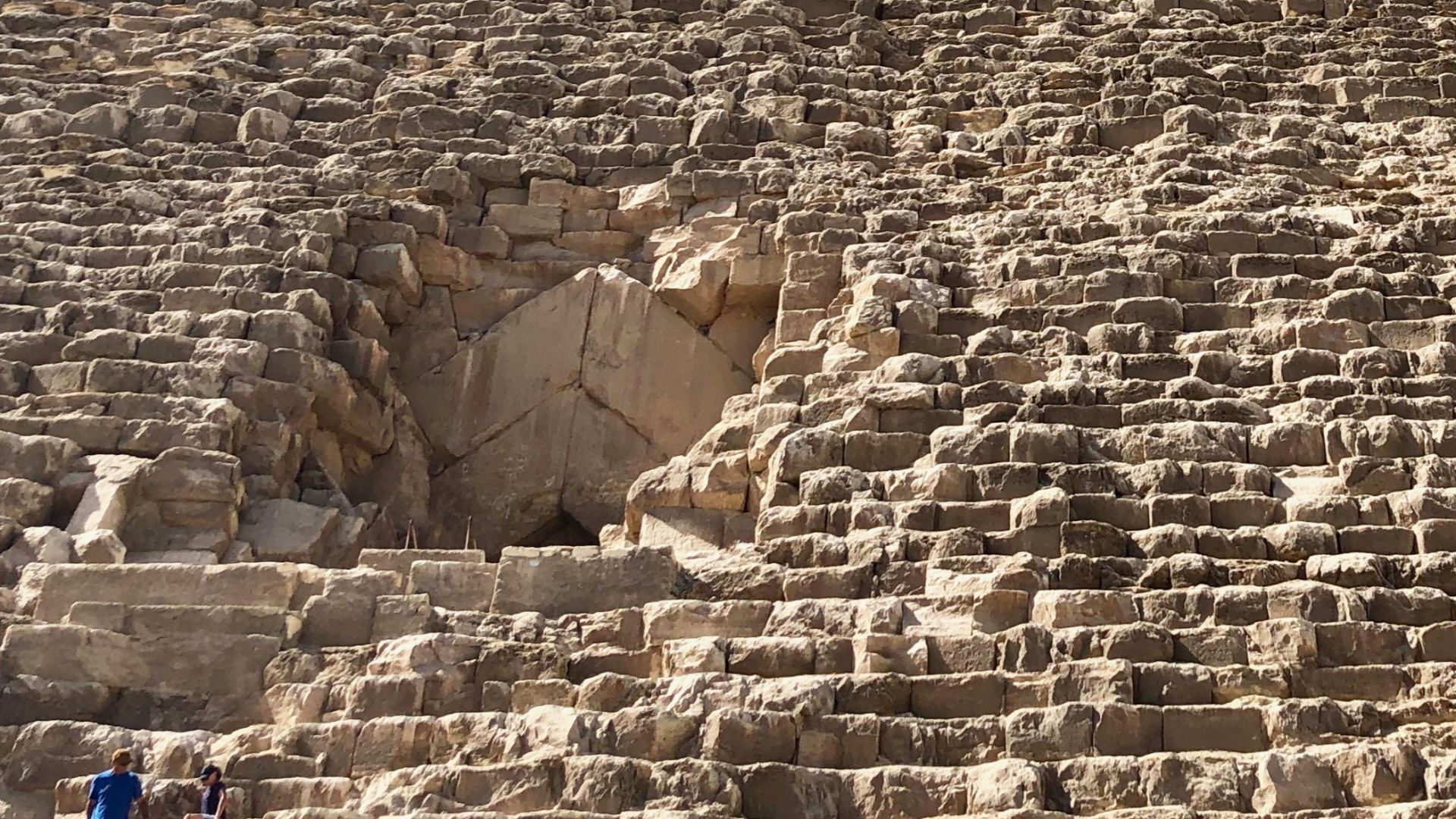
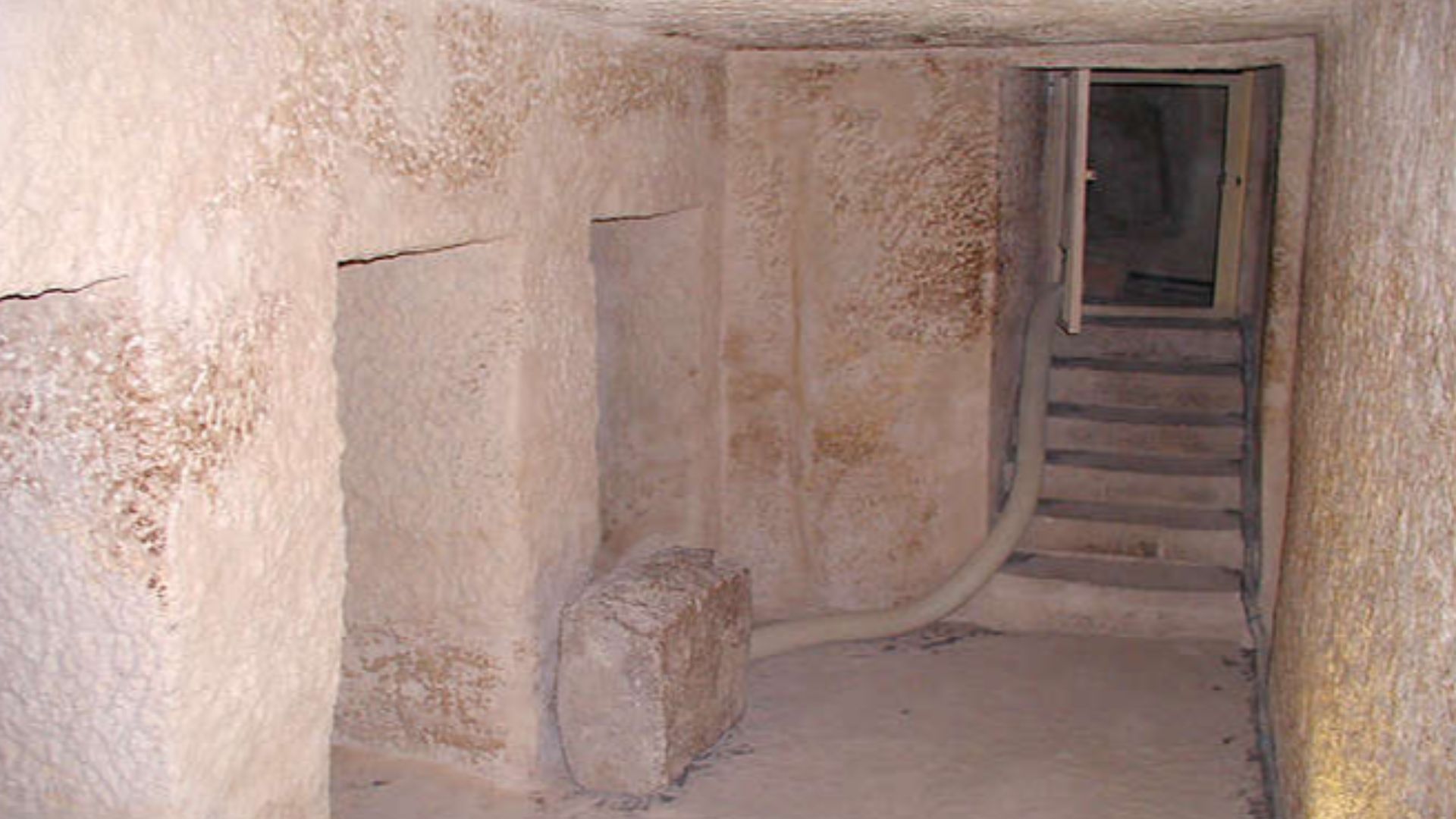
Menkaure's established entrance lies on the northern side of the pyramid. Its surrounding stonework is notable for the same careful polishing that first drew attention to the eastern facade. The similarity between those two areas was what originally made the eastern blocks so tantalizing.
 Marc Lacoste, Wikimedia Commons
Menkaure Was Never Entirely Finished
There is another complication. Egypt's antiquities authorities note that Menkaure died before his pyramid complex was completed. Many granite casing stones were never fully smoothed, while parts of the associated temples were finished using simpler materials. That unfinished state can make interpreting unusual construction features tricky.
 Jon Bodsworth, Wikimedia Commons
Ancient Plans Could Change
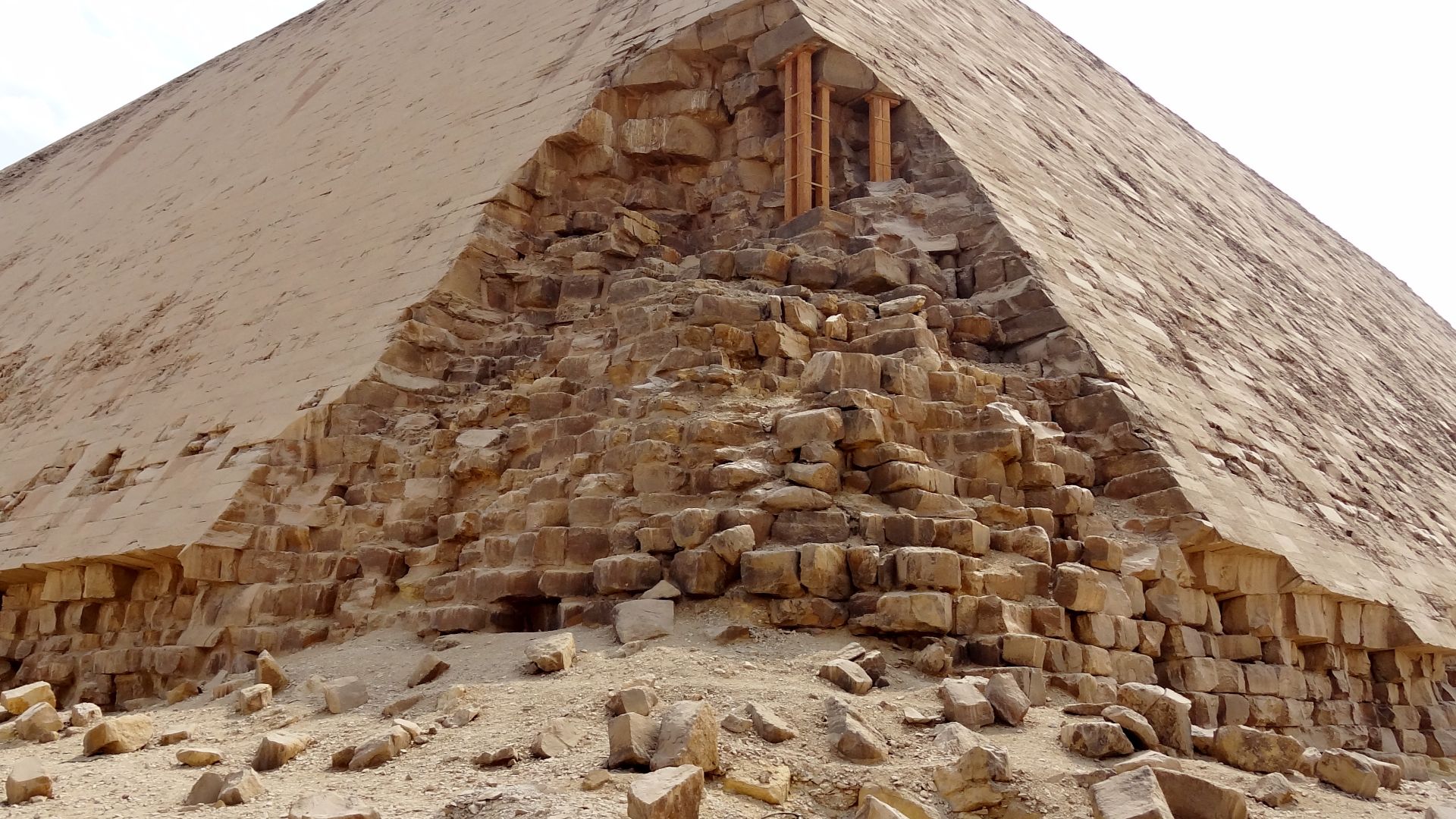
Pyramid construction took years and enormous resources, and designs were not necessarily frozen from the first day. Unfinished sections, altered passages or abandoned construction features are all possibilities archaeologists must consider. A void does not have to be a secret chamber to tell researchers something important about ancient building methods.
 Olaf Tausch, Wikimedia Commons
The Best Part Is What Researchers Did Not Do
Nobody needed to smash through the granite to find these spaces. Non-destructive testing allowed the team to investigate the interior while leaving the ancient monument intact. For archaeology, that is an enormous advantage, especially when dealing with a structure whose stones have survived thousands of years.
 The Official CTBTO Photostream, Wikimedia Commons
Giza Has Surprised Scientists Before
ScanPyramids has already shown how modern technology can reshape our understanding of famous monuments. In 2017, cosmic-ray muon imaging revealed a previously unknown void at least 30 meters long inside Khufu's Great Pyramid. Its purpose remains uncertain, demonstrating that detection is often only the beginning.
Technology Is Changing Pyramid Research
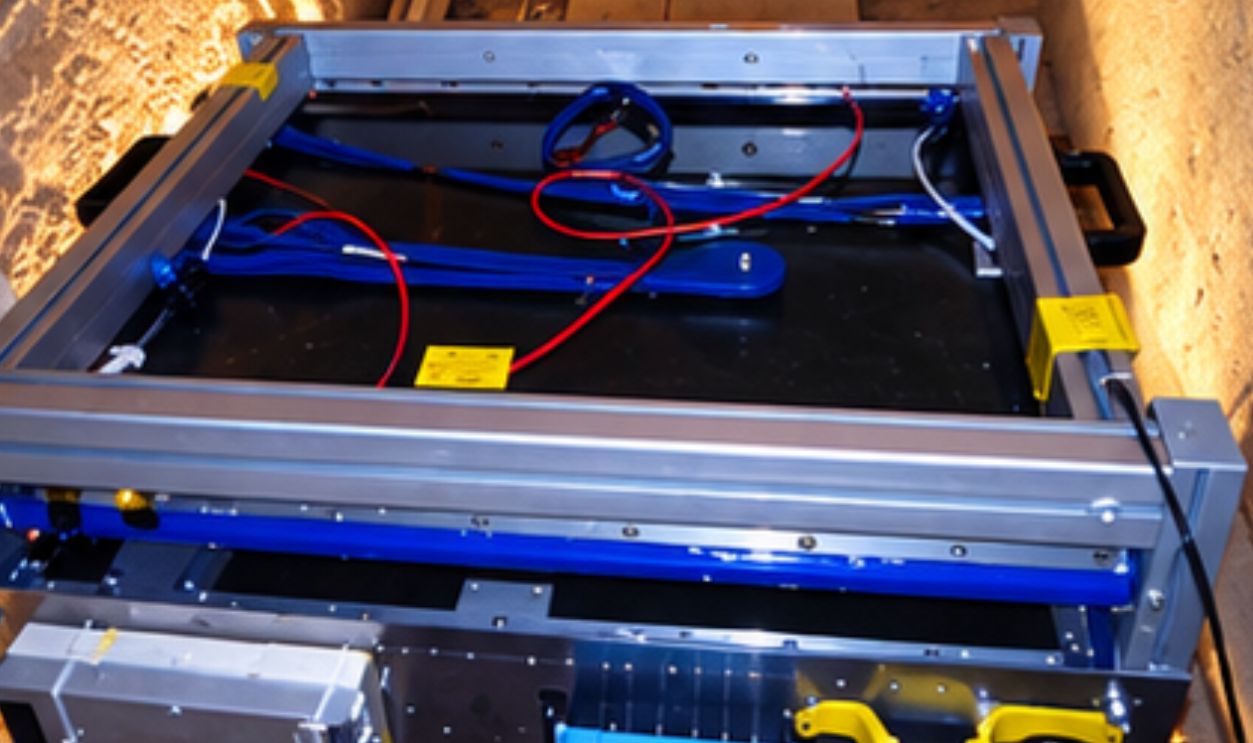
Older explorers sometimes had little choice but to tunnel, excavate or physically enter monuments. Today's researchers can use radar, particle physics, ultrasound and electrical measurements to peer through stone indirectly. The pyramids have not changed, but our ability to ask them questions certainly has.
 NTNU Vitenskapsmuseet, Wikimedia Commons
What Researchers Need To Learn Next
The obvious question is whether the two eastern voids connect to anything deeper inside Menkaure's pyramid. More detailed scanning could potentially determine their geometry and relationship to the existing internal structure. Until then, calling them evidence for a possible entrance is more accurate than declaring a newly discovered doorway.
 Jon Bodsworth, Wikimedia Commons
Why This Finding Matters
Even if the anomalies turn out not to be an entrance, they reveal previously unknown features inside one of Egypt's most studied monuments. If they do relate to an access route, researchers may have found evidence that Menkaure's pyramid was designed differently from what generations of archaeologists assumed.
 Diego Delso, Wikimedia Commons, Modified
Giza Still Has Secrets
The most remarkable thing about the Menkaure discovery may be how quietly it emerged. No wall collapsed and nobody uncovered a glittering treasure chamber. Scientists simply listened to electricity, radar and sound passing through ancient stone, and discovered that something unexpected appears to be hiding behind it.
You May Also Like:
Sources: 1, 2, 3






.jpg)


