
What If We Have The Date All Wrong?
Every December, the Star of Bethlehem appears on cards, trees, and nativity scenes. But do we actually have the date all wrong? According to an astronomer who looked into the original story, one big clue points to a very different day...and it’s nowhere near December 25.

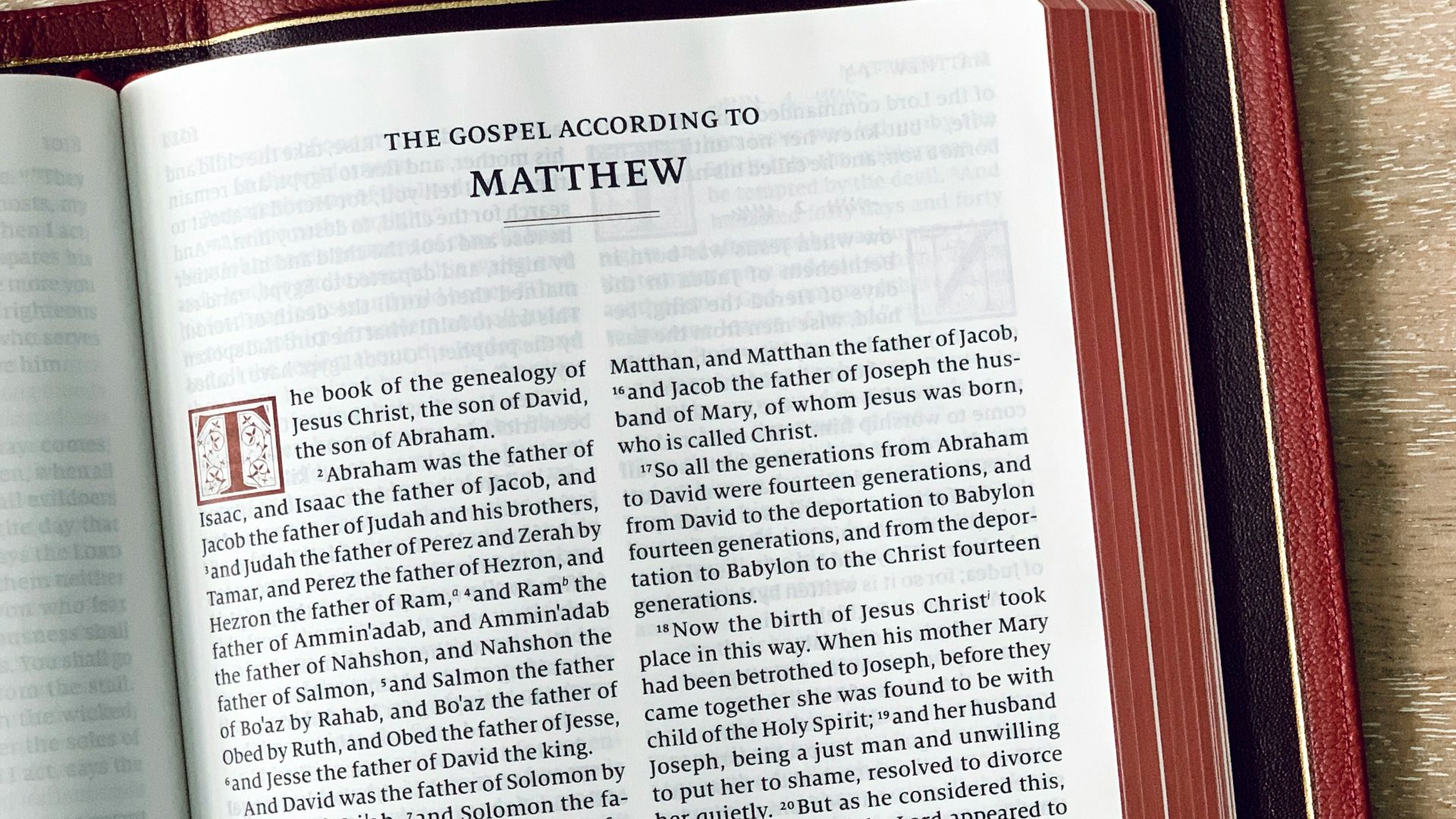
The Bible Never Gives A Birthday
The Gospels never give a calendar date for Jesus’ birth. December 25 is the day Christmas is celebrated, but it does not appear in the birth accounts. That leaves room for a question astronomers have been asking for centuries: Could the star help narrow the date down?

Only One Gospel Mentions The Star
The star appears only in Matthew’s Gospel. Luke tells of shepherds and angels, but no star or visiting magi. Mark and John do not tell a birth story at all. So the mystery rests on a few short passages in Matthew’s account.
An Old Coin Started The Search
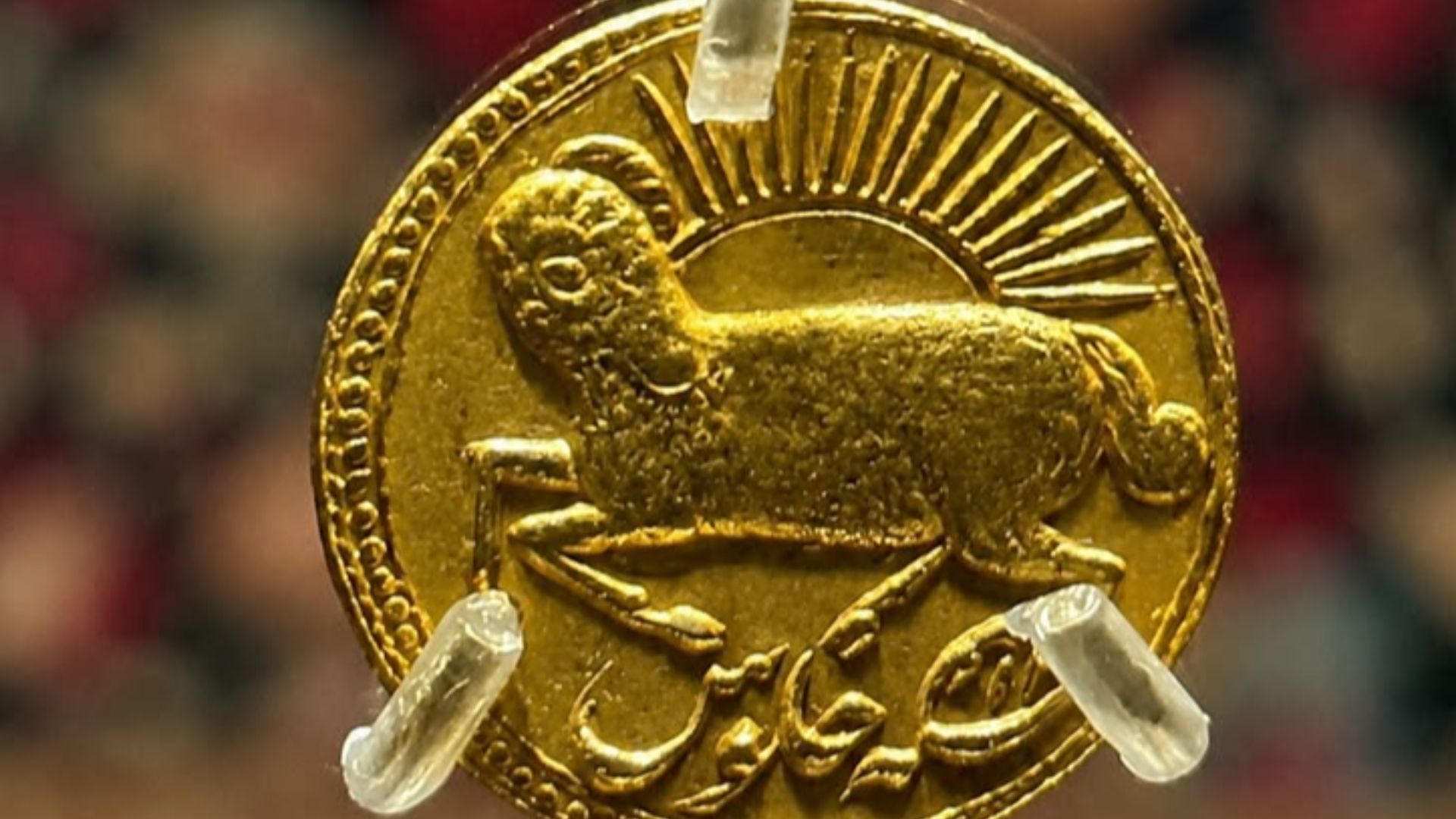
Astronomer Michael Molnar bought an ancient coin showing Aries, the ram, looking back at a star. Curious about the image, he began researching the astrological ideas behind it. The coin did not record Jesus’ birth, but it led him to reconsider what kind of “star” the magi were seeking.
 SpeakingArch, Wikimedia Commons
The Magi Weren’t Following A Map
Molnar looked at the story from the magi’s point of view. If they studied astrology, a particular arrangement of planets could have meant more to them than an unusually bright object. They may have traveled because of what they believed the sky was saying, not because a light showed them the way.
Why A Ram Was Such A Big Clue
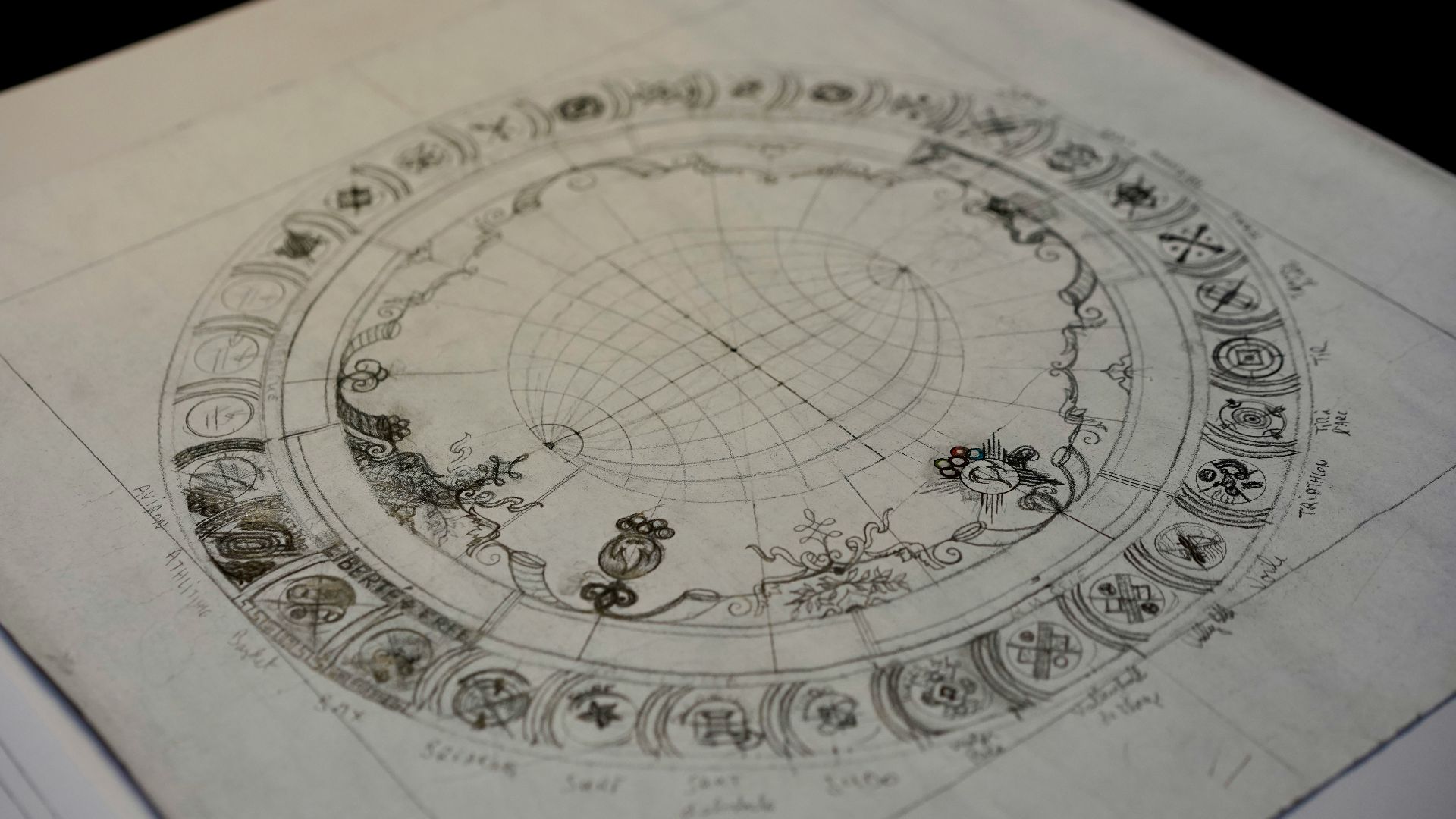
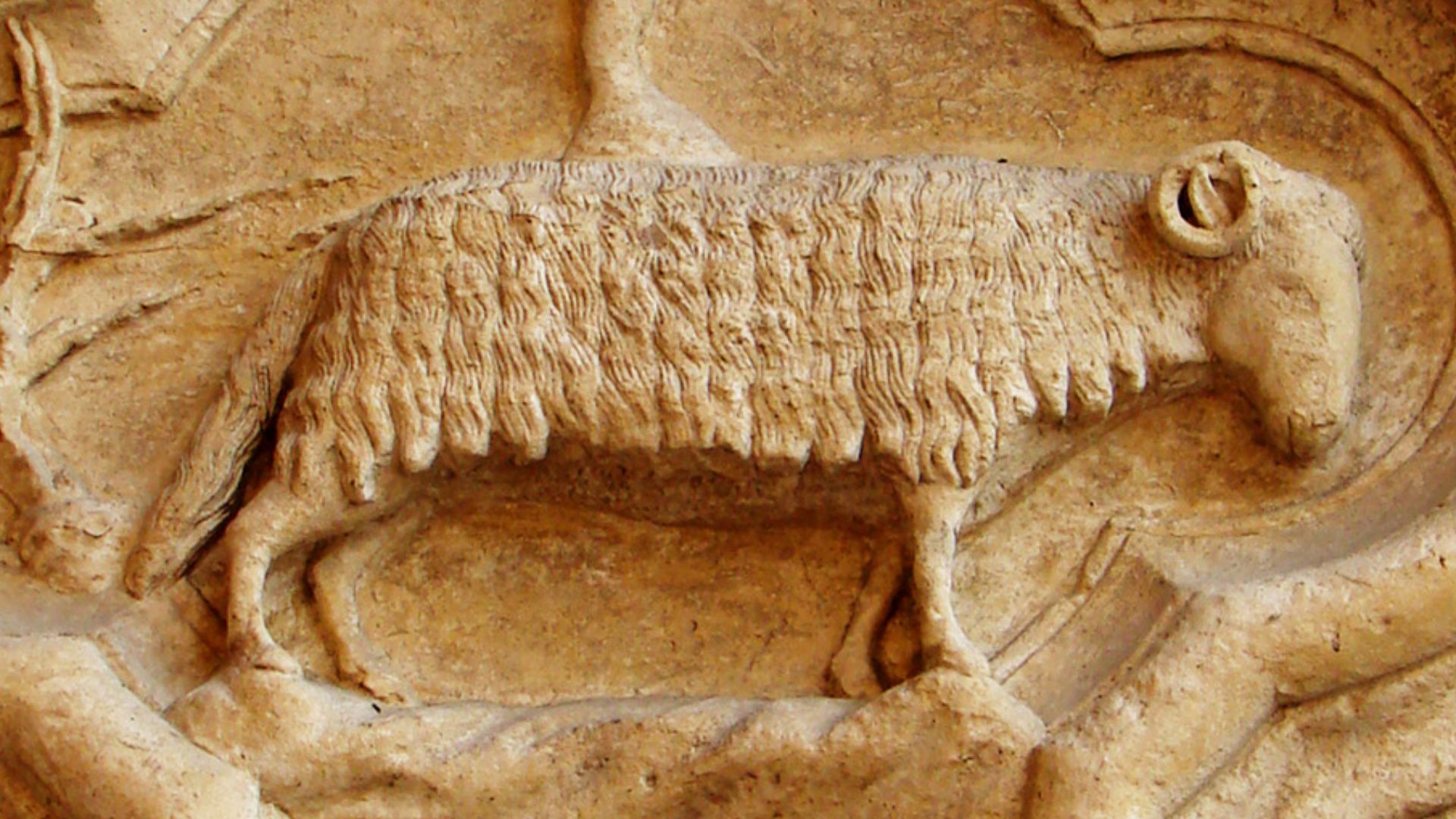
In some ancient astrological traditions, Aries was associated with Judea. That gave Molnar’s coin a possible meaning: the ram might point to a place, not just decorate the metal. He then looked for a significant royal sign in Aries during the years when Jesus could have been born.
The Date Nobody Expected
Molnar worked backward through the ancient sky and arrived at April 17, 6 BC. He argued that the planets’ positions on that day formed a horoscope announcing the birth of a ruler in Judea. If that sign was connected to Jesus, his birthday could have fallen in spring.

Then There Was Jupiter
Ancient astrologers associated Jupiter with kingship. On April 17, 6 BC, it was in Aries as part of an arrangement Molnar considered especially powerful. A ruler, a place, and a possible birth date were beginning to line up. You can see why he kept digging.
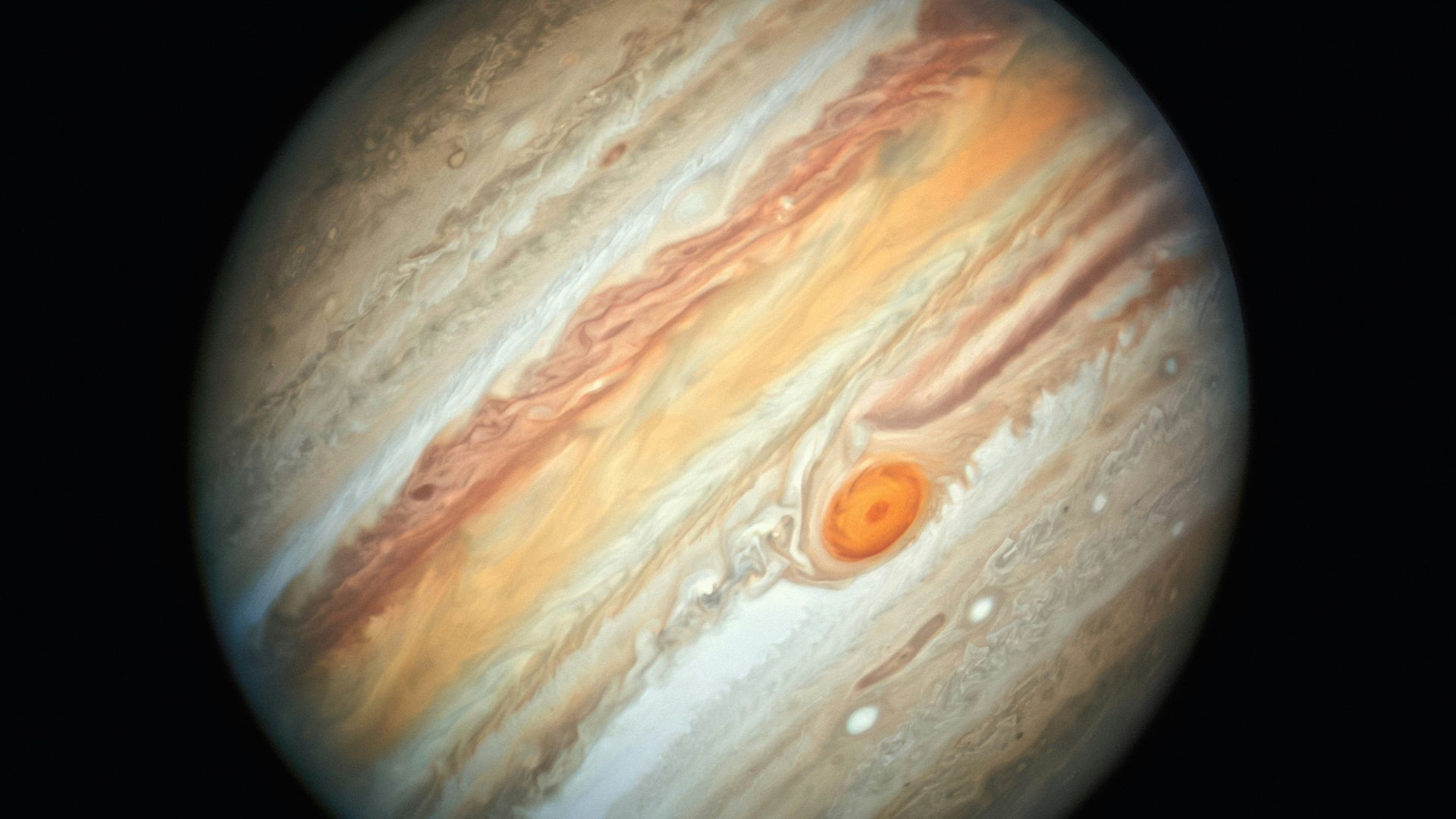 NASA Hubble Space Telescope, Unsplash
The Moon Added Another Piece
That day, the moon passed in front of Jupiter as viewed from Jerusalem. Astronomers call this an occultation. It sounds like a dramatic sight that might have stopped everyone in their tracks, but there’s a detail here that makes Molnar’s explanation much stranger.
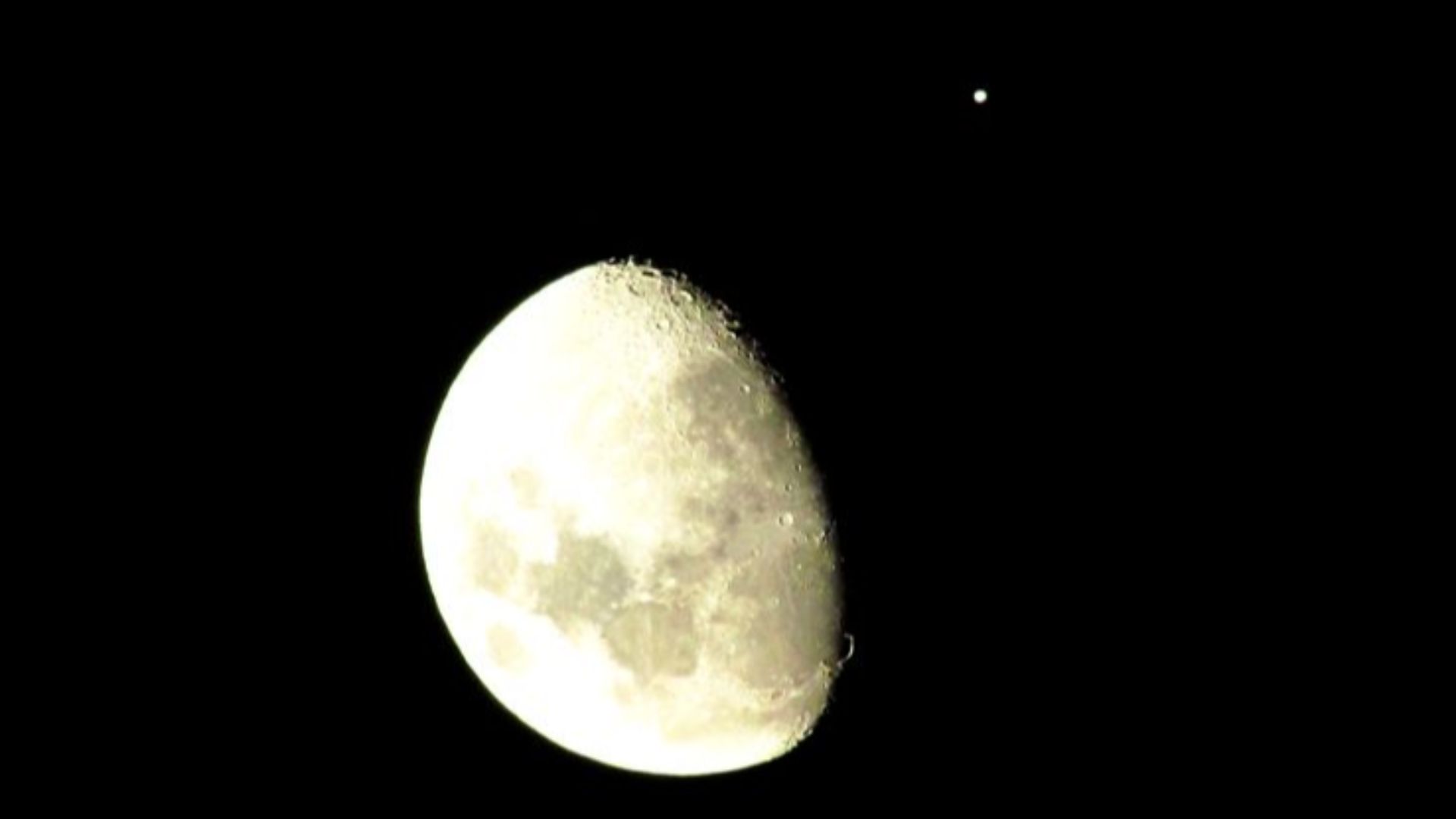
Nobody Could Have Watched It Happen
The occultation happened in daylight and could not have been seen from Jerusalem. Nor would ancient astrologers have been able to calculate that exact overlap. Molnar’s argument rests on the close pairing’s place in a larger horoscope, not on the magi watching the moon cover Jupiter.
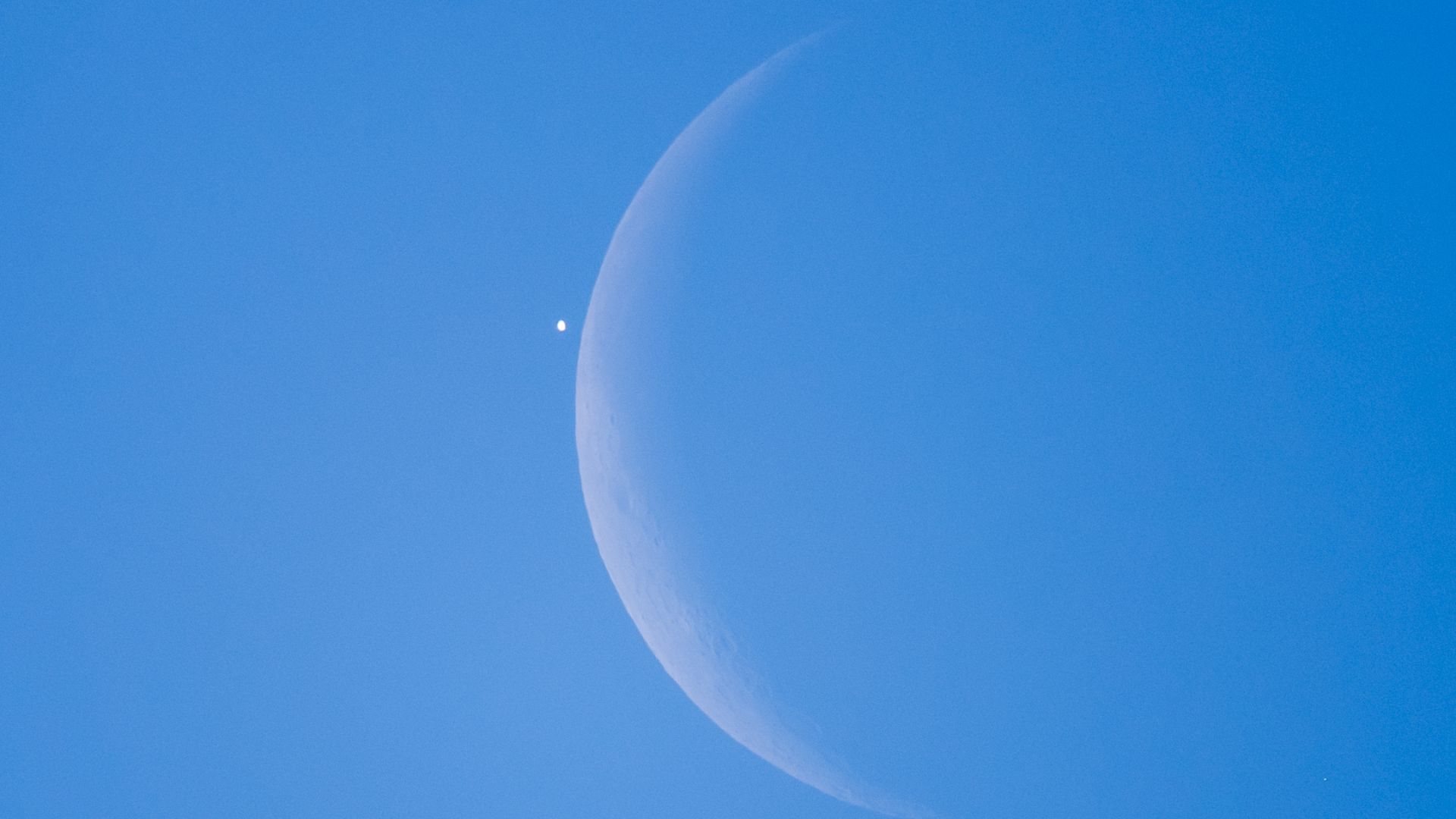 Stephen Rahn, Wikimedia Commons
It Was More Than One Event
Molnar was not relying on the moon and Jupiter alone. The positions of the sun, Saturn, Venus, and other planets also figured in his reading of the horoscope. To him, their combined meaning made April 17 remarkable. One isolated event would have been a much weaker clue.
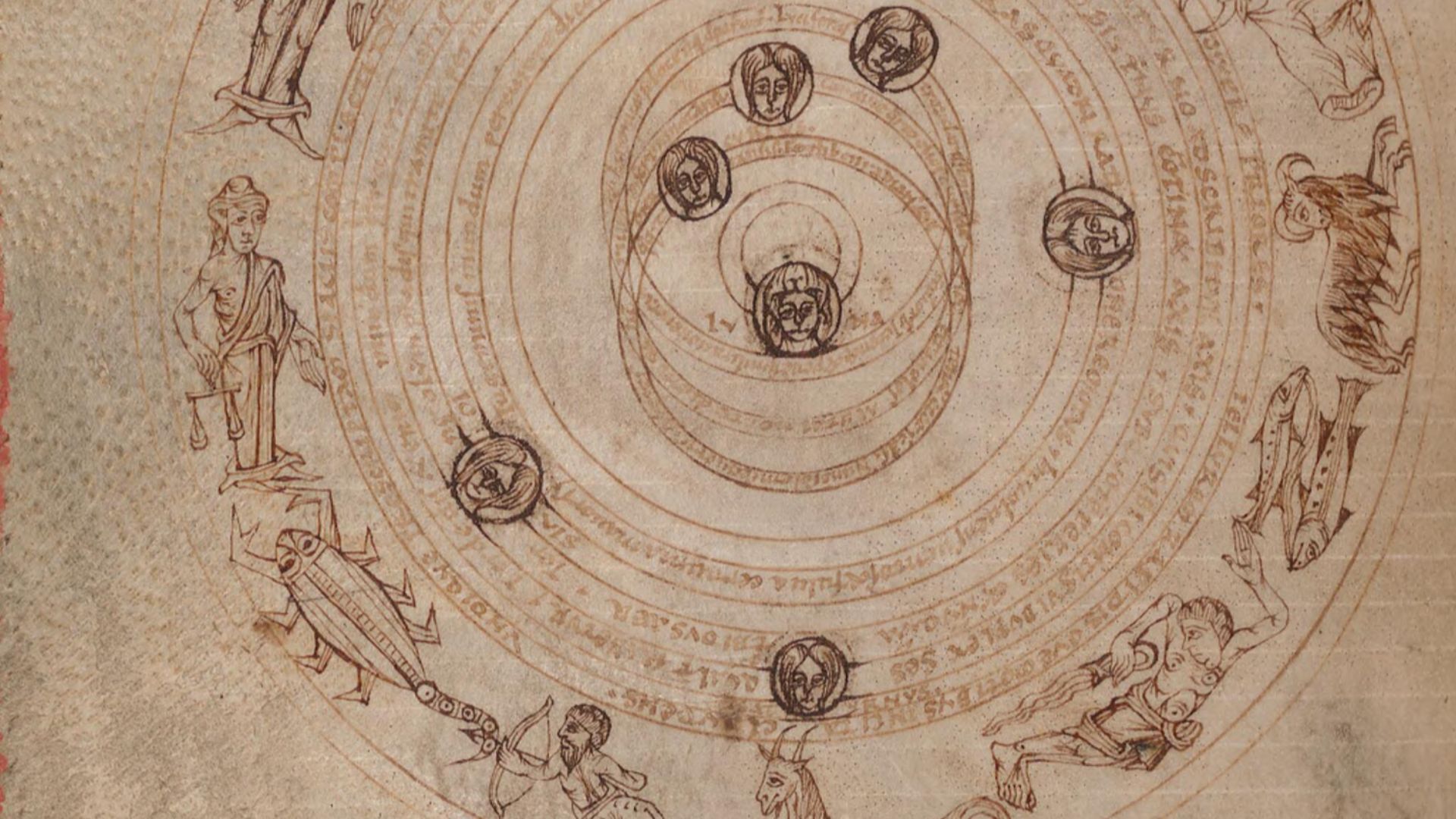 Unknown authorUnknown author, Wikimedia Commons
“In The East” Might Be A Clue
Matthew says the magi saw the star “at its rising,” a phrase sometimes translated as “in the east.” Molnar argued that it could describe a type of planetary rising that mattered in ancient astrology. If he was right, Matthew may have preserved a clue that modern readers tend to overlook.
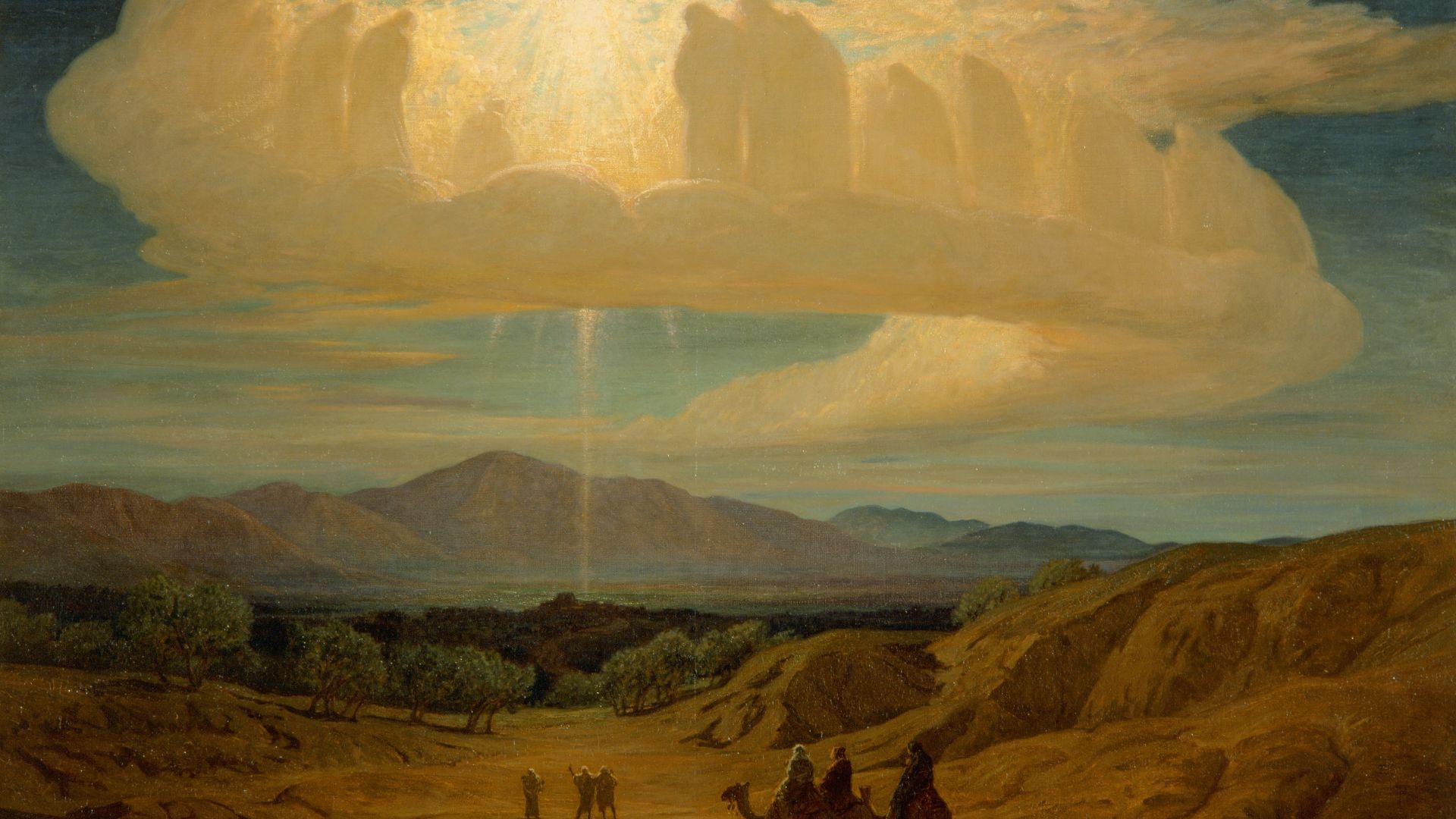 Elihu Vedder, Wikimedia Commons
So Why Did They Travel West?
That is one problem with picturing the magi literally following a star they saw in the east. Molnar’s answer is simpler: the sign pointed to a royal birth in Judea, so they traveled there. They were looking for the child the sign seemed to announce, not chasing Jupiter across the desert.
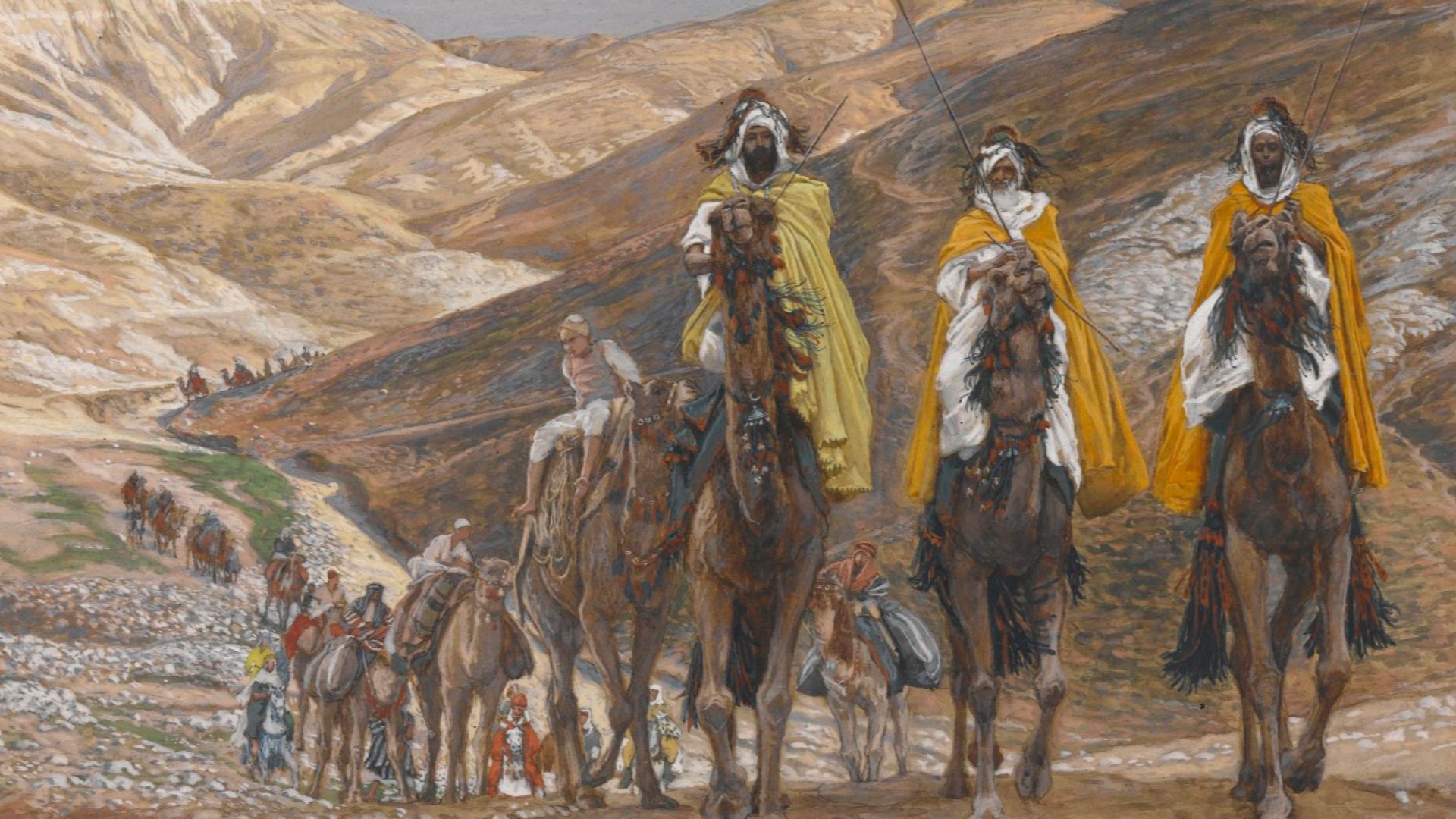 James Tissot, Wikimedia Commons
They Didn’t Go Straight To Bethlehem
Matthew says the magi went to Jerusalem first and asked where the child was. They learned about Bethlehem only after arriving. That detail fits Molnar’s idea surprisingly well. A horoscope might have suggested Judea, but it would hardly have supplied the name of a town, let alone a house.
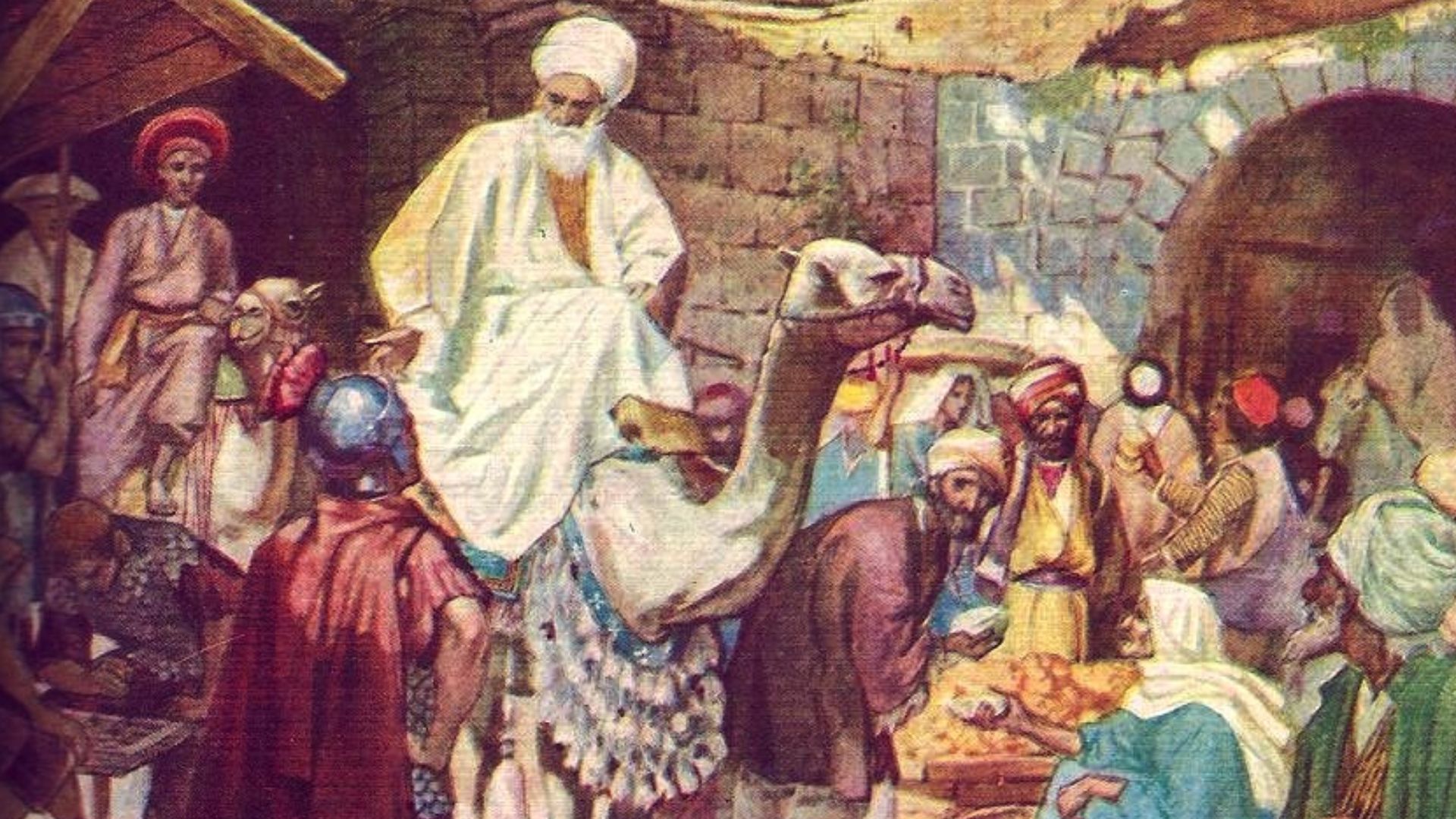 William Hole, Wikimedia Commons
Herod Helps With The Year
Matthew places Jesus’ birth during the reign of Herod the Great. Historians commonly date the end of Herod’s reign to 4 BC, so a birth in 6 BC falls within the possible window. It sounds odd, but our calendar was worked out centuries later: Jesus was probably born before AD 1.
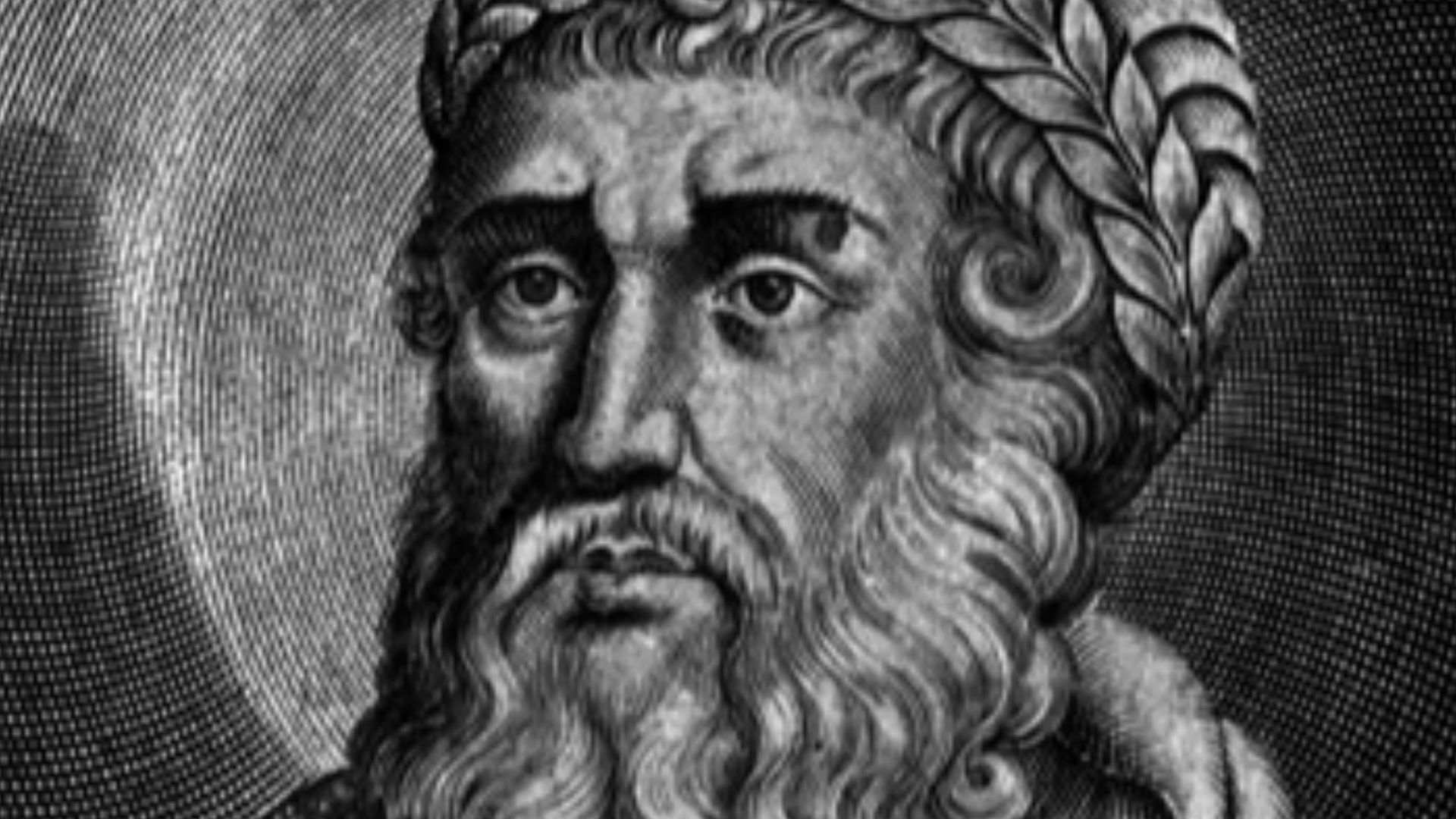 Unknown authorUnknown author, Wikimedia Commons
The Magi Might Have Arrived Later
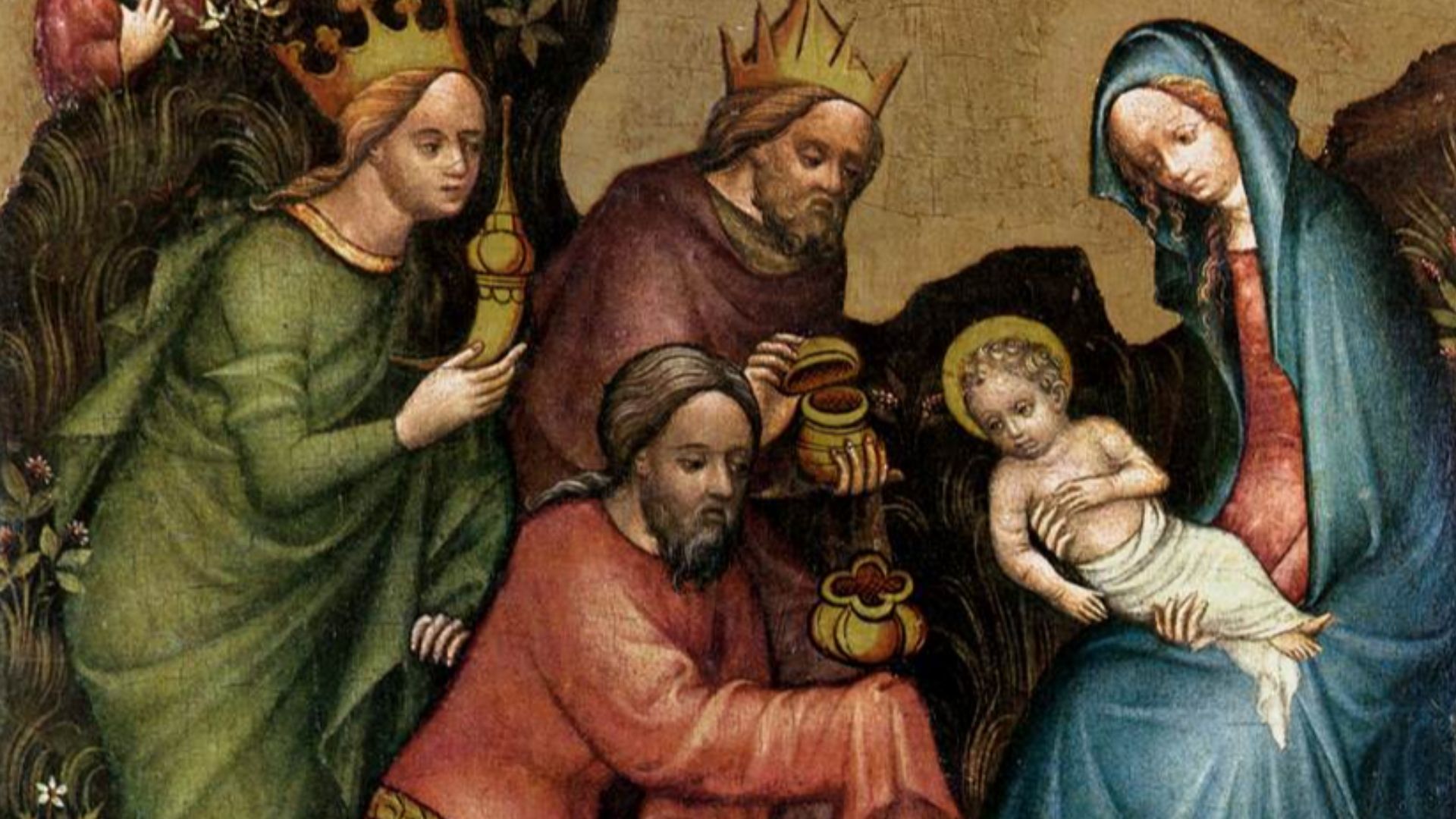
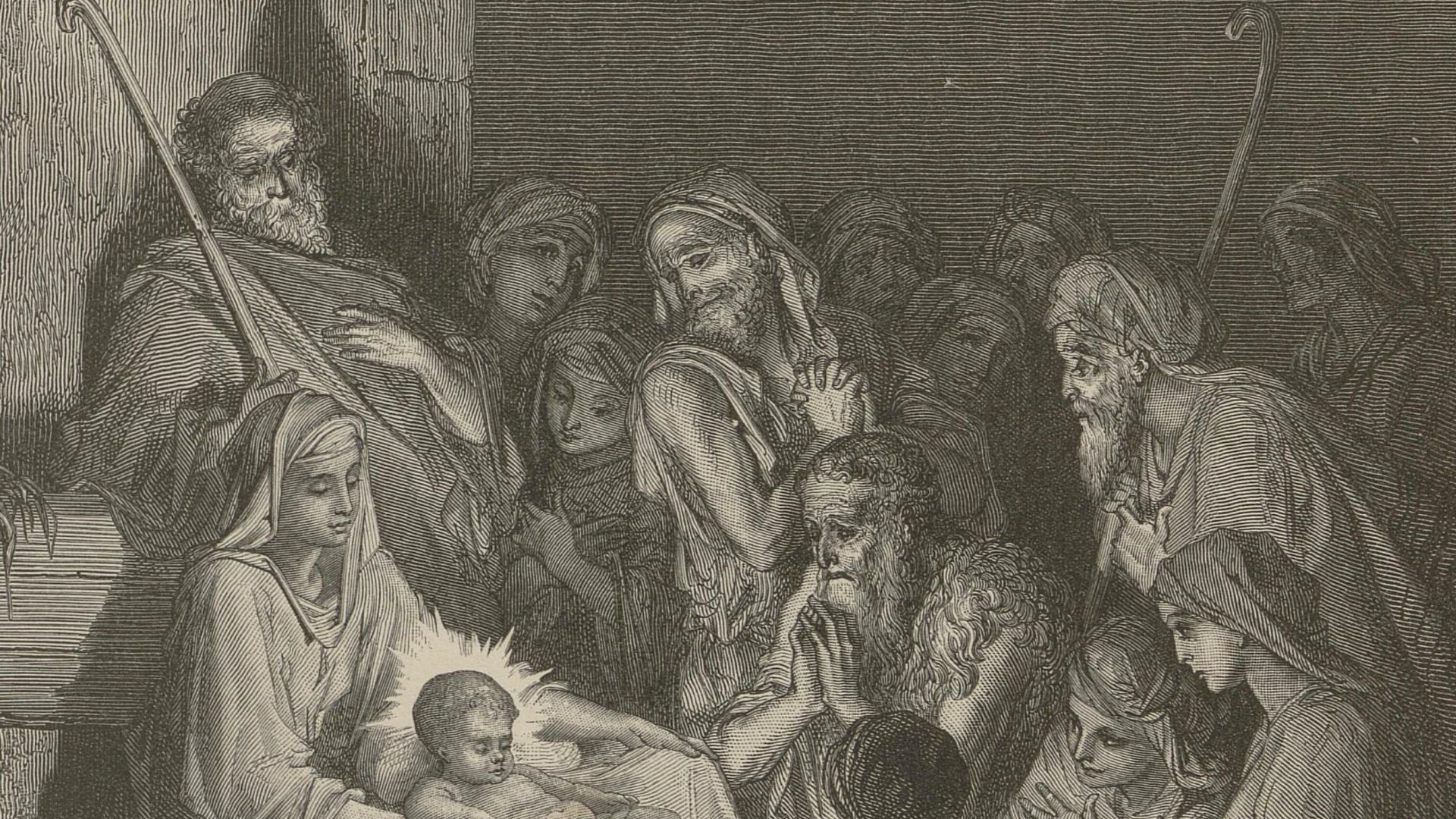
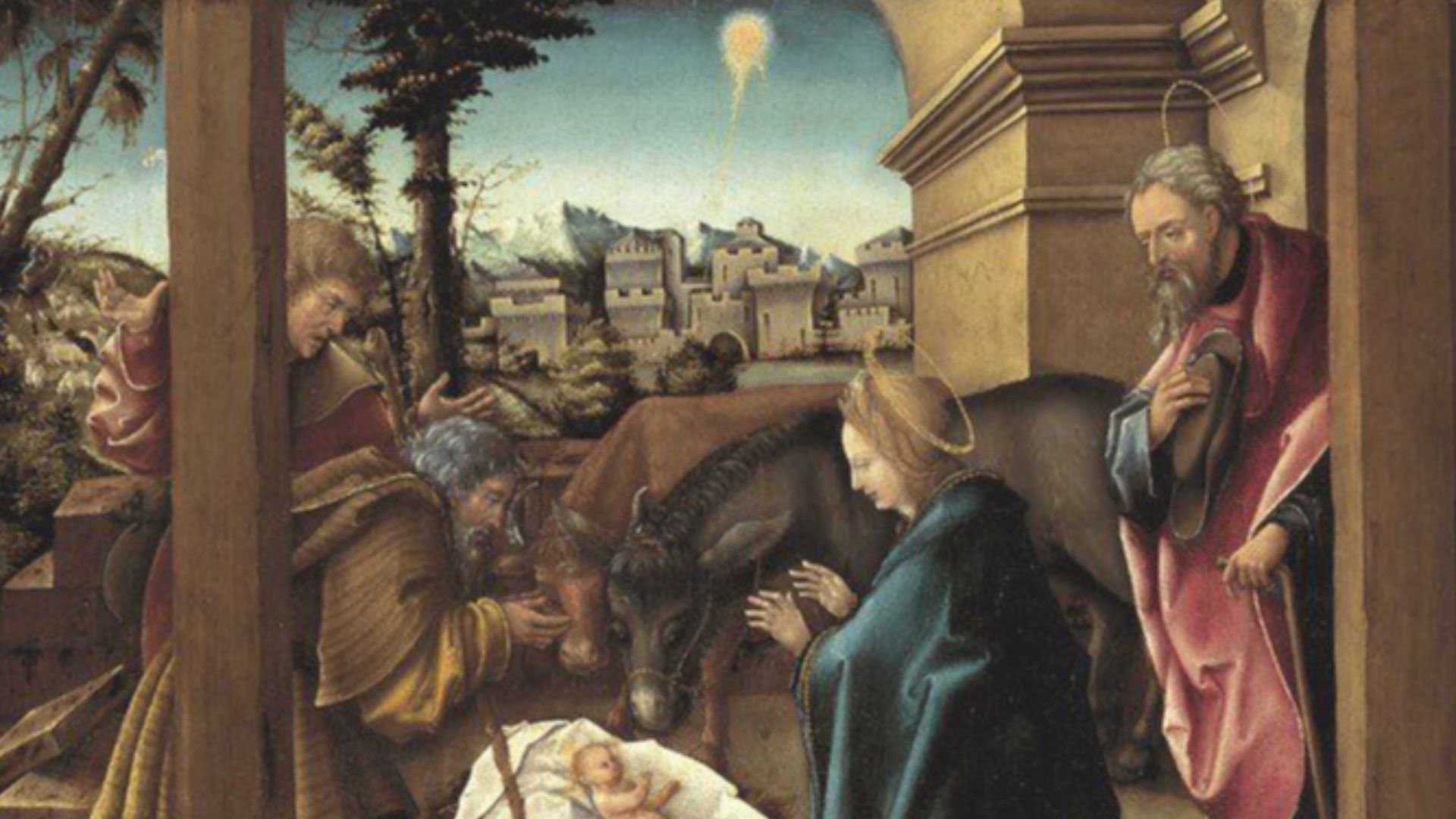
Christmas scenes often put the magi beside a newborn Jesus, but Matthew does not say they arrived on the night of his birth. He describes them entering a house, and their journey would have taken time. Even if April 17 prompted the trip, it would not have to be the day they reached him.
 Master of the Vienna Adoration, Wikimedia Commons
And Matthew Never Says There Were Three
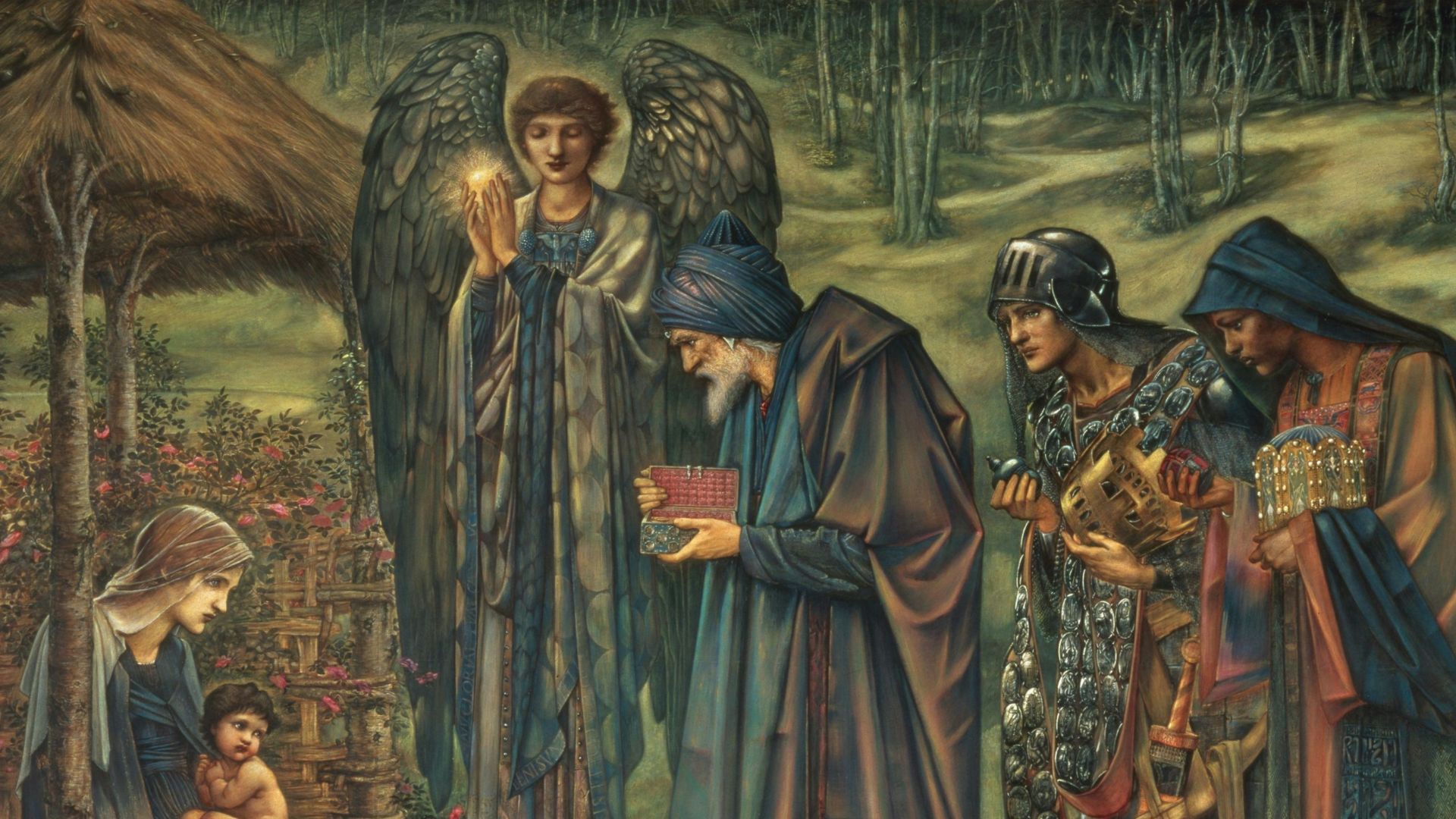
Matthew lists three gifts: gold, frankincense, and myrrh. He does not give the number of magi. The familiar picture of three visitors came later. It is another reason to separate what the Gospel actually says from the Christmas scene most of us have in our heads.
 Birmingham Museums Trust, Unsplash
Molnar Wasn’t The Only One Interested
Notre Dame astrophysicist Grant Mathews also studied the sky of April 17, 6 BC, and found the planetary arrangement intriguing. He explored how it might have appeared to ancient observers studying signs of a ruler’s birth. The date has attracted serious attention, though attention is not proof.
 Till Credner, Wikimedia Commons
Other Researchers Found A Different Star
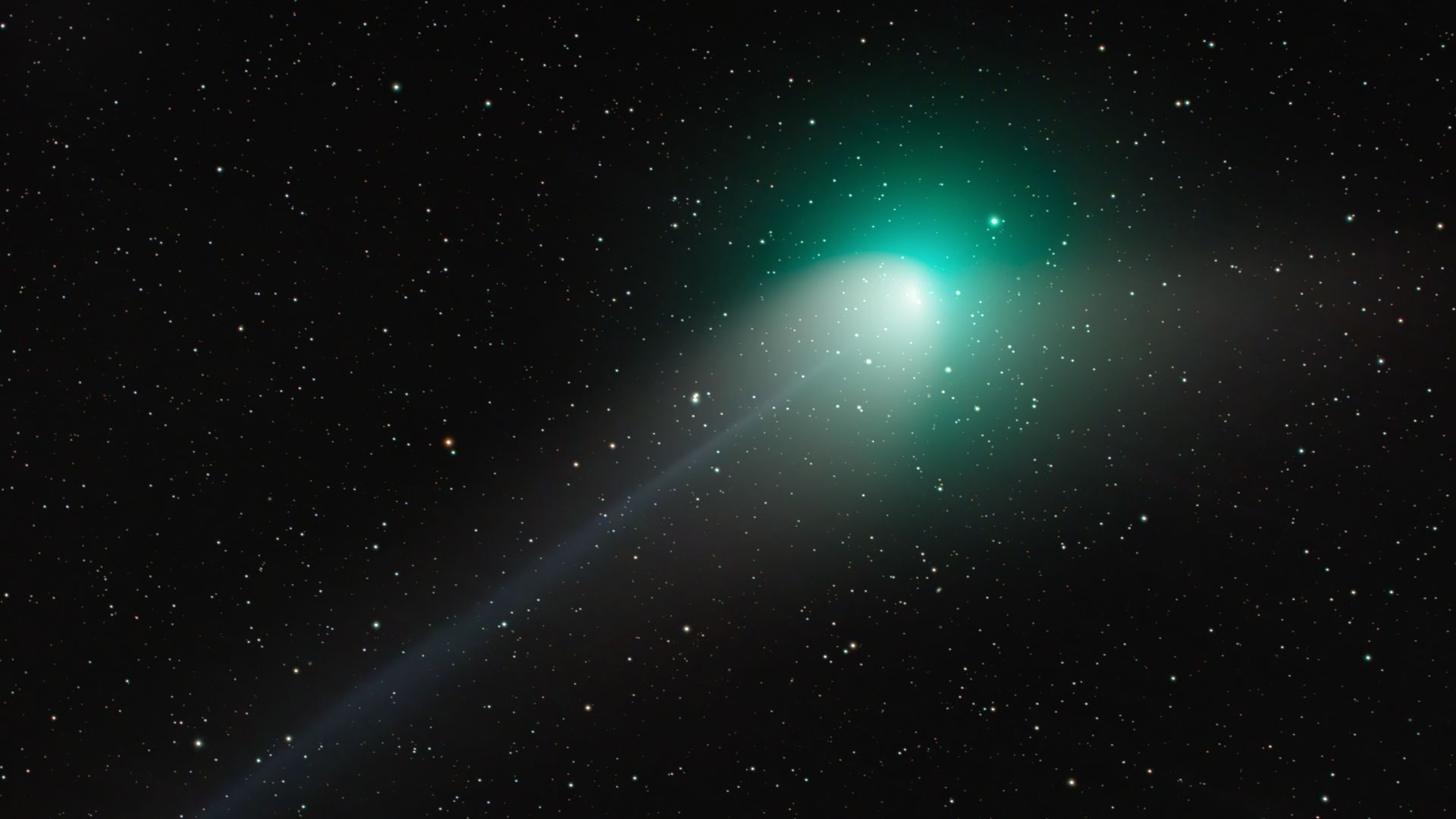
There are competing ideas. Chinese astronomers recorded a comet in 5 BC, and a 2025 study explored whether it could have appeared to pause in the sky during a very close approach to Earth. Its exact path is unknown, so that remains a possibility researchers can investigate, not a settled answer.
 Edu INAF, photographer: Alessandro Bianconi, Wikimedia Commons
Then There’s The Part That Still Doesn’t Fit
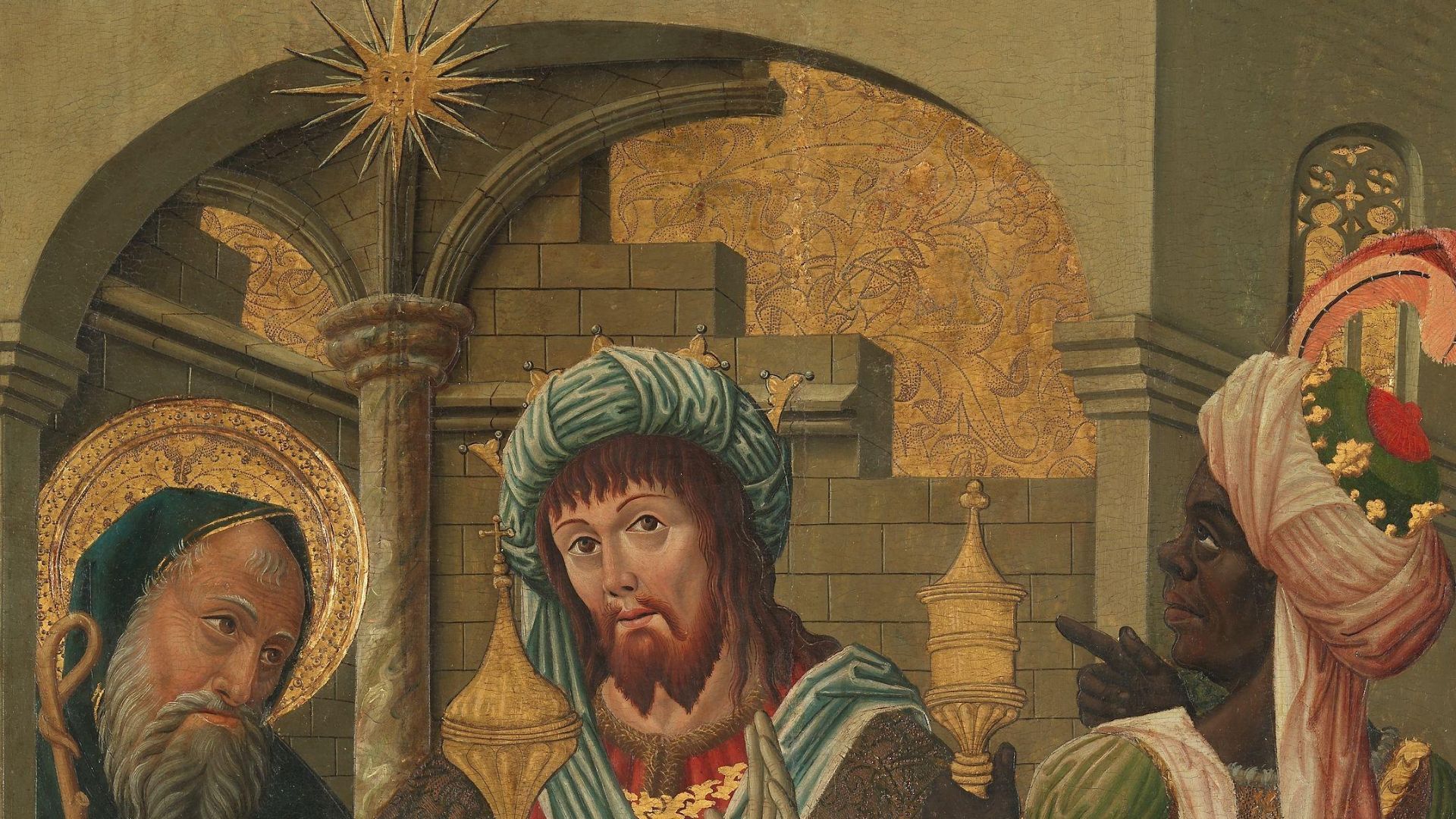
Matthew says the star went ahead of the magi and stopped over the place where the child was. Molnar’s horoscope could explain why they began looking, but planets cannot single out a house. Anyone claiming to have solved every part of the story still has that description to explain.
Was Jesus Really Born On April 17?
Molnar found a date on which the sky might have suggested a royal birth in Judea to an ancient astrologer. He did not find a birth record, and Matthew does not give the day. April 17, 6 BC, is a striking possibility, but Jesus’ actual birthday remains unknown.
 Gustave Dore, Wikimedia Commons
It Changes How You Picture The Star
If Molnar was right, the Star of Bethlehem may never have looked like the brilliant light in a nativity scene. The remarkable part was what a few people thought the sky meant. And following that interpretation takes the story from Christmas in December to a day in April.
 Hans Burgkmair the Elder, Wikimedia Commons
You Might Also Like:
Neanderthals were performing dental work 59,000 years ago—and one tooth finally proved it
DNA from 45,000-year-old Europeans revealed what happened when modern humans first met Neanderthals.