America's Oldest Attractions Have Stories Worth Exploring
Long before theme parks, observation decks, and modern vacation resorts, Americans were already traveling to see remarkable places. Some destinations attracted visitors centuries ago, while others preserve buildings and landscapes that are thousands of years old. From ancient Indigenous settlements to colonial fortresses and natural wonders, these historic attractions are still welcoming travelers today. Their stories reveal just how far back American tourism and the places that inspire it really go.
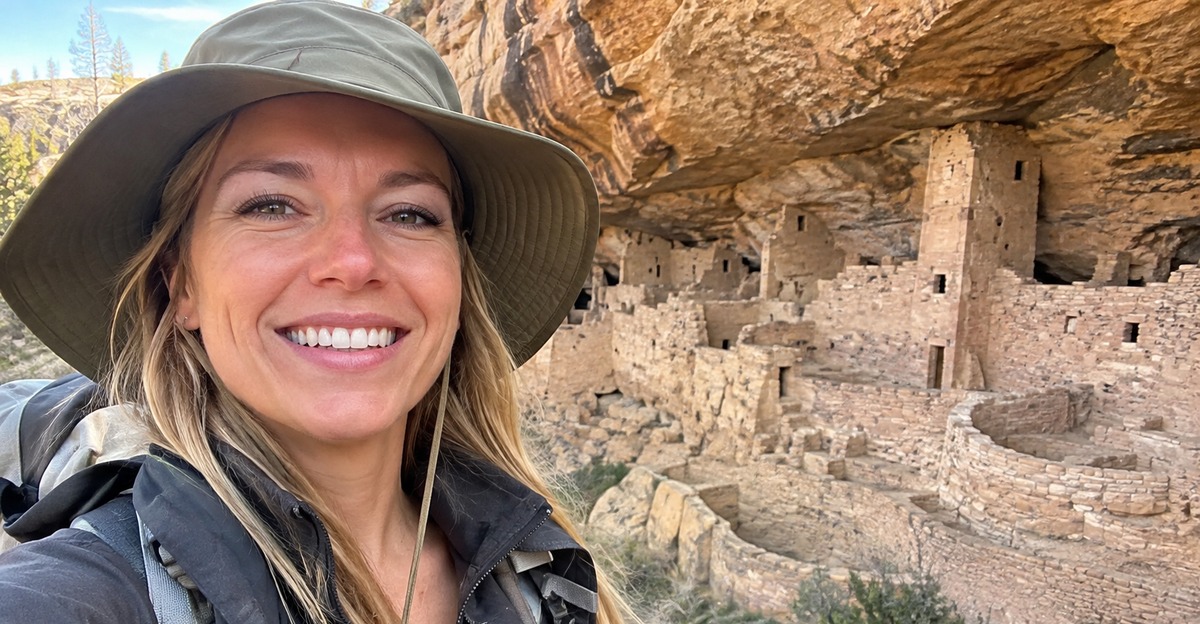
Chaco Canyon, New Mexico: A City From Another Age
Between approximately 850 and 1150 CE, Ancestral Pueblo people constructed the enormous Pueblo Bonito complex in what is now Chaco Culture National Historical Park. The settlement became a major center of a cultural network that extended across the American Southwest. Visitors can still walk through original rooms at Pueblo Bonito, making it an extraordinary opportunity to experience architecture built nearly a thousand years ago. The surrounding desert landscape adds to the sense of stepping into another era.
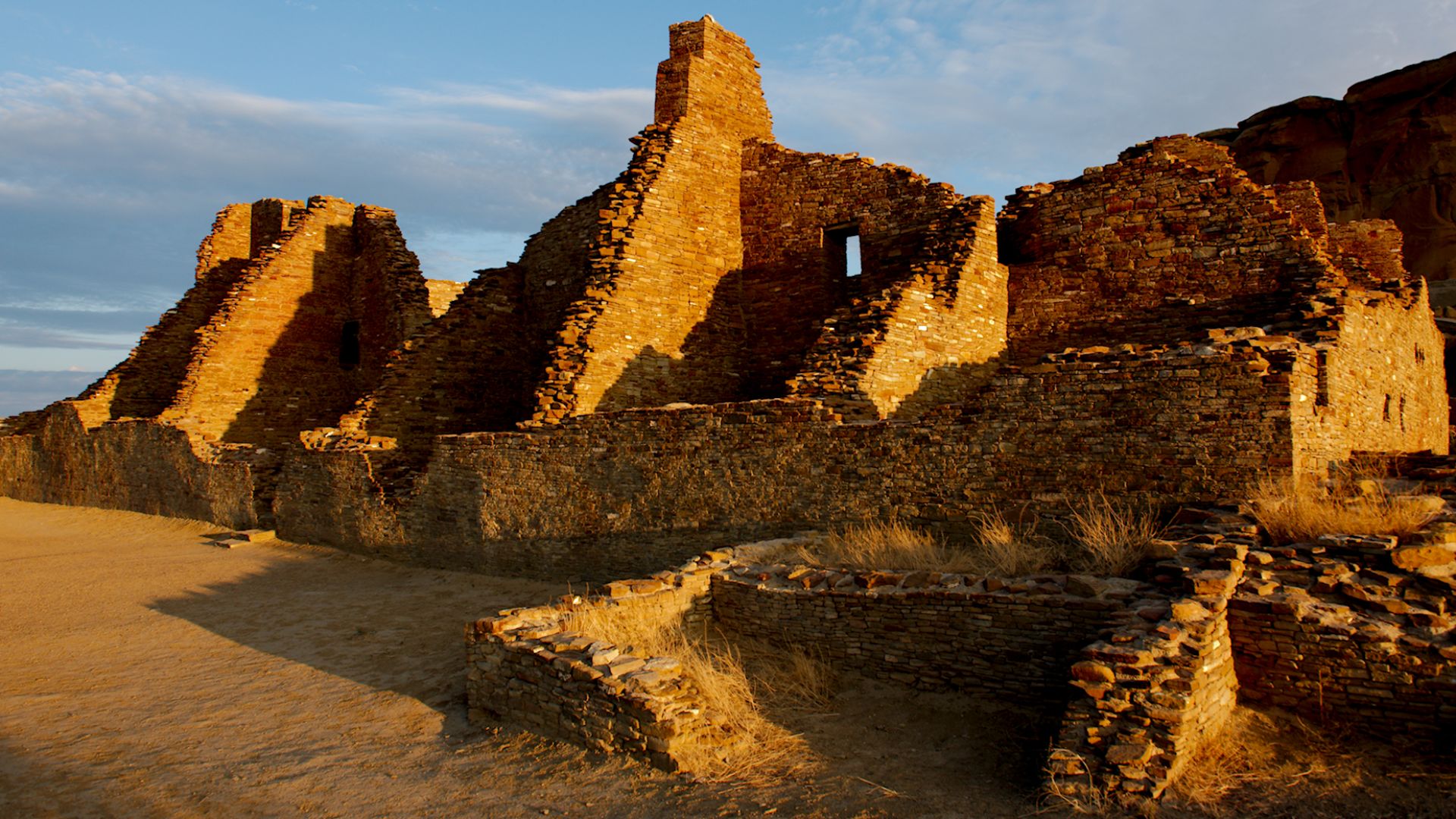
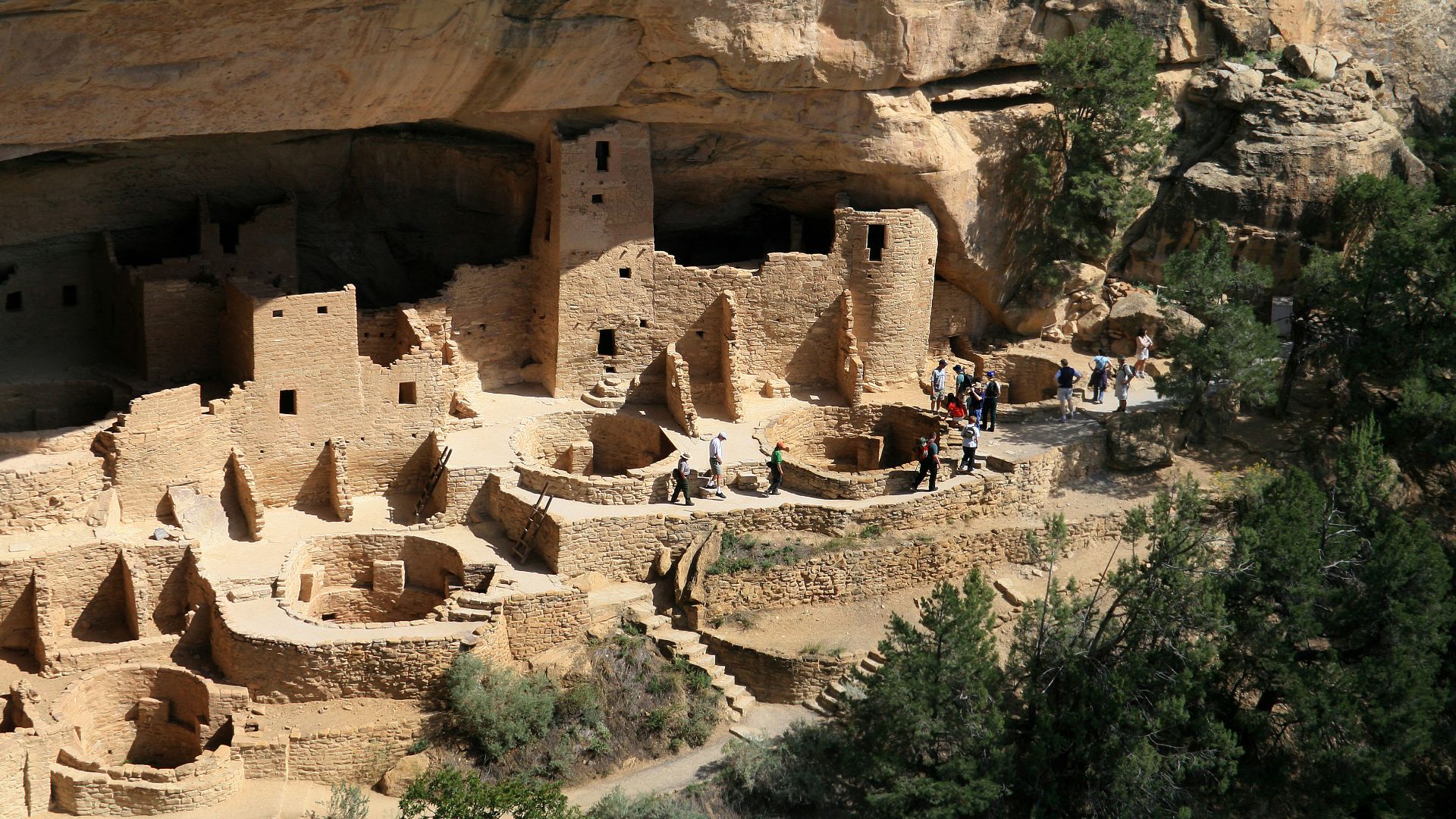
Mesa Verde, Colorado: Homes Built Into Cliffs
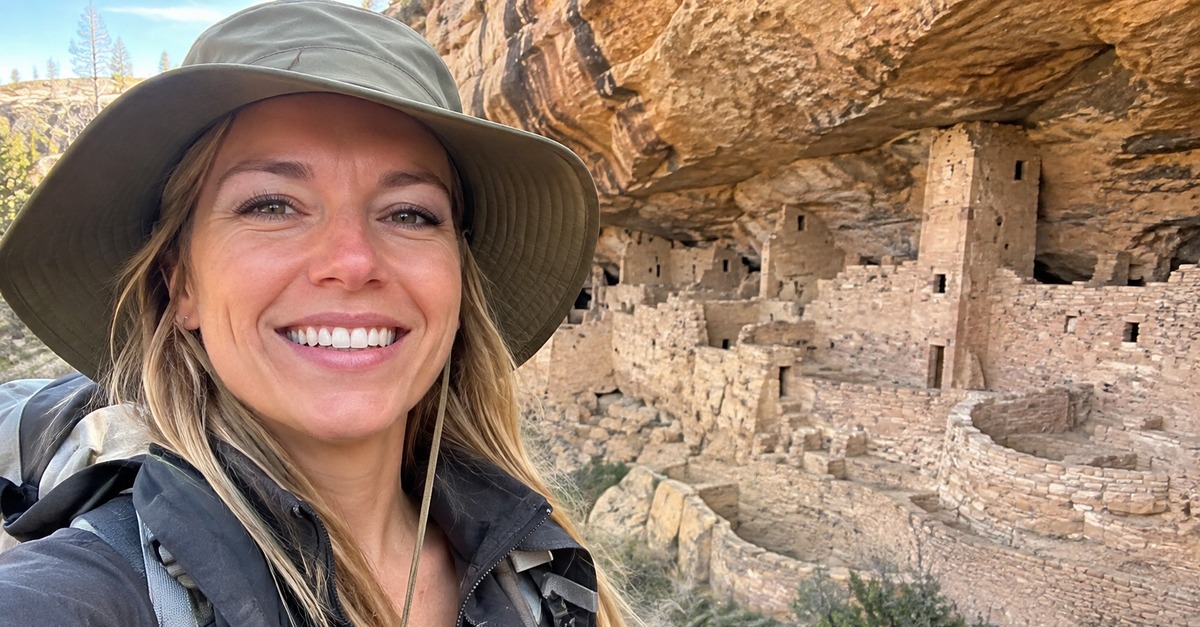
Long before Colorado became a popular vacation destination, Ancestral Pueblo communities were building remarkable settlements beneath sandstone cliffs. Mesa Verde National Park preserves nearly 5,000 archaeological sites, including approximately 600 cliff dwellings, many associated with communities that lived in the region between 600 and 1300 CE. Today, visitors can explore selected dwellings through ranger-guided tours, while Step House offers a seasonal self-guided experience. These ancient homes remain among America's most impressive surviving architectural treasures.
 Andreas F. Borchert, Wikimedia Commons
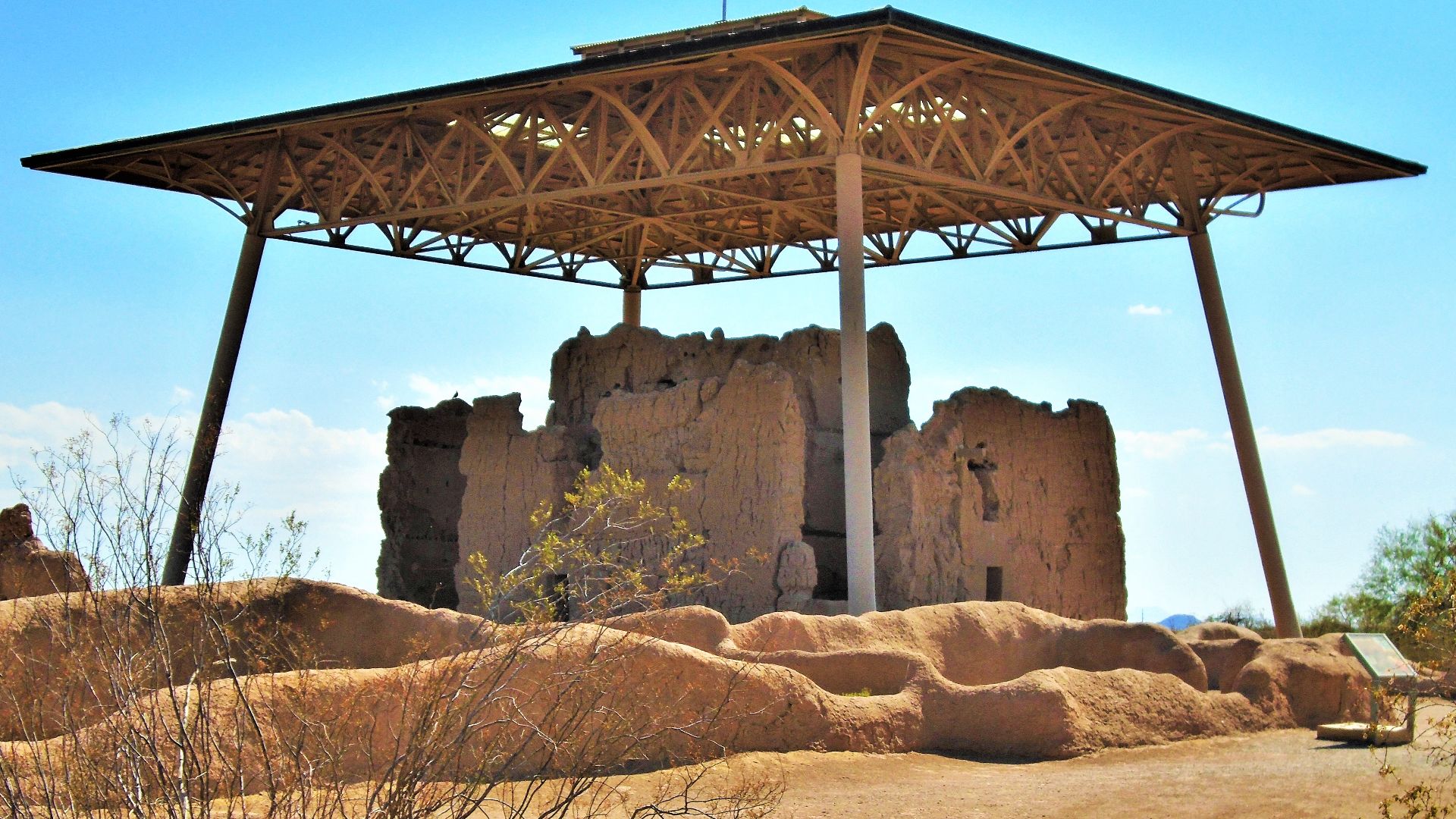
Casa Grande Ruins, Arizona: A Desert Mystery From The 1300s
The enormous earthen structure known as the Great House was constructed by Ancestral Sonoran Desert people during the 1300s. Its thick walls and carefully planned construction demonstrate the remarkable engineering abilities of the communities that lived in this challenging environment. Archaeologists still cannot say with certainty exactly how the building was used. Visitors to Casa Grande Ruins National Monument can admire the protected structure and learn about the civilization that created it.
 Beyond My Ken, Wikimedia Commons
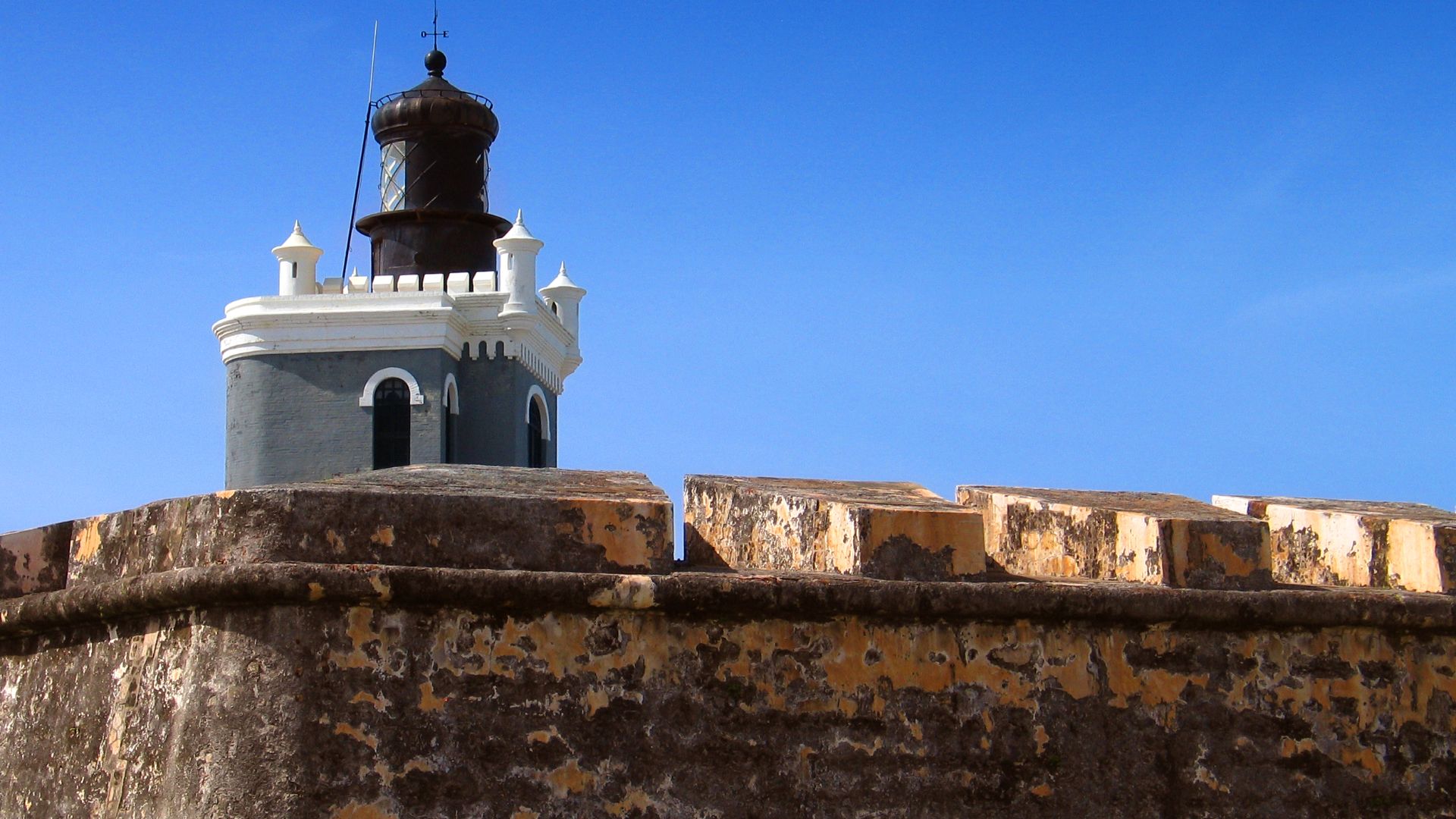
El Morro, Puerto Rico: A Fortress From The Spanish Empire
Construction began on Castillo San Felipe del Morro in San Juan in 1539, making it one of the oldest surviving European fortification sites under American jurisdiction. The fortress guarded the entrance to San Juan Bay and witnessed centuries of conflict involving European powers. Today, visitors can explore its massive defenses and enjoy sweeping views of the Atlantic Ocean. Its long history makes it an essential stop for travelers interested in America's colonial past.
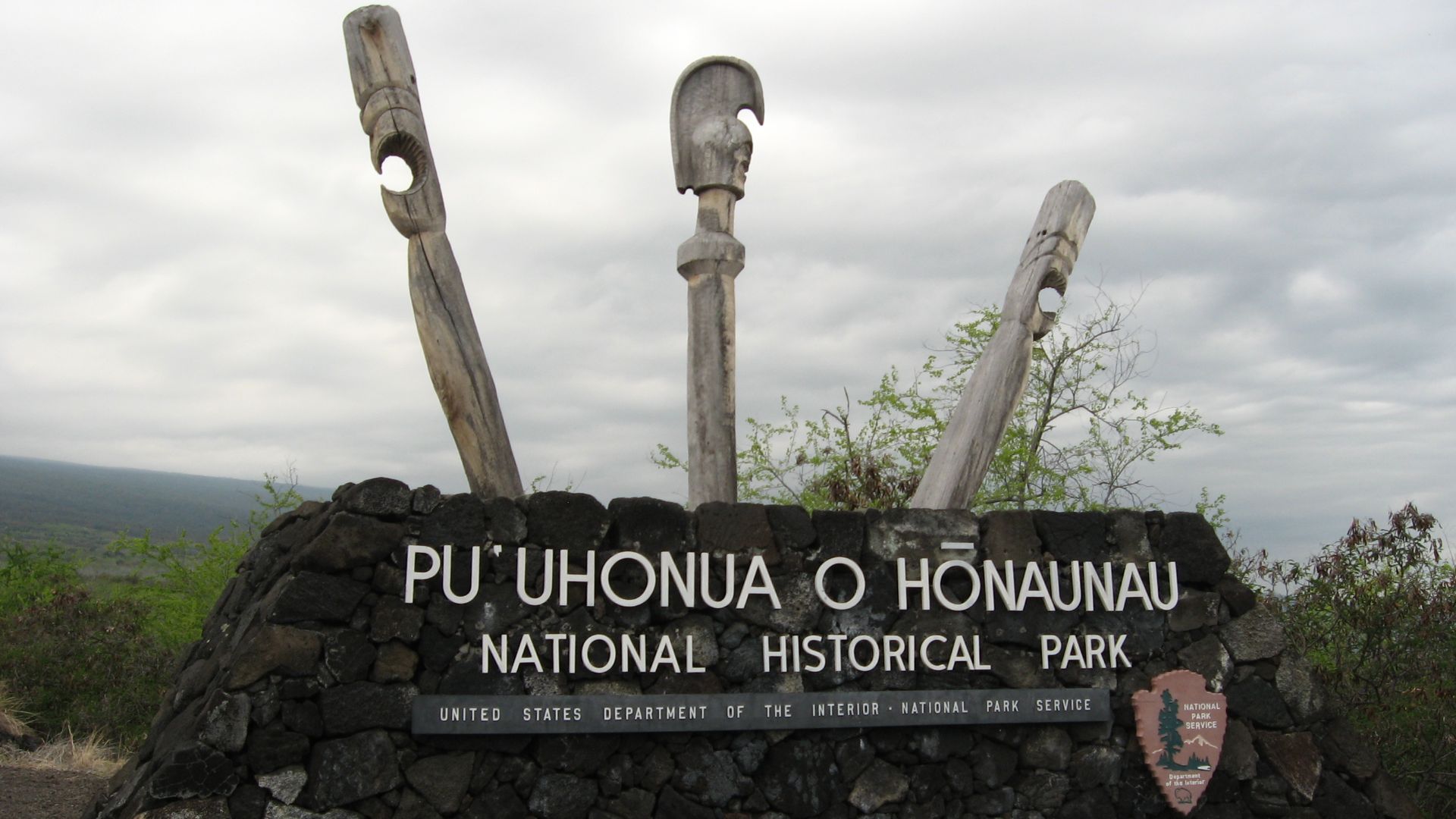
Puʻuhonua O Hōnaunau, Hawaii: A Sacred Place Of Refuge
On Hawaii's Big Island, this historic coastal site preserves the story of an important Hawaiian royal center and sacred refuge. The area developed over centuries, with Hōnaunau becoming a major royal center during the 1600s. A temple known as Hale o Keawe once housed the remains of high-ranking Hawaiian chiefs, reflecting the site's spiritual importance. Visitors today can explore the preserved cultural landscape and learn about the traditions of Native Hawaiian society.
 Ken Lund from Reno, Nevada, USA, Wikimedia Commons
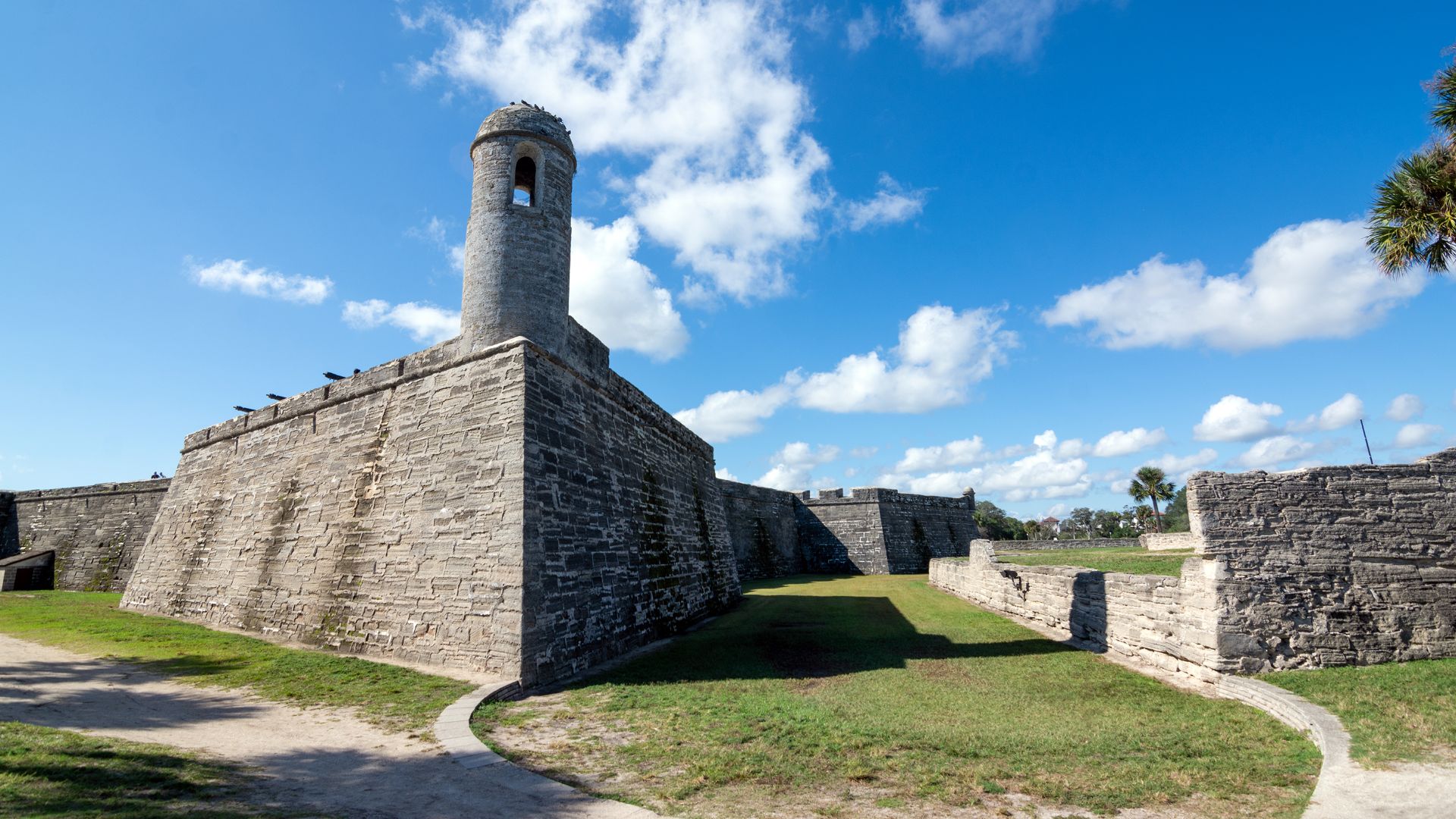
Castillo De San Marcos, Florida: A Fortress Built To Last
Construction began on Castillo de San Marcos in St. Augustine in 1672, and the Spanish completed the fortress in 1695. Built from coquina, a limestone composed of compressed shells, the structure was designed to withstand attacks that had threatened earlier wooden defenses. It remains the oldest surviving masonry fortification in the continental United States. Visitors can explore its courtyard, defensive walls, and exhibits while looking across the waters it was built to protect.
 RuggyBearLA, Wikimedia Commons
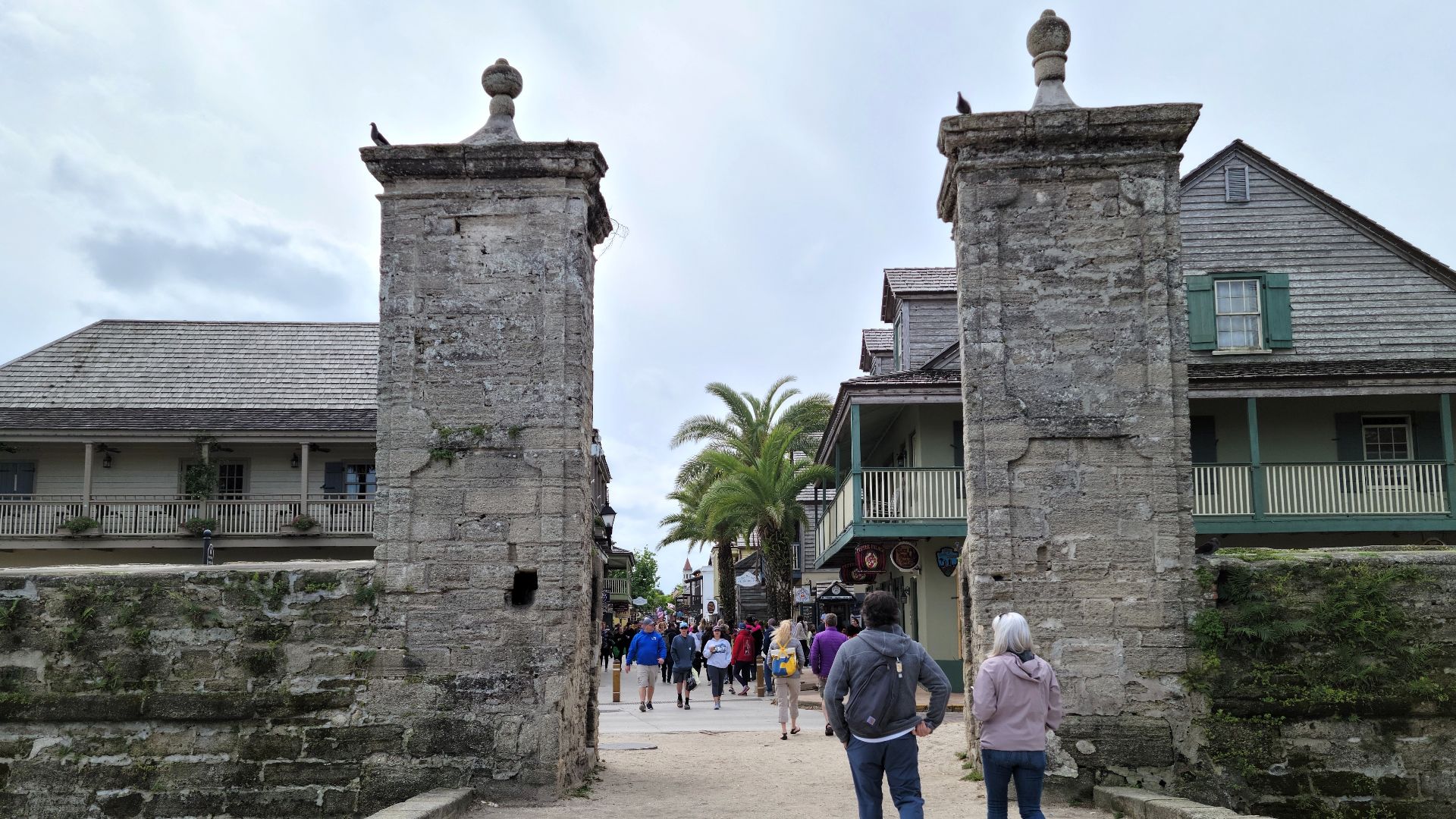
Old St. Augustine, Florida: Streets With Centuries Of History
Founded by Spanish settlers in 1565, St. Augustine is recognized as the oldest continuously occupied European-established settlement in the continental United States. Its historic district preserves the layout of a colonial town that developed around a central plaza. Buildings and monuments from different centuries reveal how Spanish, British, and American influences shaped the city. Walking through the old streets offers a memorable alternative to visiting a single historic monument.
Touro Synagogue, Rhode Island: A Remarkable Colonial Landmark
Newport's Touro Synagogue dates to 1763 and is recognized as the oldest surviving synagogue building in the United States. Its history reflects the presence of Jewish communities in colonial America and the development of religious liberty. Visitors can still join guided tours that explore the building's architecture and historical significance. Advance registration is required, making this one historic stop worth planning ahead for.
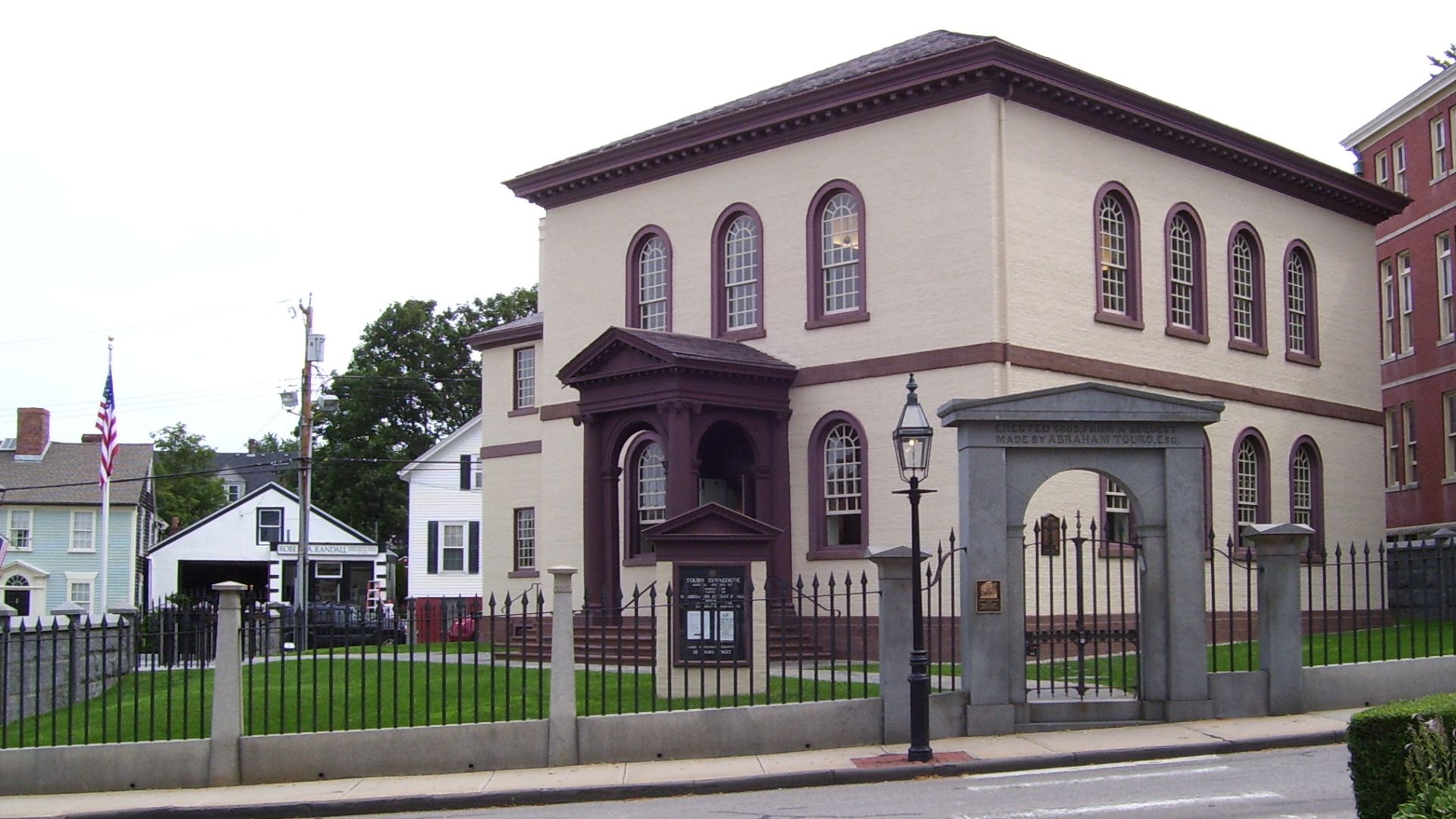 Swampyank at en.wikipedia, Wikimedia Commons
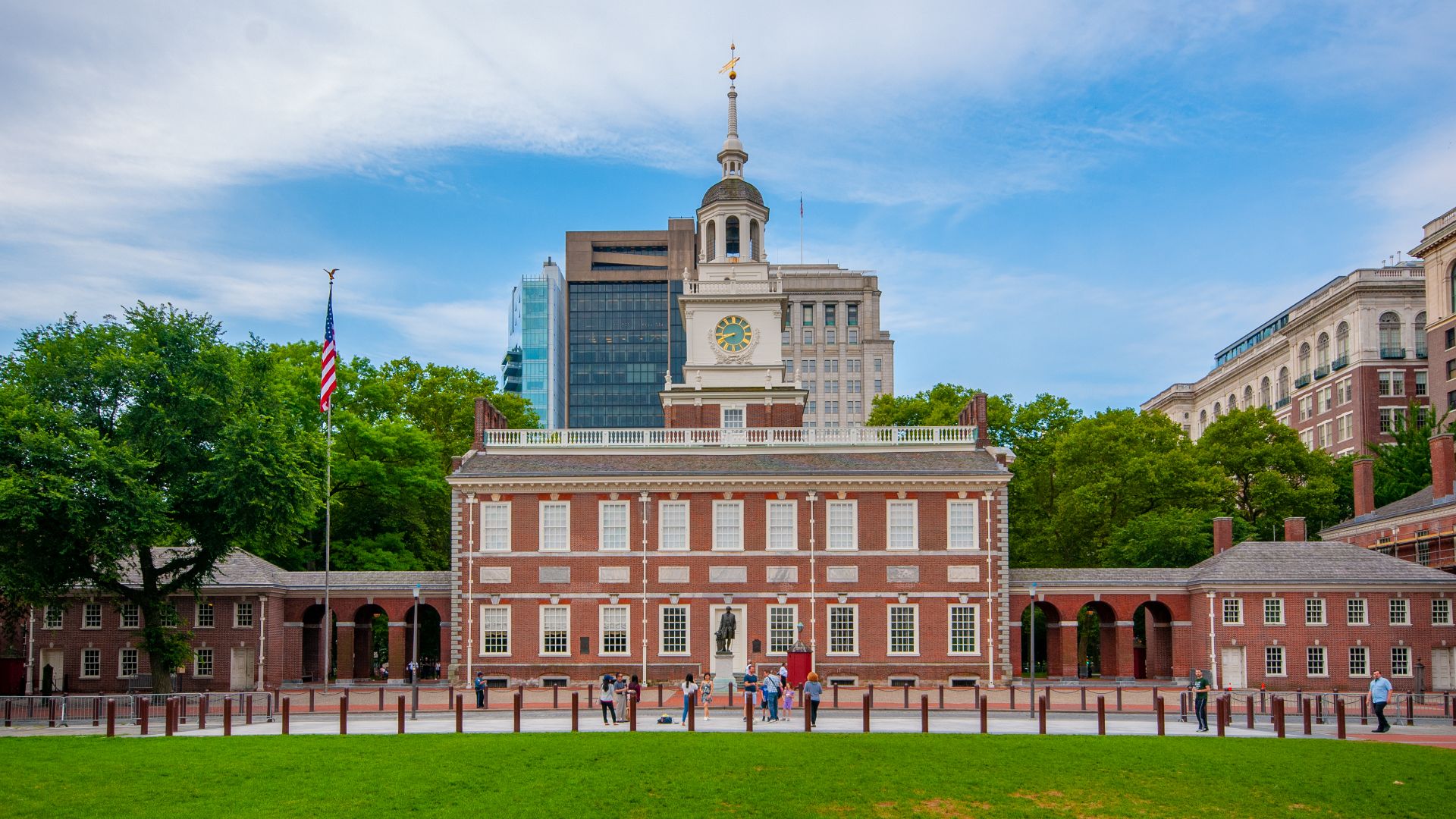
Independence Hall, Pennsylvania: Where A Nation Took Shape
Construction began on Philadelphia's Independence Hall in 1732, decades before the American Revolution. Originally built as the Pennsylvania State House, it later hosted the debates and signing of both the Declaration of Independence and the United States Constitution. Today, ranger-led tours bring visitors into the Assembly Room where these defining events took place. Few American attractions offer such a direct connection to the country's founding.
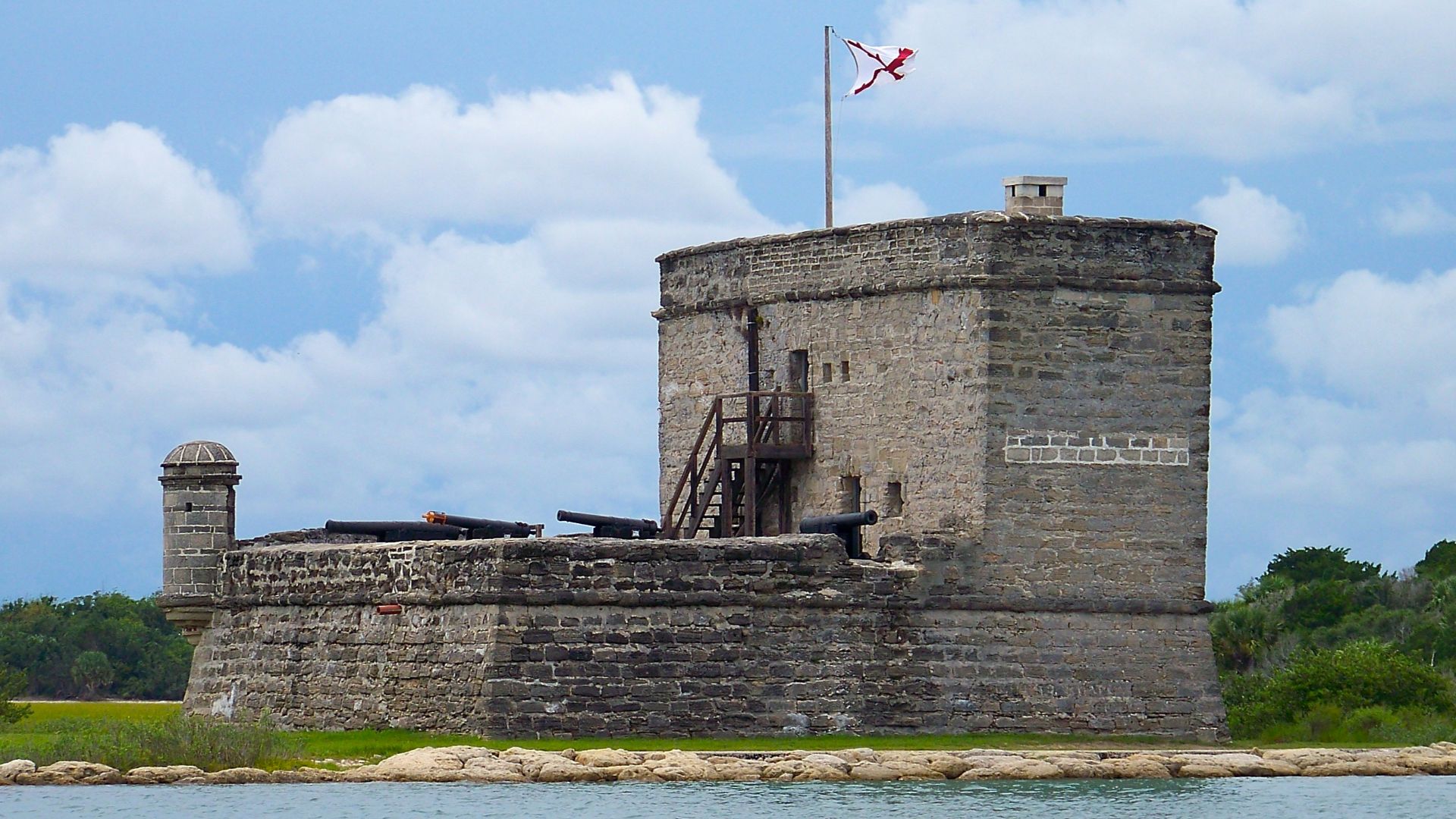
Fort Matanzas, Florida: A Small Fort With A Big Responsibility
Completed in 1742, Fort Matanzas guarded the southern approach to the Spanish settlement of St. Augustine. Although considerably smaller than Castillo de San Marcos, it played an important role in protecting the colony's waterways. Visitors can reach the historic watchtower by a National Park Service ferry and learn about its history during ranger-led presentations. The short boat journey makes the experience especially memorable.
Mount Vernon, Virginia: George Washington's Historic Home
George Washington's Mount Vernon estate overlooking the Potomac River has roots reaching back to 1735. Washington expanded the original farmhouse in 1758 and made additional major improvements in 1774, creating much of the mansion's familiar appearance. The estate also preserves the history of the enslaved people whose labor supported the plantation and household. Modern visitors can explore the grounds and discover a more complete picture of life at this influential American property.
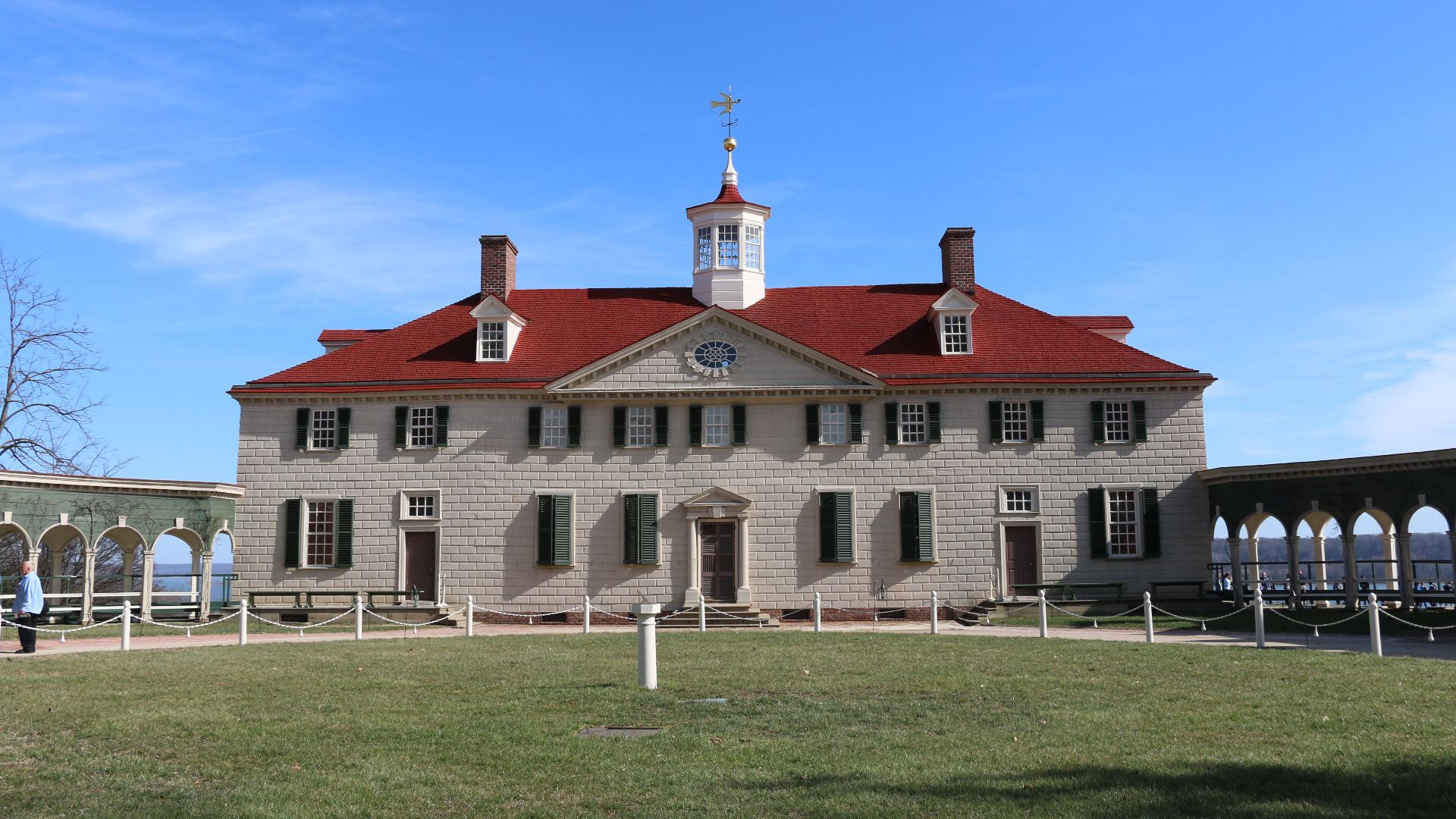 Anita Mishra, Wikimedia Commons
Natural Bridge, Virginia: A Wonder Thomas Jefferson Admired
Virginia's Natural Bridge was already attracting attention long before modern sightseeing became an industry. Thomas Jefferson visited the enormous limestone formation in 1767 and purchased the property in 1774, hoping to preserve it for public enjoyment. By the nineteenth century, the bridge had become a popular tourist destination surrounded by developing resort facilities. Today, visitors can walk beneath the towering natural arch at Natural Bridge State Park.
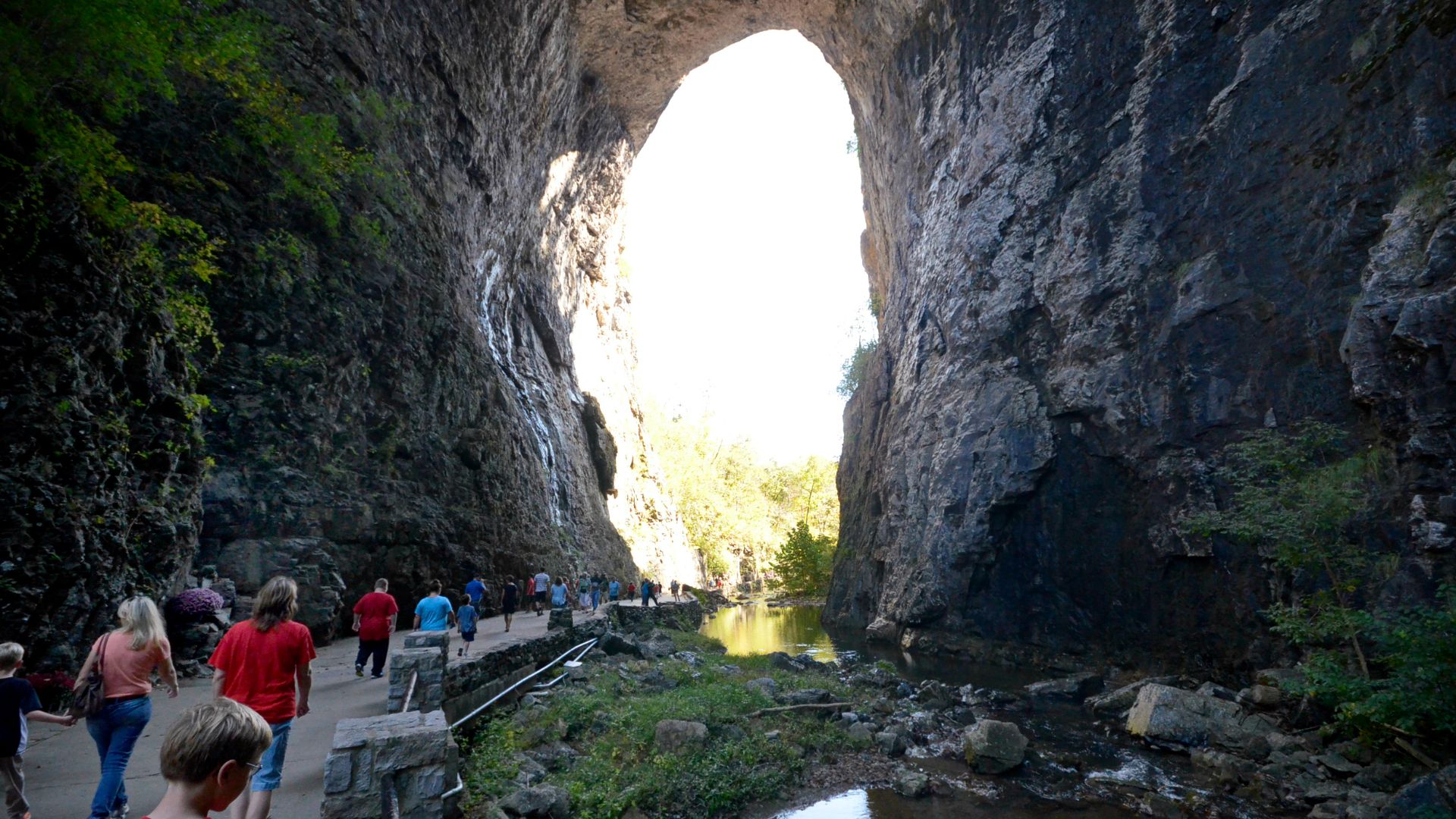 vastateparksstaff, Wikimedia Commons
Mammoth Cave, Kentucky: Underground Tours Since 1816
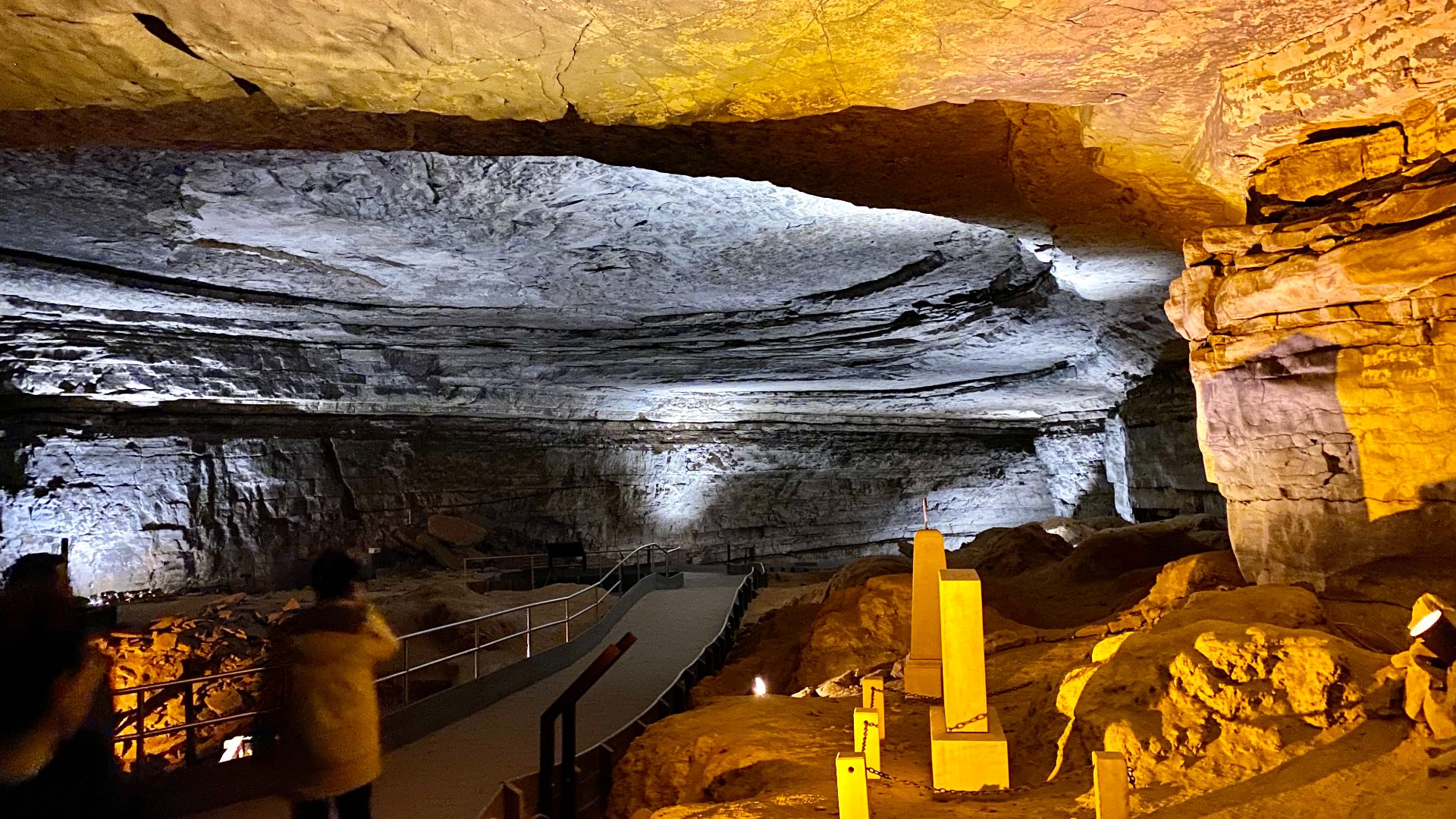
Mammoth Cave has one of the longest documented histories of organized cave tourism in the United States, with its first known formal tour taking place in 1816. Earlier Indigenous peoples had explored and used portions of the cave long before European American tourism developed. During the nineteenth century, visitors traveled considerable distances to explore its vast underground passages with guides. Guided tours continue today, although modern visitors have a much wider selection of routes and experiences.
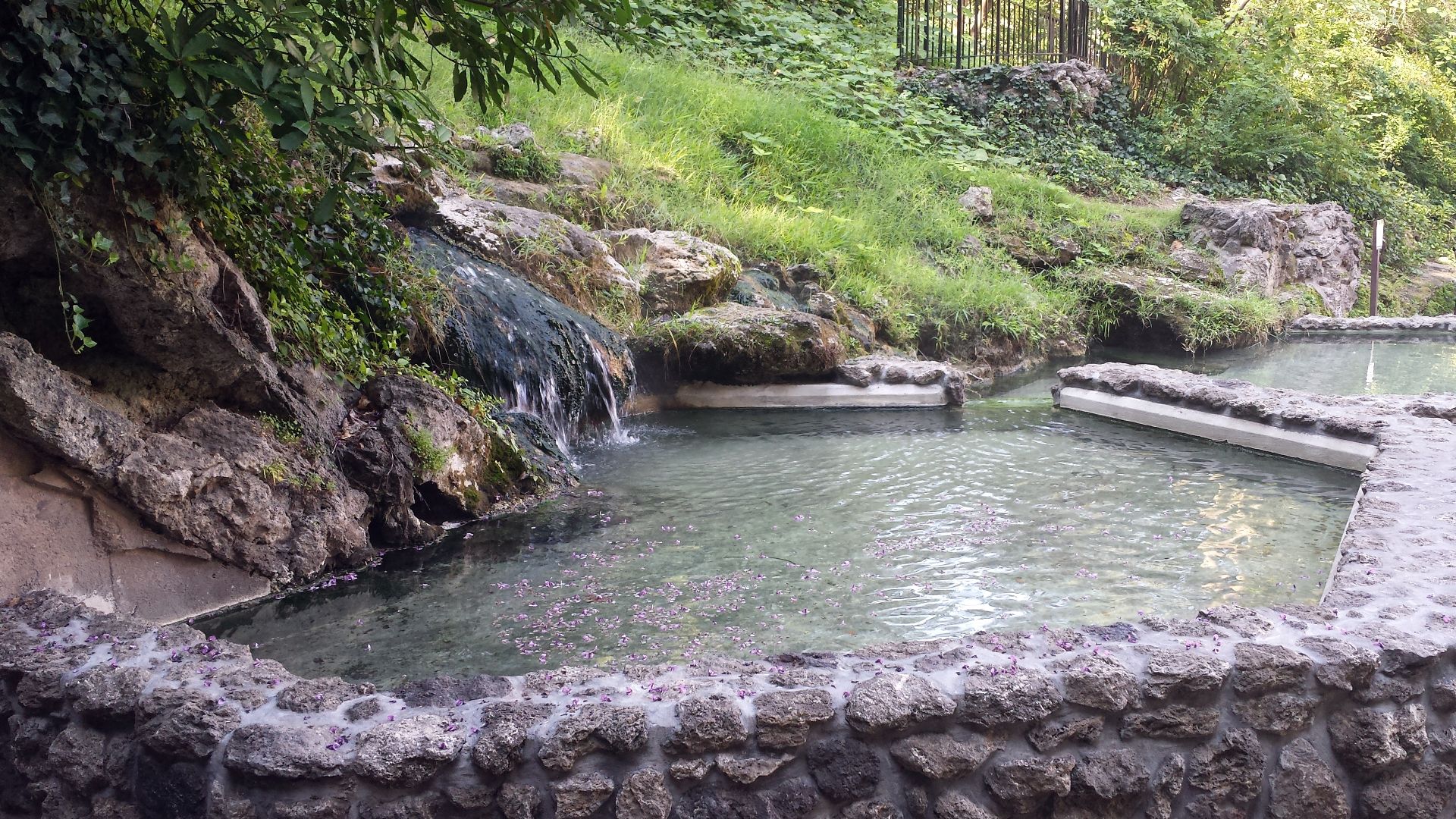
Hot Springs, Arkansas: America's Historic Spa Destination
Hot Springs attracted travelers seeking thermal-water bathing long before the modern spa industry emerged. The federal government established Hot Springs Reservation in 1832, and bathhouses gradually developed around the protected springs. The surviving buildings of Bathhouse Row date from 1892 to 1923, reflecting a later era of elaborate resort architecture. Visitors can still enjoy thermal-water bathing at selected facilities, including the Buckstaff Bathhouse, which opened in 1912.
 Brandonrush, Wikimedia Commons
Yosemite's Mariposa Grove, California: Giants Worth Protecting
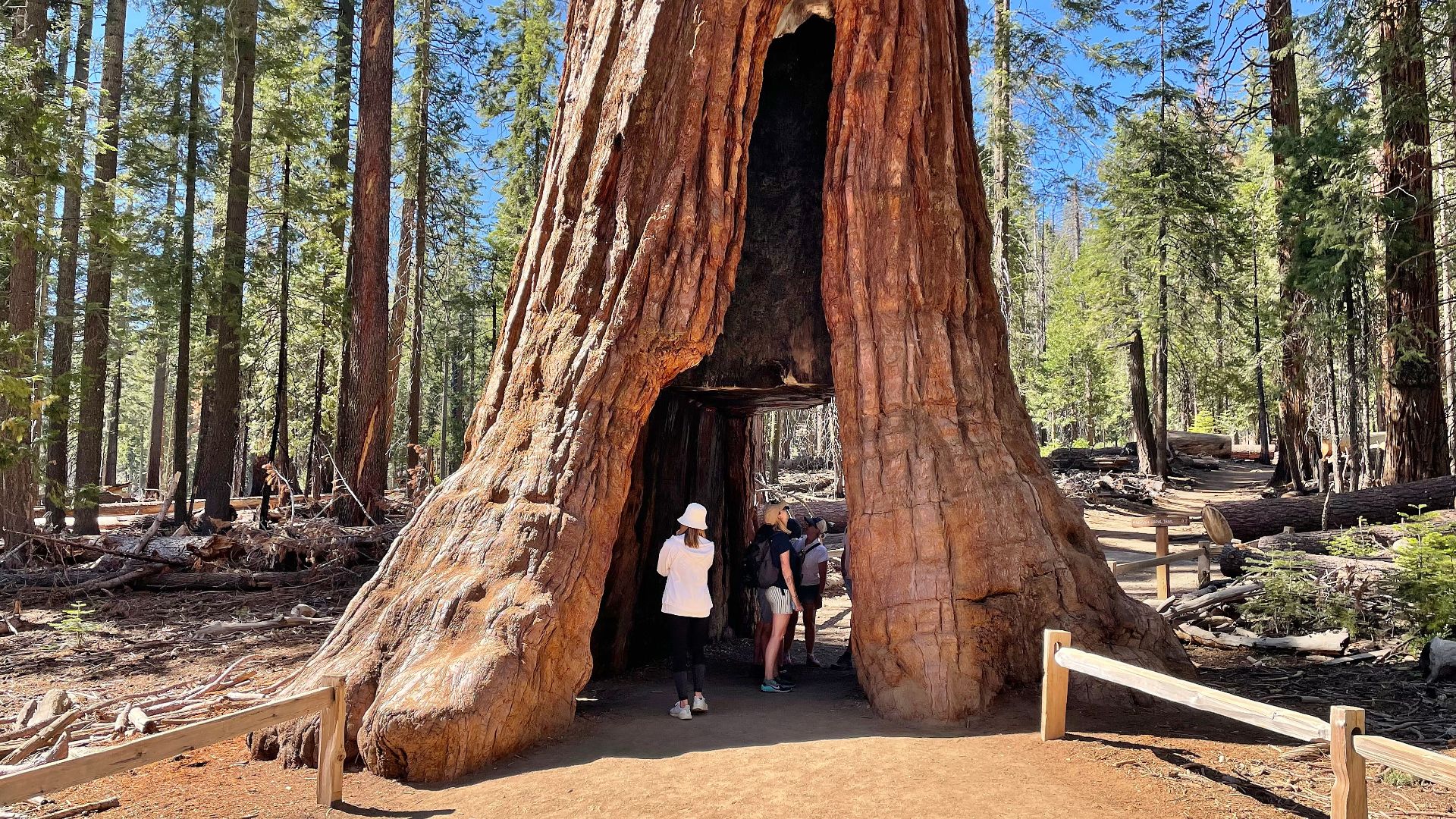
The enormous sequoias of Mariposa Grove were already ancient when Americans began promoting the area as a sightseeing destination. In 1864, President Abraham Lincoln signed legislation protecting the grove and Yosemite Valley for public use and recreation. That decision became an important milestone in the development of America's protected natural landscapes. Today, visitors can walk among more than 500 mature giant sequoias and experience the same extraordinary setting that inspired early conservation efforts.
 Marty Aligata, Wikimedia Commons
Yellowstone, Wyoming: America's First National Park
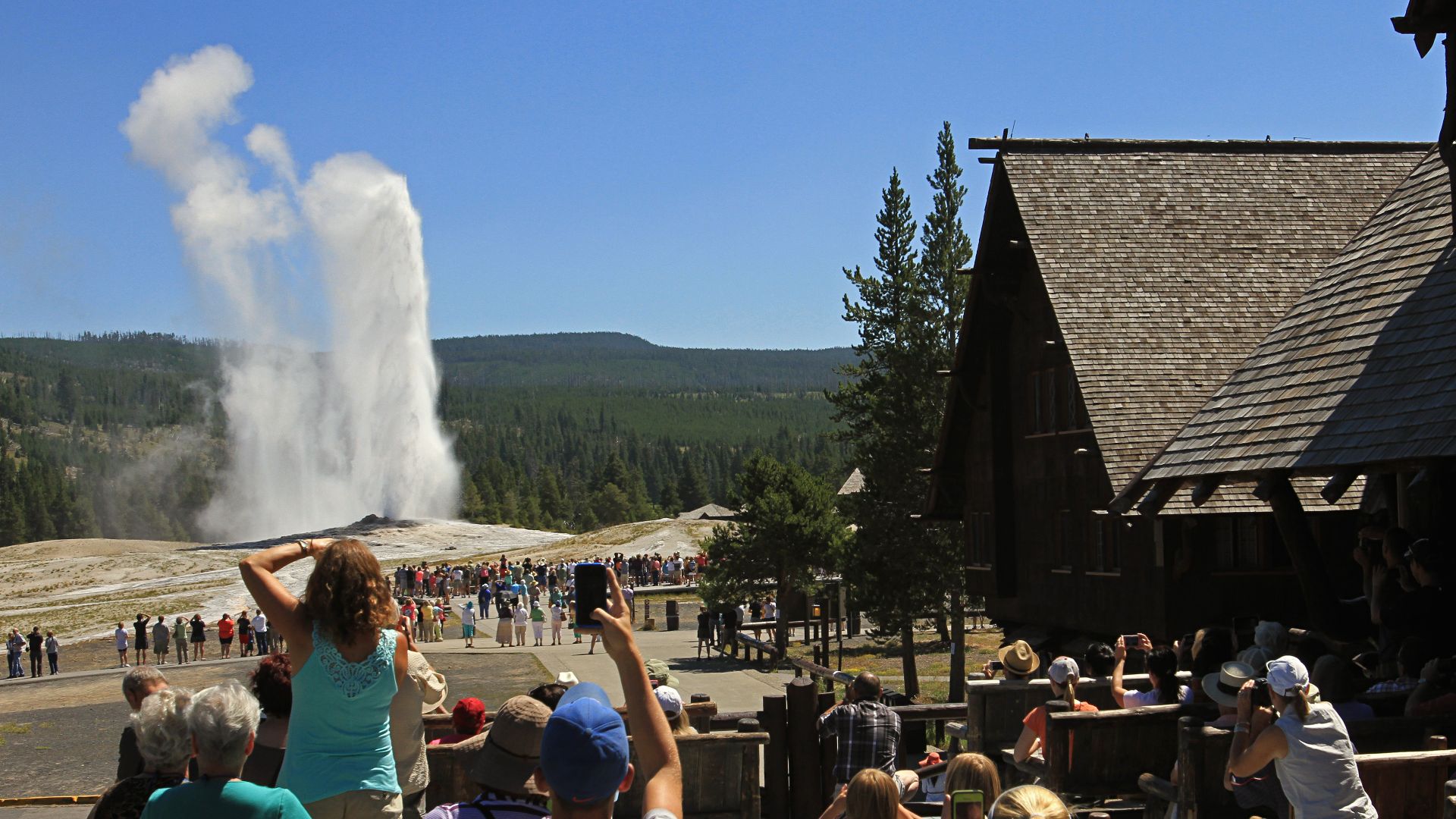
Established in 1872, Yellowstone became the world's first national park and helped transform the idea of protecting extraordinary landscapes for public enjoyment. Its geysers, hot springs, waterfalls, and wildlife attracted travelers eager to witness scenery unlike anything else in the country. Old Faithful became one of the park's most recognizable attractions thanks to its spectacular eruptions. More than 150 years after Yellowstone received national park status, visitors still gather to watch the famous geyser erupt.
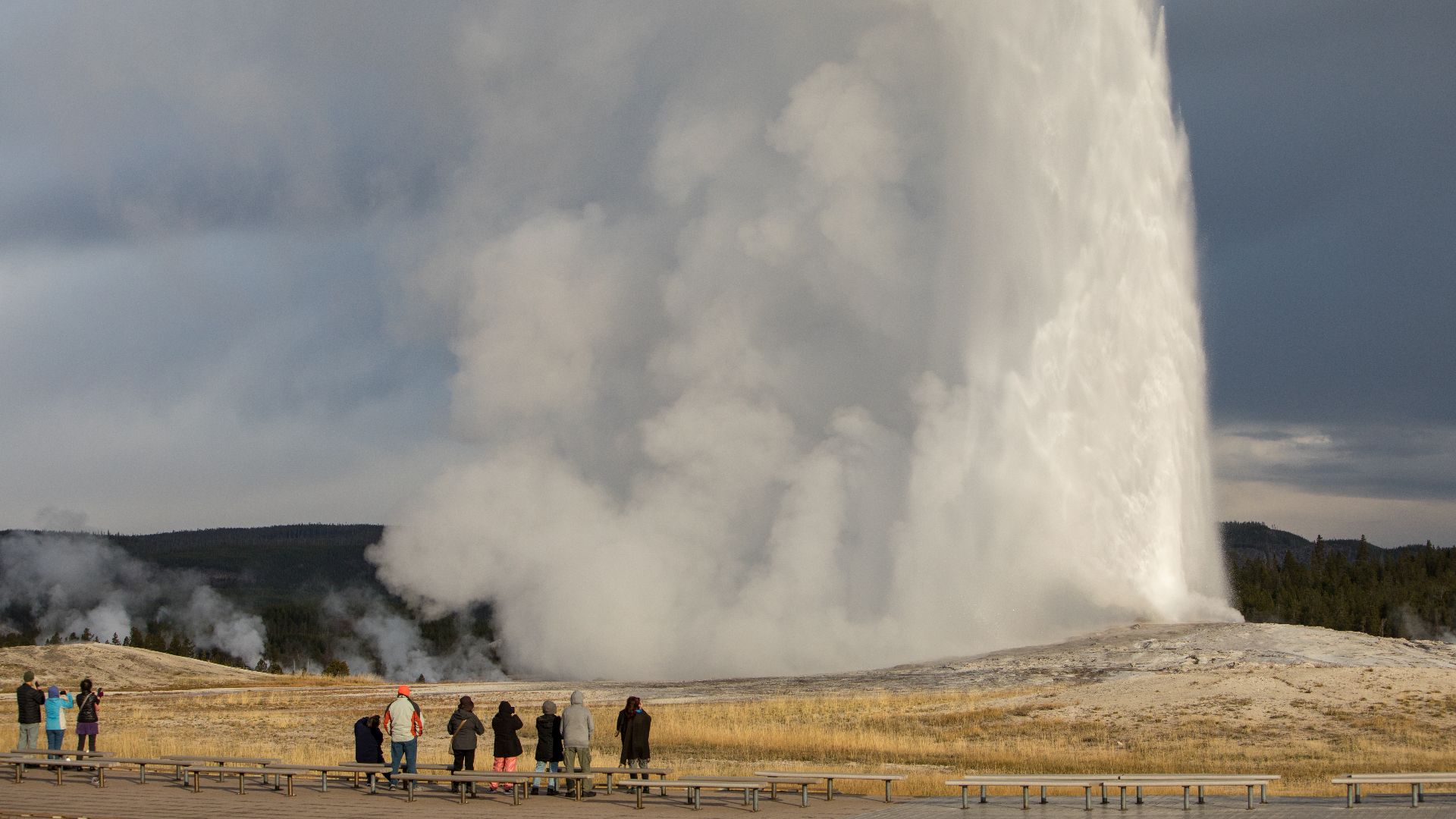 Yellowstone National Park, Wikimedia Commons
Niagara Falls, New York: A Natural Wonder That Inspired A Park
Niagara Falls was already a celebrated sightseeing destination during the nineteenth century, attracting travelers who wanted to witness its tremendous power. In 1885, New York established the Niagara Reservation, now part of Niagara Falls State Park, to protect public access to the falls. The park is recognized as the oldest state park in the United States. Visitors can still admire the waterfalls from scenic overlooks and experience one of America's most enduring natural attractions.
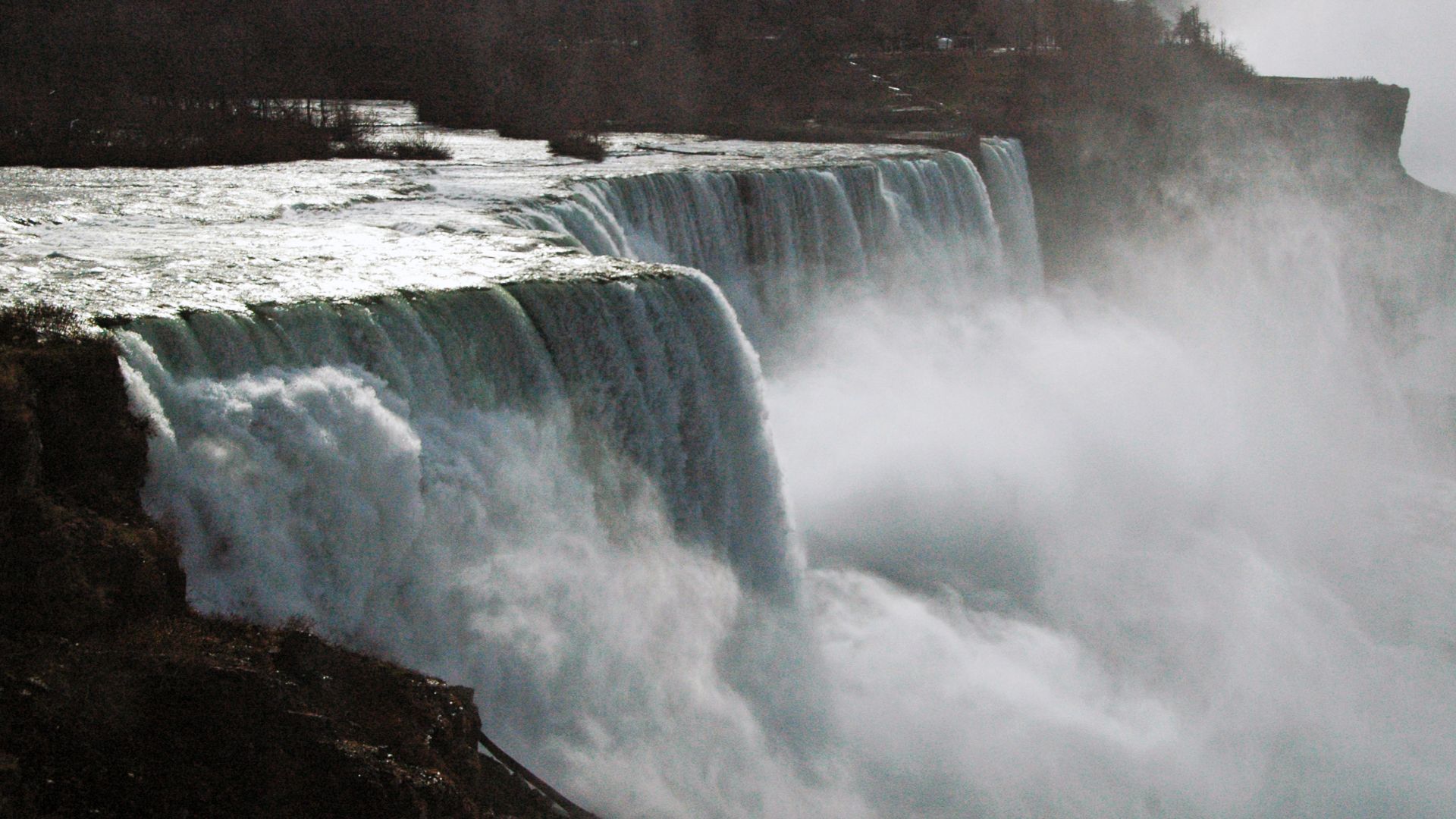 James St. John, Wikimedia Commons
The Statue Of Liberty, New York: Welcoming Visitors Since 1886
Dedicated on October 28, 1886, the Statue of Liberty quickly became one of the most recognizable monuments in the United States. France presented the statue as a gift celebrating friendship between the two countries and ideals of liberty. Its location in New York Harbor also connected it to generations of immigrants arriving in America. Today, visitors can take a ferry to Liberty Island and explore the monument and its museum, with additional reservations required for pedestal or crown access.
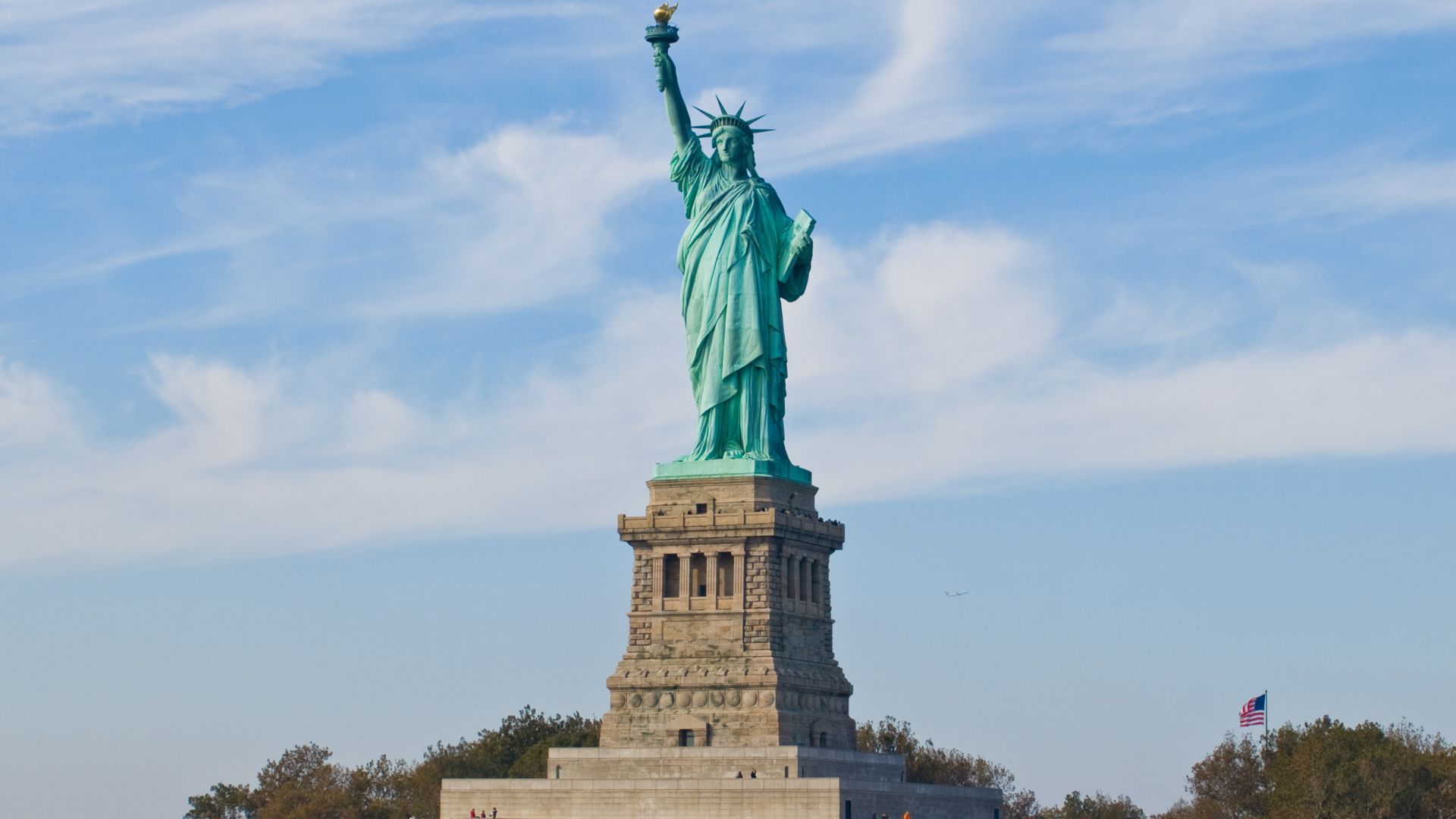 William Warby, Wikimedia Commons
Ellis Island, New York: Where Millions Began New Lives
Ellis Island opened as a federal immigration station on January 1, 1892, becoming a major gateway for people arriving in the United States. The original wooden immigration buildings were destroyed by fire in 1897, and the surviving main processing building opened in December 1900. Today, that historic structure houses the National Museum of Immigration. Visitors can explore exhibits that document the experiences of newcomers who helped shape modern America.
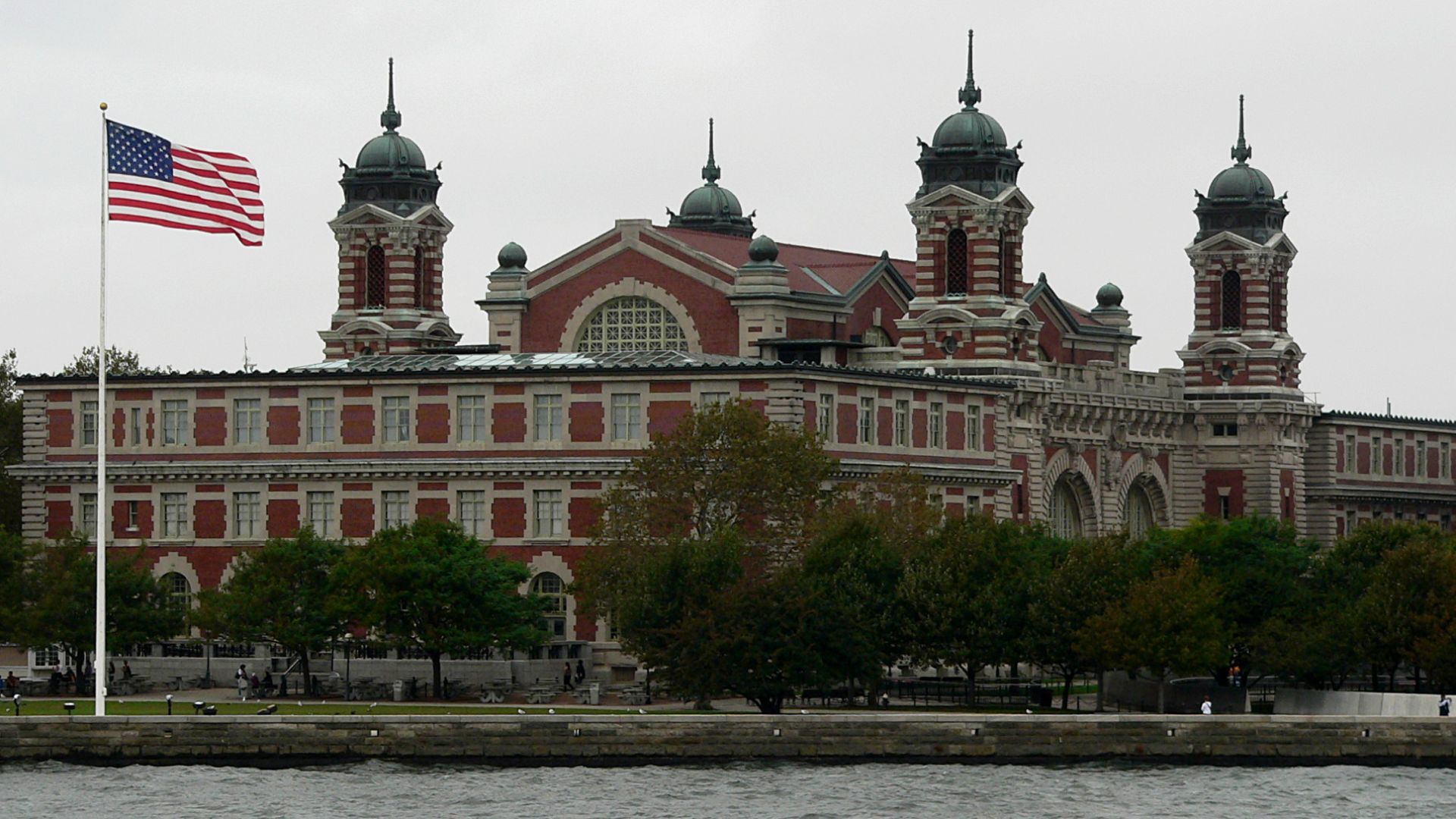
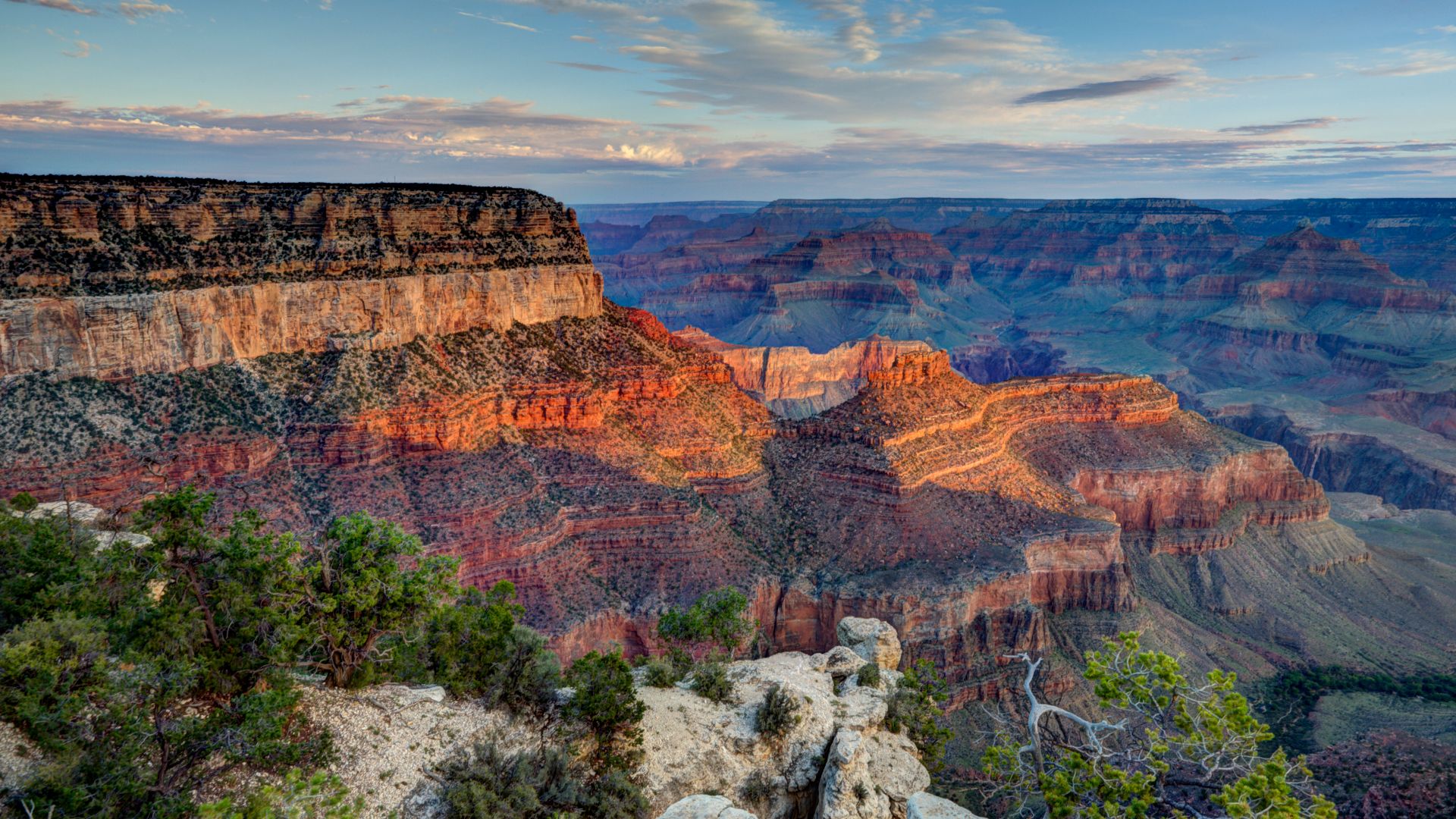
Grand Canyon, Arizona: A Tourist Favorite Before Cars Were Common
The Grand Canyon was becoming a tourist destination well before it received national park status in 1919. During the late nineteenth century, visitors arrived by stagecoach, following difficult routes to reach scenic overlooks and early accommodations. Tourism expanded dramatically after the railroad reached the South Rim in September 1901. Today's travelers can still explore the historic Grand Canyon Village and enjoy the spectacular views that drew adventurous visitors more than a century ago.
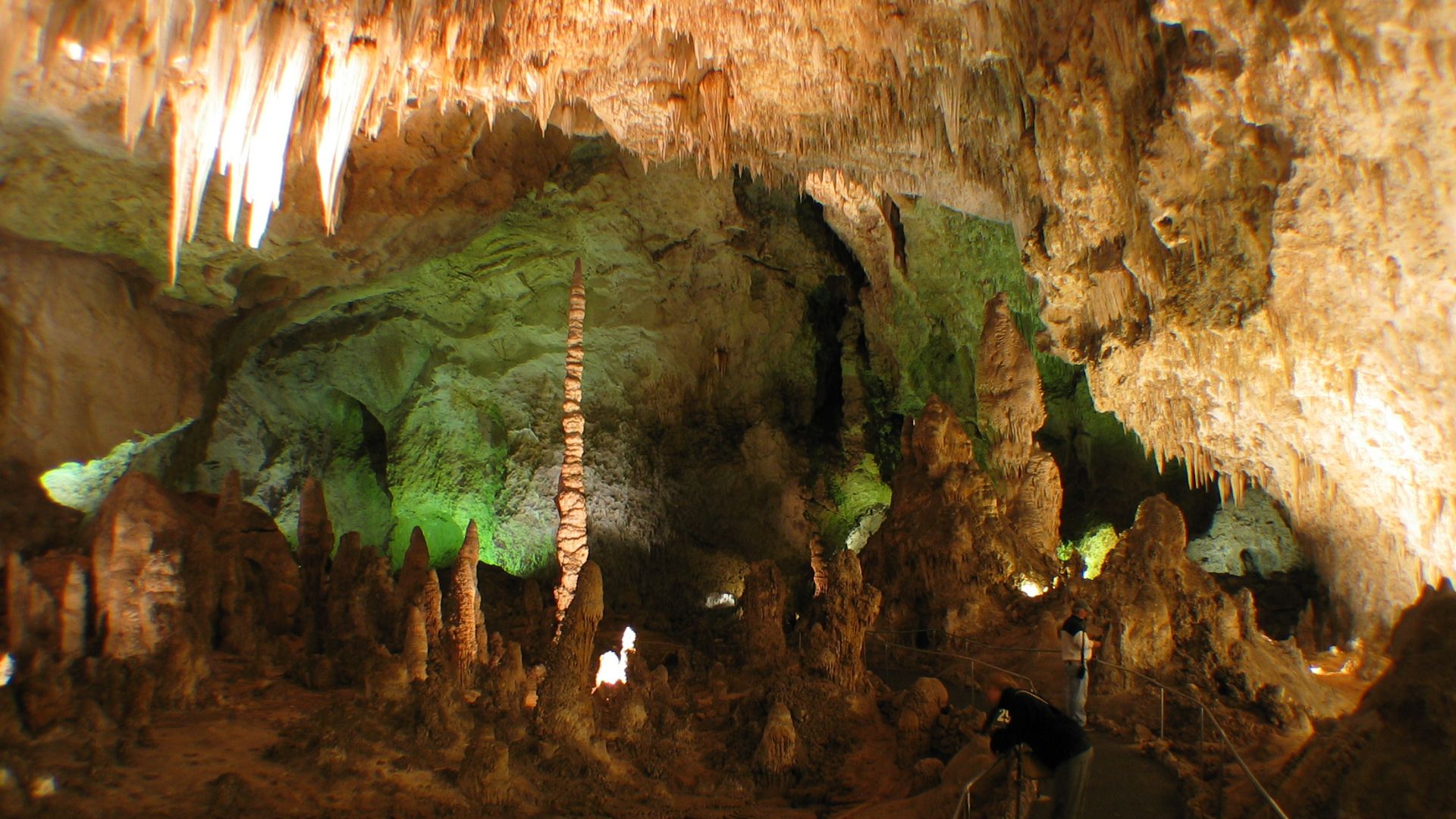
Carlsbad Caverns, New Mexico: A Spectacular Underground Discovery
Carlsbad Caverns became nationally famous during the early twentieth century as explorers and photographers revealed its extraordinary underground chambers. The site received national monument status in 1923 and became a national park in 1930. Early visitors faced demanding descents, but stairways and eventually elevators made the caverns more accessible. Today, travelers can explore designated underground routes and admire enormous chambers filled with remarkable limestone formations.
 Daniel Schwen, Wikimedia Commons
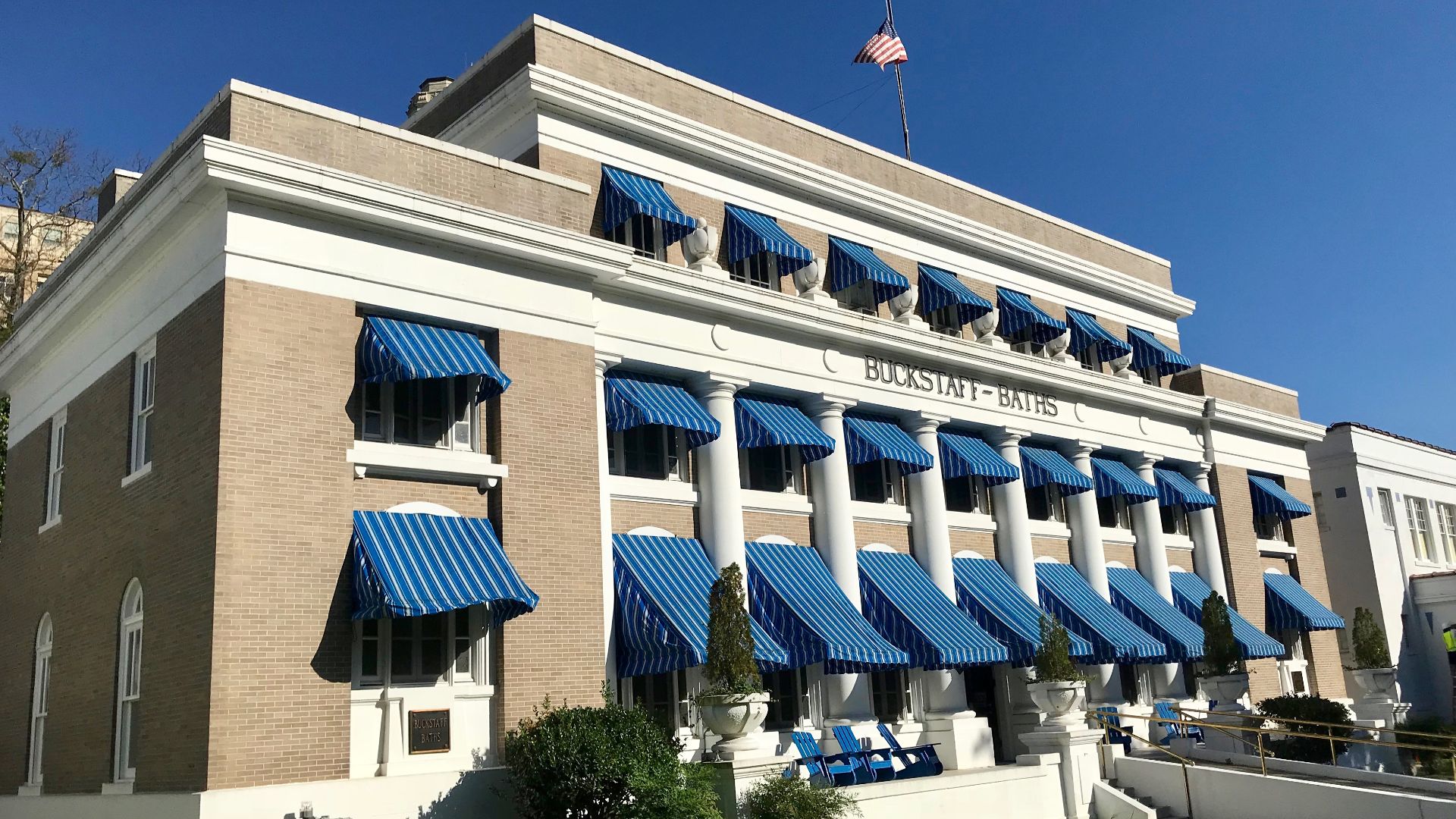
Bathhouse Row's Buckstaff, Arkansas: A Spa That Never Completely Closed
Among the historic attractions of Hot Springs, the Buckstaff Bathhouse has a particularly remarkable claim to fame. Opened in 1912, it is the only bathhouse on Bathhouse Row that has operated continuously for more than a century. Visitors can still experience traditional thermal-water bathing in a building associated with the golden age of American spa tourism. It offers a rare opportunity to participate in a historic vacation tradition rather than simply learn about it.
 daveynin from United States, Wikimedia Commons
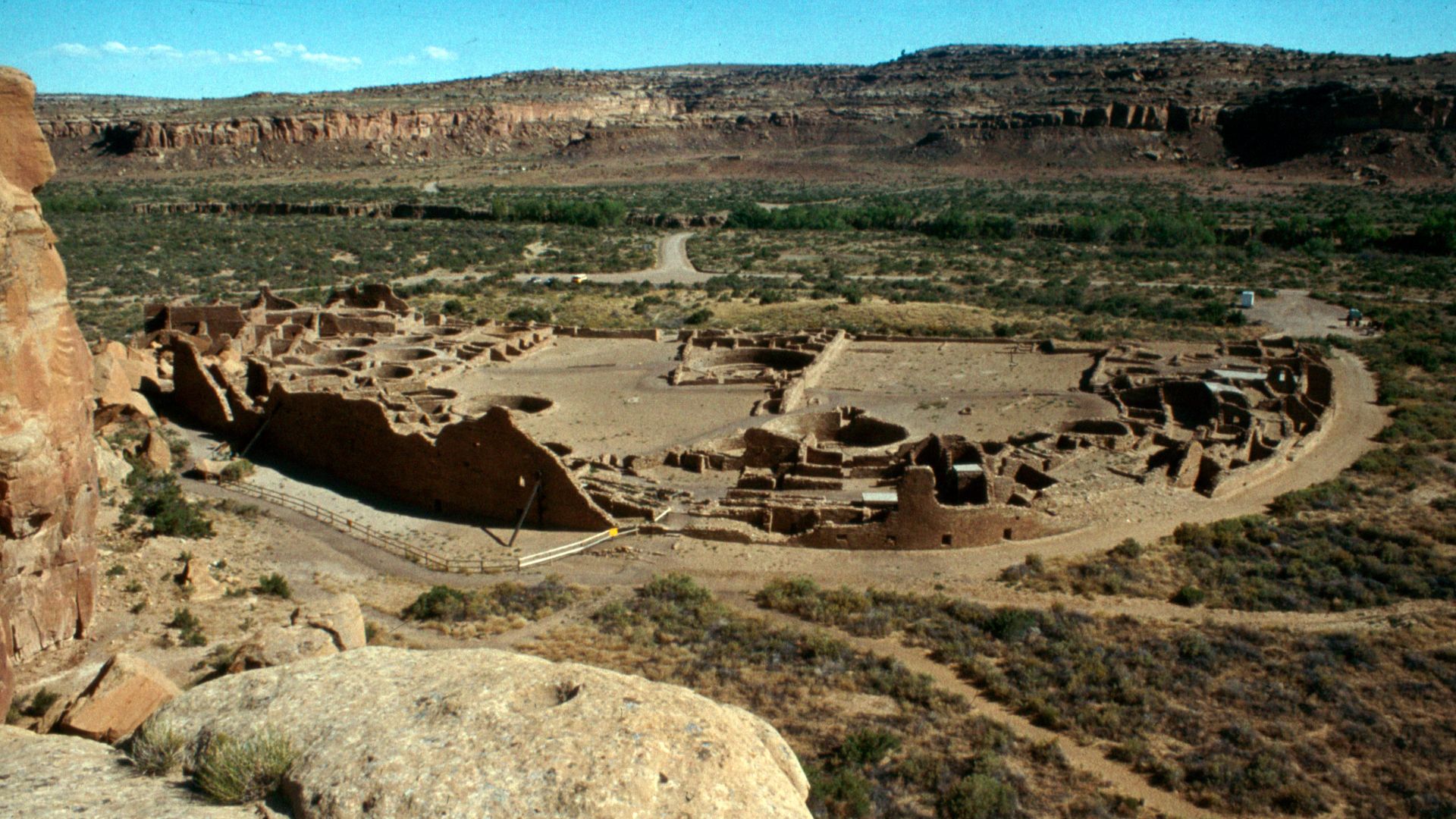
Pueblo Bonito, New Mexico: Walking Through Ancient Rooms
Unlike many archaeological attractions that can only be viewed from a distance, Pueblo Bonito allows visitors to walk through portions of its original architecture. The complex was constructed in stages over roughly three centuries and served as a central place within the Chacoan world. Its surviving rooms and ceremonial structures provide a remarkable sense of the scale and planning involved in the settlement. The National Park Service maintains a walking trail through the site, making it one of the Southwest's most memorable historic experiences.
 Gerd Eichmann, Wikimedia Commons
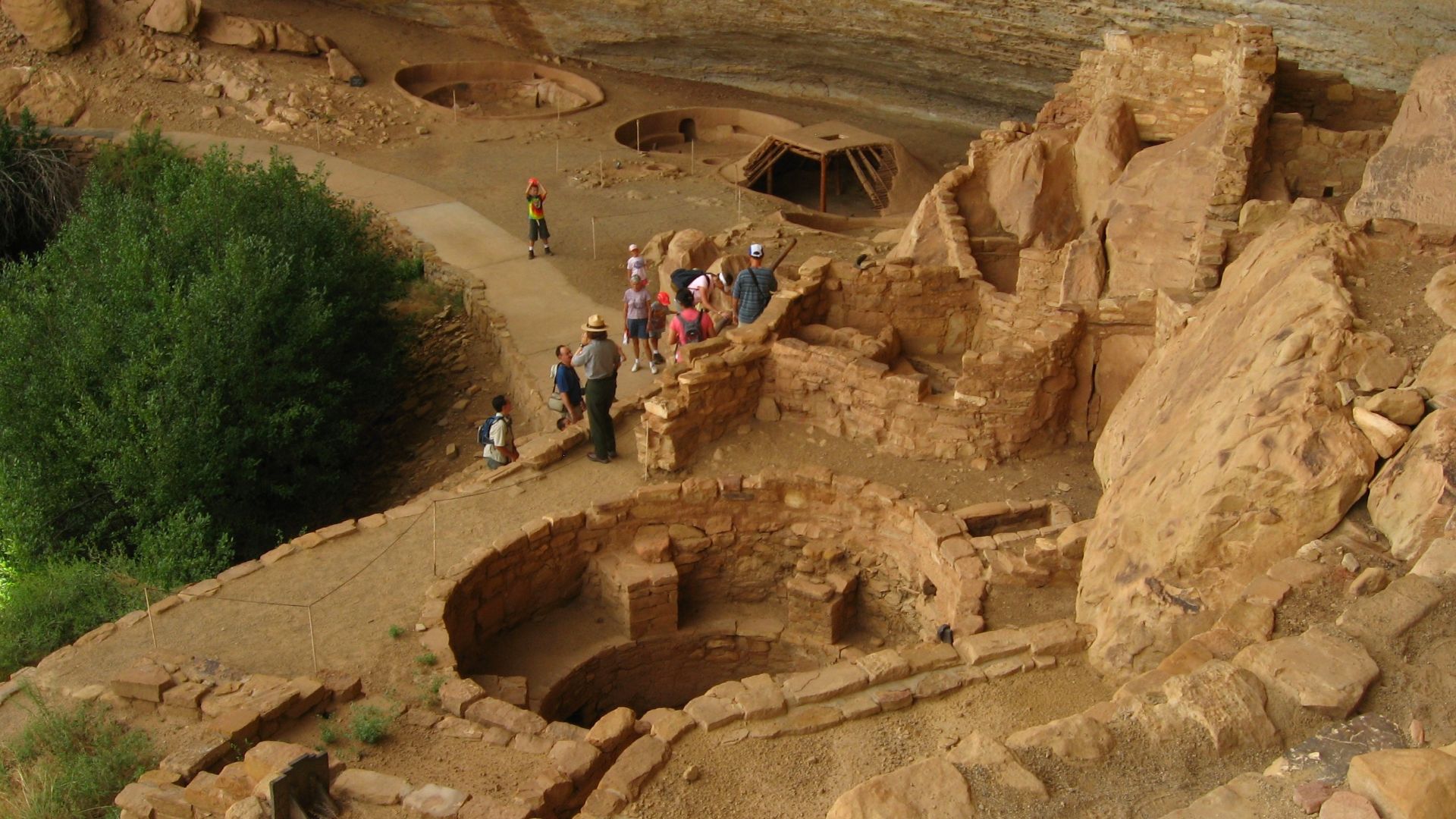
Step House, Colorado: Two Ancient Eras In One Place
Step House at Mesa Verde offers visitors an unusual opportunity to examine different periods of Ancestral Pueblo history within the same sandstone alcove. The site contains earlier pithouses dating to approximately 600 CE and a cliff dwelling dating to around 1200 CE. These structures reveal how building practices and community life changed over centuries. During its operating season, visitors can explore the site without a ranger-led tour reservation, although park staff are present to help protect and interpret it.
 Ken Lund from Las Vegas, Nevada, USA, Wikimedia Commons
These Historic Attractions Are Still Worth The Journey
What makes these destinations remarkable is not simply their age, but the fact that travelers can still experience them firsthand. Some preserve ancient Indigenous cultures, while others reveal how American tourism developed through colonial landmarks, natural wonders, and historic resorts. Access varies, with certain sites requiring guided tours, advance reservations, or seasonal visits. Together, they demonstrate how much of America's past remains accessible to curious travelers.
 Yellowstone National Park from Yellowstone NP, USA, Wikimedia Commons
You May Also Like:
The American Road Trips That Canadians Are Secretly Jealous Of
Which U.S. States Do Other Americans Travel To The Most?
Seemingly Normal Things Americans Do That Confuse Visitors From Other Countries