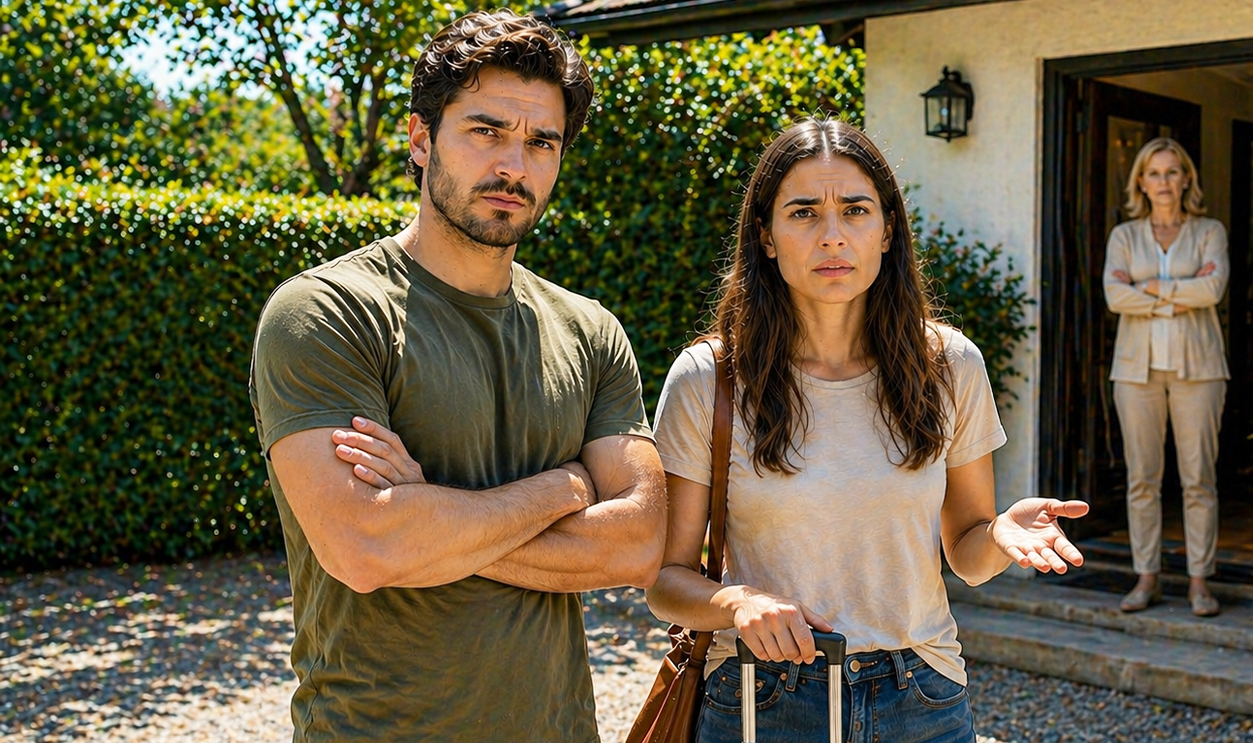
From Minor Leak To Major Bill: What Happened?
When you checked into your Airbnb, you noticed the sink was already acting up but didn't think it would turn into a big deal. Fast forward to checkout, and suddenly the host is blaming you for a plumbing issue and sending you a bill for repairs. How can they charge you for something that was already wrong? And do you actually have to pay? The good news is, Airbnb doesn’t just take the host’s word for it. You have a chance to fight this, and how you respond right now can make a big difference.

Hosts Can’t Just Charge You Instantly
Even if it feels like the host is demanding payment, they can’t just take your money out of nowhere. Airbnb requires hosts to submit a formal reimbursement request through the Resolution Center, and you get a chance to respond before anything is charged.

You Have The Right To Dispute The Claim
When a host files a damage claim, you don’t have to accept it blindly. You can decline the request, explain your side, and submit your own evidence. Airbnb will then review both sides before making a decision.

Pre-Existing Damage Changes Everything
Here’s the key point: Airbnb’s policies are designed to hold guests responsible only for damage they actually caused. Normal wear and tear or issues that existed before your stay shouldn’t be pinned on you.

The Burden Of Proof Isn’t Just On You
The host has to prove that you caused the damage. That usually means providing photos, repair estimates, and a clear timeline showing the issue happened during your stay. If they can’t prove that, their claim gets weaker.
Why This Situation Happens So Often
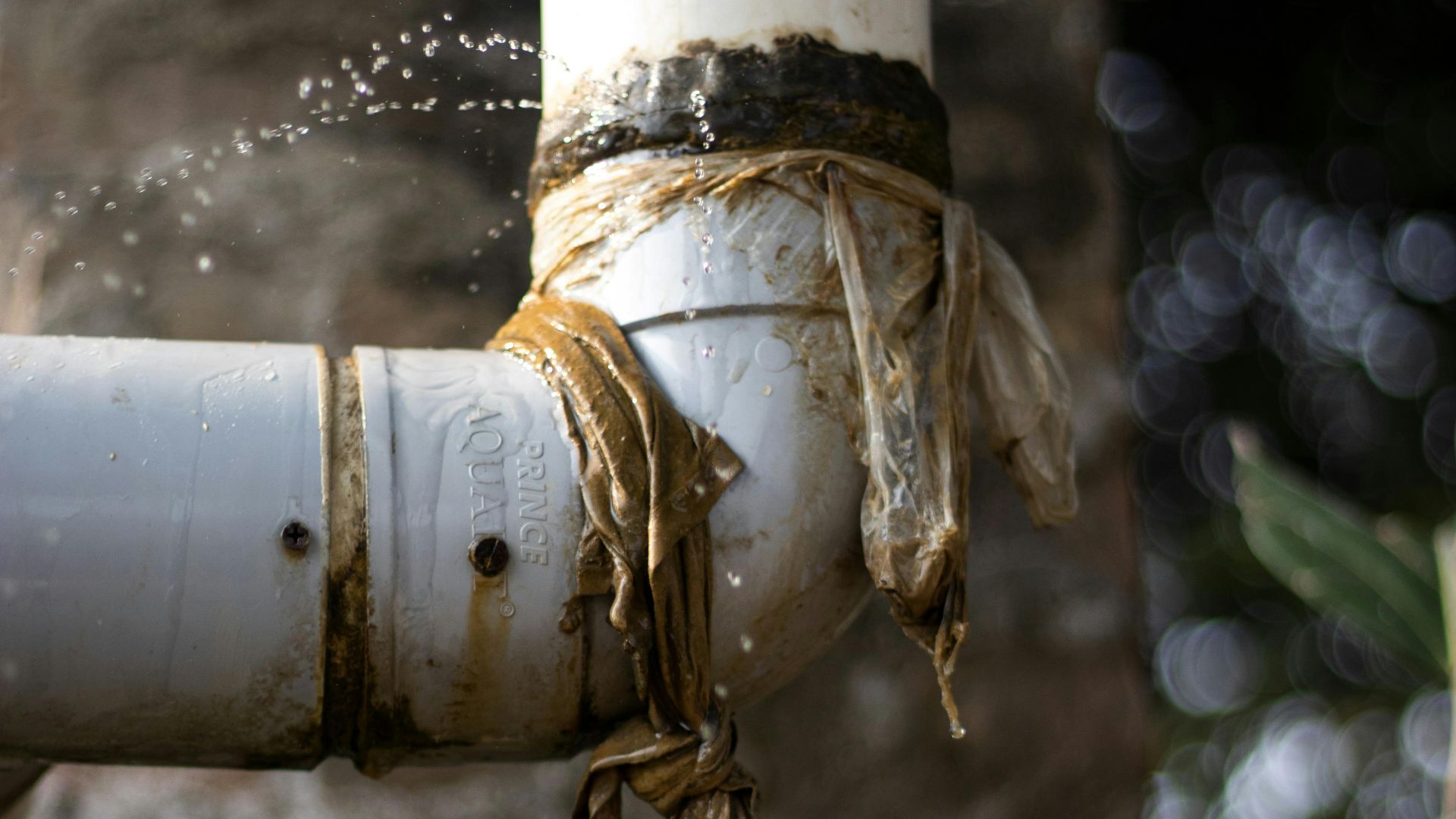
Plumbing issues are tricky because they’re often gradual. A small leak can turn into a bigger problem days later. Hosts sometimes assume the last guest caused it, even if the issue was building for weeks or months.
Timing Of The Claim Matters
Hosts are generally expected to report damage quickly, often within a specific window after checkout. If they waited too long to report the issue, that can raise serious questions about whether it was actually your fault.

Check Your Messages And Documentation
Go back and review your communication with the host. Did you mention the leak when you arrived? Even a casual message like “hey, the sink is dripping” can be powerful evidence that the issue existed before you used it.
Photos And Videos Are Your Best Defense
If you took photos or videos during your stay, now’s the time to dig them up. Even background details in pictures can help show the condition of the sink before checkout.
If You Didn’t Document It, You’re Not Out Of Luck
Not having photos doesn’t automatically mean you lose. You can still explain what you noticed, point out inconsistencies in the host’s claim, and question their timeline or evidence.
Respond Quickly And Clearly
When you get a reimbursement request, don’t ignore it. You typically have a limited window to respond. Lay out your side clearly, stick to facts, and avoid getting emotional in your response.
Ask The Host For Proof
You’re allowed to ask for evidence. Request photos of the damage, repair invoices, and details about when the issue was discovered. If something doesn’t add up, point it out.
Airbnb Will Step In If You Don’t Agree
If you decline the charge or don’t reach an agreement with the host, Airbnb can step in to review the case. They’ll look at both sides and decide whether you’re responsible.
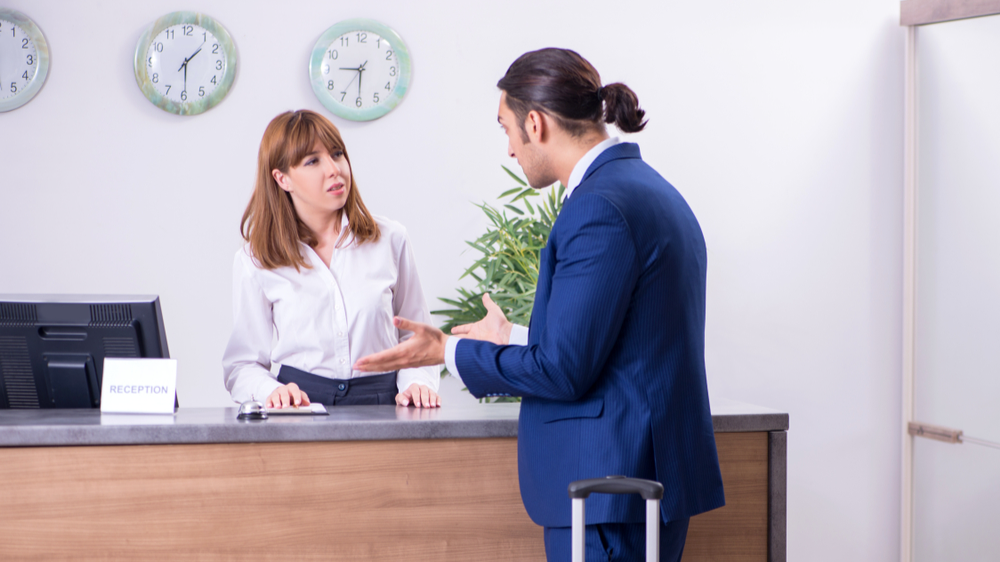
You Won’t Be Charged Without A Process
Airbnb doesn’t just charge your card without warning. You’ll have a chance to respond and even appeal the decision if you disagree.
Watch For Inflated Repair Costs
Sometimes the issue isn’t just blame, it’s the price. Even if there was damage, the repair cost needs to be reasonable. If the host is asking for an excessive amount, you can challenge that too.
Be Careful About Admitting Fault
It’s natural to want to smooth things over, but avoid saying anything that sounds like you’re accepting responsibility unless you’re sure. Keep your responses focused on facts, not assumptions.
Escalate If Something Feels Off
If you feel like Airbnb isn’t handling the situation fairly, you can follow up, escalate the case, or even reopen it with additional evidence. Persistence matters in disputes like this.
This Is Where Early Communication Pays Off
If you reported the issue during your stay, even casually, that can make a huge difference. It shows you weren’t trying to hide anything and that the problem existed before checkout.
Learn From This For Next Time
As annoying as this is, it’s a reminder to always do a quick walkthrough when you arrive at a rental. Take a few photos, especially of anything that looks off, and send a quick message to the host so it’s documented.
So What Should You Do Right Now?
Start by gathering any evidence you have, respond to the claim through Airbnb, and clearly explain that the issue was pre-existing. Ask for proof from the host and be ready to escalate if needed.
Final Thoughts
Being blamed for damage you didn’t cause is frustrating, especially when money is on the line. But Airbnb’s process isn’t one-sided. If you stay calm, respond quickly, and back up your claim with whatever evidence you can, you have a real chance of pushing back successfully and avoiding a charge that shouldn’t be yours.
You May Also Like:
Our Airbnb host entered the property while we were out and moved our belongings. Is that allowed?