
Ranking The Rankings
There’s no shortage of college rankings—but they don't always agree. So instead of relying on just one, we went ahead and combined the three biggest and most important ones out there: U.S. News, QS World Rankings, and Times Higher Education.
By averaging their results, we created a consensus ranking of the top 50 universities in America for 2026. Some schools landed exactly where you’d expect…but a few will definitely surprise you.

50: Lehigh University
U.S. News: 47
QS (U.S.): 62
THE (U.S.): 54
Lehigh sneaks into the Top 50 thanks to its strong showing in U.S. News, where it remains one of the country’s best-regarded private research universities. Its global ranking strength is more limited, but its engineering, business, and undergraduate reputation keep it in the national conversation.
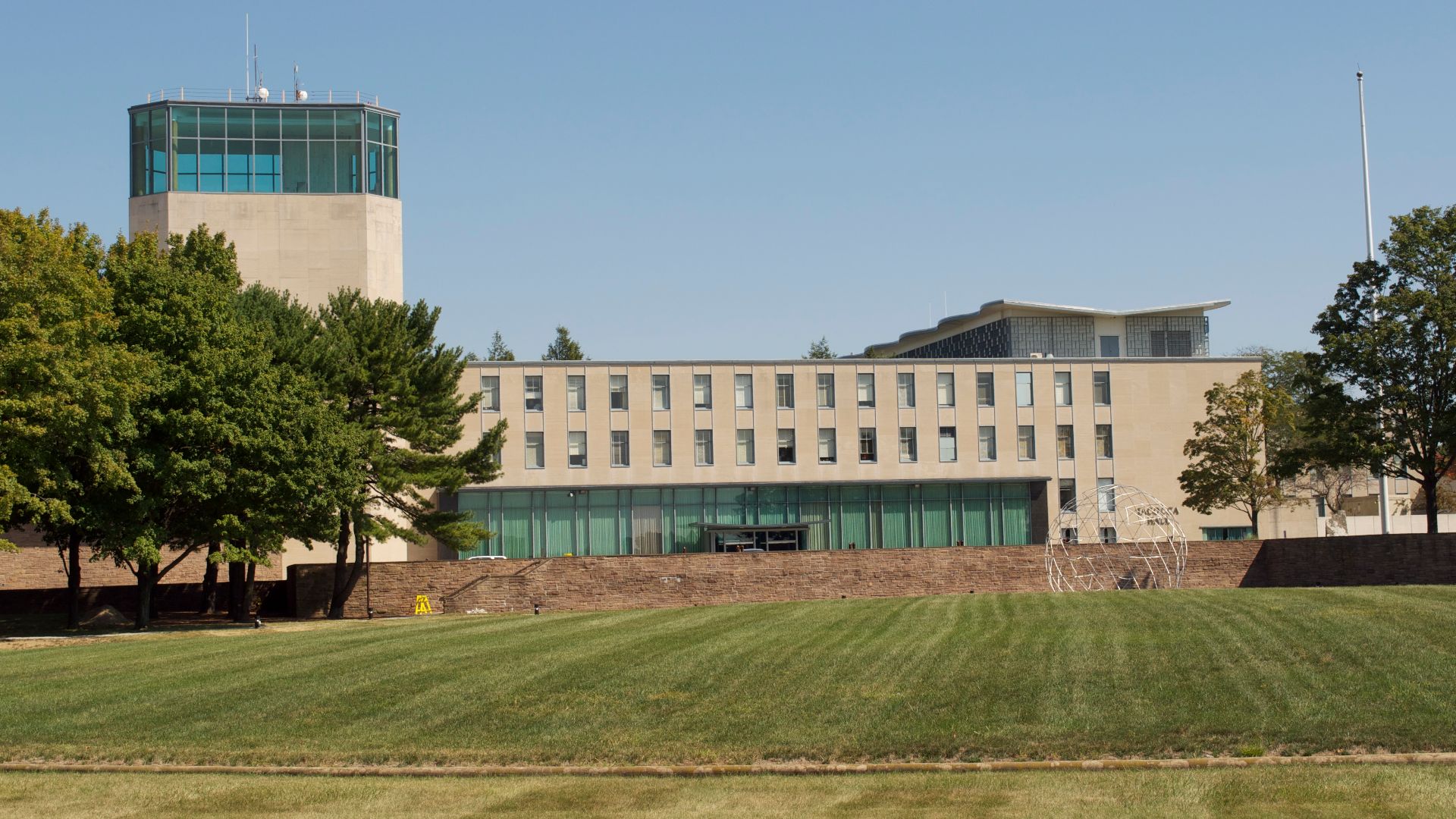
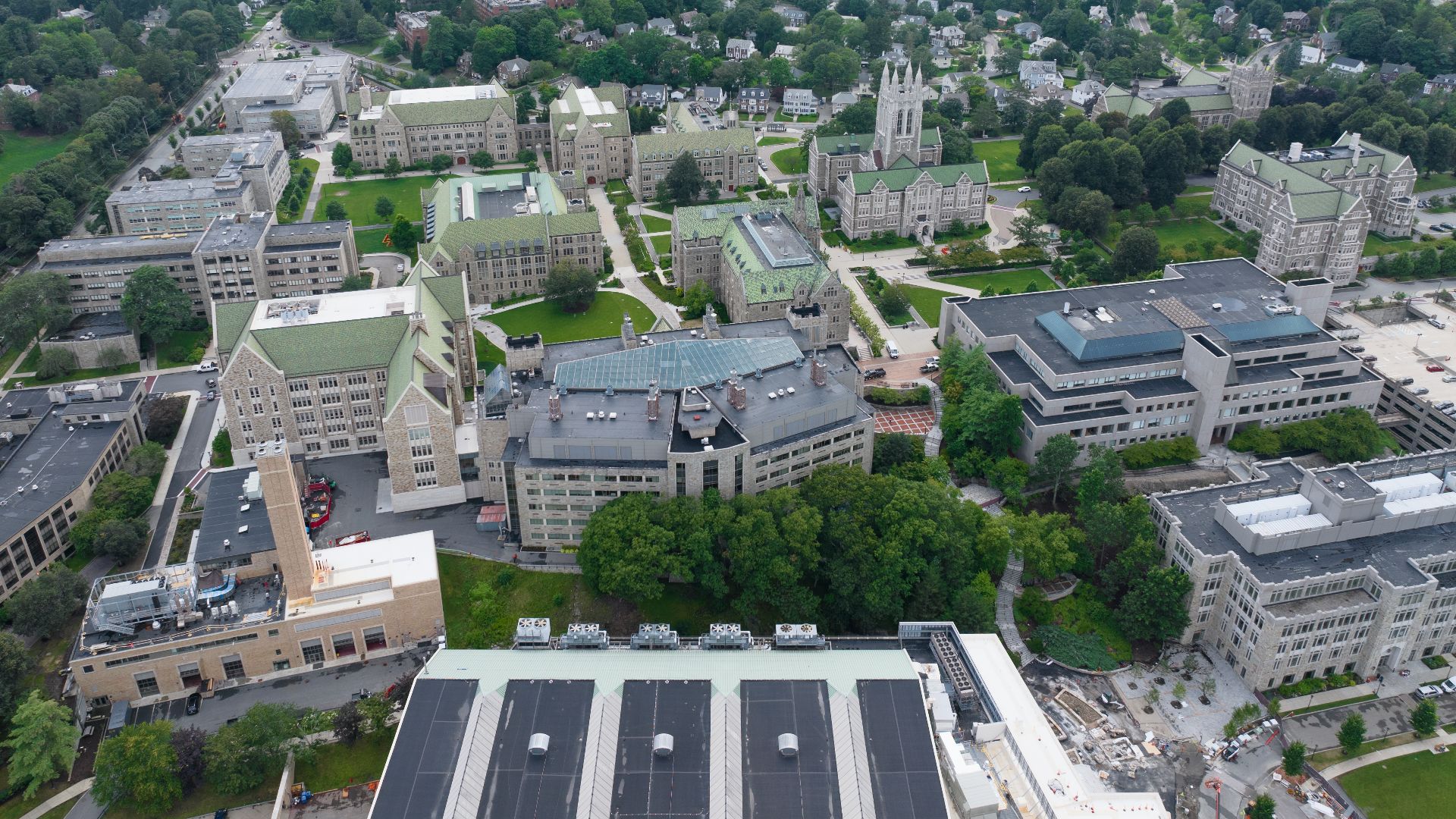
49: Boston College
U.S. News: 36
QS (U.S.): 59
THE (U.S.): 52
Boston College ranks especially well in U.S. News, helped by its strong undergraduate experience, loyal alumni network, and reputation in business, economics, nursing, and liberal arts. It does not perform as strongly globally, but nationally, BC still carries serious weight.
 Quintinsoloviev, Wikimedia Commons
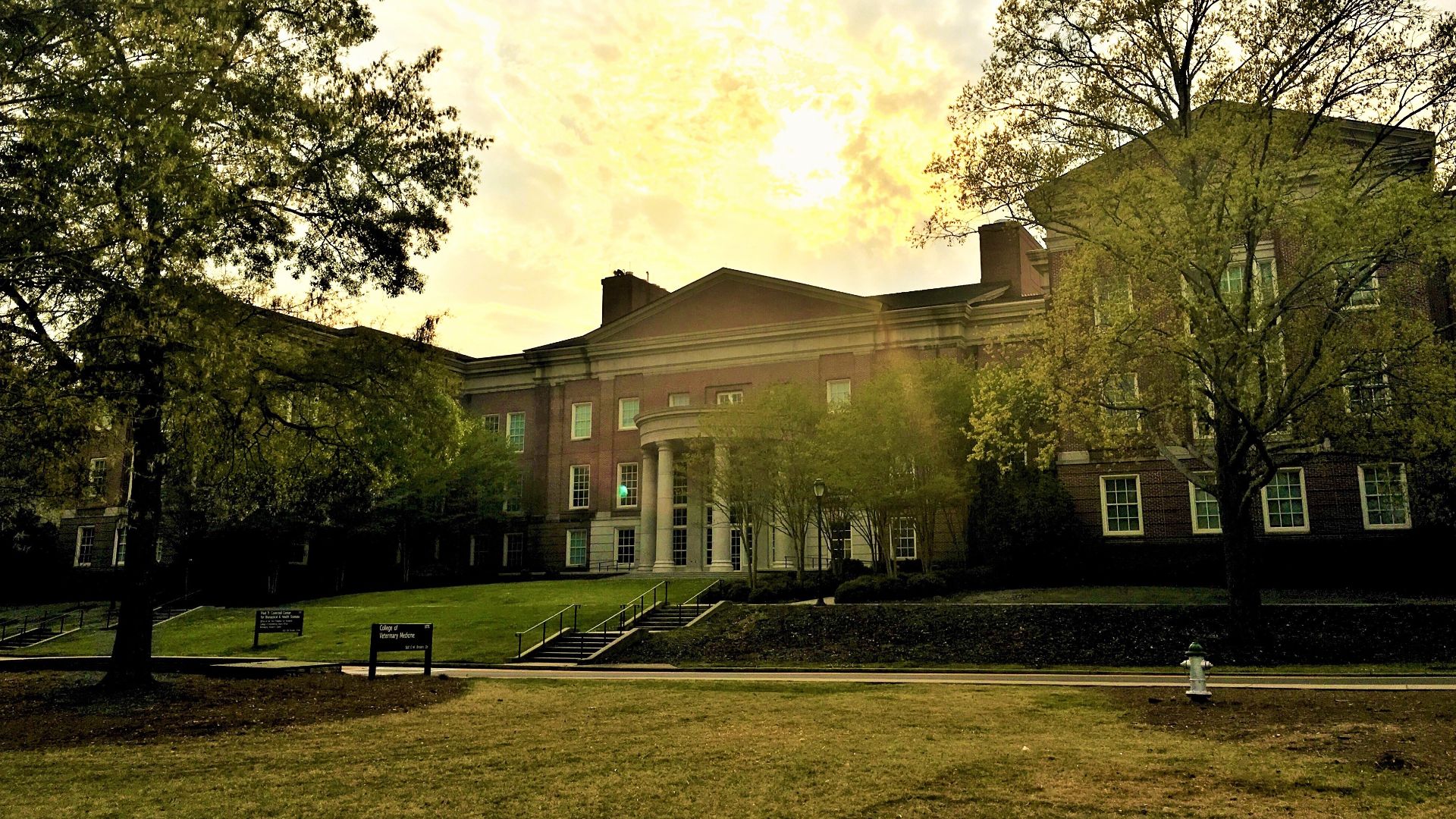
48: University of Georgia
U.S. News: 46
QS (U.S.): 65
THE (U.S.): 56
The University of Georgia has been climbing in national rankings, and its U.S. News placement gives it a real boost here. Its global ranking footprint is lighter than many research giants above it, but its value, academics, and growing reputation help it land in the Top 50.
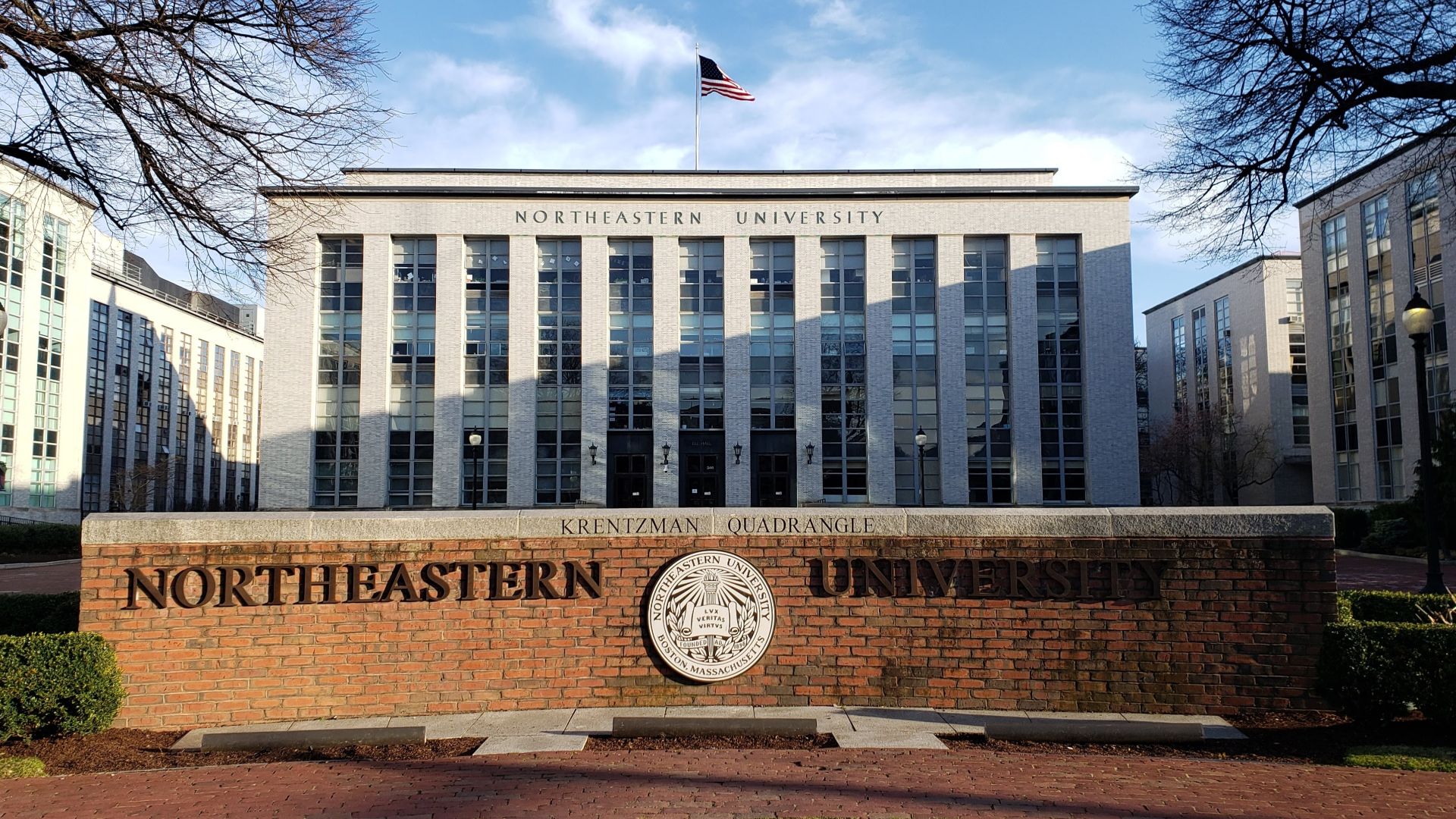
47: Northeastern University
U.S. News: 53
QS (U.S.): 58
THE (U.S.): 50
Northeastern’s co-op model gives it a very modern edge. It performs well nationally and has become a much bigger name with students looking for career-connected education. Its global rankings still trail older research heavyweights, but its momentum is hard to ignore.
 Edward Orde, Wikimedia Commons
46: Tufts University
U.S. News: 40
QS (U.S.): 51
THE (U.S.): 48
Tufts has a strong national reputation, especially in international relations, medicine-adjacent fields, biology, and liberal arts. It does not dominate the global rankings like some larger research universities, but its selectivity and academic reputation keep it solidly inside this consensus Top 50.
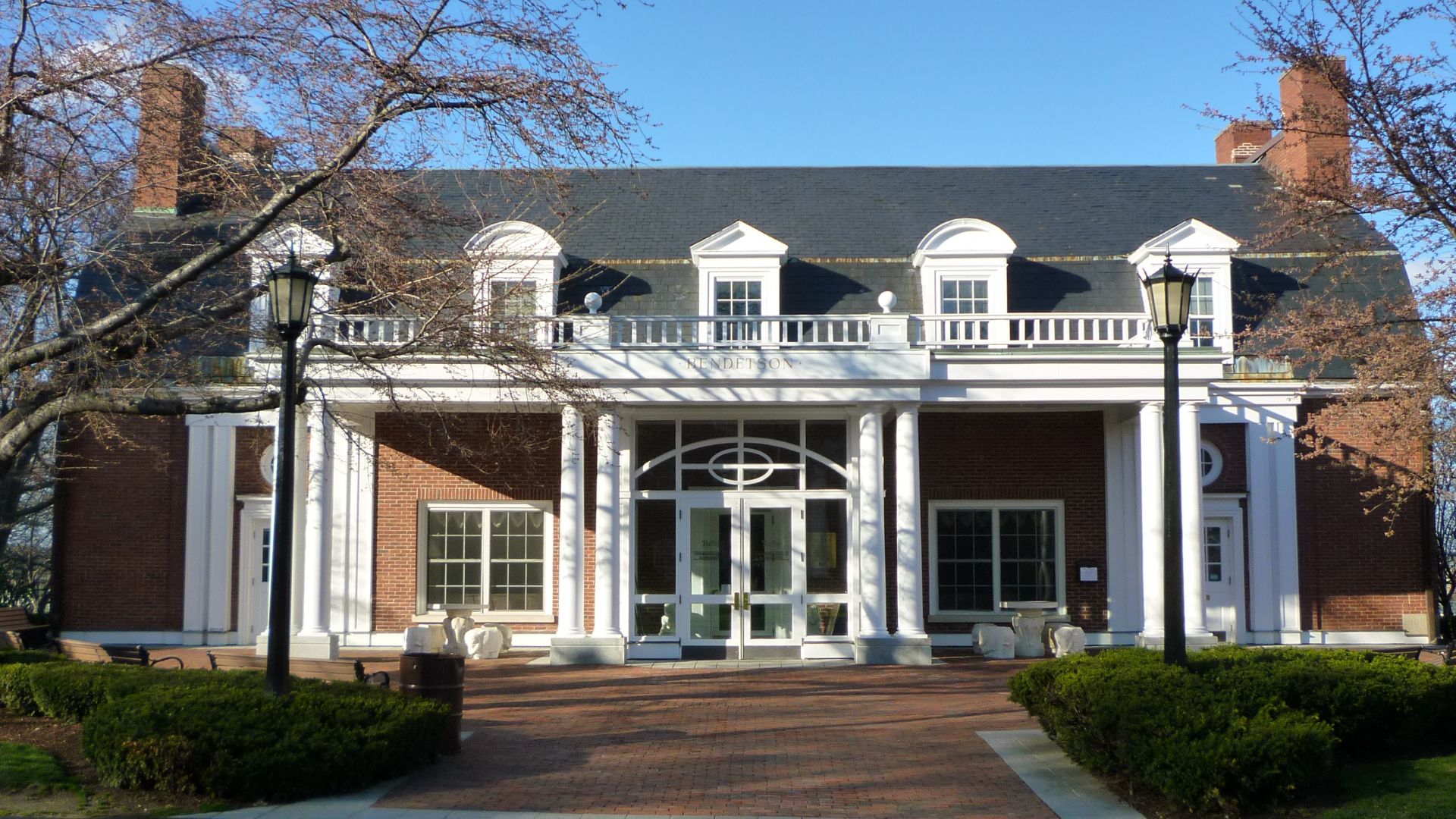
45: Rutgers University–New Brunswick
U.S. News: 40
QS (U.S.): 47
THE (U.S.): 44
Rutgers benefits from scale, research strength, and its Big Ten profile. It does not always feel as flashy as private schools nearby, but the data likes its research output and academic breadth. That combination helps Rutgers outperform many people’s expectations.

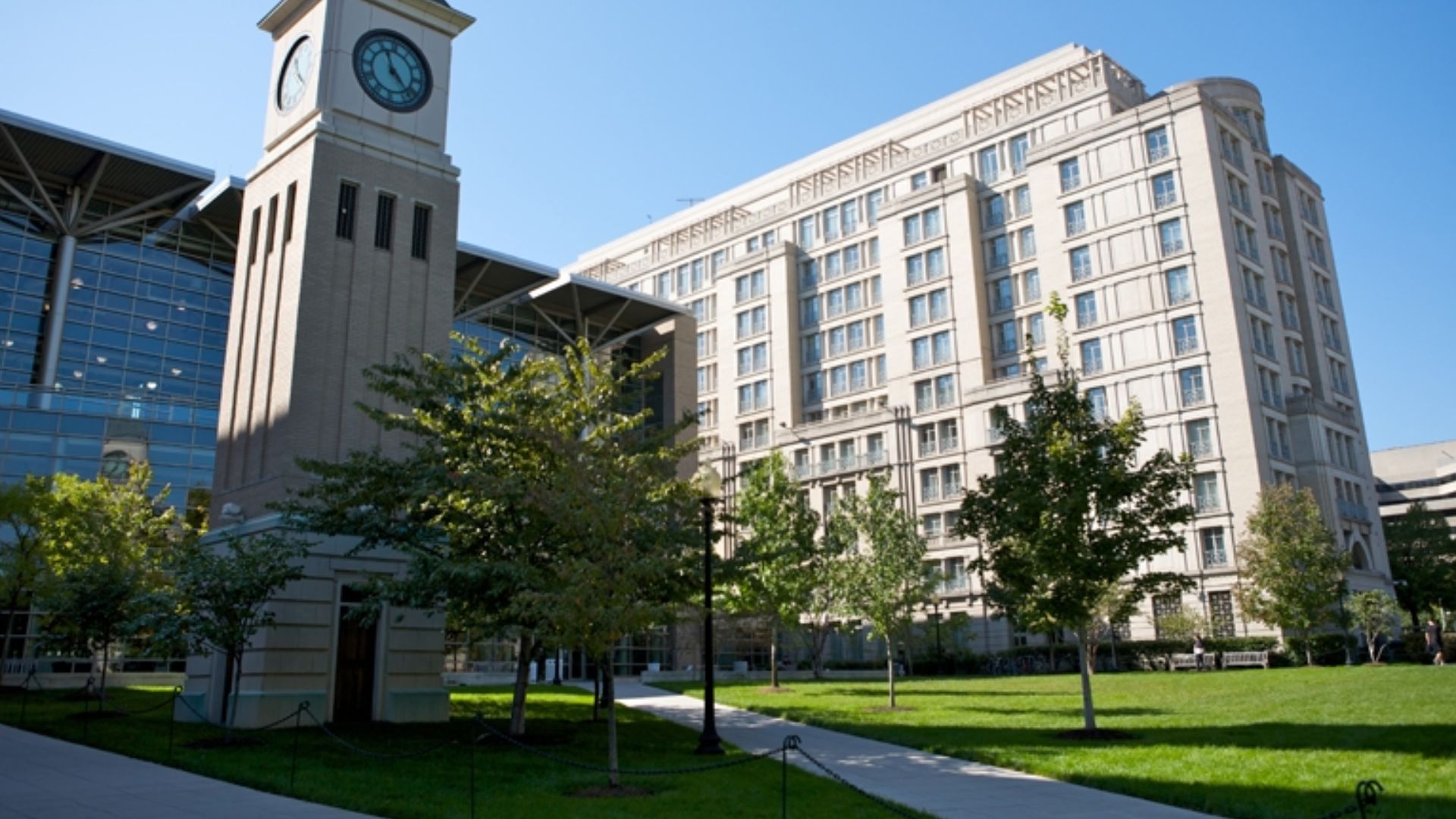
44: Georgetown University
U.S. News: 22
QS (U.S.): 44
THE (U.S.): 46
Georgetown ranks higher nationally than globally, which makes sense given its specific strengths. Its reputation in politics, law, international relations, public policy, and business is enormous in the U.S. The global research metrics pull it down slightly, but its prestige keeps it high.
 Karatershel, Wikimedia Commons
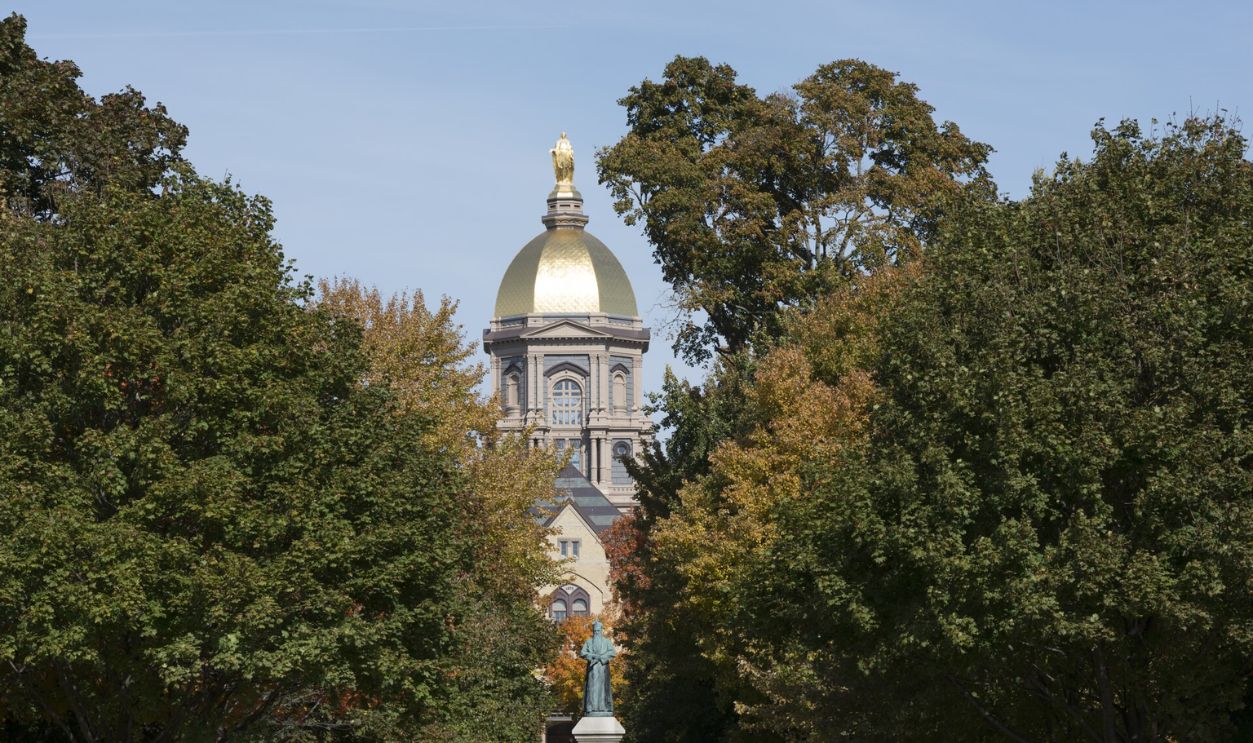
43: University of Notre Dame
U.S. News: 20
QS (U.S.): 43
THE (U.S.): 45
Notre Dame’s national ranking is excellent, and its undergraduate reputation is one of the strongest in the country. It is less dominant in global research rankings than the big science-heavy universities, but its alumni network, selectivity, and campus culture keep it near the top tier.
 Carol M. Highsmith, Wikimedia Commons
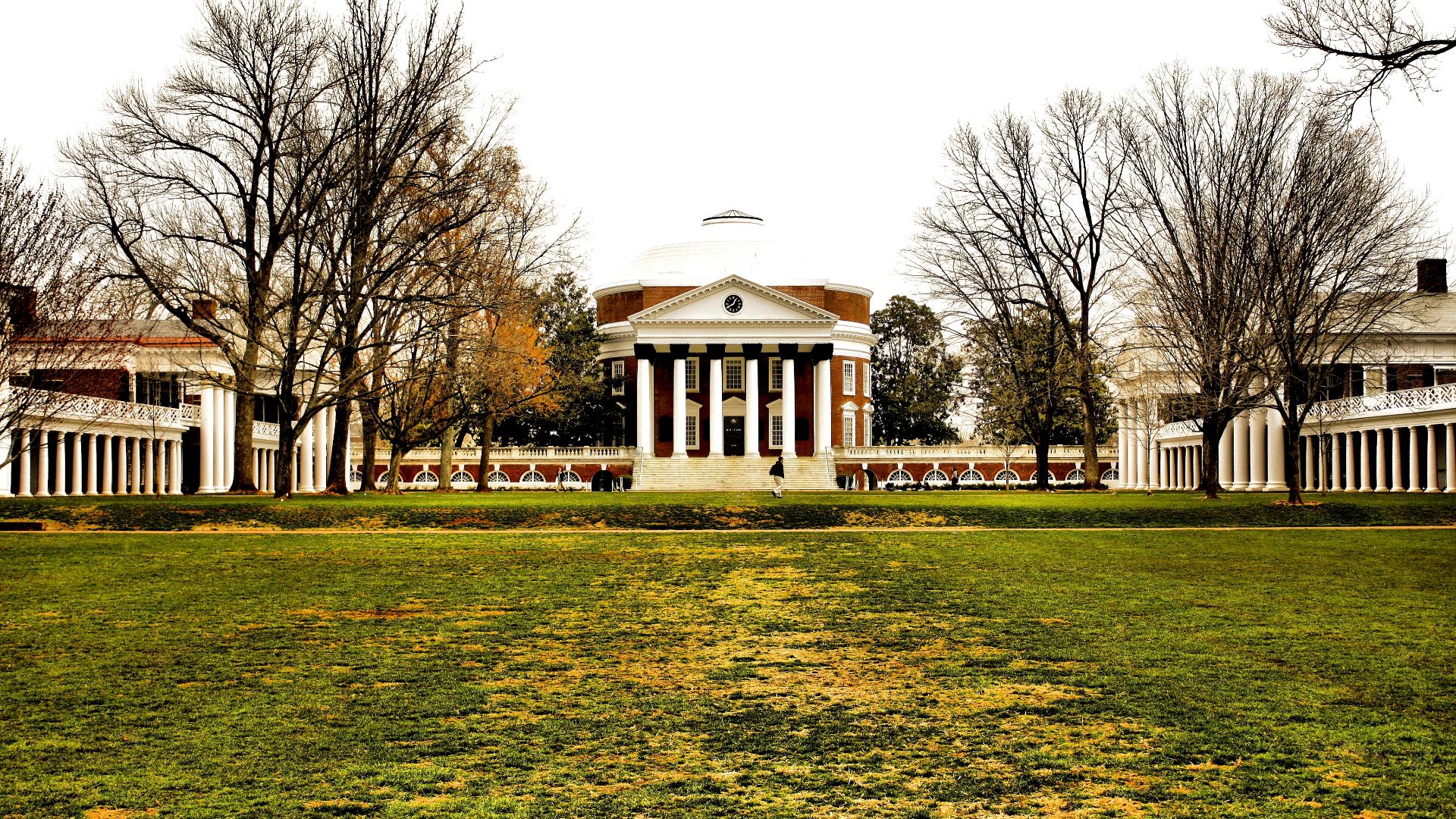
42: University of Virginia
U.S. News: 24
QS (U.S.): 41
THE (U.S.): 43
UVA performs especially well in U.S. News, where its mix of public-university value and academic prestige really shines. The global lists are a bit less generous, but its strength in business, law, public affairs, and undergraduate teaching keeps it firmly in the Top 50.
 Phil Roeder, Wikimedia Commons
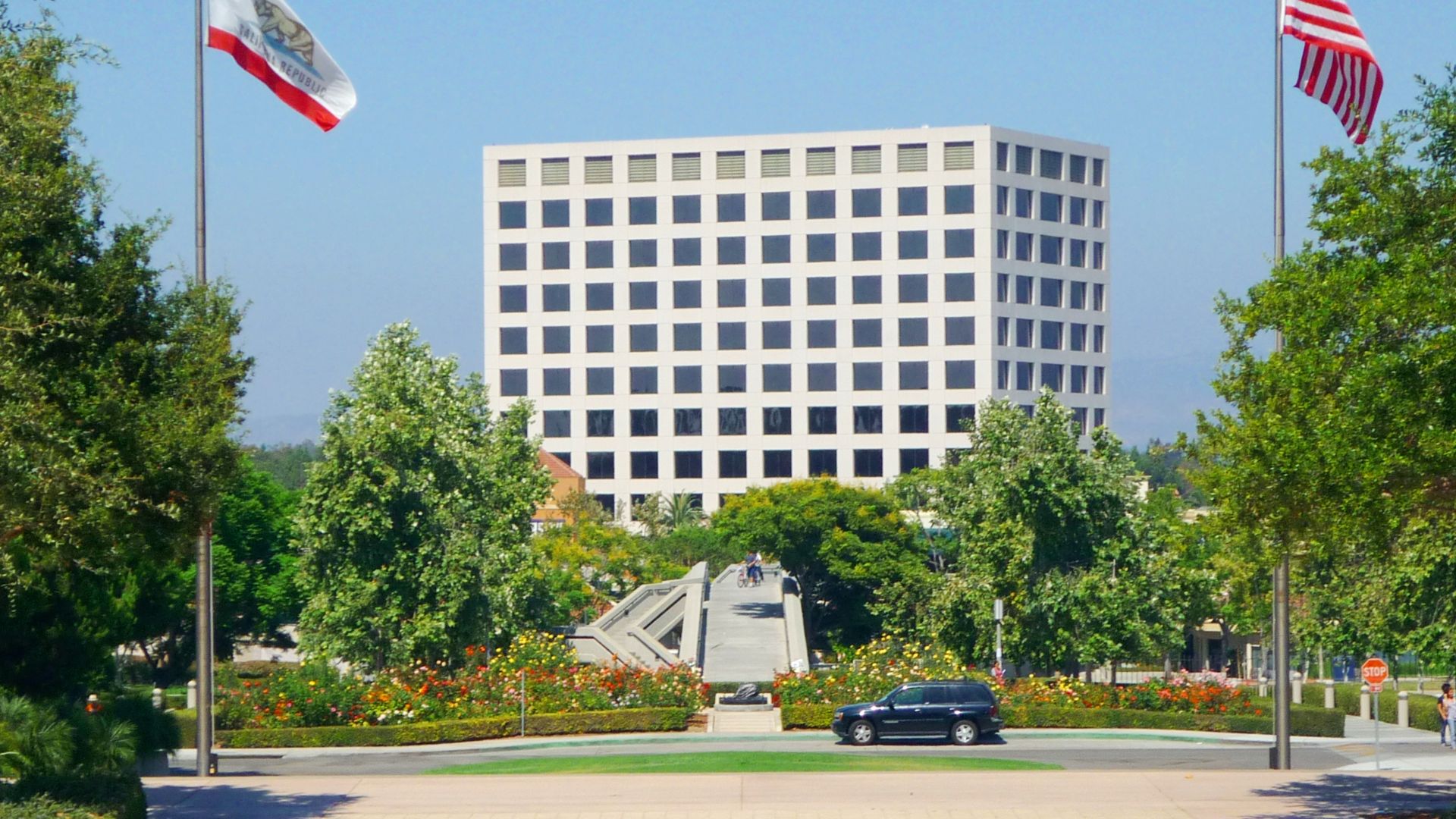
41: University of California, Irvine
U.S. News: 33
QS (U.S.): 38
THE (U.S.): 40
UC Irvine is one of the biggest winners when you average national and global data. It has strong U.S. News and THE placements, plus major research output. It may not have the name recognition of UCLA or Berkeley, but the numbers say it belongs here.
 Mikejuinwind123, Wikimedia Commons
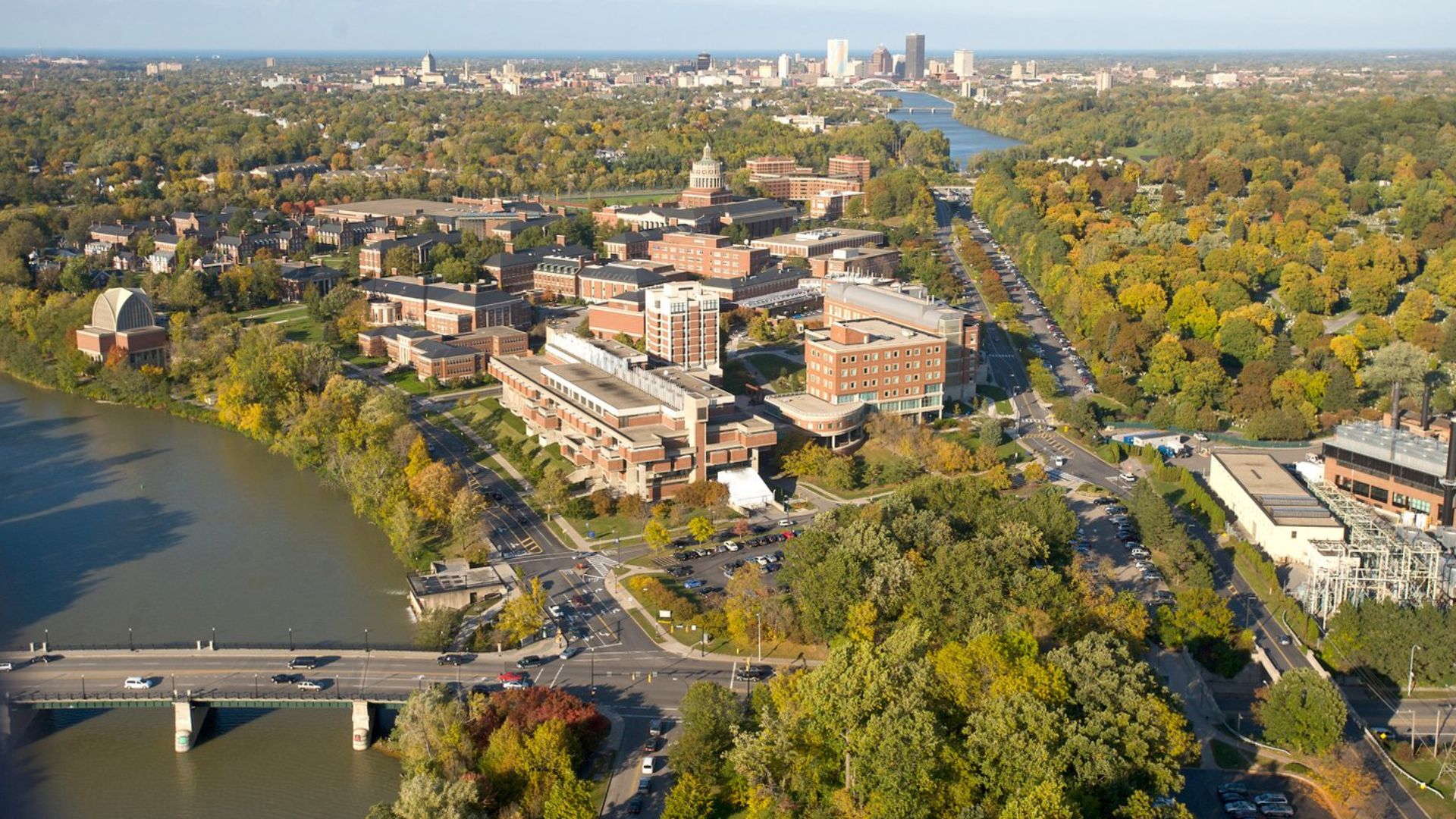
40: University of Rochester
U.S. News: 36
QS (U.S.): 37
THE (U.S.): 39
Rochester is smaller than many universities on this list, but it punches above its weight academically. Its strengths in optics, medicine, music, engineering, and research help it perform well across multiple ranking systems, even if it is not always a household name.
 Yourusernamewillbepublic2, Wikimedia Commons
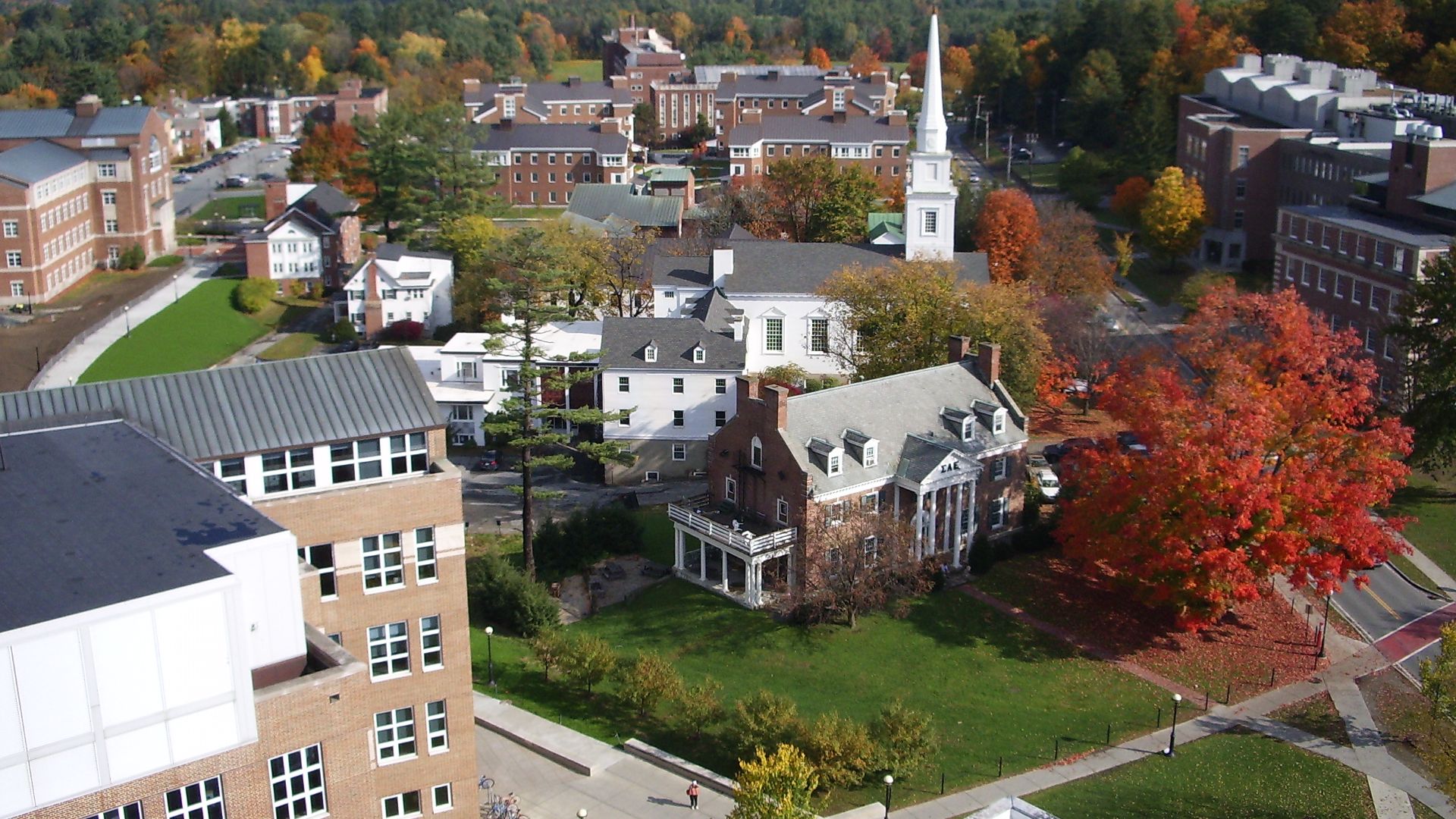
39: Dartmouth College
U.S. News: 18
QS (U.S.): 35
THE (U.S.): 38
Dartmouth ranks extremely well in U.S. News, but it falls lower in global research-heavy lists because it is smaller and more undergraduate-focused. That creates one of the bigger ranking splits on this list. Still, its Ivy League prestige keeps it comfortably in the Top 40.
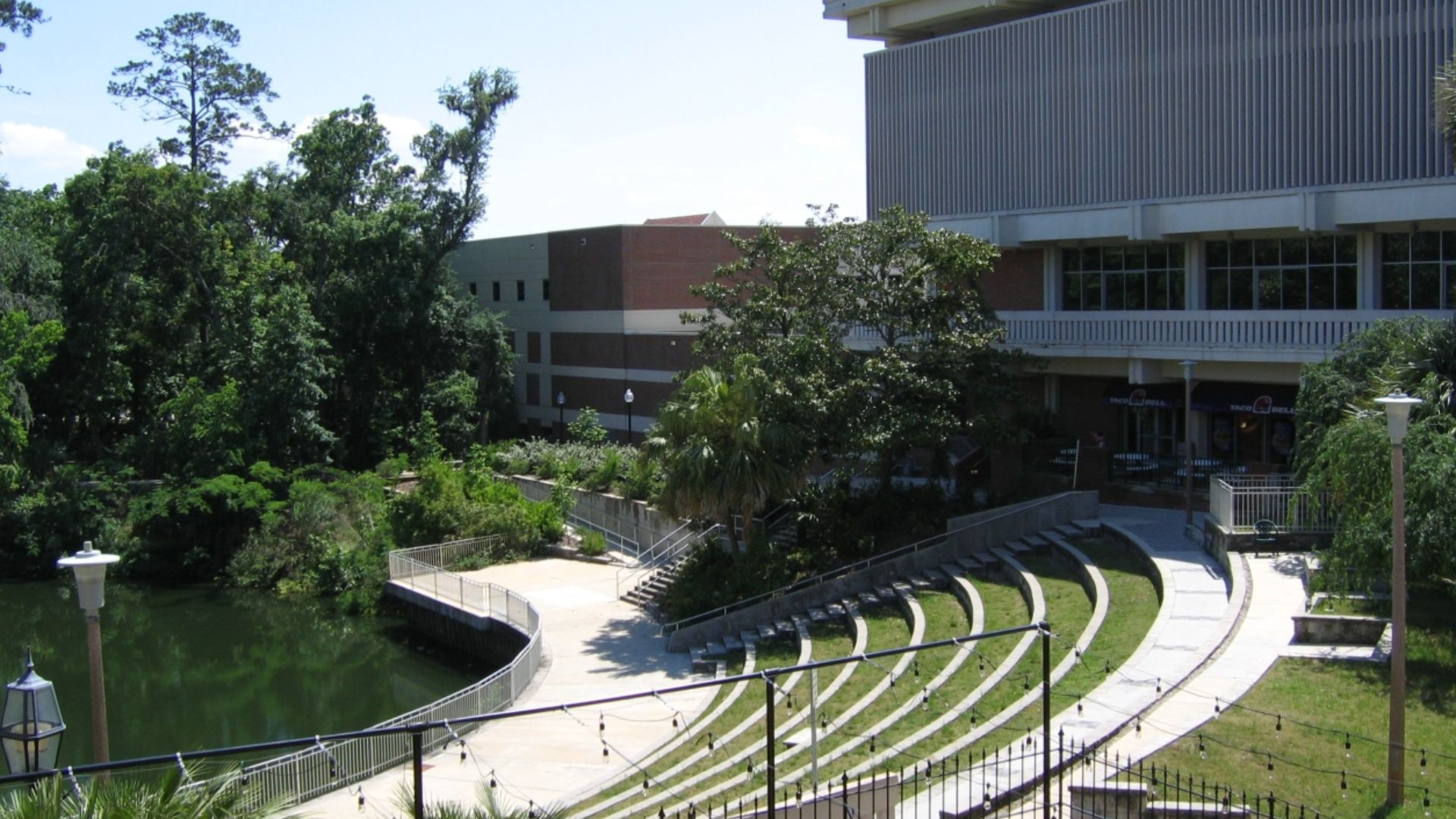
38: University of Florida
U.S. News: 28
QS (U.S.): 39
THE (U.S.): 37
Florida has become a rankings force, especially in U.S. News. Its affordability, huge academic scale, research growth, and strong public-university profile all help. The global rankings are not quite as high, but UF’s national momentum is very real.
 DouglasGreen~commonswiki, Wikimedia Commons
37: Ohio State University
U.S. News: 43
QS (U.S.): 34
THE (U.S.): 36
Ohio State’s size works in its favor here. It has major research activity, a massive alumni network, and broad academic strength across business, engineering, medicine, and public affairs. It is not the most selective school here, but the overall data profile is strong.
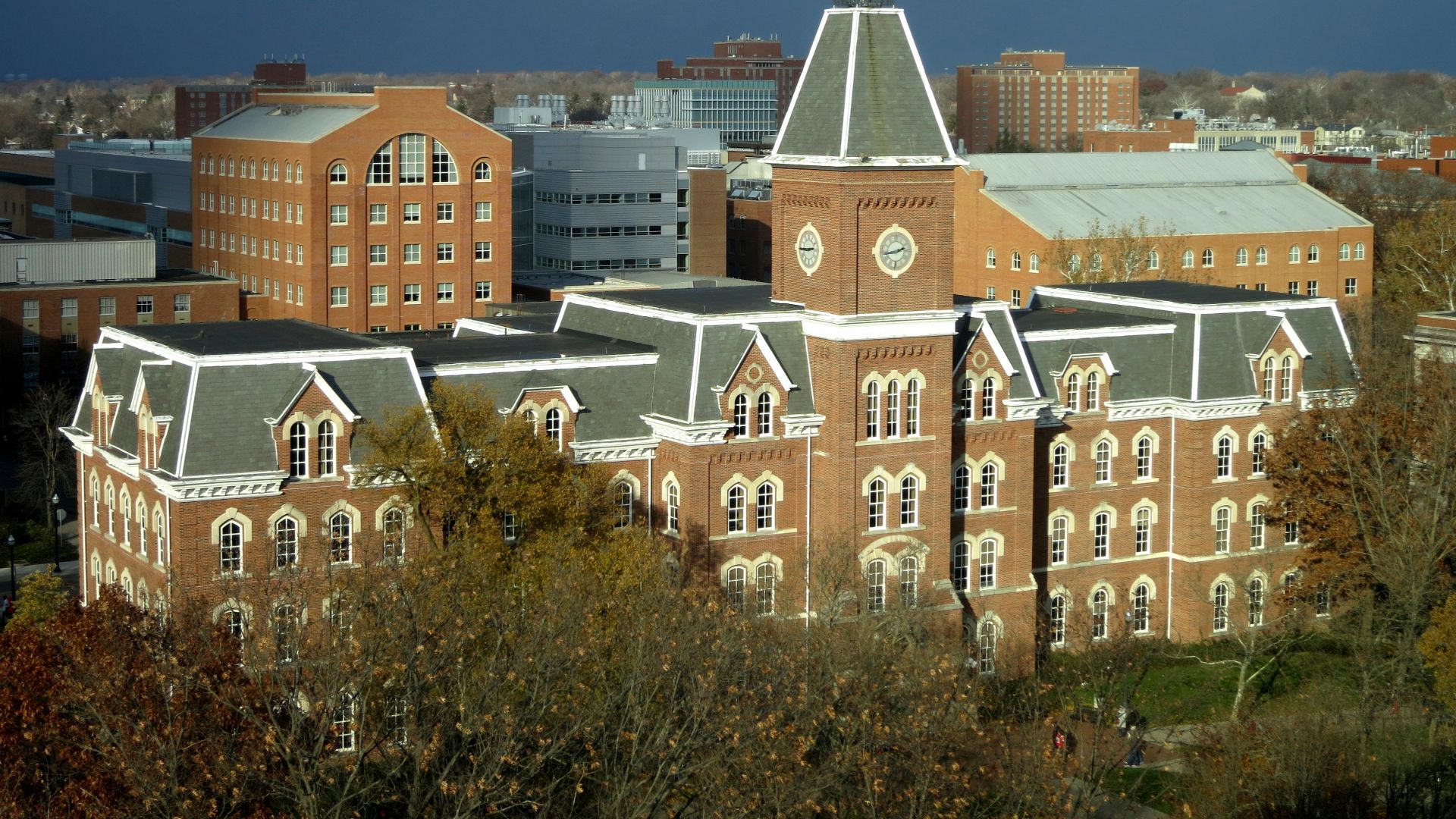
36: Emory University
U.S. News: 24
QS (U.S.): 36
THE (U.S.): 35
Emory gets a major boost from its national reputation, medical strength, and connection to Atlanta’s healthcare and business world. It ranks well in U.S. News and THE, though QS is a bit cooler on it. Overall, it remains one of the South’s strongest private universities.
 Daniel Mayer, Wikimedia Commons
35: University of Maryland, College Park
U.S. News: 44
QS (U.S.): 32
THE (U.S.): 33
Maryland’s rise is backed by serious research strength, especially in computer science, engineering, public policy, and national security-adjacent fields. Its proximity to Washington, DC helps too. Across the three rankings, it lands as one of the strongest public universities in America.
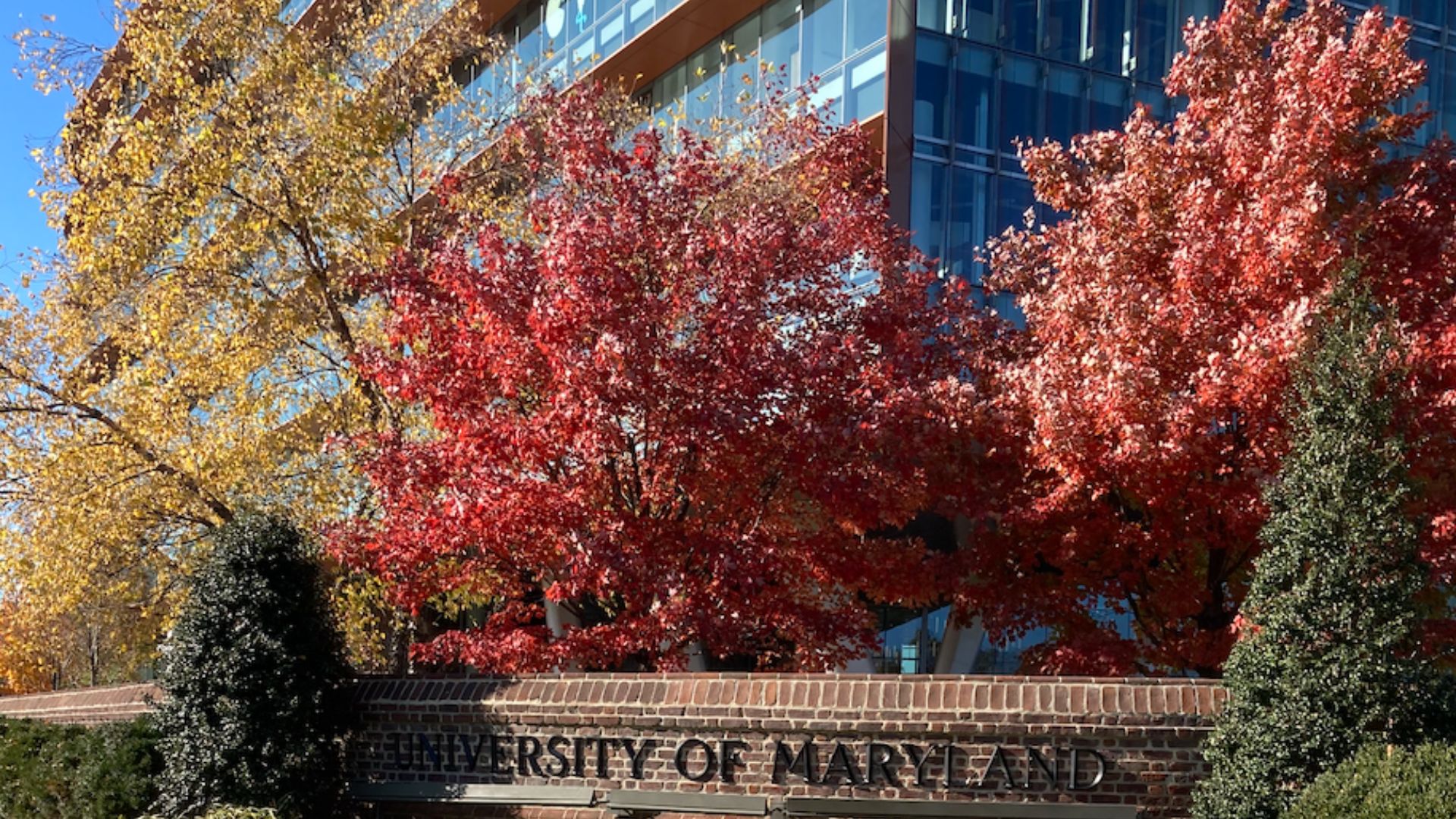
34: University of California, Santa Barbara
U.S. News: 35
QS (U.S.): 30
THE (U.S.): 31
UCSB does especially well in global research-focused rankings. It combines a gorgeous location with real academic horsepower, especially in physics, materials science, engineering, and environmental fields. It may still be underrated by casual readers, but the data gives it a lot of respect.
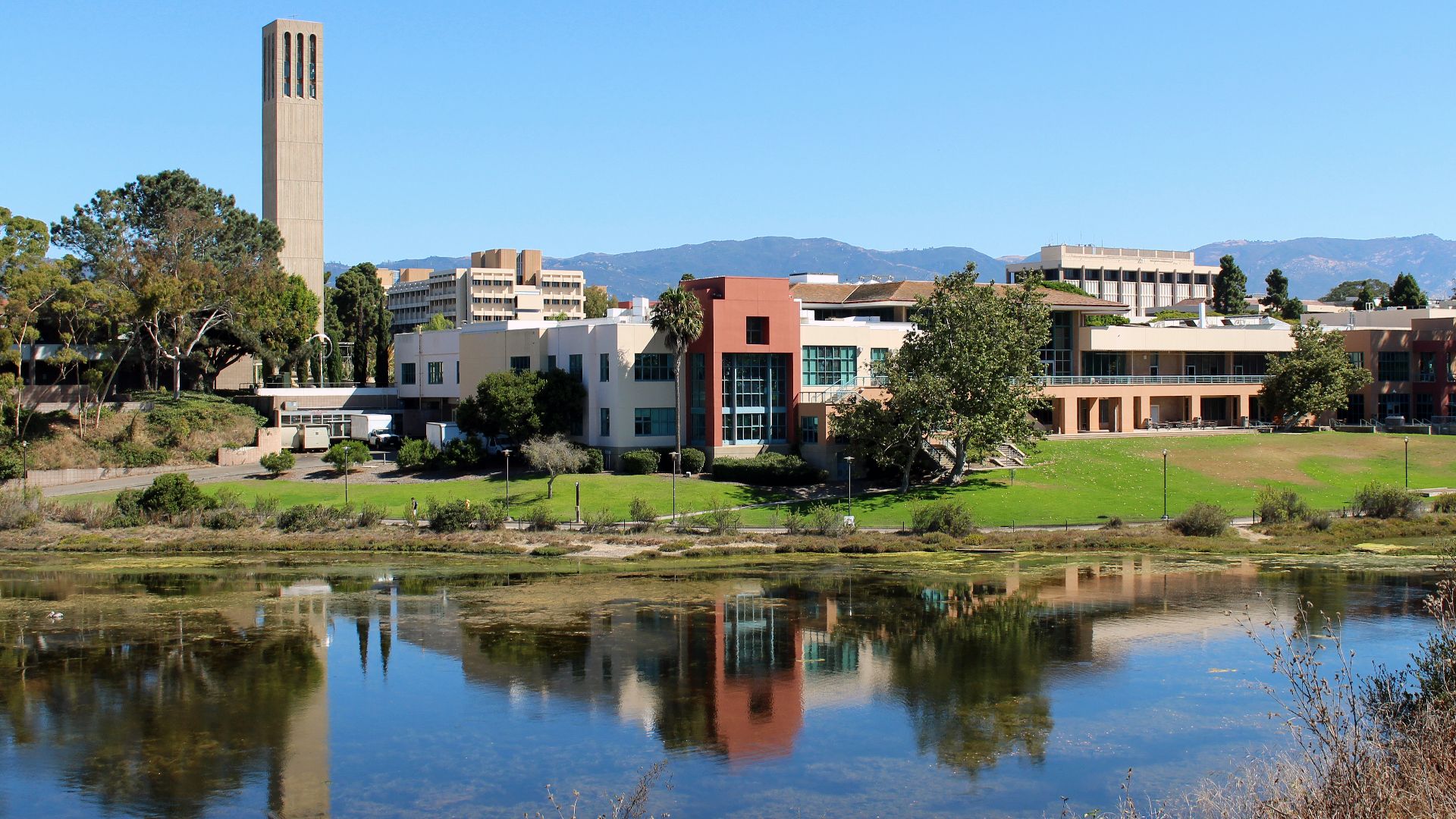
33: Vanderbilt University
U.S. News: 18
QS (U.S.): 31
THE (U.S.): 32
Vanderbilt ranks very highly in U.S. News, helped by selectivity, student outcomes, and undergraduate reputation. Its global ranking performance is less dominant, which lowers its consensus position. Still, this is one of the most prestigious private universities in the South.
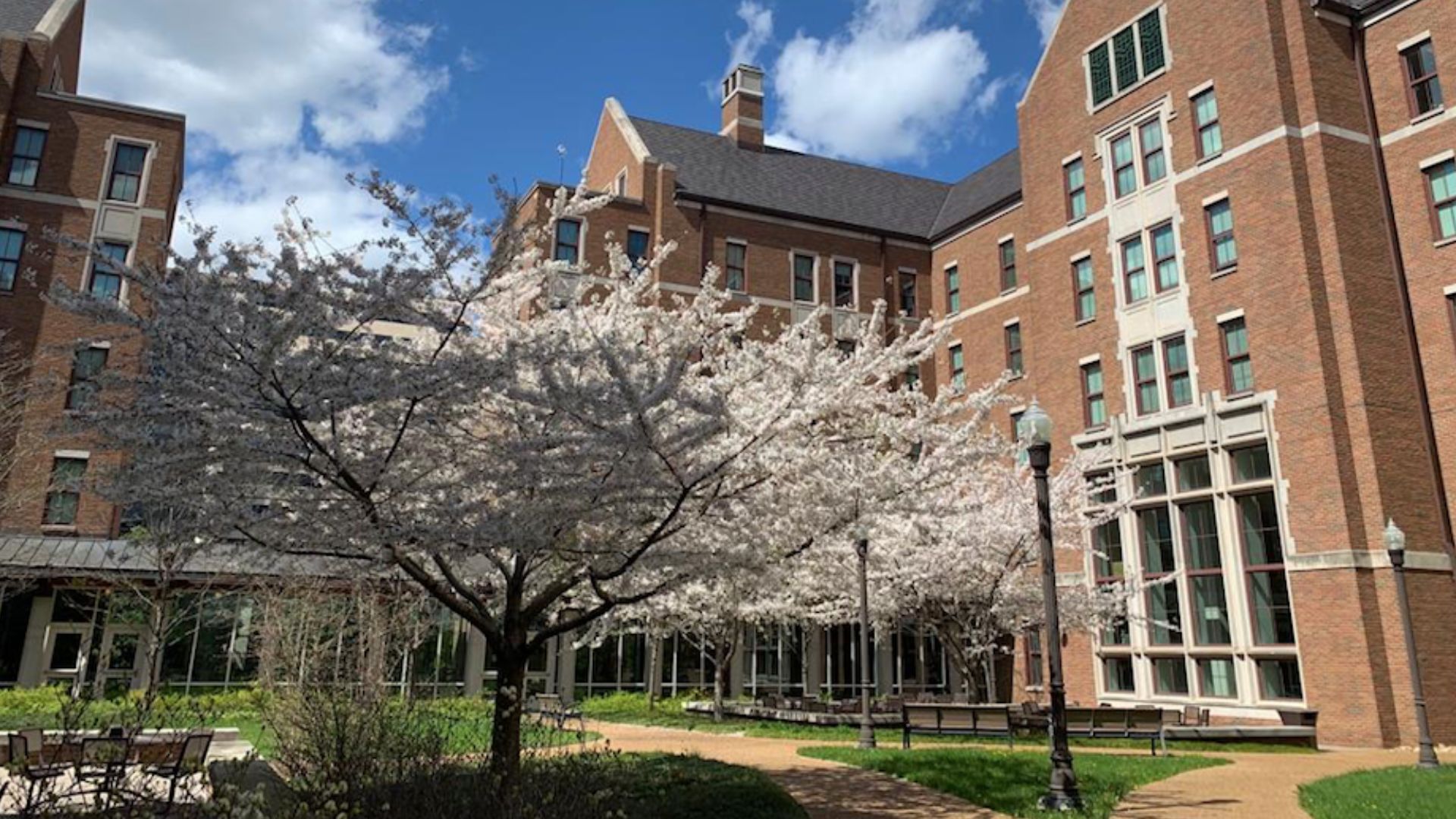
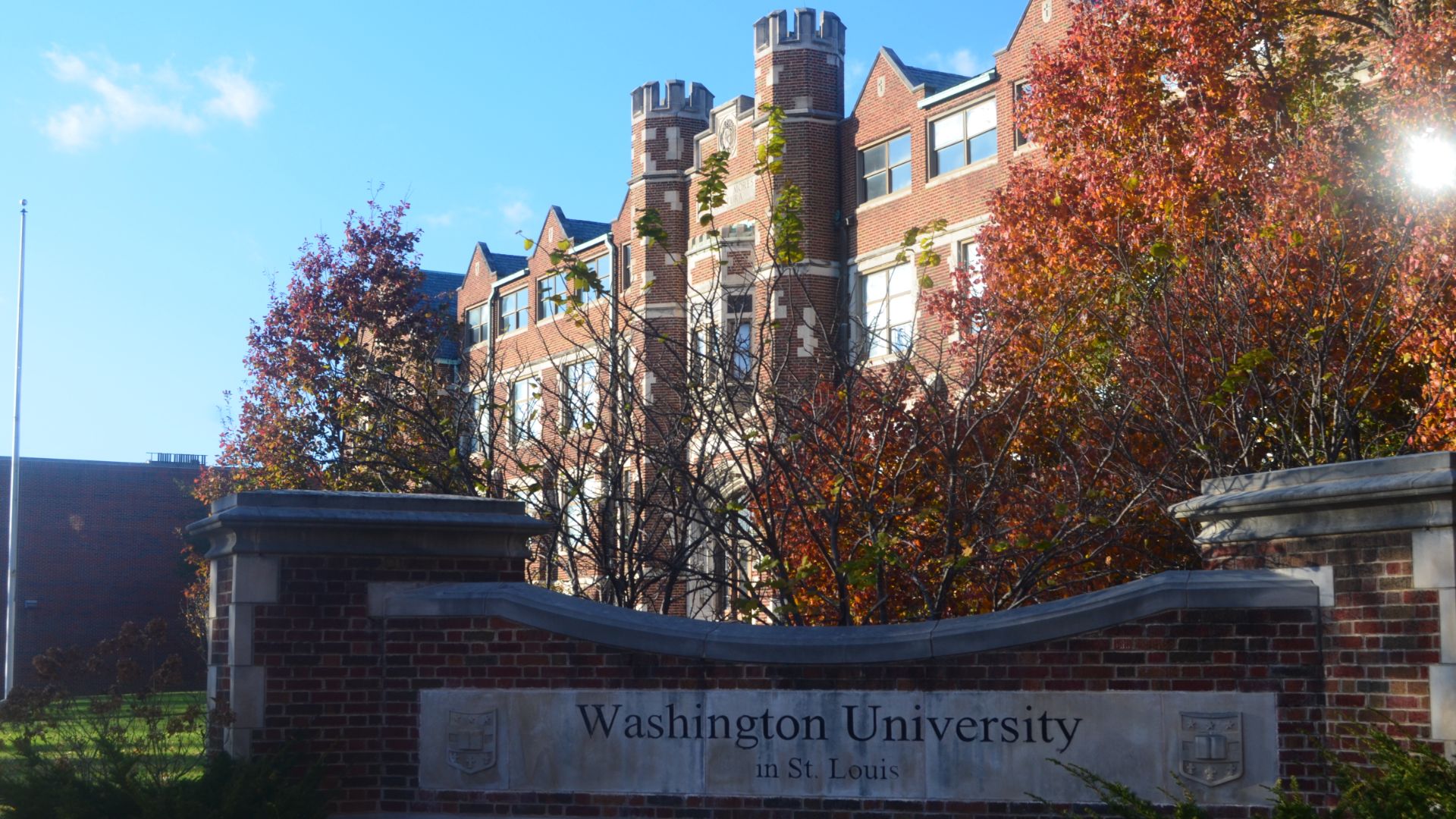
32: Washington University in St. Louis
U.S. News: 24
QS (U.S.): 29
THE (U.S.): 30
WashU has long been a national rankings favorite, especially for medicine, pre-med tracks, business, and undergraduate selectivity. It lands slightly lower here because the global lists are more research-scale driven. Even so, its academic reputation remains extremely strong.
31: University of California, Davis
U.S. News: 28
QS (U.S.): 28
THE (U.S.): 29
UC Davis is a quiet giant. Its strengths in agriculture, veterinary medicine, biology, environmental science, and sustainability help it score well internationally. It may not get as much attention as Berkeley or UCLA, but in data-driven rankings, Davis absolutely belongs.

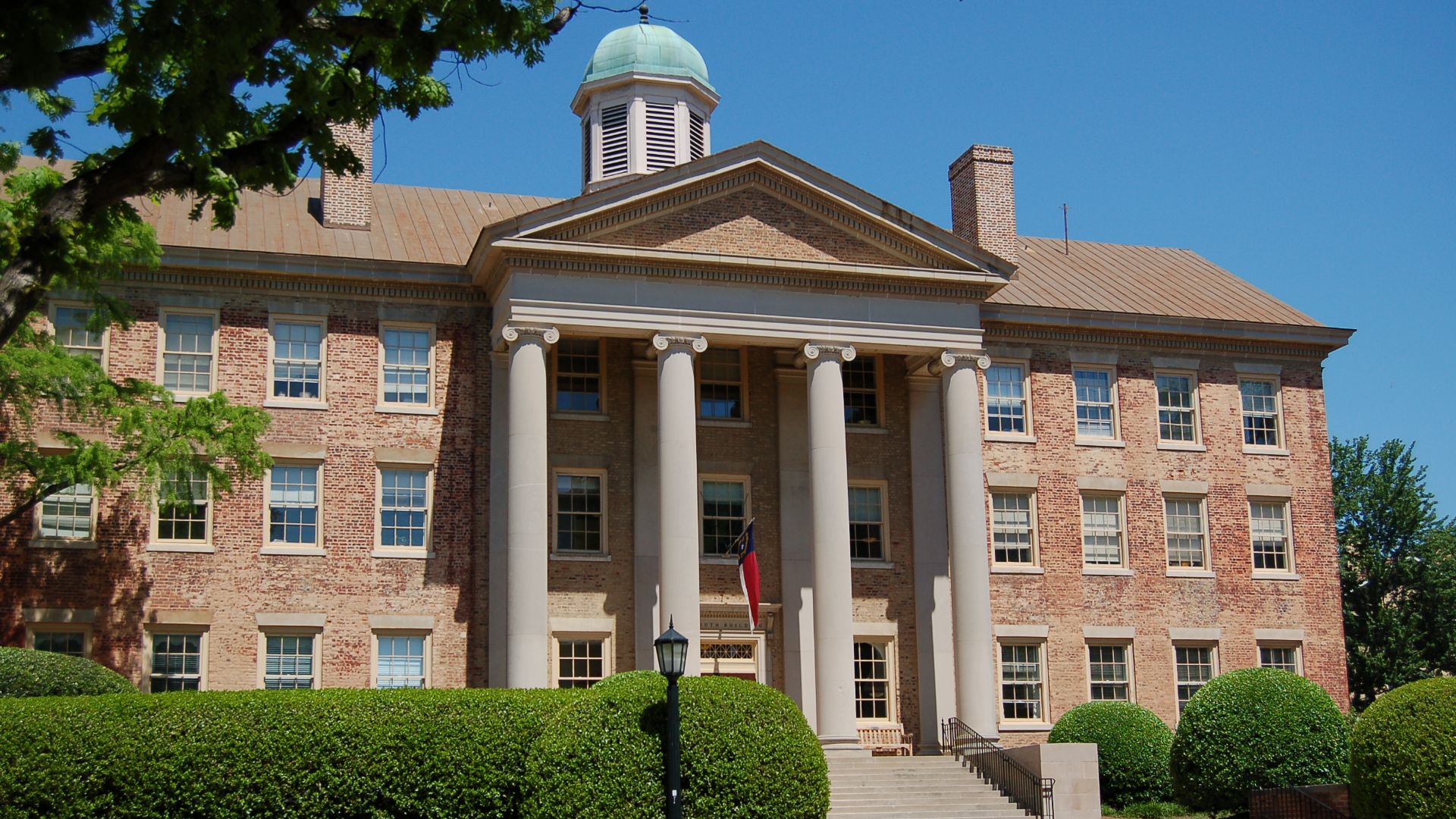
30: University of North Carolina at Chapel Hill
U.S. News: 22
QS (U.S.): 27
THE (U.S.): 28
UNC balances public-university value with elite academics. It performs well nationally and has major strengths in journalism, public health, business, medicine, and liberal arts. The global lists place it lower than some bigger research schools, but its overall profile remains excellent.
 (User:Wgreaves), Wikimedia Commons
29: University of Southern California
U.S. News: 28
QS (U.S.): 26
THE (U.S.): 27
USC has enormous name recognition, a powerful alumni network, and major strengths in film, business, engineering, communications, and medicine. Its U.S. News and THE rankings are solid, while QS is a little less enthusiastic. The consensus still puts USC near the Top 30.

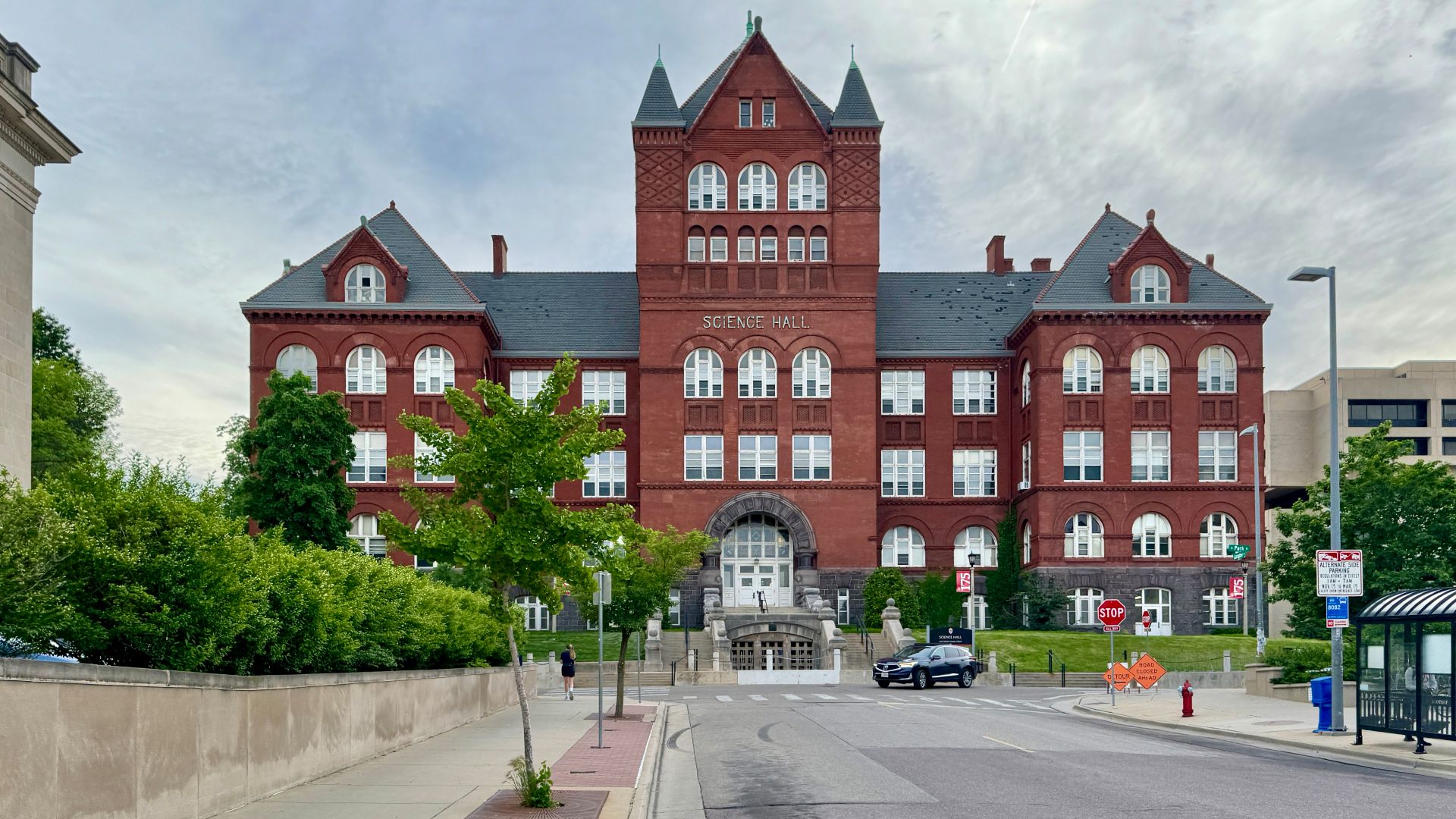
28: University of Wisconsin–Madison
U.S. News: 35
QS (U.S.): 25
THE (U.S.): 26
Wisconsin is a classic research powerhouse. It scores especially well with global ranking systems that reward research output and academic influence. U.S. News places it slightly lower than some private universities, but across all three lists, Madison’s strength is obvious.
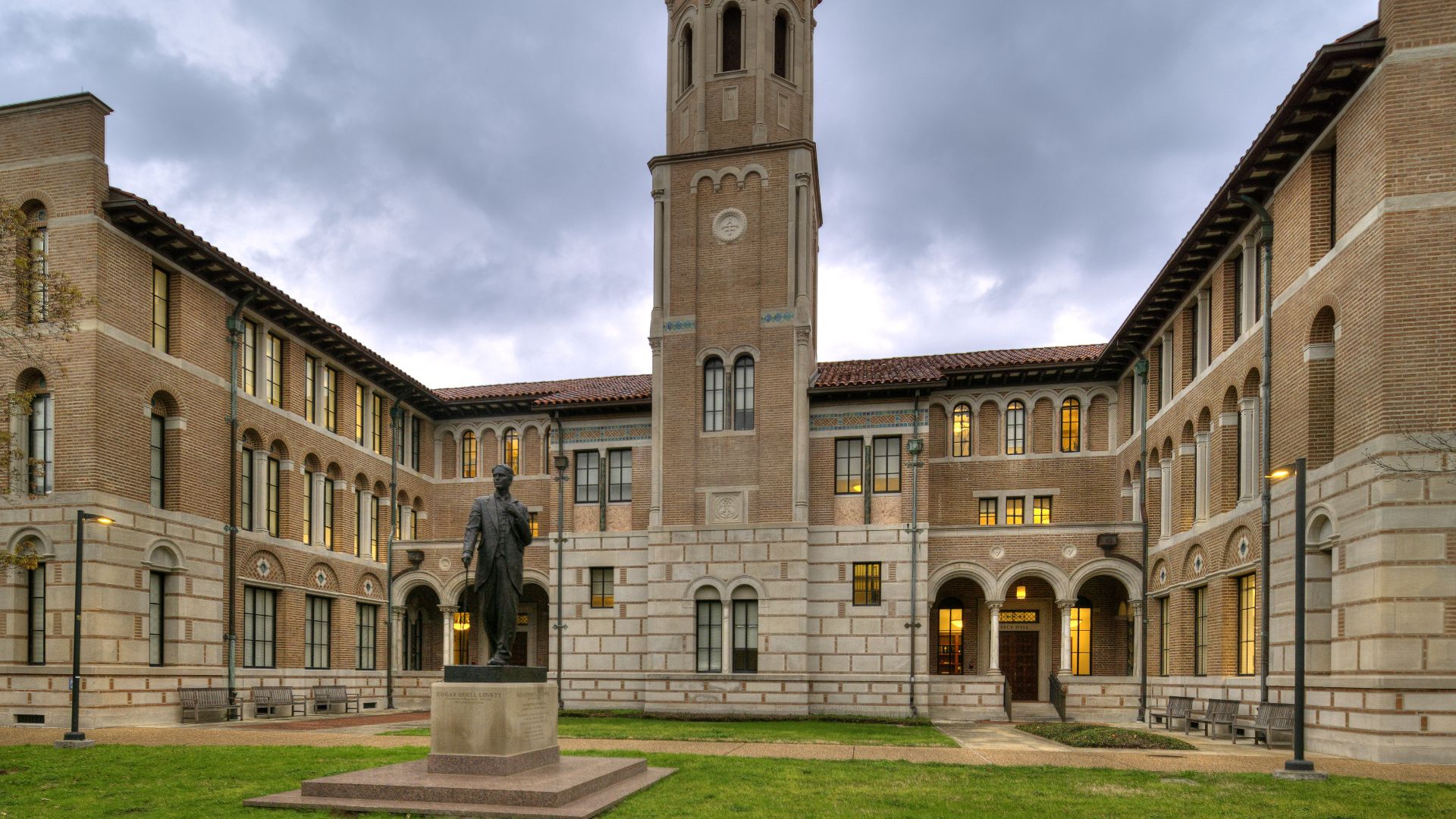
27: Rice University
U.S. News: 17
QS (U.S.): 24
THE (U.S.): 25
Rice ranks extremely well nationally, thanks to its selectivity, small size, student outcomes, and strength in engineering and science. Its global ranking position is lower than its U.S. reputation, mostly because it is smaller. Still, Rice remains one of America’s best universities.
 Kenneth C. Zirkel, Wikimedia Commons
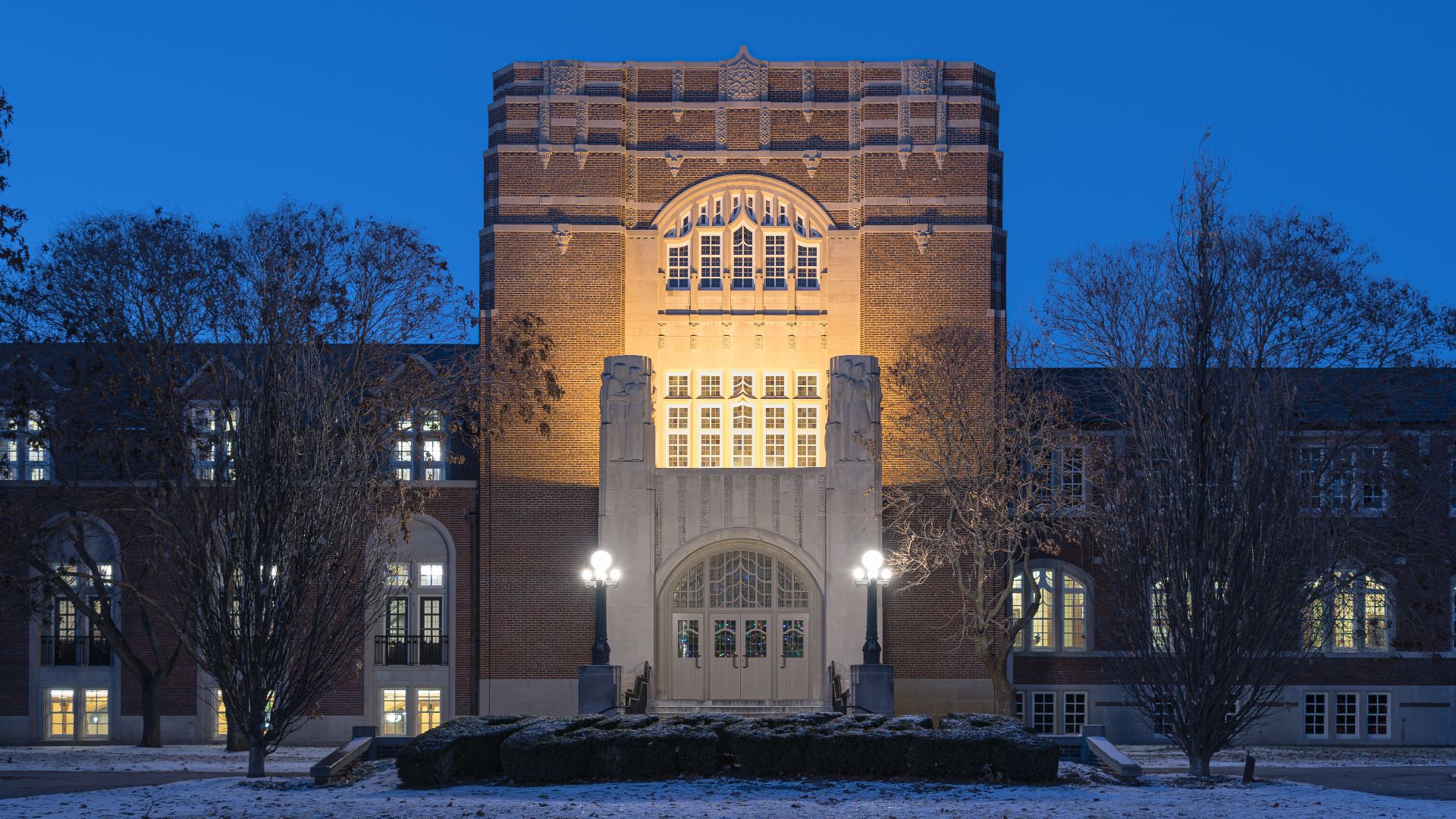
26: Purdue University
U.S. News: 43
QS (U.S.): 23
THE (U.S.): 24
Purdue’s engineering and technology reputation does a lot of heavy lifting here. It performs well in QS and THE, and its U.S. News placement keeps it in the elite national conversation. For STEM-focused students, Purdue is one of the strongest public options anywhere.
 Julian Herzog (Website), Wikimedia Commons
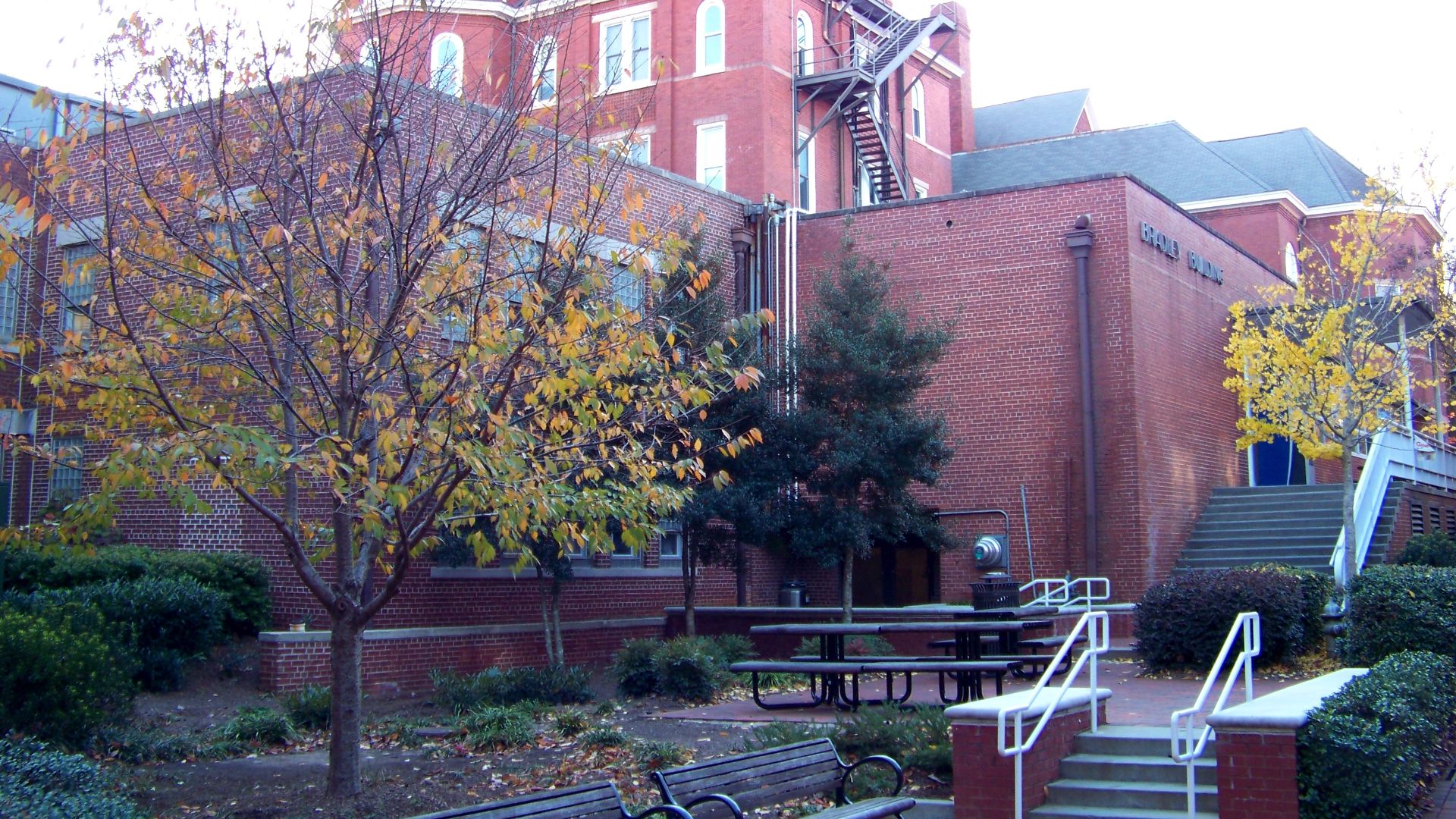
25: Georgia Institute of Technology
U.S. News: 33
QS (U.S.): 22
THE (U.S.): 23
Georgia Tech is one of the best STEM schools in the country, and the data backs that up. Its engineering, computer science, and research reputation are elite. It ranks especially well in THE and U.S. News, with enough global strength to land in the Top 25.
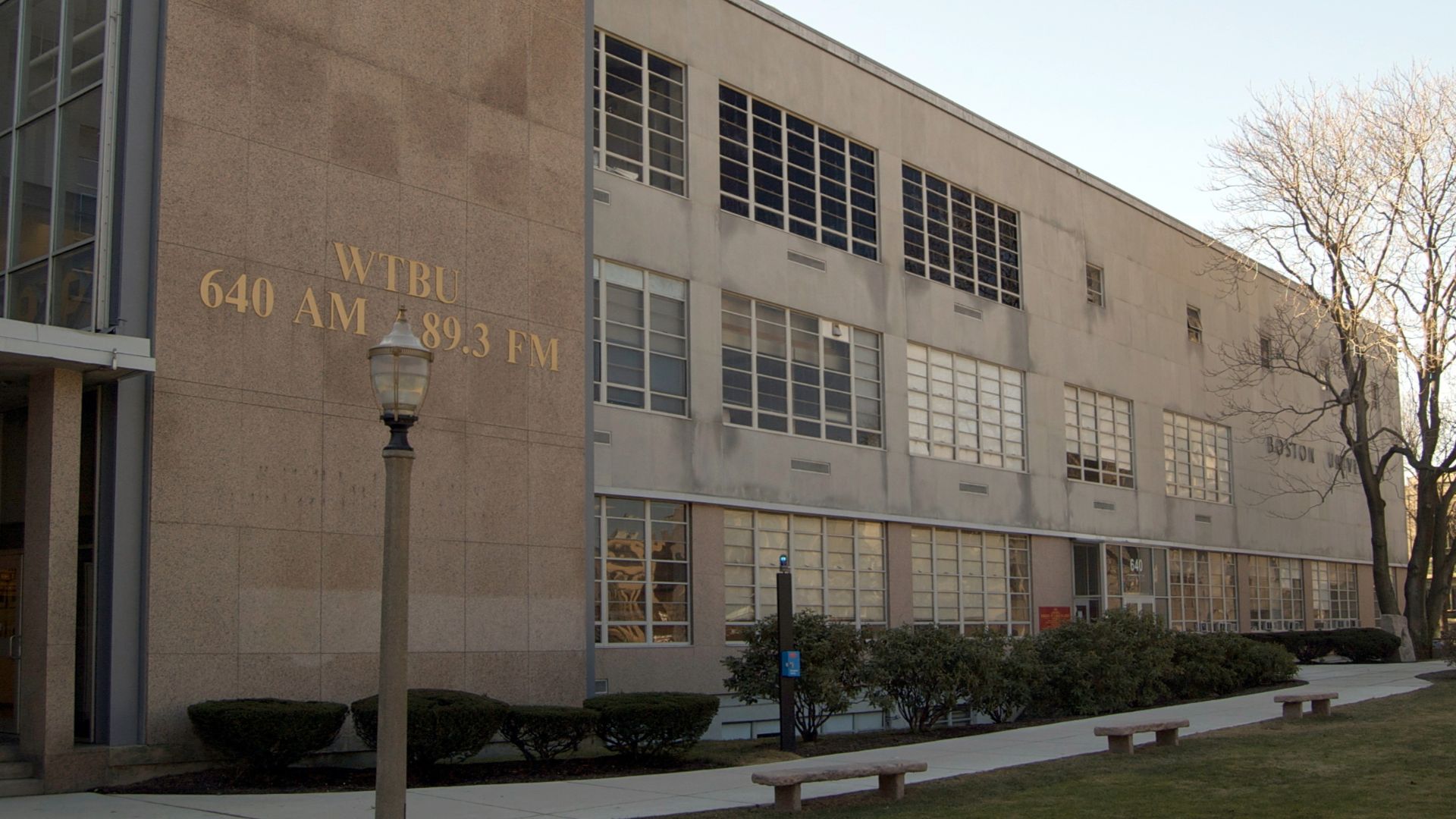
24: Boston University
U.S. News: 43
QS (U.S.): 21
THE (U.S.): 22
BU benefits from a strong global profile, major research activity, and its location in one of America’s biggest college cities. It ranks well across THE and QS, and U.S. News keeps it in the national Top 50. That balance pushes it just outside the Top 20.
23: University of Washington
U.S. News: 40
QS (U.S.): 20
THE (U.S.): 21
Washington is one of the biggest research engines in the country. It ranks especially well in THE and QS, helped by strength in medicine, computer science, engineering, and life sciences. U.S. News is more modest, but globally, UW is a heavyweight.
 Guywelch2000, Wikimedia Commons
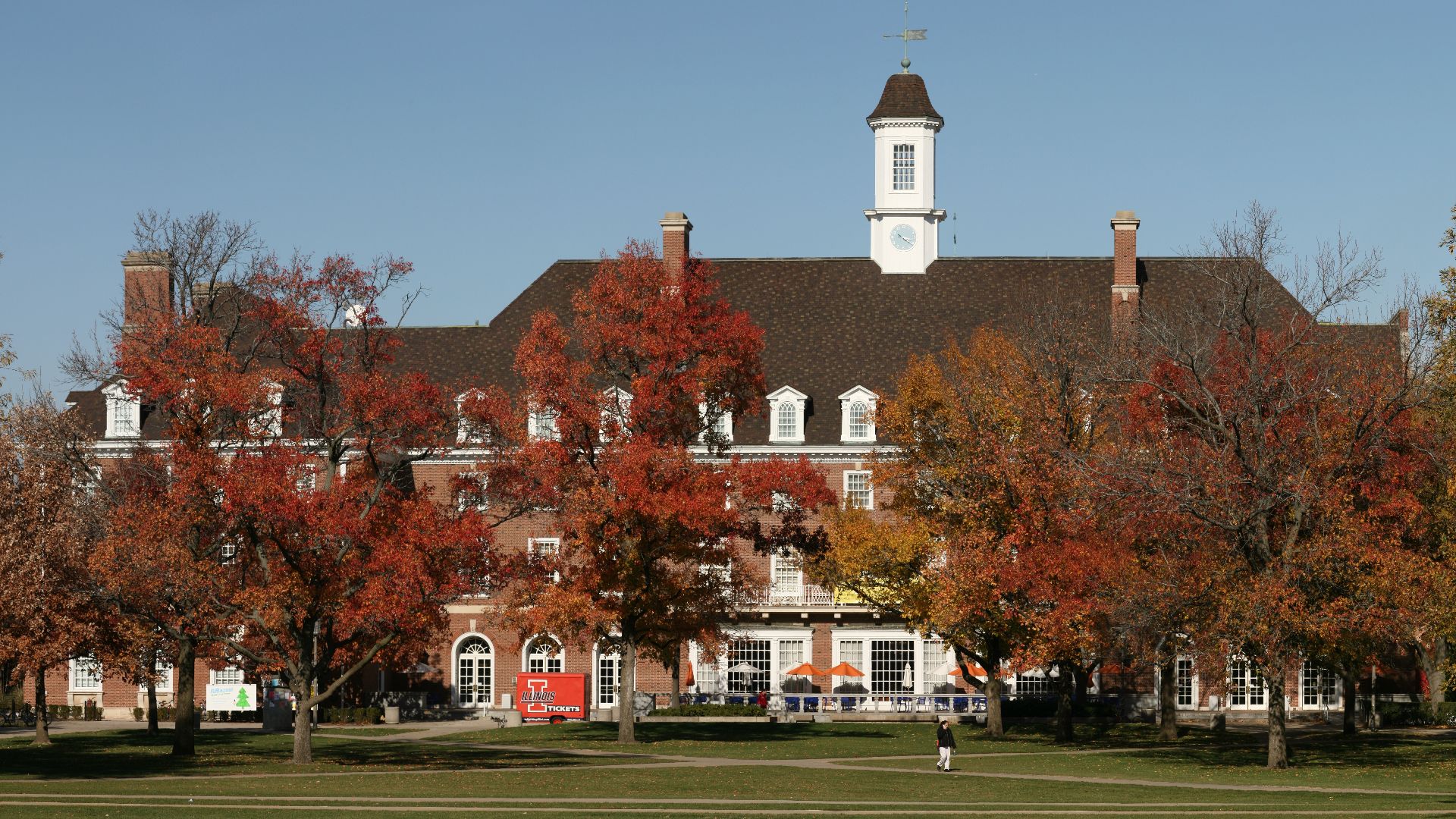
22: University of Illinois Urbana-Champaign
U.S. News: 33
QS (U.S.): 19
THE (U.S.): 20
UIUC is a STEM powerhouse, especially in engineering, computer science, physics, and business. It performs strongly in global rankings, where research and academic reputation matter heavily. Its national rank is also strong, making Illinois one of the best public universities in the country.
 Daniel Schwen, Wikimedia Commons
21: University of Texas at Austin
U.S. News: 28
QS (U.S.): 18
THE (U.S.): 19
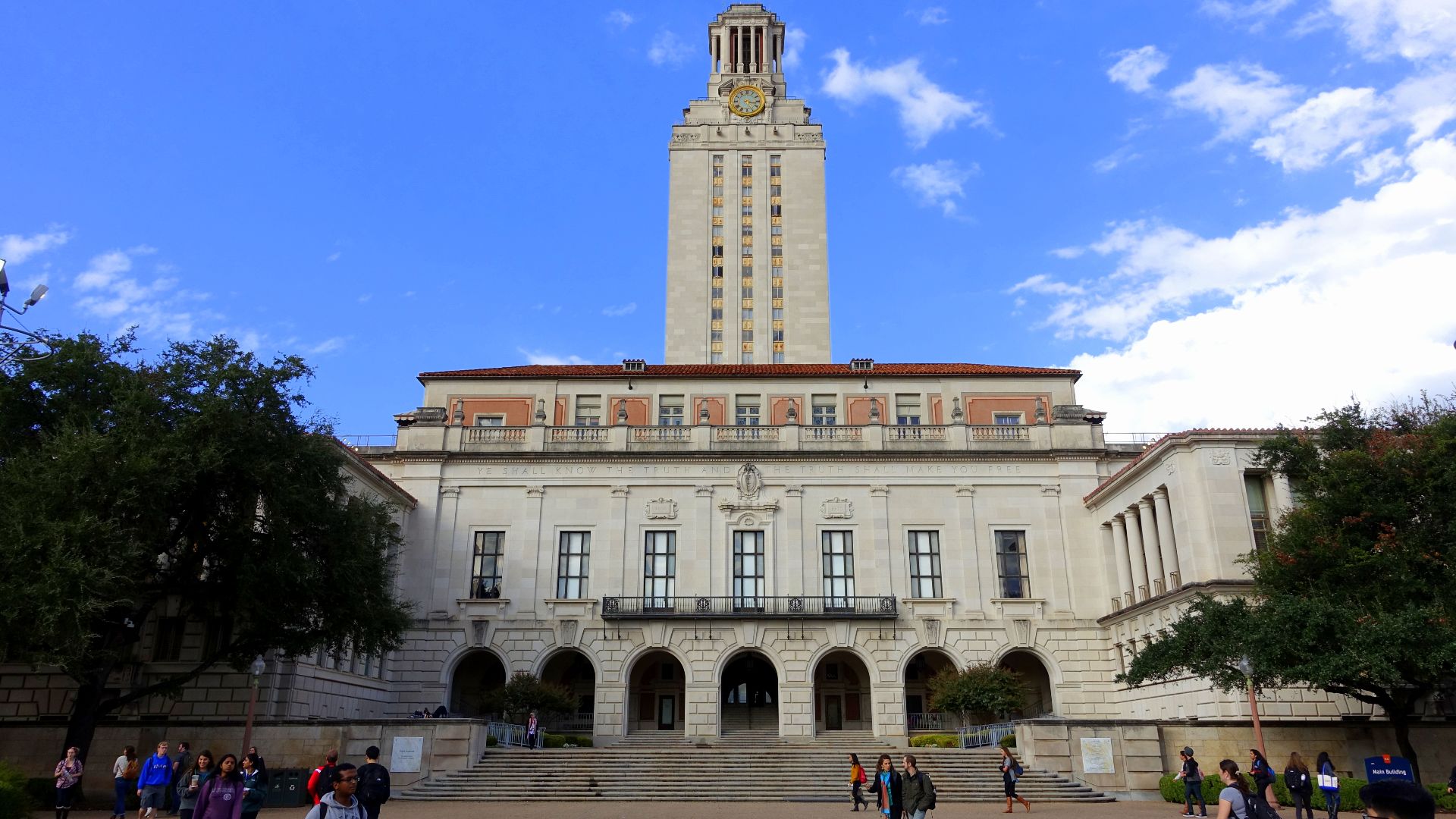
UT Austin combines scale, research, business, engineering, computer science, and a booming city location. Its rankings are consistently strong across all three systems. It is not just a state flagship—it is one of the most influential public universities in America.
20: University of California, San Diego
U.S. News: 28
QS (U.S.): 17
THE (U.S.): 18
UC San Diego does extremely well in research-heavy rankings, especially in science, medicine, biology, engineering, and data fields. It ranks lower nationally than UCLA or Berkeley, but globally, UCSD is a serious force. The consensus puts it right in the Top 20.

19: Brown University
U.S. News: 13
QS (U.S.): 16
THE (U.S.): 17
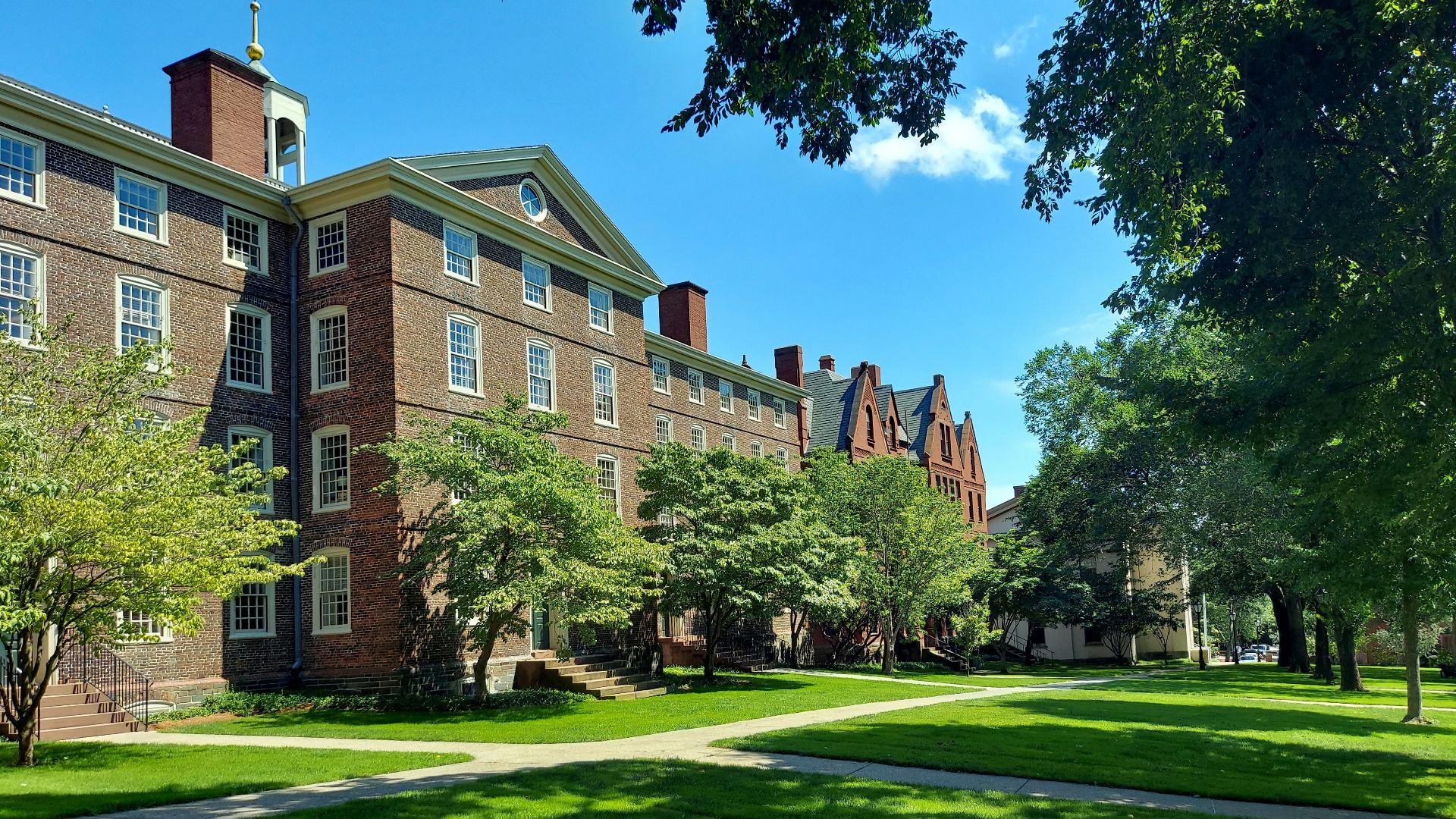
Brown has a fascinating ranking profile. U.S. News loves it, while the global lists are more measured because Brown is smaller and less research-dominant than some peers. Its open curriculum, Ivy League status, and student-centered reputation still keep it very high.
18: New York University
U.S. News: 25
QS (U.S.): 15
THE (U.S.): 16
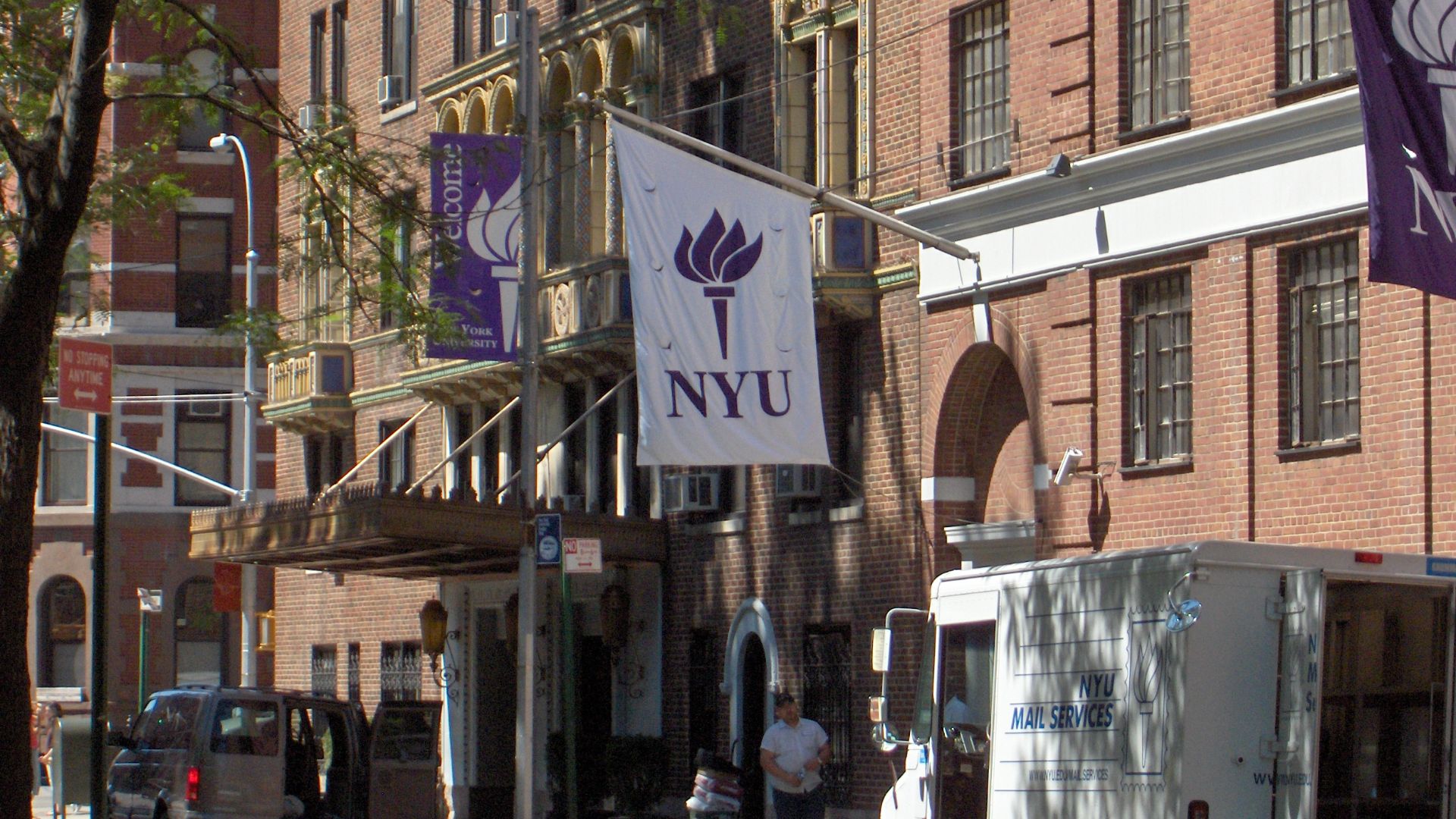
NYU’s global profile is huge. Its location, research reach, business school, arts programs, law school, and international brand all help it perform well in QS and THE. U.S. News ranks it lower than some peers, but the consensus still puts NYU in the Top 20.
17: Carnegie Mellon University
U.S. News: 24
QS (U.S.): 14
THE (U.S.): 15
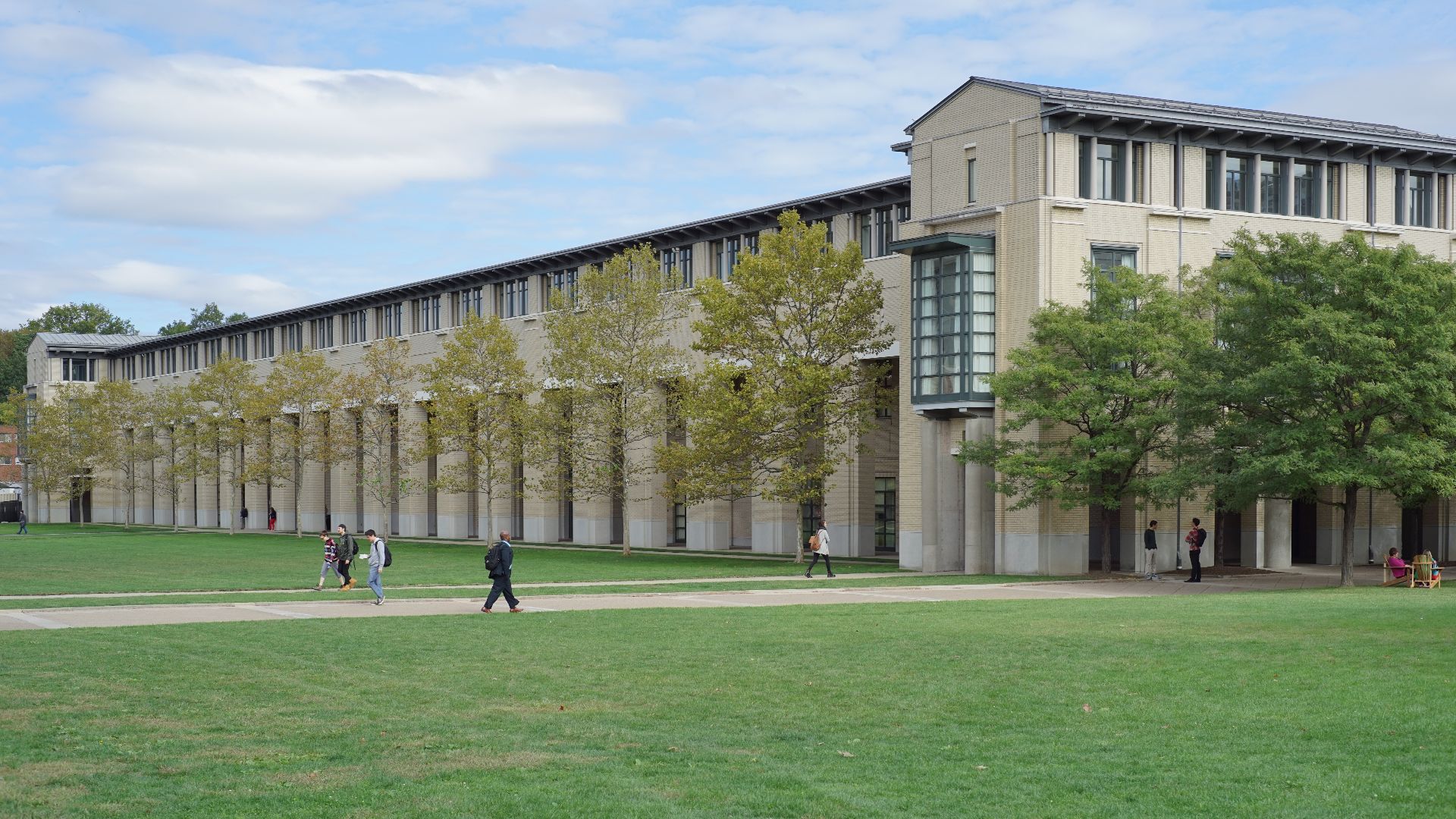
Carnegie Mellon is elite where it matters most in 2026: computer science, engineering, robotics, AI, design, and business analytics. It performs strongly across all three rankings, especially in global lists that reward technical influence. CMU’s reputation only keeps getting stronger.
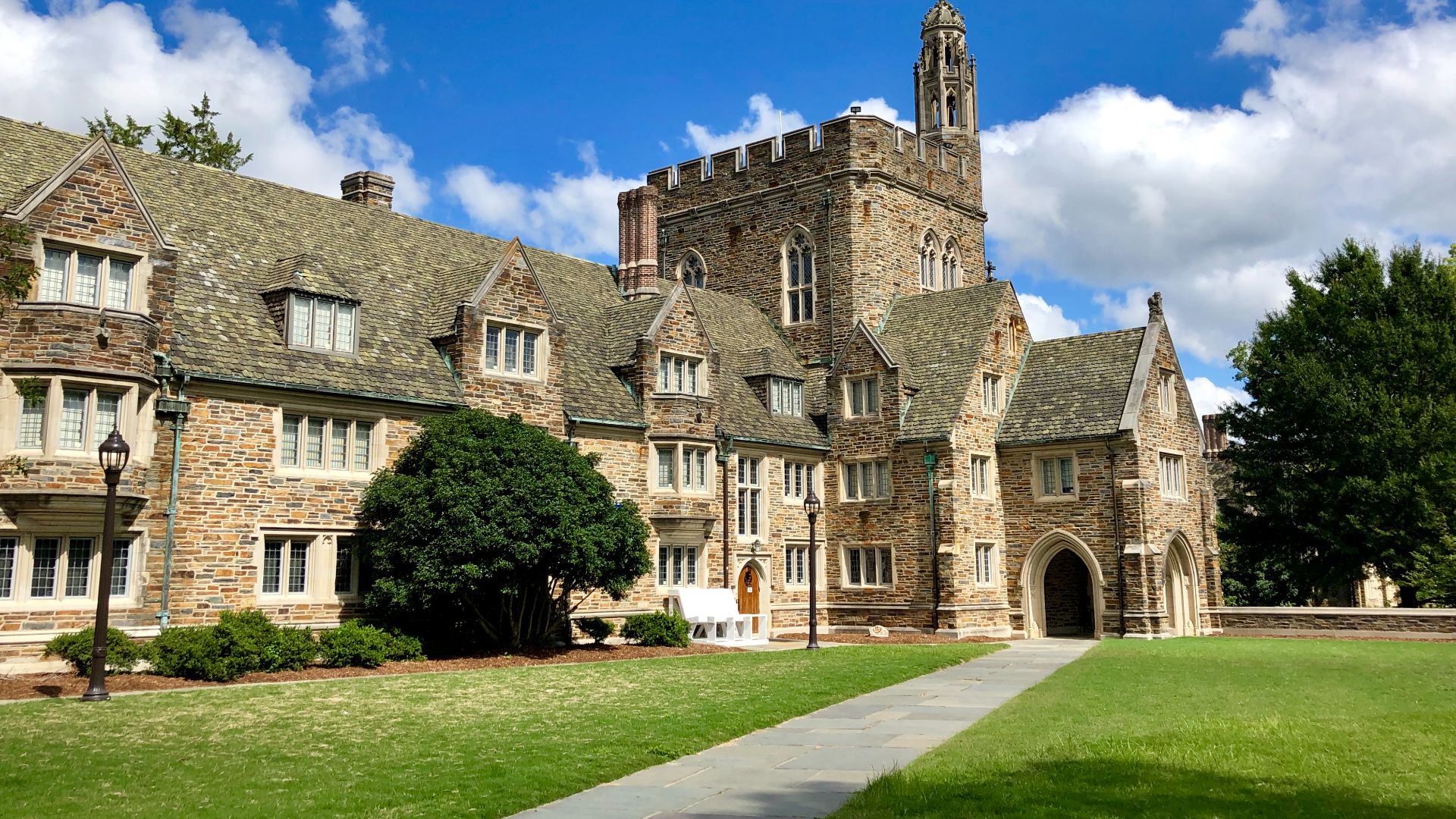
16: Duke University
U.S. News: 7
QS (U.S.): 13
THE (U.S.): 14
Duke ranks extremely high in U.S. News and performs well in THE, though QS places it a bit lower than its American reputation suggests. Its strength in medicine, public policy, law, business, athletics, and undergraduate prestige still makes it one of the country’s true elites.
 Warren LeMay from Cullowhee, NC, United States, Wikimedia Commons
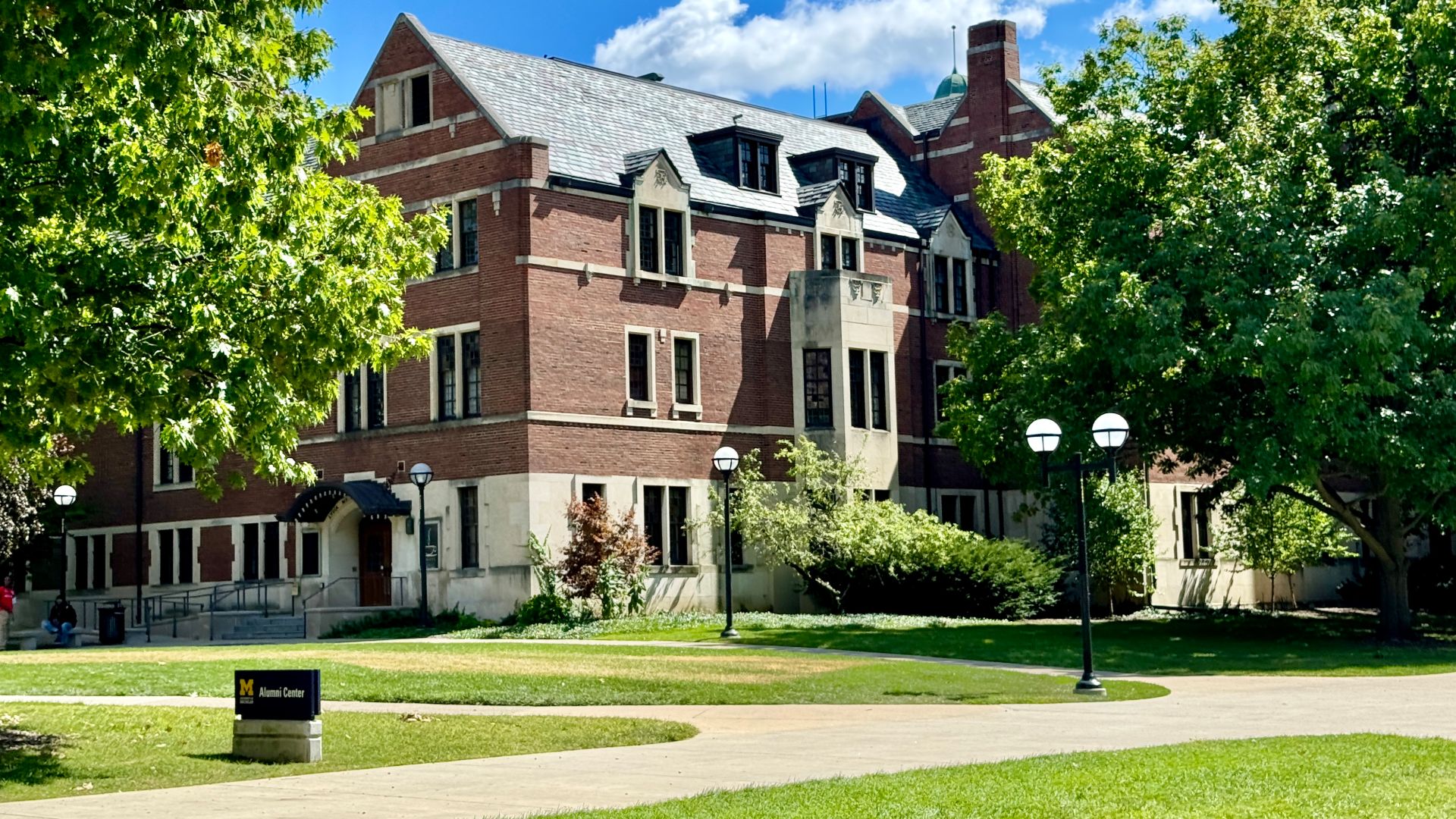
15: University of Michigan–Ann Arbor
U.S. News: 21
QS (U.S.): 12
THE (U.S.): 13
Michigan is one of the best public universities in the world, not just the U.S. It scores well across all three lists, with huge strengths in engineering, business, medicine, law, public policy, and research. Few schools combine prestige and scale this well.
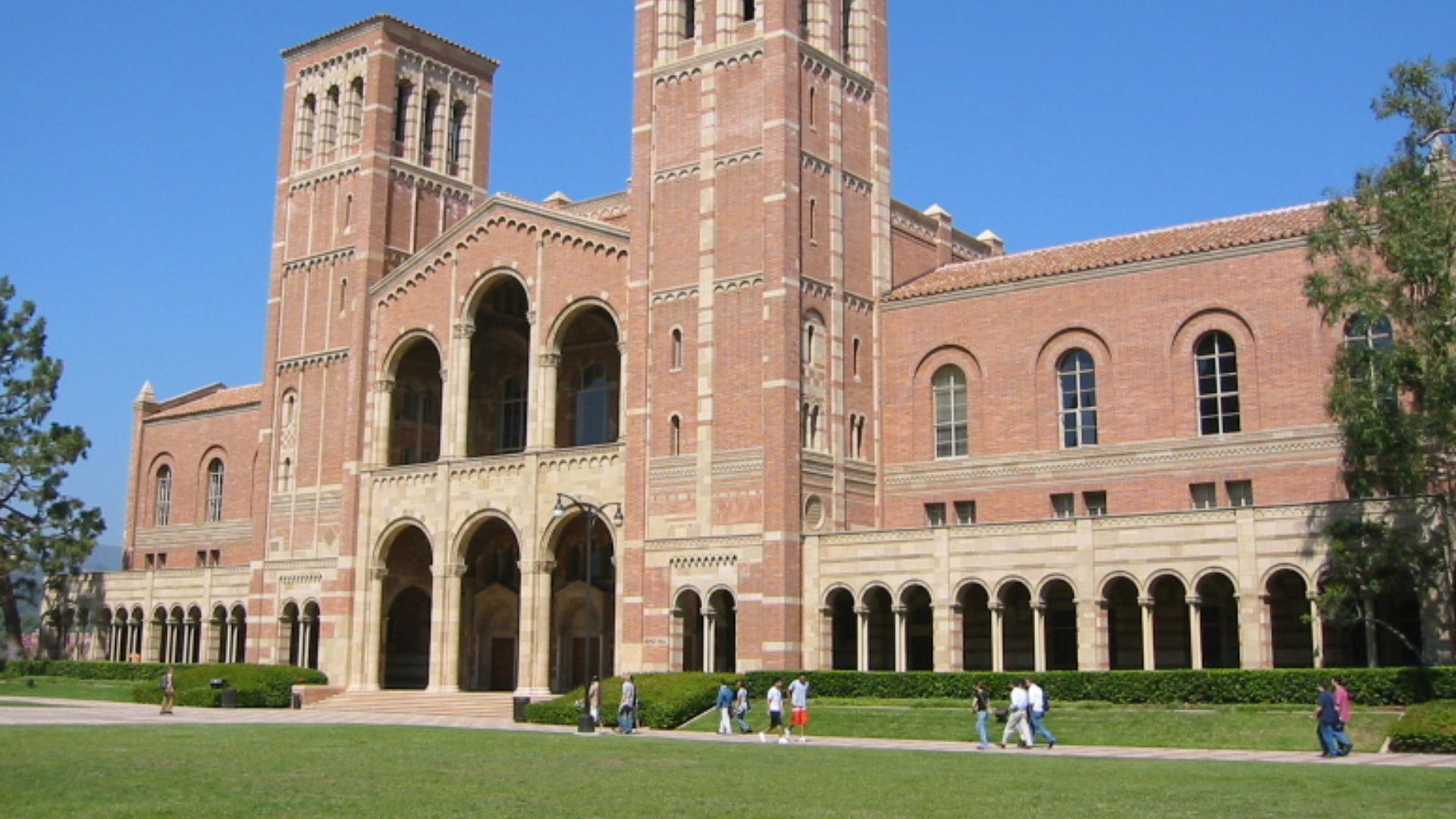
14: University of California, Los Angeles
U.S. News: 15
QS (U.S.): 11
THE (U.S.): 12
UCLA has an incredibly balanced profile: elite academics, massive research output, global name recognition, and strong national prestige. It performs especially well in THE and QS, while U.S. News also ranks it near the top. Among public universities, UCLA is a standout.
 Aegis Maelstrom, Wikimedia Commons
13: Northwestern University
U.S. News: 9
QS (U.S.): 10
THE (U.S.): 11
Northwestern ranks especially high in U.S. News and holds up well globally. Its strengths in journalism, business, engineering, economics, communications, and medicine give it a broad academic profile. It may be smaller than some research giants, but its prestige is enormous.

12: Columbia University
U.S. News: 13
QS (U.S.): 9
THE (U.S.): 10
Columbia’s rankings have shifted in recent years, but across QS, THE, and U.S. News, it still lands near the top. Its location in New York City, Ivy League status, research strength, and global reputation keep it just outside the consensus Top 10.
 MMDA-Photos, Wikimedia Commons
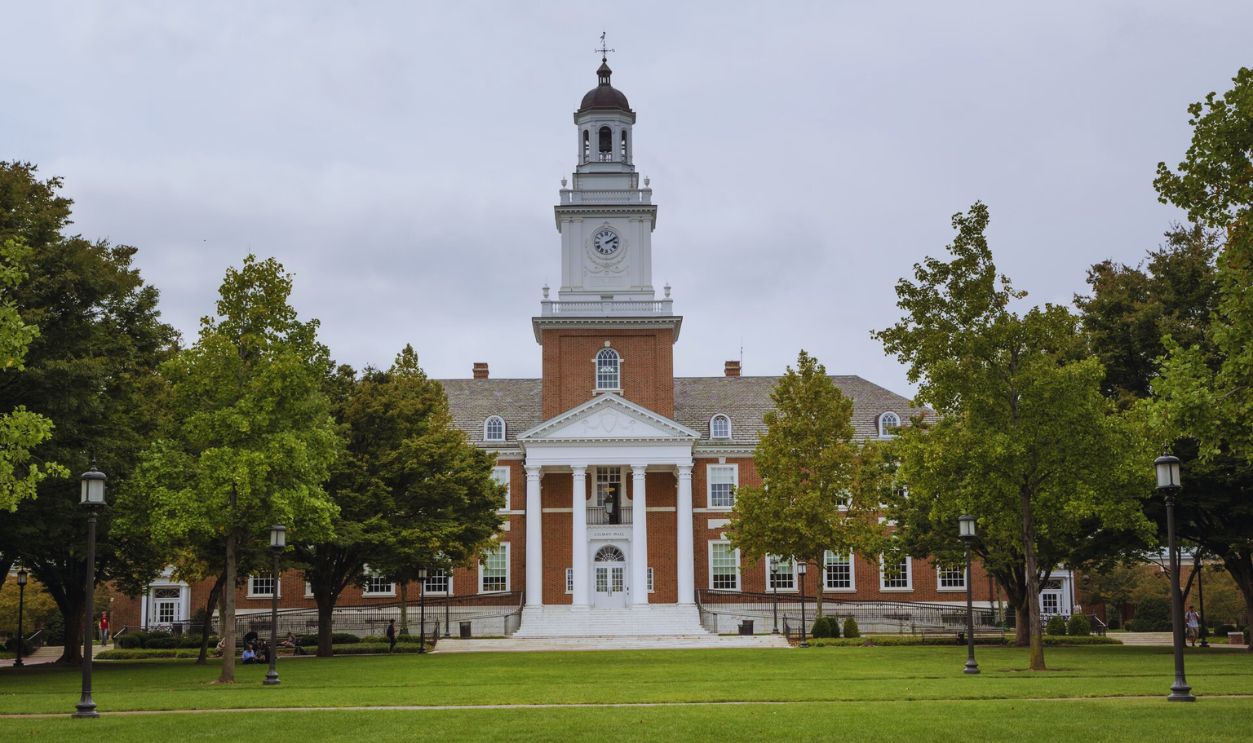
11: Johns Hopkins University
U.S. News: 9
QS (U.S.): 8
THE (U.S.): 9
Johns Hopkins is one of the world’s great research universities, especially in medicine, public health, biomedical engineering, and international studies. Its rankings are strong across the board. It narrowly misses the Top 10 here, but academically, Hopkins is absolutely in that conversation.
 Carol M. Highsmith, Wikimedia Commons
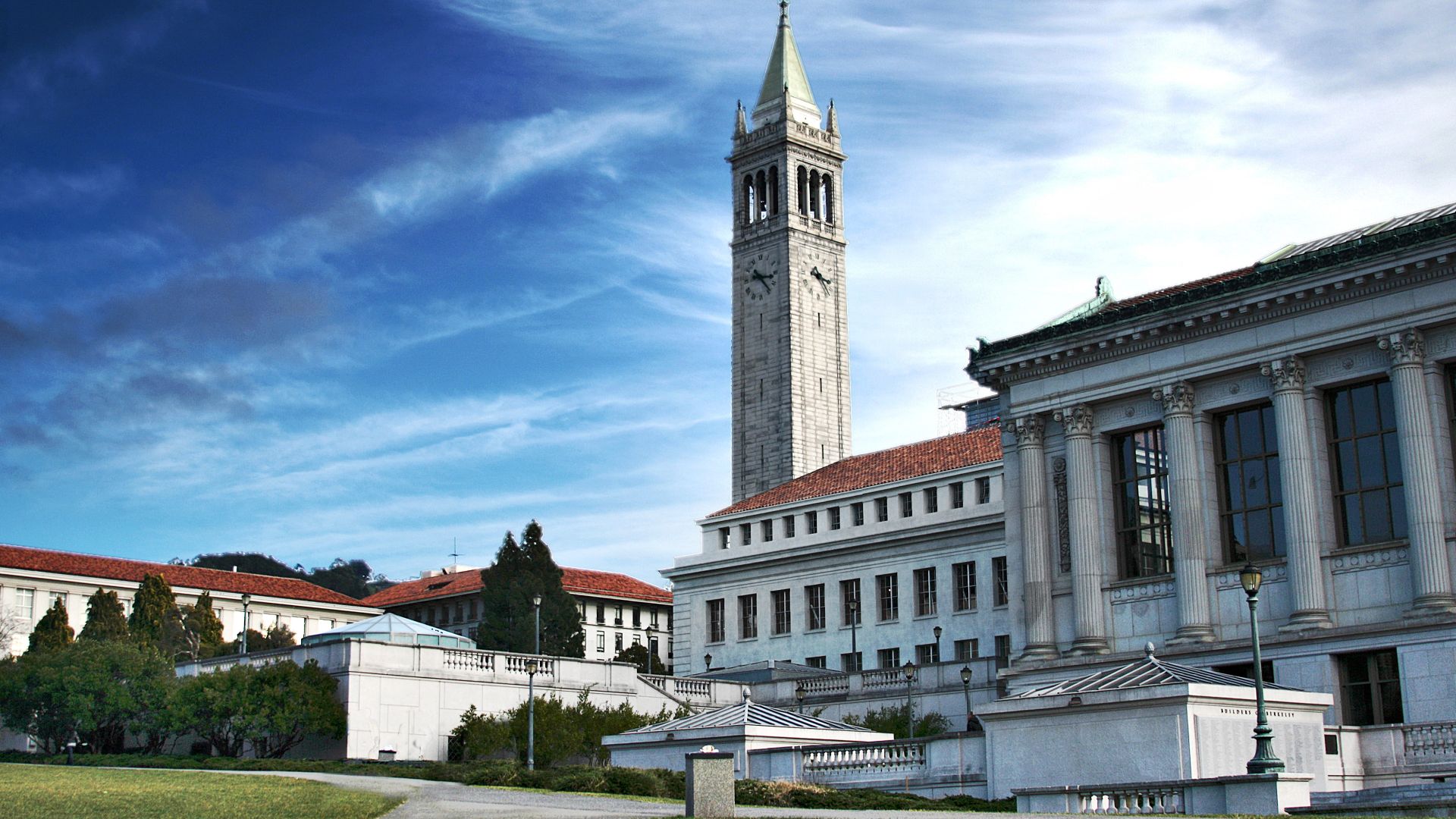
10: University of California, Berkeley
U.S. News: 15
QS (U.S.): 7
THE (U.S.): 8
Berkeley is the highest-ranked public university on this consensus list. THE and QS both reward its global research reputation, while U.S. News places it among the best national universities. From engineering to economics to political science, Berkeley’s influence is massive.
 brainchildvn on Flickr, Wikimedia Commons
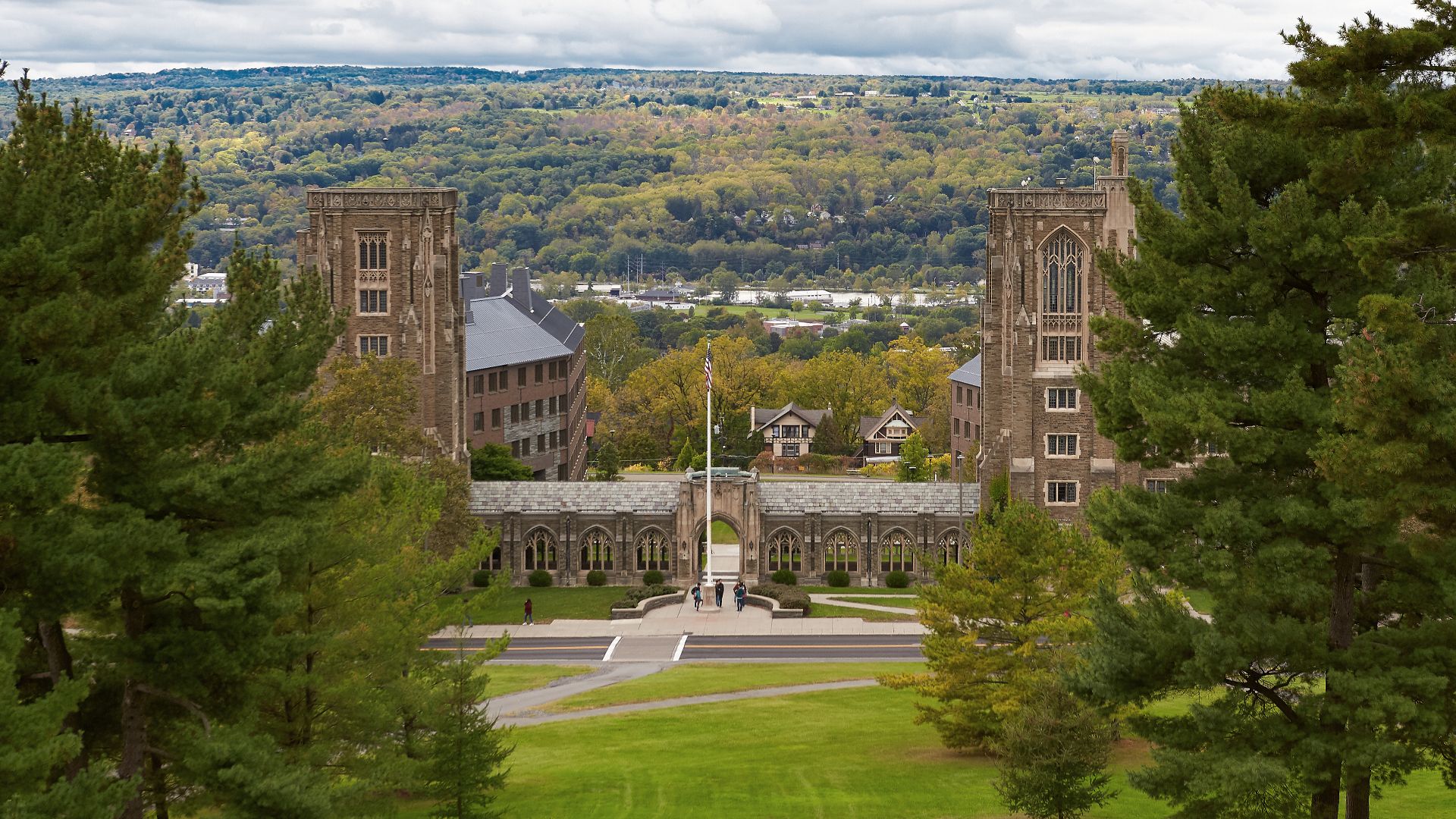
9: Cornell University
U.S. News: 12
QS (U.S.): 6
THE (U.S.): 7
Cornell lands in the Top 10 because it is consistently strong everywhere. It has Ivy League prestige, a huge academic range, major research strength, and elite programs in engineering, business, agriculture, hospitality, and life sciences. The three rankings agree: Cornell belongs here.
 Axel Tschentscher, Wikimedia Commons
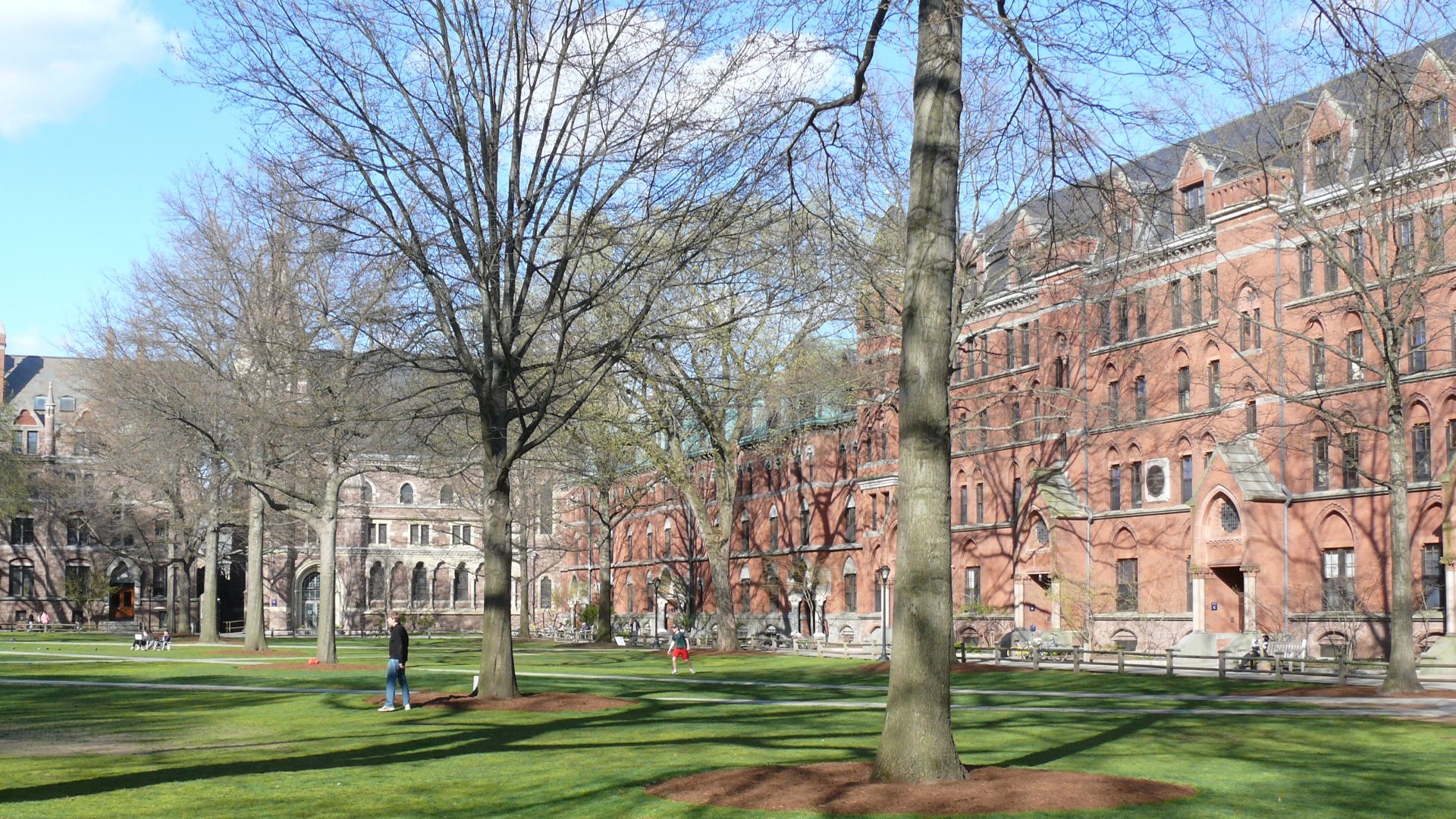
8: Yale University
U.S. News: 5
QS (U.S.): 5
THE (U.S.): 6
Yale ranks extremely high nationally and remains one of the most prestigious universities in the world. Its QS position is lower than its U.S. News rank, but THE also places it near the top. Yale’s strength in law, humanities, arts, and social sciences is undeniable.
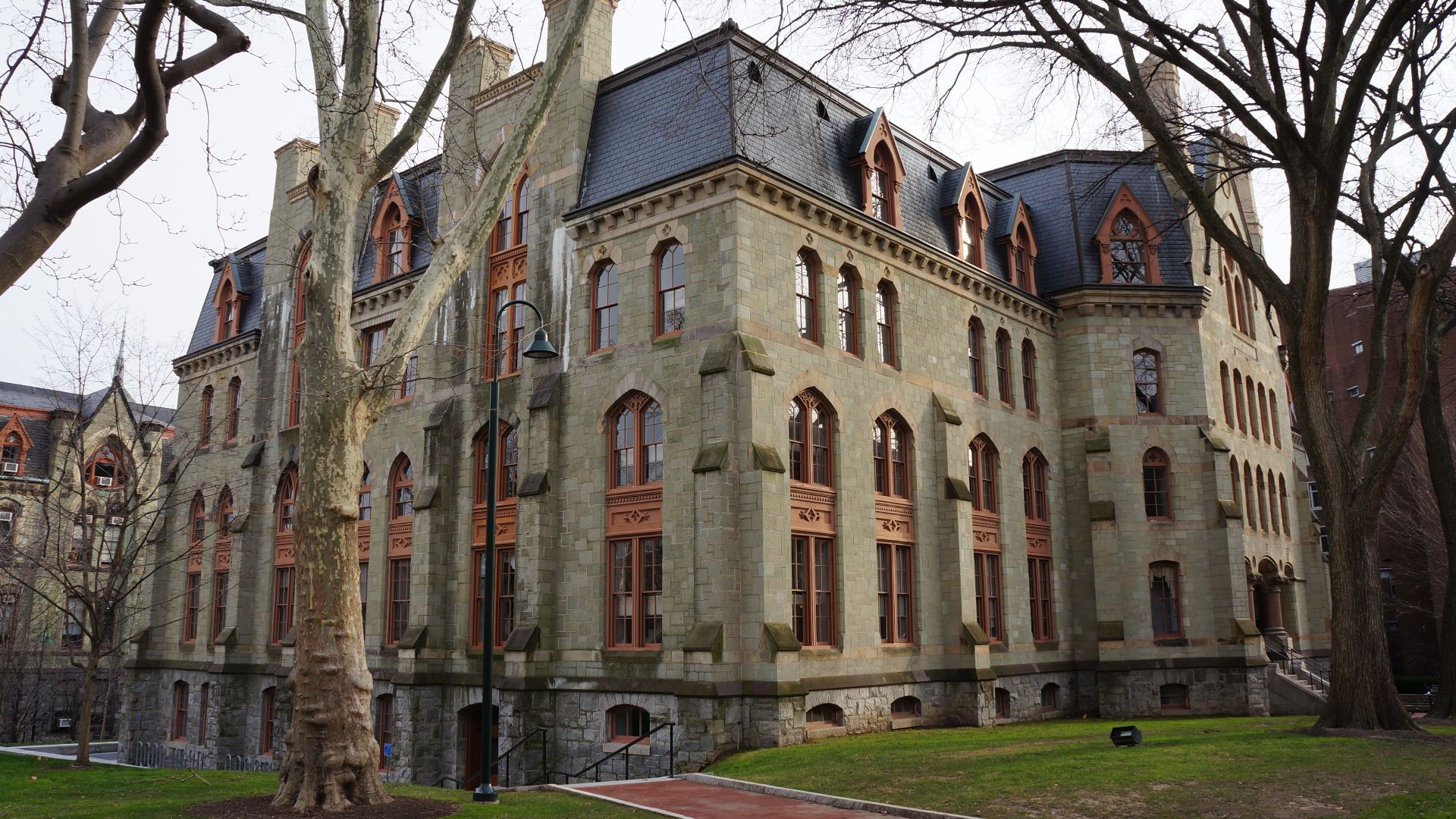
7: University of Pennsylvania
U.S. News: 6
QS (U.S.): 4
THE (U.S.): 5
Penn performs beautifully across all three rankings. U.S. News, THE, and QS all place it in elite company, helped by Wharton, medicine, nursing, engineering, and research strength. It is one of the most balanced universities in the country.
 Michel Alexandre Salim, Wikimedia Commons
6: University of Chicago
U.S. News: 11
QS (U.S.): 3
THE (U.S.): 4
The University of Chicago has serious academic gravity. It performs well across all three ranking systems, especially for economics, law, political science, mathematics, and research. Its intense intellectual reputation is not just branding—the data keeps backing it up.
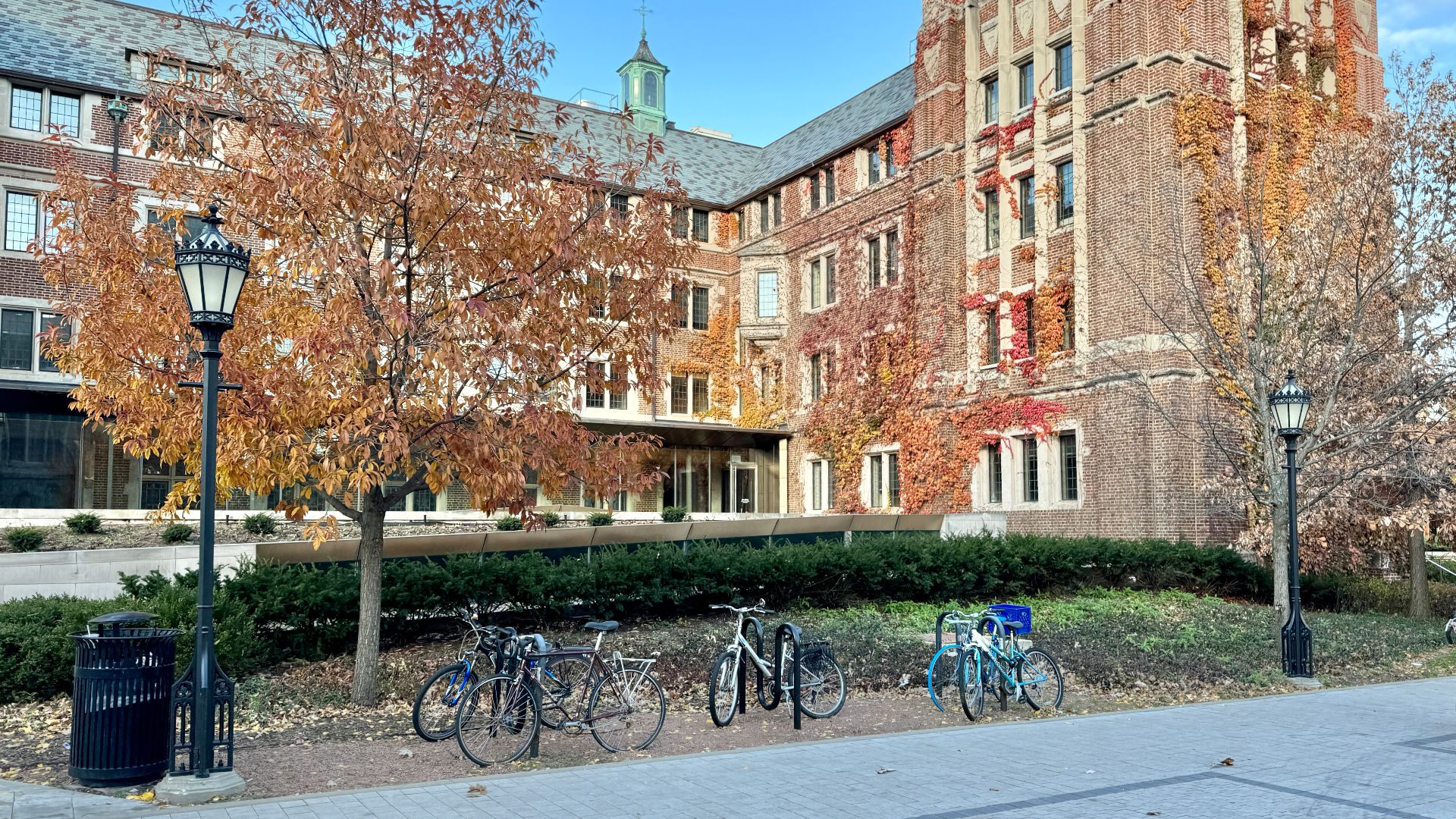
5: Princeton University
U.S. News: 1
QS (U.S.): 6
THE (U.S.): 2
Princeton is ranked No. 1 by U.S. News and No. 2 in THE’s U.S. list, but QS places it lower globally than several peers. That small split keeps it from the very top here. Still, Princeton remains one of America’s most elite universities.
 Photograph by Mike Peel (www.mikepeel.net)., Wikimedia Commons
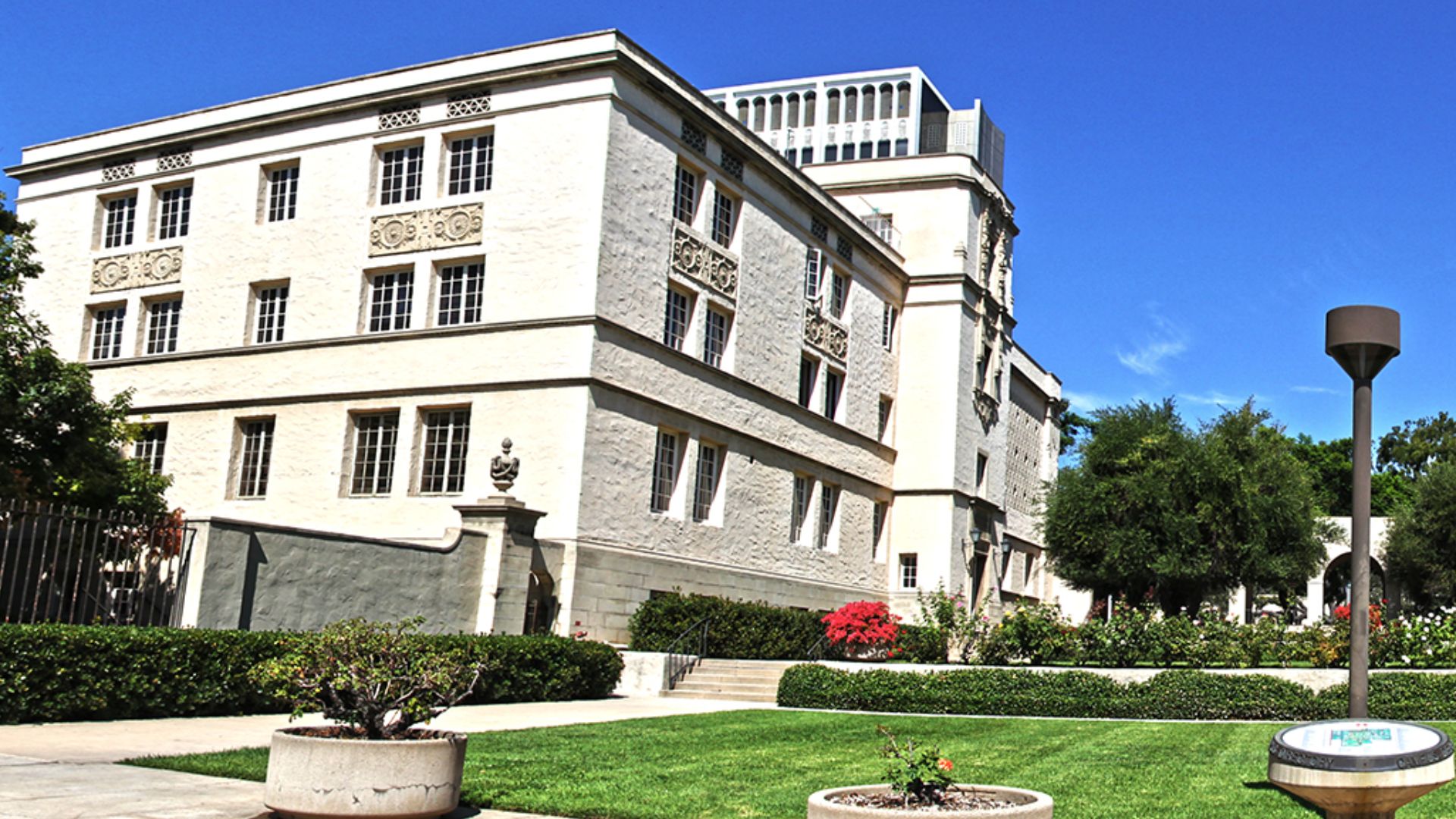
4: California Institute of Technology
U.S. News: 7
QS (U.S.): 2
THE (U.S.): 3
Caltech is tiny compared with most schools here, but its academic impact is enormous. It performs especially well in THE and QS thanks to research strength, science, engineering, and faculty influence. Its U.S. News rank is slightly lower, but the consensus keeps it elite.
 Canon.vs.nikon, Wikimedia Commons
3: Harvard University
U.S. News: 3
QS (U.S.): 3
THE (U.S.): 1
Harvard is Harvard for a reason. It ranks near the top across all three systems and remains one of the most recognized academic brands on Earth. Its research, professional schools, alumni power, and global reputation make it a lock for the Top 3.
 David Adam Kess, Wikimedia Commons
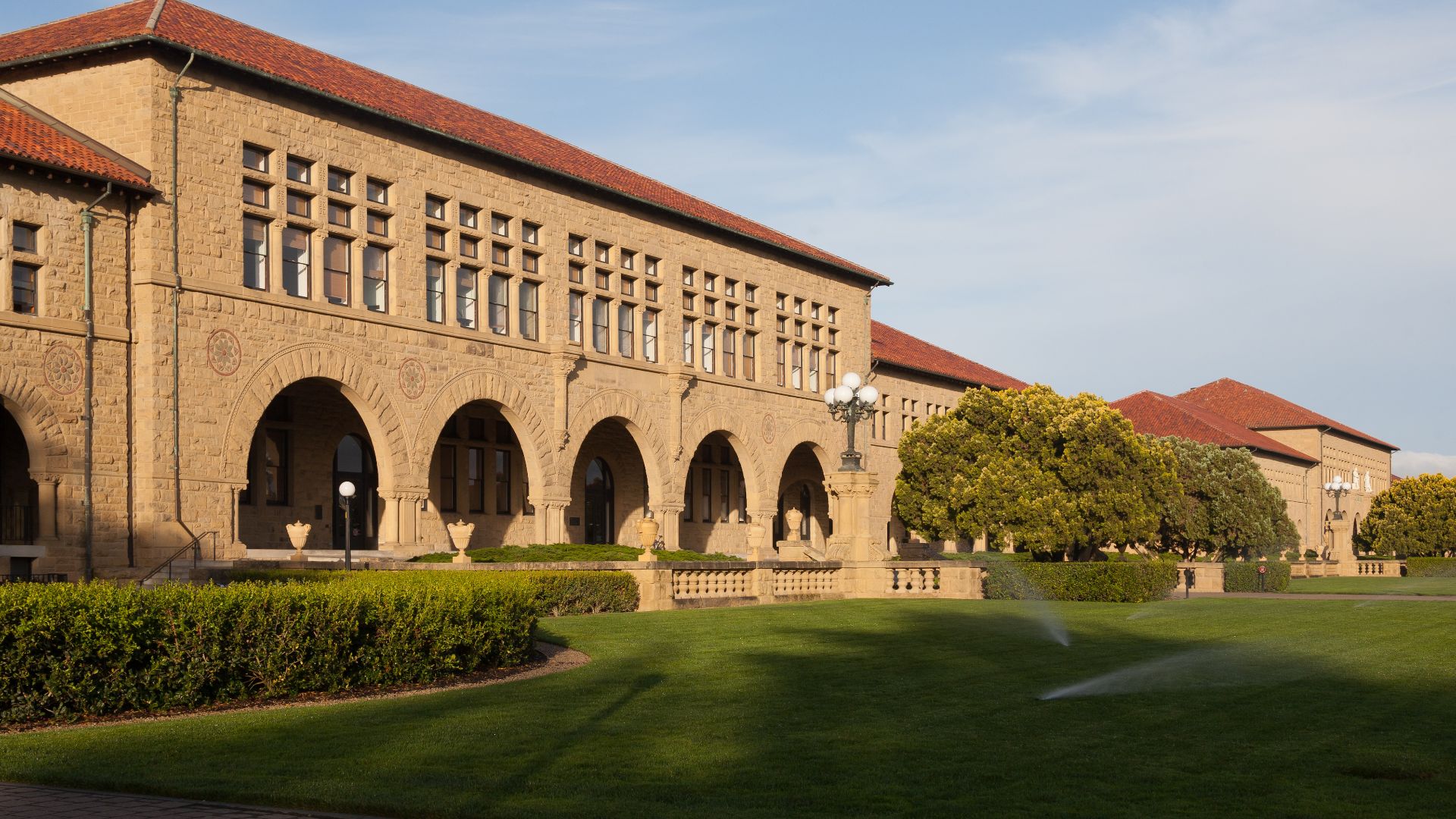
2: Stanford University
U.S. News: 4
QS (U.S.): 2
THE (U.S.): 2
Stanford nearly takes the top spot. It ranks extremely high in QS, THE, and U.S. News, with unmatched strength in tech, entrepreneurship, engineering, business, medicine, and research. Its Silicon Valley connection gives it a modern advantage few universities can match.
 King of Hearts, Wikimedia Commons
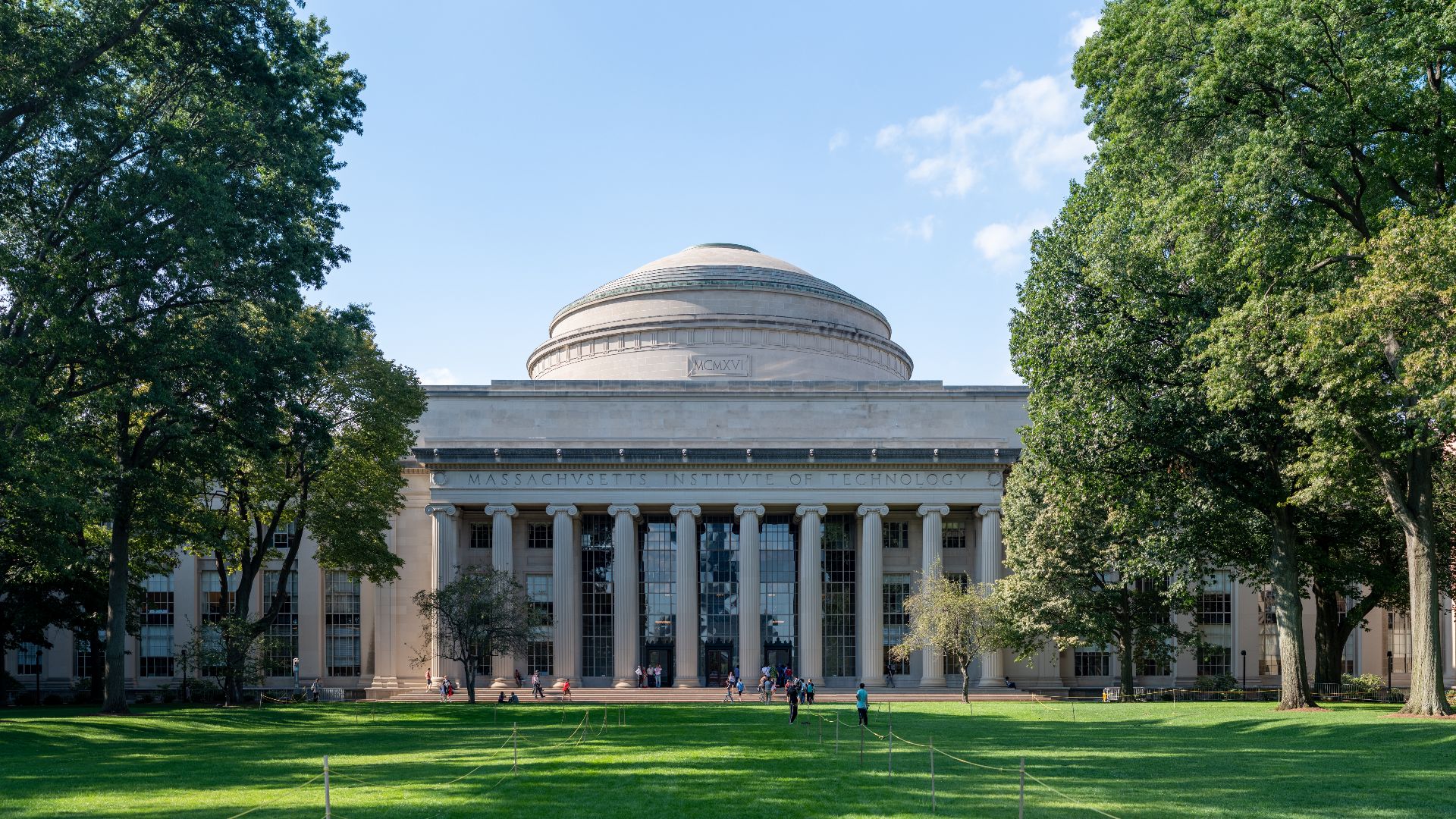
1: Massachusetts Institute of Technology
U.S. News: 2
QS (U.S.): 1
THE (U.S.): 1
MIT comes out on top because the three major rankings basically agree: it is elite nationally, elite globally, and dominant in science, engineering, technology, AI, economics, and innovation. When U.S. News, QS, and THE are averaged together, MIT is the clear No. 1.
You Might Also Like:
The Most Amazing Facts About Every US State
States That Take Healthy Living Seriously (And It Shows)