The Camera Question That Can Derail A Trip
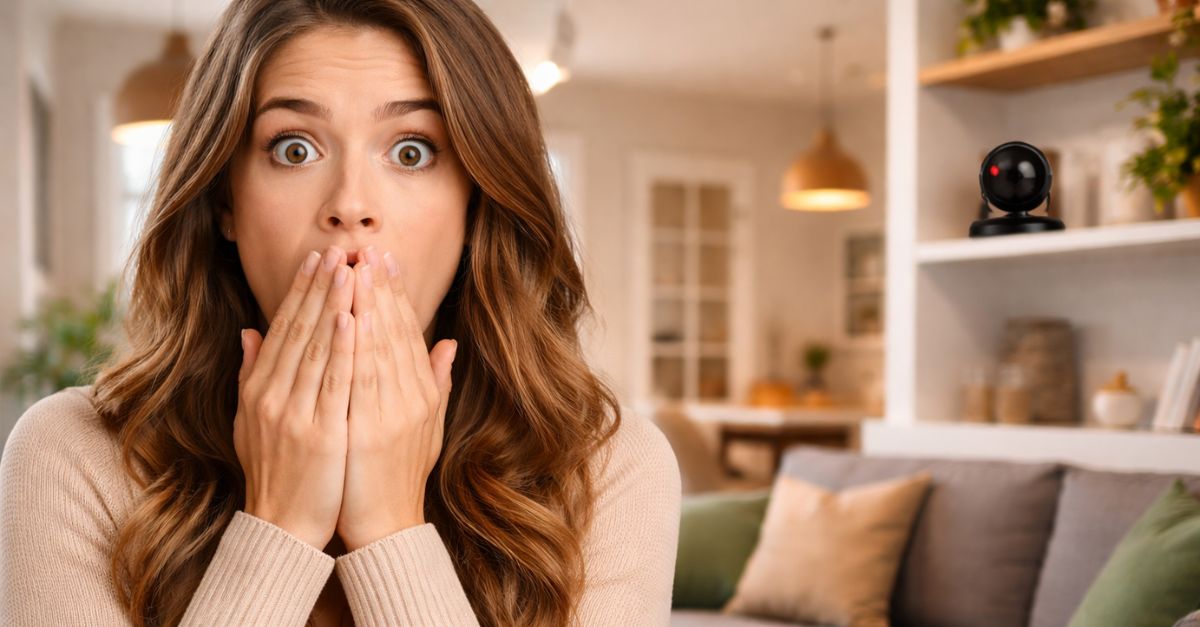
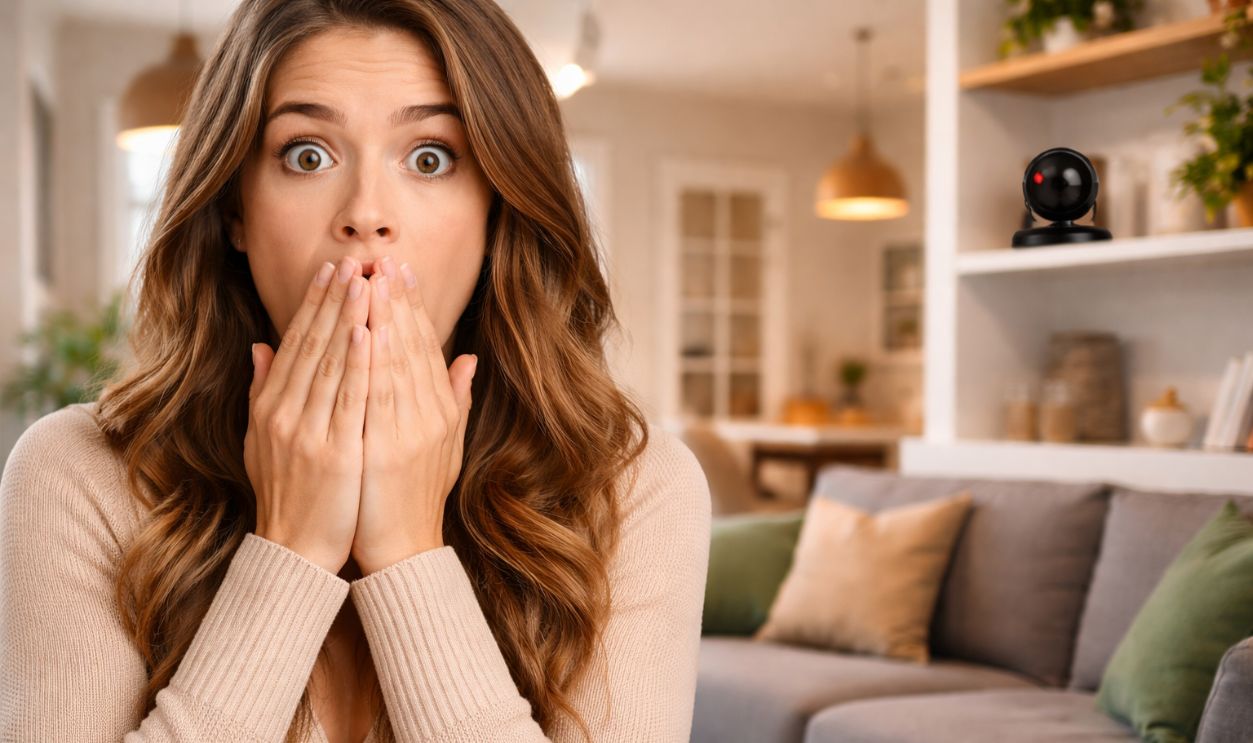
Few travel surprises feel worse than spotting a camera in your Airbnb after you have already unpacked. The obvious question is whether that device is legal, even if you checked the fine print and the host technically disclosed it.
But you're in luck: For Airbnb stays, the short answer is no, an indoor camera in a living room is not allowed, even if it was disclosed.
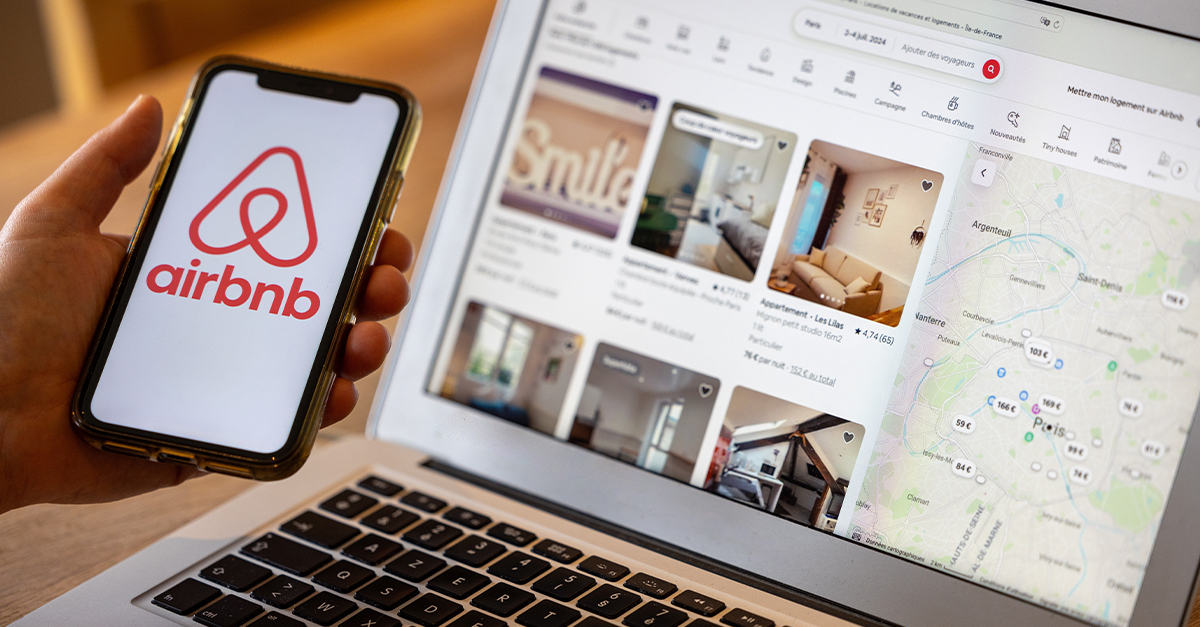
Airbnb Changed The Rules In 2024
Airbnb announced on March 11, 2024 that it was banning indoor security cameras in listings worldwide. The company said the updated policy would take effect on April 30, 2024. Since then, hosts have not been allowed to keep cameras inside homes, apartments, or rooms listed on the platform.
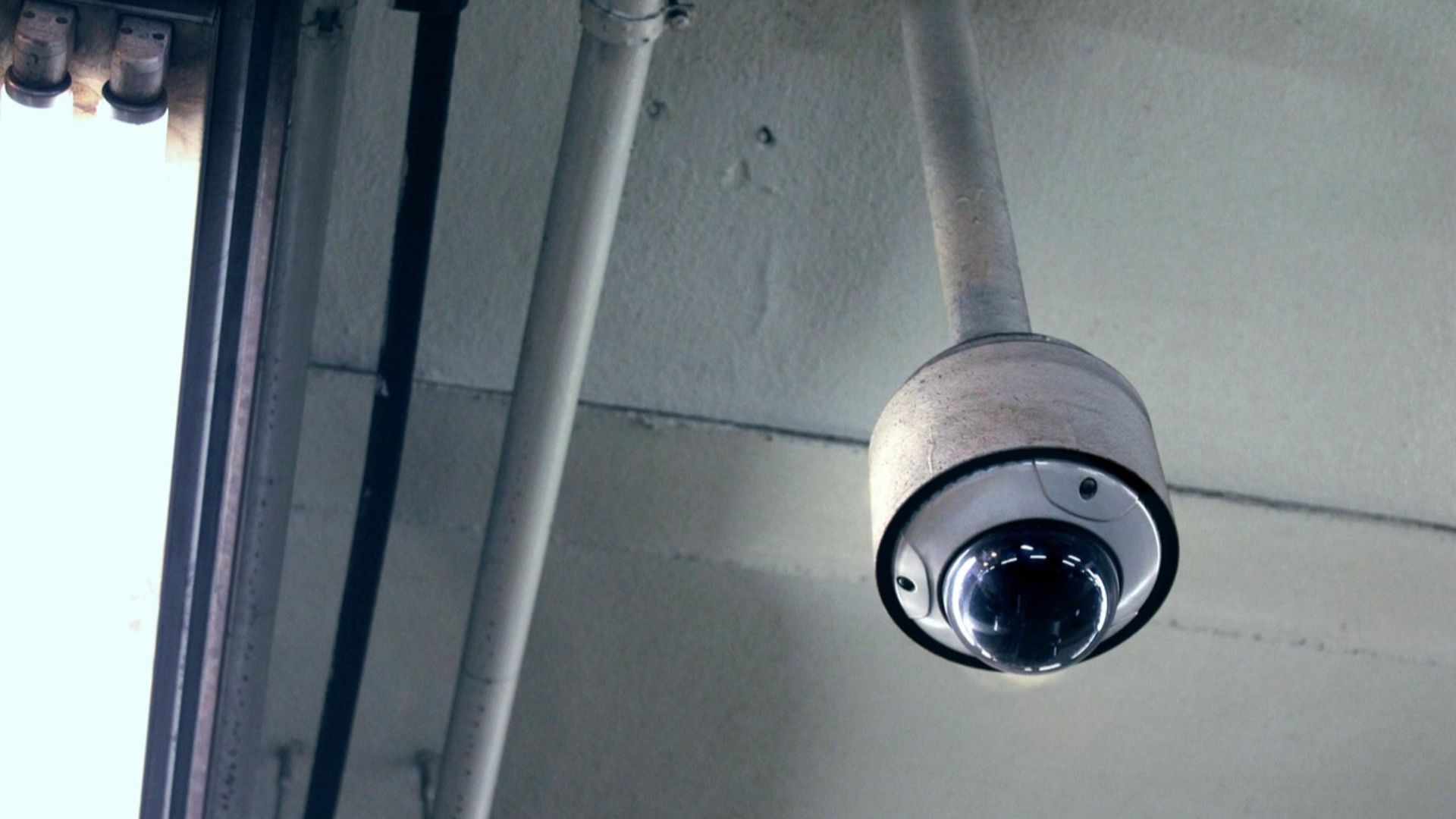
Disclosure No Longer Makes An Indoor Camera Okay
Before that 2024 change, Airbnb allowed some indoor cameras in common areas if they were clearly disclosed and never placed in bedrooms or bathrooms. That older rule caused plenty of confusion because many guests assumed disclosure made the setup acceptable. Under the current Airbnb policy, it does not.
A Living Room Camera Is Still An Indoor Camera
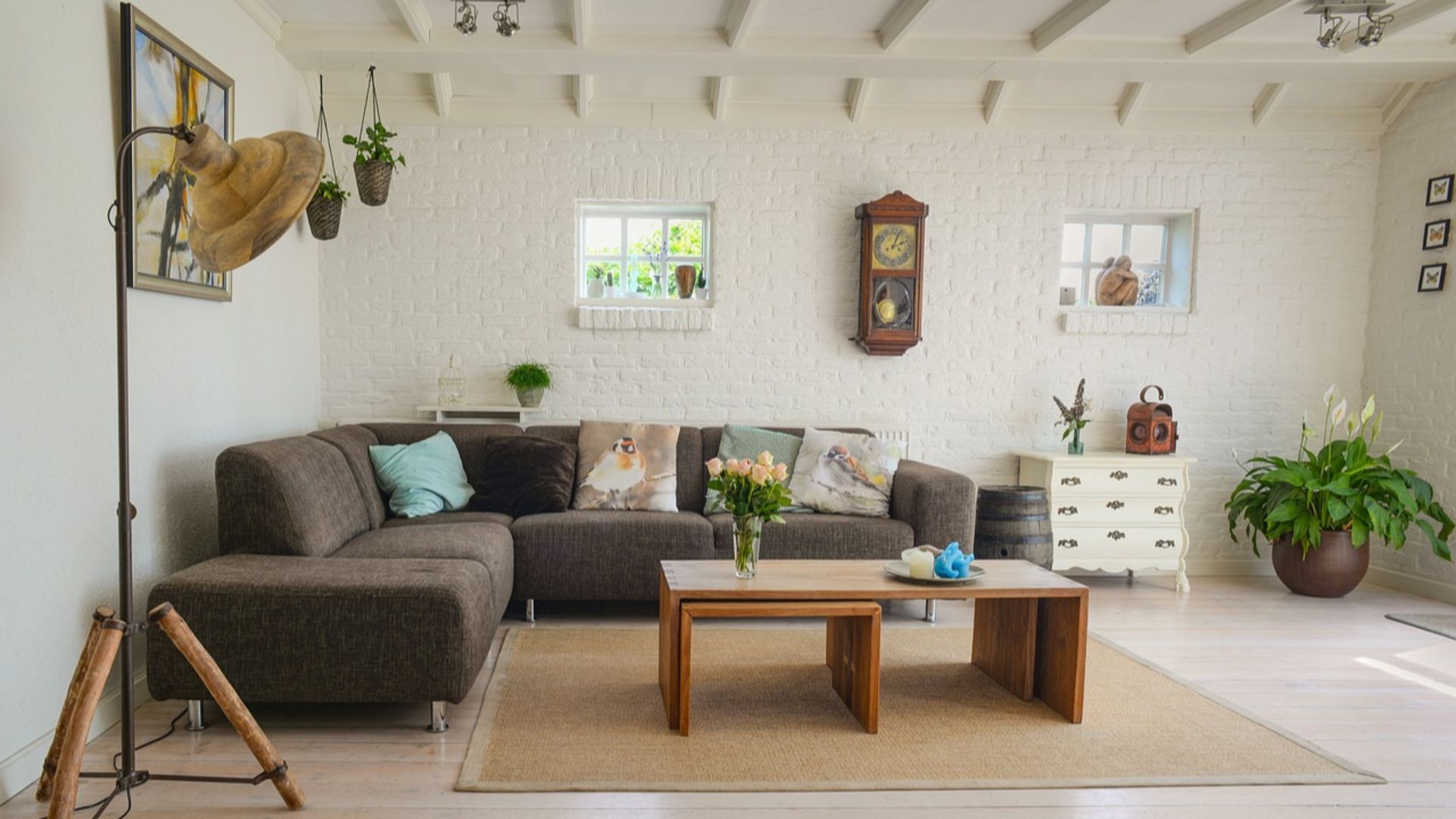
A camera in the living room counts as an indoor camera, which means it is banned under Airbnb's current policy. It does not matter whether the host says it is there for security. If your stay happened after April 30, 2024, that camera should not have been there at all.
Why Airbnb Tightened The Policy
When Airbnb announced the change, it said the goal was to make the rules clearer for both hosts and guests. That is the official version. In practical terms, indoor surveillance had become too murky, too invasive, and too easy to fight over.
What Airbnb Still Allows Outside
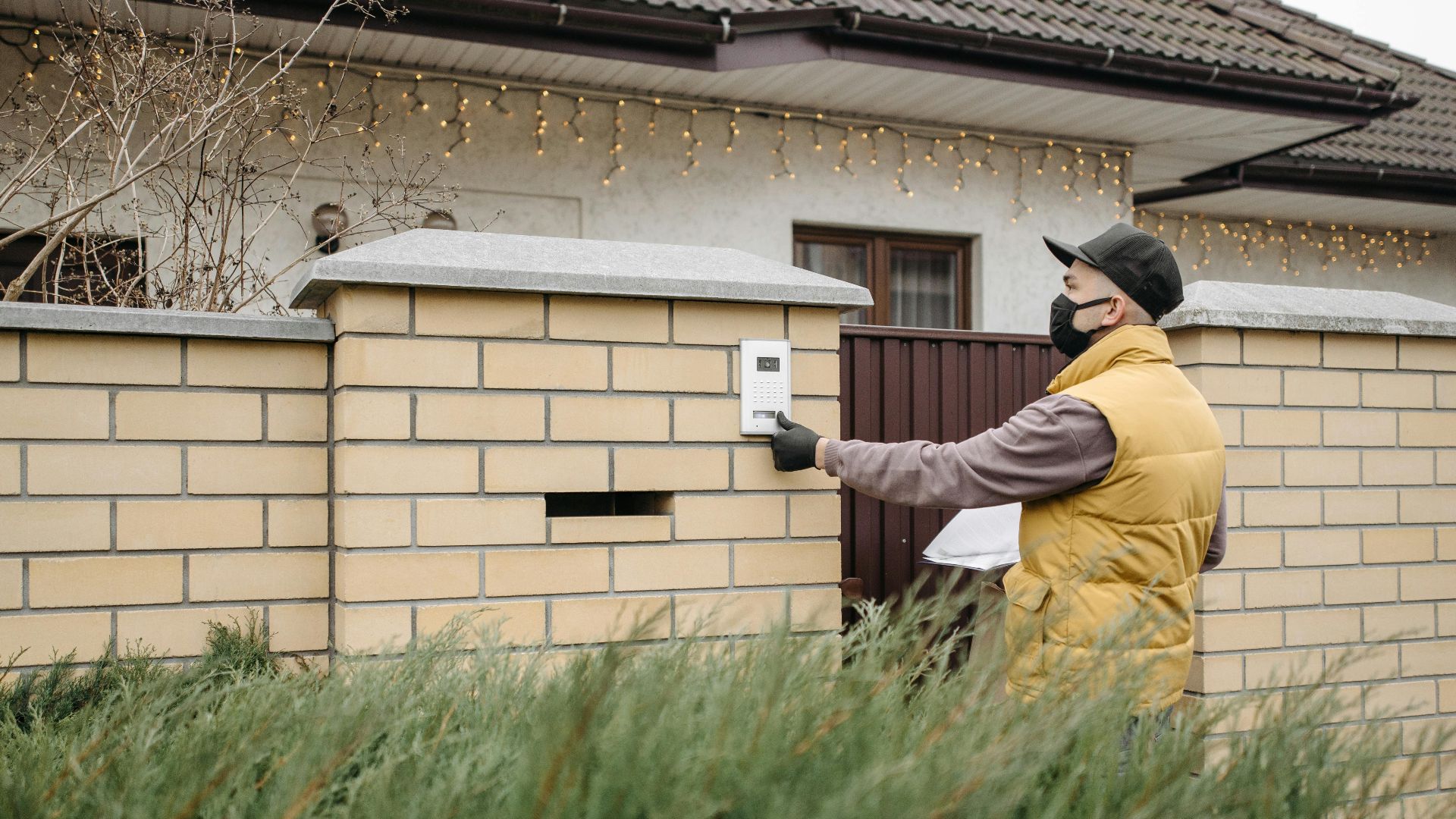
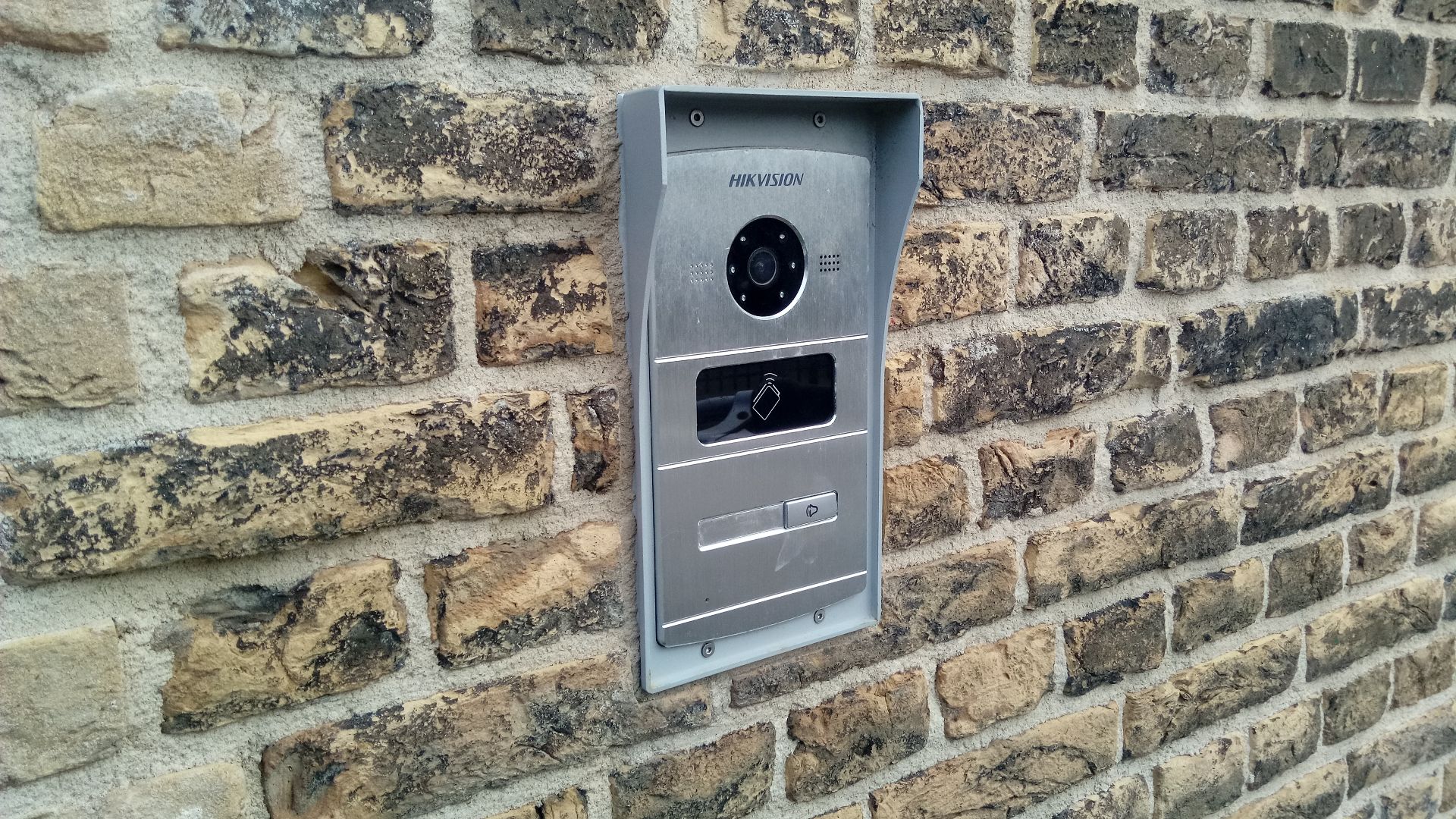
Airbnb still allows outdoor security cameras, doorbell cameras, and noise decibel monitors in some cases. But those devices have to be disclosed in the listing before booking. Hosts also cannot use outdoor cameras to watch indoor spaces through a window or doorway.
Bedrooms And Bathrooms Were Already Off Limits
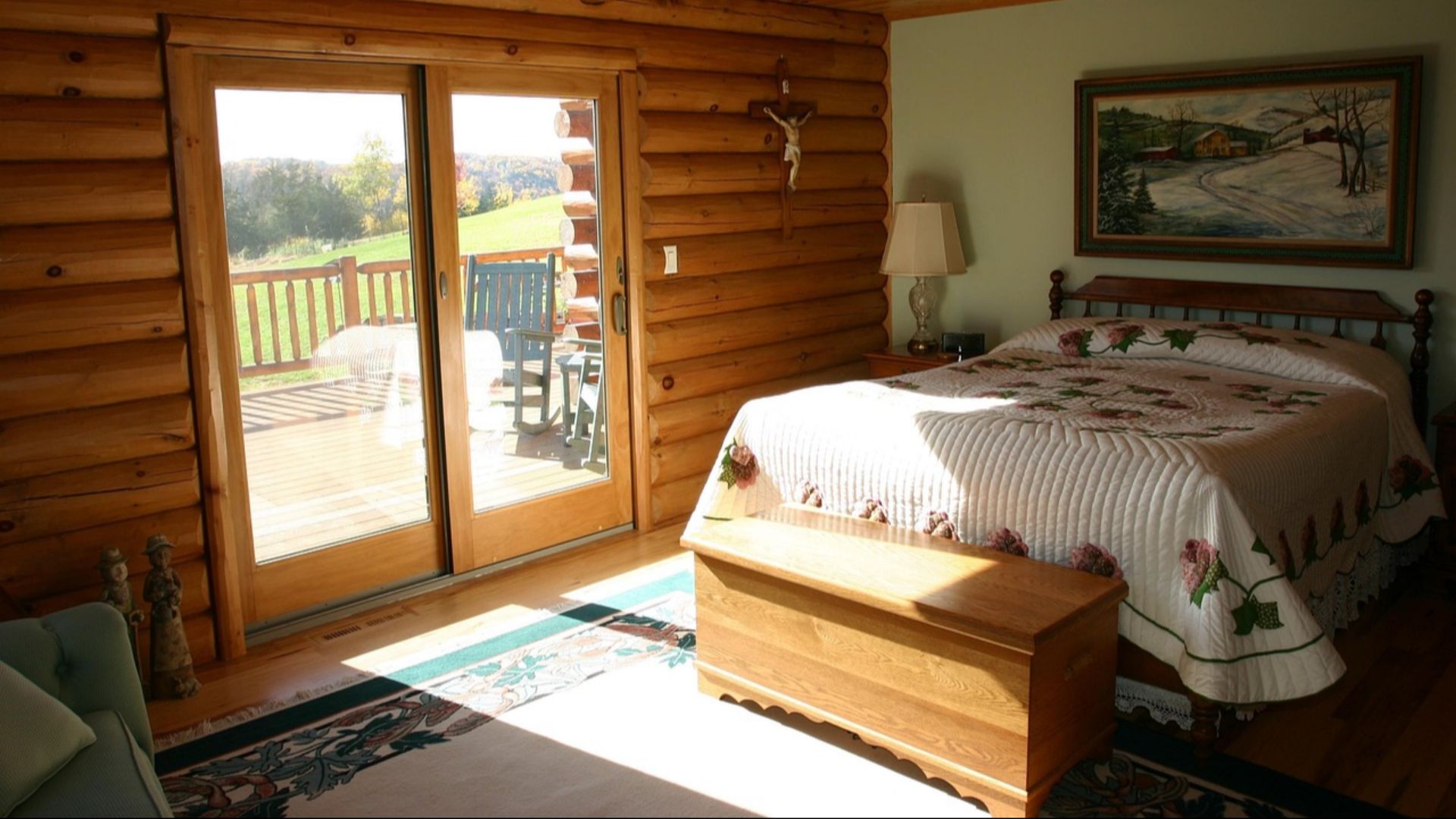
Even before the 2024 ban, Airbnb already prohibited cameras in bedrooms, bathrooms, and sleeping areas. That part was clear. The gray area was common spaces, which is why living room cameras used to spark so much confusion.
The FTC Has Warned Travelers About Hidden Cameras
The Federal Trade Commission has published advice for travelers on hidden cameras in vacation rentals and hotels. It tells guests to check listings for any mention of cameras or recording devices and to inspect the property after arrival. It also notes that hidden cameras can be small enough to blend into everyday items.
If The Camera Was Hidden, That Is Even Worse
If the device was actually hidden, that makes the situation more serious from a guest's point of view. Airbnb requires disclosure of any surveillance device that is allowed, so an undisclosed device would violate platform policy even in places where some devices are still permitted. A camera tucked into decor is exactly the sort of thing that can trigger complaints and investigations fast.
Legal Under Local Law Is Not The Same As Allowed By Airbnb
This is the distinction many travelers miss. A setup can violate Airbnb policy even if a host thinks it follows local law. At the same time, local law can create separate privacy problems beyond Airbnb's own rules.
State Laws Can Make Things Even Harder For Hosts
Video recording laws vary by state, especially if audio is involved. The Reporters Committee for Freedom of the Press has a state-by-state guide showing that consent rules for recording conversations differ across the country. If a living room camera also recorded sound, a host could run into eavesdropping or wiretapping issues depending on where the rental is located.
Expectation Of Privacy Still Matters
Courts and statutes often look at whether someone had a reasonable expectation of privacy in a certain place. A shared living room is not the same as a bathroom, but that does not give hosts unlimited freedom to record. Add overnight lodging, private rental use, and possible audio capture, and the legal picture gets complicated in a hurry.

Visible And Hidden Devices Are Not The Same Thing
A visible outdoor doorbell camera is one thing. A tiny lens hidden inside a clock on a living room shelf is another. Regulators and platforms tend to treat those setups very differently because visibility and disclosure affect notice, consent, and whether a guest even knows they are being recorded.
Airbnb Says Noise Monitors Are Different
Some hosts use noise decibel monitors to detect parties or unusually loud activity. Airbnb allows certain decibel monitors if they are disclosed and if they do not record or transmit conversations. That is a completely different category from a camera aimed at a living room couch.
What To Do If You Find One During Your Stay
Start by documenting what you found with photos or video from your phone. Capture where the device was, whether it appeared to be powered on, and whether the listing mentioned it. Then contact Airbnb through the app or customer support so there is a time-stamped record.
Do Not Tamper More Than You Need To
It is natural to want to unplug or cover a suspicious device right away. If you feel unsafe, your immediate safety comes first. But if possible, preserve evidence and avoid damaging property while you report the issue.
Ask About Rebooking Or A Refund
Airbnb says guests should report undisclosed or prohibited surveillance devices. Depending on the facts, the company may help with rebooking or a refund. The better your documentation, the stronger your case usually is.
 Helena Lopes, Pexels, Modified
This Can Happen In Hotels Too
This problem is not limited to short-term rentals. The FTC's guidance also covers hotels and warns that hidden cameras can show up there too. But the platform rule here is specific to Airbnb, so a hotel case would depend more on state law and the hotel's own policies.

Hosts May Say It Is For Security, But The Policy Is Clear
Some hosts argue that cameras help prevent parties, theft, or extra guests. Airbnb's 2024 policy change shows the company decided those concerns do not justify cameras inside listings. Hosts who want security tools now have to rely on allowed options like disclosed outdoor cameras and certain noise monitors.
The Timing Of Your Stay Matters
If the camera was there before April 30, 2024, the answer is more complicated because Airbnb still allowed some disclosed indoor cameras in common areas at that point. If it was there on or after April 30, 2024, an indoor living room camera would violate Airbnb policy. In either case, hidden or undisclosed surveillance is a serious problem.
International Stays Add Another Layer
Airbnb's indoor camera ban applies across the platform worldwide. Local privacy laws still vary from country to country, which can affect whether a host also broke local law. But under Airbnb's own rules, indoor cameras are not allowed in listings after the policy took effect.
Buried Disclosure Is Not Enough Now
Some guests worry they missed a line in the house rules or amenities section. Under Airbnb's current standard, that does not save an indoor camera in the living room. The rule is much simpler now than it used to be: indoor means no.
Audio Recording Can Create Bigger Legal Trouble
A camera that records only video raises one set of privacy questions. A camera that also records sound can trigger stricter laws in some states because recording conversations often requires consent. If you are trying to figure out whether the host may have broken local law too, this is one of the first details to pin down.

Read The Listing, Then Check The Room
The FTC and consumer advocates both recommend basic caution. Read the listing carefully before booking, then do a quick visual check when you arrive. Look for lenses in clocks, smoke detectors, picture frames, and entertainment units, especially in common areas.
 ANTONI SHKRABA production, Pexels
Hosts Need To Catch Up With The New Rule
Some hosts may still be acting as if the old policy is in place. That is a risky mistake. Airbnb changed the rule clearly, and a host who leaves an indoor camera up while assuming disclosure is enough is not following the current policy.
The Bottom Line For Guests
If your Airbnb had a camera in the living room after April 30, 2024, that setup would violate Airbnb policy even if it was disclosed in the listing. Whether it was also illegal under local law depends on where the rental was, whether audio was recorded, and other privacy rules. But from a practical standpoint, guests do not need to debate policy with the host before reporting it.

The Short Answer
No. Under Airbnb's current rules, a host cannot keep an indoor living room camera just by mentioning it in the listing and calling it security. If you find one, document it, report it through Airbnb, and consider leaving if you feel uncomfortable.