The Moment You Realize Someone Was Inside
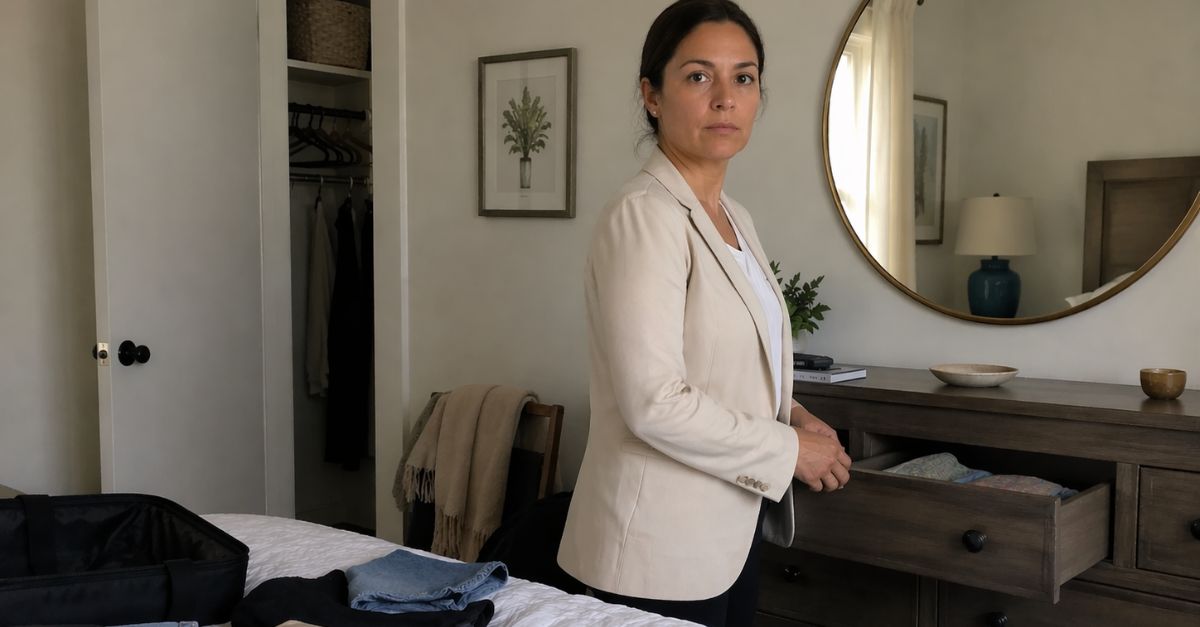
You get back from dinner, and you immediately realize something is off. A bag has been moved, your toiletries are arranged differently, or a drawer you never touched is suddenly open. That kind of discovery can turn a normal stay into a privacy problem fast. It's every Airbnb guest's biggest fear. But is there something you can do about it? That depends.
Why This Feels So Invasive
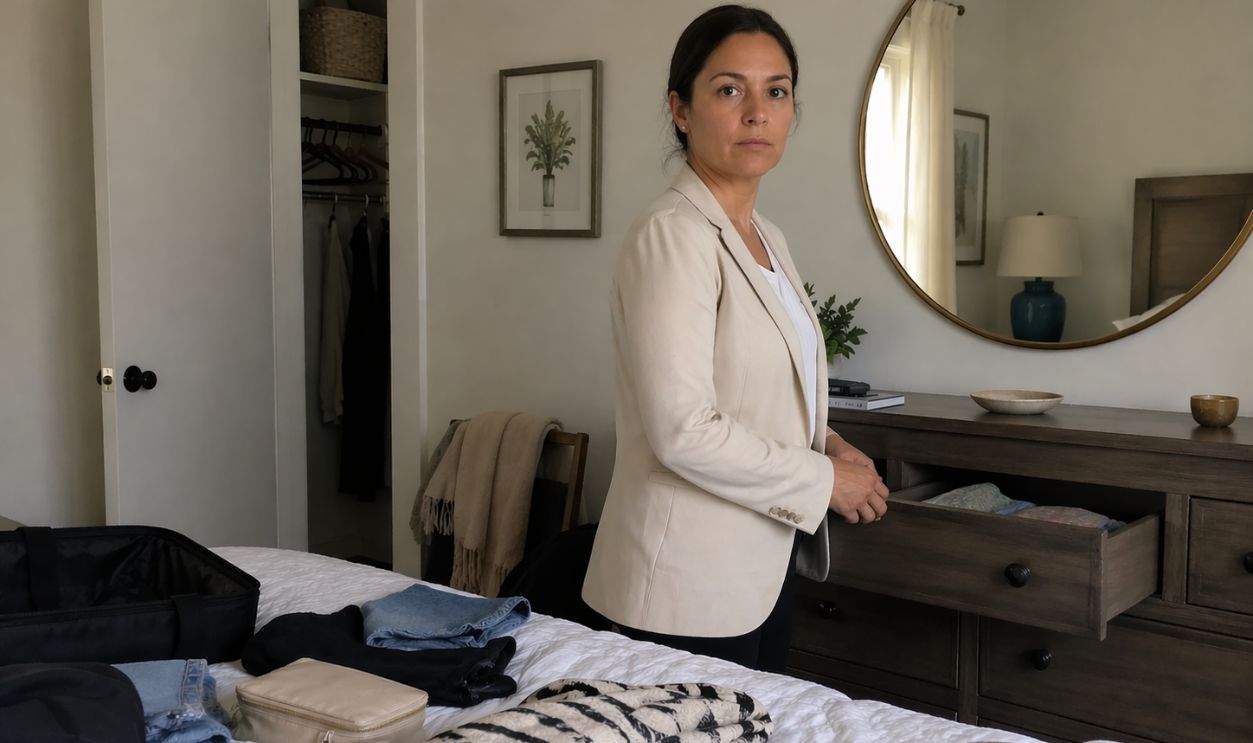
When people book a whole place on Airbnb, they usually expect to have it to themselves for the entire stay. That is how many travelers understand short-term rentals, and it is often how listings are presented. So if a host comes in while you are out and rearranges your things, it can feel like more than bad manners. It can feel like a real breach of privacy.
What Airbnb Says About Privacy
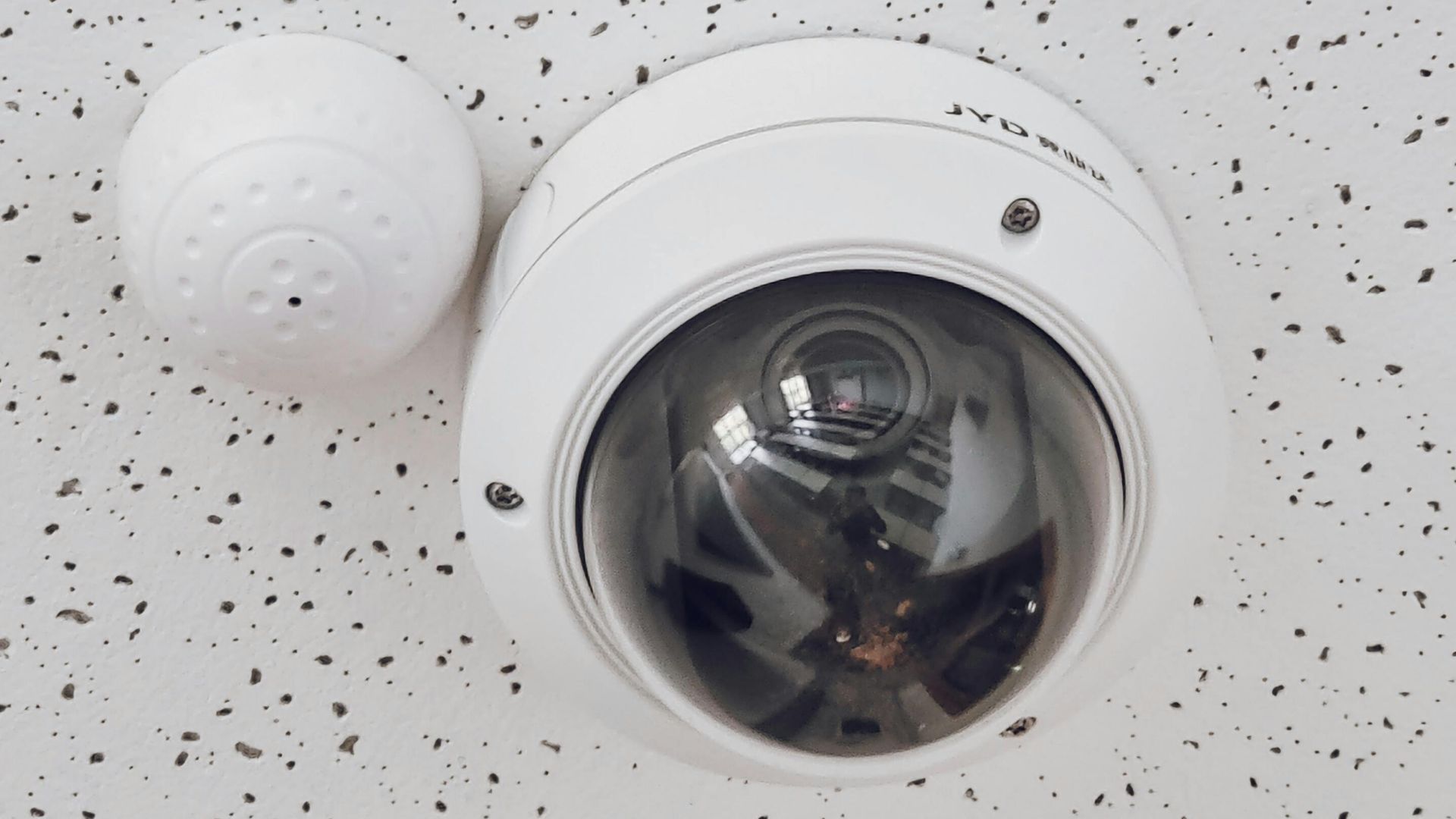
Airbnb says hosts should respect guests’ privacy and only enter a listing during a stay when it is reasonably necessary. The company also requires hosts to disclose security cameras and other recording devices, which shows how seriously it takes privacy inside a booked space. The policy does not ban every possible entry, but it clearly leans toward limited, justified access instead of surprise visits.
Airbnb’s Rule On Re-Entering A Stay
Airbnb’s host standards are even more direct. Hosts are not supposed to access a reserved space during a stay without the guest’s permission, except in cases like emergencies or urgent issues affecting the stay. In other words, unannounced entry for a non-urgent reason can go against Airbnb’s own rules.
Moving Belongings Takes It Further
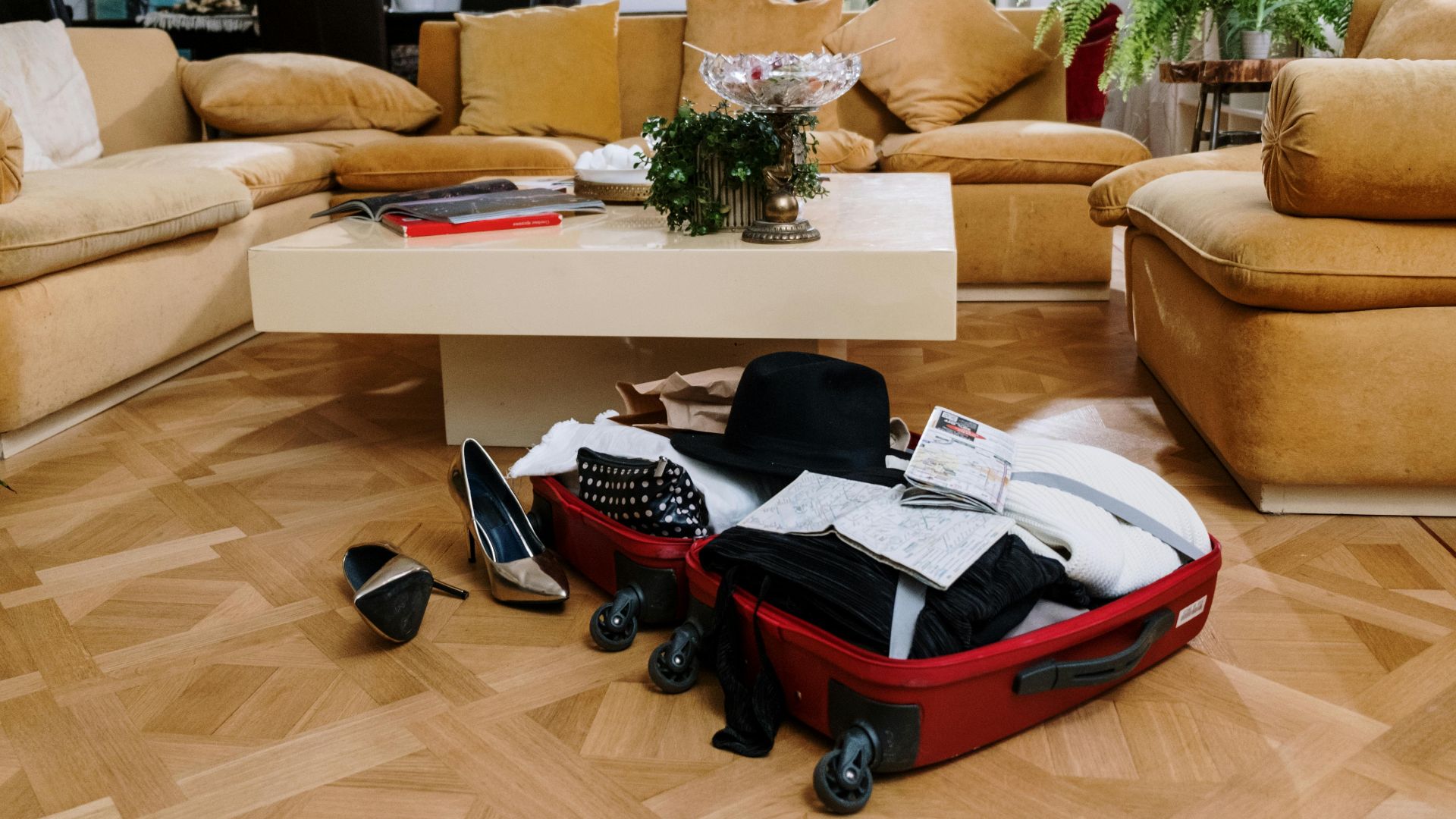
Walking in is one thing. Touching or moving a guest’s personal items is another. A shifted suitcase or reorganized belongings suggests the host did more than quickly check on a repair issue. Even if nothing is missing, it leaves guests wondering what happened while they were gone.
Is It Illegal Or Just Against Platform Rules
That depends on where the rental is and what exactly happened. Airbnb’s policies are one layer, but local landlord-tenant laws, short-term rental rules, and consumer protection laws may matter too. In many places, unauthorized entry can be legally sensitive, especially if the rental was booked as a private space and there was no emergency.
Hotels Offer A Useful Comparison
Hotels usually keep broader rights to enter for cleaning, maintenance, and emergencies, though guests still have privacy protections. Short-term rentals feel more like a temporary home, which is why surprise host entry can be so unsettling. The law is not always exactly the same, but the expectation of notice and respect is still strong.

Airbnb Tells Hosts To Communicate Clearly
Airbnb’s ground rules for hosts stress clear communication, accurate listings, and respectful behavior. If a host plans to access the property for cleaning, lawn care, pool service, or repairs during a stay, that should be disclosed ahead of time and agreed to by the guest. Surprise entry with no warning is the kind of thing that sparks complaints quickly.

What Counts As A Legitimate Reason To Enter
A burst pipe, an active leak, the smell of gas, or a serious safety issue can justify urgent access. A scheduled repair or maintenance visit may also be reasonable if the guest is told in advance and agrees to the timing. Straightening up, checking on the property, or moving a guest’s things because the host prefers a different setup is much harder to justify.

Notice Matters More Than Many Hosts Realize
In many rental situations, notice is the key issue. Even when the law does not spell out an exact number of hours for a short-term rental, advance warning helps show that access was necessary and respectful. If the host gave no heads-up and then handled your belongings, that is a red flag both in practice and under platform rules.

What To Do The Minute You Notice
Take photos of anything that seems to have been moved. Write down the date and time you noticed it, along with any signs of entry like an unlocked door, changed thermostat settings, or fresh cleaning supplies. If you message the host, keep it inside the Airbnb app so there is a record.
Start With A Calm Message
It is usually smart to ask the host, in writing, whether anyone entered the property and why. Keep it factual and specific. For example, say that when you returned at a certain time, several personal items appeared to have been moved, and you want to know whether the host or a contractor entered the space.

If The Host Admits It, Save That Response
An admission in the app can matter a lot if the dispute gets bigger. It helps show that someone connected to the property entered during your reservation and handled your belongings. That can be important if you ask Airbnb for support, a partial refund, or help moving to another place.

If The Host Denies It, Stick To Facts
A denial does not mean you need to argue in circles. Share the specific changes you saw and ask Airbnb support to review the situation. Evidence and documentation usually work better than a long emotional back-and-forth.

When To Contact Airbnb Support
If you feel unsafe, contact Airbnb right away through the app or help center. Airbnb tells guests to report safety issues promptly, and it has channels for urgent support. If a host entered without permission and moved your belongings, that is exactly the kind of issue worth escalating.
Can You Ask For A Refund
Possibly. Airbnb lets guests report travel issues, and unauthorized access may qualify depending on the facts and how it affected the stay. Results vary, but guests tend to have a stronger case when they report the problem quickly, provide evidence, and explain how it affected their privacy or safety.

Relocation May Be On The Table
If you no longer feel comfortable staying there, ask Airbnb whether it can help move you. That matters even more if the host’s behavior suggests they may enter again or if you feel unsafe. The longer you wait, the harder it can be to sort out another place.
Police Are Not Always The First Step, But Sometimes They Are
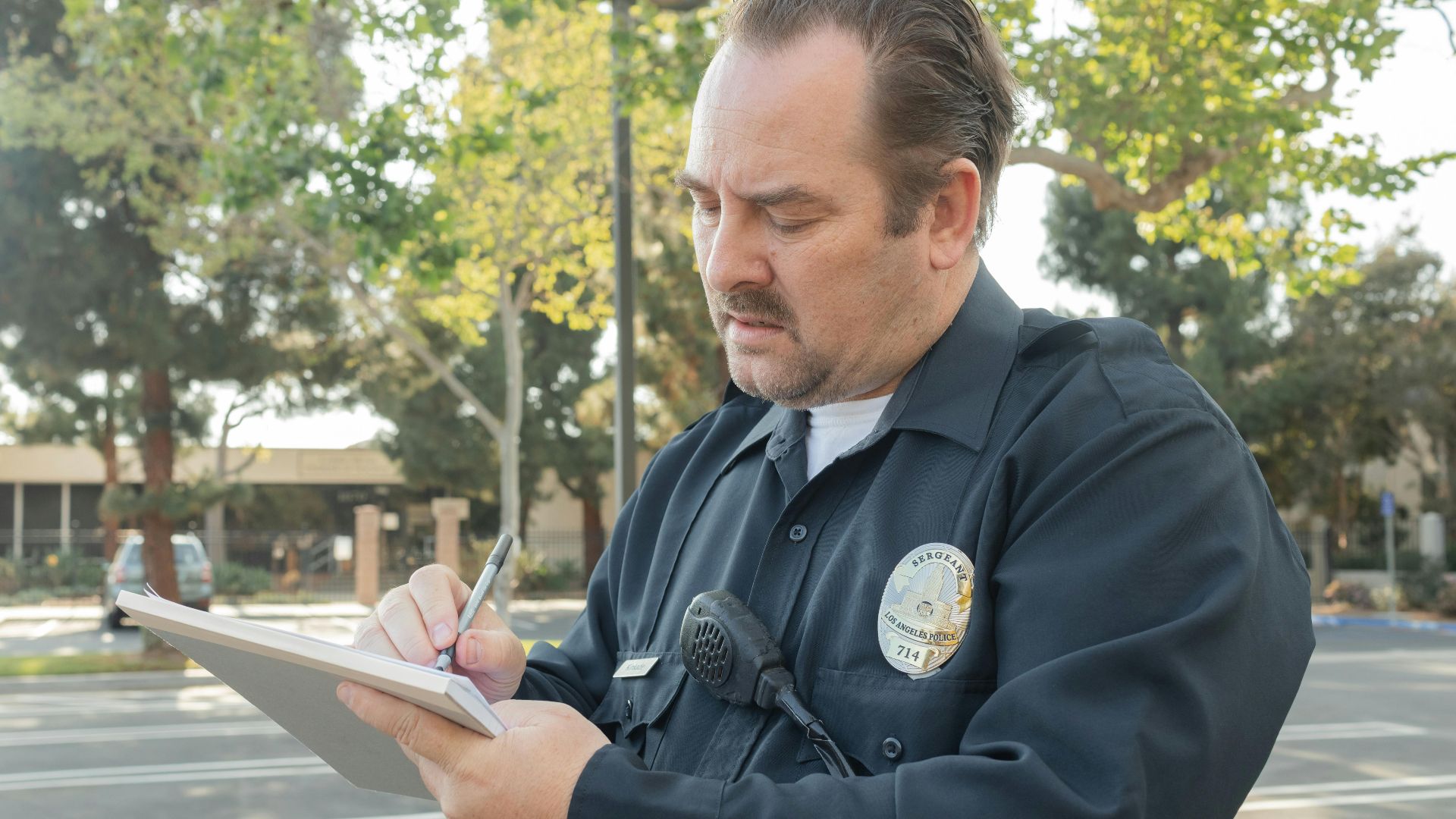
If anything is missing, if there are signs of tampering, or if you think a crime may have happened, contact local law enforcement. The same goes for threatening behavior, possible hidden devices, or stalking concerns. A police report can also help support an insurance claim or an Airbnb complaint.
Check For House Rules And Listing Disclosures
Go back to the original listing and read the house rules closely. Some hosts disclose scheduled services like gardening, pool maintenance, or mid-stay cleaning. Those disclosures do not automatically give a host permission to handle your personal items, but they can affect how Airbnb looks at whether any access was expected.

Why Whole-Place Bookings Matter
The expectation of privacy is strongest when you rent an entire home or apartment. In a private room stay, a host may still have access to shared spaces, though your private sleeping area should still be respected. If your booking was clearly listed as a whole place, unauthorized entry into that reserved space is especially troubling.
Do Consumer Reviews Back This Up
Travel forums and review sites are full of stories about hosts entering rentals unexpectedly, though personal stories are not all equally reliable. The more useful point is that Airbnb has built privacy and access rules into its own standards. That shows this is not just an unwritten social rule. It is something the platform itself treats as important.
What Airbnb’s Safety Center Signals
Airbnb’s safety guidance tells users to communicate on the platform, document concerns, and get help quickly when a stay feels unsafe. That matters because it gives guests a practical playbook in the moment. If your belongings were moved, the safest move is not to shrug it off. It is to create a clear record right away.

Can A Host Ever Touch Your Stuff
Only in very limited situations, such as a real emergency where access to an item or area cannot be avoided. Even then, the host should explain what happened as soon as possible. Routine entry that leads to personal belongings being handled is not something Airbnb’s standards suggest hosts should be doing without permission.
The Difference Between Cleaning And Snooping
Some hosts offer mid-stay cleaning, especially for longer bookings, but that should be clearly disclosed and agreed to in advance. Even with cleaning, handling personal possessions beyond what is necessary is risky and inappropriate. Guests should not be left wondering whether a host was tidying up or crossing a line.
How To Protect Yourself On Future Trips
Before booking, read reviews with an eye out for comments about privacy, surprise visits, or poor communication. Look for listings that clearly explain any maintenance or service visits during a stay. After you arrive, take a few quick photos of the space and keep valuables secure so it is easier to spot changes if something feels off later.

A Smart Message Template To Use
You do not need to be dramatic to get answers. A simple message works: “Hi, when we returned to the property at 7:15 p.m. today, we noticed our belongings had been moved. Did you or anyone acting for you enter the listing during our stay? Please confirm the reason and time of entry.” Calm, clear wording often gets the most useful response.

The Bottom Line For Guests
If your Airbnb host entered the property while you were out and moved your belongings, that is generally not something you should treat as normal. Airbnb’s standards point to host access only with permission or for a legitimate urgent reason. The safest move is to document what you found, message the host in the app, and escalate quickly if the explanation does not make sense or you no longer feel safe.