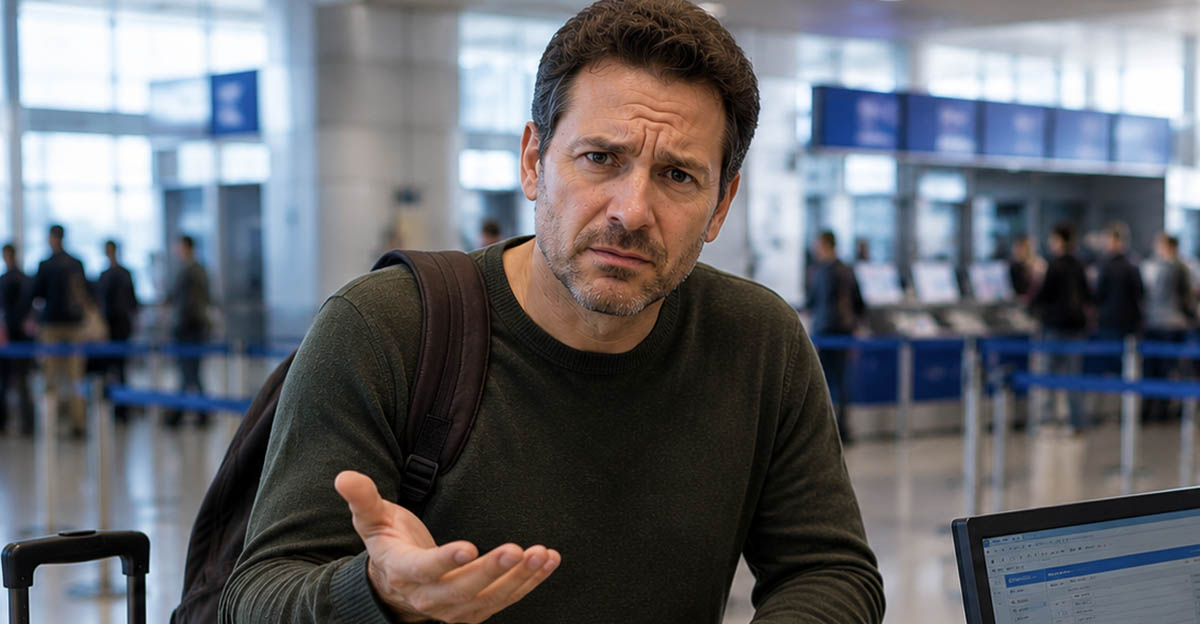
Wait A Minute, They Just Gave My Seat Away?
You show up at the airport excited for your vacation, only to hear the gate agent announce the flight is oversold and you’re not getting on the plane. Suddenly your carefully planned trip is falling apart before it even starts. As frustrating as it feels, airlines actually are allowed to overbook flights in many situations. Luckily, if you were involuntarily bumped, you’re entitled to compensation.
Airlines Overbook Flights On Purpose
A lot of travelers assume overbooking happens because of mistakes or technical glitches. Usually, it’s completely intentional. Airlines regularly sell more tickets than there are seats because they know some passengers will cancel, miss connections, or simply not show up. Most of the time the math works out in the airline’s favor. But when too many passengers actually arrive, someone suddenly gets left behind.
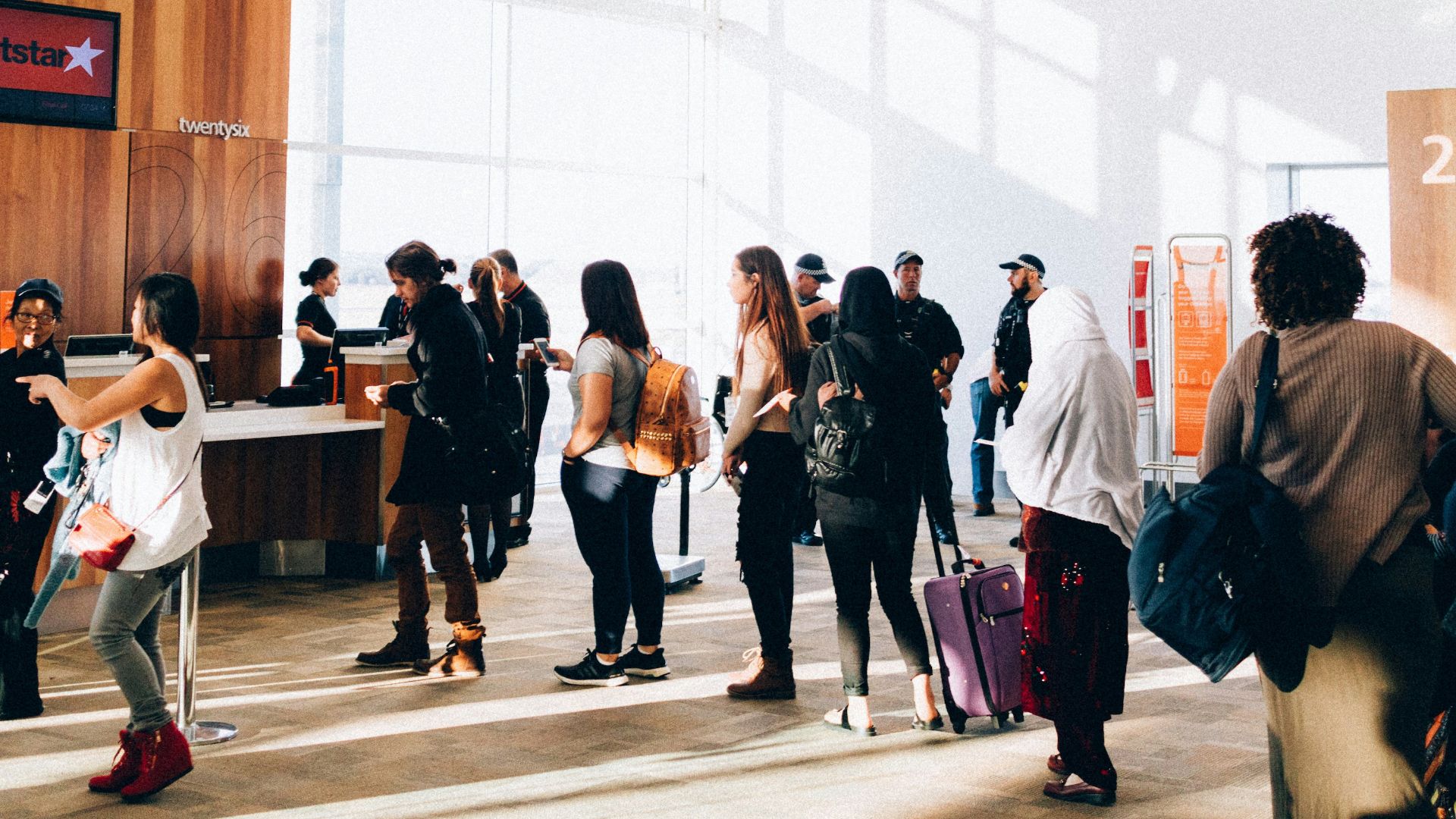
The Airline Usually Looks For Volunteers First
Before forcing anyone off the flight, airlines almost always ask for volunteers willing to take a later flight. In exchange, they may offer travel vouchers, meal credits, hotel stays, or even cash. Sometimes those offers become surprisingly generous if the flight is heavily oversold. Savvy travelers occasionally volunteer on purpose because the compensation can actually outweigh the inconvenience.
 Michael Ball, Wikimedia Commons
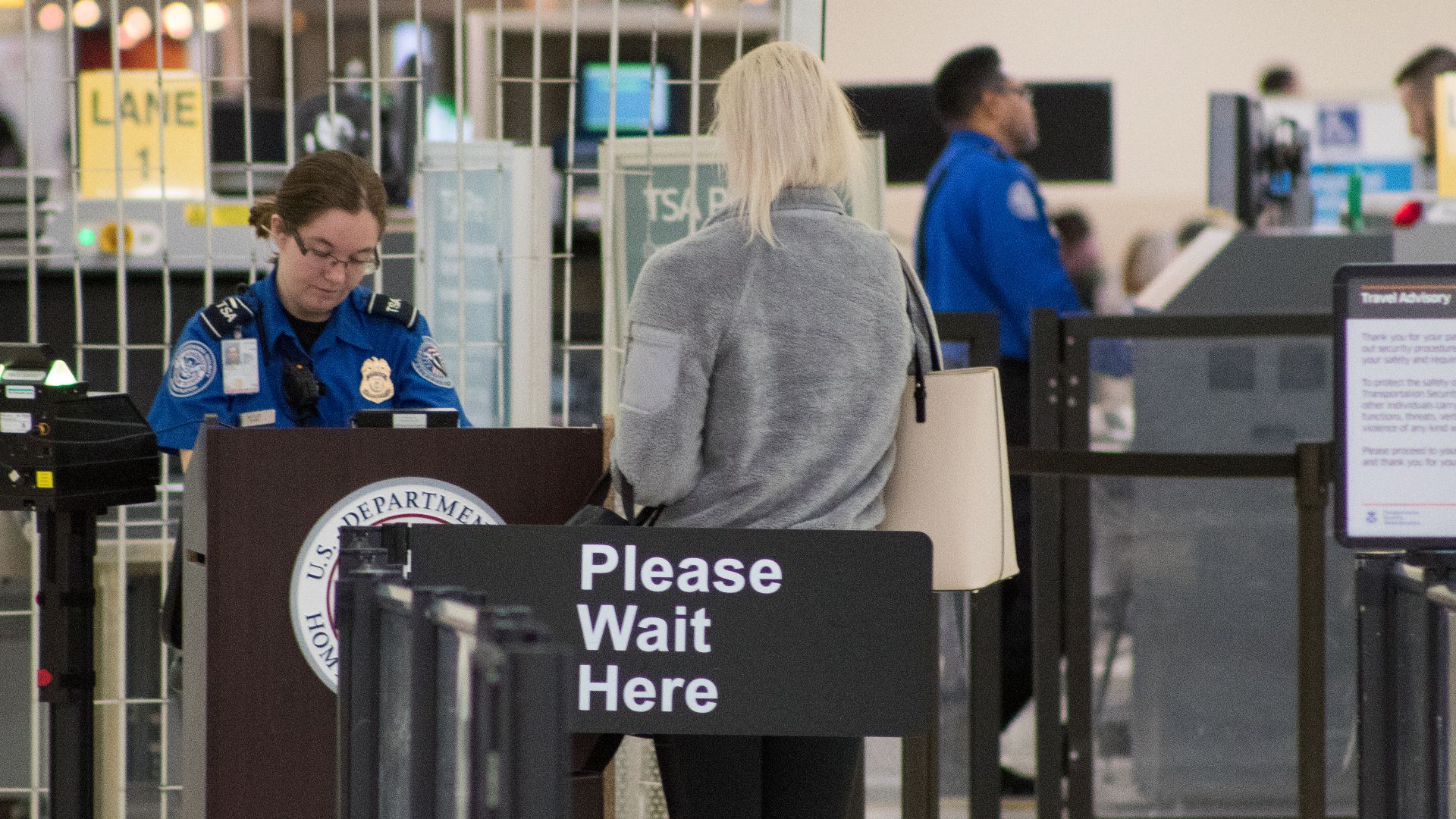
Volunteering Is Very Different From Being Forced Off
This distinction matters a lot because your rights change depending on whether you volunteered or were involuntarily denied boarding. If you voluntarily accept compensation and agree to give up your seat, the terms are mostly negotiable between you and the airline. But if the airline forces you off the flight against your wishes, federal passenger compensation rules may kick in automatically.
 Air Seychelles, Wikimedia Commons
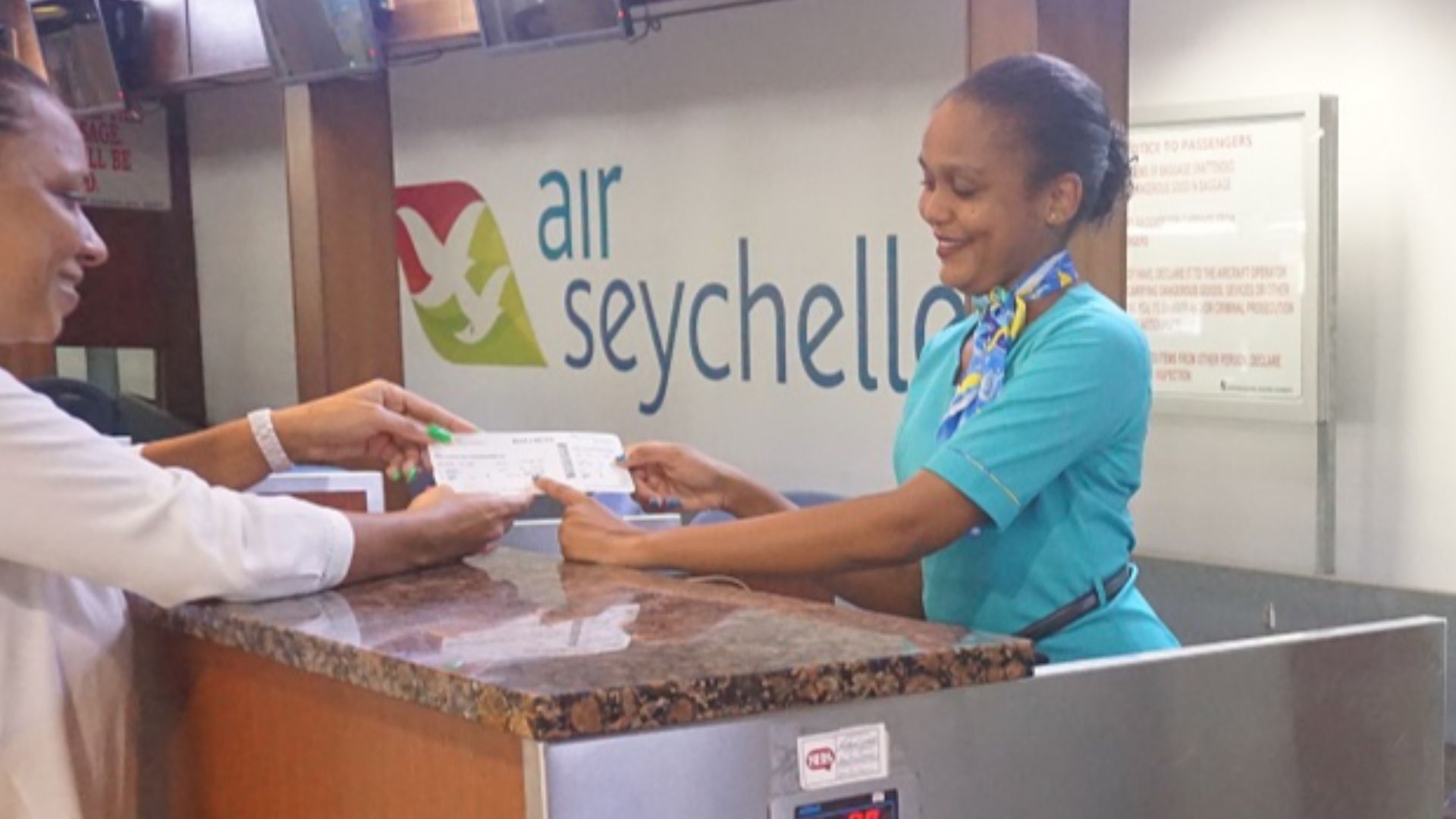
Involuntary Bumping Can Trigger Compensation Rights
Under U.S. Department of Transportation rules, passengers who are involuntarily bumped from oversold flights may qualify for compensation depending on how delayed they are reaching their destination. The longer the delay caused by the bumping, the more compensation the airline may legally owe you. In some cases, payouts can reach several times the value of the one-way fare.
Timing Is What Usually Determines The Payout
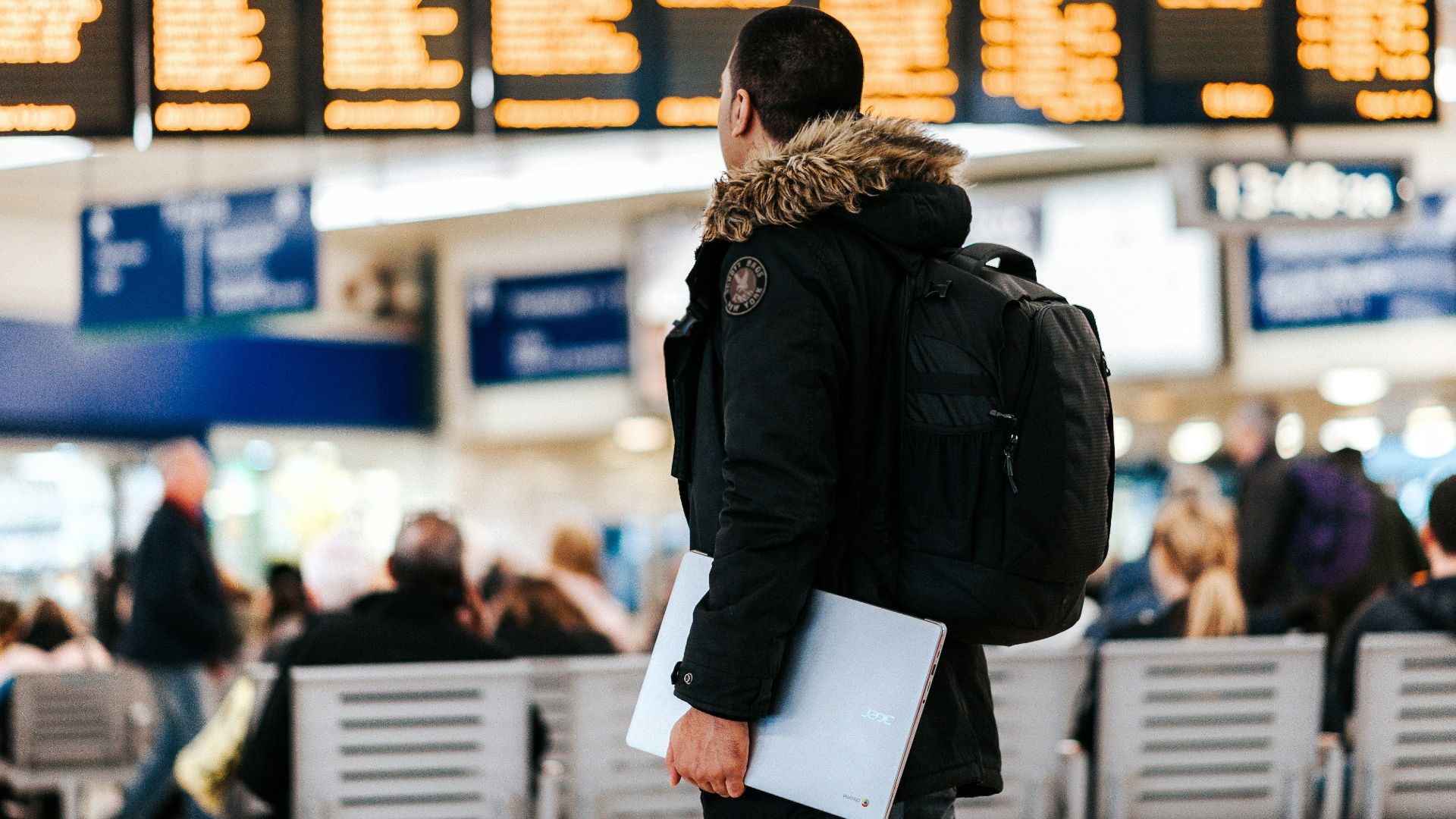
Compensation often depends on how much later you arrive compared to your original itinerary. If the replacement flight gets you there only slightly later, compensation may be smaller or unavailable. But if you lose several hours or even an entire day of travel, the amount owed can increase substantially. That’s why travelers missing vacation time often have stronger compensation claims than they initially realize.
Domestic And International Flights Follow Different Rules
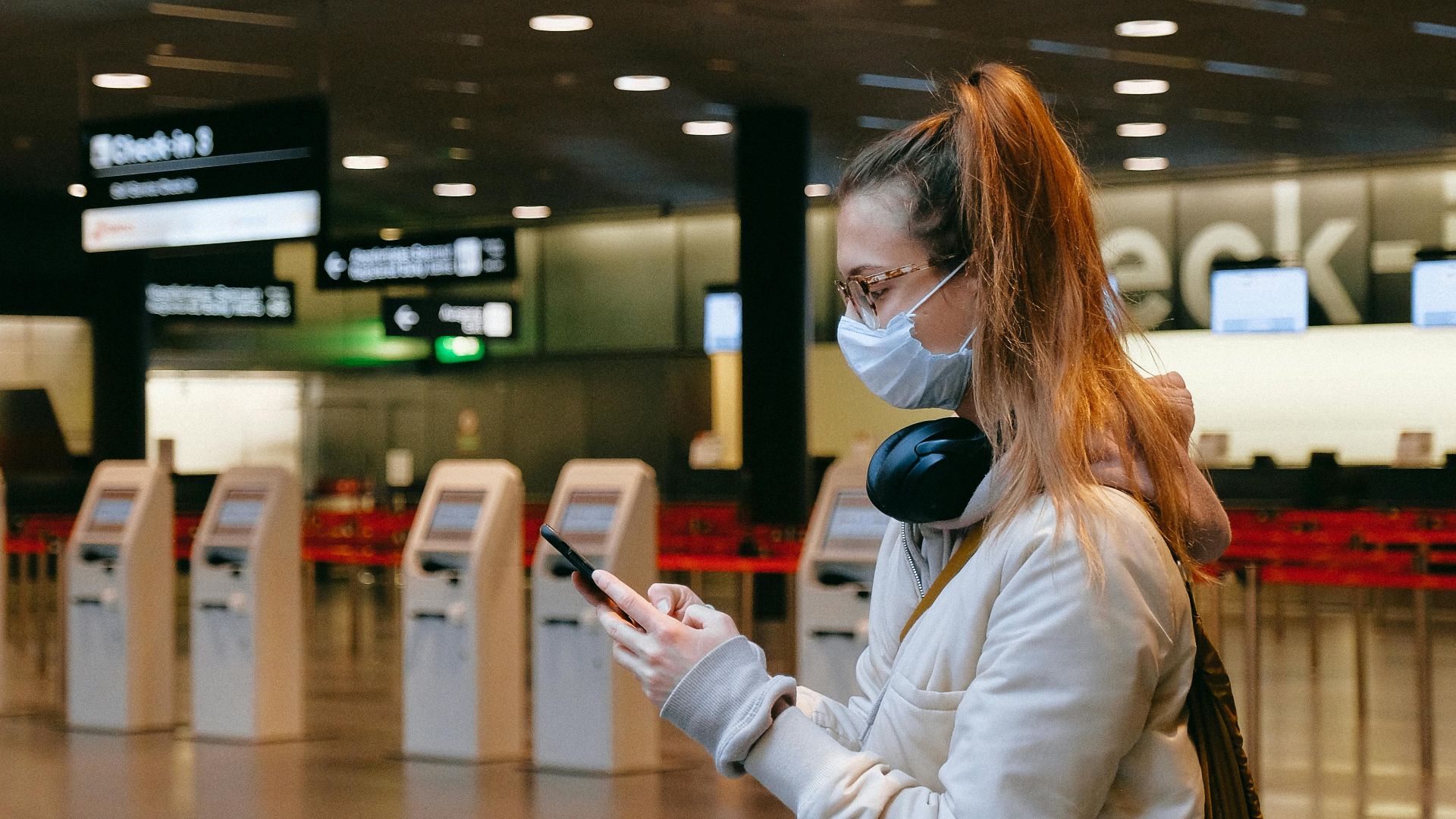
The rules become more complicated if your flight involved international travel. Different countries and regions have their own passenger-protection systems. For example, European Union regulations under EU261 can sometimes provide stronger compensation rights than U.S. law. Depending on your route, you may actually have more protections available than the airline initially explains to you.
Airlines Don’t Just Pick People At Random
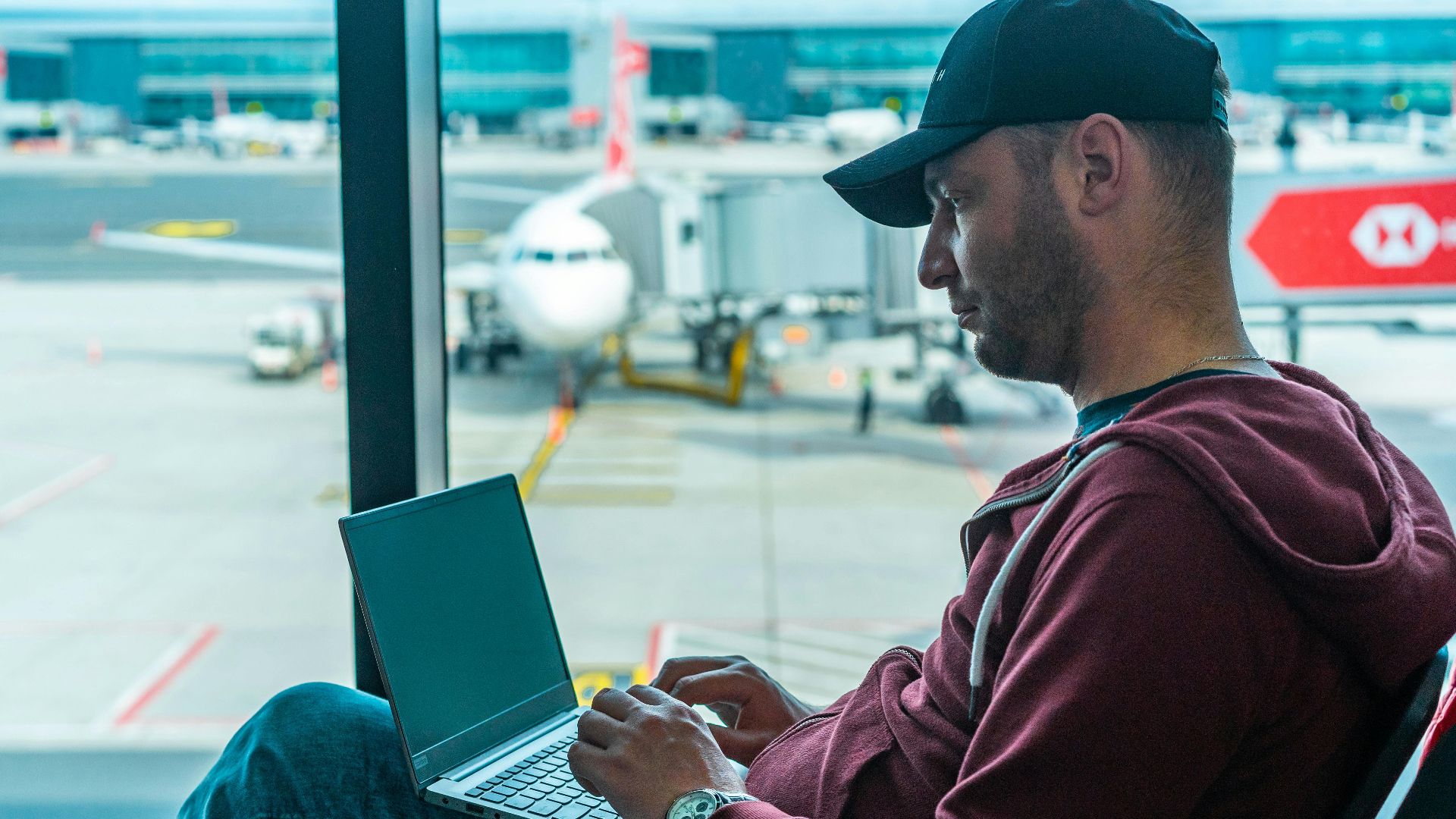
Many travelers imagine gate agents randomly selecting unlucky passengers, but airlines usually use internal priority systems. Factors like check-in time, fare class, loyalty status, and ticket type often influence who gets bumped first. Passengers flying on basic economy fares or checking in late are often more vulnerable than frequent flyers or premium cabin travelers.
Basic Economy Tickets Usually Come With Fewer Protections
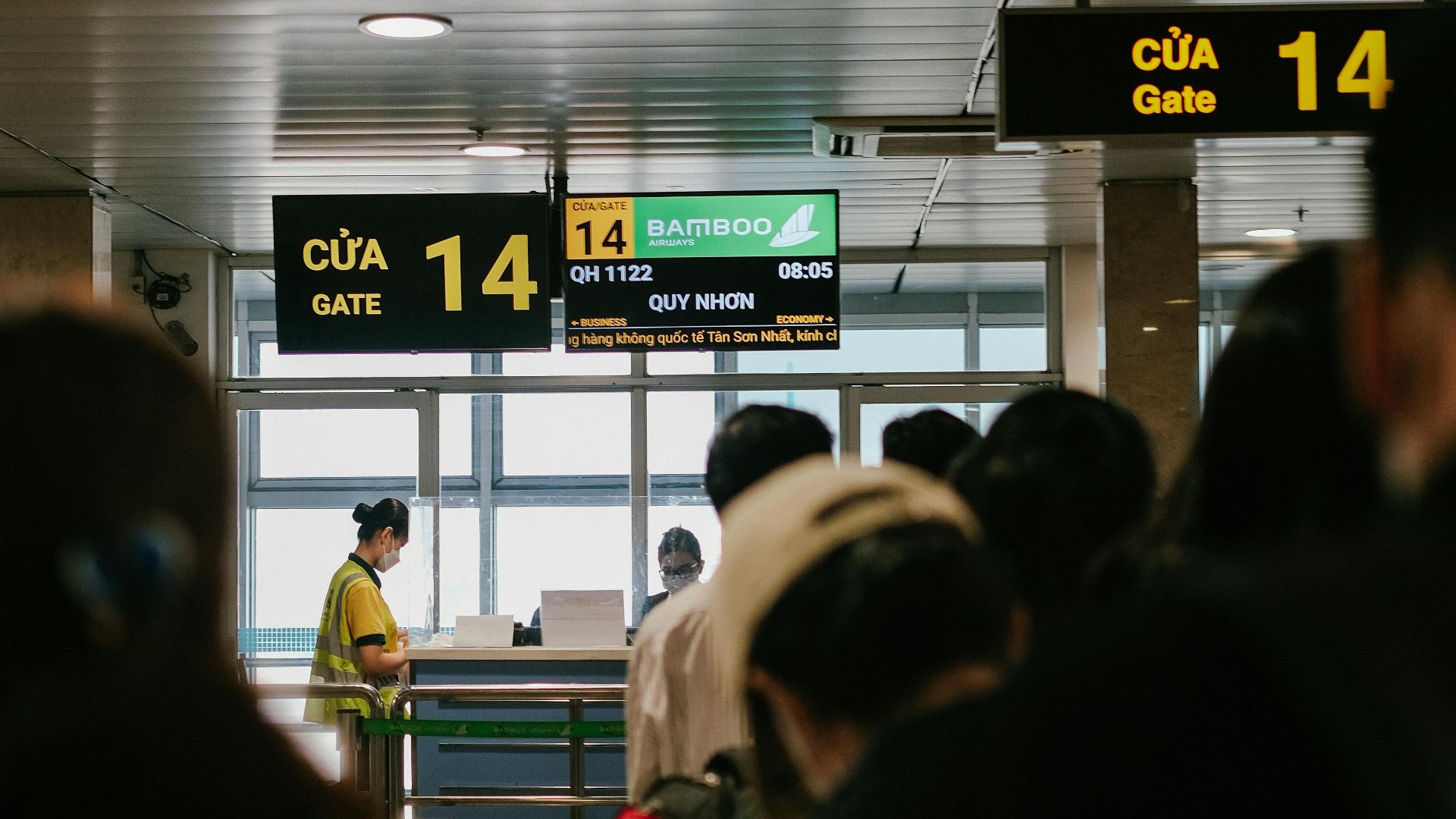
This is one of the hidden downsides of ultra-cheap fares. Basic economy passengers often receive lower boarding priority and fewer seating protections. While they may still qualify for bumping compensation in many cases, they’re also more likely to be the first people targeted when airlines need to free up seats quickly.
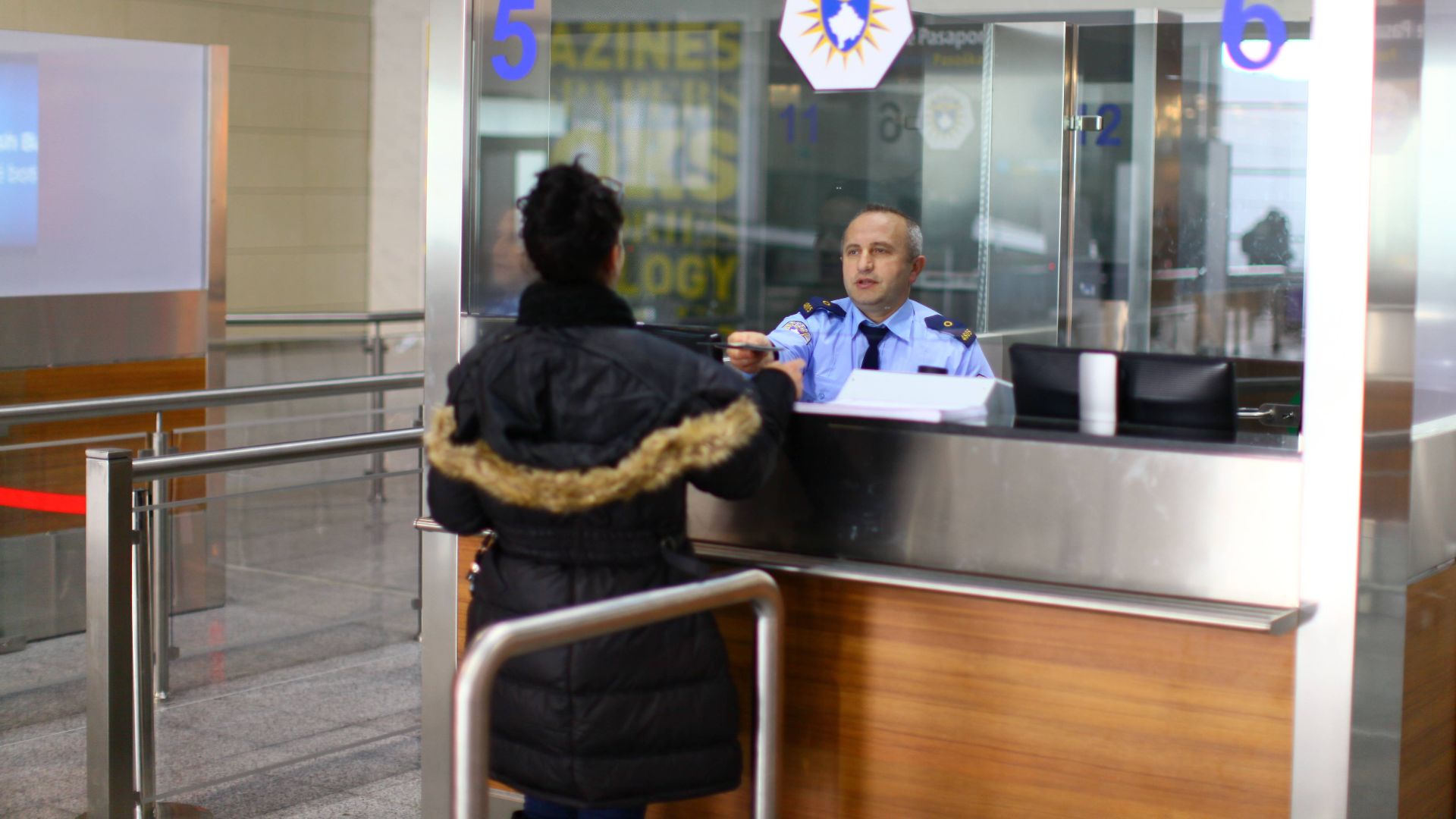 Kosovo Police, Wikimedia Commons
Missing Vacation Time Makes The Situation Feel Worse
Financial compensation helps, but it often doesn’t fully account for the emotional frustration of losing part of a vacation. Missing hotel reservations, prepaid tours, cruises, weddings, or special events can feel much more significant than whatever check or voucher the airline eventually offers. That emotional stress is one reason involuntary bumping feels so personal for many travelers.

Confirm You Were Officially “Denied Boarding”
The wording matters more than people realize. Airlines sometimes use vague language like “seat unavailable” or “operational issue” instead of clearly saying you were involuntarily denied boarding due to oversales. Ask directly whether you were officially bumped from an oversold flight. That classification affects whether federal compensation rules apply to your situation.
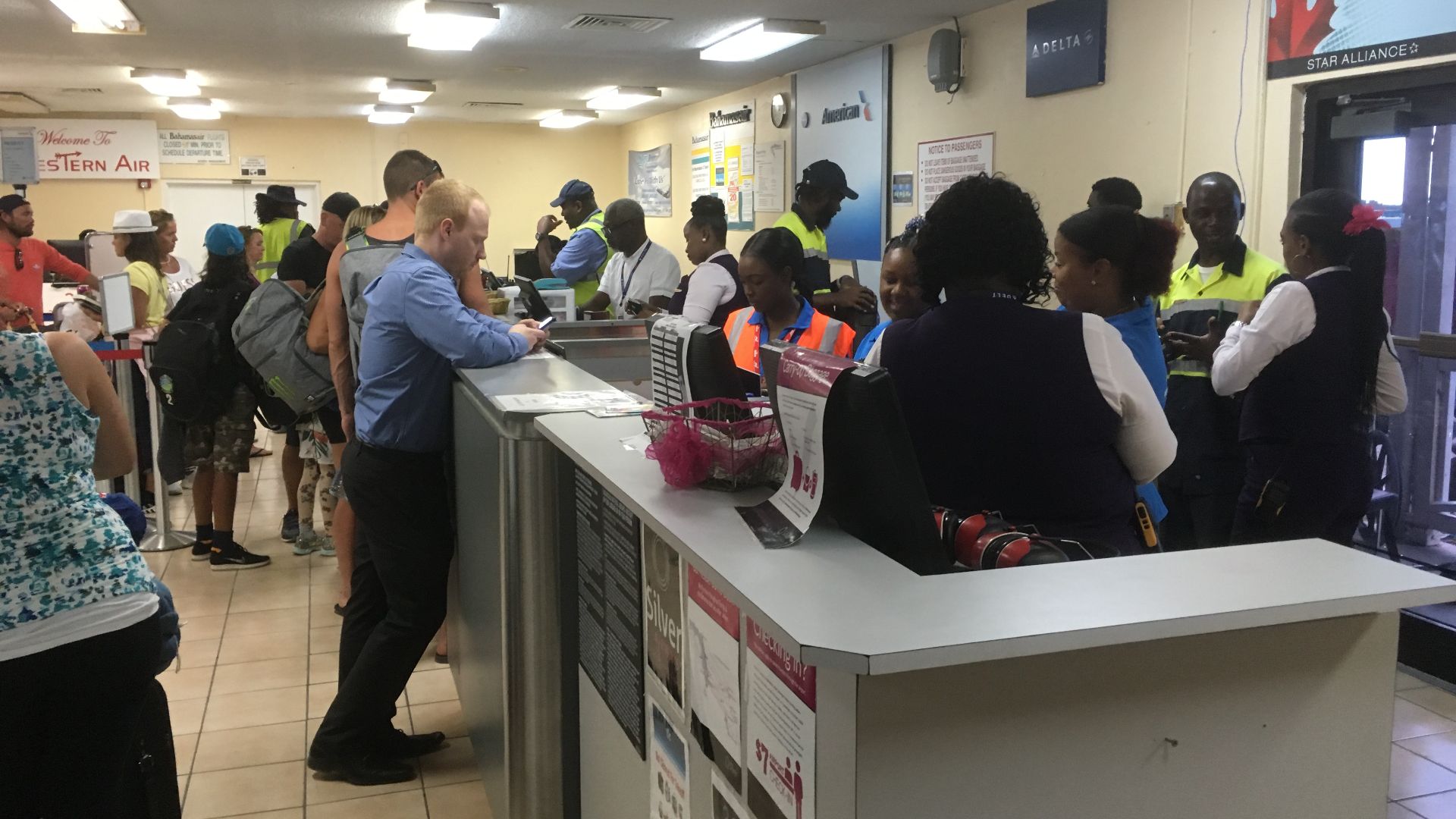
Ask For Written Information About Your Rights
Federal rules require airlines to provide written information explaining denied boarding compensation rights. A lot of frustrated passengers leave the airport without fully understanding what they’re entitled to. Getting the information in writing makes it easier to compare the airline’s offer against the actual rules later.
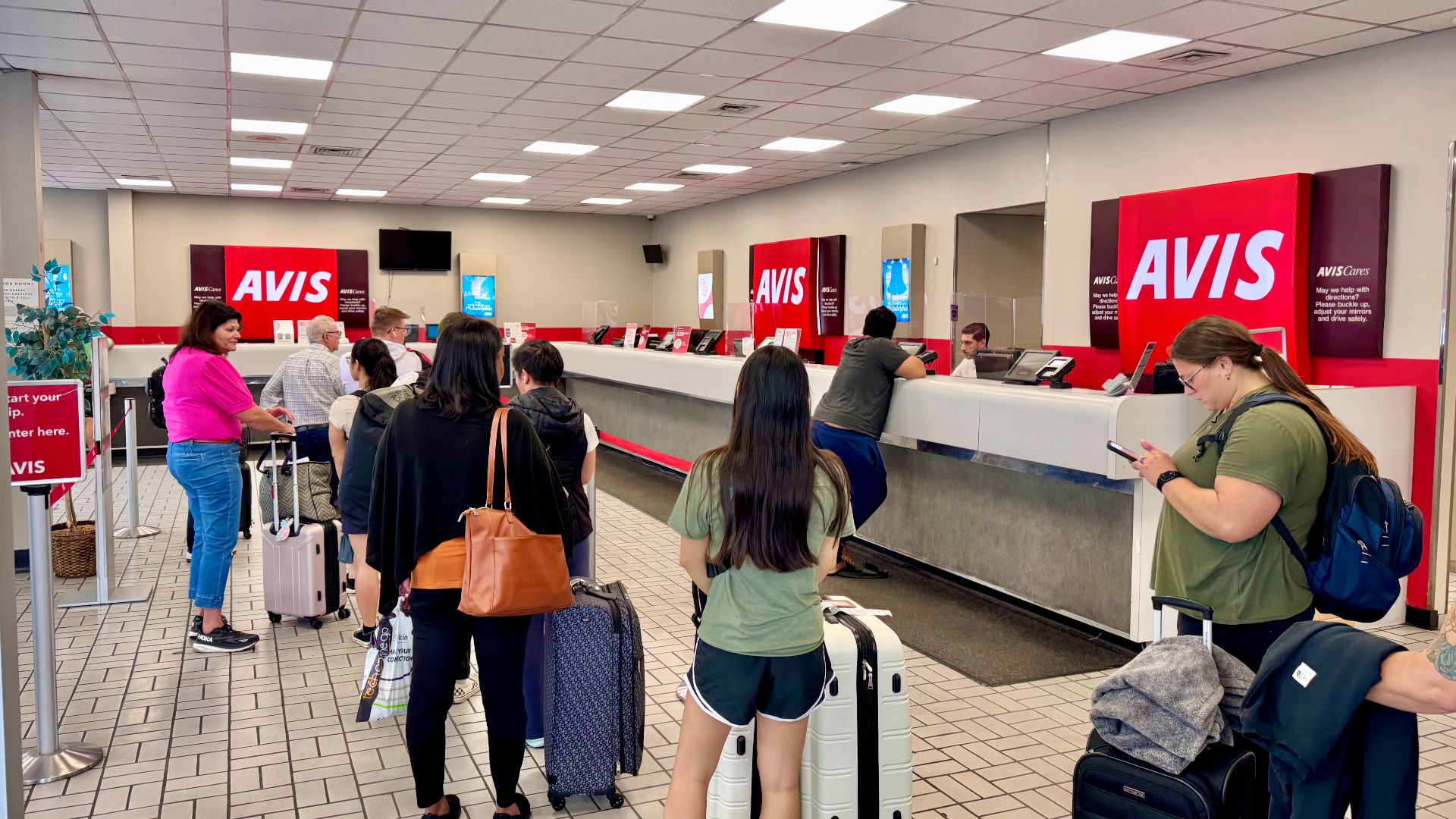 Harrison Keely, Wikimedia Commons
Don’t Automatically Accept The First Offer
Airlines often start with travel vouchers or credits because they’d rather keep the money inside their own system. But depending on the circumstances, you may qualify for cash compensation instead. Vouchers can also come with blackout dates, expiration periods, or restrictions that make them less valuable than they initially appear.
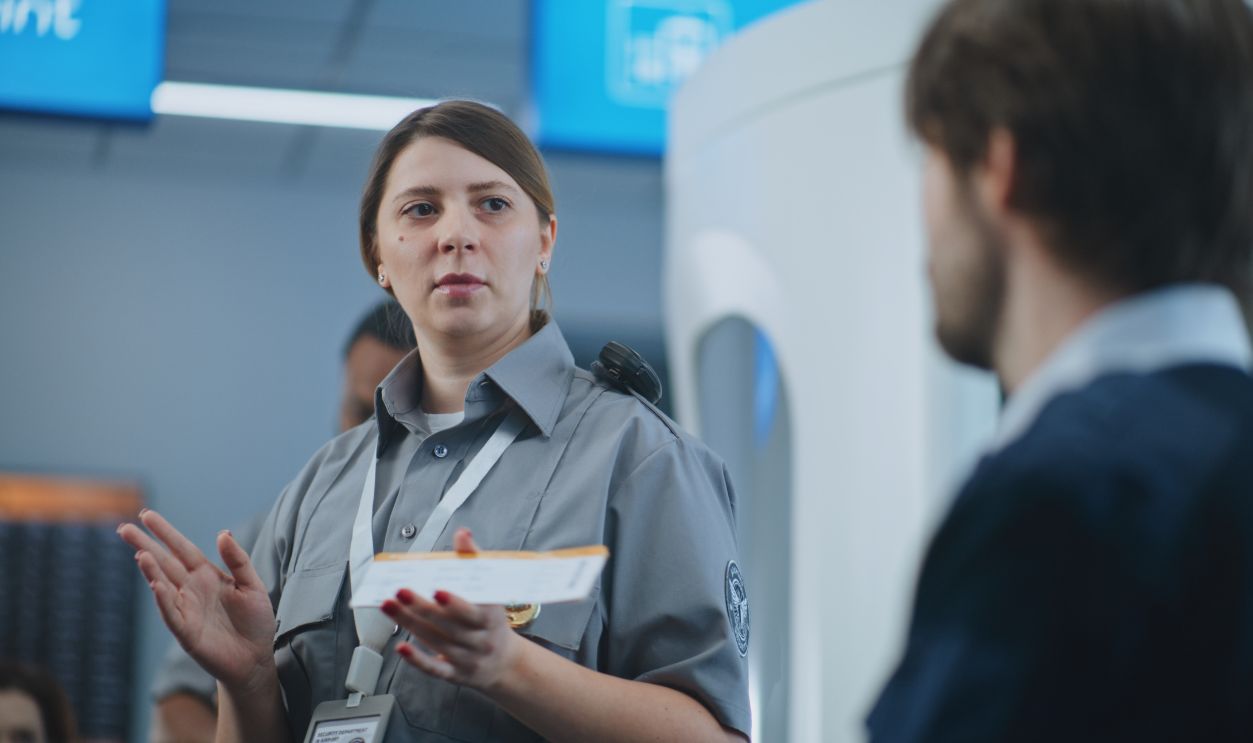
The Airline Still Has To Rebook You
Even if you qualify for compensation, the airline is generally still responsible for getting you to your destination. Sometimes that means rerouting you through another city or placing you on a partner airline. In heavily oversold travel periods, however, replacement flights may still involve major delays or overnight waits.
 Frame Stock Footage, Shutterstock
Hotels And Meals Aren’t Always Guaranteed
This surprises a lot of people. Unlike denied boarding compensation, hotels and meal vouchers are not always automatically required under federal law. Whether the airline provides them often depends on company policy, the length of the delay, and the specific circumstances. Some airlines are much more generous than others when handling stranded passengers.
Credit Card Travel Protections May Help Too
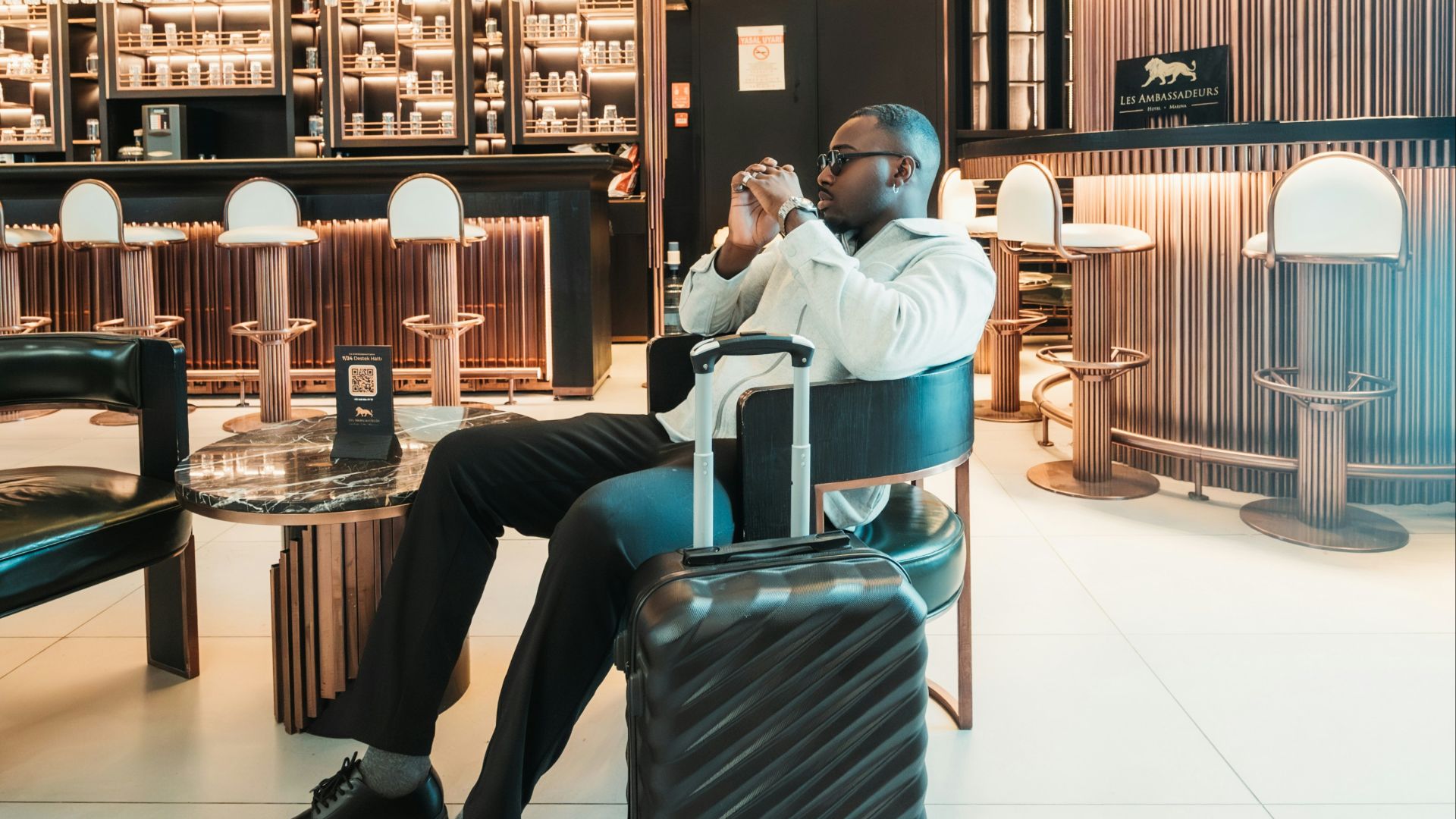
Many travel credit cards include trip delay or interruption protections that may reimburse expenses like hotels, meals, transportation, or missed bookings caused by major delays. These protections vary heavily by card issuer, but they can sometimes cover losses the airline refuses to reimburse directly.
Save Every Piece Of Documentation
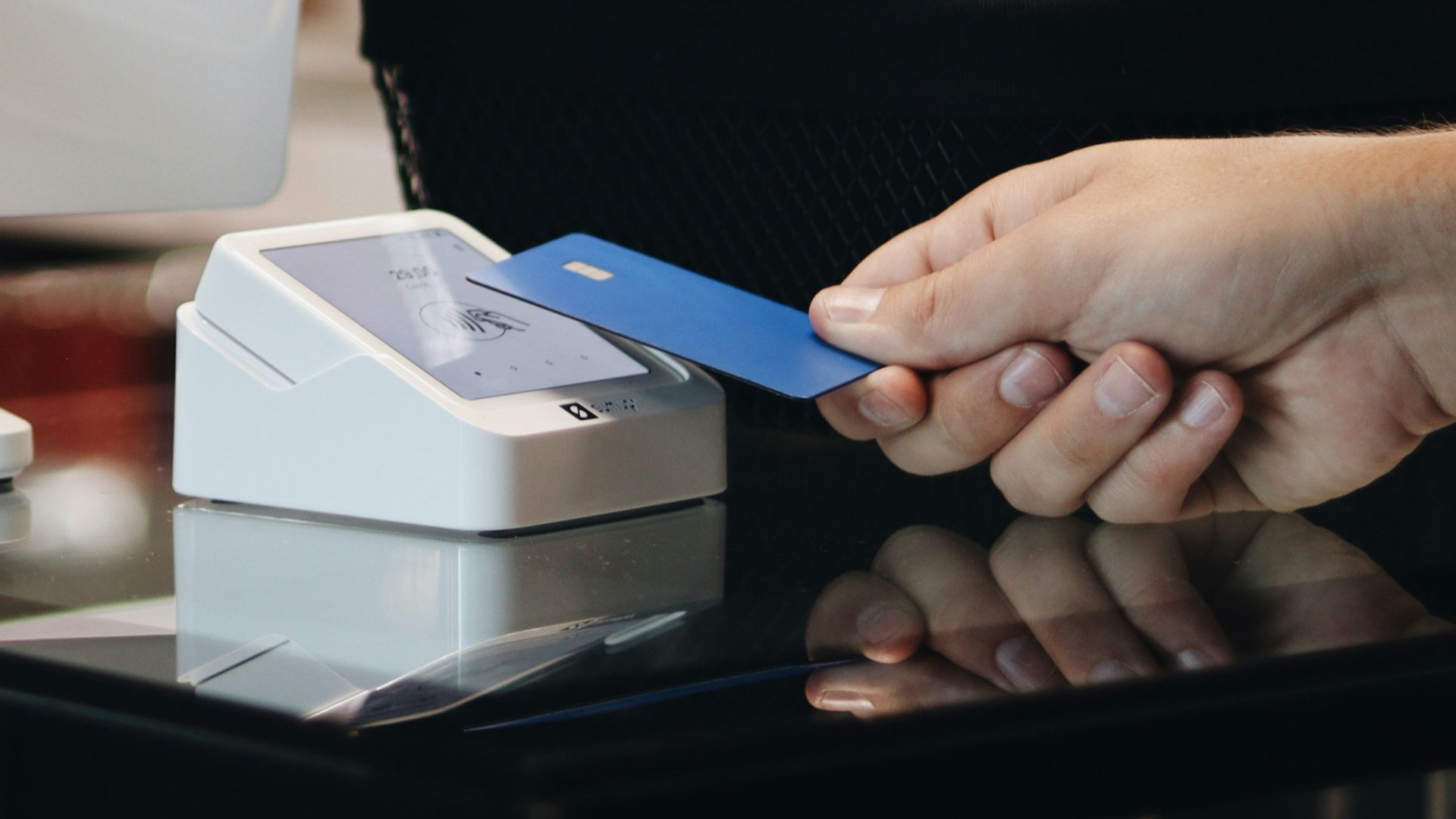
This part matters enormously if you later need to dispute compensation or file complaints. Save your boarding pass, receipts, delay notifications, emails, screenshots, compensation offers, and any written information the airline provides. The more documentation you have, the easier it becomes to prove what happened and what you may be owed.
Customer Service Doesn’t Always Explain Things Correctly
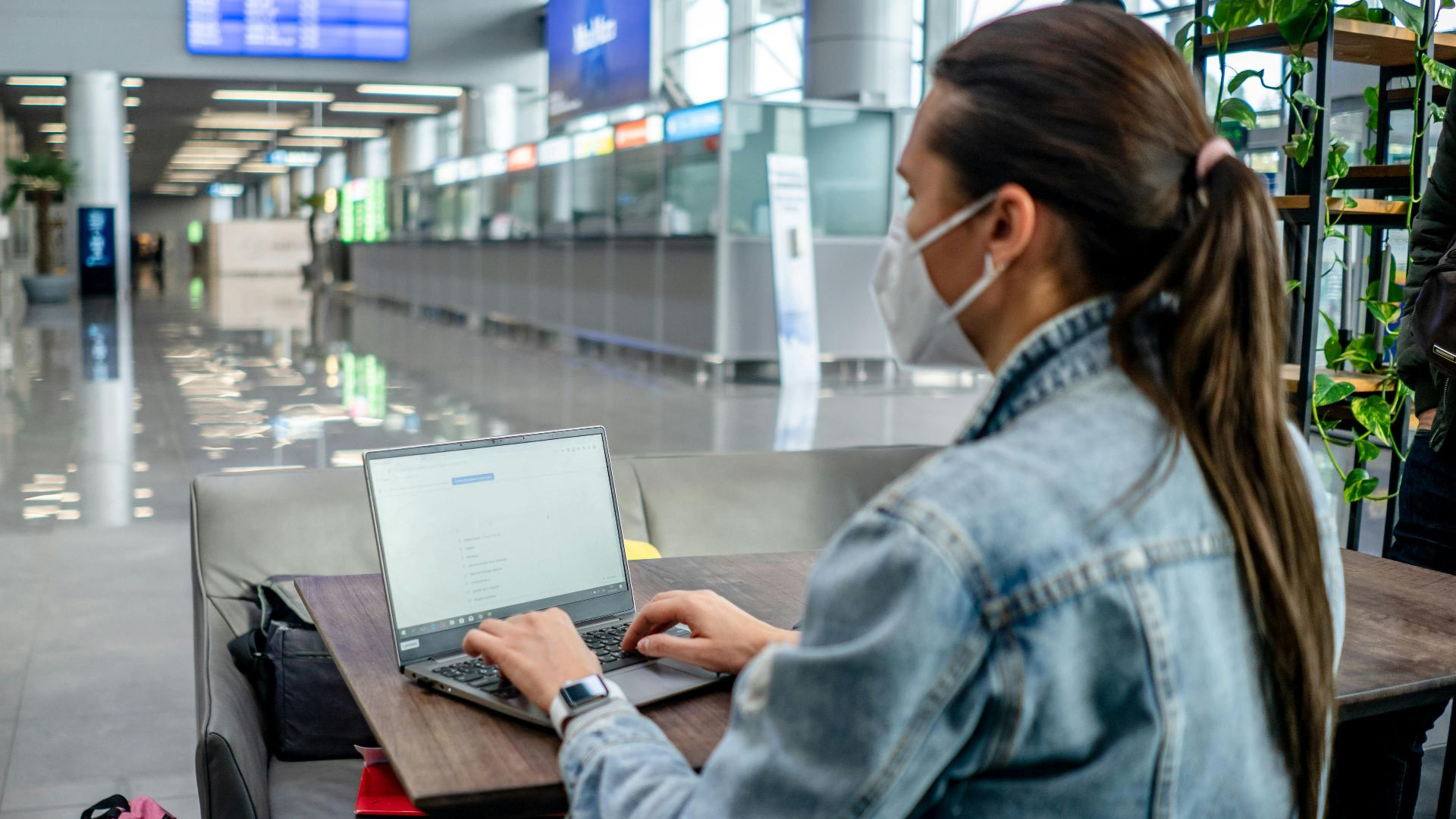
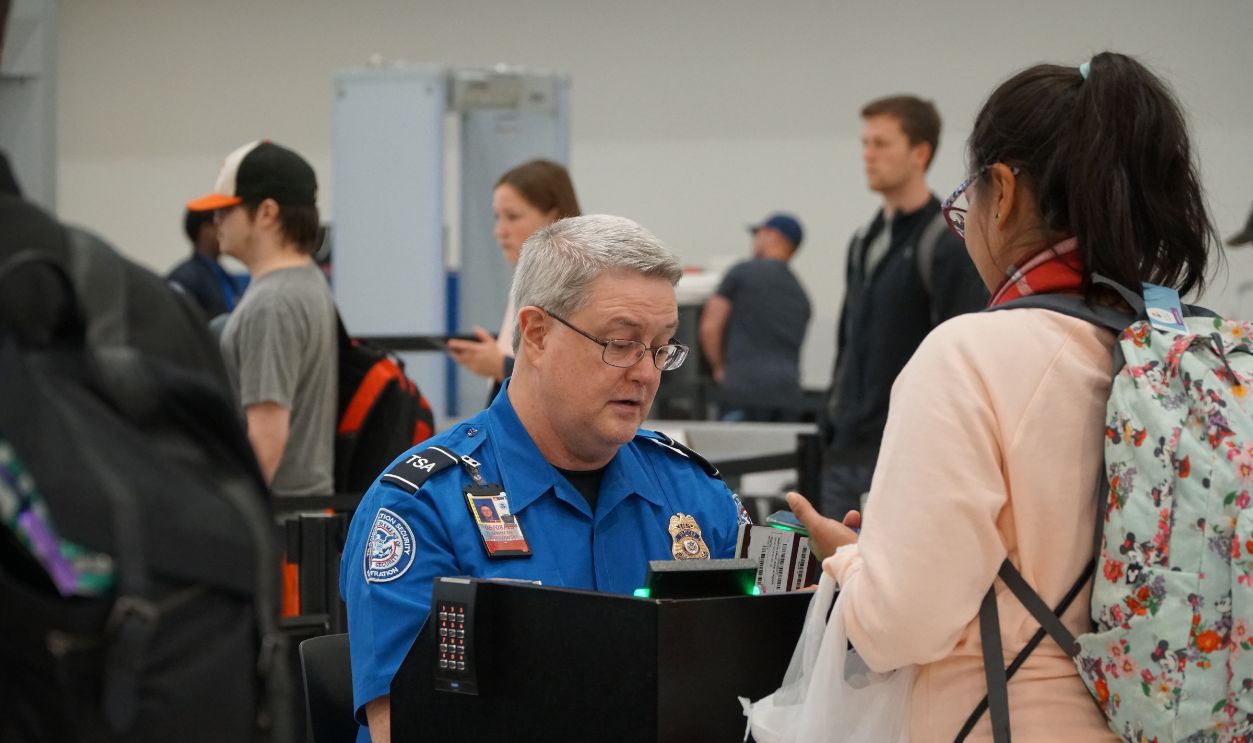
Unfortunately, airline employees sometimes give incomplete or inaccurate explanations about compensation rules, especially during chaotic travel situations. Some passengers later discover they qualified for much more compensation than they originally accepted. That’s one reason it’s smart to independently review DOT guidelines instead of relying entirely on whatever the gate desk says in the moment.
 Everythingforall, Shutterstock
Airlines Count On People Not Knowing Their Rights
This is one of the most frustrating realities of airline compensation disputes. A lot of travelers are exhausted, stressed, and eager to continue their trip, so they accept minimal compensation without questioning it. Airlines know most passengers won’t spend time researching federal rules at the airport while trying to salvage their vacation plans.
Staying Calm Usually Gets Better Results
As aggravating as the situation feels, remaining calm with gate agents often improves your chances of getting better rerouting options or compensation flexibility. Gate staff are dealing with dozens of angry travelers simultaneously during oversold situations. Passengers who stay polite and organized often get more assistance than those immediately escalating into confrontations.

So What Should You Do Right Now?
If you were involuntarily bumped, ask the airline directly whether denied boarding compensation applies to your case. Request written information about your rights, save all receipts and documentation, and compare the airline’s offer against federal guidelines before agreeing to anything. If you believe you were shortchanged, you can also file complaints with the Department of Transportation afterward.
 Frame Stock Footage, Shutterstock
Final Thoughts
Yes, airlines can legally overbook flights and sometimes bump passengers when too many people show up. But if you were involuntarily denied boarding and your trip was significantly delayed, there’s a strong chance you qualify for compensation under federal rules. While money may not fully make up for losing vacation time, understanding your rights can help you avoid getting pressured into accepting less than you deserve.
You May Also Like: