The Surprise At Check-In
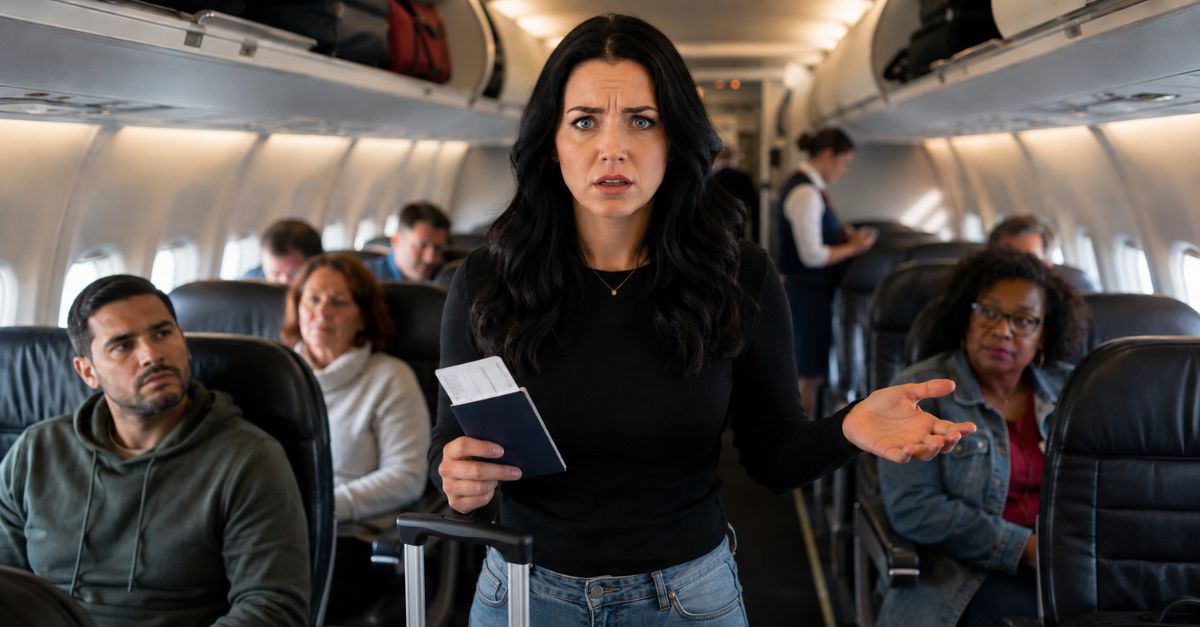
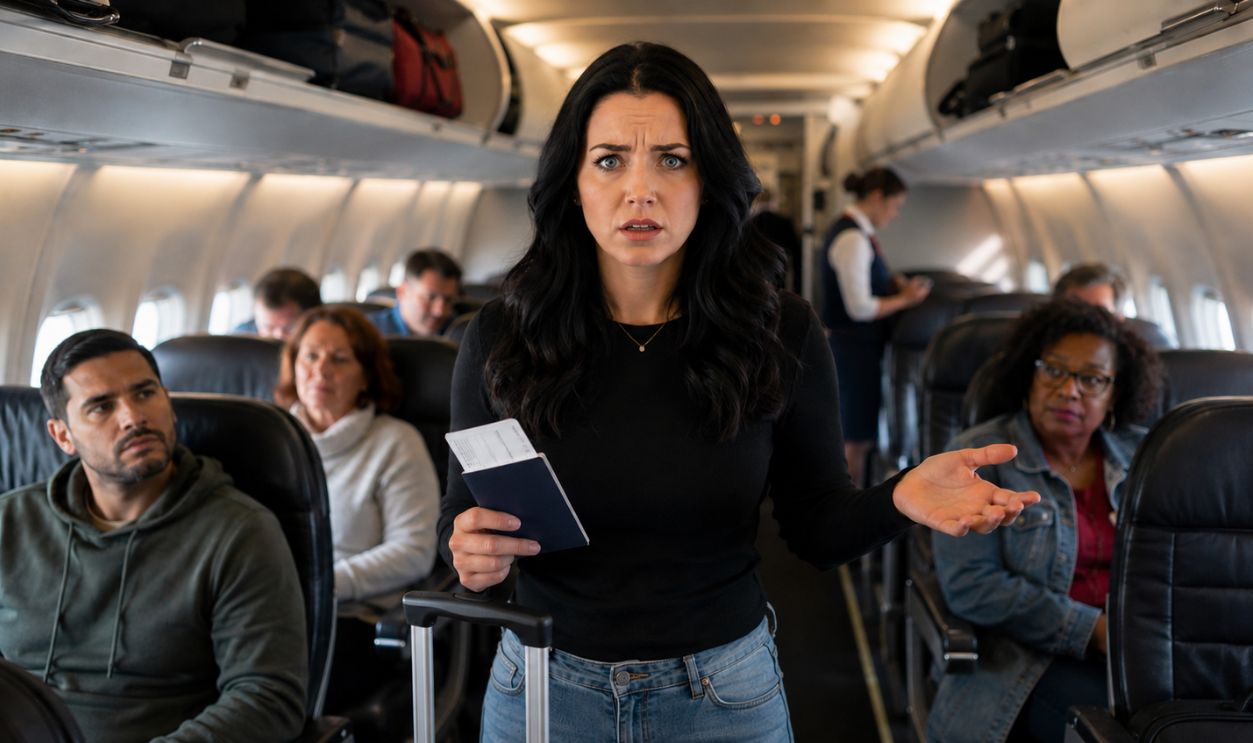
You and your friends haven't seen each other in forever. You booked together, paid together, and made sure you all got on the same flight so the party can start right away. Then the boarding passes show up and your group is scattered all over the cabin. Your frustration makes perfect sense, but U.S. airlines are not required to seat everyone on one booking together.
What The Government Says Right Now
The clearest federal guidance comes from the U.S. Department of Transportation. The DOT says airlines should do what they can to seat children age 13 or younger next to at least one accompanying adult at no extra cost. That guidance is about family seating, not a broad rule that every group on one reservation has to sit together.

The Big Catch Most Travelers Miss
Booking together is not the same as being guaranteed seats together. Airlines usually treat seat assignments as a separate perk unless your fare includes them. If you buy basic economy, the chances of getting split up often go way up.

Family Seating Is Where The Rules Get Strongest
In July 2022, the DOT under President Joe Biden stepped up pressure on airlines to seat young children with accompanying adults without extra fees. The department later launched a family seating dashboard so travelers could compare airline promises. That push mattered because it created a public standard, even without a broad federal rule covering every passenger.

Which Airlines Made Public Commitments
The DOT dashboard lists airlines that say they will seat children 13 or younger next to an accompanying adult when adjacent seats are available at booking. It also notes whether airlines will rebook families on another flight if that cannot happen. Those details vary by carrier, which is why it pays to check the policy before you buy.

There Is No General Law For Adult Groups
If your group is all adults, the legal picture is much thinner. A shared reservation or shared last name does not automatically give you a right to side-by-side seats on most U.S. domestic flights. Unless the airline promised seating in the fare terms, it usually has a lot of freedom to assign or change seats.
Why Airlines Split Groups In The First Place
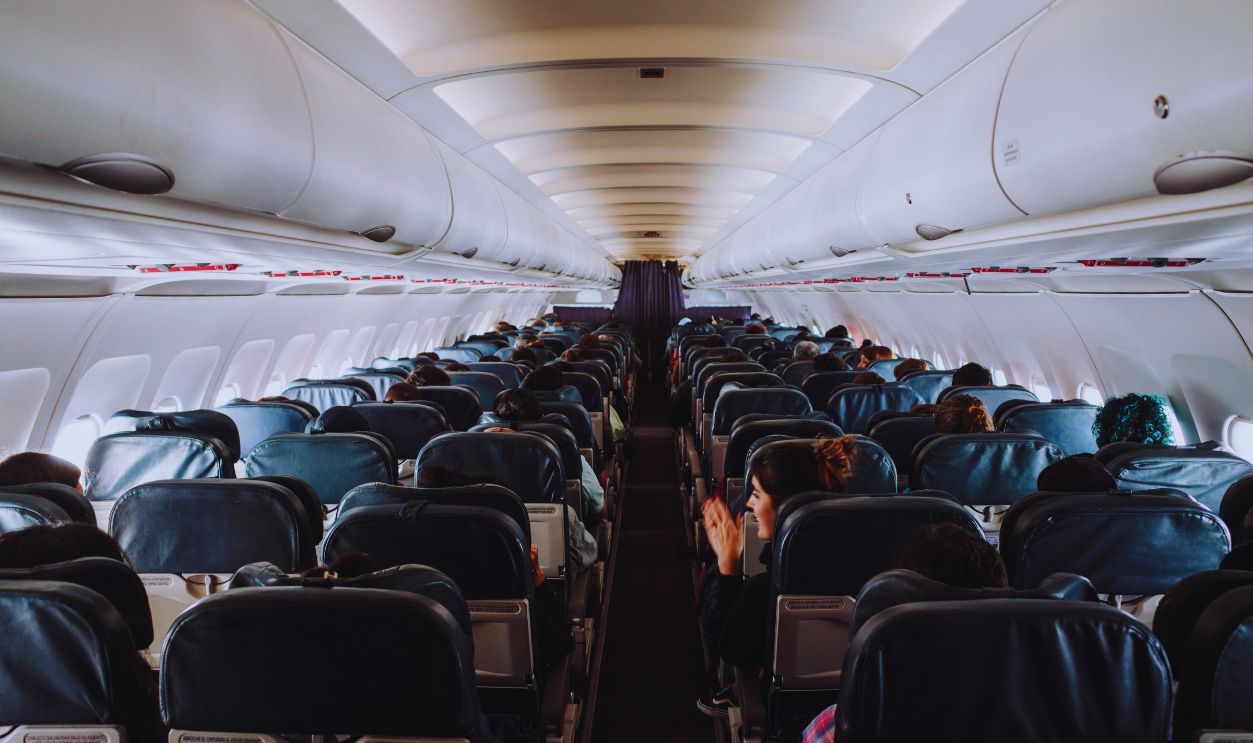
Airlines do not always split travelers because someone messed up. By the time many passengers check in, big blocks of seats may already be sold, reserved for elite flyers, or held back for operational needs. Aircraft swaps, delays, and last-minute passenger changes can also scramble the seat map fast.
Basic Economy Often Changes The Game
This is where a cheap fare can turn into a headache. Many airlines openly warn that basic economy comes with limited or delayed seat assignments. If sitting together matters, that low sticker price can cost you later.
Paid Seat Selection Usually Matters More Than The Reservation
On many airlines, the real protection is not the booking itself but whether you picked seats when you bought the tickets. If you skipped seat selection to save money, the system may place each traveler wherever space is left. Even then, airlines can still move seats later for operational or safety reasons.

Children Get More Protection Than Friends
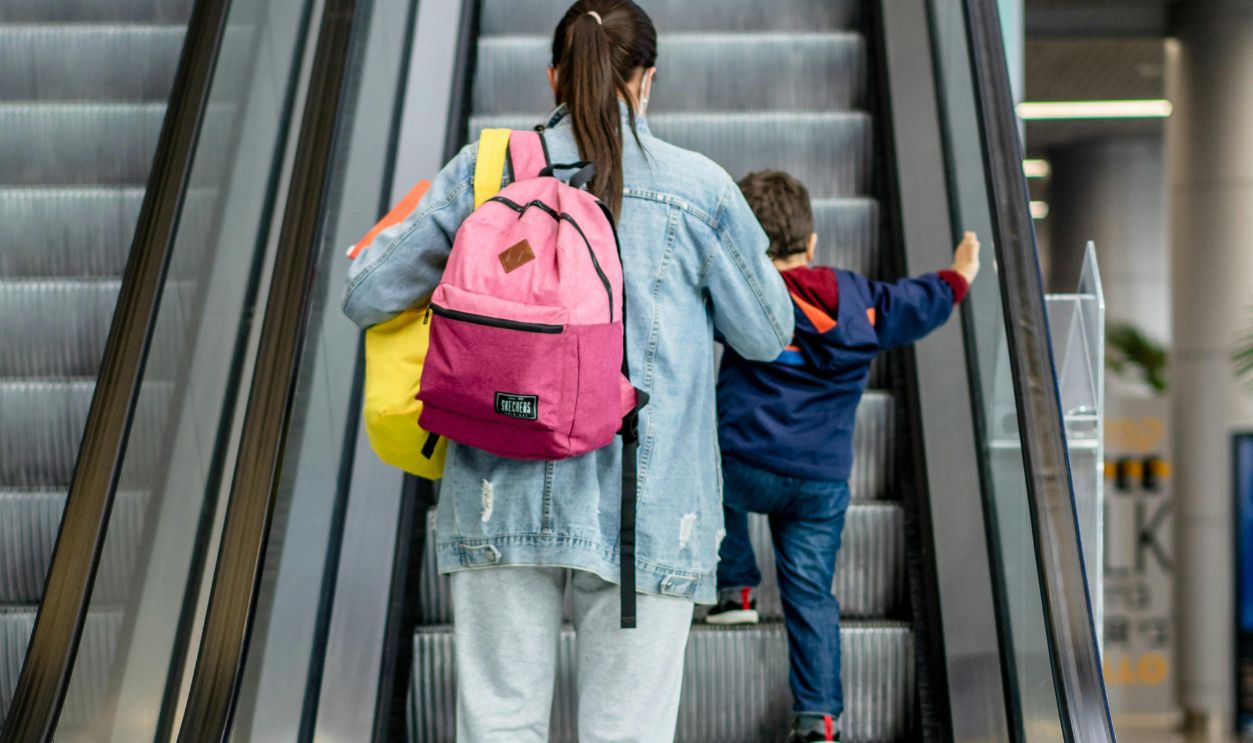
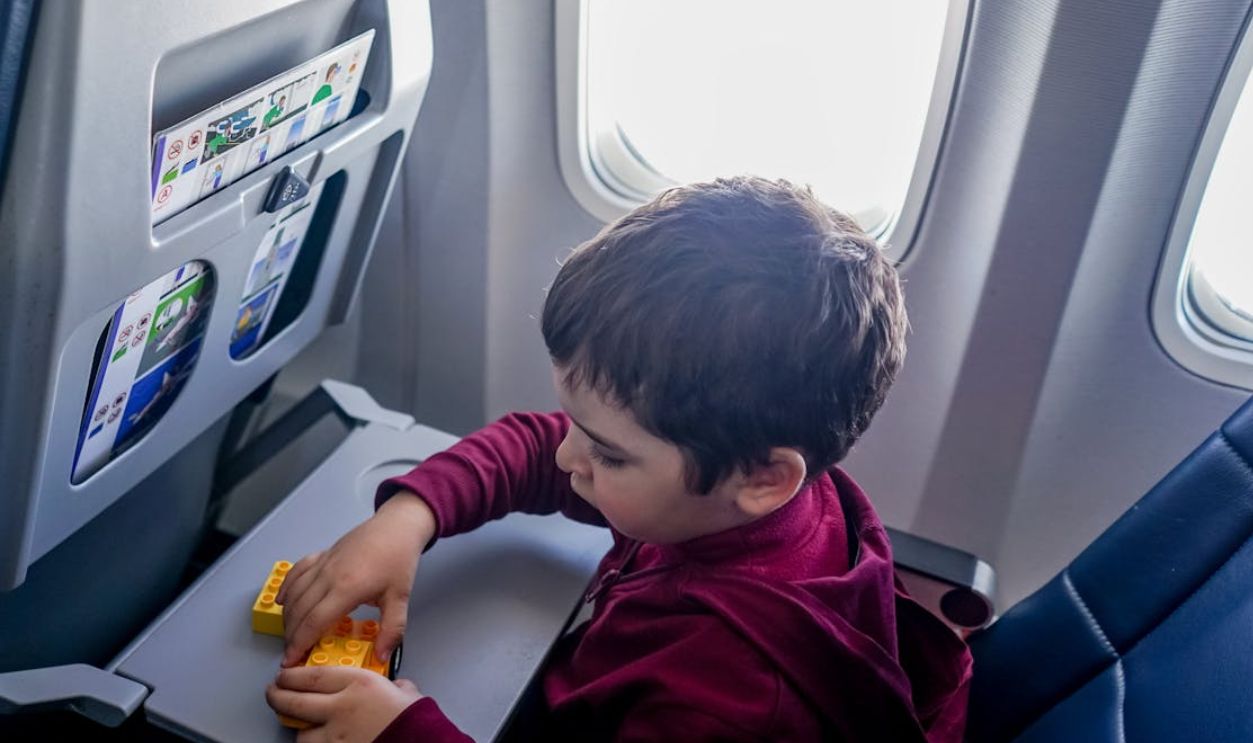
A family traveling with a 7-year-old has a stronger case than four adult friends flying to a wedding. The DOT’s family seating focus is specifically about children 13 or younger and an accompanying adult. That line can be frustrating, but it is the strongest federal protection in play right now.
The FAA Reauthorization Law Added Pressure
In May 2024, President Biden signed the FAA Reauthorization Act of 2024. Among many aviation provisions, the law told the DOT to review family seating policies and, under certain conditions, issue a rule related to seating children next to an accompanying adult. That did not create an instant guarantee for everyone, but it showed the issue had moved beyond complaints and into federal lawmaking.

What Counts As Seated Together
Airlines and regulators generally mean a child seated next to at least one accompanying adult. Usually that means directly adjacent, not just in the same row or a few rows away. For bigger groups, it does not mean everyone will be grouped into one tidy block.
If You Already Picked Seats, Can They Still Move You
Yes. Most airline contracts of carriage let carriers change seats for operational, safety, or equipment reasons. So even if you paid to sit together, that usually improves your odds rather than creating a lock.

The Contract Of Carriage Matters More Than Most People Realize
Every airline publishes a contract of carriage that lays out what it owes passengers and what it can change. Those contracts usually reserve the right to reassign seats, swap aircraft, and adjust boarding plans. They are not fun to read, but they are the closest thing to the rulebook for your ticket.

What If The Airline Promised Family Seating And Failed
If the airline publicly promised family seating and did not deliver even though there were workable options, you may have a stronger complaint. Start with the gate agent or customer service desk while there is still time to fix it. If that goes nowhere, the DOT accepts consumer complaints online, and repeated complaints can help regulators spot patterns.
The DOT Complaint Option Is Real
The DOT’s Office of Aviation Consumer Protection takes complaints from airline passengers. It is not an instant fix at the airport, but it can push airlines to respond and track bigger trends. If you think a carrier ignored its own seating policy, that record can matter.

Refunds Are Usually Limited
A lot of travelers assume getting split up means an automatic refund. Usually it does not, unless the airline failed to provide a service you specifically paid for, like a seat assignment. Even then, the answer may depend on the airline’s terms and whether the change was unavoidable.

There Is A Difference Between Courtesy And Obligation
Gate agents and flight attendants sometimes pull off last-minute fixes and get groups seated together. But a helpful gesture is not the same as a legal duty. Knowing that difference helps you ask clearly without expecting a rule that may not exist.
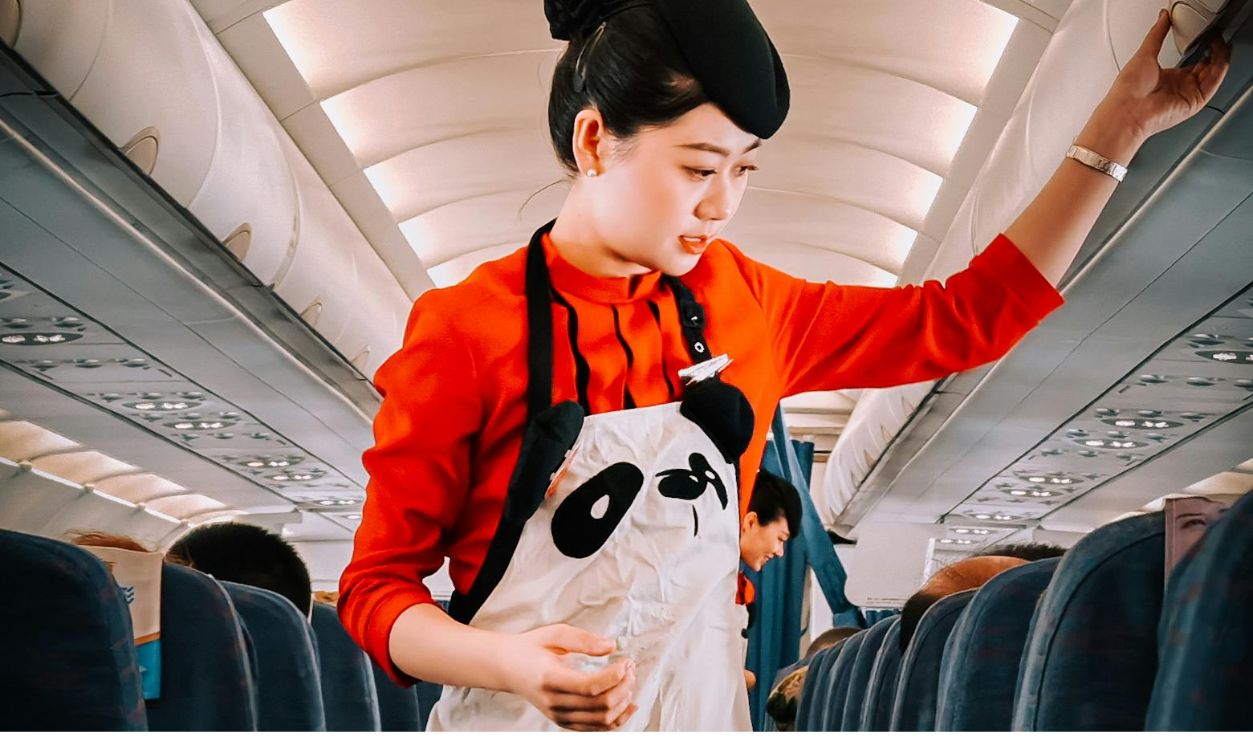
When To Act If You Spot The Problem Early
The best time to fix a split seating problem is often before you get to the airport. Check your seat assignments as soon as the tickets are issued, again a few days before departure, and again at online check-in. The earlier you catch a problem, the better your chances of fixing it.

The Gate Agent Can Be Your Best Shot
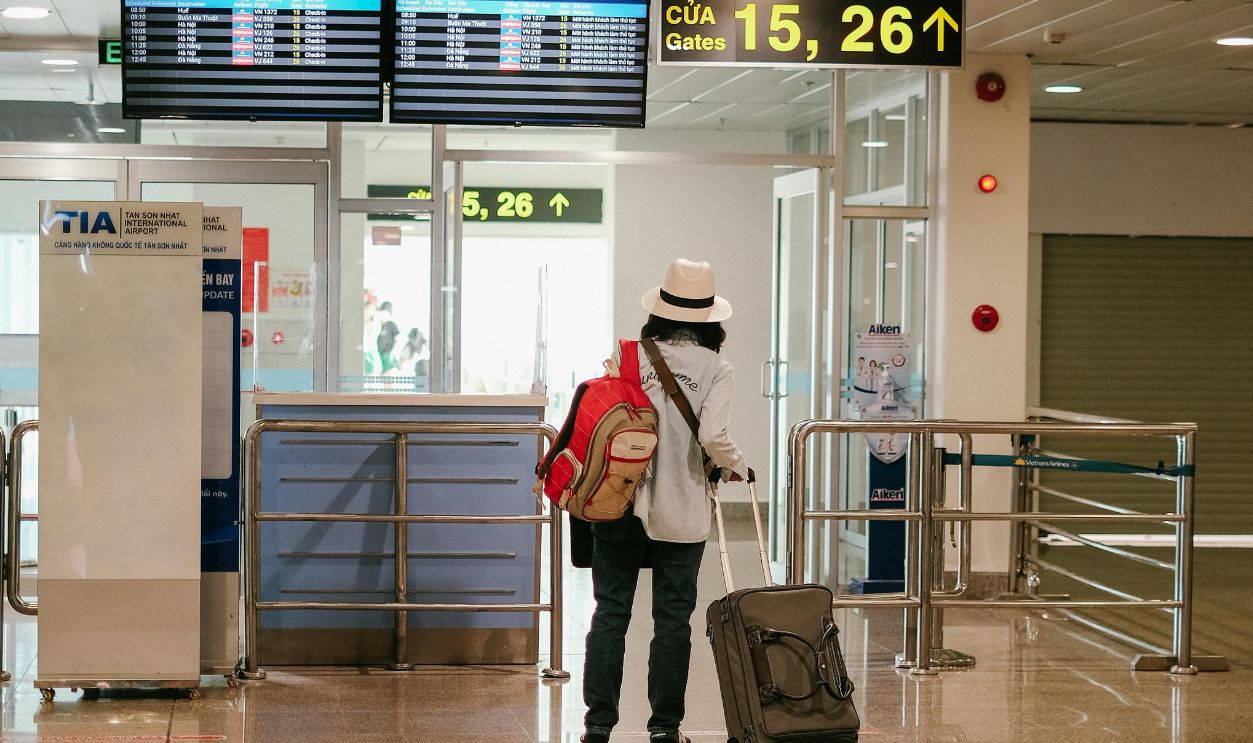
If the app shows your group spread out, get to the gate early and ask politely. Gate agents control many of the last-minute seating moves and can sometimes reshuffle assignments before boarding starts. Once the flight fills up and standby passengers clear, your options get much smaller.
Asking Other Passengers Sometimes Works
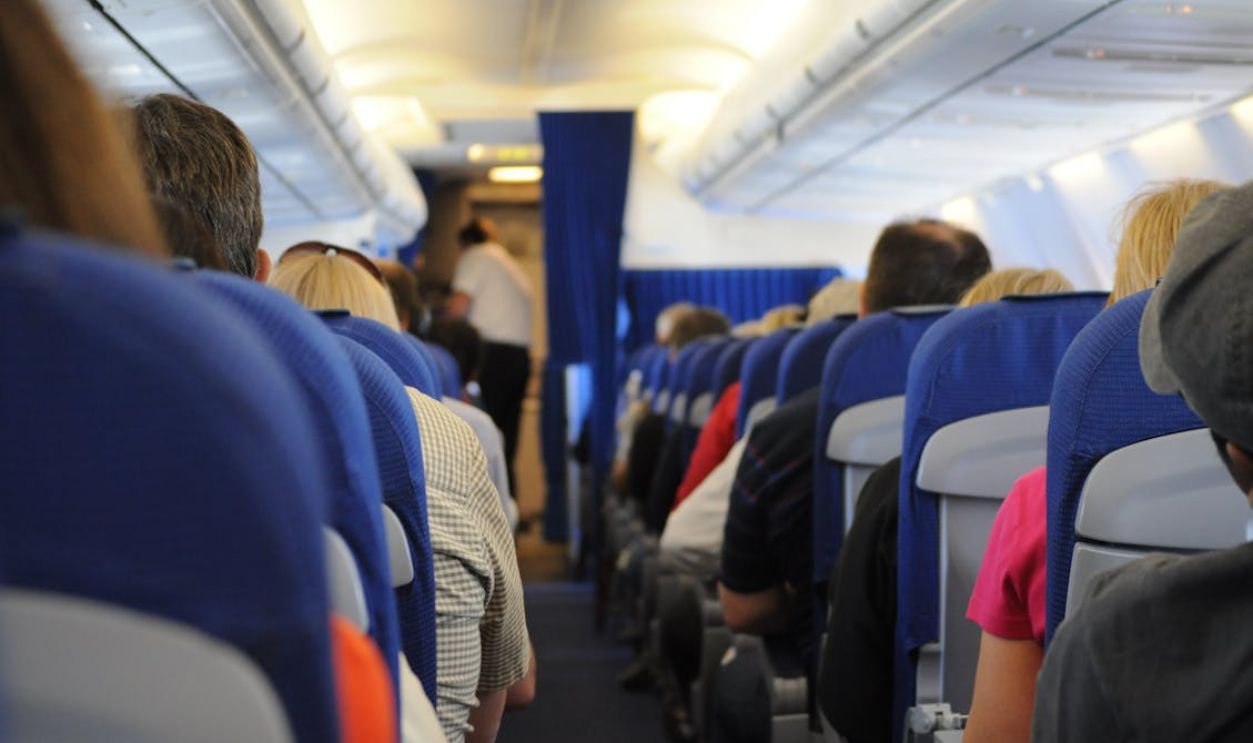
Once you are on board, a seat swap with another passenger can solve what the airline did not. The basic rule is simple: ask nicely, offer a seat that is equal or better, and be ready to hear no.
Do Not Count On Crew To Force A Swap
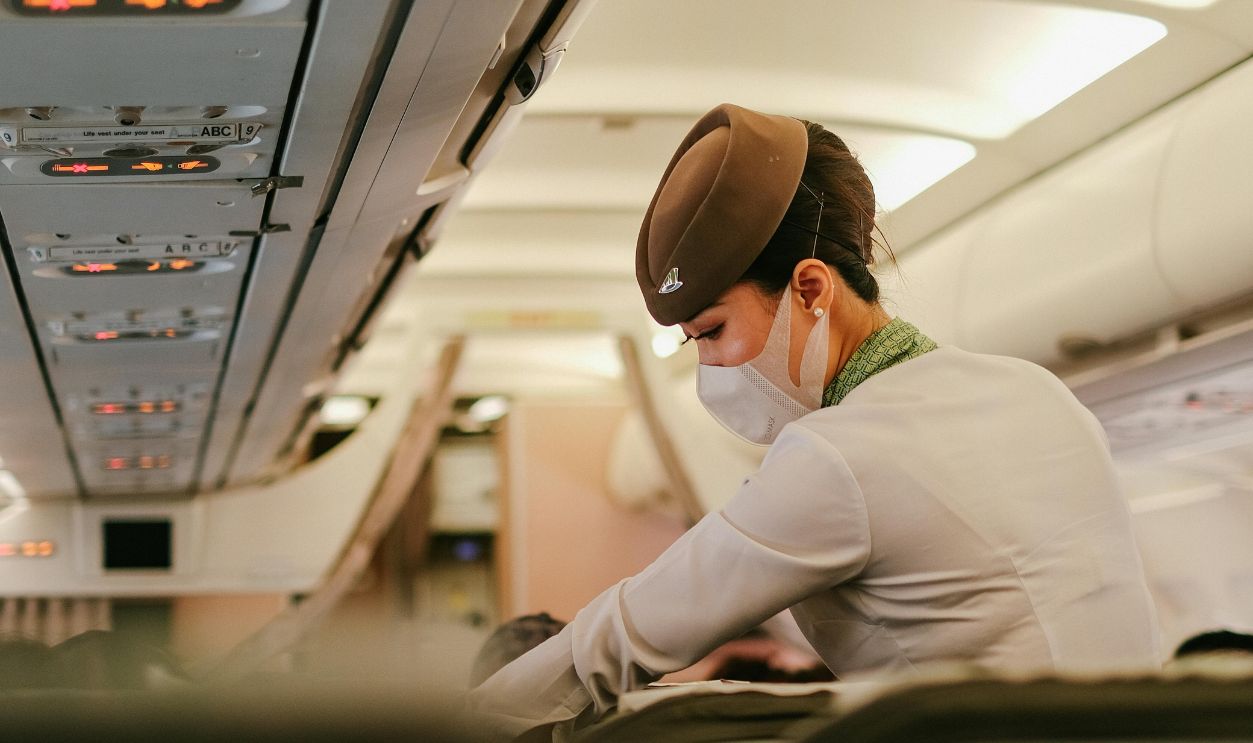
Passengers are generally entitled to sit in the seat on their boarding pass unless the crew needs a change for safety or operations. Flight attendants can ask for volunteers, but they are not there to make someone give up a better seat for your convenience. That is one more reason to act early.
The Smartest Booking Strategy
If sitting together matters, choose a fare that includes seat selection or pay for seats when you book. Do not rely on automatic assignment, especially on full flights, basic economy fares, or busy travel dates. The cheapest fare is often not the cheapest if getting split up will ruin the trip.
 ANTONI SHKRABA production, Pexels
Families Should Check The Airline Policy Before Buying
The DOT family seating dashboard is useful for this. It lets you compare airline commitments before you hit purchase. A quick look can show which carriers say they will seat children next to an accompanying adult at no extra cost.

Large Groups Face Different Realities
A reservation for six, eight, or ten people is much harder to keep together than a parent traveling with one child. Even on a flexible airline, that many adjacent seats may simply not be available by the time you book. In those cases, aiming for pairs or rows across the aisle is often more realistic.

International Rules Can Be Different
This article mainly covers U.S. airline rules and DOT policy because that is where the clearest public guidance exists. Other countries and regions may have different consumer protections or airline practices. If you are flying abroad, check both the airline’s terms and the local regulator’s guidance.

So Do They Have To Keep You Together
Usually not, at least not just because you booked together. In the United States, the strongest protections are aimed at seating children 13 or younger next to an accompanying adult without extra fees, and even that depends on availability and airline policy. For everyone else, the safest answer is simple: if sitting together matters, lock in your seats early and keep checking them until takeoff.