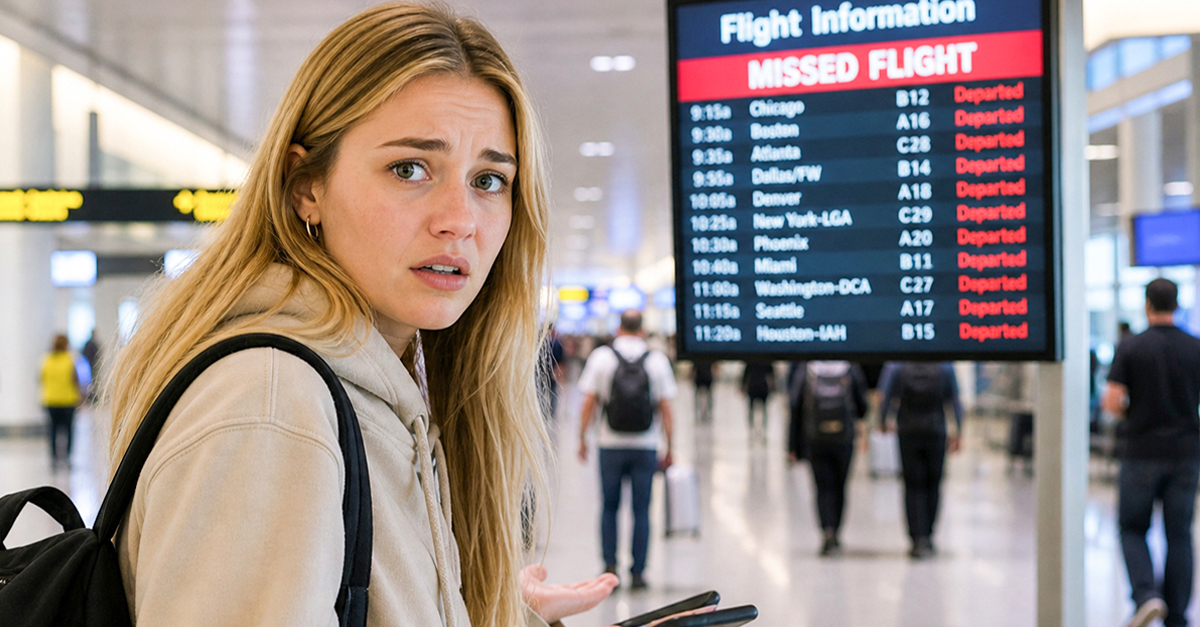
When Your Trip Goes Wrong Before It Even Starts
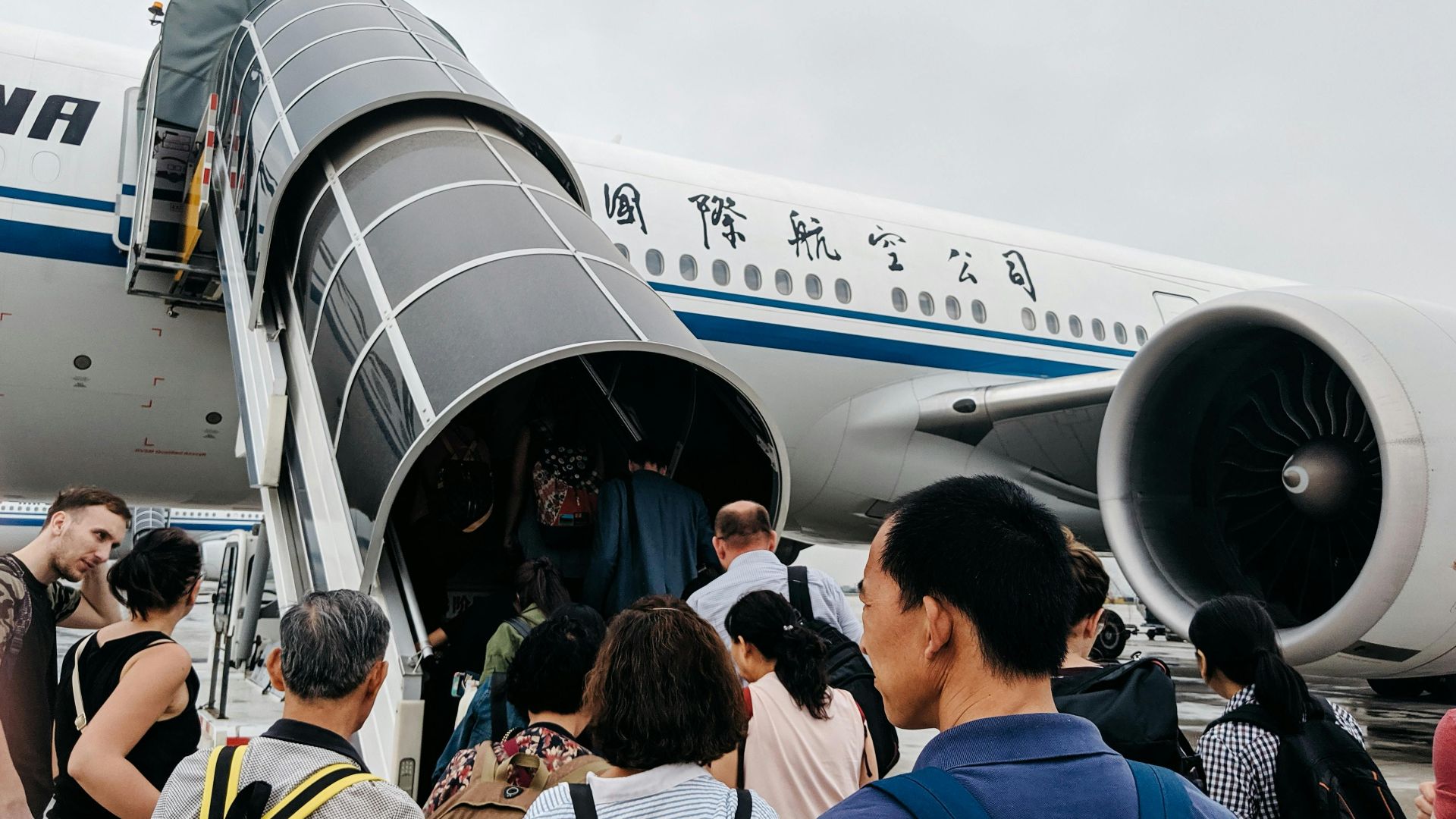
You’re at the gate, the plane is still sitting there, and yet you’re told it’s too late to board. In the moment, it feels unreasonable, almost absurd. But airline rules aren’t based on what you can see. They’re based on strict timing systems that often close flights well before departure.
If you've ever made this kind of mistake, you're not alone...
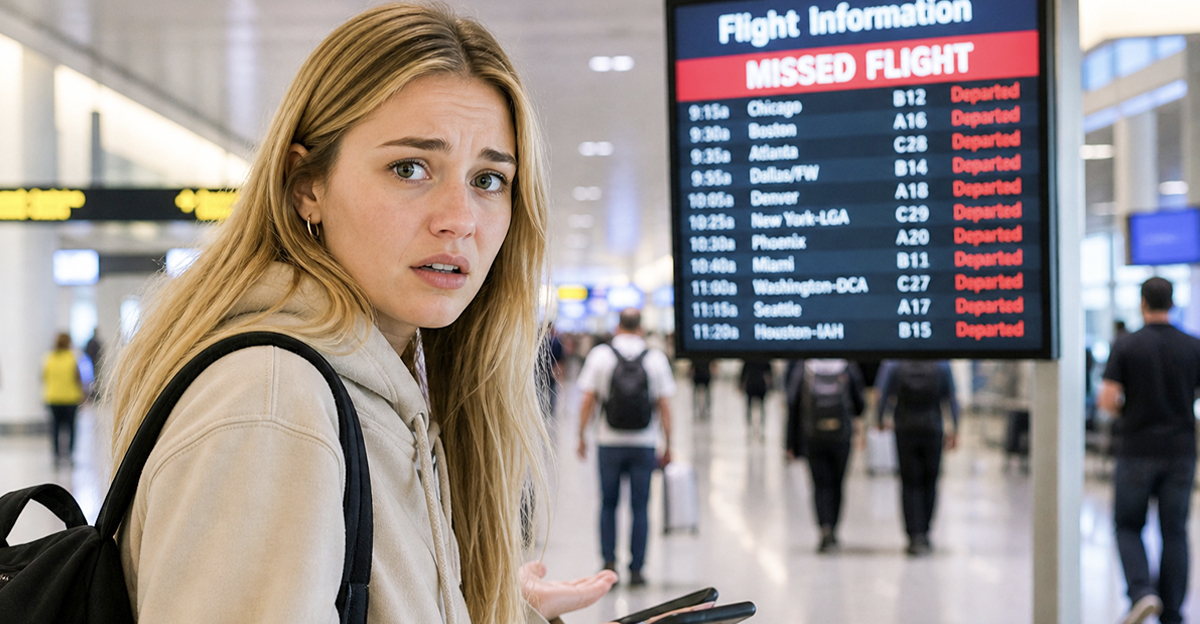
Check-In Deadlines Come First
Airlines set firm check-in cutoffs, usually 30–60 minutes before departure for domestic flights and earlier for international ones. Miss that window, and your reservation can be canceled automatically—even if you’re physically in the airport and ready to go.

Boarding Closes Earlier Than You Think
Boarding typically ends 10–20 minutes before departure, sometimes earlier on large aircraft. Once the flight is marked closed in the system, gate agents often lose the ability to add passengers. Just because the plane door hasn't shut, doesn't mean you can still board.
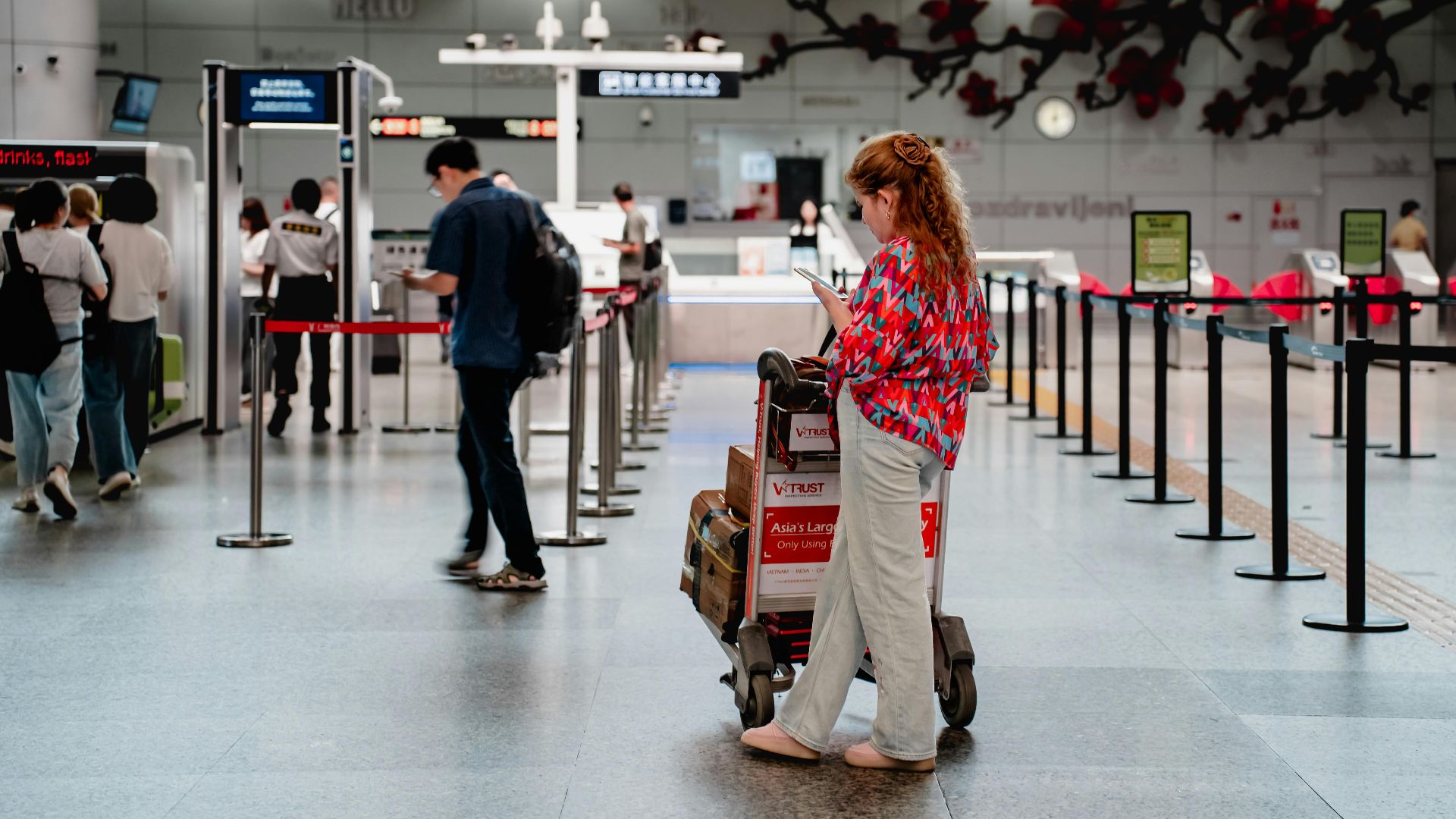
Seeing The Plane Doesn’t Matter
The fact that the aircraft is still at the gate can be misleading. By the time you arrive, the passenger list is already finalized. Airline systems treat timing—not visibility—as the deciding factor, and your presence may simply come too late.
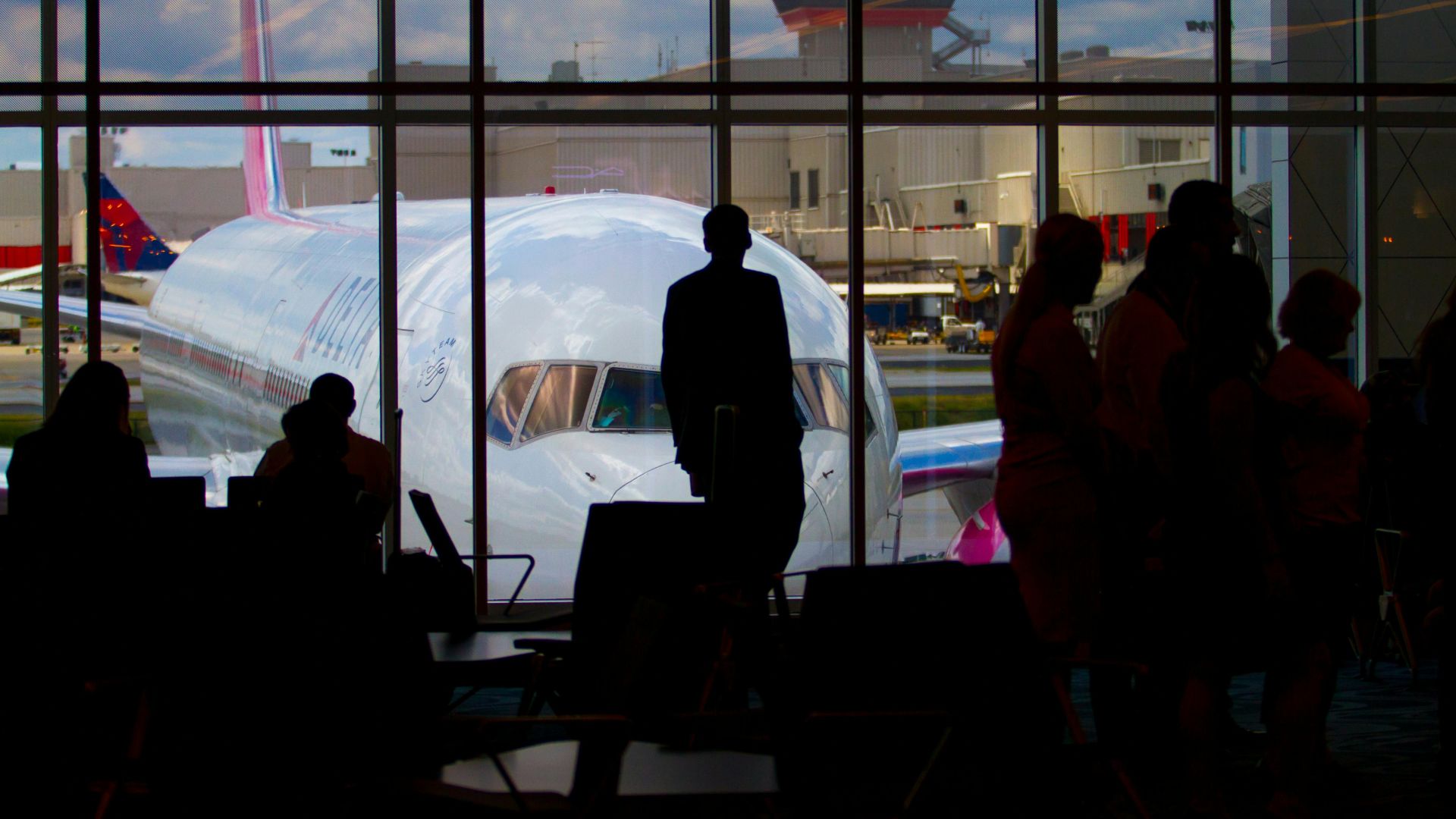
Your Seat May Be Reassigned
If you’re not checked in or at the gate on time, airlines may give your seat to standby passengers. On full flights, this happens quickly, and once reassigned, reversing that decision is often difficult or impossible.

It’s About On-Time Departures
Airlines operate on tightly coordinated schedules. Delaying one flight for a late passenger can impact crew hours, gate availability, and connecting flights. Strict cutoff times are designed to prevent those cascading delays.
Gate Agents Have Limits
Even if a gate agent wants to help, their system may not allow it. Once the flight is closed and the manifest finalized, they may not be able to reopen boarding without triggering operational issues or policy violations.
Bags Make It More Complicated
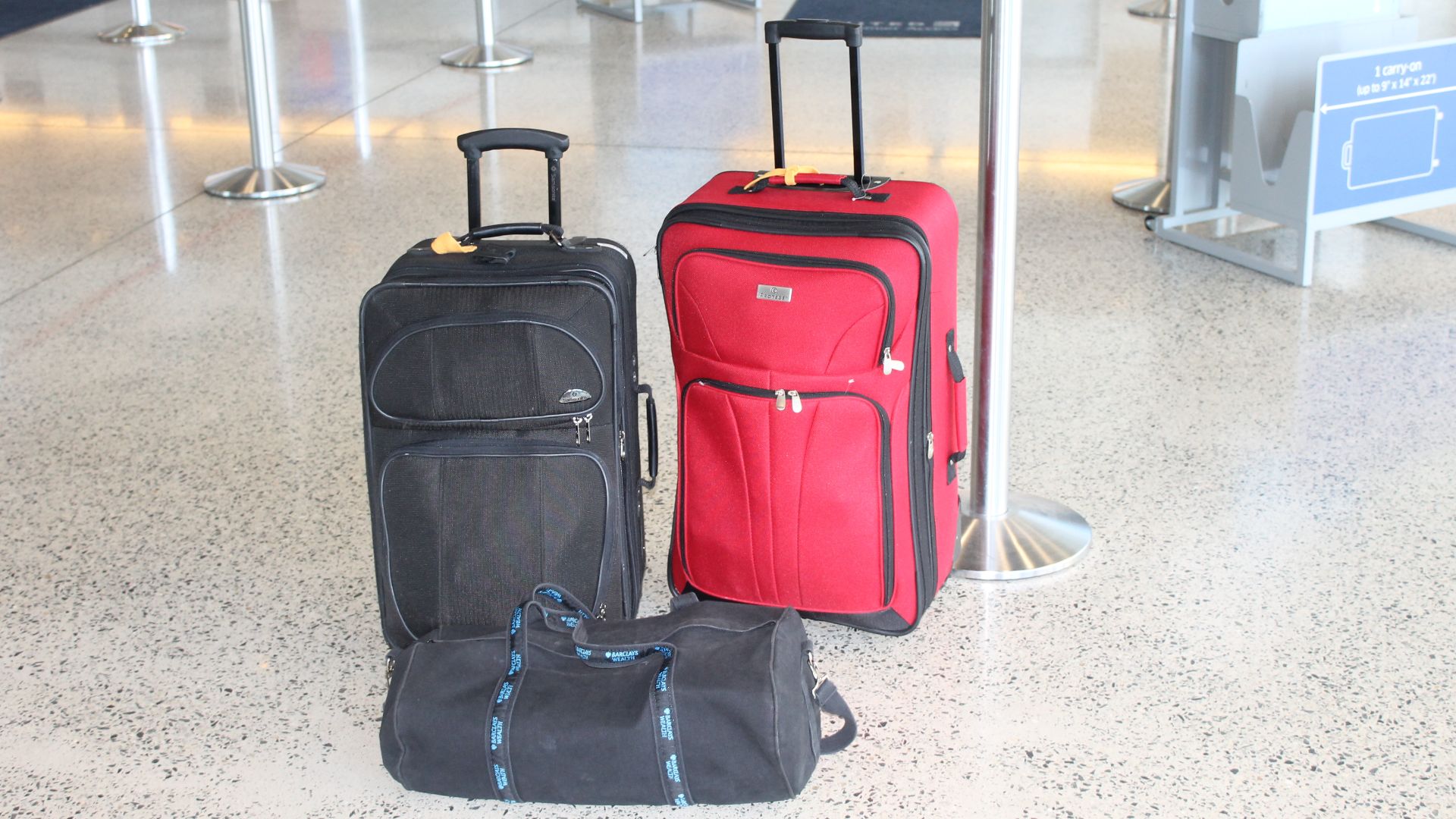
If you checked a bag but didn’t board, airlines may need to locate and remove it for security reasons. That process takes time and reinforces why boarding closes earlier than many passengers expect.
 Billy Hathorn, Wikimedia Commons
International Flights Are Stricter
For international travel, deadlines are typically earlier and enforced more rigidly. Passport verification, visa checks, and security protocols mean there’s less flexibility once cutoff times pass.
Budget Airlines Are Less Flexible
Low-cost carriers tend to enforce deadlines very strictly. Their business model relies on fast turnarounds and minimal delays, so exceptions for late passengers are far less common than with full-service airlines.
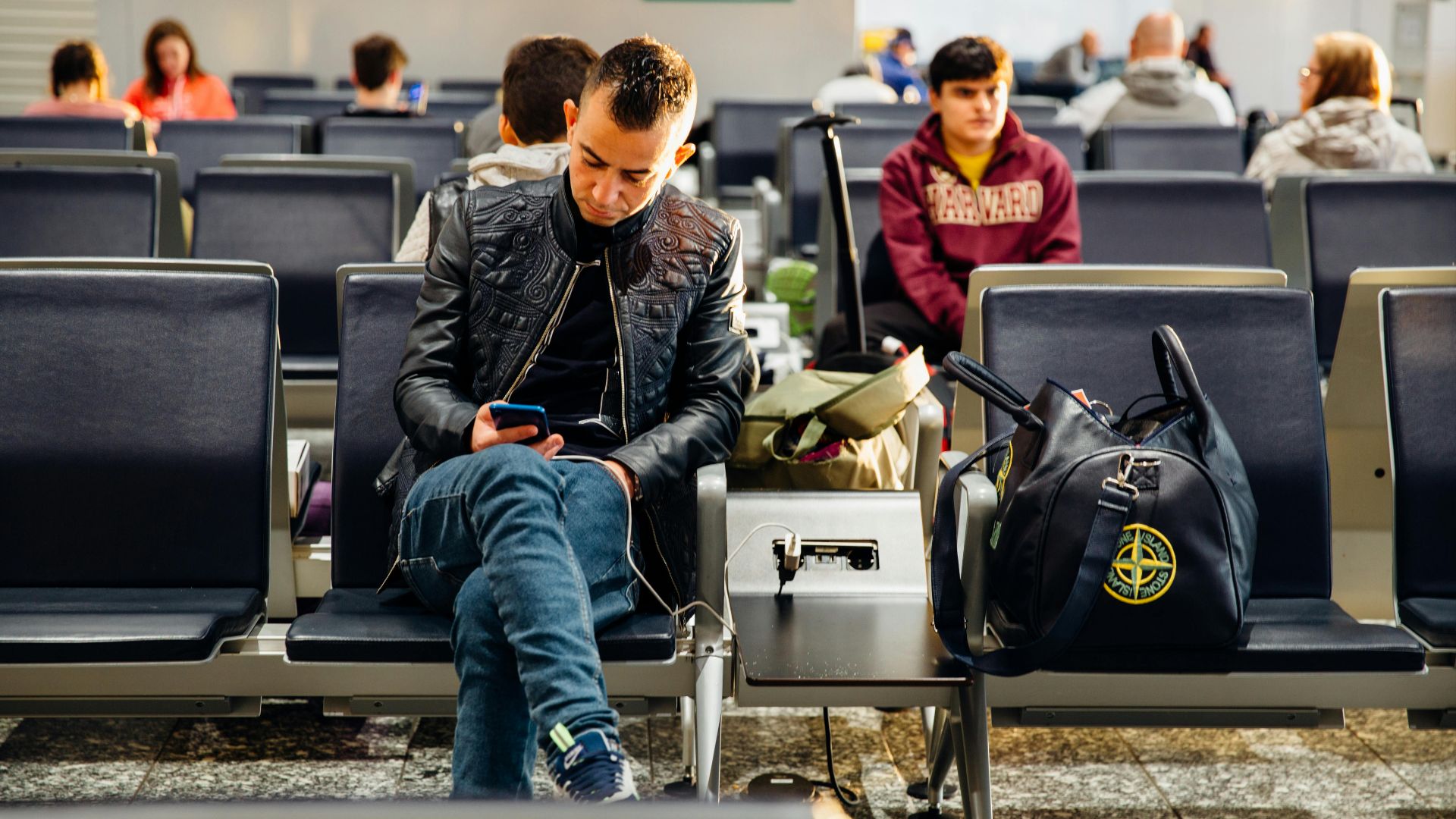
Your Ticket Is A Contract
When you purchase a ticket, you agree to the airline’s contract of carriage. This document outlines check-in and boarding rules, including cutoff times, and gives airlines the right to deny boarding if those rules aren’t followed.

You May Be Marked A No-Show
Missing the cutoff can classify you as a “no-show.” This doesn’t just affect one flight—it can cancel the rest of your itinerary, including return segments, unless you contact the airline quickly.
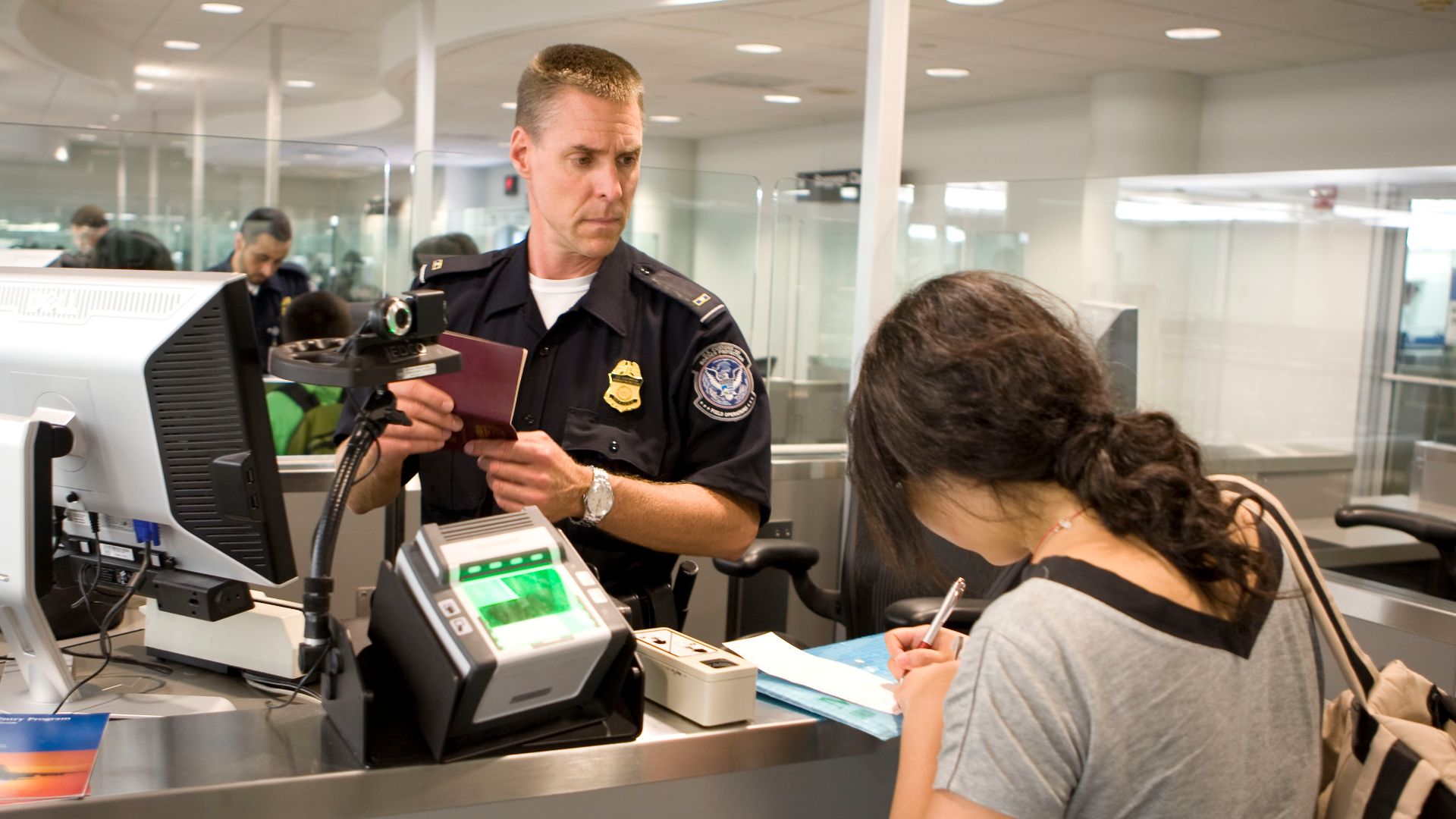 CBP Photography, Wikimedia Commons
Rebooking Isn’t Always Free
If you miss your flight due to late arrival, airlines are generally not required to rebook you at no cost. You may have to pay change fees, fare differences, or rely on standby options depending on your ticket.

Exceptions Are Limited
Airlines sometimes make exceptions if the delay was their fault, such as a missed connection caused by a late inbound flight. But if the delay is on your end, flexibility is much less likely.
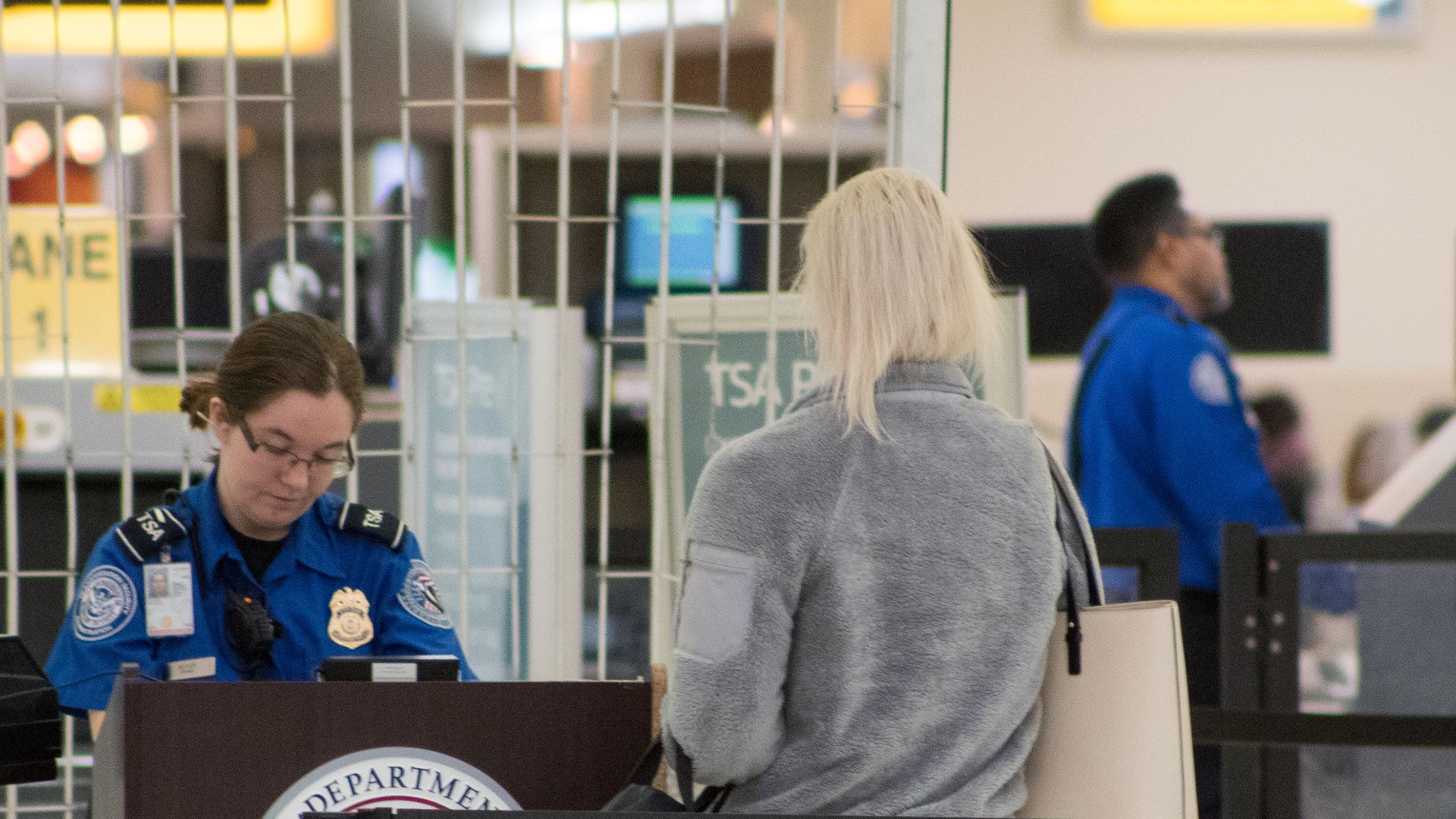 Michael Ball, Wikimedia Commons
Insurance Usually Won’t Cover It
Travel insurance and credit card protections typically don’t cover missed flights due to arriving late at the airport. They focus on cancellations, delays, or emergencies—not missed timing cutoffs.
Act Quickly At The Airport
If you’re turned away, go straight to the airline counter or service desk. Acting quickly can improve your chances of getting rebooked or placed on standby for the next available flight.

Ask About Standby
Same-day standby may be available, especially if you missed boarding by only a short margin. While not guaranteed, it can be a low-cost way to still reach your destination that day.

Plan Around Boarding Time
A common mistake is focusing on departure time instead of boarding time. Boarding usually starts well before departure, and missing it—even by minutes—can mean losing your seat entirely.

Build In Extra Time
Arriving two hours early for domestic flights and three for international is standard guidance. This buffer accounts for traffic, security lines, and unexpected delays that could otherwise cost you your flight.
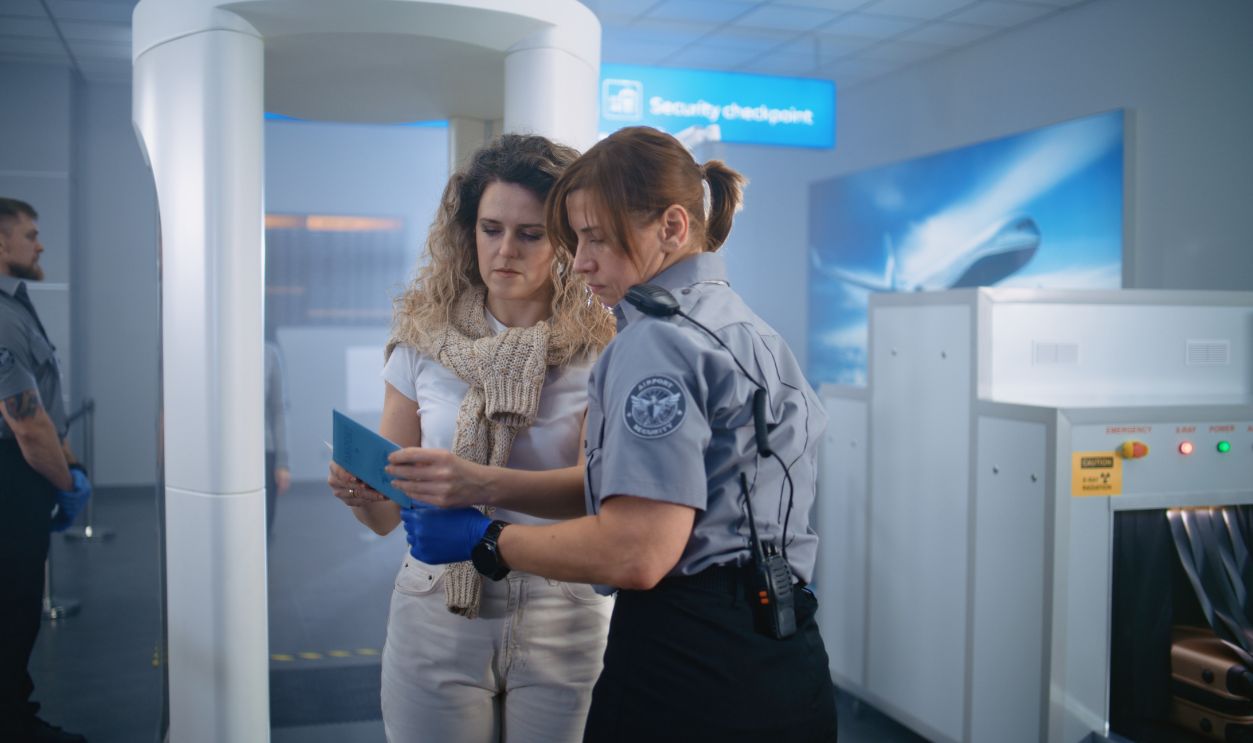 Frame Stock Footage, Shutterstock
The Bottom Line
Yes, they can turn you away—even if the plane is right there in front of you. It’s not about proximity, it’s about timing. Understanding how these systems work is the best way to avoid a frustrating and expensive mistake.

You May Also Like:
The Best Landmarks To Remind The World Of American Beauty
Popular Tourist Hotspots That Might Not Be The Best Travel Destination In 2026
Everyone Should See These Places, But It's About To Get A Lot Harder To Visit Them