Tourism Gone Wrong
Not all destinations want your visit right now. Sounds harsh, but it's true. The very things that made these places magical are disappearing because too many people want to see them before they're gone.

Antarctica
The frozen continent saw tourist numbers explode tenfold between 1992 and 2020, with predictions showing visitor counts could double again by 2033. This surge isn't just about crowded penguin colonies. It's about the carbon footprint of getting there and the irreversible damage each footstep leaves on pristine ecosystems.
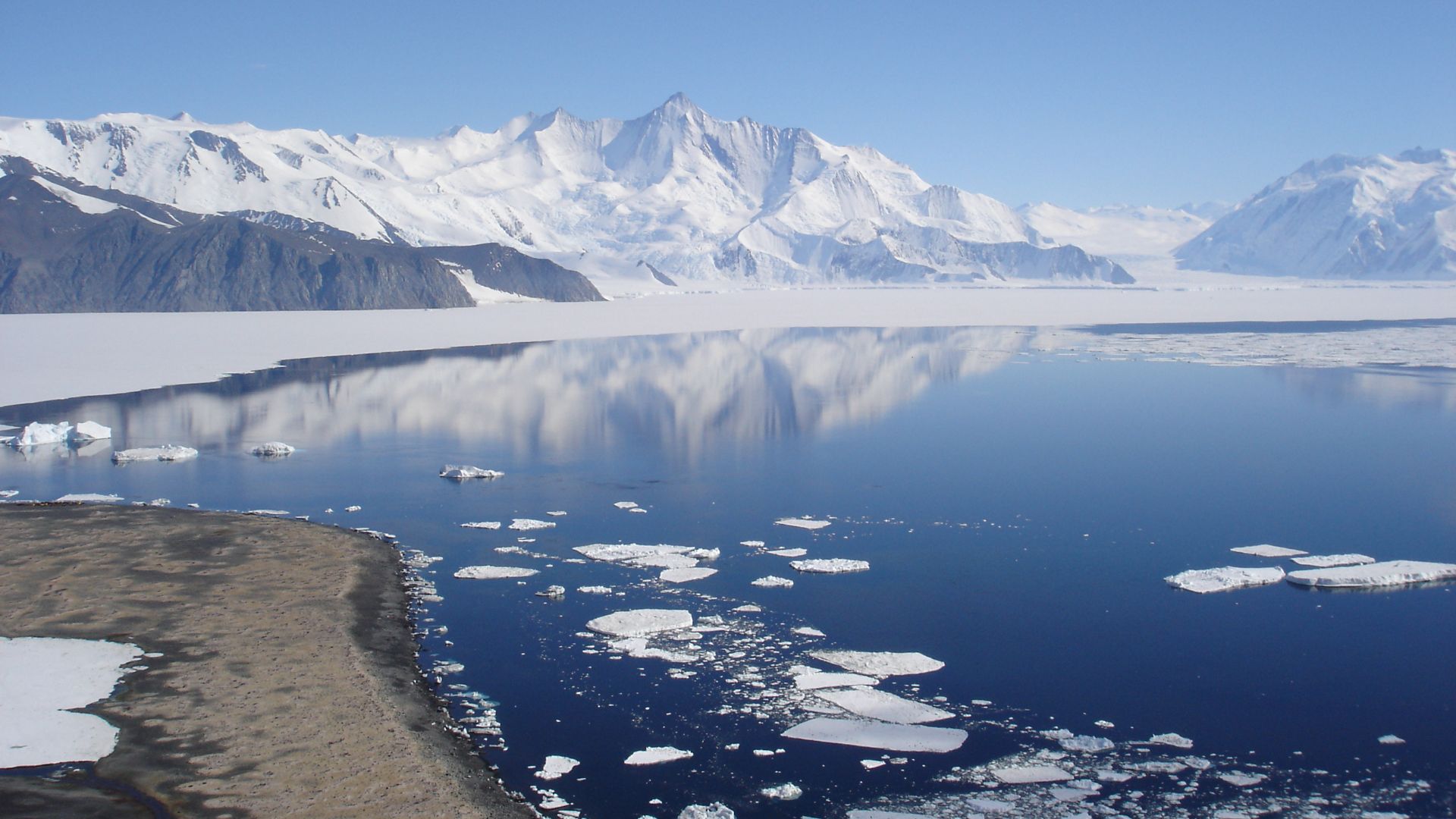 Andrew Mandemaker, Wikimedia Commons
Antarctica (Cont.)
Conservation groups now warn that the very act of witnessing this wilderness contributes to its destruction, creating a tragic paradox where our desire to see Antarctica before climate change affects it. What makes this particularly problematic is Antarctica's complete lack of infrastructure to handle tourism sustainably.
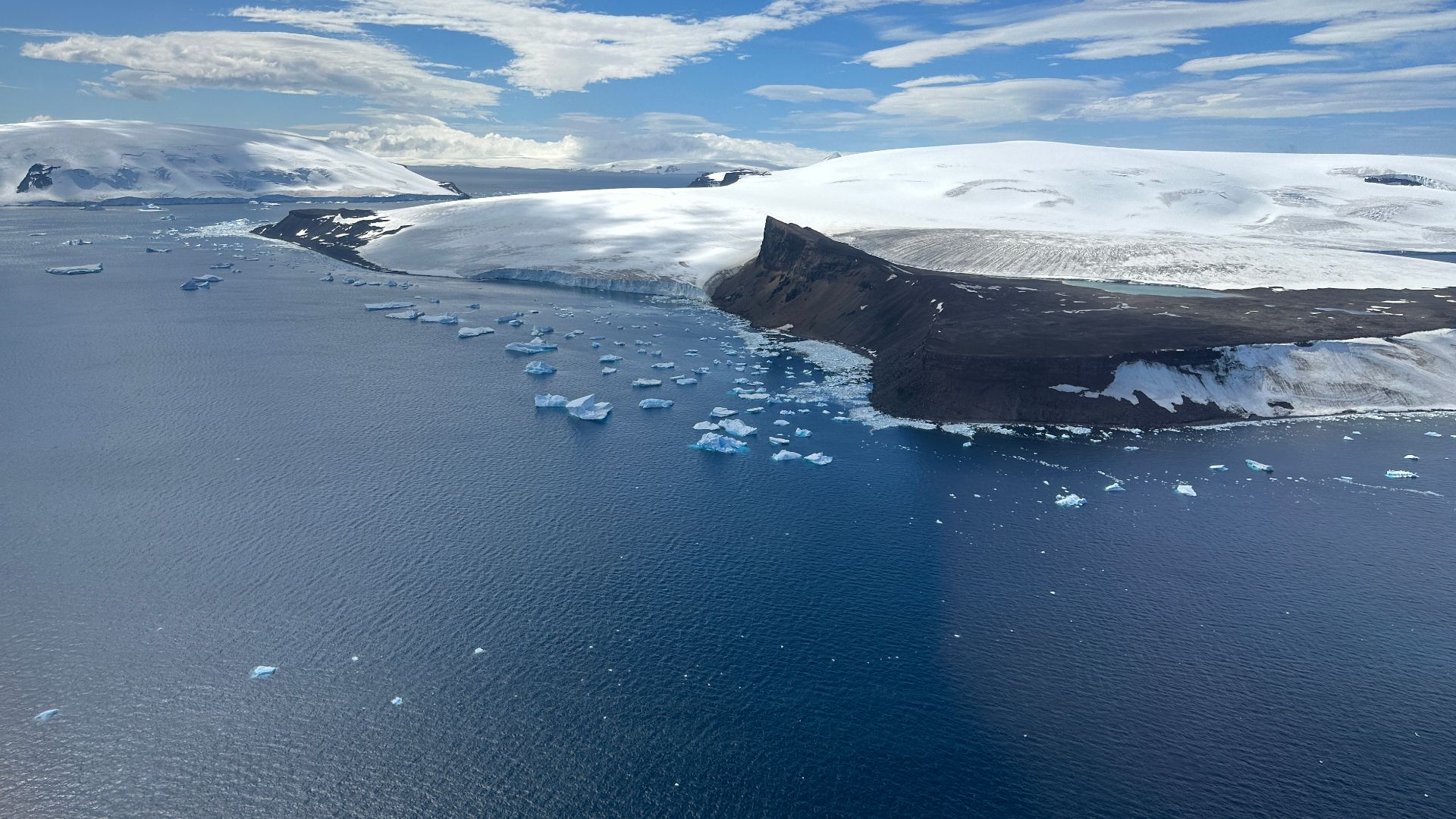 IAEA Imagebank, Wikimedia Commons
Canary Islands
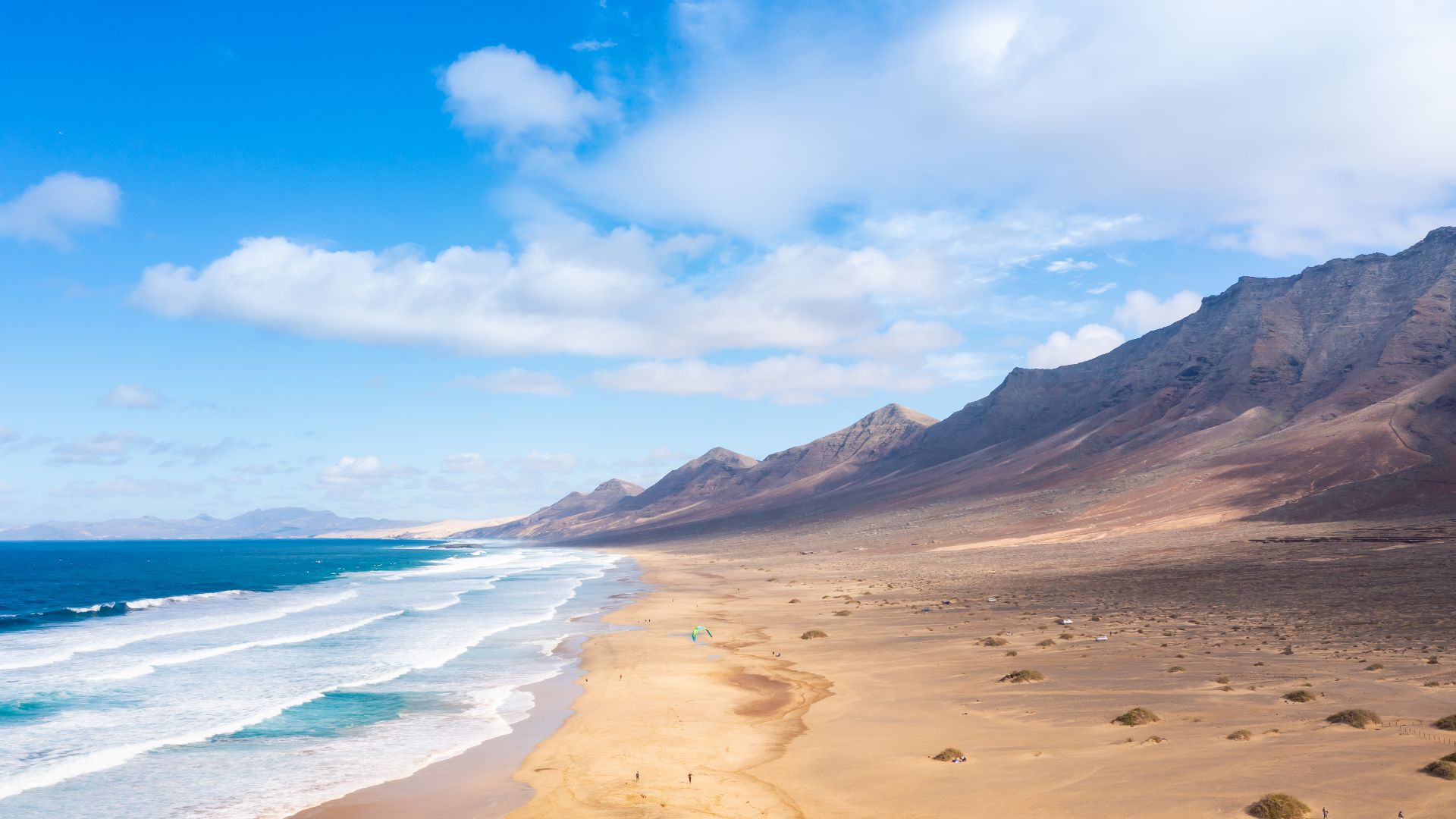
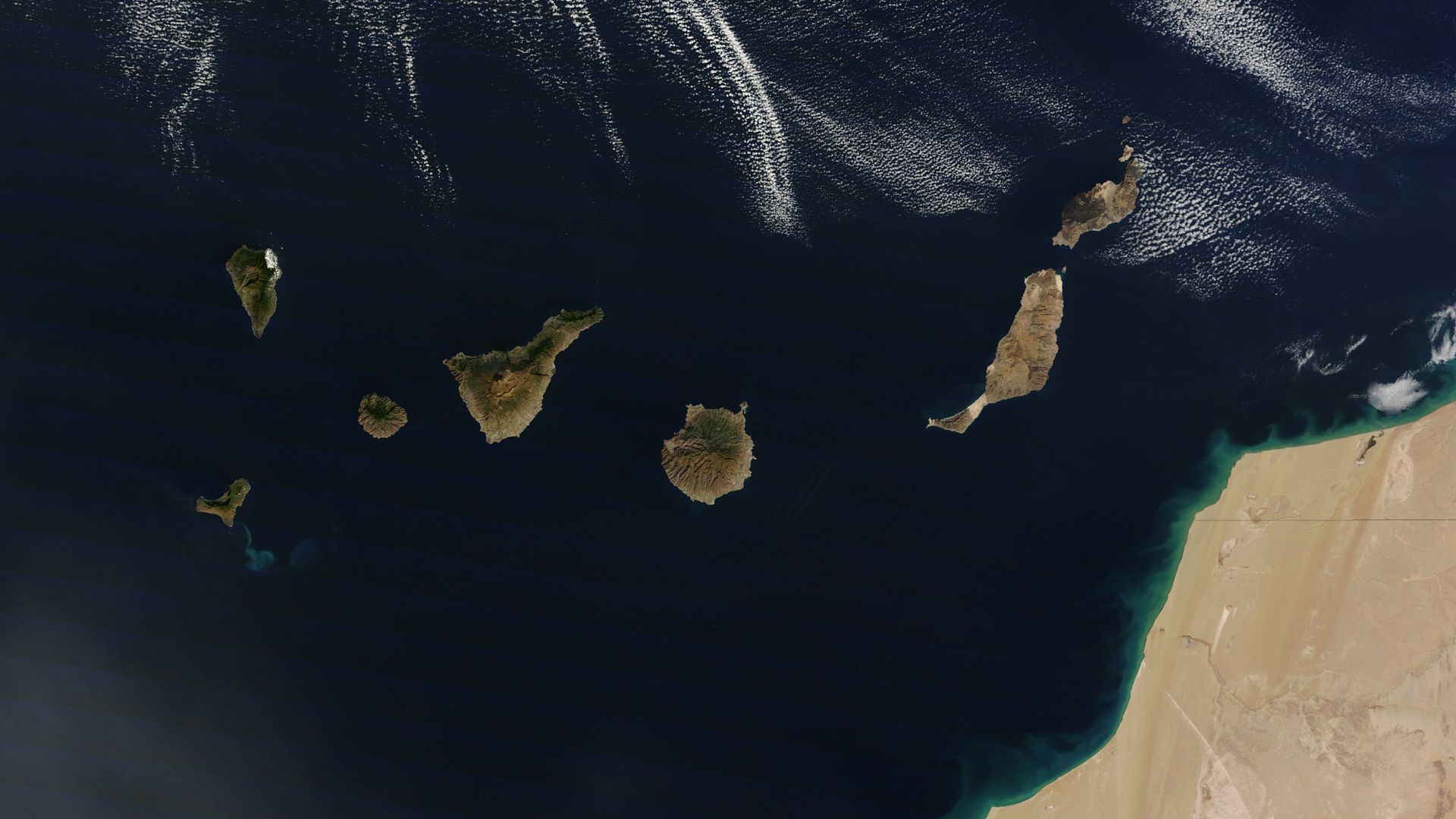
Protesters flooded the streets of Tenerife with signs declaring "Canarias tiene un limite"—the Canaries have a limit—and they meant it. The archipelago welcomed a staggering 7.8 million visitors in just the first half of 2025 alone, pushing the islands past their breaking point.
Canary Islands (Cont.)
Residents now face a housing crisis so severe that many can no longer afford to live in their ancestral homes, with property prices skyrocketing as investment groups snap up real estate to convert into tourist accommodations. Ecosystems are crumbling under the weight of millions of feet.
 NASA Goddard Space Flight Center from Greenbelt, MD, USA, Wikimedia Commons
Glacier National Park
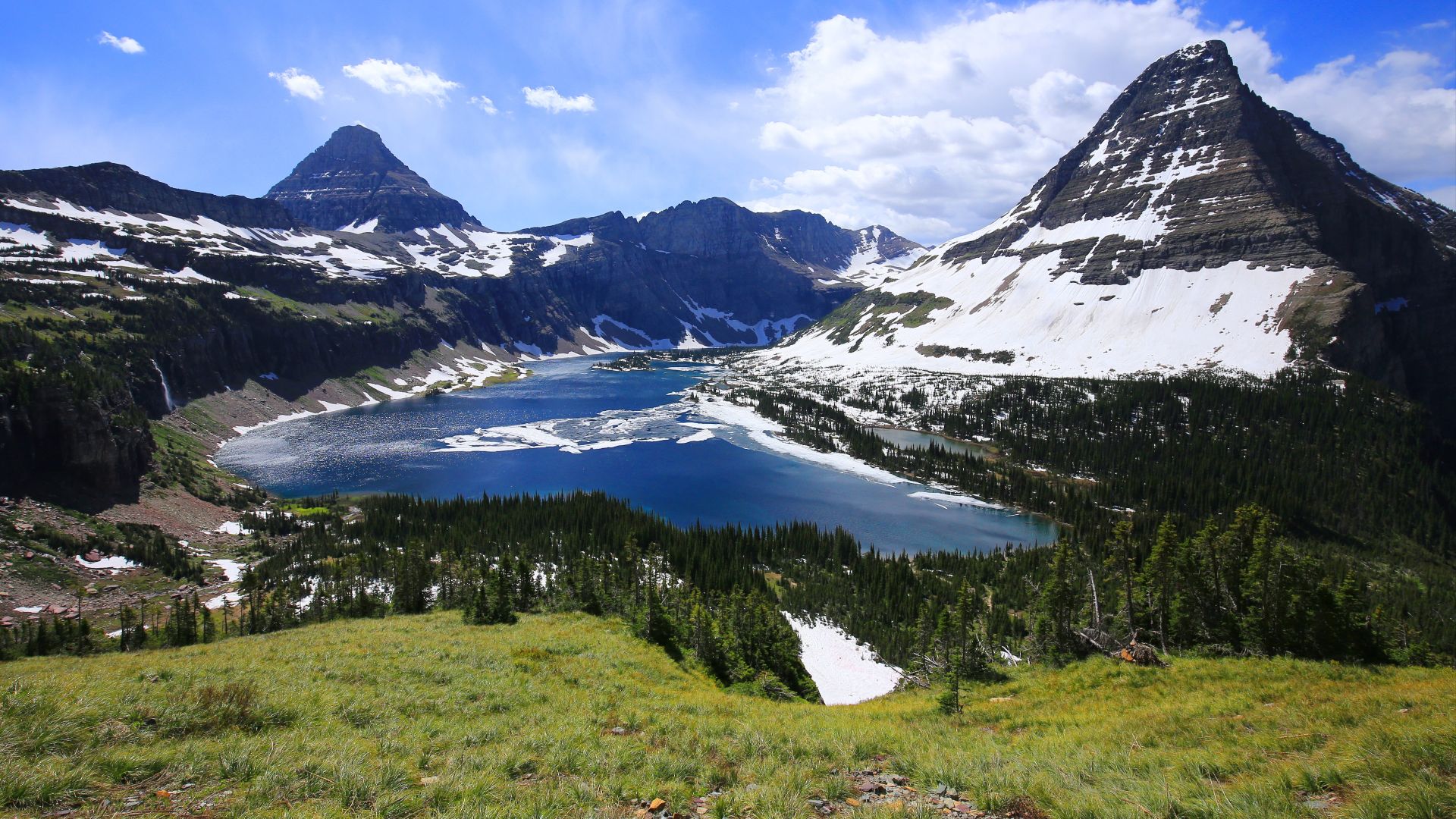
Climate change has turned this Montana treasure into a morbid tourist attraction through what experts grimly call "last chance tourism". The park's namesake glaciers have shrunk from 150 in 1910 to just 26 today, and scientists predict most will be gone within a decade.
Glacier National Park (Cont.)
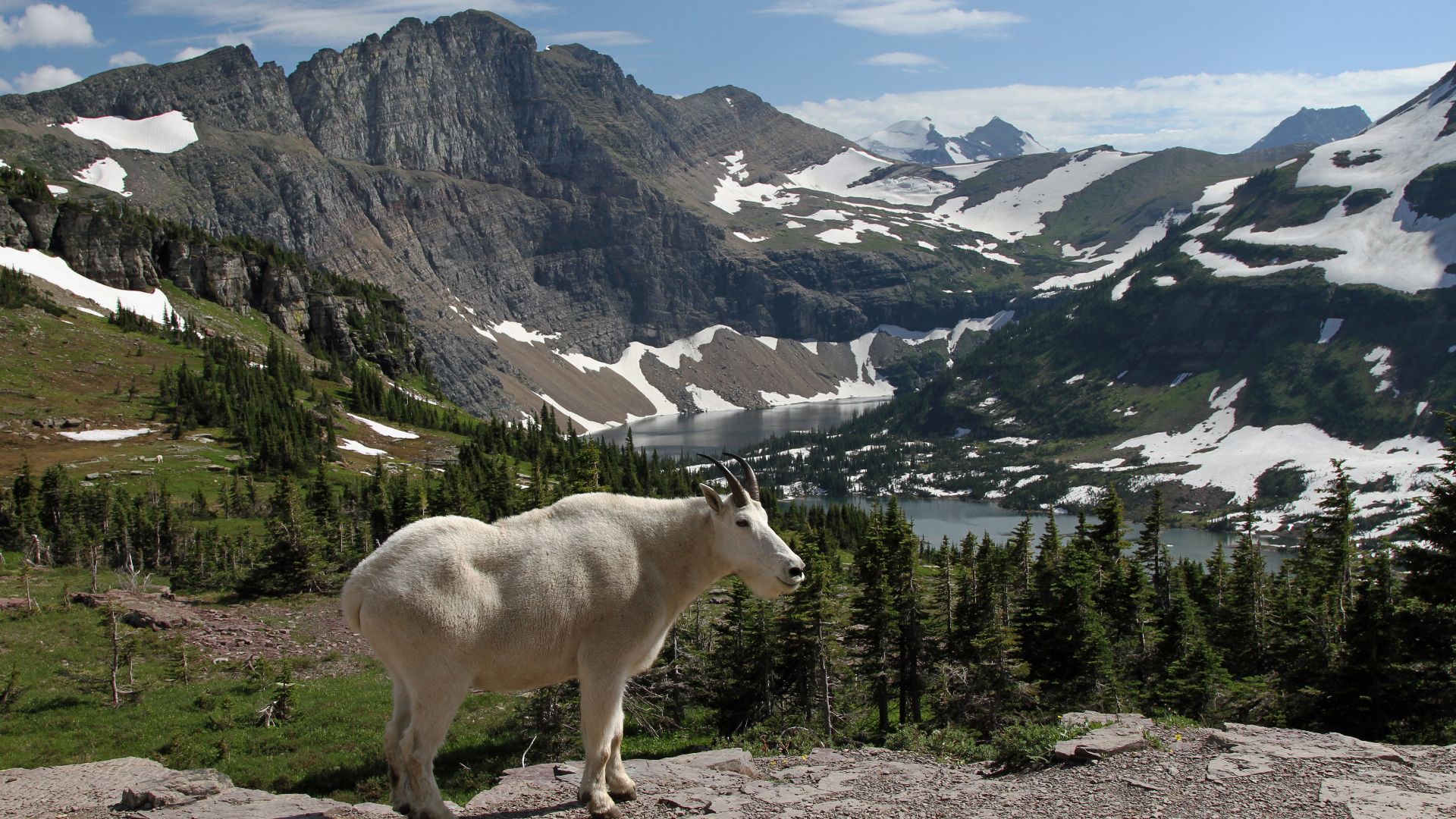
The park's infrastructure simply wasn't built to handle current visitor volumes, leading to what conservationists call "wreckreation". These are basically destructive acts thoughtlessly encouraged by social media influencers. Parking lots overflow by 7 AM during peak season, and trails erode faster than they can be maintained.
 Robert M. Russell, Wikimedia Commons
Isola Sacra
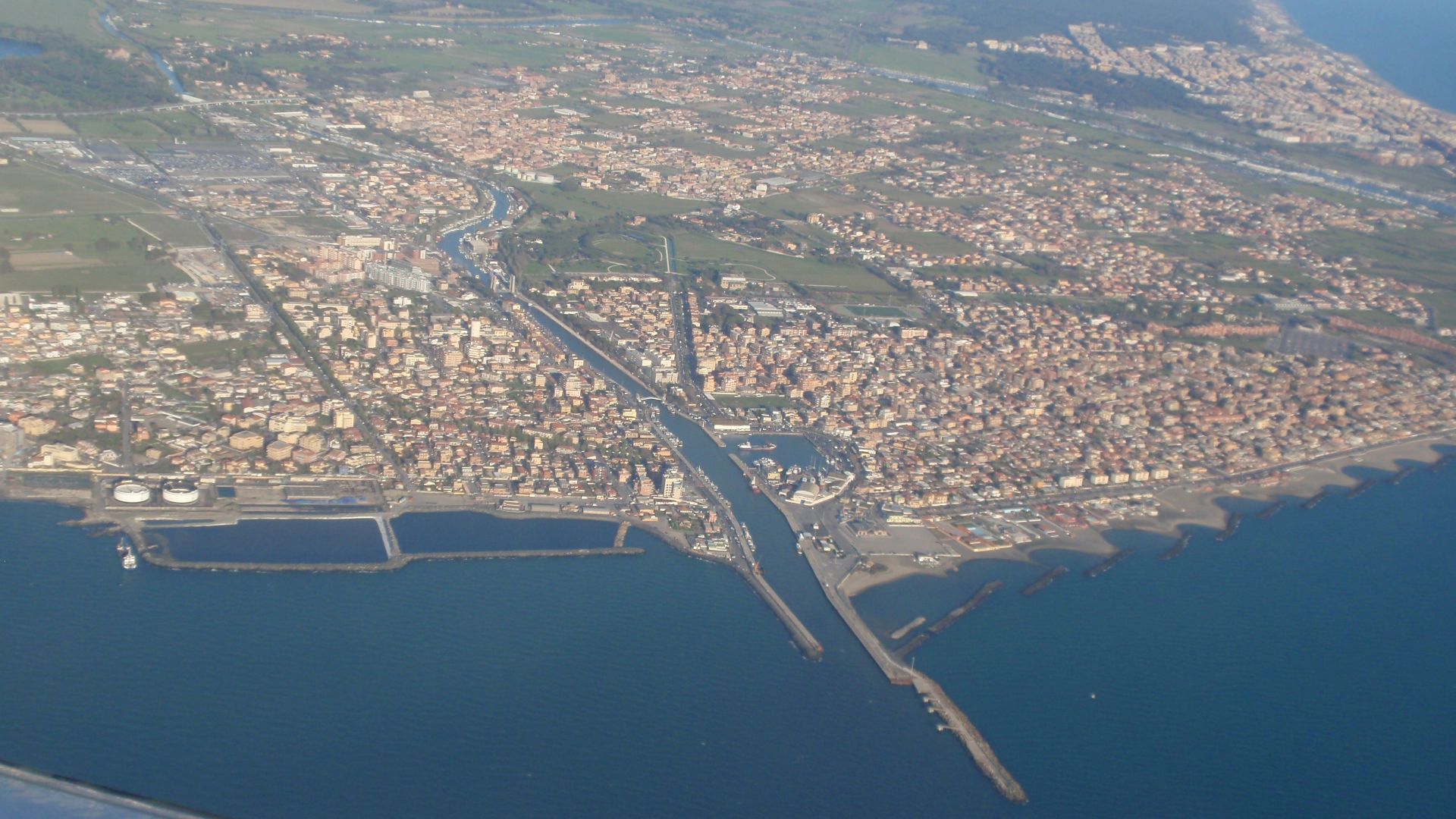
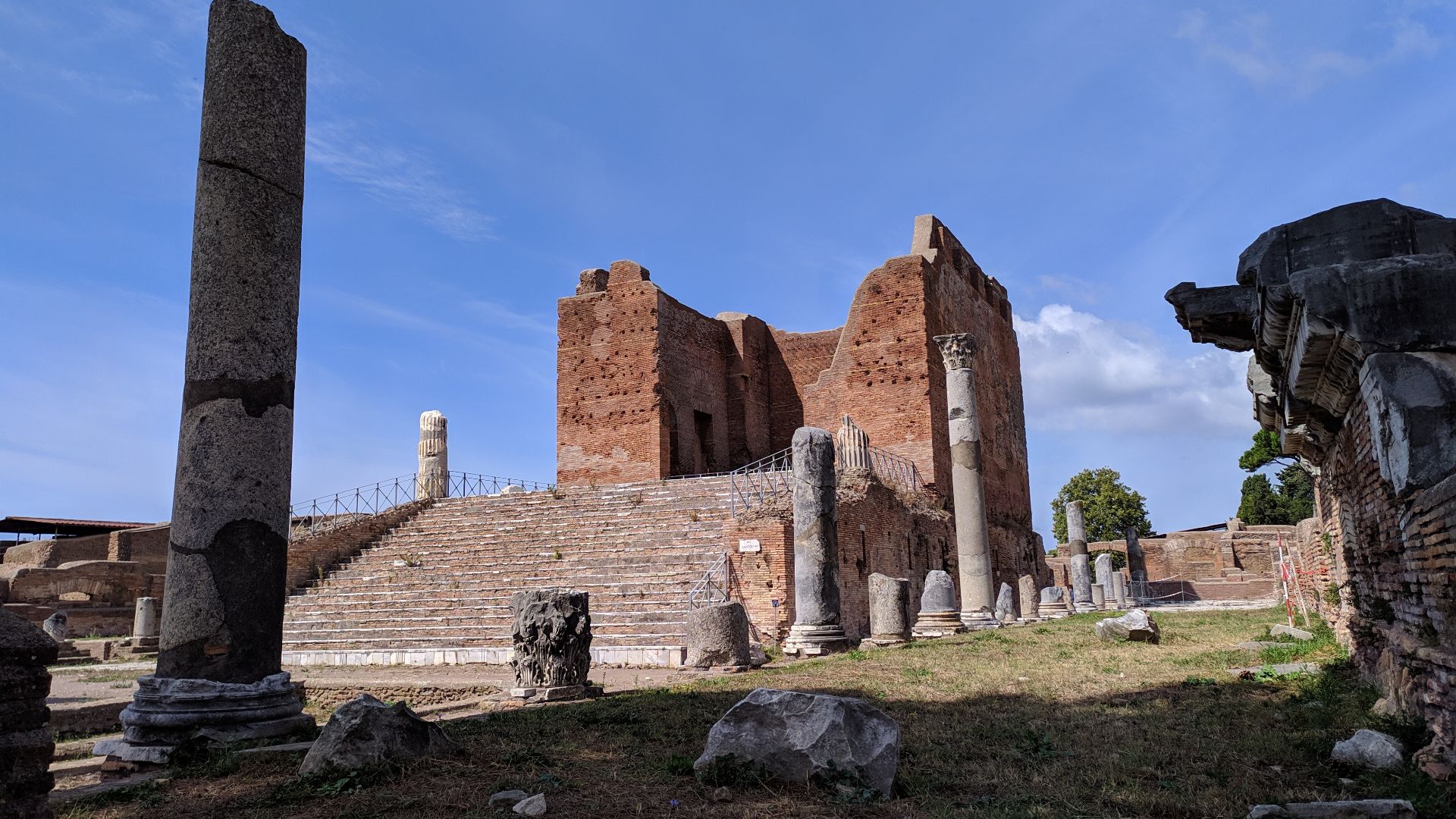
Located just 32 kilometers southwest of Rome, another coastal area has become ground zero for a battle between local communities and cruise ship tourism. Despite local opposition dating back to 2010, authorities approved the docking of massive cruise ships at Fiumicino, triggering fierce protests from residents.
Isola Sacra (Cont.)
The fragile coastline simply cannot support the infrastructure required for these floating cities, yet economic pressures continue to override environmental and community concerns. Environmental experts have issued stark warnings about the irreversible damage that cruise ship operations will inflict on this delicate ecosystem.
 Mariapia Statile, Wikimedia Commons
The Jungfrau Region
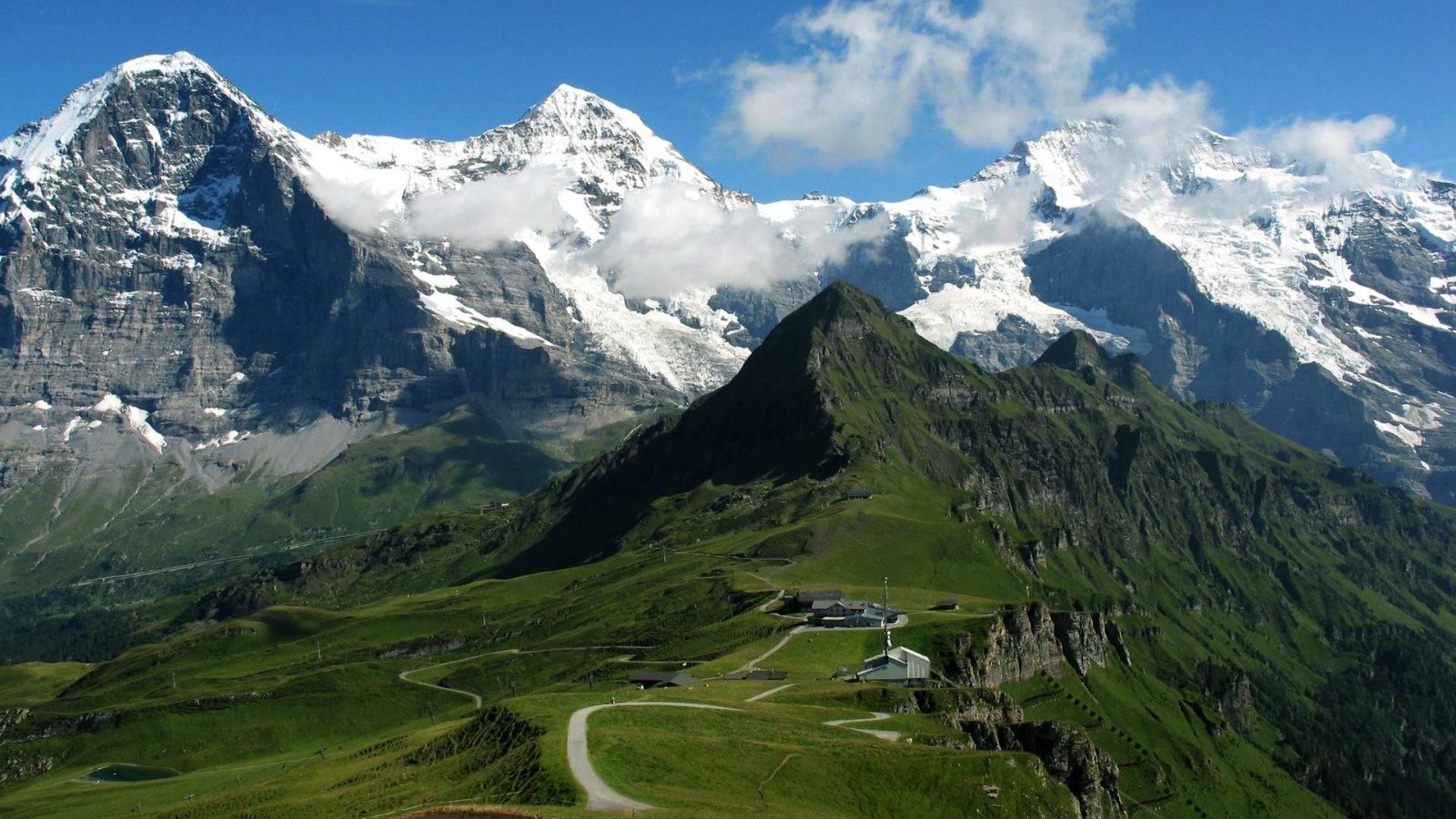
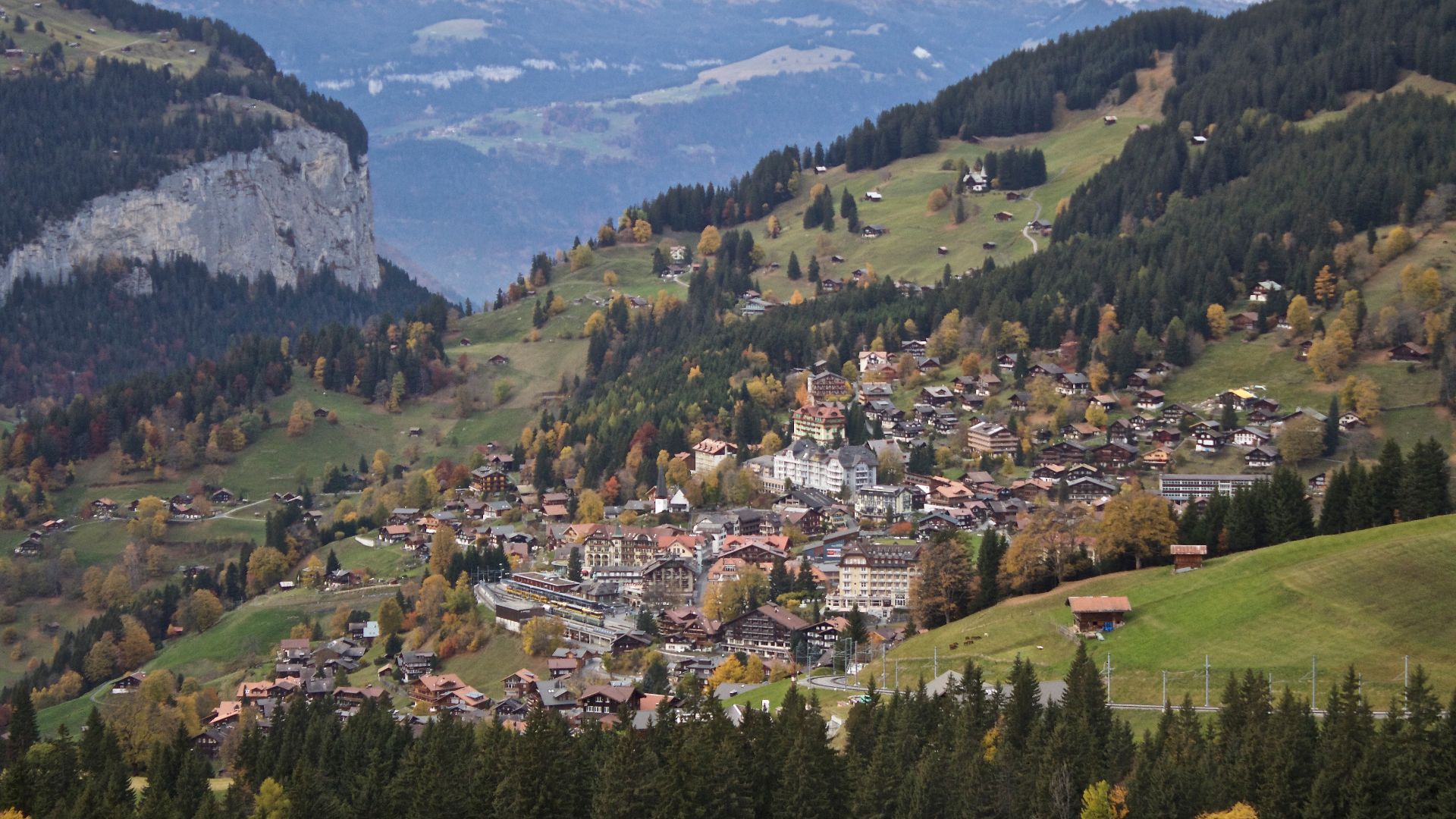
Switzerland's iconic Alpine playground faces a crisis that high visitor fees haven't solved—overtourism is straining both the environment and local communities in this UNESCO World Heritage site. The region's breathtaking peaks and pristine valleys attract millions who expect Swiss efficiency and cleanliness.
The Jungfrau Region (Cont.)
However, the sheer volume of visitors is testing the limits of even Switzerland's legendary infrastructure. Housing costs in nearby villages have skyrocketed as properties are converted into short-term rentals, forcing locals who've lived here for generations to relocate to less expensive areas.
 Patrick Nouhailler's…, Wikimedia Commons
Mexico City
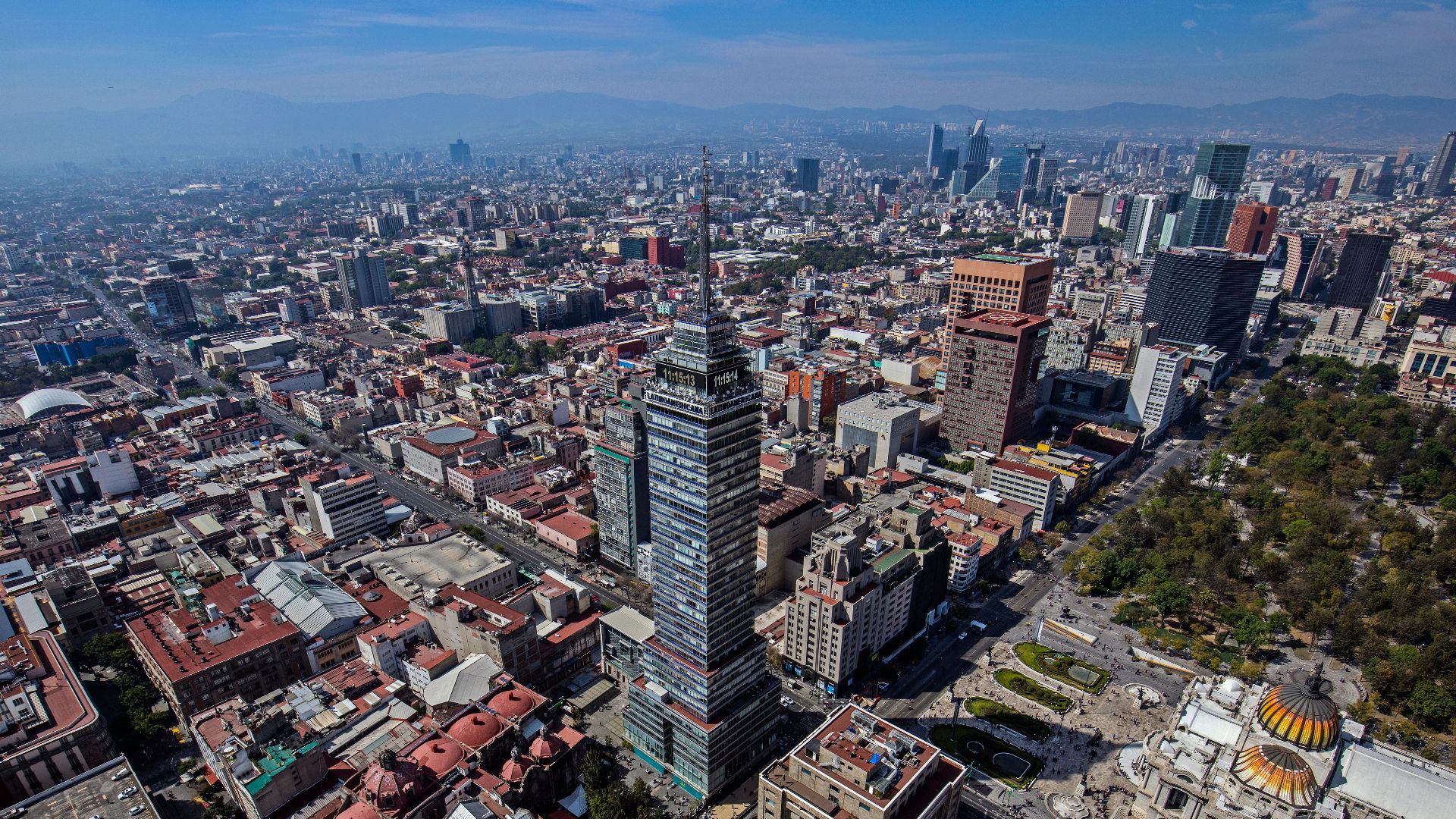
The numbers tell a story of displacement and transformation: demonstrators gathered in July 2025 with signs condemning how digital nomads and foreign tourists have gentrified their neighborhoods beyond recognition. What was once Mexico's vibrant cultural heart now struggles with an identity crisis, as international visitors.
 Gobierno CDMX, Wikimedia Commons
Mexico City (Cont.)
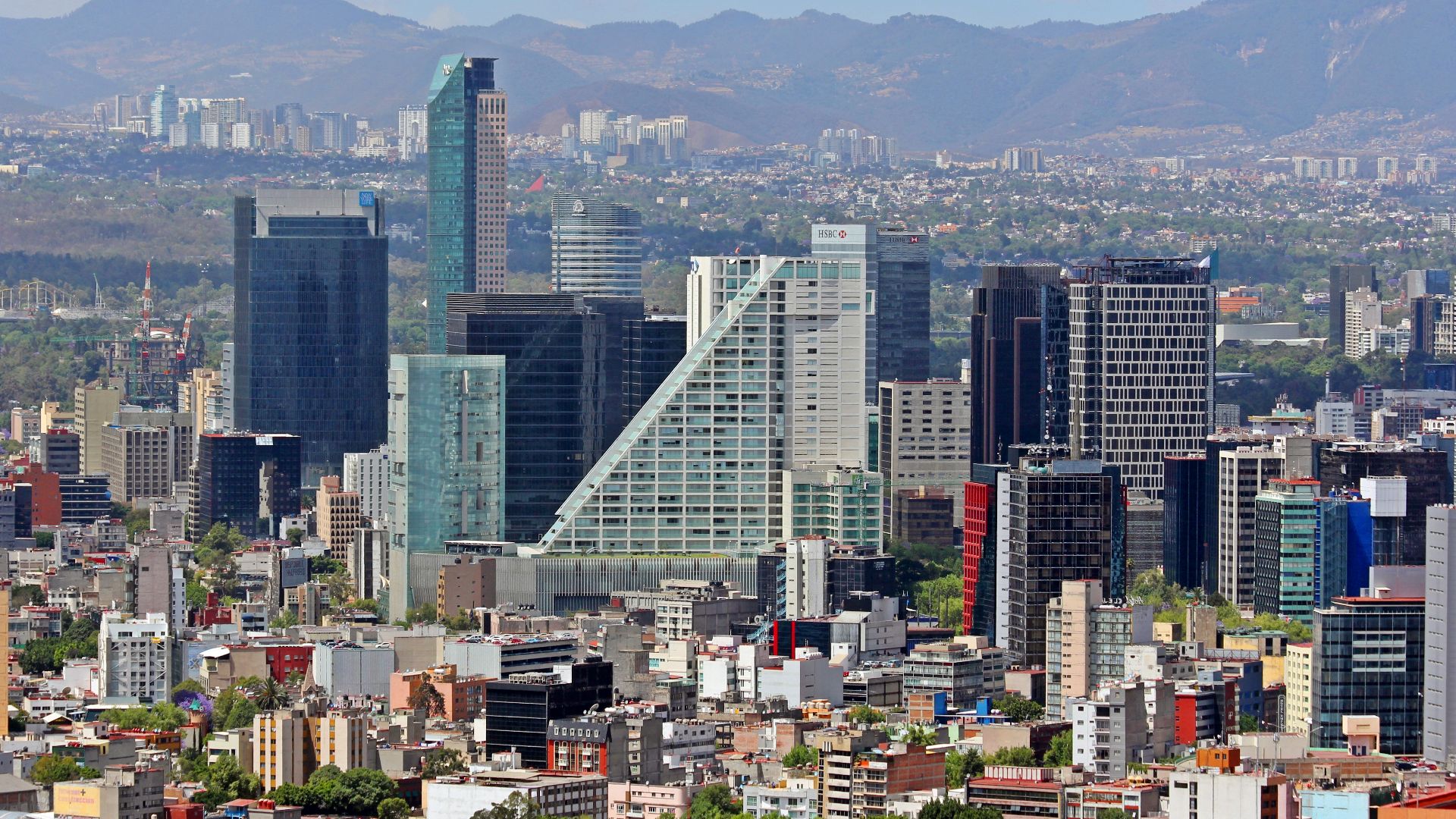
Entire historic neighborhoods in the city center have lost their Mexican character, with taquerias replaced by trendy brunch spots and traditional markets giving way to artisanal coffee shops catering to English-speaking clientele. Short-term rental platforms have converted thousands of residential units into Airbnbs, shrinking the housing market.
 Alejandro Islas Photograph AC, Wikimedia Commons
Mombasa
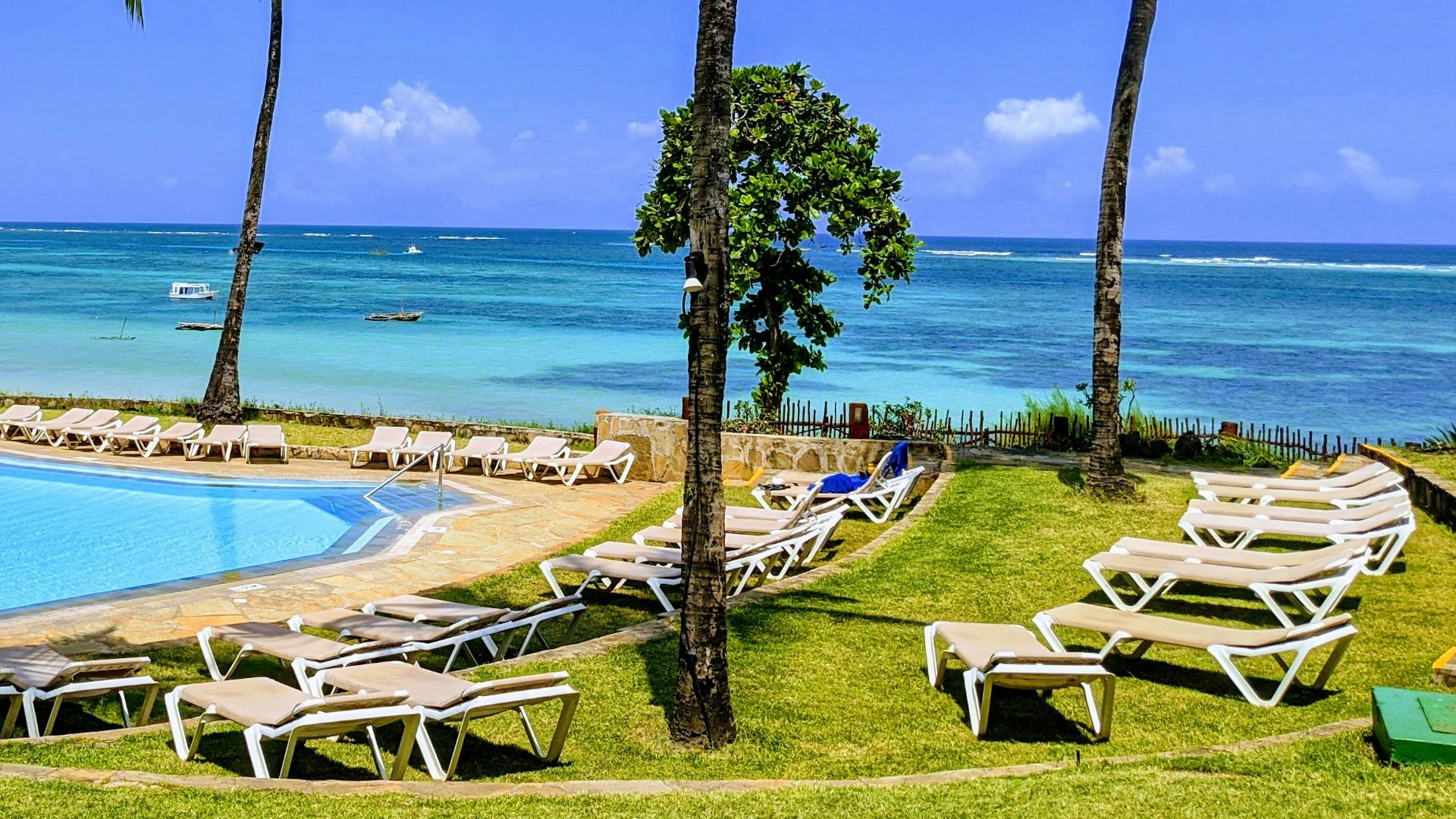
Since Kenya's post-pandemic tourism rebound, cruise ships have flooded this historic coastal city with visitors it simply cannot accommodate. The infrastructure that serves Mombasa's residents, roads, waste management, and water systems, buckles under the weight of thousands of cruise passengers arriving simultaneously, often multiple ships per day during peak season.
 Oluwatobi Akindunjoye, Unsplash
Mombasa (Cont.)
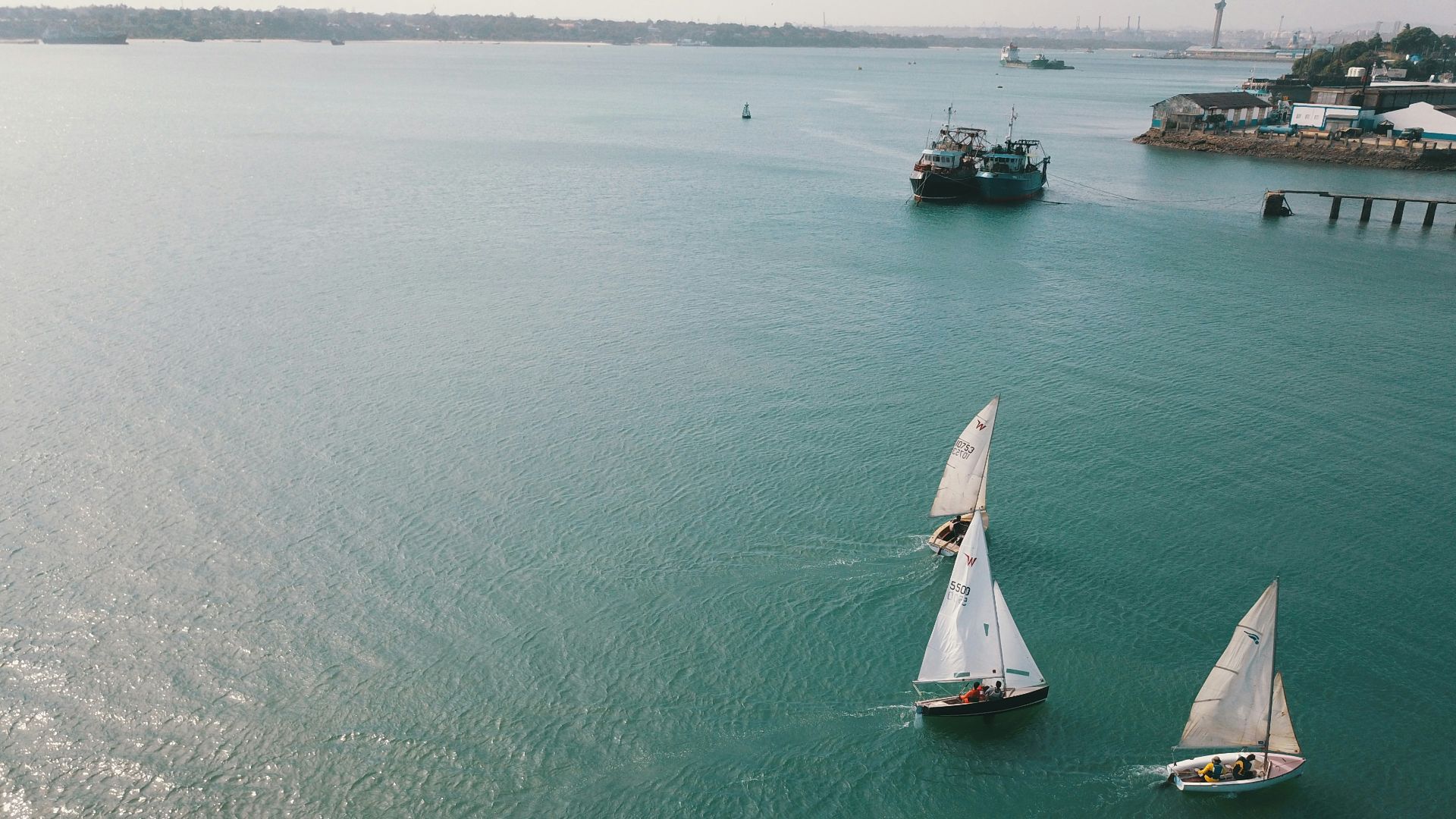
What distinguishes Mombasa's overtourism crisis from European counterparts is the stark economic inequality it highlights. While cruise passengers spend mere hours in port, they leave behind traffic gridlock, overwhelmed public facilities, and environmental degradation that locals must navigate long after the ships sail away.
Montmartre, Paris
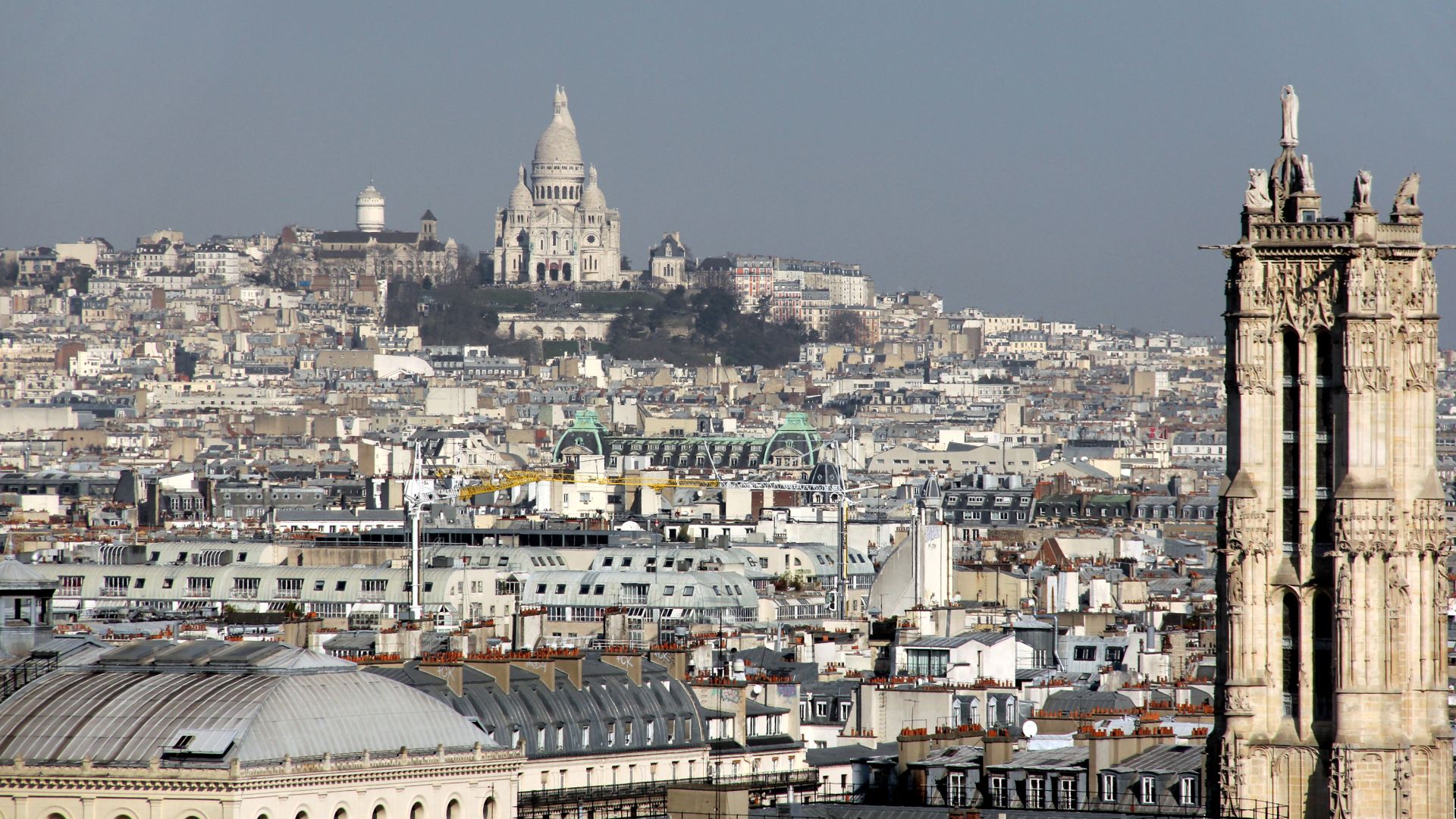
Picturesque cobblestone streets and the iconic Sacre-Cœur Basilica have made this hilltop neighborhood a must-see on every Paris itinerary, and that's precisely the problem. Residents have watched their quartier undergo what French newspaper Le Monde calls "Disneyfication," where authentic Parisian life has been systematically replaced by tourist infrastructure.
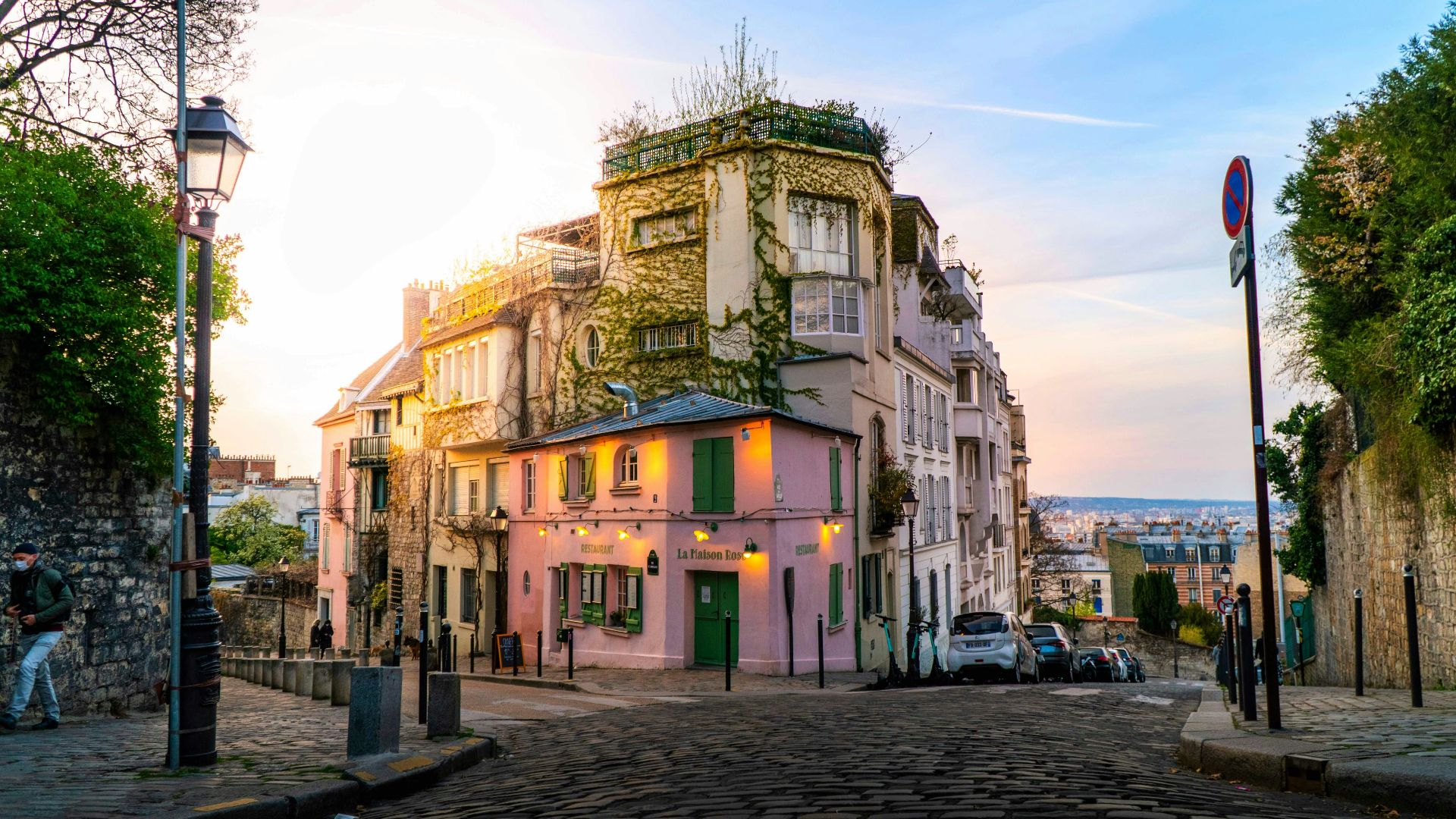
Montmartre, Paris (Cont.)
The famous artists who once defined Montmartre's character have largely been replaced by street performers and portrait sketchers who cater exclusively to tourists. Lines of visitors snake through narrow streets, phones raised, all seeking the same Instagram-worthy shots of the same painted staircases and vineyard views.
 Ana Paula Hirama, Wikimedia Commons
Bali
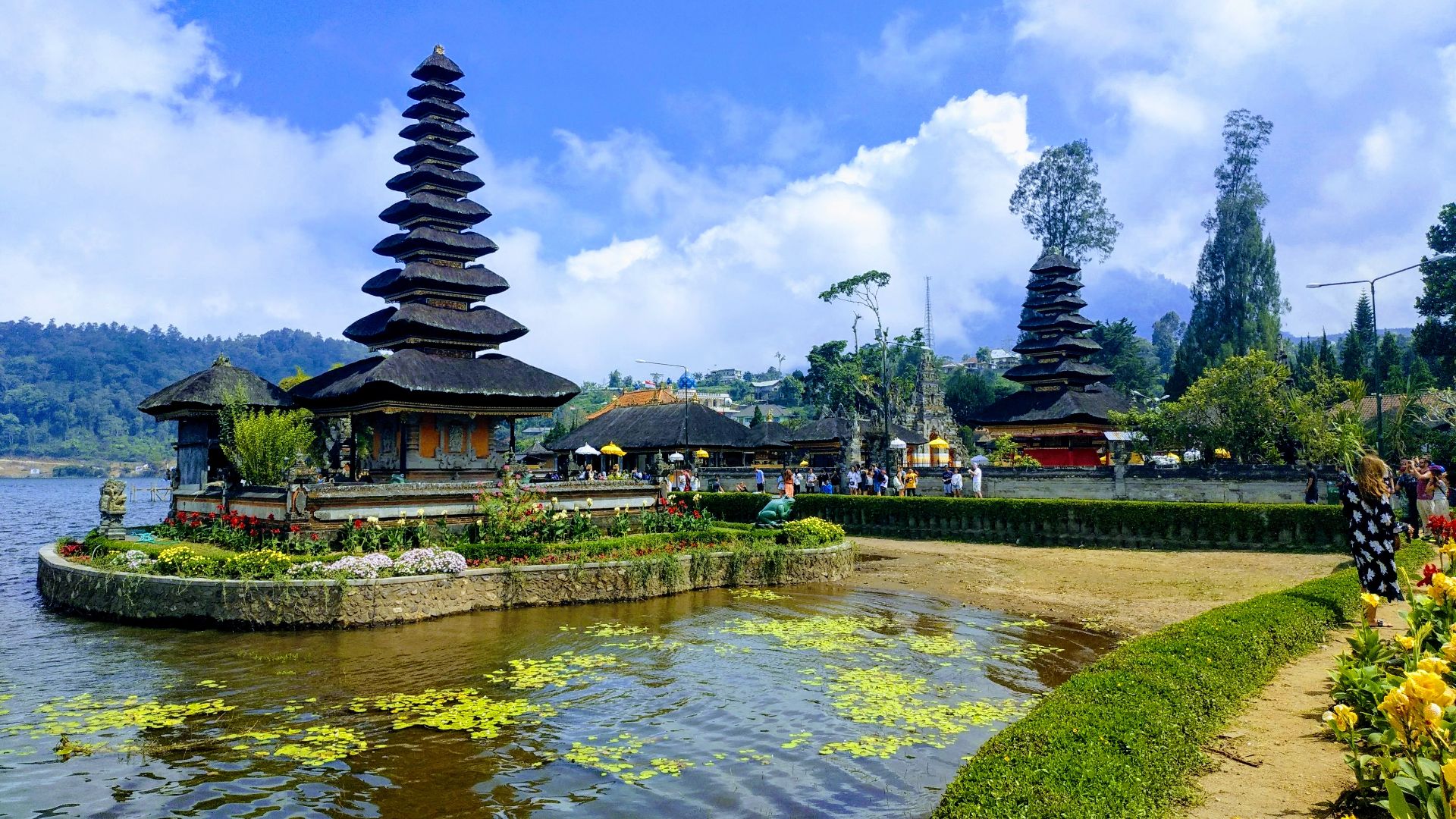
Traffic congestion now defines areas like Canggu and Ubud, where it can take an hour to travel distances that should require ten minutes. The Indonesian island recorded nearly 15 million visitors in 2024, overwhelming an infrastructure designed for a fraction of that number.
 Sasha India, Wikimedia Commons
Bali (Cont.)
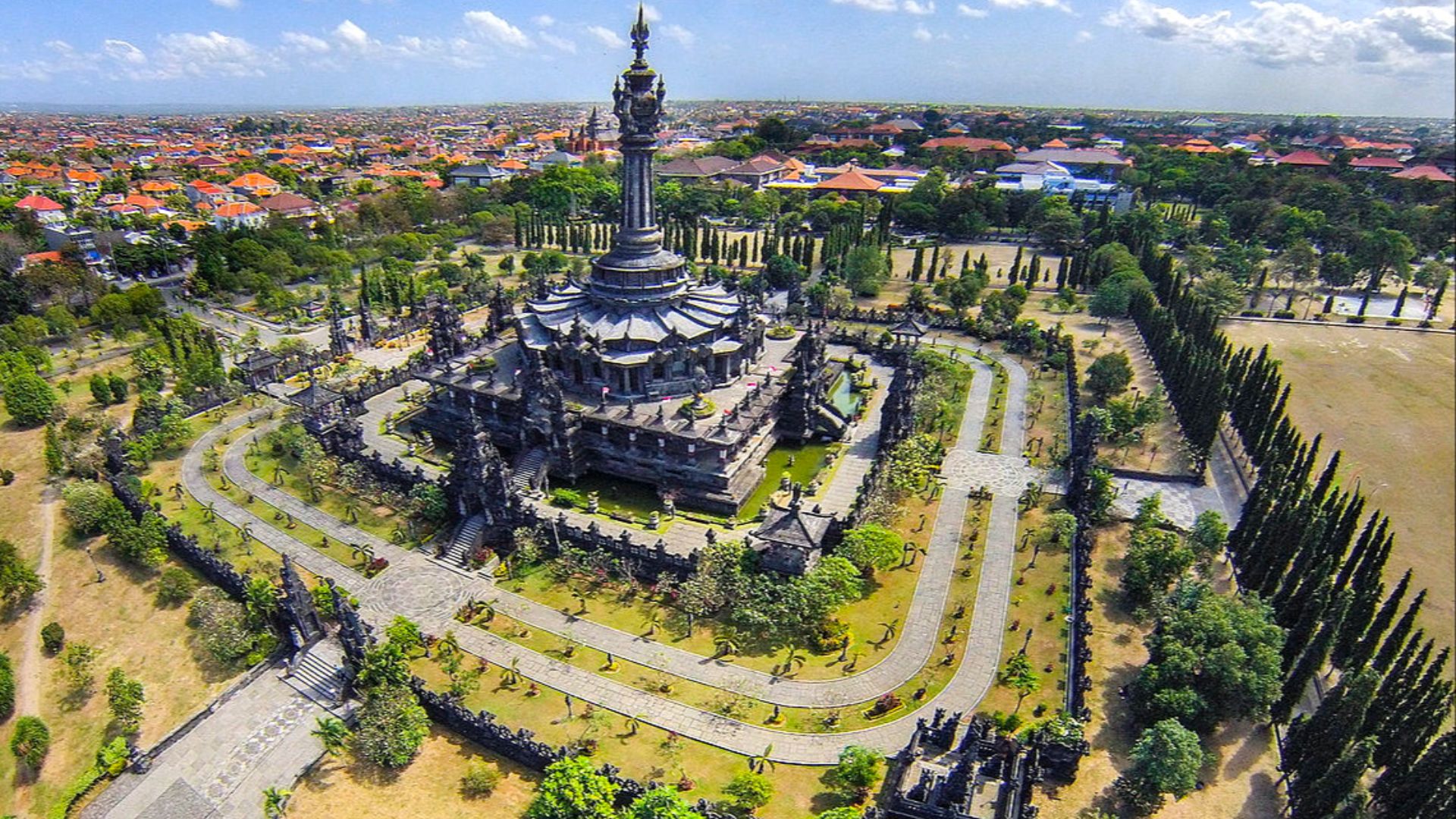
Environmental degradation has reached crisis levels that local leaders describe as a "plastic apocalypse”. Beaches like Kuta and Seminyak, once pristine, periodically disappear under tides of trash as waste management systems fail to cope with tourist-generated refuse. The provincial government responded with a $10 visitor levy.
 trezy humanoiz from Denpasar, indonesia, Wikimedia Commons
Kyoto
An astonishing 90% of Kyoto residents report dissatisfaction with tourism levels. This is a shocking statistic for a city that has welcomed visitors for over a millennium. The ancient capital attracted 56 million visitors last year, creating a situation where tourists outnumber residents by a staggering ratio during peak seasons.
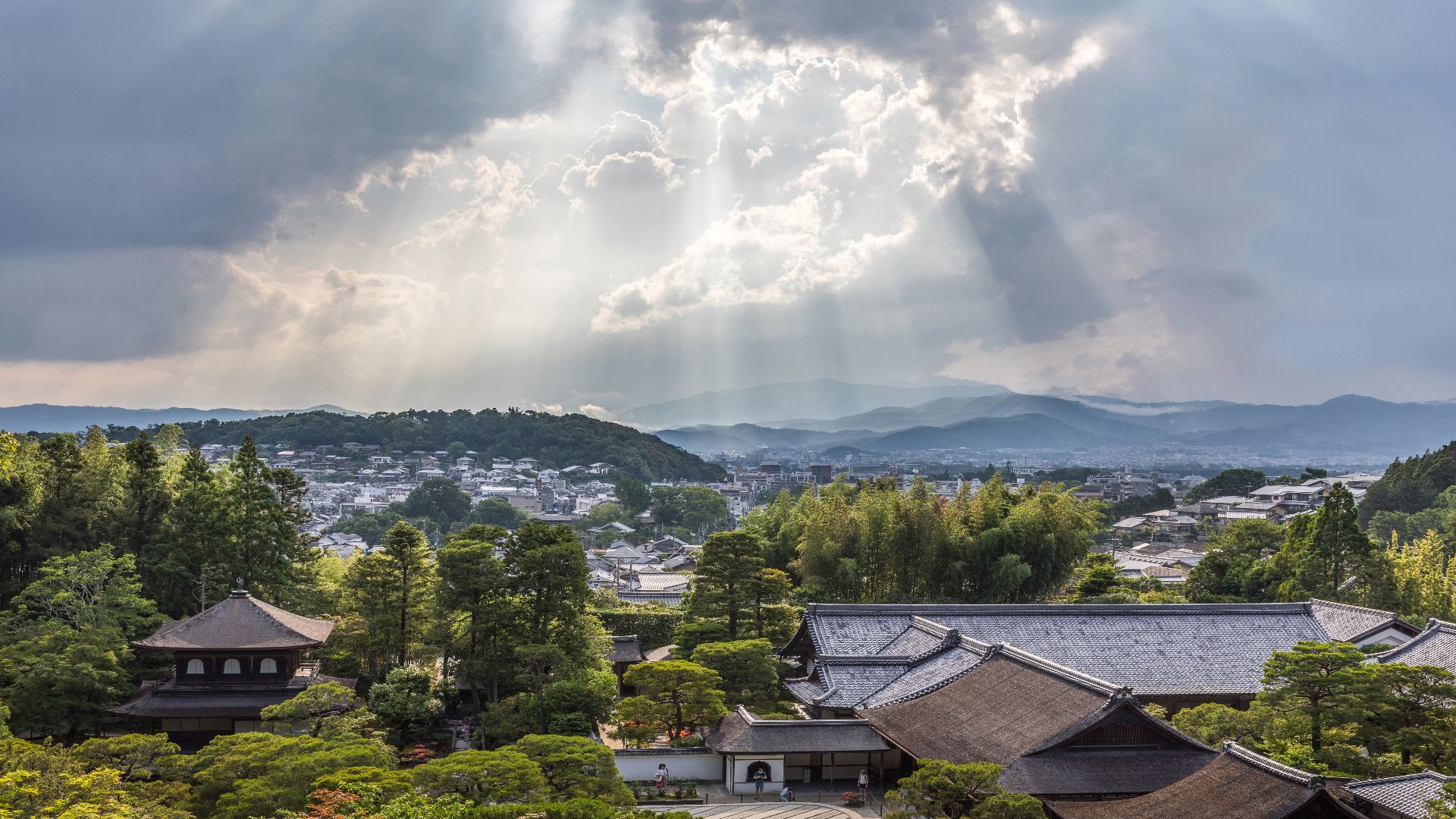 Basile Morin, Wikimedia Commons
Kyoto (Cont.)
The accommodation tax is skyrocketing from ¥1,000 to as much as ¥10,000 ($67) per night starting March 2026. Talk about a 900% increase that represents one of the most dramatic anti-overtourism measures in Japan. This tiered system charges more for luxury properties, with funds designated for infrastructure improvements.
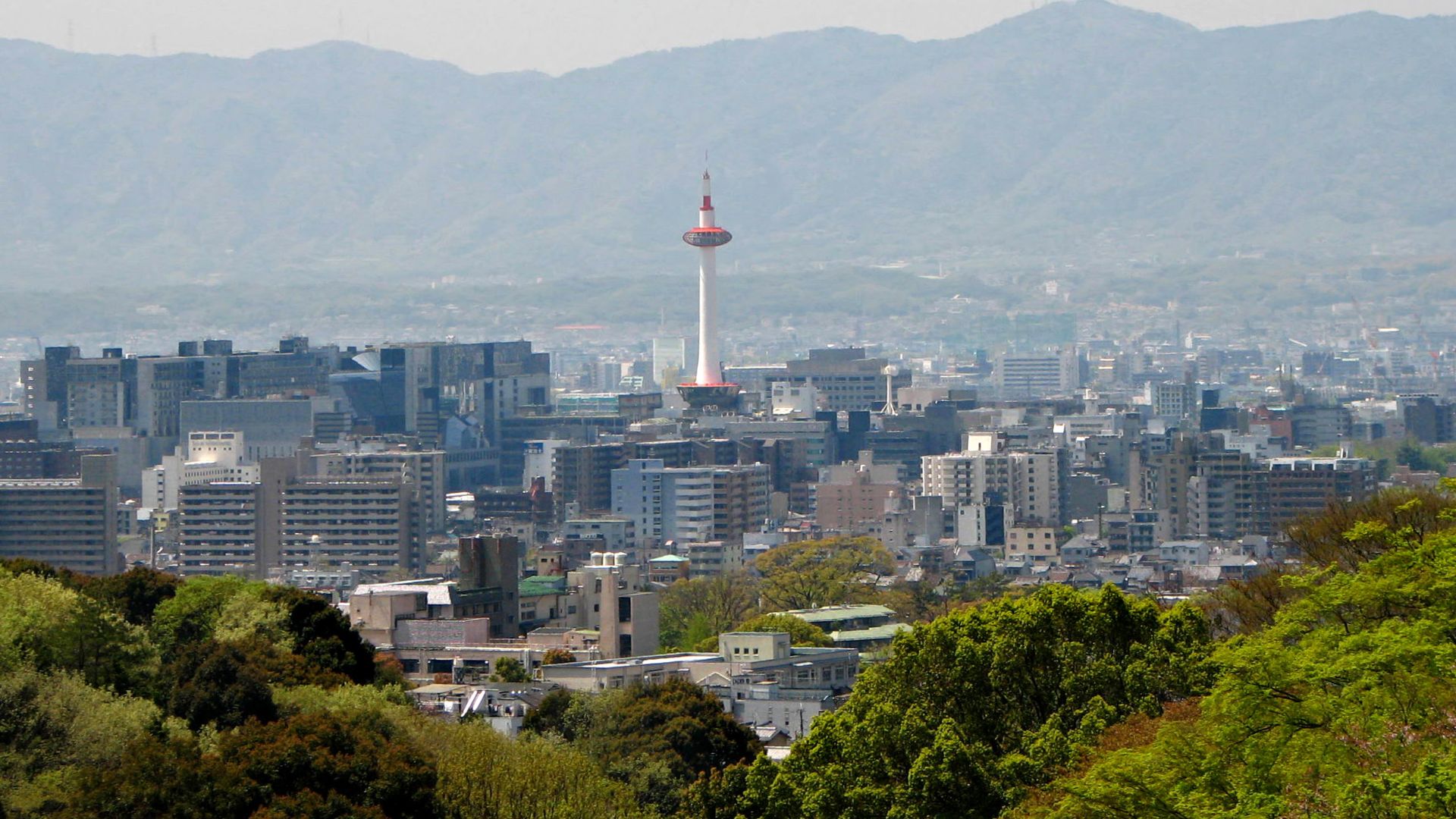 Bernard Gagnon, Wikimedia Commons
Santorini
On peak days in 2024, as many as 17,000 cruise passengers descended on an island with only 20,000 permanent residents. That's nearly nine tourists for every local, all arriving within hours of each other, overwhelming the narrow pathways of Oia and Fira before disappearing back to their ships by sunset.
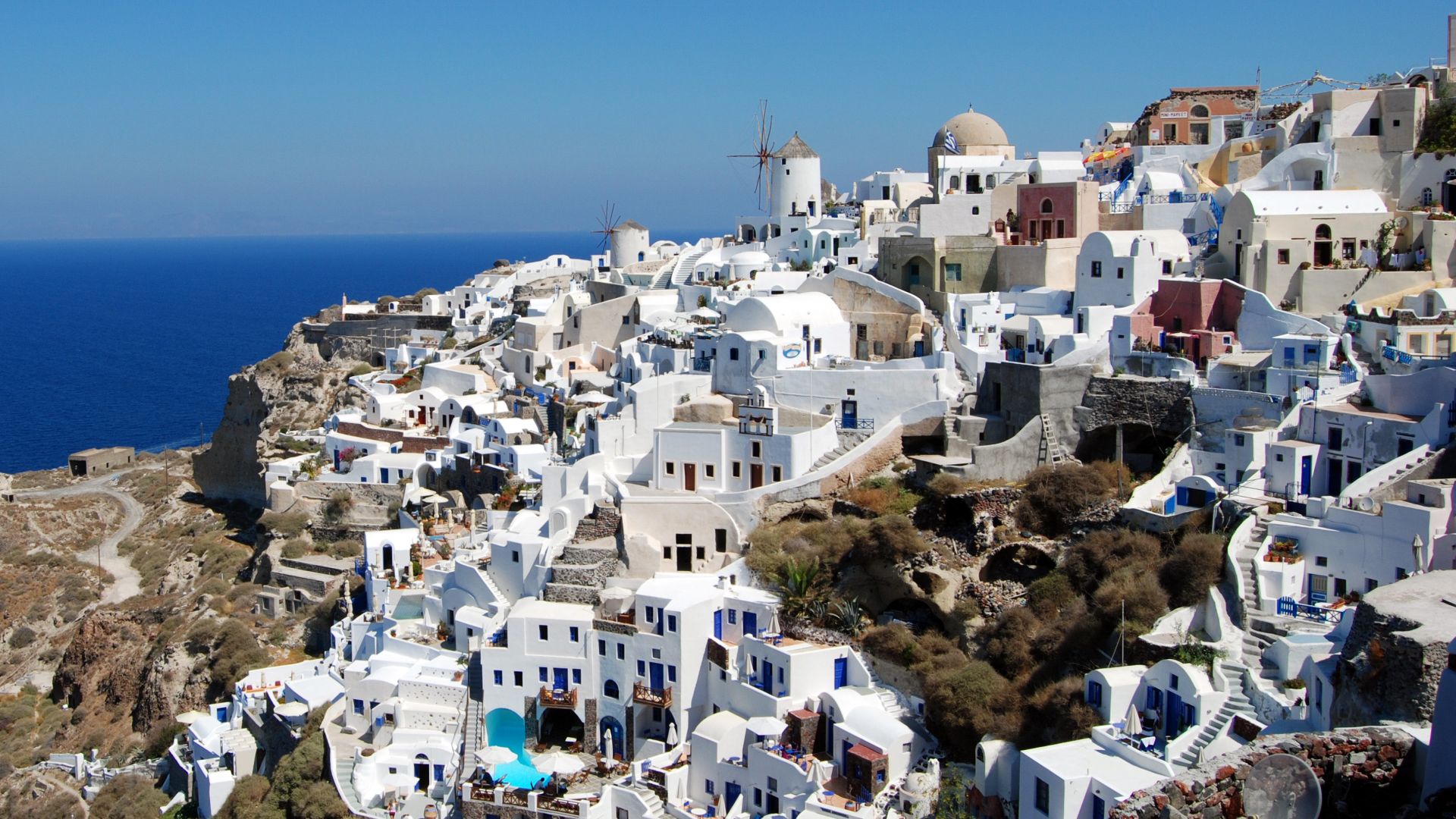 Harvey Barrison, Wikimedia Commons
Santorini (Cont.)
Greece responded by introducing cruise passenger fees starting July 2025—€20 ($23) during high season, dropping to €12 in October and €4 in the off-season—but whether financial deterrents can solve problems this profound remains doubtful. Water shortages plague residents while hotels fill infinity pools for Instagram photos.
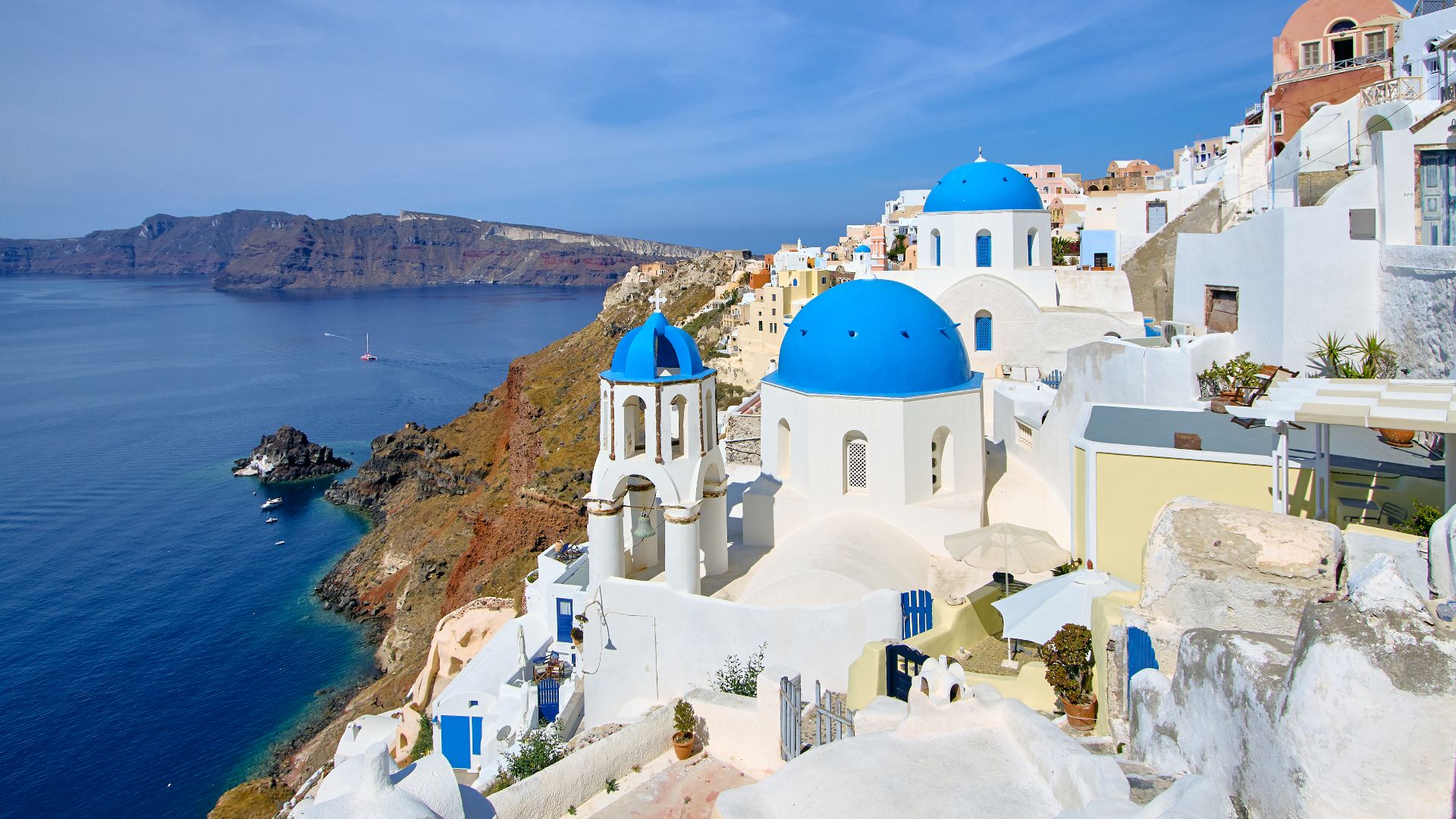 Pedro Szekely from Los Angeles, USA, Wikimedia Commons
Barcelona
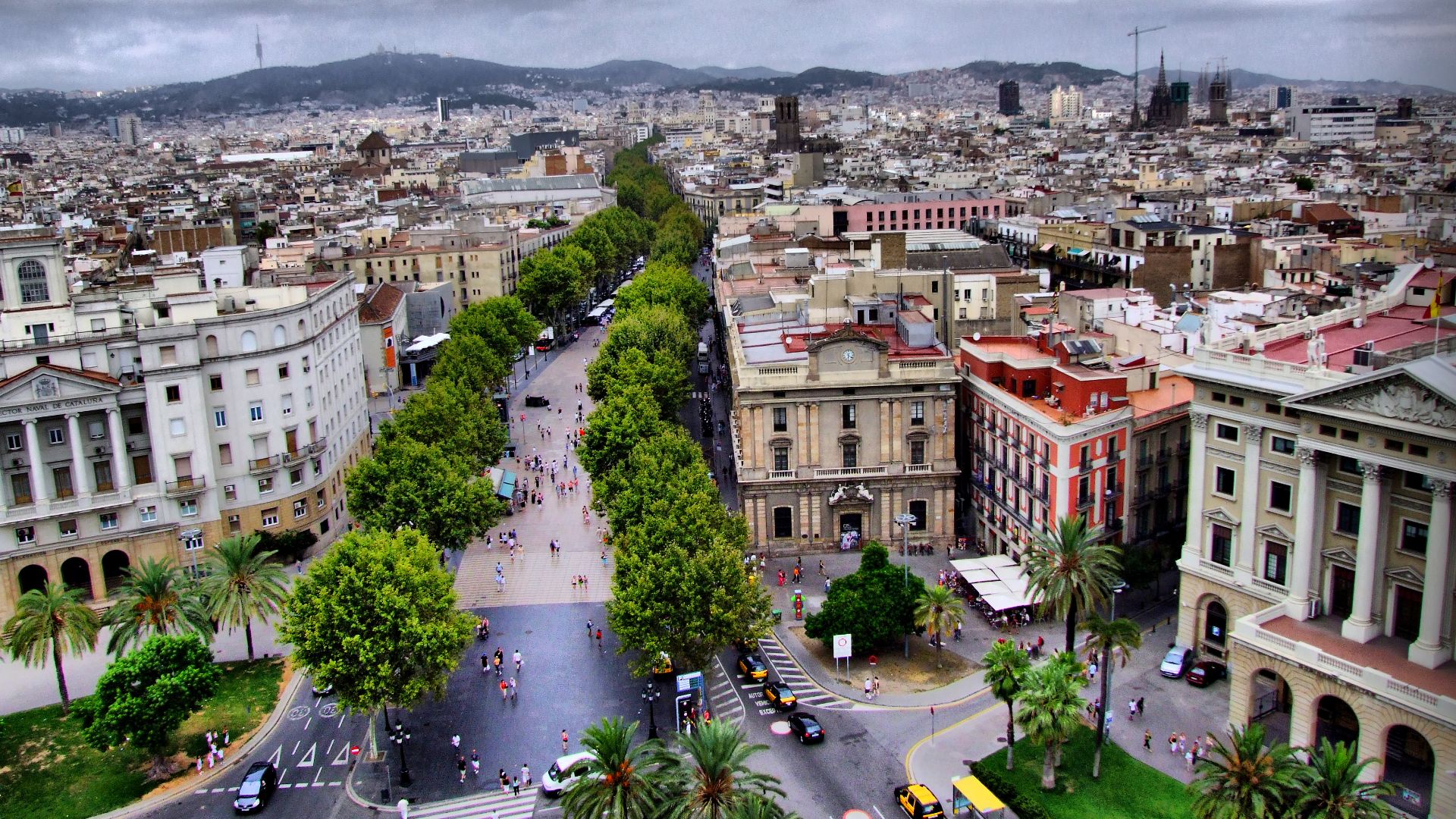
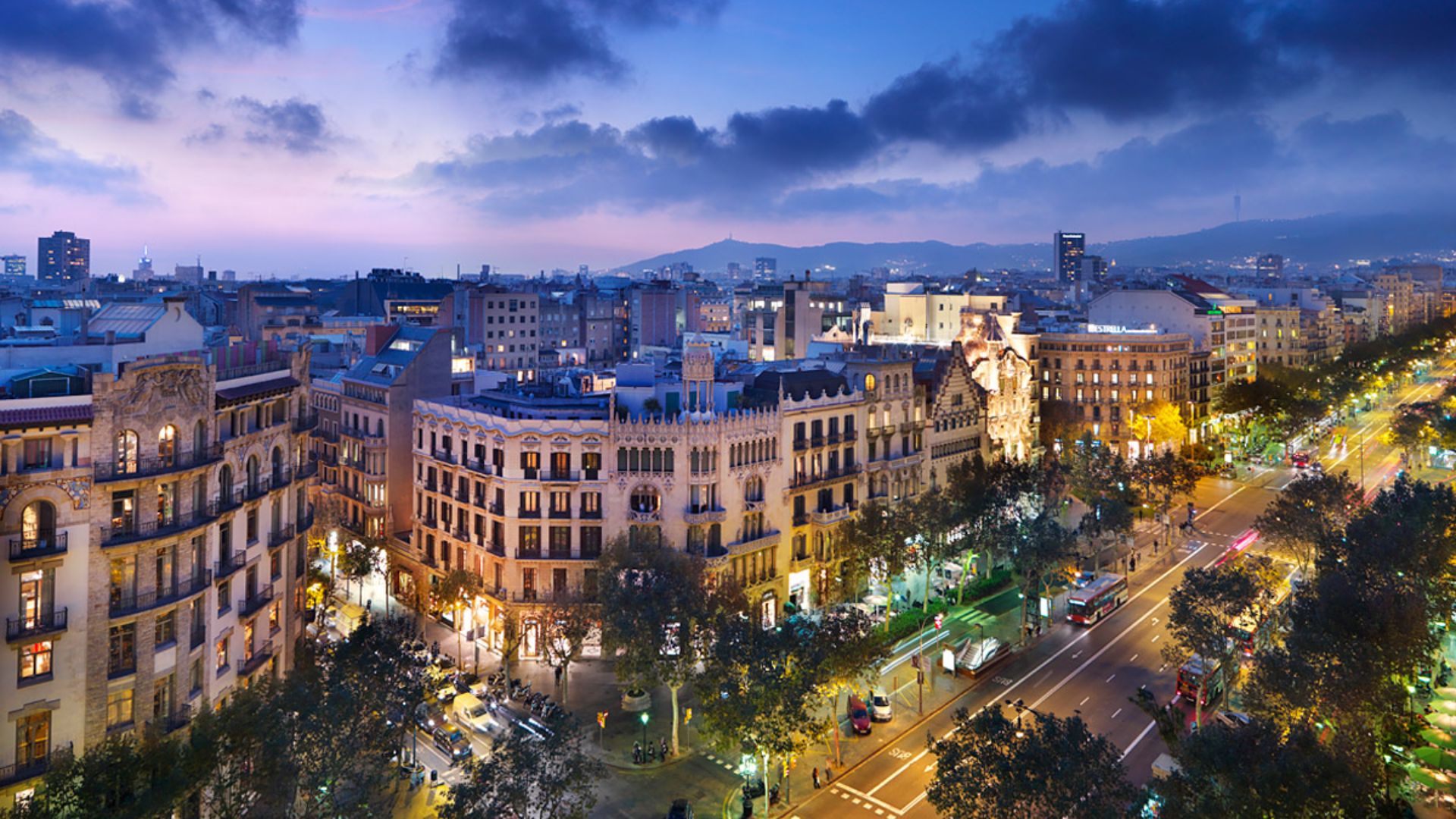
Water pistols became weapons of protest when thousands of masked Barcelona residents took to the streets on June 15, 2025, confronting tourists with spray guns and signs declaring "Your holidays, my misery" and "Mass tourism kills the city”. The fury wasn't random.
Barcelona (Cont.)
It was the boiling over of years of frustration in a city of 1.6 million permanent residents that welcomed 26 million tourists in 2024. The Barcelona government responded with nuclear options: a complete ban on all short-term rental licenses by 2028, curbs on cruise ship docking, and increased tourist taxes.
 GeoTravellers, Wikimedia Commons