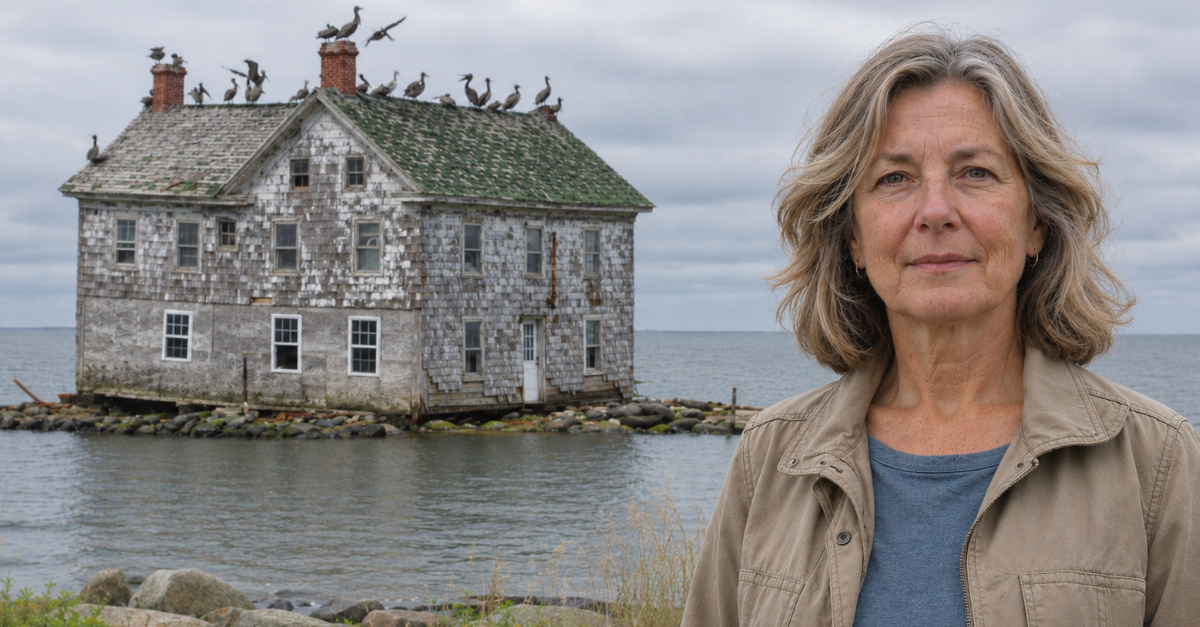
You Can’t Go Home Again
Going back to your hometown usually means complaining about everything that’s changed. But some baby boomers have a much stranger problem: Their hometown literally isn’t there anymore.
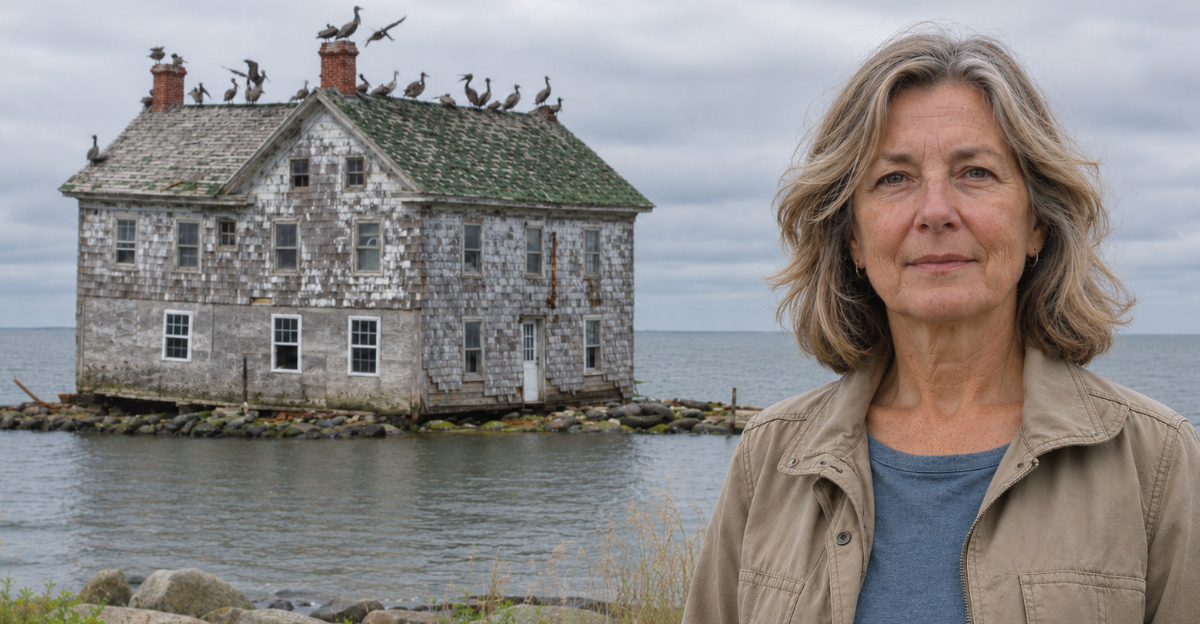
Times Beach, Missouri
In the 70s, Times Beach was a working-class community where families lived along dusty roads near the Meramec River. To control that dust, the town hired someone to spray the roads with waste oil. Unfortunately, it contained dioxin. After contamination and a devastating 1982 flood, residents were bought out and the buildings demolished. Today, the site is Route 66 State Park.
 EagleScout2017, Wikimedia Commons
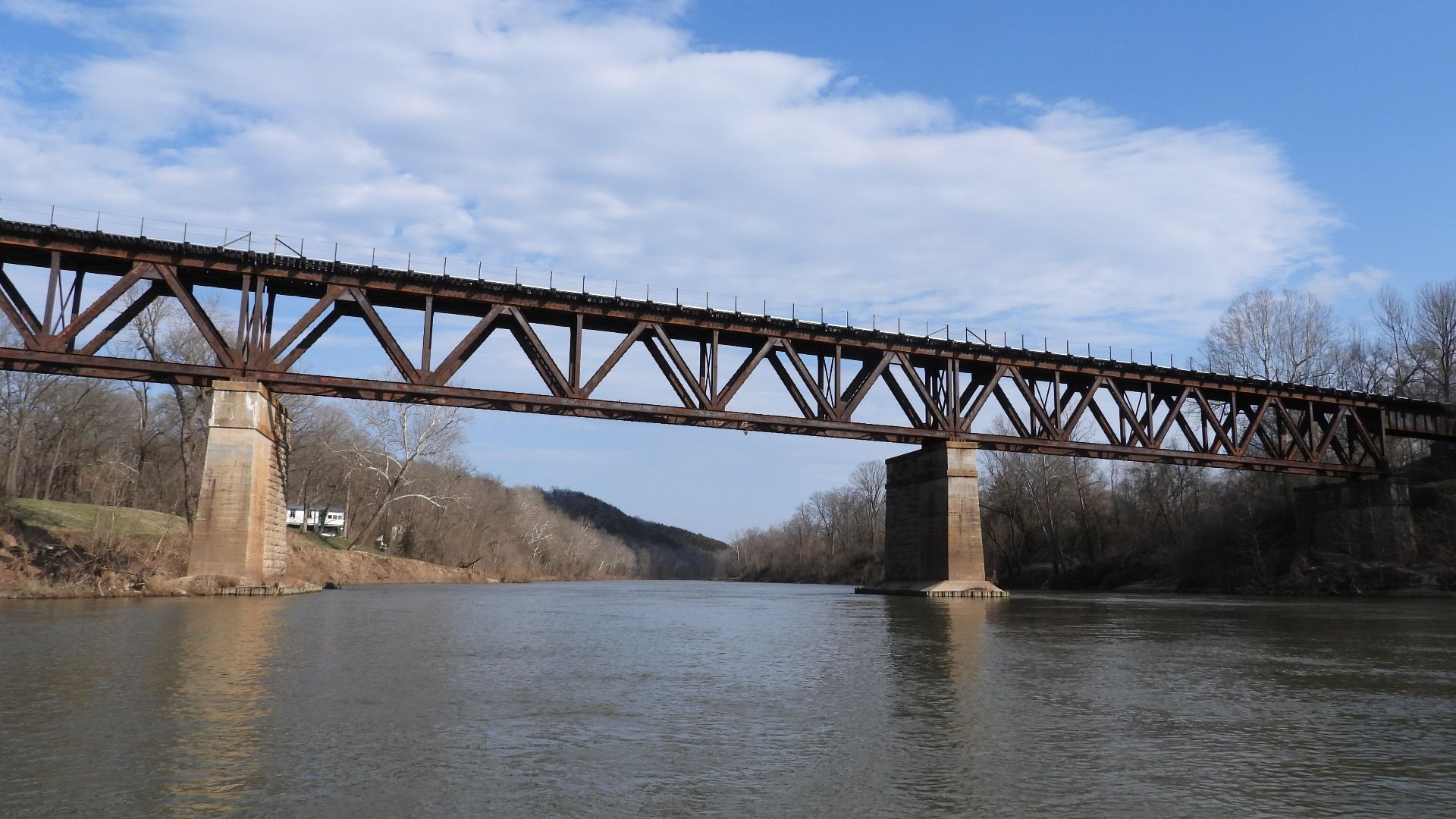
Newton Stewart, Indiana
Newton Stewart still had a working post office until 1973. Within a few years, even the ground beneath the town would disappear underwater. The community was cleared for Patoka Lake, a reservoir completed in 1978. Its name survives around the recreation area, but the place where residents collected their mail and went about their lives is beneath the lake.
 Sarah Ewart, Wikimedia Commons
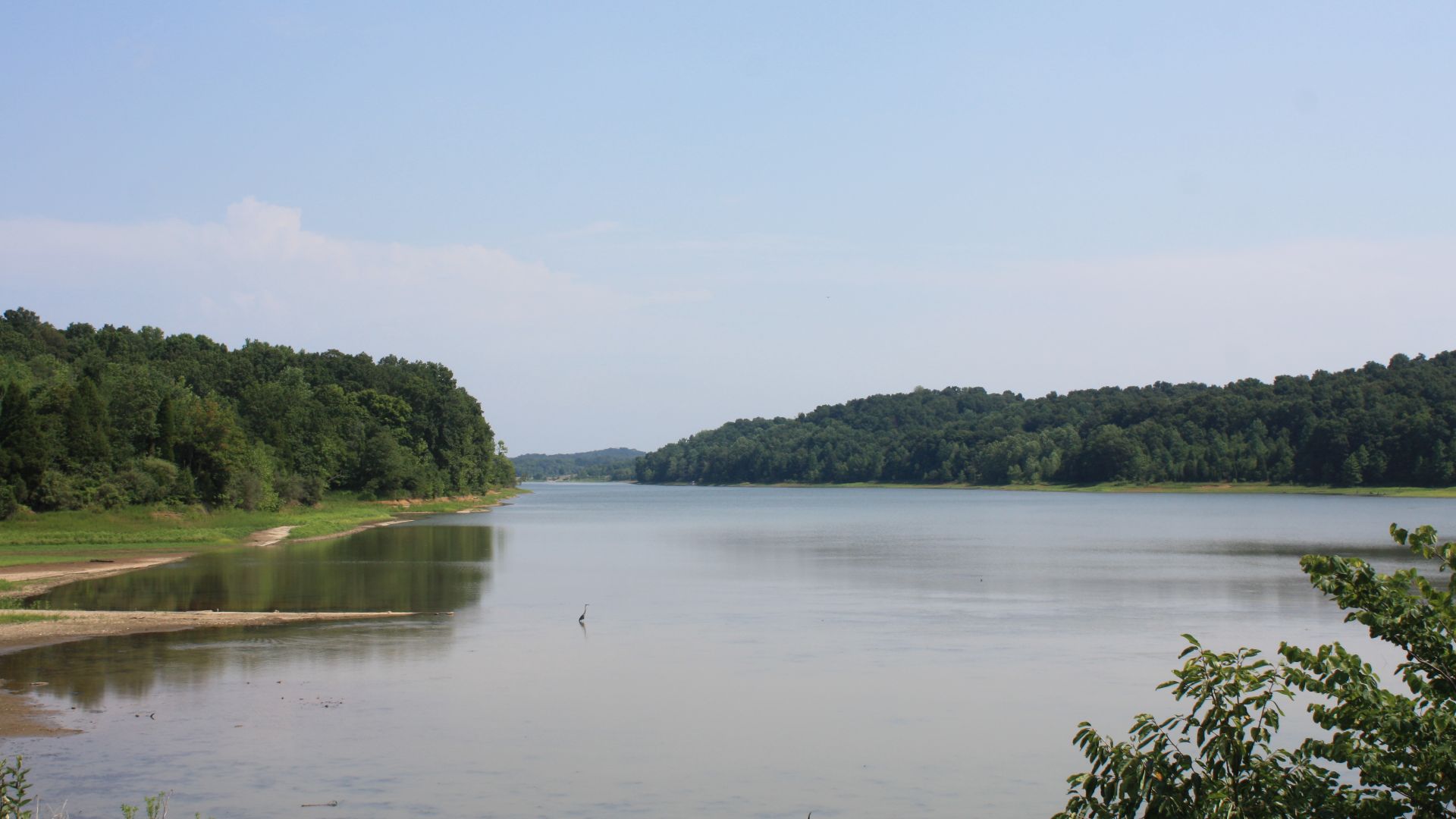
Castle Gate, Utah
Castle Gate entered the 70s with families still living in its houses. By the end of 1974, the original town had been dismantled to make room for expanded mining operations. Some residents even had their houses moved to a new subdivision near Helper. Before leaving, current and former neighbors gathered for one last celebration in the town they were losing.
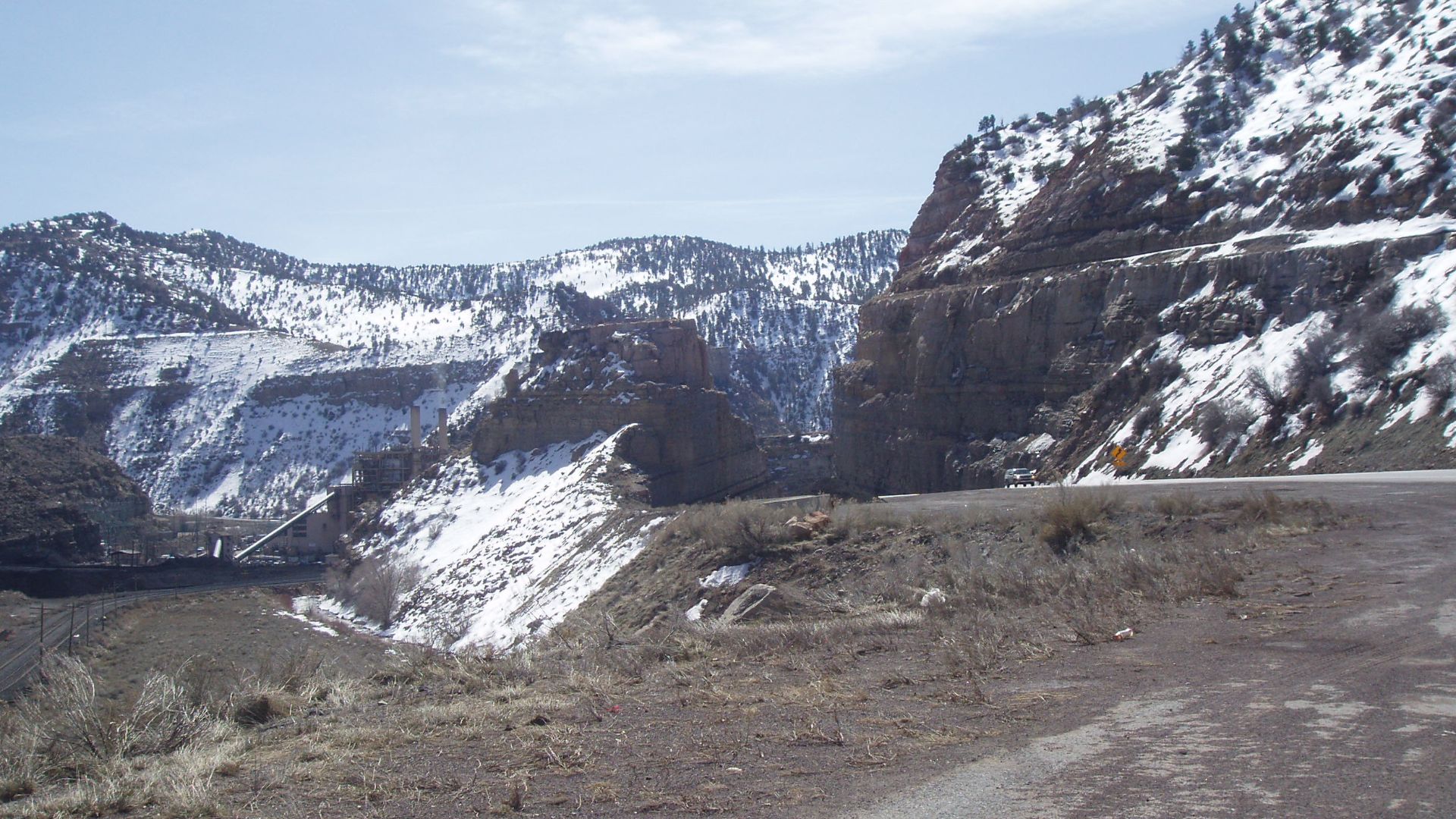 Tricia Simpson, Wikimedia Commons
Allenville, Arizona
Allenville was a small Black community near Buckeye where families had learned to live with the Gila River’s flooding. Residents would leave, wait for the water to retreat, then return to repair their homes. The 1978 flood broke that pattern. The community eventually relocated to Hopeville in 1981. Vegetation and scattered remnants now occupy the old townsite.
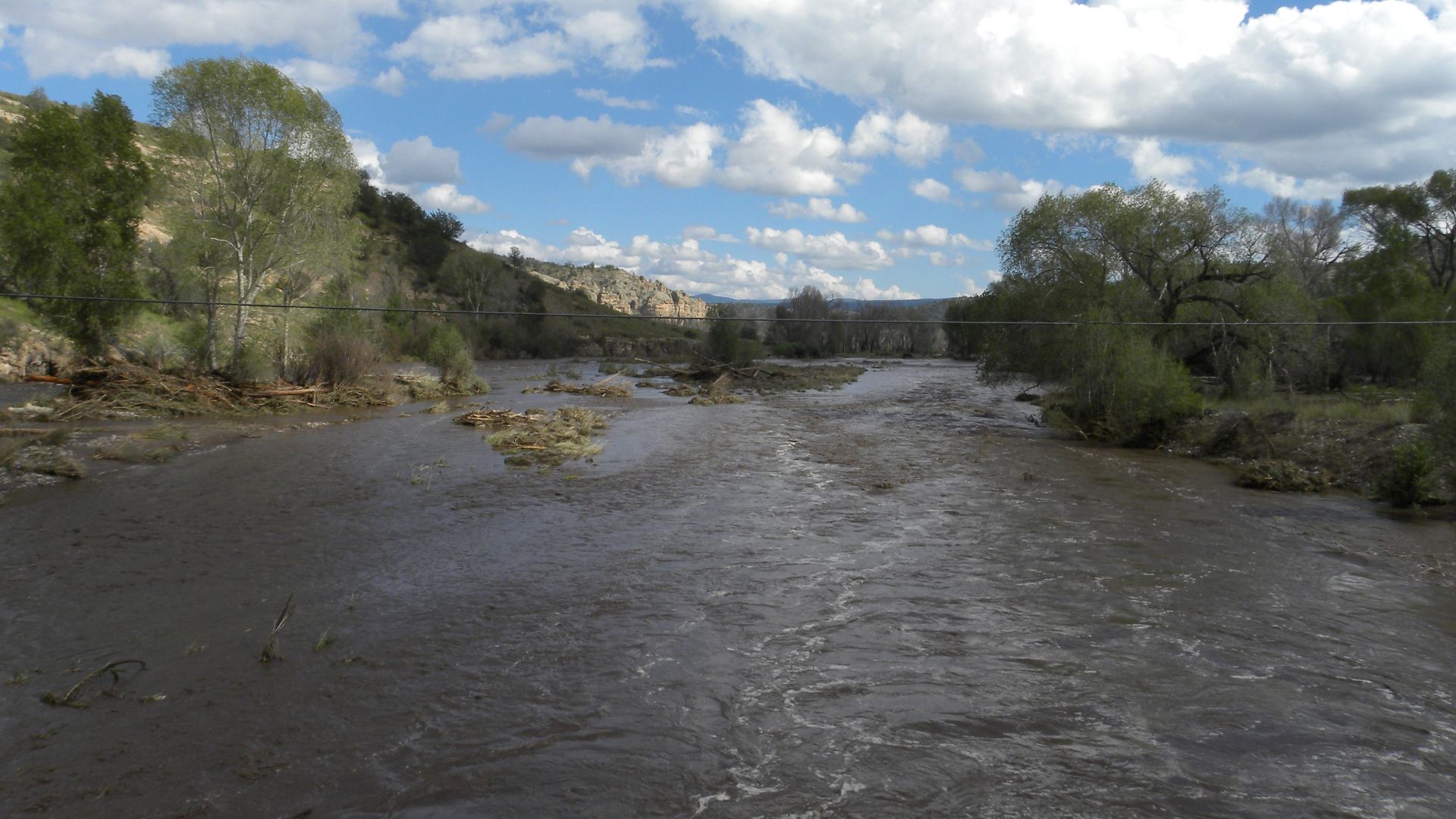 Gila National Forest, Wikimedia Commons
Picher, Oklahoma
Picher’s mining boom was over by the 70s, but families were still raising children in the town it had built. Unfortunately, the mines left contaminated waste and unstable ground behind. Government buyouts and a devastating 2008 tornado accelerated its collapse. Homes and businesses were demolished, and the municipality was formally dissolved in 2013. Fragments survive, but the community is gone.
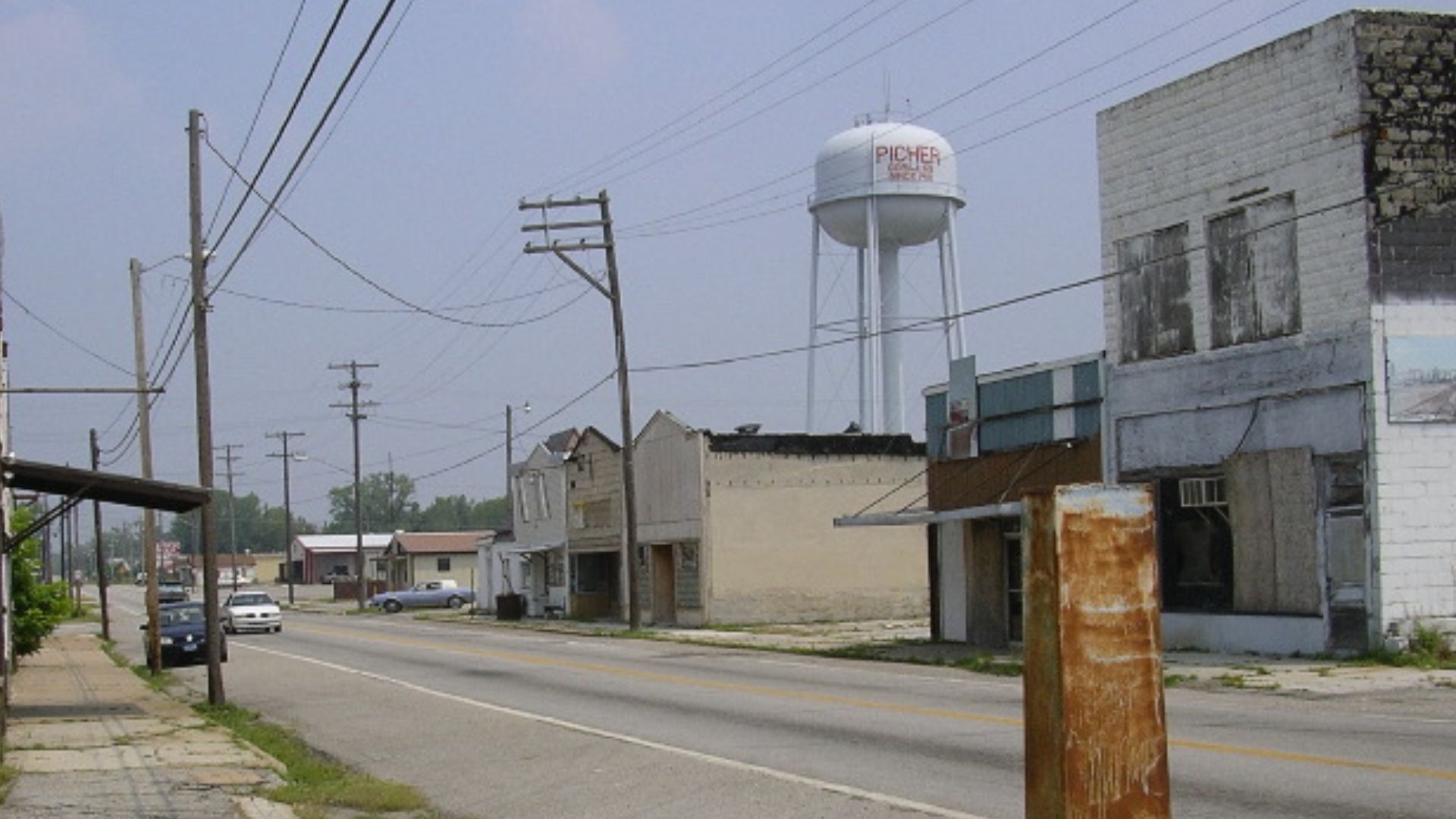
Keetley, Utah
Keetley was a small settlement near Park City whose history revolved around mining and ranching. Its mine remained active through the late 70s, but a reservoir project eventually transformed the valley completely. Jordanelle Dam was completed in 1993, and the former townsite disappeared beneath the water. During low-water periods, stretches of the old road can become visible again.
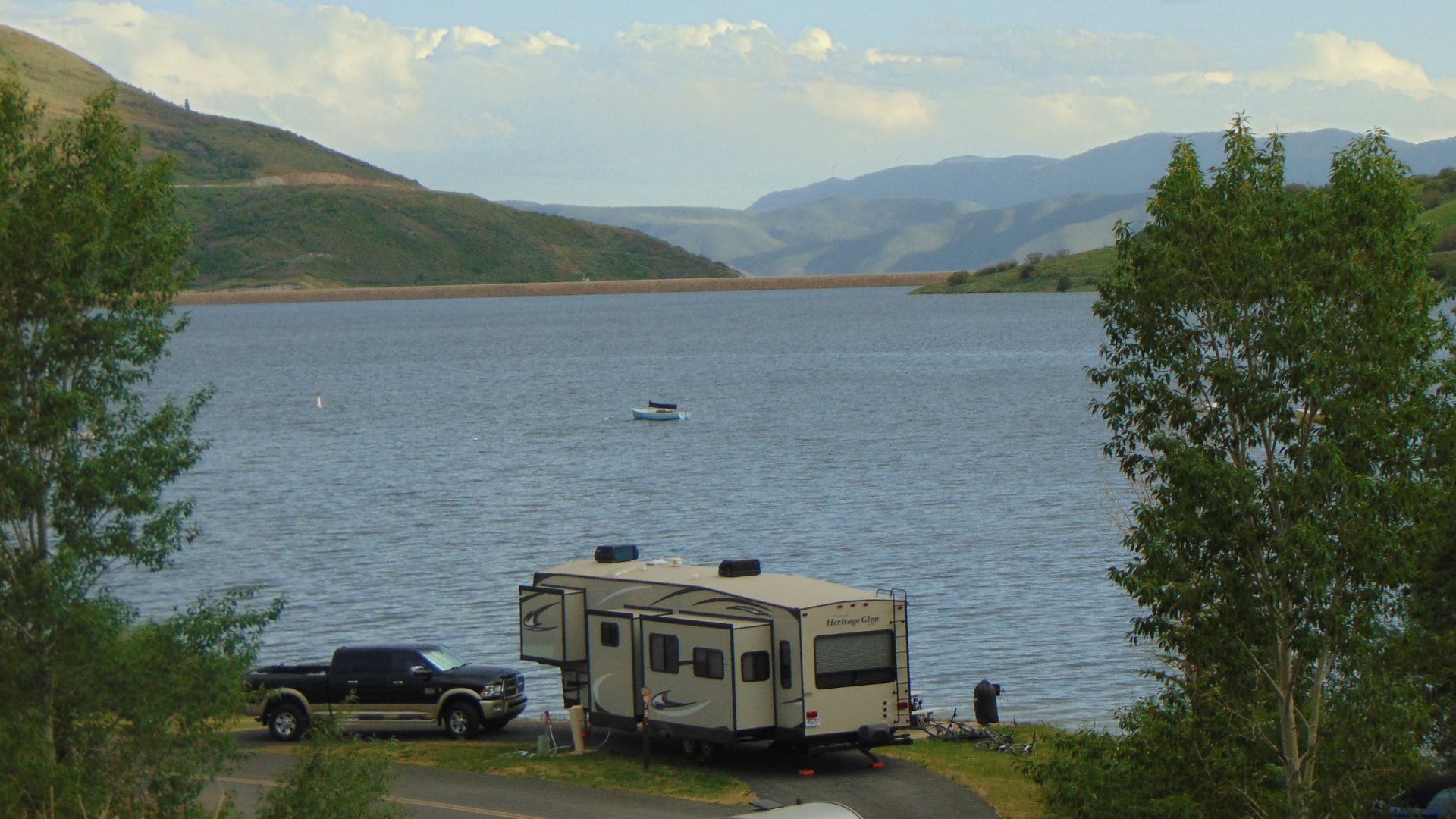 An Errant Knight, Wikimedia Commons
Revilletown, Louisiana
Families in Revilletown could trace their community back to formerly enslaved people who established it in the 1800s. During the 70s, nearby chemical operations expanded, bringing pollution concerns increasingly close to home. A 1987 settlement paid for residents to relocate. Afterward, the buildings were bulldozed. The cemetery remains, preserving family connections to a town that otherwise disappeared.
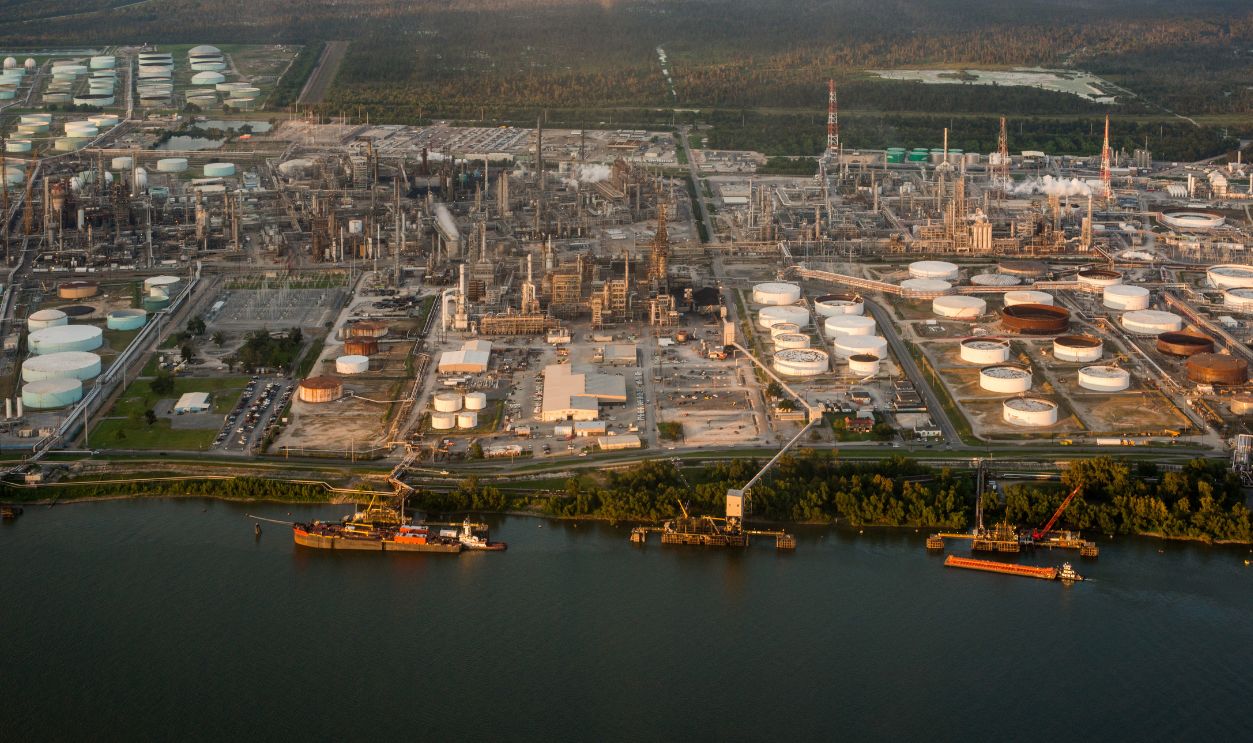
Smeltertown, Texas
Around 500 people still lived in Smeltertown near El Paso in 1970. Generations of Mexican American families had built their lives beside the smelter that provided work. Then testing revealed serious lead exposure, including among children. Residents were forced to leave, and their homes were demolished in 1973. Former neighbors continued holding reunions long after their streets were gone.
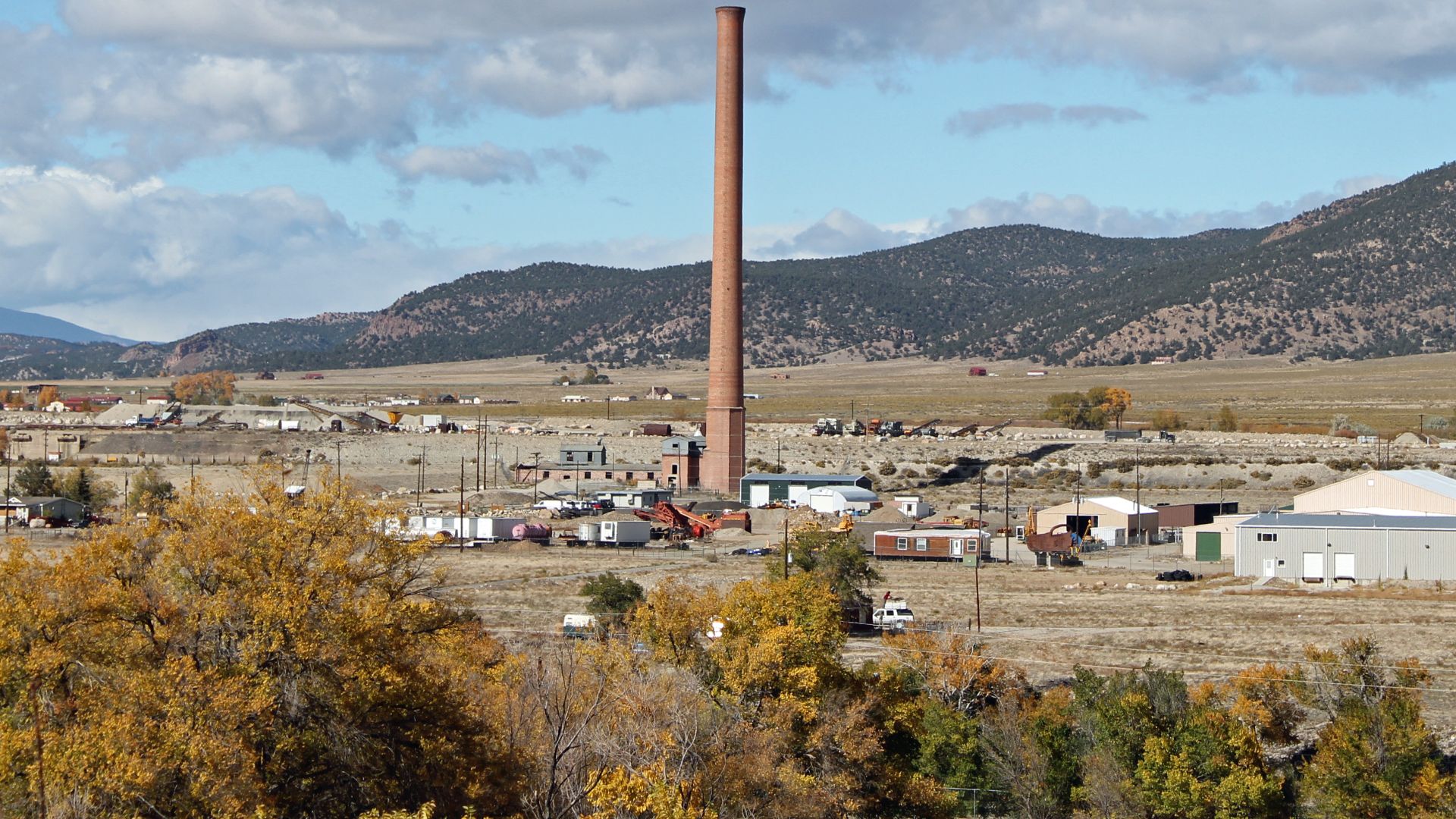 Jeffrey Beall, Wikimedia Commons
Cardin, Oklahoma
Cardin had already gone through its mining boom and decline before the 70s arrived. Still, it remained a residential community for decades afterward, even reincorporating in 1983 to obtain funding for infrastructure improvements. Its location within the contaminated Tar Creek area eventually brought a government buyout. By the end of that process, Cardin had been emptied and abandoned.
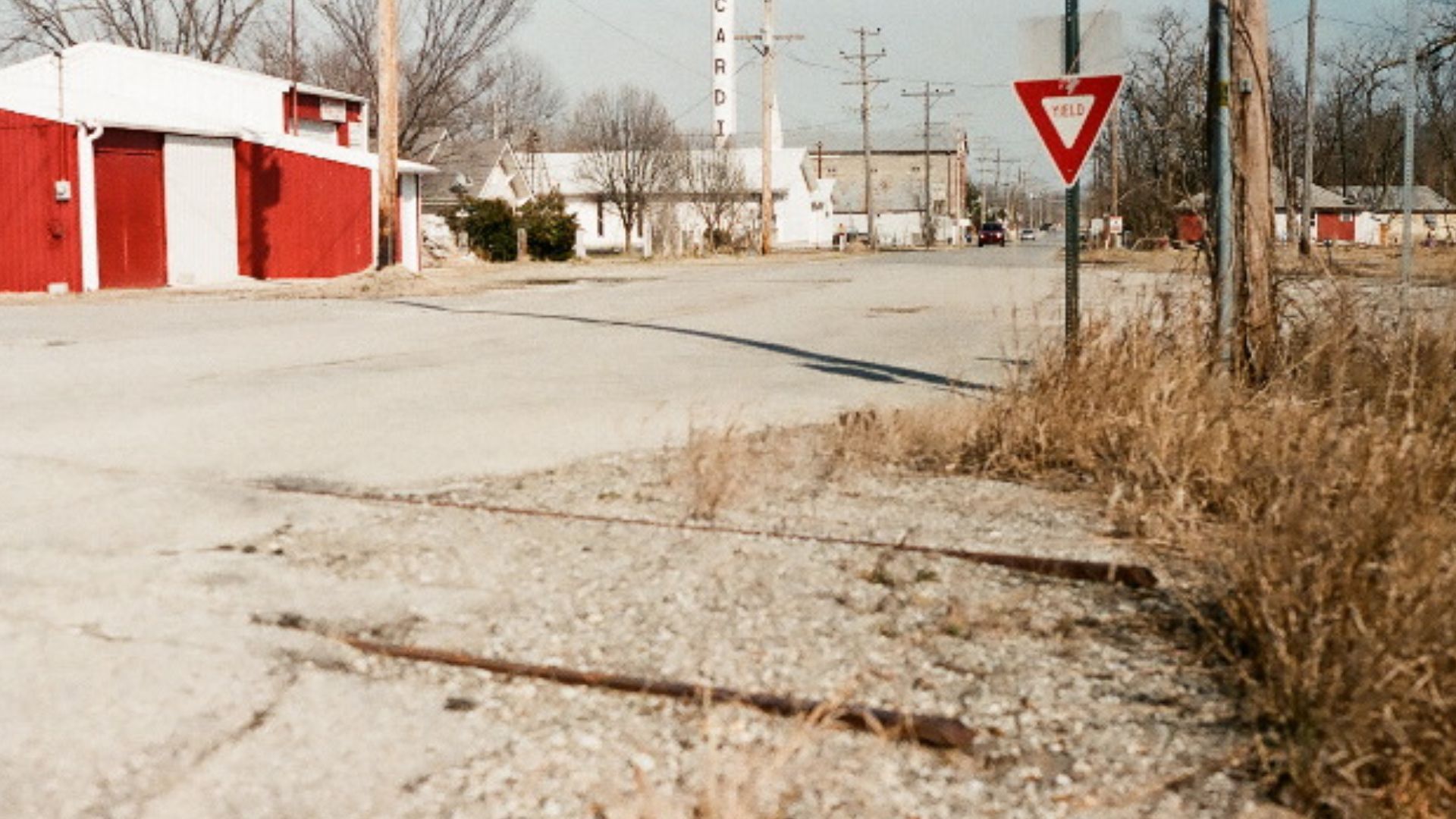
Copper, Oregon
In the 70s, Copper still had a store and gas station serving families in Oregon’s Applegate Valley. One family had moved there in 1969, only to have the government purchase their property roughly a decade later. Buildings were cleared for Applegate Lake, completed in 1980. The old road serving the community now leads down into the water as a boat ramp.
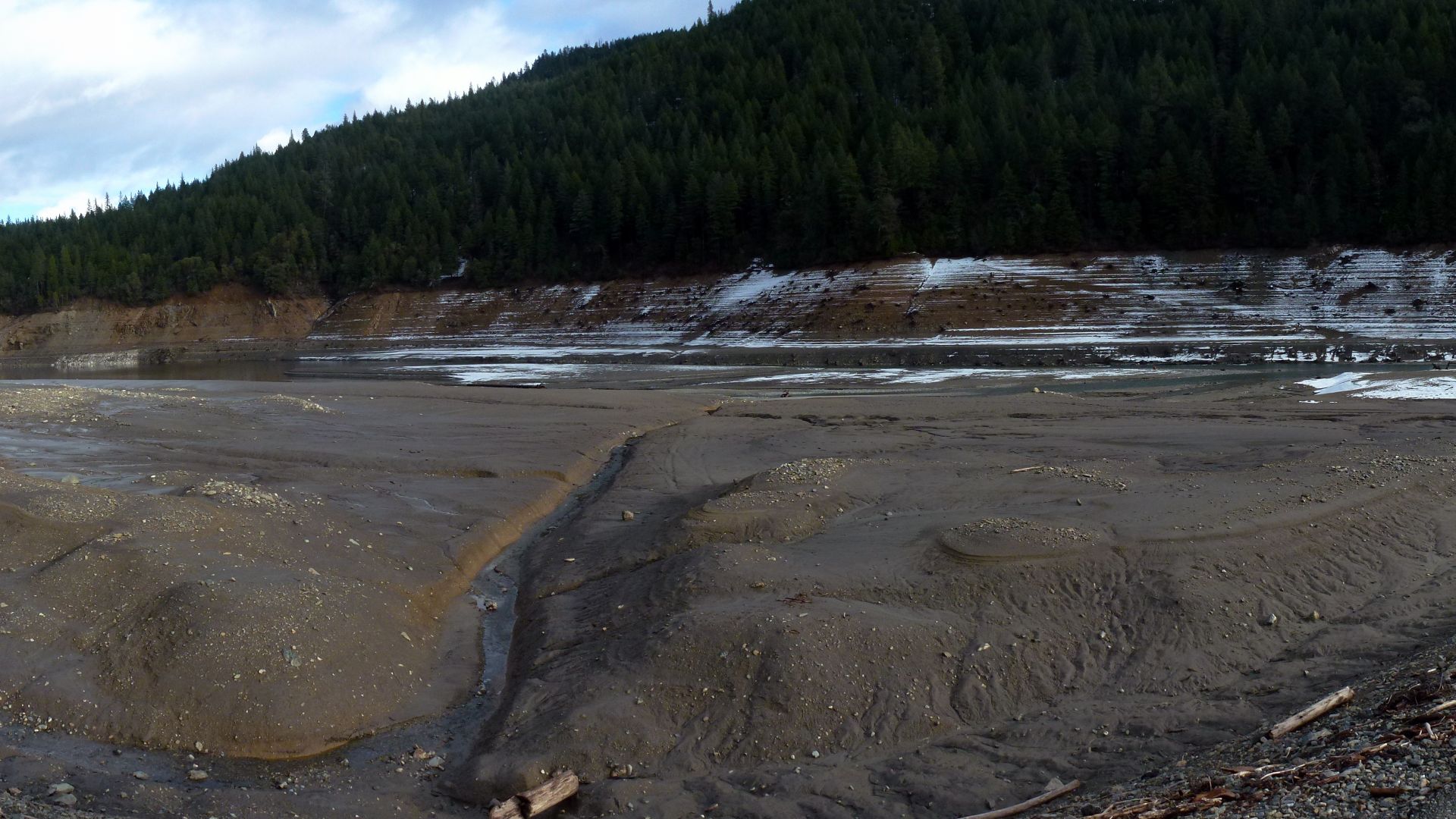 Little Mountain 5, Wikimedia Commons
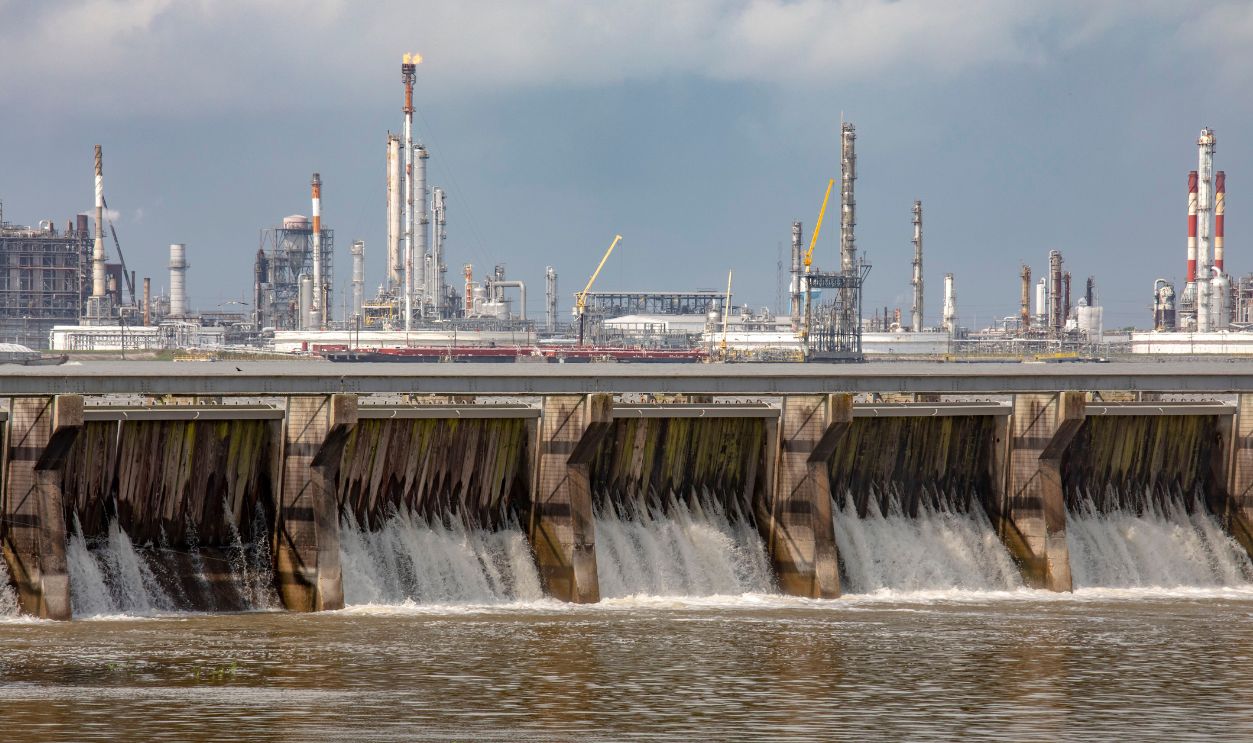
Morrisonville, Louisiana
The Morrisonville that baby boomers knew in the 70s had already survived earlier relocations caused by levee construction. But expanding chemical facilities brought another upheaval. Beginning in 1989, Dow bought out the community, and residents moved into two separate developments around 1990. The original settlement disappeared. According to its historical marker, only the cemeteries remain at the former site.
Treece, Kansas
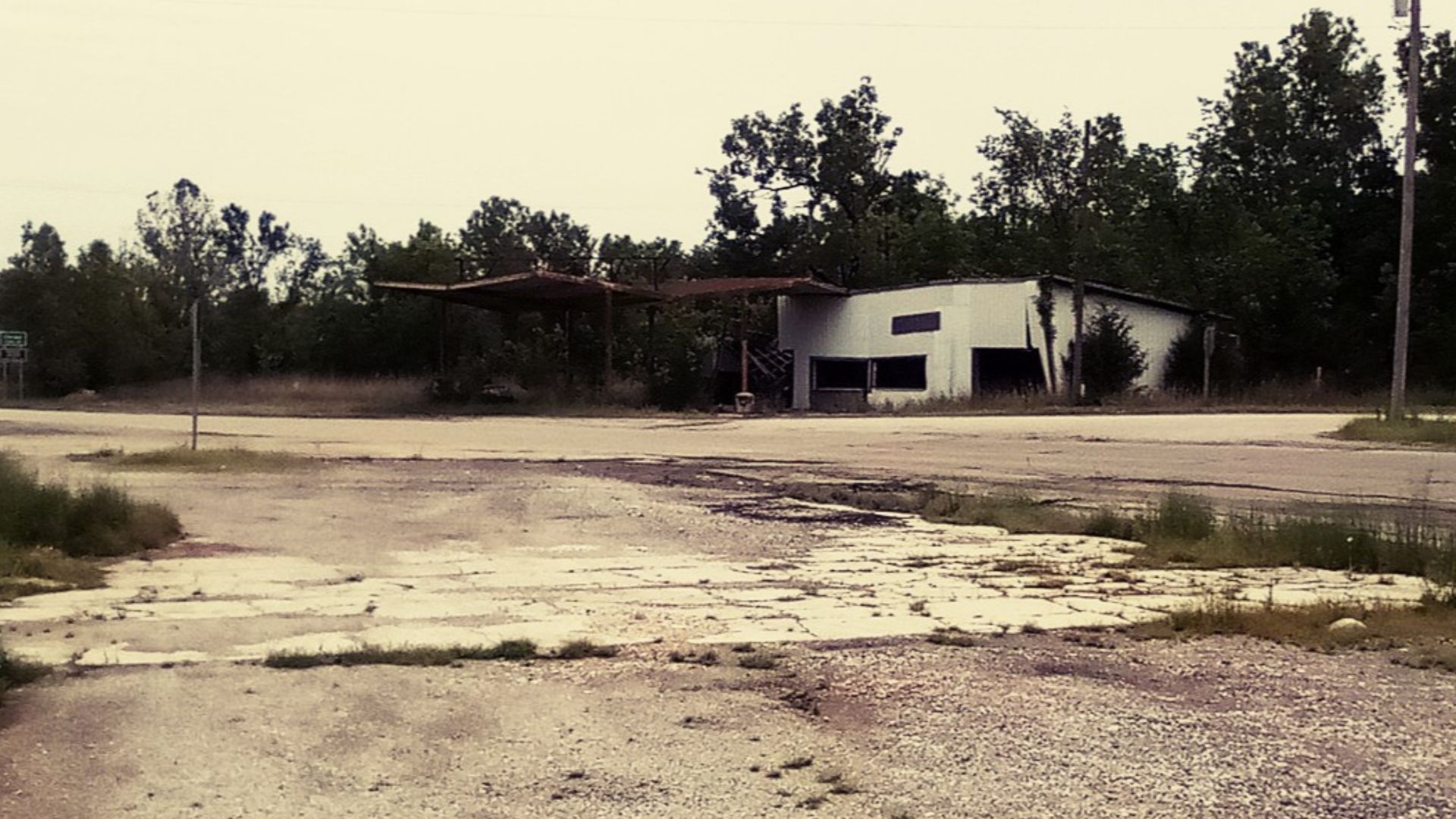
Treece had about 225 residents in 1970, when the last major mining operation around it closed. Families stayed, but contaminated mining waste and the threat of ground collapse made the future increasingly difficult. A federally funded buyout eventually emptied most properties. Houses were demolished, the water tower came down in 2012, and Treece was officially dissolved as a city.
 Robert Jones, Wikimedia Commons
Hailstone, Utah
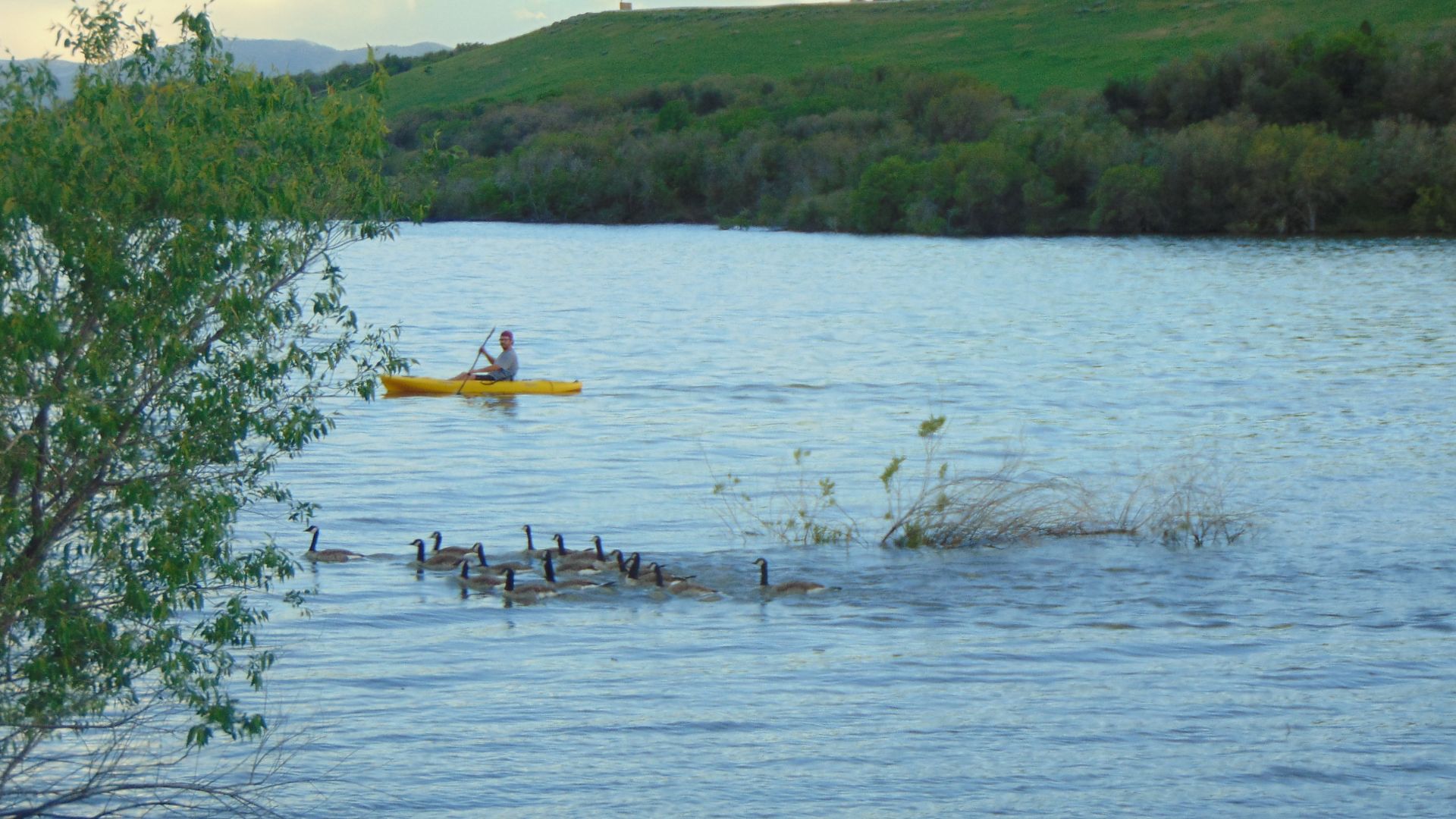
Hailstone shared Keetley’s fate when Jordanelle Reservoir filled during the 90s. The community was cleared for the reservoir, which supplies water for municipal, industrial, and agricultural use. Residents relocated, and the original settlement went underwater. Its name survives at the state park’s Hailstone Recreation Area, where visitors now launch boats above the valley that families once called home.
 An Errant Knight, Wikimedia Commons
Sunrise, Louisiana
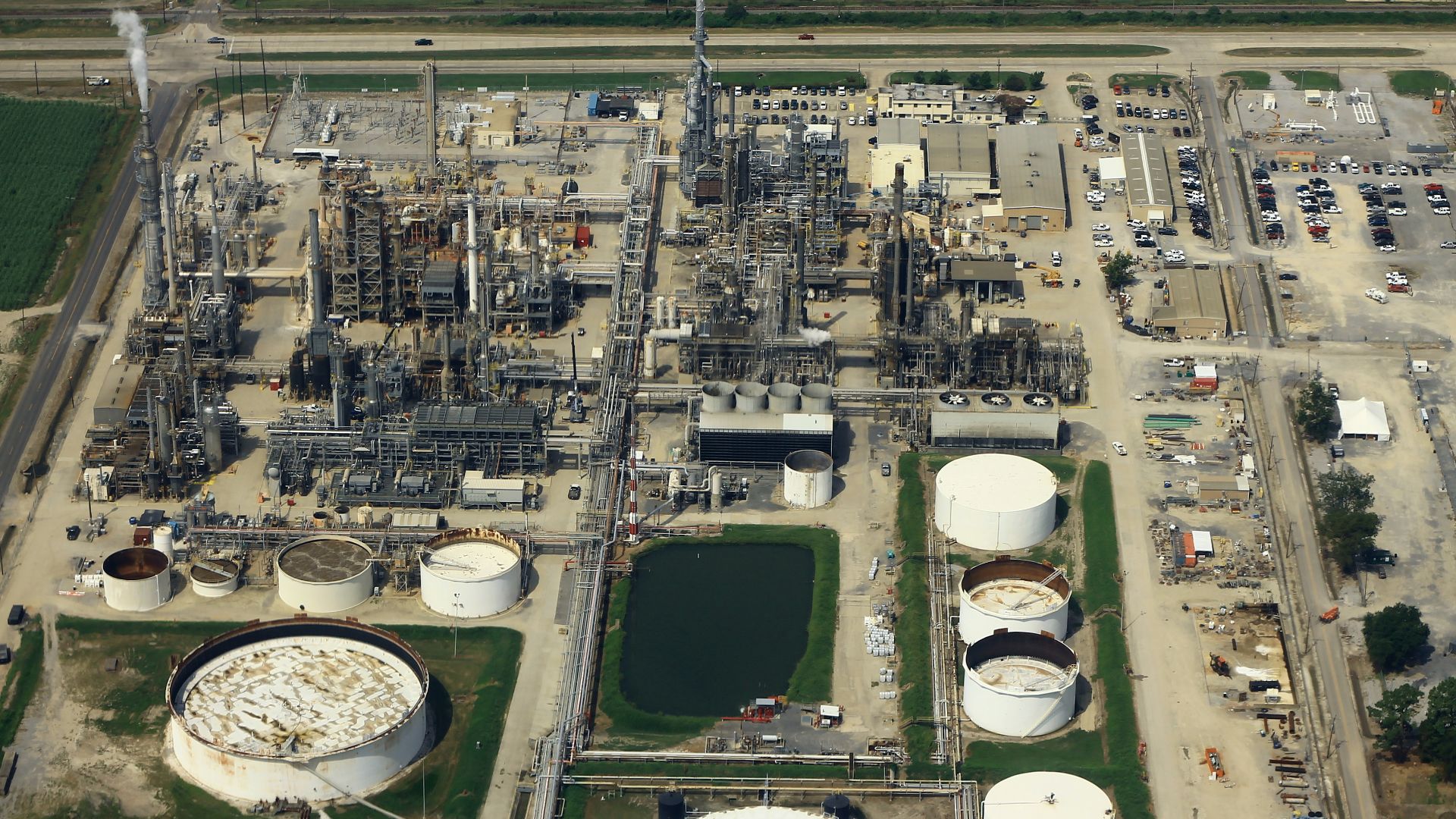
In Sunrise, the disappearance happened a property at a time. Refinery operations moved beside the community in the 70s, and noise, flares, and odors began driving residents away. Buyouts eventually removed the remaining homes. The West Baton Rouge Museum describes Sunrise as a community that survives in former residents’ memories, with a historical marker recalling what used to stand there.
 formulanone, Wikimedia Commons
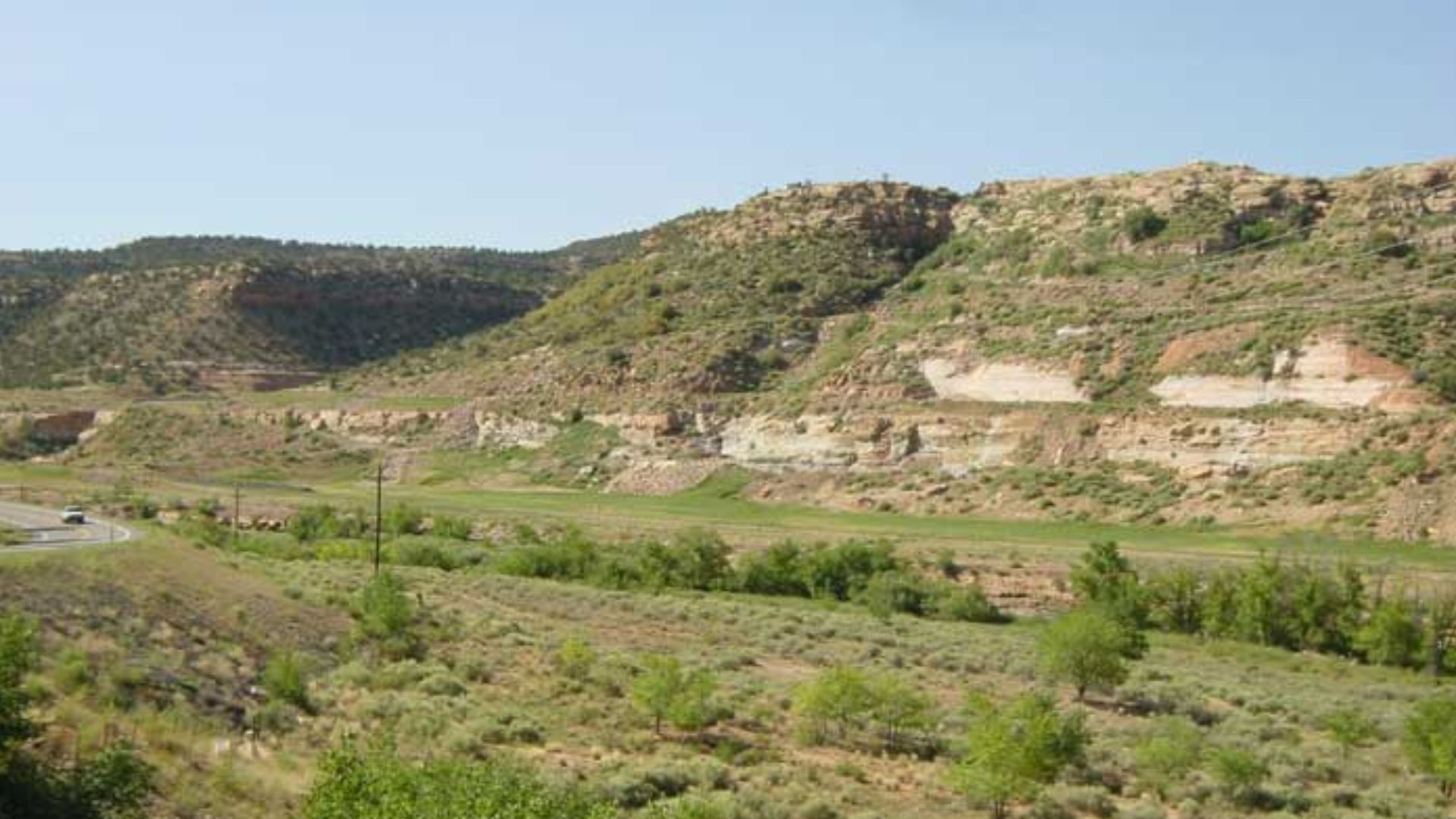
Uravan, Colorado
Uravan was still experiencing another uranium boom in 1976, when its mill expanded operations. Just a decade later, its last resident left. Radioactive contamination led to a massive cleanup that dismantled the Colorado company town. Even two historic buildings residents had tried to preserve were demolished in 2007. Former residents now gather for reunions at the old ball field.
The Address Is Just A Memory
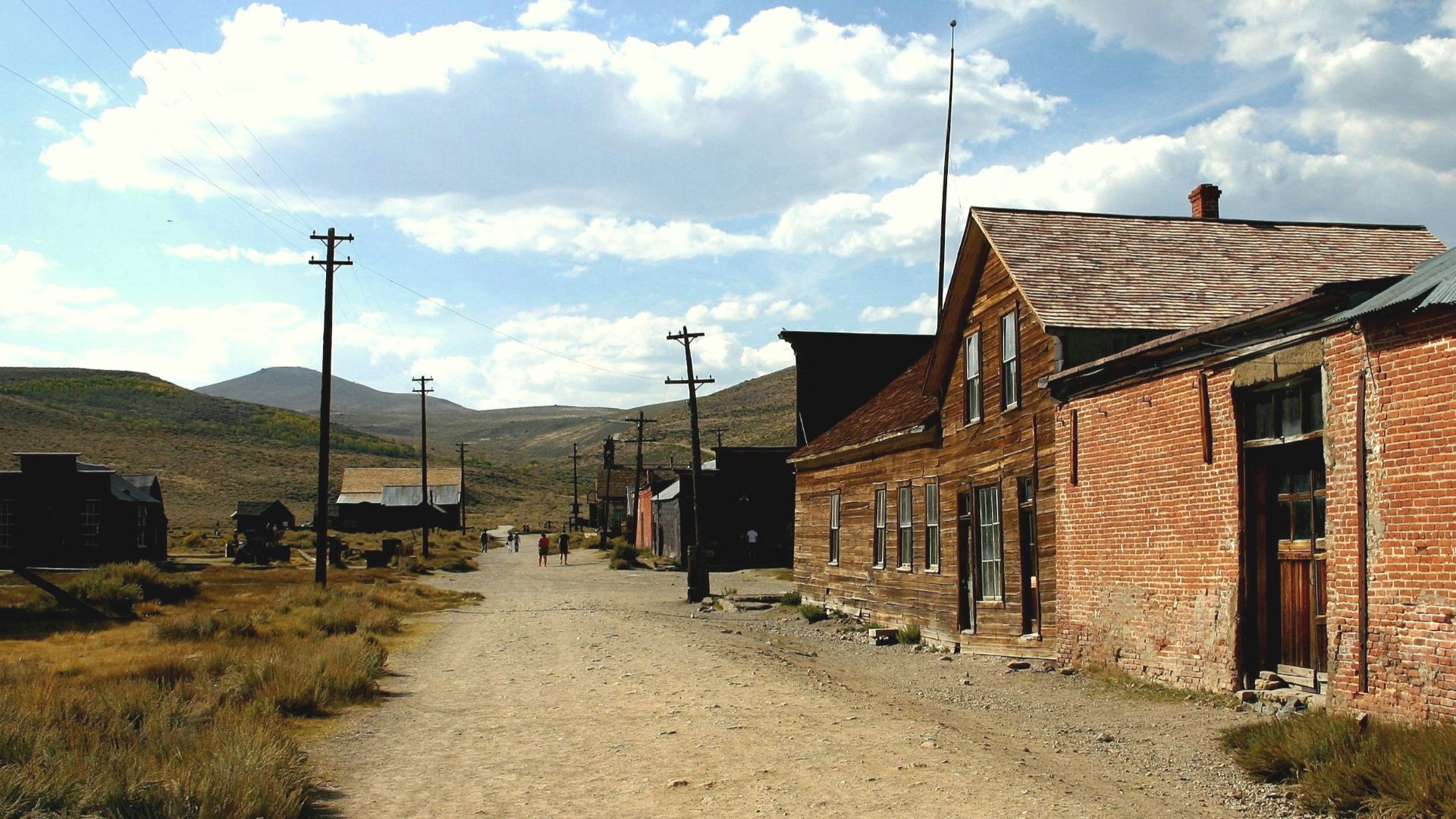
For the people who lived in these communities, photographs can show an ordinary American childhood—and an address that can never be home again.
 Roland Arhelger, Wikimedia Commons
You Might Also Like:
The North American Island Where Visitors Leave Their Cars Behind And Travel By Horse
American Landmarks That Were Saved From Demolition By Ordinary Citizens