
Booking A Vacation Was Half The Adventure
Booking a vacation in 1978 meant glossy brochures, travel agents, and plenty of phone calls. There were no hotel review websites, instant flight comparisons, or digital boarding passes. Planning took longer, and sometimes you didn't really know what you'd booked until you arrived.
But was the old-fashioned experience actually better?

Travel Agents Were Your Best Friends
In 1978, travel agents handled much of the work that travelers now do online. They recommended destinations, compared flights, booked hotels, and arranged complicated itineraries. Instead of spending hours researching options yourself, you could explain what you wanted and let a professional organize your trip.
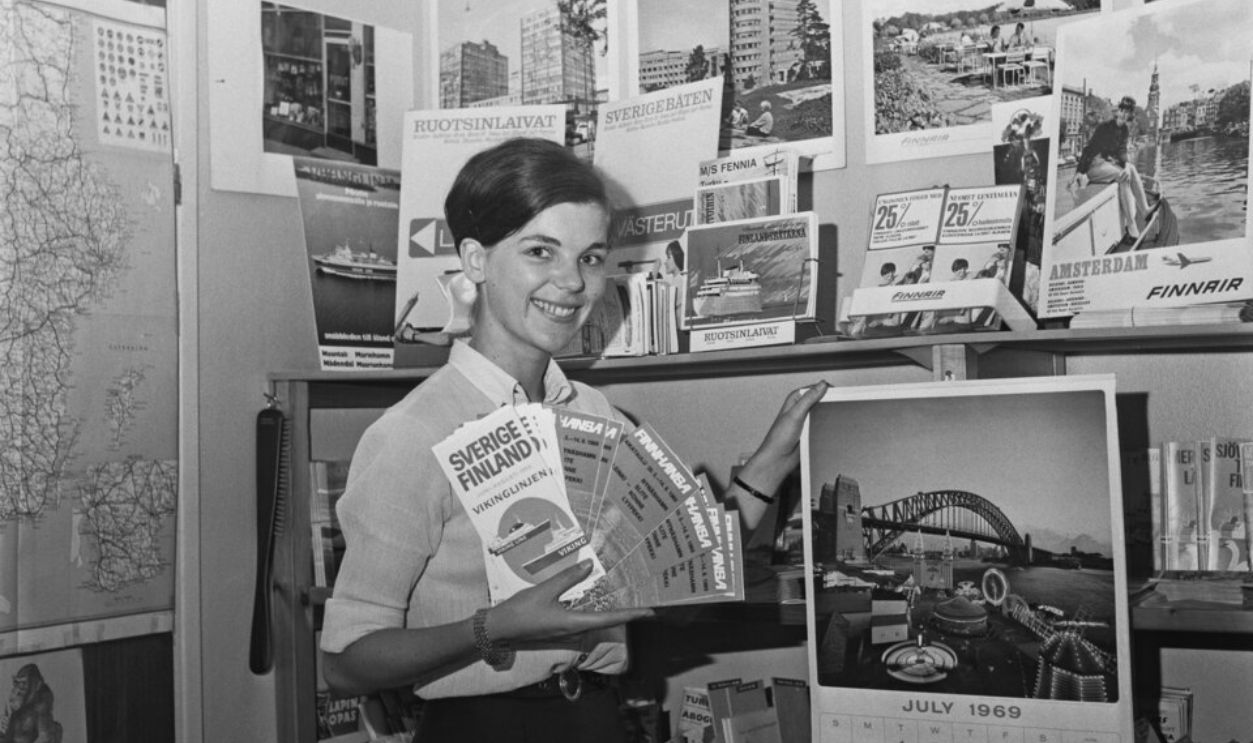 Finnish Heritage Agency, Wikimedia Commons
You Actually Visited A Travel Agency
Travel agencies were a familiar sight in shopping malls and downtown storefronts in 1978. Their windows displayed colorful posters advertising tropical beaches, European tours, and other tempting getaways. You could walk in, browse the brochures on display, and start dreaming about your next vacation before spending a penny.
Newspaper Ads Could Inspire Your Next Vacation
Long before online travel deals, newspapers were an important place to discover vacation offers. Travel advertisements promoted everything from sunny beach resorts to escorted tours of distant countries. A tempting price or photograph could be enough to inspire an unexpected holiday, although you'd still need to contact the advertiser to book it.

Those Glossy Brochures Were Everything
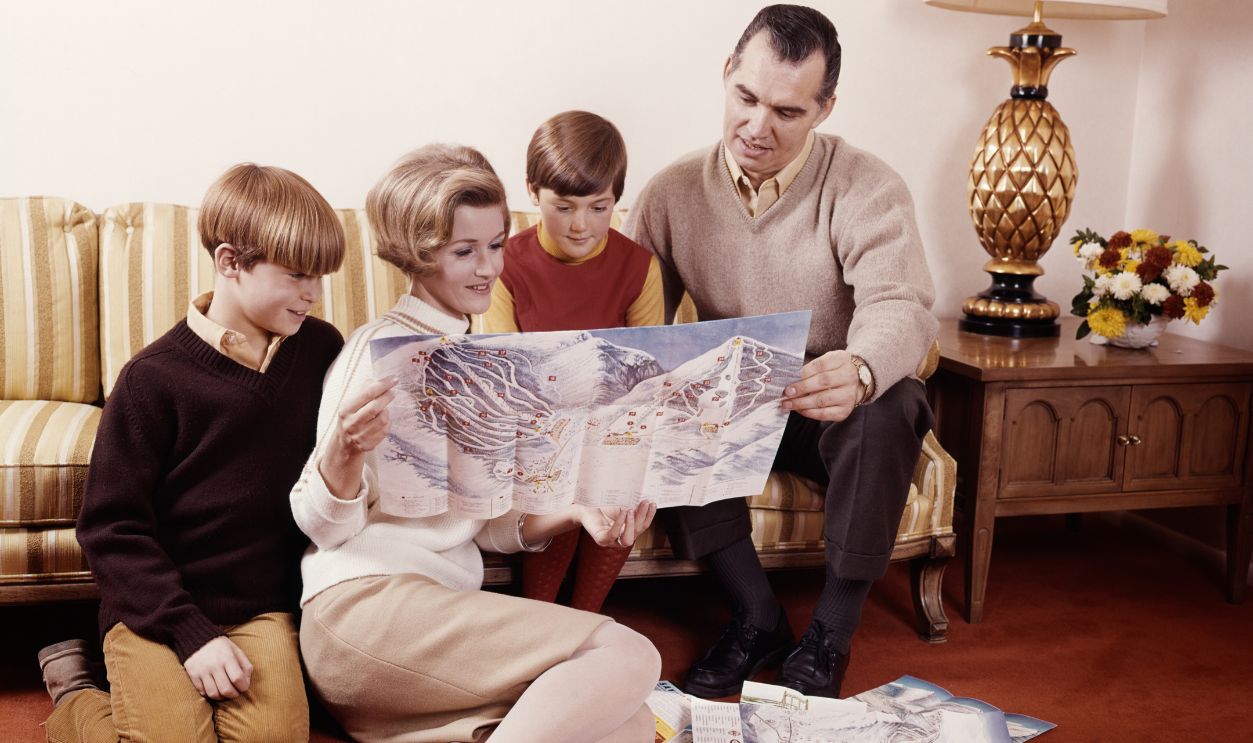
Vacation brochures were packed with photographs of beaches, swimming pools, and inviting hotel rooms. Tour operators used them to showcase destinations and persuade travelers to book their next getaway. Families could bring several home and spend an evening comparing their dream vacations around the kitchen table.
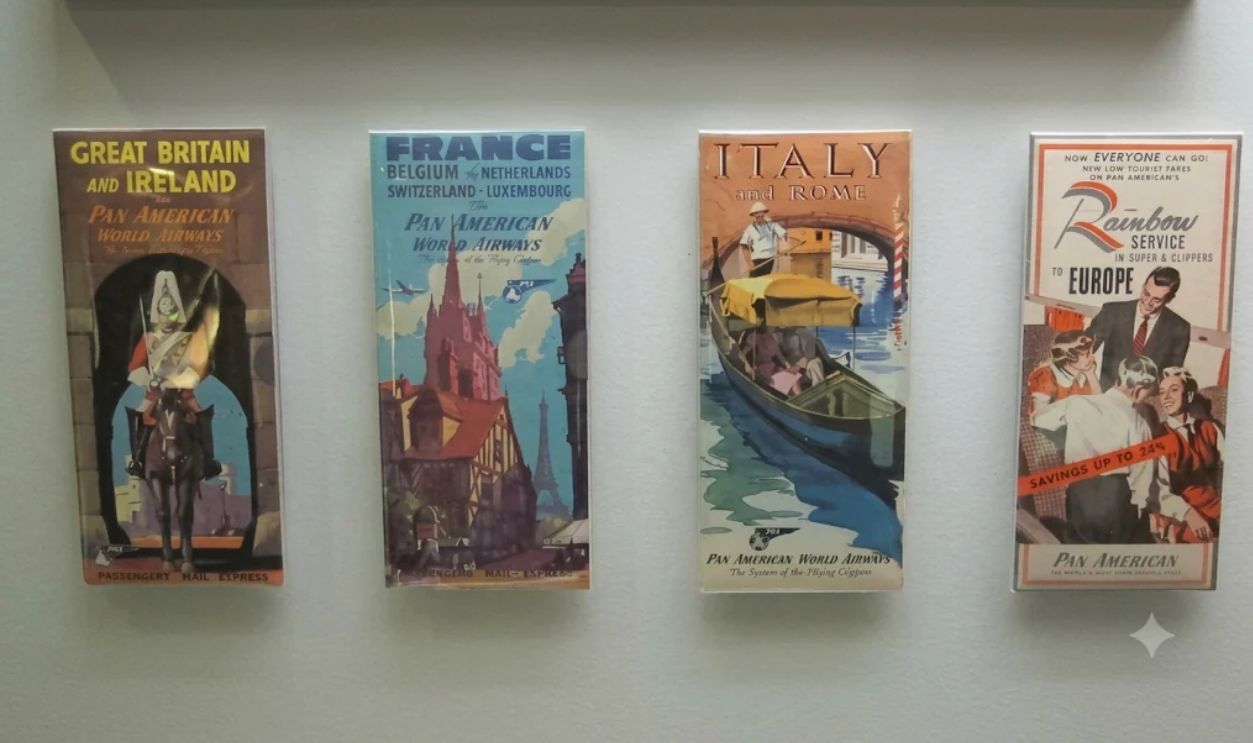 Ed Bierman from CA, usa, CC BY 2.0, Wikimedia Commons, Modified
But The Fine Print Really Mattered
A beautiful brochure photograph didn't necessarily tell you everything about a hotel. Room categories, meal plans, transfers, and other included services could make a big difference to the final price. Travelers needed to read the details carefully, especially when comparing package holidays advertised at different prices.

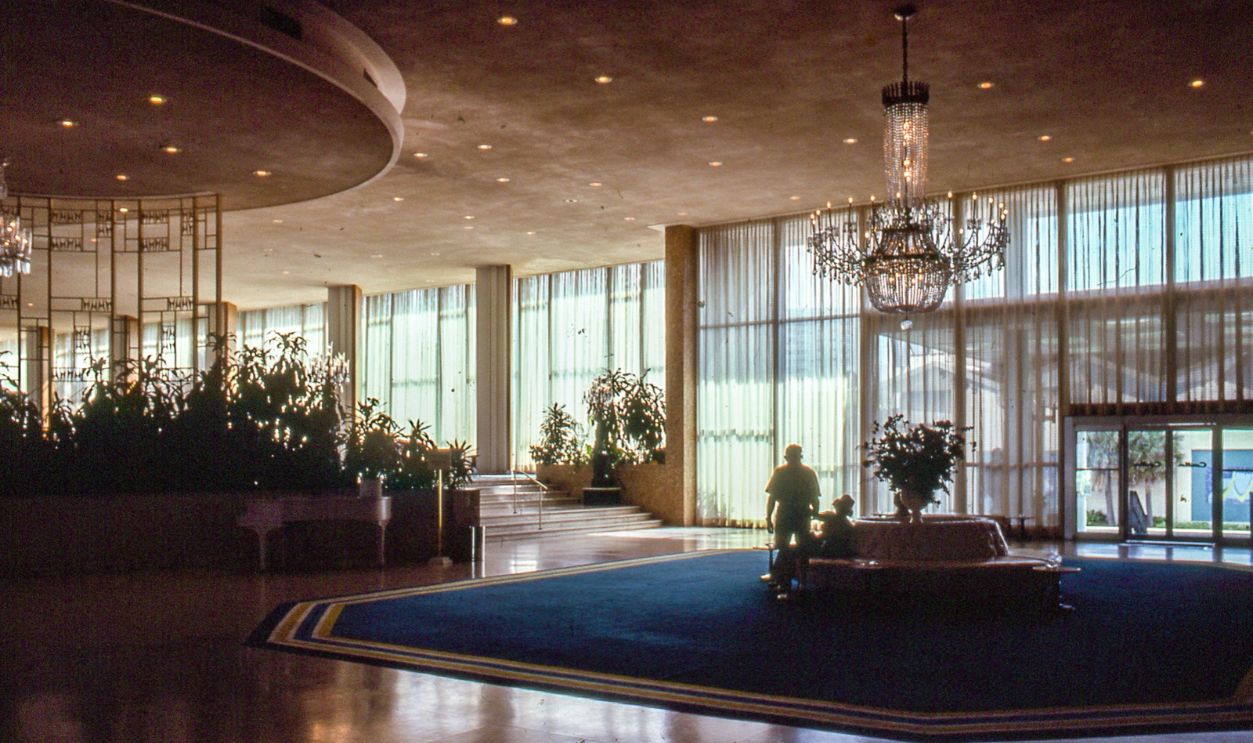
You Couldn't Just Look Up Hotel Reviews
Today, you can read hundreds of reviews before choosing a hotel. In 1978, travelers relied more heavily on travel agents, guidebooks, brochures, and recommendations from friends. If a hotel looked spectacular in its promotional photographs, you might not discover its shortcomings until you arrived.
Package Holidays Took Away The Hassle
 Orange County Archives, CC BY 2.0, Wikimedia Commons
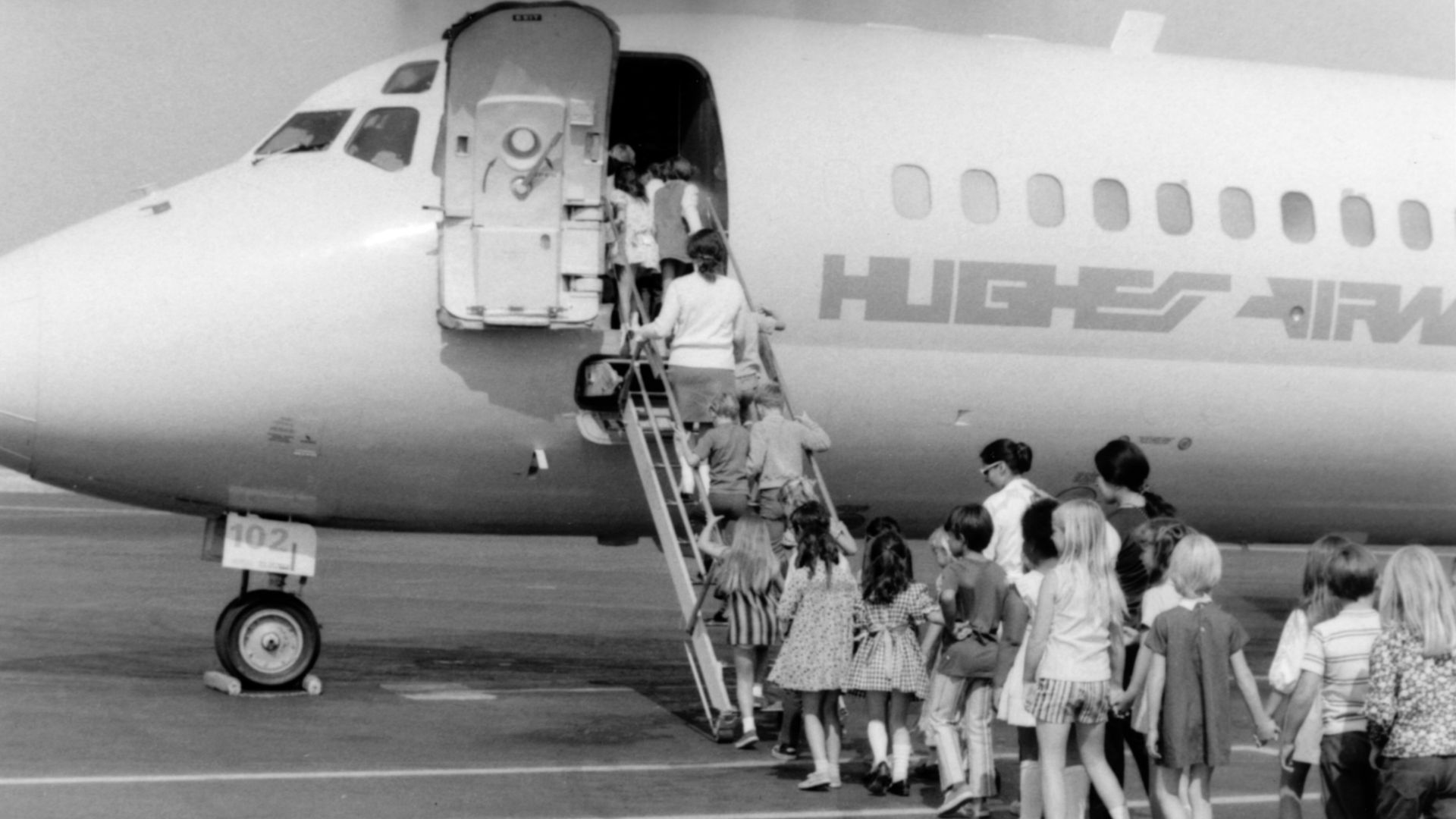
Charter Flights Made Sunshine More Accessible
Charter flights offered Americans a cheaper alternative to scheduled airline services in the 1970s. These flights were arranged for specific groups rather than operating on regular airline schedules. Lower fares helped make flying more accessible to budget-conscious vacationers.
Independent Travel Took More Effort
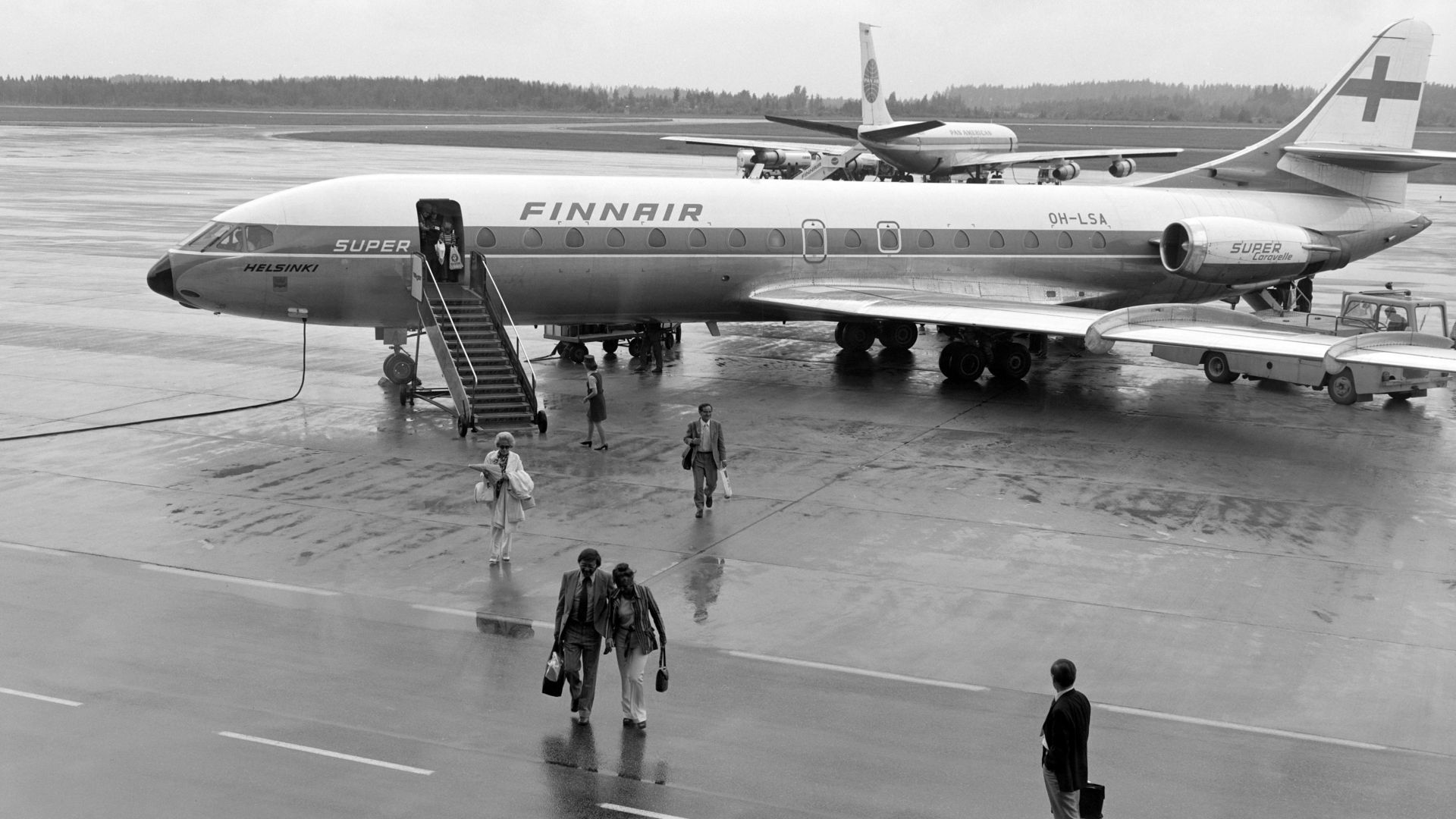
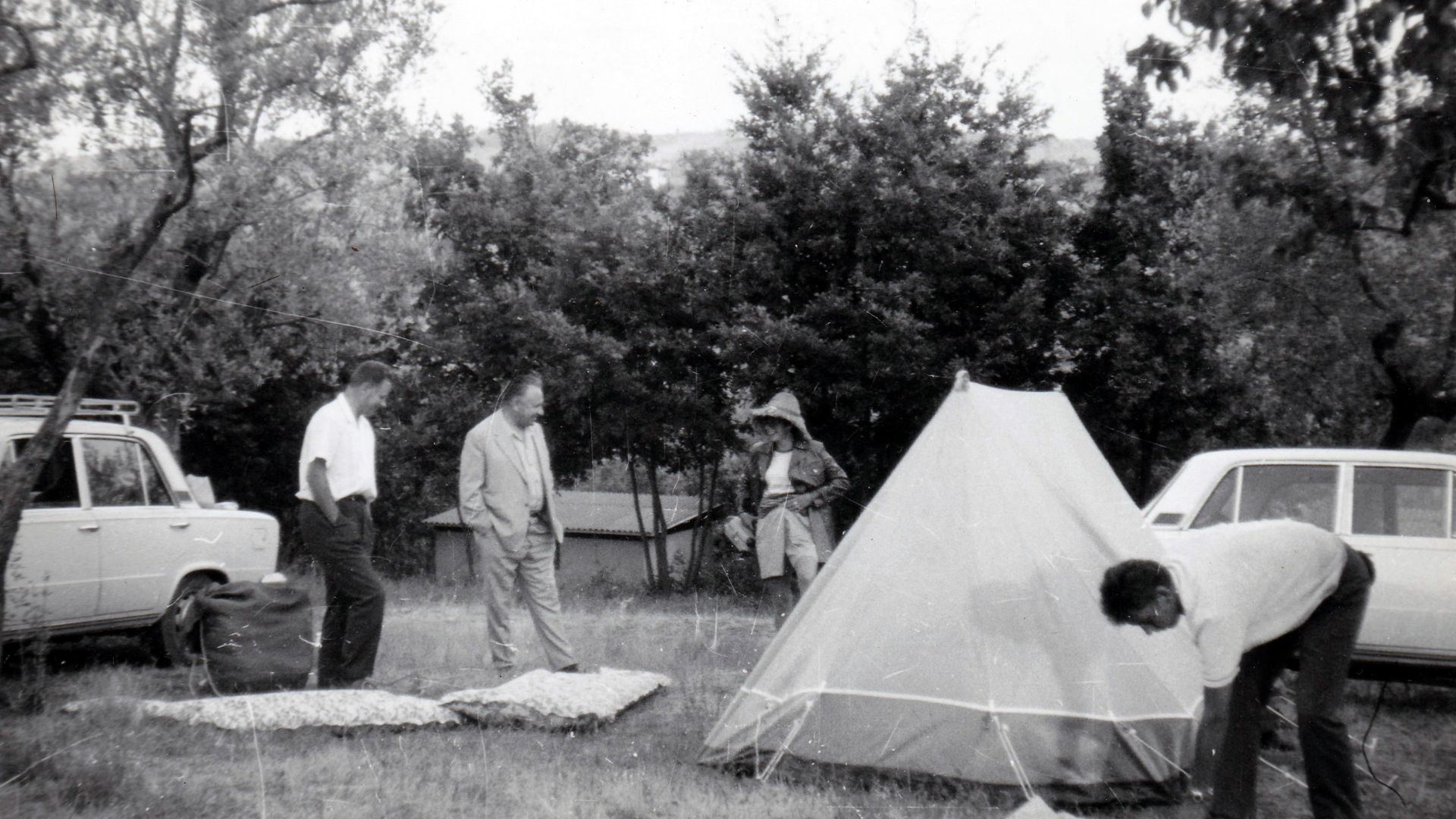
Not everyone wanted a ready-made vacation. Independent travelers could arrange their own transportation and accommodations, but doing so required more research and coordination. Without booking websites to connect everything, organizing a multi-destination adventure could be a considerable undertaking.
 Janina Glanc (1920-2004), Wikimedia Commons
Finding Flights Meant Studying Timetables
Printed airline timetables were essential tools for understanding which flights served particular destinations. Travelers could consult schedules themselves or ask an agent to identify suitable connections. Checking fares and seat availability usually required contacting an airline or accessing a reservation system through a travel professional.

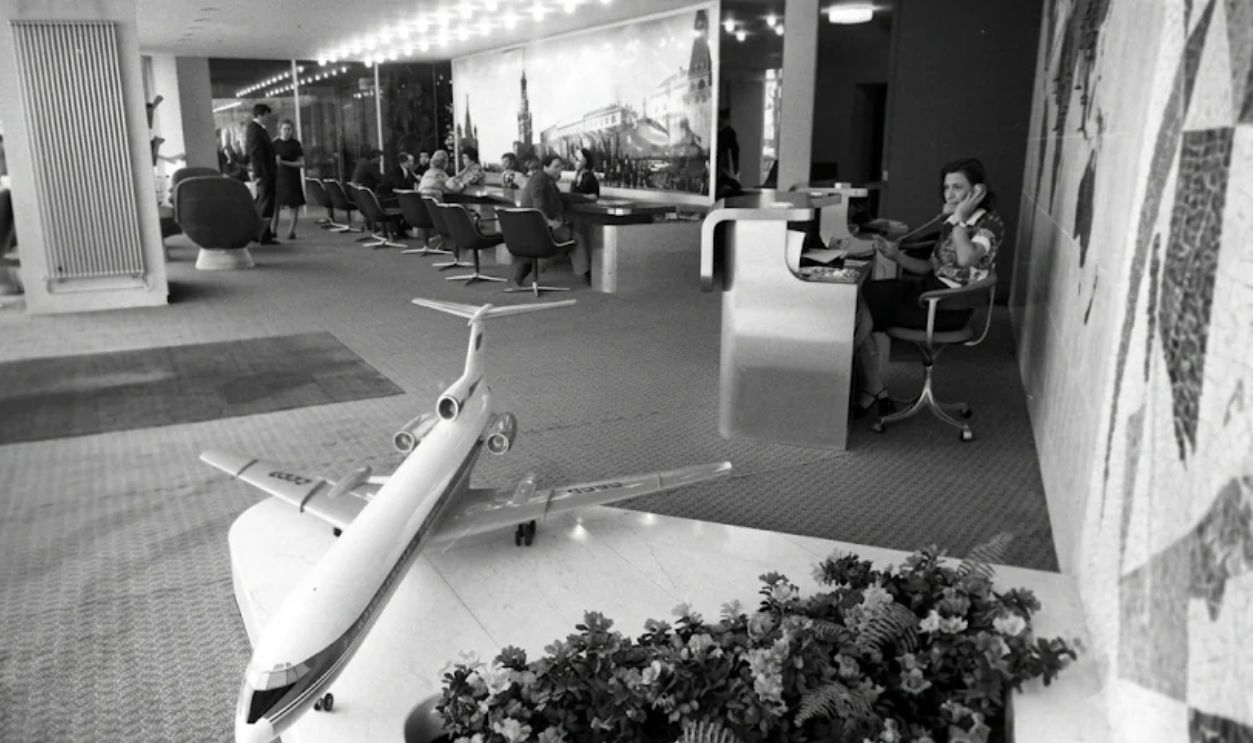
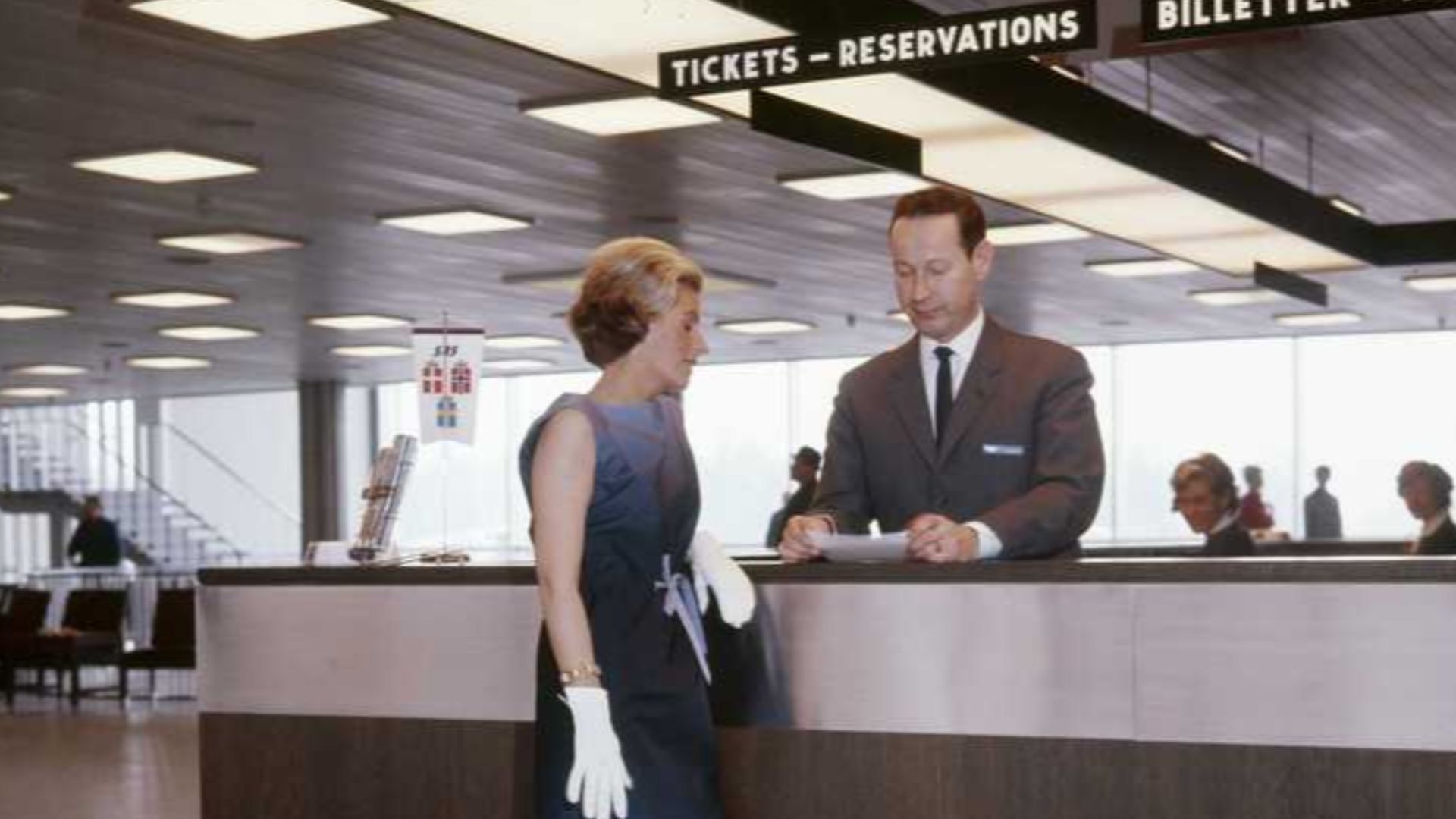
Airlines Had Their Own Ticket Offices
Major airlines once operated ticket offices in downtown shopping districts across America. Carriers like Pan Am, TWA, and United offered places where travelers could purchase tickets and plan trips with airline employees. Some offices featured travel posters and destination displays, making them feel more like showrooms than ordinary ticket counters.
 Rigmor Dahl Delphin, Wikimedia Commons
Computers Were Already Changing Travel
Here's something surprising about booking a vacation in 1978. American Airlines had begun giving travel agents direct access to its Sabre computerized reservation system in 1976. Participating agents could check availability and make reservations electronically, even though ordinary travelers couldn't book their own flights online.
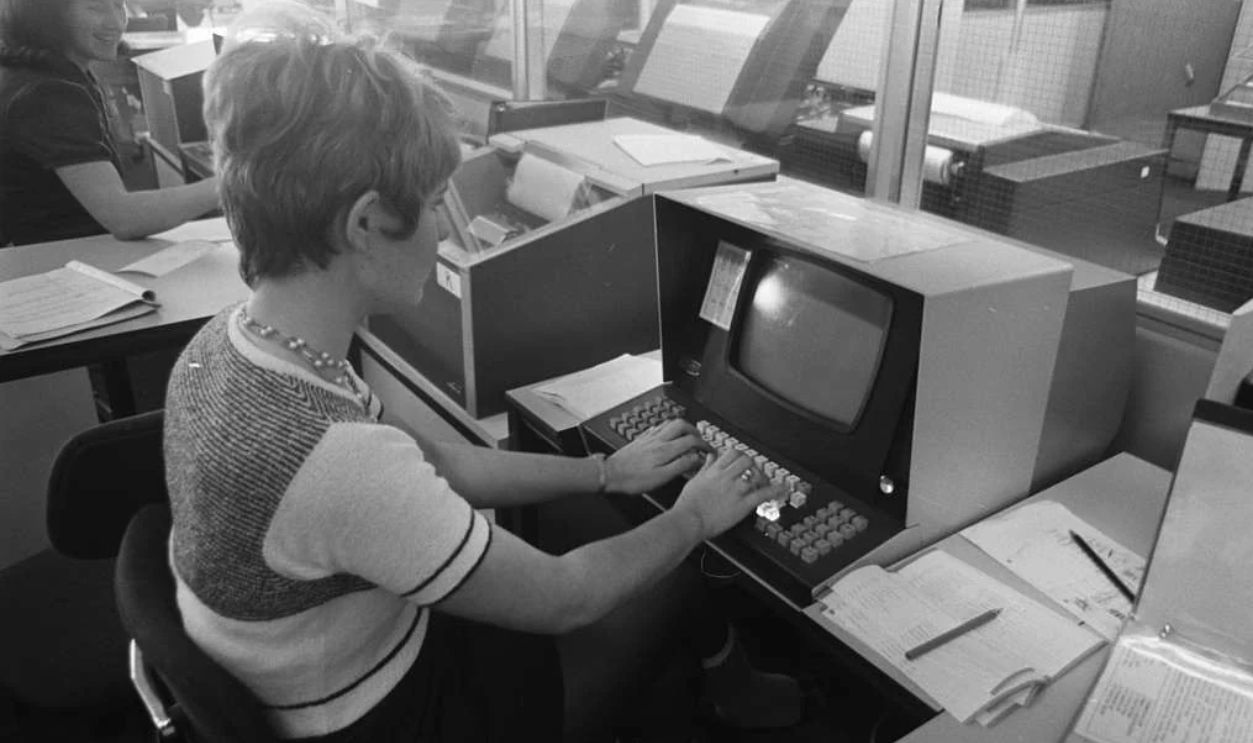
Comparing Airfares Wasn't So Easy
Without online comparison websites, finding a good airfare required patience. Agents could consult published fares and reservation systems, but customers generally couldn't see every available option themselves. The price and itinerary you were offered depended partly on what information your agent or airline representative could access.
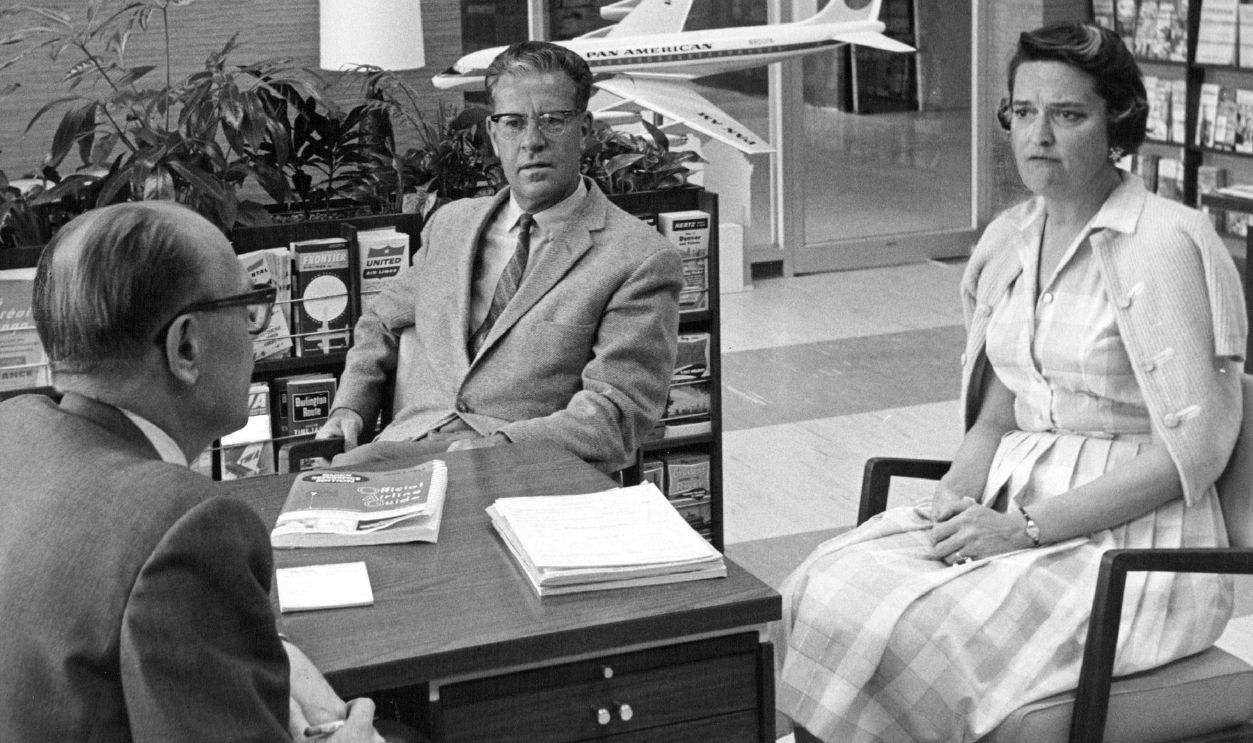
Airline Tickets Weren't Always Cheap
Air travel wasn't necessarily the bargain that nostalgic memories might suggest. For much of 1978, the U.S. government still regulated fares and routes for interstate airlines. Discounted tickets were already available in some circumstances, but restrictions limited competition and made bargain hunting less straightforward than it is today.
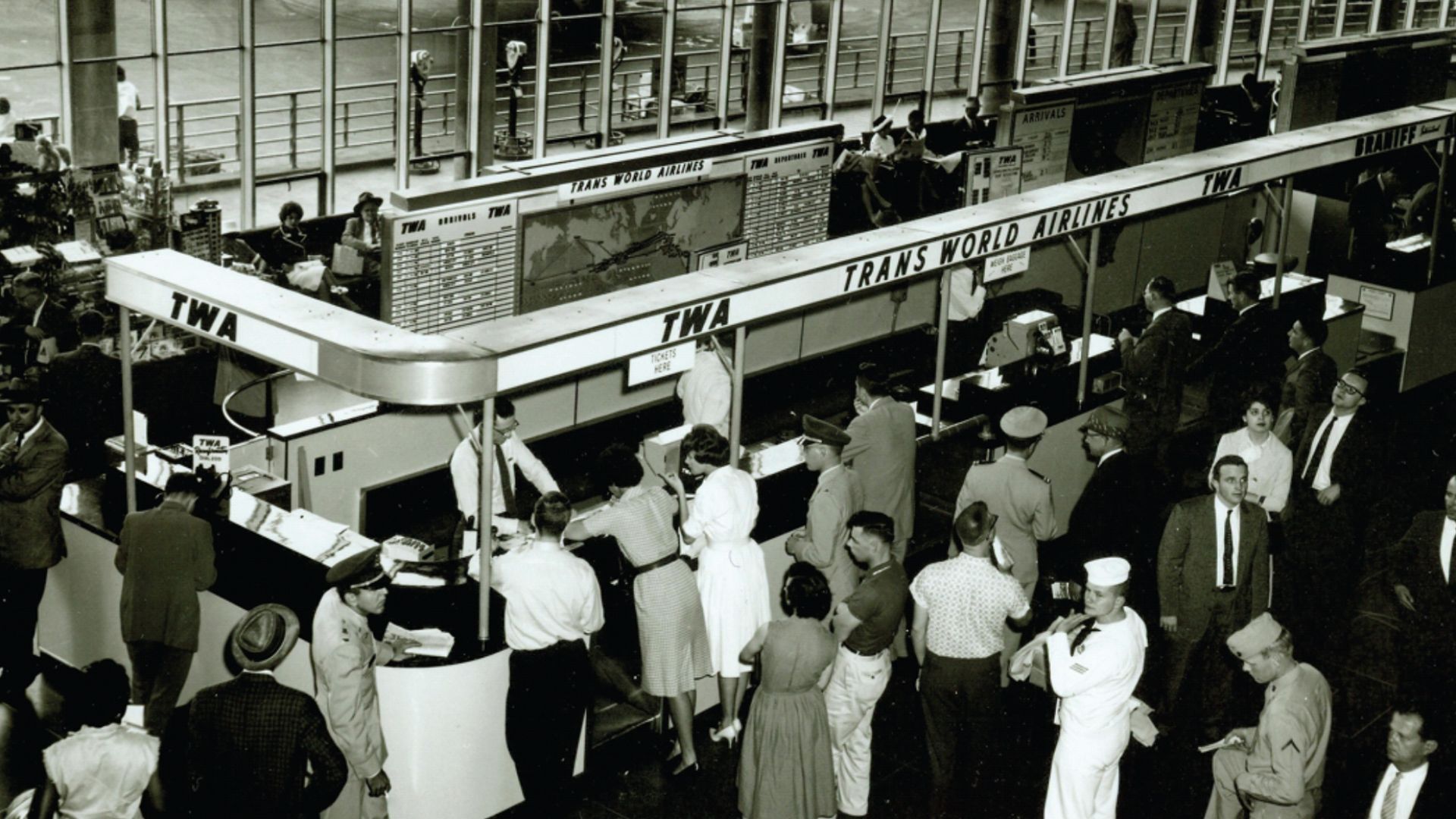
October 1978 Changed The Airline Industry
On October 24, 1978, President Jimmy Carter signed the Airline Deregulation Act. The law began dismantling federal controls over domestic airline fares, routes, and market entry. Its effects unfolded over the following years, helping transform competition and pricing in the American airline industry.
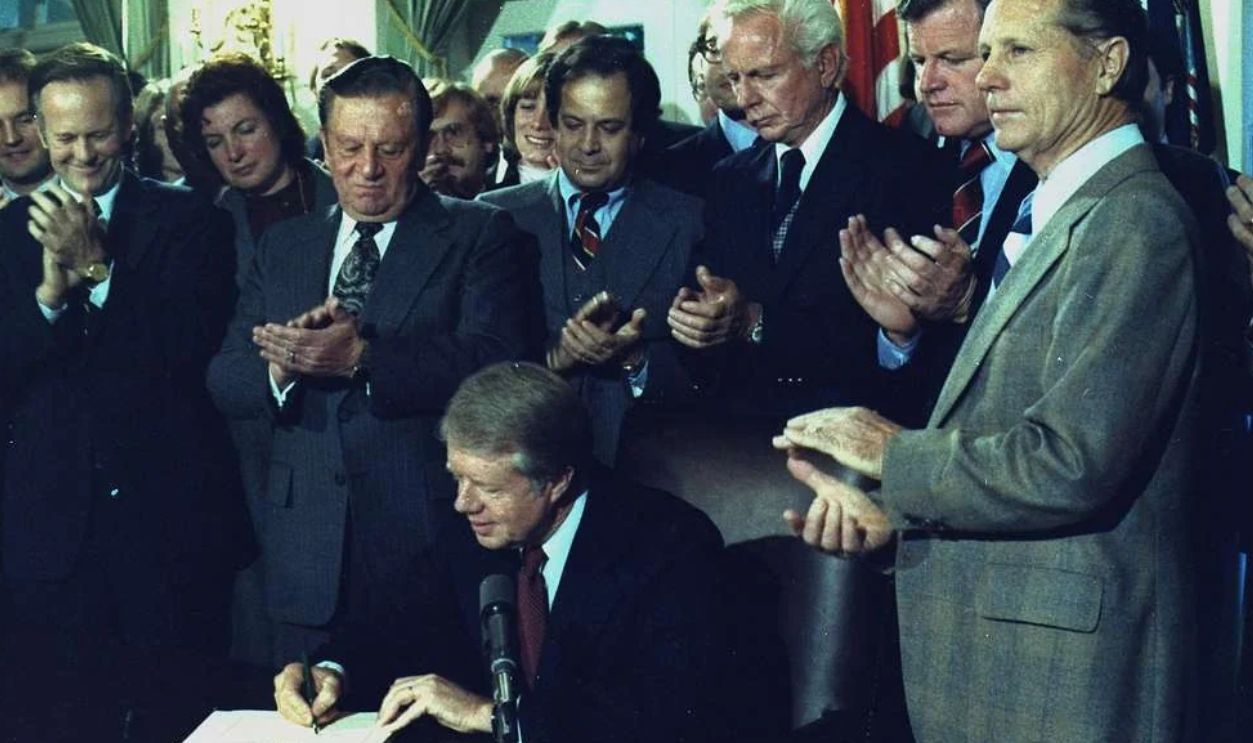 Nationaal Archief and Records Administration, Picryl
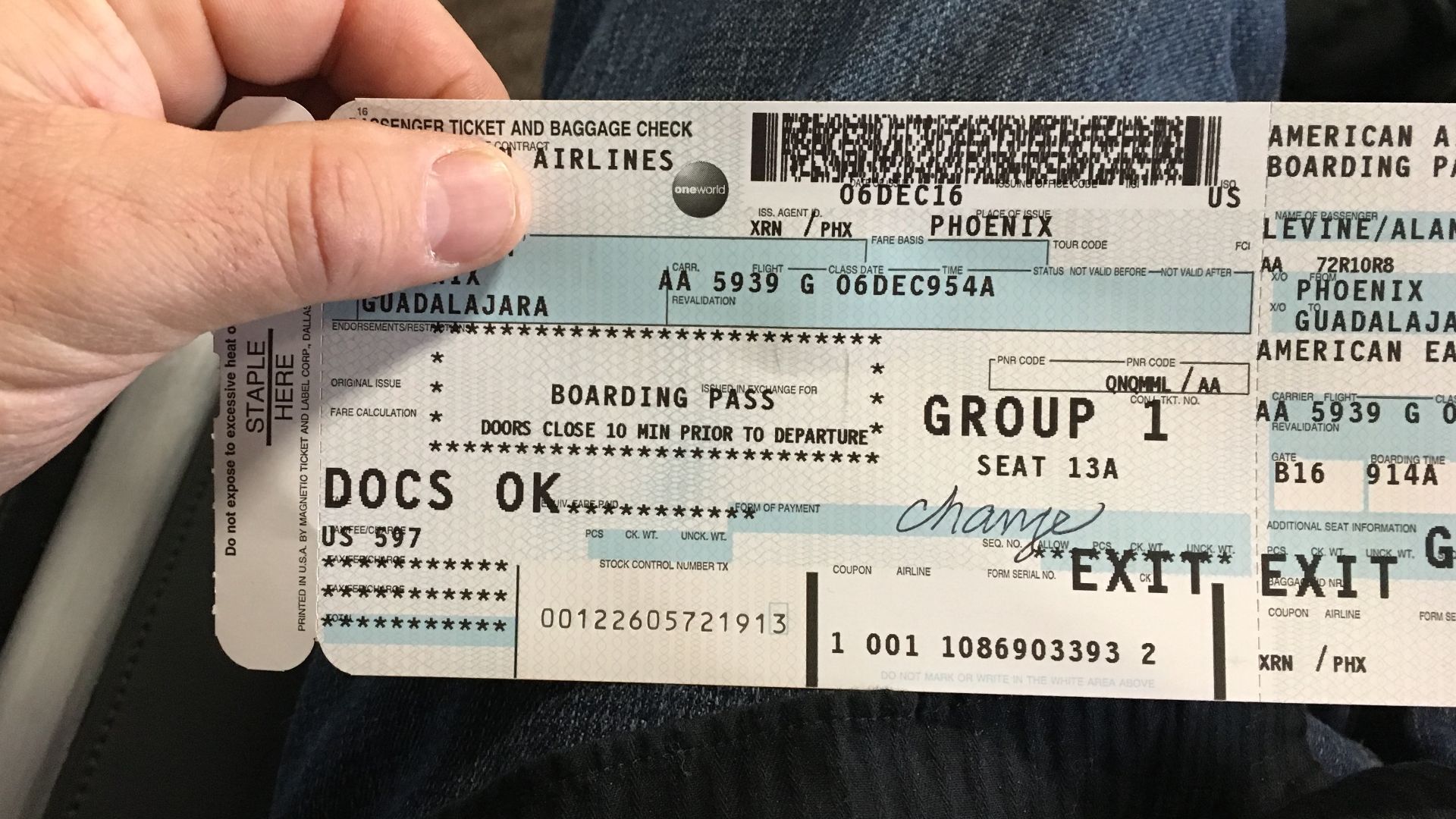
Your Airline Ticket Was A Physical Document
Forget electronic tickets stored on your smartphone. In 1978, passengers generally received paper airline tickets issued by an airline or travel agency. These documents contained important journey details and could include separate coupons for different flight segments. Keeping that ticket safe was an essential part of traveling.
 Alan Levine from Mortlach, Canada, Wikimedia Commons
Sometimes Your Tickets Arrived By Mail
Travelers didn't always collect their documents immediately after making a reservation. Depending on the booking arrangements, tickets and other paperwork might be mailed or collected from the agency before departure. Once everything arrived, you needed to make sure the dates, names, and travel details were correct.
 StockMediaSeller, Shutterstock, Modified
Booking A Hotel Often Meant Calling Directly
If you weren't using a travel agent, reserving a hotel room could mean picking up the telephone. You could ask about prices, room types, and available facilities before making a reservation. Comparing several properties meant contacting them individually or consulting hotel guides, making the process considerably slower than today's online searches.

Holiday Inn Was Surprisingly High-Tech
Holiday Inn was already using an advanced computerized reservation system called Holidex. Developed with IBM and introduced in 1965, it connected properties through a centralized booking network. By 1978, travelers could benefit from sophisticated hotel technology without ever interacting with a computer themselves.
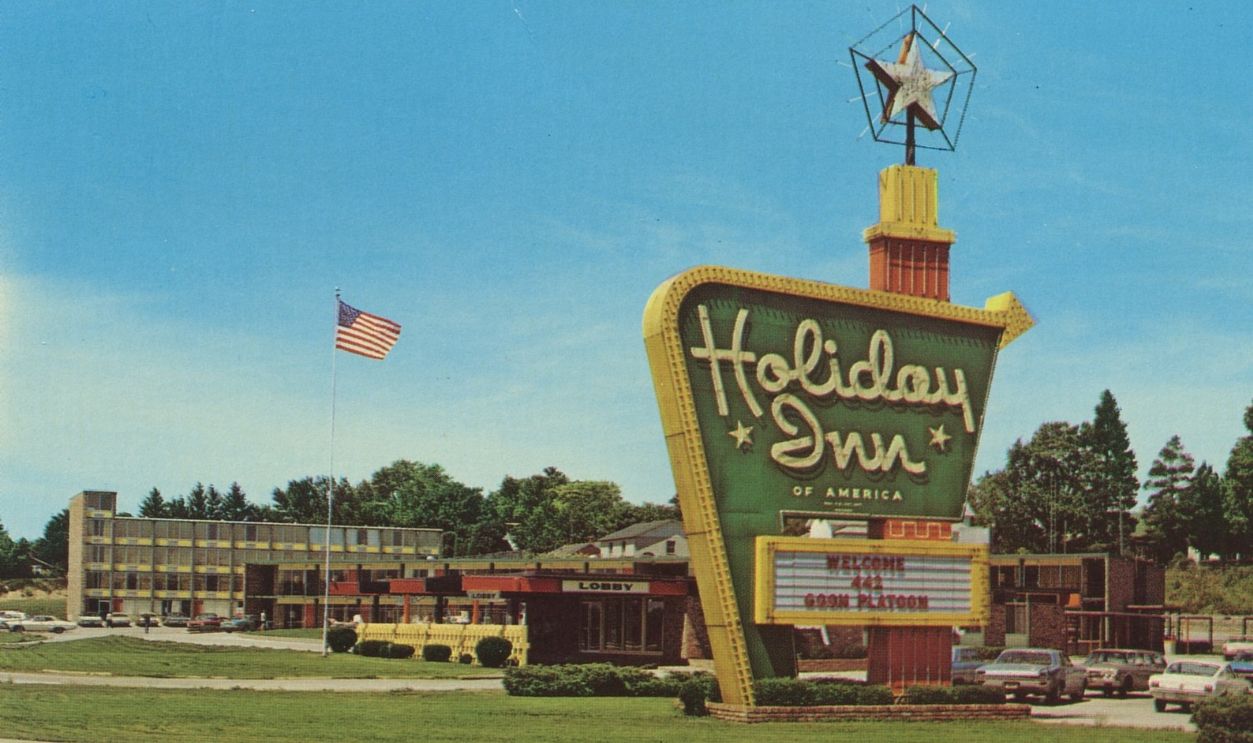
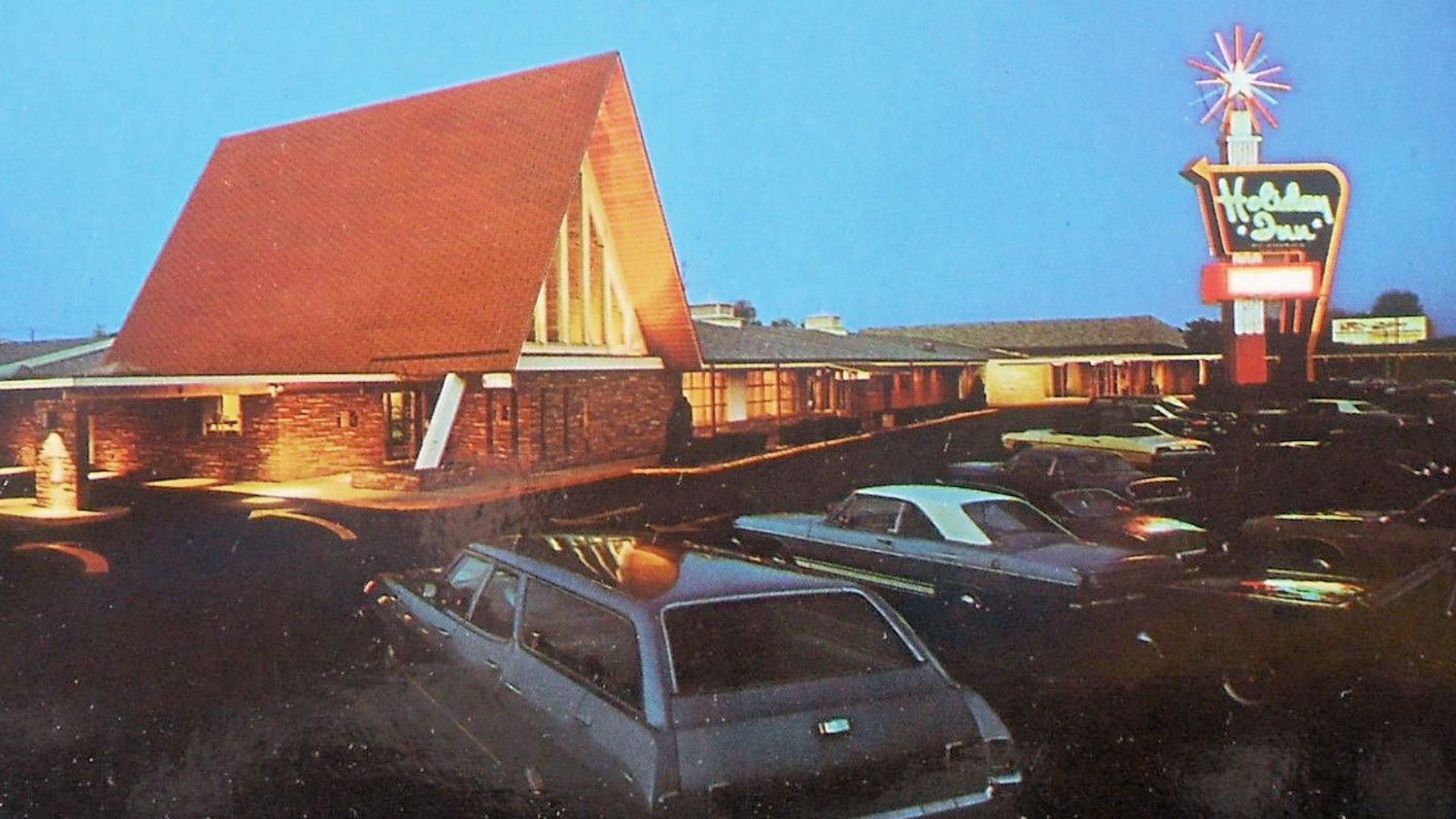
Familiar Hotel Chains Offered Peace Of Mind
Recognizable hotel brands could be especially reassuring when reliable information was harder to find. Holiday Inn, for example, built its reputation around predictable accommodations and family-friendly amenities. Travelers choosing an unfamiliar destination could feel more confident booking somewhere with a name they already recognized.
 Unknown authorUnknown author, Wikimedia Commons
Road Trips Required Serious Preparation
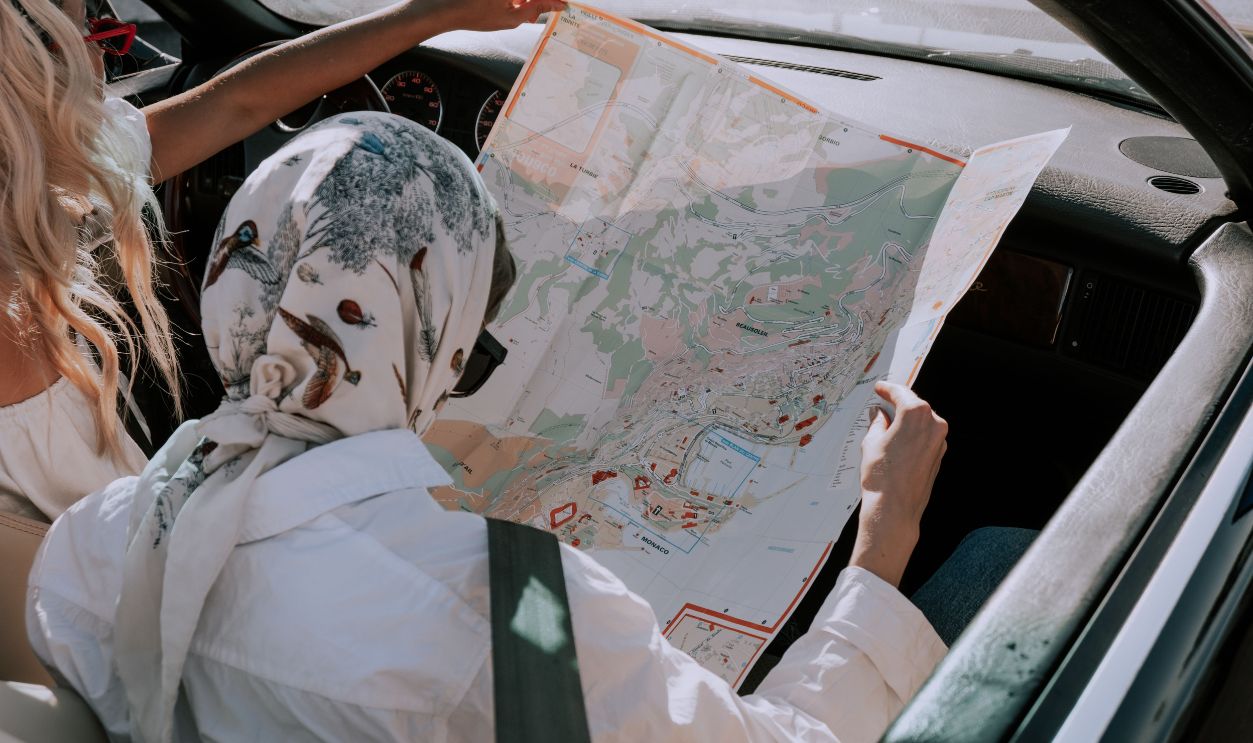
Families planning driving vacations had their own challenges. Before GPS navigation, motorists relied on road maps, printed directions, and travel guides to plan unfamiliar journeys. Choosing routes, estimating driving times, and identifying overnight stops required more advance preparation than entering a destination into a navigation app.

AAA TripTiks Were A Road Trip Essential
AAA's personalized TripTiks helped generations of motorists navigate long-distance journeys. These collections of strip maps highlighted routes and could include information about road construction, scenic attractions, and estimated travel times. Travelers could visit an AAA office and have a route prepared for their particular vacation.
Guidebooks Could Make Or Break A Trip
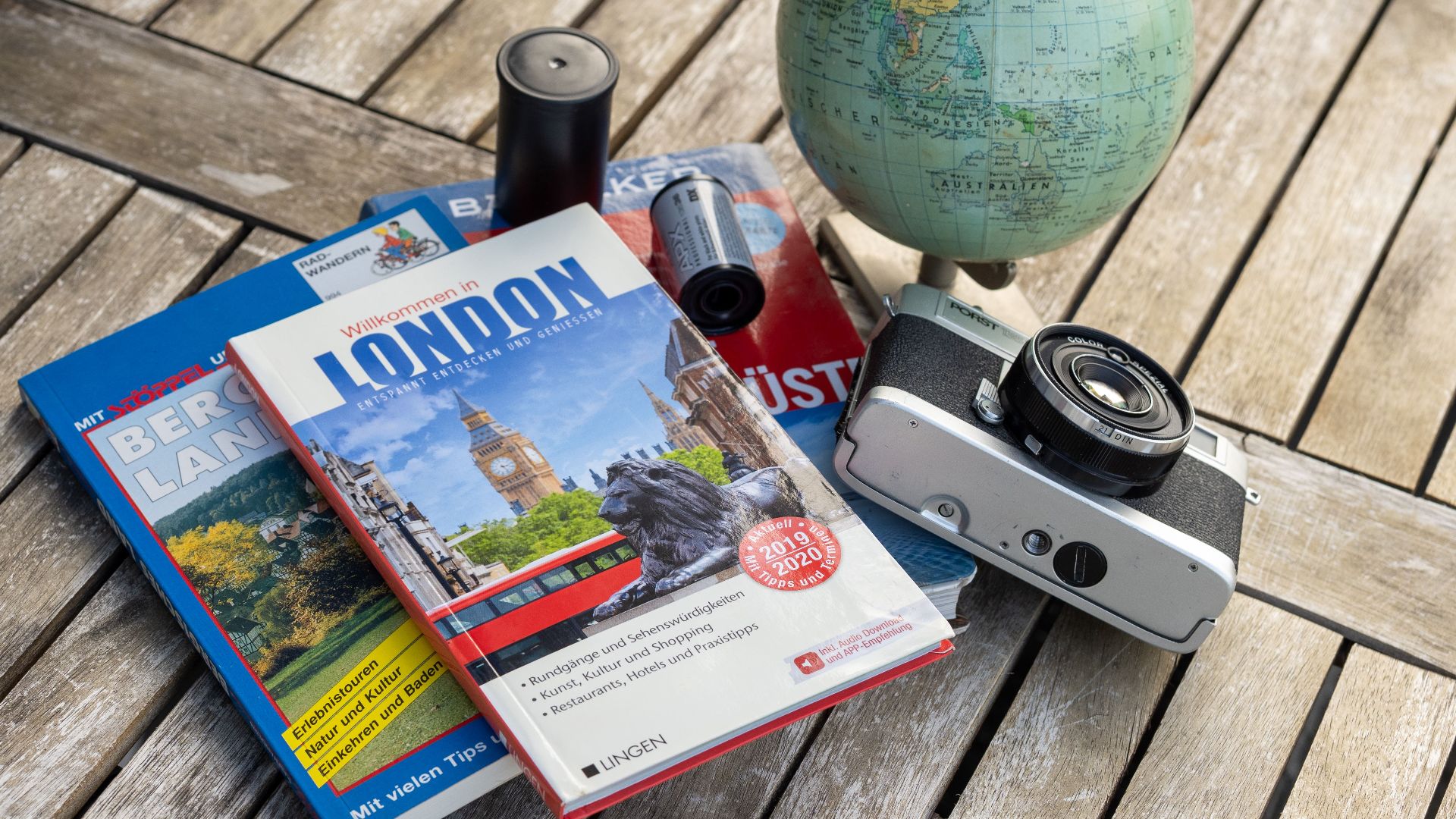
Travel guidebooks were another valuable planning resource. Arthur Frommer's budget-travel guides had been helping Americans explore Europe since the 1950s, while Lonely Planet began publishing in 1973. These books provided destination information, accommodation suggestions, and practical advice for travelers who wanted to venture beyond organized tours.
Traveler's Checks Were A Big Deal
Before international ATM networks became commonplace, traveler's checks were a popular alternative to carrying large amounts of cash. Companies such as American Express and Thomas Cook sold checks that travelers could exchange or use at participating businesses. Their biggest selling point was the possibility of replacement if they were lost or stolen.

Even Credit Card Companies Wanted In
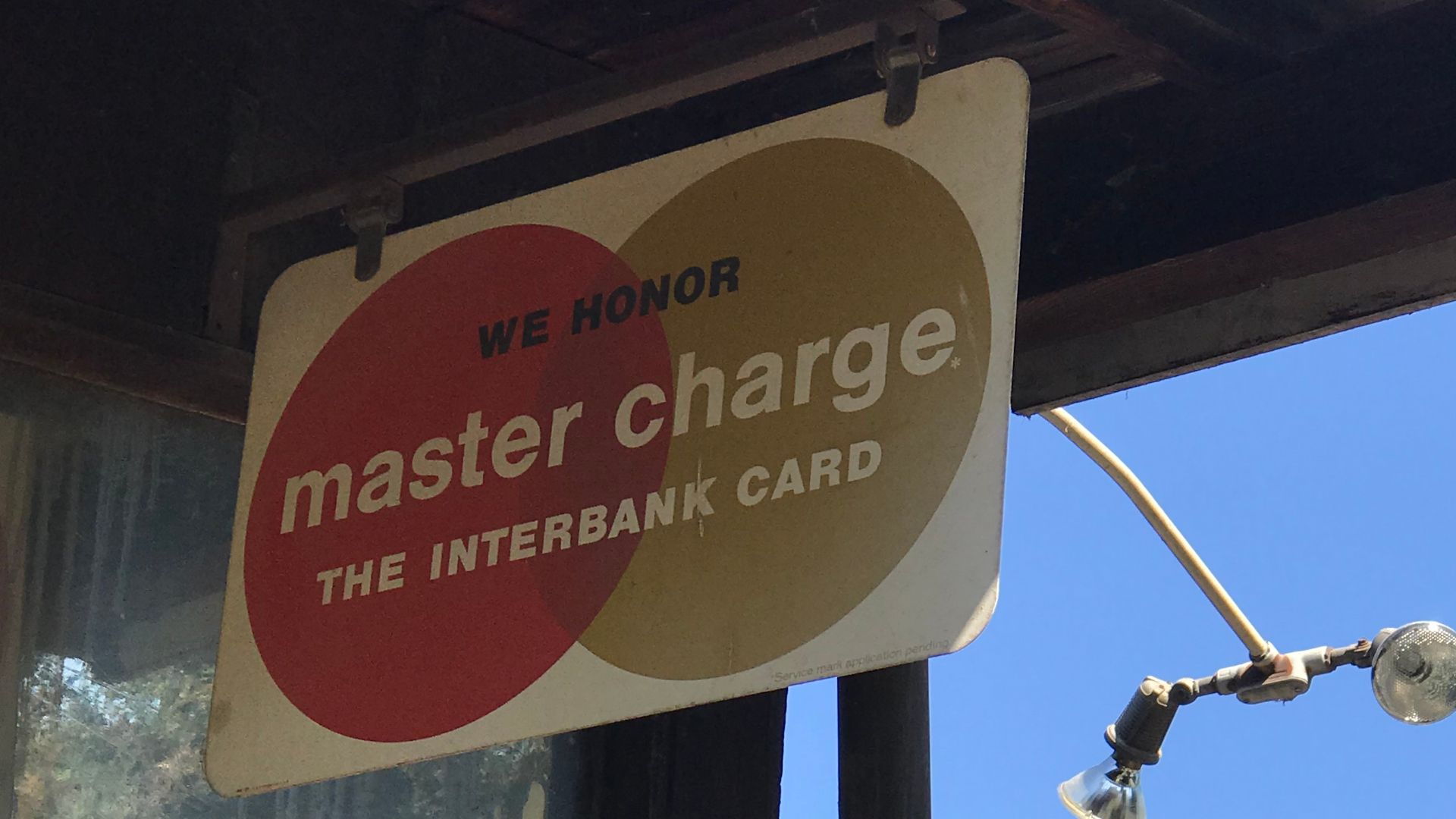
Traveler's checks were such an important business that major credit card companies wanted a share. In July 1978, The Washington Post reported that Visa and Master Charge were challenging established traveler's-check providers. Despite the growing popularity of credit cards, checks remained an important way for vacationers to carry money overseas.
Changing Plans Could Be Complicated
Deciding to leave a day earlier or switch hotels wasn't always straightforward. Travelers often needed to contact their agent or airline, and changing paper tickets could involve additional procedures. Package conditions and limited flight schedules could make adjustments particularly difficult. Modern booking systems are faster, even if changing plans can still be expensive.
 Charles O'Rear, Wikimedia Commons
There Was More Room For Surprises
One thing modern vacation planning has arguably taken away is some of the mystery. In 1978, travelers couldn't inspect hundreds of hotel photographs or virtually explore every street before arriving. Brochures and guidebooks offered a preview, but much of the experience remained unknown until the vacation began.

So Was Booking A Vacation Really Better?
Booking a vacation in 1978 had its charms, from friendly travel agents to colorful brochures and carefully planned road trips. But it also meant more paperwork, fewer ways to compare prices, and plenty of uncertainty. Today's technology makes planning faster and more flexible, even if it sometimes takes the excitement out of discovering somewhere new. Perhaps the perfect vacation combines modern convenience with a little of that old-fashioned anticipation.
You May Also Like:
Foods You'd Find At American Hotel Breakfasts In The 1970s, But Rarely See Today
Popular Disney Attractions That Quietly Closed For Reasons Stranger Than Guests Ever Knew