Some Roads Have Been Carrying Travelers For A Very Long Time
Long before people planned walking vacations, pilgrims were crossing mountains, sleeping in monasteries, following shrines, and wearing down paths toward sacred places. Some of those ancient roads survive almost intact. Others have been revived as modern trails connecting the same temples, churches, and holy landscapes. Either way, it’s still possible to lace up your boots and follow journeys that began centuries, and sometimes millennia, before you were born.
 PR Image Factory, Shutterstock
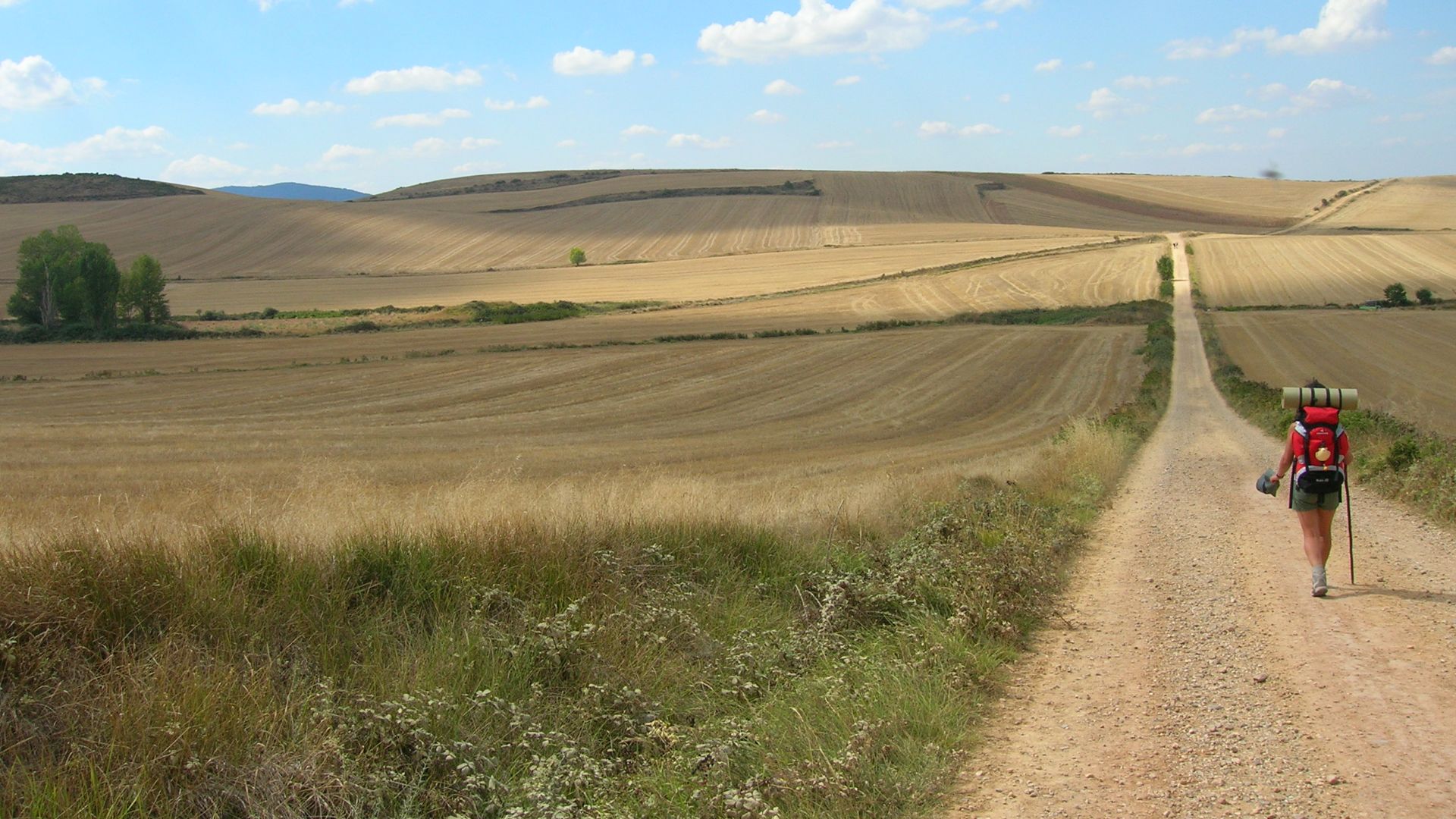
Camino De Santiago, Spain
The Camino de Santiago is really a network of pilgrimage routes leading to Santiago de Compostela, where medieval tradition holds that the remains of the apostle St. James were discovered. Pilgrims were traveling there by the Middle Ages, and the twelfth-century Codex Calixtinus reads almost like an early Camino guidebook. The classic Camino Francés runs roughly 765 to 780 kilometers (475 to 485 miles) from Saint-Jean-Pied-de-Port across northern Spain and generally takes about a month. Modern walkers still carry pilgrim credentials and collect stamps along the way. Spring and September through October offer some of the nicest walking weather, while midsummer brings heat and bigger crowds.
 José Antonio Gil Martínez from Vigo, Spain, Wikimedia Commons
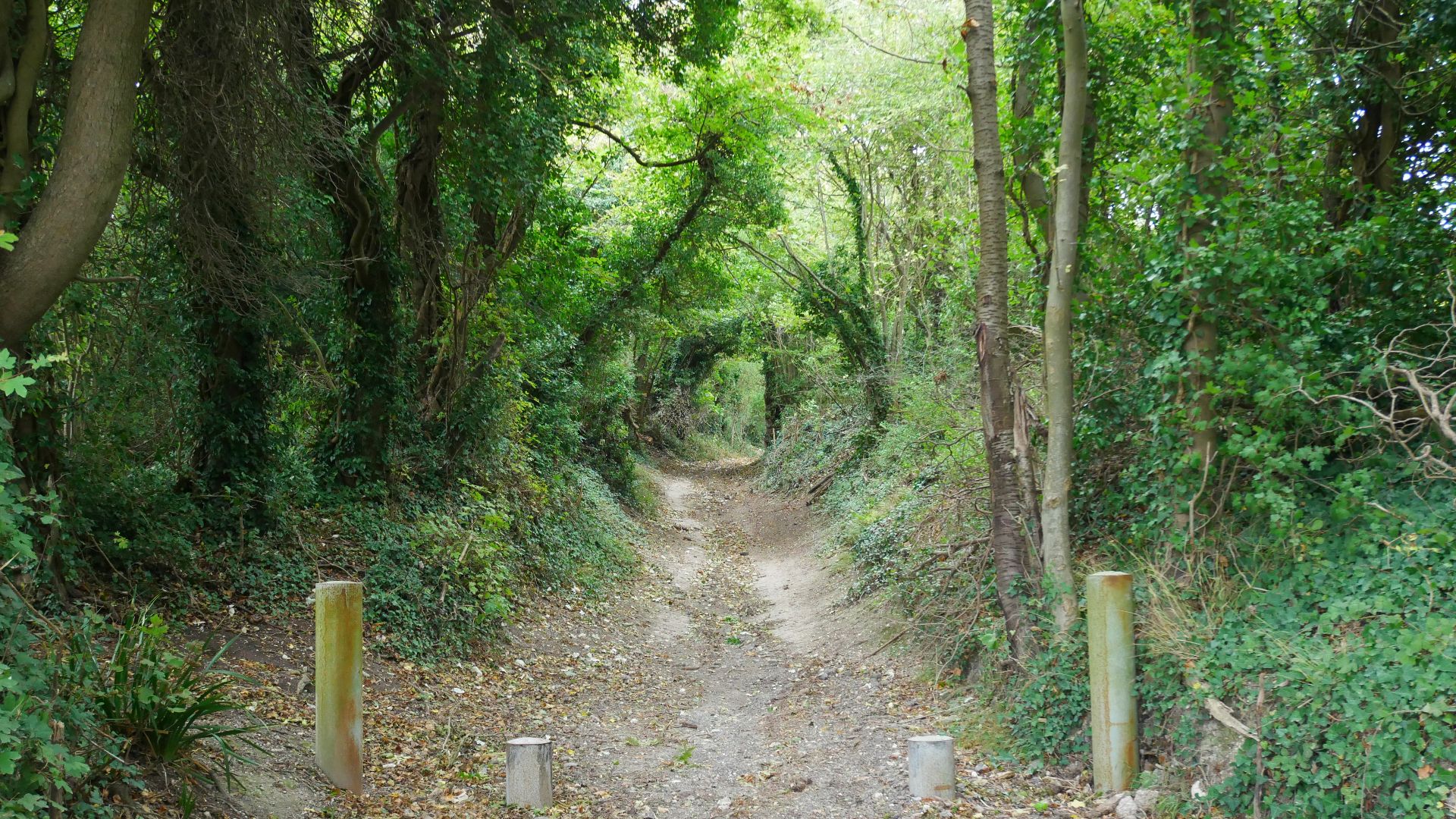
Pilgrims’ Way, England
The Pilgrims’ Way leads from Winchester toward Canterbury, where pilgrims flocked after Archbishop Thomas Becket was slain in Canterbury Cathedral in 1170 and canonized only a few years later. The exact modern route isn’t necessarily the precise medieval trail at every point, but it follows old roads, tracks, and the North Downs across southern England. Depending on the route chosen, the journey from Winchester to Canterbury is roughly 220 kilometers (137 miles) and can take around two weeks. April through October is the easiest period for modern walkers, with spring and early autumn offering a particularly good balance of comfortable temperatures, greenery, and manageable trail conditions.
 Ethan Doyle White, Wikimedia Commons
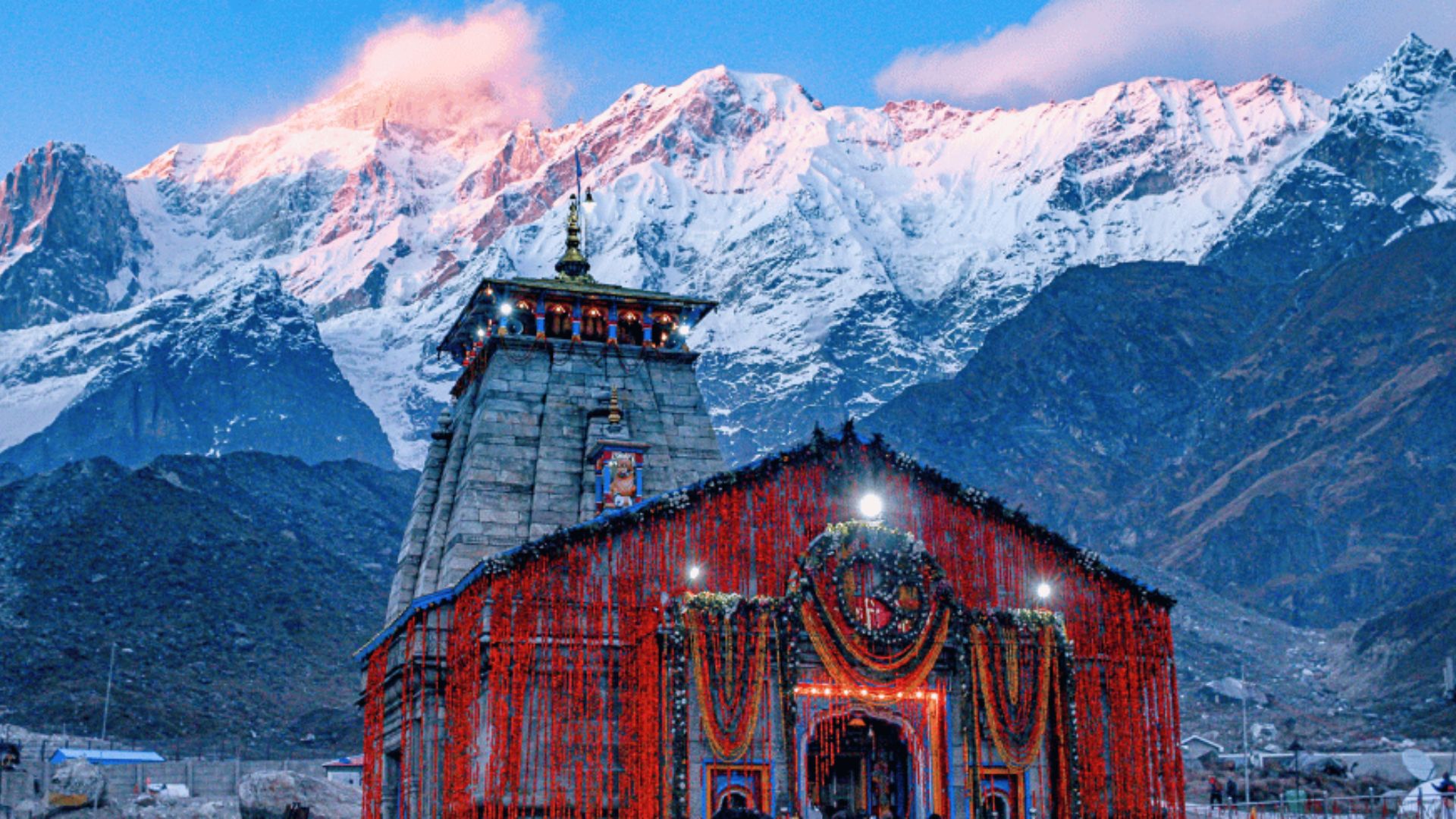
Char Dham Yatra, India
The Char Dham Yatra in Uttarakhand links four Himalayan shrines: Yamunotri, Gangotri, Kedarnath, and Badrinath. It’s one of Hinduism’s great pilgrimage circuits, although the modern Uttarakhand Char Dham is distinct from India’s larger traditional four-corner Char Dham pilgrimage. Travelers generally move clockwise, beginning at Yamunotri and ending at Badrinath. This isn’t one continuous walking trail, and a full road itinerary can exceed 1,000 kilometers (621 miles) within the region, with significant trekking required to reach some temples. The shrines usually open around April or May and close around October or November. May to June and September into October are generally more practical than the heavy monsoon period.
 Abhisaini8477, Wikimedia Commons
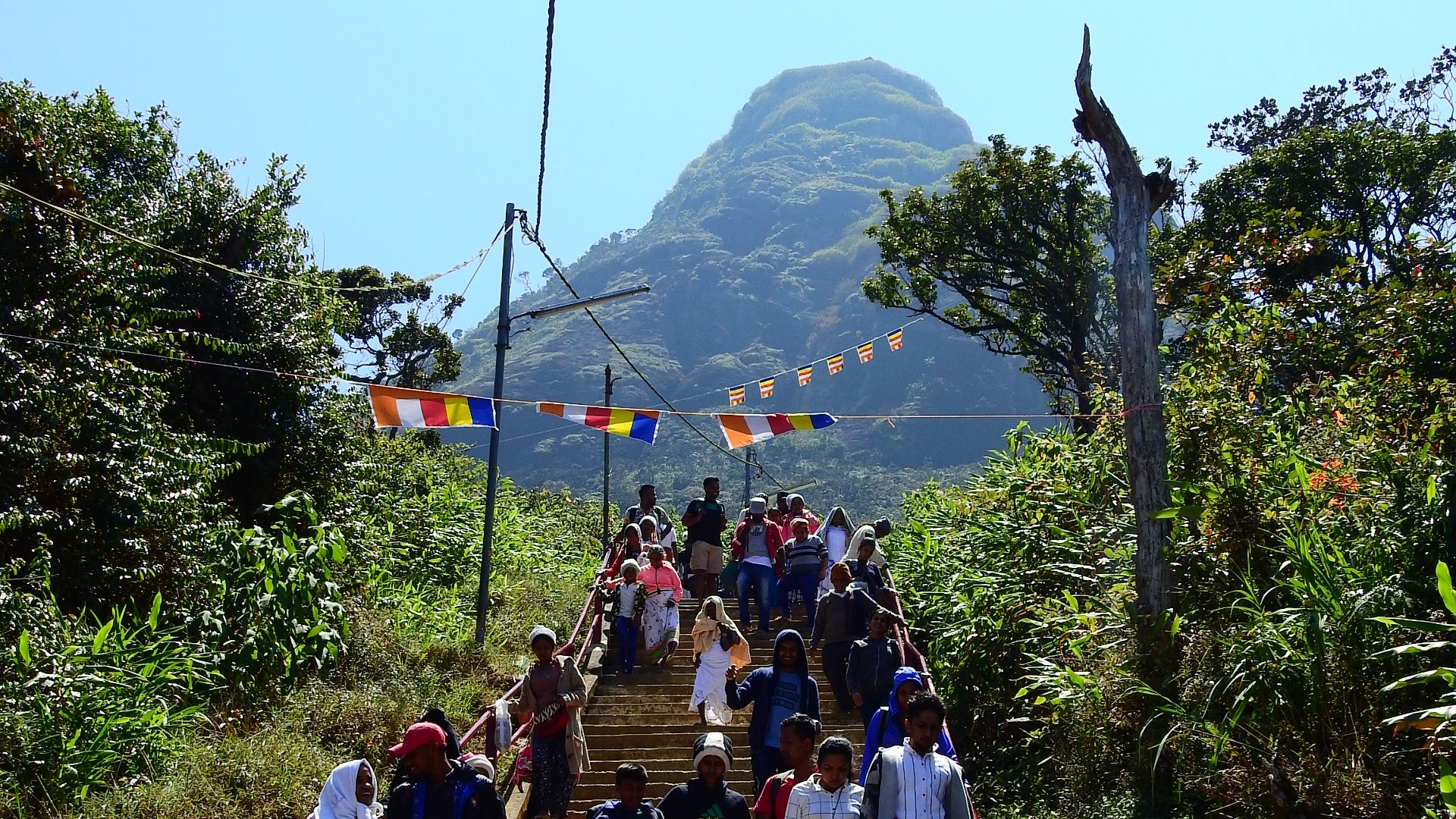
Adam’s Peak, Sri Lanka
For centuries, pilgrims from several religions have climbed Sri Pada, better known internationally as Adam’s Peak. At the summit is a sacred footprint interpreted differently by different traditions: Buddhists associate it with the Buddha, Hindus with Shiva, and Muslim and Christian traditions have connected it with Adam or St. Thomas. The popular ascent involves thousands of steps and can stretch to roughly 12 kilometers (7.5 miles) depending on the route. Many pilgrims begin in darkness so they can reach the summit before sunrise. The official pilgrimage season generally runs from December into May, with January through April especially popular because the route is illuminated and refreshment stalls stay open through the night.
 Rehman Abubakr, Wikimedia Commons
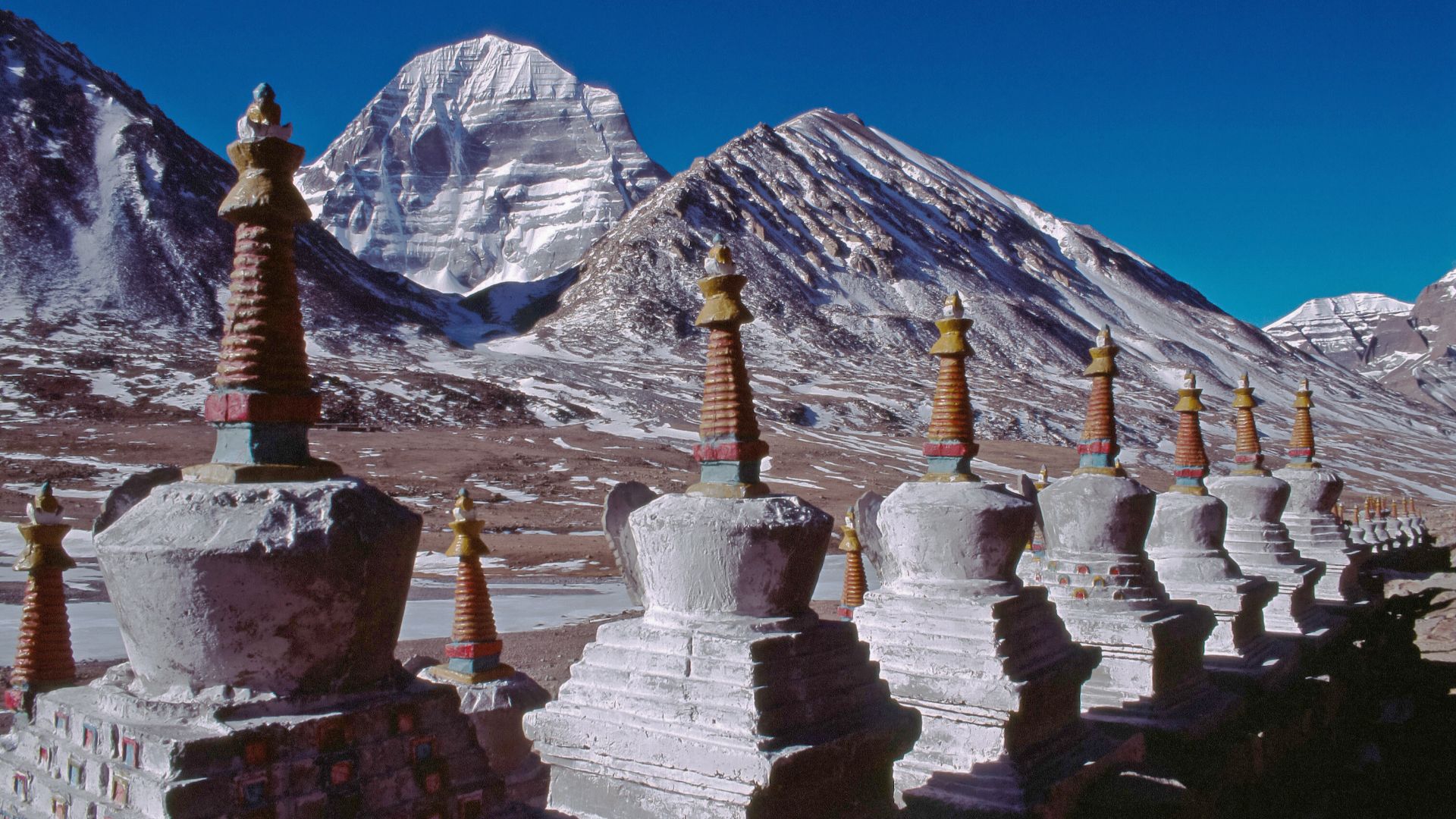
Mount Kailash Kora, Tibet
Nobody is supposed to climb Mount Kailash. Instead, pilgrims circle it. The mountain is sacred in Hinduism, Buddhism, Jainism, and Bön, and the traditional kora follows a roughly 52-kilometer (32-mile) circuit around its base. Completing one circuit is spiritually significant, while especially devoted pilgrims may repeat it many times. The physical challenge is serious because the route passes over the Drolma La at roughly 5,600 meters, making altitude a bigger concern than distance alone. May through September is the main practical season, with the Saga Dawa period drawing particularly large numbers. Foreign visitors also need permits and organized travel arrangements for Tibet, so this isn’t a pilgrimage you can simply show up and start walking.
 Yasunori Koide, Wikimedia Commons
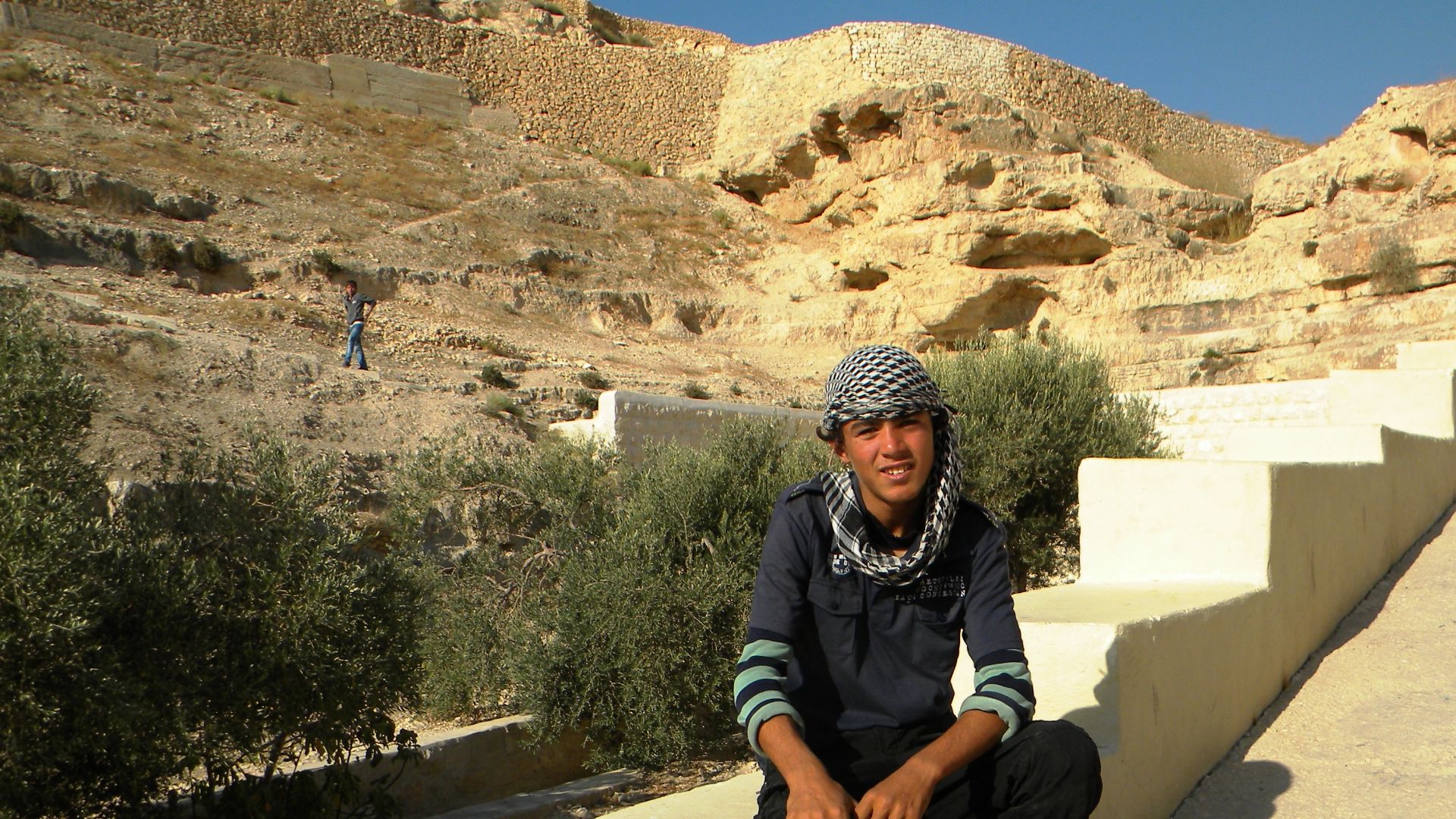
The Abraham Path, The Middle East
The Abraham Path is different from many trails on this list because the waymarked project itself is modern. It was created to connect landscapes and communities associated with Abraham, a figure shared by Judaism, Christianity, and Islam. The envisioned network stretches roughly 1,200 kilometers (746 miles) from Turkey through parts of the Levant toward Hebron. It isn’t currently practical to walk the entire route as one uninterrupted international pilgrimage, and political borders and security conditions have always required travelers to tackle it in sections. Historically, autumn and spring provide the best walking temperatures. At present, anyone considering sections in the region should consult current government travel advisories before making plans.
 Britchi Mirela, Wikimedia Commons
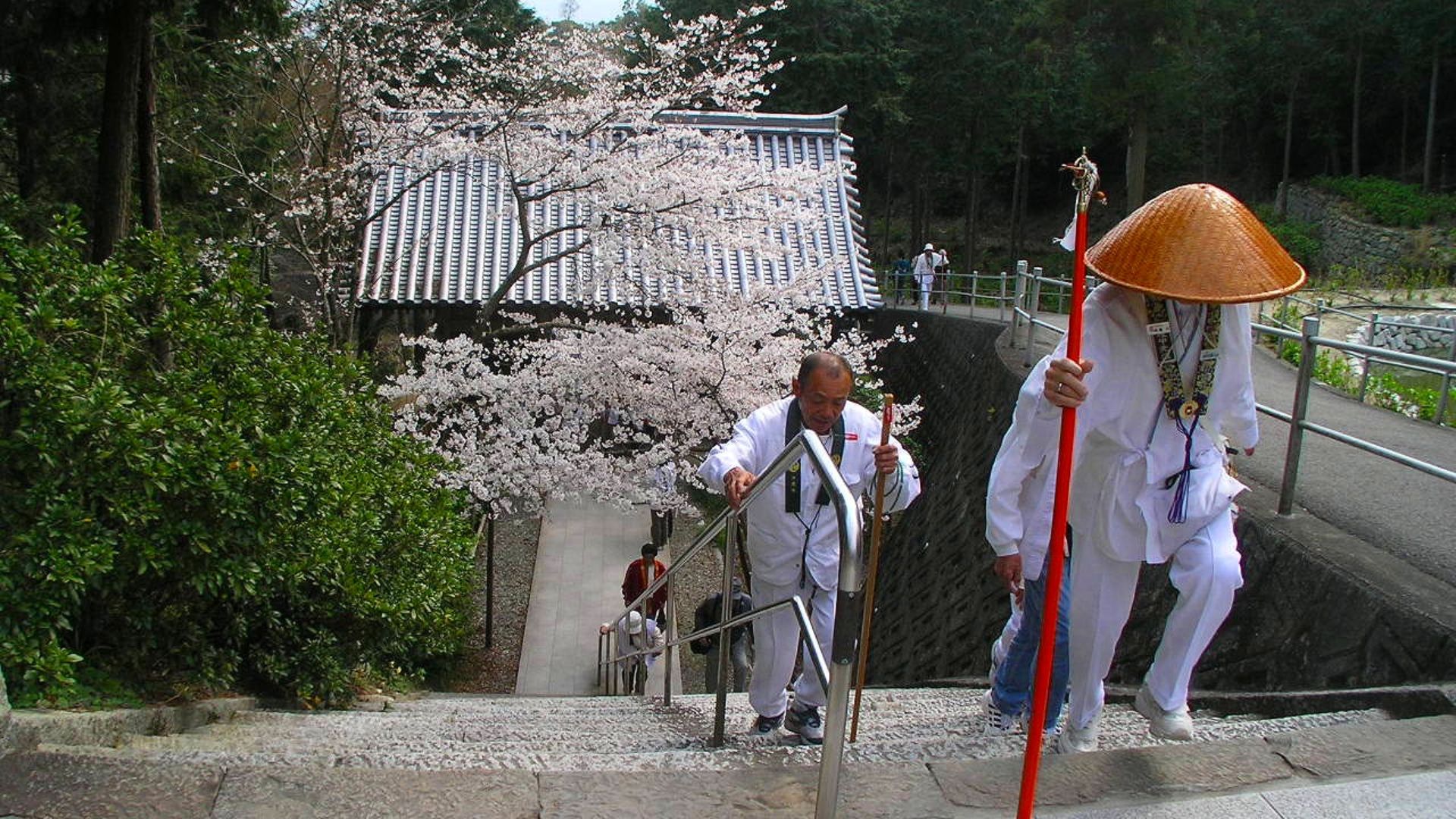
Shikoku Pilgrimage, Japan
The Shikoku Henro circles the Japanese island of Shikoku and connects 88 temples associated with Kūkai, better known by his posthumous title Kōbō Daishi. The monk lived from 774 to 835, and pilgrims today still walk carrying staffs that symbolically represent Kōbō Daishi traveling beside them. Depending on the exact path, the full route is around 1,400 kilometers (870 miles) and normally requires roughly 45 to 60 days on foot. Plenty of modern pilgrims complete it in stages instead. Spring, particularly March through May, and autumn from September into November offer the most comfortable conditions and some of the most beautiful scenery.
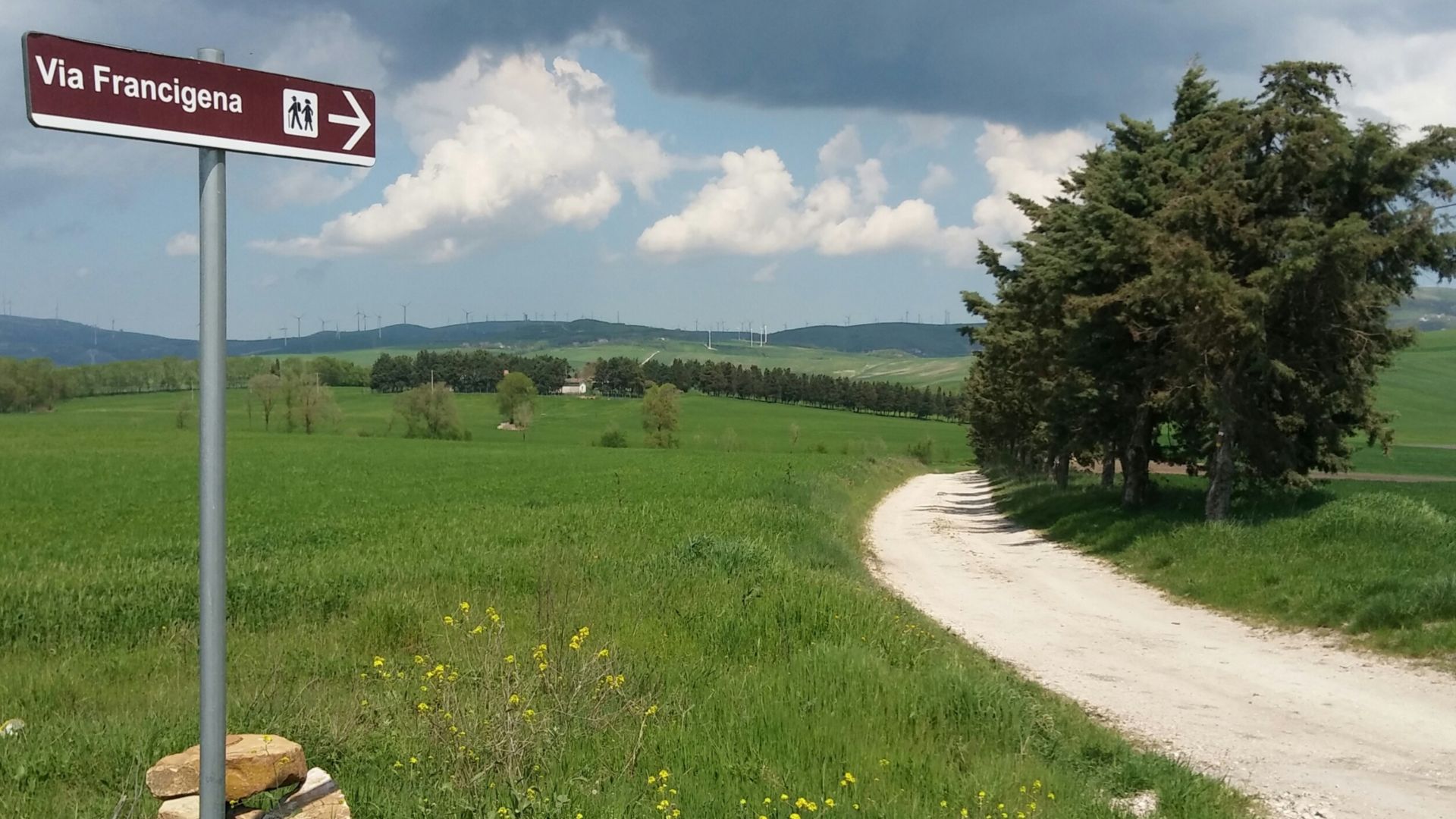
Via Francigena, England, France, Switzerland And Italy
The Via Francigena once linked northern Europe with Rome, and one of its most important records comes from Archbishop Sigeric of Canterbury. In 990, he traveled to Rome and recorded the stages of his return journey, giving modern historians enough detail to help reconstruct the route. Today, the Canterbury-to-Rome journey covers roughly 1,900 kilometers (1,181 miles) and takes a fit walker around three months. The trail crosses England, France, Switzerland, the Alps, and Italy before reaching St. Peter’s Basilica. Late spring through early autumn works best, especially because the Great St. Bernard Pass can remain blocked by snow outside roughly late May through September.
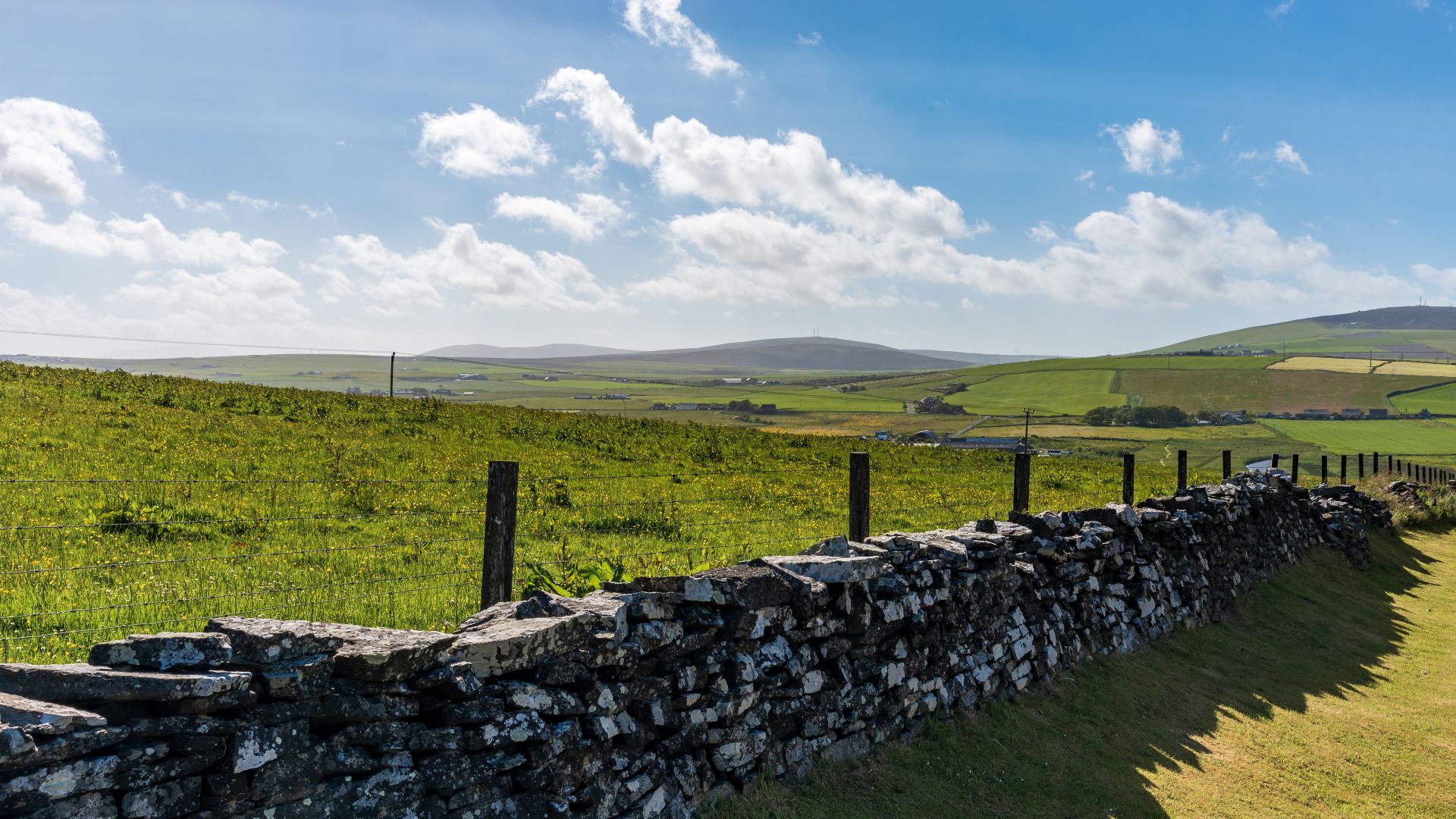
St Magnus Way, Scotland
The St Magnus Way is a newer pilgrimage trail built around a much older story. Its roughly 93-kilometer (58-mile) route across Orkney follows places connected with Magnus Erlendsson, the twelfth-century Earl of Orkney who became the islands’ patron saint after his demise around 1117. Sections follow the route associated with the movement of his remains toward Kirkwall, where St Magnus Cathedral eventually became his shrine. The walk takes about five or six days and mixes coastal paths, farmland, roads, and rougher terrain. Late spring through early autumn is most comfortable, with long summer daylight especially helpful on exposed Orkney sections.
 Mustang Joe, Wikimedia Commons
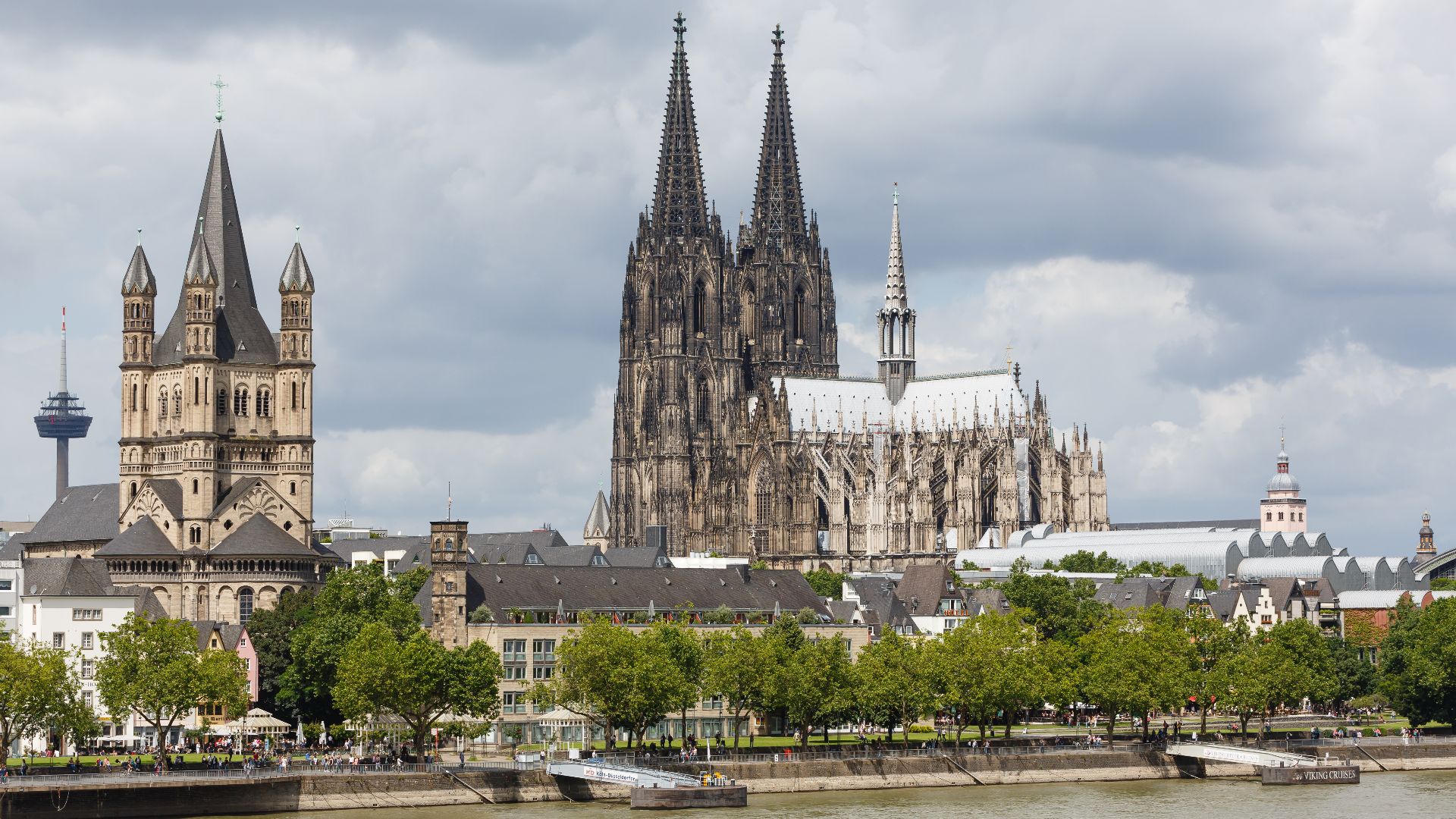
Via Coloniensis, Germany
The Via Coloniensis links two of Germany’s great religious centers, Cologne and Trier. The modern route roughly follows old travel corridors, including sections related to the Roman road system, and forms part of the wider European network leading toward Santiago de Compostela. From Cologne Cathedral, pilgrims travel about 245 kilometers (152 miles) through the Eifel toward Trier, where St. Matthias Abbey traditionally preserves the tomb of the apostle Matthias. Most walkers divide the trip into ten or eleven stages. Spring and early autumn are especially pleasant, avoiding the coldest winter weather while giving walkers forests, historic towns, monasteries, and rolling countryside without peak midsummer heat.
 CEphoto, Uwe Aranas, Wikimedia Commons
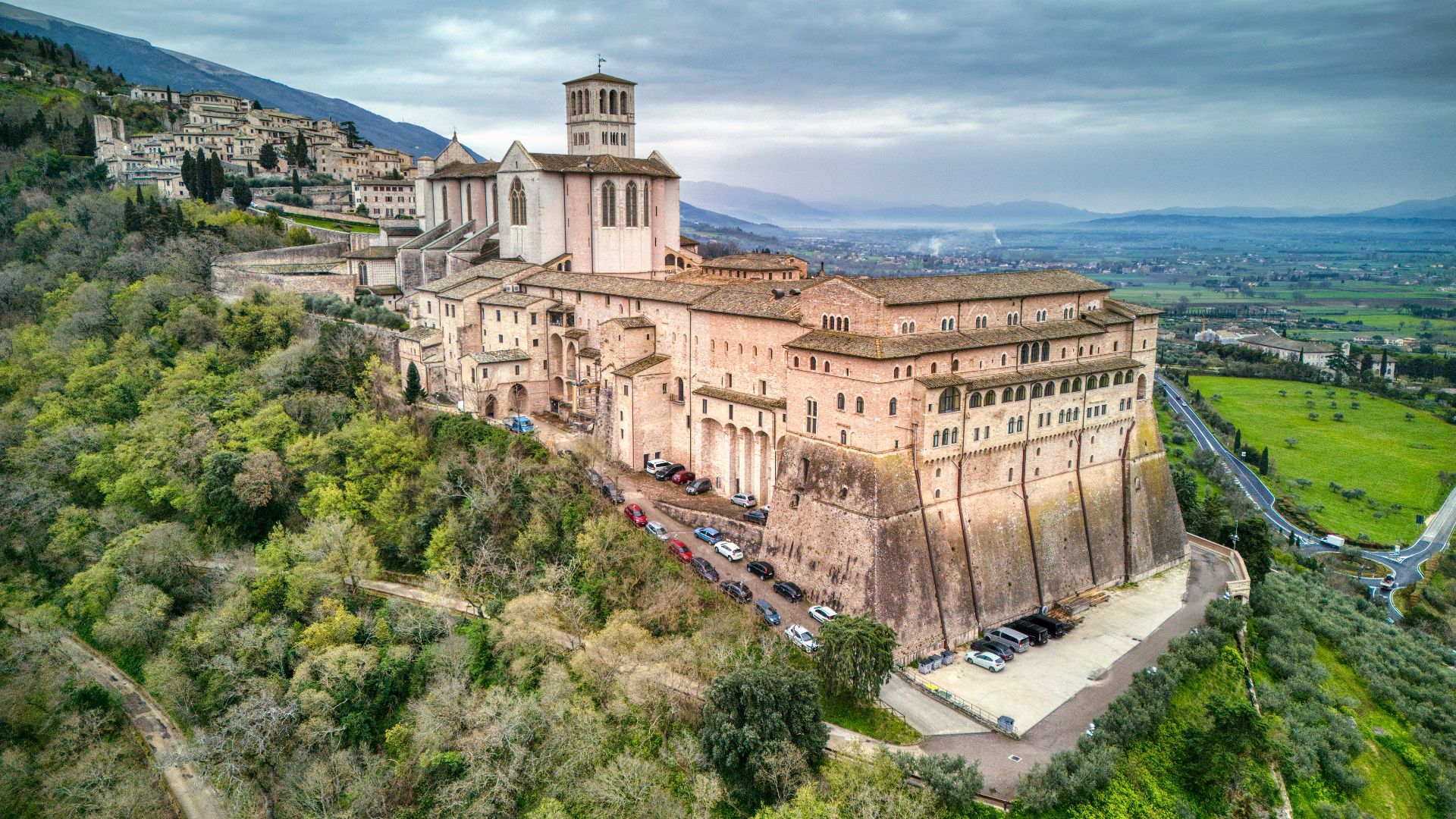
Via Di Francesco, Italy
The Via di Francesco follows places associated with the life and travels of St. Francis of Assisi. Unlike the Camino, it isn’t one ancient road with a single beginning. It’s a modern pilgrimage network linking landscapes Francis genuinely knew, including Florence, La Verna, Gubbio, Assisi, the Rieti Valley, and Rome. One popular route from Florence to Assisi covers about 287 kilometers (178 miles), while the Rome-to-Assisi route is around 246 kilometers (153 miles). Longer combinations can extend much farther. Spring and fall are the easiest seasons because central Italy can become extremely hot in summer. The real centerpiece is Assisi, where pilgrims finish at the Basilica of St. Francis.
 Hagai Agmon-Snir حچاي اچمون-سنير חגי אגמון-שניר, Wikimedia Commons
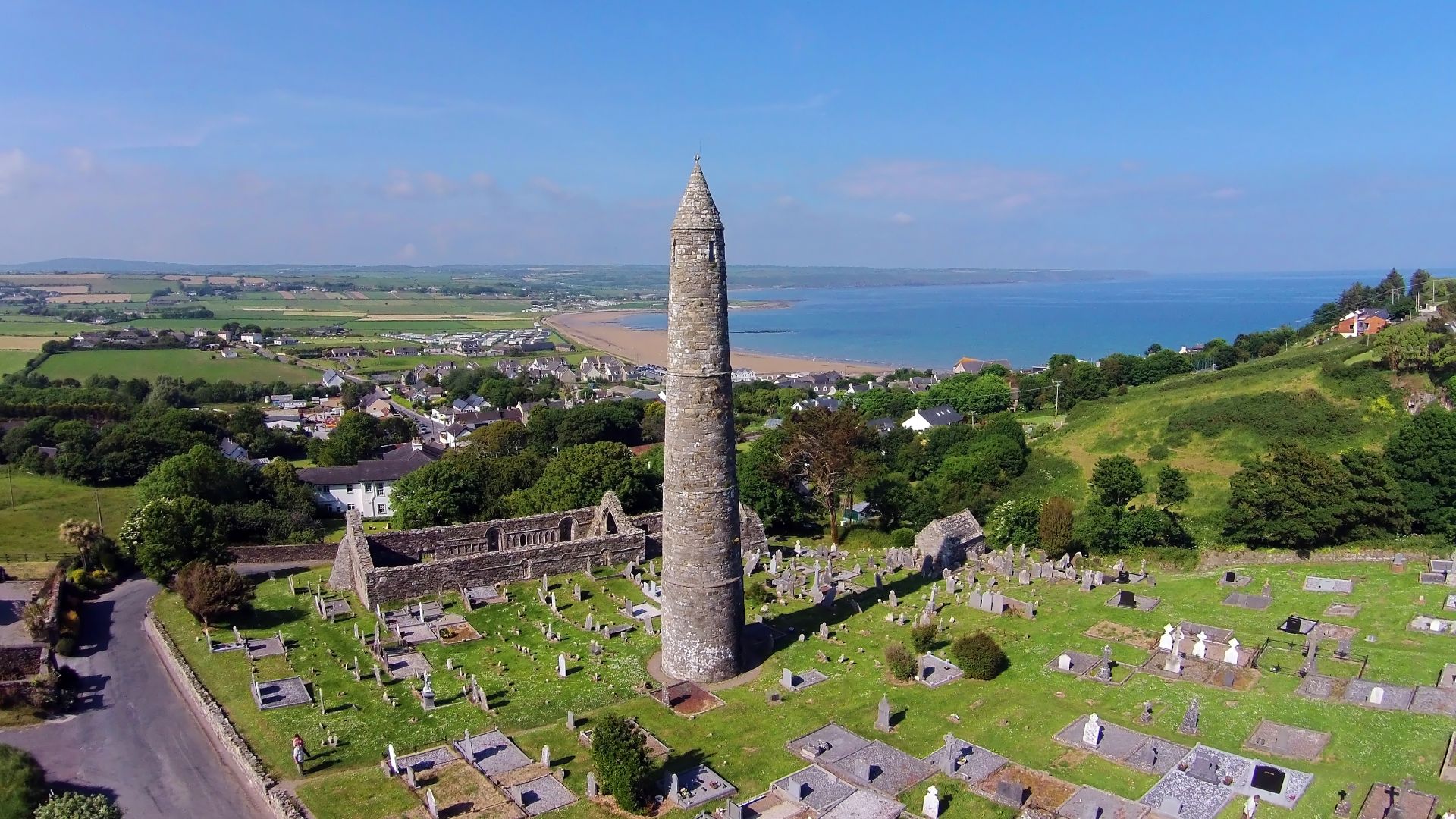
St. Declan’s Way, Ireland
St. Declan’s Way links the Rock of Cashel in County Tipperary with Ardmore in County Waterford, where St. Declan established an important early Christian monastery. Tradition holds that Declan traveled this way in the fifth century, and pilgrims continued using related roads and paths for roughly 1,500 years. The modern waymarked route follows several of those older pilgrimage tracks where possible and runs for about 115 kilometers (71 miles). Most walkers take around six days, crossing farmland, forest, and the Knockmealdown Mountains before finishing near Declan’s monastery, holy well, and grave in Ardmore. Late spring through early autumn offers the most comfortable conditions, although Irish weather means waterproof gear is useful in any season.
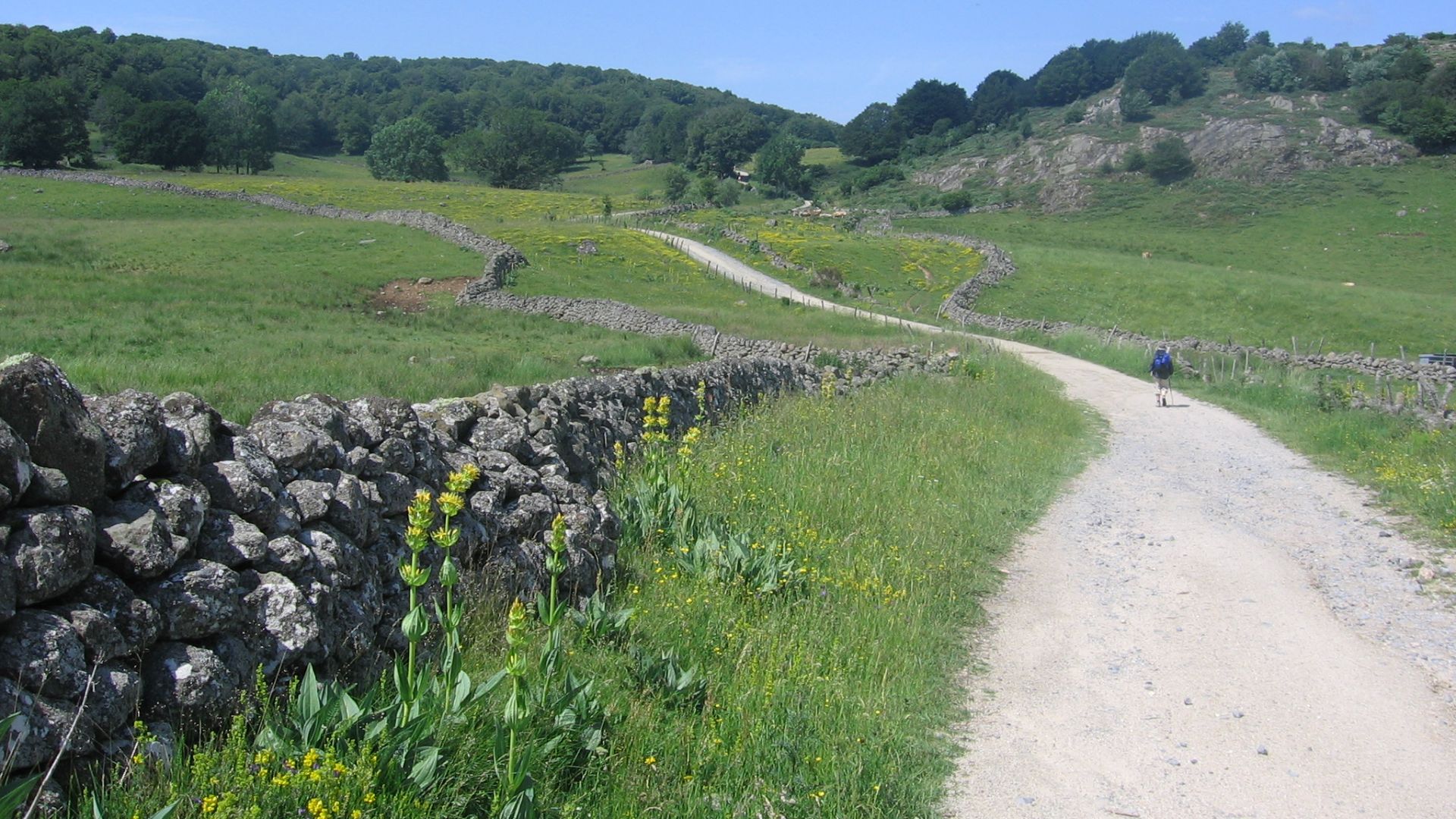
Via Podiensis, France
The Via Podiensis, or Chemin du Puy, is one of France’s great routes toward Santiago de Compostela. Pilgrimage from Le Puy-en-Velay has deep medieval roots: Bishop Godescalc is recorded traveling toward Santiago in 951, making him one of the earliest named pilgrims from France. Today the GR65 carries walkers roughly 740 kilometers (460 miles) from Le Puy to Saint-Jean-Pied-de-Port near the Spanish border, usually in about 32 to 35 days. The route passes volcanic highlands, the Aubrac plateau, medieval villages, and southwest France. The main season runs from mid-April to mid-October, with May, June, September, and early October particularly appealing.
 BetacommandBot, Wikimedia Commons
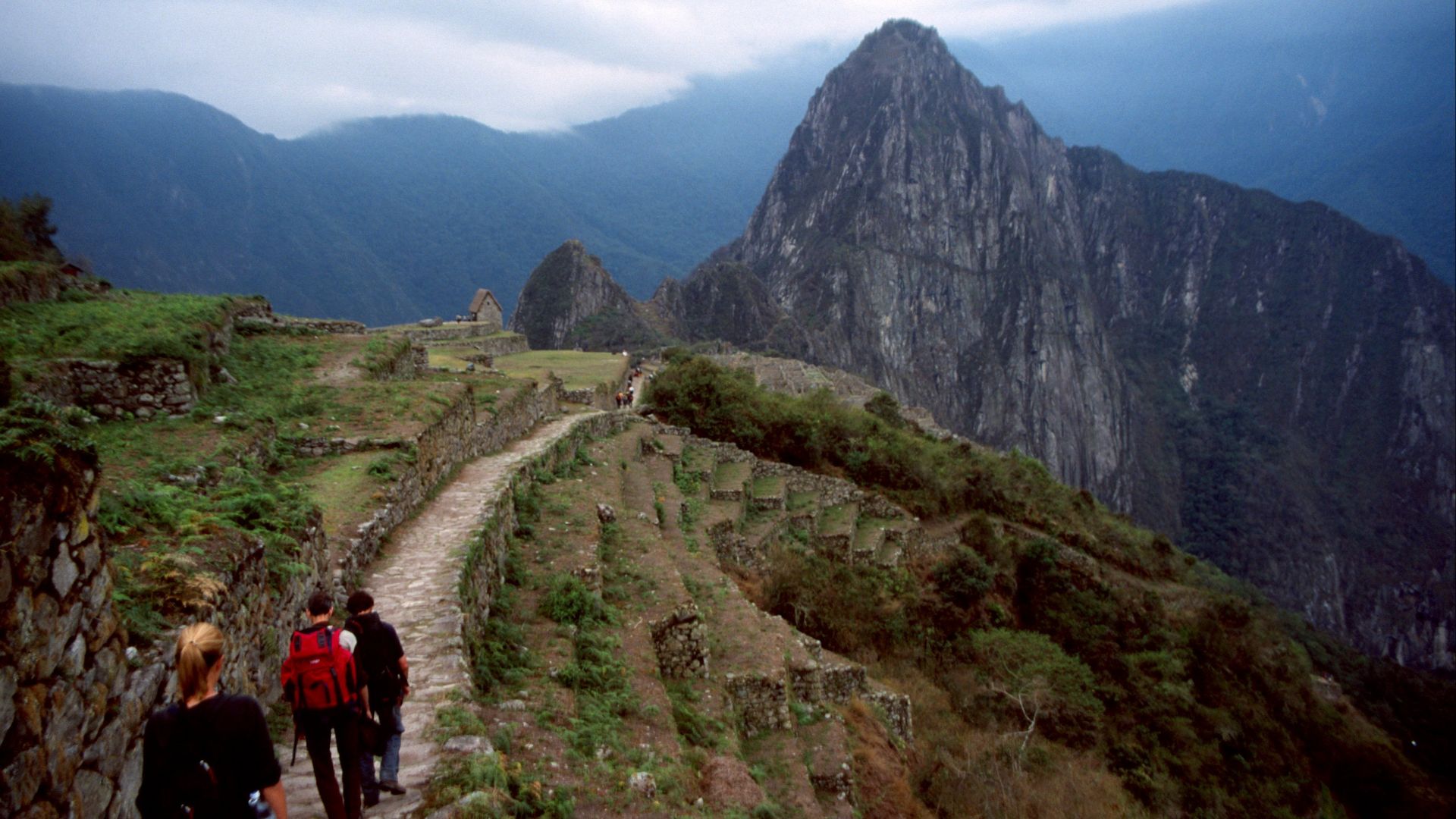
The Inca Trail To Machu Picchu, Peru
The Inca Trail wasn’t originally created as a modern pilgrimage specifically to Machu Picchu. It forms part of the enormous Qhapaq Ñan road system that connected the Inca Empire. Today, however, walking the approximately 43-kilometer (27-mile) classic route has taken on an almost pilgrimage-like quality. Hikers climb high passes, cross original stone paving, pass archaeological sites, and finally enter Machu Picchu through Intipunku, the Sun Gate. The classic trek normally takes four days and requires advance permits through authorized operators. April through October is the drier season, with May through September especially popular. The trail closes every February for scheduled maintenance.
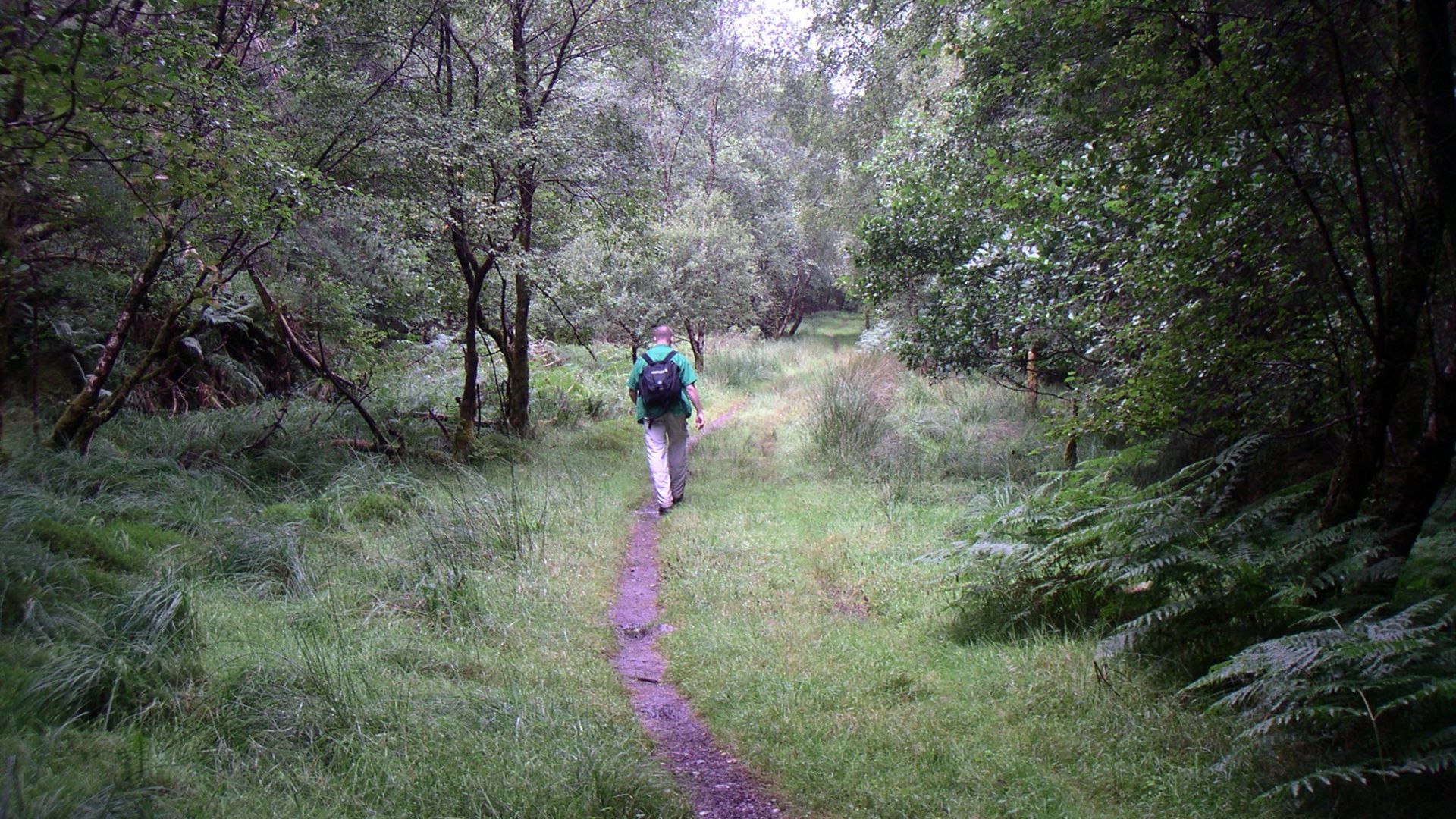
Coast-To-Coast St. James Tradition, Ireland
Ireland’s connection with St. James is more complicated than one continuous ancient footpath crossing the island. Medieval Irish pilgrims departed from several ports for Santiago de Compostela, and modern routes have revived pieces of that heritage. One of the strongest is the Kerry Camino, a 57-kilometer (35-mile), three-day walk from Tralee to St. James’ Church in Dingle, a historic departure point for pilgrims sailing toward Spain. Other Celtic Camino routes connect to St. James traditions around Dublin. May through September generally offers the best walking weather. Modern pilgrims can collect stamps and certificates, turning a revived route into part of the wider Camino tradition once again.
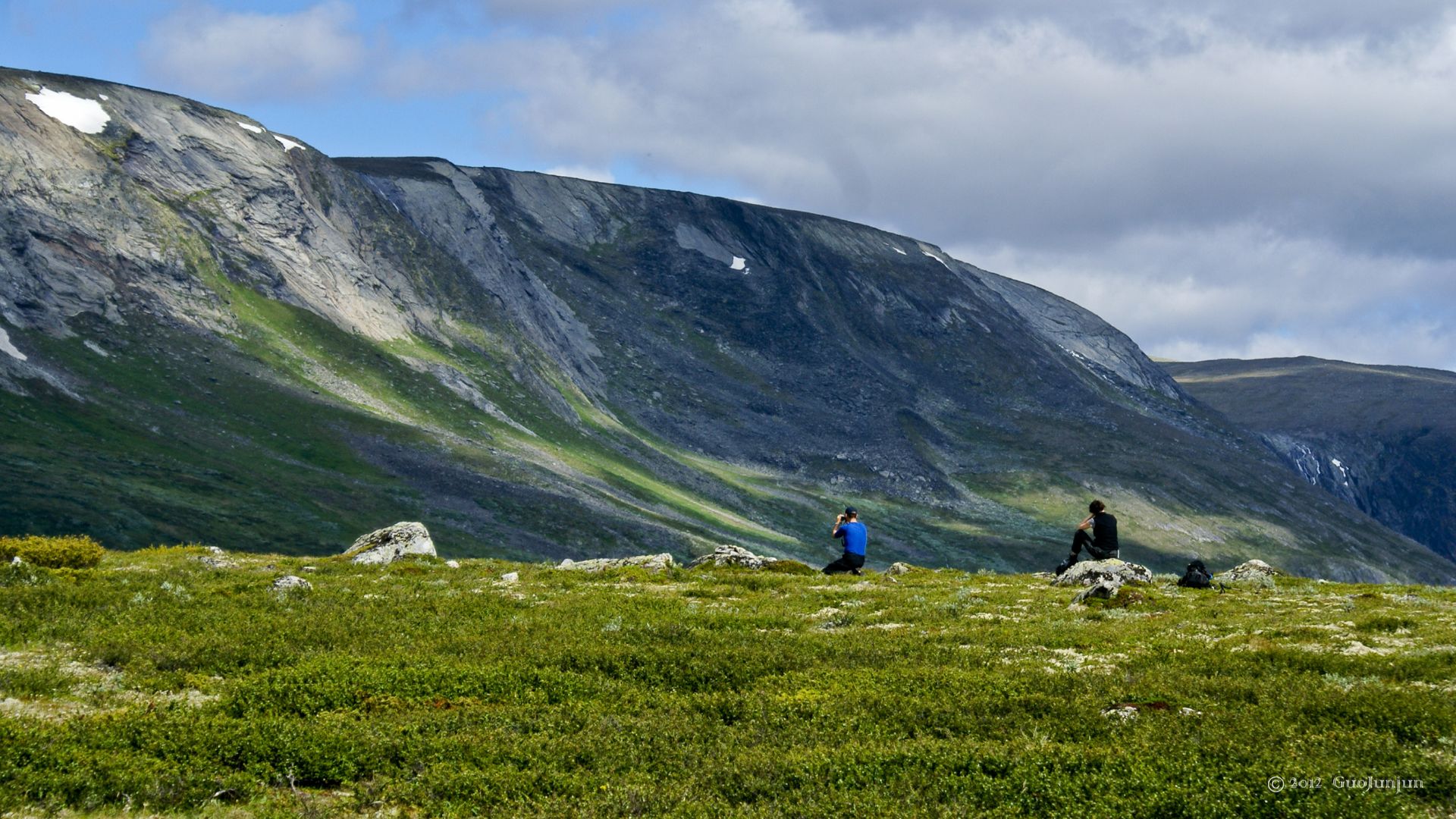
St. Olav’s Way, Norway
During the Middle Ages, Nidaros, now Trondheim, was one of northern Europe’s great pilgrimage destinations. Pilgrims traveled there to visit the shrine of King Olav Haraldsson, who perished in 1030 and was later revered as St. Olav. Today several reconstructed St. Olav Ways converge on Nidaros Cathedral. The best-known is Gudbrandsdalsleden, running 643 kilometers (400 miles) from Oslo to Trondheim and taking about 32 days. It crosses forests, farmland, historic settlements, and the high Dovrefjell plateau. Norway’s official pilgrimage organization recommends walking between June 1 and September 1, with the mountain crossing particularly unsuitable before mid-June because of lingering snow and meltwater.
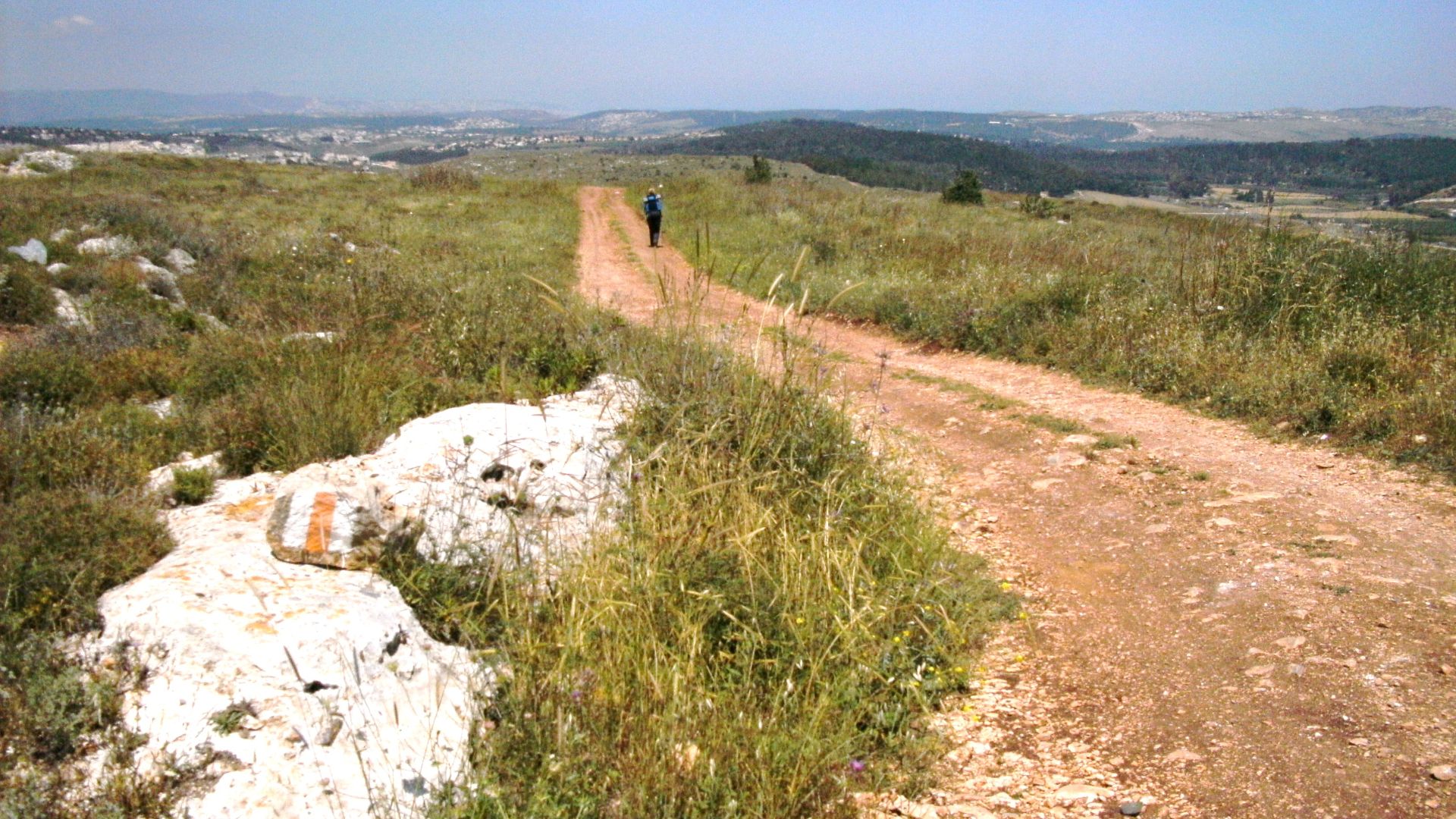
Jesus Trail, Israel
The Jesus Trail is another modern path built around ancient sacred geography rather than an uninterrupted first-century trail. Its 65-kilometer (40-mile) route begins in Nazareth and passes places associated with Jesus’ life and ministry, including Cana, the Horns of Hattin, Mount Arbel, Magdala, the Sea of Galilee, Tabgha, the Mount of Beatitudes, and Capernaum. Walkers commonly take four or five days. Under normal conditions, February through mid-May and October through November offer the most comfortable temperatures. However, regional security conditions can change quickly, and current travel advisories may affect whether a walking trip is appropriate, so this is one route where planning needs to begin with official safety guidance.
 Zeromancer44, Wikimedia Commons
Kumano Kodo, Japan
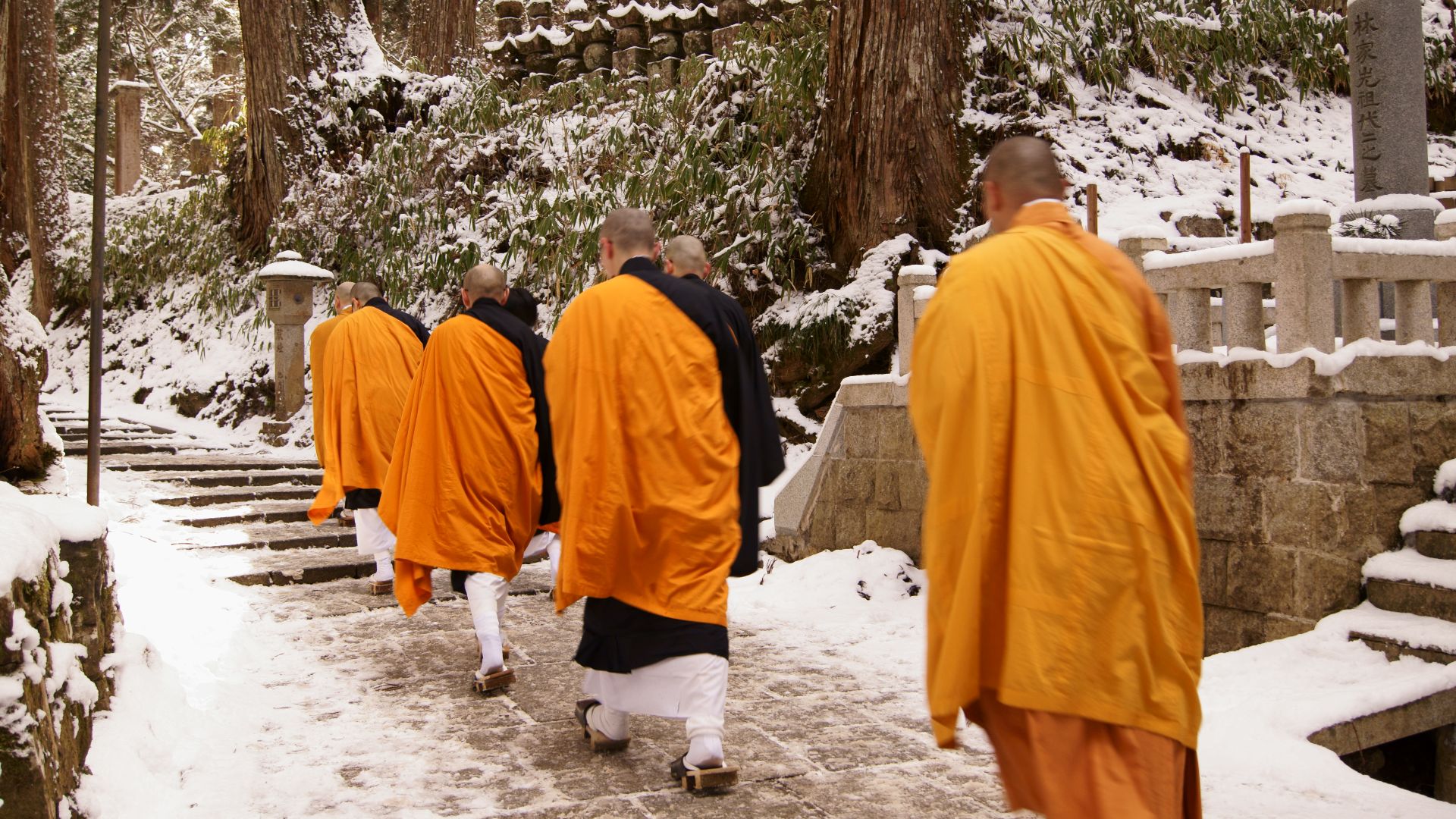
The Kumano Kodo has carried pilgrims through Japan’s Kii Peninsula for more than a thousand years. From roughly the eleventh century onward, emperors, aristocrats, monks, and ordinary pilgrims traveled toward the three great Kumano shrines through mountains considered spiritually powerful. Several historic routes survive. The popular Nakahechi can be walked in roughly four or five days, while other routes are longer and considerably tougher. Ancient stone steps, cedar forests, small shrines, hot-spring villages, and mountain passes make this one of the most atmospheric pilgrimages anywhere. Spring and autumn are usually best, although the region’s heavy rainfall means waterproof gear is useful almost regardless of season.
 Crystalline Radical, Wikimedia Commons
Camino Del Norte, Spain
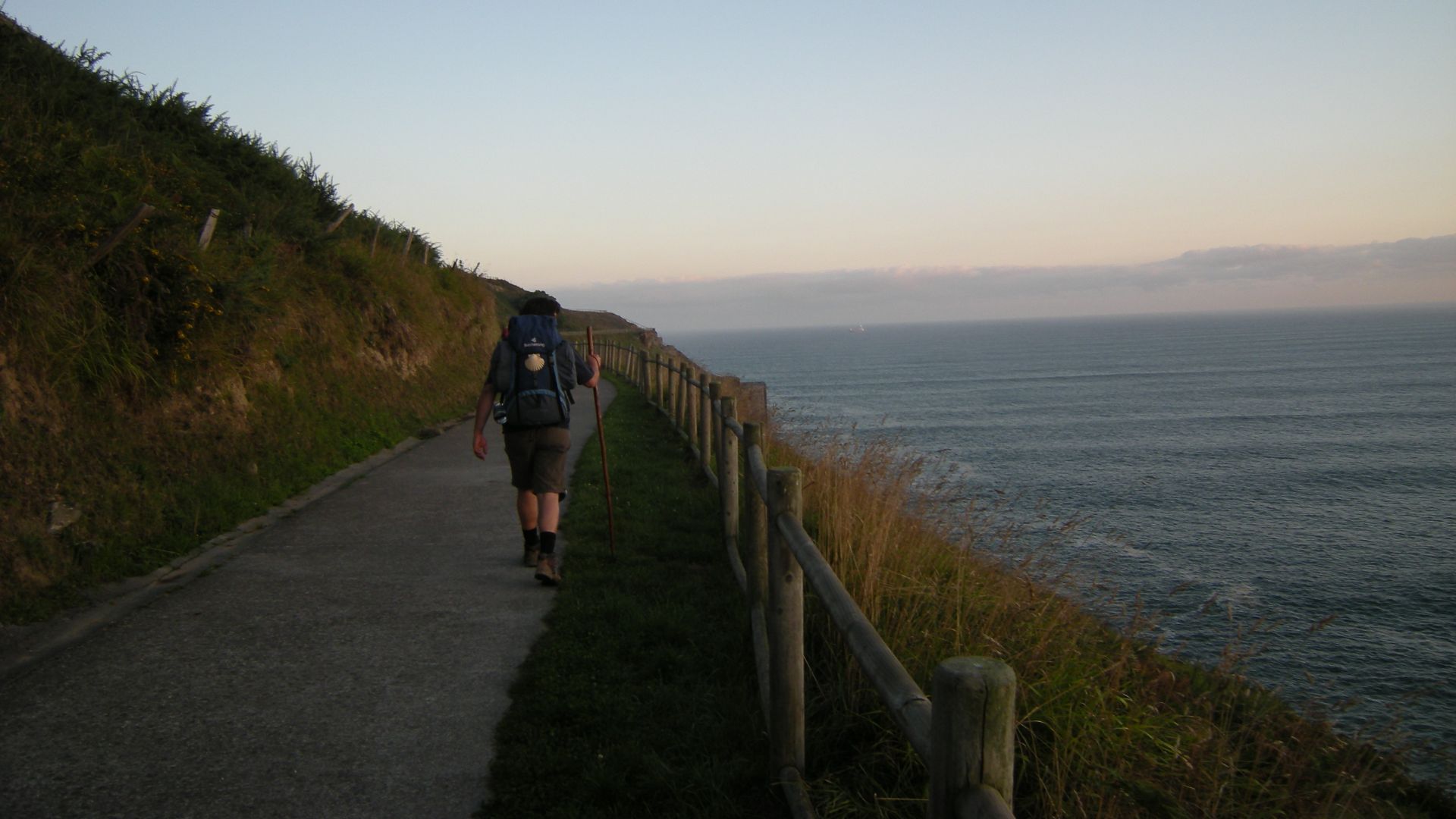
The Camino del Norte follows Spain’s northern coast toward Santiago and has medieval roots tied to early Christian pilgrimage before the Camino Francés became dominant. Beginning near Irún on the French border, it runs roughly 825 to 830 kilometers (513 to 516 miles) through the Basque Country, Cantabria, Asturias, and Galicia. Ocean views are spectacular, but the constant climbs make it considerably tougher than the distance suggests. A full walk generally takes around five to six weeks. Late May through June and September are especially good choices. July and August bring warmer weather but also more travelers, while winter can make some coastal and mountain sections much less inviting.
 José Antonio Gil Martínez from Vigo, Spain, Wikimedia Commons
St Cuthbert’s Way, Scotland And England
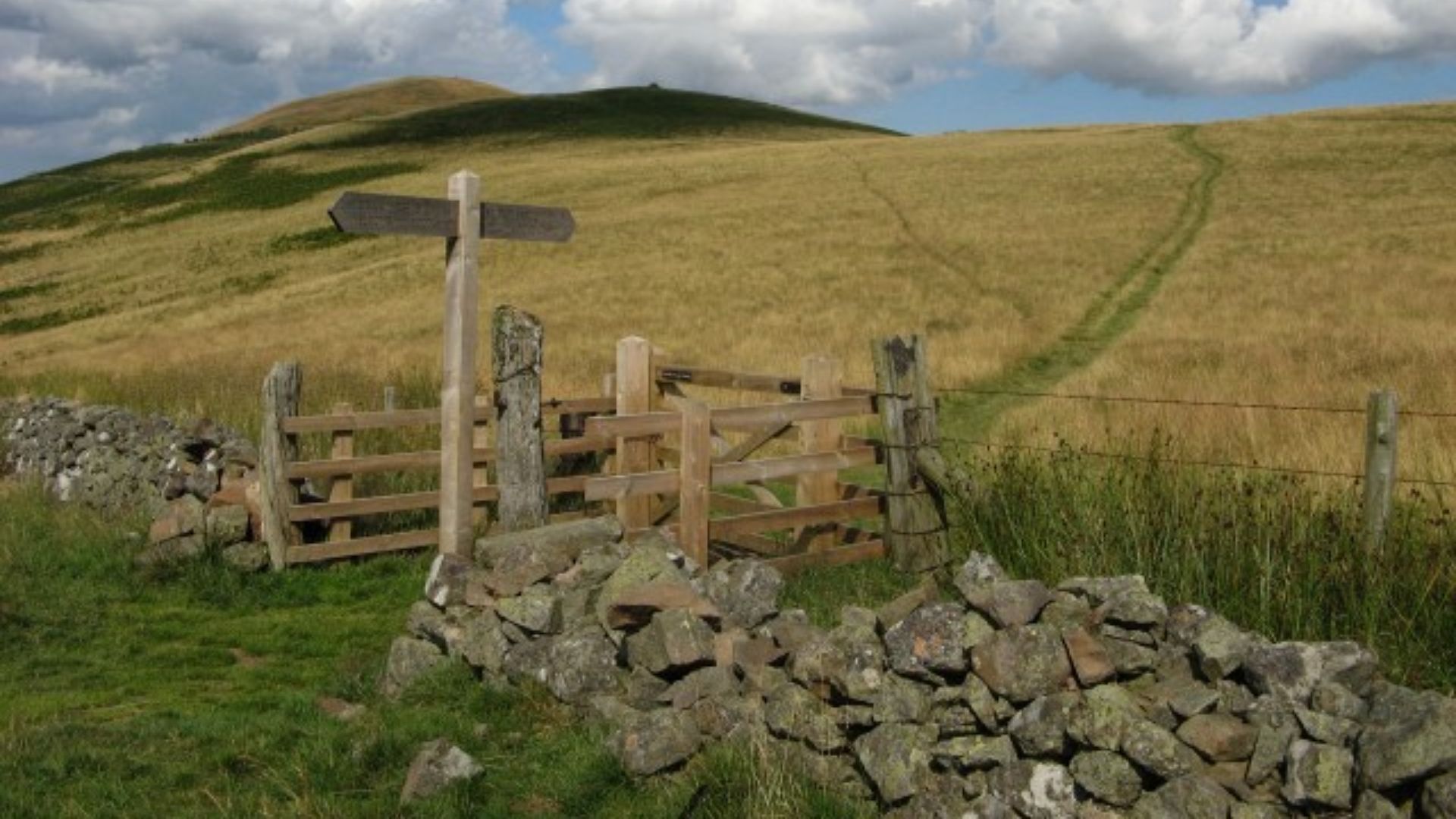
St Cuthbert’s Way links Melrose Abbey in the Scottish Borders with Holy Island, or Lindisfarne, in Northumberland. Cuthbert began his religious life at Melrose in the seventh century and later became bishop of Lindisfarne, where he was initially buried. The modern 100-kilometer (62-mile) route brings those two parts of his life together through hills, farmland, rivers, villages, and the Northumberland coast. Most travelers allow four to six days. The finale is unforgettable: pilgrims approach Holy Island across a tidal causeway, which means the sea controls the schedule. May through September provides the best combination of daylight and weather, but every traveler must check safe tide-crossing times.
 Eileen Henderson, Wikimedia Commons
Walking Them Today Takes A Different Kind Of Faith
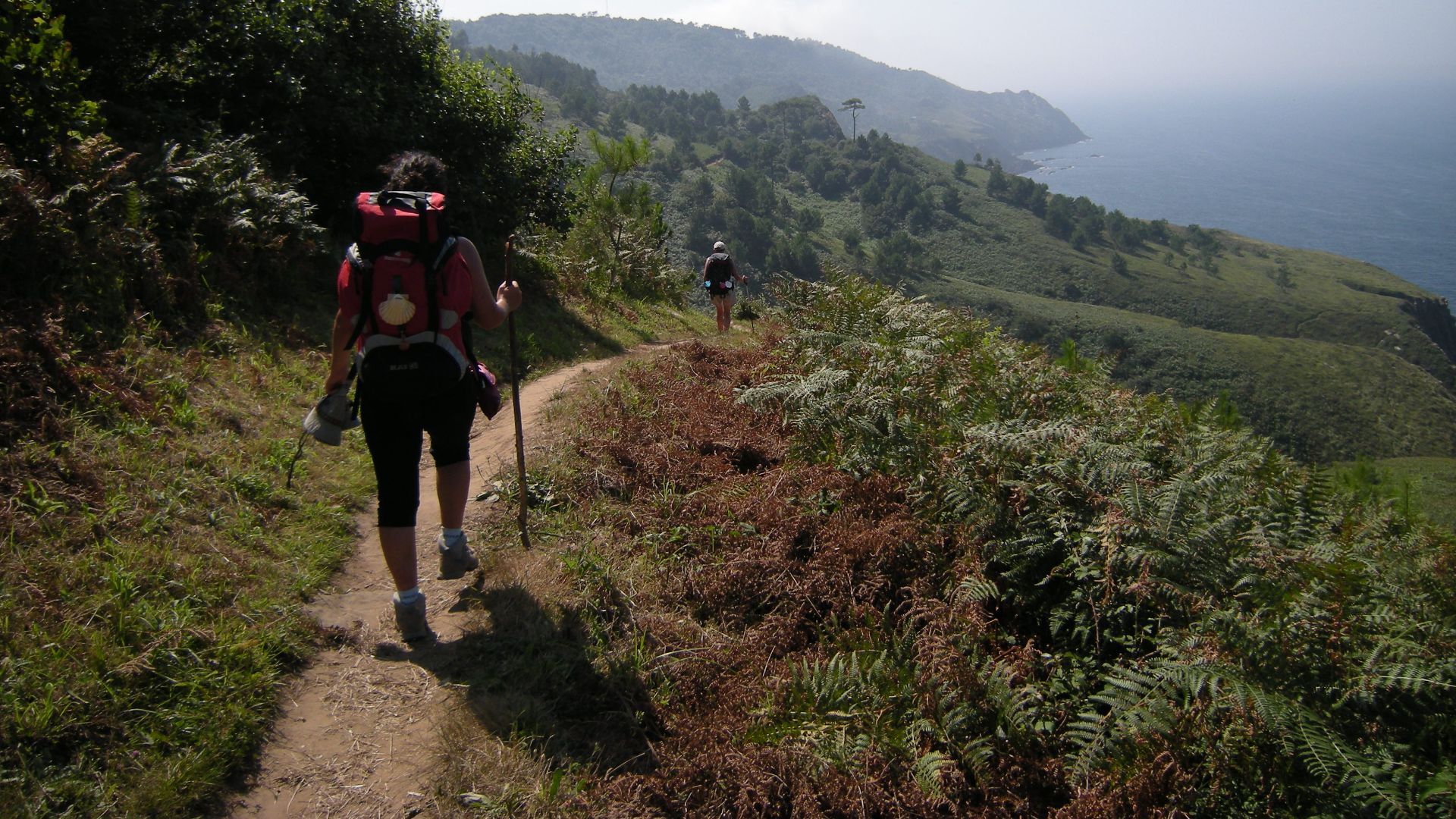
Modern pilgrims have GPS, waterproof jackets, hotels, luggage transfers, and the ability to fly home when the journey ends. Medieval travelers had none of those things. Yet the basic experience is strangely recognizable. You wake up, put one foot in front of the other, meet strangers moving toward the same place, and slowly watch a distant destination become real. That may explain why routes created around saints, shrines, mountains, and temples continue attracting people who aren’t religious at all. Centuries later, the destination still matters, but the road itself may be the part people remember.
 José Antonio Gil Martínez from Vigo, Spain, Wikimedia Commons
You May Also Like:
These Are The Oldest Cities That People Still Live In
Ancient Inventions That Were So Advanced They Disappeared For Centuries Before Being Rediscovered
Real Ancient Flood Stories That Sound Too Much Like The Bible To Be A Coincidence