When Myth Meets Geology
No geological evidence supports a flood covering the entire planet in human history. But enormous floods absolutely did happen, including several in regions where ancient flood traditions developed. From Mesopotamian river disasters to the controversial Black Sea inundation, the fascinating question is whether memories of real catastrophes helped to inspire the ancient stories eventually echoed in Genesis.
Noah Wasn’t The First
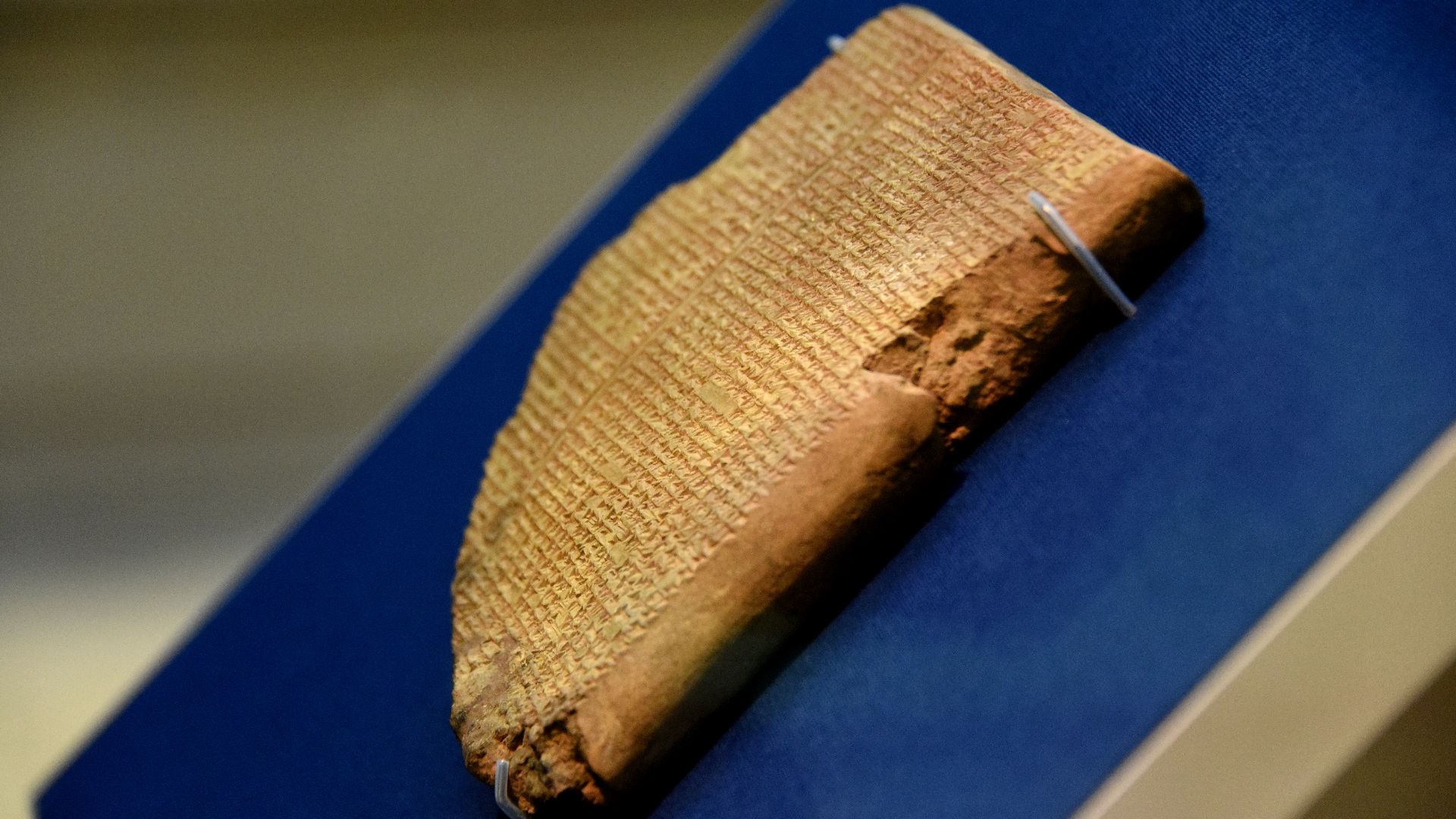
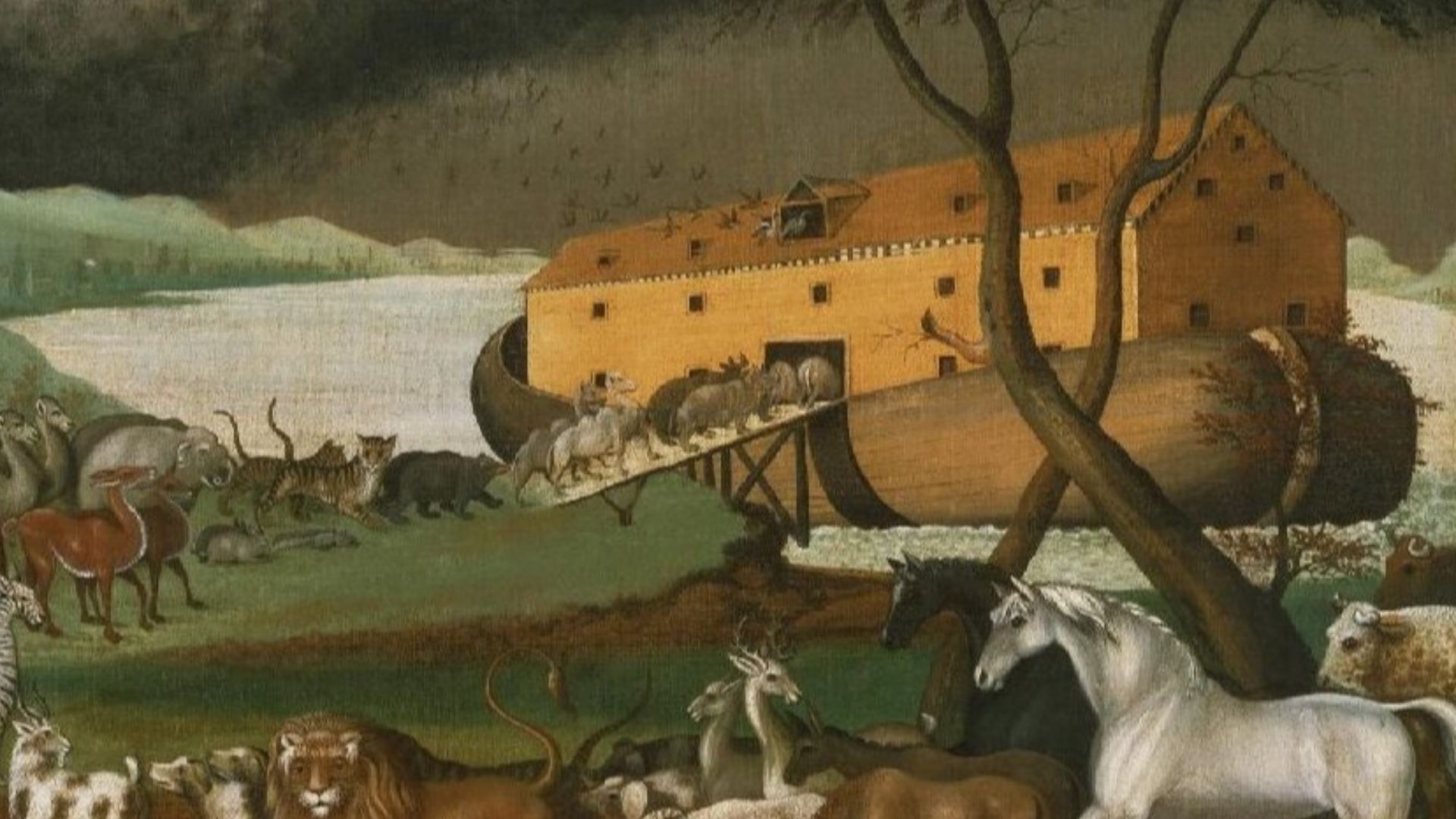
The book of Genesis tells of Noah surviving a divinely sent flood aboard a vessel with his family and animals. But older Mesopotamian literature contains remarkably similar stories. The Epic of Gilgamesh inherited a tradition also represented by the earlier Atrahasis story, suggesting that the biblical account belongs to a much older Near Eastern flood-story tradition rather than standing entirely alone.
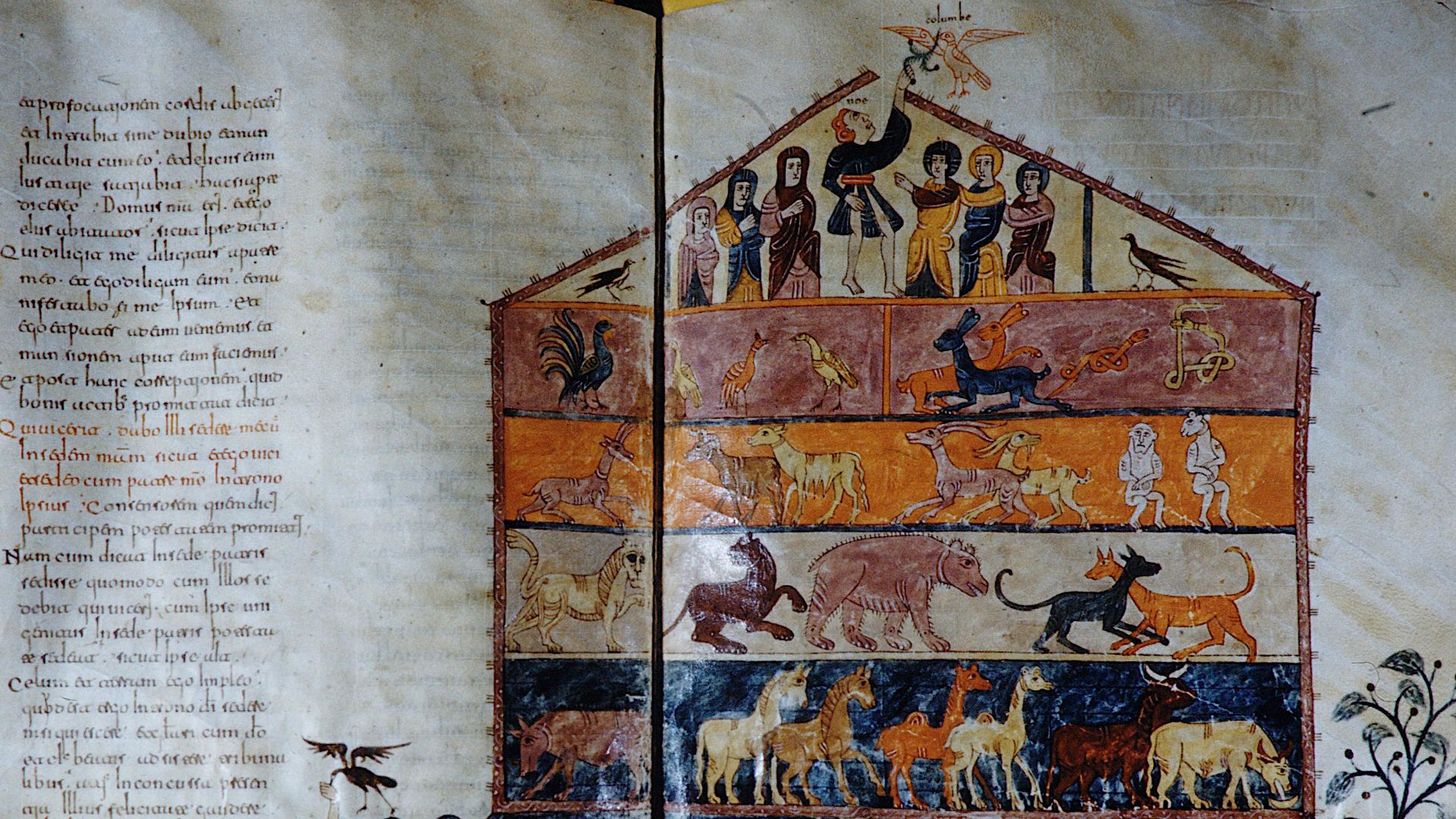 Painted by Emeterius (pupil of Magius) and by the nun Ende, circa 970 A.D., Wikimedia Commons
Mesopotamia Really Did Flood
Ancient southern Mesopotamia was especially vulnerable. The Tigris and Euphrates crossed an extremely flat alluvial plain where shifting channels and overflowing rivers could devastate settlements. Archaeologists have indeed uncovered substantial flood deposits at ancient cities. The intriguing part is that some of those cities later became associated with Mesopotamia's own legendary flood traditions.
 Irek i Kasia, Wikimedia Commons
The Flood At Shuruppak
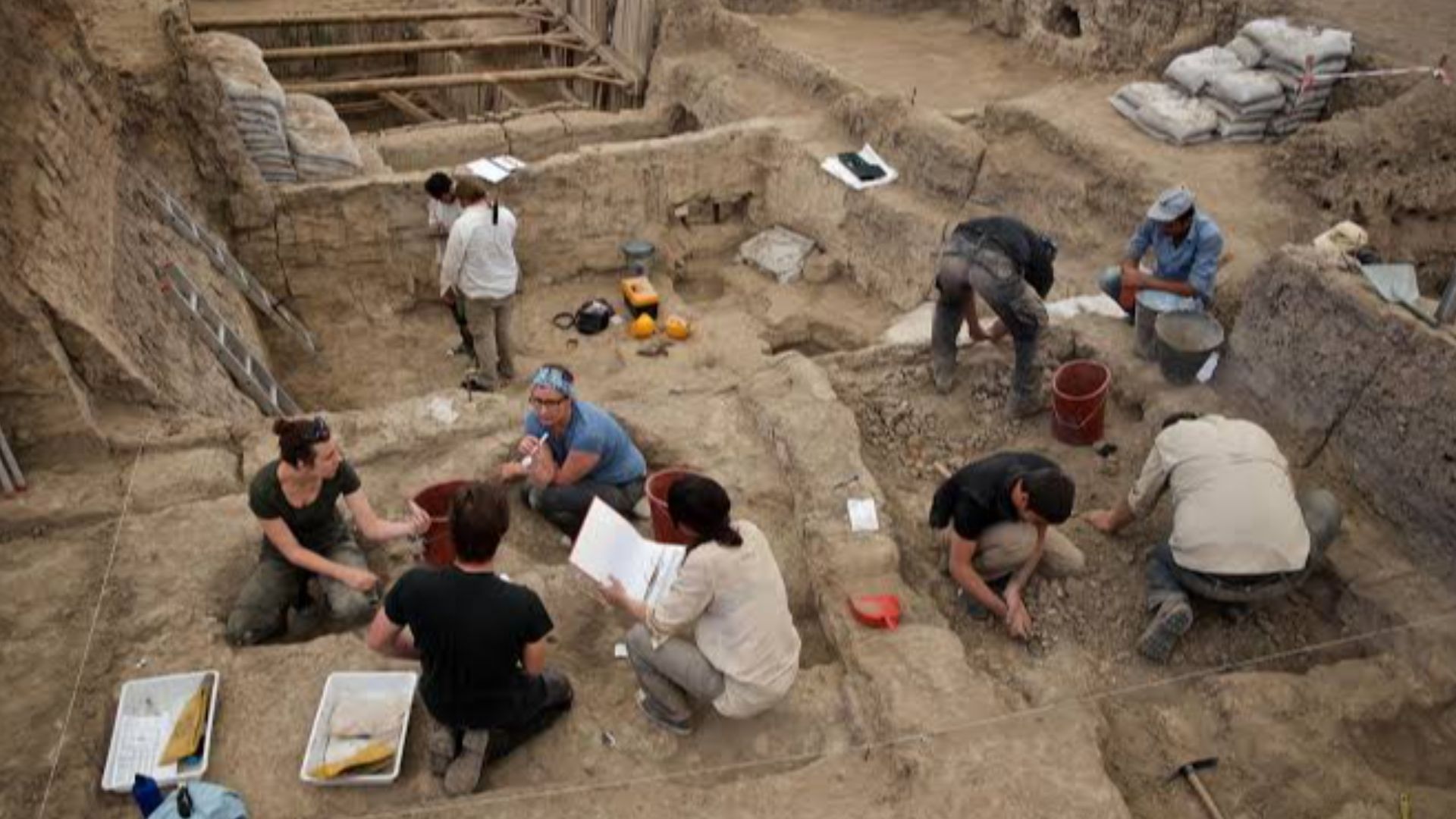
Shuruppak, in modern Iraq, is especially fascinating. Archaeological excavations revealed a substantial flood deposit generally placed around the beginning of the third millennium BC. This wasn't evidence for a worldwide deluge, but it demonstrated that a destructive flood really did strike one of southern Mesopotamia's important cities.
Why Shuruppak Matters
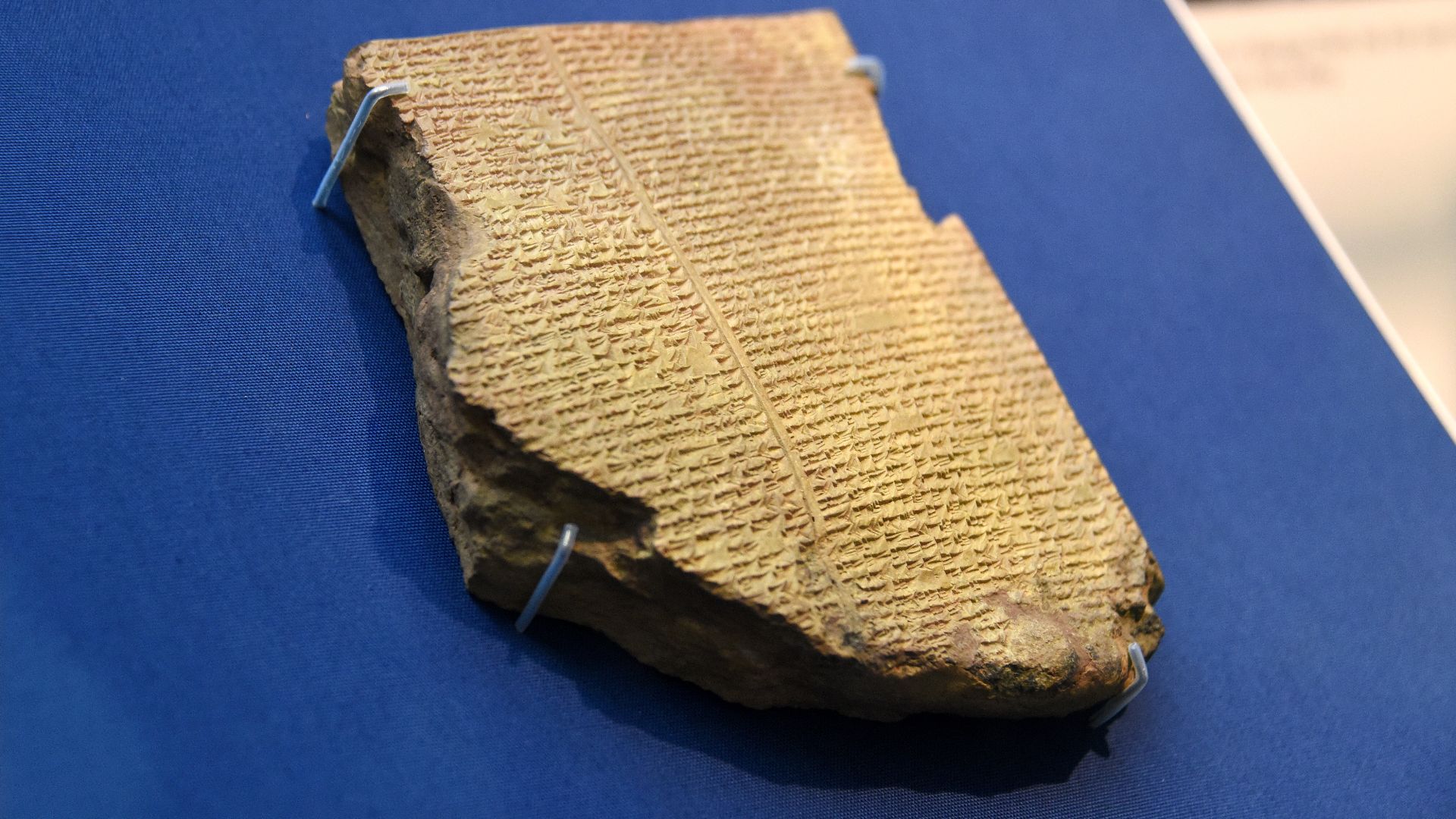
Here's where things get uncanny. In Mesopotamian tradition, Shuruppak was associated with the flood hero Ziusudra, while the Epic of Gilgamesh identifies Shuruppak as the home of Utnapishtim, its Noah-like survivor. Archaeology cannot prove that the legend describes that particular flood, but the geographic overlap is difficult to ignore.
 Osama Shukir Muhammed Amin FRCP(Glasg), Wikimedia Commons
Ur Had Its Flood
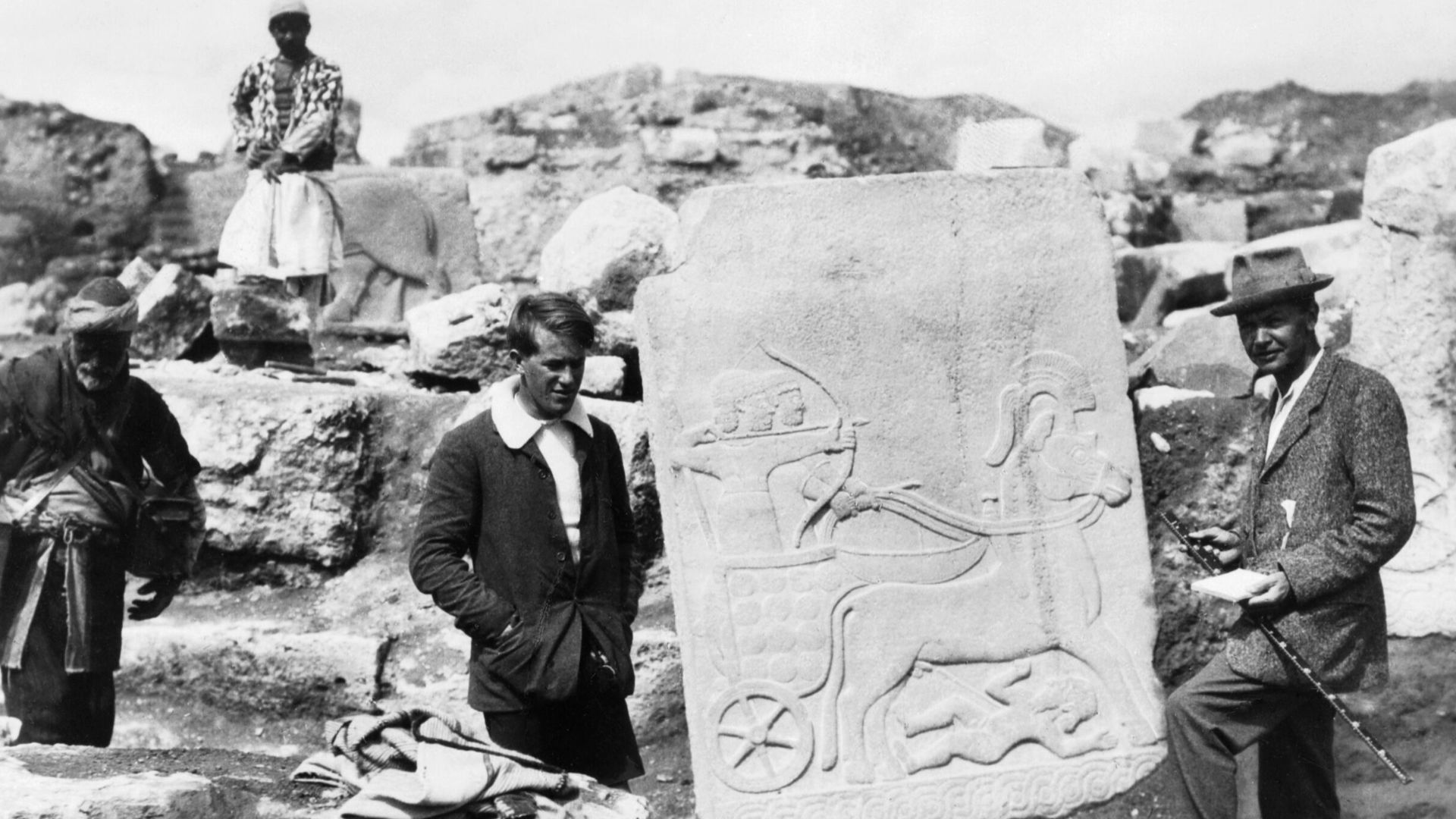
When archaeologist Leonard Woolley excavated Ur in Iraq during the 1920s, his team encountered a thick layer of water-deposited sediment separating periods of occupation. Woolley famously connected it with the biblical Flood. Later archaeology complicated that interpretation because Mesopotamian flood layers weren't all deposited simultaneously, showing that the region experienced multiple major floods rather than one easily identifiable catastrophe.
 Unknown authorUnknown author, Wikimedia Commons
Kish Flooded Too
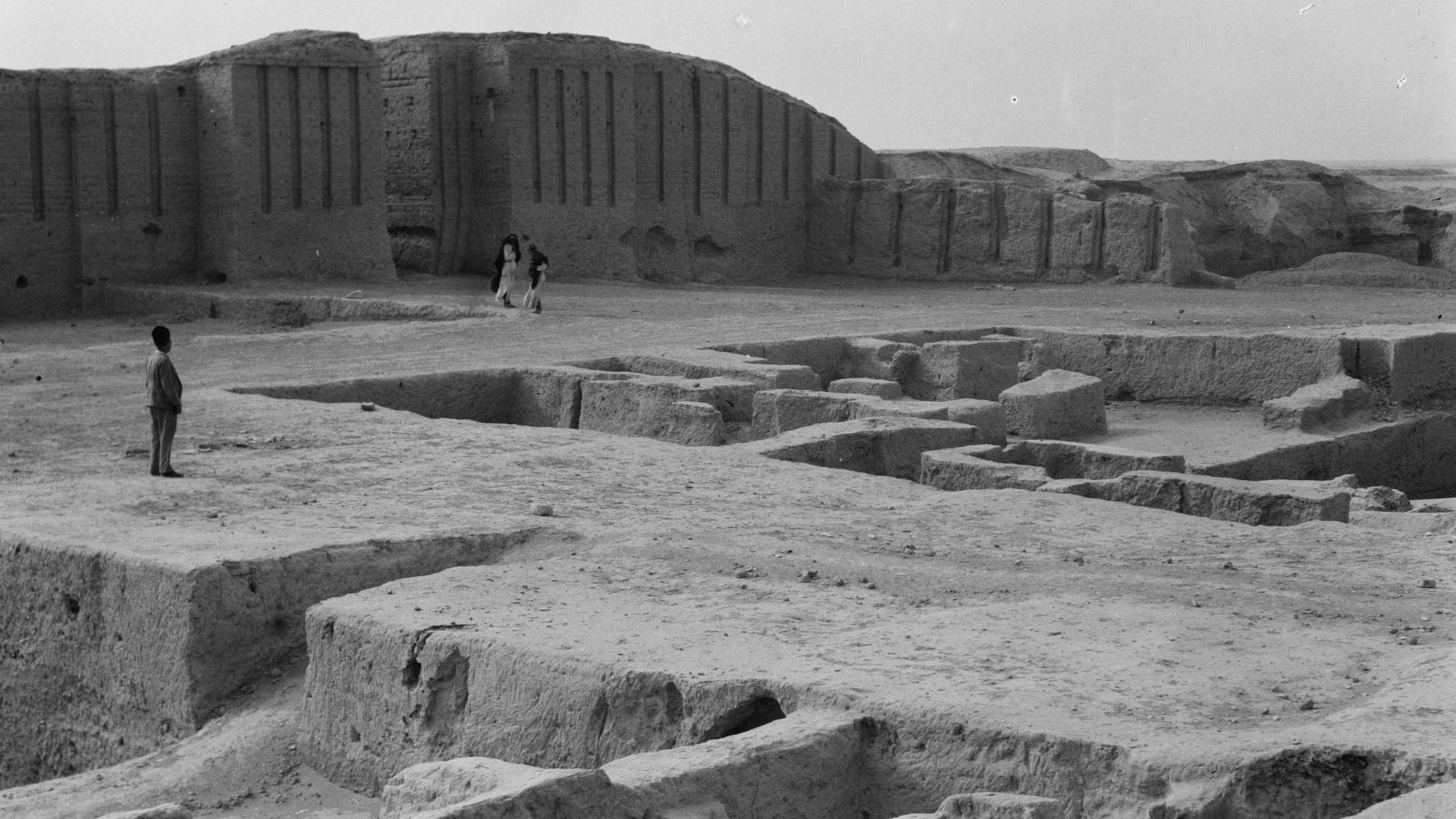
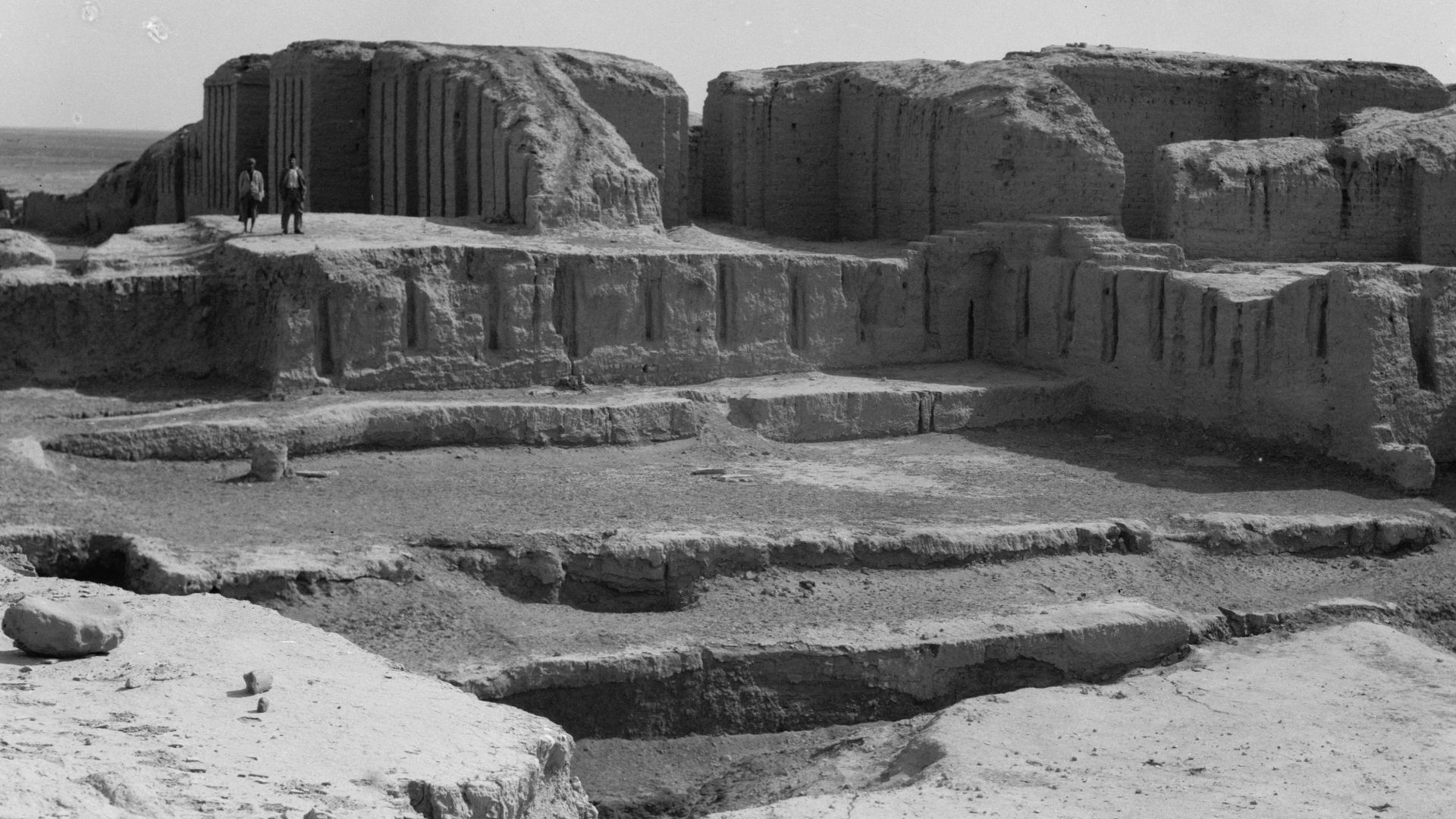
Kish, about 12 kilometers east of the ancient city of Babylon, provided additional evidence for destructive flooding, with excavations identifying multiple flood deposits rather than a single universal horizon. That's significant. Ancient Mesopotamians didn't need to imagine catastrophic floods from nothing. Generations lived in a landscape where settlements really could be overwhelmed, abandoned and rebuilt after disastrous inundations.
 Matson Collection, Wikimedia Commons
Memory Becomes Myth
That provides one plausible pathway to Noah. A particularly destructive Mesopotamian flood, or generations of catastrophic floods combined into one remembered event, could have become progressively larger through oral storytelling. Eventually, a disaster that destroyed someone's entire known world could become a flood that destroyed simply "the world."
 Matson Collection, Wikimedia Commons
The Mesopotamian Connection
This is still one of the strongest historical connections because Genesis shares narrative features with earlier Mesopotamian flood literature. The similarities don't prove which real flood, if any, started the tradition. But unlike geographically distant flood myths, the Mesopotamian stories belong to the same broad cultural world from which the biblical narrative ultimately emerged.
 Osama Shukir Muhammed Amin FRCP(Glasg), Wikimedia Commons
Then There’s The Black Sea
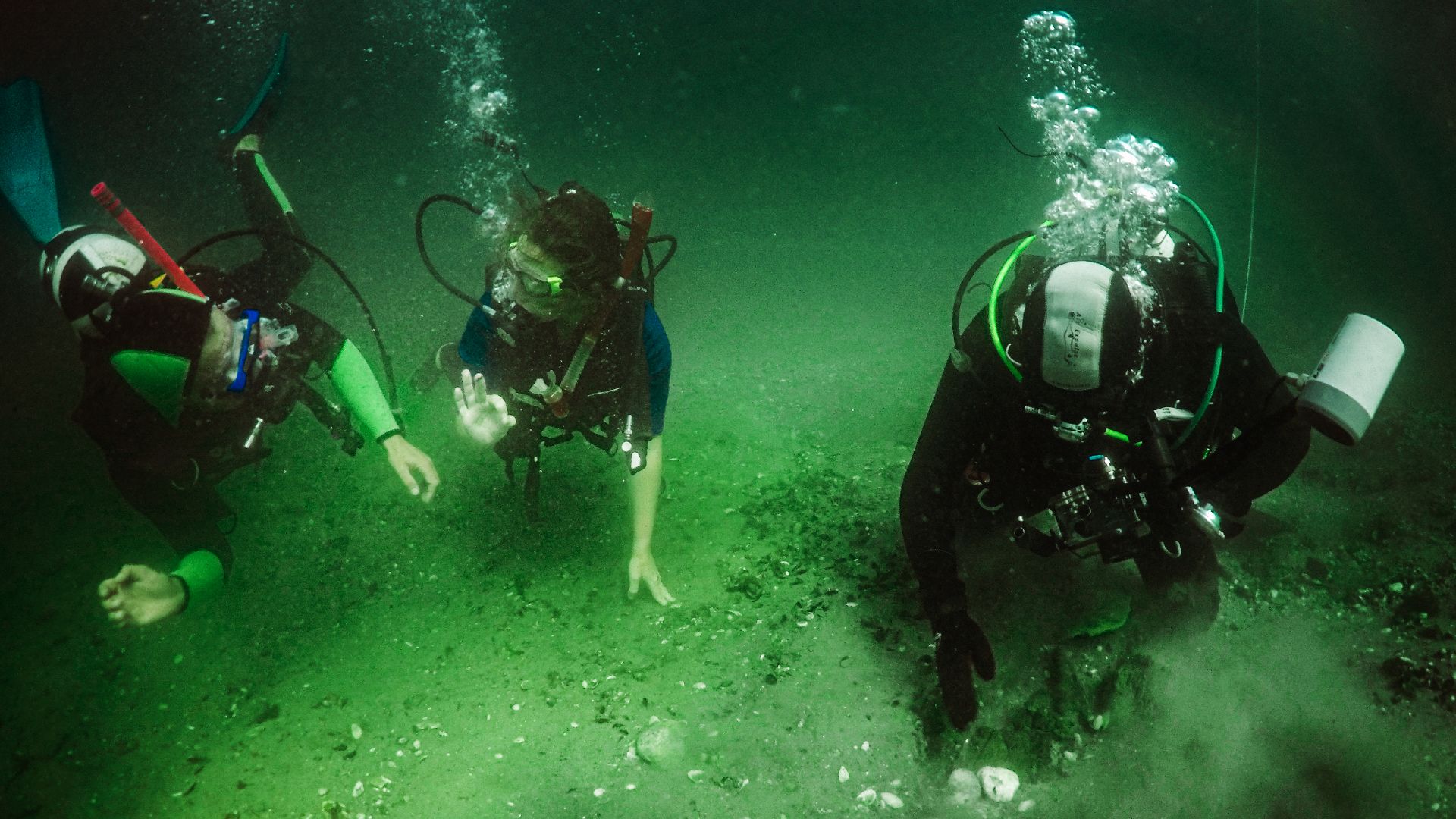
In the 1990s, geologists William Ryan and Walter Pitman proposed a dramatic alternative. After the Ice Age, they argued, rising Mediterranean waters eventually broke through the Bosporus and poured catastrophically into a much lower freshwater Black Sea, rapidly inundating enormous areas that could have been inhabited by early farming communities.
 Oleksandr (Alex) Zakletsky, Wikimedia Commons
A Lost Shoreline
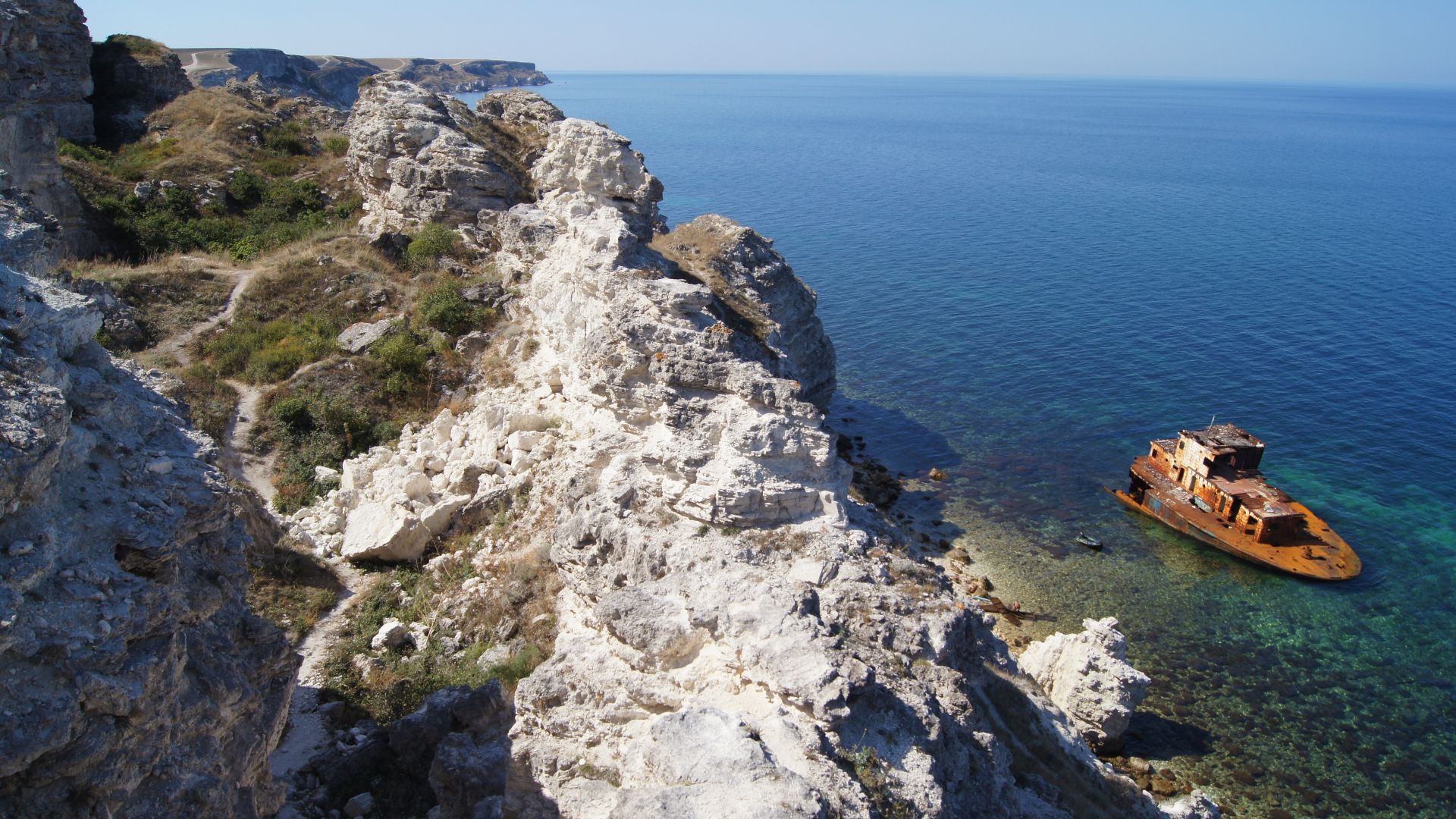
There is no question that sea levels rose dramatically after the last Ice Age and that the Black Sea eventually reconnected with the Mediterranean. Researchers have studied submerged shorelines, marine sediments and changing mollusk assemblages to reconstruct that transition. The controversy concerns something more specific: how suddenly did the water arrive?
 Vyacheslav Argenberg, Wikimedia Commons
The Catastrophic Version
Ryan and Pitman's famous hypothesis envisioned Mediterranean water rushing through the Bosporus and rapidly raising the Black Sea, drowning former coastal lands. Such an event could have displaced communities throughout the region. They explicitly explored whether memories of this catastrophe might ultimately lie behind the Mesopotamian and biblical Flood traditions.
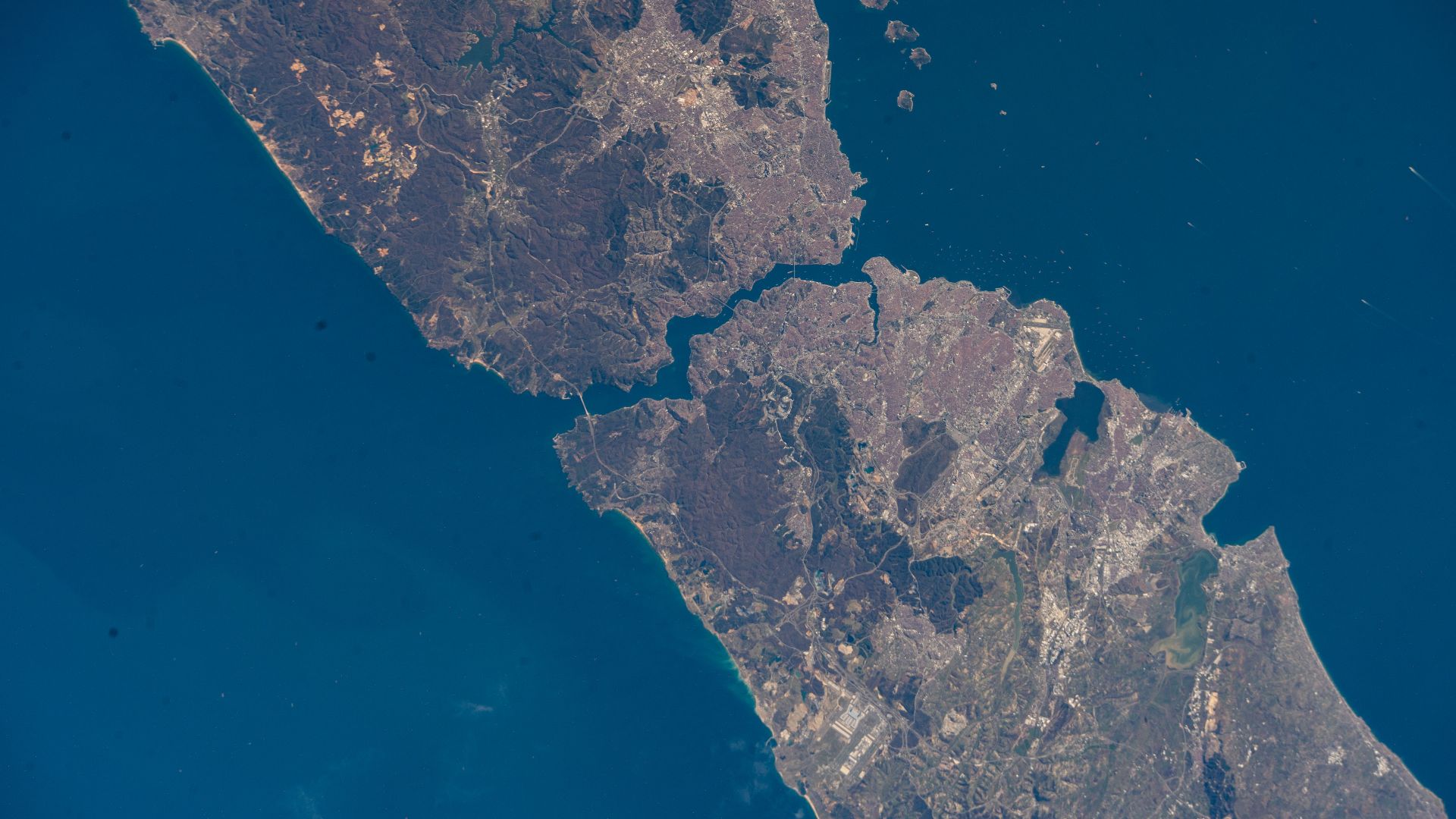 NASA Johnson Space Center, Wikimedia Commons
Trouble With The Theory
Later research has challenged the spectacular version. A major 2022 review concluded that evidence instead supports Black Sea water flowing outward toward the Mediterranean before the marine reconnection, contradicting the idea of a drastically lowered basin suddenly overwhelmed by Mediterranean water. Earlier geological reviews likewise found no evidence for the proposed catastrophic Early Holocene rise of the Black Sea level.
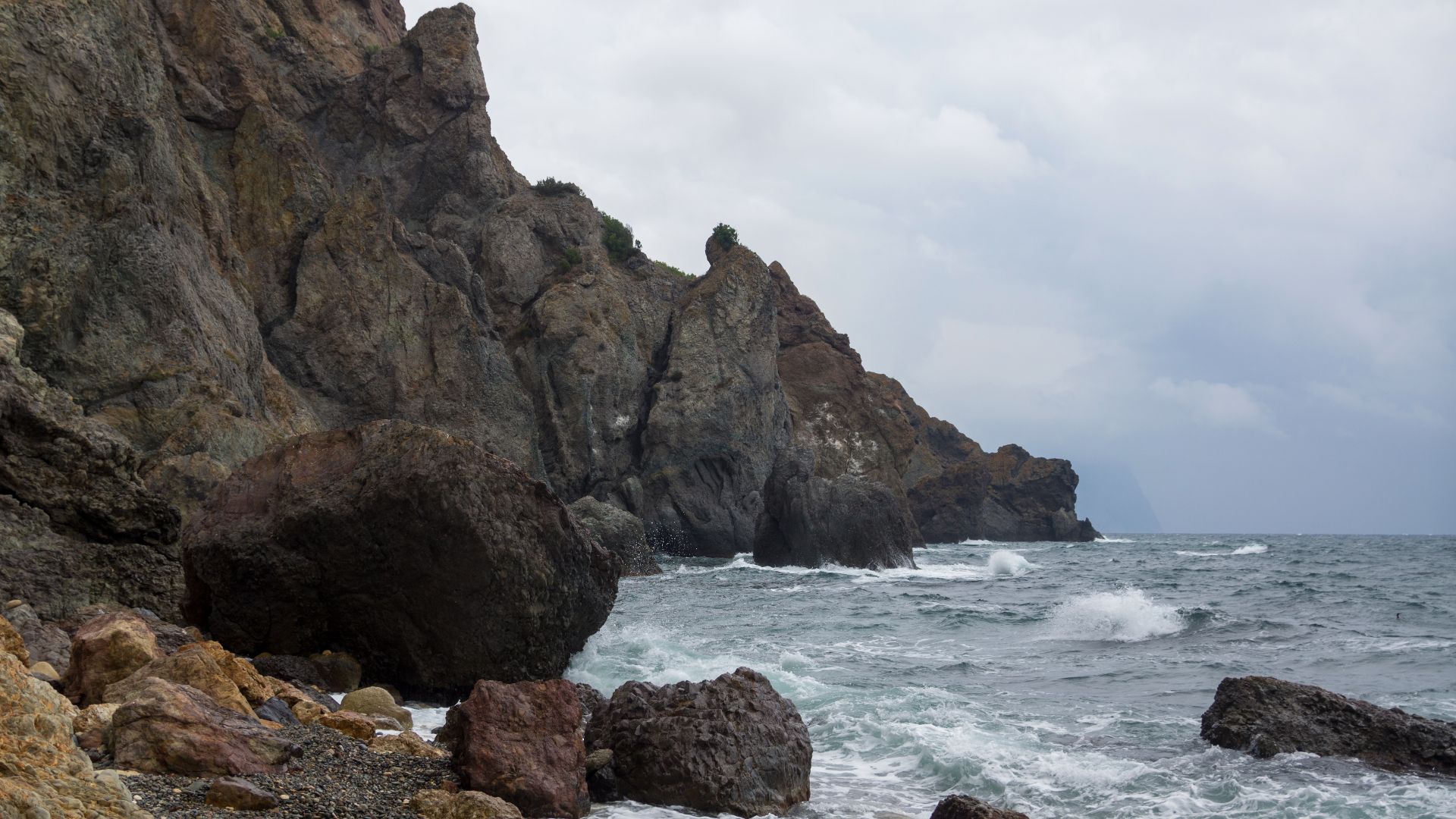 Vyacheslav Argenberg, Wikimedia Commons
Something Still Happened
That doesn't mean the Black Sea story is fictional. The basin experienced enormous environmental changes as post-Ice-Age water levels shifted and marine conditions returned. Coastlines moved and previously dry territory disappeared. What's disputed is whether people witnessed one terrifying catastrophe dramatic enough to become the ancestral memory of Noah's Flood.
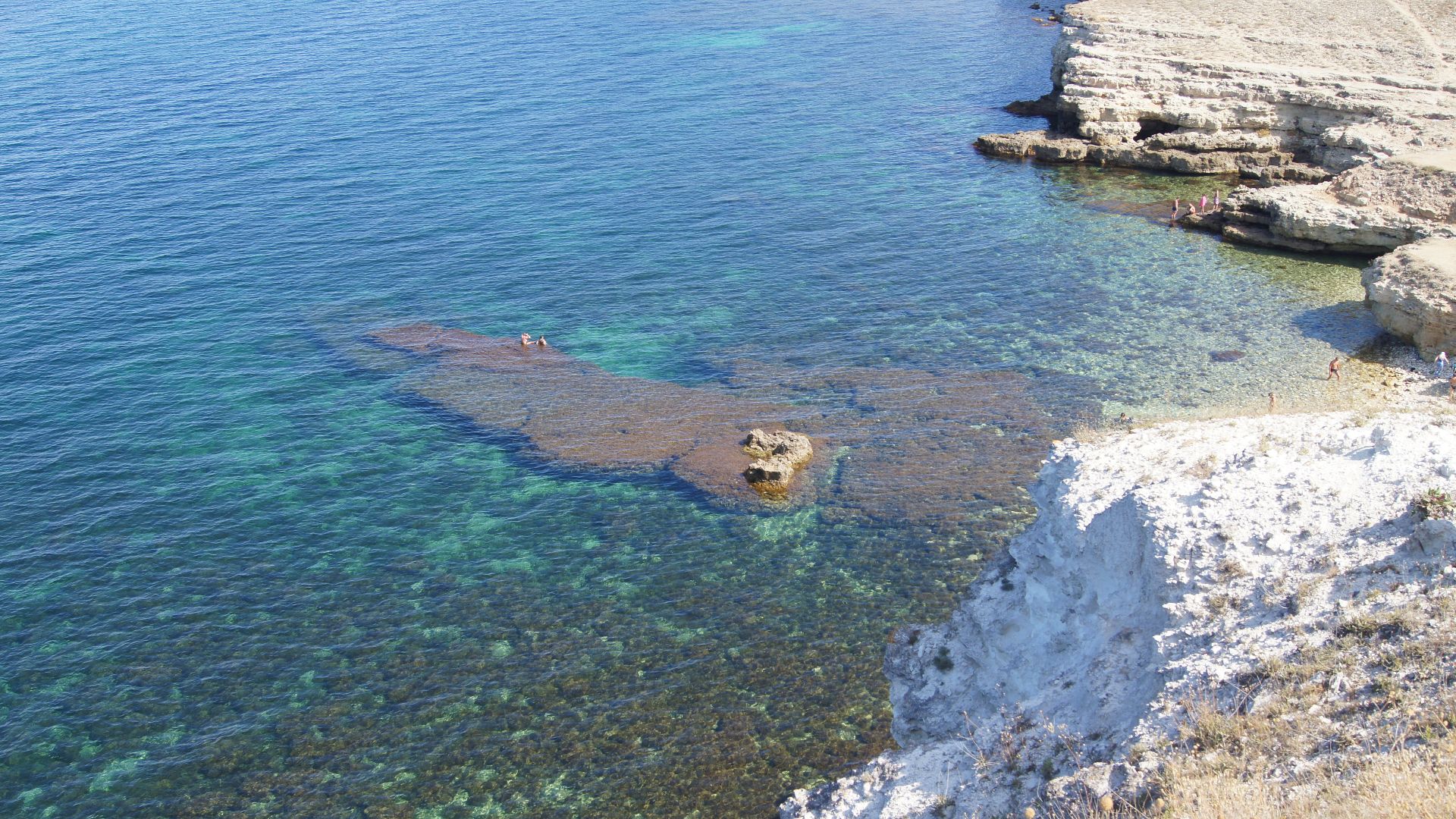 Vyacheslav Argenberg, Wikimedia Commons
The Persian Gulf Flooded
Another intriguing candidate lies farther south. During the last Ice Age, global sea level was dramatically lower, exposing large portions of what is now the Persian Gulf. As glaciers melted, the Indian Ocean progressively inundated this low-lying landscape, eventually producing the gulf familiar today.
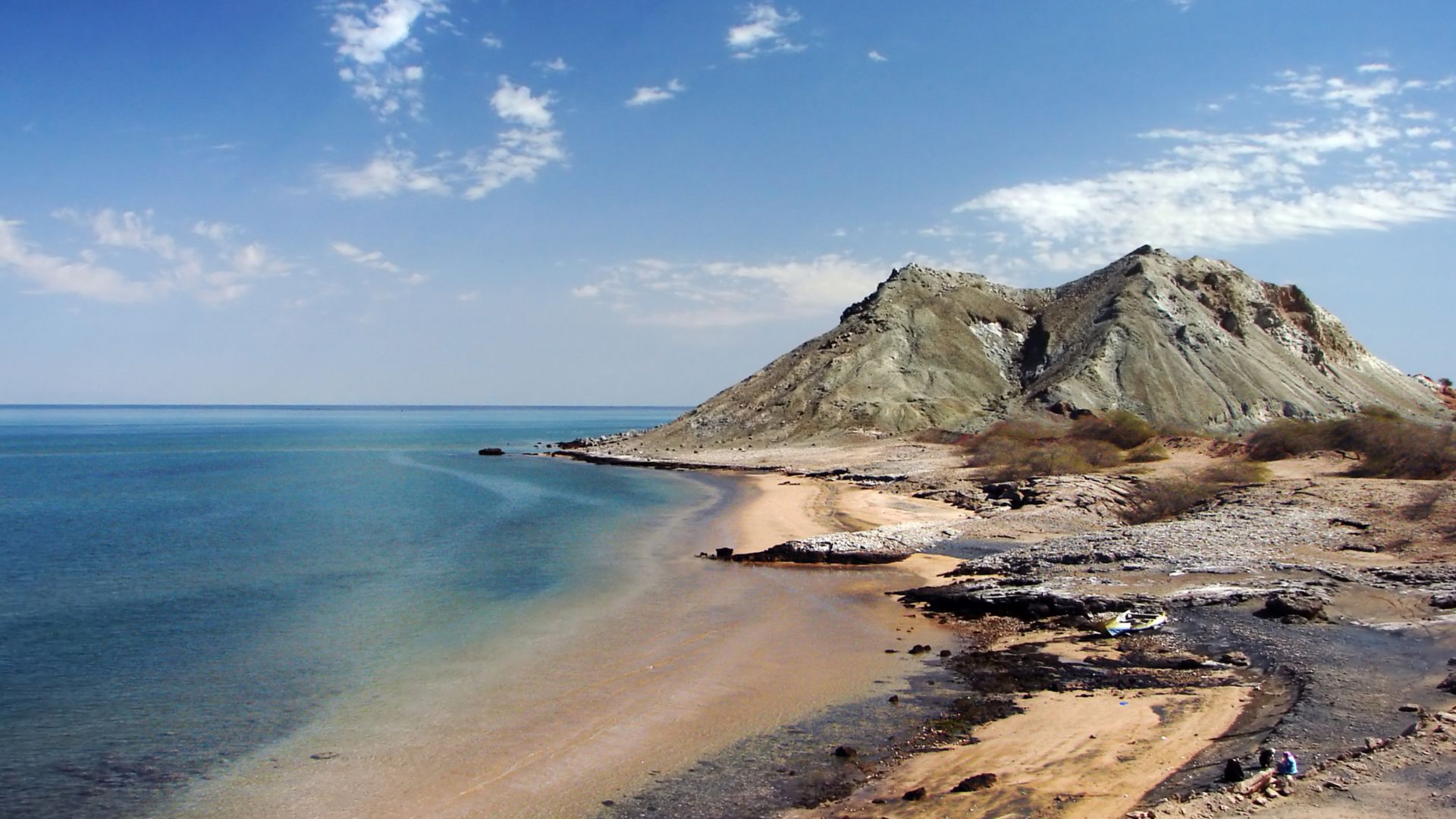 Hamed Saber, Wikimedia Commons
A Drowned Homeland
That transformation potentially matters because the Persian Gulf sits immediately beside Mesopotamia. Archaeologists and paleogeographers have consequently debated whether the now-submerged landscape once supported human communities. Unlike a dam bursting overnight, however, postglacial sea-level rise largely unfolded over generations, making it a poor match for Genesis if we're looking for one sudden catastrophe.
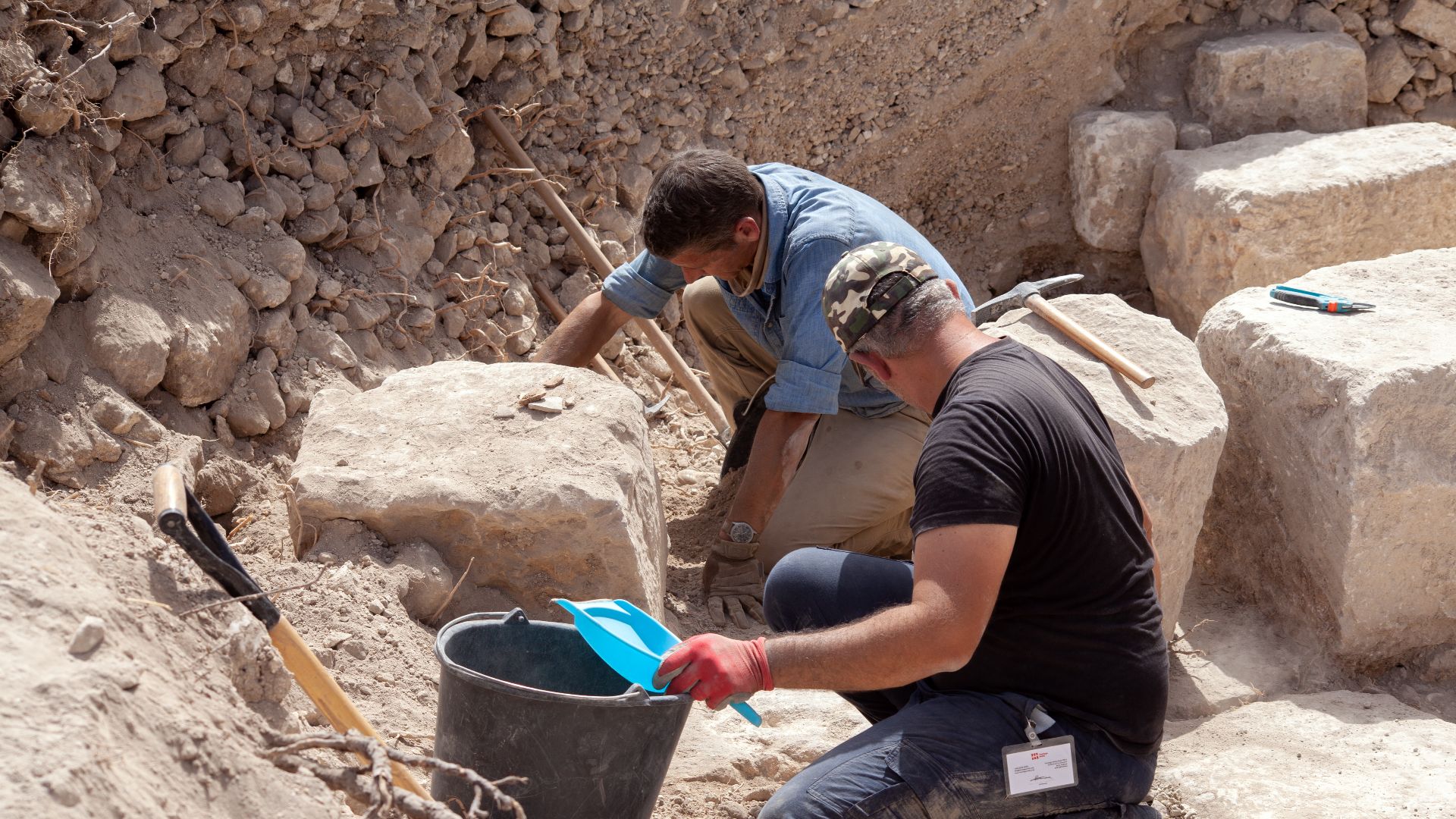 Godwin Borg, Wikimedia Commons
Floods Could Combine
But ancient stories don't necessarily preserve events like newspapers. Memories of rising seas, catastrophic river floods and destructive storms could have blended over centuries. Mesopotamia offered all three ingredients: vulnerable river settlements, a coastline transformed by postglacial sea-level rise and repeated experiences of water abruptly destroying inhabited landscapes.
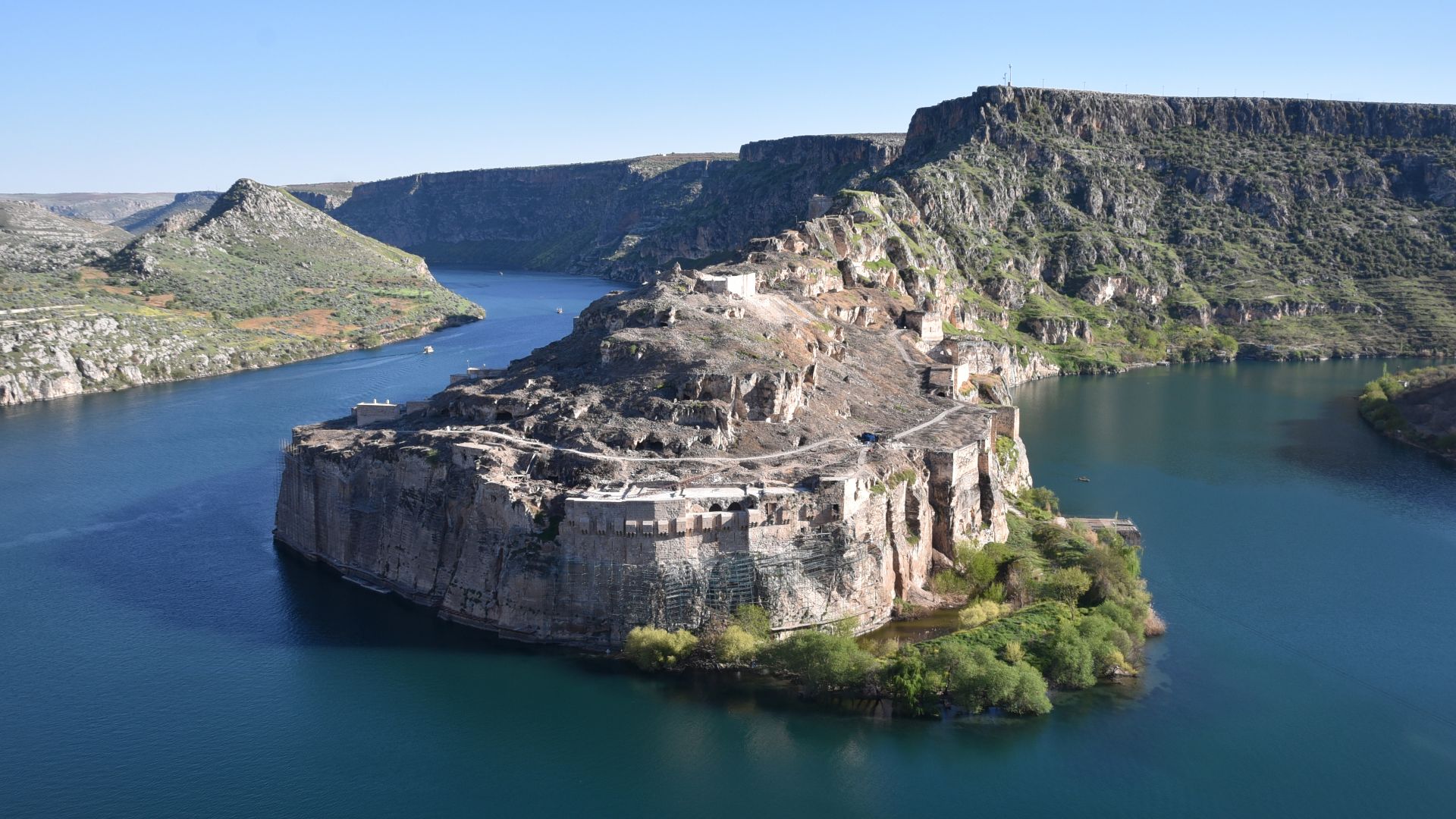 Carole Raddato from Frankfurt, Germany, Wikimedia Commons
A Chinese Great Flood
Ancient China developed its own famous Great Flood tradition involving Yu the Great, who ultimately controls the waters. In 2016, researchers reported geological evidence for a gigantic outburst flood on the Yellow River around 1920 BC, potentially caused when an earthquake-triggered landslide dam failed at Jishi Gorge.
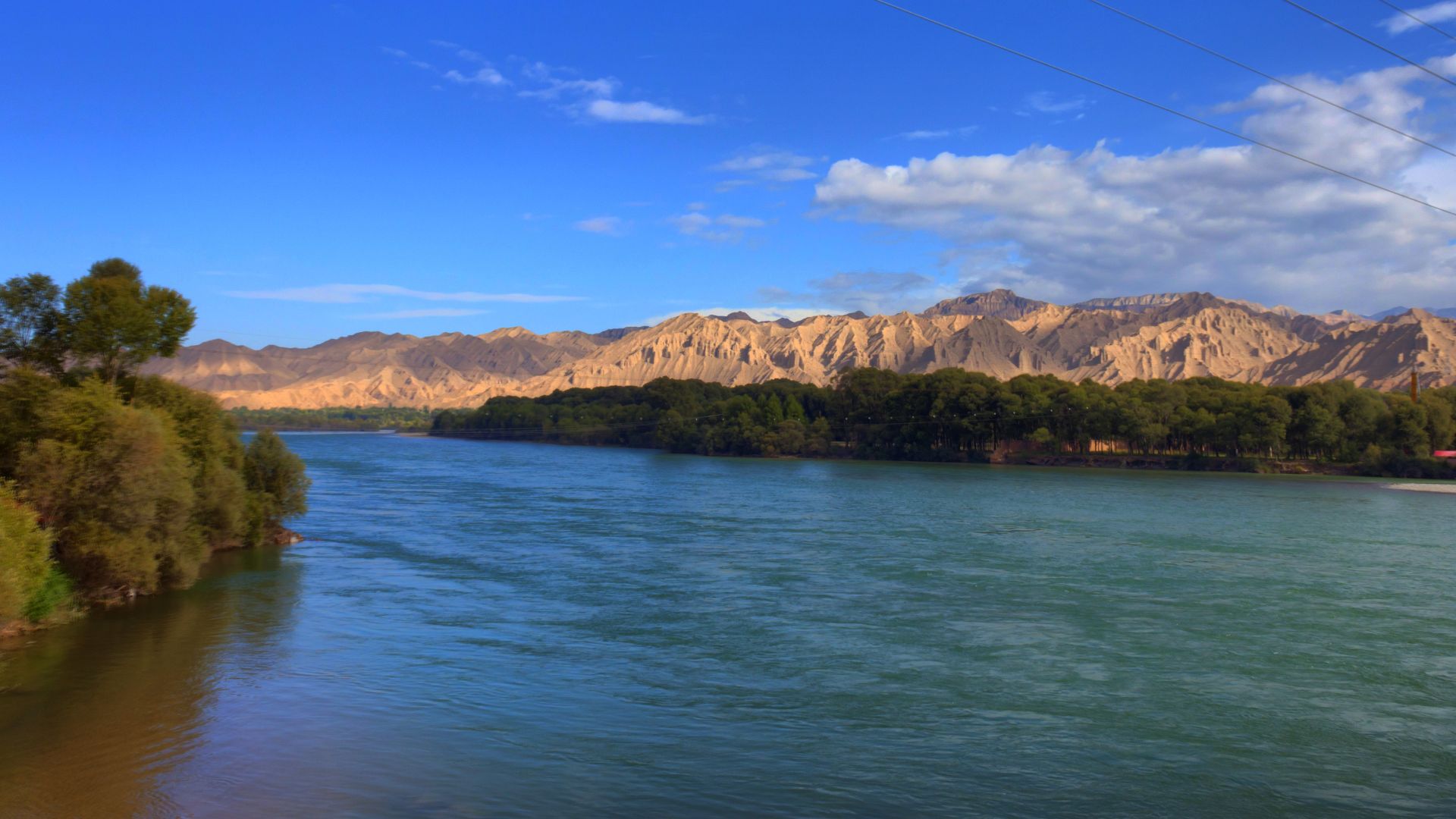
Evidence At Jishi Gorge
Researchers reconstructed an extraordinary sequence: an earthquake caused a landslide that dammed the Yellow River; a lake accumulated behind it; and the eventual breach unleashed an enormous torrent downstream. Archaeological remains at nearby Lajia also preserve evidence of a catastrophic earthquake around this general period. The proposed flood was very real, although its exact chronology and interpretation remain debated.
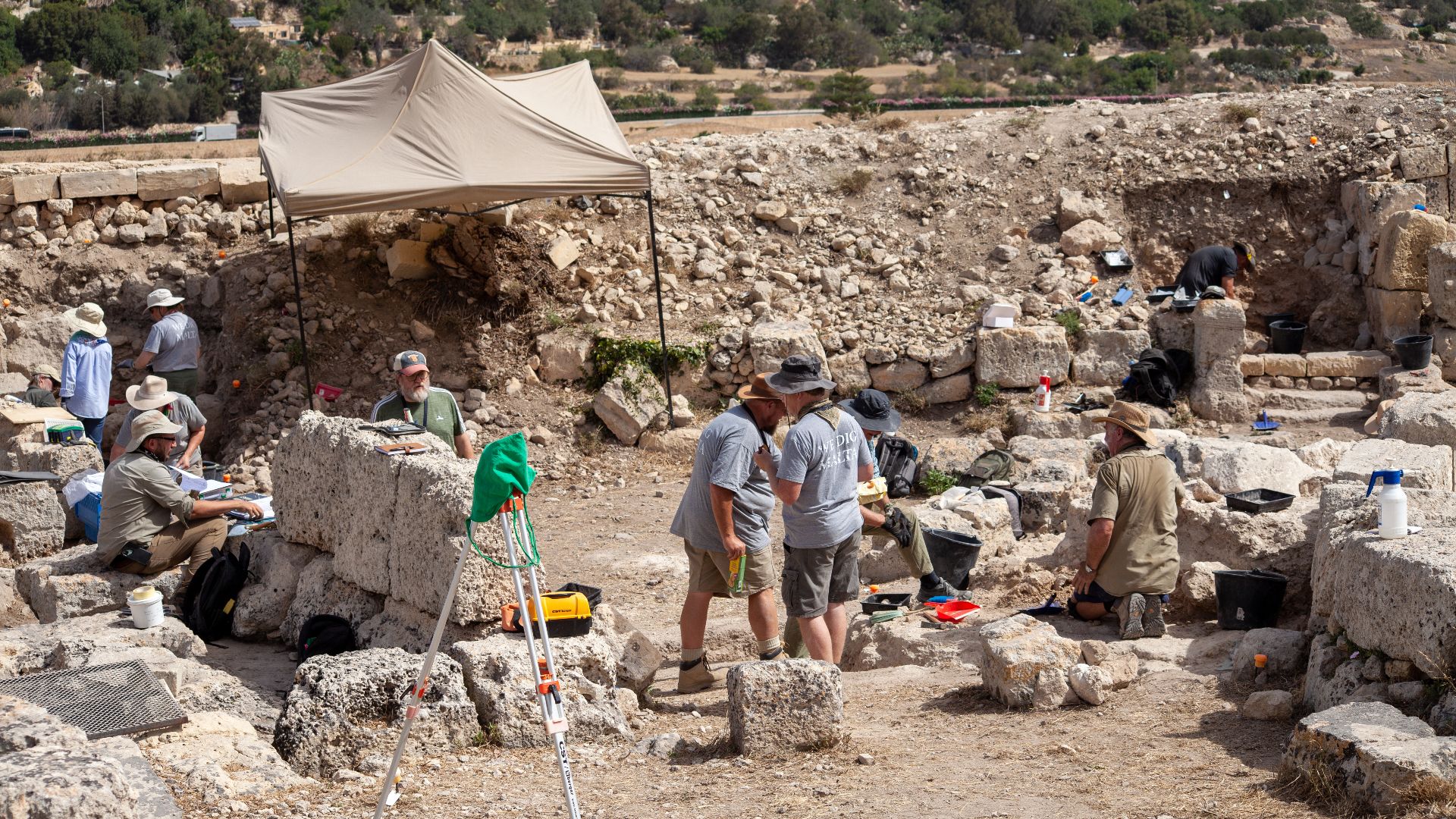 Godwin Borg, Wikimedia Commons
Was This China’s Flood?
The researchers proposed that this disaster could help explain China's Great Flood tradition. Other scholars strongly dispute the identification, noting differences between the geological event and what early Chinese texts actually describe. Either way, it demonstrates something important: a civilization with an ancient flood legend occupied a landscape where genuinely extraordinary flooding occurred.
Doggerland Disappeared
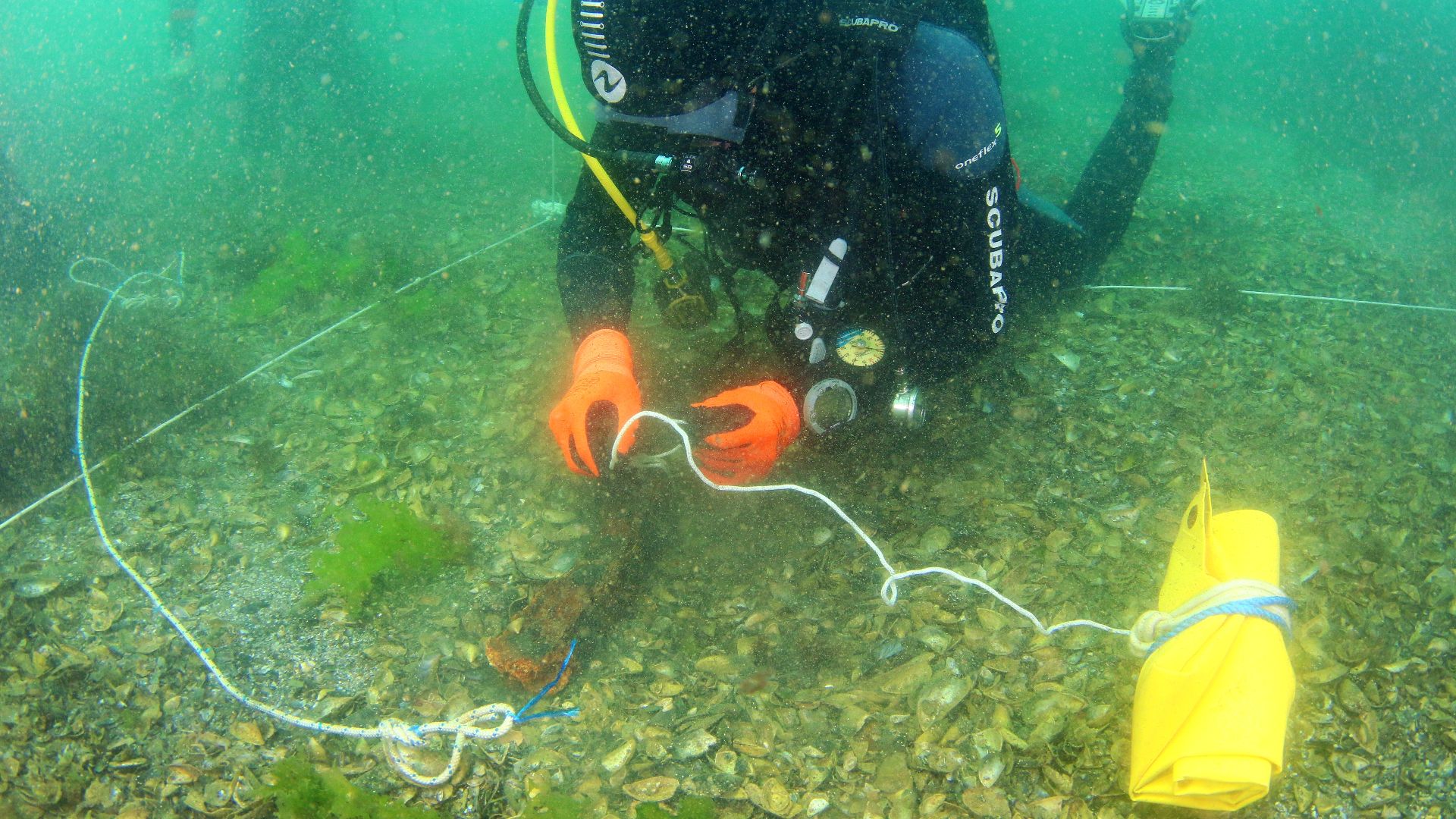
Britain wasn't always an island. During the Ice Age, a broad inhabited landscape now called Doggerland connected Britain with continental Europe. Rising postglacial seas gradually submerged it. Then, around 6200 BC, the enormous Storegga submarine landslide off Norway generated a tsunami that struck parts of the North Sea coastline.
 IlyaHaykinson, Wikimedia Commons
A Real Wall Of Water
Sedimentary deposits left by the Storegga tsunami have been identified around the North Atlantic and North Sea region. For people living along vulnerable coasts, an enormous wave surging inland would have been almost unimaginably terrifying and destructive. Unlike ordinary sea-level rise, this was precisely the sort of sudden catastrophe capable of generating powerful oral memories.
But Not Noah’s Flood
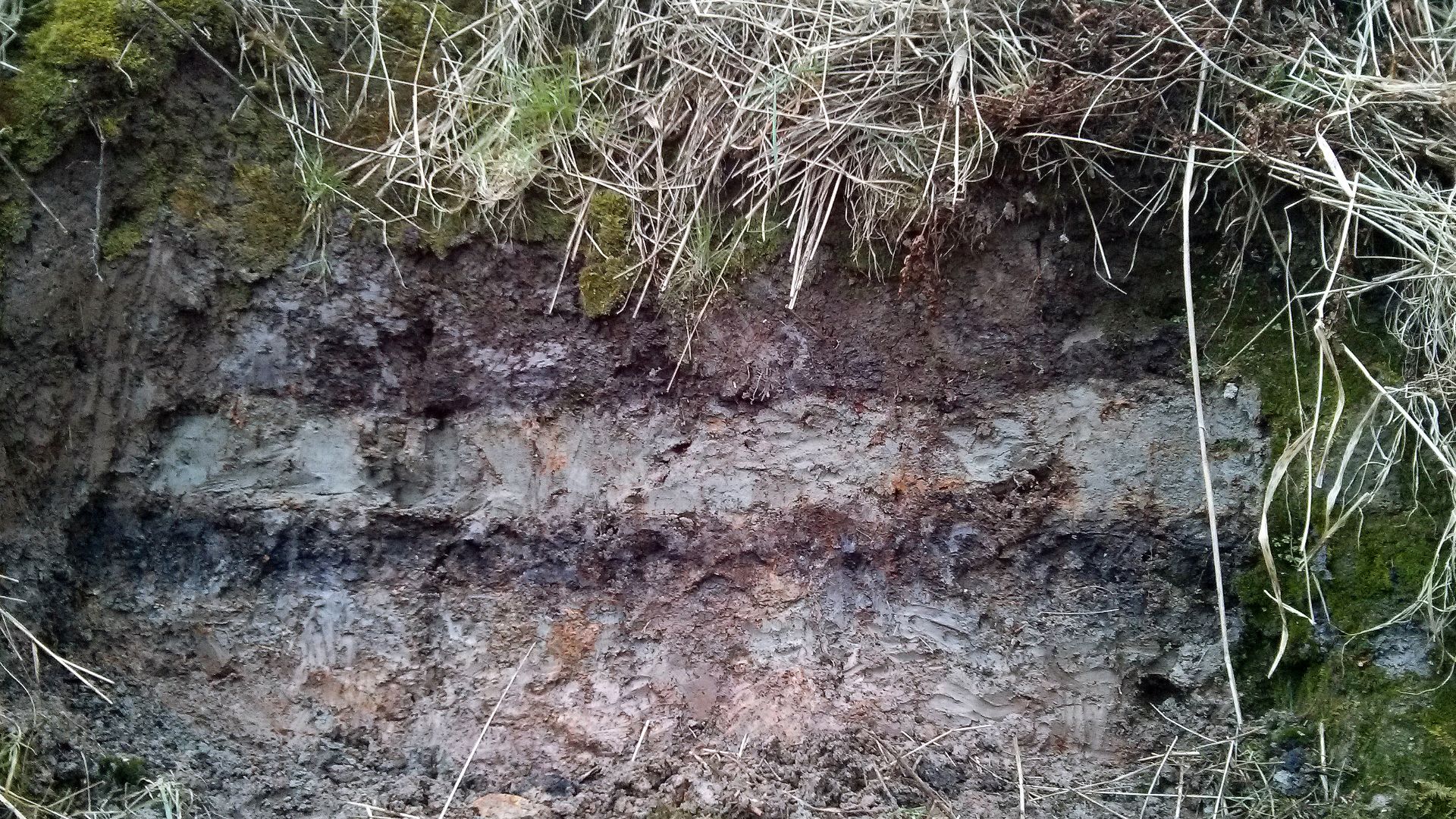
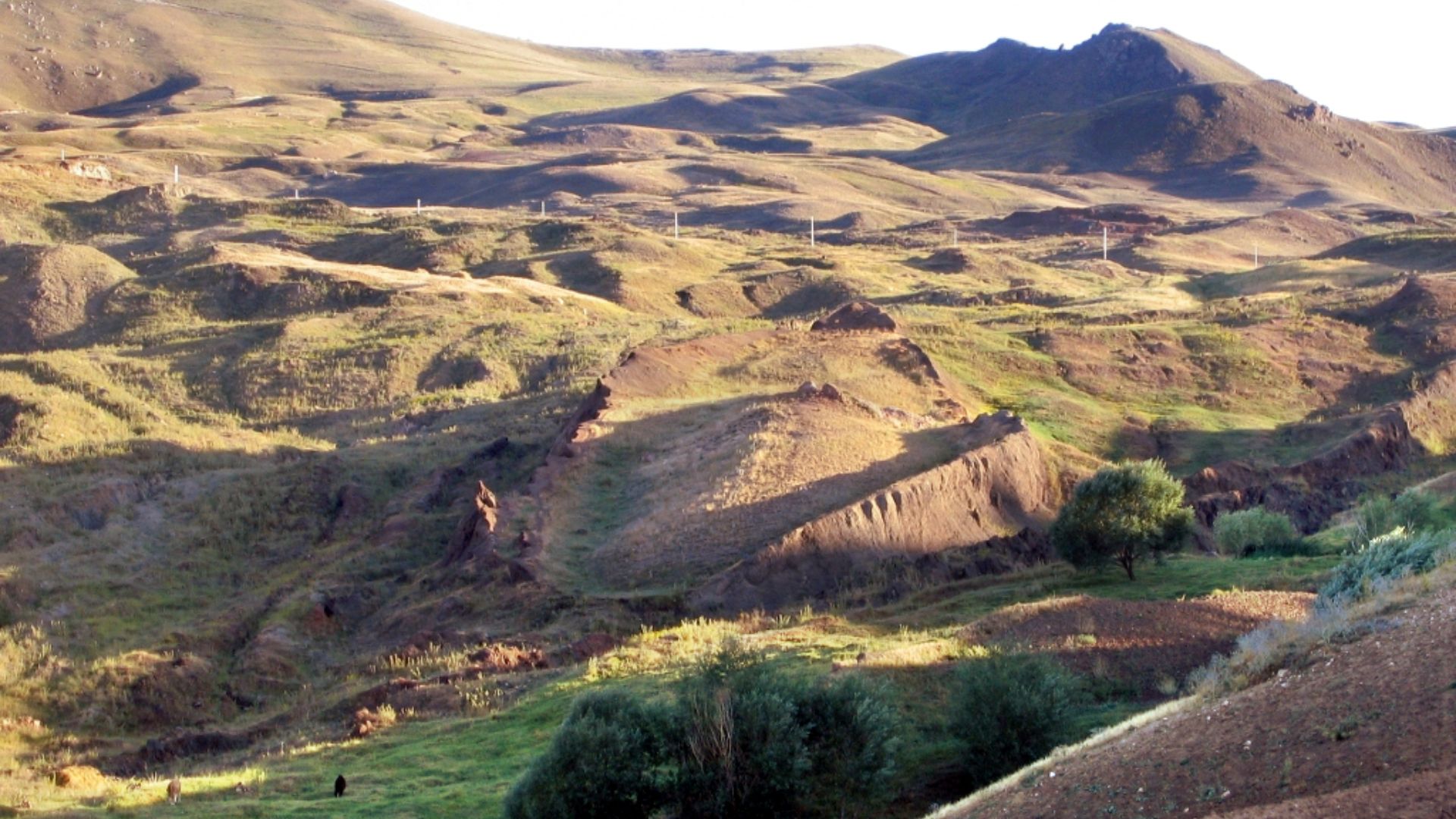
Chronology and geography make Storegga an unlikely direct source for Noah. It happened thousands of years before the earliest surviving Mesopotamian flood texts and far from Mesopotamia. Its importance is comparative: ancient humans genuinely experienced enormous floods that could transform coastlines and destroy everything visible to survivors.
 Mfikretyilmaz, Wikimedia Commons
America Had Megafloods
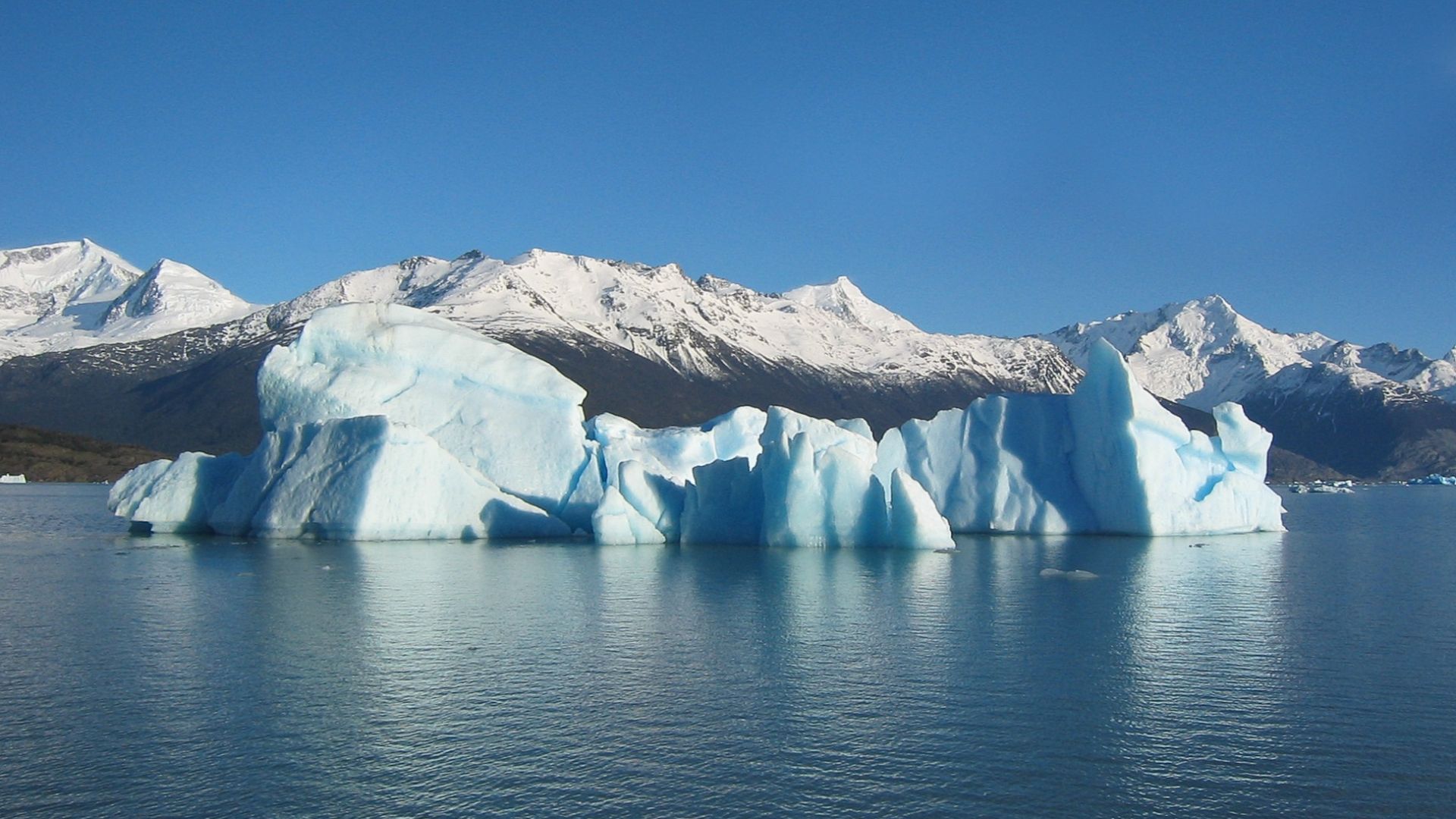
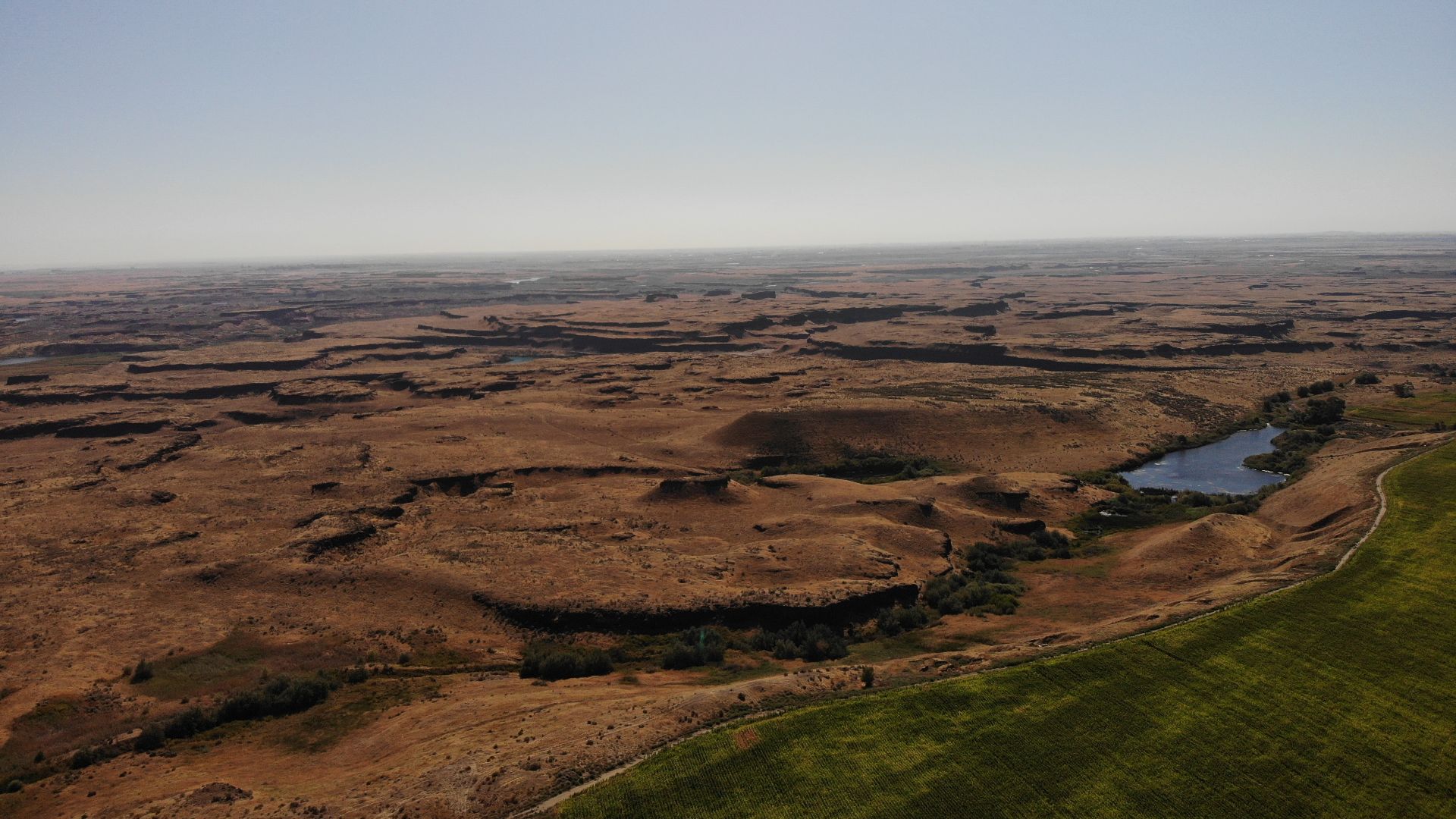
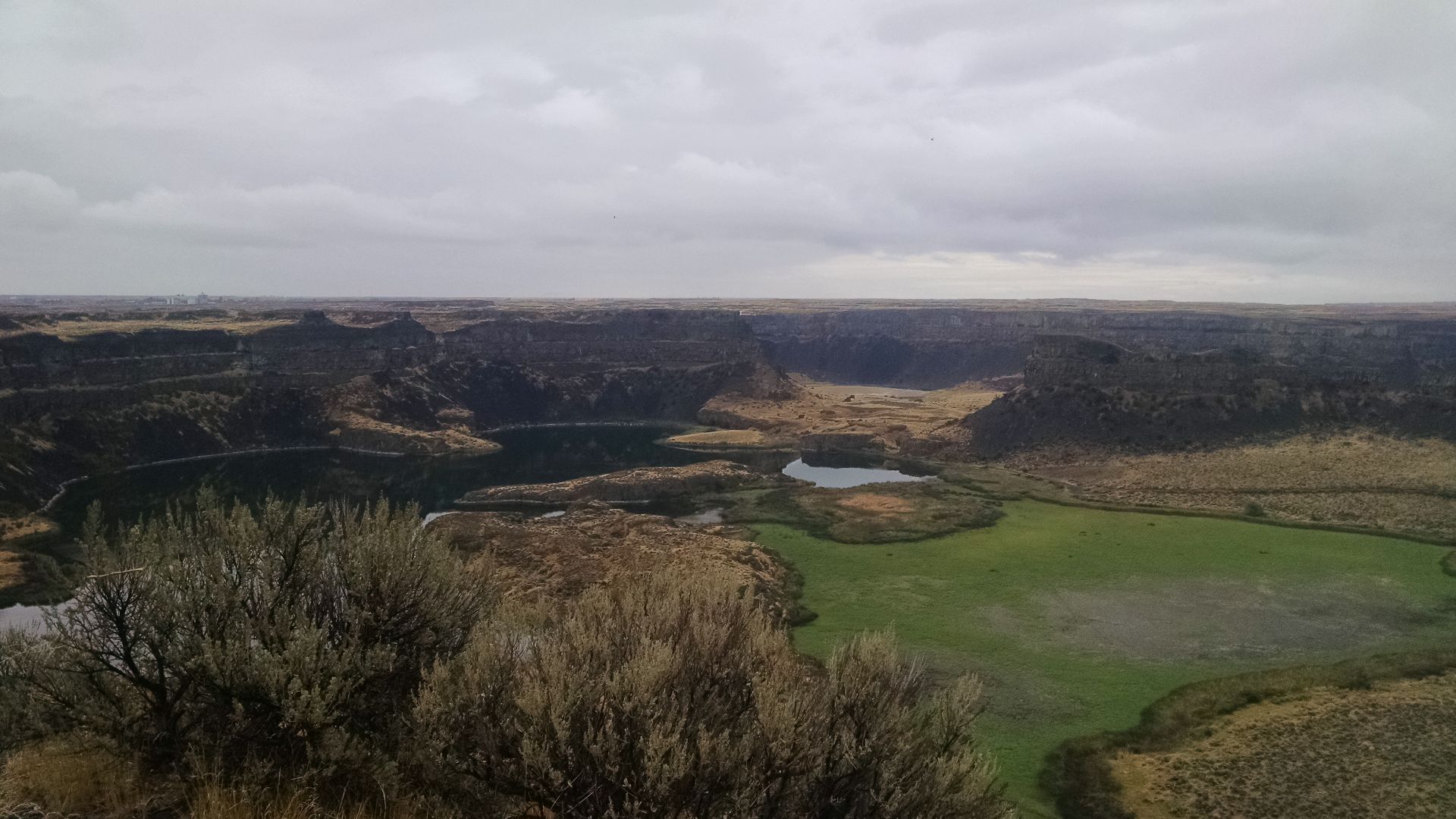
Some ancient floods make Noah sound almost restrained. During the last Ice Age, an enormous ice dam repeatedly trapped glacial Lake Missoula in what is now Montana. When the dam failed, colossal torrents swept across Idaho, Washington and Oregon, carving the Channeled Scablands and carrying enormous rocks hundreds of miles.
People May Have Seen Them
For decades, geologists debated these floods because their scale seemed almost unbelievable. Today they're firmly established. USGS research indicates dozens, probably more than 100, Missoula floods occurred roughly 20,000 to 14,000 years ago, and people were present in the region in time potentially to witness the final events.
 SarahAnthro, Wikimedia Commons
The Biggest Flood Of All
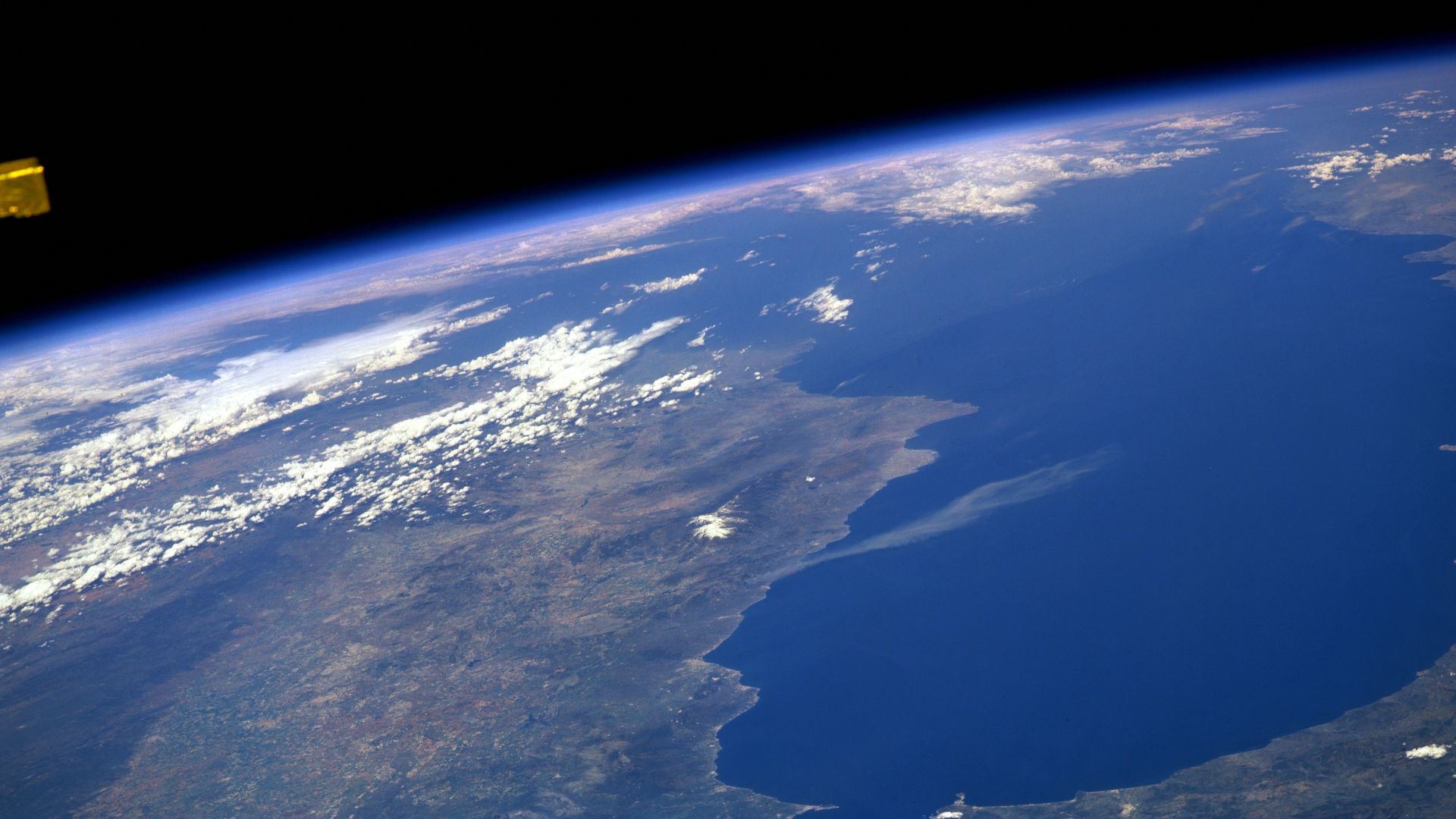
The Mediterranean itself may have experienced a flood dwarfing almost everything else. About 5.33 million years ago, Atlantic water apparently poured through the Gibraltar region as Mediterranean conditions were restored after the Messinian Salinity Crisis. Geological evidence includes an enormous buried erosional channel and vast flood-related deposits.
Far Too Old For Noah
Recent research has strengthened the case for a catastrophic Zanclean megaflood, identifying streamlined erosional ridges, breccia deposits and a huge channel near Sicily consistent with enormous eastward-flowing water. But humans didn't exist 5.33 million years ago. Whatever happened, nobody remembered it and passed the story to Noah.
 Edward Hicks, Wikimedia Commons
So Was Noah Real?
Geology doesn't identify a single event as "Noah's Flood," and evidence contradicts a recent worldwide inundation. The strongest historical possibility is subtler: flood-prone Mesopotamia repeatedly experienced disasters severe enough to inspire stories, which developed into the older Mesopotamian flood tradition that Genesis later shared. The Black Sea offers an intriguing alternative, but its catastrophic version remains scientifically disputed.
 Irek i Kasia, Wikimedia Commons
It Was Bound To Happen At Some Point
The coincidence, then, isn't really that Earth once experienced floods. Earth has experienced astonishingly enormous floods. What's remarkable is that the biblical story emerged from a region where archaeology confirms that devastating floods were an unavoidable part of human life, and where strikingly Noah-like flood stories were already being told long before Genesis took its surviving form.
 Alan Hughes, CC BY-SA 2.0, Wikimedia Commons
You May Also Like: