A Story We All Know
Even people who haven't opened a Bible in years probably know the basics. A catastrophic flood. One man warned beforehand. A gigantic vessel. Animals brought aboard. Eventually, dry land returns. It is one of the most recognizable stories ever told. But then archaeologists started digging up something strange.

The Clues Were Buried In An Ancient City
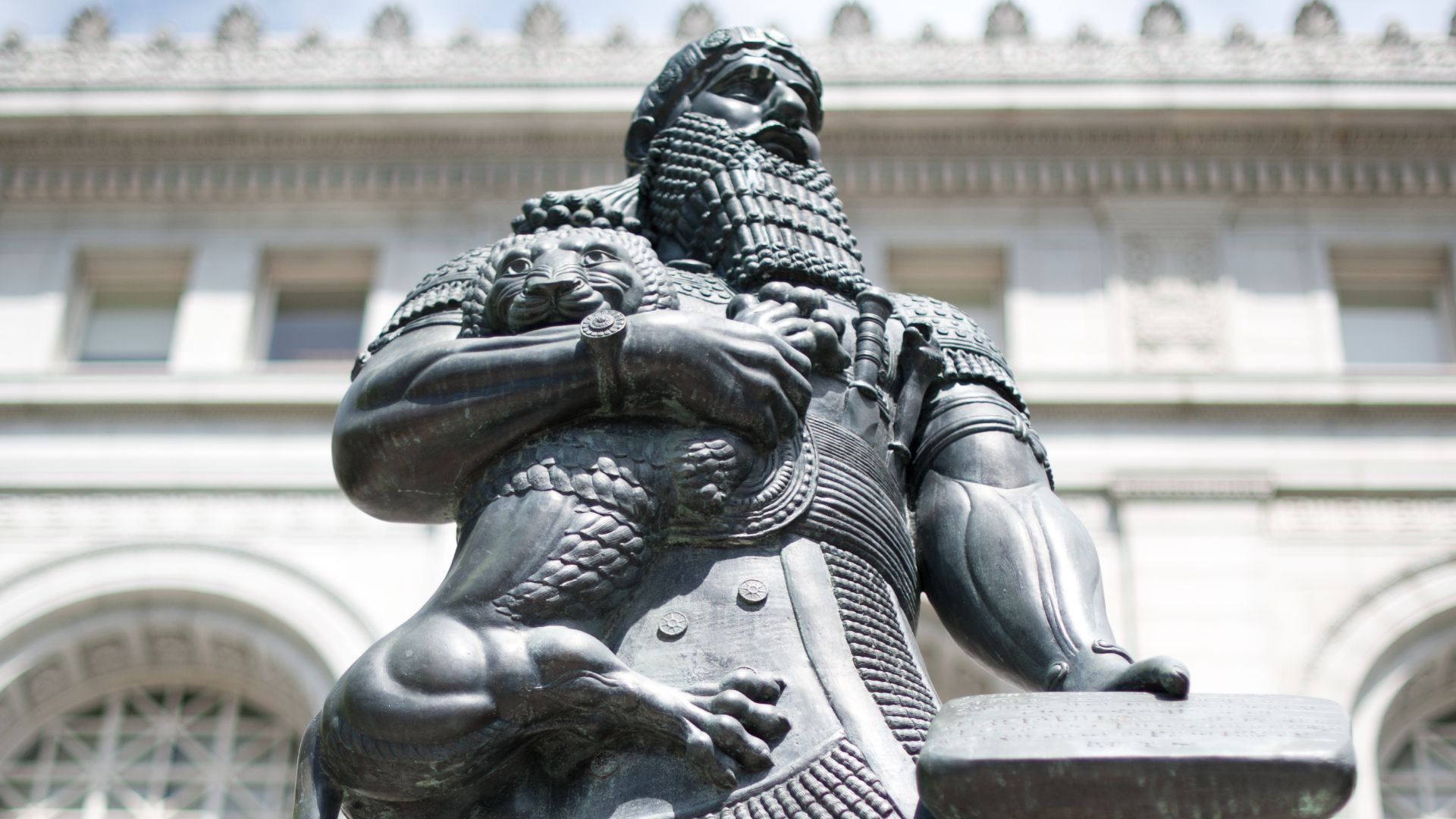
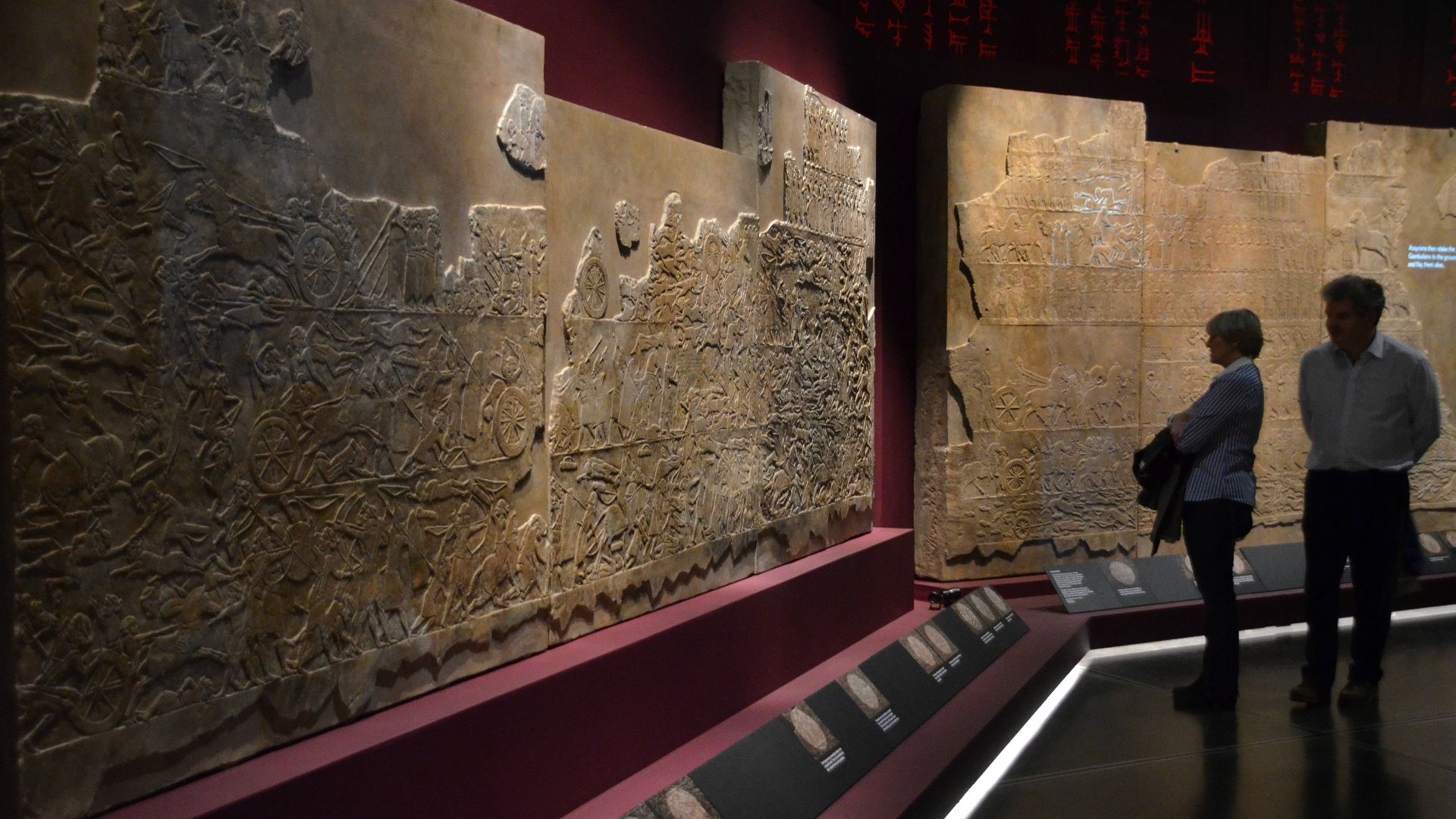
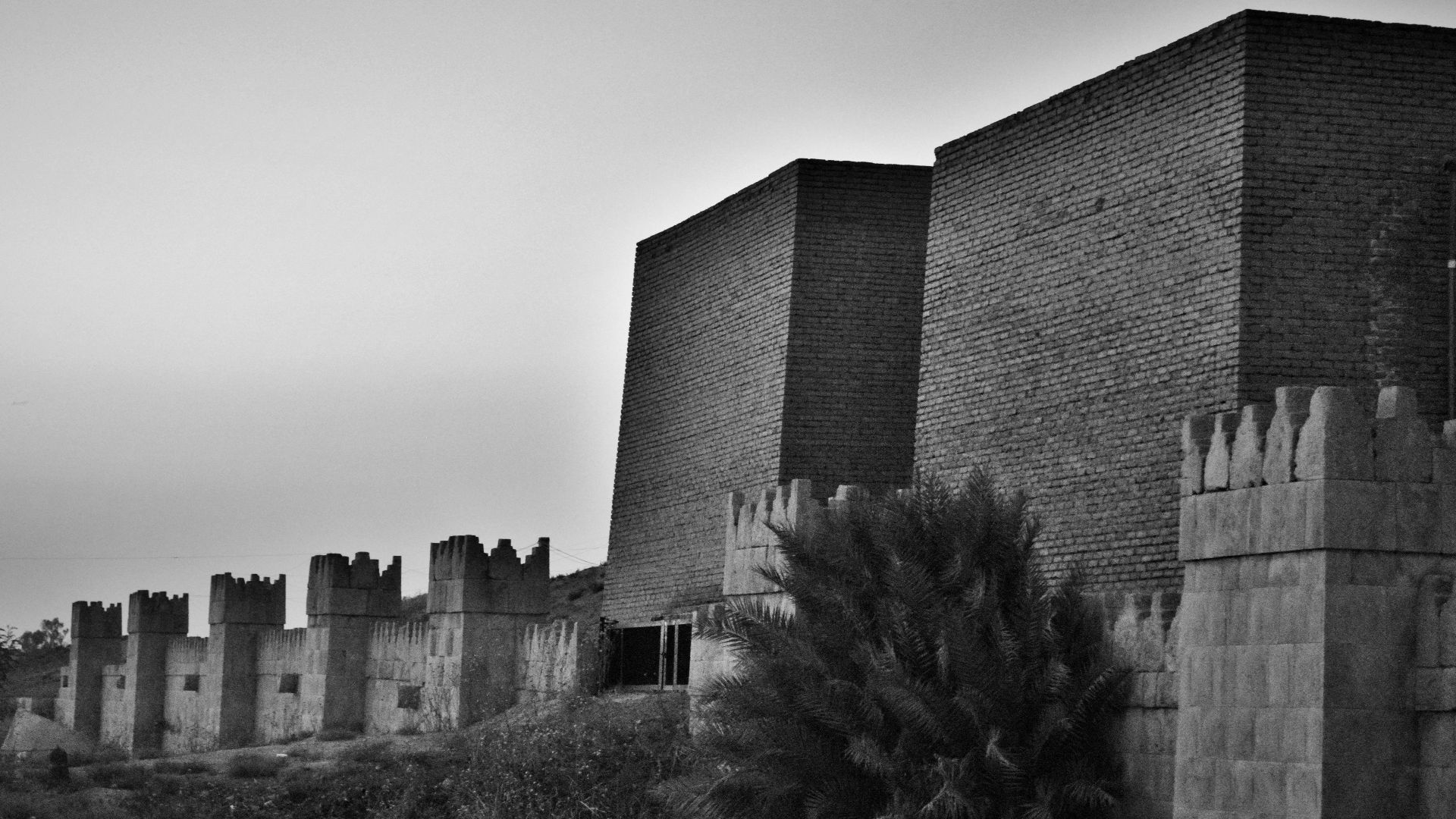
During 19th-century excavations at Nineveh, in what is now Iraq, thousands of clay tablets and fragments emerged from the ruins of the ancient Assyrian capital. Many had belonged to the enormous library assembled by King Ashurbanipal in the seventh century BCE.
One Man Started Putting Them Together
At the British Museum, a young scholar named George Smith spent countless hours sorting and joining those broken pieces. Then, in 1872, Smith deciphered part of a tablet containing a story that sounded remarkably familiar. The discovery caused an immediate sensation.
 Carole Raddato from FRANKFURT, Germany, Wikimedia Commons
He Had Found A Great Flood
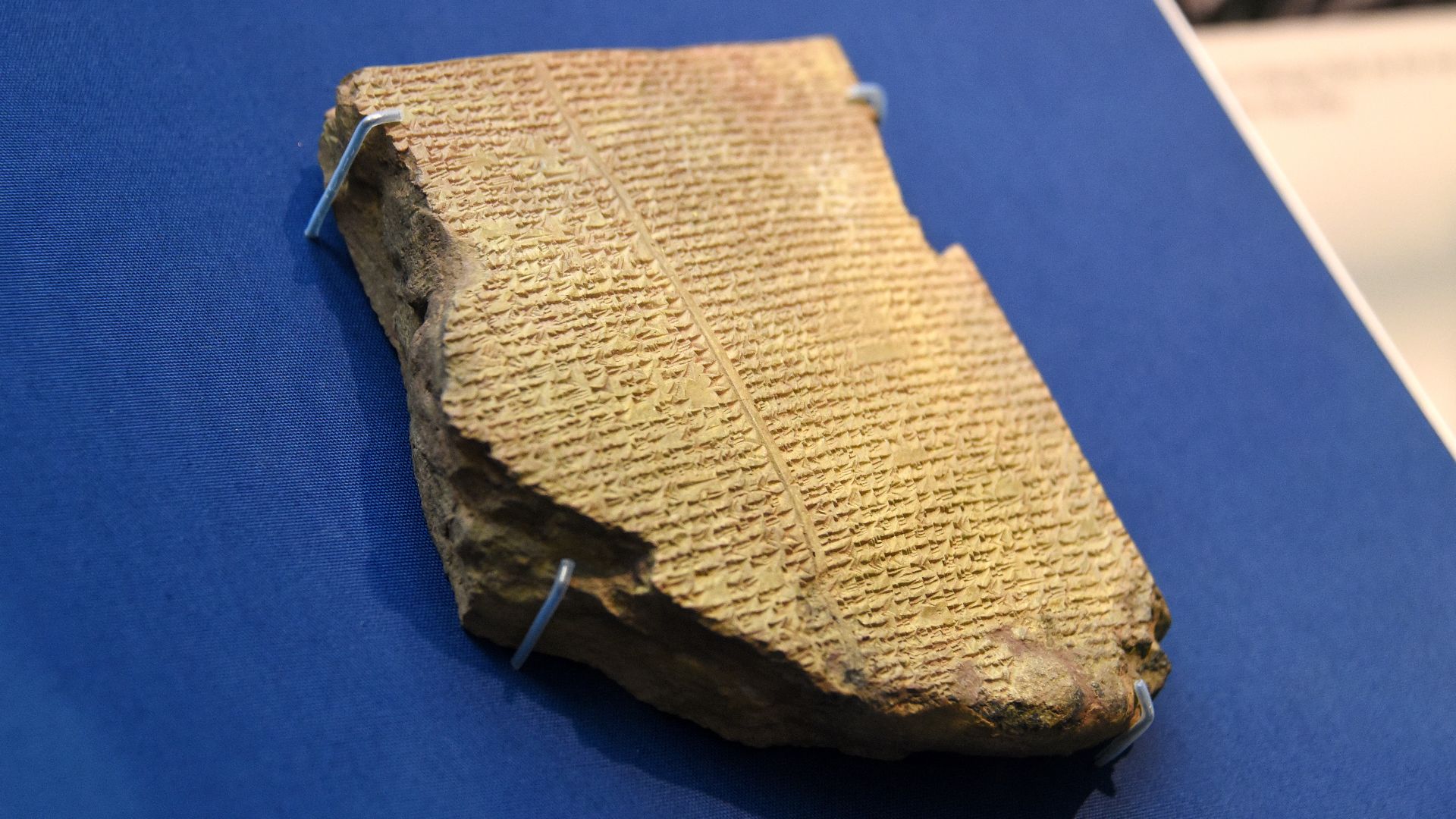
The tablet described gods deciding to unleash an enormous flood upon humanity. One man receives a warning, builds a vessel, survives the catastrophe with other living creatures aboard and eventually reaches safety. There was just one rather important difference. The man's name wasn't Noah.
 Photograph by Mike Peel (www.mikepeel.net)., Wikimedia Commons
Meet Utnapishtim
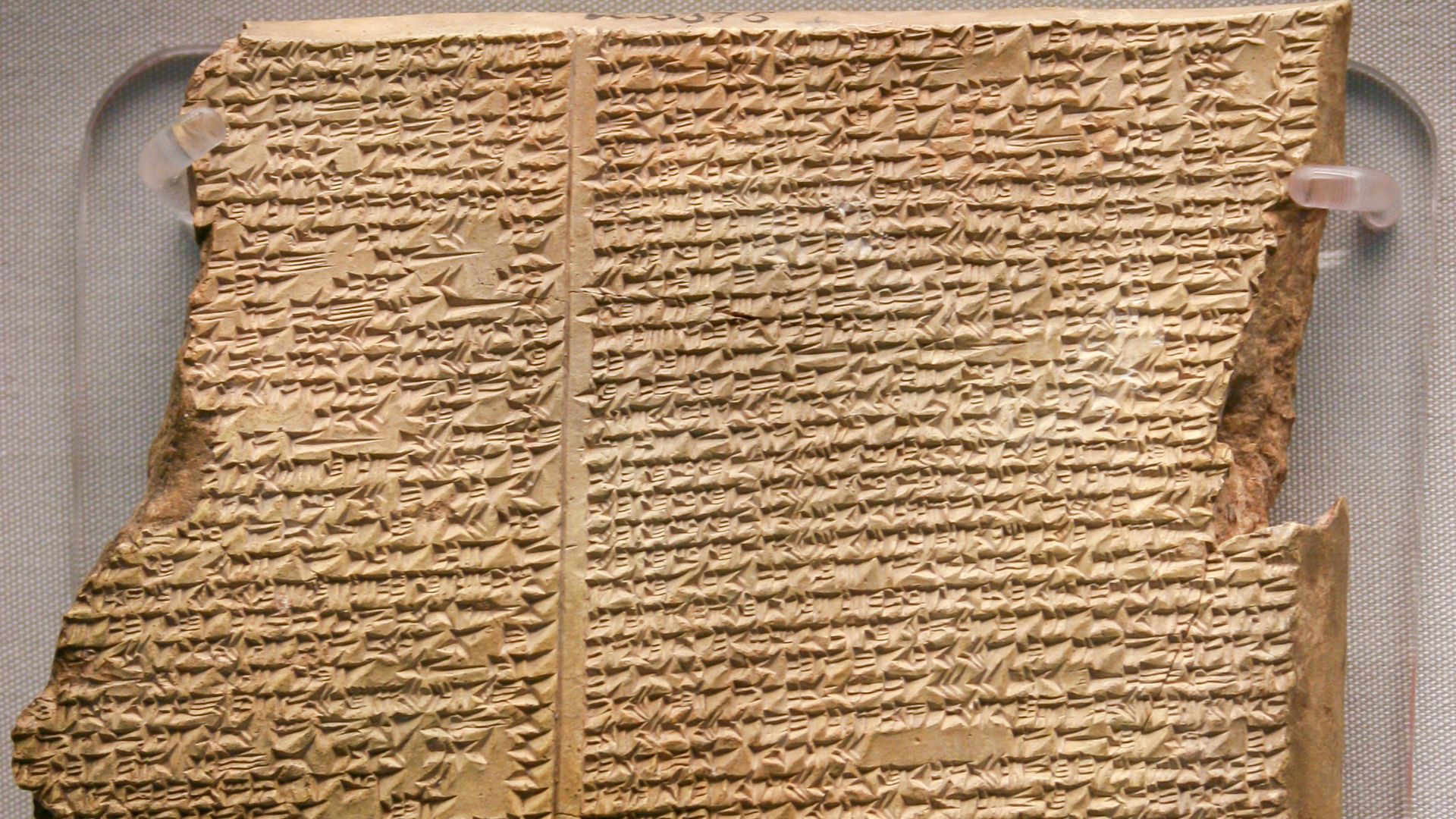
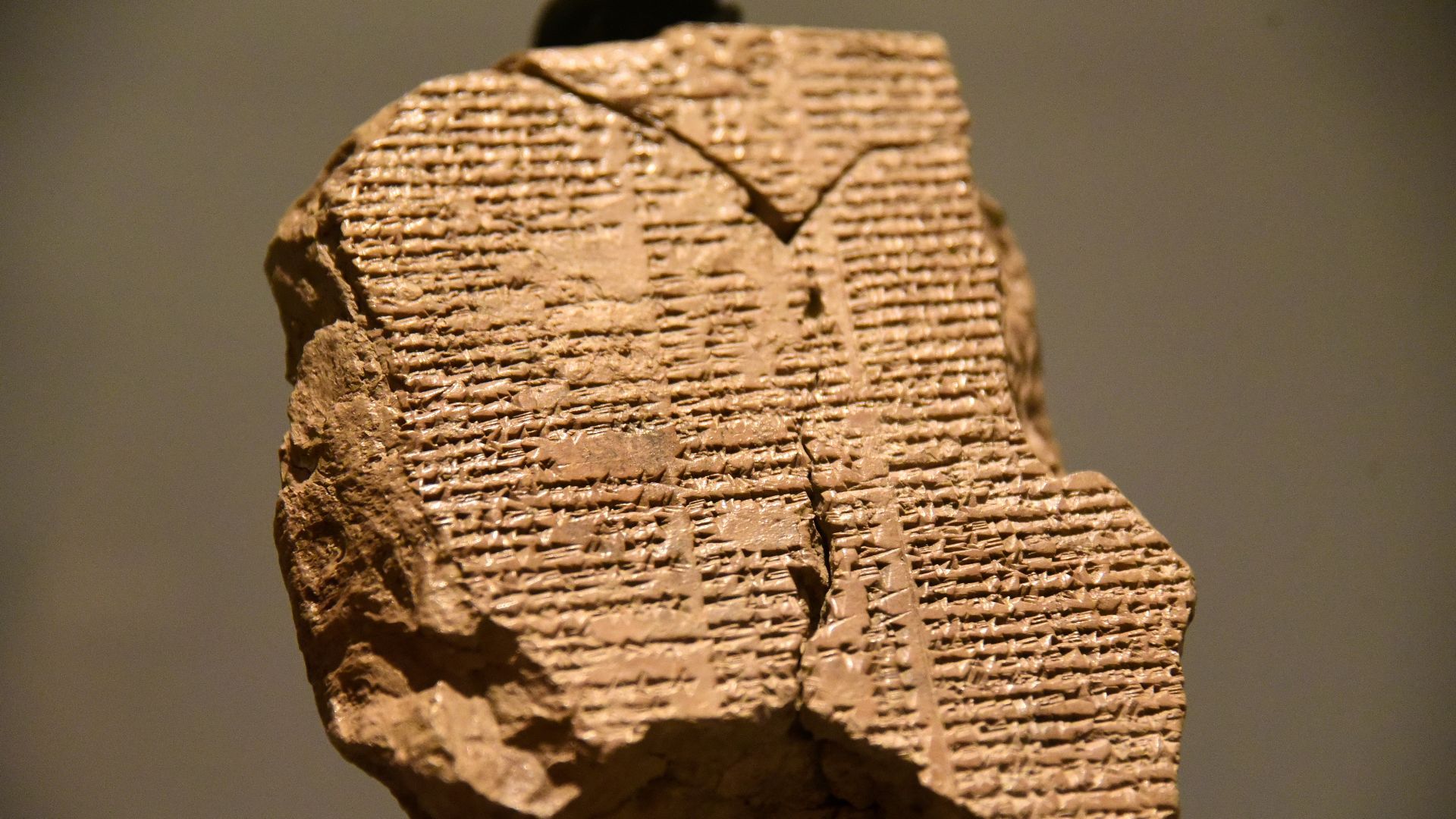
The survivor was Utnapishtim, a character appearing in Tablet XI of the Epic of Gilgamesh. The famous surviving Flood Tablet at the British Museum was produced in the seventh century BCE, although the flood tradition incorporated into Gilgamesh had much older roots.
 Osama Shukir Muhammed Amin FRCP(Glasg), Wikimedia Commons
This Starts To Sound Very Familiar
In Utnapishtim's account, the god Ea secretly warns that a flood is coming and instructs him to construct a boat. Utnapishtim brings aboard his family along with other living creatures. Then the storm arrives and almost everyone outside the vessel is swept away.
 Omar Siddeeq Yousif, Wikimedia Commons
The Storm Lasted Six Days And Seven Nights
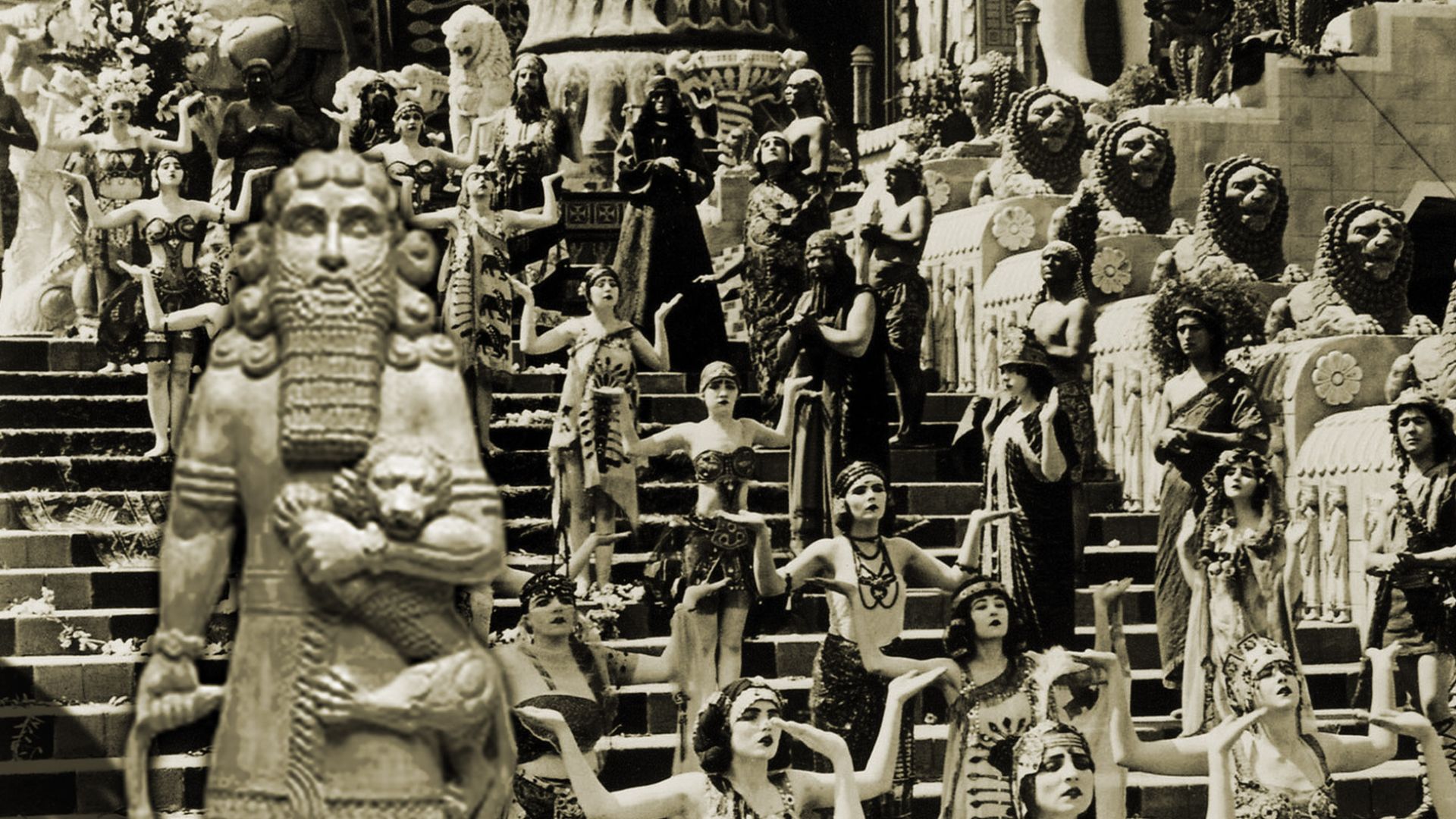
The similarities keep coming. In Gilgamesh, the wind, rain and flood rage for six days and seven nights before finally subsiding on the seventh day. Utnapishtim opens his vessel and looks out over a landscape that has been completely overwhelmed.
But His Ark Didn't Land On Ararat
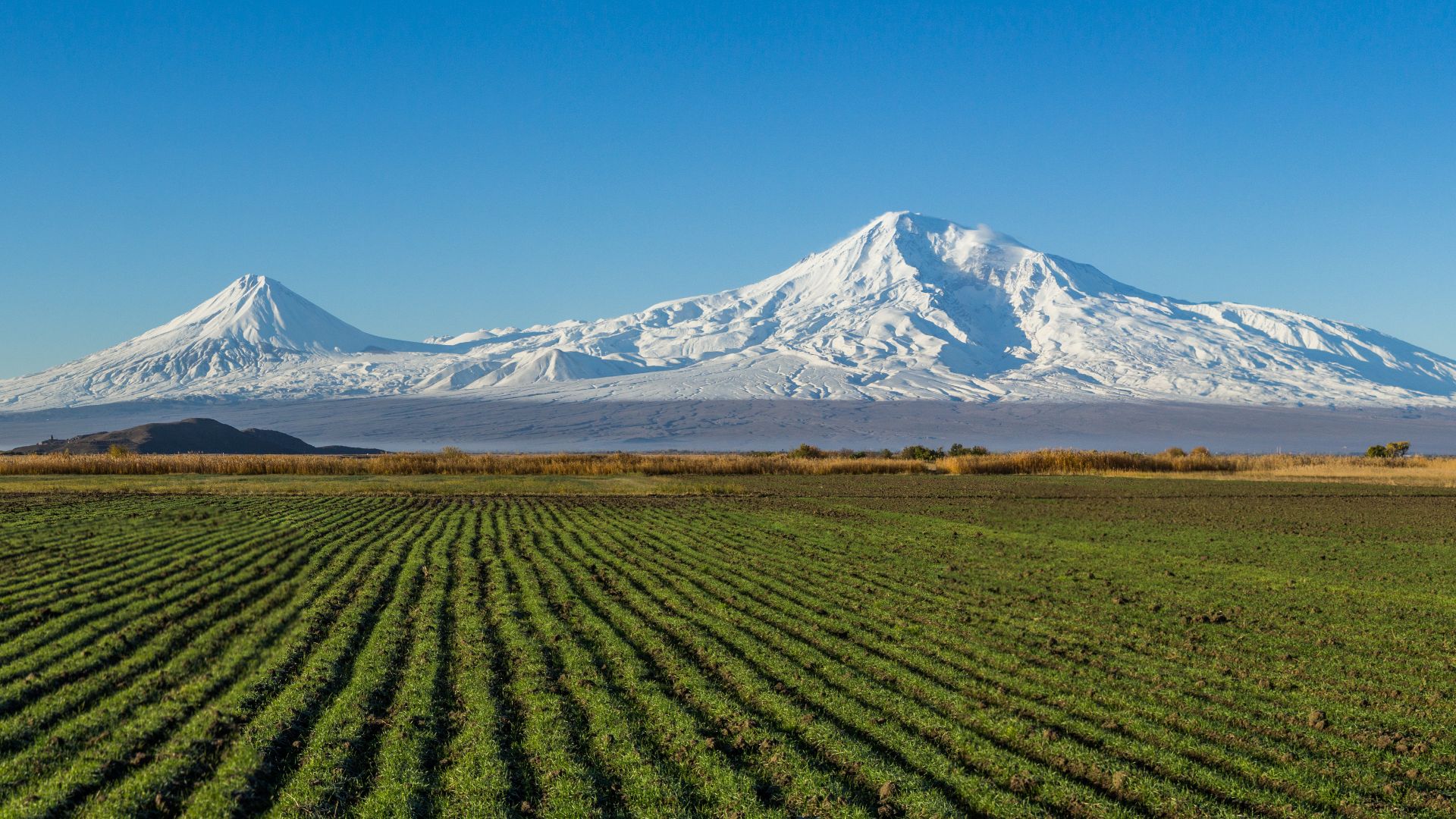
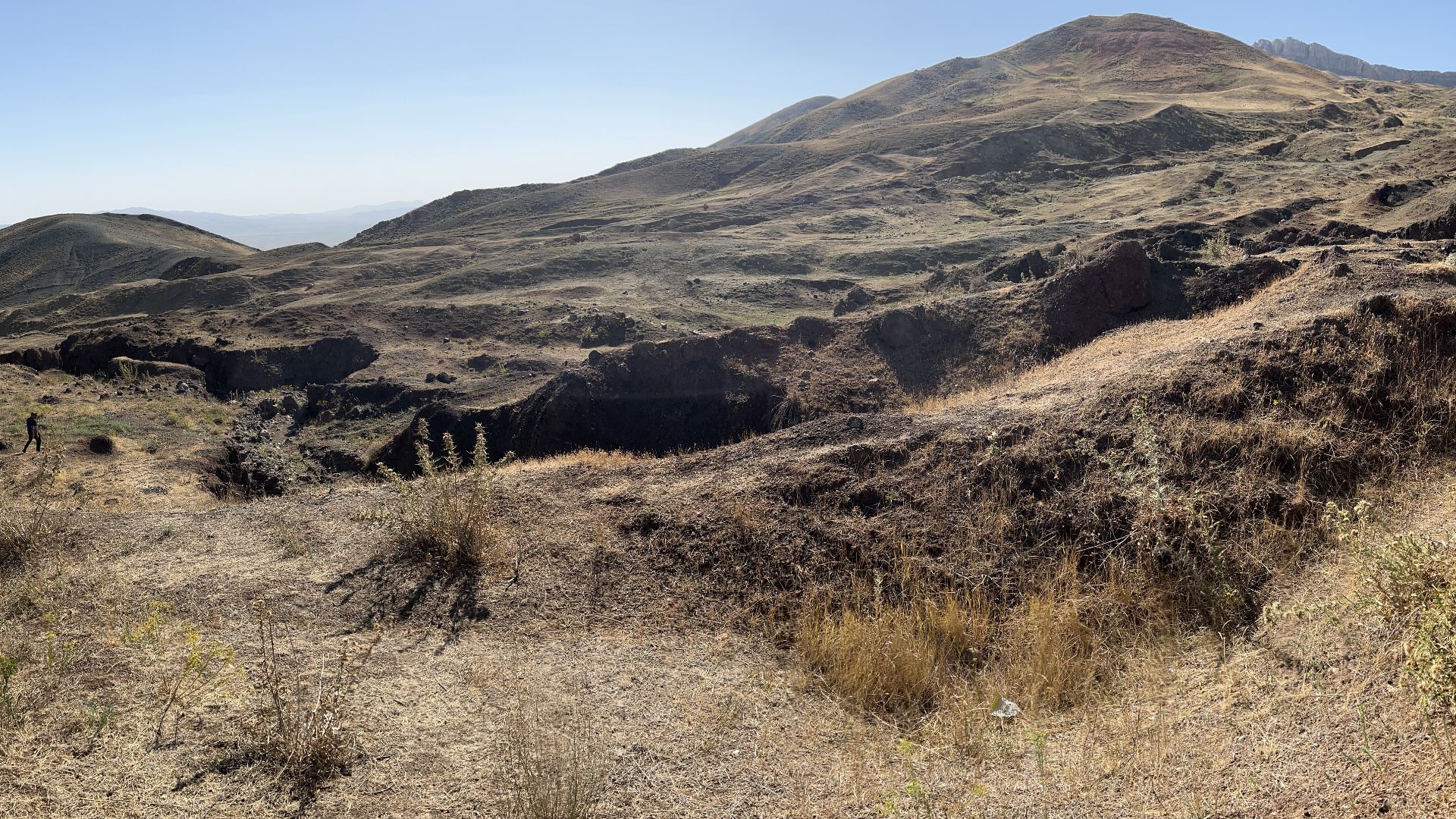
The biblical story says Noah's Ark comes to rest on the mountains of Ararat. Utnapishtim's vessel instead becomes lodged on a place usually translated as Mount Nimush or Mount Nisir. Different hero, different mountain...but once again, a vessel survives the flood and comes to rest on high ground.
 Սէրուժ Ուրիշեան (Serouj Ourishian), Wikimedia Commons
Then Come The Birds
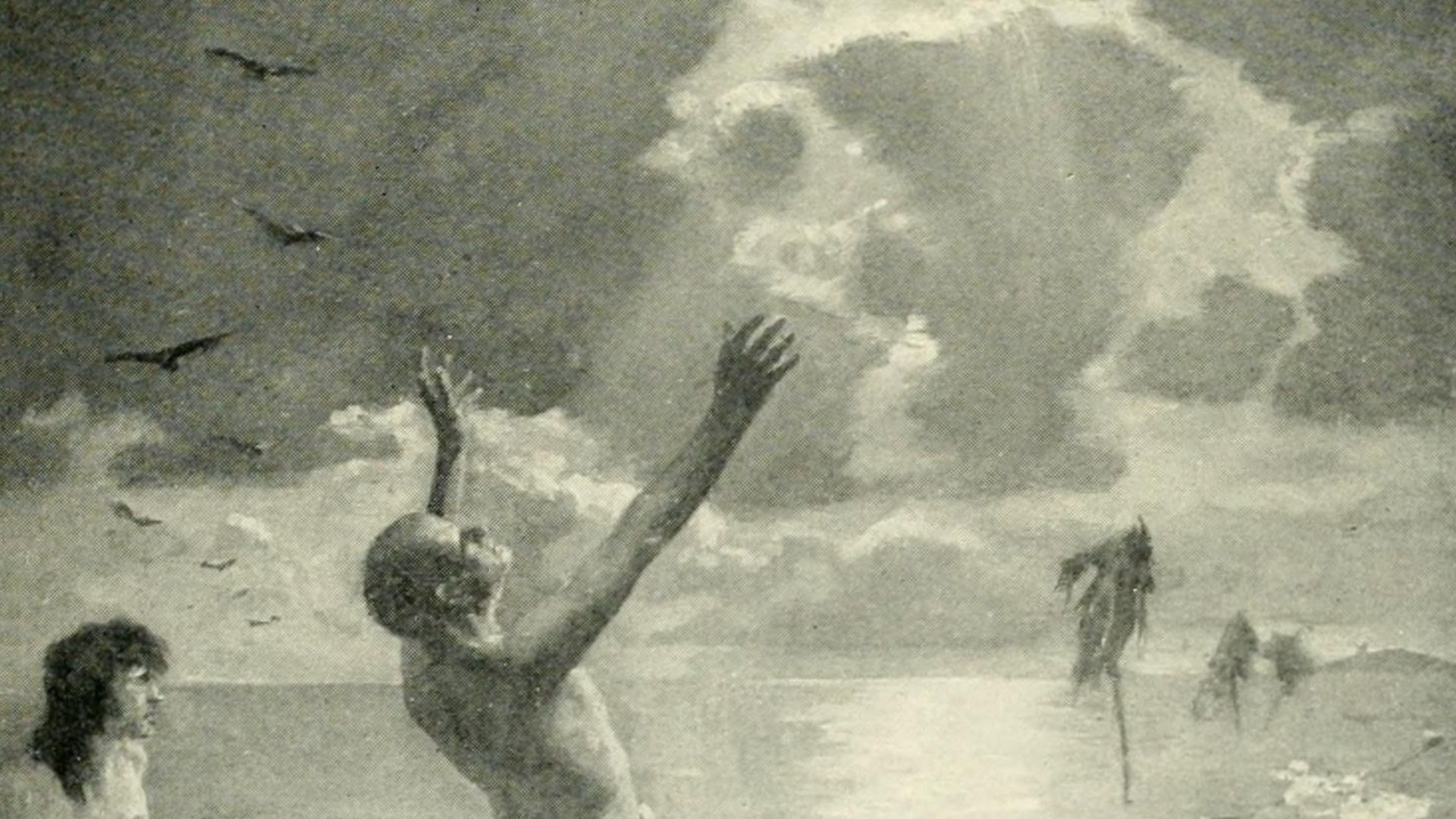
Utnapishtim doesn't simply climb out and hope for the best. He releases birds to determine whether the waters have receded. A dove returns. Then a swallow returns. Eventually, a raven flies out, finds the waters receding and does not come back. Sound familiar yet?
 Jules Verne Times Two, Wikimedia Commons
And Then Comes The Sacrifice
After leaving the vessel, Utnapishtim offers a sacrifice to the gods. That is another striking parallel with Genesis, where Noah also makes an offering after leaving the Ark. Suddenly, we're dealing with much more than two stories that happen to involve particularly lousy weather.
 Internet Archive Book Images, Wikimedia Commons
But There Was A Catch
The famous Gilgamesh tablet Smith deciphered doesn't, by itself, establish that the Mesopotamian flood story predates the biblical one. That physical tablet dates to the seventh century BCE. What really changed the picture was the discovery of other Mesopotamian flood texts preserving substantially older versions of the tradition.
 Osama Shukir Muhammed Amin FRCP(Glasg), Wikimedia Commons
Then Atrahasis Entered The Picture
One of the most important is the Atrahasis Epic. The British Museum possesses an Old Babylonian copy from the reign of Ammisaduqa dating to around 1635 BCE. Once again, humanity faces destruction by flood, and once again one man receives advance warning.
 Eric Pouhier, Wikimedia Commons
Except Humanity's Crime Was Very Different
Genesis gives the flood a strongly moral explanation centered on human wickedness and violence. Atrahasis is considerably stranger. Humanity has multiplied, and its noise becomes unbearable to the gods. After other attempts to reduce the population fail, a flood becomes their devastating solution.
 SpeakingArch, Wikimedia Commons
One God Refuses To Go Along Quietly
Enki, the Mesopotamian god of wisdom, secretly warns Atrahasis about what is coming. Atrahasis prepares a boat in which he, his family and animals can survive. Once again we have that extraordinarily familiar combination: divine warning, chosen survivor, boat, animals and catastrophic flood.
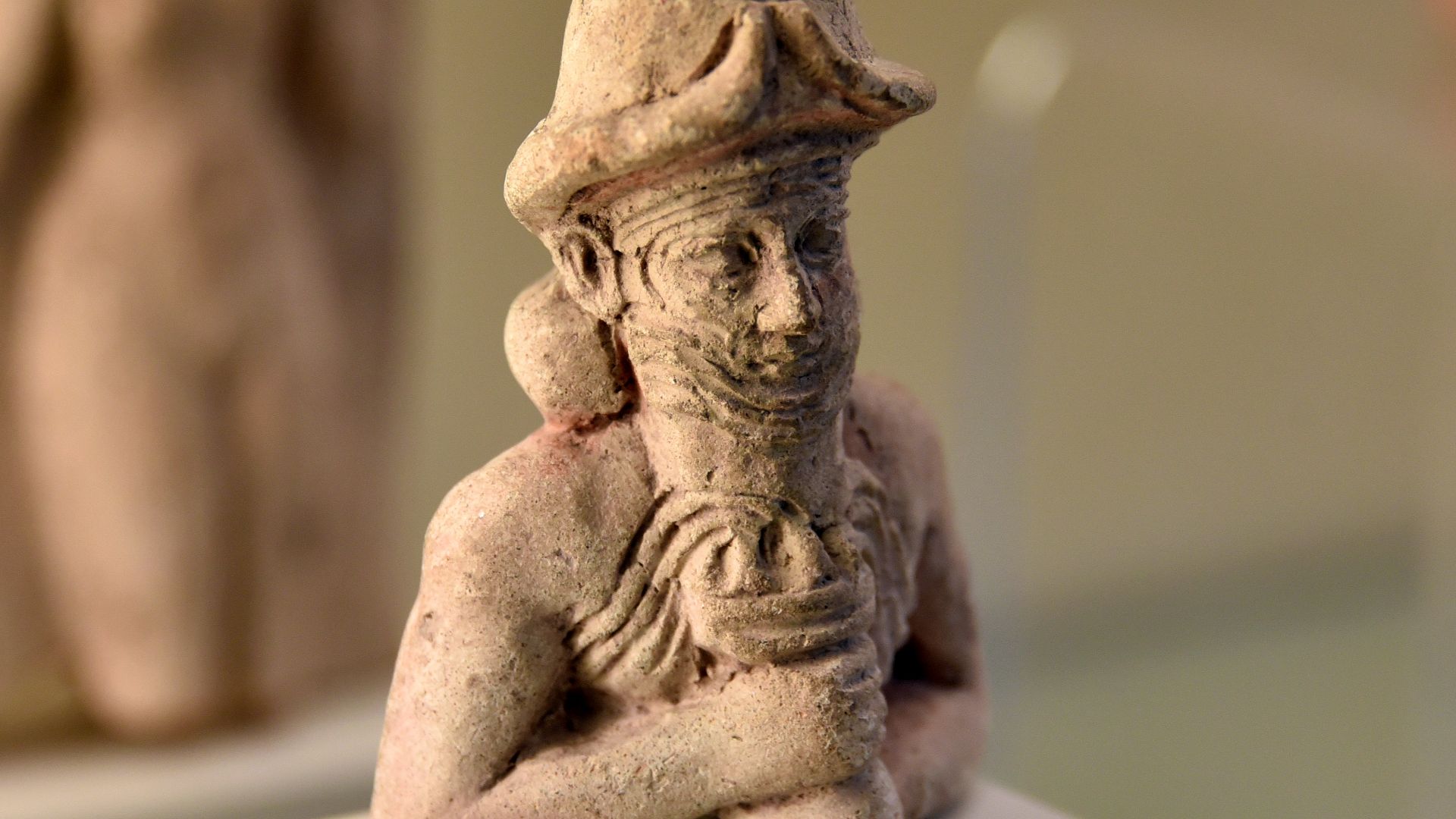 Osama Shukir Muhammed Amin FRCP(Glasg), Wikimedia Commons
And Atrahasis Wasn't The Only One
There is also Ziusudra, the flood survivor in an ancient Sumerian version of the story. The surviving tablet was excavated at Nippur and dates to around 1650 BCE. Ziusudra, too, receives a warning before a divinely sent flood devastates the land.
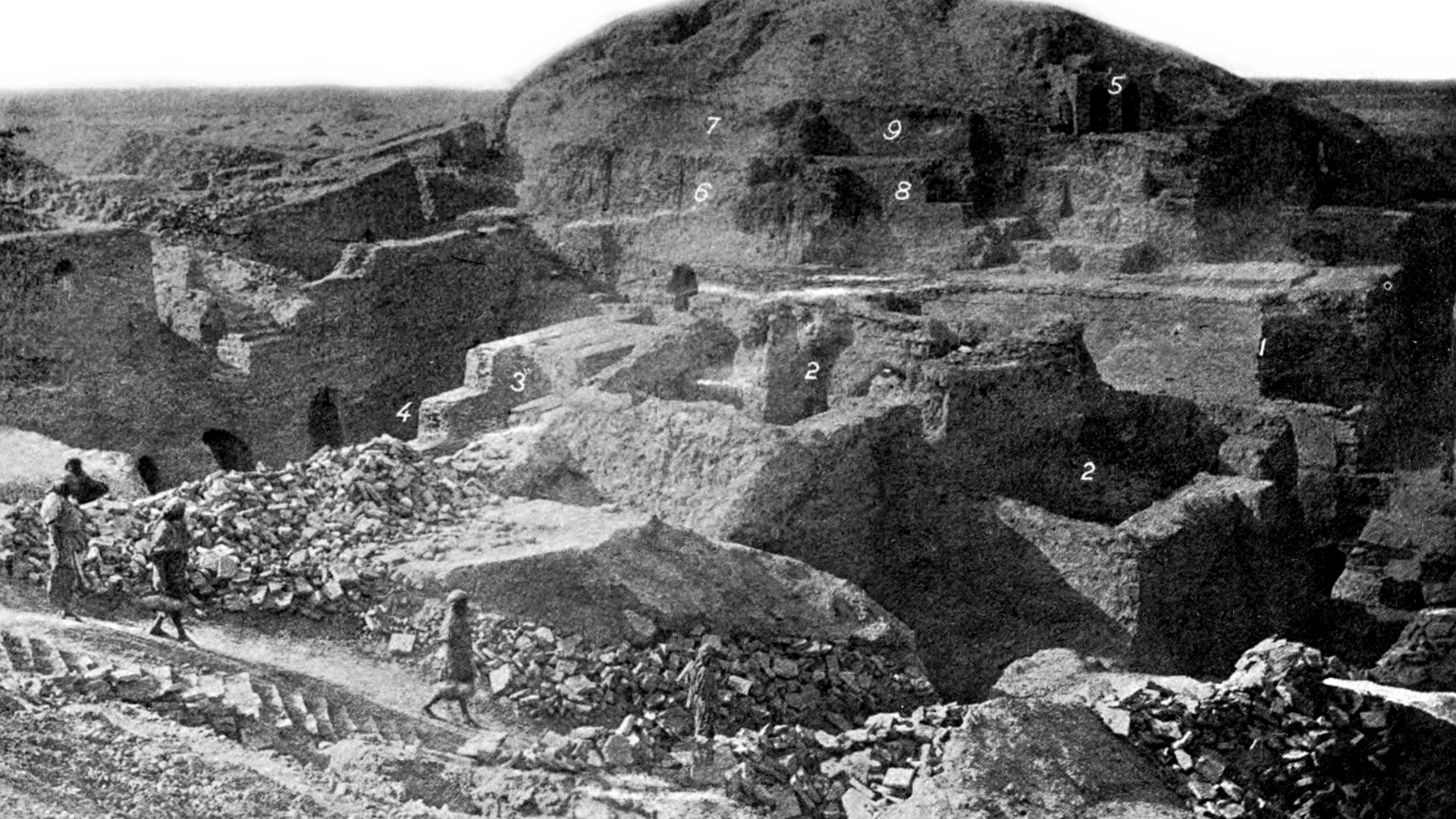 Hilprecht, H. V. (Hermann Vollrat), 1859-1925, Wikimedia Commons
His Flood Lasted Seven Days
In the surviving Sumerian account, the flood sweeps across the land for seven days and seven nights. Afterward, Ziusudra emerges from his boat and offers sacrifices. The gods ultimately reward him with an extraordinary fate: Ziusudra is granted eternal life.
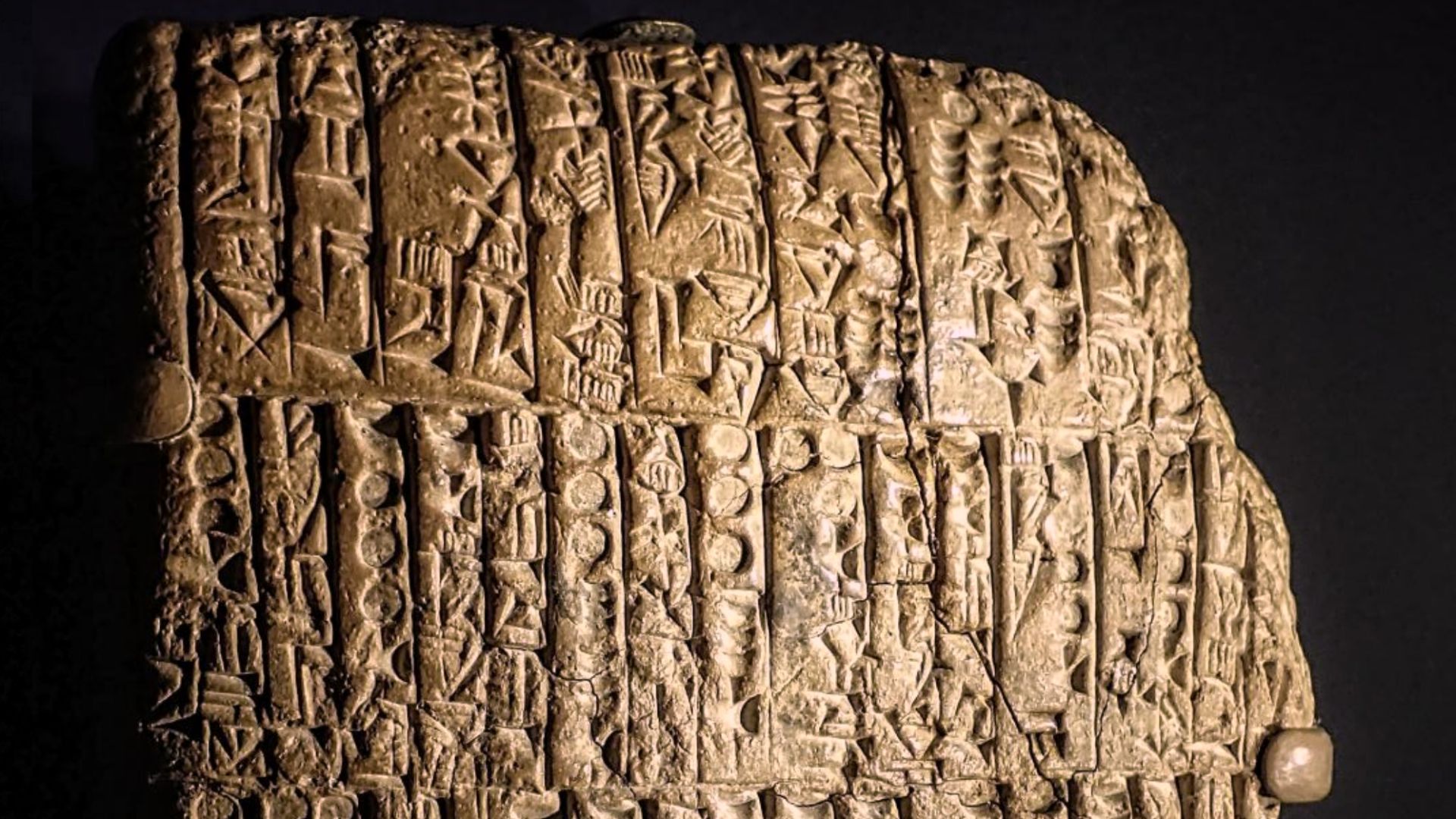 Mary Harrsch, Wikimedia Commons
Now The Ark Gets Really Weird
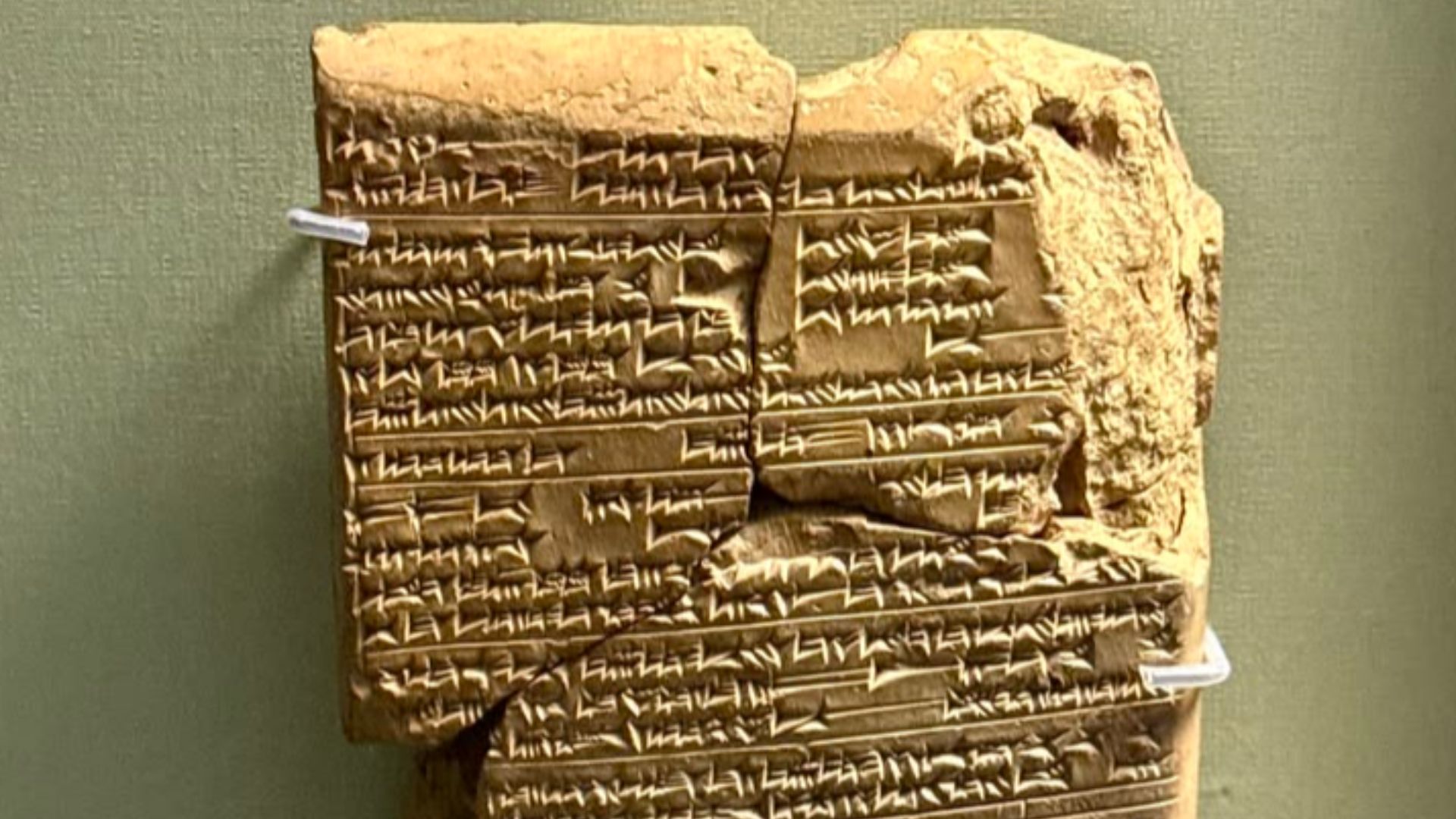
Then came another remarkable clay tablet. British Museum scholar Irving Finkel studied an Old Babylonian flood text dating to roughly 1900–1700 BCE that contains unusually detailed instructions for constructing the flood survivor's vessel. And those instructions produced a very unexpected Ark.
 Ádám Szedlák, Wikimedia Commons
Forget The Boat In The Children's Books
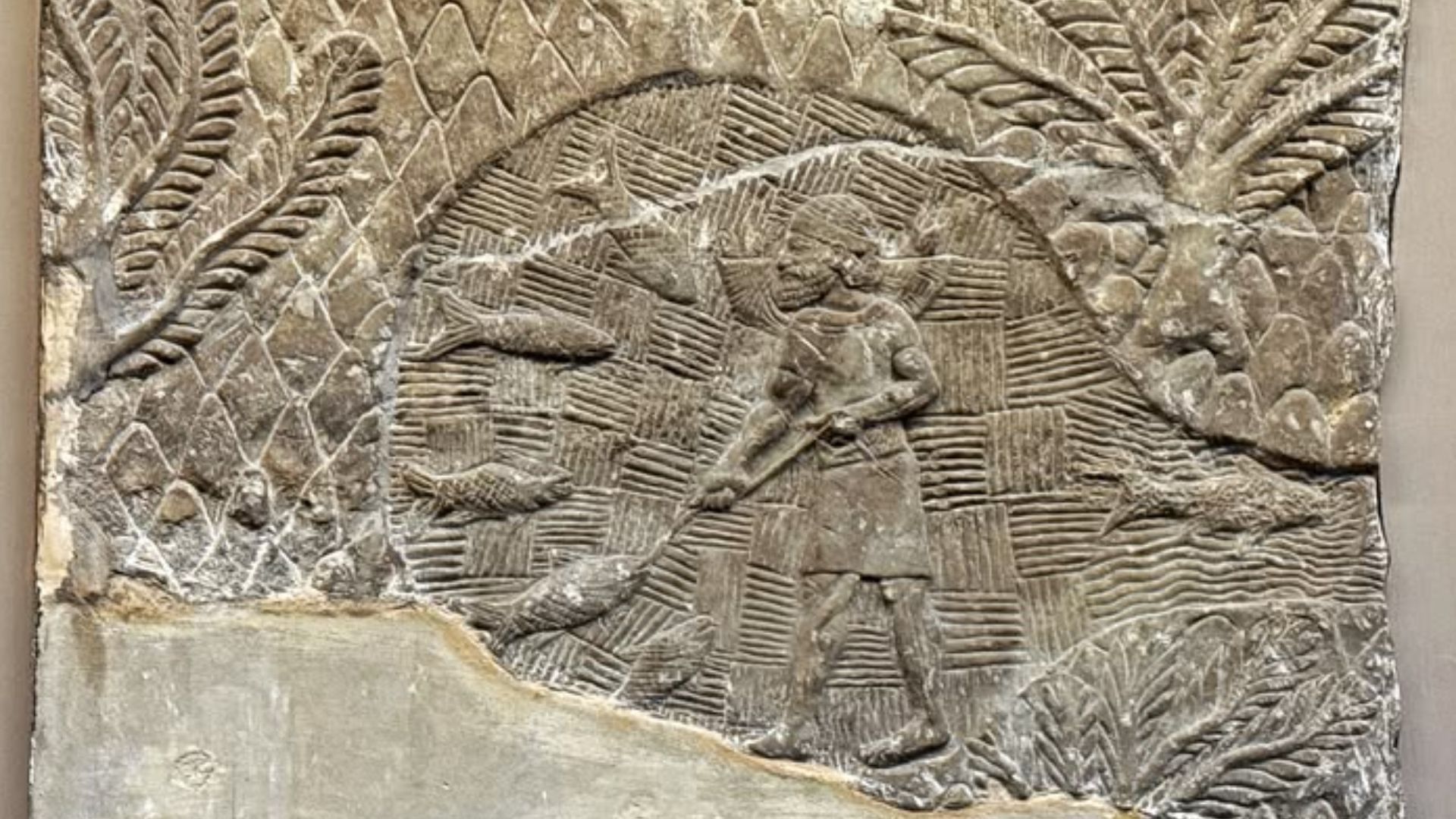
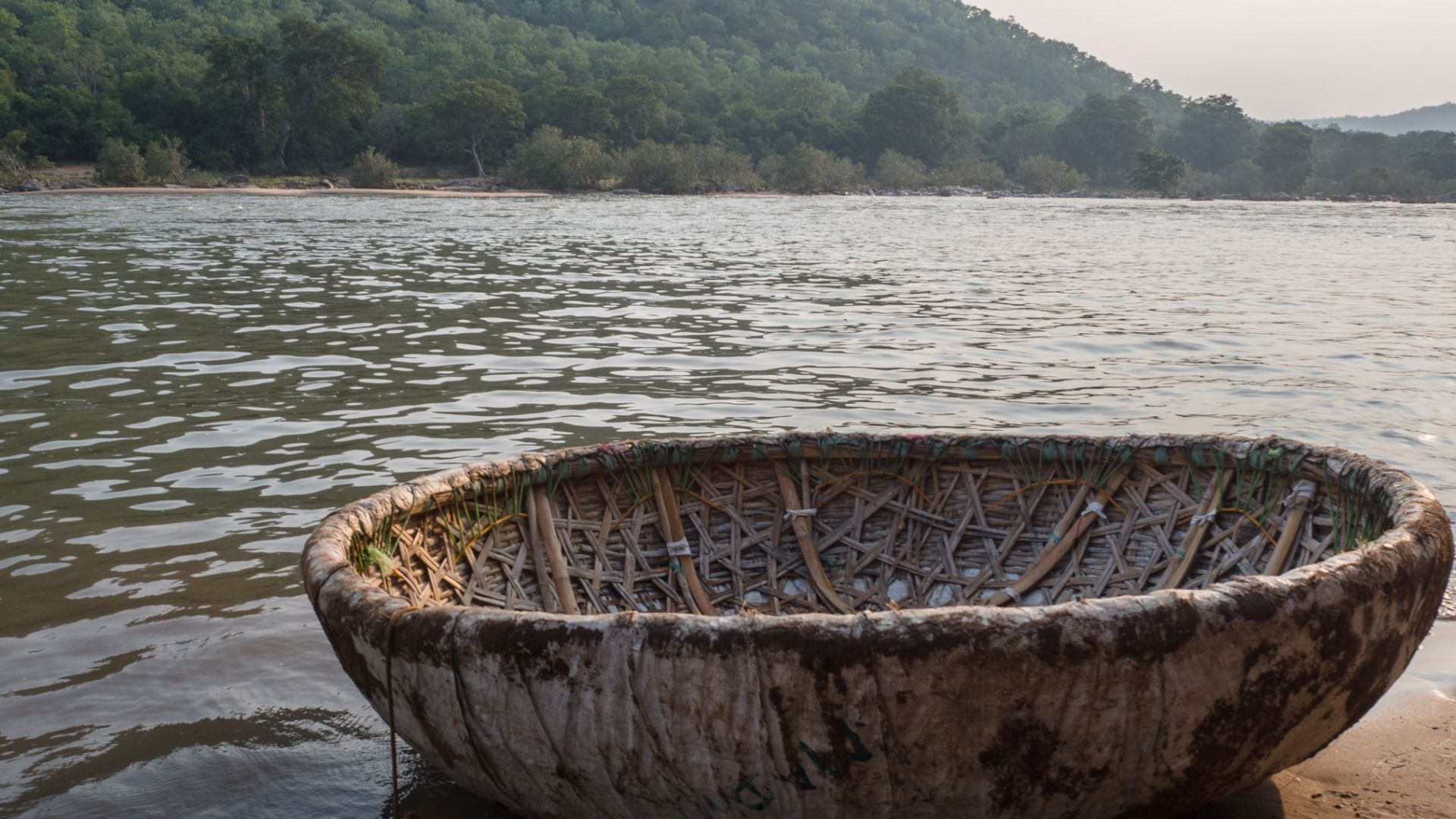
According to Finkel's interpretation, this ancient ark wasn't a giant pointy-ended wooden ship. It was circular: essentially an enormous version of a coracle, one of the round basket-like vessels that were familiar sights on Mesopotamian waterways for thousands of years.
 Mike Prince from Bangalore, India, Wikimedia Commons
Basically, It Was A Giant Floating Basket
In Finkel's reconstruction, the instructions describe an enormous vessel built largely from palm-fiber rope, strengthened with wooden ribs and waterproofed with bitumen. It wasn't designed to sail anywhere in particular. It simply needed to remain afloat long enough for everyone aboard to survive.
 Irek i Kasia, Wikimedia Commons
Then Finkel Found Two Very Familiar Words
The so-called Ark Tablet contains another remarkable detail. Finkel interpreted a damaged passage as saying that wild animals entered the vessel "two by two." That reading closely echoes one of the most famous details from Genesis, although the ancient tablet's surviving passage is fragmentary.
 Rudolf Pohl, Wikimedia Commons
But Apparently Nobody Agreed On Ark Design
The circular ark wasn't the only Mesopotamian version. Utnapishtim's vessel in Gilgamesh is given equal dimensions that produce something closer to an enormous box-like structure. The flood story survived for centuries, and apparently ancient storytellers weren't afraid to renovate the boat.
Even Noah's Ark Isn't Quite The Boat We Picture
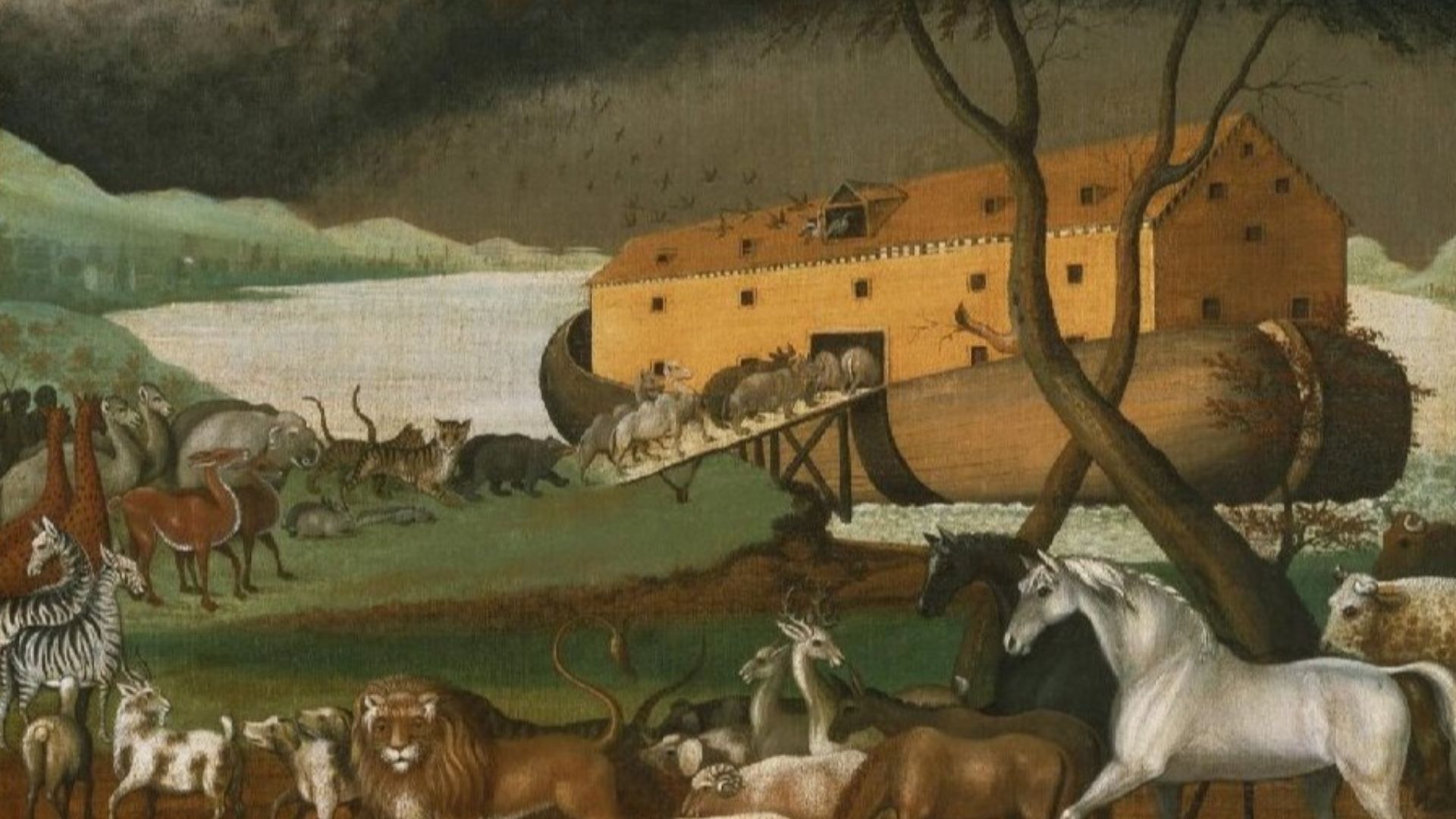
Genesis doesn't actually describe the familiar ship-shaped Ark seen in children's books either. It gives dimensions: 300 cubits long, 50 cubits wide and 30 cubits high, with three levels. It also says the structure was to be coated with pitch inside and out. No pointed bow or stern is specified.
 Irek i Kasia, Wikimedia Commons
So Which Story Came First?
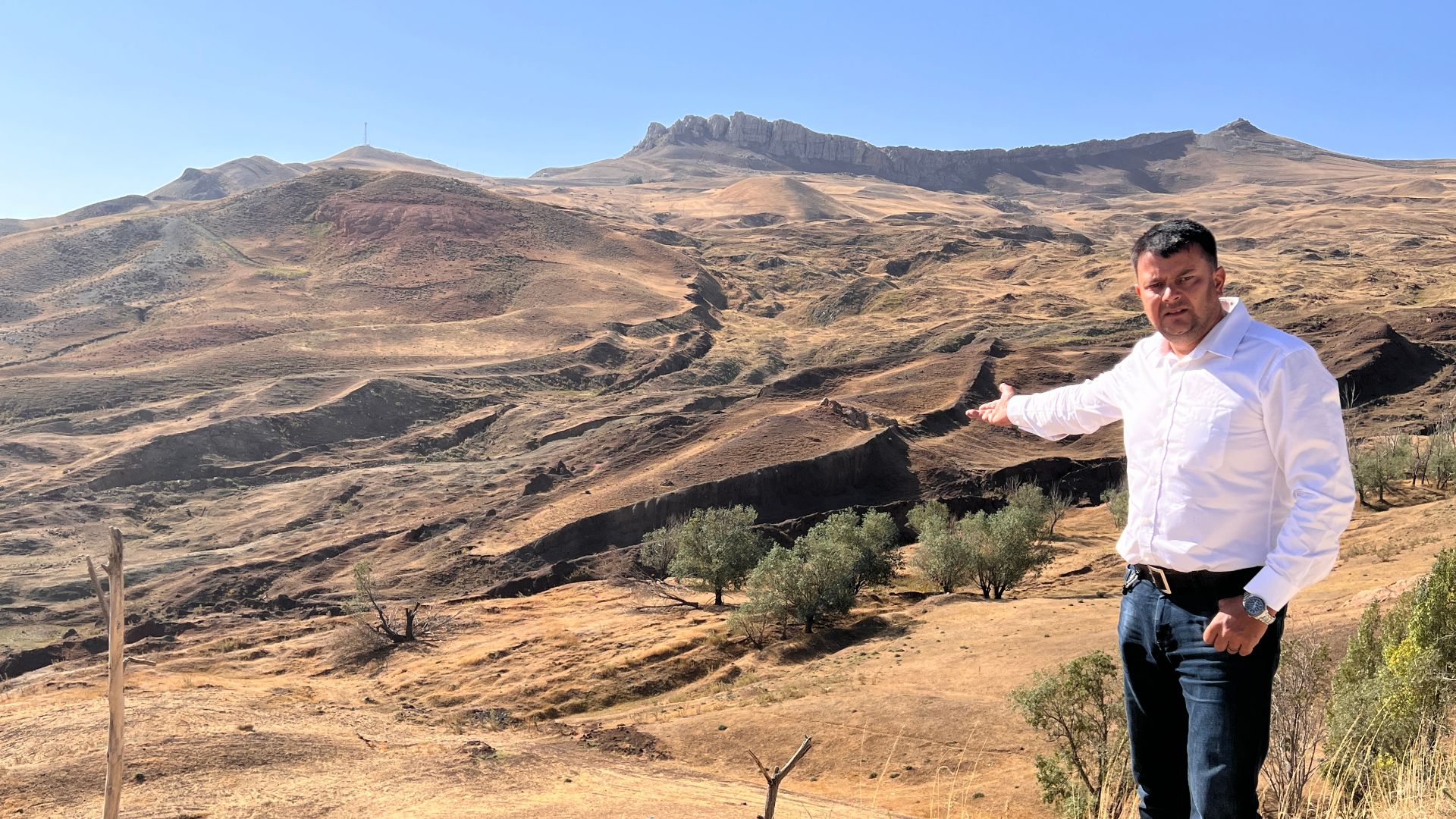
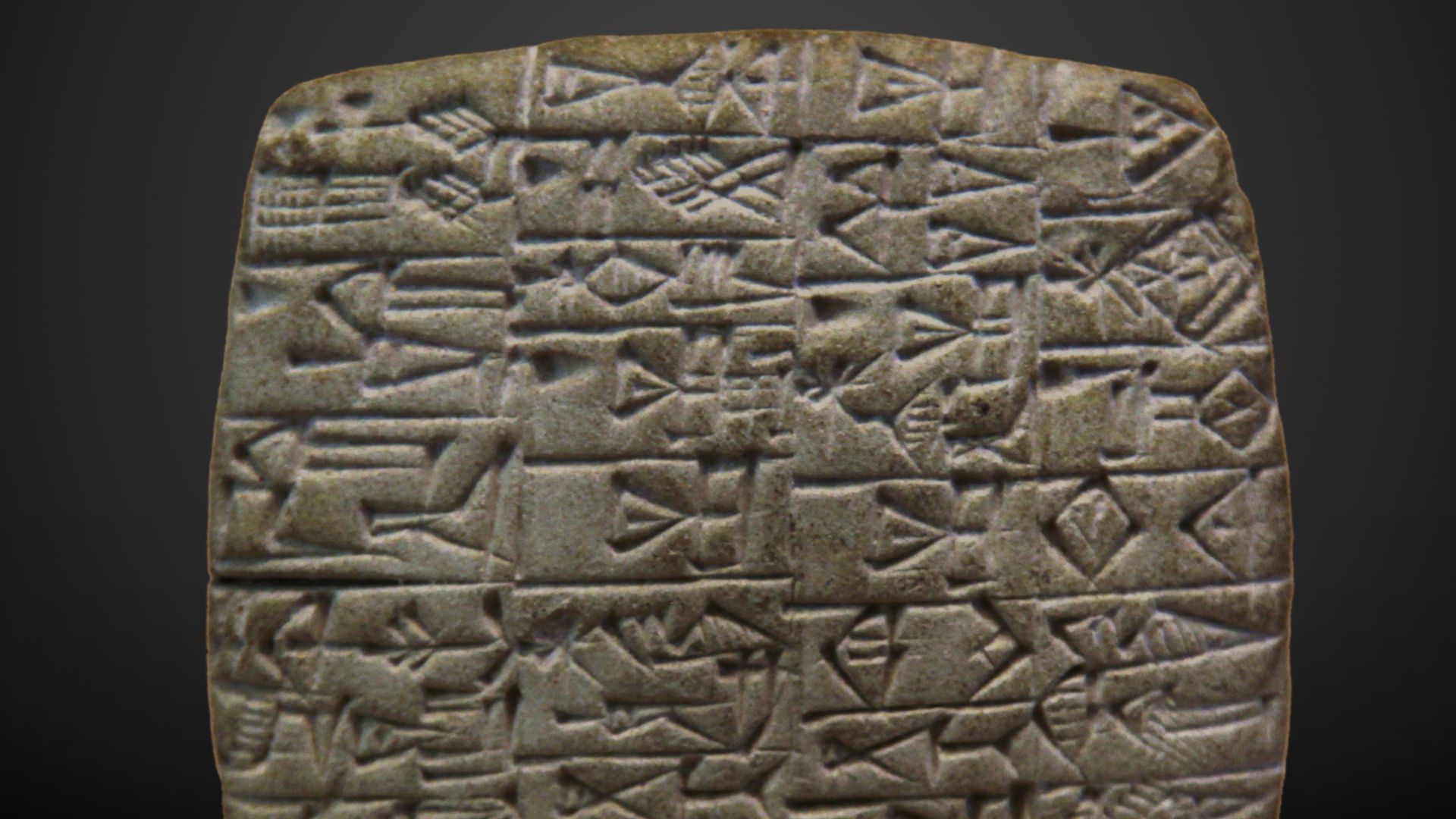
That question isn't quite as simple as saying somebody copied somebody else. The earliest surviving classical Mesopotamian flood narratives appear during the Old Babylonian period, roughly 2000–1600 BCE. Scholars widely recognize a literary relationship between those traditions and Genesis, although exactly how the stories traveled and changed is more complicated.
 Edward Hicks, Wikimedia Commons
There Was A Way For The Story To Travel
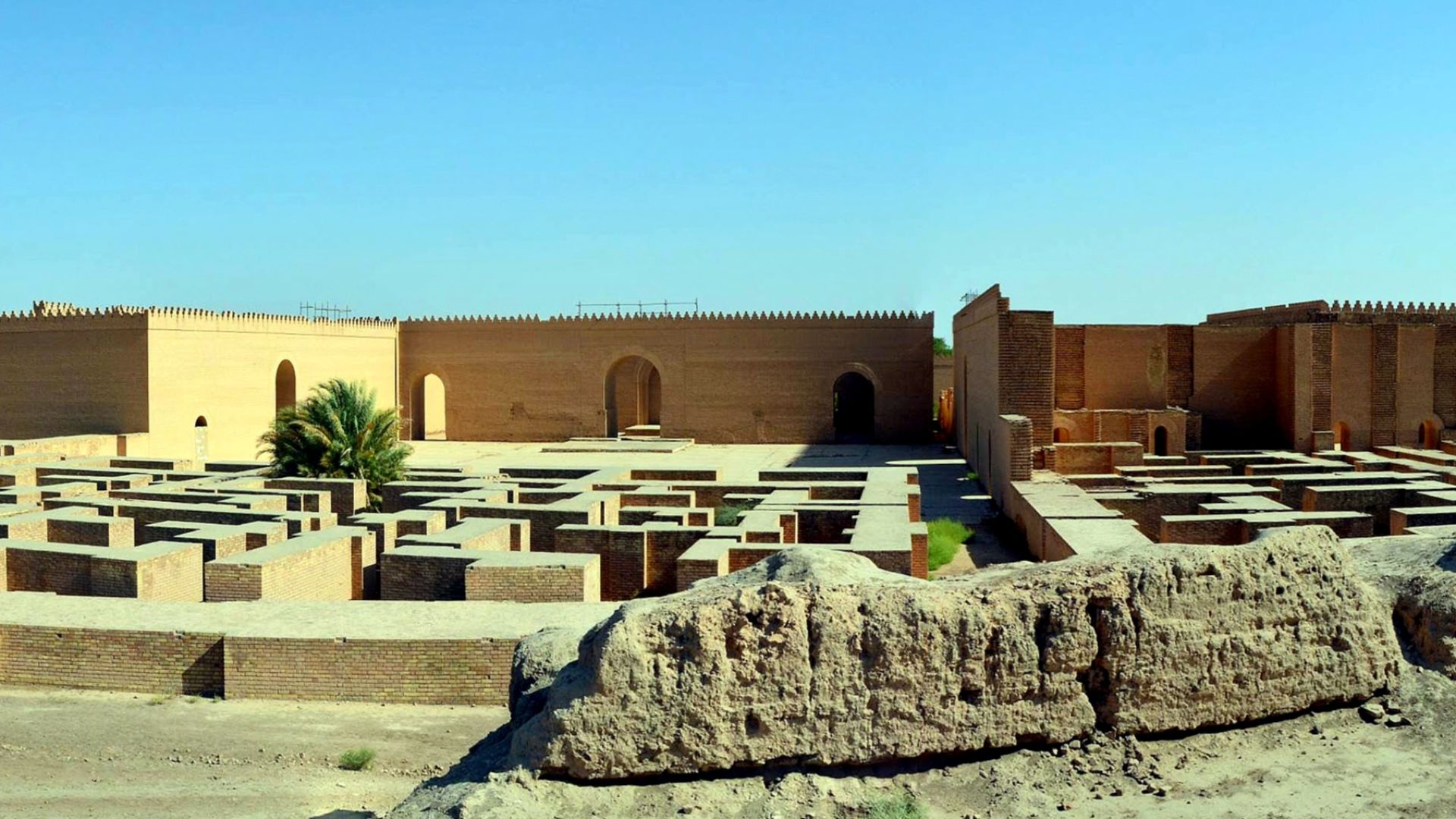
Centuries later, Judeans were deported to Babylonia during the Babylonian conquests of Judah in the sixth century BCE. Many scholars see that period as one possible setting in which biblical writers or editors encountered Mesopotamian traditions directly, although some elements of the biblical flood story may have circulated earlier.
 Osama Shukir Muhammed Amin FRCP(Glasg), Wikimedia Commons
There May Have Been Real Floods Behind The Stories
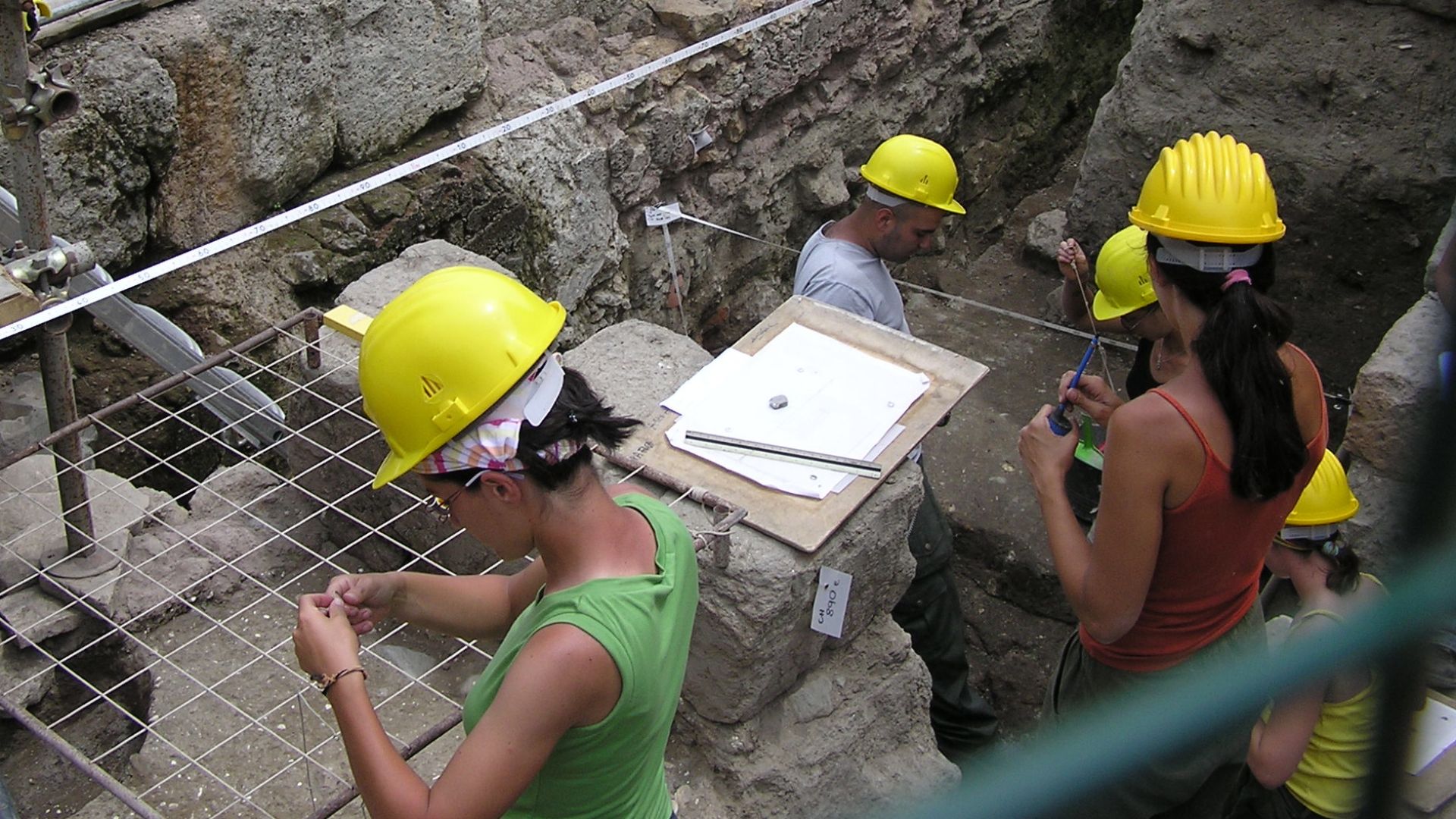
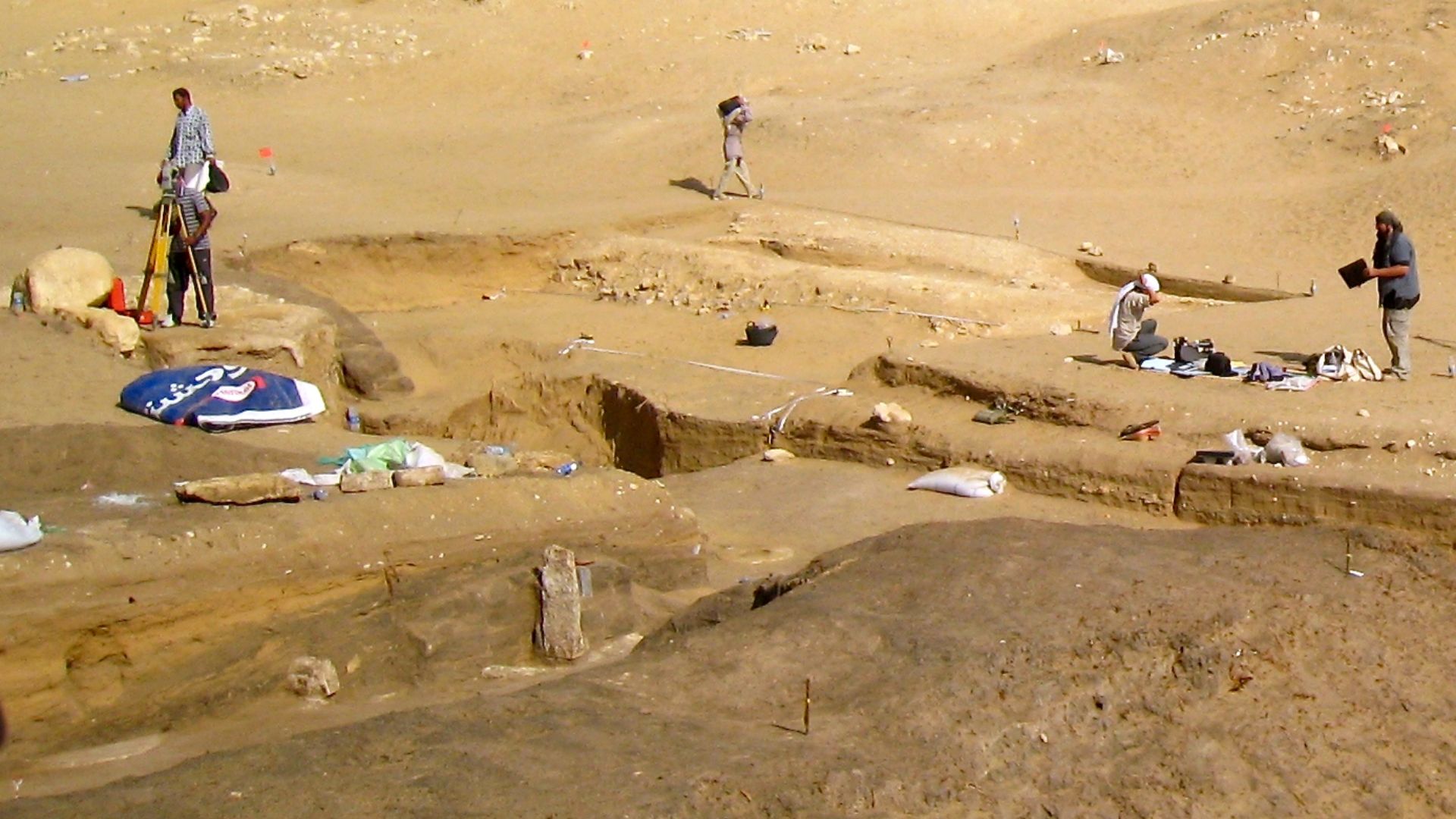
Archaeologists really have uncovered ancient flood deposits at Mesopotamian cities including Ur, Kish and Shuruppak. But they don't all date to one event. Ur's famous deposit is much older than flood layers found at Kish and Shuruppak, showing that serious flooding struck the region repeatedly.
 Arpingstone, Wikimedia Commons
Shuruppak Makes Things Particularly Interesting
A flood deposit dating to around the late fourth or early third millennium BCE was uncovered at Shuruppak, the city associated with Ziusudra in Mesopotamian flood tradition. That doesn't prove this was the flood behind the story, but it has long encouraged scholars to ask whether memories of devastating regional floods helped inspire the tradition.
The Tablets Don't Prove Noah Never Existed
And this is where things often get exaggerated. These tablets don't prove that Noah was fictional, nor do they prove that a biblical Ark has been found. What they demonstrate is that remarkably similar flood traditions were circulating in ancient Mesopotamia centuries before the biblical account reached its received form.
 James Byrum from Nowhere, Wikimedia Commons
But They Do Change The Story
Noah's flood no longer sits by itself when viewed through archaeology and ancient literature. Around it are Utnapishtim, Atrahasis and Ziusudra, along with boats, animals, sacrifices, birds and catastrophic waters. The names change. The details change. But the basic story keeps coming back.
 SpeakingArch, Wikimedia Commons
Maybe We Were Looking In The Wrong Place
For generations, people have searched mountains for remains of Noah's Ark. Yet one of the biggest discoveries concerning the story wasn't sitting on a mountaintop at all. It was pressed into little pieces of clay thousands of years ago, waiting for someone to learn how to read them.

You Might Also Like: