A Shape That Started an Argument
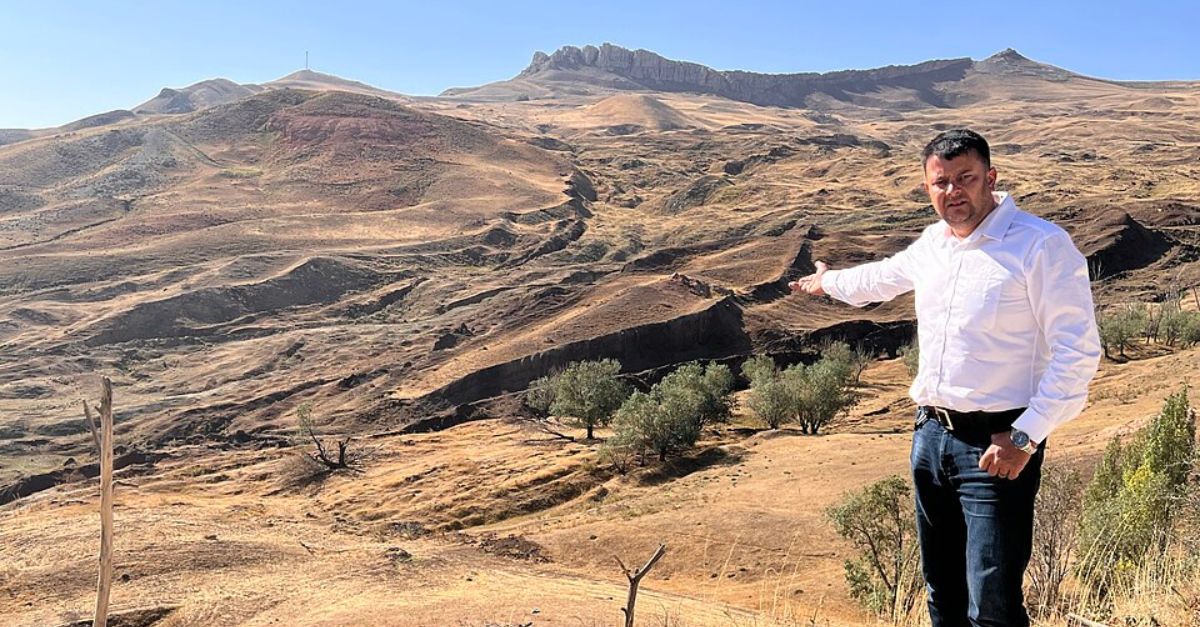
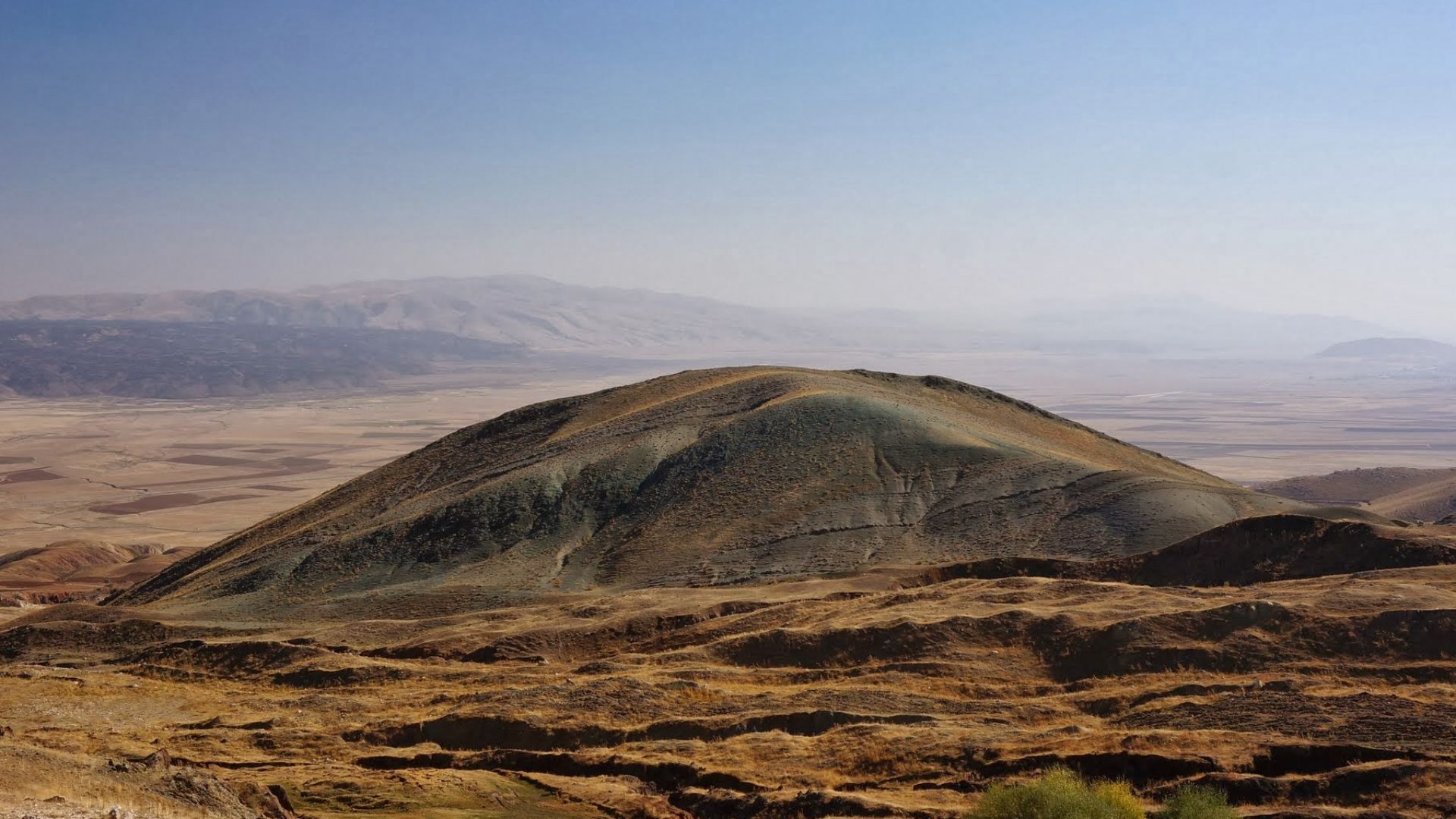
The Bible states that Noah's Ark came to rest in Turkey's "mountains of Ararat," and not far from the modern Mount Ararat lies a large earthen formation the looks unmistakably man-made. But the shape is just the start of the story.
The Bible also provides dimensions for the Ark, and the uncanny formation at the Durupınar site may just be too close for scholars to ignore—but the controversy still rages.
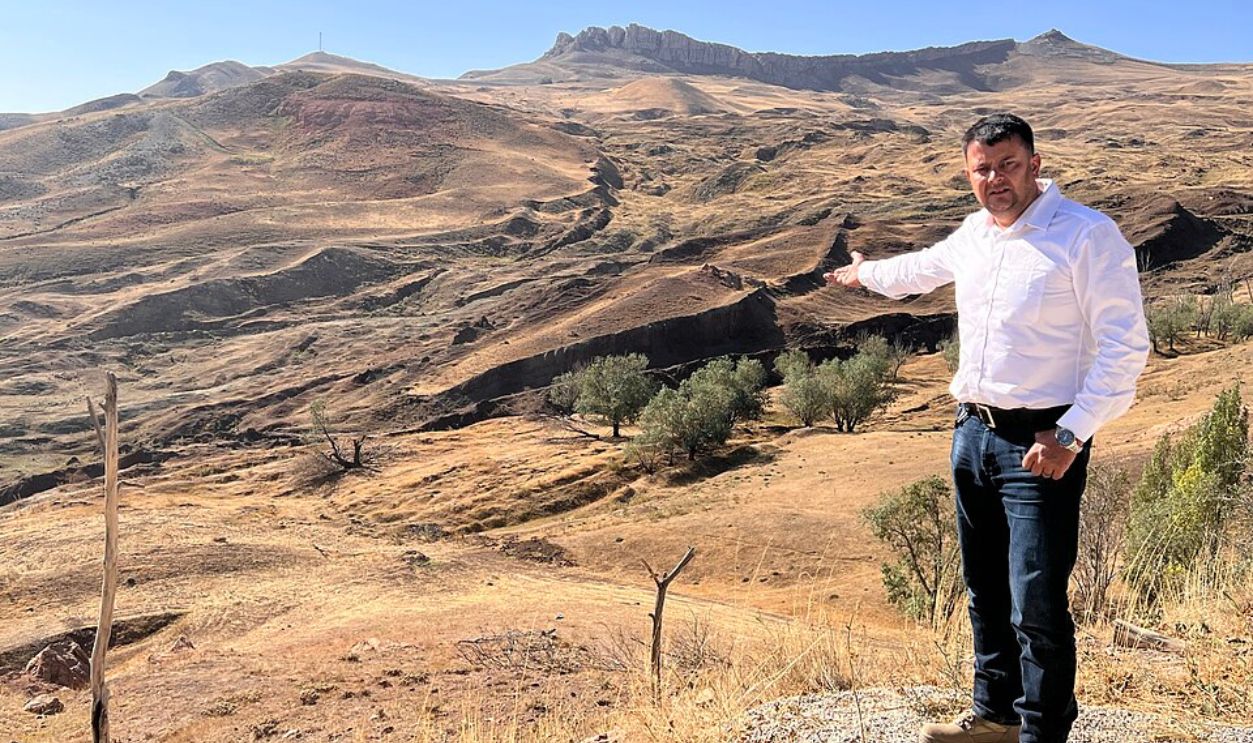 Irek i Kasia, CC BY 4.0, Wikimedia Commons
Why the Claim Returned
Claims about Noah’s Ark surface often, then fade. This time felt different. New measurements from non-peer-reviewed scans, modern tools, and ongoing speculative interest from research groups revived discussion of the old site. Curiosity followed quickly, especially once numbers began lining up with a familiar biblical description.
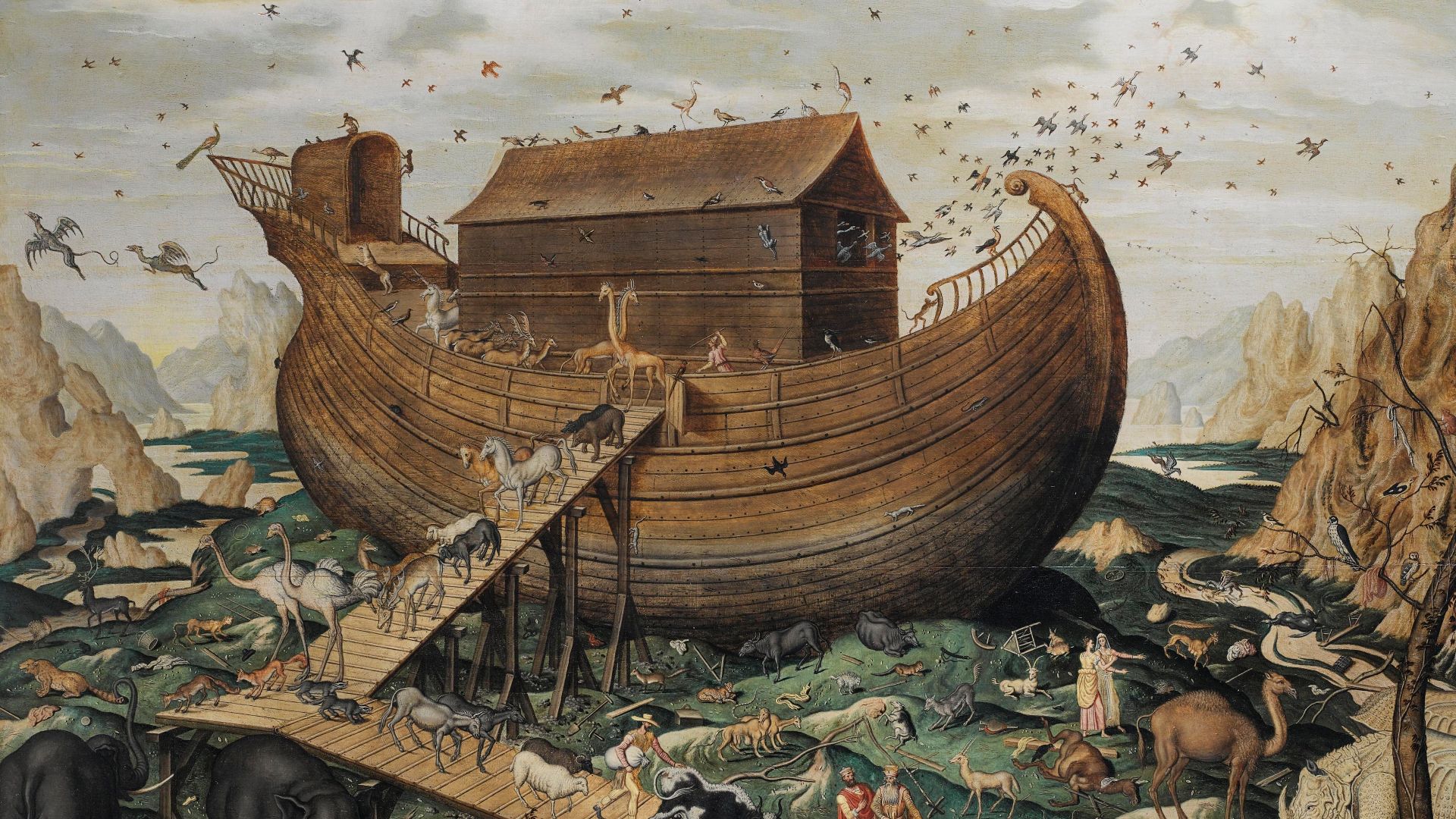 Simon de Myle, Wikimedia Commons
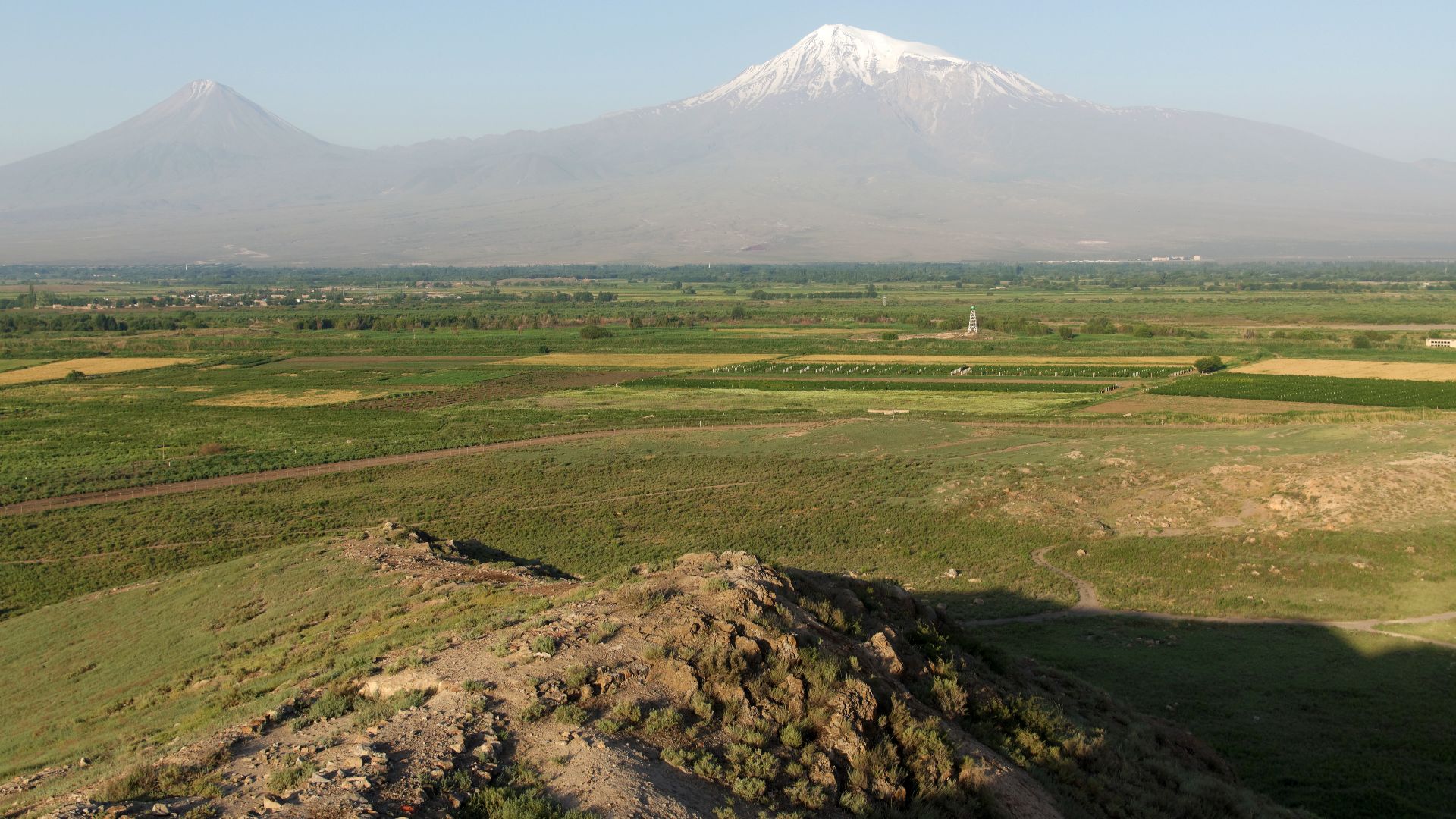
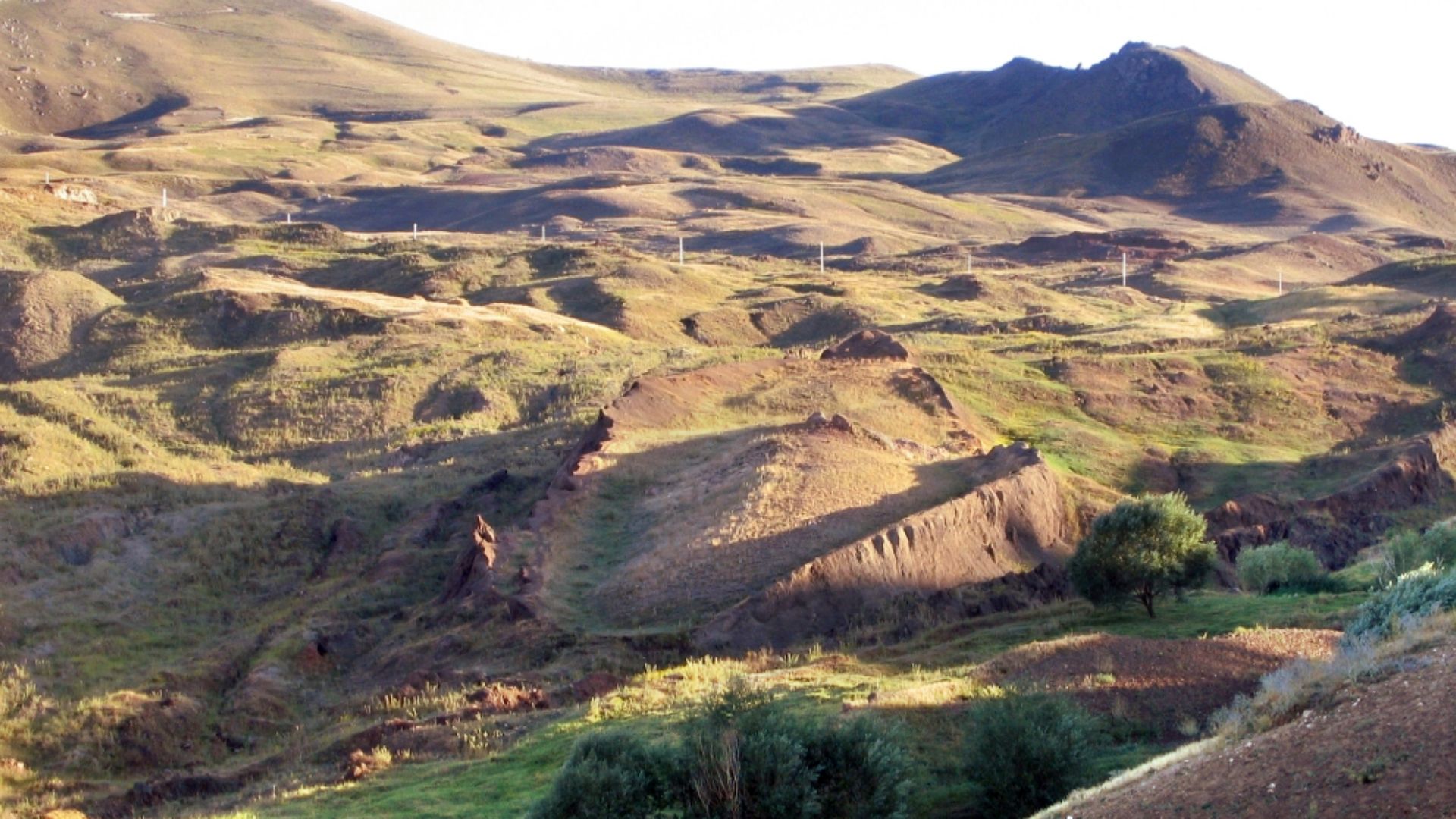
The Site in Eastern Turkey
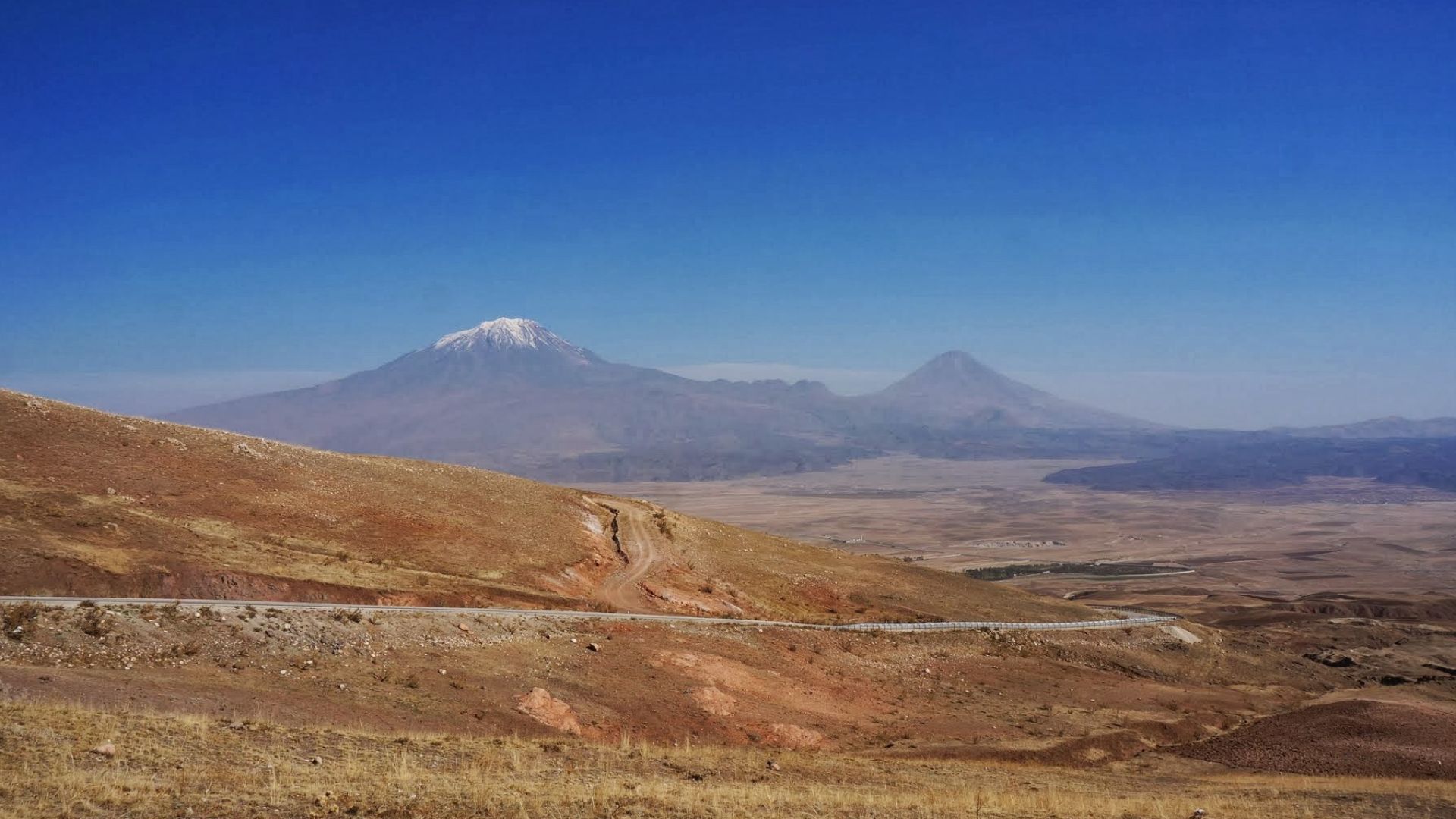
The formation sits in eastern Turkey near Mount Ararat, embedded within sedimentary terrain. Geological mapping places it on a slope shaped by ancient processes. Because the region experienced major flooding and tectonic movement, careful context matters before drawing structural conclusions.
 Vyacheslav Argenberg, Wikimedia Commons
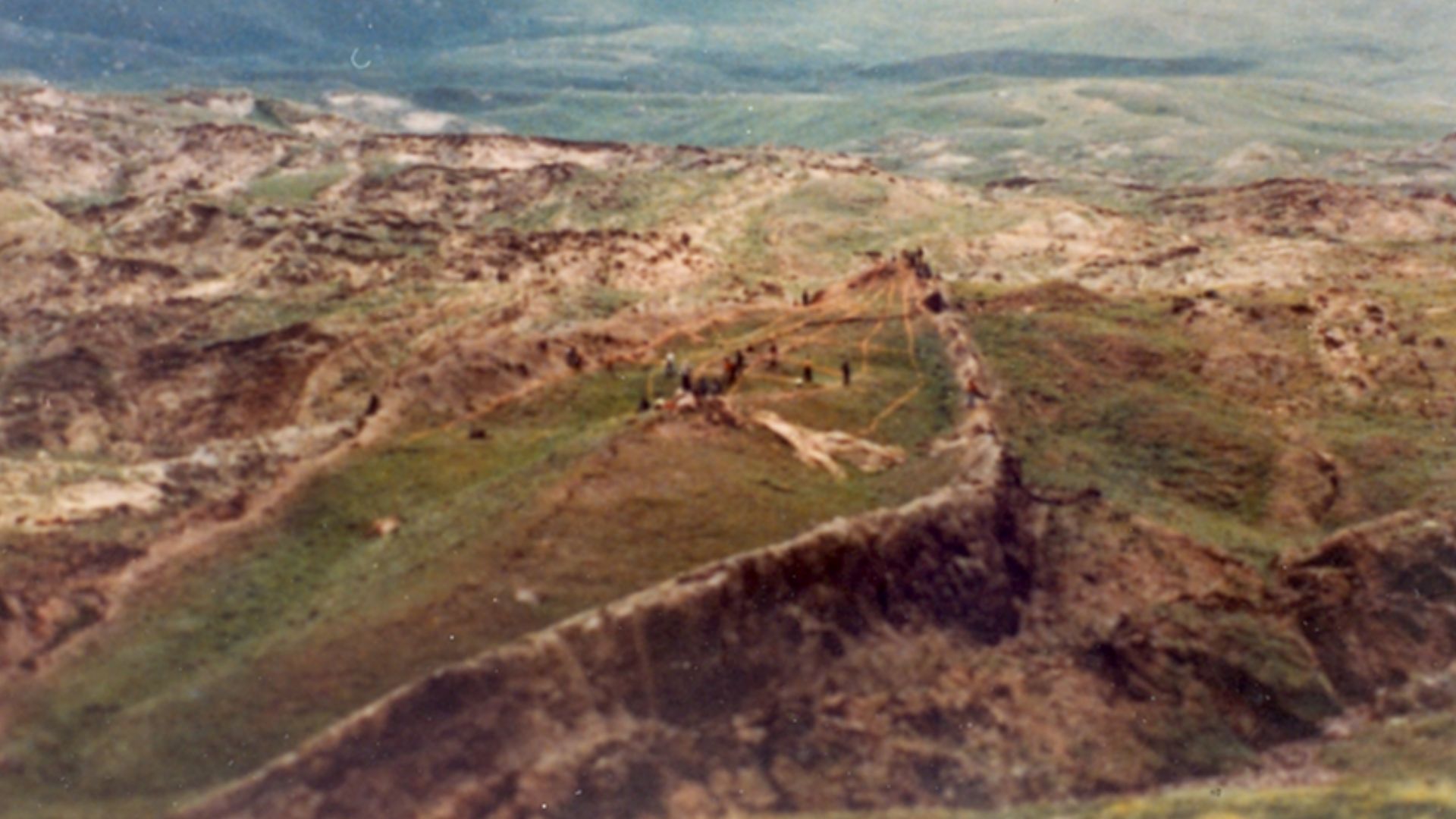
A Shape That Starts Conversations
Seen from above, the outline stops people mid-sentence. Long. Curved. Symmetrical enough to raise eyebrows. Naturally, comparisons followed. Boats came up quickly. So did scripture. Visual resemblance alone proves nothing, yet it explains why interest refuses to disappear.
 Rudolf Pohl, Wikimedia Commons
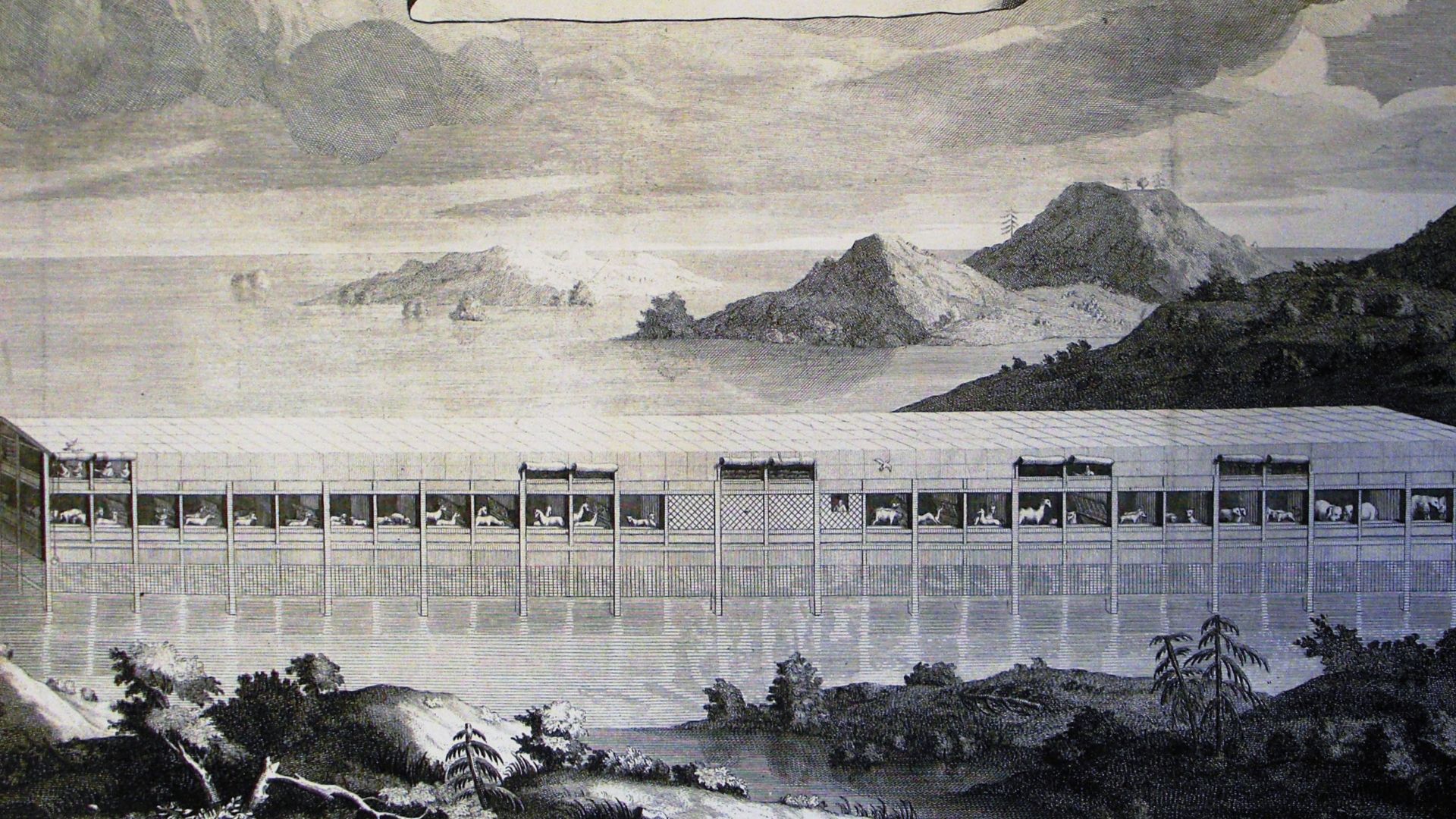
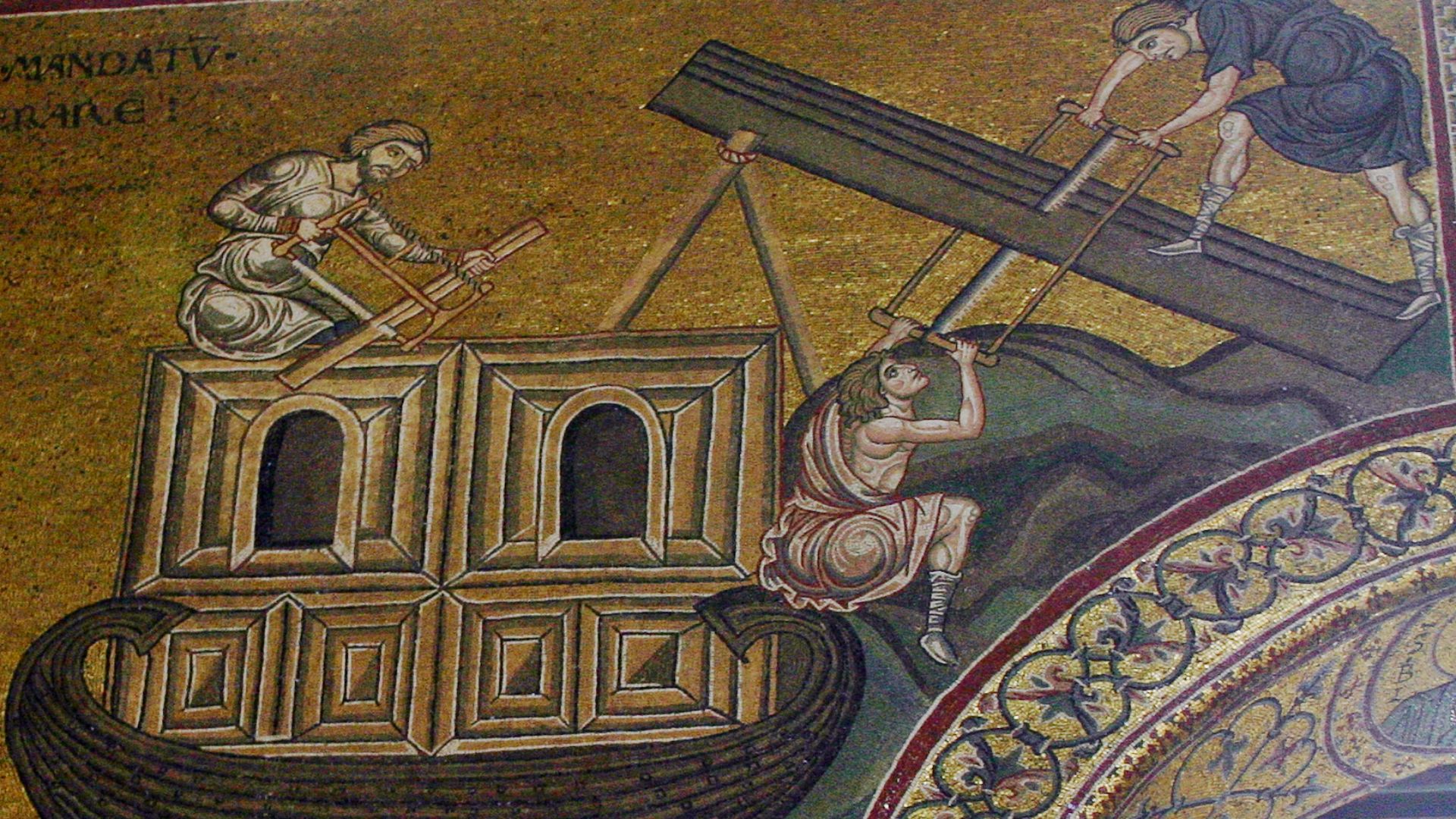
What Genesis Actually Describes
The Book of Genesis describes an ark with specific proportions rather than decorative detail. Length, width, and height appear clearly in the text. Those measurements became central because they allow direct comparison without requiring assumptions about material or construction method.
 Phillip Medhurst, Wikimedia Commons
Length Measurements That Spark Debate
Why does length matter so much here? Survey teams, primarily from speculative projects, measured the formation at approximately 515 feet, which approximates the biblical 300 cubits using one historical cubit conversion, though variations in ancient units allow for coincidence. Coincidence remains possible, yet the numerical alignment continues to fuel discussion.
 Chudilovski ph, Wikimedia Commons
Proportions Over Perfection
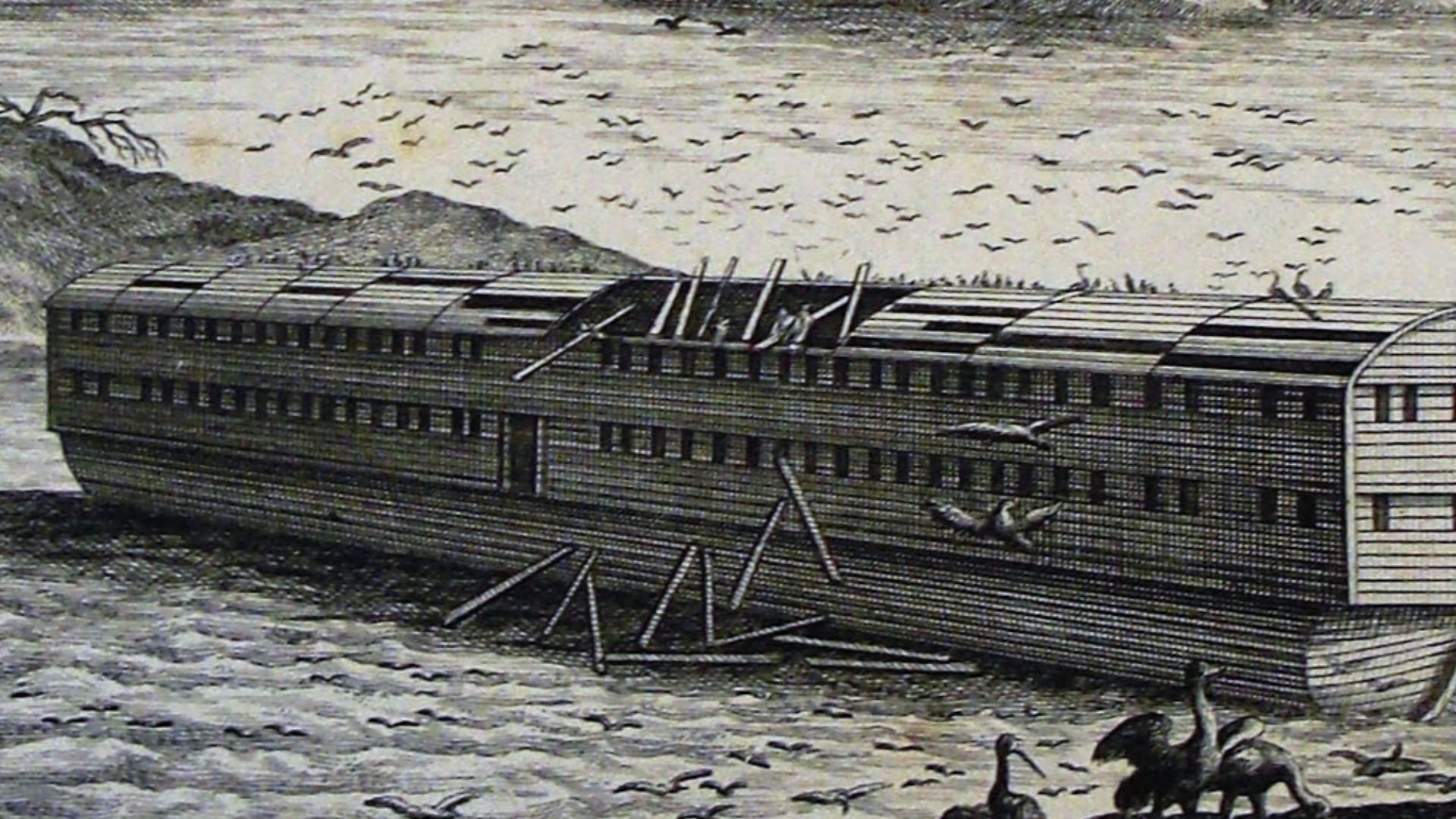
Exact matches rarely happen in archaeology. Ratios matter more. Width-to-length proportions deviate from the exact 6:1 ratio in Genesis, though proponents argue partial similarities amid natural variations. Precision also stays imperfect. Still, proportional similarity raises questions that simple visual comparison never could.
 Phillip Medhurst, Wikimedia Commons
How Scientists Took Measurements
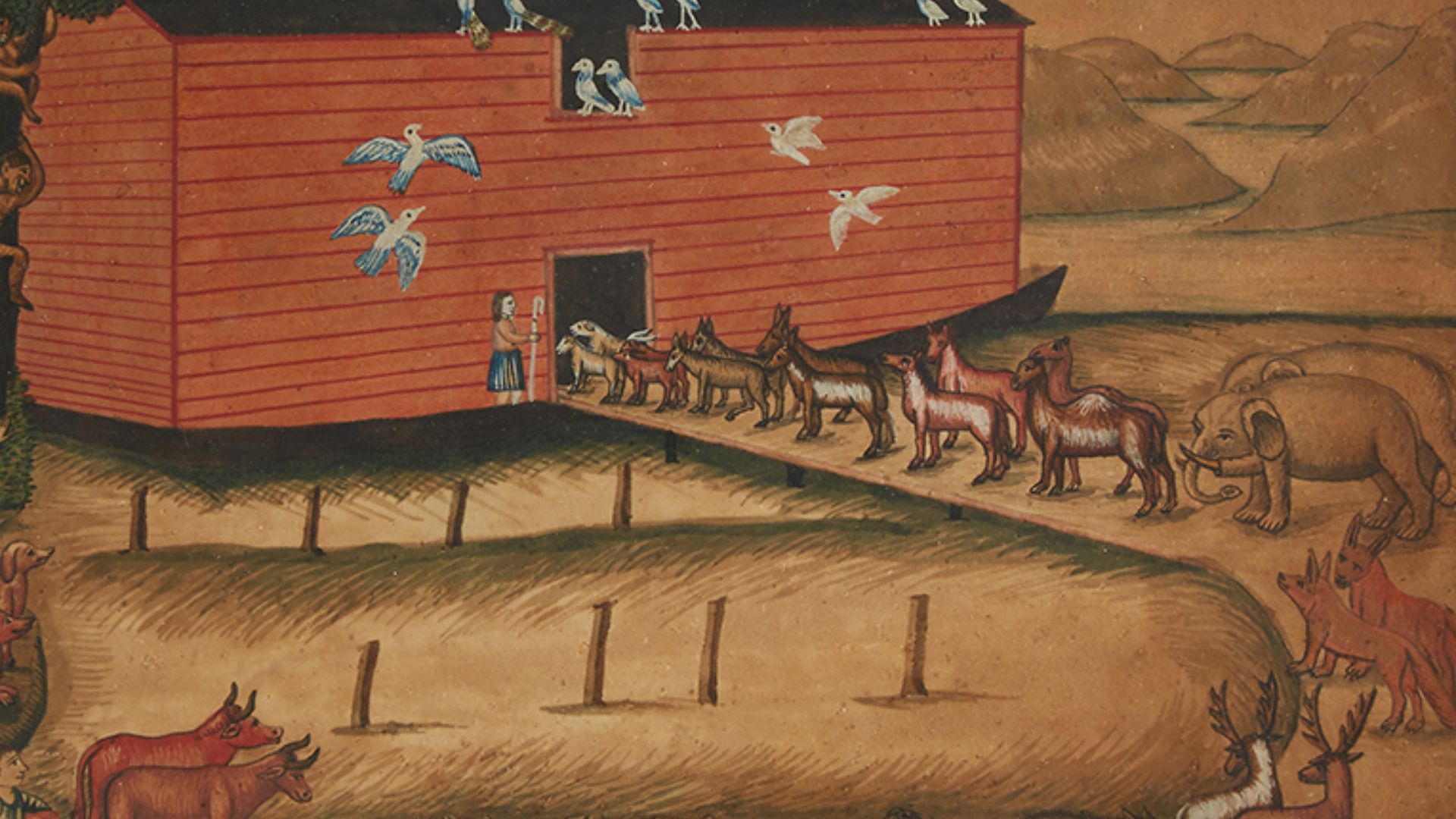
Researchers used ground surveys and satellite mapping to capture dimensions. Multiple passes reduced error. Because erosion alters surface shape over time, scientists focused on underlying form rather than exposed contours when calculating size and proportion.
 Noah’s Ark, attributed to John Landis, watercolor, Wikimedia Commons
Radar Beneath the Surface
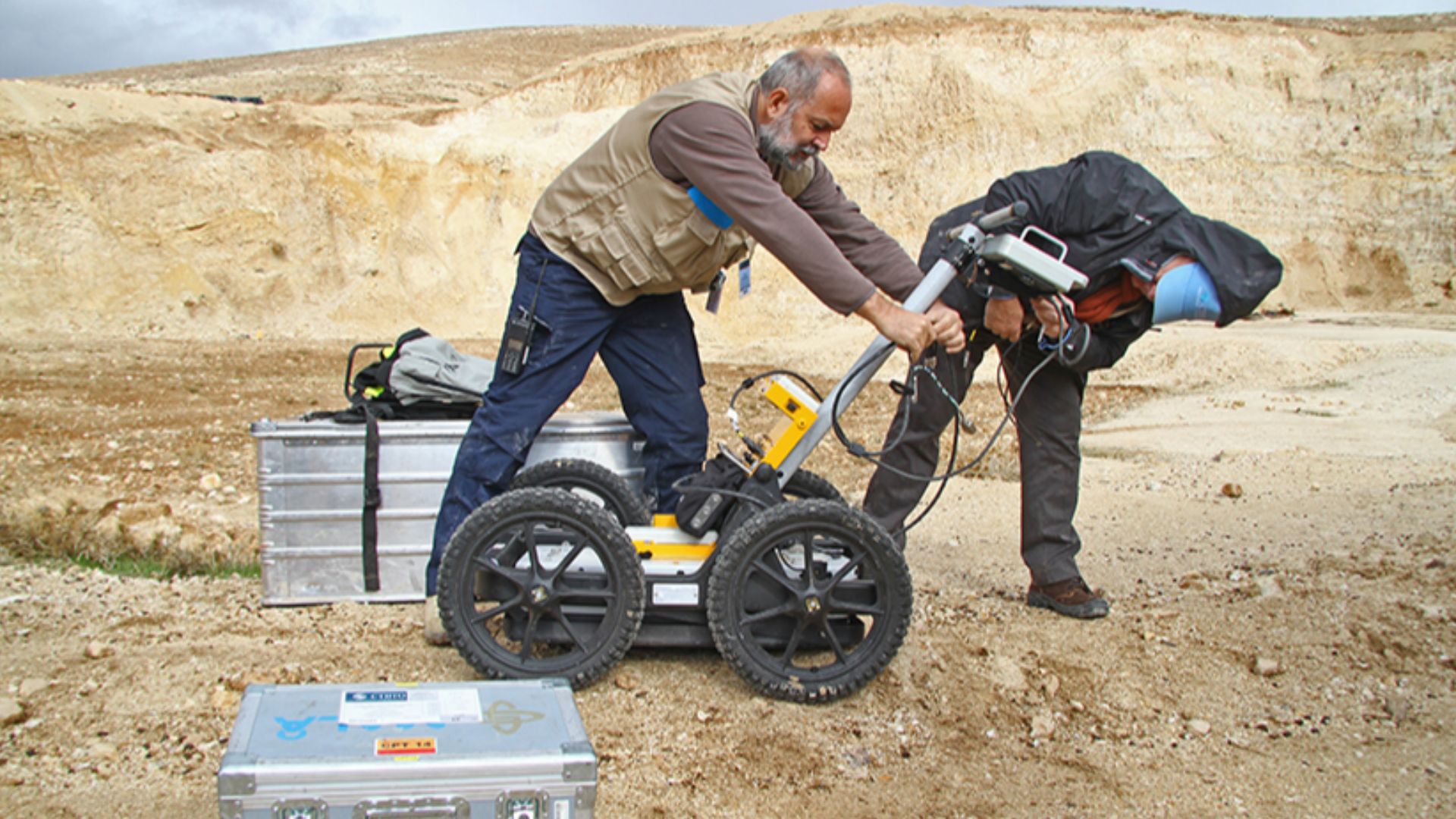
Ground-penetrating radar shifted the debate. Subsurface scans detected linear anomalies beneath the soil. Some researchers view them as possible internal divisions. Geologists, however, argue that the patterns resemble natural sedimentary fracturing. The findings sparked interest, though interpretation remains strongly contested.
 The Official CTBTO Photostream, Wikimedia Commons
Soil That Behaves Differently
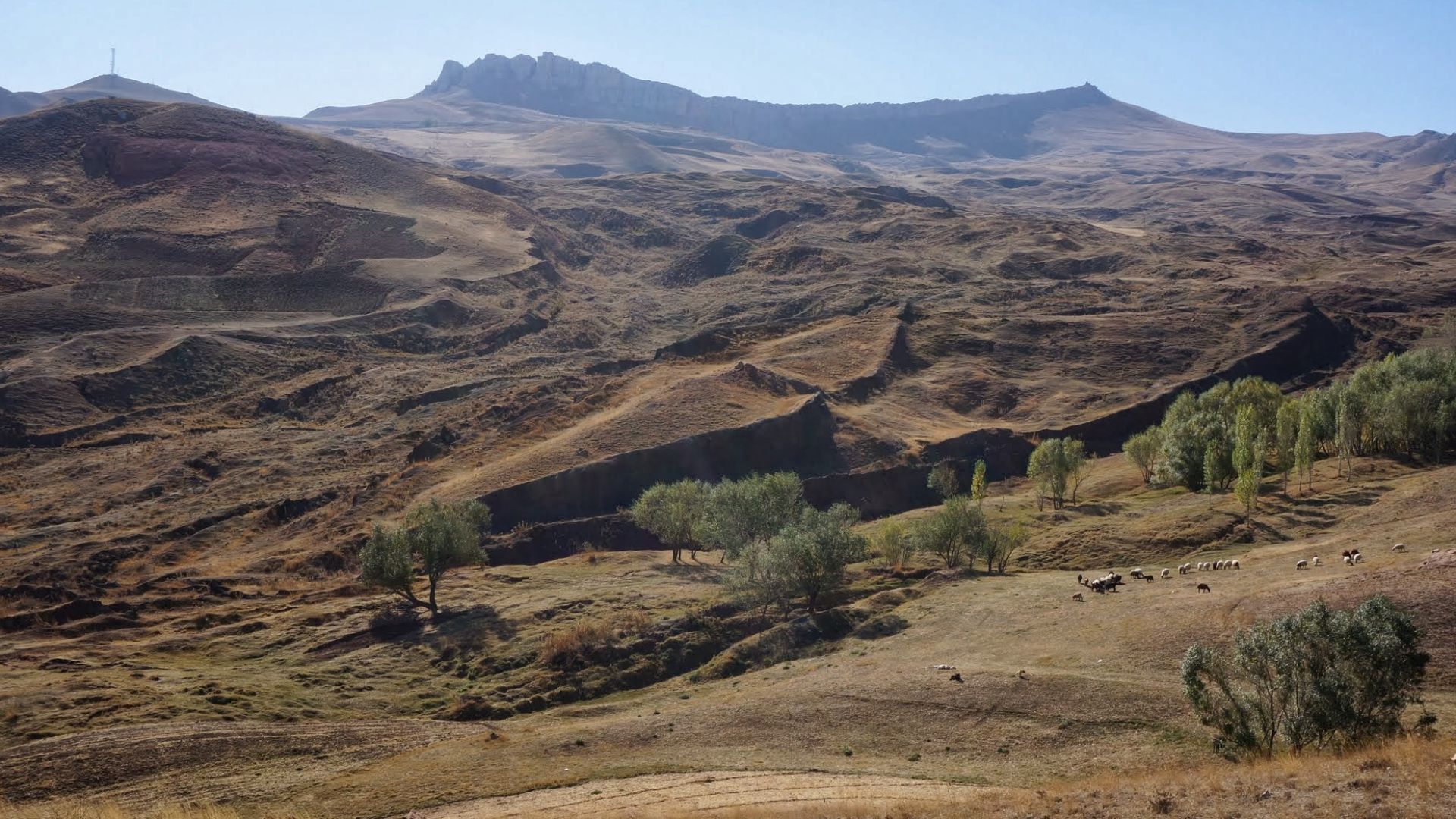
Tests showed that the soil inside the formation differs chemically from the surrounding ground, with higher organic content possibly from natural accumulation or decayed matter, though recent nearby ceramic finds suggest ancient regional human activity. That contrast nudged belief forward for some observers. Still, unusual soil alone cannot confirm purpose, origin, or human involvement.
Dating Comes With Boundaries
Carbon dating entered the chat, then immediately complicated things. Organic samples suggested ancient age ranges, though not a clear timeline. Dating soil near a structure never dates the structure itself. Science rarely offers neat answers, especially here.
 Yulia Kolosova, Wikimedia Commons
How the Site Entered Modern Debate
Local reports drew attention decades ago, yet a serious study arrived much later. Early visits noted the shape without tools to test it. Recently, organized teams returned with modern methods, shifting the conversation away from folklore and toward measurable claims.
Organic Material Findings
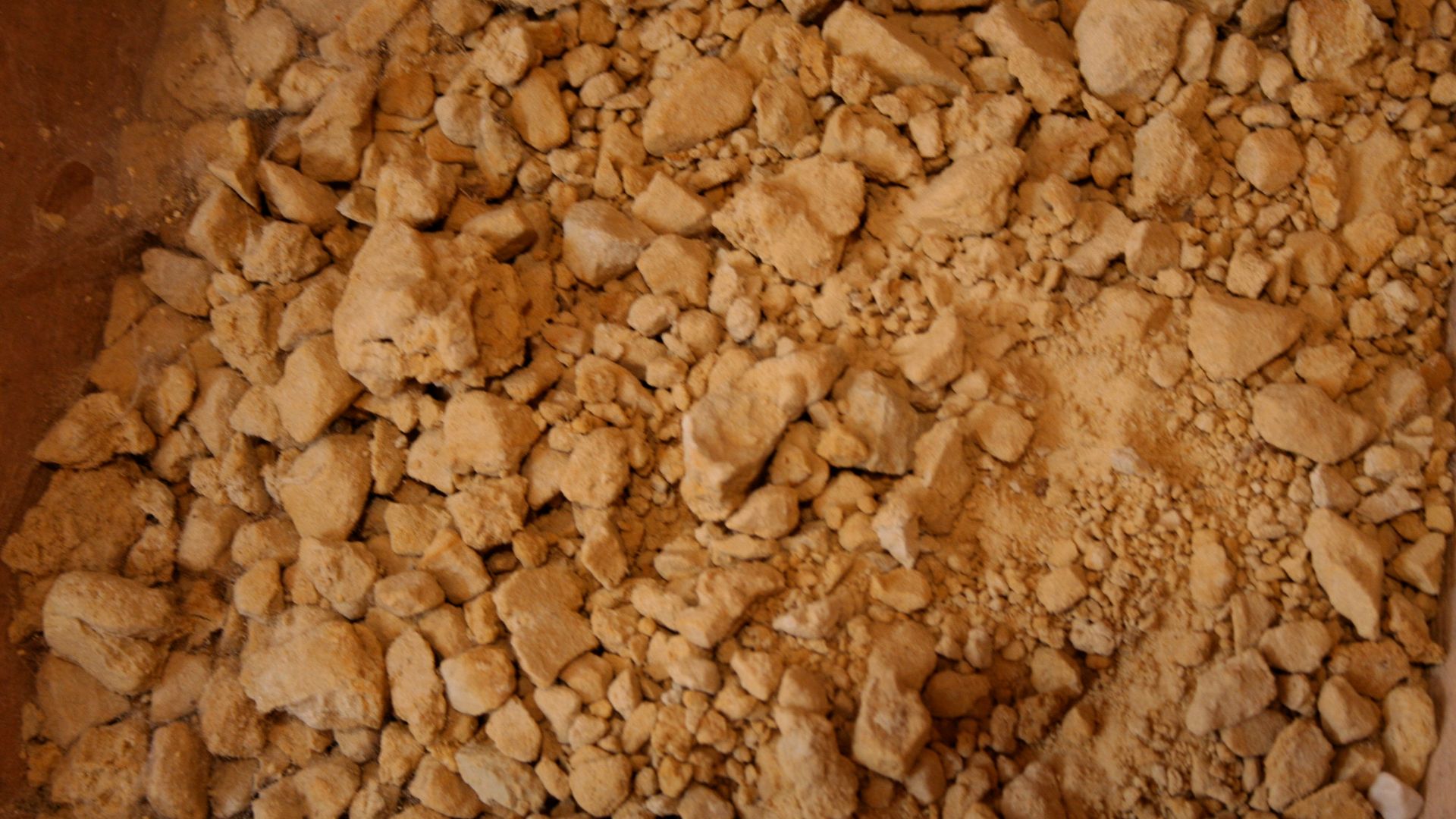
Samples collected within the formation showed elevated organic content compared to the surrounding soil. Researchers also caution that organic presence can result from natural accumulation. Even so, the contrast remains notable and continues to motivate further controlled sampling.
 Irek i Kasia, Wikimedia Commons
Why Organic Evidence Gets Overread
Although organic material sounds dramatic, it needs context. Soil absorbs plant matter easily over time. Without a clear structural association, such findings stay suggestive rather than decisive. Understanding that limit helps keep excitement aligned with evidence rather than expectation.
 Megan Mallen, Wikimedia Commons
Carbon Dating Explained Carefully
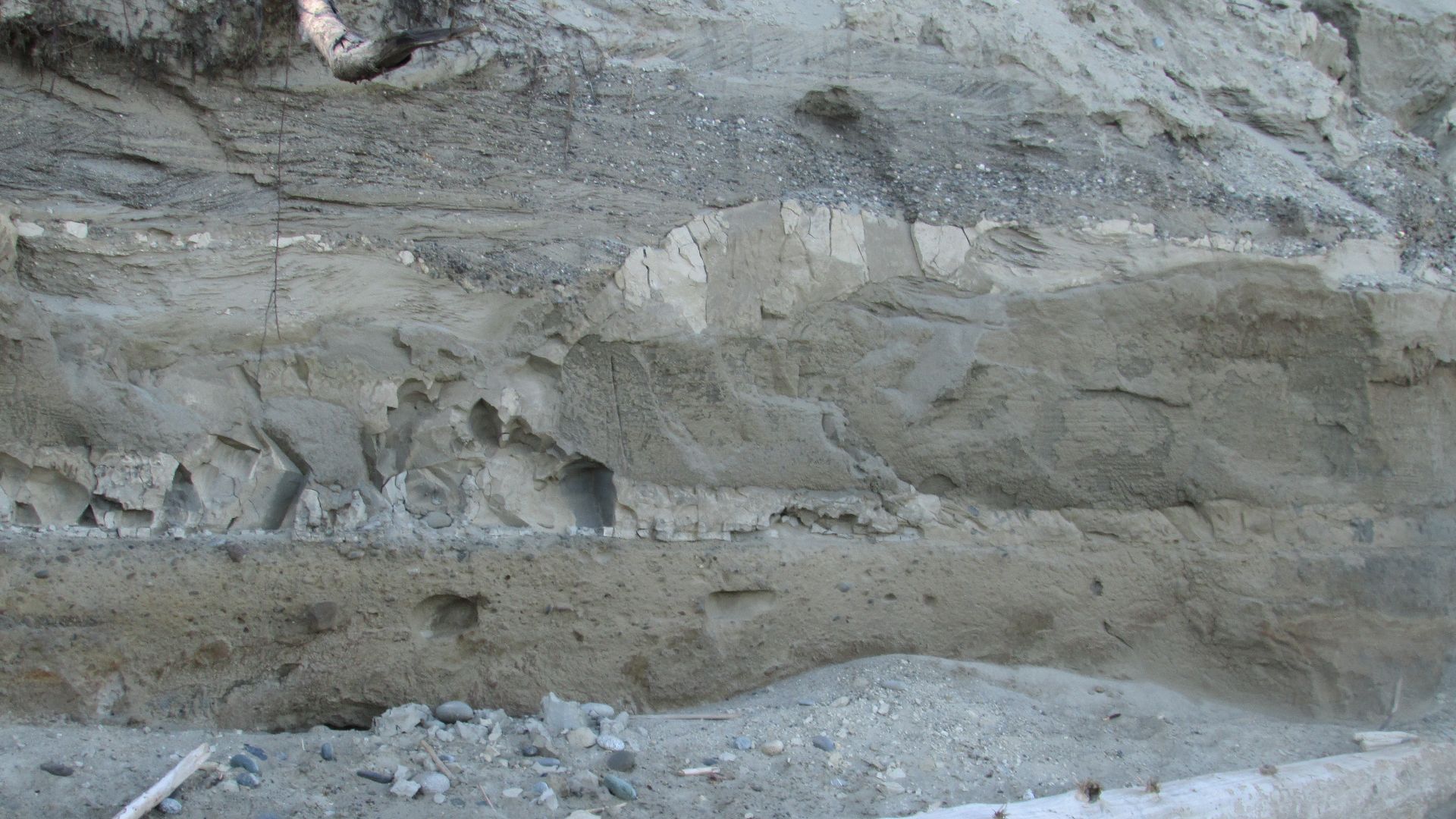
Carbon dating applied to nearby organic samples suggested ancient time ranges. However, the method dates the material itself, not the formation. Because samples may shift through soil layers, results cannot confirm construction age or human activity.
 Chris Light, Wikimedia Commons
Why Some Scientists Push Back
Geologists tend to sigh before arguing. Many point out that unusual shapes form naturally under pressure and erosion. Extraordinary claims demand restraint. Skepticism here reflects professional caution, not hostility toward belief or history.
 Julian Nyca, Wikimedia Commons
When Nature Mimics Intention
Rock bends under time, water, and stress, slowly carving shapes that feel deliberate. Symmetry can also emerge without hands. The earth repeats patterns. Meaning appears only after observers begin assigning purpose to forms shaped by long processes.
Faith Meets Measurement
Belief seeks confirmation, while science seeks limitation. This site sits between those impulses. Numbers invite hope, but methods enforce restraint. The tension also explains strong reactions, as evidence feels personal when tied to sacred narratives.
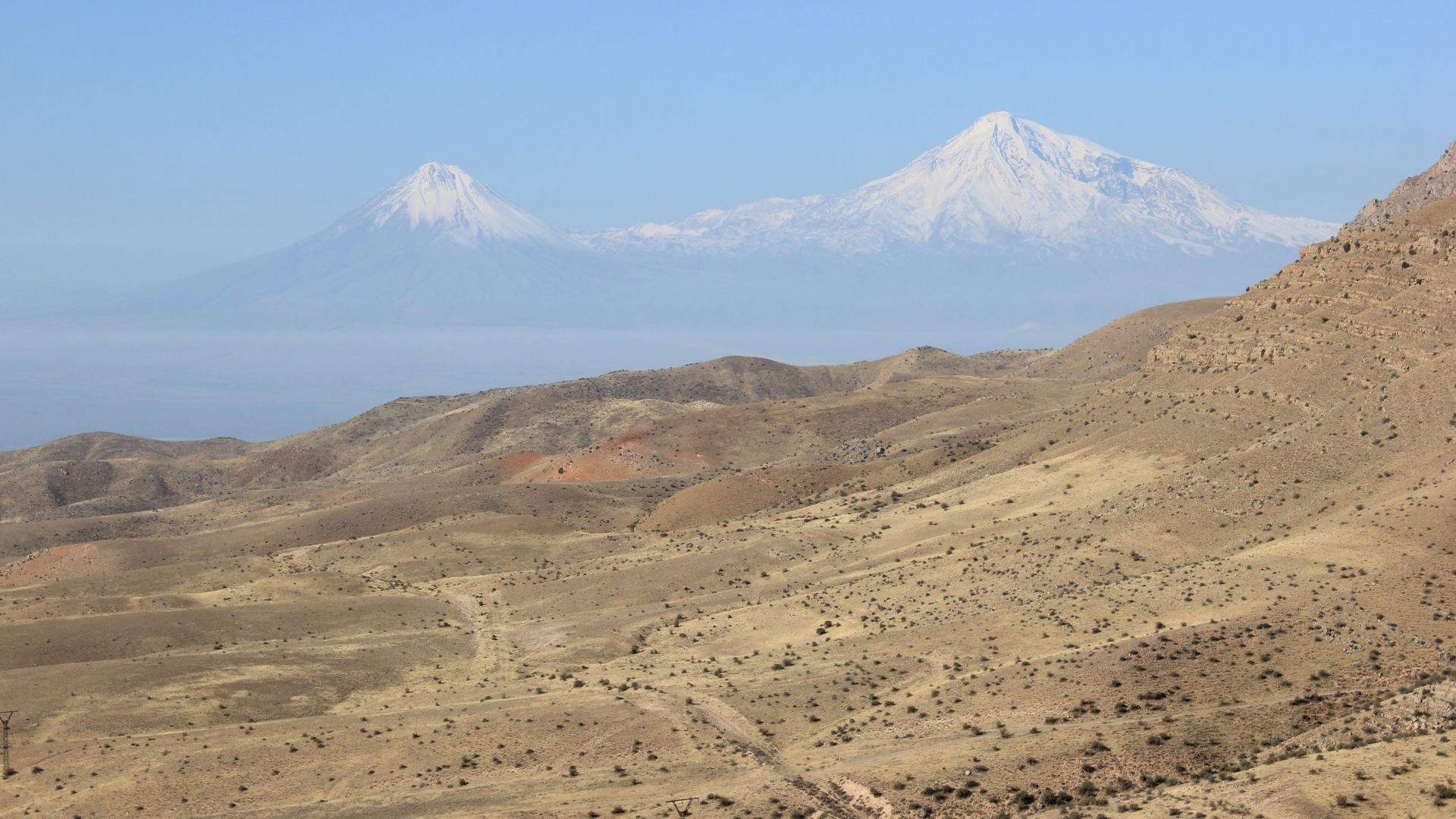
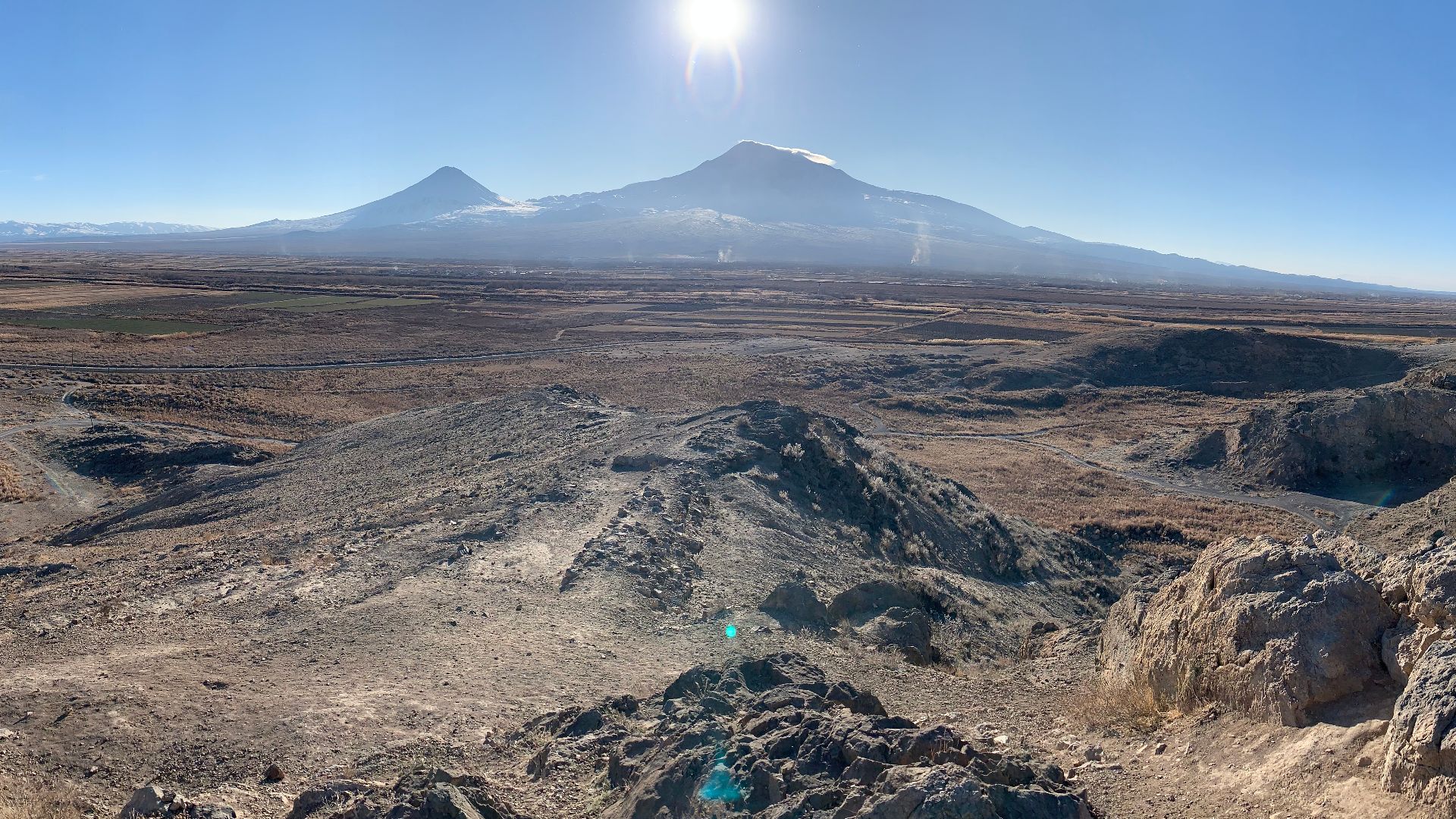
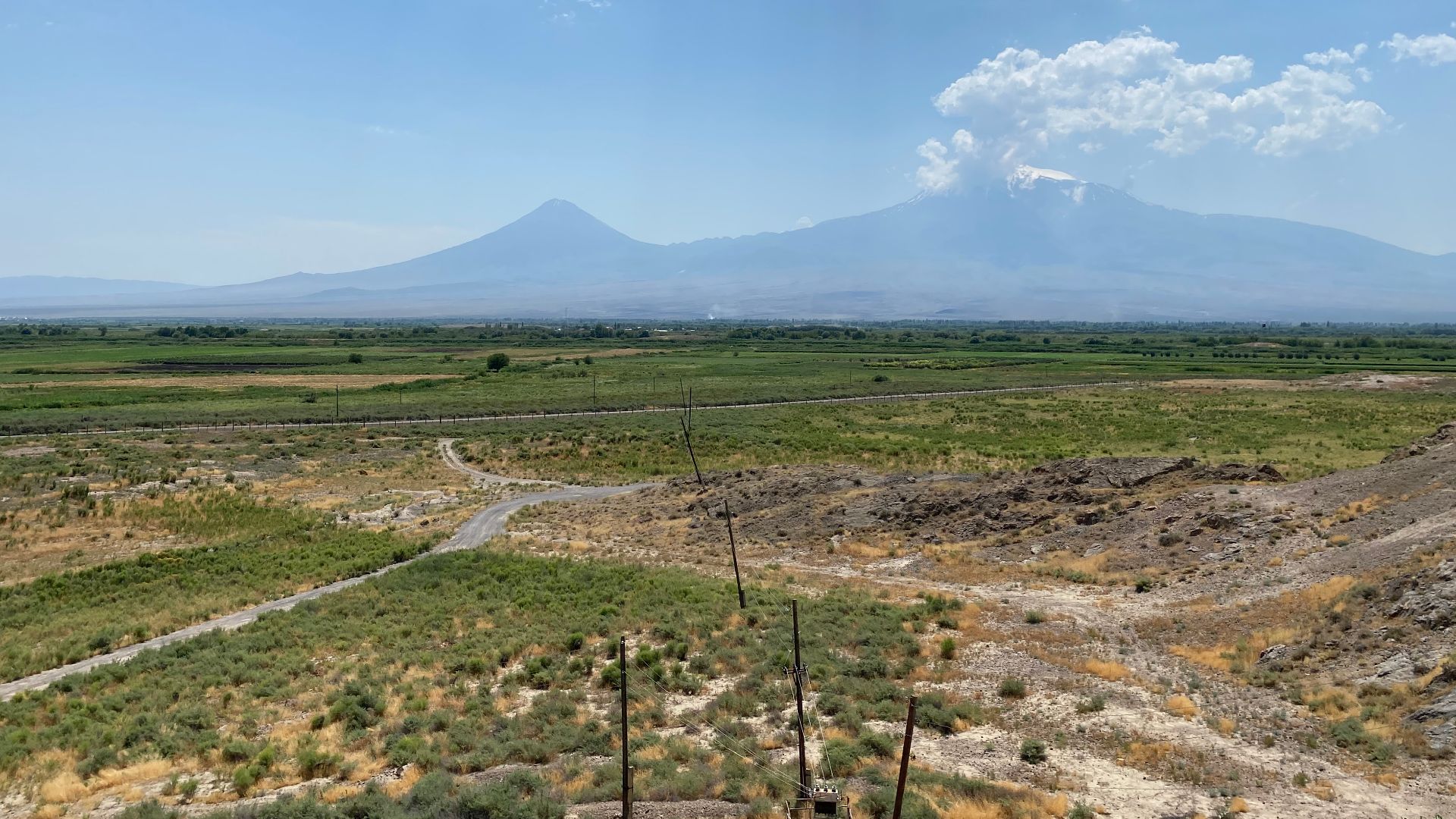
Why Mount Ararat Matters
Tradition places the ark in this region, lending emotional gravity to any nearby claim. That connection intensifies scrutiny. Every measurement carries weight beyond data, which pulls ancient text and modern tools into the same uneasy frame.
 Hector Ochoa 'Robot8A', Wikimedia Commons
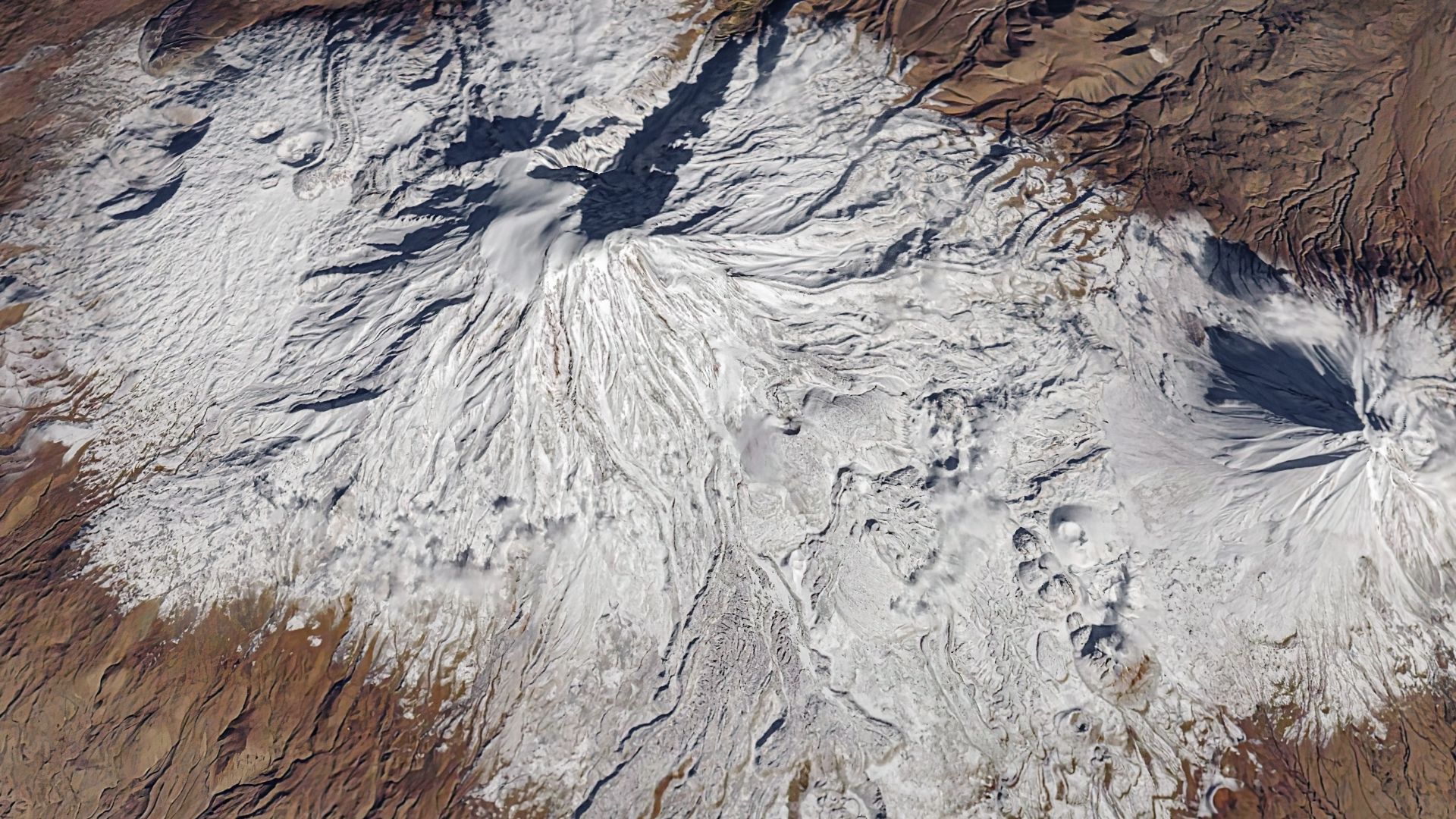
What Proof Would Actually Require
What would settle the question? Clear structural remains, consistent material evidence, and undeniable human modification. Short of that threshold, claims remain provisional. Therefore, science advances by defining what evidence must show, not by filling gaps.
 Pierre Markuse, Wikimedia Commons
Why the Question Persists
The shape invites attention. Measurements invite comparison. Tradition adds momentum. Doubt slows certainty. Together, these forces keep debate alive, ensuring the site remains discussed even while conclusions stay firmly unresolved.
 Arman Batikian, Wikimedia Commons
Media Amplification Effects
Once headlines mention Noah’s Ark, nuance often disappears. Media coverage tends to compress careful findings into bold conclusions. That amplification shapes public perception, making tentative measurements feel definitive. Understanding that gap helps separate research updates from dramatic interpretation.

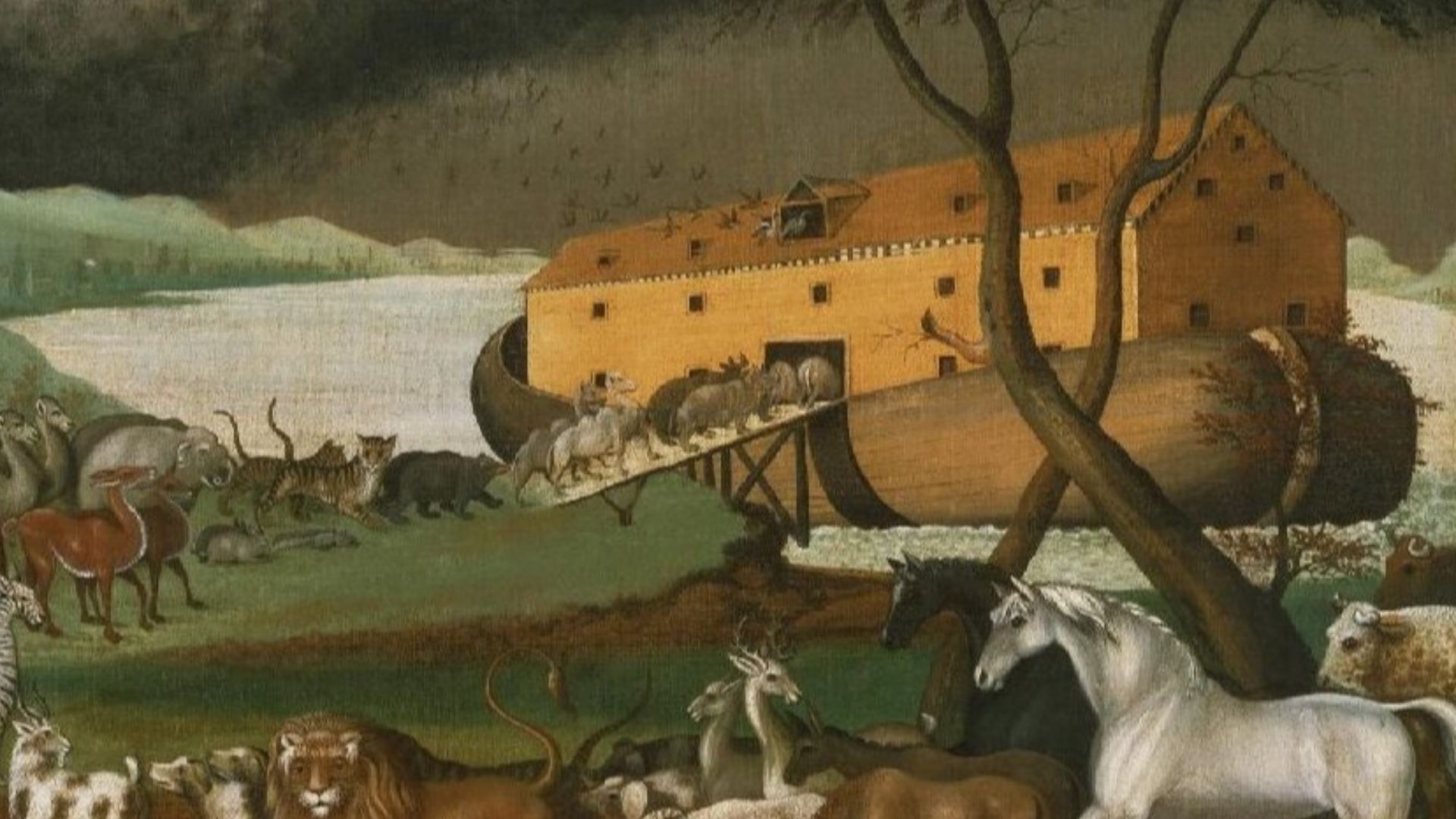
Why Multiple Ark Sites Exist
Why does one ark seem to land in many places? Textual ambiguity, translation differences, and regional tradition all play roles. Each candidate reflects an interpretation layered onto geography, which shows how belief adapts to terrain as much as evidence does.
 Edward Hicks, Wikimedia Commons
Scientific Caution as a Feature
Waiting for clear answers can feel maddening, especially when headlines promise certainty. Scientists live with that discomfort daily. Careful pacing protects credibility because claims must endure repeated testing and disagreement. In moments like this, restraint reflects responsibility rather than hesitation.
 Zorka Sojka, Wikimedia Commons
What the Discovery Does Not Prove
Current findings do not confirm the existence of a constructed vessel, a flood event, or biblical authorship. Measurements and subsurface features remain ambiguous. Without direct evidence of human fabrication, conclusions remain limited to geological description and comparative analysis.
 Mfikretyilmaz, Wikimedia Commons
Why the Debate Refuses to End
The discussion persists because proof and interpretation travel different paths. Shapes invite recognition, numbers encourage comparison, and narratives fill silence. Together they create a space where answers hover unfinished, sustained by curiosity and restraint rather than resolution.