
History Forgot The Instruction Manual
Think modern technology is impressive? Ancient civilizations were already experimenting with mechanical computers, artificial limbs, automated machines, and materials that scientists still struggle to reproduce. Some techniques genuinely disappeared for centuries, while others survived only in fragments, forgotten manuscripts, or isolated traditions. Their rediscovery has completely changed what historians thought ancient people could accomplish.
 Frame Stock Footage, Shutterstock Images
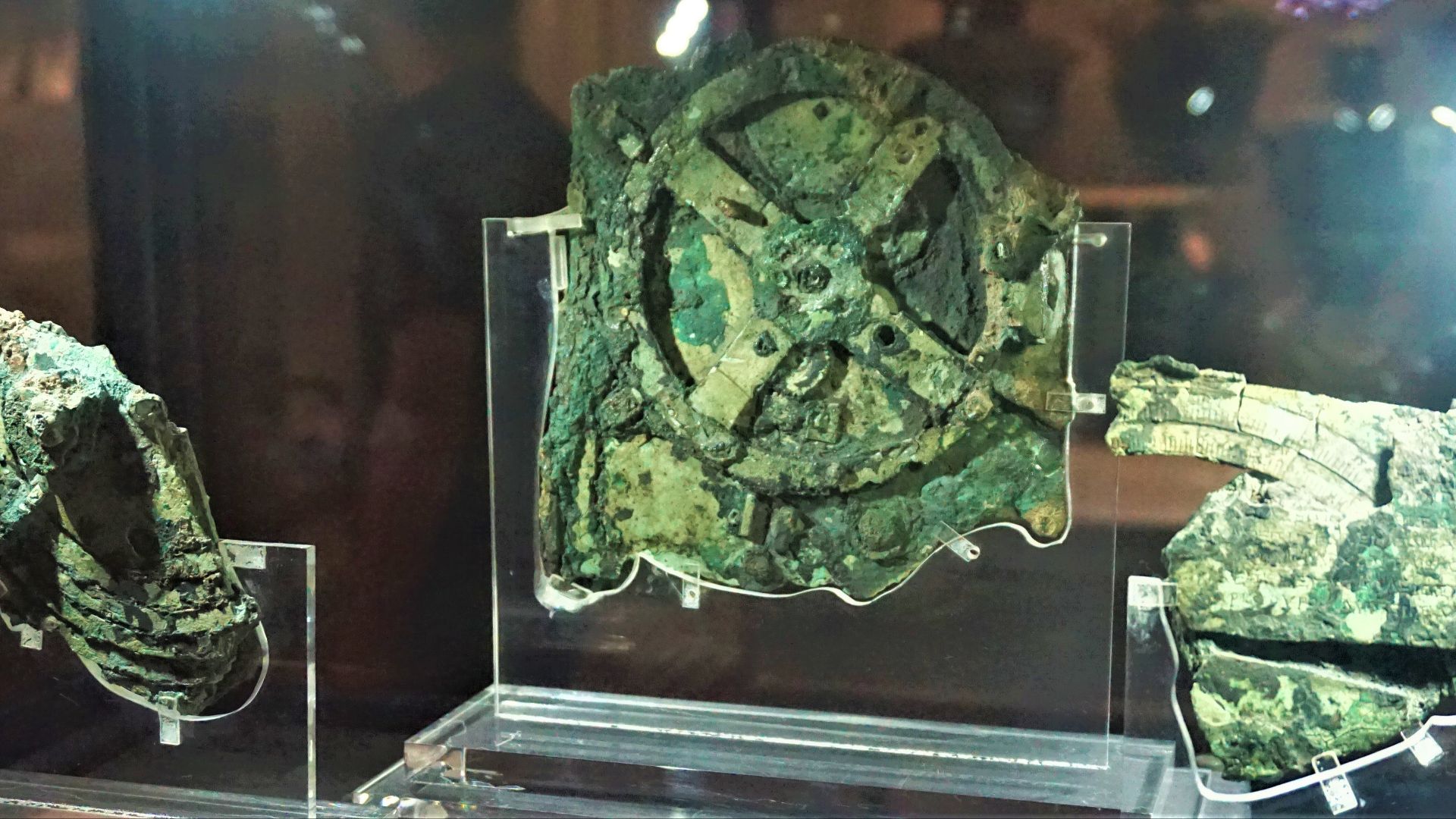
The Antikythera Mechanism
Recovered from a Greek shipwreck in 1900–1901, this extraordinary device contained intricate bronze gears that tracked celestial movements and predicted eclipses. Nothing comparably sophisticated survives from the following millennium. Modern imaging finally revealed much of its astonishing complexity.
 Joyofmuseums, Wikimedia Commons
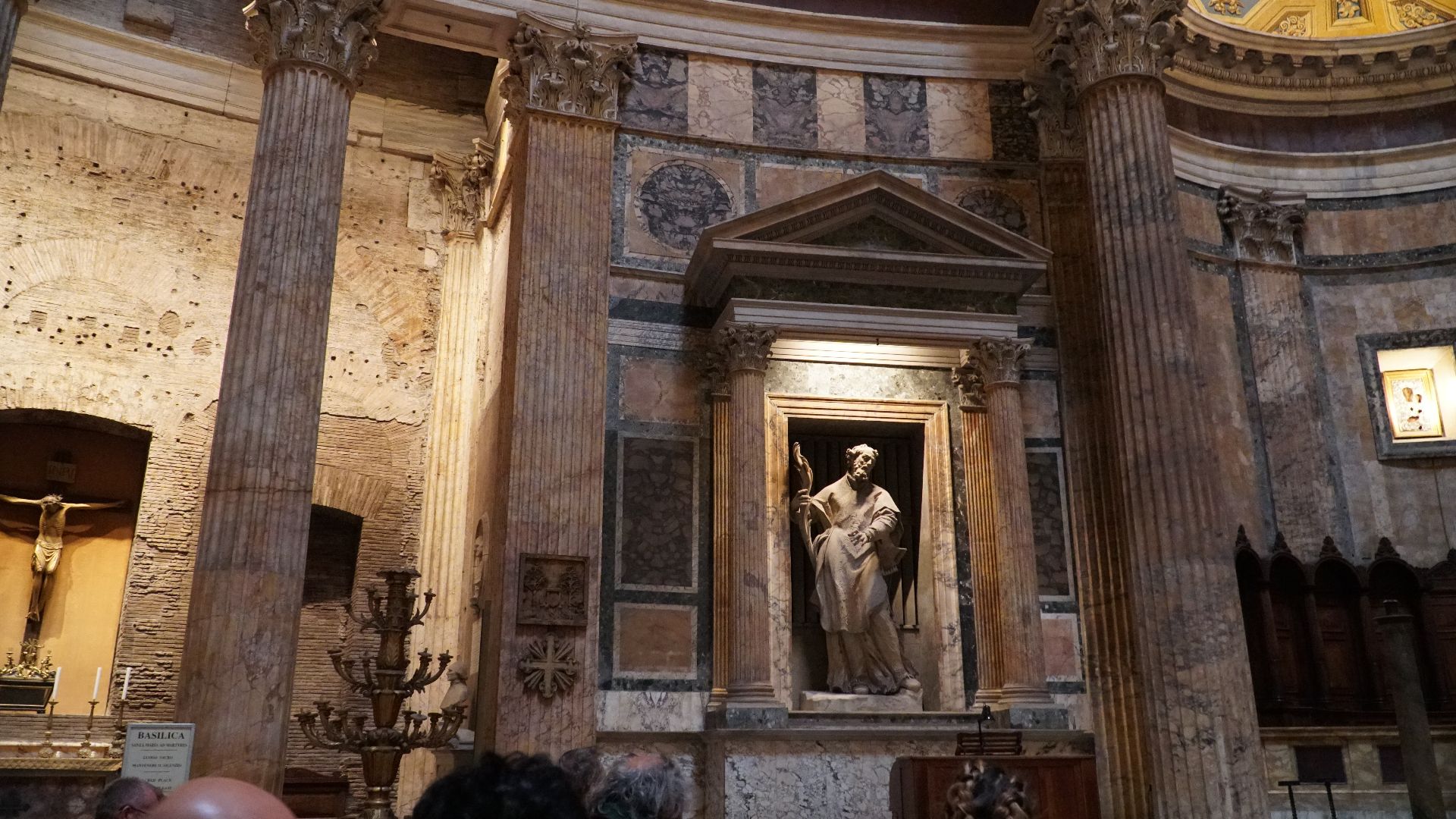
Roman Self-Healing Concrete
Roman builders developed concrete formulations capable of remarkable durability. Recent MIT research identified evidence of hot-mixing quicklime, producing lime fragments that could help seal cracks. Although concrete never disappeared entirely, scientists are still recovering the secrets behind certain Roman recipes.
 Deb Nystrom from Ann Arbor, Michigan, USA, Wikimedia Commons
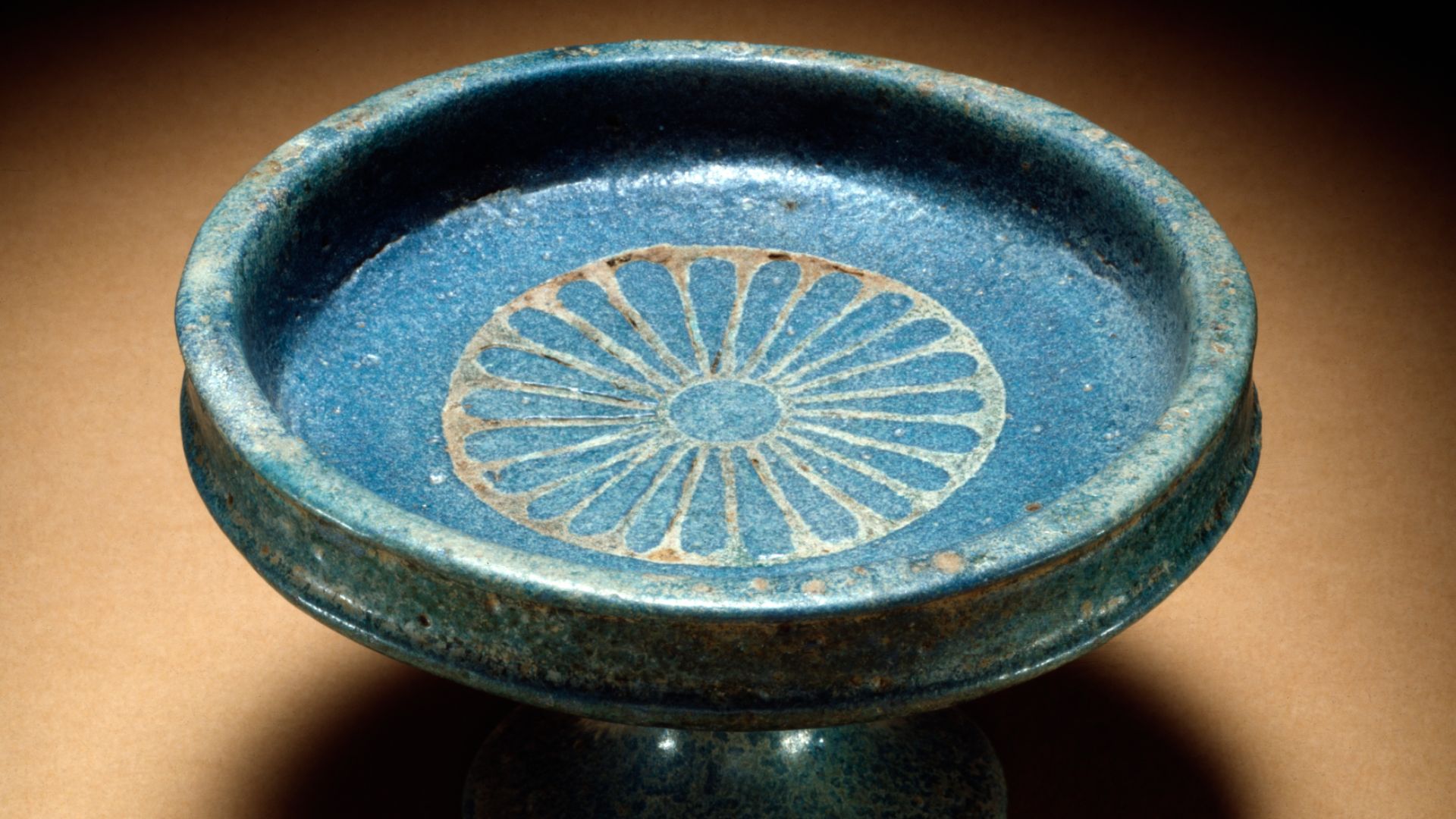
Egyptian Blue
Ancient Egyptians manufactured a brilliant synthetic pigment thousands of years before modern chemistry existed. Its production eventually faded from widespread use. In 2025, researchers recreated multiple formulations, revealing how carefully controlled ingredients and temperatures produced this remarkable color.
 Anonymous (Egypt)Unknown author, Wikimedia Commons
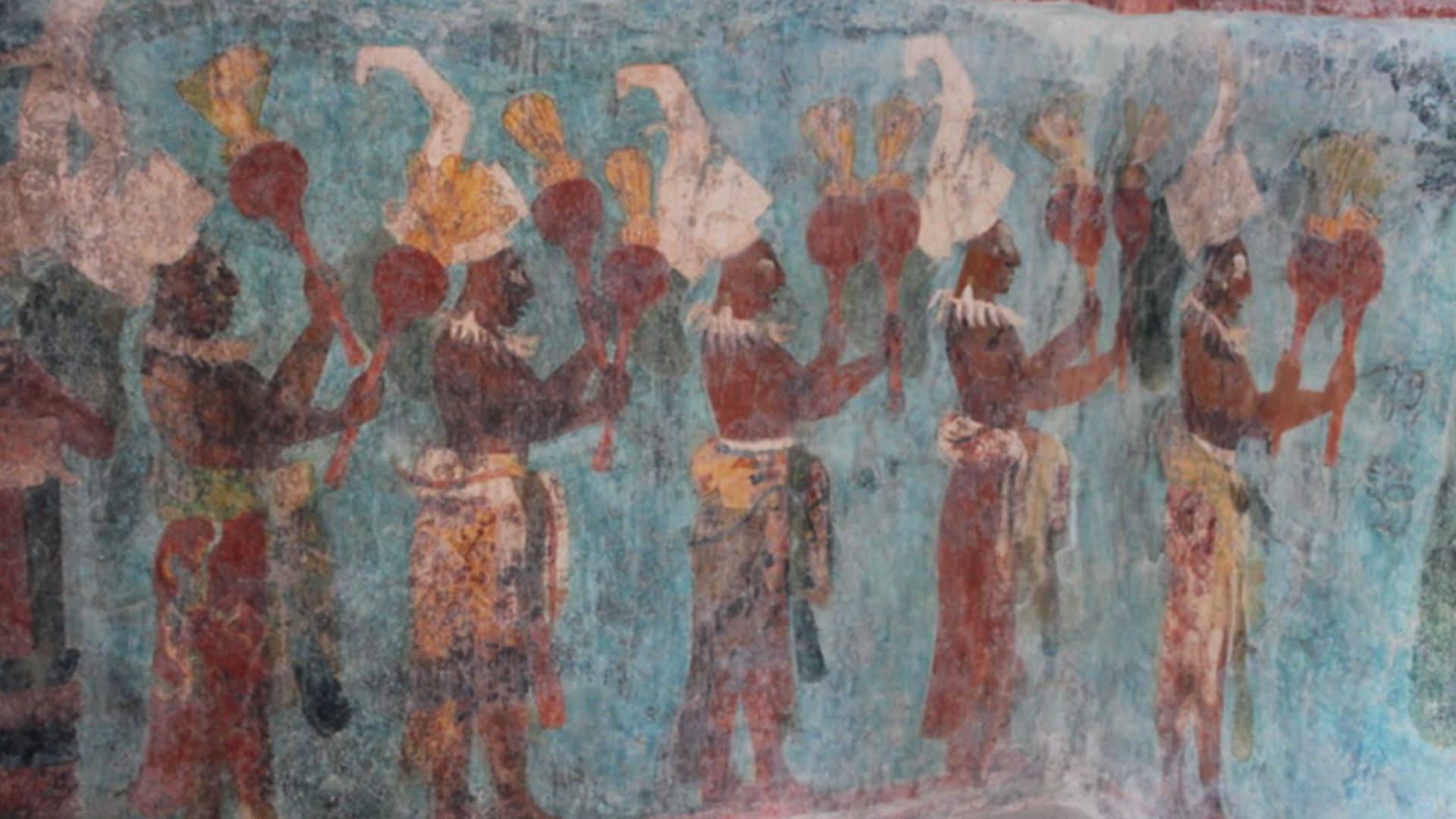
Maya Blue
The Maya created an exceptionally durable pigment by combining indigo with palygorskite clay. It resisted chemical damage and survived tropical conditions for centuries. Modern research revealed its unusual structure and traced the clay to sources still recognized by Indigenous communities.
 Arian Zwegers, Wikimedia Commons
Han Purple
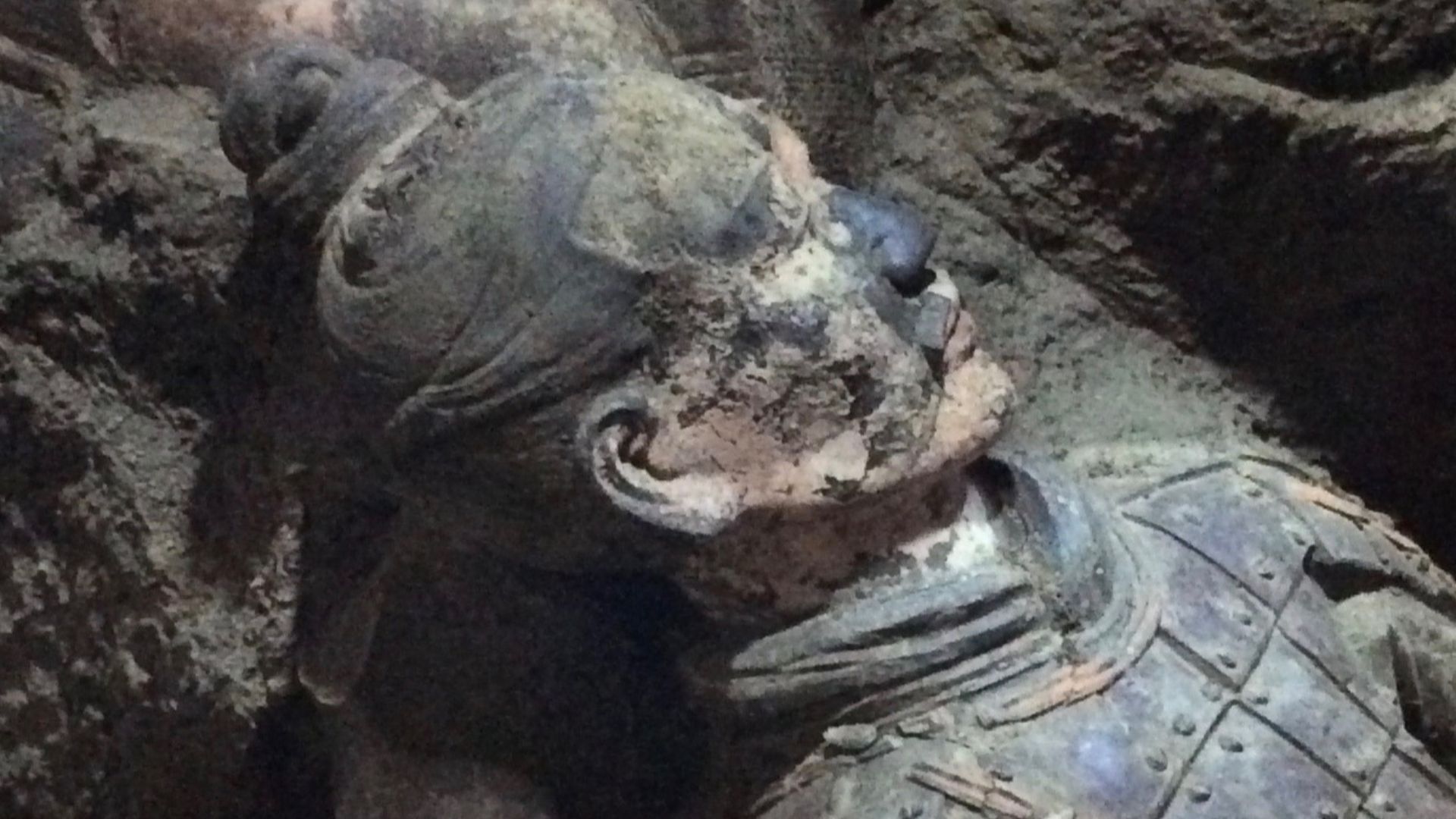
Ancient Chinese artisans manufactured a vivid purple pigment used on the Terracotta Army and other precious objects. Its popularity declined after the Han era. Modern scientific analysis has exposed its unusual copper-silicate chemistry and remarkable behavior under infrared illumination.
 Lindy Buckley, Wikimedia Commons
Tyrian Purple Dye
Phoenician artisans extracted this extraordinarily valuable dye from marine mollusks. Associated with royalty, its production required considerable expertise and resources. European knowledge of the process eventually disappeared, but modern experiments successfully revived the ancient dyeing technique in 2001.
 Inge Boesken Kanold, Wikimedia Commons
Egyptian Faience
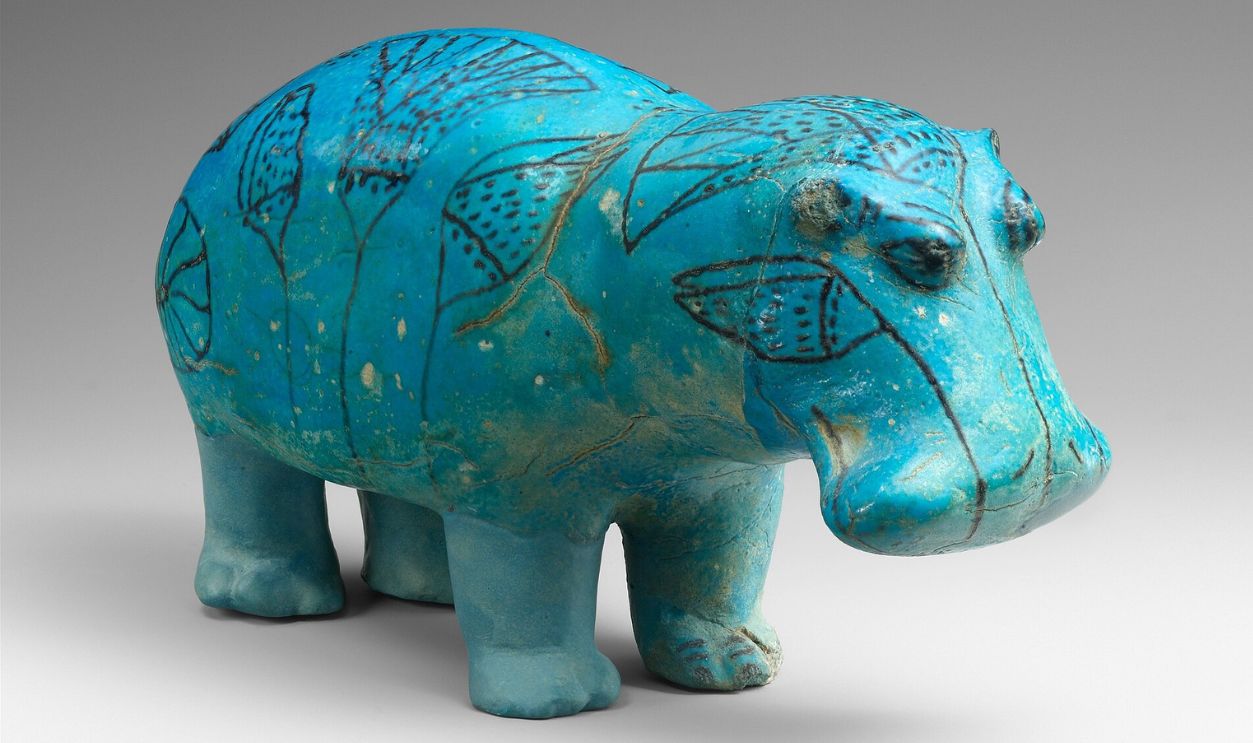
Ancient Egyptians produced beautiful blue-green objects using a quartz-based material with a glossy surface. Its manufacturing methods were largely forgotten for roughly two thousand years. Modern experimental archaeology has reconstructed three distinct glazing processes once used by Egyptian craftspeople.
 Metropolitan Museum of Art, Wikimedia Commons
Mesoamerican Rubber Processing
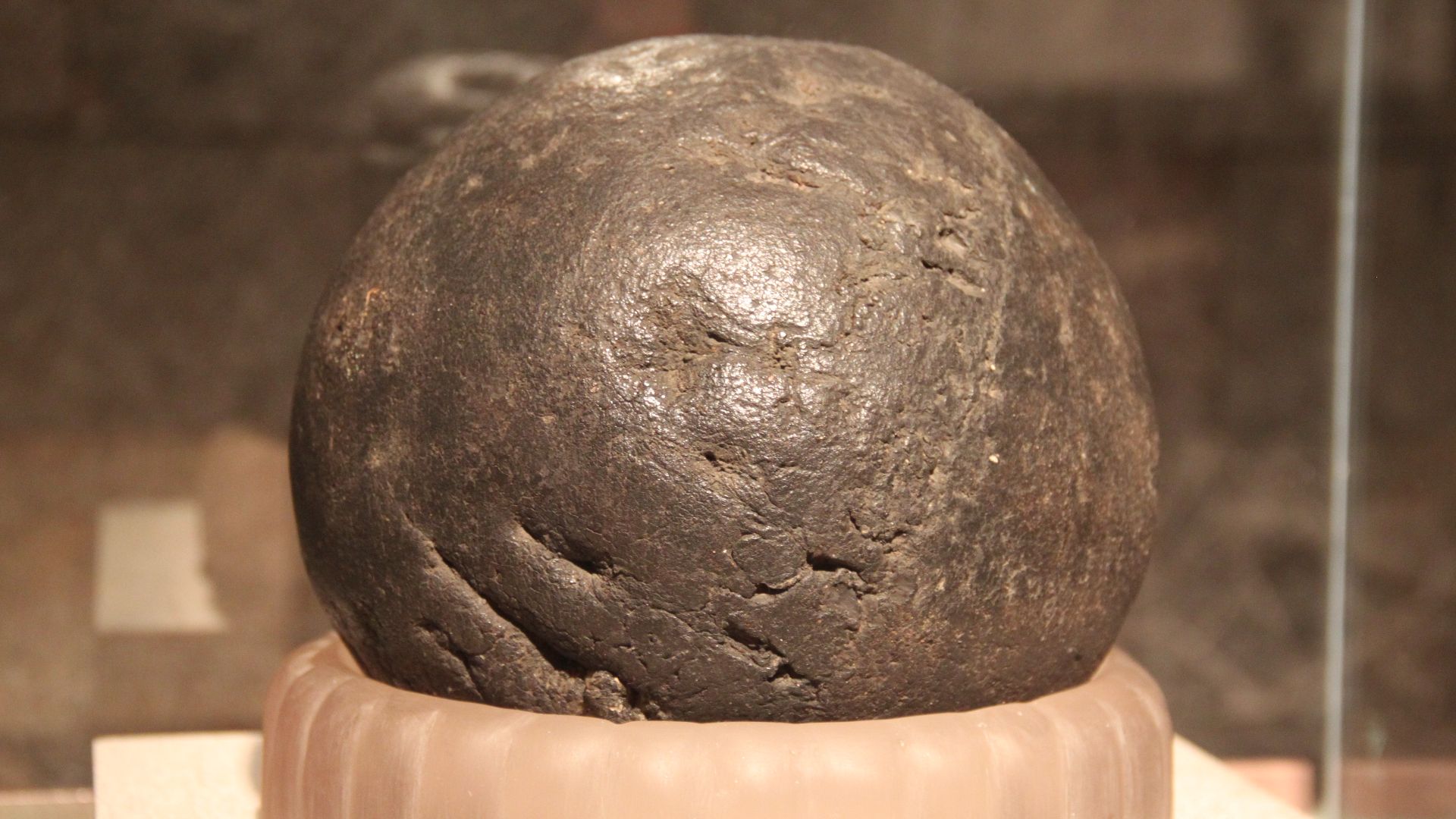
Long before modern rubber manufacturing, Mesoamerican civilizations mixed natural latex with morning glory juice to produce elastic materials. Researchers at MIT reconstructed this process, demonstrating how ancient craftspeople manipulated rubber's properties. Their technique was distinct from modern vulcanization.
 Gary Todd from Xinzheng, China, Wikimedia Commons
Damascus Steel
Historic Damascus blades became famous for their distinctive rippling patterns and remarkable craftsmanship. The original production traditions eventually declined. Modern researchers experimented with crucible-steel compositions and forging methods, successfully reproducing structures and surface patterns closely resembling authentic examples.
 Rich Bowen from Lexington, KY, USA, Wikimedia Commons
Maya Plaster That Resisted Weathering
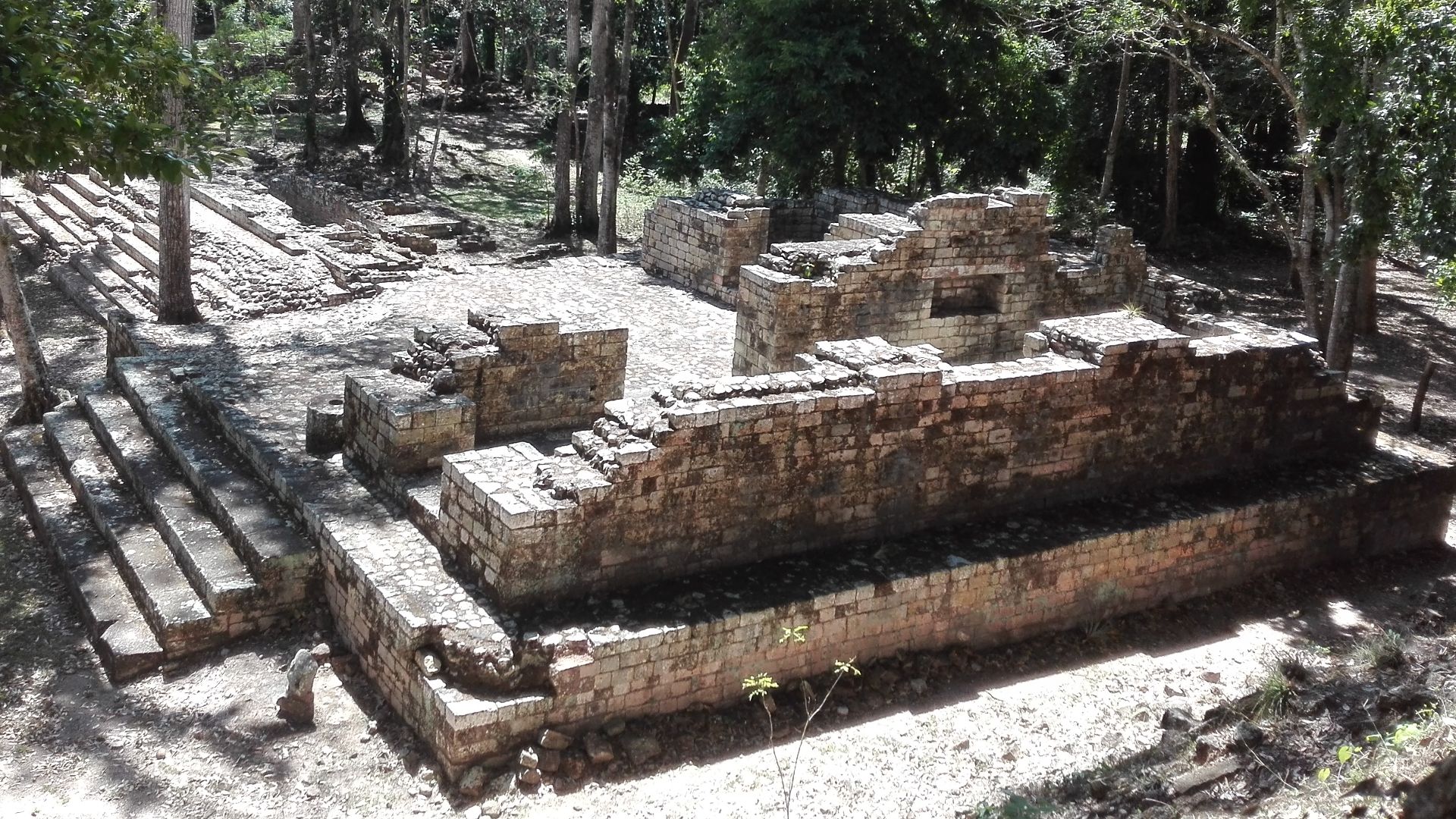
Ancient Maya builders created exceptionally durable lime plaster using sophisticated mixtures. Researchers studying Copán discovered organic compounds within its structure. Guided by Maya-descendant masons, scientists recreated plaster containing tree-bark extracts, helping explain its impressive toughness and resistance to weathering.
 Mónica J. Mora, Wikimedia Commons
Roman Underfloor Heating
Romans circulated heat beneath raised floors using systems called hypocausts. Hot air from furnaces warmed rooms and bathhouses through carefully designed channels. Although related heating principles existed elsewhere, the remains of Roman installations reveal an impressively organized approach to indoor temperature control.
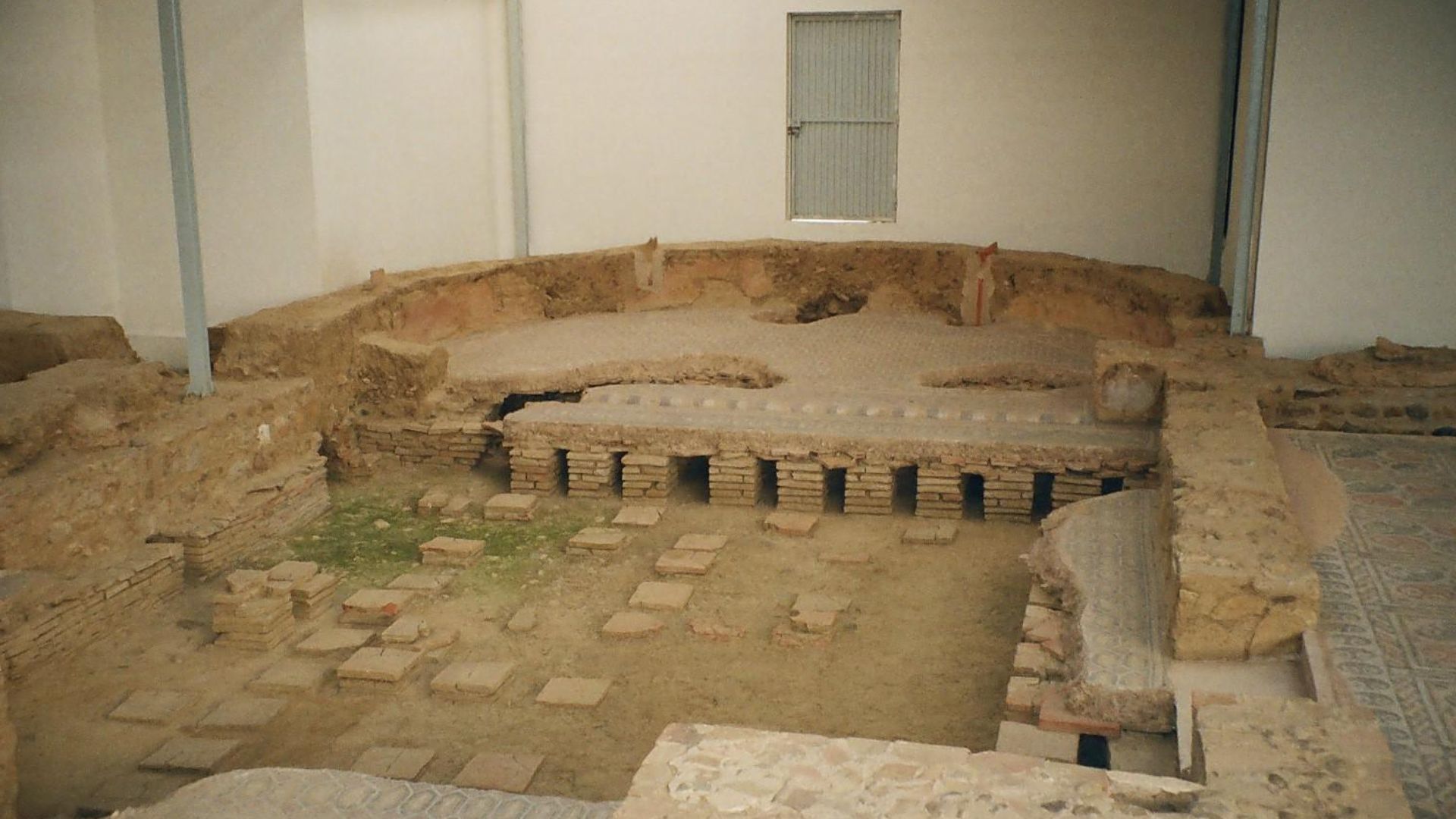 The original uploader was Error at English Wikipedia., Wikimedia Commons
The Ancient Water Organ
Invented in the Greek world, the hydraulis used water pressure to regulate airflow through musical pipes. It largely disappeared from Western Europe but survived in modified Byzantine forms. A surviving instrument discovered at Dion in 1992 helped researchers reconstruct its sound.
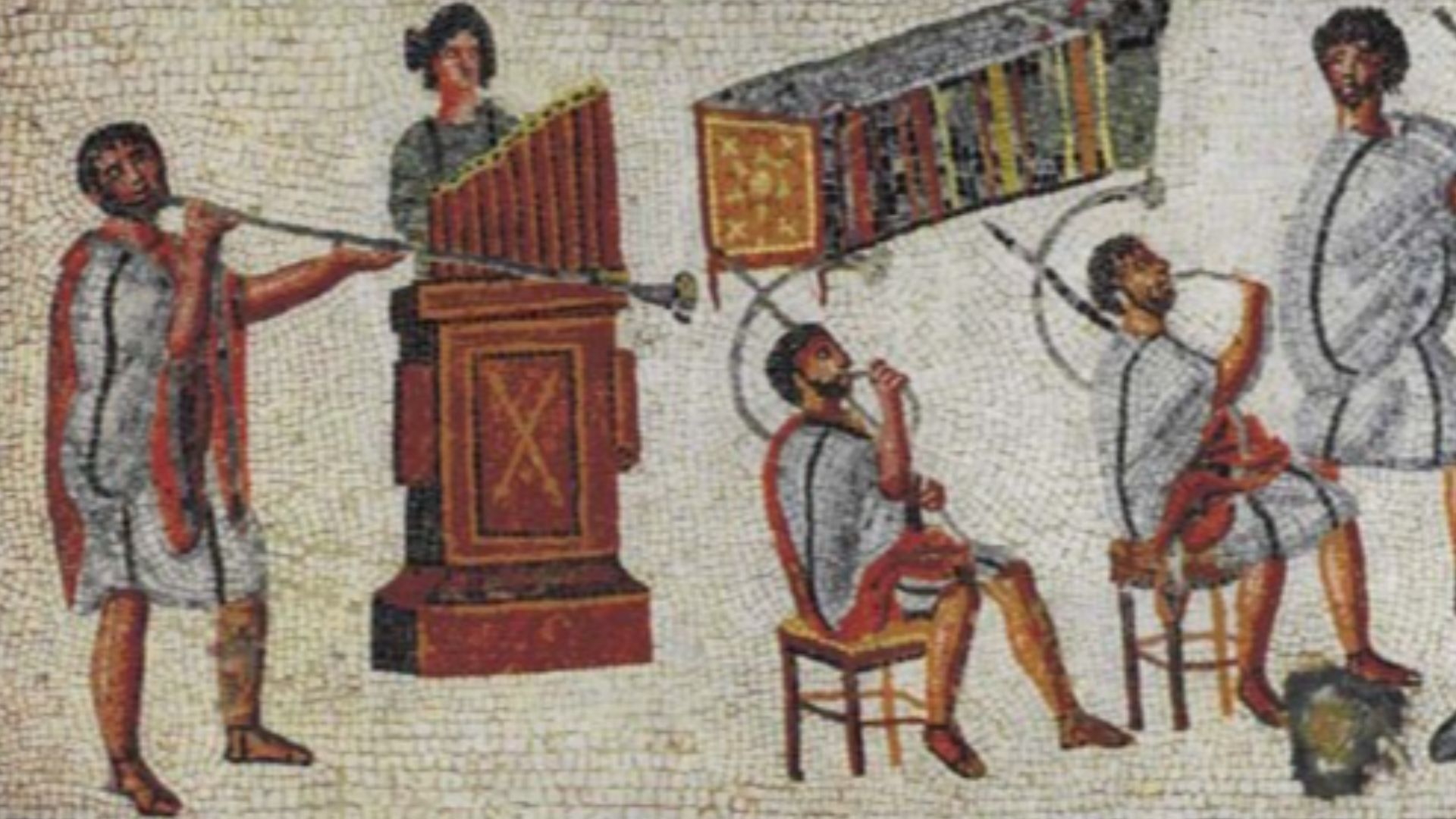 The original uploader was Nacéra Benseddik at French Wikipedia., Wikimedia Commons
The First Coin-Operated Vending Machine
Hero of Alexandria described a device that dispensed a measured quantity of holy water when someone inserted a coin. The coin tipped a lever that briefly opened a valve. Its operating principle anticipated mechanical vending machines by many centuries.
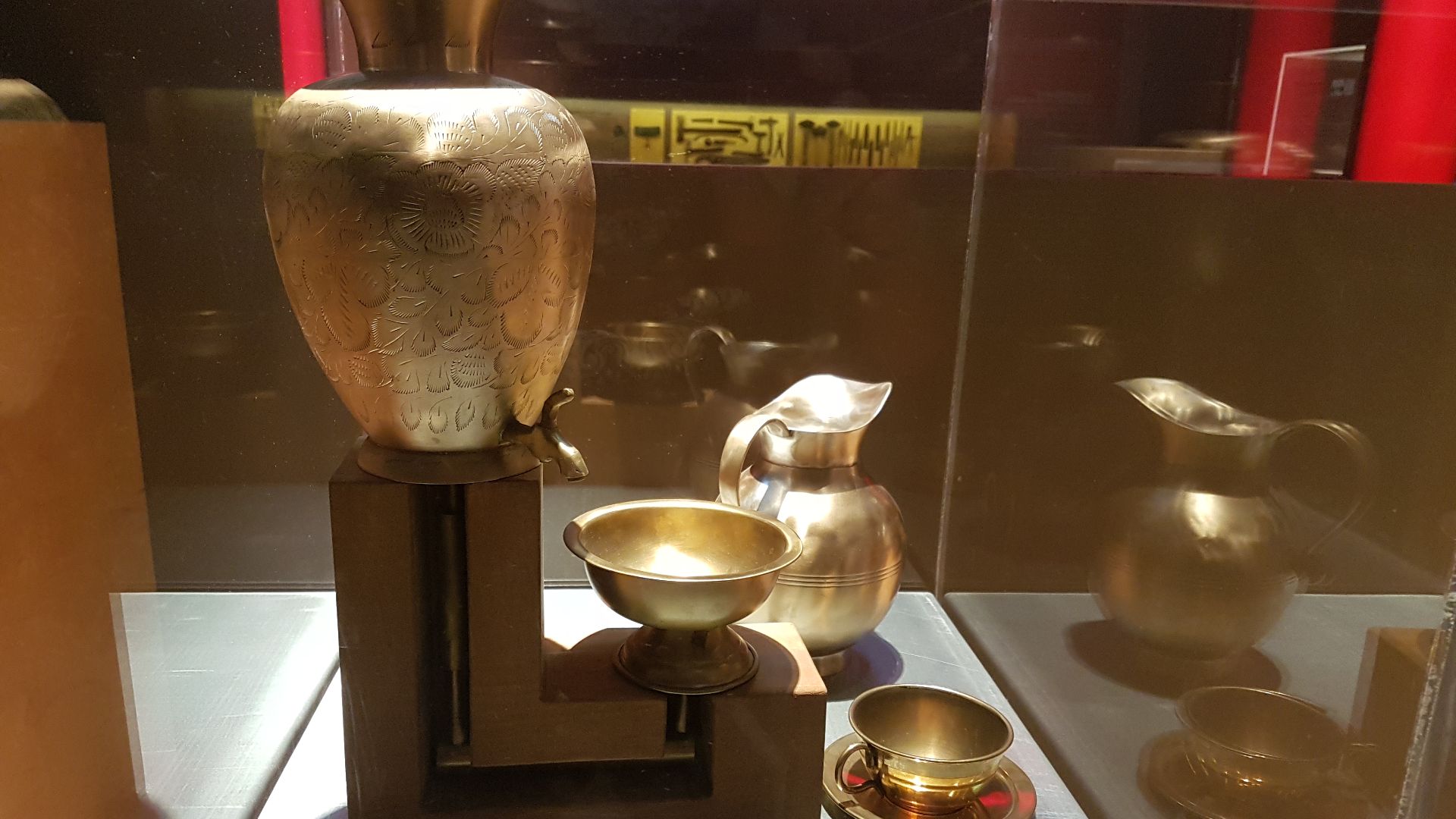
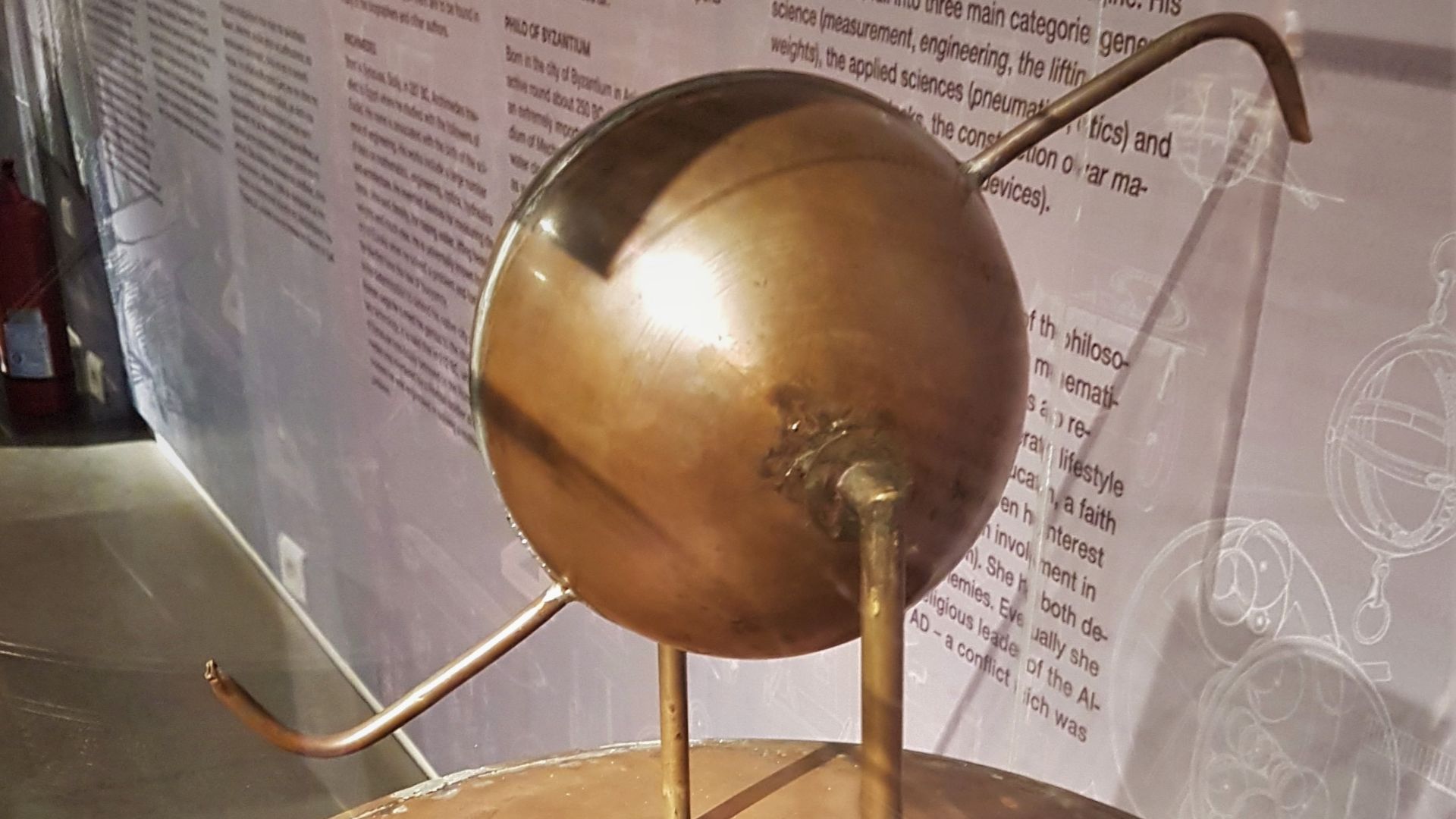
Hero's Steam-Powered Sphere
Hero also described the aeolipile, a hollow sphere rotated by escaping steam. It demonstrated a principle associated with later steam turbines, although Hero treated it as a curiosity rather than industrial machinery. Modern working models have reconstructed its ingenious design.
China's Ancient Earthquake Detector
In 132 CE, Chinese inventor Zhang Heng developed a seismoscope featuring dragon heads and metal balls. The instrument reportedly indicated earthquake direction. Its original internal mechanism remains unknown, leaving modern engineers to devise plausible reconstructions rather than an exact replica.
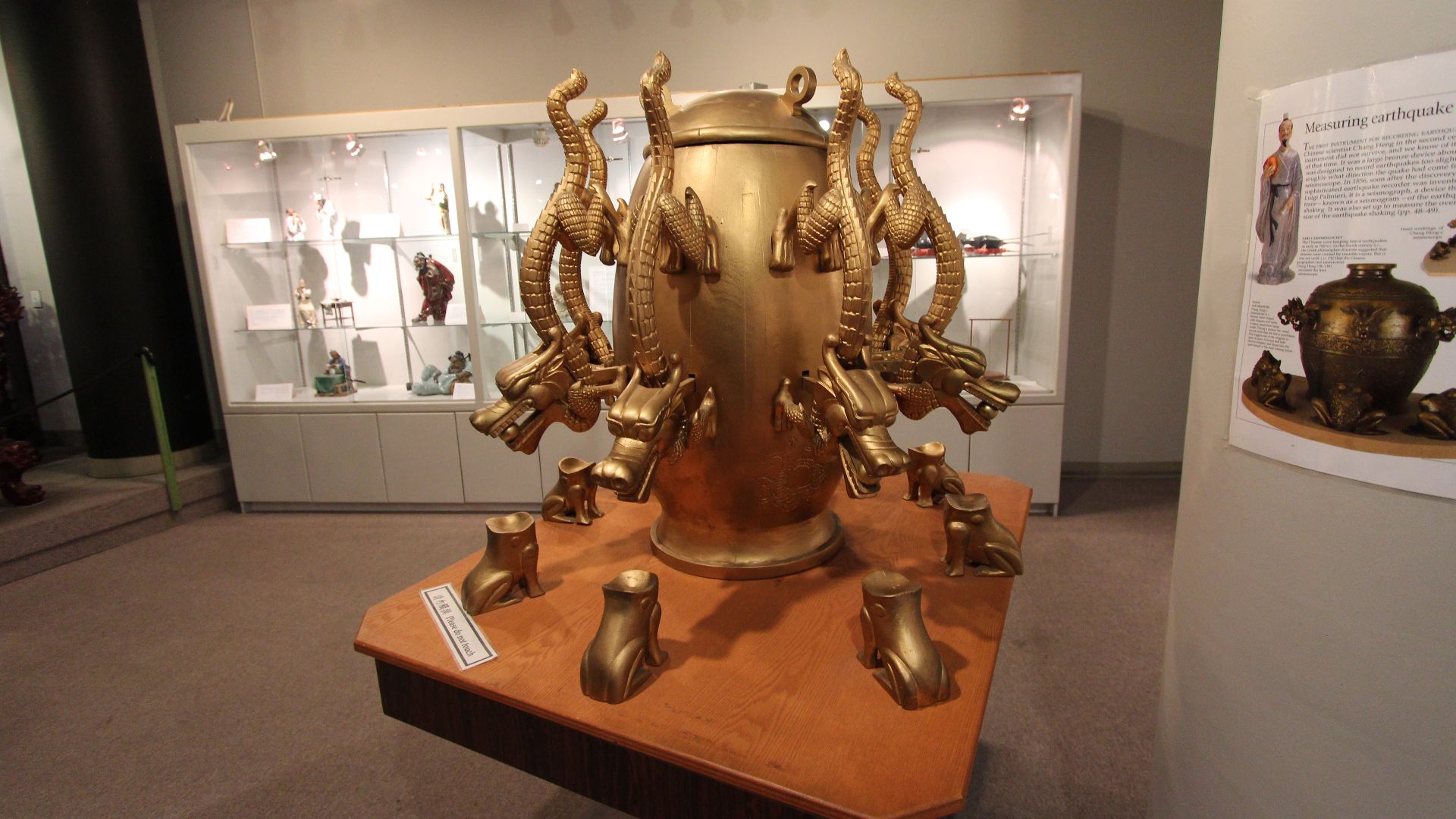 Thank you for visiting my page from Canada, Wikimedia Commons
The South-Pointing Chariot
Ancient Chinese engineers designed a wheeled vehicle whose mounted figure maintained a consistent direction without using a magnetic compass. Mechanical gearing compensated for turns. Modern reconstructions illustrate how differential gearing could accomplish this seemingly impossible navigation trick.
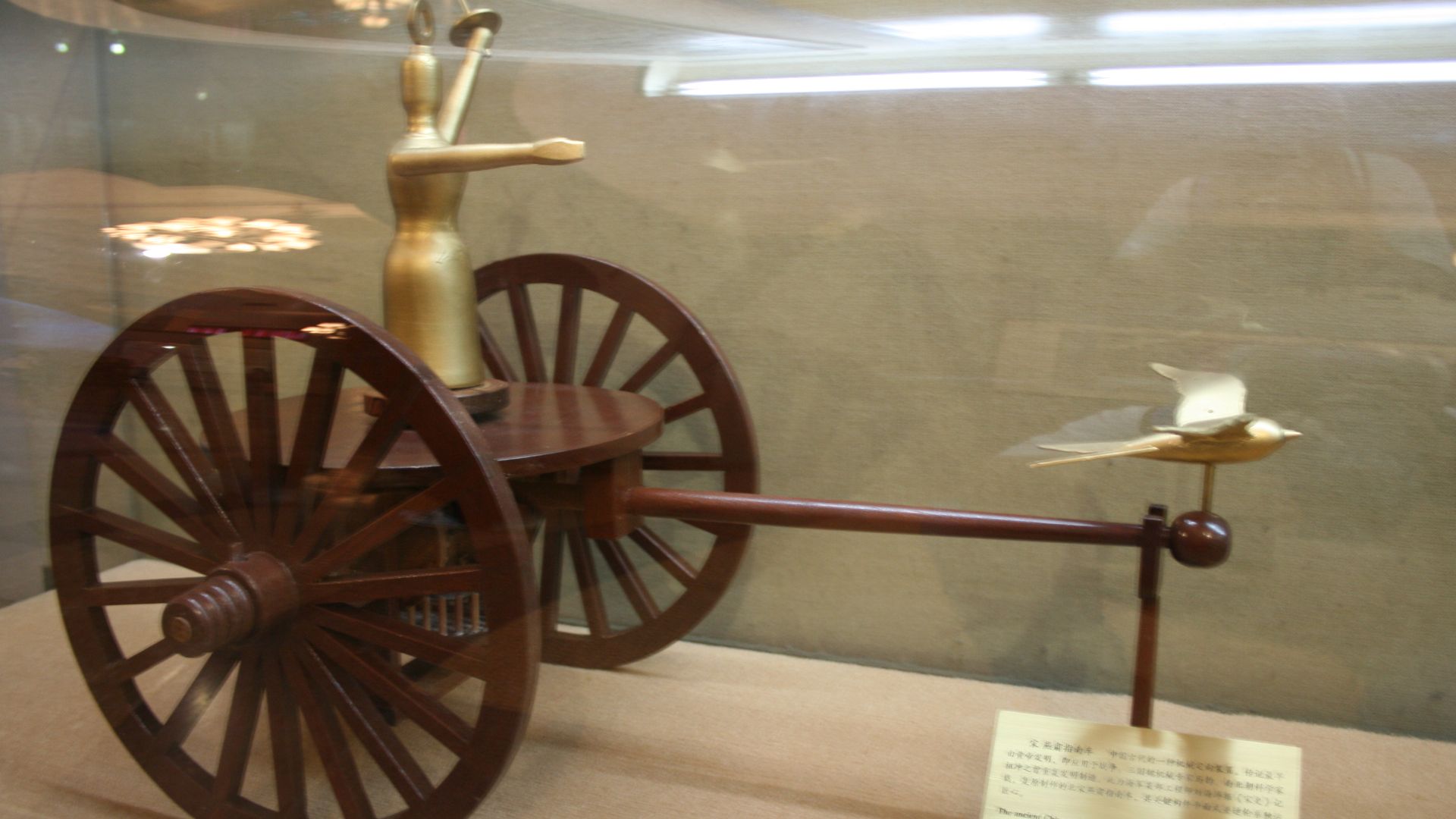 Gary Todd from Xinzheng, China, Wikimedia Commons
The Ancient Hydraulic Telegraph
Fourth-century BCE Greek engineers devised a signaling system using matching water containers, marked rods, and torches. Operators synchronized draining water to transmit predetermined messages. Modern museum reconstructions demonstrate an inventive communication technique developed long before electrical signals existed.
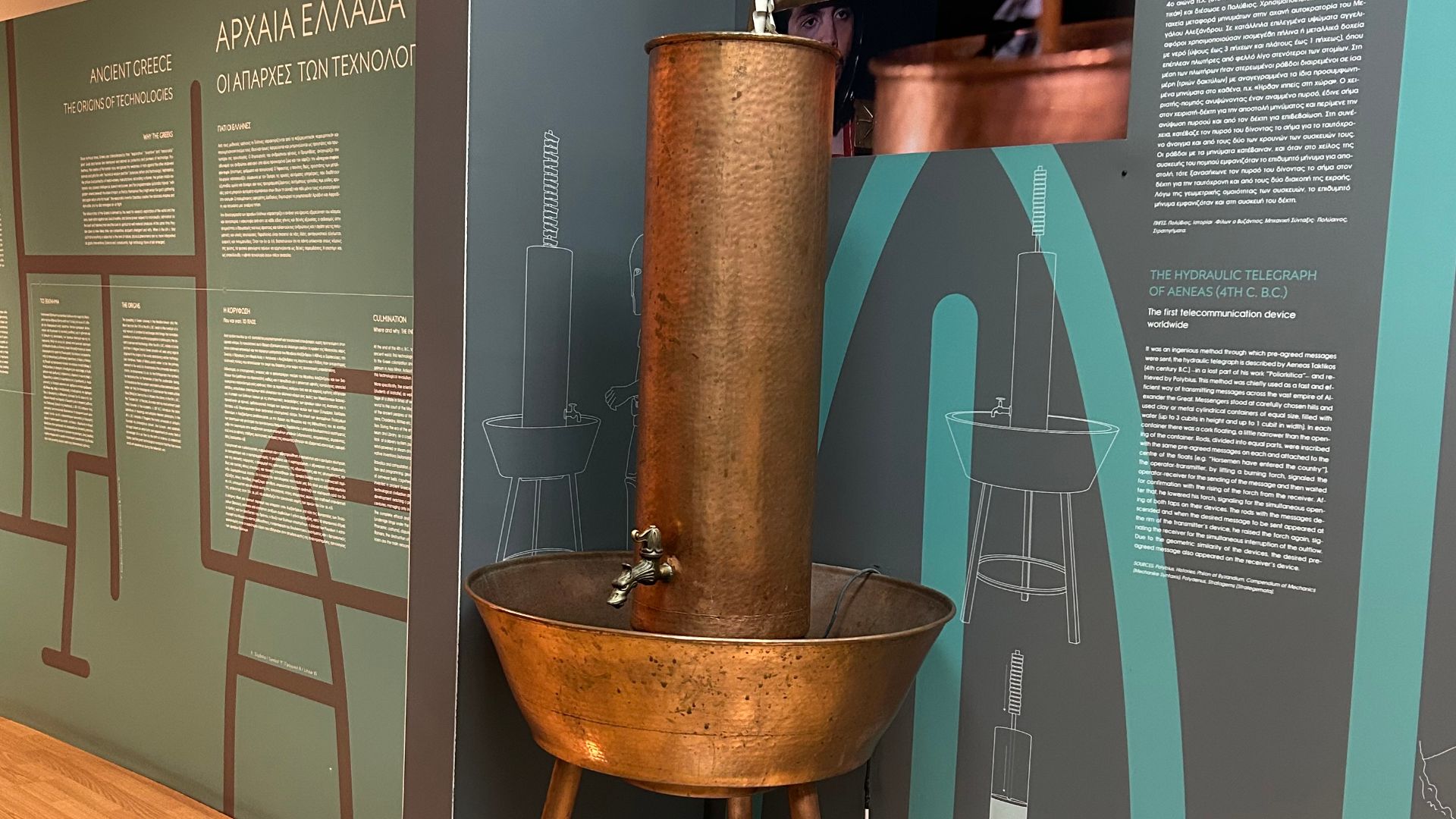 Aga39memnon, Wikimedia Commons
The Roman Water-Powered Sawmill
A Roman funerary relief from Hierapolis depicts an ancient water-powered stone sawmill. Researchers identified evidence of a crank-and-connecting-rod arrangement, converting rotating motion into sawing movement. The discovery challenged assumptions about when such sophisticated machinery first appeared.
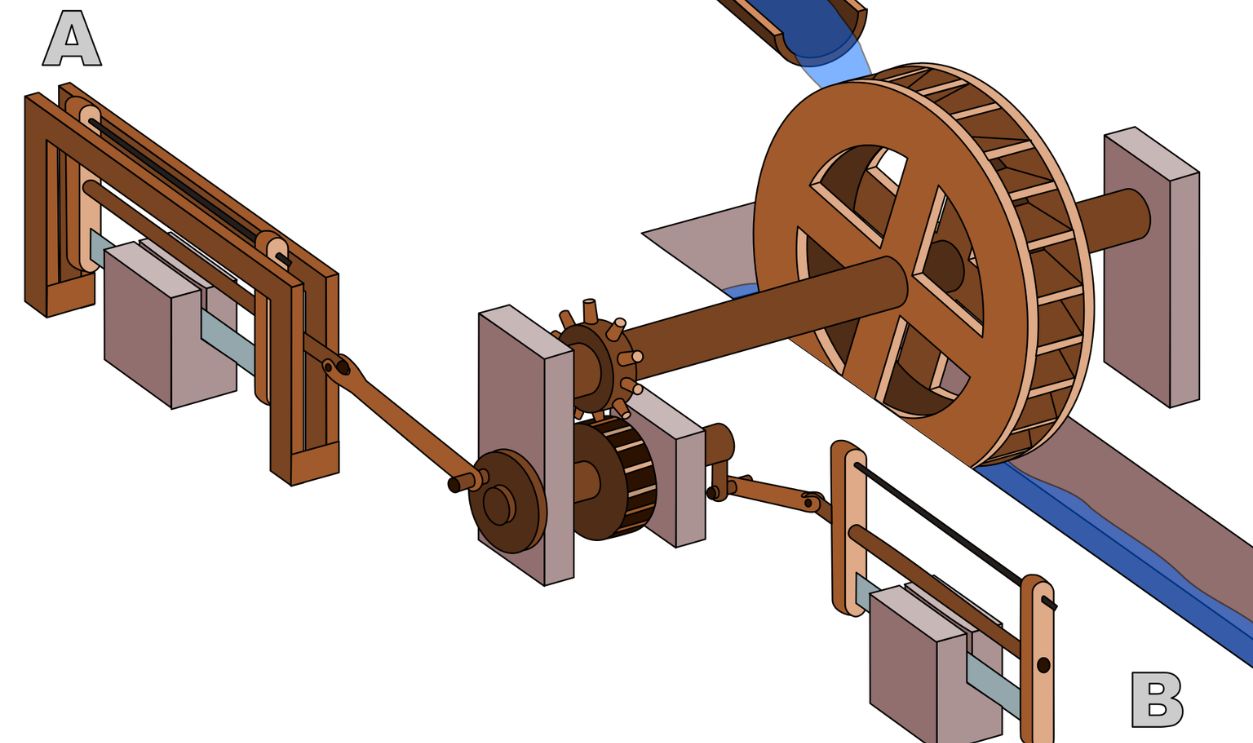
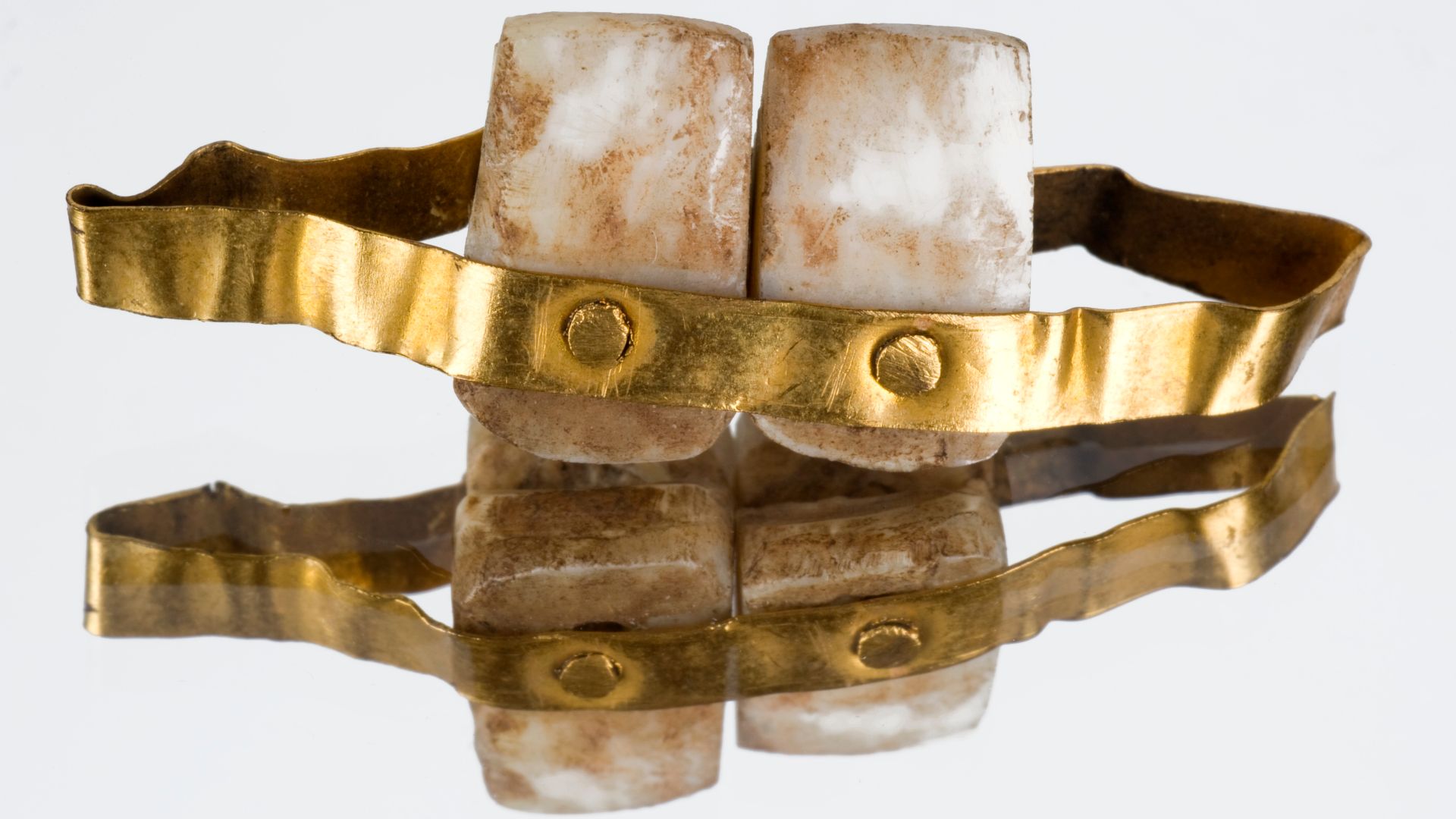
Etruscan Dental Bridges
More than 2,500 years ago, Etruscan craftspeople fashioned dental appliances from gold. One surviving example dates to approximately 630 BCE. Their use eventually declined under Roman influence, leaving modern researchers to reconstruct the techniques from surviving archaeological specimens.
The Egyptian Artificial Toe
An approximately 3,000-year-old wooden prosthetic toe demonstrates sophisticated ancient medical craftsmanship. Discovered in an Egyptian tomb, it contained articulated sections designed to flex while walking. Its construction reveals functional engineering centuries before later mechanical prostheses became widespread.

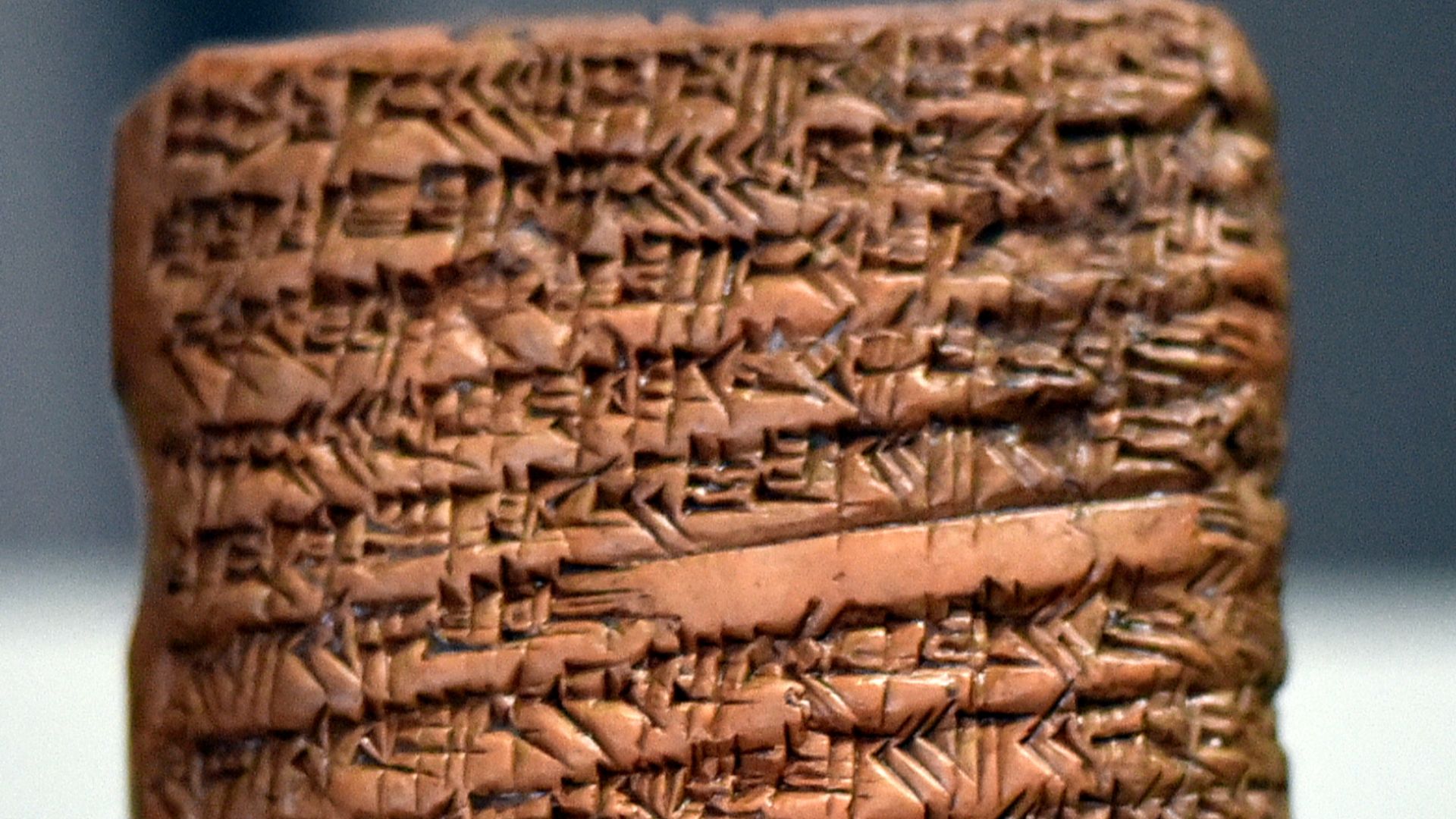
Babylonian Planetary Mathematics
Ancient Babylonian astronomers calculated Jupiter's movements using geometric techniques involving trapezoidal areas. Researchers deciphered the method in 2016. The discovery showed that abstract mathematical approaches previously associated with medieval European scholars had appeared roughly fourteen centuries earlier.
 Osama Shukir Muhammed Amin FRCP(Glasg), Wikimedia Commons
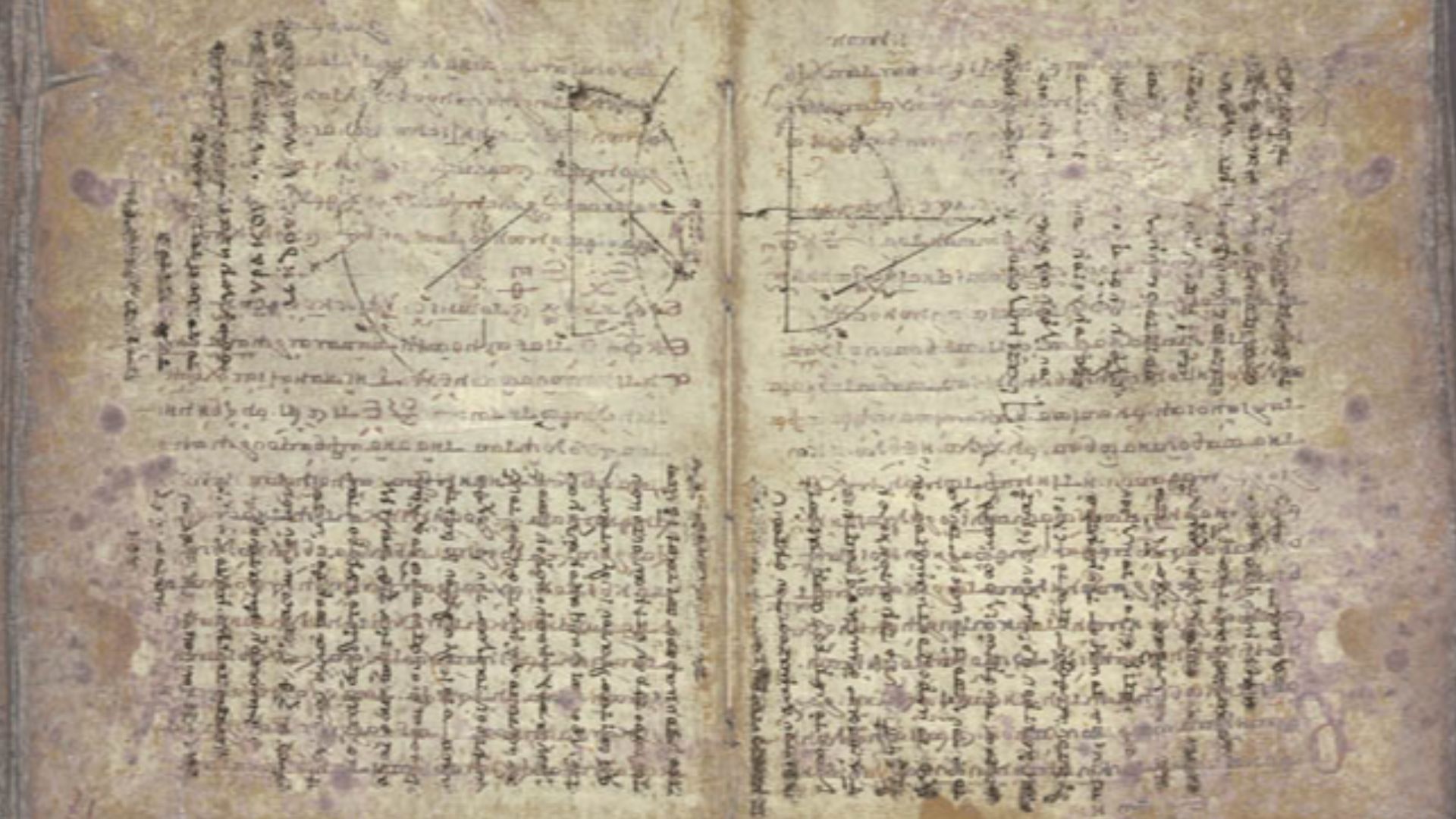
Archimedes' Forgotten Mathematical Method
Archimedes developed a technique using mechanical reasoning to investigate mathematical problems. His work survived in a manuscript later overwritten with religious text. Modern imaging recovered previously hidden writings, revealing insights into his methods that had remained inaccessible for centuries.
 Matthew Kon, Wikimedia Commons
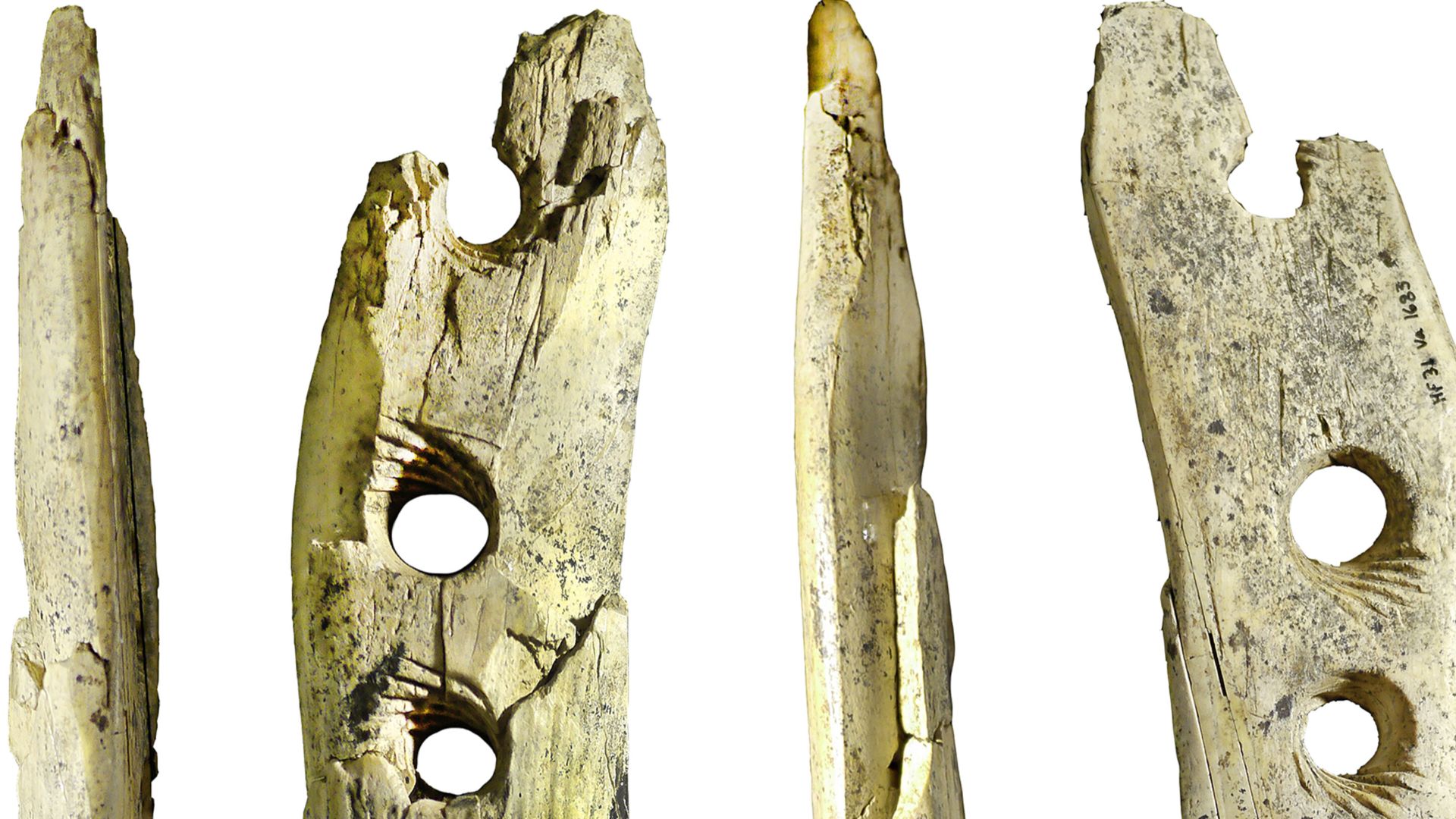
Stone Age Rope-Making Equipment
A mammoth-ivory tool discovered in Germany contains four carefully carved holes and dates back more than 35,000 years. Researchers experimentally demonstrated that replicas could twist plant fibers into strong rope. The experiments illuminated a technology rarely preserved archaeologically.
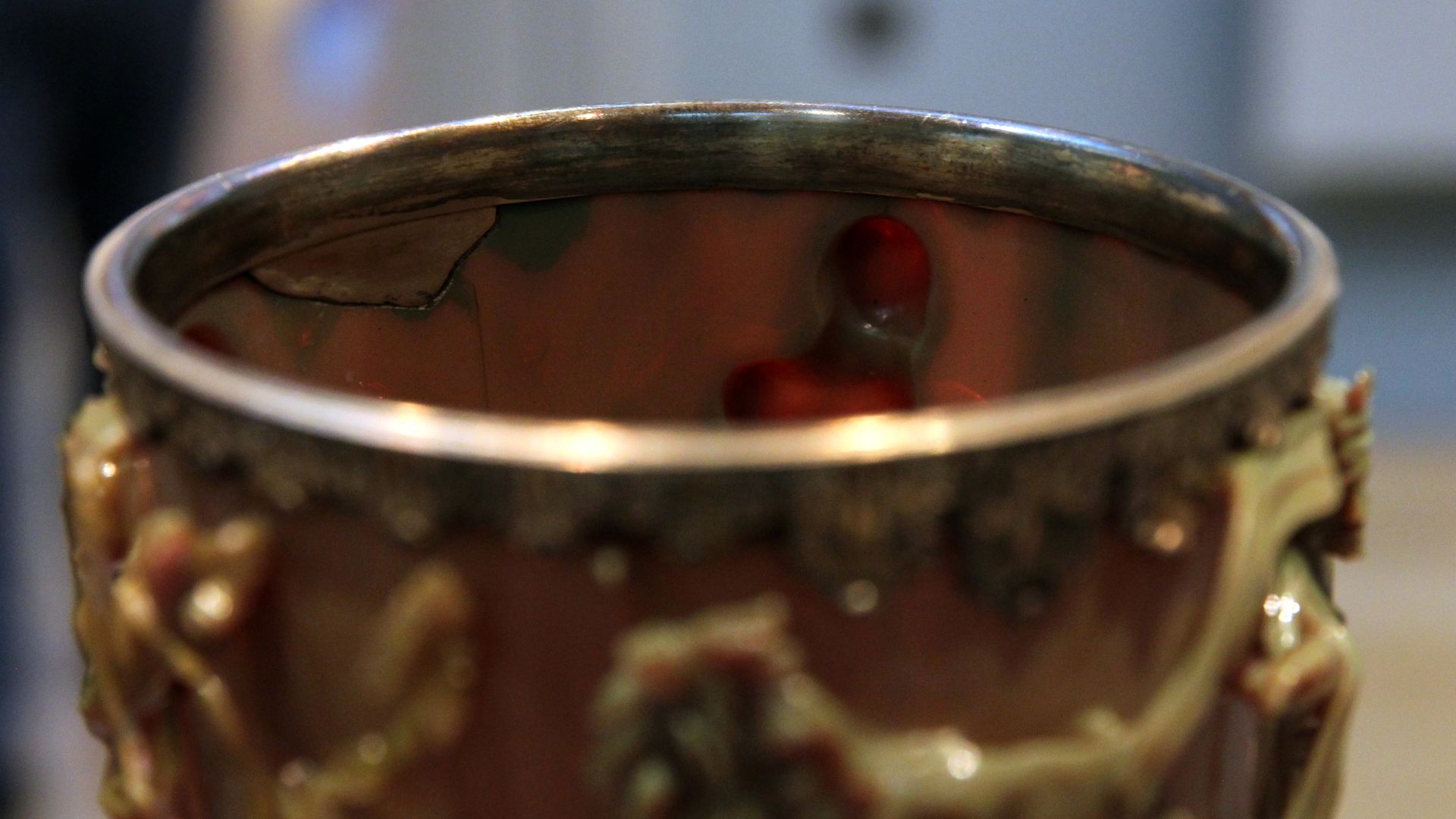
Roman Glass With Nanotechnology
The fourth-century Lycurgus Cup appears green under reflected light but red when illuminated from behind. Scientists identified gold and silver nanoparticles responsible for the effect. Modern researchers have recreated similar optical behavior using engineered nanocomposites, revealing the sophistication of ancient glassmaking.
You May Also Like:
The Strange History Of The Bermuda Triangle
Sources: 1, 2, 3, 4, 5, 6, 7, 8, 9, 10, 11, 12, 13, 14, 15, 16, 17, 18, 19, 20, 21, 22, 23, 24