When Vacations Were Closer To Home
Before cheap flights made Caribbean beaches and European capitals accessible to ordinary Americans, vacations looked very different. Families packed their cars, boarded trains, or caught steamships to destinations that had entertained generations before them. Some were glamorous playgrounds for the wealthy, while others offered simple seaside pleasures. But these were the places Americans dreamed of visiting before affordable air travel changed everything.
 rboed*, Wikimedia Commons; Factinate Ltd
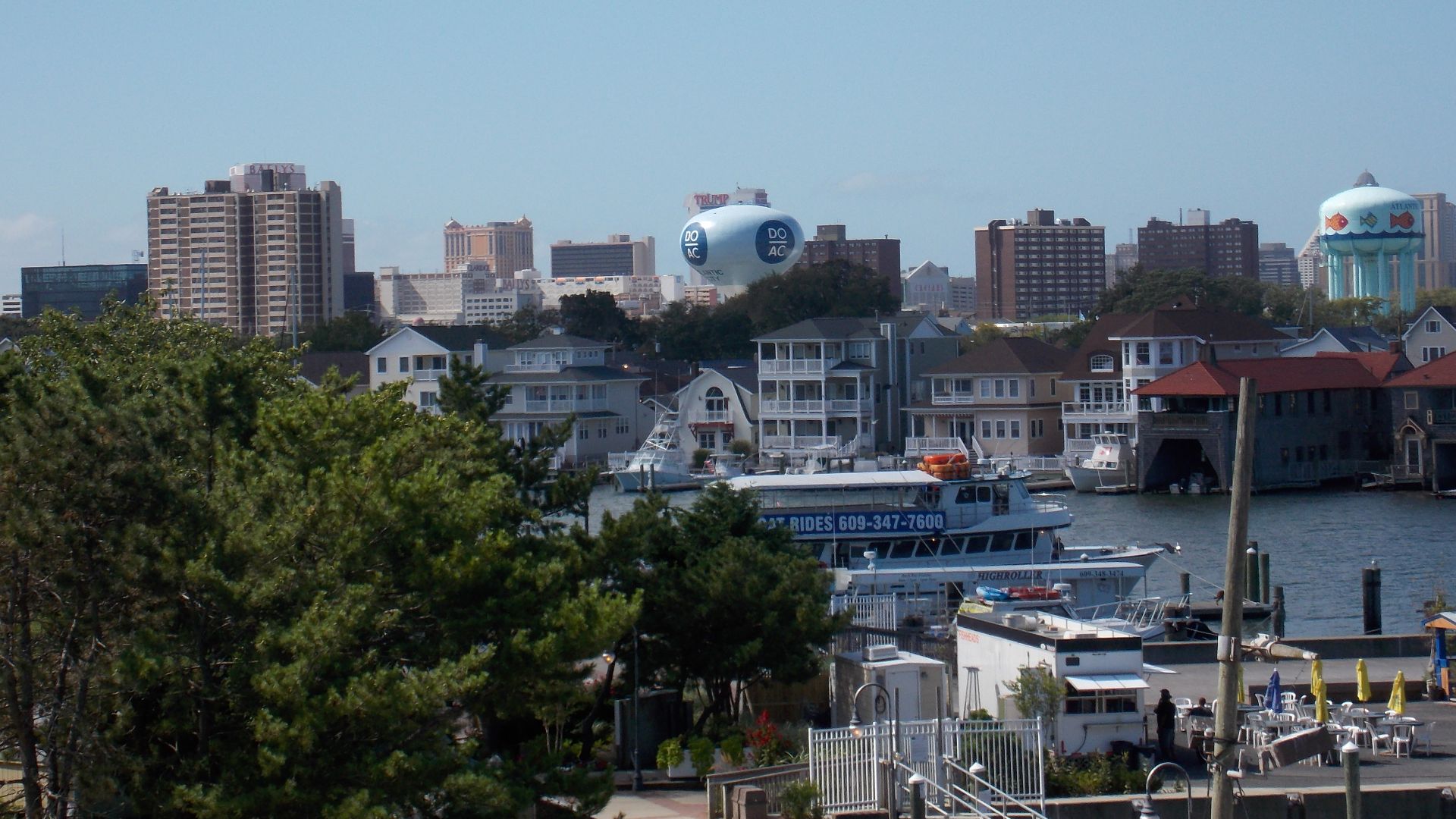
Atlantic City, New Jersey
Long before its casinos became the main attraction, Atlantic City was one of America's premier seaside resorts. Trains brought vacationers from Philadelphia and other East Coast cities to enjoy enormous hotels, sandy beaches, and the famous boardwalk, first opened in 1870. For generations, an Atlantic City vacation meant saltwater taffy, ocean breezes, and dressing up for an evening stroll.
 Farragutful, Wikimedia Commons
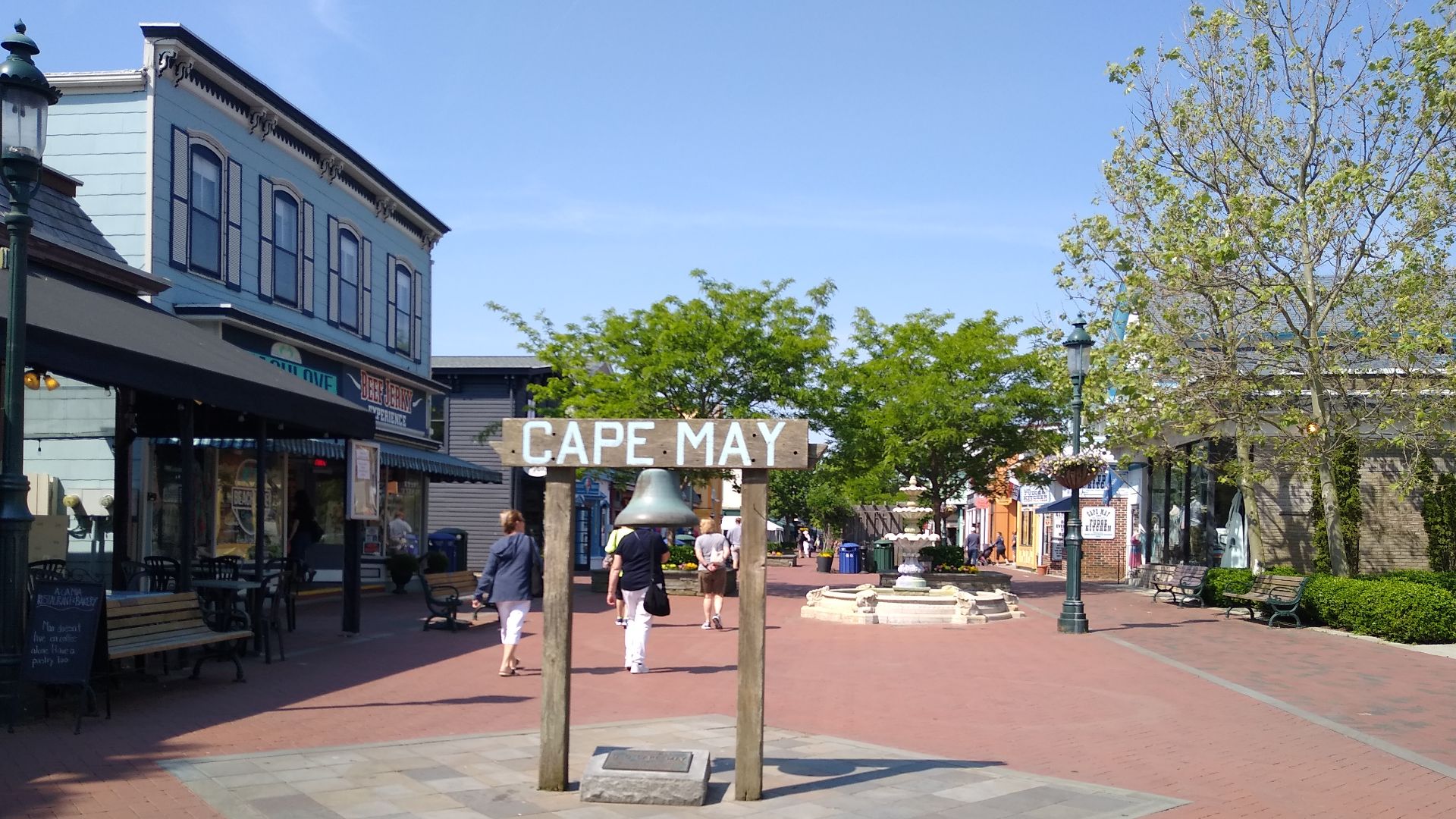
Cape May, New Jersey
Cape May was welcoming fashionable vacationers long before the Civil War. Wealthy families traveled to this southern New Jersey resort for sea bathing, fresh air, and social gatherings. Its grand Victorian hotels and elaborate summer homes reflected an era when vacationing was as much about being seen as relaxing. Many of those historic buildings still survive today.
 WhisperToMe, Wikimedia Commons
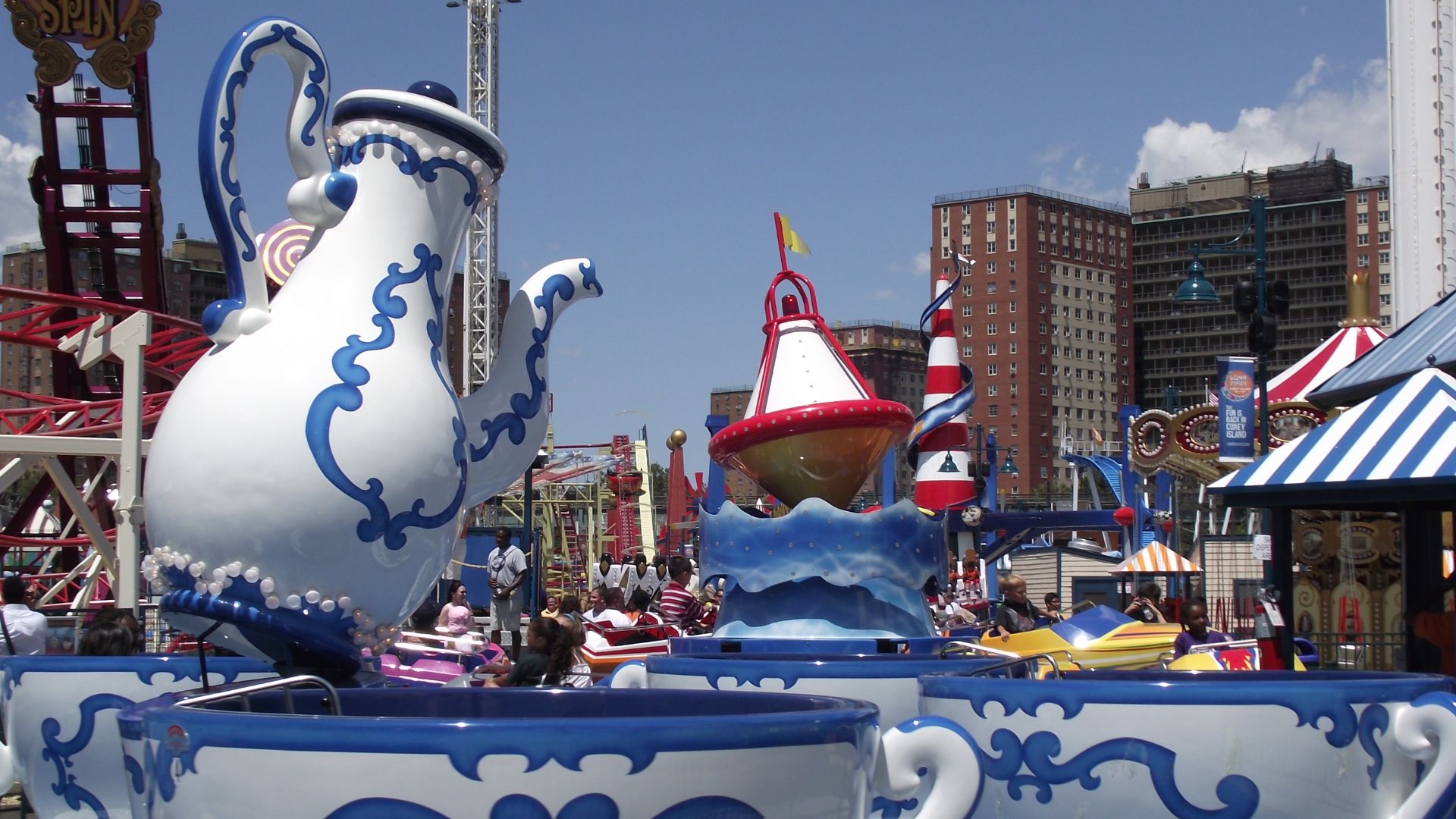
Coney Island, New York
For working-class New Yorkers who couldn't afford elaborate vacations, Coney Island offered an extraordinary escape close to home. Steamboats and railroads brought crowds to its beaches, amusement parks, and entertainment venues. By the early 20th century, visitors could enjoy roller coasters, hot dogs, and spectacular attractions without traveling far beyond the city.
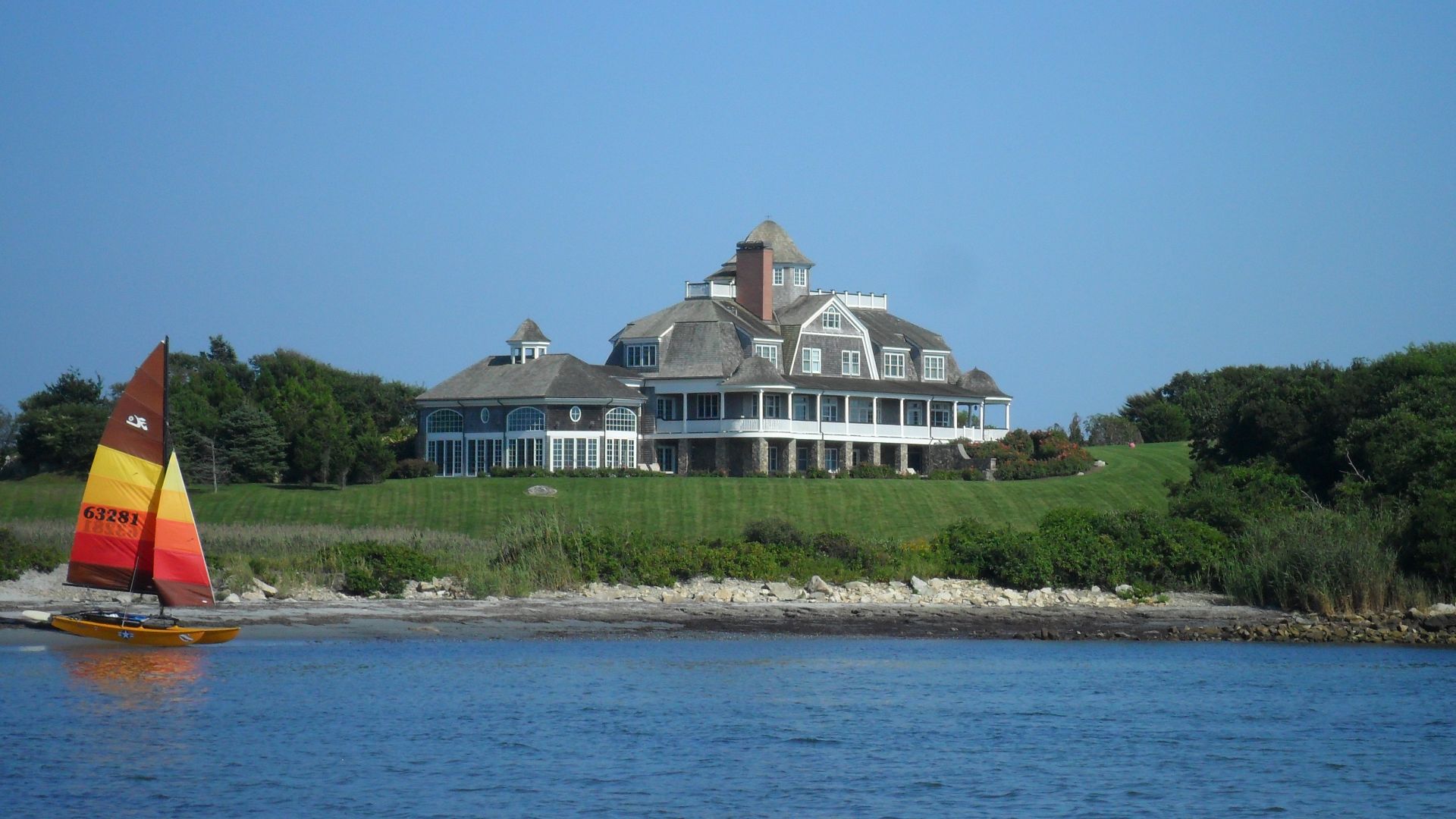
Newport, Rhode Island
During the Gilded Age, Newport became synonymous with America's wealthiest families. The Vanderbilts and other industrial fortunes built extraordinary summer mansions along the Rhode Island coast. Elaborate parties, sailing excursions, and social gatherings dominated the season. While most Americans could only dream of such luxury, Newport established an enduring image of what an extravagant American summer vacation could look like.
 EgorovaSvetlana, Wikimedia Commons
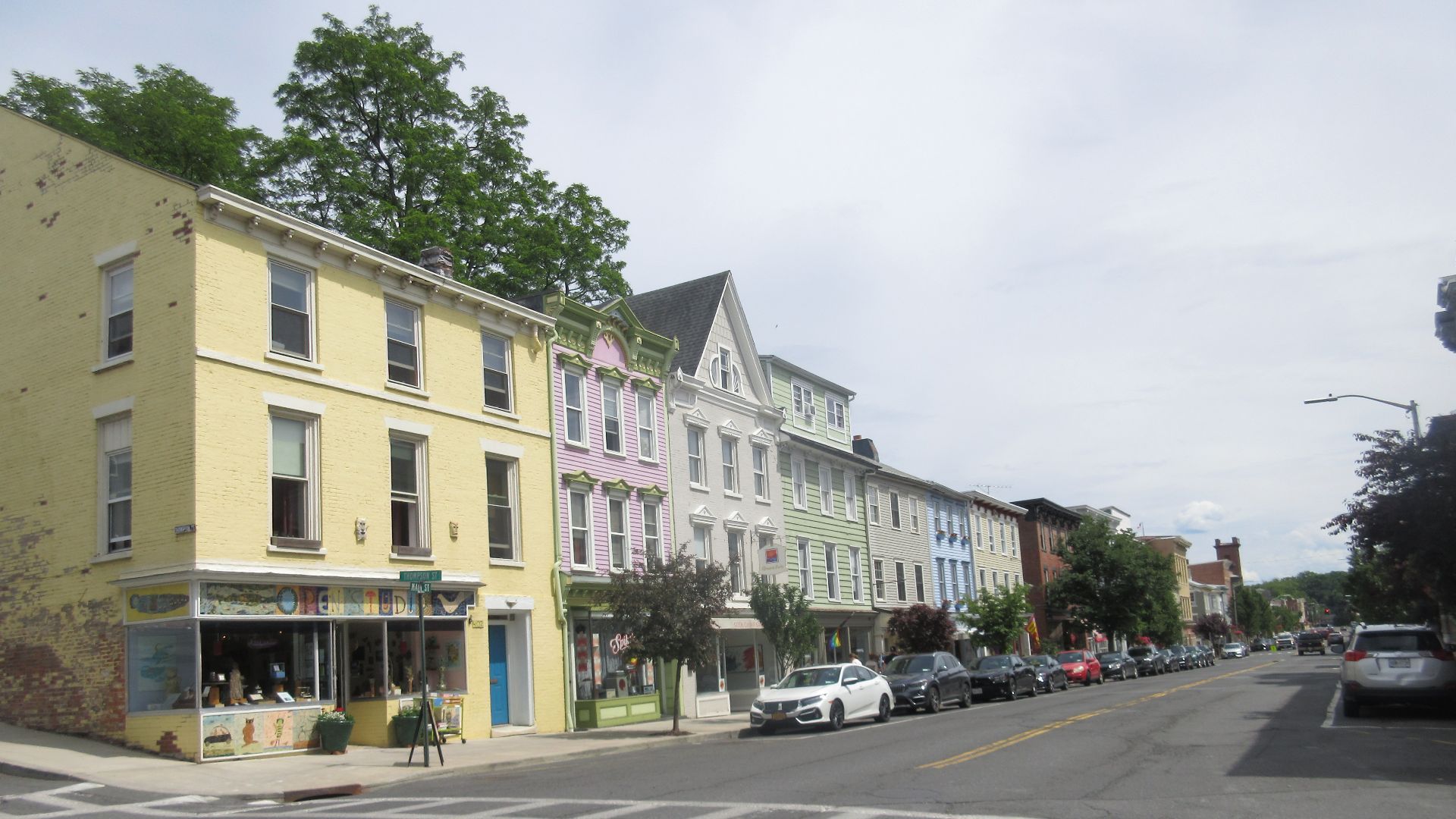
Saratoga Springs, New York
Before beach resorts became America's preferred summer playgrounds, fashionable travelers flocked to Saratoga Springs. Its mineral waters were believed to possess healing properties, attracting visitors seeking both health and entertainment. Elegant hotels, horse racing, and social events transformed the town into a prestigious destination. Saratoga's reputation was already well established before the railroad age made travel considerably easier.
 Doug Kerr from Albany, NY, United States, Wikimedia Commons
The Catskills, New York
For generations of New York-area families, the Catskills offered the ultimate summer escape. Resorts provided swimming pools, enormous dining rooms, live entertainment, and activities for children. The region's famous Borscht Belt became especially important to Jewish vacationers, including families excluded from some other resorts. By the 1950s, places such as Grossinger's had become legendary vacation institutions.
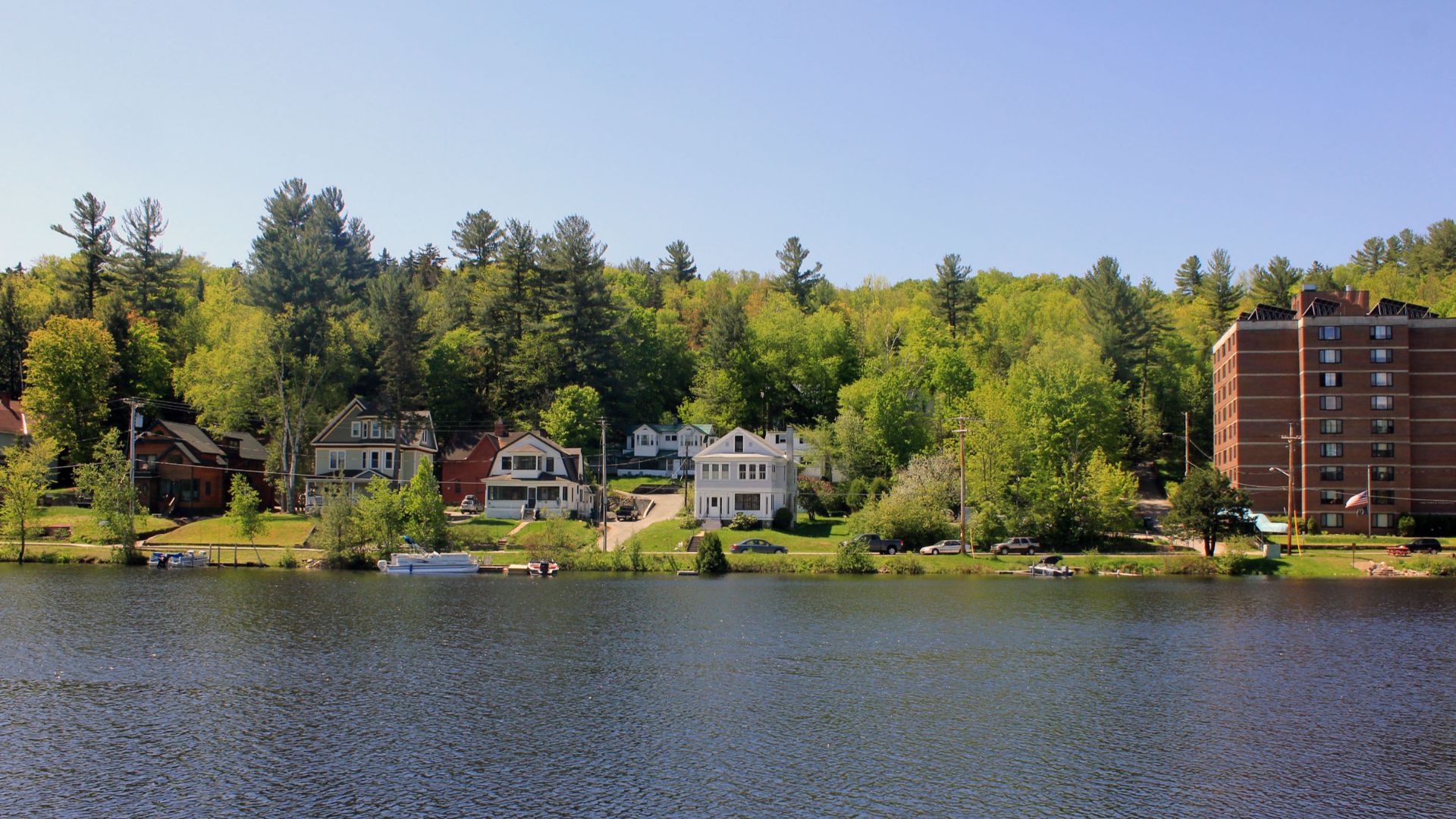
The Adirondacks, New York
The Adirondacks helped popularize the idea that spending a vacation in the wilderness could actually be enjoyable. Wealthy New Yorkers built elaborate rustic retreats, while ordinary travelers eventually discovered the region's lakes, forests, and mountain scenery. Canoeing, fishing, hiking, and lakeside cabins offered an alternative to crowded seaside resorts, creating a vacation tradition that continues today.
Lake George, New York
Lake George became a favorite summer destination for travelers seeking mountain scenery without sacrificing comfortable accommodations. Railroads, steamboats, and resort hotels helped make the lake accessible to vacationers from New York and surrounding states. Families enjoyed boat excursions, fishing, swimming, and evenings at lakeside hotels. It was the kind of vacation that could occupy an entire summer.
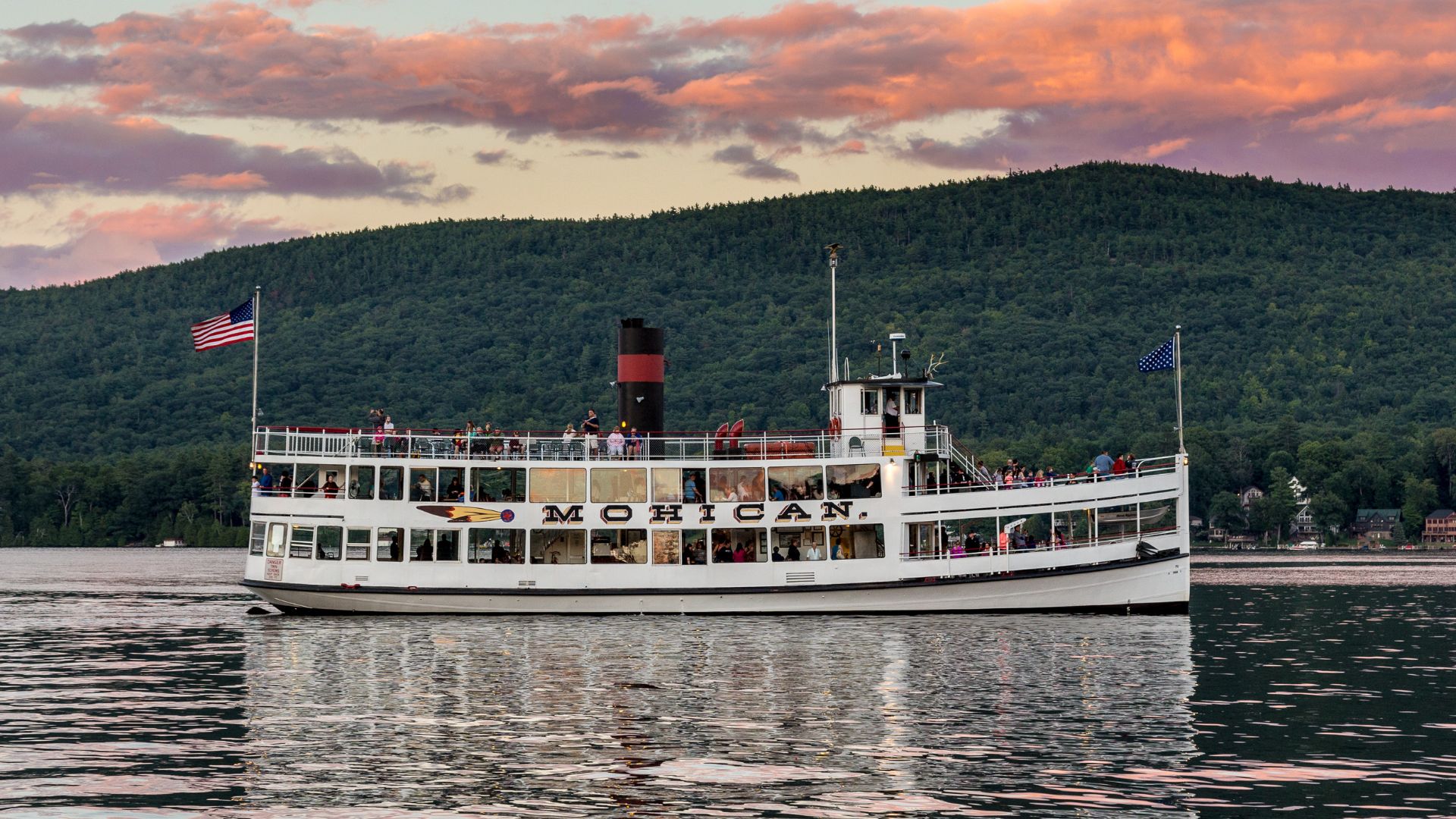 Kenneth C. Zirkel, Wikimedia Commons
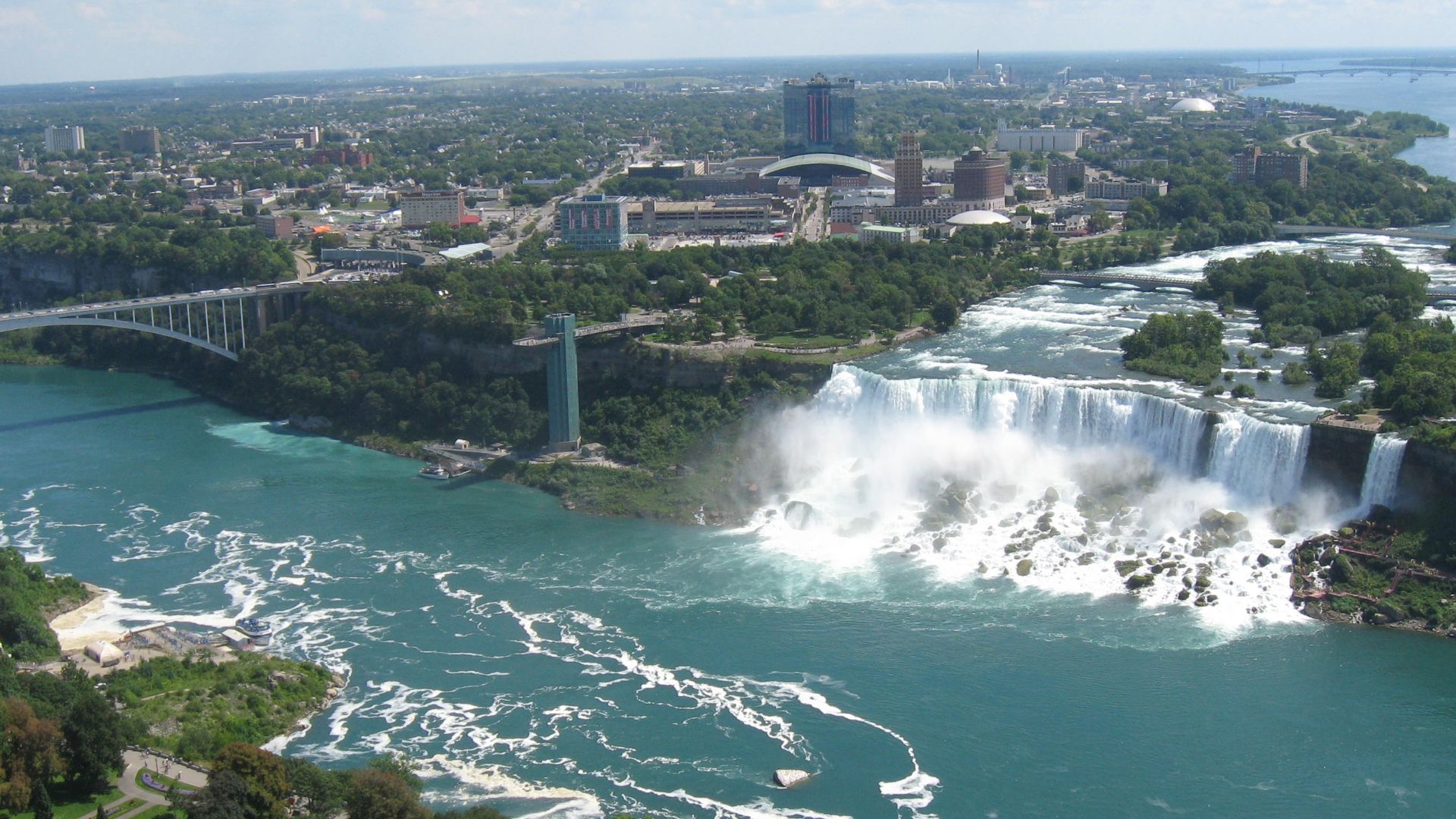
Niagara Falls, New York
Before international tourism became commonplace, Niagara Falls offered Americans a spectacular natural wonder within relatively easy reach. By the 19th century, it was already among the country's most celebrated tourist attractions. Honeymooners, families, and sightseeing parties arrived by train and steamboat to admire the waterfalls, purchase souvenirs, and experience one of America's earliest major tourism industries.
The White Mountains, New Hampshire
The White Mountains attracted generations of summer visitors looking to escape the heat of northeastern cities. Railroads carried travelers to mountain resorts, where enormous wooden hotels offered fine dining, mountain views, and outdoor recreation. The region's celebrated grand hotels became destinations in themselves, offering an atmosphere of refinement amid some of New England's most dramatic scenery.
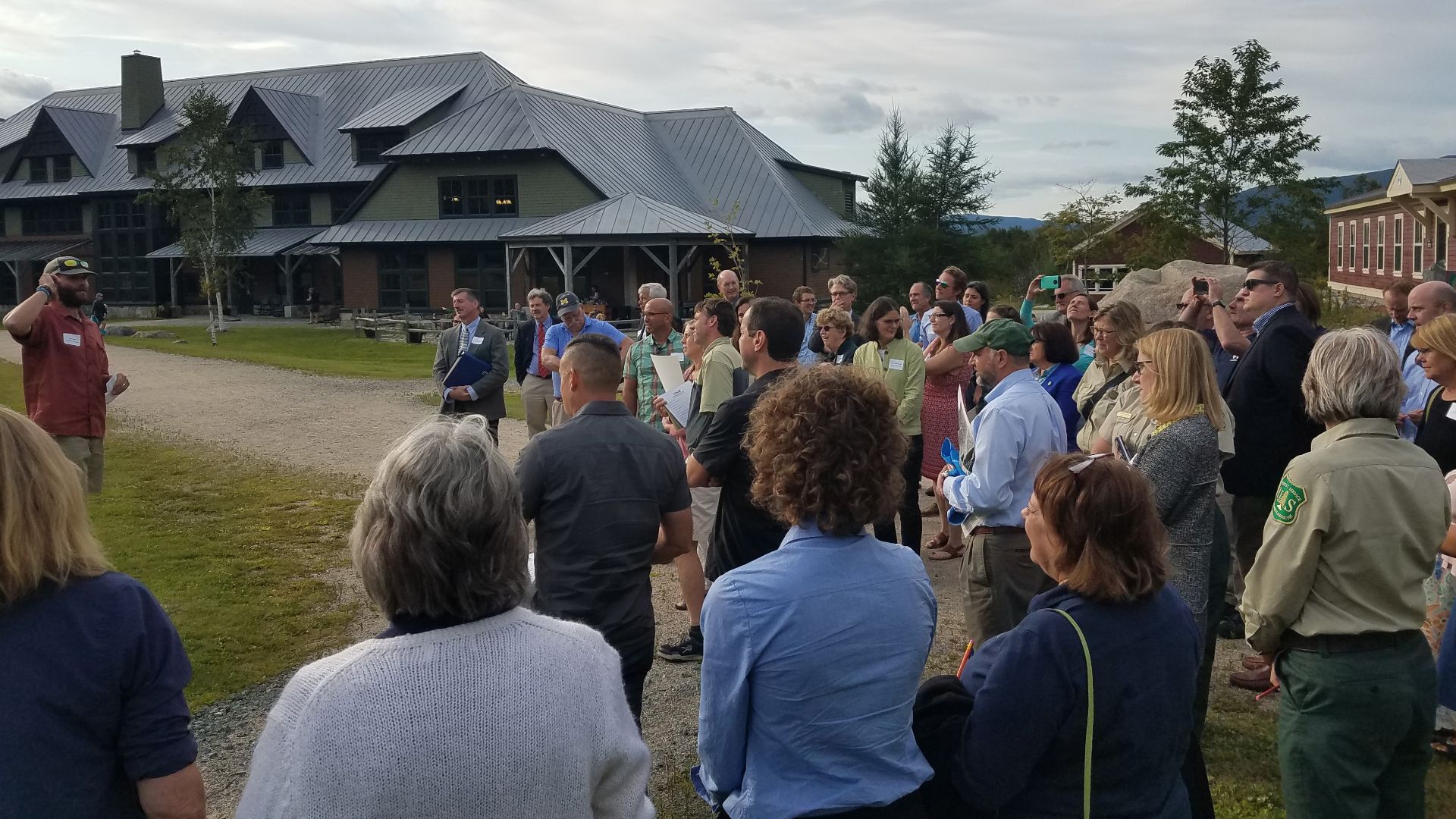 usfs_Eastern_Region, Wikimedia Commons
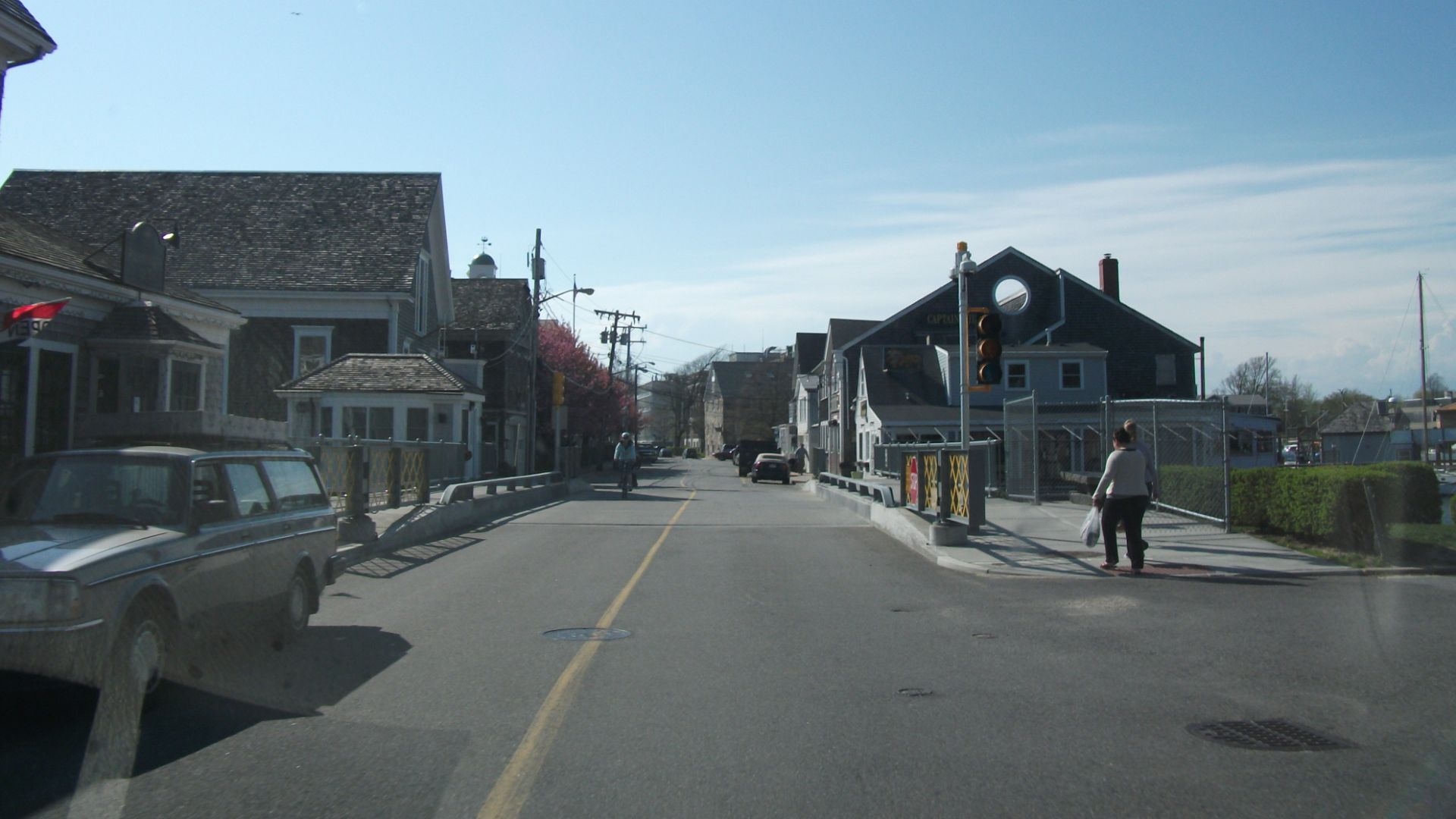
Cape Cod, Massachusetts
Long before inexpensive flights made distant beaches tempting, Cape Cod offered northeastern families a relatively accessible seaside getaway. Visitors rented cottages, stayed in boardinghouses, and spent long summer days swimming, fishing, and exploring coastal villages. Improved rail and road connections helped transform the Cape from a collection of working maritime communities into one of America's most recognizable vacation regions.
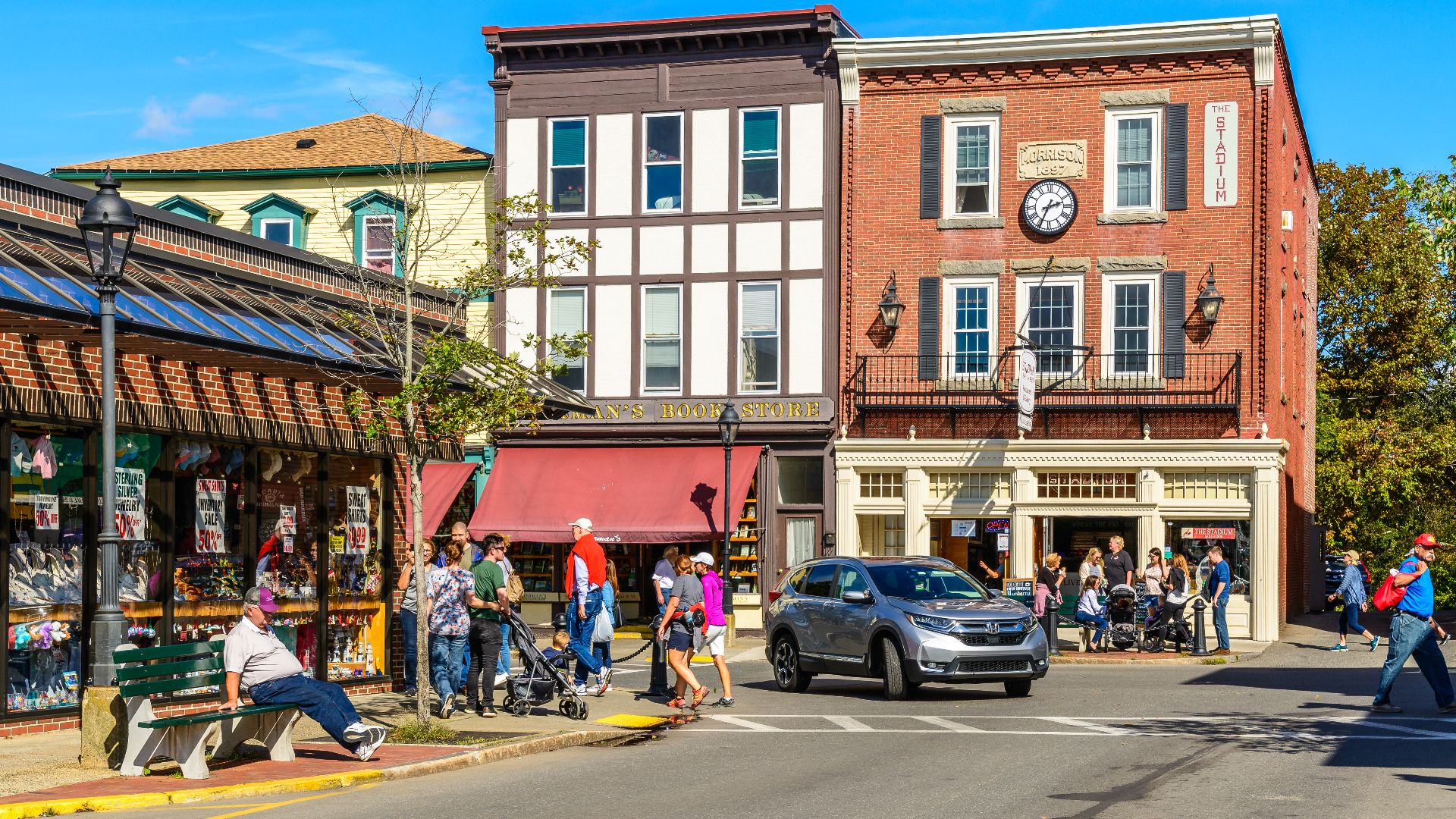
Bar Harbor, Maine
In the late 19th century, Bar Harbor became a fashionable summer retreat for wealthy Americans escaping crowded cities. Visitors arrived by steamship and yacht, drawn by Mount Desert Island's rugged coastline and spectacular scenery. Grand hotels and luxurious summer cottages followed, transforming the once-quiet community into a celebrated resort long before Acadia National Park became a major attraction.
 dconvertini, Wikimedia Commons
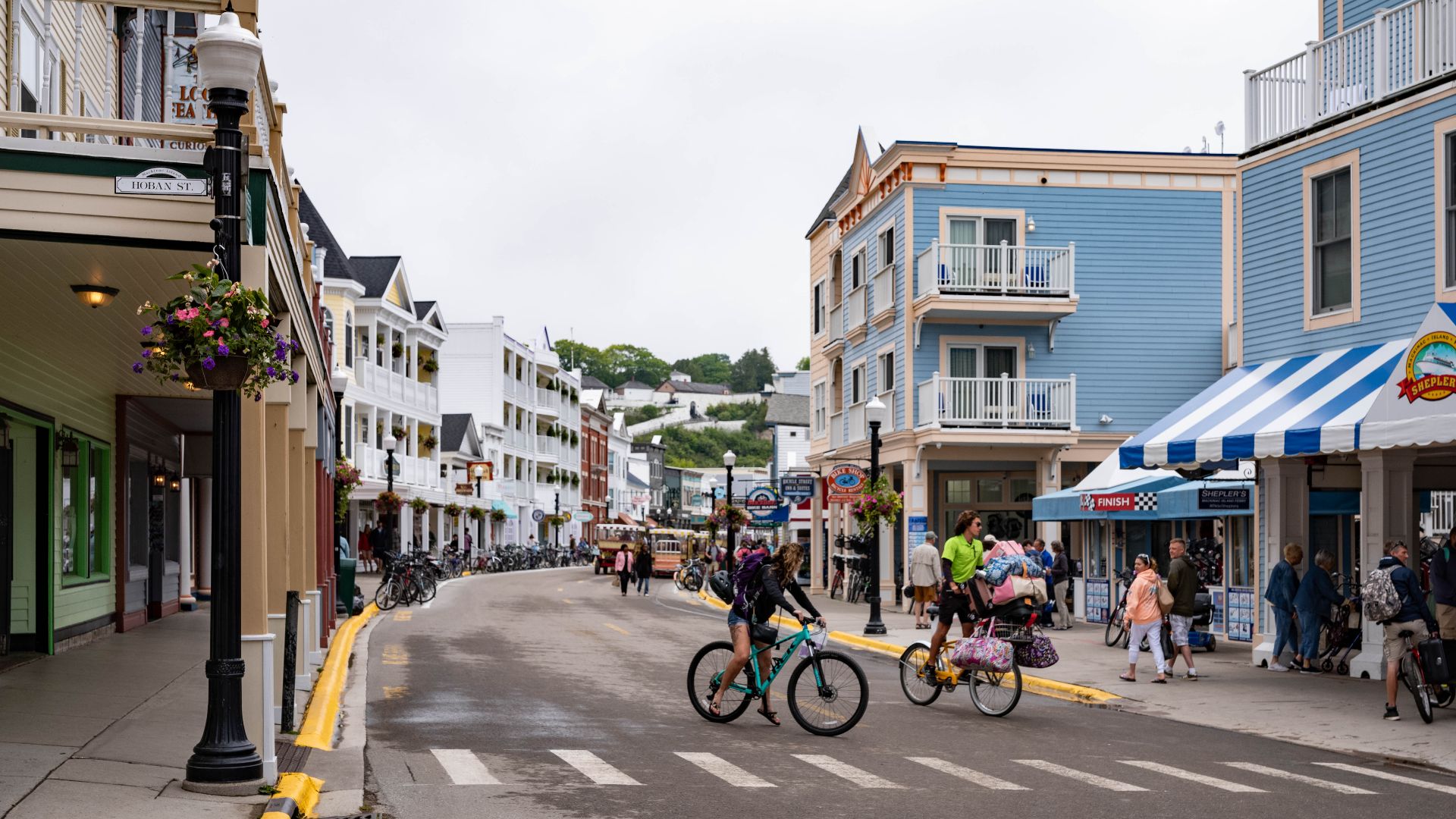
Mackinac Island, Michigan
Before highway vacations became commonplace, Mackinac Island was a popular destination for travelers arriving by Great Lakes steamship. Its magnificent Grand Hotel opened in 1887, catering to vacationers from cities such as Chicago and Detroit. Guests enjoyed carriage rides, lake breezes, and elegant dining. The island's continued restrictions on ordinary motor vehicles help preserve its old-fashioned vacation atmosphere.
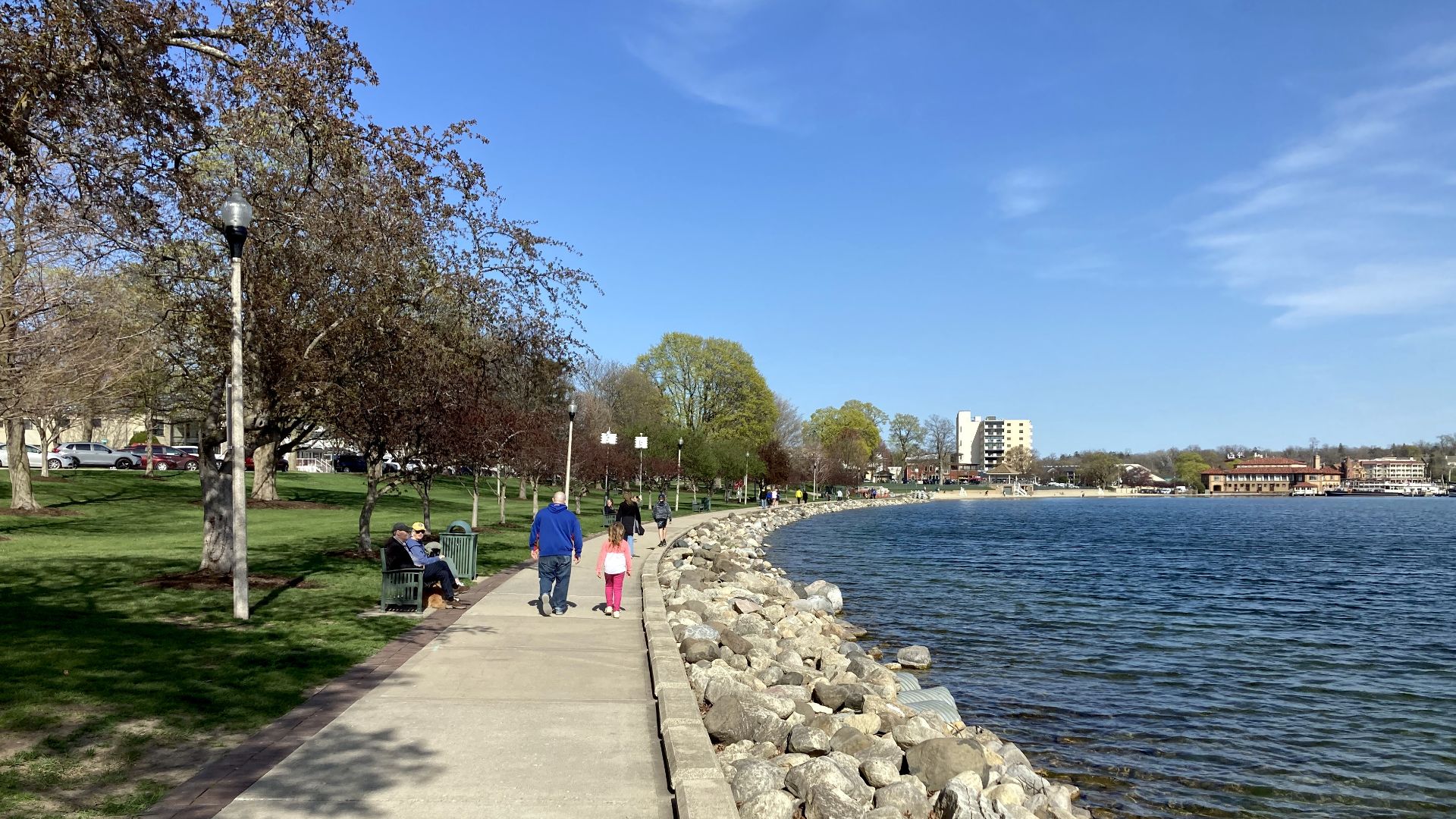
Lake Geneva, Wisconsin
Wealthy Chicago families discovered Lake Geneva during the 19th century, transforming its shoreline into a collection of impressive summer estates. Rail connections made the Wisconsin resort accessible without requiring an exhausting journey. Sailing, swimming, and lakeside entertaining became established traditions. For Chicagoans seeking relief from summer heat, Lake Geneva offered a convenient alternative to traveling across the country.
 Michael Barera, Wikimedia Commons
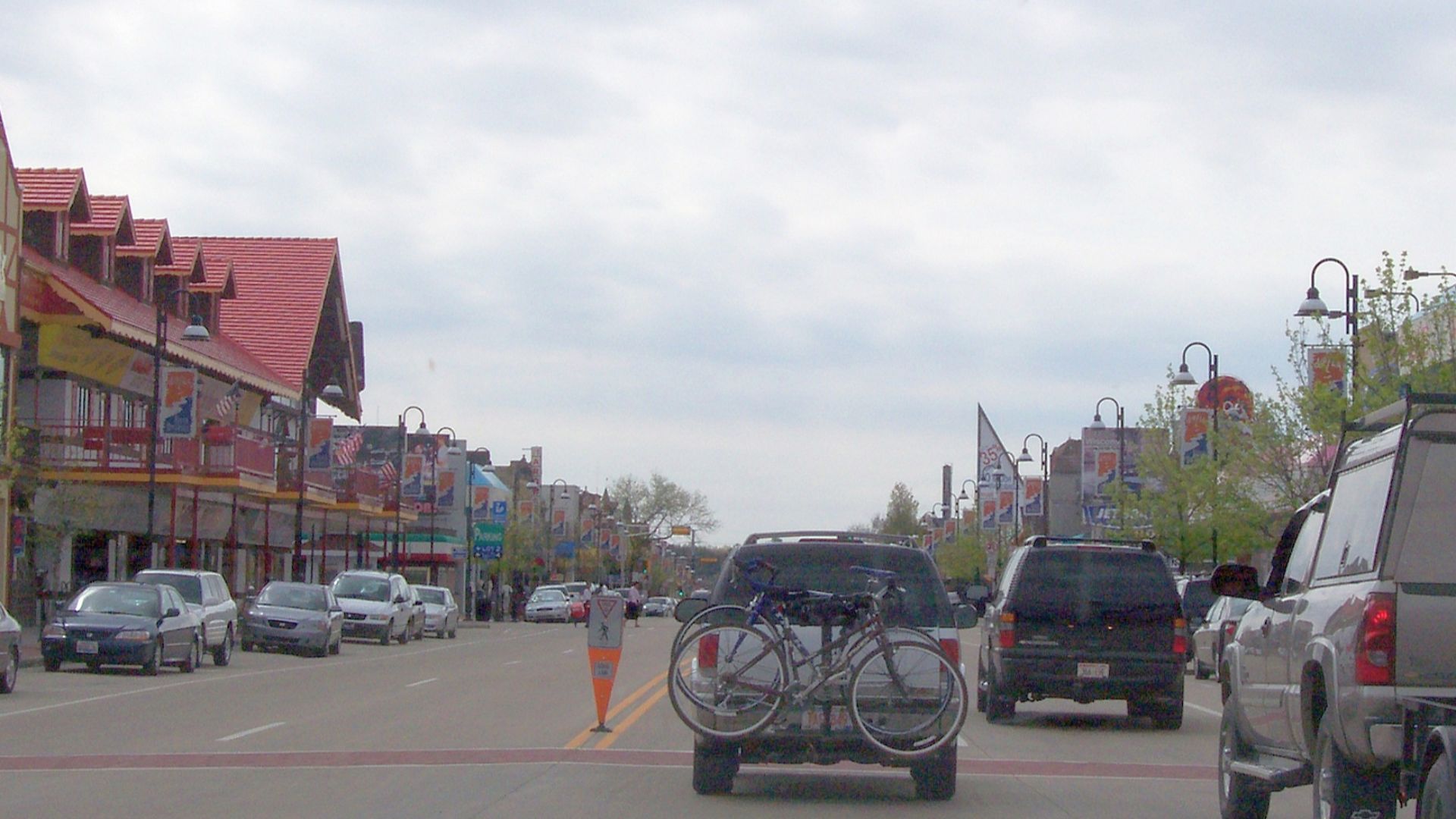
Wisconsin Dells, Wisconsin
Before elaborate water parks became its signature attraction, Wisconsin Dells was famous for its dramatic sandstone formations along the Wisconsin River. Sightseeing excursions brought travelers to admire the scenery, while rail connections helped establish the area as a vacation destination. Eventually, roadside attractions, boat tours, and family entertainment transformed the region into a Midwestern holiday institution.
 User Royalbroil on en.wikipedia, Wikimedia Commons
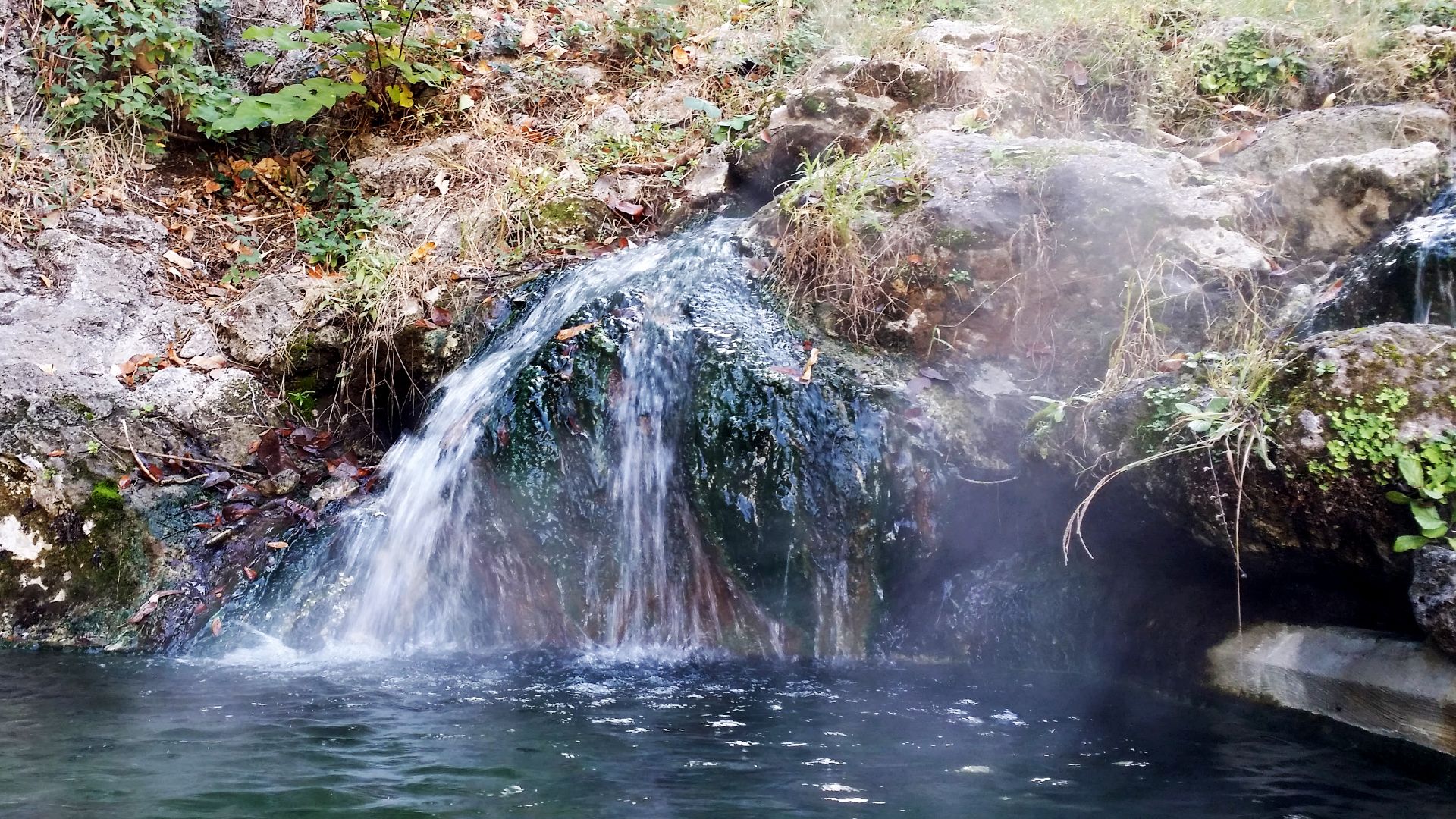
Hot Springs, Arkansas
Long before modern wellness retreats became fashionable, Americans traveled to Hot Springs, Arkansas, to experience its celebrated thermal waters. Visitors believed the mineral-rich springs could improve their health, and elaborate bathhouses offered luxurious treatments. The city's famous Bathhouse Row developed between 1892 and 1923, attracting generations of travelers seeking relaxation, recreation, and the promise of better health.
 Eric Friedebach, Wikimedia Commons
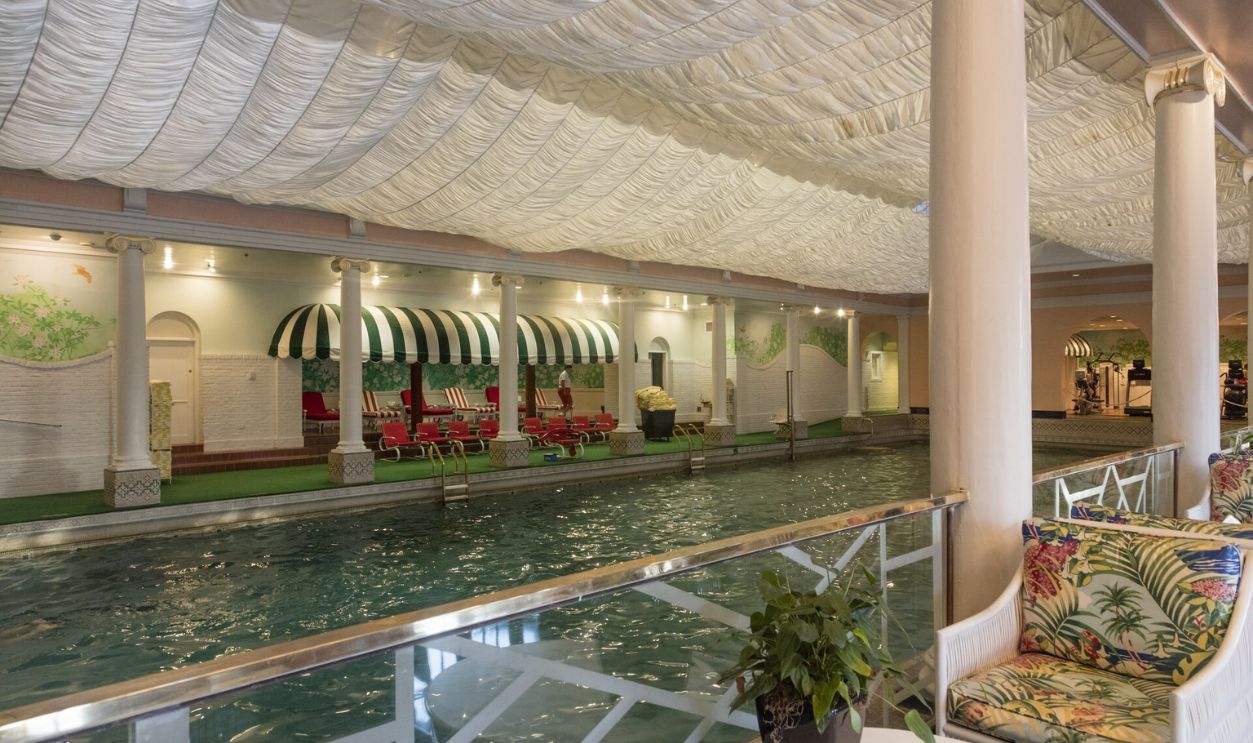
White Sulphur Springs, West Virginia
For wealthy Americans seeking a sophisticated mountain retreat, White Sulphur Springs was a prestigious destination long before commercial aviation. The mineral springs attracted prominent visitors, while the Greenbrier resort became famous for its grand accommodations and social atmosphere. Guests traveled for extended stays, enjoying golf, formal dinners, and mountain air rather than rushing through a modern weekend getaway.
 Carol M. Highsmith, Wikimedia Commons
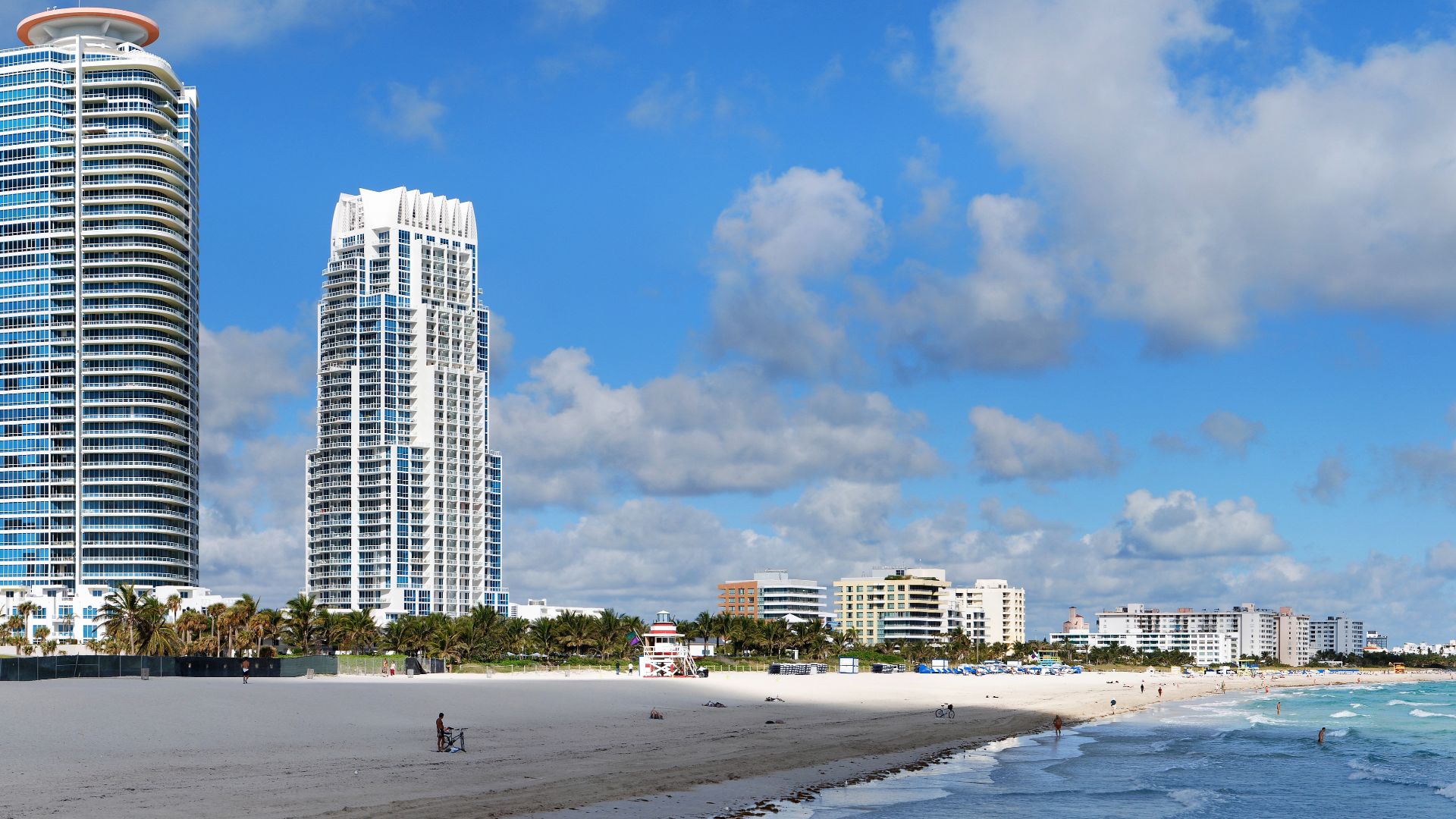
Miami Beach, Florida
Miami Beach was already a glamorous winter destination decades before affordable airline tickets made Florida an easy escape. During the 1920s and 1930s, wealthy Americans arrived by train and automobile to enjoy luxurious hotels, sunshine, and fashionable social gatherings. The city's appeal eventually spread far beyond the wealthy, but its early resort culture helped establish Florida as America's favorite winter playground.
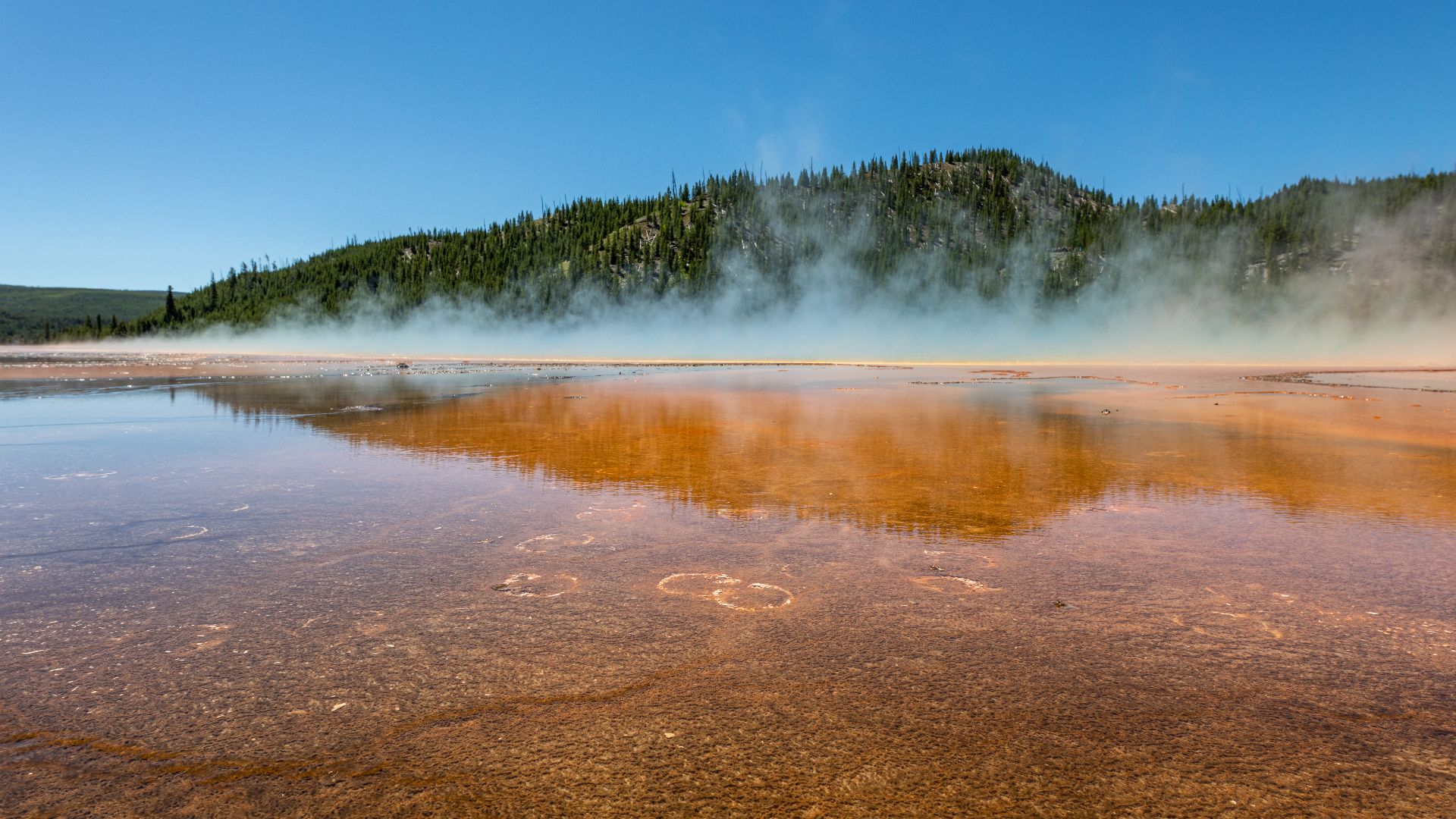
Yellowstone National Park, Wyoming
Before Americans could fly across the country for a quick national park vacation, visiting Yellowstone required considerable planning. Early tourists arrived by railroad and continued by stagecoach to see Old Faithful and other natural wonders. Grand hotels and organized excursions made the wilderness more comfortable. Automobiles were finally admitted in 1915, helping transform Yellowstone into a destination for ordinary families.
 Dietmar Rabich, Wikimedia Commons
Grand Canyon, Arizona
The Grand Canyon became a celebrated vacation destination thanks partly to railroad companies that promoted the American West as an alternative to European travel. Visitors arrived by train, stayed in hotels near the rim, and admired scenery unlike anything back home. As automobiles became more common during the 1920s, families gained another way to experience one of America's greatest natural wonders.
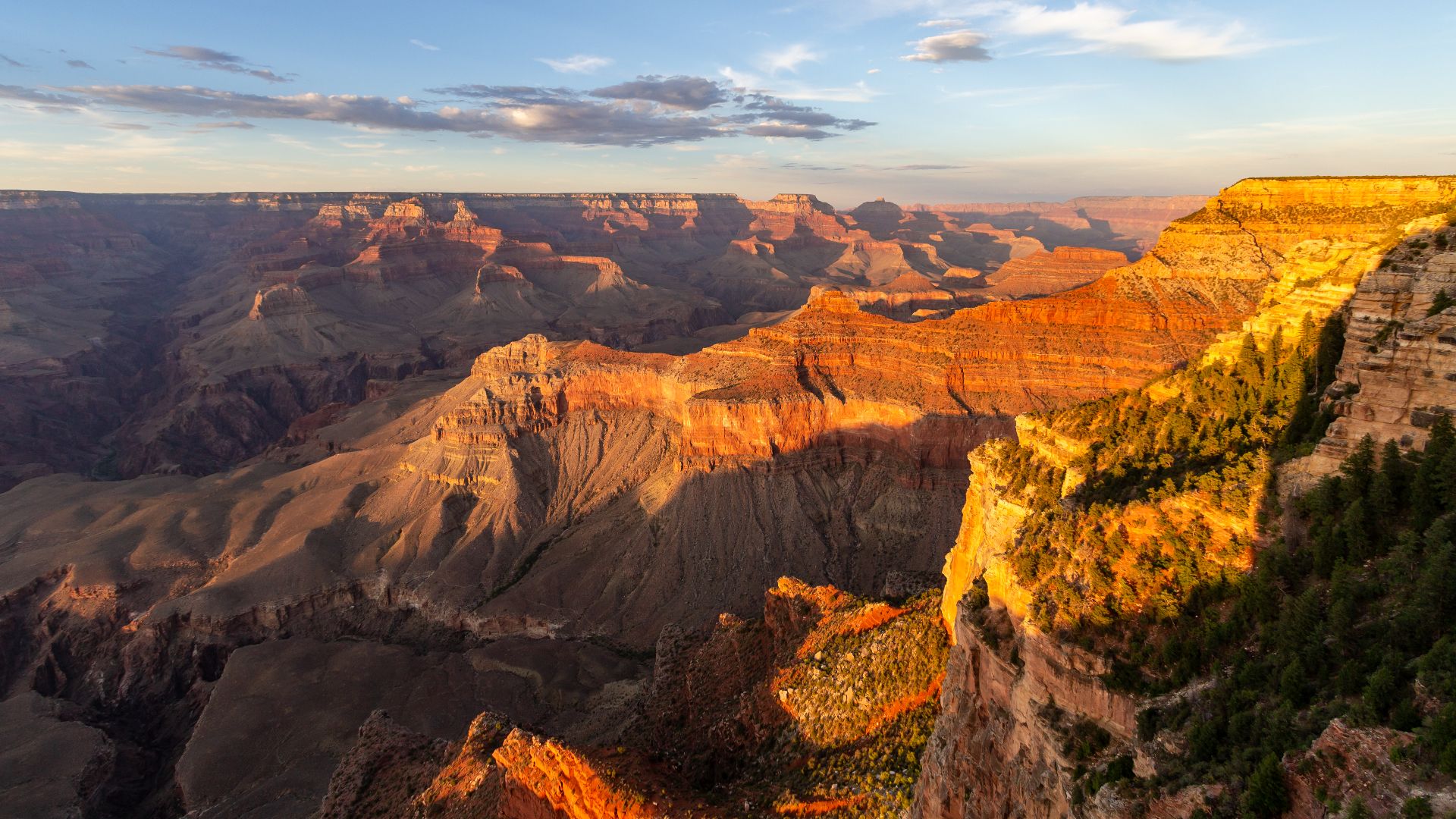 Dietmar Rabich, Wikimedia Commons
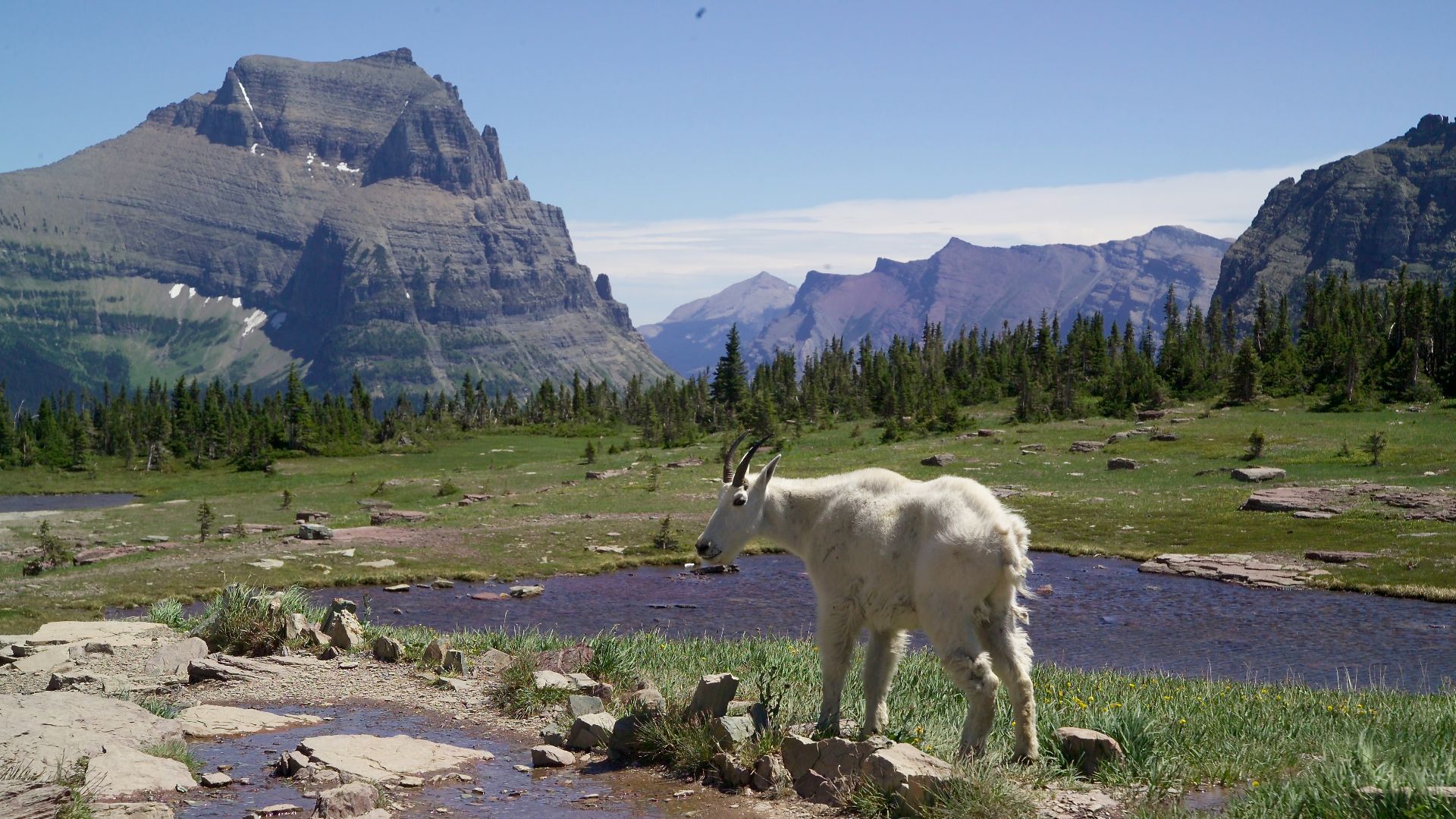
Glacier National Park, Montana
The Great Northern Railway played an enormous role in making Glacier National Park a vacation destination. The company promoted the region as the "Playground of the Northwest" and constructed hotels and chalets for tourists. Early visitors often continued their journeys on horseback, spending several days exploring the mountains. It was an adventurous alternative to the traditional seaside holiday.
Yosemite National Park, California
Before air travel and modern highways made California easier to explore, Yosemite was already attracting adventurous vacationers. Early visitors endured lengthy stagecoach journeys to see its towering cliffs and waterfalls. The Yosemite Valley Railroad improved access in 1907, while tent camps and hotels offered accommodations for different budgets. The journey itself was once a substantial part of the vacation.
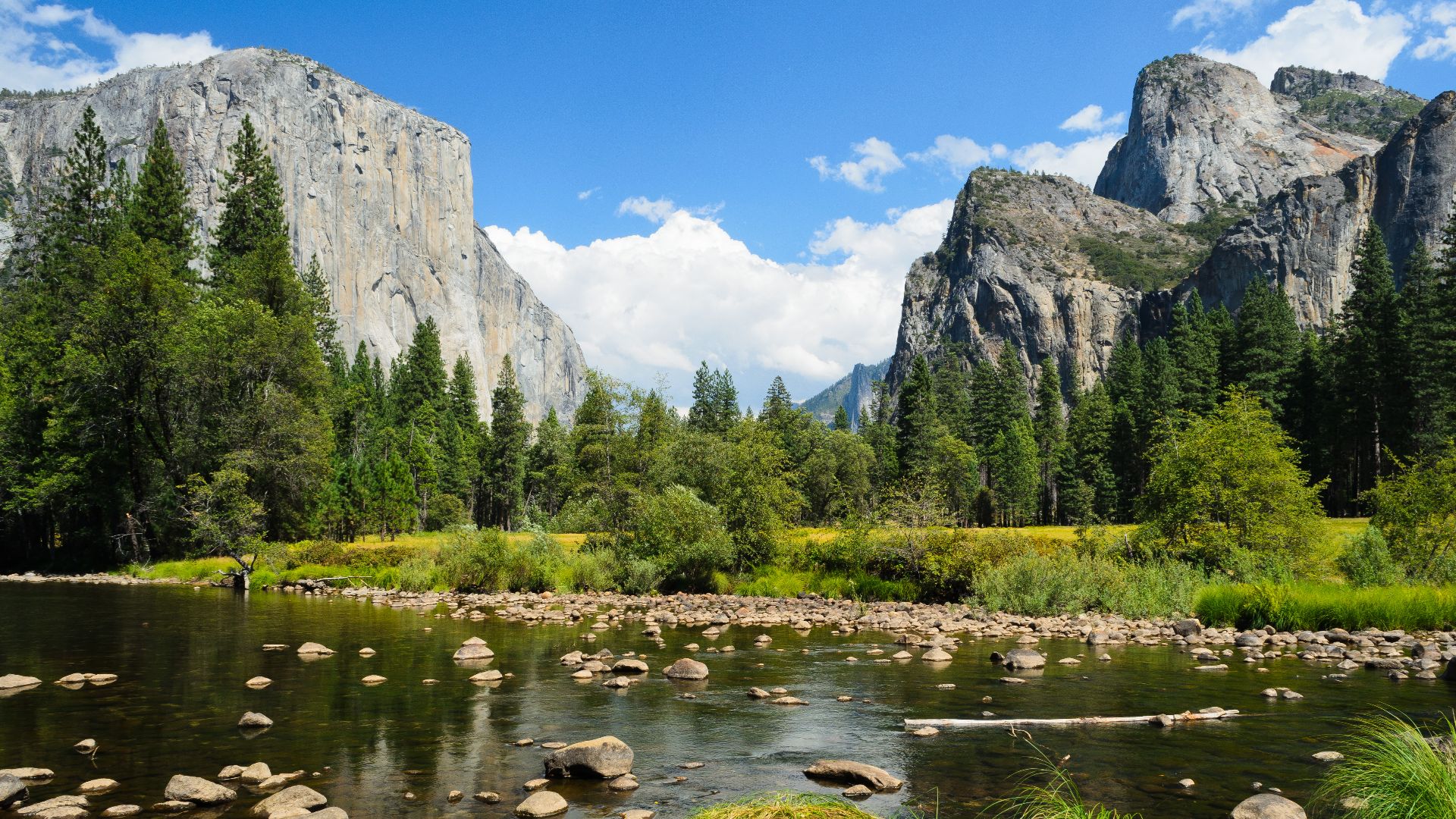 King of Hearts, Wikimedia Commons
Idlewild, Michigan
Beginning in 1912, Idlewild became one of the country's most important vacation communities for African Americans. During segregation, when many resorts excluded Black guests, Idlewild offered lakeside cottages, recreation, and a thriving entertainment scene. Musicians and celebrities helped establish its reputation as a cultural destination. The resort flourished through the 1950s, before changing travel patterns and desegregation transformed its fortunes.
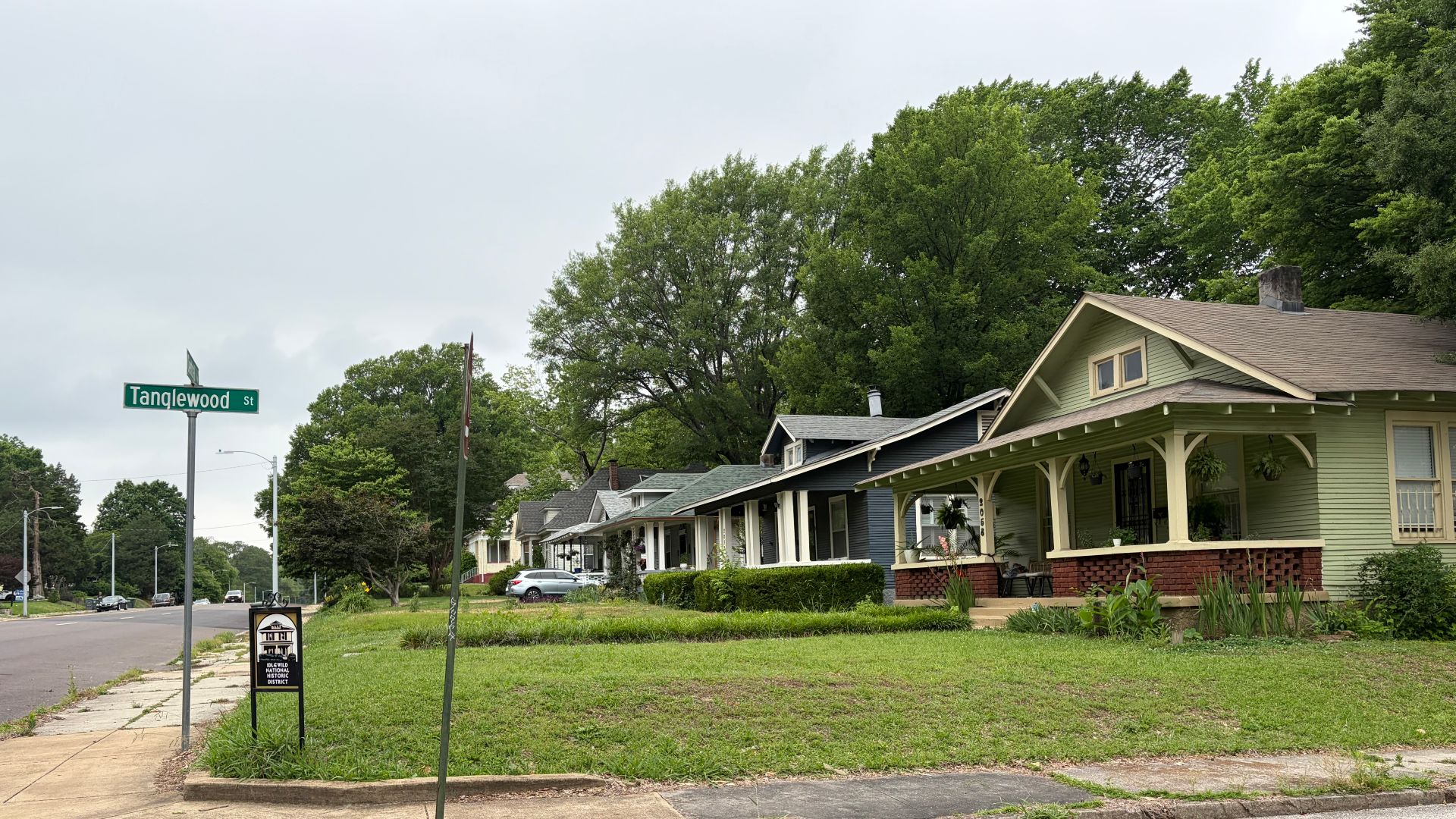 Dclemens1971, Wikimedia Commons
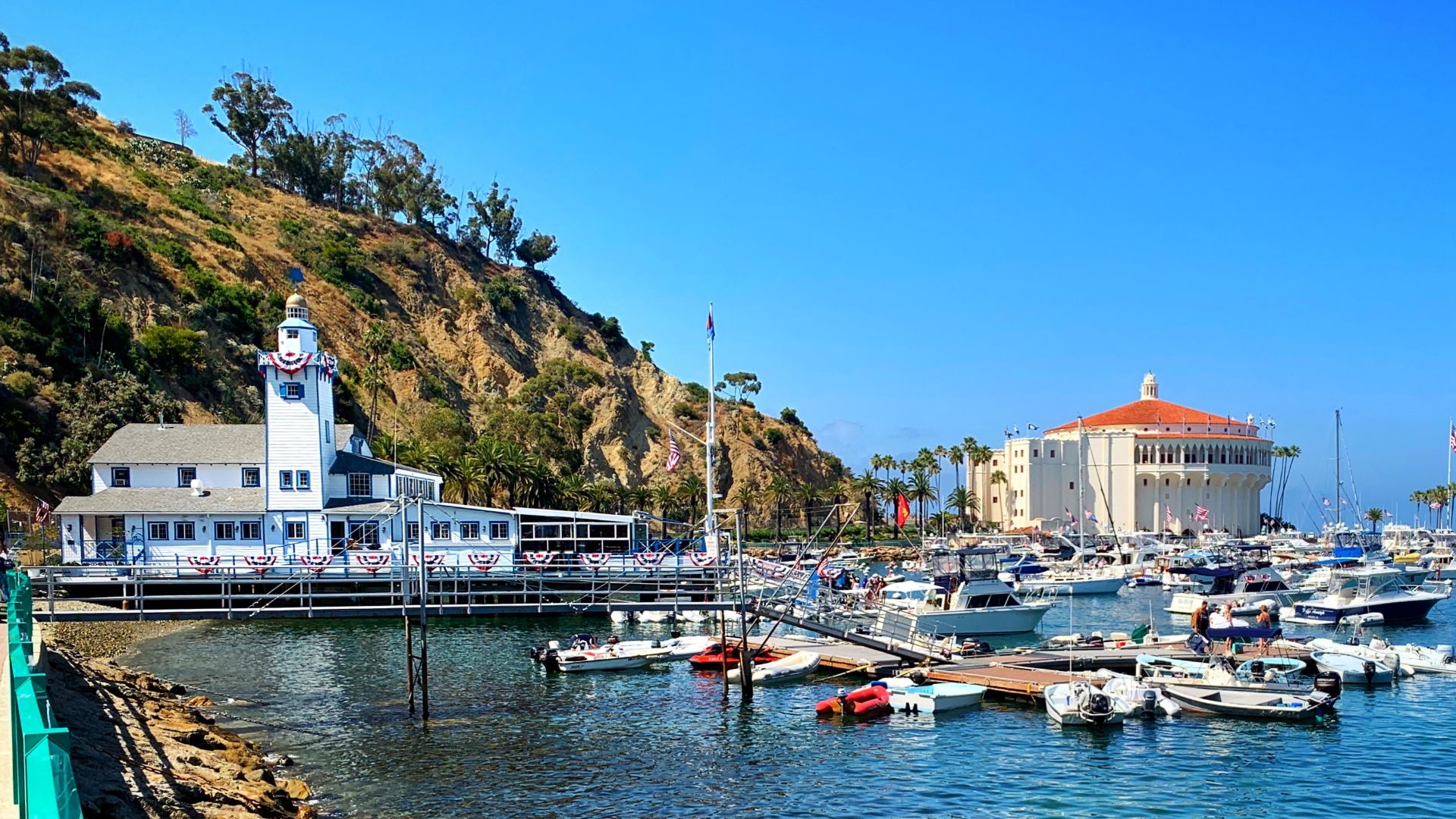
Catalina Island, California
For Southern Californians seeking an island escape without traveling overseas, Catalina offered a glamorous solution. Steamships carried vacationers across the water to Avalon, where beaches, boating, and elegant accommodations created an atmosphere far removed from city life. The island became especially fashionable during the early 20th century, offering a taste of Mediterranean-style leisure within reach of Los Angeles.
You May Also Like:
Iconic American Vacation Destinations That Used To Be Accessible Only To The Wealthy
Once The Ultimate Vacation Destinations, These Luxury Resorts Are Now Unrecognizable
American Cities Baby Boomers Vacationed In During The 1970s—But Millennials Never Visit Anymore
Sources: 1, 2, 3, 4, 5, 6, 7, 8, 9, 10, 11, 12, 13, 14, 15, 16, 17, 18