When A Vacation Required A Fortune
Picture needing a railroad fortune to secure your summer address. Many American escapes began as private clubs, grand estates, or resorts catering to serious money. Others weren't strictly off-limits, but transportation and accommodations were expensive. Here's how some glamorous retreats became destinations for a much wider public. Paco Alonso, Pexels.com
Newport, Rhode Island
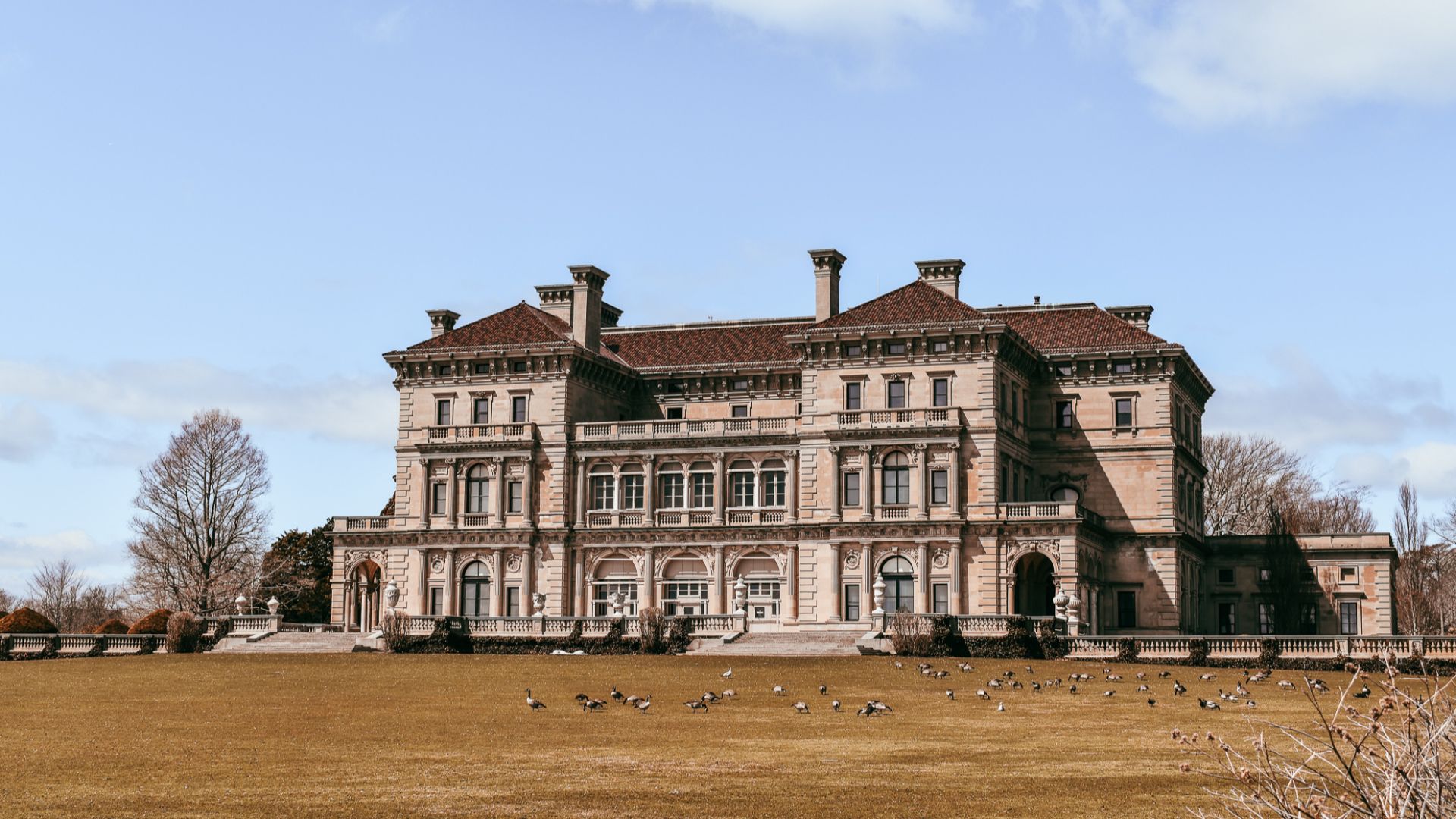
Newport's Gilded Age summer crowd included the Vanderbilts, whose enormous seaside mansions were called cottages. Today, visitors can tour estates like The Breakers and Marble House without inheriting a railroad empire.
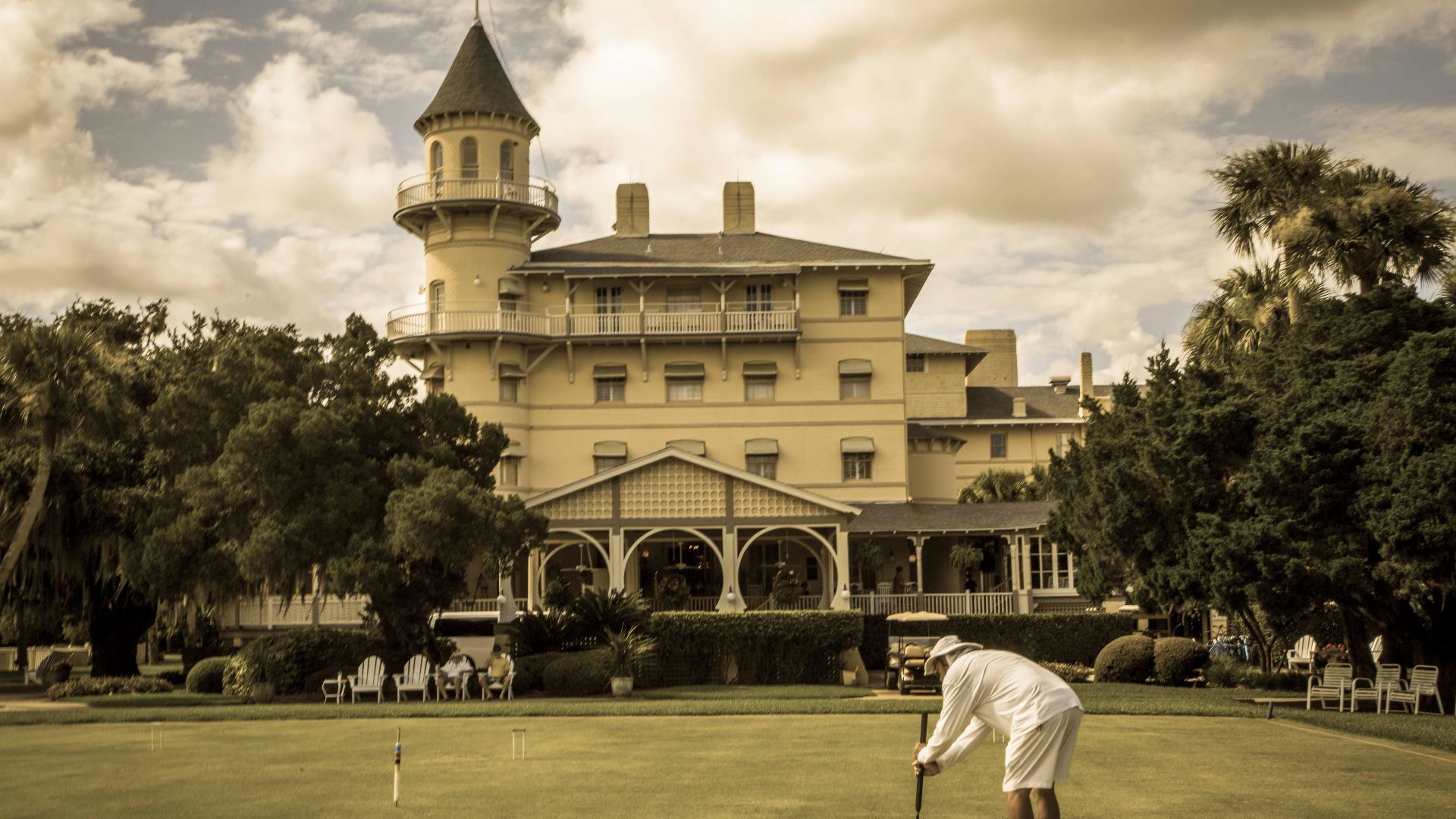
Jekyll Island, Georgia
J.P. Morgan and William Rockefeller belonged to the exclusive Jekyll Island Club. Georgia purchased the island in 1947 and opened it as a state park in 1948. Its beaches now welcome everyone.
 Jim Tippett, Wikimedia Commons
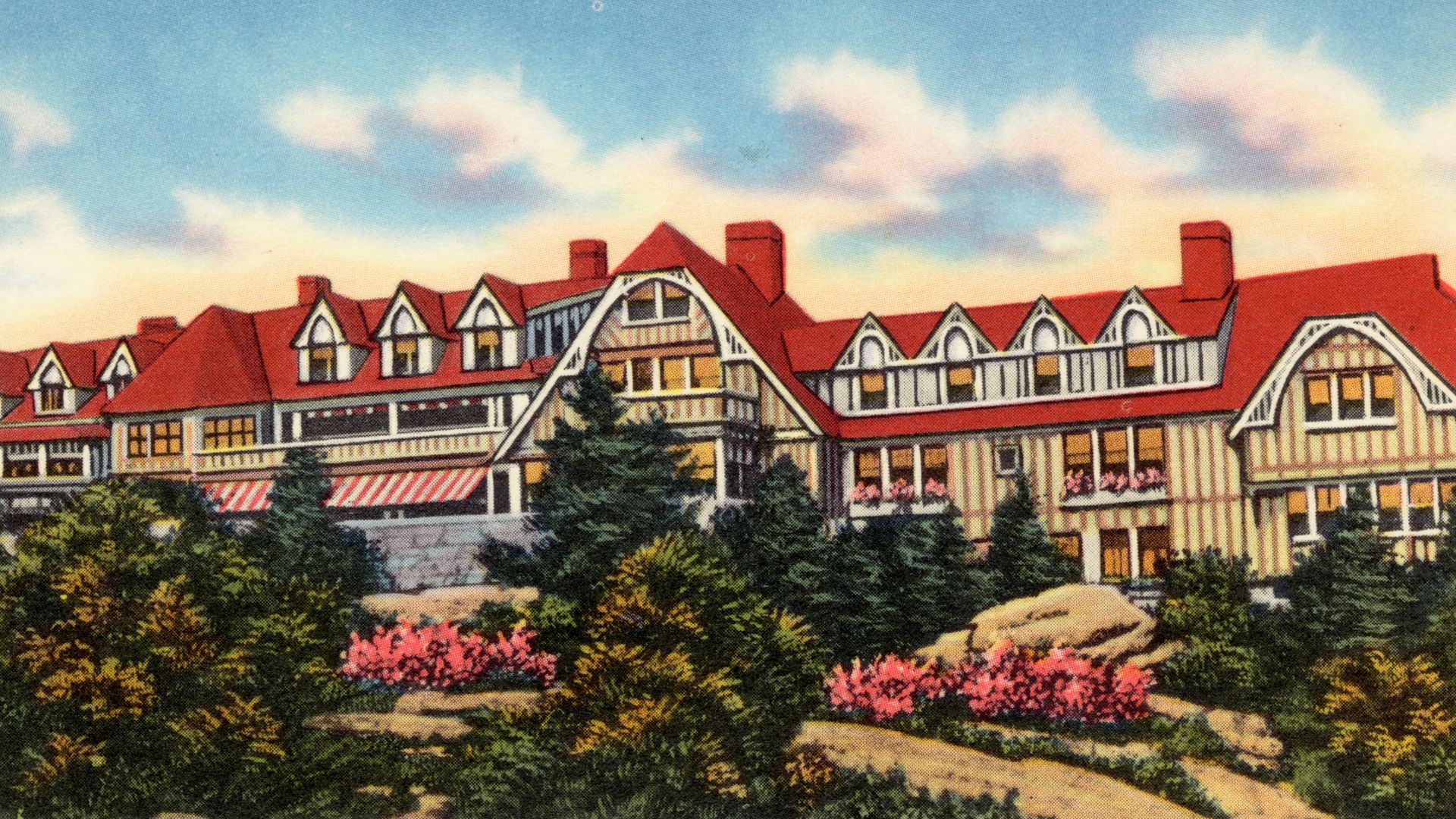
Bar Harbor, Maine
The Rockefellers, Vanderbilts, and Astors built lavish summer cottages on Mount Desert Island. Wealthy vacationers helped establish what became Acadia National Park, opening much of their prized coastal scenery to the public.
 Tichnor Brothers, Wikimedia Commons
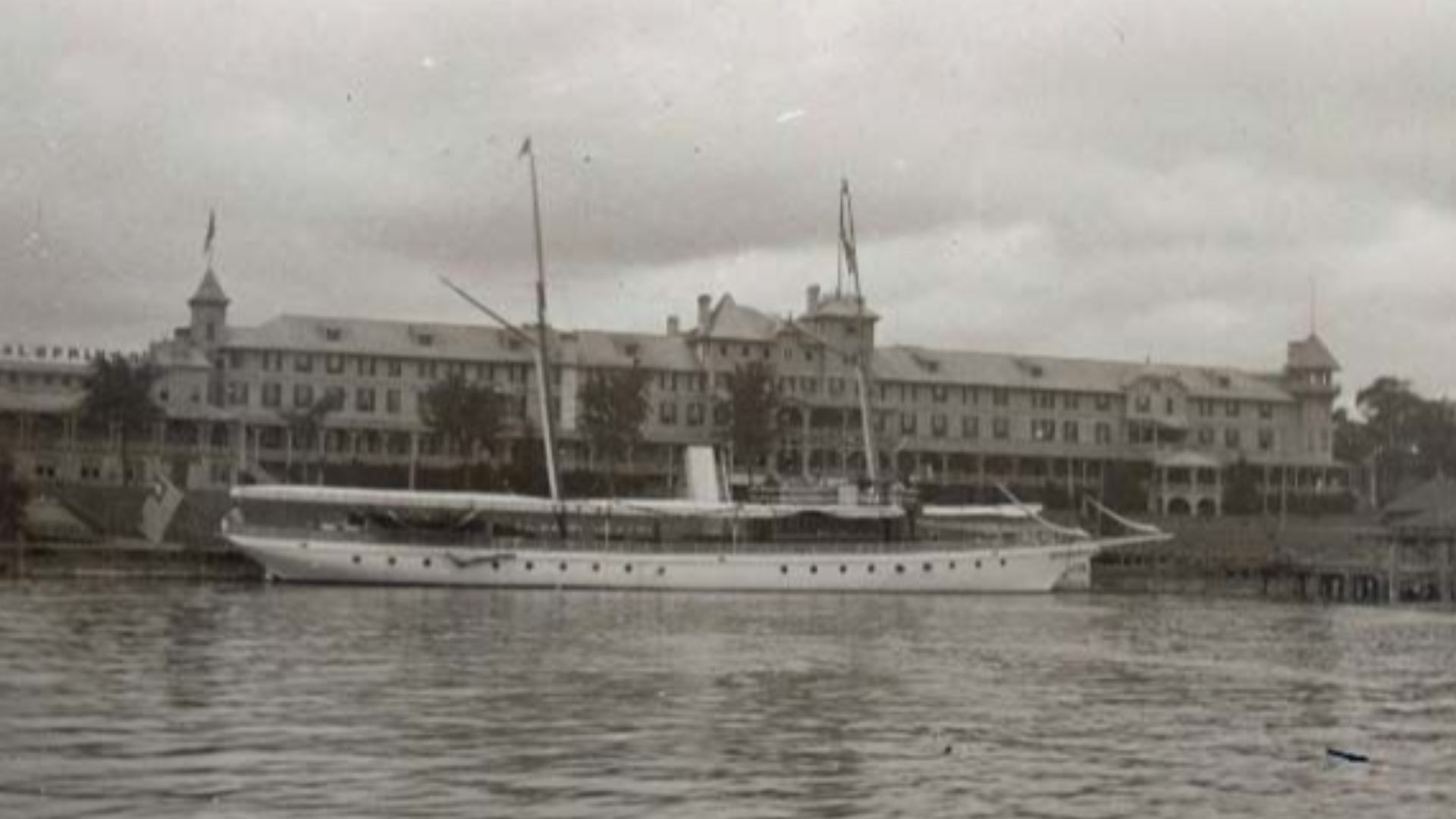
Mackinac Island, Michigan
Wealthy Midwestern industrialists built summer cottages on Mackinac Island's bluffs in the 1890s. The Grand Hotel and lake steamers defined its fashionable resort era. Today, travelers can explore without owning a mansion.
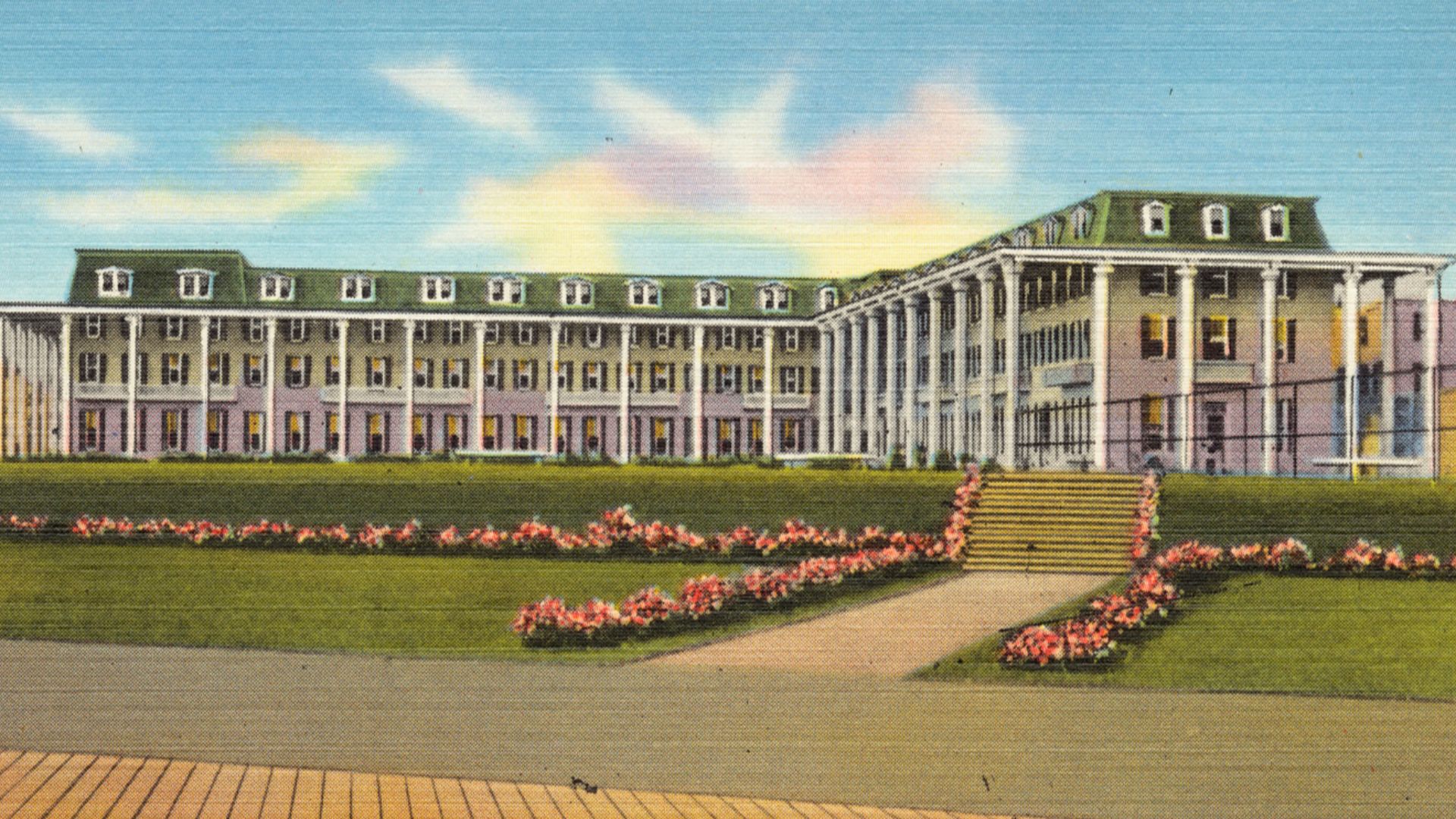
Cape May, New Jersey
By the 1830s, Cape May was drawing prominent visitors from East Coast cities. Grand hotels and seaside ballrooms followed, creating a fashionable retreat. Its Victorian streets and beaches now attract a broader crowd.
 Boston Public Library, Wikimedia Commons
Raquette Lake, New York
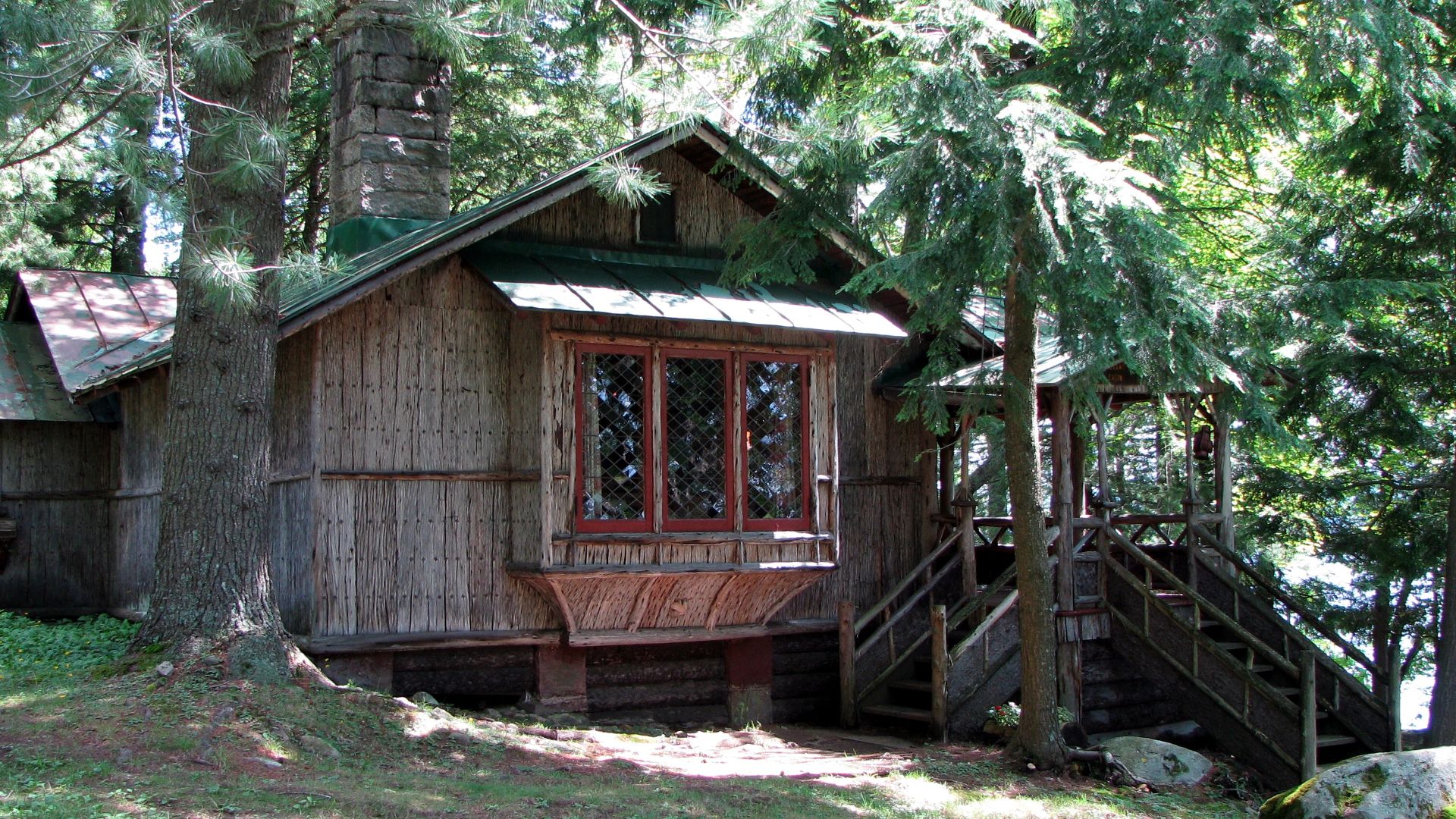
Adirondack Great Camps brought surprising luxury into the wilderness. Starting in 1877, William West Durant developed Camp Pine Knot on Raquette Lake, pioneering rustic architecture favored by wealthy families. Public recreation now flourishes across the Adirondacks.
Long Branch, New Jersey
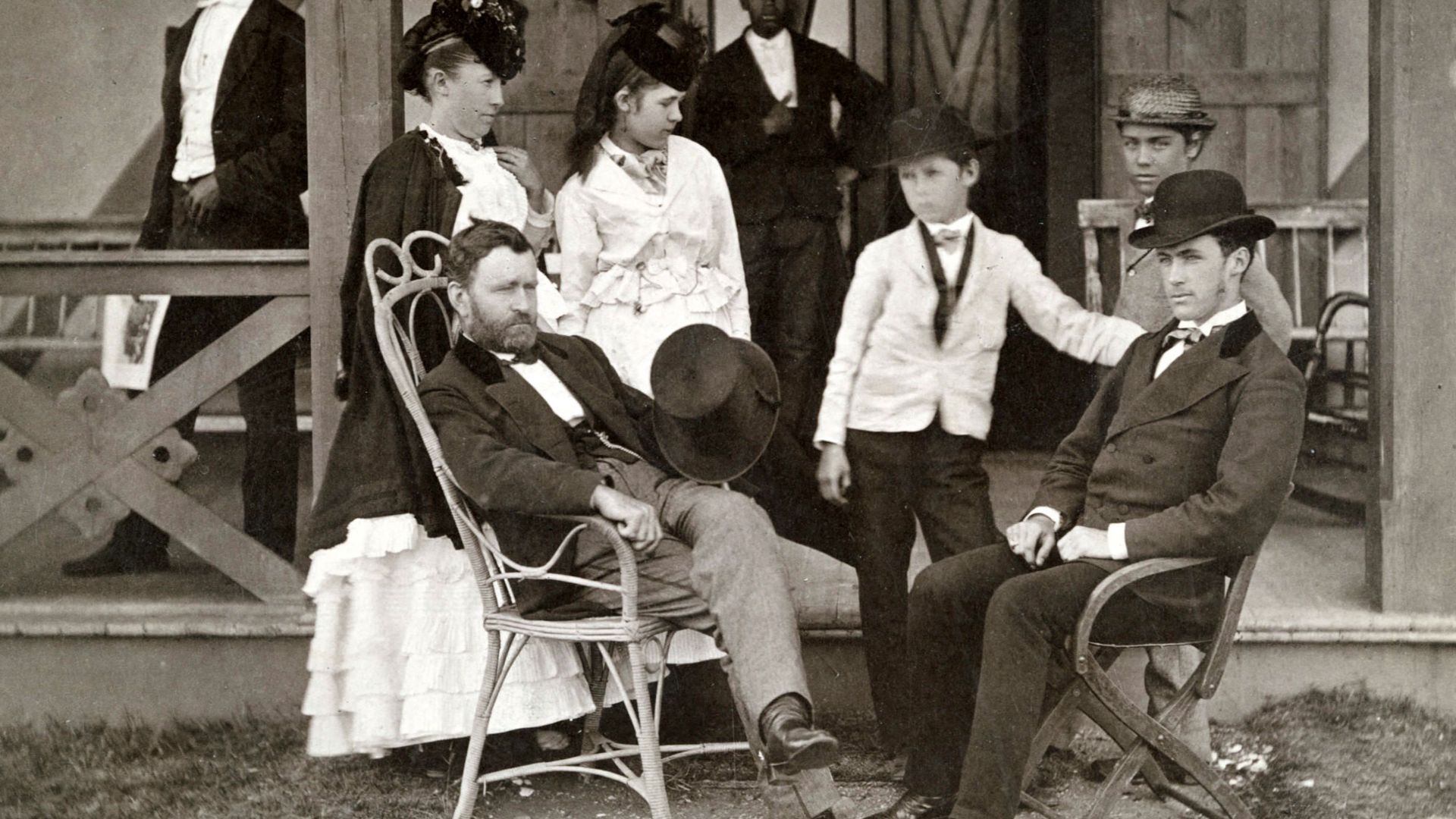
Long Branch became fashionable after Mary Todd Lincoln visited in 1861. Wealthy guests and presidents followed; admirers purchased Ulysses S. Grant a cottage in 1869. Today, ordinary vacationers enjoy its shoreline.
 Pach Brothers, NY, Wikimedia Commons
St. Augustine, Florida
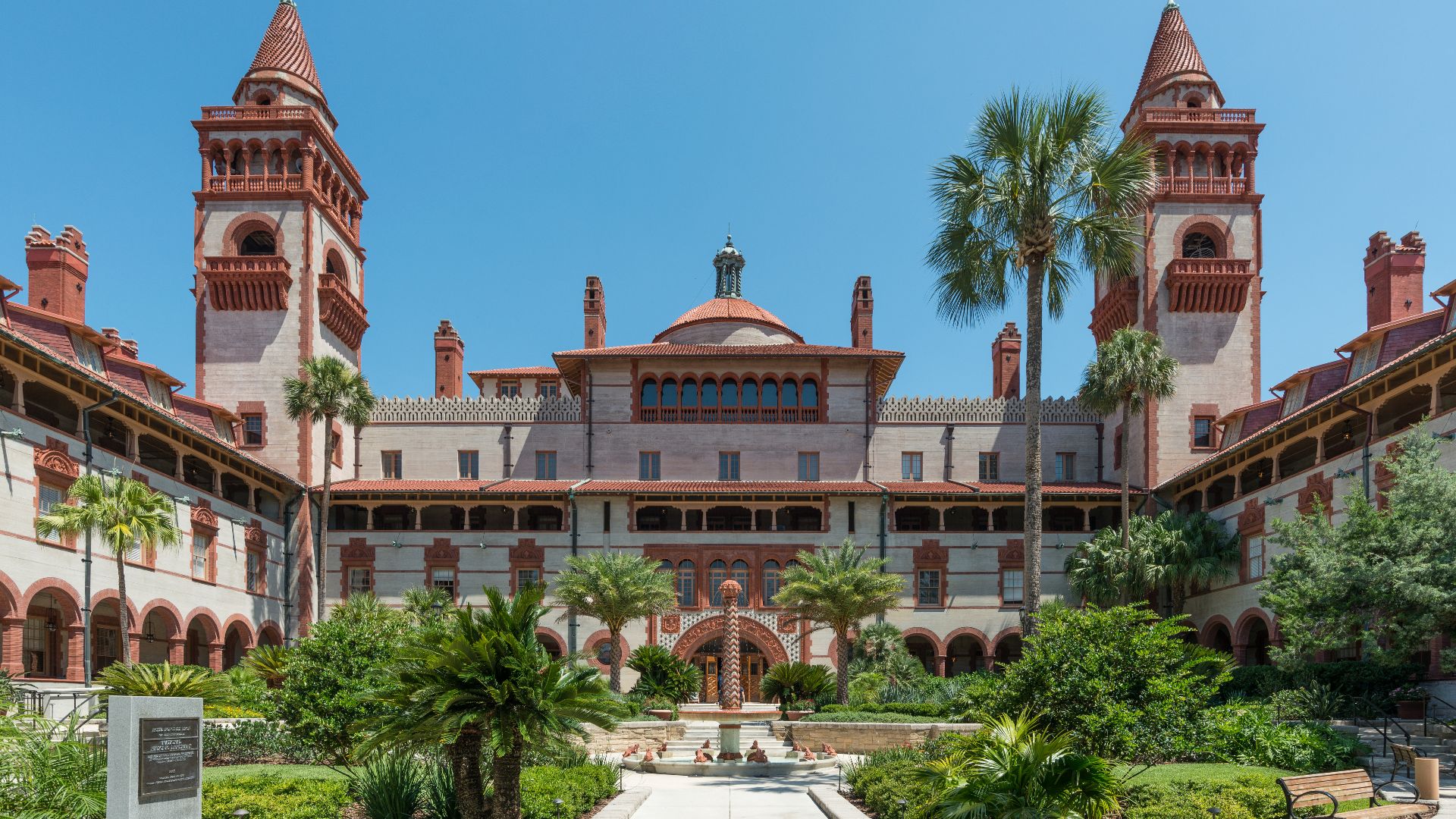
Henry Flagler opened the luxurious Hotel Ponce de León in 1888, attracting wealthy guests who booked entire winter seasons. The building became Flagler College in 1968. Its architecture remains a celebrated local landmark.
Palm Beach, Florida
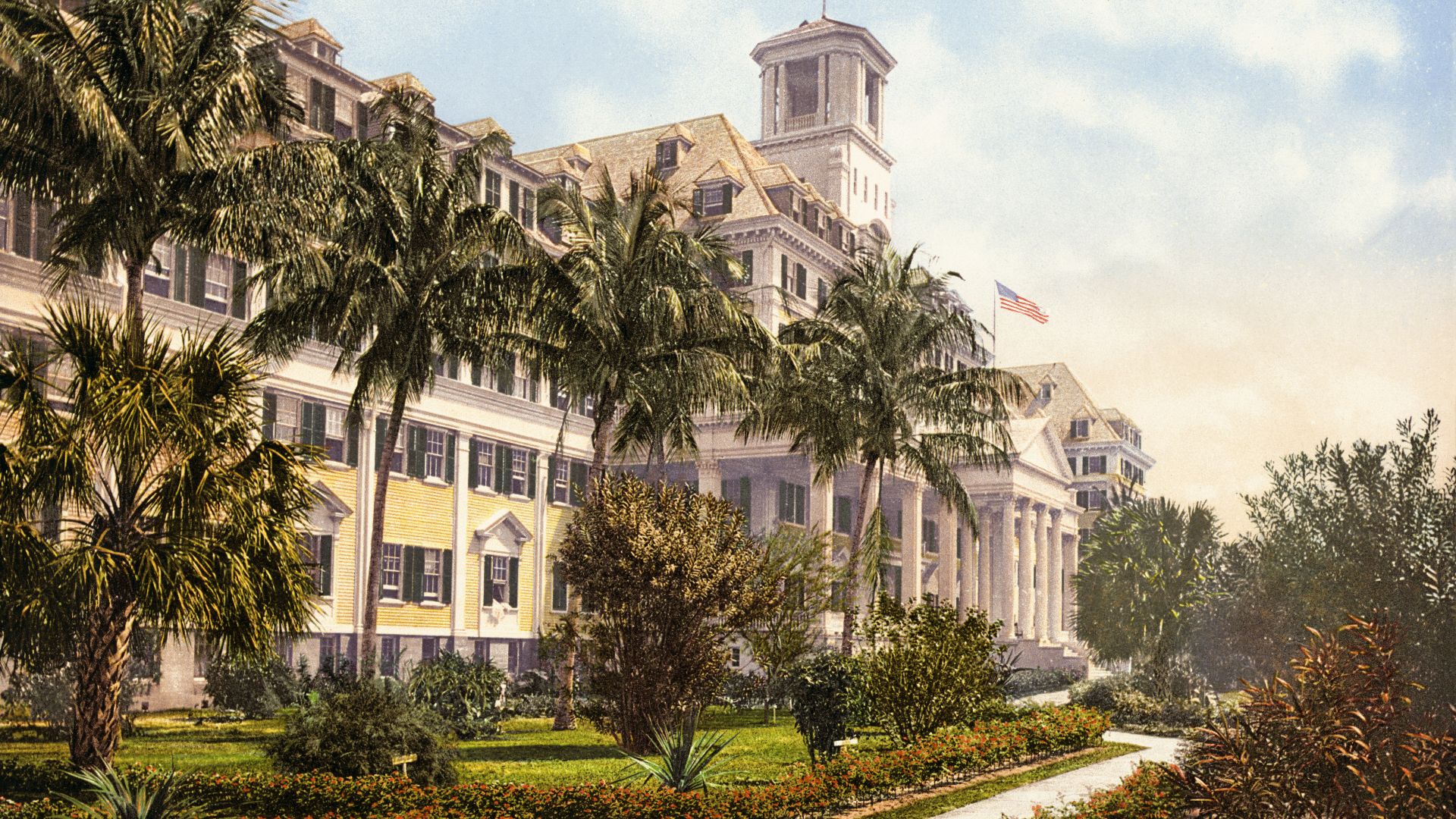
Flagler built the Royal Poinciana Hotel in 1894 for wealthy winter tourists. His railroad delivered affluent guests, and another hotel became The Breakers. Today's Palm Beach region offers more than its exclusive resorts.
 Detroit Publishing Co., Wikimedia Commons
Aiken, South Carolina
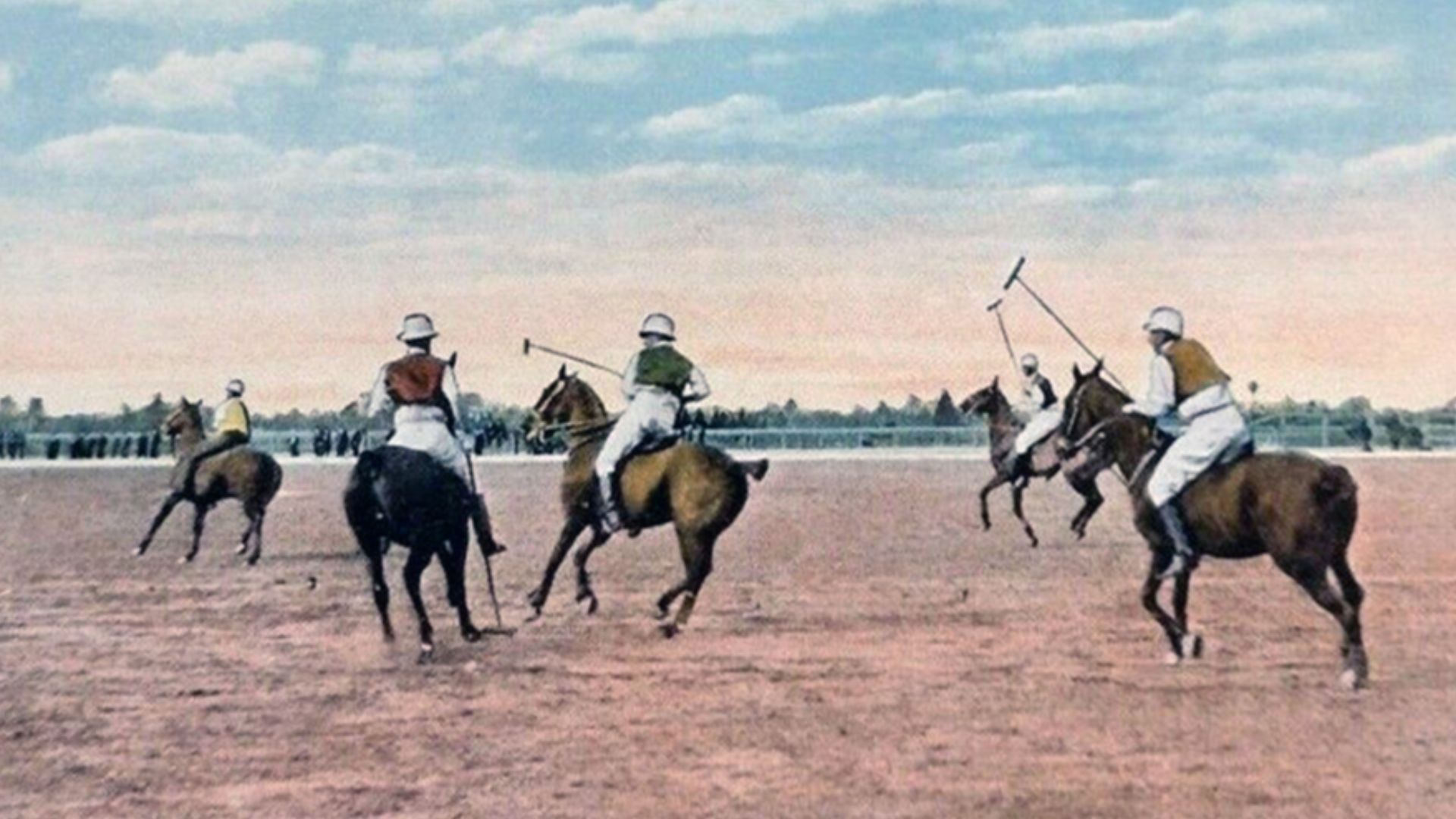
Northern millionaires made Aiken their winter playground, bringing horses for polo and hunting. The Vanderbilts and Whitneys maintained seasonal homes here. Visitors can now explore its equestrian history without joining the winter colony.
 Curt Teich & Co., Chicago (publisher), Wikimedia Commons
Biltmore Estate, North Carolina
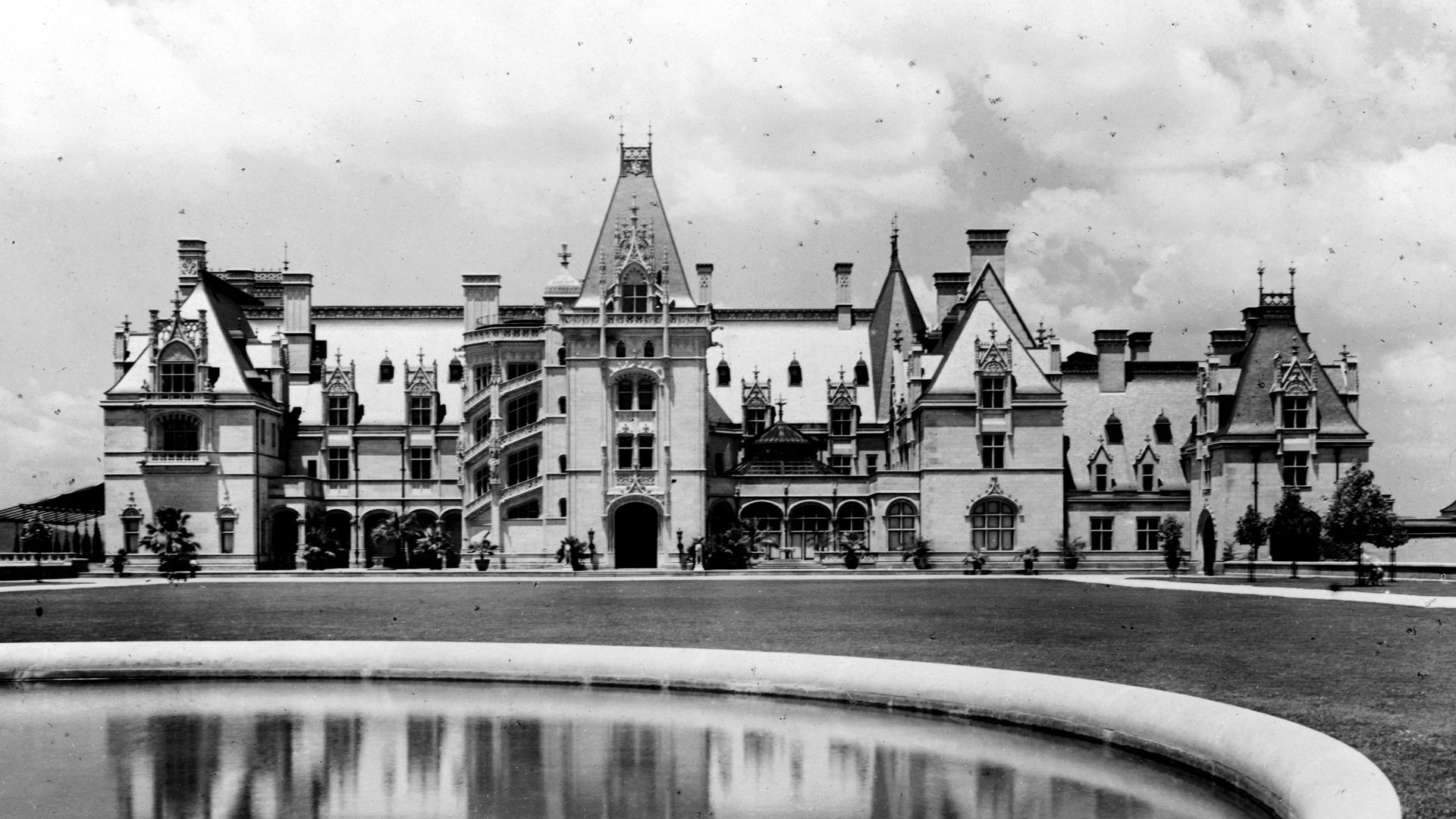
George Vanderbilt's Asheville estate originally welcomed only family and invited guests. In 1930, his daughter Cornelia and her husband opened Biltmore House to paying visitors. An exclusive retreat became a public attraction.
 John H. Tarbell, Wikimedia Commons
Saratoga Springs, New York
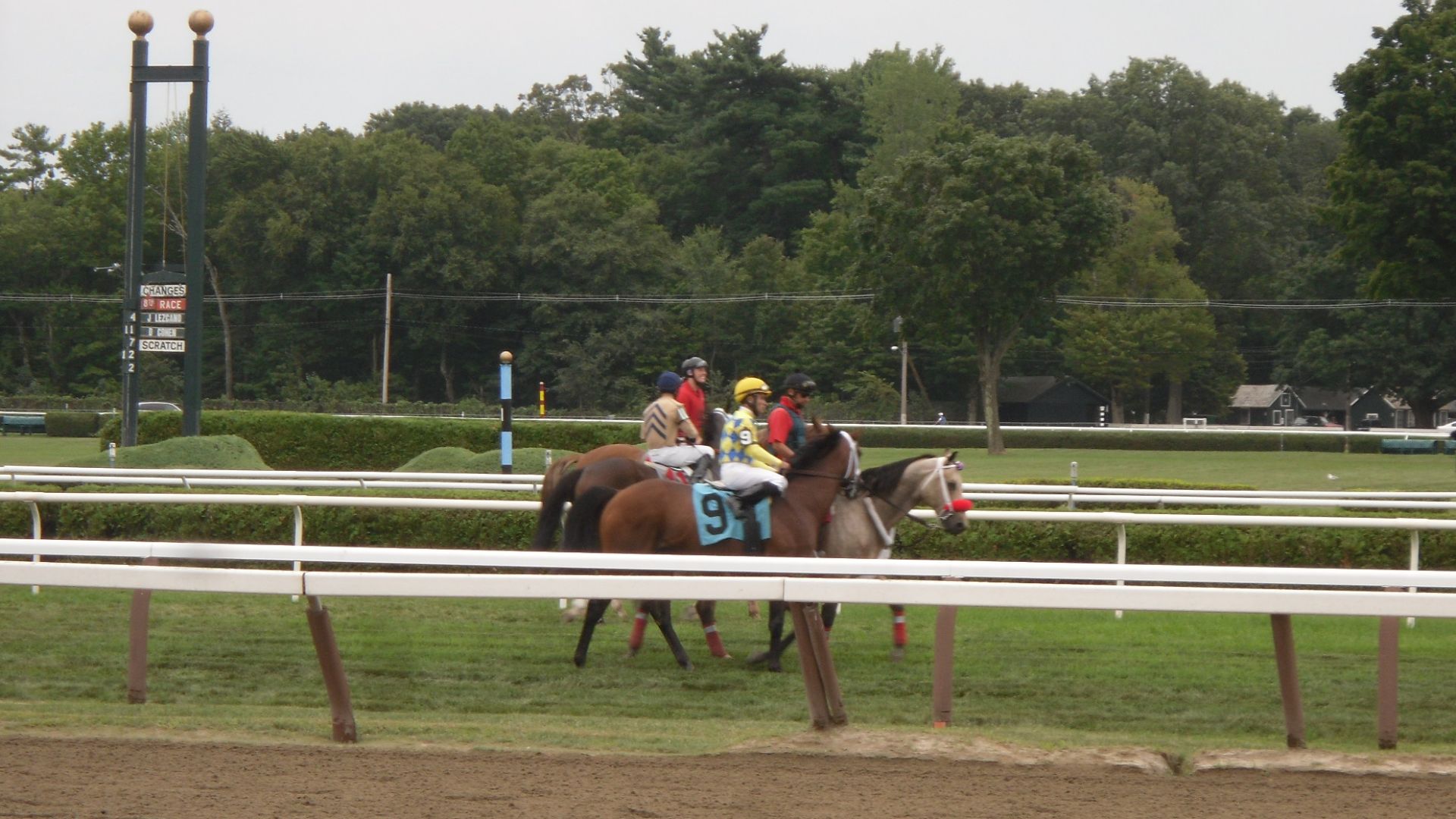
Mineral springs, racing, and fashionable hotels made Saratoga Springs a Gilded Age society favorite. Millionaires filled its summer calendar. Today, visitors can explore Congress Park and the former Canfield Casino's museum.
 Doug Kerr from Albany, NY, United States, Wikimedia Commons
Palm Springs, California
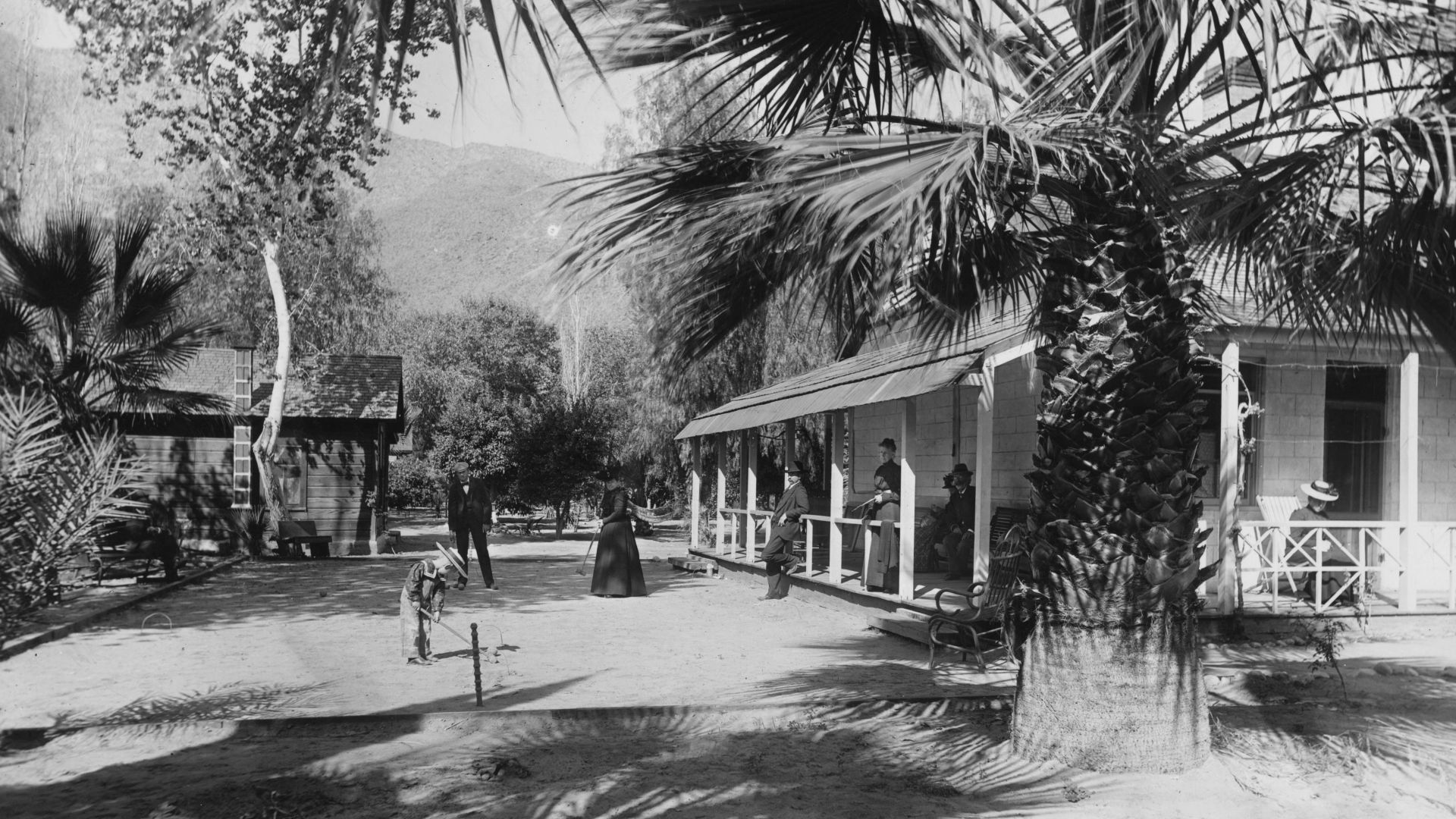
Hollywood stars made Palm Springs a glamorous desert escape in the 1930s. Private estates and exclusive clubs reinforced its celebrity image. Today, midcentury architecture and sunshine attract visitors without movie credits.
 Unknown authorUnknown author, Wikimedia Commons
Miami Beach, Florida
Developers promoted Miami Beach as an upscale winter destination following its 1915 incorporation. Lavish hotels and Art Deco architecture helped establish its glamorous reputation. Today, beaches and distinctive streets draw diverse travelers.
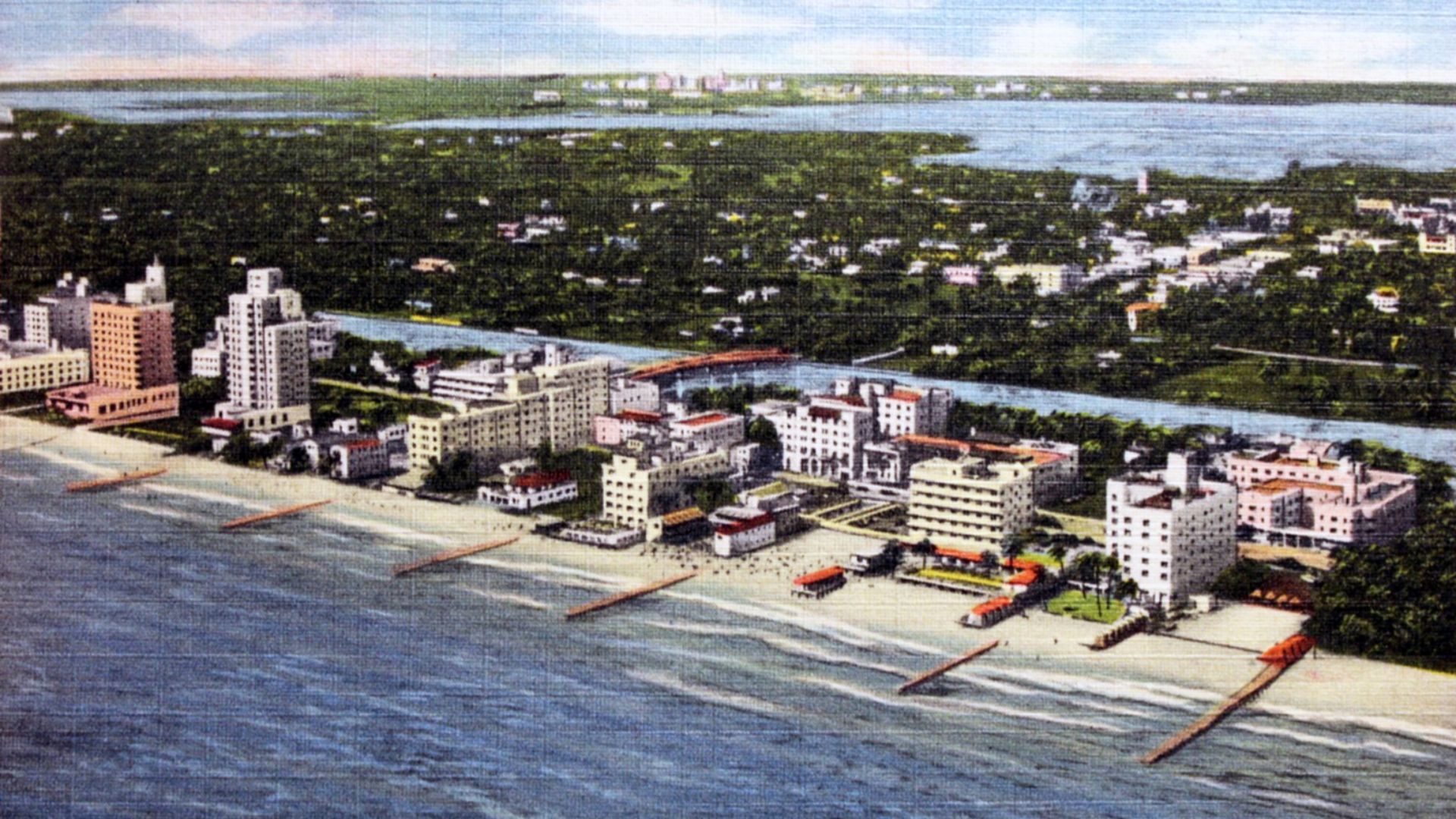 Tichnor Brothers, Inc., Wikimedia Commons
Coronado, California
When Hotel del Coronado opened in 1888, wealthy guests arrived from America and Europe, sometimes bringing servants for extended stays. The hotel remains luxurious, but enjoying Coronado's seaside setting doesn't require a reservation.
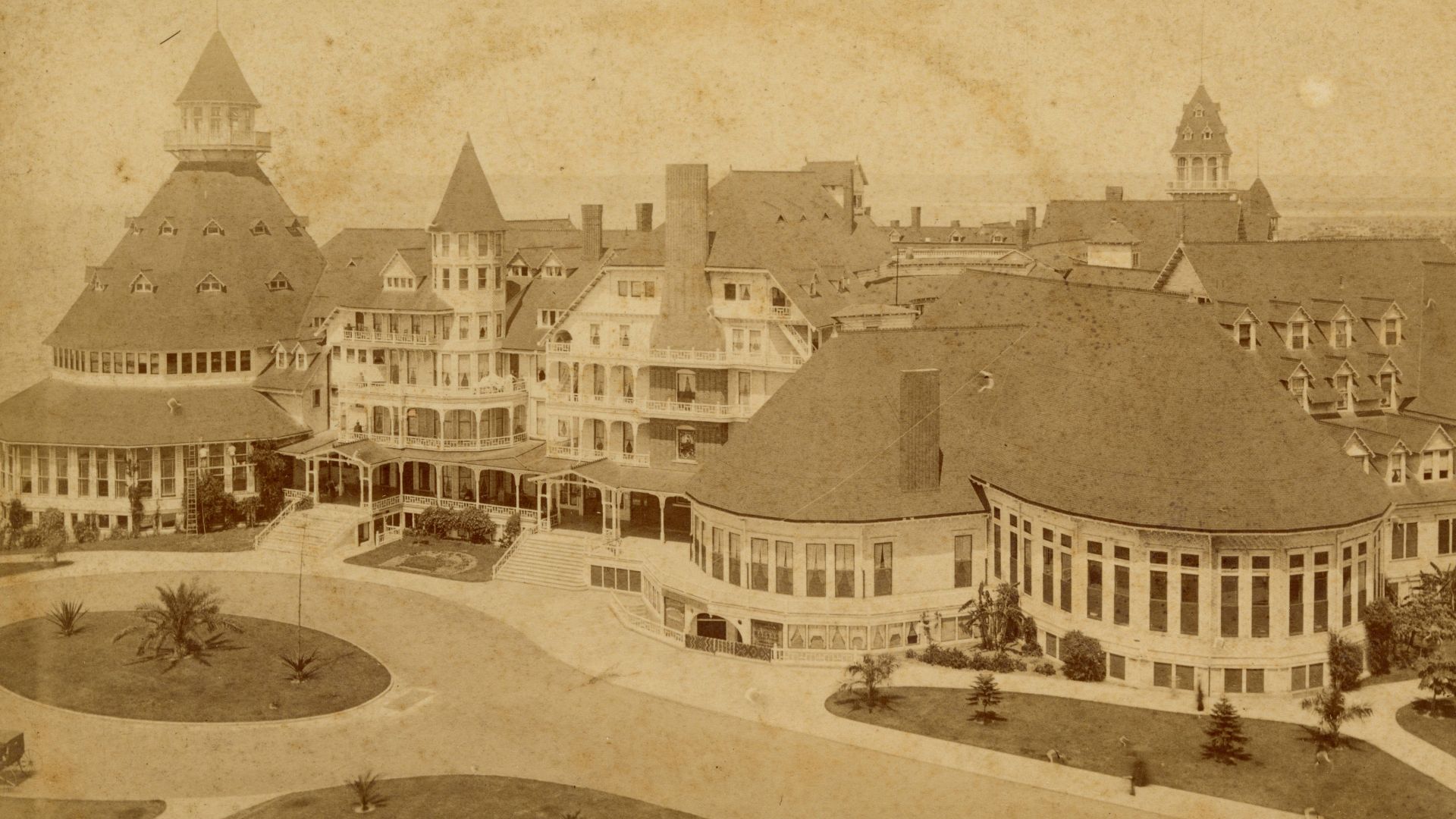 Slocum, John E., Wikimedia Commons
Lenox, Massachusetts
By the late nineteenth century, Lenox was dotted with vast summer cottages belonging to wealthy families. The Mount and Ventfort Hall survive. Public tours have replaced much of the invitation-only social calendar.
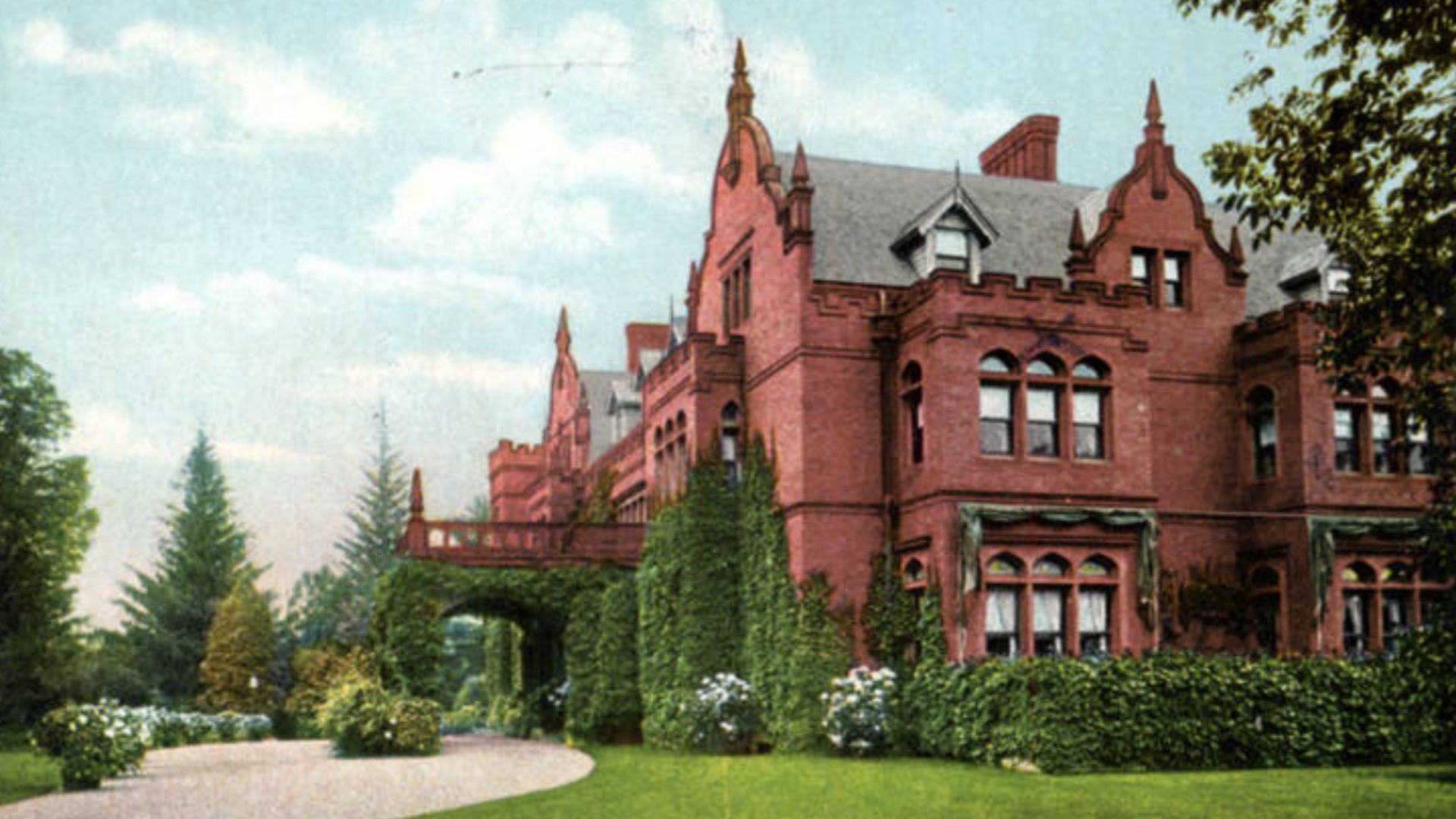 Unknown authorUnknown author, Wikimedia Commons
White Mountains, New Hampshire
Grand White Mountain hotels once hosted wealthy families for entire summers, complete with dances and lavish dinners. Automobiles changed American vacations and the resort culture evolved. Mountain sightseeing is no longer restricted to grand-hotel guests.
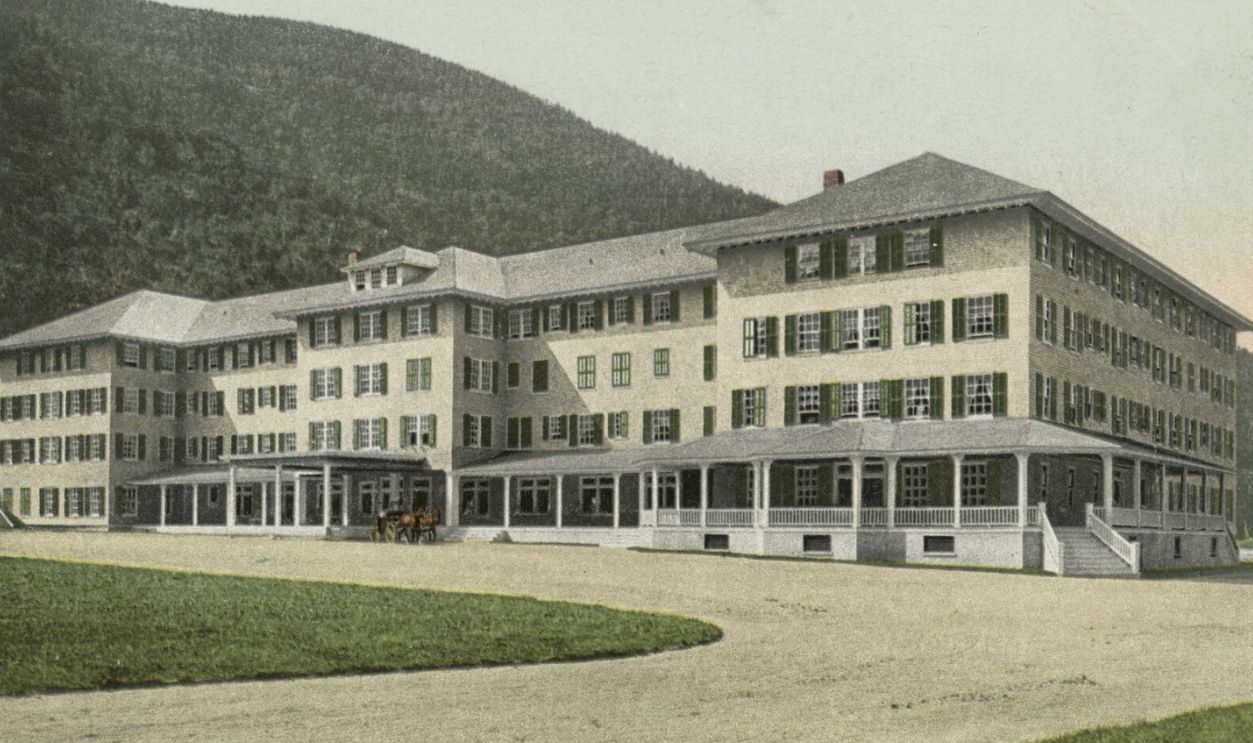 Scan by NYPL, Wikimedia Commons
Boca Grande, Florida
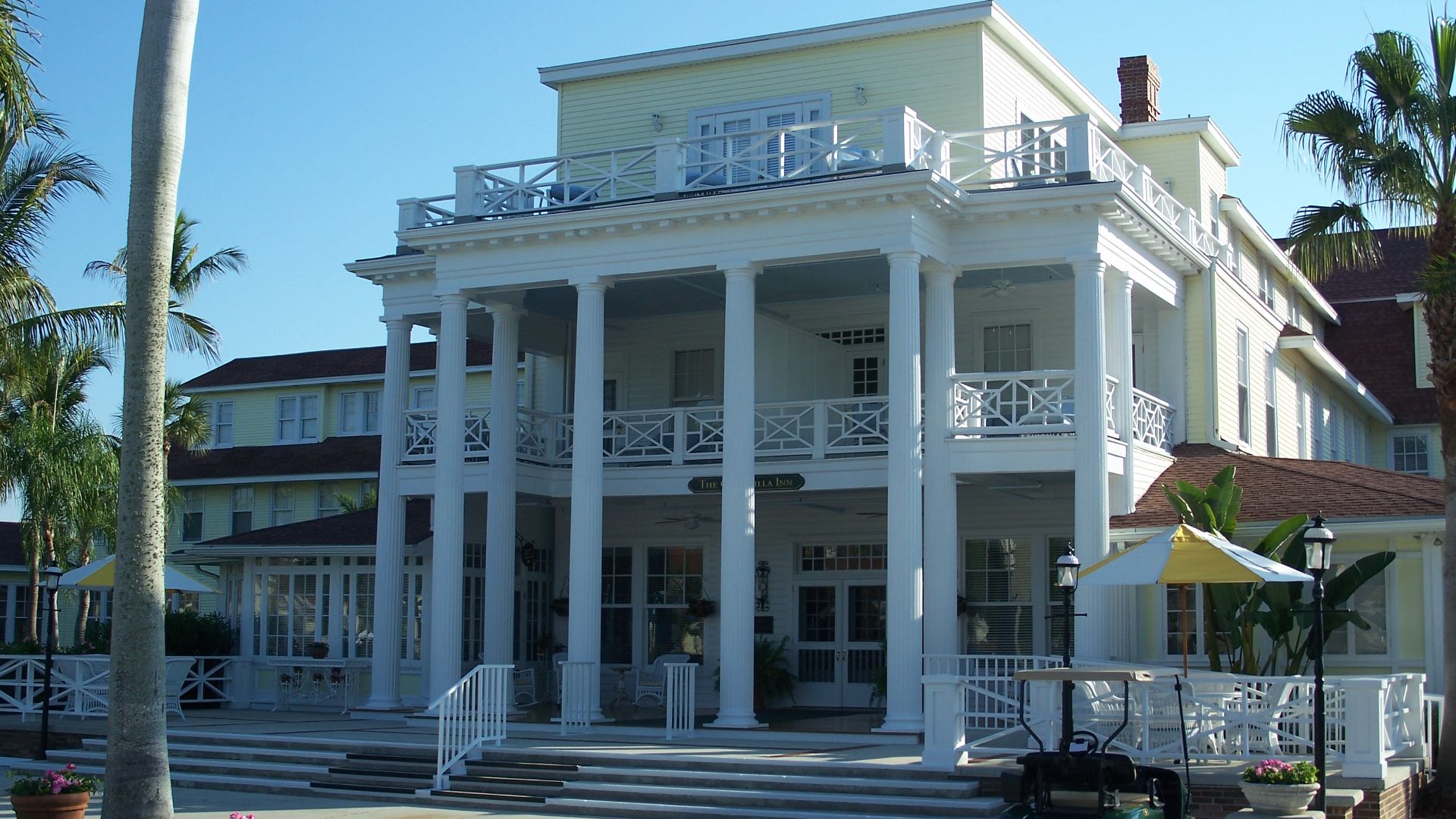
Prominent winter residents, including the du Ponts and Vanderbilts, occupied Boca Grande's beachfront homes. The island also supported fishing and port workers, a reminder that it was never exclusively wealthy. Its historic district welcomes visitors.
Glacier National Park, Montana
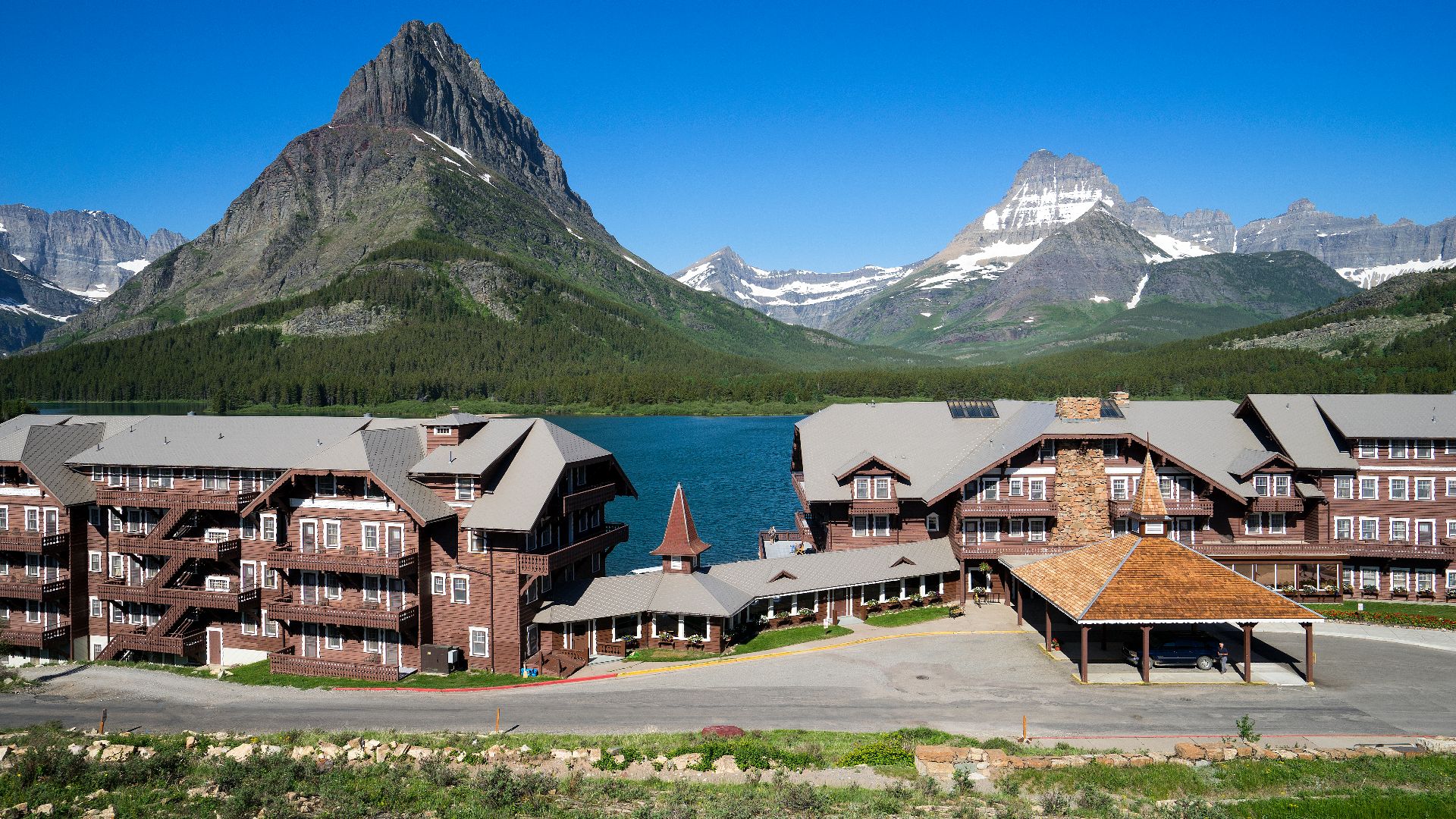
The Great Northern Railway marketed Glacier to wealthy Americans familiar with long European vacations. Its hotels and chalets created a mountain resort circuit. Cars and buses later helped broaden access to the scenery.
 Christopher Michel, Wikimedia Commons
Watch Hill, Rhode Island
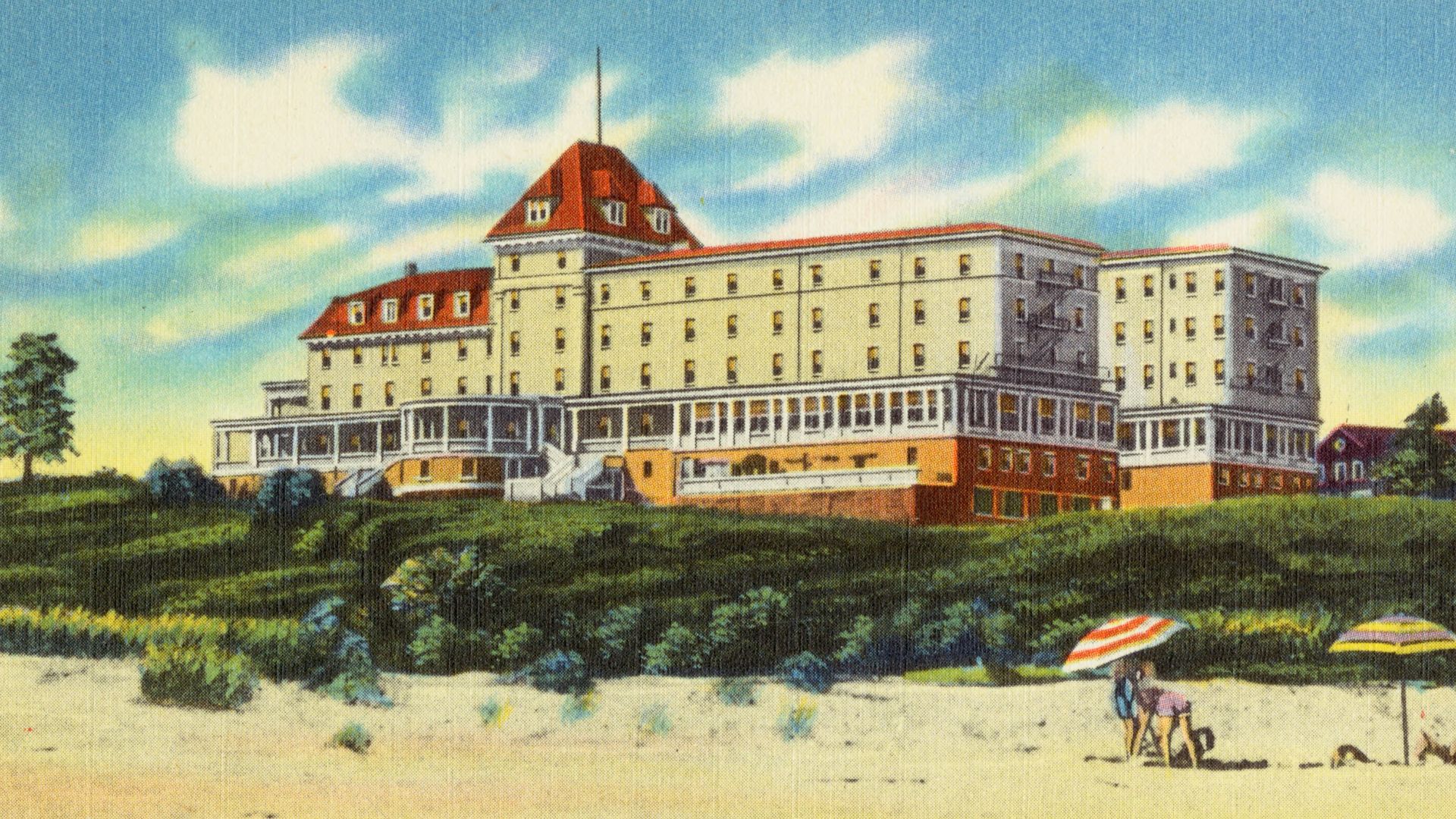
By the 1890s, Watch Hill was fashionable among affluent summer residents from New York and Cincinnati. Grand hotels, elegant cottages, and golf clubs defined the resort. Its village remains accessible beyond those exclusive circles.
 Westerly News Co., Westerly, R.I., Wikimedia Commons
Waikiki, Hawaii
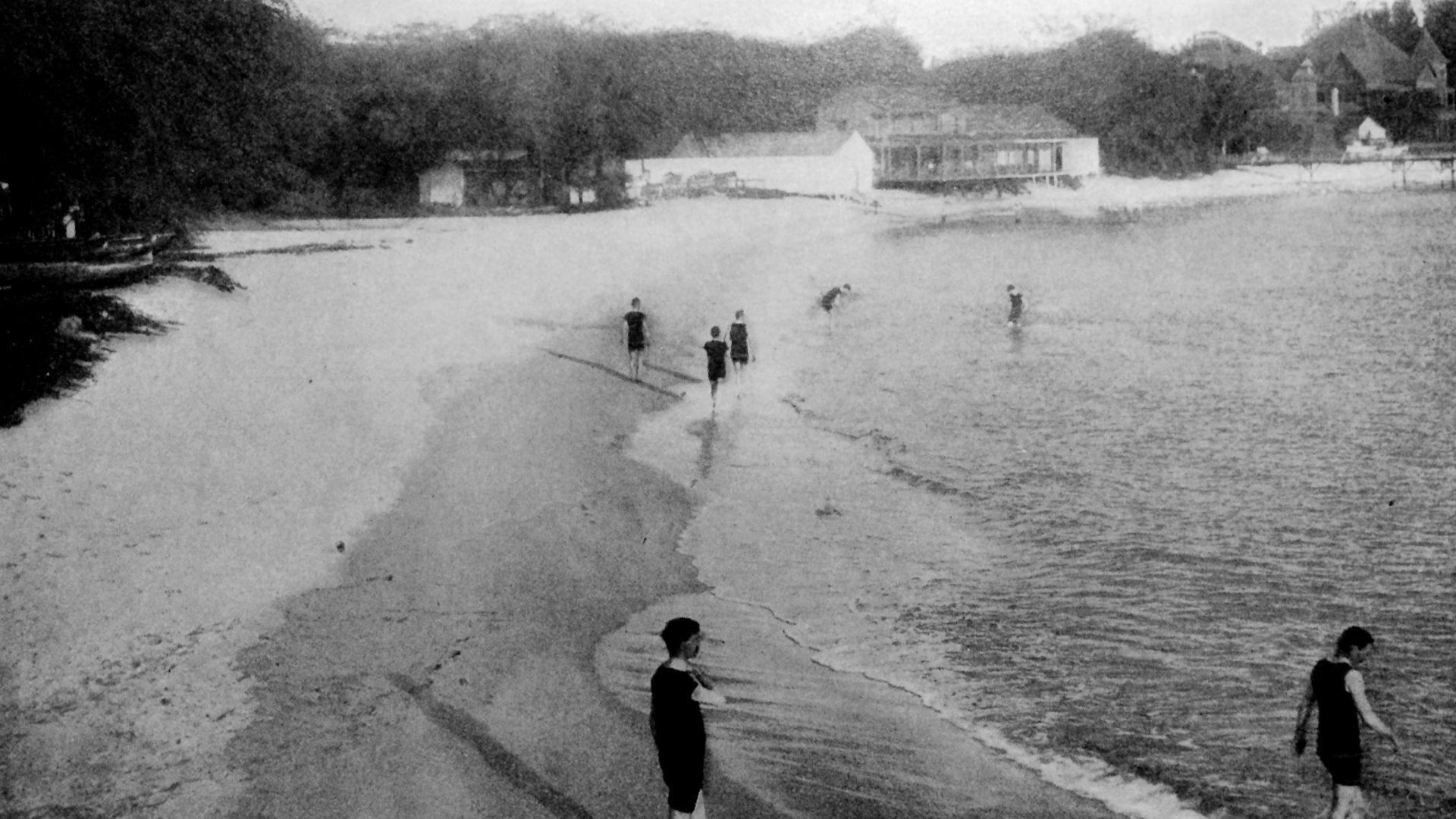
Before Waikiki became world-famous, its shoreline included residences associated with Hawaiian royalty and wealthy local families. The Moana Hotel opened in 1901, launching a new resort era. Visitors worldwide now enjoy Waikiki's beachfront.
 New York: Thompson Publishing Co, 1899, Wikimedia Commons
Thousand Islands, New York
Hotel magnate George C. Boldt began building an enormous castle on Heart Island in 1900 as a private summer residence. Construction stopped after his wife's passing. Today, the public can tour Boldt Castle.
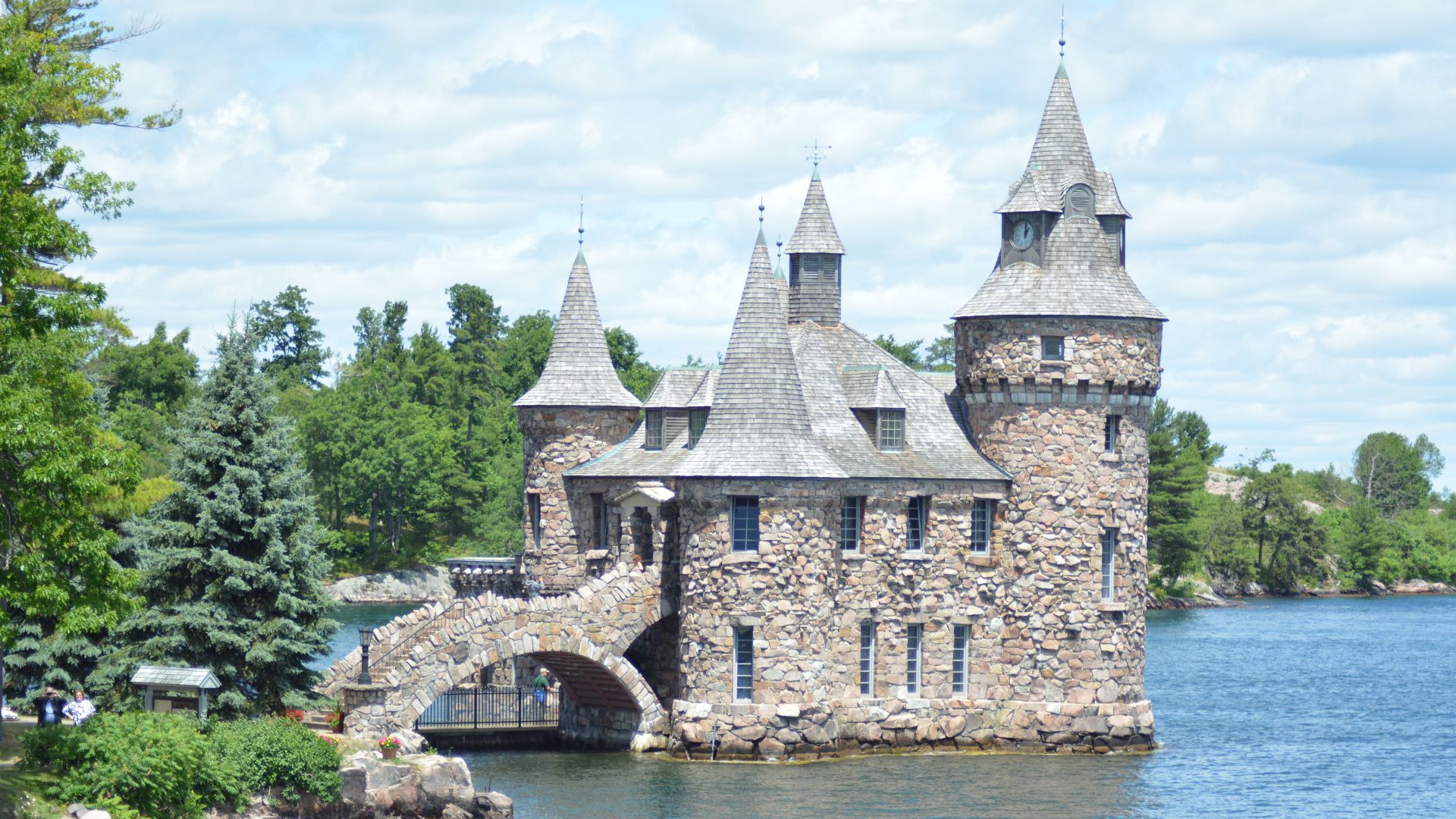 Saurabhdee20, Wikimedia Commons
Lake Tahoe, California
San Francisco's wealthy families once enjoyed private summer estates on Tahoe's shores. The Forest Service acquired the Tallac properties between 1965 and 1972 to improve public access. Visitors can now explore their grounds.
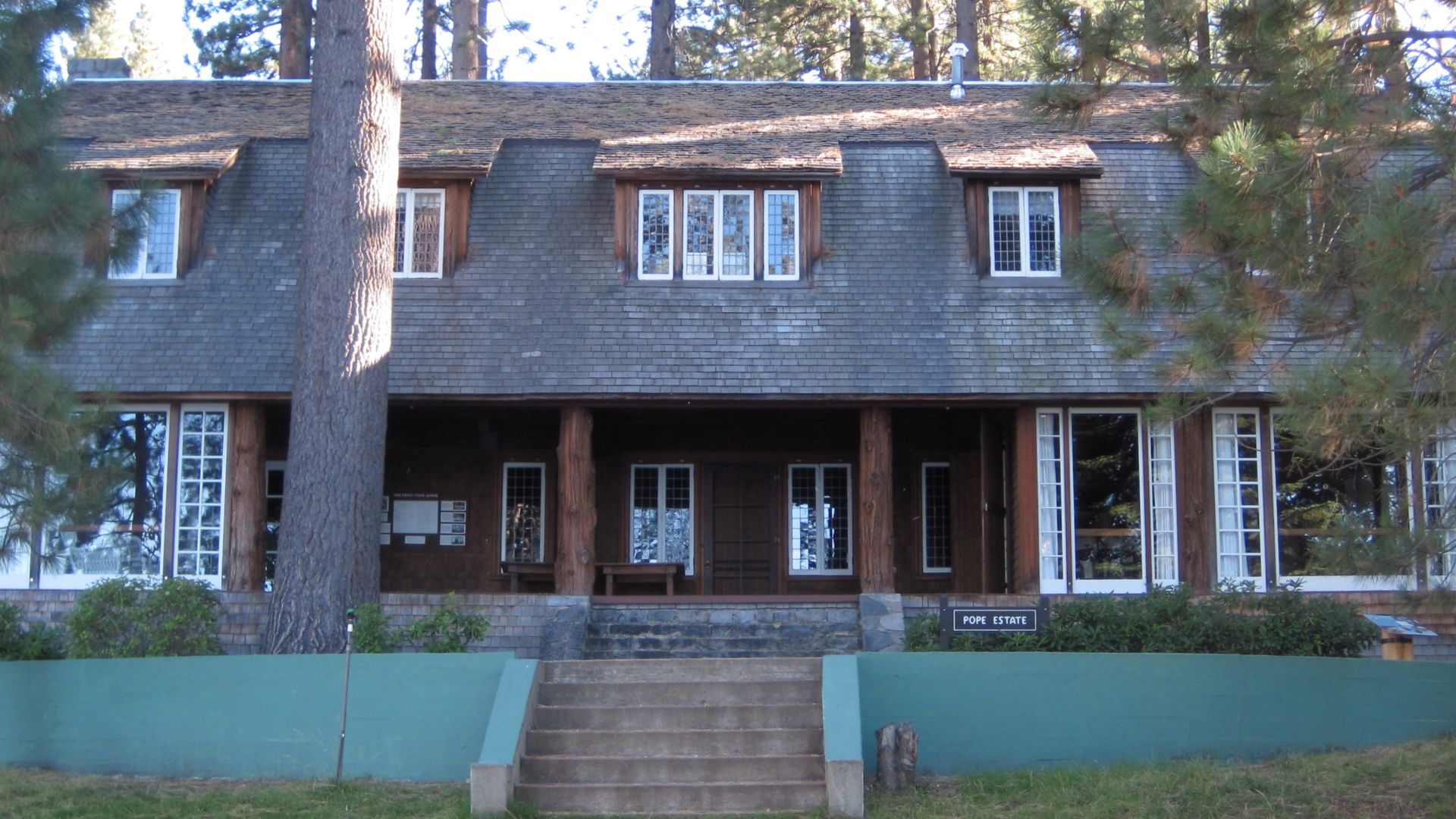
Lake George, New York
Four Philadelphia millionaires helped finance the exclusive Sagamore resort in 1883. Nearby mansions became known as Millionaires' Row. Today's vacationers can enjoy the lake without purchasing an estate or booking luxury accommodations.
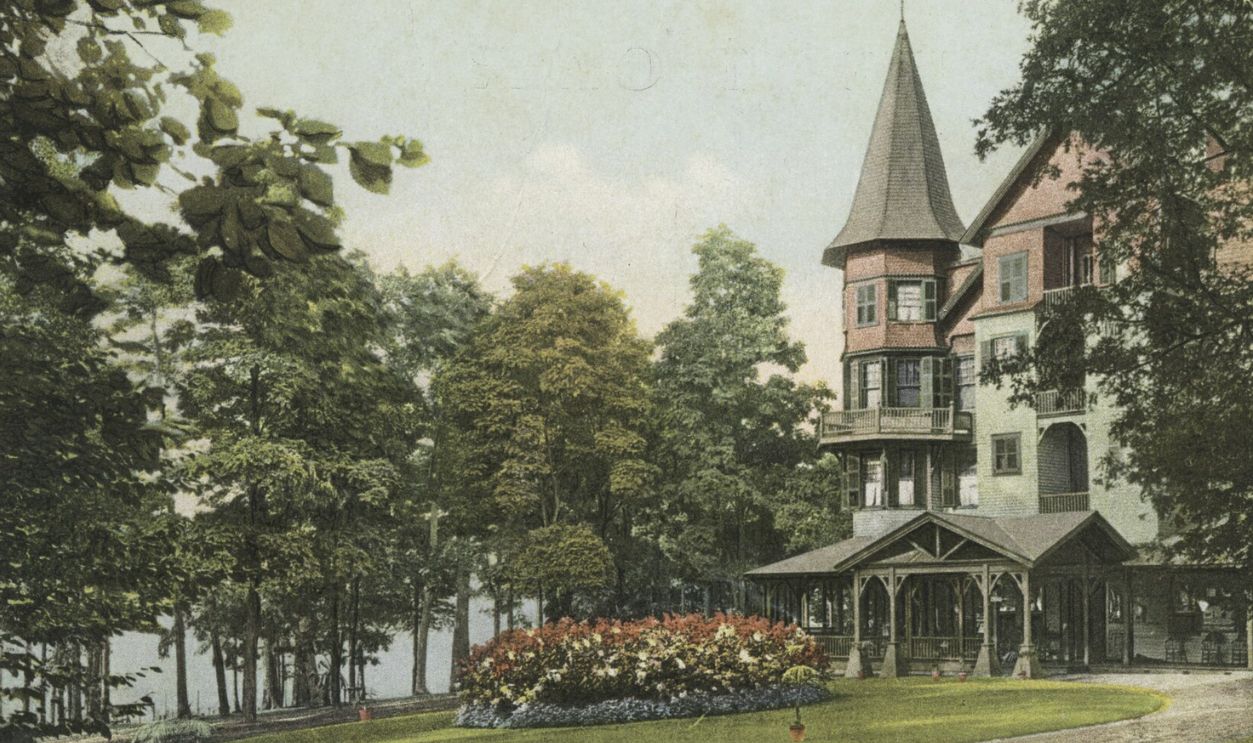 Scan by NYPL, Wikimedia Commons
Elkmont, Tennessee
Wealthy Knoxville families built an exclusive summer community at Daisy Town, now inside Great Smoky Mountains National Park. Historic cabins dating from 1910 onward survive. Visitors can explore without an invitation.
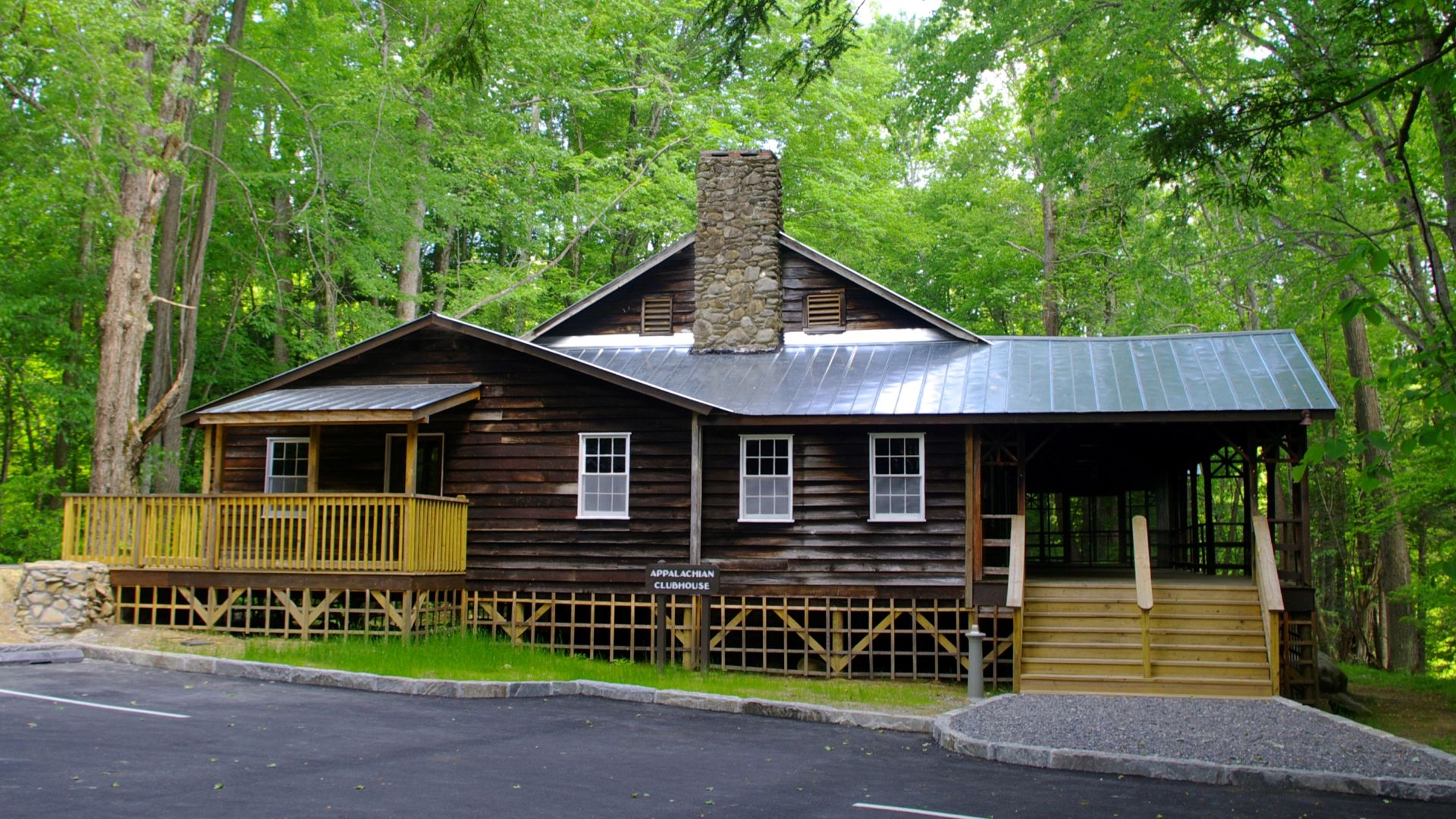 Brian Stansberry, Wikimedia Commons
Hot Springs, Virginia
The Homestead resort drew wealthy guests seeking mountain air and mineral-water treatments. Its spa facilities helped make Bath County a fashionable retreat. The historic resort still welcomes guests, though luxury lodging remains expensive.
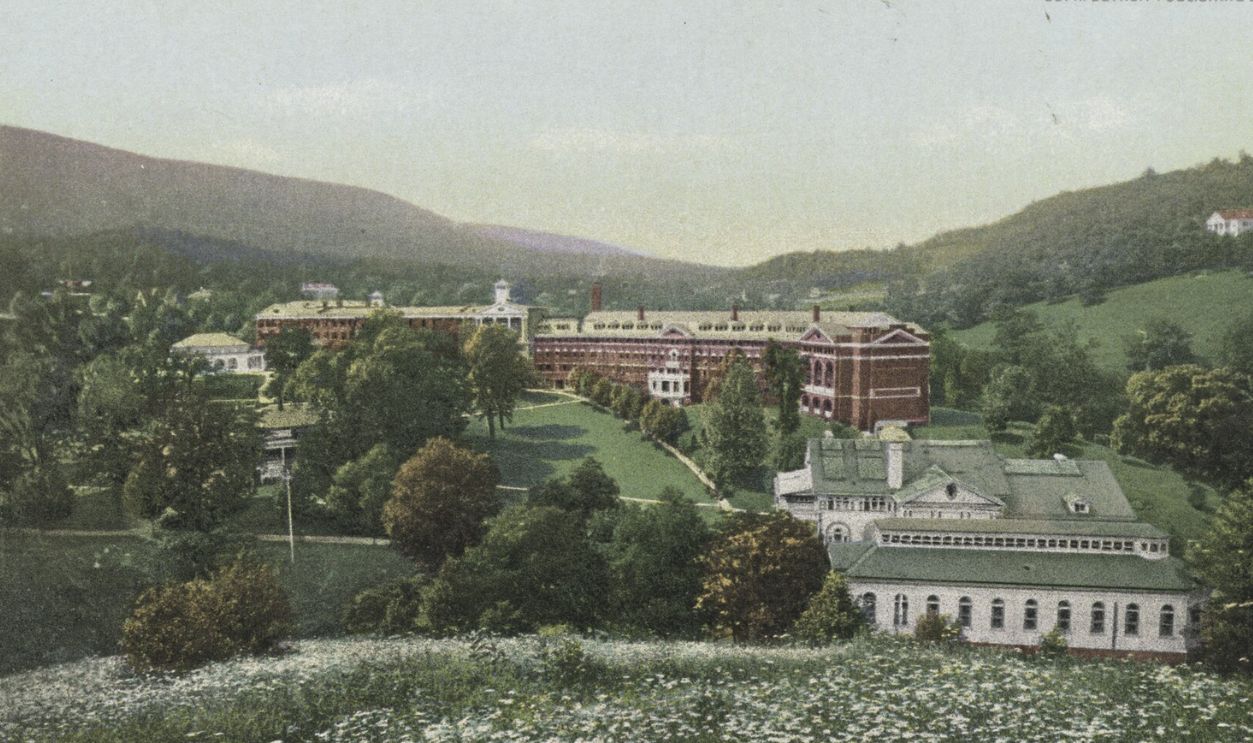 Scan by NYPL, Wikimedia Commons
Lake Placid, New York
The private Lake Placid Club shaped the Adirondack village's early winter-sports culture. The 1932 and 1980 Winter Olympics brought global attention. Today, visitors can experience former Olympic facilities without club membership.
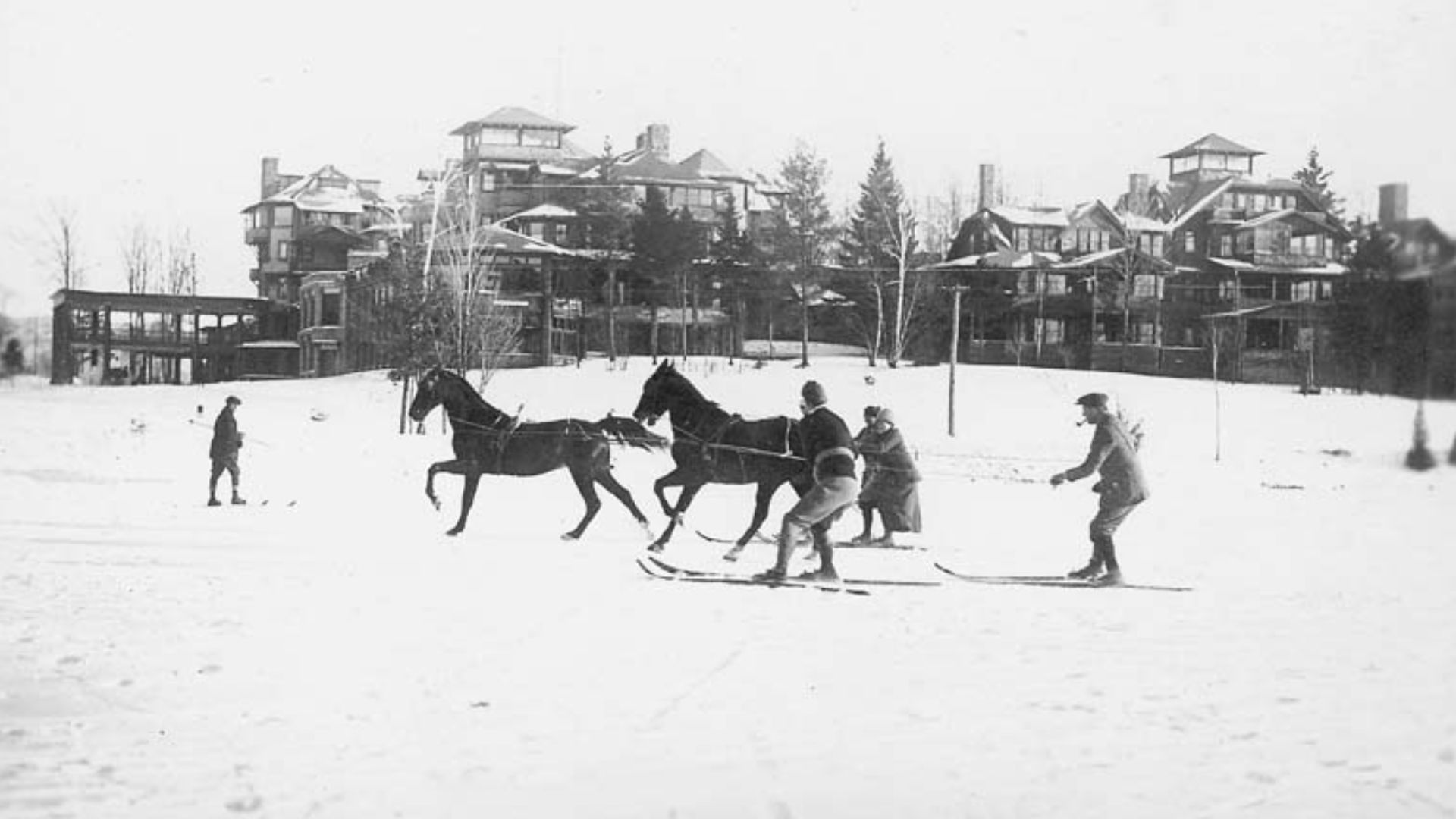 New England Ski Museum, Wikimedia Commons
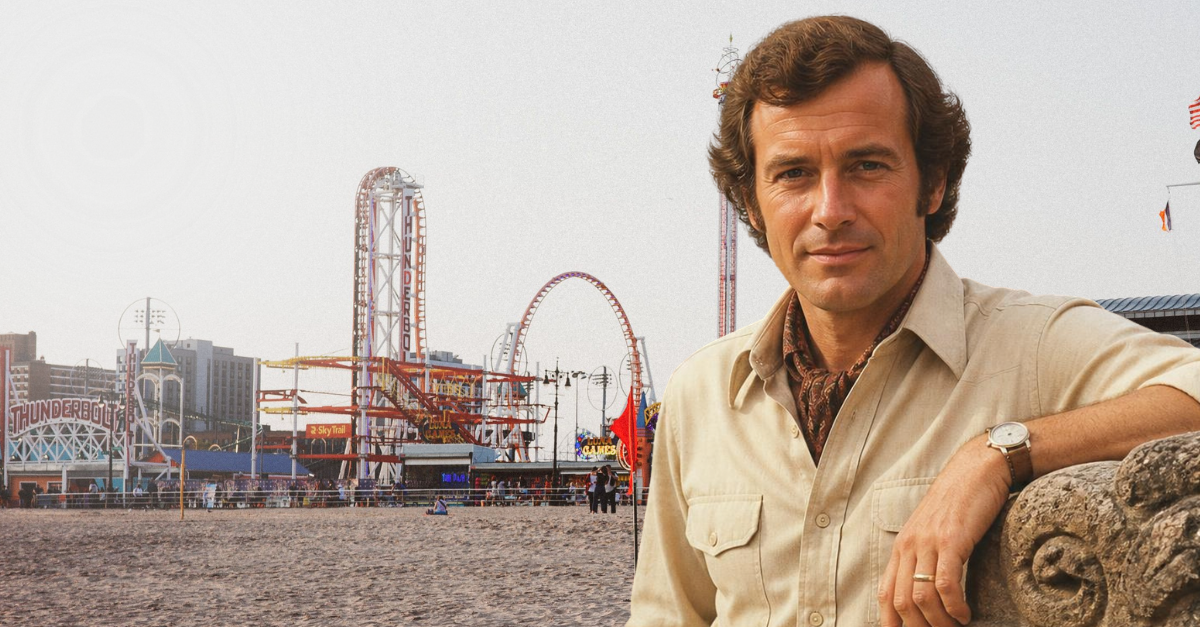
Coney Island, New York
Before its amusement-park heyday, Coney Island's eastern beaches boasted opulent hotels for privileged visitors. Railway connections and attractions gradually made it a playground for the masses. Few resorts transformed quite so dramatically.
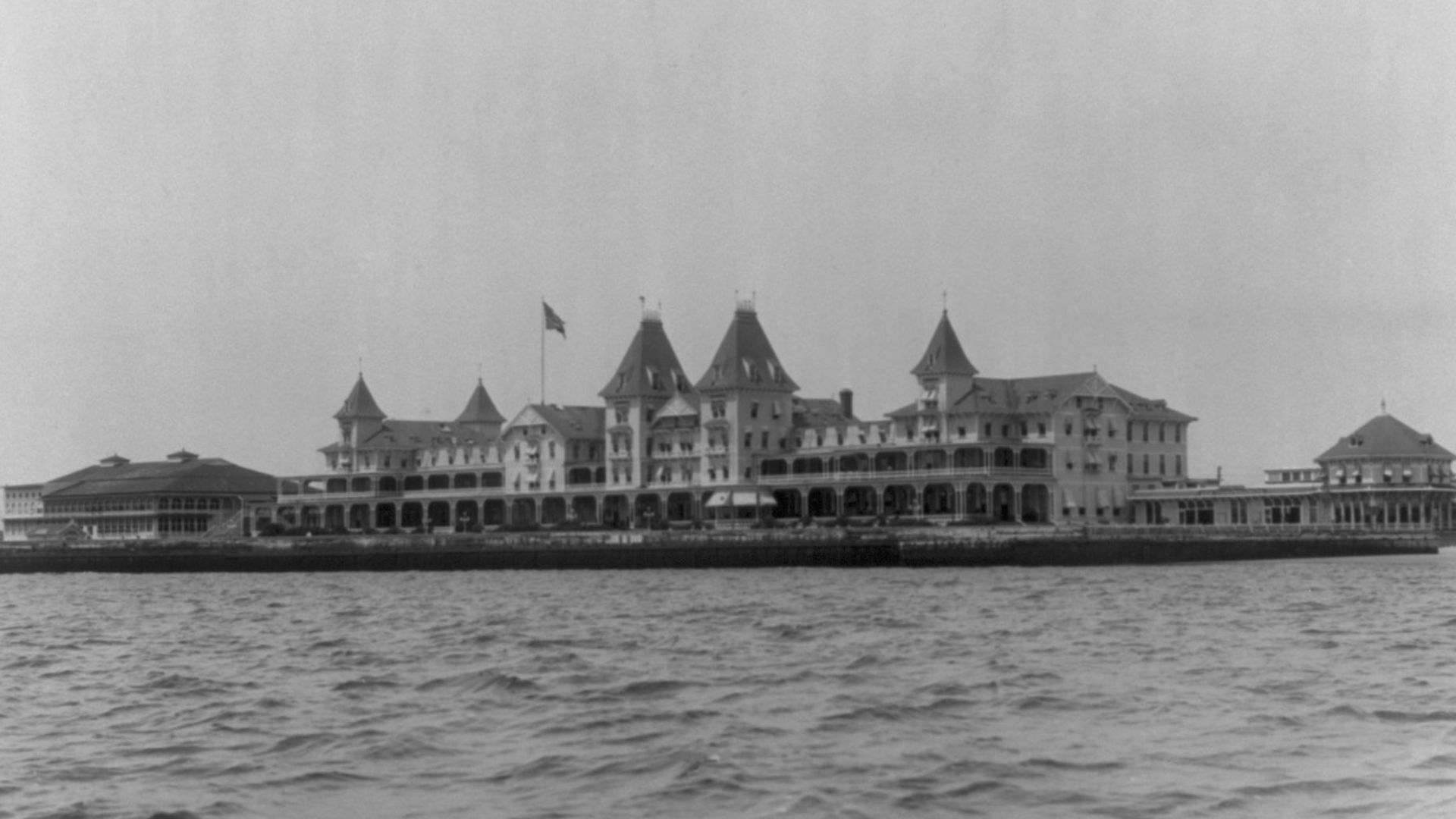 Miscellaneous Items in High Demand, PPOC, Library of Congress, Wikimedia Commons
You May Also Like:
Under the Sea Dining in Norway
Amazing Airport Features You Have To See To Believe
Famous American Hiking Trails With Dark Stories Behind Their Most Beautiful View
Source: 1, 2, 3, 4, 5, 6, 7, 8, 9, 10, 11, 12, 13, 14, 15, 16, 17, 18, 19, 20, 21, 22, 23, 24, 25, 26, 27, 28