For decades, the stereotypical business trip had a familiar rhythm. Fly out, spend a couple of nights in a hotel, squeeze meetings into a packed schedule, and get home before the end of the week. That model certainly has not disappeared, but the forces reshaping office life are also changing what companies expect from a trip.
Business travel remains enormous. The Global Business Travel Association expects roughly 1.84 billion business trips worldwide in 2026, with spending reaching a record $1.71 trillion. Yet spending is rising much faster than trip volume, which GBTA says is encouraging companies to become more selective and productivity-focused about where and why employees travel.
The Quick In-And-Out Trip Has To Work Harder
The biggest change is not that companies have decided travel no longer matters. It is that a trip increasingly has to justify the time and money required to make it happen. In GBTA's September 2026 industry survey, rising travel costs were the most commonly cited influence on corporate travel planning, mentioned by 69% of travel buyers, while internal approvals and justification for travel were cited by 29%.
That matters because travel spending and the number of trips are no longer moving in lockstep. GBTA says global business-travel spending is forecast to grow 7.2% in 2026, while the estimated number of trips rises only about 1.3%, from 1.82 billion in 2025 to 1.84 billion in 2026. Higher transportation and travel costs account for part of the difference.
For travelers, the result is a subtle but important change in the purpose of a trip. A routine meeting that can easily happen over video has a tougher case to make when airfare, hotels, meals, ground transportation, and working time are added together. Trips connected to customers, growth, collaboration, training, and major events have a clearer business rationale.
That distinction is showing up in current travel patterns. GBTA's September poll found that customer, client, and partner meetings were a major reason North American companies expected to increase regional travel, cited by 58% of buyers expecting growth there. Internal meetings and team collaboration followed closely at 57%.
One Trip Is Doing The Work Of Several
Another replacement for the conventional short trip is the more ambitious multi-purpose itinerary. Instead of flying somewhere for a single appointment, employees can bundle client meetings, internal discussions, site visits, training sessions, and networking into the same journey. BCD Travel has identified these "linked" trips, which combine several meetings or stops, as an important feature of changing corporate travel patterns.
The logic is straightforward. Once a company has paid to transport an employee hundreds or thousands of miles, getting several useful interactions out of that journey can make the economics easier to defend. It can also reduce the need to repeat the same route weeks later for a second meeting.
 LinkedIn Sales Solutions, Unsplash
This approach becomes especially relevant as companies scrutinize travel for cost and sustainability. Deloitte's 2025 Corporate Travel Study found that 54% of surveyed travel managers ranked costs among the three biggest factors restricting business travel. The same study found that 48% said their organizations were optimizing travel practices to reduce environmental impact.
That does not necessarily mean every trip becomes a week-long marathon. It does mean travelers may find themselves spending an extra day in a destination because there is now pressure to accomplish more once they arrive. The old calculation was often about getting there and back quickly. The newer calculation is increasingly about extracting greater value from every departure.
Team Gatherings Are Becoming A Bigger Part Of The Mix
Hybrid work has created another reason for employees to pack a suitcase. When coworkers no longer sit in the same building five days a week, companies sometimes need travel simply to get their own teams into the same room.
American Express Global Business Travel's 2026 Meetings and Events Forecast points to the strength of that category. Half of surveyed meeting professionals expected the number of internal team meetings to increase in 2026, while another 40% expected them to remain at the same level. The forecast describes internal gatherings as important for bringing hybrid employees together, improving collaboration, and supporting company culture.
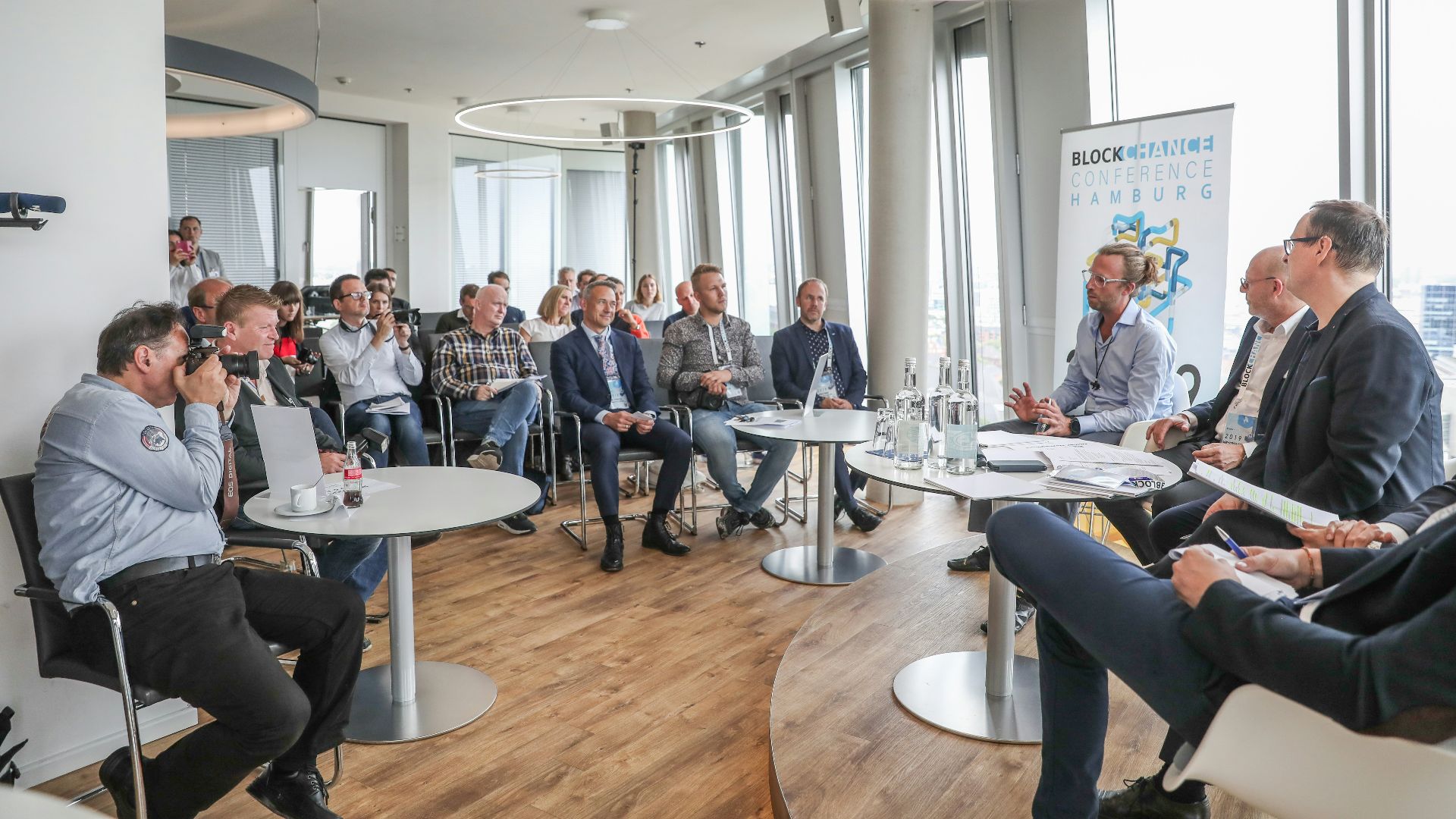
Deloitte has found a similar shift toward travel with a more specific organizational purpose. Its 2025 Corporate Travel Study reported that nearly two-thirds of business travelers surveyed expected to attend a conference that year. Training and development had also become a major driver of travel growth, with two-thirds of travel managers saying spending in that area was increasing.
This helps explain why a concentrated team retreat, conference, or training session can make more sense than a collection of smaller visits. One carefully organized gathering can bring dozens or hundreds of people together at once. Employees may travel less frequently for routine office interactions while occasionally making a more substantial journey for an event that cannot be recreated as effectively through a screen.
Virtual meetings are still part of the equation. When geopolitical pressures intensified earlier in 2026, 26% of buyers in a GBTA survey said their companies had recently shifted some meetings or events to virtual formats. At the same time, sales and client meetings and conferences or trade shows were the activities buyers were most likely to identify as difficult to replace virtually.
Business Trips Are Blending Into Personal Travel
The other big challenge to the neat three-day template comes from travelers themselves. Employees increasingly see a work trip as something that can extend beyond the moment the last meeting ends.
Research commissioned by American Express Global Business Travel found that 62% of business travelers surveyed had extended a work trip to include leisure travel. Among the most frequent business travelers, that figure rose to 68%. Meanwhile, 72% of respondents said they would like more time to explore destinations they visit for work.
This is the familiar "bleisure" trend, but it can significantly alter the shape of an itinerary. A traveler might arrive before the official business program begins or remain in the destination through the weekend, paying personally for the leisure portion where company policy requires it. The result is a trip that no longer fits neatly into a Tuesday-through-Thursday corporate template.

GBTA has also documented the growth of blended travel from the employer side. In a survey published ahead of 2025, 46% of corporate travel buyers said employees at their companies were taking more combined business-and-leisure trips than they had a year earlier, compared with just 9% who reported a decline.
The trend also complicates corporate travel management. Extending a trip can raise questions about which expenses are reimbursable, when an employer's duty-of-care responsibility applies, and what happens when a traveler works remotely from the destination. Amex GBT's traveler research cautions that blended itineraries can create compliance issues involving areas such as insurance, data protection, and duty of care if companies do not manage them clearly.
The Future Trip May Be Longer, Rarer, And More Important
None of this means the three-day business trip is about to vanish. Plenty of travelers will continue making short visits because geography, schedules, customers, or projects demand them. The more important shift is that companies are becoming less willing to treat every reason for meeting as equally deserving of a flight.
The latest numbers underline that distinction. In September 2026, 45% of corporate travel buyers surveyed by GBTA expected their organizations to take more business trips during the year than in 2025, while 56% expected travel spending to rise. At the same time, GBTA explicitly described companies as becoming more deliberate about where and why they travel.
That creates several alternatives to the old standard itinerary. Some routine conversations stay online. A sales call turns into a broader visit involving multiple customers. A normal office trip becomes a team offsite or training event. A long-distance journey gets extended to handle several business objectives, while another traveler adds vacation days once the work portion is finished.
For business travelers, the practical takeaway is that trip length may become a less useful measure of what corporate travel looks like. A one-night customer visit, a five-day conference and leisure combination, and an annual team gathering can all belong to the same modern travel program. What connects them is not their duration, but the growing expectation that getting on a plane should accomplish something worth the journey.
You May Also Like:
What Could Supersonic Flight Mean For The Future Of Business Travel?
The Business Traveler Of 2030 May Never Visit A Check-In Desk
Could Digital Passports And Biometrics Make Business Travel Almost Frictionless?