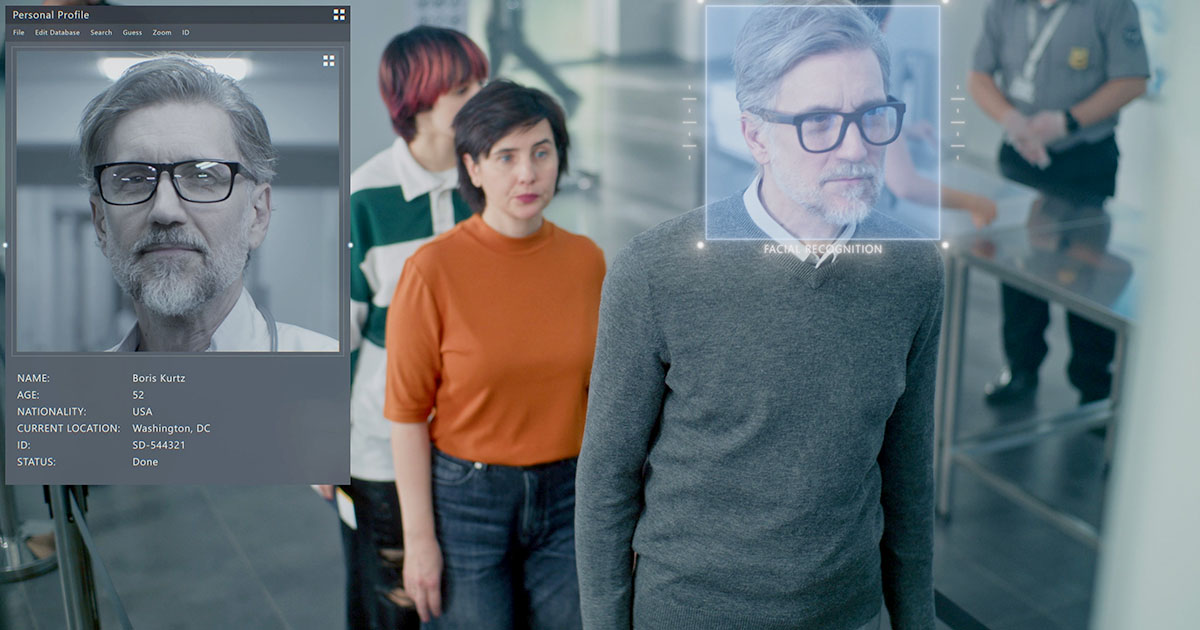
The traditional business trip begins with a series of small queues. A traveler waits to check a bag, show identification, collect a hotel key, and explain the reservation to several different employees. By 2030, much of that routine could happen before the traveler leaves home.
Airlines, airports, government agencies, and hotel companies are already replacing desk-based processes with mobile check-in, digital credentials, facial matching, automated bag drops, and digital room keys. The technology will not eliminate every human interaction, but it could make the staffed counter an exception rather than the first stop.
Check-In Could Happen Before Leaving Home
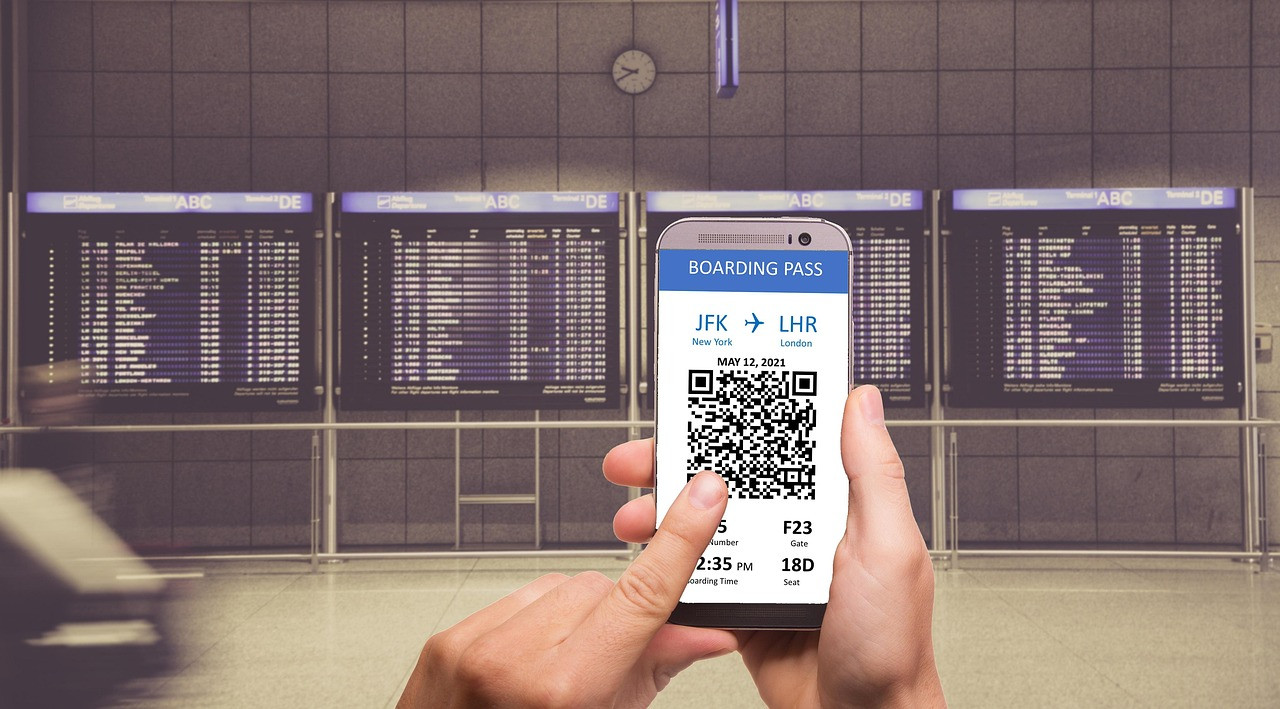
Mobile airline check-in is already familiar, but the next stage goes much further than downloading a boarding pass. The International Air Transport Association’s One ID initiative envisions travelers sharing verified digital credentials before arriving at the airport. Airlines could confirm identity, passport validity, visas, and other entry requirements remotely.
Under IATA’s proposed system, eligible passengers would arrive at the airport marked “Ready to Fly.” A digital wallet could hold the credentials needed for the journey, while the traveler would decide which information to share. The goal is to avoid repeatedly presenting the same physical documents at different checkpoints.
That model could be especially valuable for business travelers. Corporate itineraries often involve tight schedules, international connections, and last-minute changes. Completing document checks before departure would reduce the risk of discovering a visa or passport problem while standing in an airport queue.
Passenger interest is already strong. IATA’s 2025 Global Passenger Survey, based on more than 10,000 responses from over 200 countries, found that 78 percent wanted to use a smartphone combining a digital wallet, digital passport, and loyalty cards. Electronic bag-tag use rose from 28 percent in 2024 to 35 percent in 2025.
The check-in desk would not disappear because people stopped checking in. Instead, check-in would become a background process completed through stored profiles, verified credentials, corporate booking data, and mobile notifications. The traveler might simply confirm the itinerary and consent to sharing the necessary information.
Artificial intelligence could make the process more responsive. A travel platform might identify an expiring passport, detect a schedule that violates company policy, or suggest a compliant replacement flight after a cancellation. Human agents would remain important for complex problems, but routine transactions could be handled before the airport enters the picture.
A Traveler’s Face May Replace Several Documents
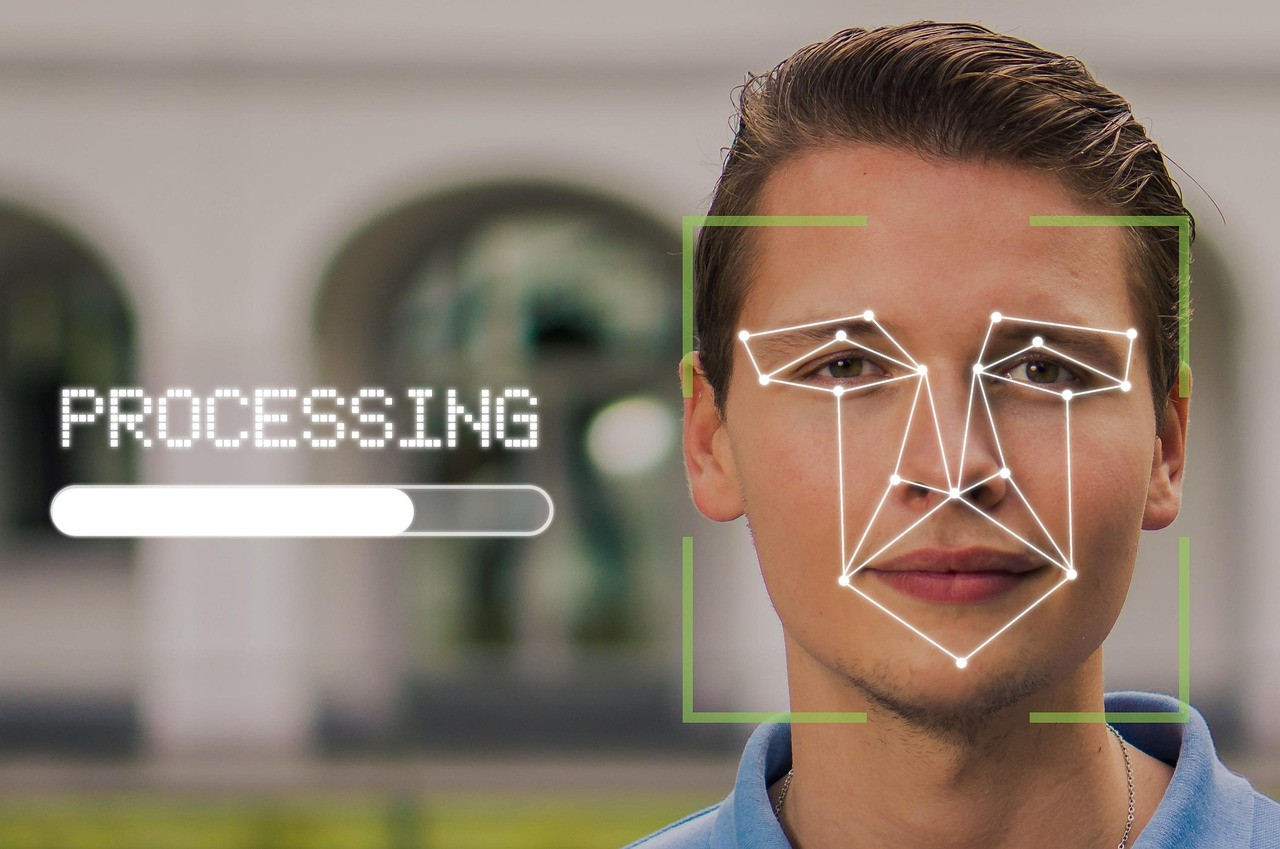
Biometric processing is already moving beyond experimental demonstrations. TSA PreCheck Touchless ID allows eligible passengers to verify their identities with facial matching at participating United States airports. The process can reduce the need to hand a physical identification card and boarding pass to an officer.
The program requires travelers to meet specific conditions. Participants generally need TSA PreCheck, a valid passport stored in a participating airline profile, a Known Traveler Number, and an eligible reservation. Travelers must opt in, and participation remains voluntary.
Delta says eligible Touchless ID customers can use facial matching at designated bag-drop and security areas. An encrypted image is sent through a secure channel to the U.S. Customs and Border Protection facial biometric matching service. The system returns an identity-verification result that allows the traveler to proceed.
IATA found that 50 percent of surveyed passengers had used biometrics at some stage of an airport journey in 2025, up from 46 percent in 2024. Among people who had used the technology, 85 percent said they were satisfied with the experience. Seventy-four percent were willing to share biometric information if it allowed them to stop showing a passport or boarding pass repeatedly.
By 2030, a participating traveler might use the same verified identity at bag drop, security, a lounge, border control, and boarding. The face would function as a convenient matching tool, while the underlying travel documents remained stored in approved systems. Physical passports would still be important backups, particularly on international trips.
Business travelers could benefit because they repeat these processes more often than occasional vacationers. Saving several minutes at each checkpoint may not sound dramatic, but the time adds up across multiple trips and connections. A more predictable airport journey can also reduce the need for excessive schedule buffers.
The technology is not perfectly universal. Different airports, airlines, and governments use different systems, and not every traveler qualifies for expedited programs. Interoperability will determine whether digital identity becomes a true end-to-end experience or merely another collection of separate apps.
Bags And Hotel Rooms Are Becoming Self-Service
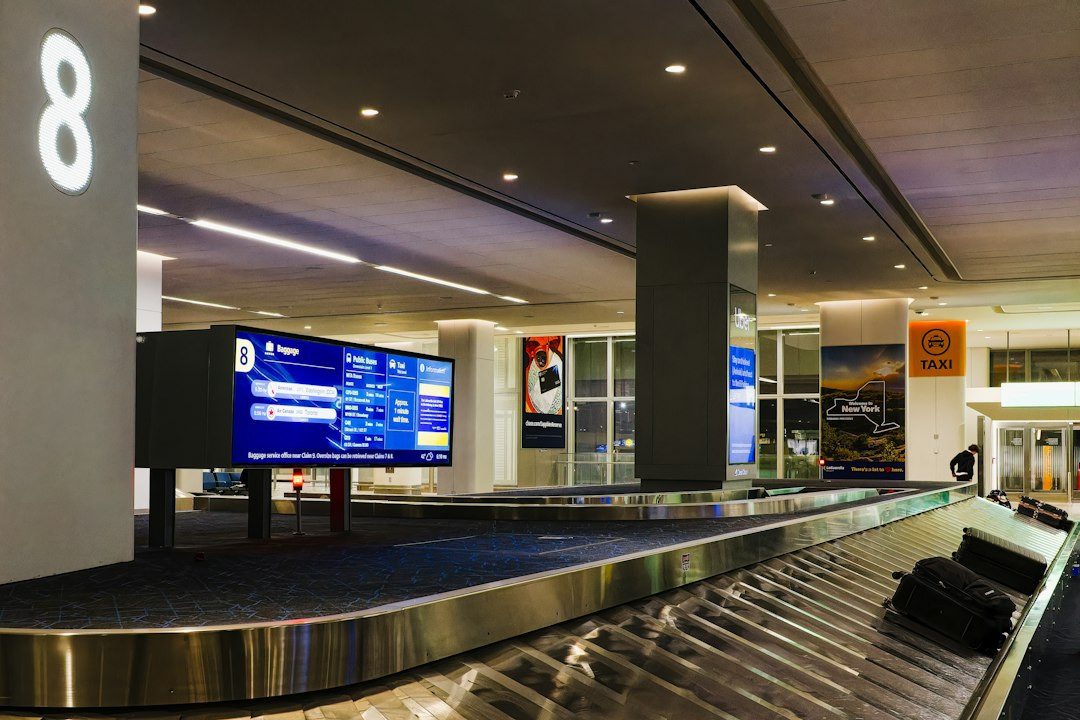
Checked luggage remains one of the strongest reasons to approach an airline counter. Self-service bag tagging and automated bag drops are gradually weakening that connection. A traveler can increasingly print or activate a tag, attach it, confirm identity, place the suitcase on a belt, and continue toward security.
Electronic bag tags could remove another physical step. IATA’s survey found growing adoption of tags generated through mobile devices. Wider acceptance could allow frequent travelers to prepare luggage information before reaching the terminal rather than searching for a kiosk and attaching a newly printed label.
Hotels are following the same pattern. Hilton’s digital check-in allows eligible Hilton Honors members to check in through the company’s app before arrival. Travelers can enter an expected arrival time, choose an available room when the feature is offered, confirm payment information, and potentially bypass the front desk.
Marriott’s app offers mobile check-in and notifies travelers when a room is ready. At participating properties, Mobile Key can unlock the guest room and areas such as the fitness center or pool. The app can also connect guests with hotel staff for requests and information.
For a business traveler arriving late after a delayed flight, these features can remove an unwelcome final queue. The guest could move from the rideshare directly to the elevator and room. A morning checkout might similarly require nothing more than reviewing the folio in an app.
Corporate travel systems could eventually connect these stages. An approved booking could pass reservation data to the airline and hotel, confirm payment details, update the traveler’s calendar, and deliver receipts directly to an expense platform. The traveler would still make choices, but less information would need to be entered repeatedly.
Desk-free service should not mean service-free travel. Guests will still need people when a room is unavailable, a reservation is incorrect, or a payment system fails. The most useful automation removes routine work so employees can focus on unusual situations that genuinely require judgment.
Privacy And Accessibility Could Slow The Transition
Convenience does not erase legitimate concerns about biometric and travel data. A digital journey can involve passport details, facial images, payment information, location, loyalty accounts, and corporate itinerary data. A security failure could expose far more than a misplaced paper boarding pass.
IATA’s 2025 survey found that privacy remained an obstacle to biometric adoption. Among travelers unwilling to share biometric information, 42 percent said they might reconsider if data privacy were assured. North American passengers showed particularly strong concern about data security.
IATA says its One ID vision is designed around informed consent, selective disclosure, and traveler control. Those principles will need to survive real-world implementation across airlines, airports, technology providers, and governments. Travelers will want clear answers about who receives their information, why it is needed, how long it remains available, and how it can be corrected.
Digital systems must also accommodate passengers who cannot or do not want to use them. Some travelers lack modern smartphones, reliable cellular service, or confidence with mobile applications. Others may have disabilities, facial differences, religious concerns, or privacy preferences that make certain technology difficult or unacceptable.
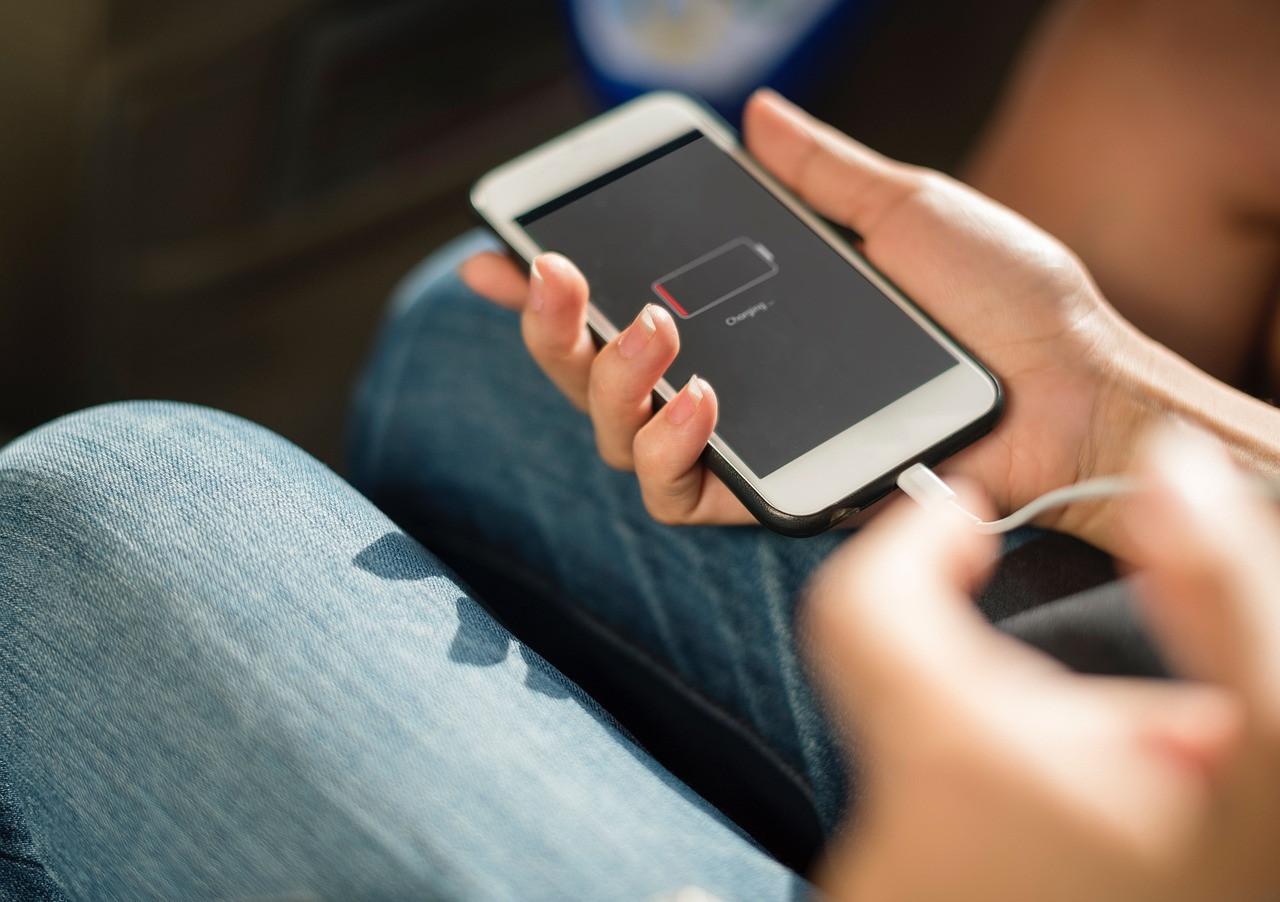
Failures are unavoidable. Batteries die, apps crash, cameras fail to find a match, reservations become disconnected, and international roaming stops working at inconvenient moments. Delta states that travelers can still use traditional identification procedures if they do not opt in or if facial matching does not produce a match.
Companies should therefore avoid making a personal phone the only path through a required business trip. Employers may need to provide devices, connectivity, technical support, and alternative procedures. A paper copy of important documents may remain useful even in a largely digital journey.
The human desk of 2030 may function more like an exception center. Instead of processing every traveler through the same routine, employees could assist people with failed technology, complicated visas, accessibility needs, disrupted itineraries, and unusual baggage. That is a smaller role for the counter, but potentially a more valuable one.
The Desk May Vanish From The Routine Journey
The strongest reason to believe this change will occur is that its individual pieces already exist. Mobile check-in, digital boarding passes, biometric security, automated bag drops, hotel digital keys, mobile checkout, and electronic expense reporting are not distant concepts. The remaining task is connecting them reliably.
SITA’s 2025 passenger research found that 79 percent of respondents were ready to use digital identities on their phones. More than 60 percent said they would choose digital checkpoints, while nearly seven in ten were comfortable with biometric airport scanning. Those preferences give the travel industry a commercial reason to keep expanding automation.
For companies, the appeal is also financial and operational. Automated processing can reduce congestion, improve document accuracy, and help travelers spend less paid time in lines. Integrated data can make it easier to locate employees during disruptions and transfer receipts into expense systems.
The business traveler of 2030 may begin a trip by approving an itinerary in a corporate travel app. Identity and entry documents could be verified remotely, a bag tag prepared digitally, and the hotel room selected before departure. Facial matching might then move the traveler through bag drop, security, and boarding.
At the destination, a digital key could open the hotel room without a stop at reception. Checkout and expense reporting might occur automatically after the traveler reviews the charges. The entire trip could pass without a traditional check-in conversation.
That outcome will not be available on every route or at every property by 2030. Smaller airports, independent hotels, international regulatory differences, technical failures, and passenger preferences will preserve staffed counters. Travelers should also retain the right to request human help.
Still, the direction is clear. The future business traveler may not avoid employees because service has disappeared. They may avoid the desk because identity, payment, baggage, and room access have already been handled before assistance becomes necessary.