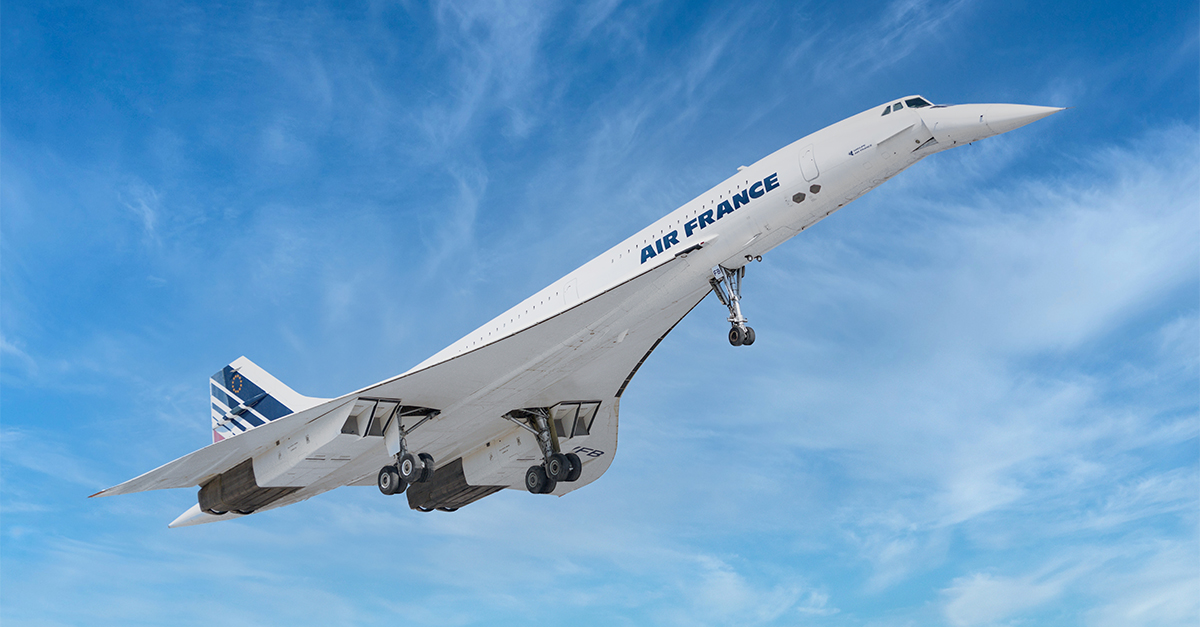
For decades, supersonic passenger travel has occupied an odd place between aviation history and science fiction. Concorde proved that an airliner could cross the Atlantic in less than four hours, but the aircraft disappeared from commercial service in 2003 after years of high operating costs, expensive fares, and a limited market. Now, a combination of new aircraft development, successful supersonic test flights, and changing U.S. regulations has made the possibility of high-speed commercial travel harder to dismiss. For business travelers, the biggest potential change is straightforward: journeys that consume most of a day could eventually consume only a few hours.
The Supersonic Comeback Is Getting Real
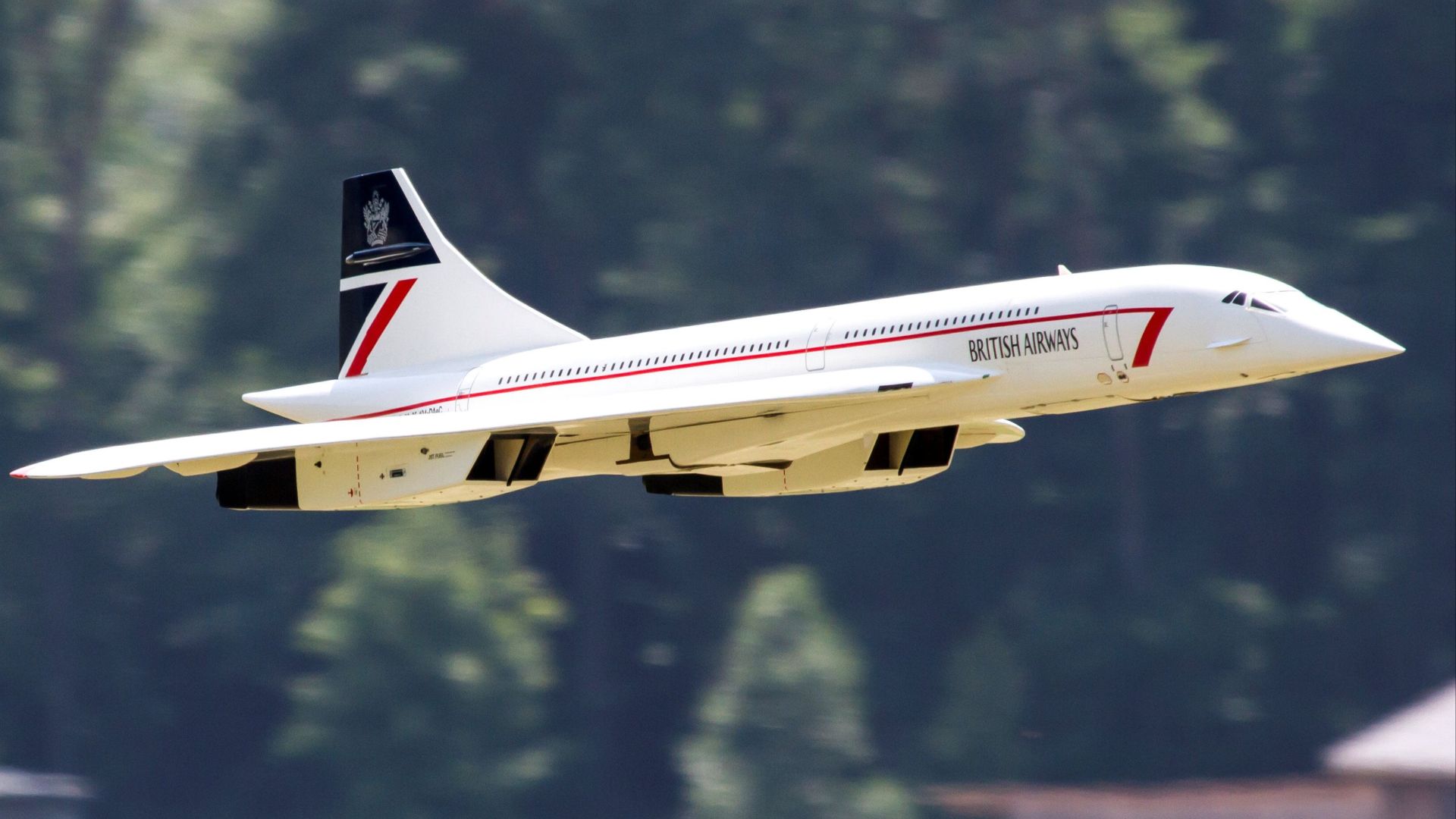
The most visible commercial project is Boom Supersonic’s Overture, a planned passenger airliner designed to cruise at up to Mach 1.7. Boom’s current plans call for an aircraft carrying roughly 60 to 80 passengers, and the company is still targeting initial deliveries in 2029, according to Aerospace America. American Airlines, United Airlines, and Japan Airlines have all made commitments to the program, although the exact agreements and conditions differ between carriers.
American Airlines, for example, agreed in 2022 to purchase up to 20 Overtures and took options for another 40, while paying a non-refundable deposit on the first 20 aircraft. The airline’s agreement requires Boom to meet normal operating, performance, and safety requirements before any aircraft are delivered. American said the planned aircraft would carry 65 to 80 passengers at Mach 1.7 over water with a range of about 4,250 nautical miles.
Boom has also already flown something faster than sound, although it was not Overture. Its smaller XB-1 technology demonstrator broke the sound barrier in January 2025, providing the company with flight-test experience before development of the full passenger aircraft. That does not mean an Overture airliner is ready to start carrying executives across the Atlantic, but it does put the current effort in a different category from a purely conceptual aircraft.
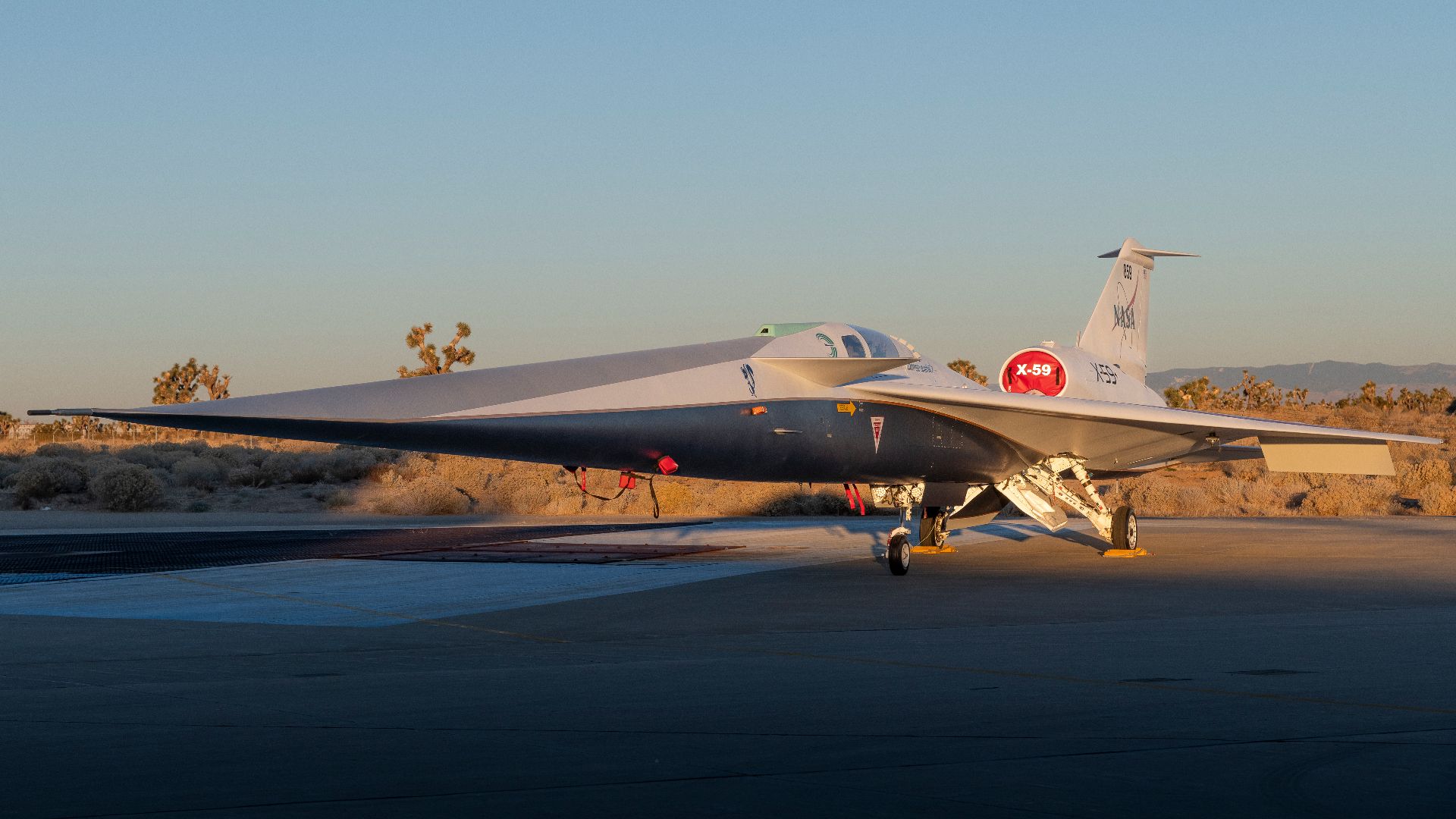
NASA is working on a different piece of the puzzle. Its experimental X-59 aircraft exceeded the speed of sound for the first time in June 2026 and subsequently reached Mach 1.4 at 55,000 feet, the conditions NASA plans to use during future community noise tests. The X-59 is not intended to become an airliner, but its Quesst mission is designed to generate evidence about whether quieter supersonic flight could be acceptable over populated areas.
Speed Could Reshape The Business Day
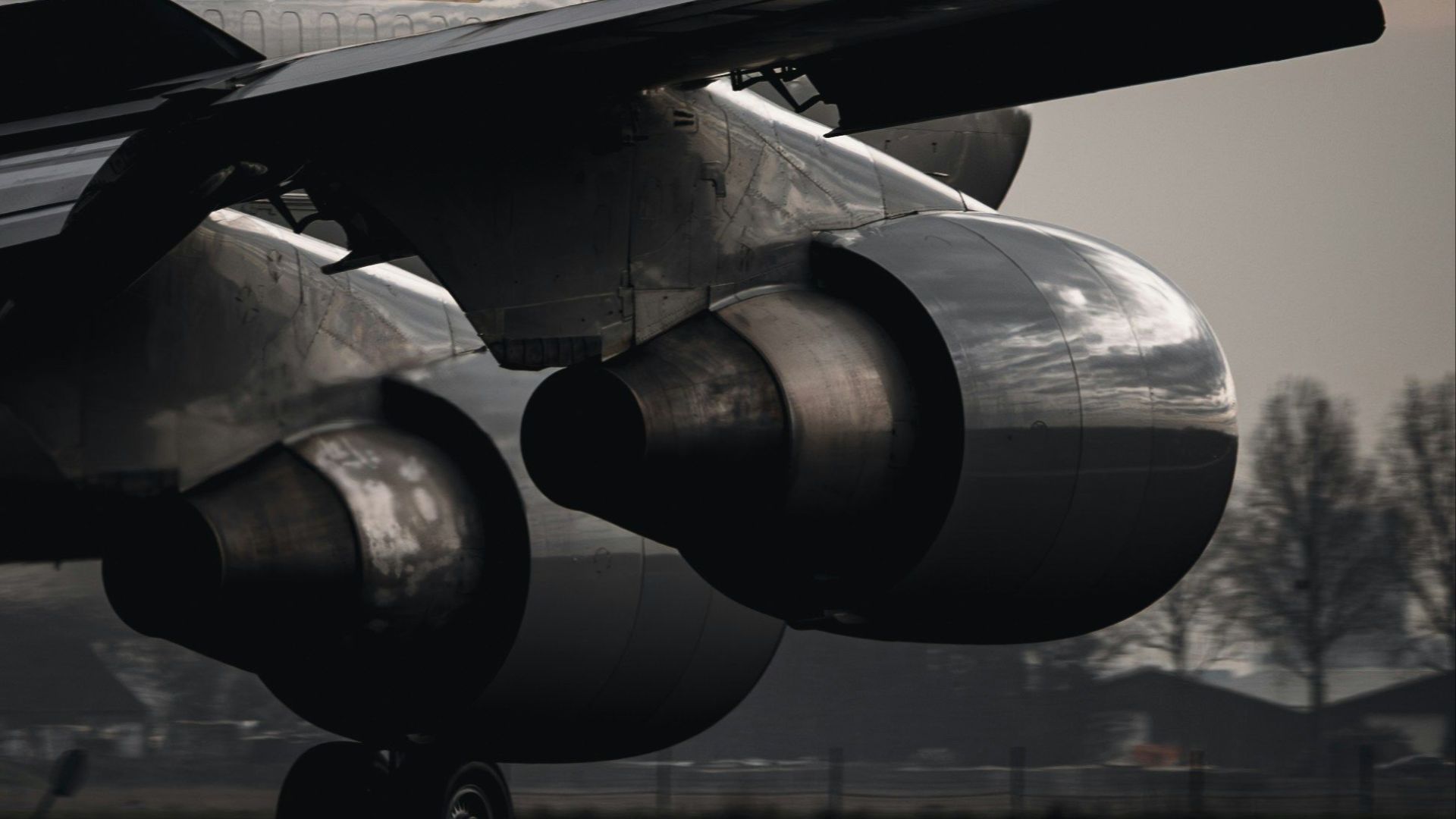
The appeal to business travelers is easy to understand because Concorde already demonstrated what extreme speed could do to a schedule. British Airways says its typical London-to-New York Concorde crossing took a little less than three and a half hours, compared with roughly eight hours for the subsonic flights of the era. Its record New York-to-London crossing in 1996 took just 2 hours, 52 minutes, and 59 seconds.
That difference matters more on a work trip than it might on a leisurely vacation. A traveler who spends fewer hours airborne gets more flexibility to schedule meetings, meals, site visits, or client events on the day of arrival. Depending on departure times and airport logistics, faster flights could also reduce the number of nights required for certain trips, which would change the calculation companies make when deciding whether an in-person meeting is worth the disruption.
Modern supersonic aircraft are targeting similar advantages. American’s announcement cited a possible Miami-to-London trip in just under five hours and Los Angeles-to-Honolulu in about three hours if Overture meets its design objectives. Those times are manufacturer projections rather than operating schedules, but they illustrate why airlines see a particular opportunity among passengers who already pay premiums to save time.
Boom is making that positioning explicit. The company describes Overture as having an all-premium cabin and says it is aiming for fares similar to current business-class fares. That pricing goal has not yet been demonstrated in commercial service, but it points toward a product aimed far more at the premium market than at replacing ordinary economy-class long-haul flying.
For companies, that could create a new calculation. Instead of asking whether an employee should spend two days traveling for one important meeting, a travel manager might eventually be comparing a costly supersonic ticket with the expense of additional hotel nights, meals, ground transportation, and employee time. Supersonic travel would not have to be cheap to be useful. It would have to make the hours it saves valuable enough to justify the premium.
Overland Rules Could Change The Route Map
For much of the modern aviation era, the biggest obstacle to that vision was not simply aircraft technology. U.S. regulations generally prohibited civil aircraft from flying faster than Mach 1 over land because of the sonic boom reaching communities below. That restriction made oceans the natural territory for Concorde and severely limited the number of routes where an airline could use its speed.
That regulatory landscape is now changing. In June 2026, the FAA announced a proposed noise-based certification framework intended to replace the blanket prohibition with rules that would permit qualifying supersonic operations without harmful sonic booms reaching the ground. The FAA says it aims to finalize its new supersonic rules by the middle of 2027, but as of September 2026 the overland framework remains a proposed rule rather than a finished commercial operating regime.
The technology being explored is also different from Concorde’s approach. NASA’s X-59 is shaped to reduce its sonic signature to a quieter thump, while Boom is pursuing a technique called Mach cutoff for some overland operations. Under the concept described by Boom, atmospheric conditions, altitude, and speed can be managed so that shock waves refract before reaching the ground, with the company discussing overland speeds roughly between Mach 1.1 and Mach 1.3 for that technique.
 NASA Headquarters / NASA/Steve Freeman, Wikimedia Commons
If regulators ultimately approve practical overland supersonic operations, the business-travel implications become much larger. The opportunity would no longer be confined primarily to flights crossing the Atlantic or Pacific. Long domestic and continental routes could potentially benefit too, although they would not necessarily operate at the same speeds an aircraft could use far out over the ocean.
International rules will matter as well. ICAO is continuing to develop standards for future supersonic aircraft, and in March 2026 it adopted new environmental requirements that include future supersonic types. ICAO said supersonic aircraft will have to meet noise limits applicable to current subsonic aircraft beginning in 2029, showing that manufacturers will have to satisfy requirements extending well beyond the FAA.
The Price Of Speed Still Matters
The greatest warning for today’s developers comes from Concorde itself. The Smithsonian describes Concorde as a technological success that nevertheless struggled with serious economic problems. High operating costs produced high fares, which restricted the number of passengers able to use the aircraft and contributed to an increasingly narrow market before the fleet was retired in 2003.
That history explains why speed alone cannot make a new generation of aircraft commercially successful. Airlines will need planes that can operate reliably, attract enough premium passengers, fit into airport networks, meet increasingly demanding noise rules, and generate acceptable returns. Boom’s planned capacity of around 60 to 80 passengers is much smaller than the passenger counts on modern widebody aircraft, which makes the economics of each seat particularly important.
Sustainability will be part of that discussion as well. Boom says Overture is being designed for sustainable aviation fuel compatibility, while the U.S. Department of Energy says SAF made from renewable biomass and waste resources can provide substantially lower lifecycle carbon emissions than petroleum jet fuel. The precise benefit varies by fuel pathway, however, so the words “sustainable aviation fuel” do not by themselves establish the final environmental footprint of a future supersonic flight.
Noise is another hurdle that has not disappeared simply because technology has improved. ICAO continues to work on certification approaches for sonic boom and airport noise, while the FAA’s 2026 proposal specifically makes acceptable noise performance central to overland supersonic certification. Future aircraft therefore have to solve several problems simultaneously: speed, economics, airport noise, overland sonic effects, fuel supply, and normal commercial-airliner safety certification.
The 2029 Target Is Not A Booking Window
For business travelers, the biggest mistake would be treating the current burst of activity as proof that supersonic tickets are about to appear in corporate booking tools. Boom is targeting 2029 for initial Overture deliveries, but building and certifying a new airliner and its propulsion system remains an enormous undertaking. Airline commitments provide evidence of commercial interest, not a guarantee that every planned aircraft or route will enter service on the timetable currently discussed.
Still, the situation in 2026 is considerably more concrete than it was a few years ago. Boom has demonstrated civil supersonic flight with XB-1, NASA has taken the X-59 through Mach 1 and Mach 1.4 testing, the FAA has formally proposed a route away from the old overland prohibition, and major airlines have made commercial commitments to Overture. None of those milestones alone guarantees a new supersonic era, but together they explain why the idea has returned to serious aviation planning.
If commercial supersonic flight does return, business travelers are likely to be among the customers most directly affected. The first transformation would probably not be cheaper travel or bigger cabins. It would be the ability to buy back several hours on journeys where time already commands a premium.
That could change more than flight times. It could alter which meetings justify an international trip, how long employees remain away from home, which cities can realistically be combined into a short itinerary, and how companies calculate the value of face-to-face work. Concorde once sold the same fundamental proposition to a small group of travelers: the most valuable thing on the airplane was not the seat. It was time.
You May Also Like:
Could Virtual Reality Ever Replace The Business Trip?
The Airport Of The Future Is Being Designed Around Travelers Who Never Stop Working
Could Autonomous Taxis Transform The Business Traveler’s Day?