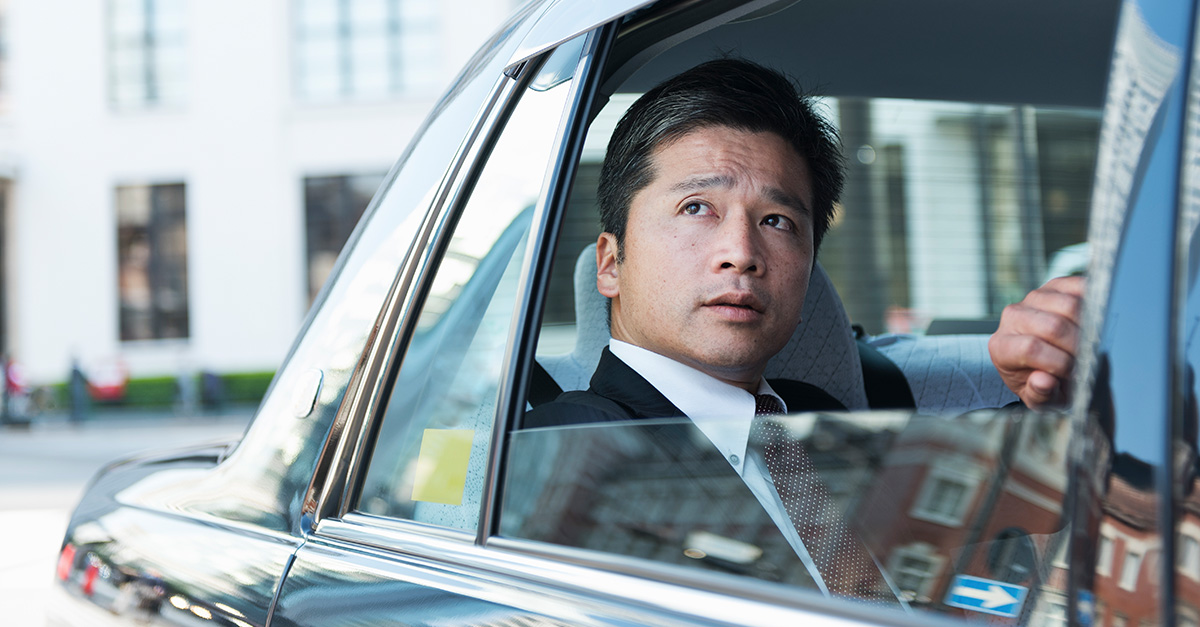
Business travelers already spend a surprising amount of time moving between airports, hotels, offices, and dinner meetings. Autonomous taxis could change what happens during those trips by removing the human driver from the equation and turning the back seat into a more predictable private space. The technology is no longer limited to demonstrations, with fully autonomous ride-hailing now operating in a growing number of American cities. For business travelers, the bigger question is whether that convenience can actually make a packed workday easier.
The Airport Transfer Could Feel Very Different
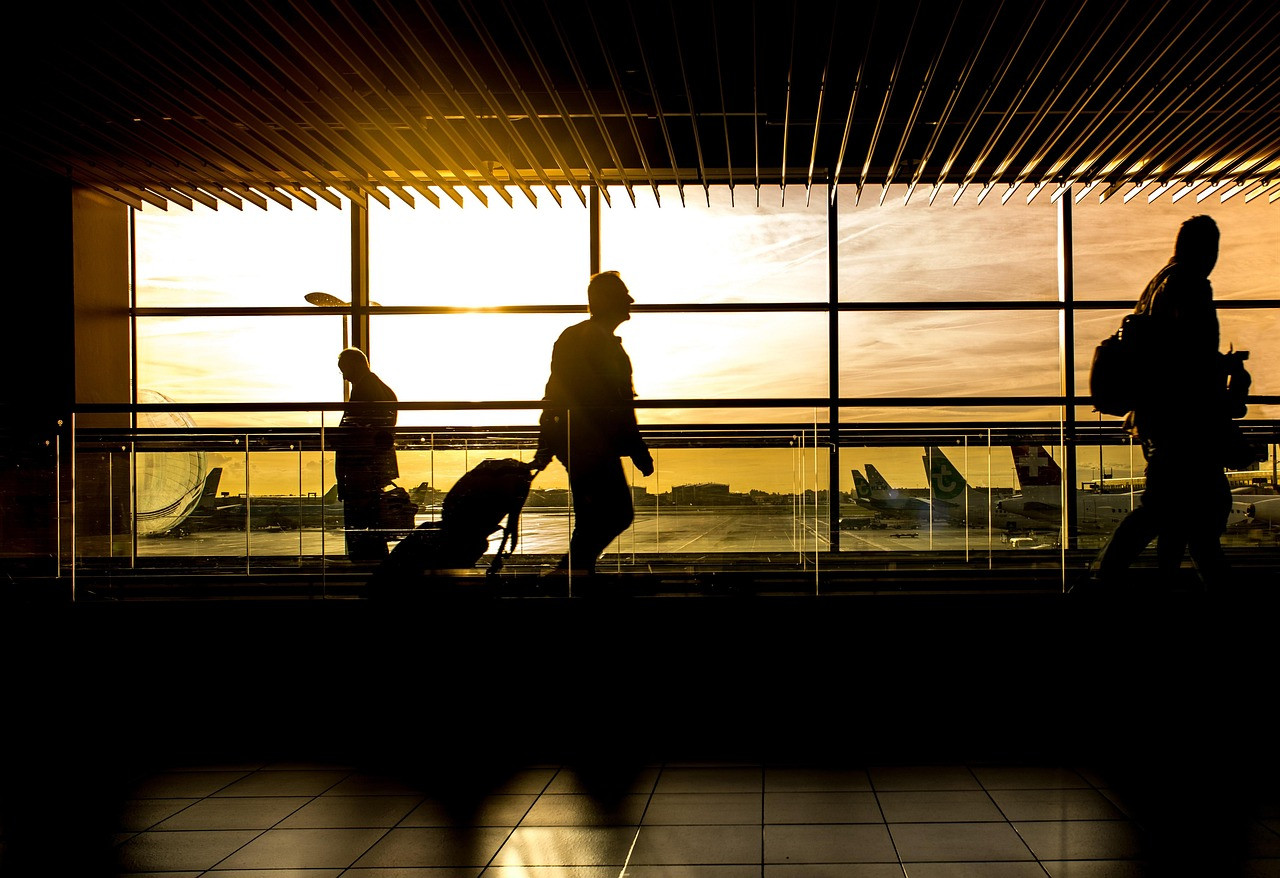
Airport transportation is one of the most obvious places autonomous taxis could matter. Waymo currently offers service to and from Phoenix Sky Harbor, San Antonio International, San Francisco International, and San José Mineta International airports. At Phoenix, autonomous vehicles can pick up and drop off passengers at the terminals, while other airport layouts may use designated curb or rideshare areas. That turns what was once a futuristic demonstration into a practical option for travelers arriving with a suitcase and a meeting schedule.
The appeal is partly about consistency. A traveler doesn’t have to explain a hotel address, give directions, make small talk after an overnight flight, or wonder whether a driver will accept a short trip. The destination is entered in the app, the vehicle selects the route, and the ride proceeds without a driver in the front seat. For somebody landing tired and immediately trying to get organized, reducing those small interactions may make the trip feel simpler.
Luggage is still part of the equation. Waymo allows riders to use the trunk and open it through the app or a physical button on the vehicle. What travelers shouldn’t expect is a driver who can jump out and lift a heavy suitcase, recognize that somebody is struggling with multiple bags, or help reorganize luggage at the curb. Anyone who normally relies on that kind of assistance needs to factor the difference into the decision.
Airport availability also remains highly location-dependent. Waymo was serving more than a dozen cities with fully autonomous rides by September 2026, but airport access hasn’t expanded at the same pace everywhere. Dallas, for example, had public autonomous rides while Waymo was still testing at Dallas Love Field rather than carrying ordinary passengers from the terminals. A traveler therefore needs to check airport service separately from city coverage instead of assuming that one guarantees the other.
The Back Seat Could Become Part Of The Workday
For business travelers, one of the biggest potential changes is what happens during the ride itself. Waymo has explicitly promoted its business service as a way for employees to catch up on work, relax, or make calls while traveling. Its business program supports corporate travel, commuting, and event transportation, with a portal that lets organizations manage users, budgets, and ride activity. That makes autonomous taxis more than a consumer experiment for companies willing to integrate them into their travel programs.
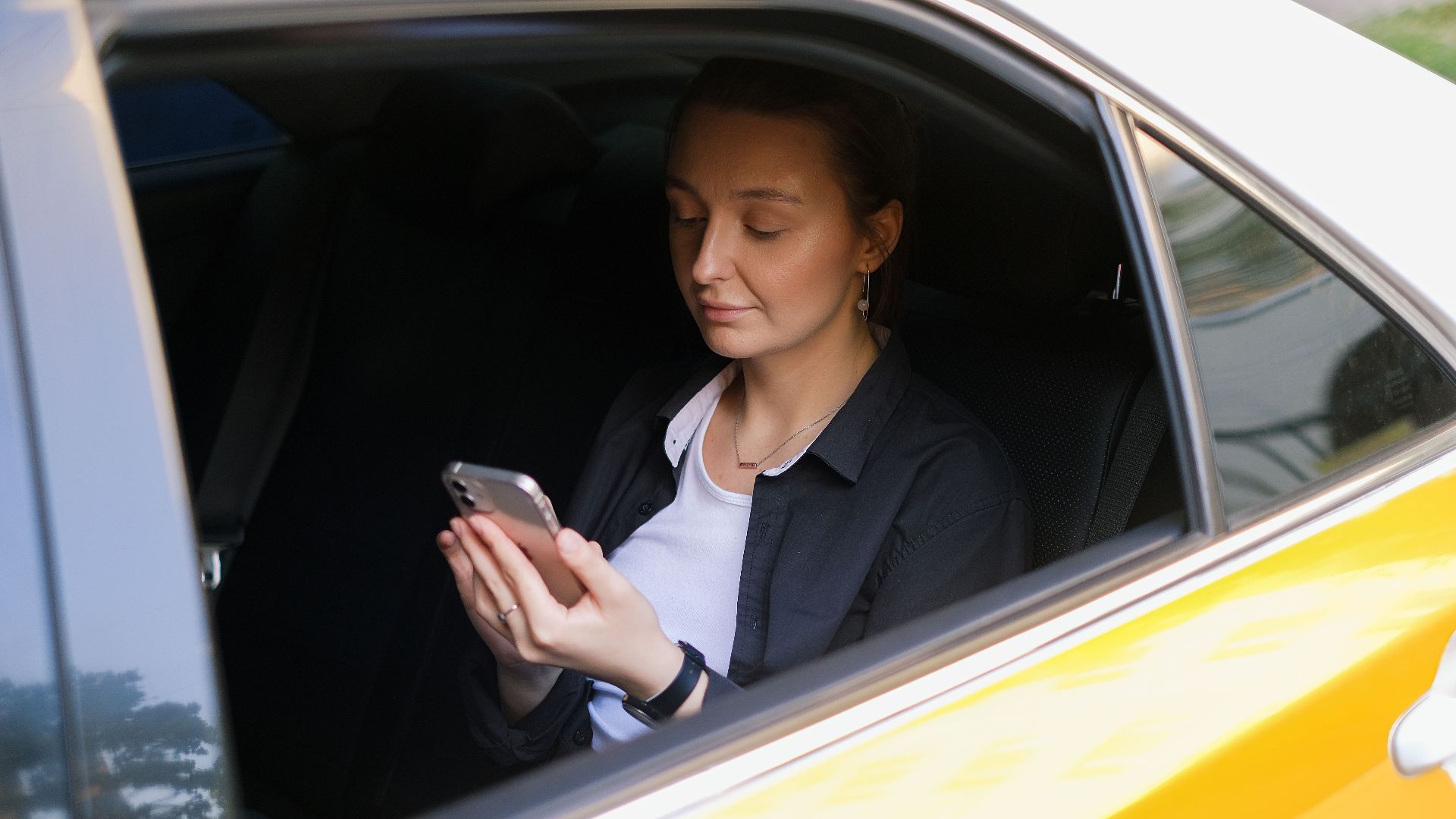
A solo ride can also remove one variable that sometimes makes working from a conventional taxi awkward: there is no driver sitting a few feet away while you speak to a client, discuss an internal project, or rehearse a presentation. However, while that may make the vehicle feel more private, travelers still shouldn’t treat it like a secure conference room. Waymo says interior cameras operate during rides, and sensitive company information should still be handled according to an employer’s security policies.
Even without opening a laptop, the ride can become useful breathing room. A traveler could review the next appointment, answer routine messages, organize notes, or simply decompress between meetings. That matters on trips where appointments are spread across a city and each transfer eats into an already crowded day. Autonomous taxis don’t create more hours, but they may make some of the time spent moving around feel less wasted.
There are practical limits to the mobile-office idea. A winding route, stop-and-go traffic, glare on a laptop, motion sickness, or a ride that lasts only 12 minutes can make serious work unrealistic. Confidential calls may also be inappropriate if colleagues assume the traveler is in a controlled environment. The better use may be lighter work that can be interrupted without consequence, such as calendar checks, email triage, or reviewing notes before the next meeting.
Business Travel Could Become Easier To Manage
The technology may also be attractive to employers because autonomous rides can be folded into existing travel controls. Waymo for Business allows organizations to set program parameters, manage participants, generate event codes, and monitor spending. In January 2026, Waymo also introduced business profiles for eligible riders, helping separate employer-supported travel from personal rides. That could make reimbursement less cumbersome if a company formally adopts the service.
This is particularly useful during large meetings and events. Instead of asking dozens of attendees to submit separate taxi receipts, an organization can potentially create a defined transportation program or distribute ride codes. The company can then set limits around how the service is used. For an event planner trying to move people between hotels, offices, and a dinner venue, centralized controls can be more useful than the novelty of the autonomous vehicle itself.
Autonomous taxis could also offer consistency for travelers unfamiliar with a city. There is less risk of misunderstanding a destination name, struggling with a language difference, or feeling pressure to direct the route through an unfamiliar neighborhood. The app handles the destination and pickup instructions, and Waymo offers tools that help riders locate the vehicle when it arrives. For somebody rushing between appointments, reducing uncertainty at pickup can be more valuable than saving a few dollars.
Yet pickup behavior requires adjustment. Autonomous vehicles choose locations they can safely and legally reach, which may not always be directly outside a hotel, office tower, or convention entrance. Road closures, bus stops, construction, parked vehicles, and other conditions can move the pickup or drop-off point. Waymo warns riders when a pickup involves more than a short walk, but that still matters if you’re carrying luggage, running late, or wearing business clothes in bad weather.

There Is Still A Human Layer Behind The Technology
A driverless vehicle doesn’t mean there are no humans involved when something goes wrong. Waymo provides round-the-clock support through its app and in-car display, and employees can assist with problems such as locating the vehicle or handling a ride interruption. If an autonomous car can’t continue safely, roadside personnel may be dispatched to the vehicle. Waymo says humans don’t remotely drive its autonomous cars from a control center.
That distinction matters for travelers deciding how much schedule buffer they need. Ride interruptions are uncommon according to Waymo, but they can happen, and resolving one may take longer than simply asking a taxi driver to take a different street. For a business traveler heading to a major presentation, an autonomous ride shouldn’t be treated as immune from delays just because there is no driver. Traffic, road closures, technical issues, and changing pickup points can still affect the trip.
Accessibility is another area where the experience isn’t identical for everyone. Waymo offers app features for riders who are blind, have low vision, or are deaf or hard of hearing, and it can provide wheelchair-accessible transportation in several markets. However, its wheelchair-accessible vehicles are manually driven rather than autonomous. Travelers who need physical assistance entering the vehicle or securing a wheelchair may therefore receive a different service from the standard robotaxi experience.
Safety will understandably influence whether corporate travel departments become comfortable with broader adoption. Waymo’s June 2026 safety analysis covered more than 220 million fully autonomous miles and reported substantially lower rates of serious-injury, airbag-deployment, and injury-causing crashes compared with human-driver benchmarks in the same areas. Those results are based on Waymo’s own published data and methodology, although the company makes underlying data available for analysis. Regulators including the California DMV and NHTSA also continue to oversee autonomous vehicle testing, deployment, incident reporting, and operating conditions.

The Biggest Transformation May Be Routine
The most important effect of autonomous taxis may eventually be that they stop feeling unusual. By September 2026, Waymo had expanded public autonomous riding into cities including Phoenix, San Francisco, Los Angeles, Austin, Atlanta, Miami, Orlando, Dallas, Houston, Nashville, Denver, San Diego, Tampa, and Las Vegas, although access and service boundaries vary. Tesla was also advertising autonomous Robotaxi service in several U.S. cities, while Zoox received federal approval in 2026 that allows commercial deployment of its purpose-built robotaxis under specified conditions.
That growing competition matters because business travelers need coverage more than spectacle. A robotaxi is far more useful if it can reliably connect the airport, downtown hotel, client office, convention center, and dinner venue. Service areas that stop short of a suburban corporate campus or airport terminal can leave travelers switching between transportation options. Before relying on autonomous taxis for an important itinerary, check every planned origin and destination in the relevant app.
It is also worth keeping a conventional backup. Downloading the autonomous service before departure, adding a payment method, and checking service boundaries can prevent wasted time after landing. Keep another rideshare, taxi, public transit, or hotel-car option available in case demand is high or the autonomous service can’t reach the destination. For a business traveler, the smartest use of new technology is usually the one that doesn’t make the entire day dependent on it.
Companies considering the service should think beyond whether employees find it interesting. They should decide whether autonomous rides are reimbursable, whether they qualify as preferred transportation, how business profiles should be used, and what travelers should do when service isn’t available. They may also need guidance on confidential calls and device use inside vehicles. A clear policy can turn robotaxis from an improvised experiment into another normal travel option.
The transformation, then, may be less dramatic than the technology suggests. Autonomous taxis probably won’t turn every airport transfer into productive work or eliminate the headaches of city transportation. What they can do is make some transfers quieter, more predictable, and easier to manage through an app, while giving companies another tool for moving travelers around unfamiliar cities. If coverage keeps expanding, the driverless ride between two meetings may eventually become one of the least remarkable parts of the business day.