
For frequent business travelers, the airport routine is full of small interruptions. Show a passport, scan a boarding pass, prove your identity at security, repeat the process at immigration, then pull everything out again at the gate. Digital travel credentials and biometrics are designed to remove many of those steps by letting travelers establish who they are once and then verify that identity digitally throughout the journey. The idea has moved well beyond airport concept videos, although the fully seamless international trip is not here yet.
The potential payoff is significant because the technology could change how travelers move through several stages of a trip, not just one checkpoint. Governments, airlines, and aviation groups are testing ways to combine secure digital identity with faster airport and border processing. For business travelers, that could eventually mean fewer document checks and shorter waits without removing the security requirements behind them.

The Passport Is Starting To Leave Your Pocket
A digital passport is not simply a photograph of the passport page stored on a phone. The International Civil Aviation Organization has developed standards for Digital Travel Credentials, or DTCs, which create a digital representation of information contained in an electronic travel document. ICAO's framework uses the security infrastructure behind electronic passports so authorities can verify that the digital credential came from a legitimate issuer and has not been altered.
That verification infrastructure is important because an international passport has to be trusted far beyond the country that issued it. In March 2026, ICAO launched a new generation of its Public Key Directory, the international system used by governments and other authorized organizations to validate the digital signatures in electronic passports and digital travel documents. The system gives border authorities a way to confirm that a document is genuine rather than simply trusting information displayed on a traveler's device.
The aviation industry is already testing what happens when those credentials move into digital wallets. In April 2026, IATA reported results from trials involving airlines, airports, technology providers, and governments in Europe and the Asia-Pacific region. Travelers shared digital identity information ahead of their journeys and then used biometric verification at selected airport touchpoints instead of repeatedly presenting physical documents. The trials also tested whether different wallets and identity systems could work across multiple providers, a crucial step if the technology is going to function beyond a single airline or airport.
IATA's broader One ID initiative is built around that same model. Travelers would securely share required credentials before departure, while biometrics could then be used at participating bag-drop, security, or boarding points. The aim is to create a connected journey in which identity checks still happen, but travelers are interrupted by them far less often.
Biometrics Are Already Removing Some Of The Stops
Singapore offers one of the clearest examples of what that could look like in everyday travel. Passport-less immigration clearance was fully rolled out across Changi Airport's four terminals in 2024 for Singapore residents arriving and departing, while foreign visitors became eligible to use the system when leaving the country. The lanes use facial and iris biometrics rather than requiring eligible travelers to present a passport at immigration. Singapore's Immigration & Checkpoints Authority said average clearance time fell from about 25 seconds to 10 seconds following the rollout.
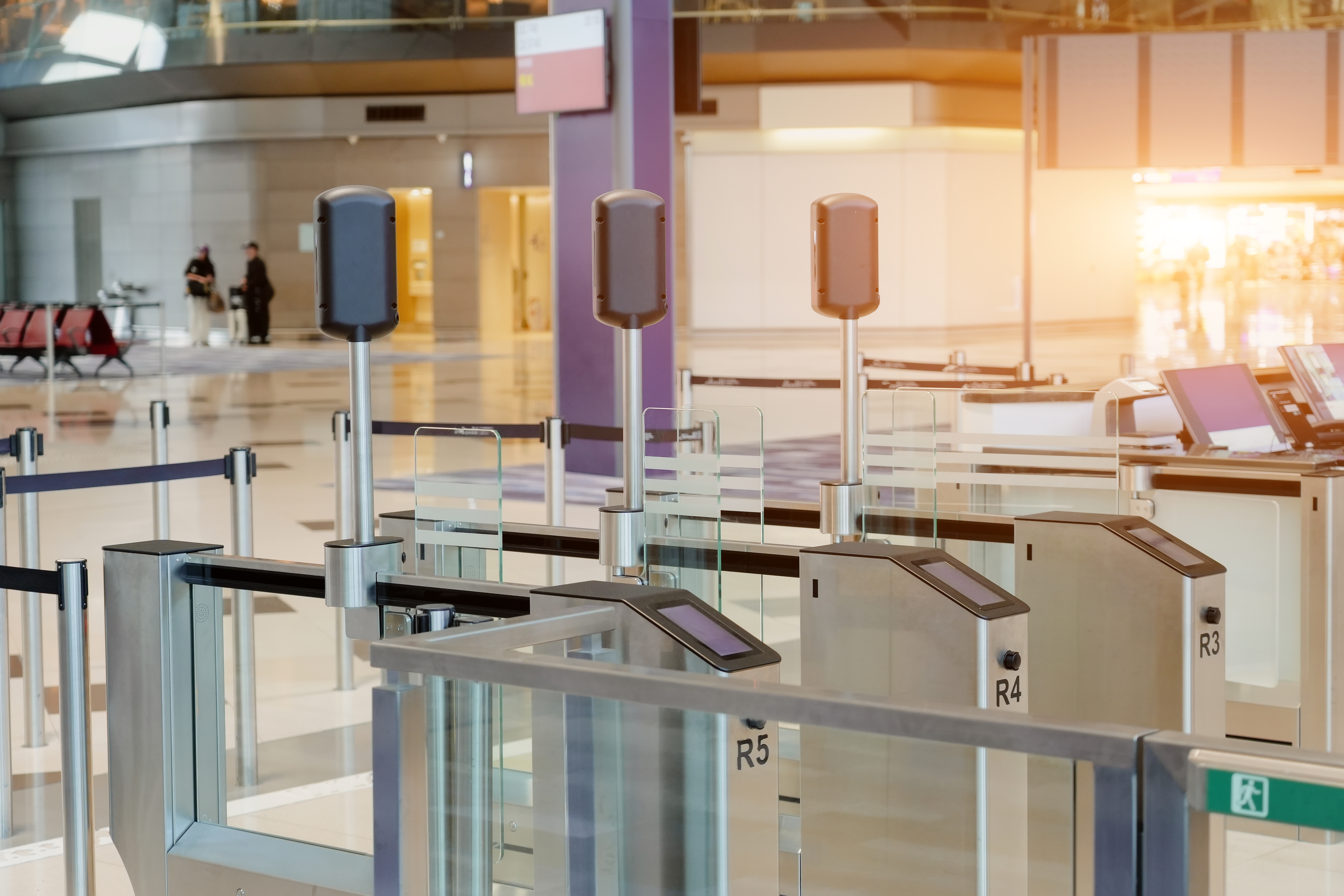
The system has since expanded well beyond a small airport pilot. Singapore's immigration authority said that nearly 127 million travelers used passport-less immigration clearance during 2025 across its eligible checkpoint systems. It also stresses an important limitation that business travelers should remember: international passengers should still carry their physical passports because another country may require the document. Passport-less processing at one border does not mean passports themselves have disappeared.
Similar changes are happening in the United States, although through several different programs rather than one universal system. U.S. Customs and Border Protection uses facial comparison technology at international airports for entry and at a growing number of departure locations, while Global Entry's touchless portals can identify enrolled travelers using facial comparison. TSA PreCheck Touchless ID also allows eligible travelers on participating airlines to use facial recognition at selected security checkpoints without routinely presenting a physical ID.
Travelers appear increasingly comfortable with the idea when it works well. IATA's 2025 Global Passenger Survey found that 50 percent of passengers surveyed had used biometrics somewhere in the airport journey, and 85 percent of those users said they were satisfied with the experience. It also found that 74 percent would be willing to share biometric information if that allowed them to avoid repeatedly showing a passport or boarding pass. Those numbers cover passengers generally rather than business travelers specifically, but they suggest that biometric processing is becoming a familiar airport experience rather than an unusual experiment.
The Biggest Change Could Happen Before You Even Arrive
The most useful part of digital identity may eventually happen before the taxi reaches the terminal. In its 2024 Hong Kong to Tokyo proof of concept, IATA and its partners used digital wallets containing items including an electronic-passport copy, visa information, company identification, frequent-flyer credentials, boarding information, and a live biometric credential. That approach allowed information to be checked earlier in the journey and demonstrated how some travel-document verification could shift away from the check-in counter.
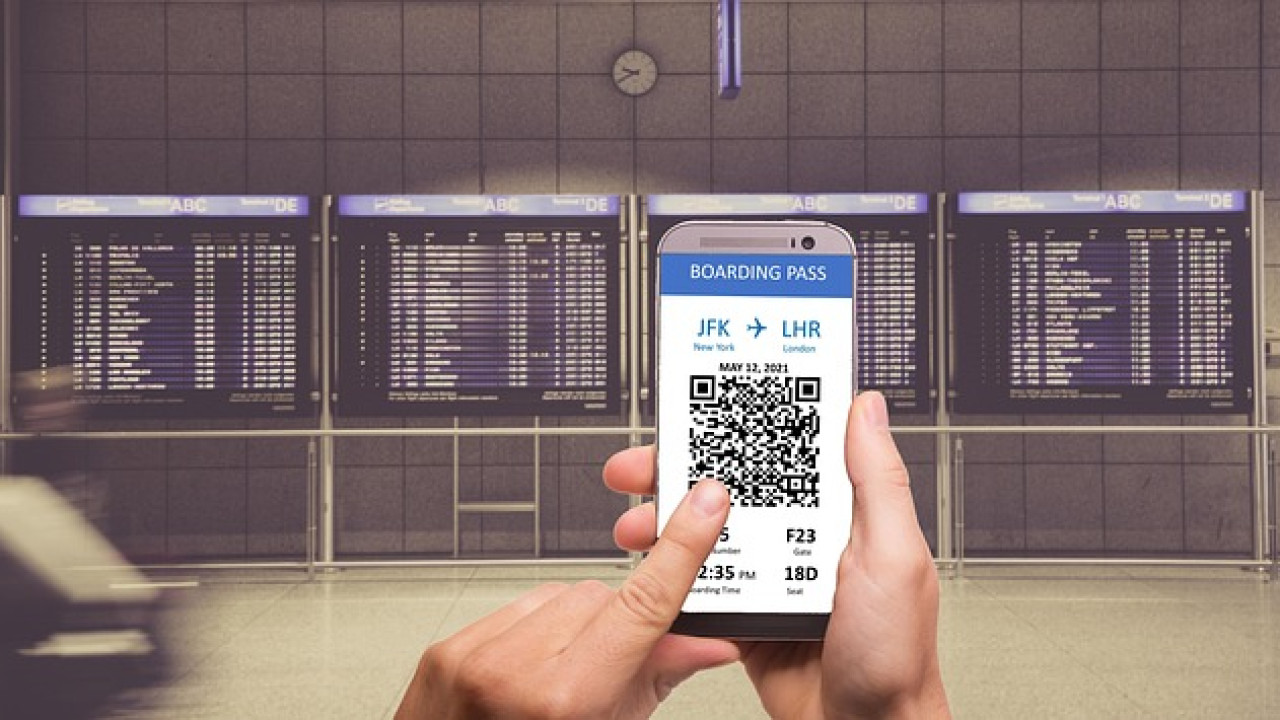
That could be especially useful for international business travelers, who often need to prove that they have the correct documents for a destination. IATA describes the goal as arriving at the airport "ready to fly," with admissibility checks already completed where government rules and technology allow it. Traditional processing would still need to remain available as a fallback for travelers or destinations that are not part of the digital system.
Europe is working toward a similar model for border control. The European Commission proposed an EU Digital Travel application that would allow eligible travelers to create digital travel credentials based on biometric passports or EU identity cards and send required information to border authorities in advance. The credentials would contain information derived from the travel document chip, including the passport photograph, but not fingerprints. Current EU planning foresees the application becoming operational around the end of 2030, subject to the legislative and implementation process.
The real benefit would come from combining those advance checks with faster processing at the airport. Instead of saving a few seconds at one checkpoint, travelers could spend less time waiting for documents to be inspected at several different points during the same trip. For frequent flyers, the value is cumulative, especially on itineraries involving multiple airports or international connections.
Frictionless Travel Still Has Some Serious Friction
The biggest obstacle is interoperability. A digital identity system is only useful if the airline, airport, border agency, and connecting carrier can all recognize the necessary credentials. IATA's 2026 trials showed that different systems can work together, but expanding that across hundreds of governments, airlines, and airports is a far larger task. A traveler may therefore encounter an advanced biometric process at one airport and a traditional passport inspection at the next.
Privacy will also determine how willing travelers are to use these systems. IATA's 2024 passenger survey found that half of respondents were concerned about data protection, even as many expressed enthusiasm for biometrics. One ID therefore calls for travelers to retain control over credentials and consent to the information they share, while verifiers request only the data required for a transaction. TSA similarly states that digital identification information at its checkpoints is accessed with passenger consent and is not routinely copied or stored by TSA, outside limited testing circumstances that must be disclosed.
There also needs to be a reliable way to travel when a phone dies, a camera cannot make a match, a network fails, or a destination has not adopted the technology. IATA's trials explicitly preserve traditional manual processing, and Singapore continues to tell travelers to carry their passports even when they qualify for passport-less immigration. That hybrid period could last for years as countries adopt digital credentials at different speeds. The physical passport is becoming less visible during some journeys, but it is not ready to disappear from the business travel checklist.
For business travelers, the next few years are likely to bring fewer hassles, even if truly seamless travel is still some way off. More airports may allow travelers to verify identity with a face instead of a document, while more checks could be completed digitally before departure. The larger transformation will come when those systems work reliably across entire itineraries. Until then, digital passports and biometrics can remove some of the friction, but not all of it.