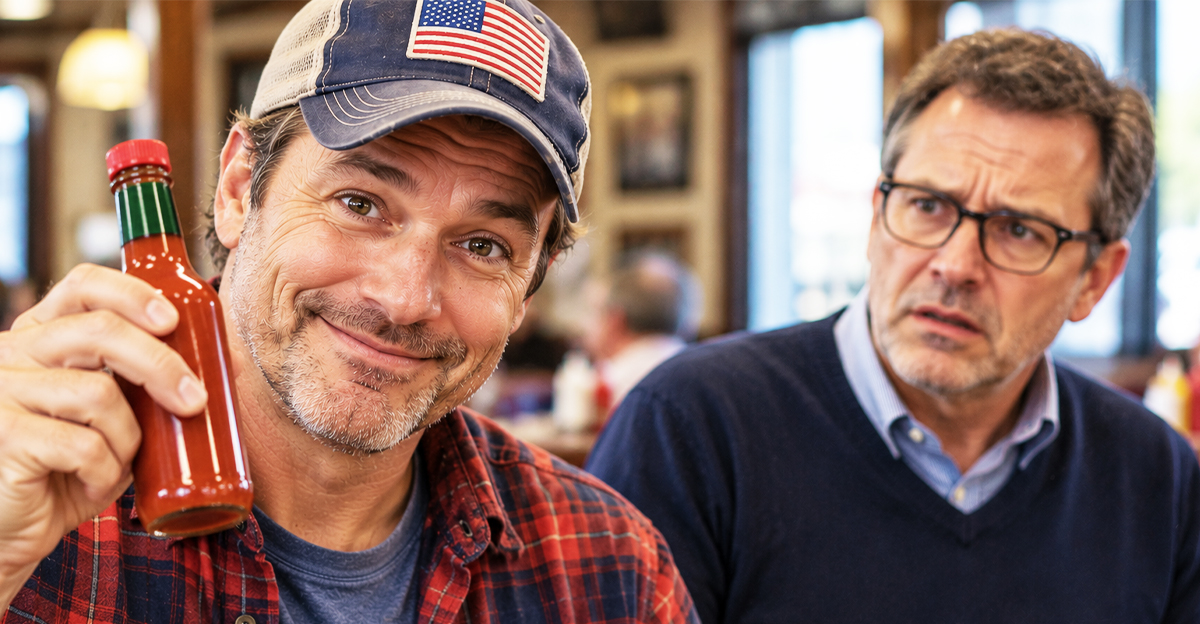
Long-haul flights turn strangers into temporary neighbors crammed into metal tubes hurtling through the sky at 500 miles per hour. You've settled into your seat, maybe scored the window spot, popped in your earbuds, and drifted off somewhere over the Atlantic. Then you wake up to an unexpected situation: your seatmate has turned your shoulder into their personal pillow. Their head's resting there, possibly drooling on your favorite travel hoodie, and you're stuck in this weird limbo between politeness and personal space violation. The question isn't just whether you can report this behavior, but whether you should, and what actually counts as reportable conduct at 35,000 feet. Airlines deal with thousands of passenger complaints annually, but where does uninvited shoulder-napping fall on the spectrum of airplane etiquette violations?
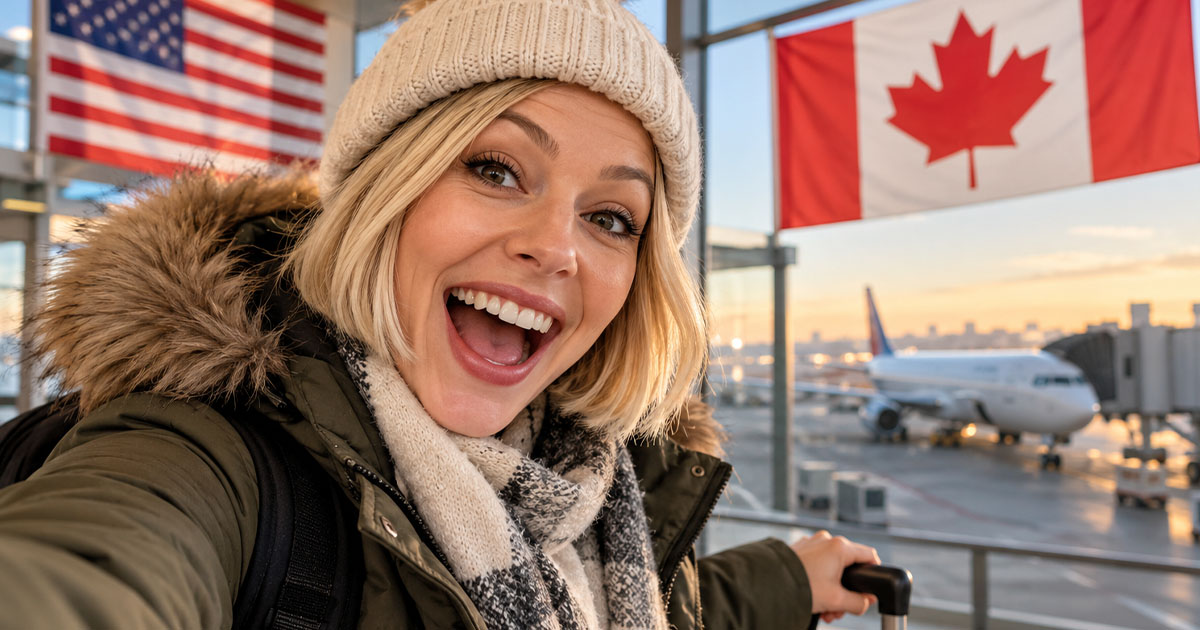
For decades, Americans could hop on a plane to the United Kingdom with just a valid passport and show up ready for adventure. No pre-travel approvals. No online forms. No extra steps. Passport in hand—that was enough. But that era is officially over.
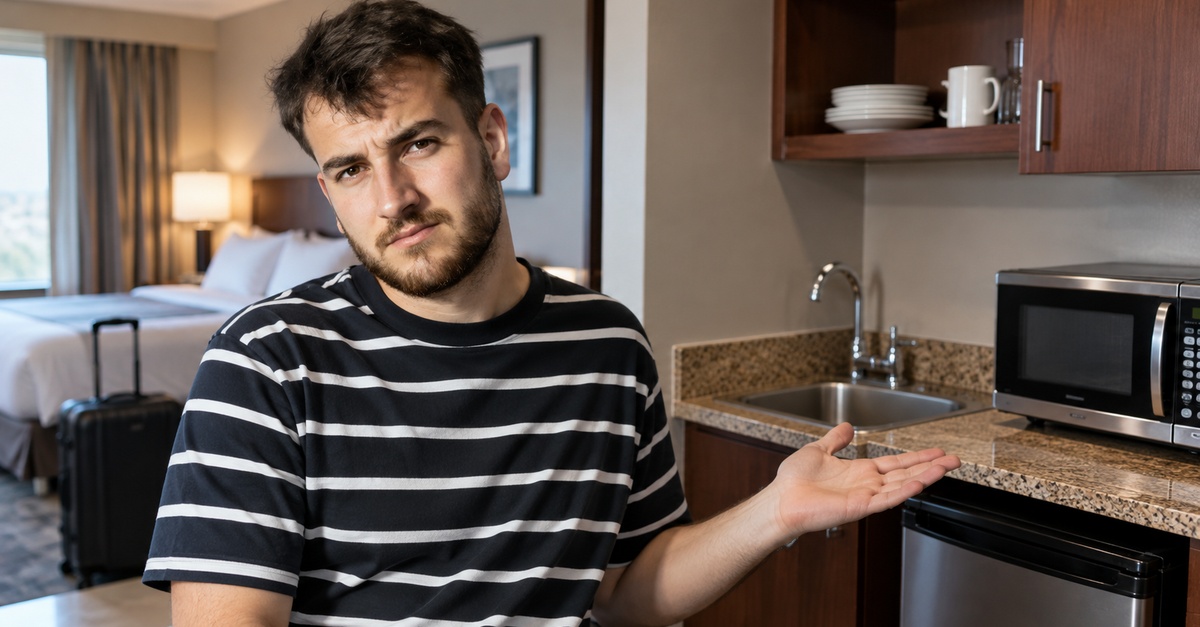
The request itself was ordinary. A guest asked for extra towels, expecting the kind of neutral response hotels usually give without pause. Instead, the answer felt abrupt, as if a basic comfort had suddenly turned into a favor. Moments like this tend to linger because they disrupt expectations rather than violate rules. Towels are rarely noticed when available, yet their absence becomes symbolic when access feels restricted. What should have been forgettable becomes oddly memorable. These interactions raise larger questions about how hospitality defines “reasonable,” where cost and environmental concerns quietly intervene, and how small refusals reshape a guest’s perception of care. This article examines standard towel practices, explains why denials sometimes happen, and outlines what both guests and hotels can learn when everyday comfort becomes negotiable.
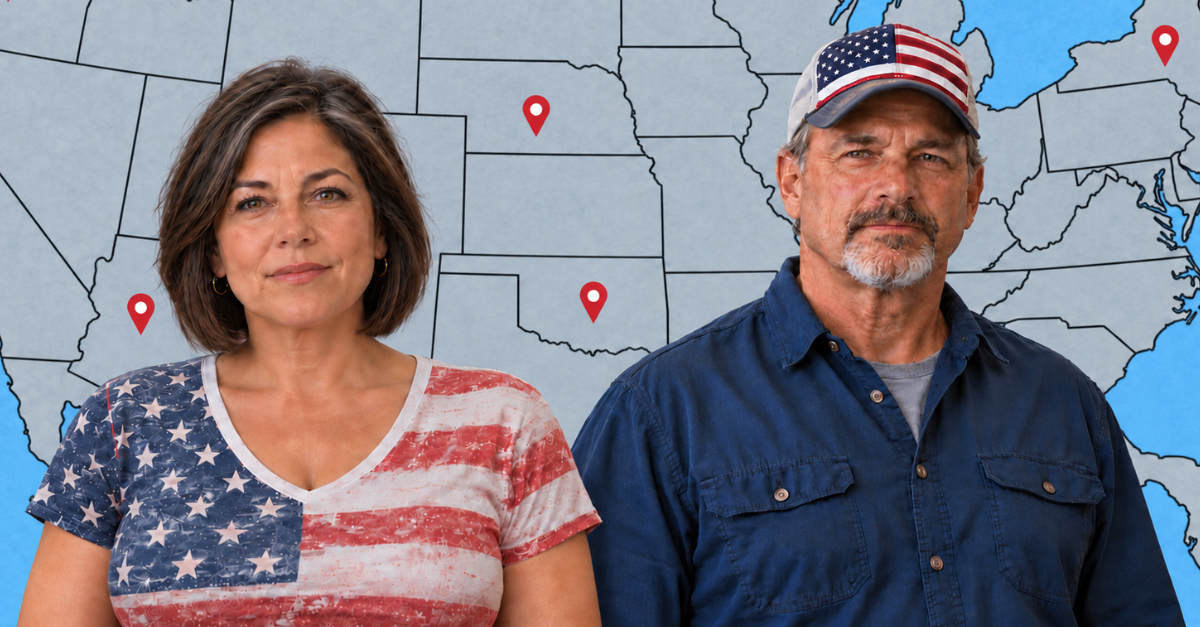
Passports don’t always open doors anymore. Political rifts and sudden policy shifts are the deciding factor for where Americans can go. These factors turned ordinary travel dreams to specific nations into an uneasy recalculation.
Archaeologists in Bulgaria unearthed a significant historical treasure hidden in the sewer system below an ancient city—but its discovery is not what’s making history.
With selfie sticks and front facing cameras the world is our selfie oyster. But some oysters are safer than others. These are some of the most dangerous selfie spots around the globe.
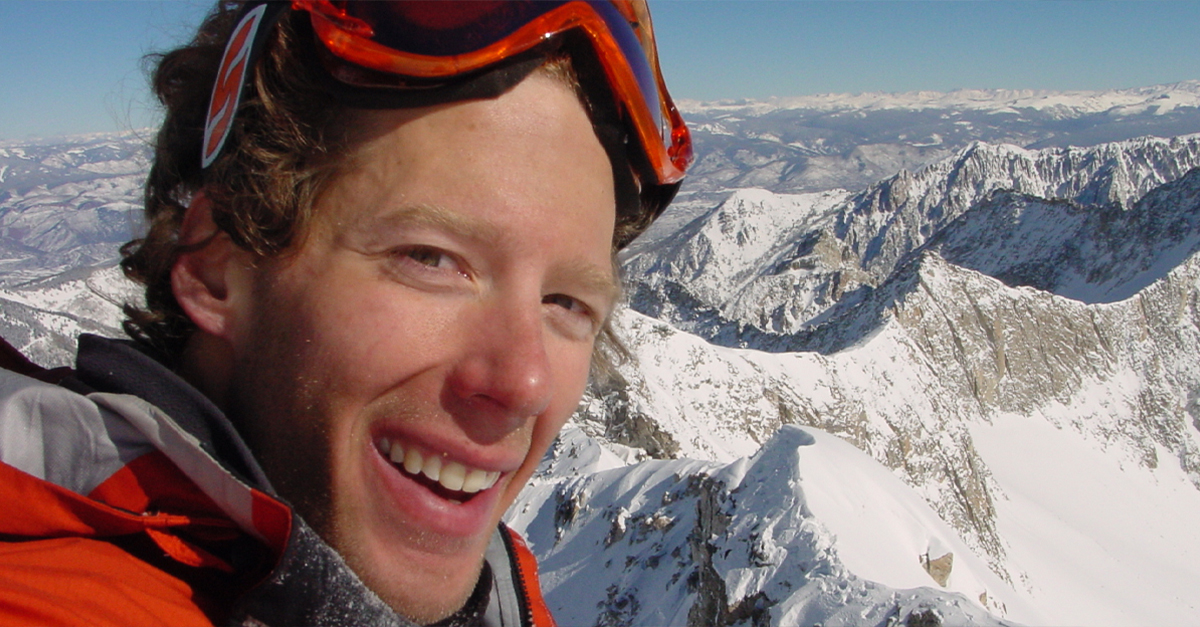
Discover the top 10 extreme sports destinations in the U.S. Dive into the adrenaline-pumping world of adventure sports, understand their growing allure, and find out where to experience the ultimate thrills across the country.
9-year-old fossil hunter Molly Sampson discovered a rare 15-million-year-old Megalodon tooth on Christmas morning in Maryland, uncovering prehistoric history and inspiring explorers everywhere.
Archaeologists in Bulgaria unearthed a significant historical treasure hidden in the sewer system below an ancient city—but its discovery is not what’s making history.
History is full of unsolved mysteries, but sometimes, new technology leads historians to answers. Here are some historical mysteries that we’ve recently figured out.
In northern China, millions still live in ancient cave homes carved into hillsides. Explore the history, daily life, and surprising modern comforts of the Shaanxi cave dwellers.
For decades, Americans could hop on a plane to the United Kingdom with just a valid passport and show up ready for adventure. No pre-travel approvals. No online forms. No extra steps. Passport in hand—that was enough. But that era is officially over.
With selfie sticks and front facing cameras the world is our selfie oyster. But some oysters are safer than others. These are some of the most dangerous selfie spots around the globe.
Archaeologists in Bulgaria unearthed a significant historical treasure hidden in the sewer system below an ancient city—but its discovery is not what’s making history.
Vacations are precious—we only get so many days a year to escape the grind. So, when one partner wants a cruise and the other is dreaming of an all-inclusive resort, how do you choose?
Discover the top 10 extreme sports destinations in the U.S. Dive into the adrenaline-pumping world of adventure sports, understand their growing allure, and find out where to experience the ultimate thrills across the country.
For decades, Americans could hop on a plane to the United Kingdom with just a valid passport and show up ready for adventure. No pre-travel approvals. No online forms. No extra steps. Passport in hand—that was enough. But that era is officially over.
With selfie sticks and front facing cameras the world is our selfie oyster. But some oysters are safer than others. These are some of the most dangerous selfie spots around the globe.
Vacations are precious—we only get so many days a year to escape the grind. So, when one partner wants a cruise and the other is dreaming of an all-inclusive resort, how do you choose?
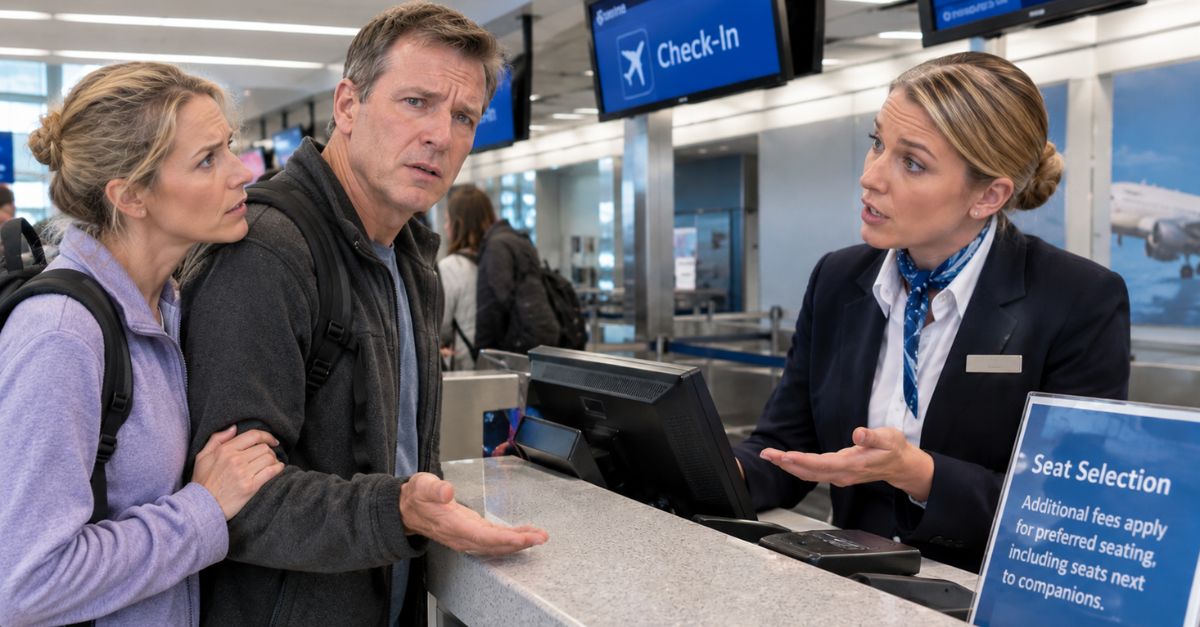
Missed connections frustrate travelers, yet the cause matters more than the outcome. Airline delays, weather disruptions, and mechanical issues fall within a carrier’s responsibility. However, delays due to government procedures do not. Customs and immigration operate independently, and random inspections can delay passengers without warning. When that delay causes a missed flight, confusion often follows. Responsibility depends on control. Airlines are judged by whether they caused the delay or had the authority to control it. That distinction determines rebooking options and compensation. Understanding this difference also helps travelers set realistic expectations before approaching airline staff or paying unexpected costs. After all, preparation before travel reduces shock and misplaced assumptions.
Long-haul flights turn strangers into temporary neighbors crammed into metal tubes hurtling through the sky at 500 miles per hour. You've settled into your seat, maybe scored the window spot, popped in your earbuds, and drifted off somewhere over the Atlantic. Then you wake up to an unexpected situation: your seatmate has turned your shoulder into their personal pillow. Their head's resting there, possibly drooling on your favorite travel hoodie, and you're stuck in this weird limbo between politeness and personal space violation. The question isn't just whether you can report this behavior, but whether you should, and what actually counts as reportable conduct at 35,000 feet. Airlines deal with thousands of passenger complaints annually, but where does uninvited shoulder-napping fall on the spectrum of airplane etiquette violations?
The request itself was ordinary. A guest asked for extra towels, expecting the kind of neutral response hotels usually give without pause. Instead, the answer felt abrupt, as if a basic comfort had suddenly turned into a favor. Moments like this tend to linger because they disrupt expectations rather than violate rules. Towels are rarely noticed when available, yet their absence becomes symbolic when access feels restricted. What should have been forgettable becomes oddly memorable. These interactions raise larger questions about how hospitality defines “reasonable,” where cost and environmental concerns quietly intervene, and how small refusals reshape a guest’s perception of care. This article examines standard towel practices, explains why denials sometimes happen, and outlines what both guests and hotels can learn when everyday comfort becomes negotiable.