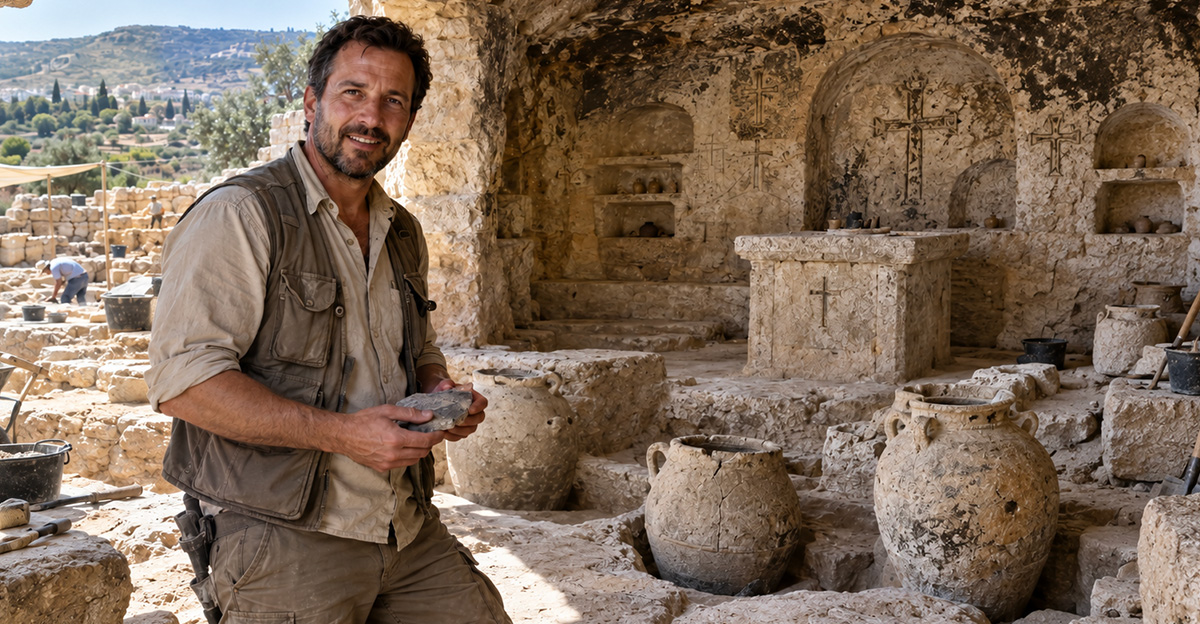
A Biblical Mystery Beneath The Galilean Hills
For generations, pilgrims searching for the setting of Jesus’ first miracle have traveled to Kafr Kanna in northern Israel. But archaeological work at another village, Khirbet Qana, has complicated that familiar story. Evidence highlighted again in 2025 suggests early Christians themselves may have associated this quieter hillside site with the biblical Cana.
The Miracle That Started It All
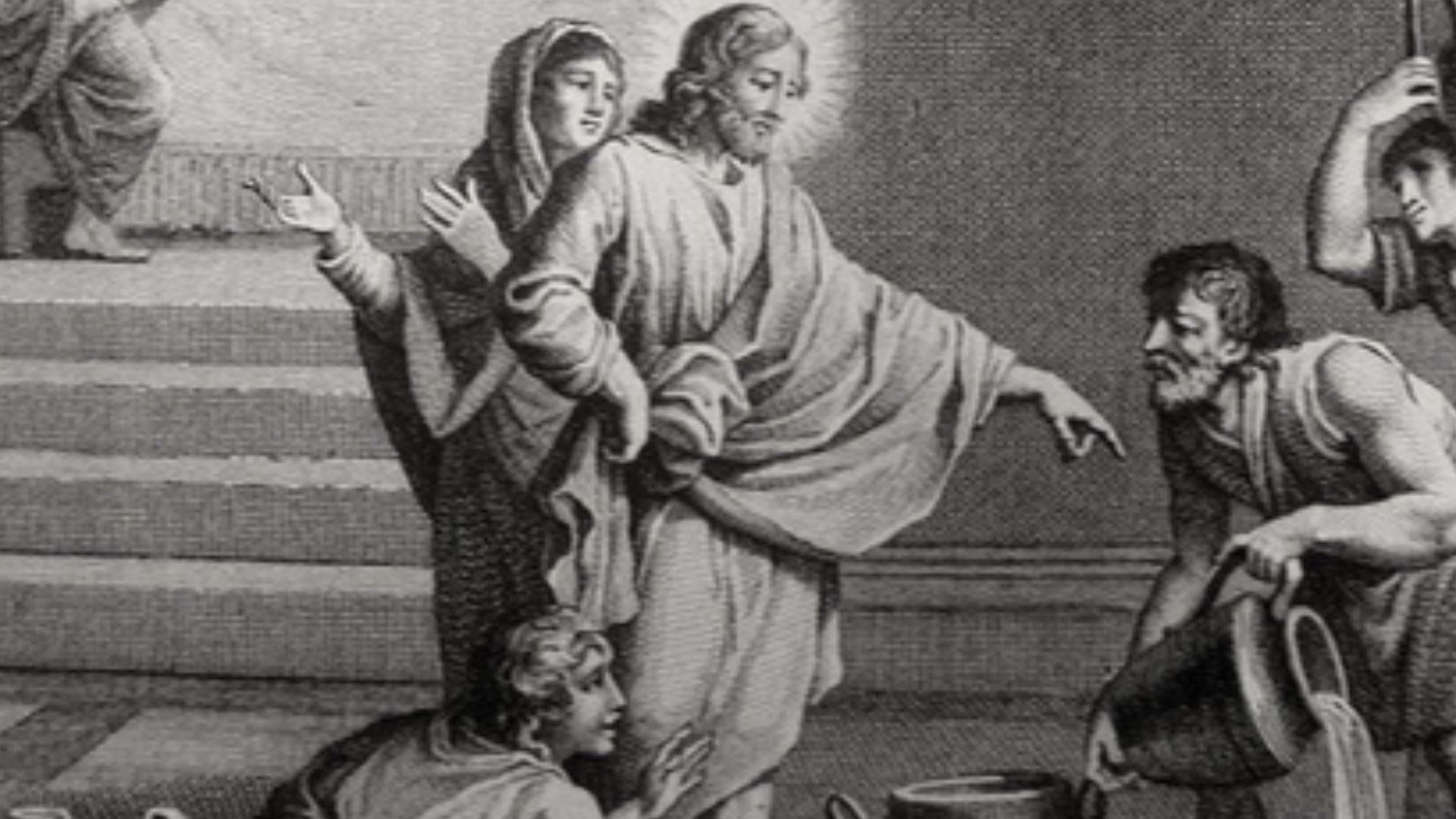
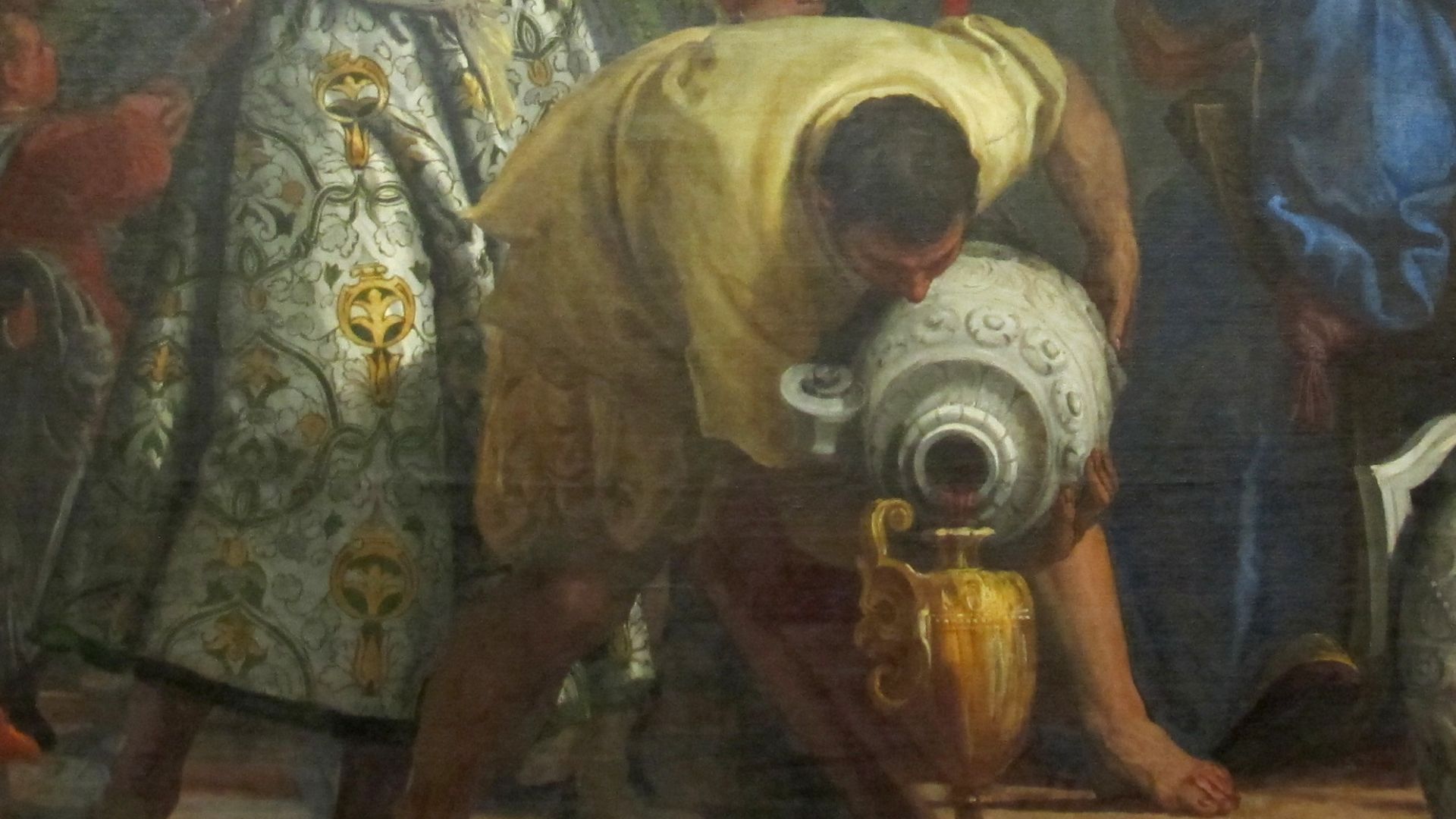
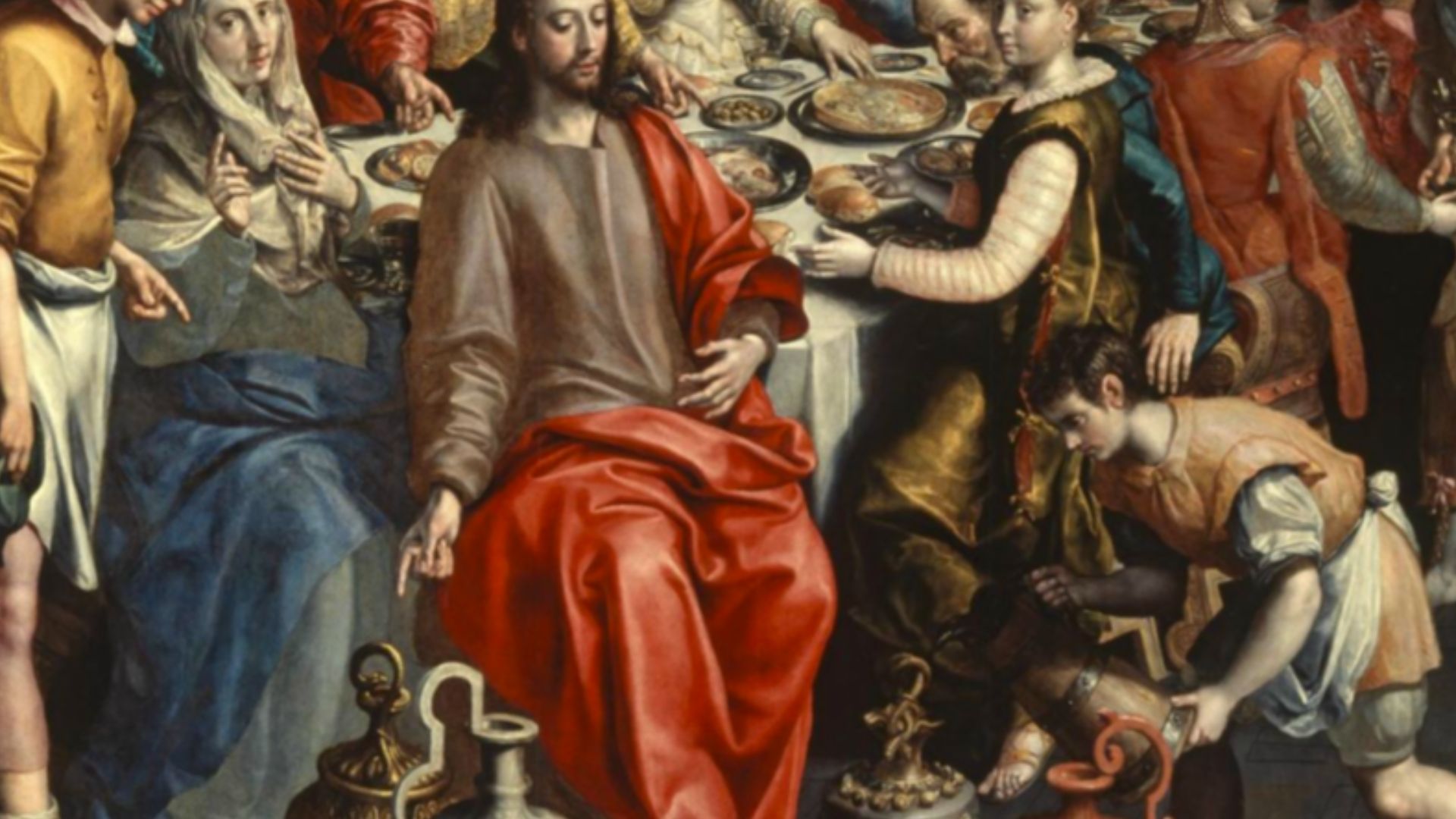
According to the Gospel of John, Jesus attended a wedding at Cana with his mother and disciples. When the wine ran out, he instructed servants to fill six stone jars with water. The water became wine, an event John describes as Jesus’ first “sign,” beginning his public display of miraculous power.
But Where Exactly Was Cana?
That seemingly simple question has kept scholars busy for generations. The New Testament calls the location “Cana of Galilee,” but it does not provide modern travelers with a convenient set of coordinates. Several places have been proposed, including Kafr Kanna and Khirbet Qana, both in Lower Galilee.
 Stephanie Gromann, Wikimedia Commons
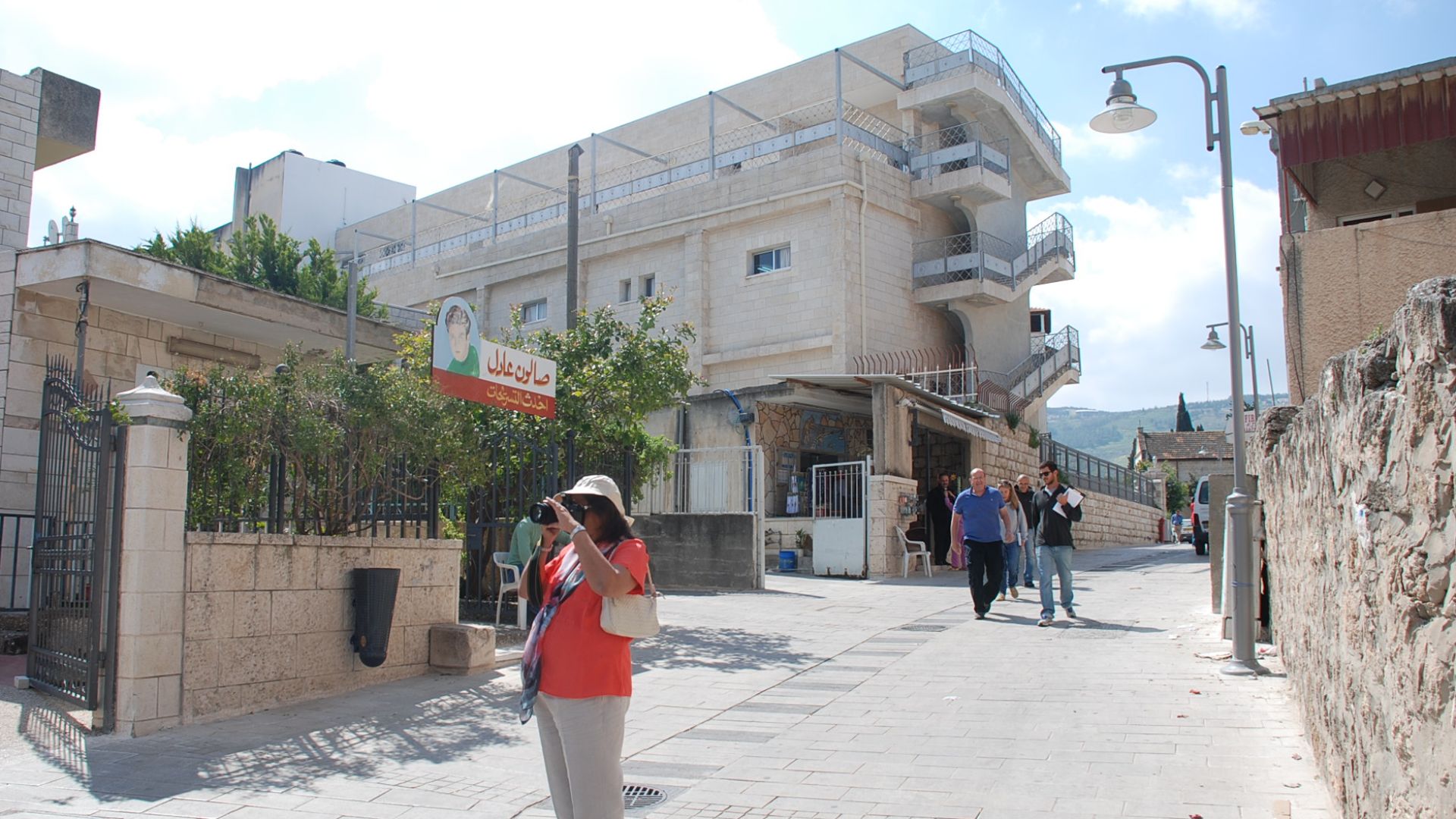
Kafr Kanna Became The Famous Choice
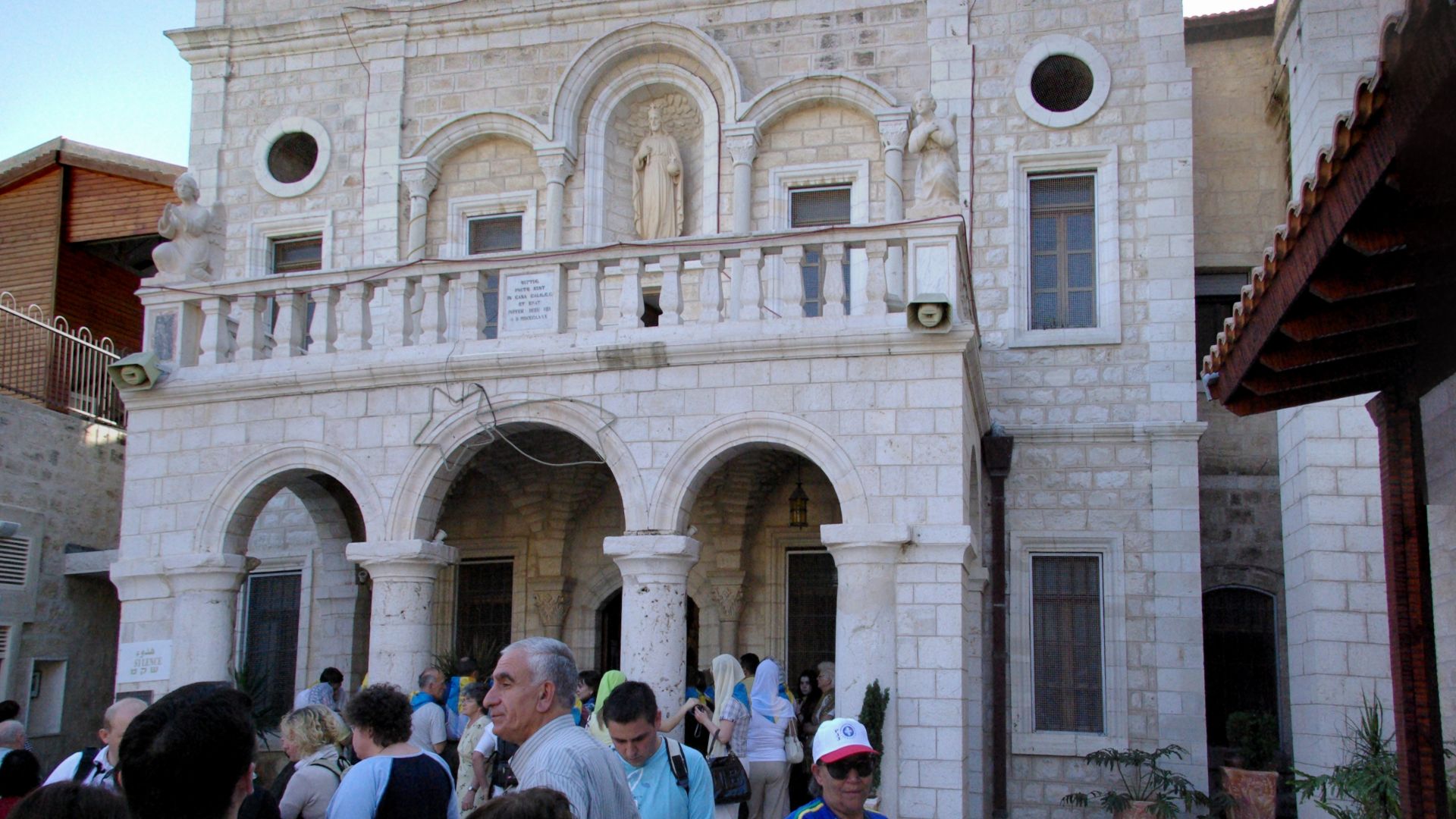
For centuries, Kafr Kanna has been the Cana most familiar to Christian pilgrims. Its Wedding Church commemorates the miracle, and the community remains a major stop on Holy Land tours. Yet the strength of a pilgrimage tradition does not automatically settle an archaeological question, especially when competing ancient evidence survives elsewhere.
 Berthold Werner, Wikimedia Commons
Then Khirbet Qana Entered The Picture
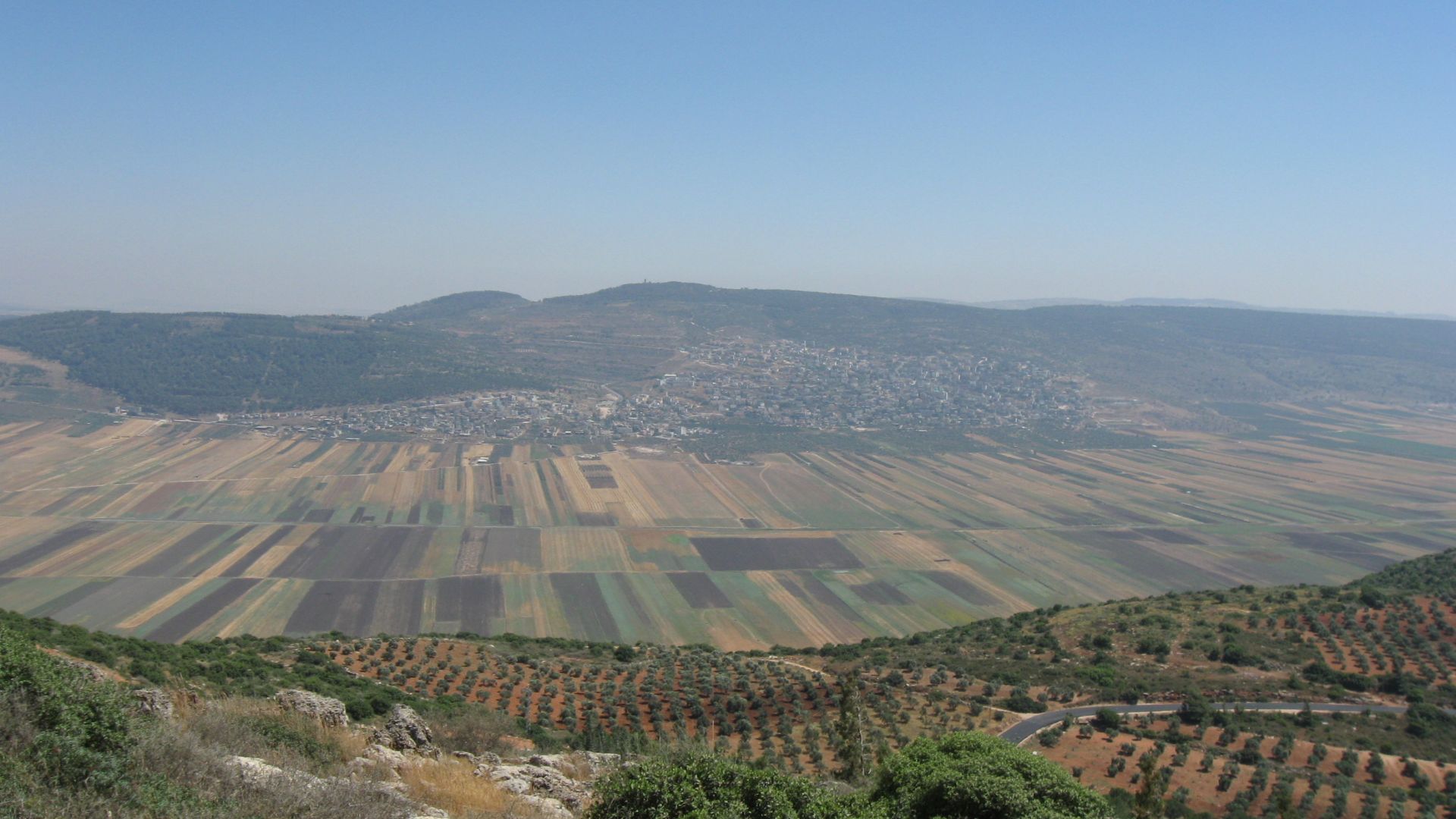
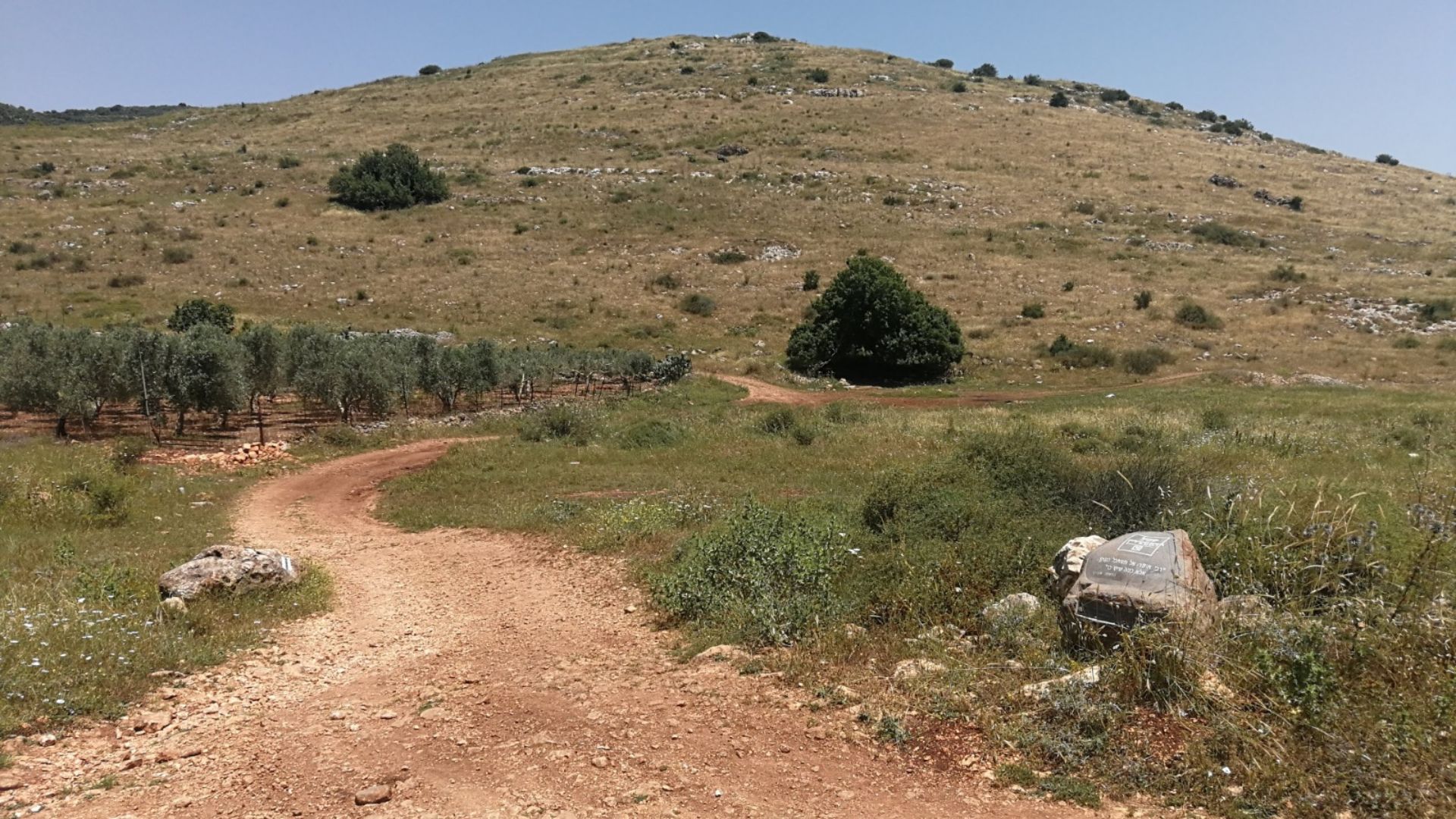
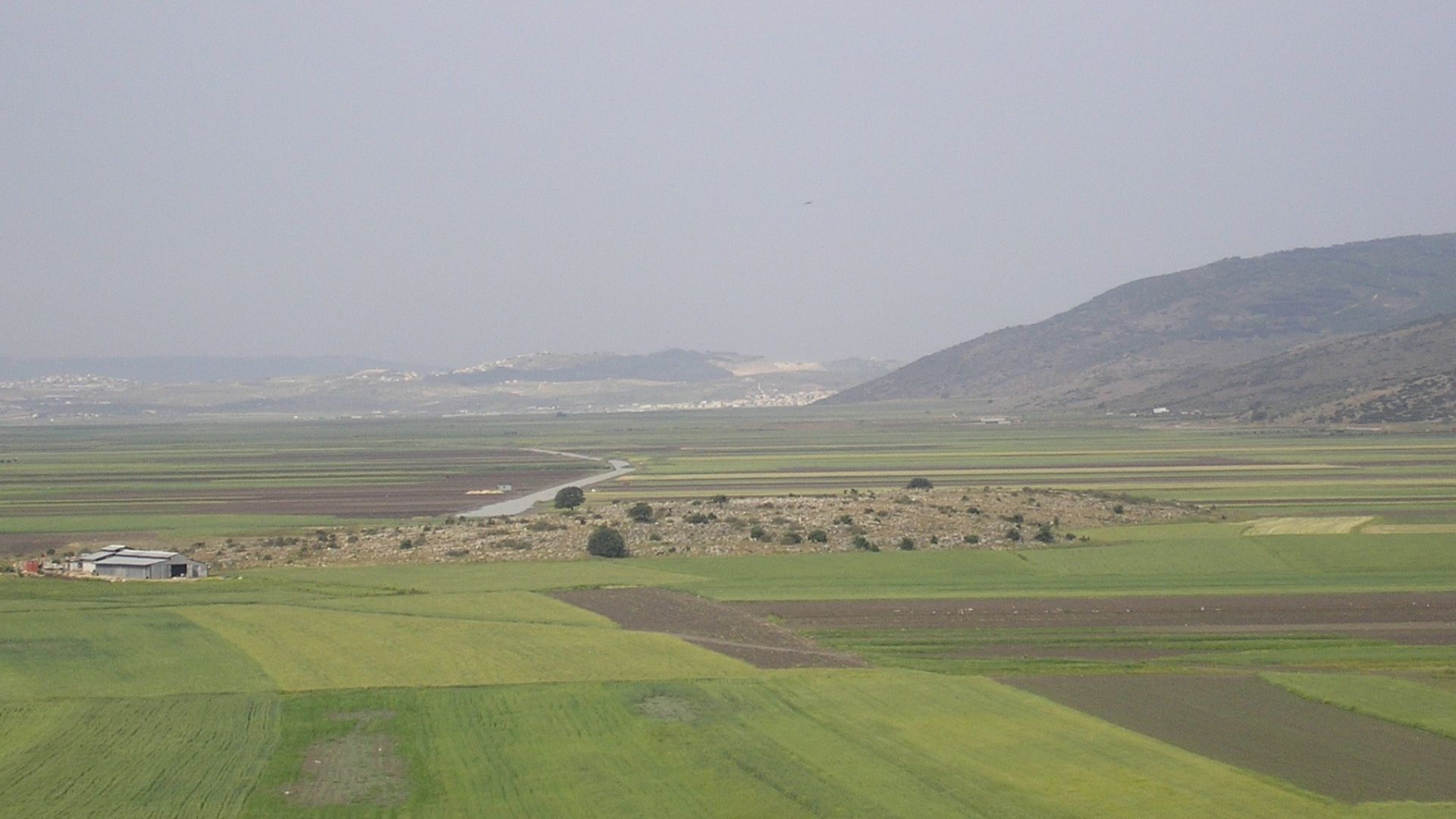
Khirbet Qana sits northwest of Nazareth overlooking the Bet Netofa Valley. Its name, location and archaeological remains have made it an increasingly serious candidate for biblical Cana. Instead of a modern town surrounding a famous church, visitors encounter the remains of an ancient settlement scattered across a limestone hillside.
The 2025 Headlines Need One Clarification
The Khirbet Qana evidence was widely reported again in 2025, but it was not all uncovered during a single dramatic excavation that year. Archaeologists have investigated the site since 1998. What 2025 brought was renewed attention to discoveries accumulated over years of fieldwork and to the argument built from them.
A Village In The Right Place And Time
Excavations showed that Khirbet Qana was occupied during the Hellenistic and Roman eras, putting a Jewish community there during roughly the period in which the Gospel story is set. That immediately made the ruins more interesting than a similar-sounding place without evidence of first-century settlement.
 Unknown creatorUnknown creator, Wikimedia Commons
The Dig Began In The 1990s
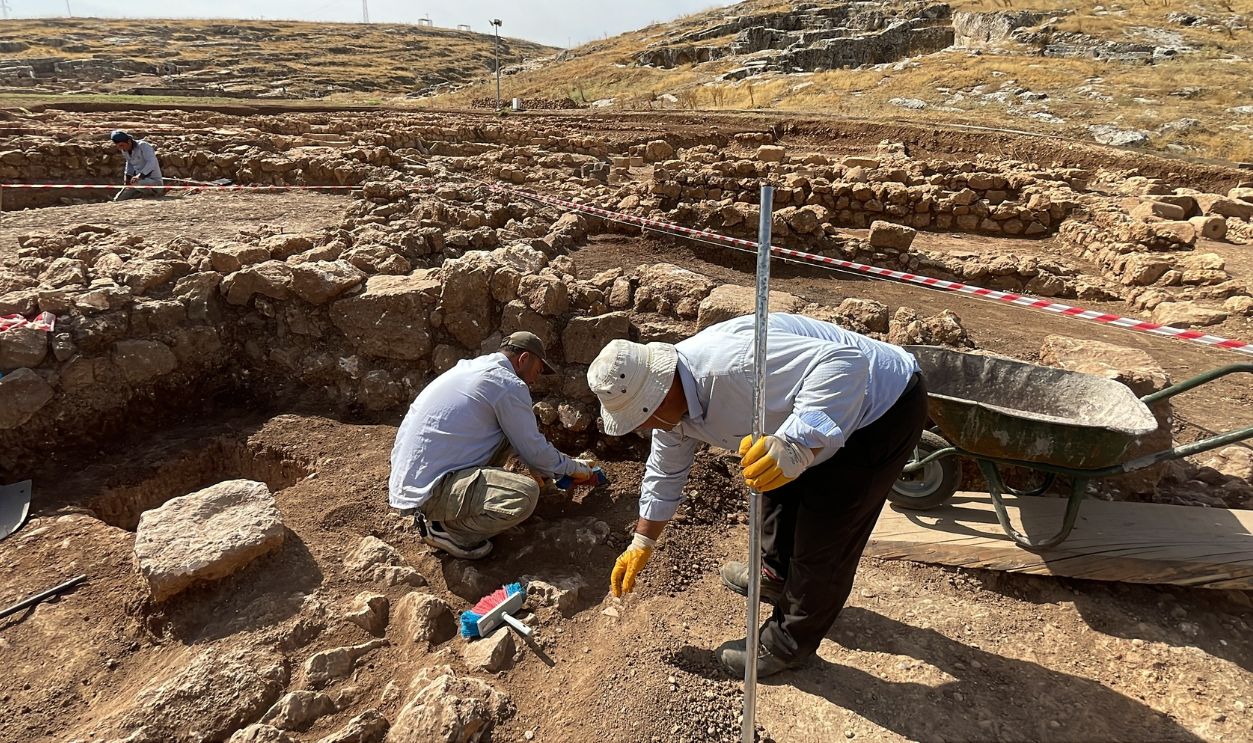
Excavations began in 1998 under archaeologist Douglas Edwards. Tom McCollough later joined the project, eventually becoming one of its leading researchers. Rather than uncovering one spectacular object that settled the question overnight, the team slowly assembled a case from architecture, coins, ritual installations and later Christian remains.
Signs Of A Jewish Community
The village produced evidence consistent with a Jewish population during the Roman period. Archaeologists identified ritual baths, ancient structures and other remains connected with Jewish life. That matters because John’s account specifically mentions stone vessels used for Jewish purification at the wedding.
The Ritual Baths Were An Important Clue
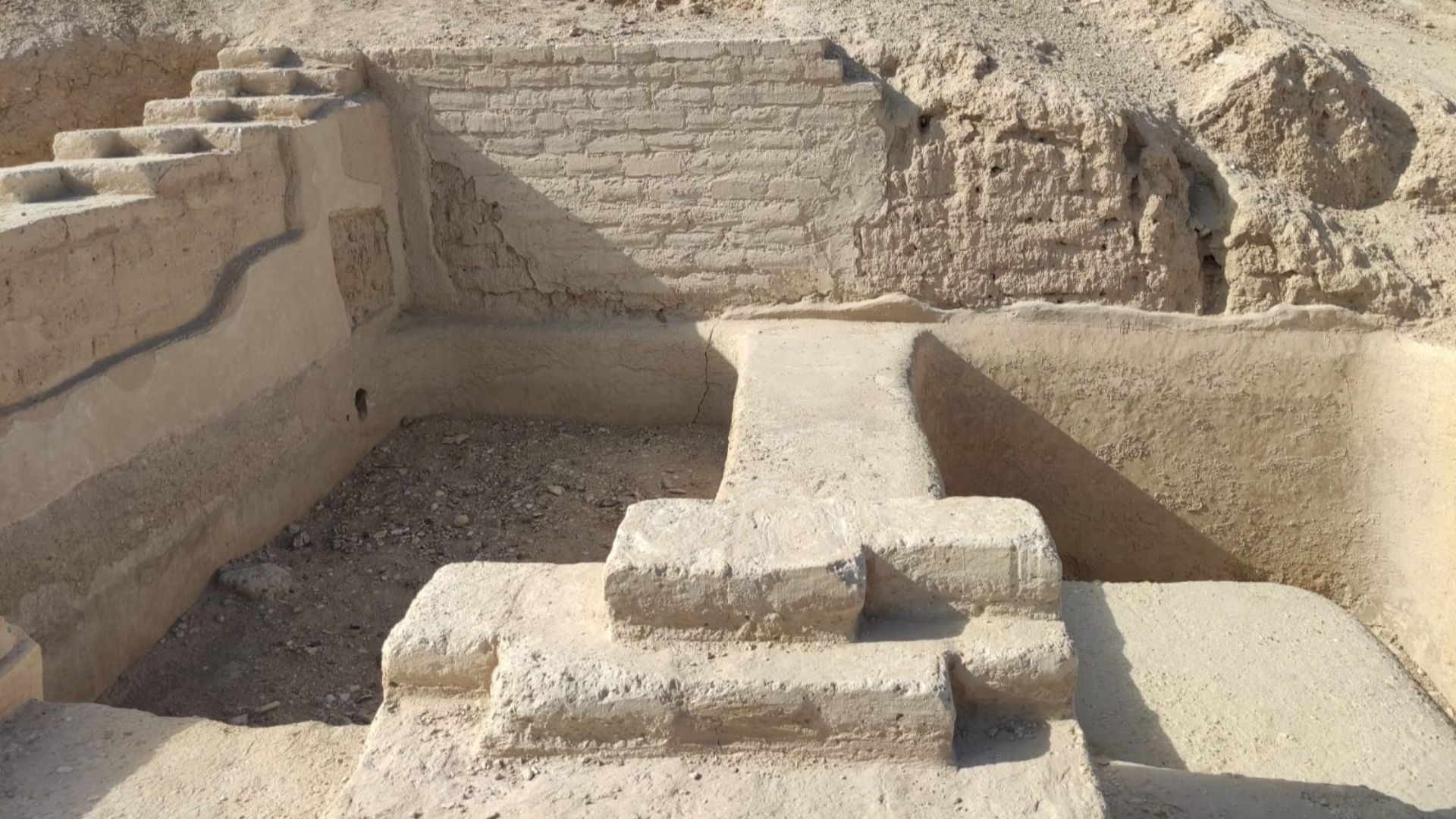
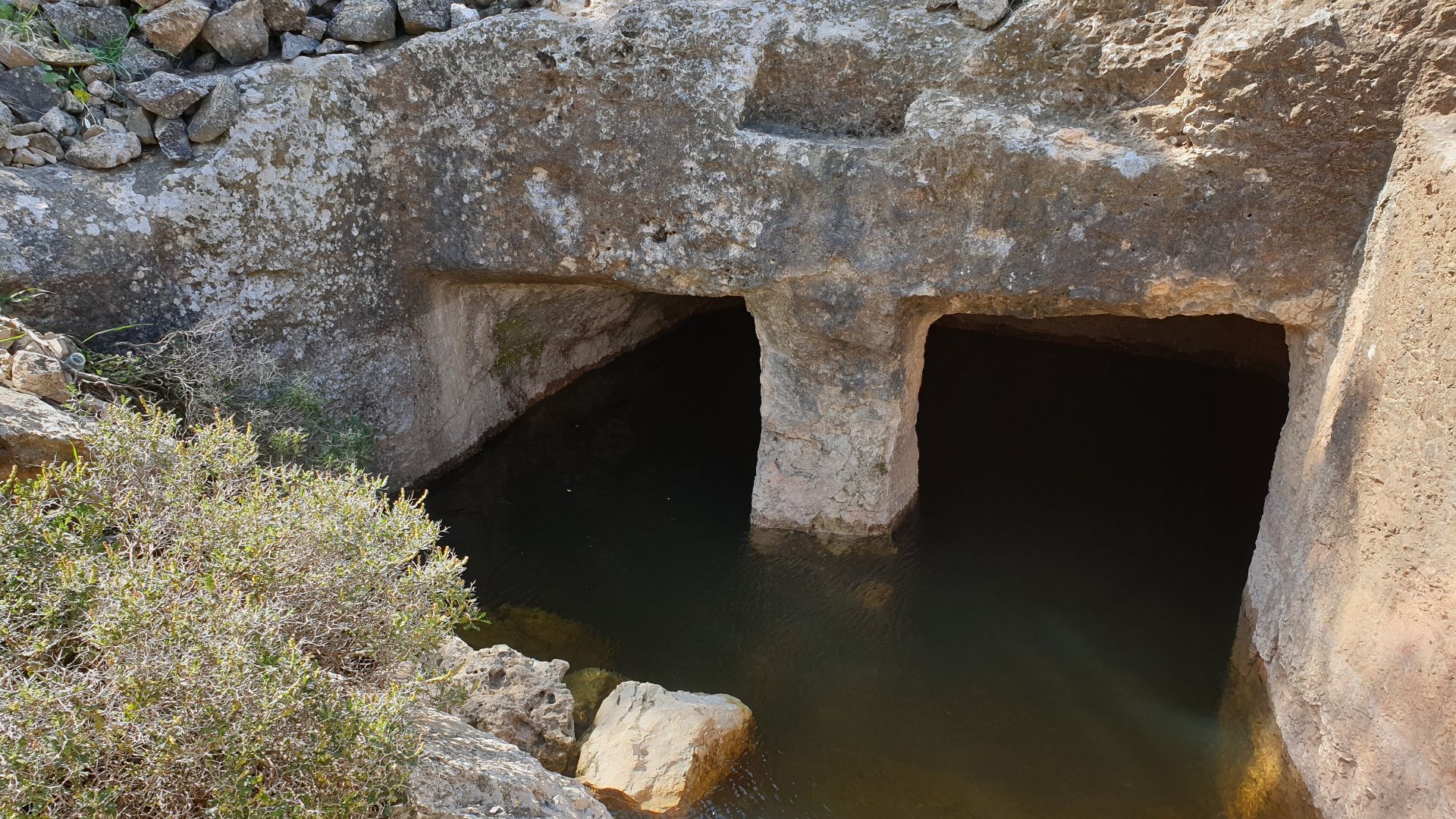
Several miqva’ot, or Jewish ritual baths, were discovered at Khirbet Qana. These installations strengthened the identification of the settlement as a Jewish community rather than simply another Roman-era Galilean village. They also provide an intriguing cultural backdrop to John’s reference to purification practices in his Cana story.
 Owenglyndur, Wikimedia Commons
Stone Vessels Added Another Connection
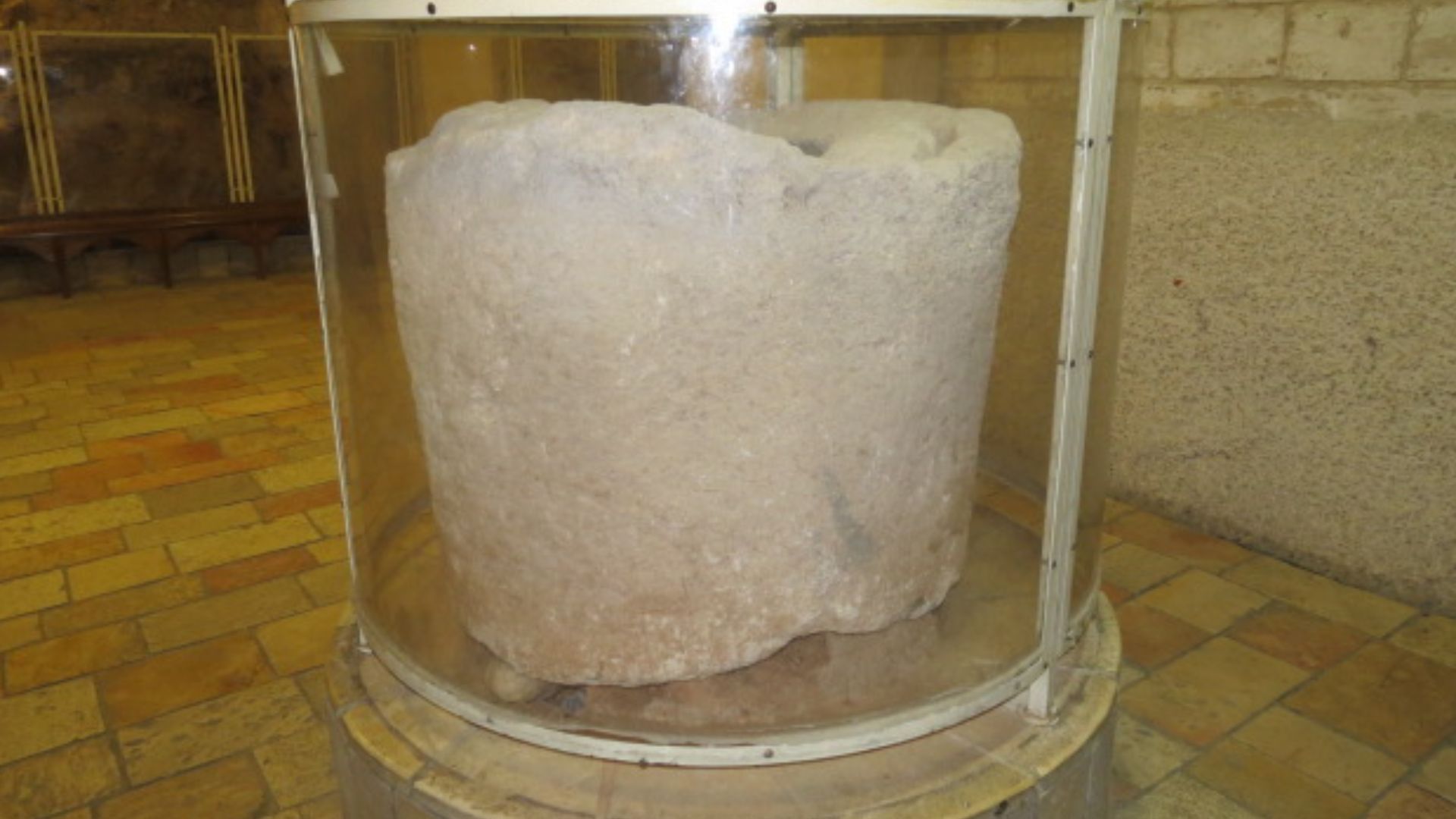
Stone vessels have particular significance in the archaeology of Jewish communities from this period because stone was treated differently from pottery under ancient purity practices. Their presence does not prove the wedding story occurred here, but it places the biblical description within a recognizable first-century Galilean setting.
A Possible Synagogue Emerged
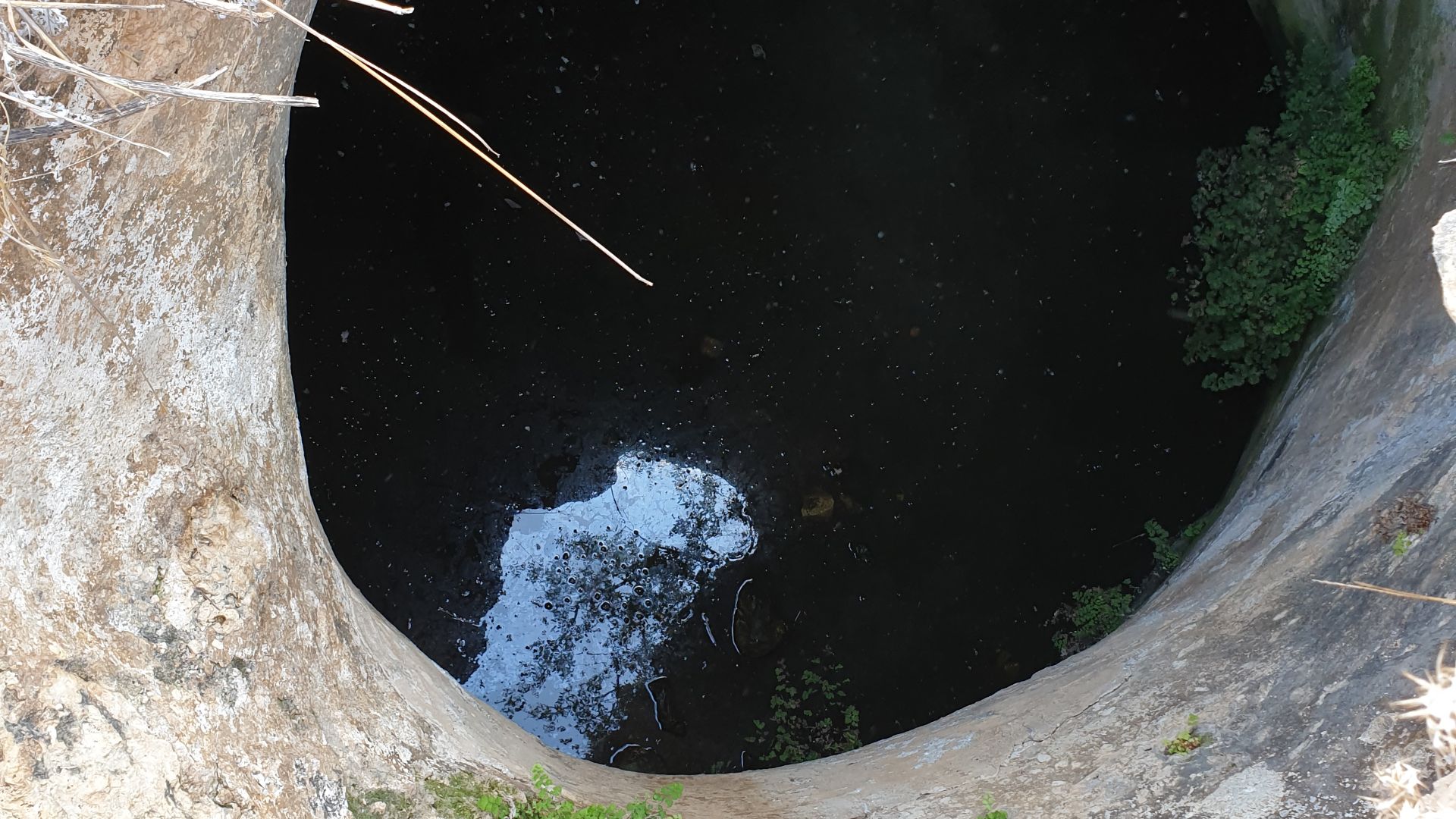
Researchers also uncovered a building interpreted as a Roman-period synagogue or Jewish communal study space. Combined with the ritual baths and other material, it added to the picture of Khirbet Qana as an active Jewish settlement rather than an insignificant patch of ruins on a hill.
 Owenglyndur, Wikimedia Commons
Coins And Writing Filled Out The Picture
Finds from Khirbet Qana included Hasmonean-era coins and an ostracon, a pottery fragment bearing Hebrew letters. Individually, none carries a label saying “Cana of Galilee.” Together, however, such finds help archaeologists reconstruct the cultural identity and long history of the community that once occupied the site.
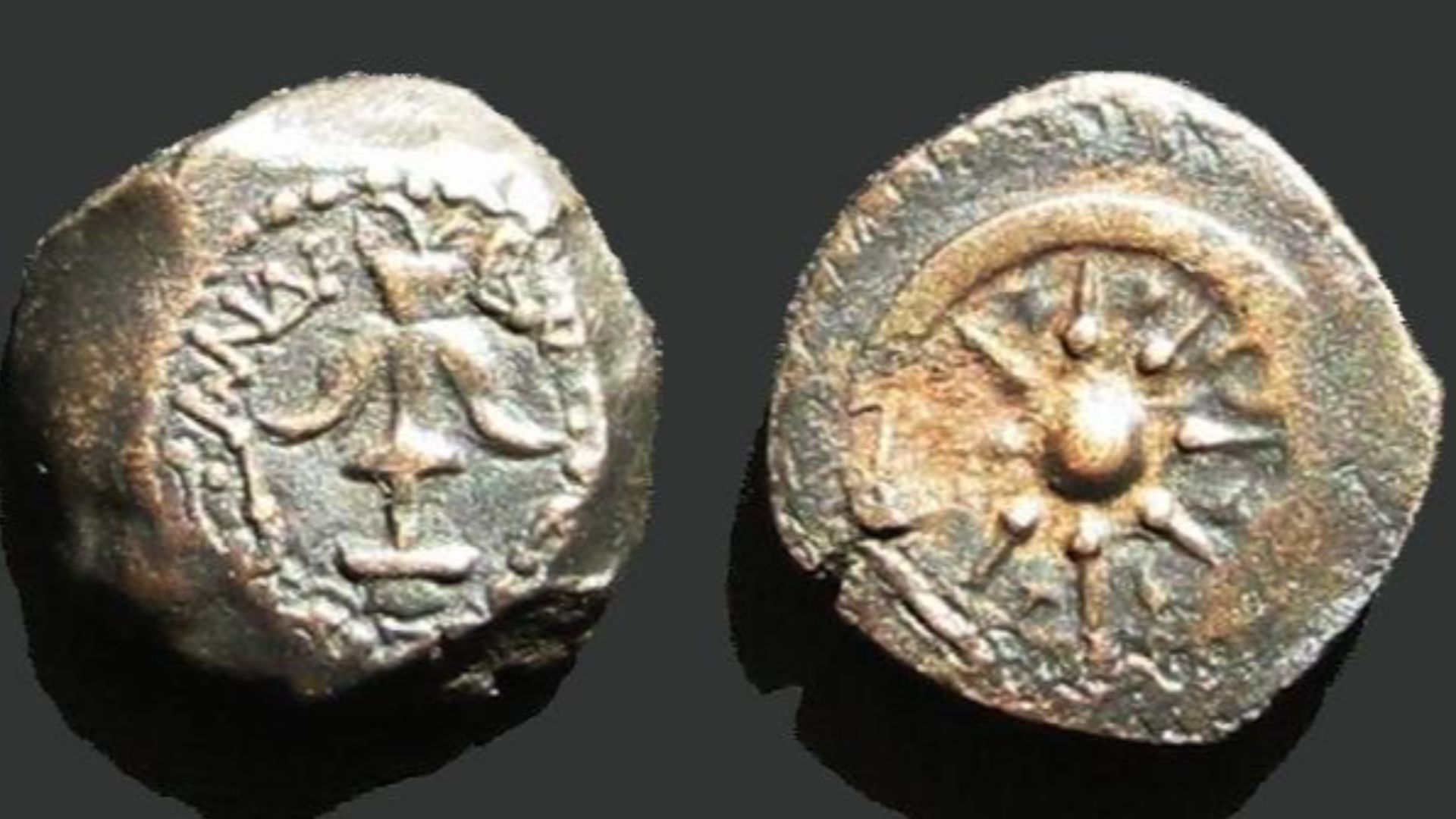
Then Archaeologists Went Underground
The most eye-catching evidence came from a network of caves beneath the settlement. One excavated section had clearly been adapted for Christian religious use centuries after the time of Jesus. Suddenly the question was no longer simply whether Jews had lived at Khirbet Qana, but what later Christians believed about it.
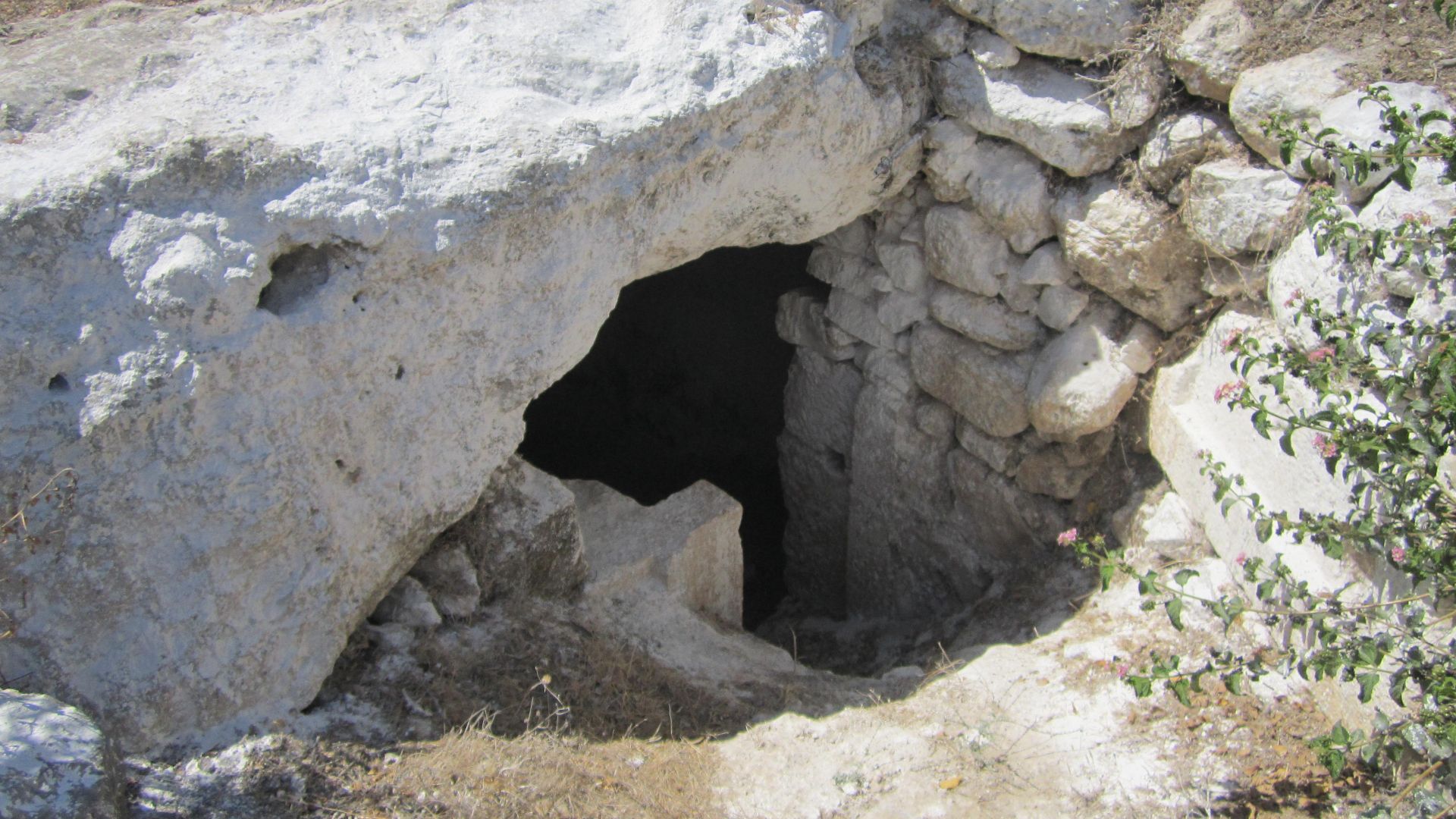
Pilgrims Left Their Mark
The cave walls contained Christian graffiti, including crosses and Greek writing. One inscription invokes “Lord Jesus,” while others appear to preserve pilgrims’ names. The evidence indicates that Christians were visiting and venerating the complex during the Byzantine period, centuries before modern tourism transformed the Holy Land.
 Owenglyndur, Wikimedia Commons
An Unusual Altar Appeared
Inside the complex, excavators found what McCollough and his colleagues interpreted as a makeshift altar constructed using a sarcophagus lid. Crosses had been carved into it, and part of its surface appeared worn, possibly through repeated contact by pilgrims visiting the chamber.
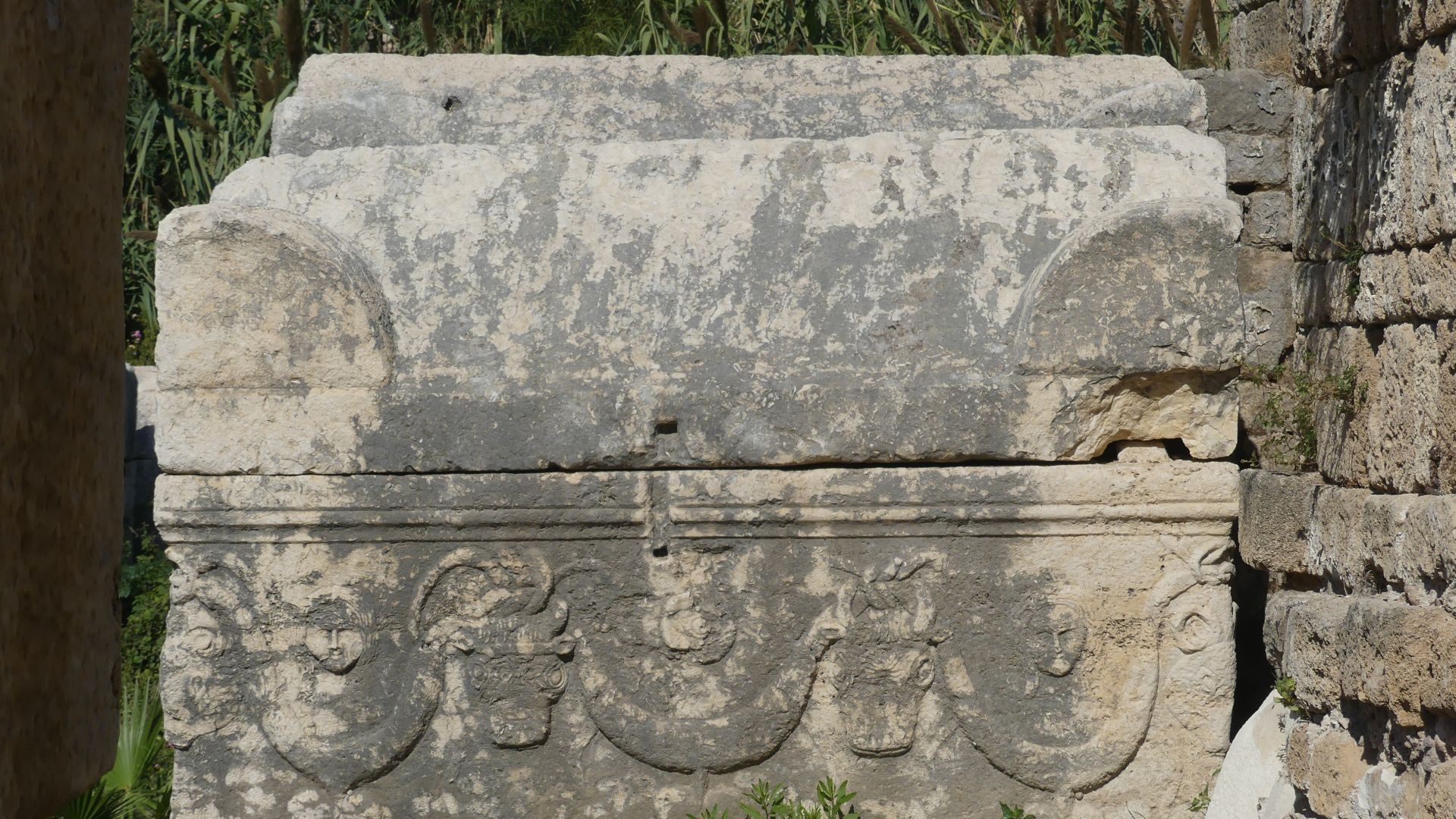 RomanDeckert, Wikimedia Commons
Then Came The Six-Jar Connection
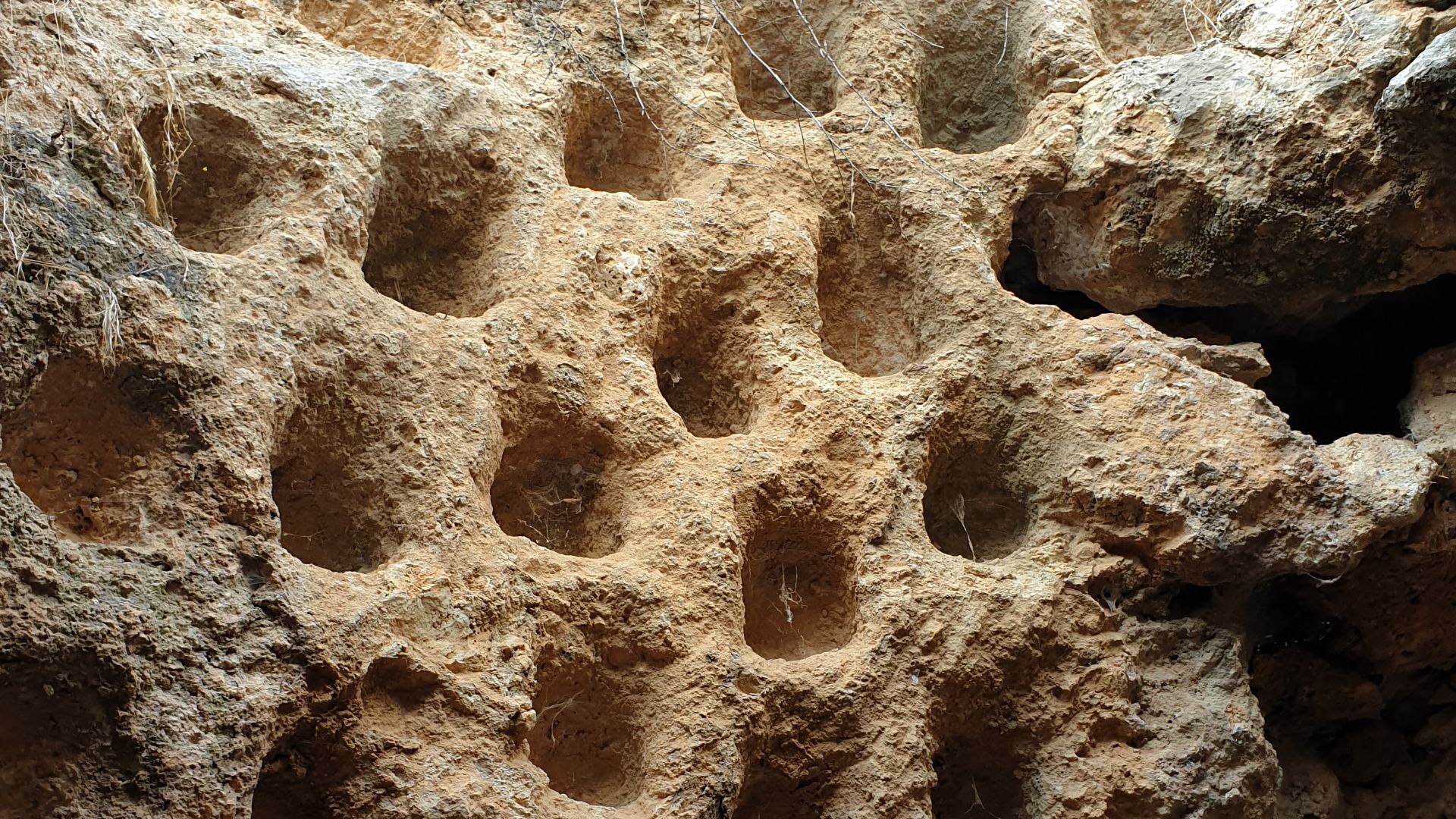
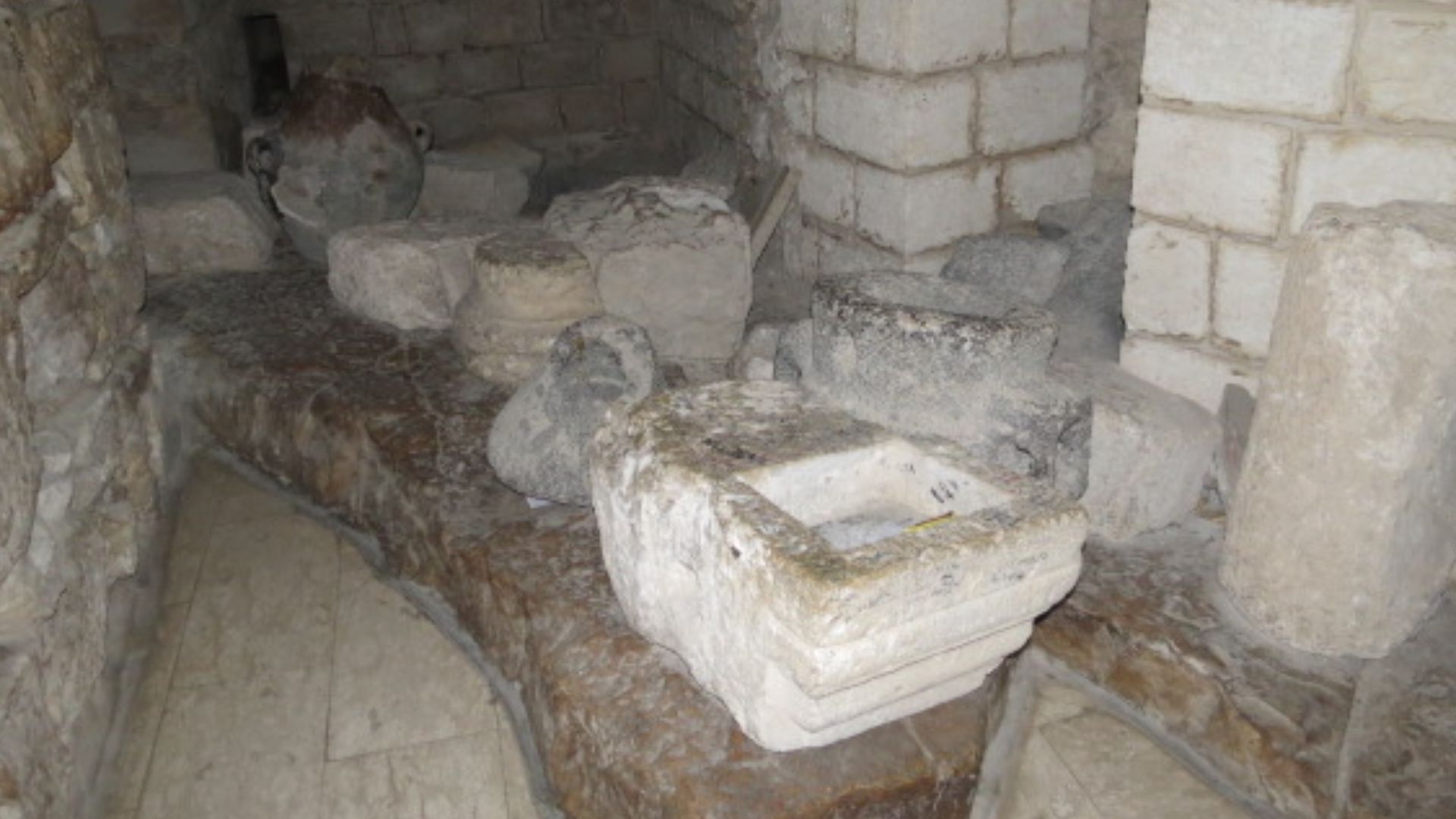
Above the altar was a shelf associated with two stone vessels, with room for four additional vessels. For researchers studying Cana, that arrangement was impossible to ignore. John’s account famously specifies six stone water jars, making the cave’s layout especially intriguing to those who believe pilgrims were commemorating the miracle here.
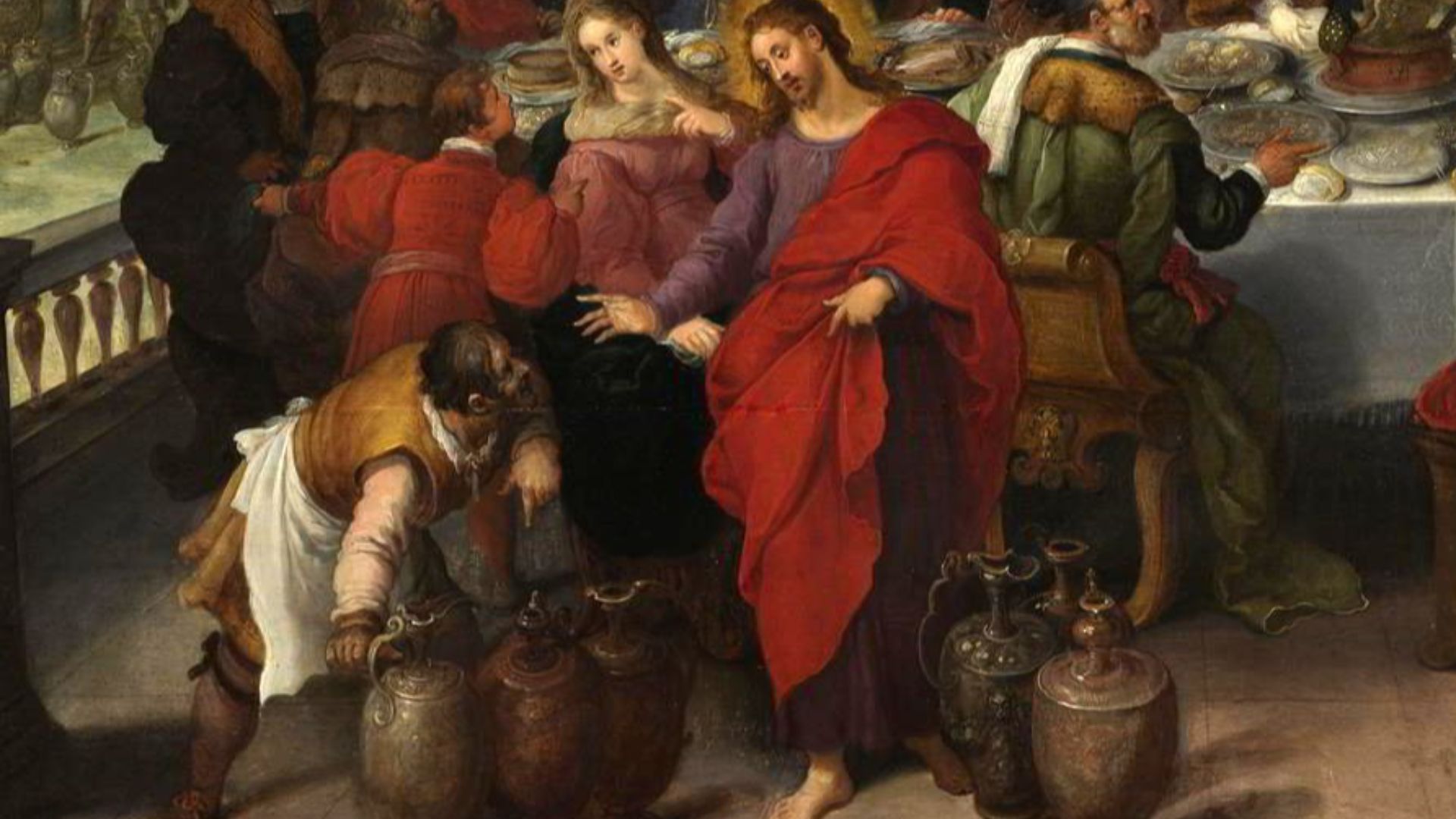 Frans Francken the Younger, Wikimedia Commons
It Does Not Mean They Found Jesus’ Jars
This is where archaeology requires a cool head. The objects cannot be demonstrated to be the actual vessels described in John, nor can archaeology establish that water became wine. The stronger conclusion is that later Christians apparently connected Khirbet Qana with the story and created a place of veneration there.
That Early Tradition Still Matters
For identifying ancient biblical places, knowing what early communities believed can be valuable. Evidence suggests the Khirbet Qana cave complex was used by Christian pilgrims from roughly the late fifth or early sixth century through the Crusader era. That gives the site a long religious memory well before modern archaeological interest.
Geography Also Helps Khirbet Qana
Khirbet Qana lies roughly nine miles from Nazareth and near the Bet Netofa Valley. Researchers supporting its identification argue that this setting fits references to Cana and the geography described by first-century historian Josephus better than some rival candidates. Geography, ancient roads and settlement patterns all become pieces of the same puzzle.
Even Josephus Enters The Mystery
Josephus wrote of a Galilean village named Cana while describing events of the first century. Scholars have long tried to match his references with archaeological sites around the Bet Netofa region. McCollough argues that Khirbet Qana works particularly well, although that identification is not universally accepted.
 Scan by NYPL, Wikimedia Commons
Pilgrims May Have Preferred An Easier Road
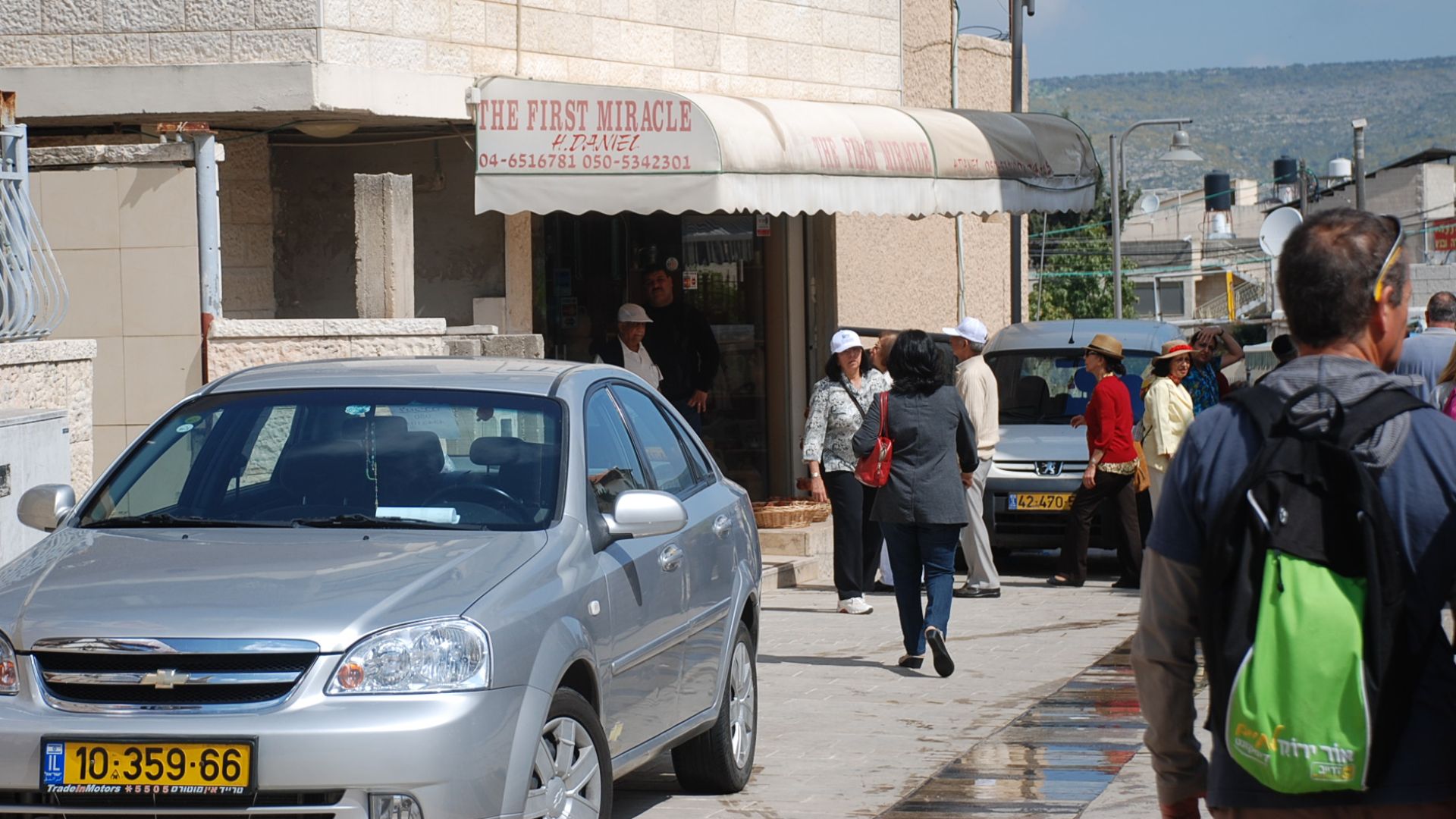
One explanation offered for Kafr Kanna’s later prominence is wonderfully practical: it was easier to reach. Anyone who remembers family road trips before GPS knows convenience matters. Over centuries, accessible pilgrimage destinations could eclipse harder-to-reach locations, even when an older tradition had pointed somewhere else.
 Stephanie Gromann, Wikimedia Commons
Kafr Kanna Is Not Archaeologically Empty
There is an important wrinkle. Archaeology around Kafr Kanna, particularly at nearby Karm er-Ras, has indeed revealed substantial Hellenistic and Roman-period settlement, including Early Roman buildings and a miqveh. So the debate cannot simply be reduced to “archaeology versus tradition.” Both areas possess serious ancient credentials.
A 2025 Study Actually Backed The Rival
The plot thickened considerably in June 2025. The Israel Antiquities Authority published archaeologist Yardenna Alexandre’s extensive report on excavations at Karm er-Ras, on the western side of modern Kafr Kanna. After analyzing archaeology and literary sources, Alexandre argued that Karm er-Ras itself should be identified as Cana of Galilee.
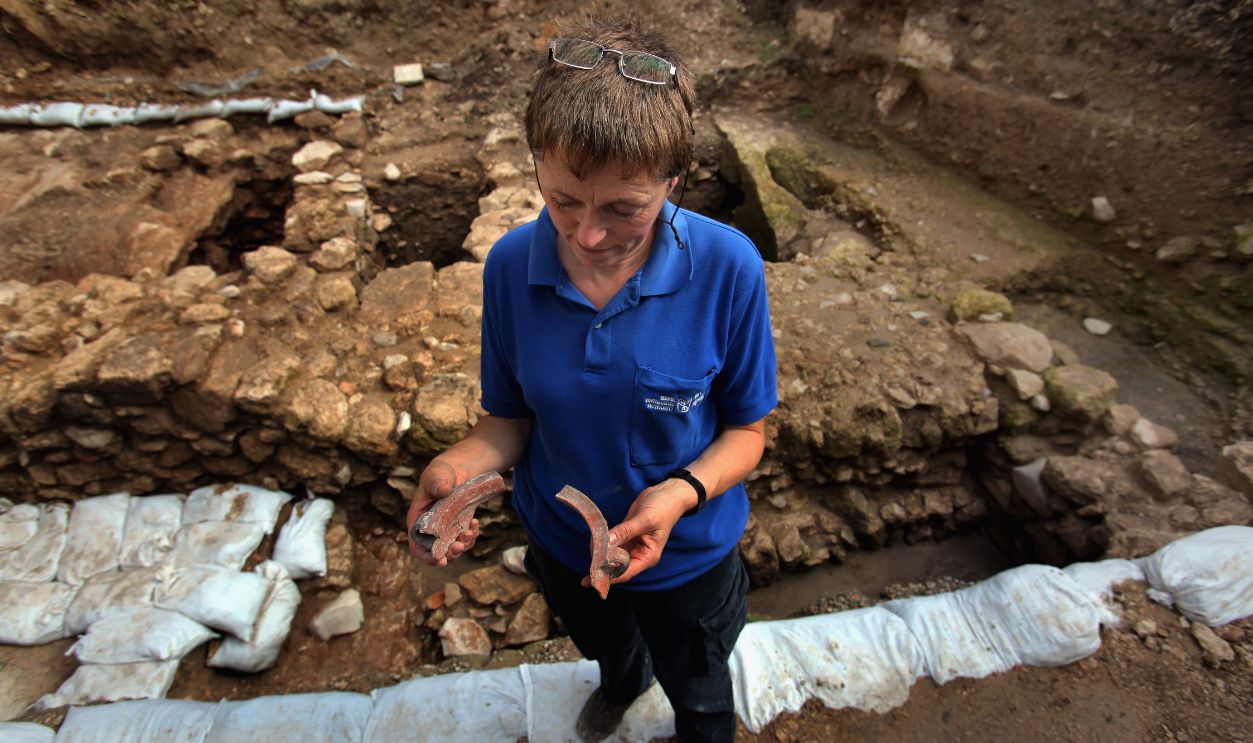
Archaeology Cannot Prove The Miracle
Even if scholars eventually agree on which village was biblical Cana, that would answer a geographical question, not scientifically verify a miracle. Archaeology can establish when settlements existed, who lived there and what later pilgrims believed. The transformation of water into wine belongs to the theological claim preserved in John.
 Maerten de Vos, Wikimedia Commons
Where Science And Faith Cross Paths
That distinction makes Khirbet Qana so fascinating. Trowels, pottery, inscriptions and ancient walls can illuminate the physical world behind a religious text without deciding questions of faith. For believers and skeptics alike, the site offers a rare glimpse of how biblical tradition, historical memory and material evidence can intersect.
The Search Is Far From Finished
Future excavations and reanalysis may strengthen one candidate or complicate matters further. Khirbet Qana possesses impressive evidence of an ancient Jewish village and early Christian veneration, while Karm er-Ras now has a detailed archaeological case of its own. In archaeology, a good mystery often survives precisely because new discoveries keep improving the questions.
 Son of Groucho from Scotland, Wikimedia Commons
Cana Remains A Place Between Two Worlds
Khirbet Qana has not supplied a smoking gun proving that Jesus’ first miracle occurred there. What it has supplied is something almost as captivating: evidence that Christians many centuries ago may already have regarded this hillside village as Cana. The search therefore remains poised at that enduring crossroads between archaeology, history and faith.
You May Also Like:
Things Canadians Notice Immediately When They Drive Through The American Southwest
Top Five Restaurants In The World
The U.S. Cities That Canadians Say Are Better Tourist Destinations Than They Expected