An Unexpected Question
If an intelligent alien arrived on Earth, you can imagine what scientists would ask first. But when a Vatican astronomer faced a room full of reporters, someone asked something very different: would he baptize an extraterrestrial? His answer got a laugh. Then it made headlines.
The Vatican Really Does Have Astronomers
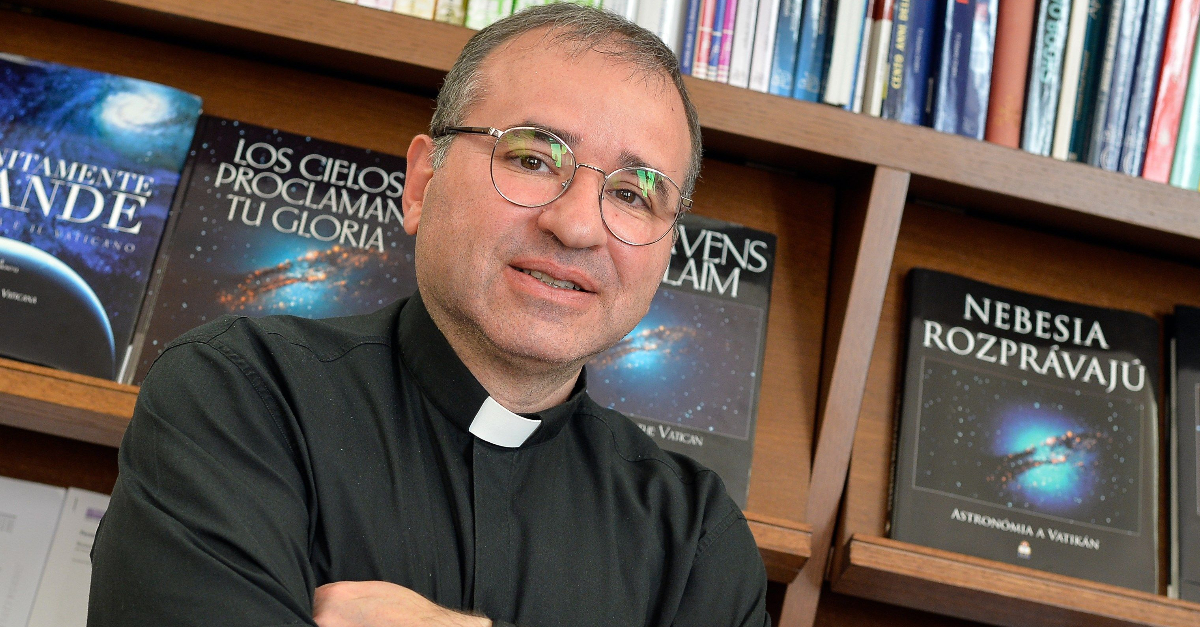
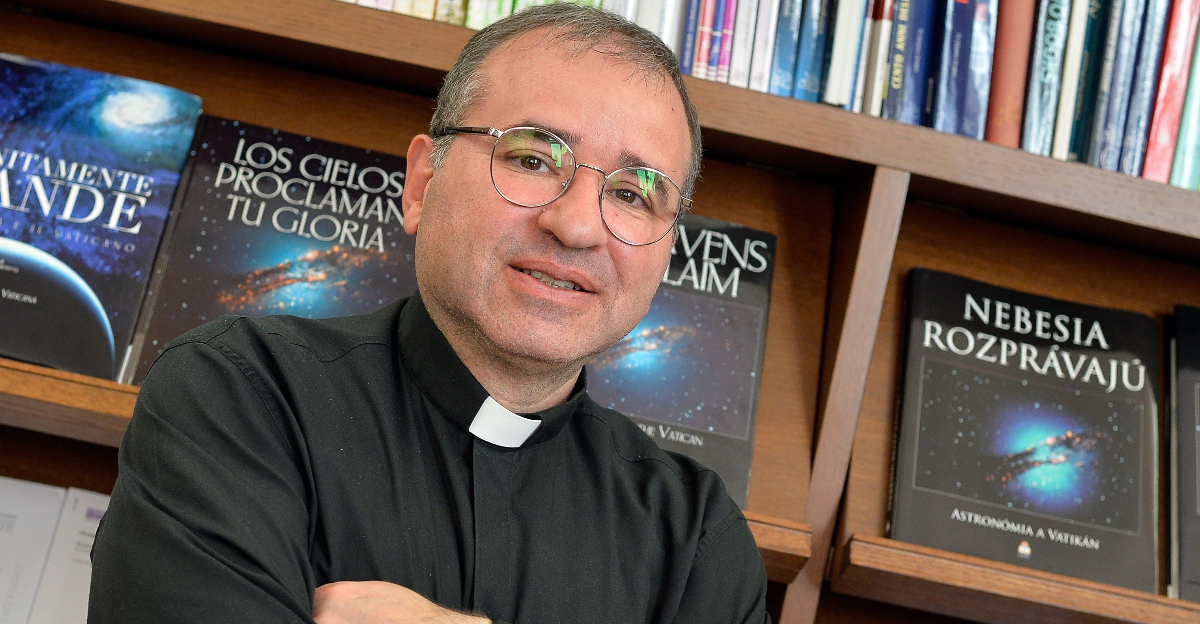
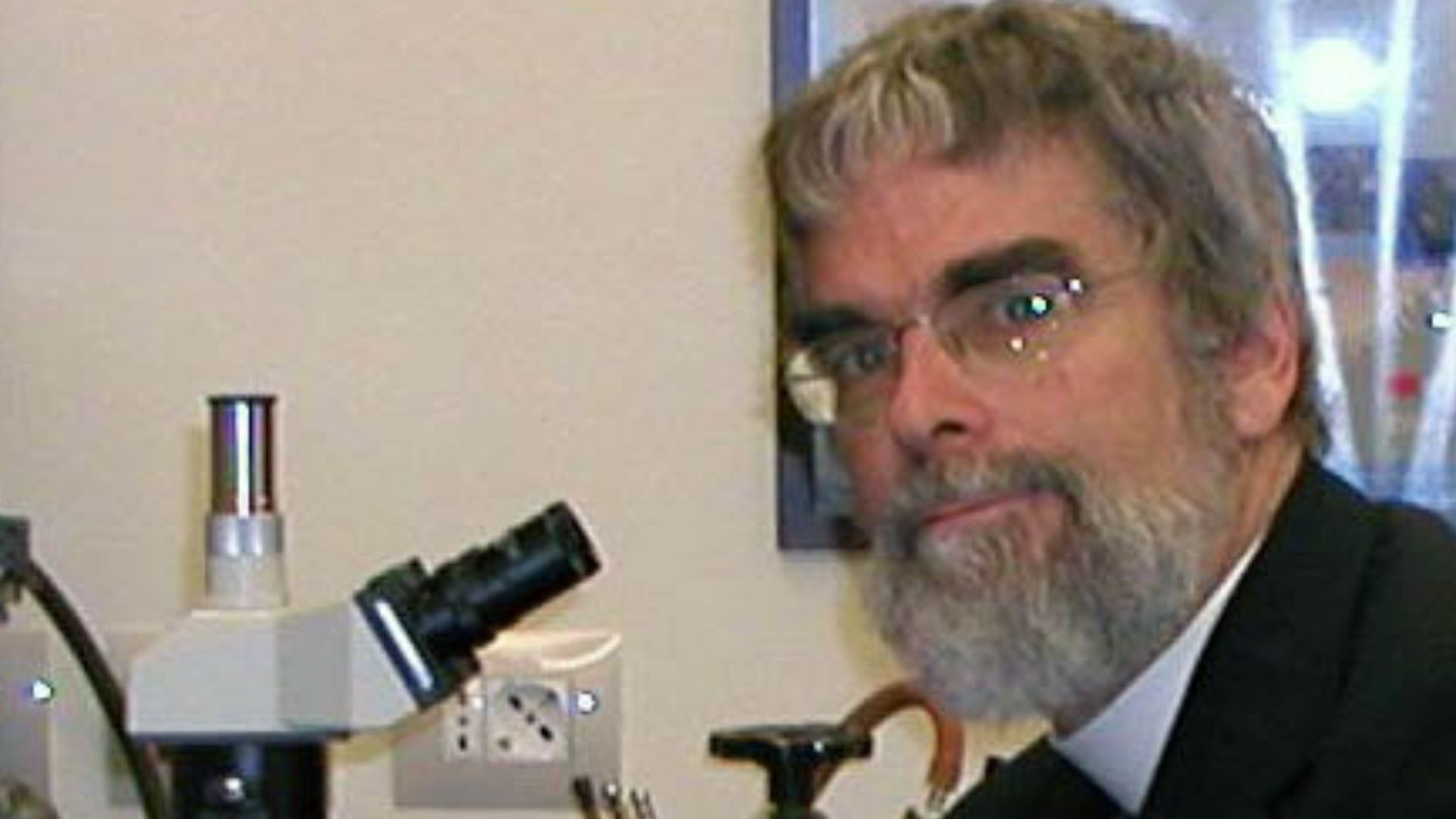
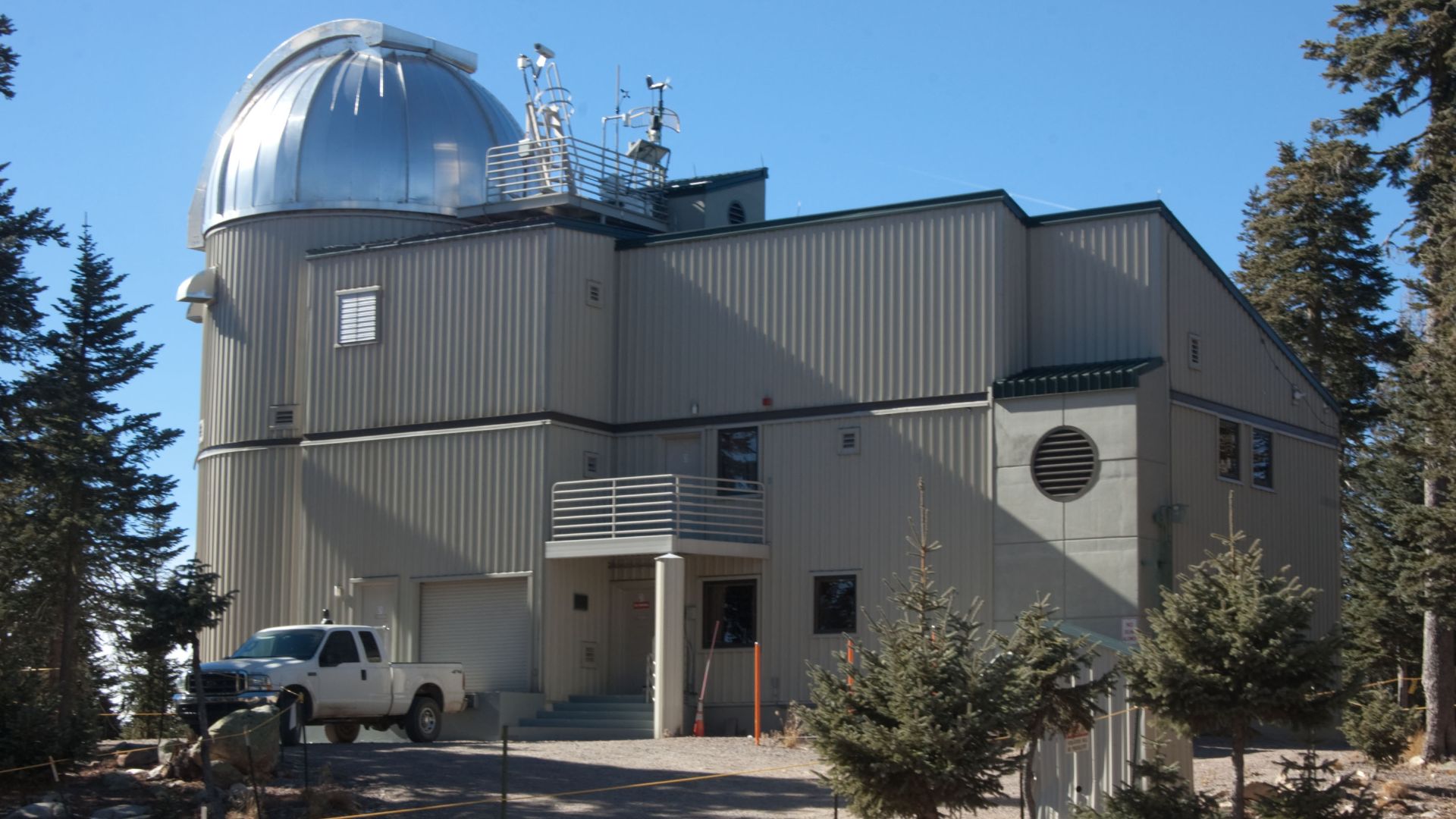
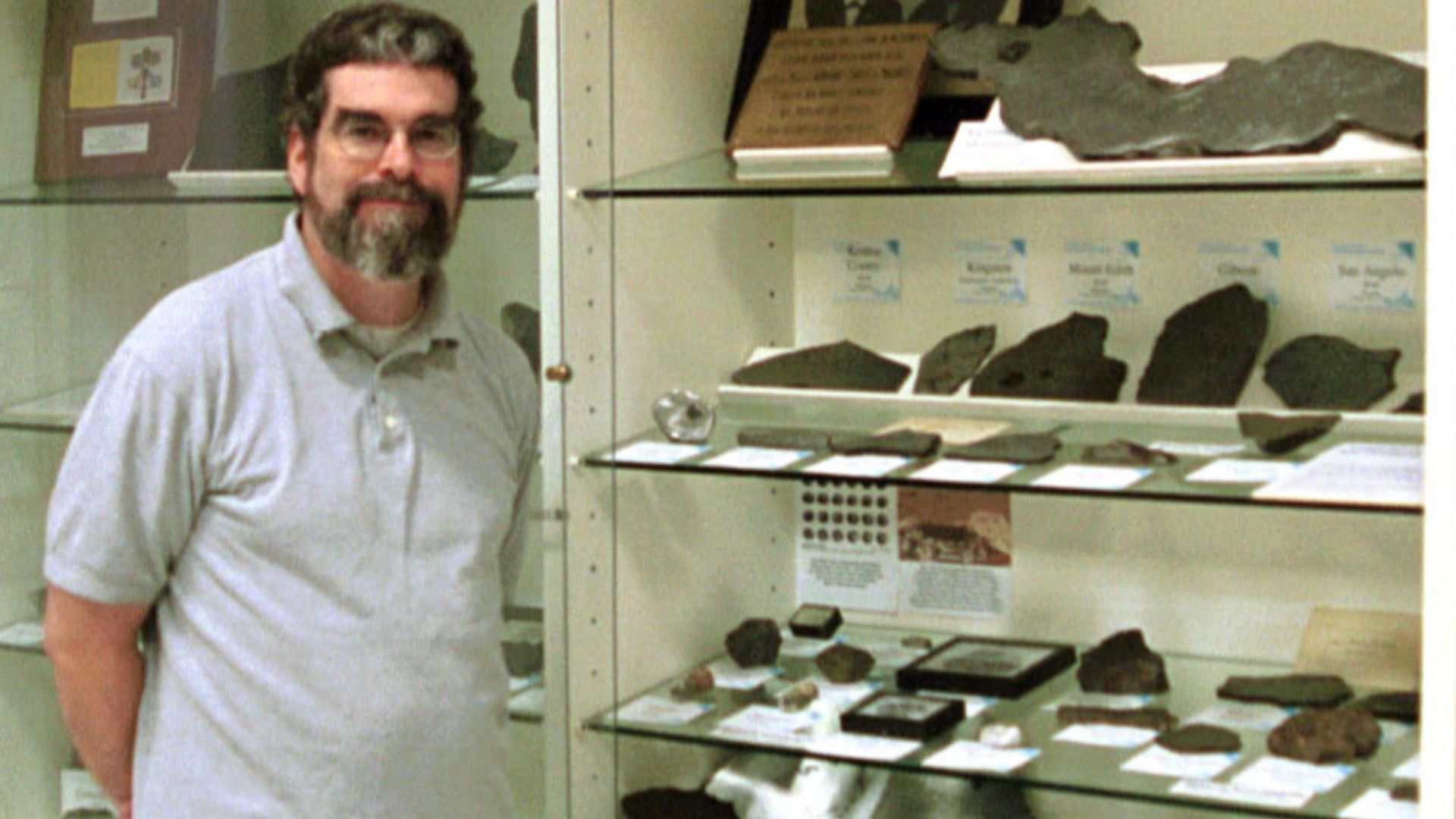
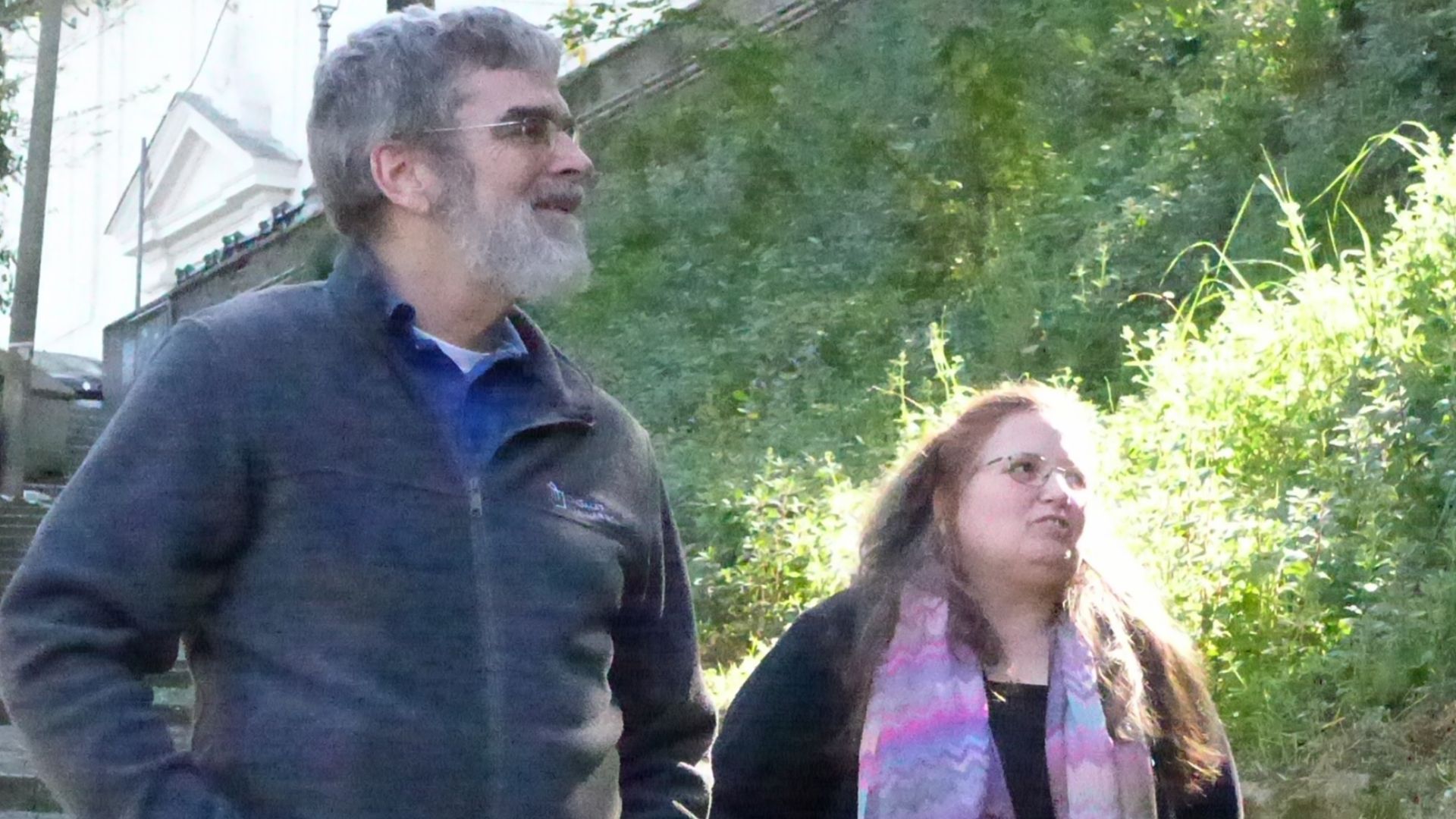
Brother Guy Consolmagno works at the Vatican Observatory, the Catholic Church’s astronomical research institute. Its staff study the universe, and they also hear from people curious about where science and faith meet. Consolmagno says one question comes up again and again: would they baptize an alien?
 Robert Macke, Wikimedia Commons
The Question Came In 2010
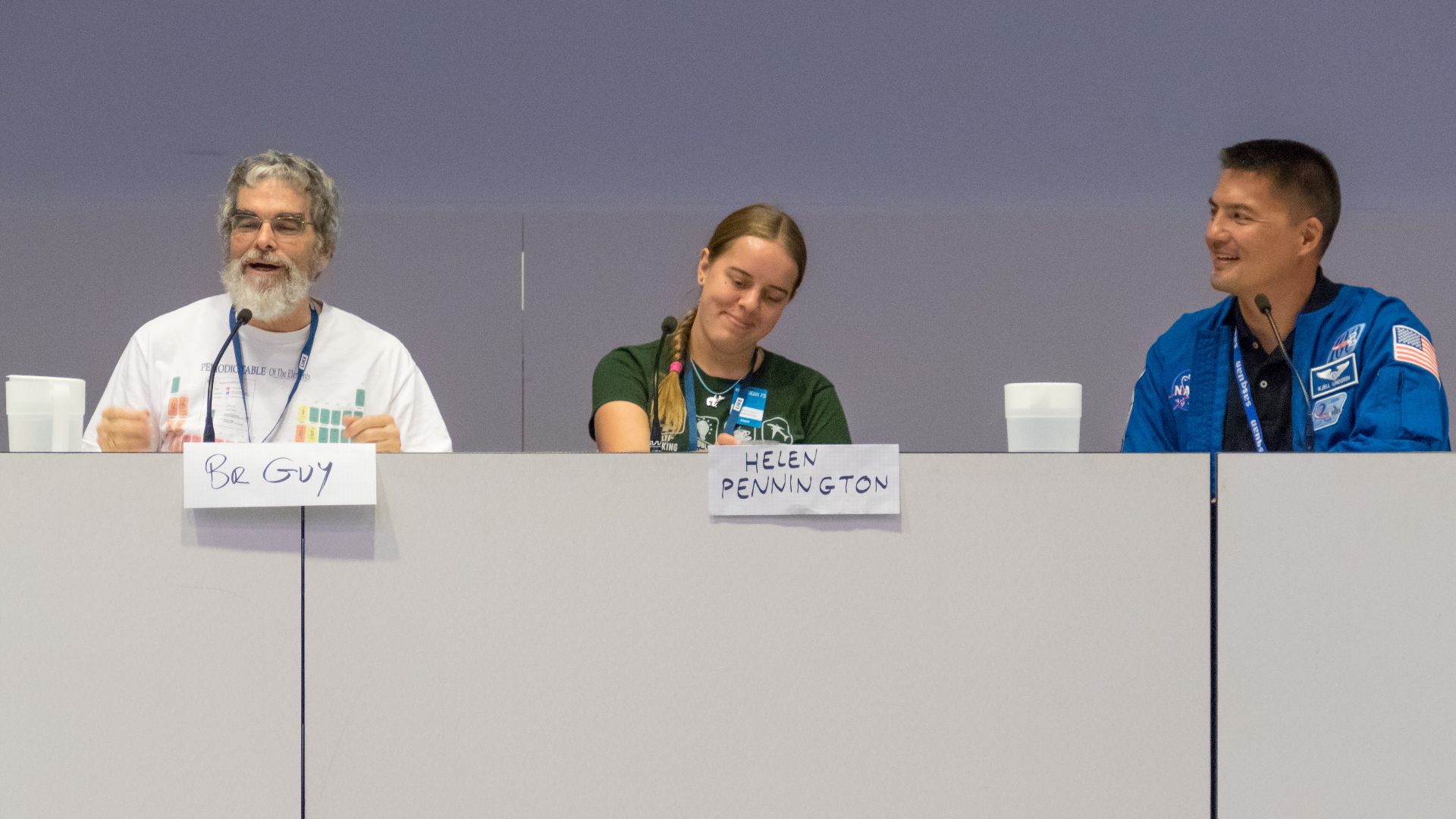
Consolmagno was in Birmingham, England, for a science festival when reporters interviewed him. Pope Benedict XVI was visiting the city around the same time, so the conversation kept turning to the pope. Then one reporter asked the question that would follow Consolmagno for years.
His Answer Was Short
News reports quoted Consolmagno’s reply as “Only if they asked.” That is a more welcoming answer than some people might expect, though there is a condition tucked inside it. The visitor would have to want baptism. Consolmagno was not suggesting anyone chase an alien around with a bucket of water.
 Markku Lappalainen, Wikimedia Commons
But He Remembers Saying It Differently
When Consolmagno later told the story, he recalled answering, “Only if she asks!” The difference is small, but his explanation adds something important: he intended the line to be funny. He says it got the laugh he wanted from the reporters. The headlines came afterward.
 Markku Lappalainen, Wikimedia Commons
The Headlines Made It Sound Official
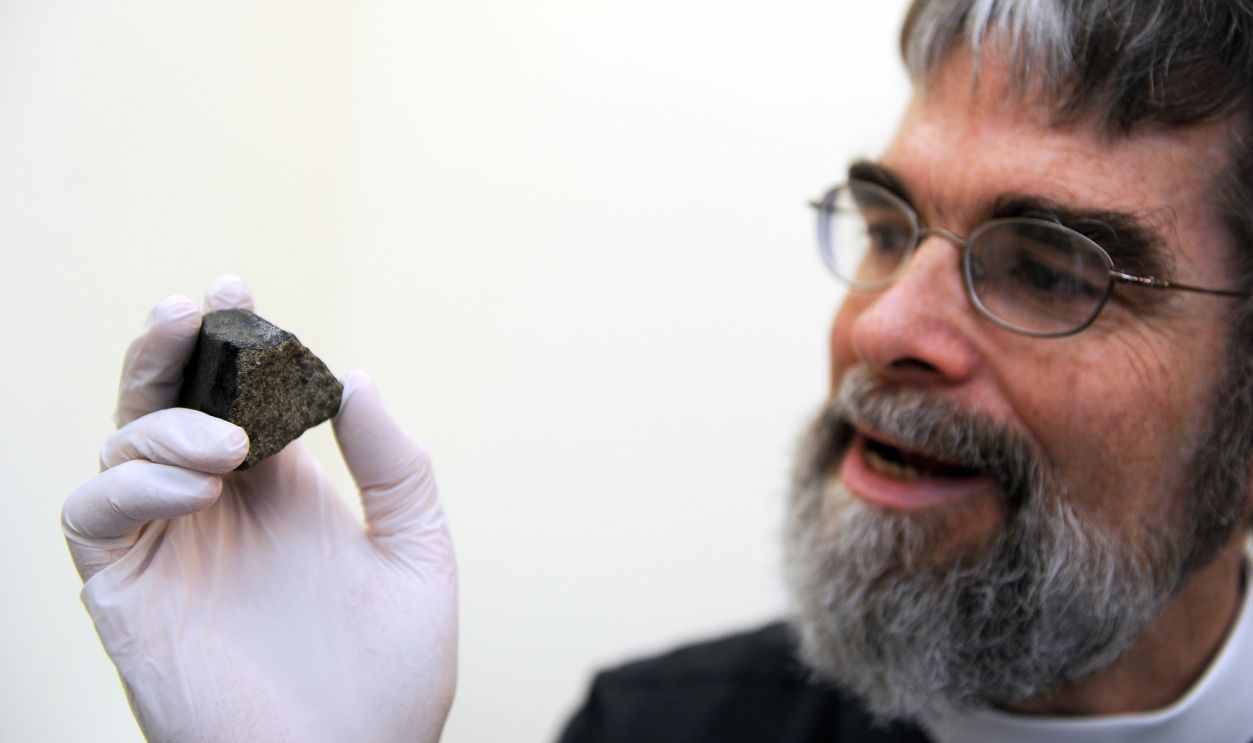
Consolmagno has said some stories treated his remark as though the Vatican had issued a position on aliens. It hadn’t. This was one astronomer answering a hypothetical question at a science festival. He stood by the idea behind his answer, though, and later wrote about it in more detail.
So What Did He Mean?
Consolmagno’s point was that if an intelligent extraterrestrial understood Christianity and asked to be baptized, he would not reject the request simply because the visitor came from another planet. That is a fascinating answer. It also assumes humans and aliens could understand each other well enough to have that conversation.
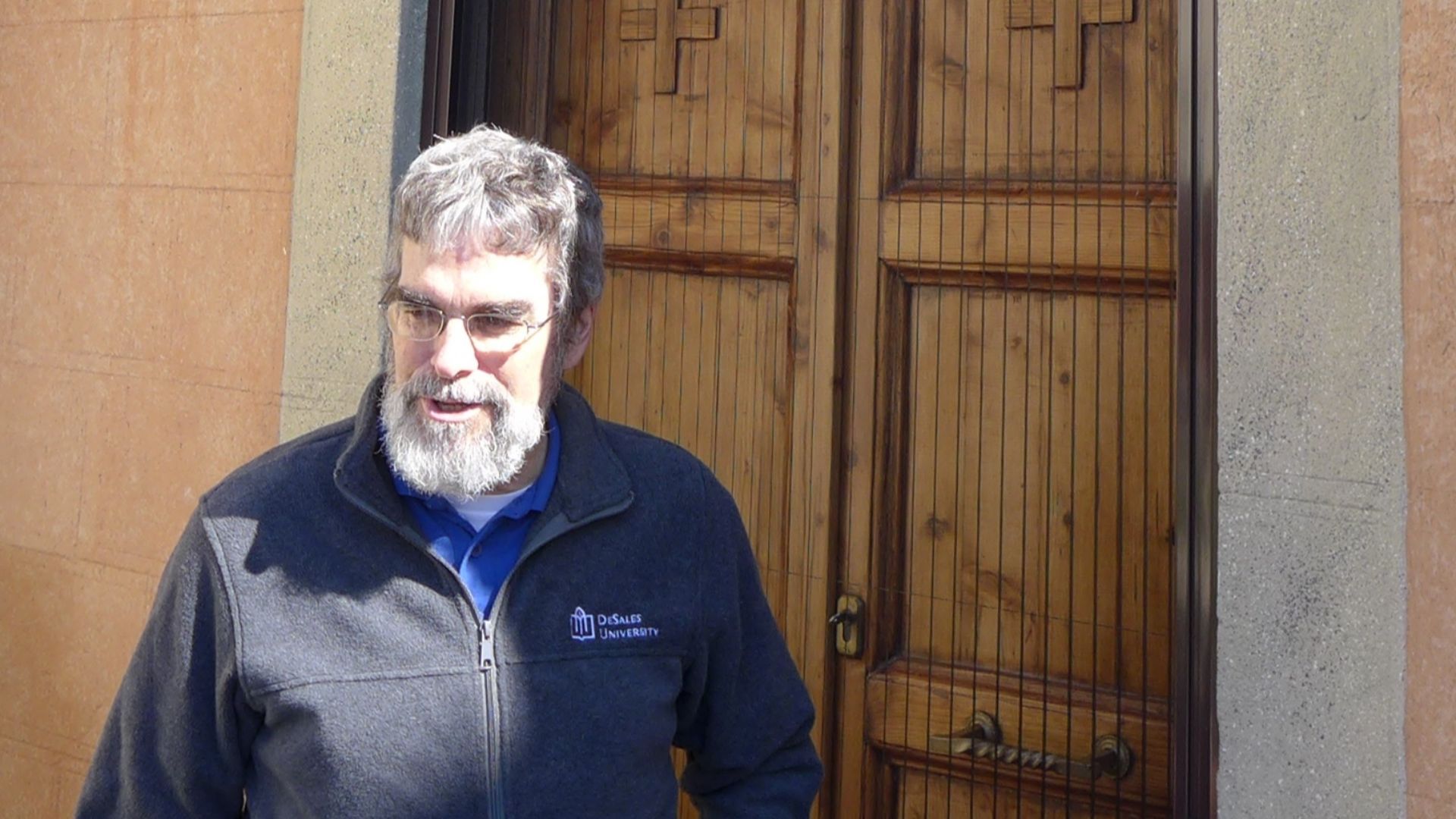 Patrick Nielsen Hayden from Brooklyn, NY, Wikimedia Commons
We Have Not Found One Yet
Scientists have confirmed more than 6,000 planets beyond our solar system. So far, though, Earth is the only place where life is known to exist. An intelligent visitor asking about religion is several enormous discoveries away. Consolmagno knows the scenario is hypothetical; that is part of why the question interests him.
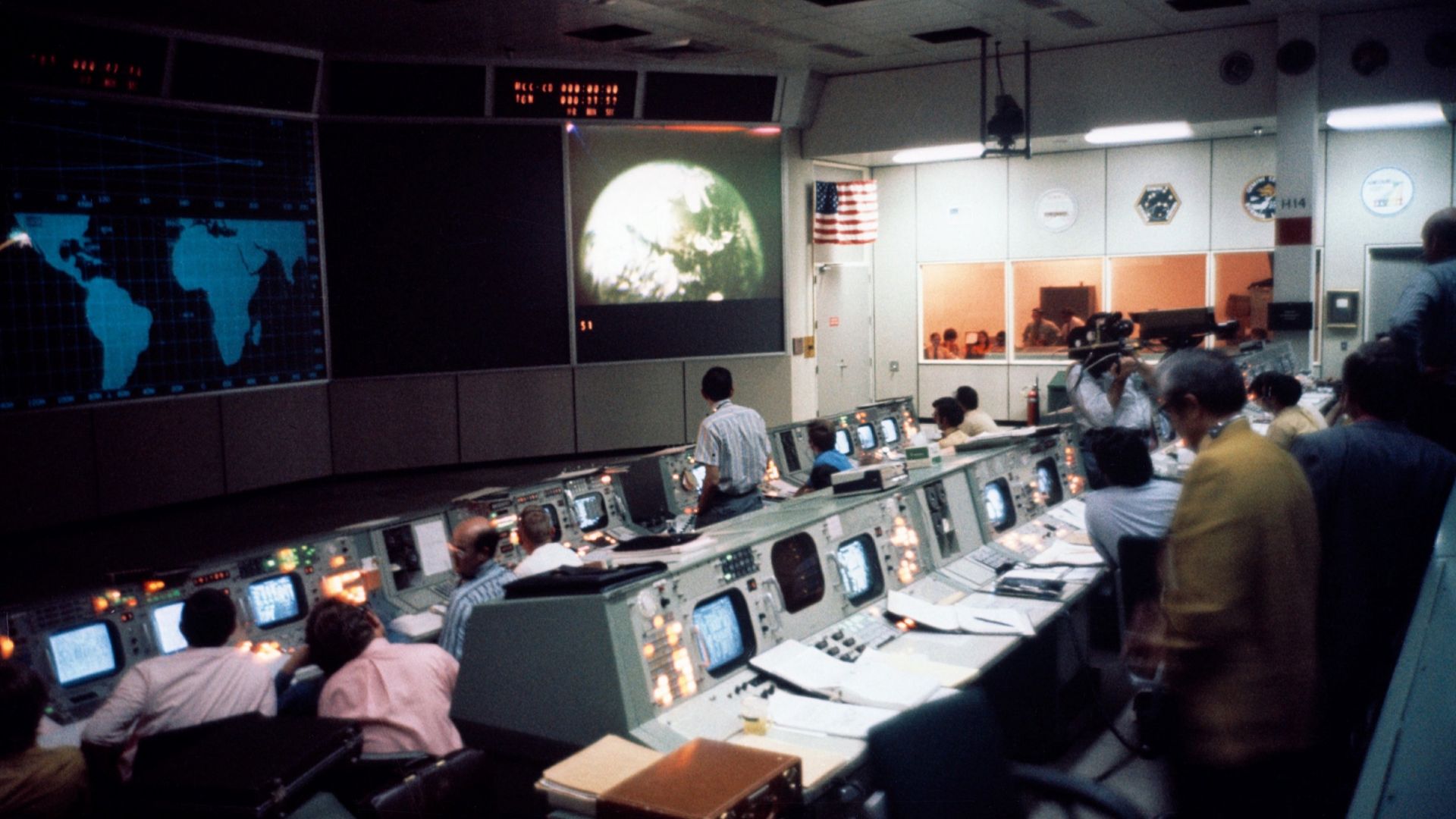 NASA on The Commons, Wikimedia Commons
Finding Life Would Be Just The Beginning
A living organism on another world would be astonishing. It would not be someone asking for baptism. First, humanity would have to find intelligent life, make contact and work out how to communicate. Only then could anyone learn what those beings thought about religion, if they had any interest at all.
Appearance Would Not Answer It
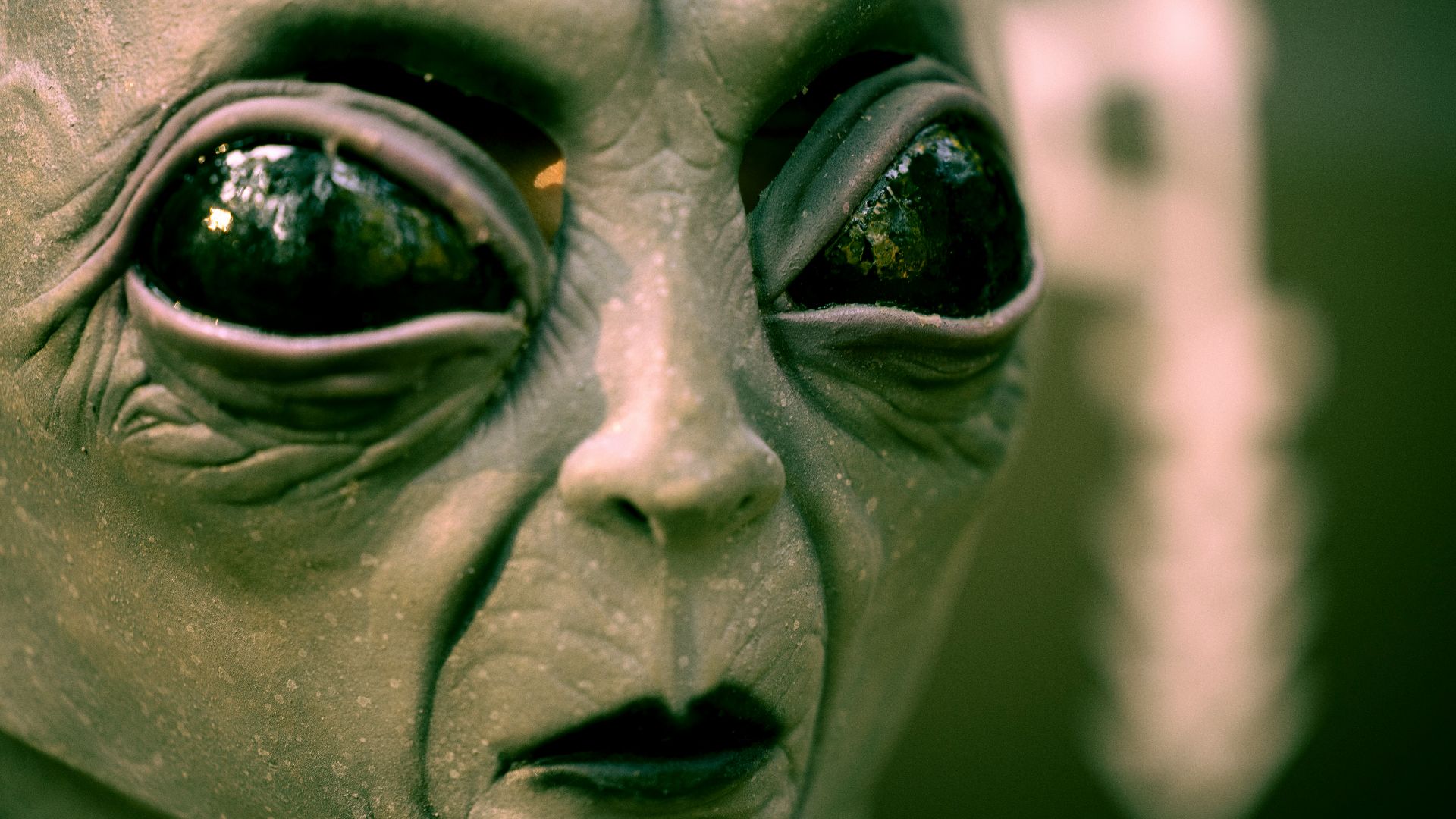
An alien might look nothing like a human. Consolmagno has suggested that qualities such as intelligence and the freedom to make choices need not be limited to our species. What a visitor looked like would tell us very little about what it understood or believed.
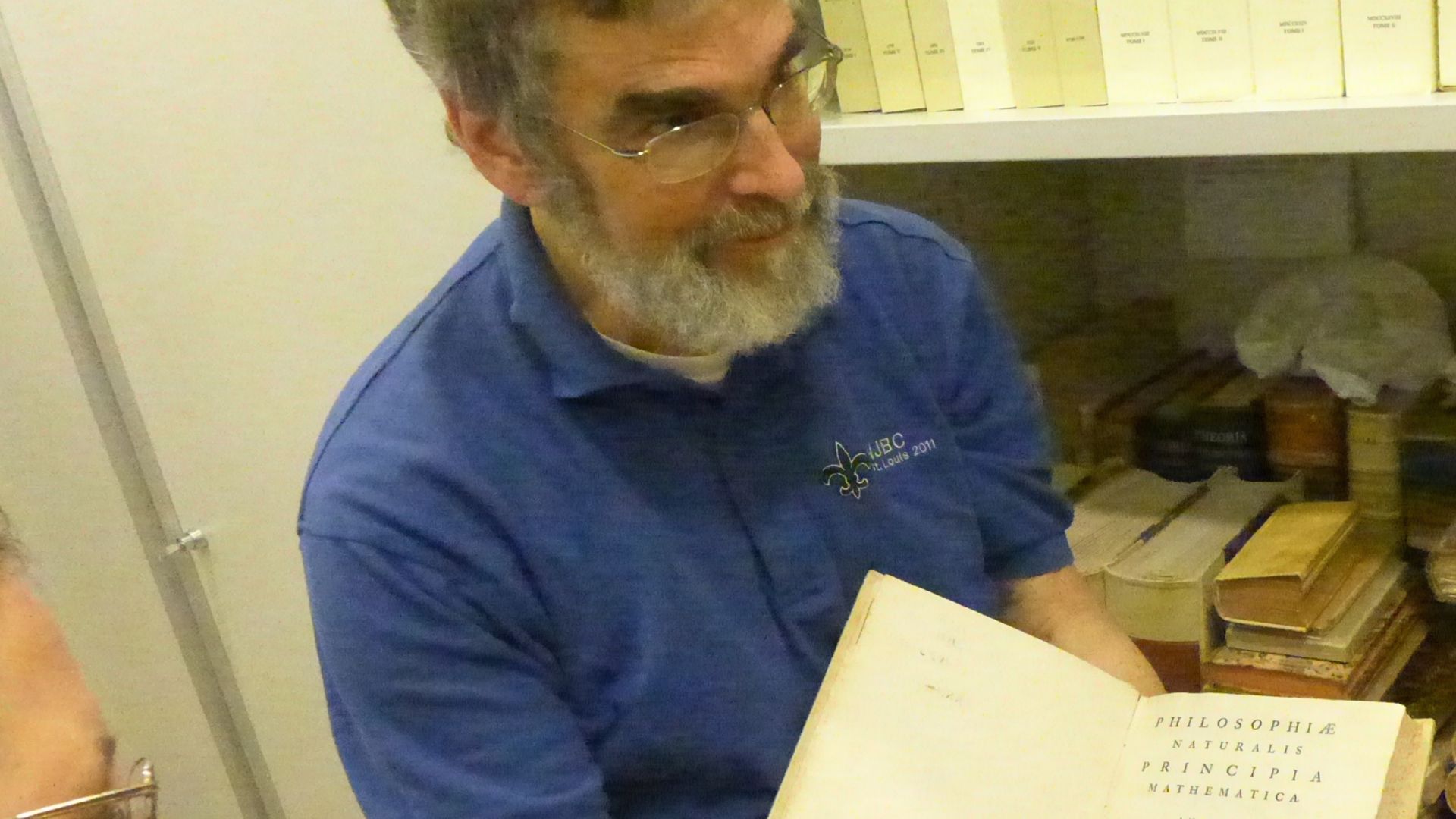 Patrick Nielsen Hayden from Brooklyn, NY, Wikimedia Commons
He Thought The Question Was A Trap
Consolmagno later explained why a simple yes or no could sound wrong. Say yes, and it might look as though humans expect a more advanced civilization to adopt their religion. Say no, and Christianity might seem to apply only to Earth. “If they ask” leaves the decision with the visitor.
 Markku Lappalainen, Wikimedia Commons
Then There Is The Jesus Question
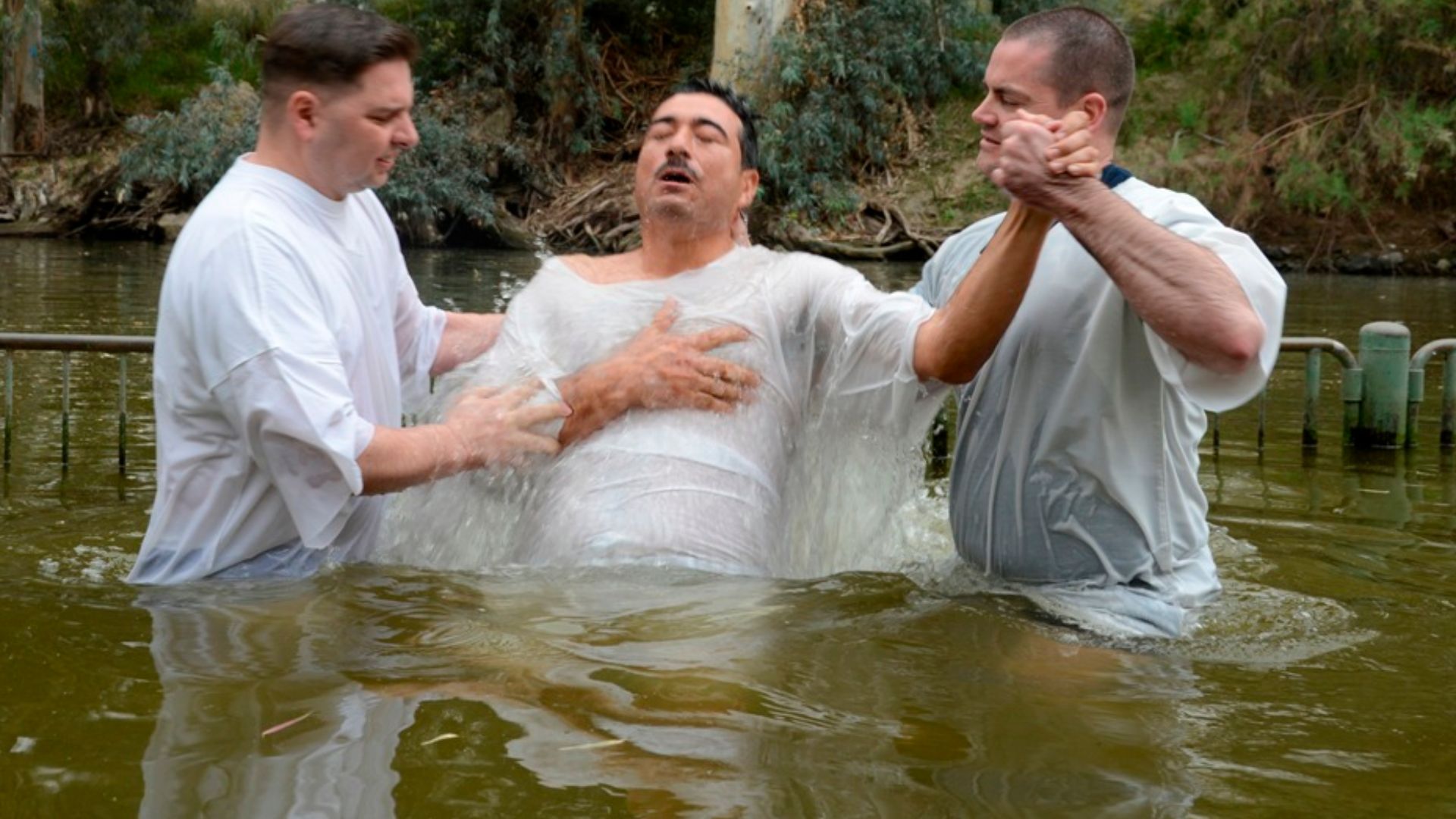
Baptism is tied to Jesus, who lived on Earth. What would his life here mean to a civilization with an entirely different history somewhere else? Consolmagno has raised that question himself. Discovering intelligent aliens would give theologians something real to learn about before they could begin to answer it.
 Seaman Phylicia Hanson, Wikimedia Commons
Perhaps They Would Have Their Own Beliefs
An alien civilization might have religious ideas humans had never imagined. It might ask about Jesus. It might have no interest in the subject. Nobody knows. That is why Consolmagno’s answer starts with listening to what the visitor wants, instead of assuming what it needs.
 Kevin Nickerson / Blackholeofphotography at en.wikipedia, Wikimedia Commons
This Became A Book
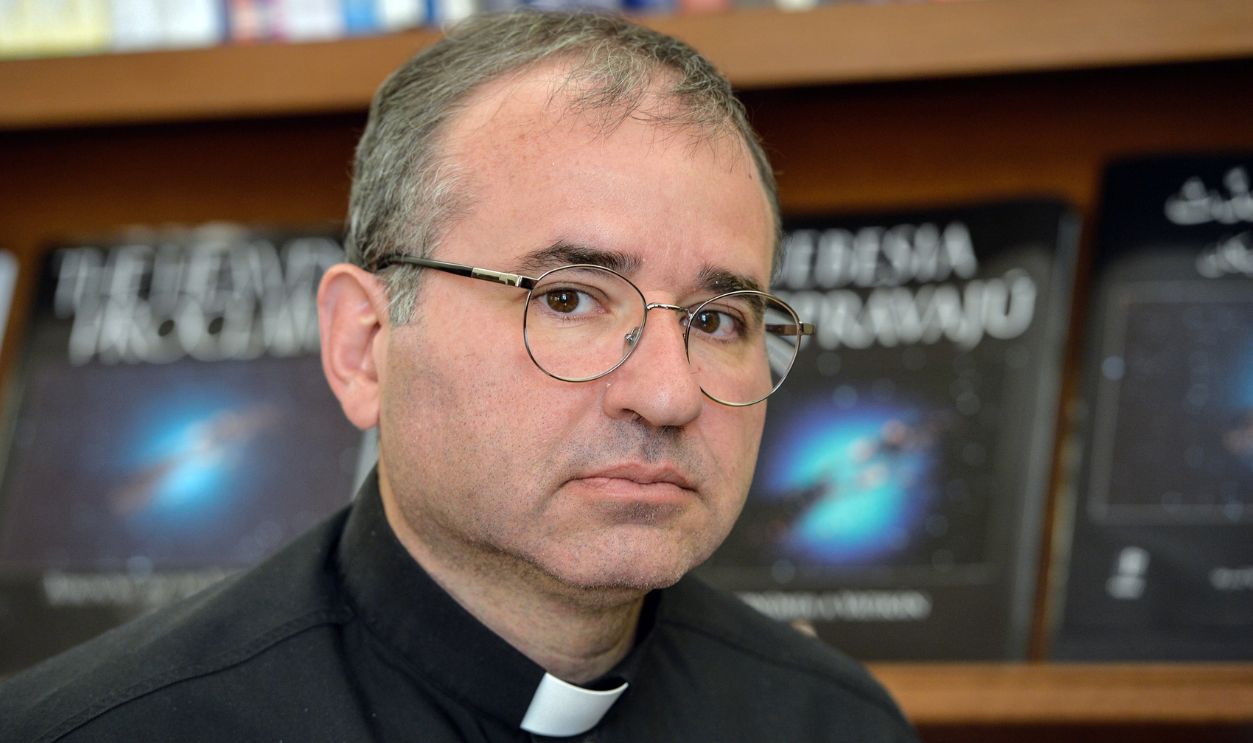
The question was interesting enough that Consolmagno and fellow Vatican astronomer Father Paul Mueller put it in a book title: Would You Baptize an Extraterrestrial? Published in 2014, the book explores questions people send to the observatory about astronomy, Christianity and how the two relate.
A Pope Also Imagined A Martian
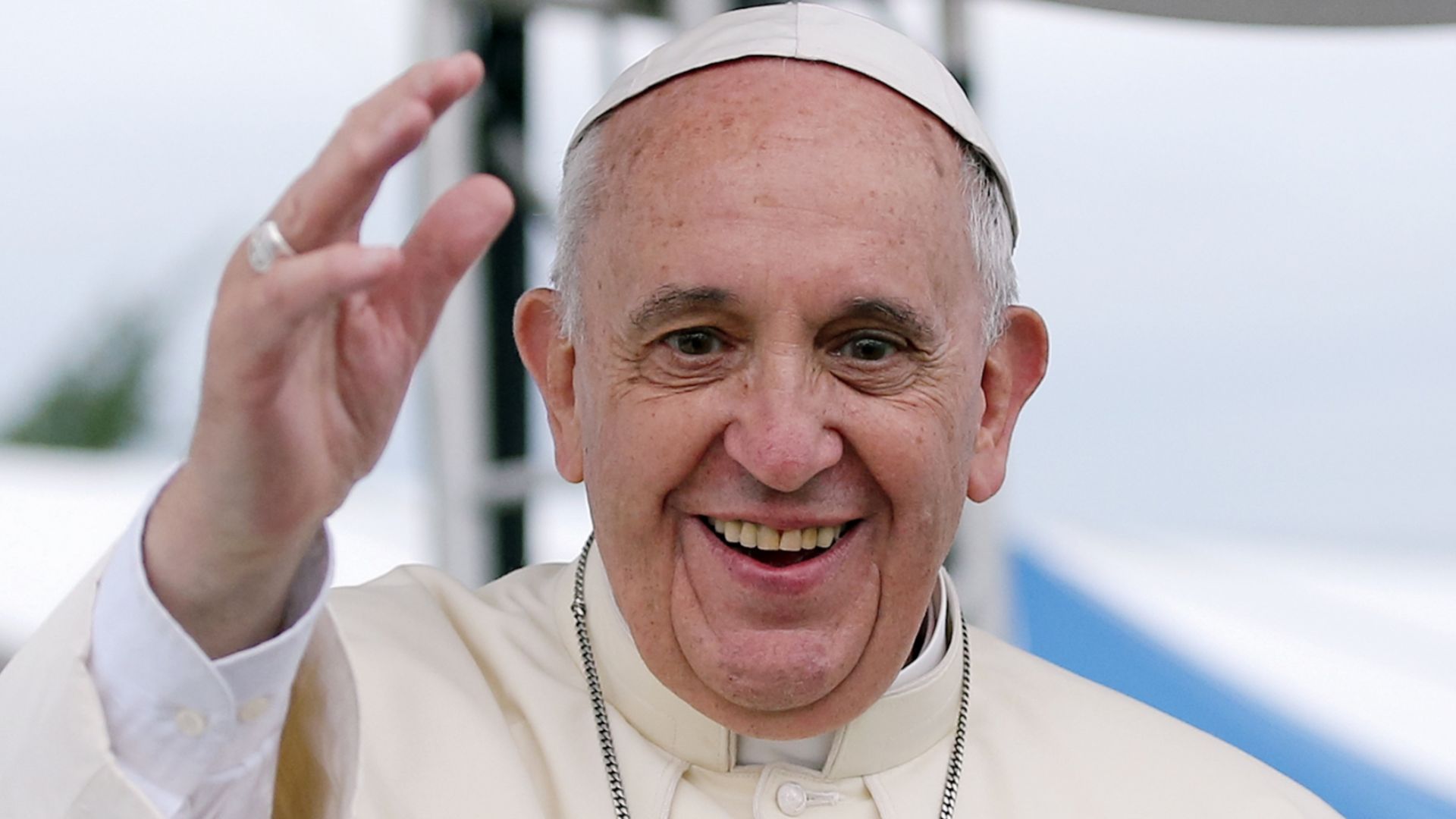
In a 2014 homily, Pope Francis pictured a group of Martians arriving, with one asking to be baptized. He was not reporting contact or announcing an alien baptism rule. He was using a strange example to make his listeners think about how the Church welcomes people it did not expect.
 Korea.net / Korean Culture and Information Service (Jeon Han), Wikimedia Commons
His Point Came From An Older Story
Francis was discussing a passage in Acts in which Peter baptized Gentiles, upsetting other believers who had not expected them to be included. The pope’s imagined Martian made the surprise hard to miss. What happens when someone you never pictured at the door asks to come in?
The Question Goes Back Further
A Vatican Observatory writer has also pointed to St. Augustine, who considered ancient stories about unusually shaped people. Augustine’s concern was whether appearance could tell you what someone was. He was discussing supposed human beings, not aliens, but the question has a familiar ring to it.

There Is Still No Official Alien Answer
Consolmagno’s remark, his later writing and Francis’s Martian example all offer ways to think about the possibility. They do not amount to an official Church decision about extraterrestrial baptism. An actual encounter would raise questions nobody can settle from a hypothetical alone.
 Unknown authorUnknown author, Wikimedia Commons
And The Alien Could Decline
That possibility gets lost in the more dramatic headlines. An intelligent visitor might listen, ask questions and decide Christianity was not for them. Consolmagno’s answer makes room for that. The word “if” is doing a great deal of work.
For Now, It Tells Us More About Humanity
There is no alien waiting at the Vatican Observatory to be baptized. But Consolmagno’s answer is still revealing. Faced with an imaginary visitor from another world, he did not begin by deciding what it was allowed to believe. He began by asking what it wanted.
 Markku Lappalainen, Wikimedia Commons
You Might Also Like:
The Most Mysterious Place In Every Canadian Province
Did The Exodus Really Happen? The Ancient Evidence Is More Complicated Than People Think