Between Scripture And The Spade
The Exodus is one of the foundational narratives of the Hebrew Bible: Israelites are enslaved in Egypt, escape under Moses, cross the wilderness, and eventually reach Canaan. Archaeology, however, has not produced evidence confirming that entire sequence as described. What it has uncovered is a much more complicated ancient world in which several elements of the story fit genuine historical settings. Factinate LTD
There Is No Egyptian Record Of Moses
No known contemporary Egyptian inscription identifies Moses or records him leading Israelites out of Egypt. That absence matters, although it cannot by itself prove that no smaller departure occurred. Surviving Egyptian records are incomplete, and ancient royal inscriptions were selective accounts rather than comprehensive histories.
The Biblical Numbers Create A Problem
Numbers describes more than 600,000 Israelite men leaving Egypt, implying an overall population far larger once families are included. Archaeologists have not discovered evidence for a migration of anything approaching that scale through Sinai. This is one major reason many scholars do not treat the biblical figures as straightforward population statistics.
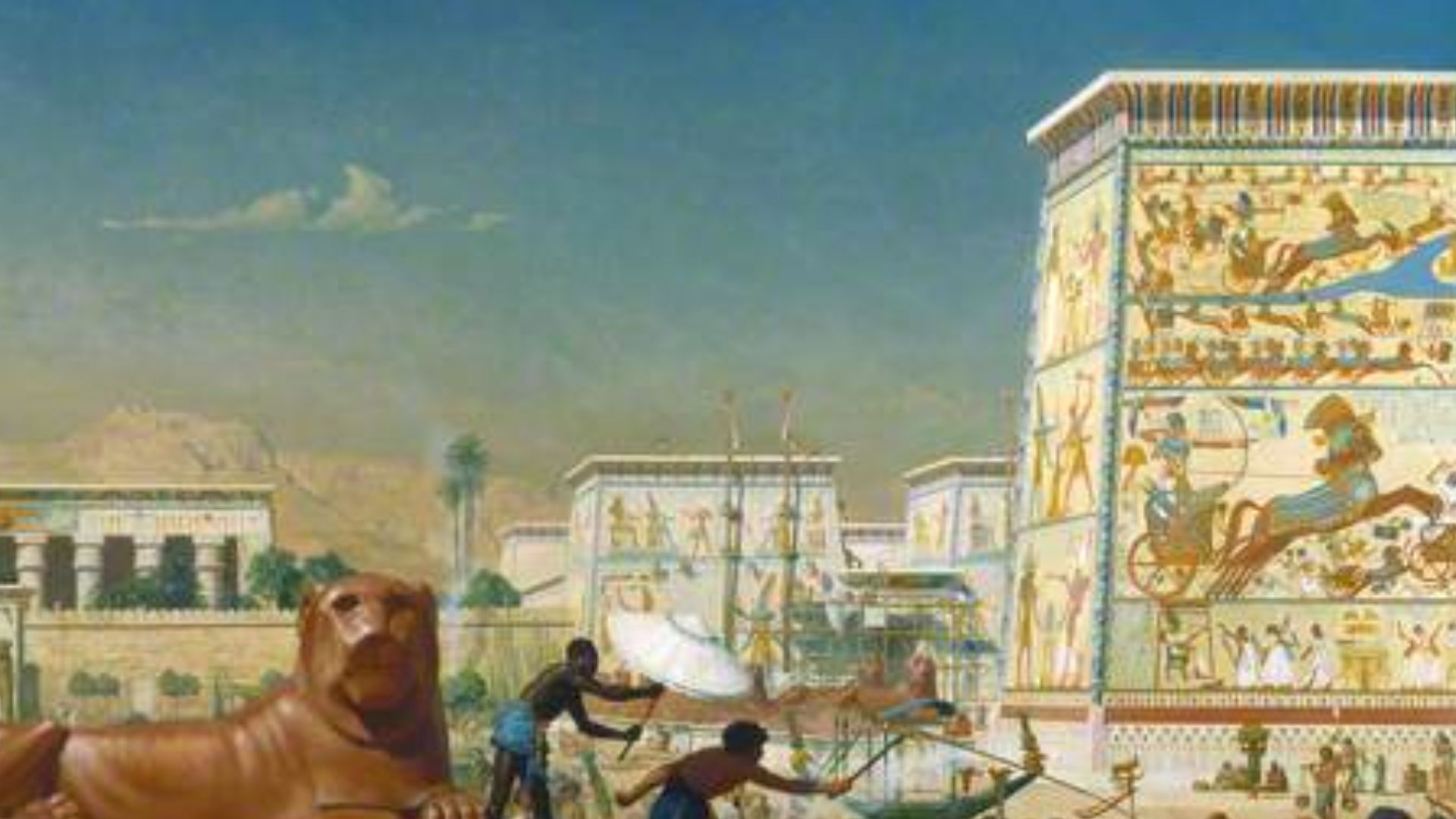 Edward Poynter, Wikimedia Commons
The Sinai Is Strikingly Quiet
A huge population wandering for decades might reasonably be expected to leave detectable material remains. Archaeological surveys have not produced evidence demonstrating the enormous wilderness encampment depicted in the biblical narrative. The absence is especially notable because scholars have spent generations investigating the region and possible routes.
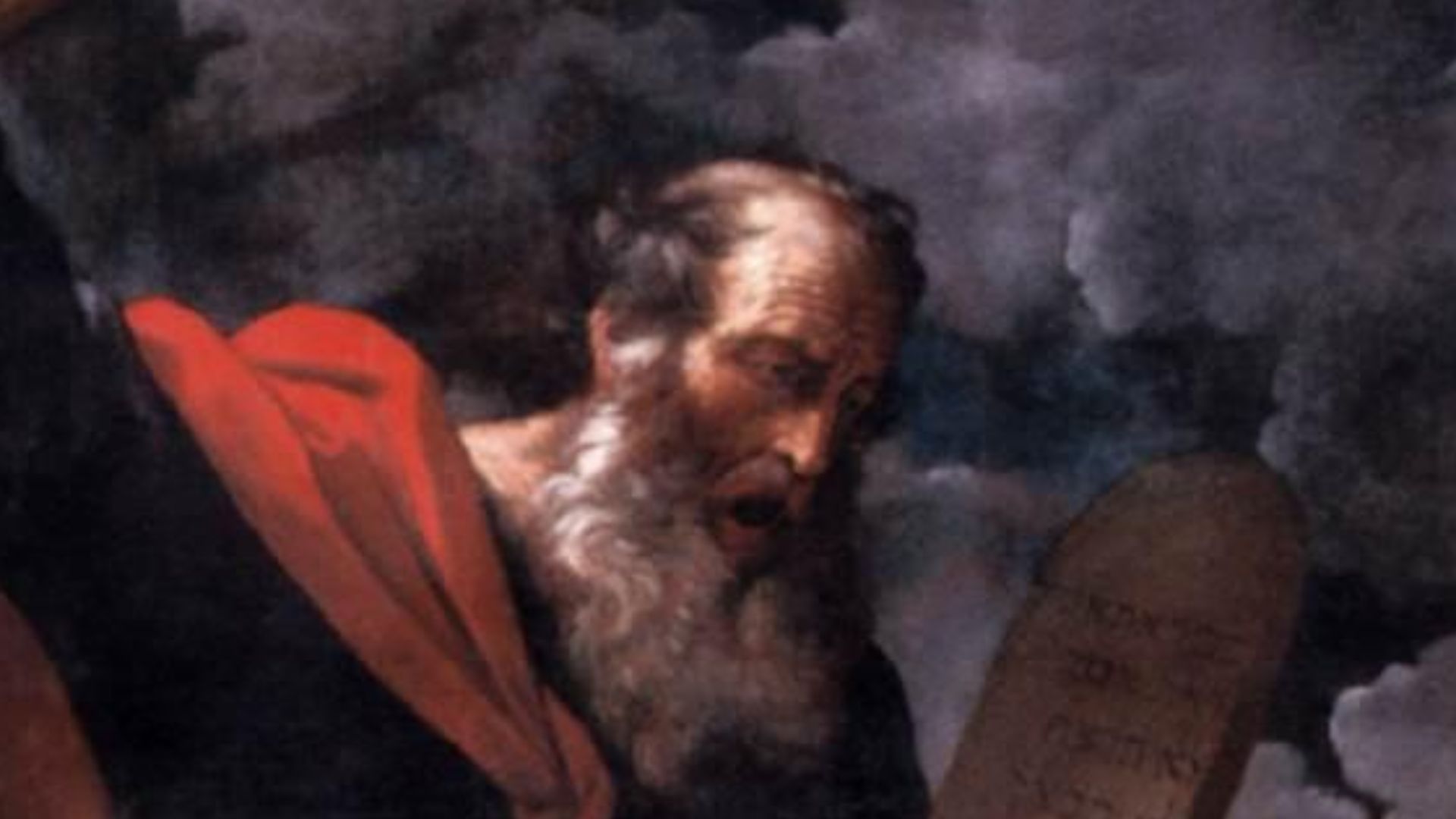
But Archaeology Has Limits
Nomadic groups can be extraordinarily difficult to detect archaeologically. People traveling lightly may leave few permanent structures or durable objects, particularly in environments where preservation and discovery are uneven. That means the missing wilderness evidence weighs against a massive migration but cannot exclude every possible smaller movement.
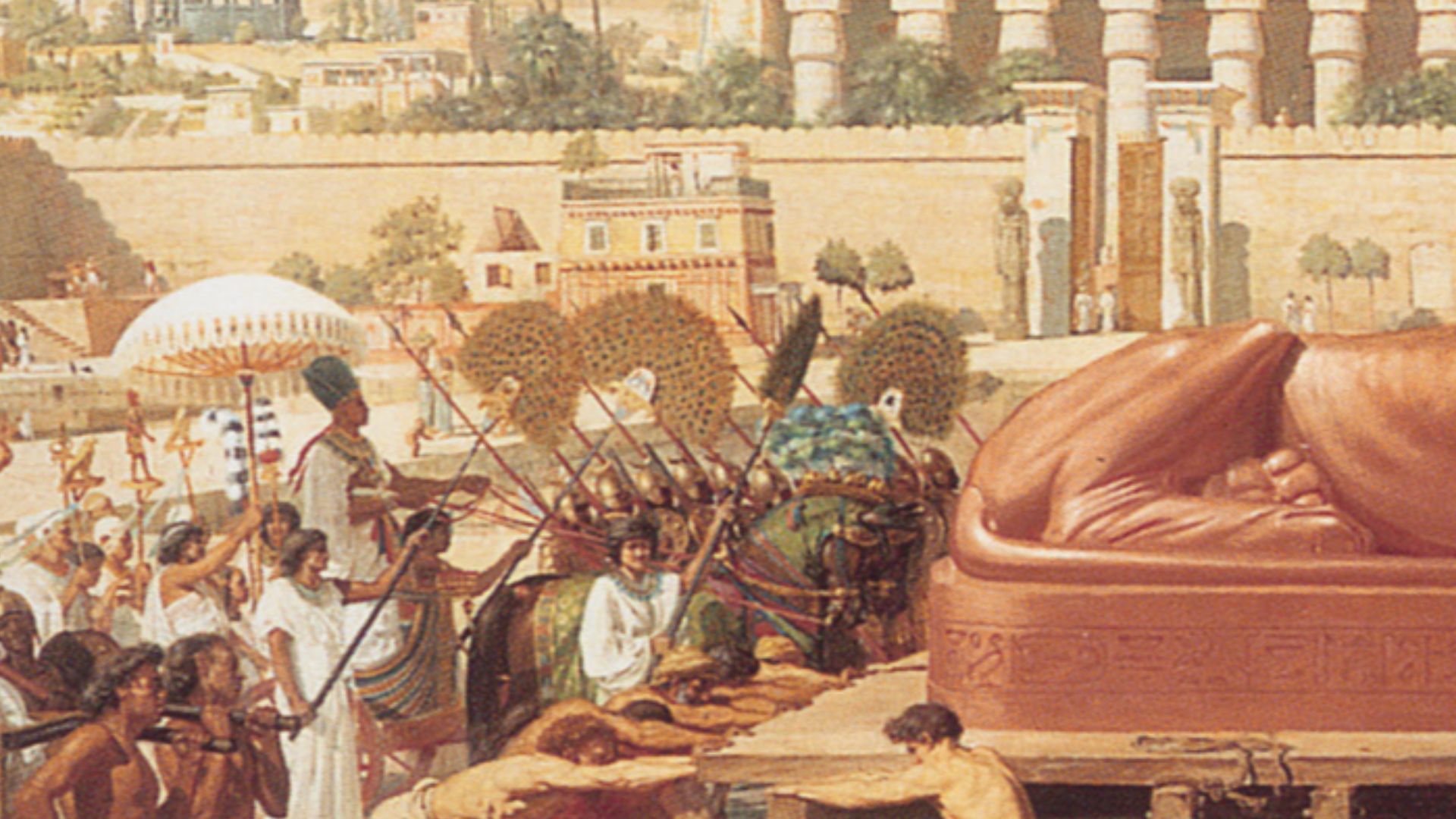 Edward Poynter, Wikimedia Commons
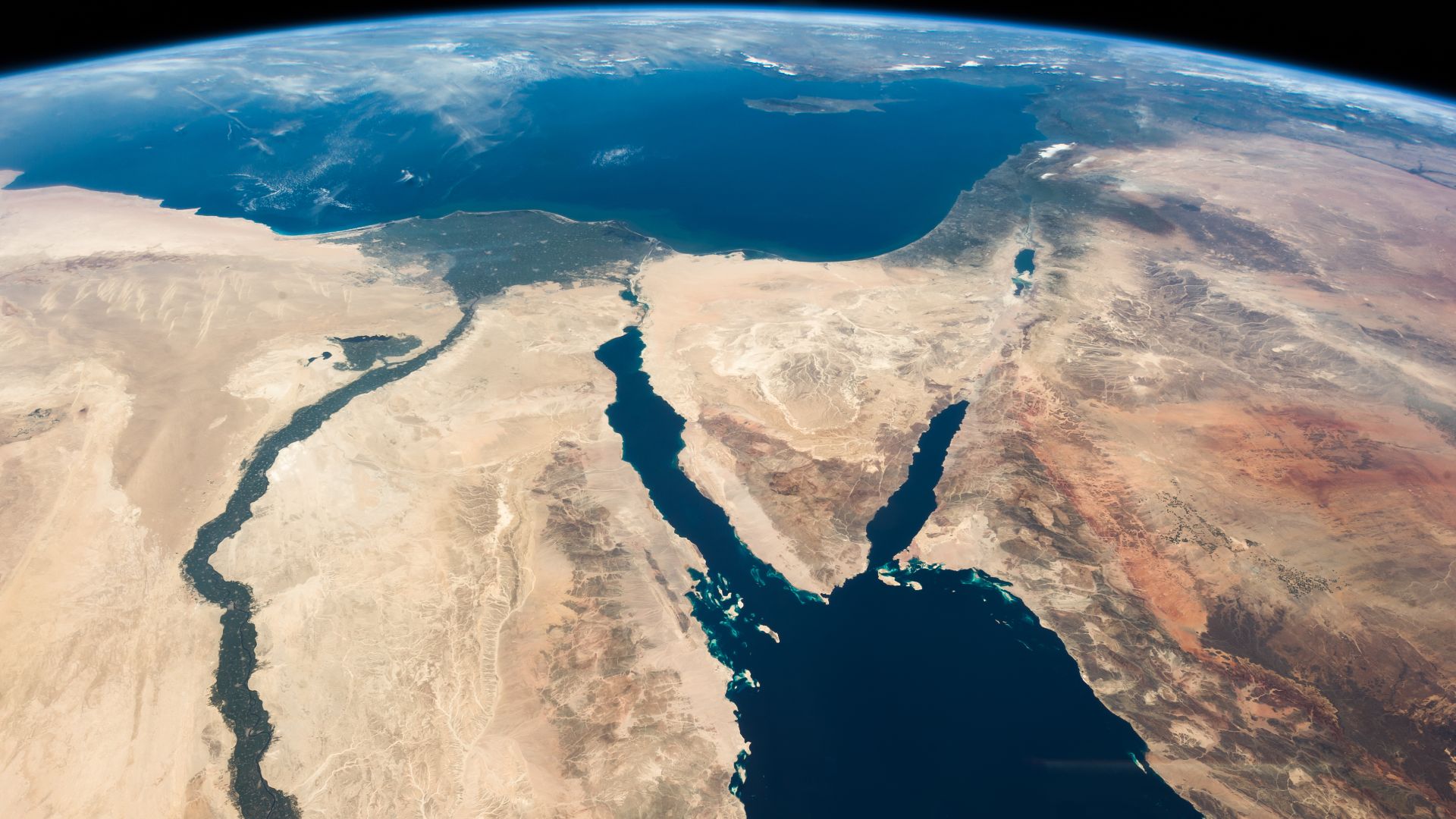
Egypt Really Did Contain Levantine Communities
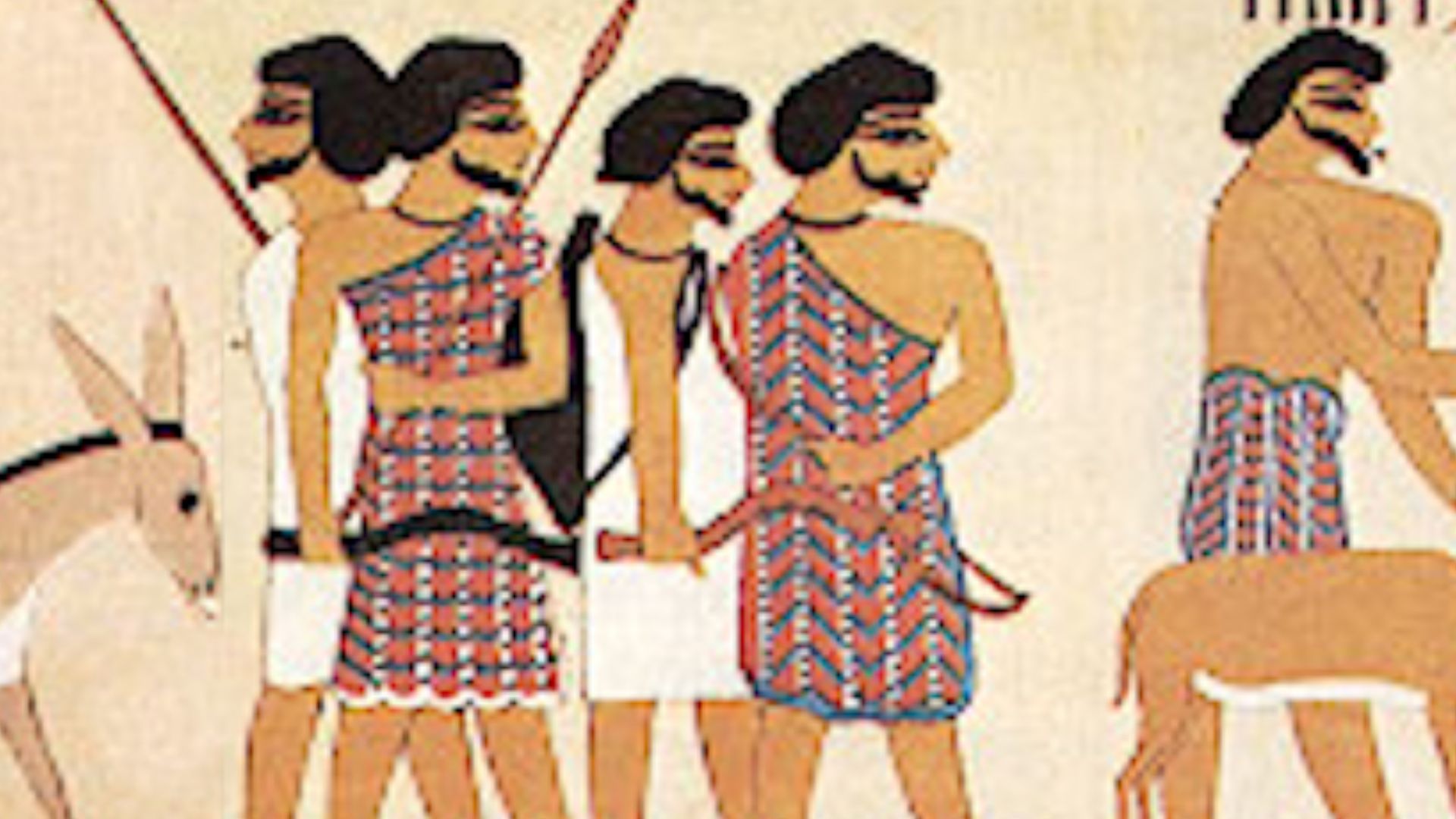
People from western Asia repeatedly migrated into Egypt over centuries. Archaeological and textual evidence shows significant Levantine populations living in the eastern Nile Delta, making the broad idea of Semitic-speaking people residing in Egypt historically unremarkable. Some achieved high status, while others entered Egyptian society as laborers or captives.
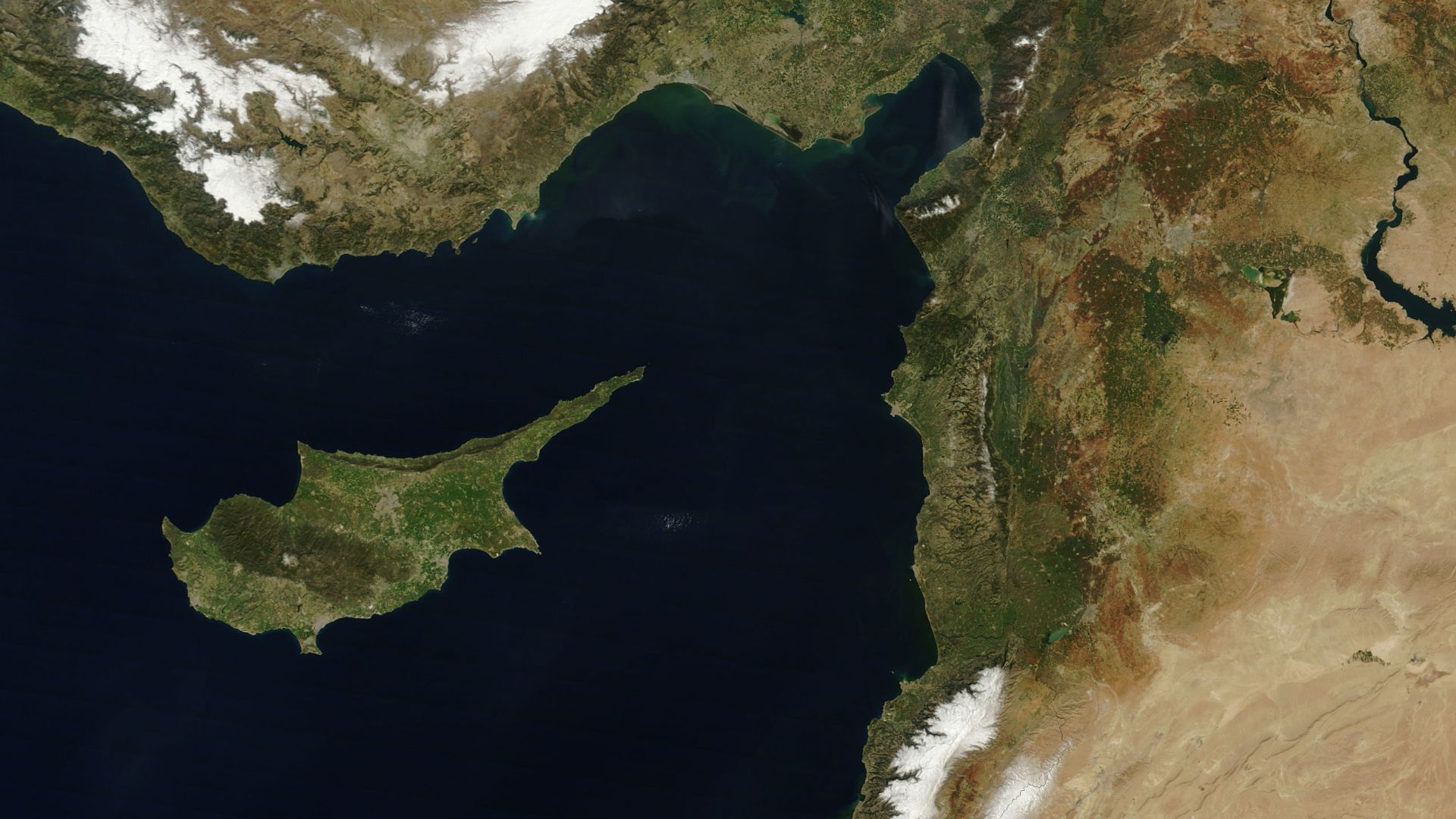 Jeff Schmaltz, Wikimedia Commons
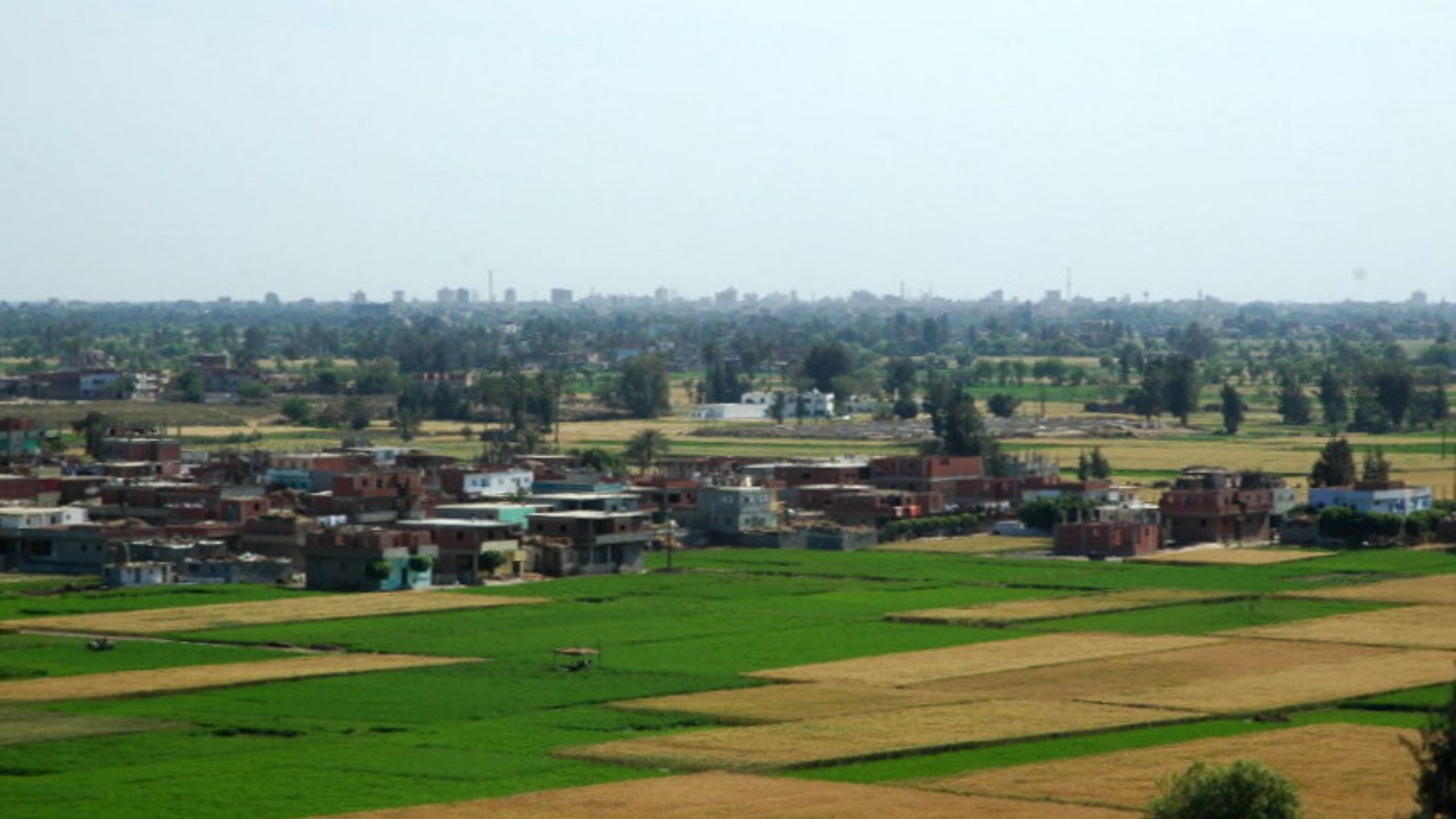
Avaris Changes The Picture
Tell el-Dab'a, ancient Avaris, became a major center populated partly by people with strong connections to Canaan. Material culture demonstrates sustained contact between Egypt and the Levant. These residents cannot simply be labeled biblical Israelites, but their presence shows that movement between Canaan and Egypt was real.
Then Came The Hyksos
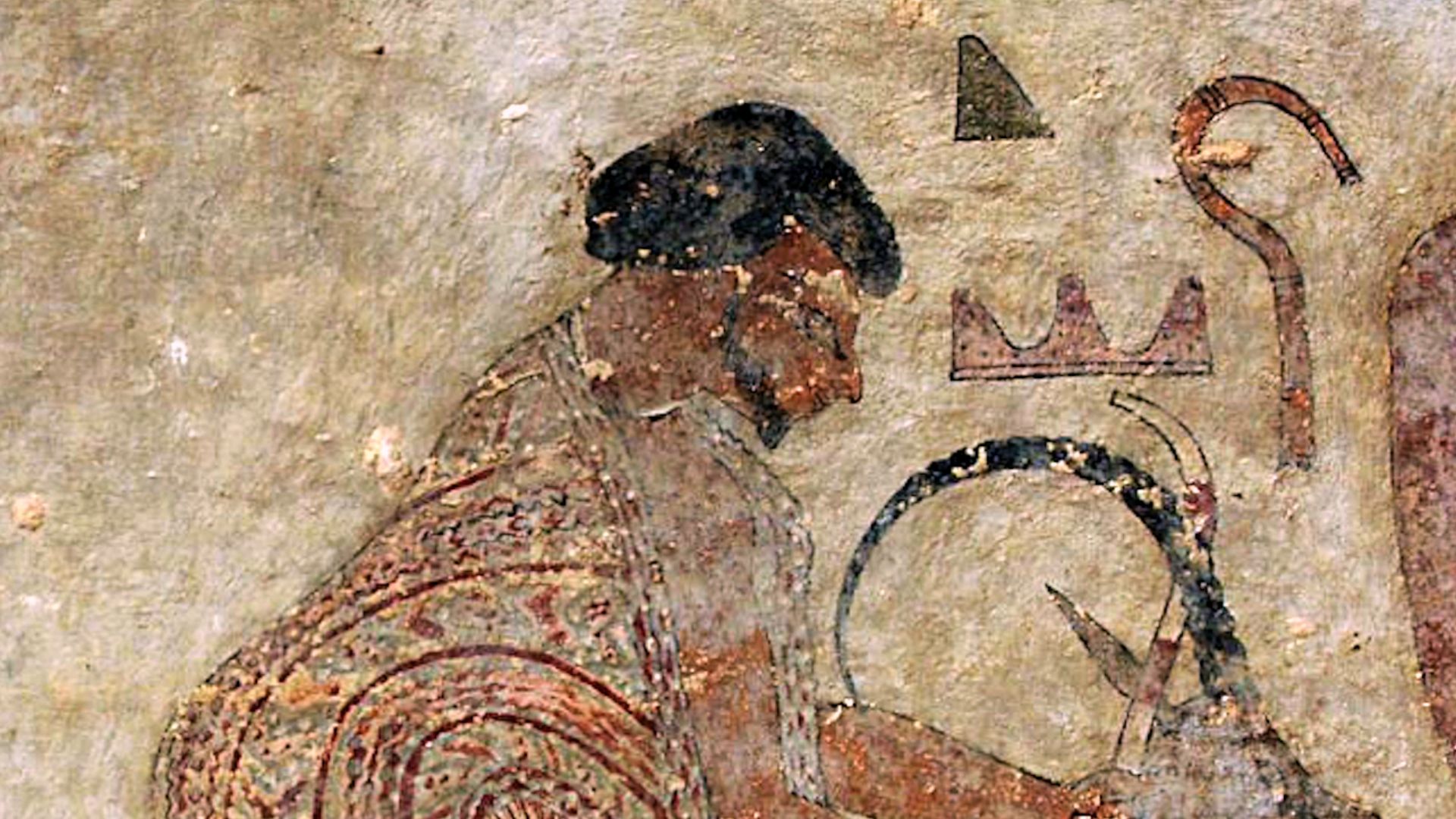
Eventually, rulers of western Asian origin known as the Hyksos controlled northern Egypt during the Second Intermediate Period. They ruled from Avaris and adopted Egyptian royal customs. Their rise demonstrates just how deeply Levantine populations could become embedded in Egyptian political and cultural life.
 Macquarie University, Wikimedia Commons
Egypt Eventually Expelled Them
Around the middle of the 16th century BCE, Ahmose I captured Avaris and drove out its Hyksos rulers while reunifying Egypt. This genuine expulsion of western Asian rulers happened centuries before the date commonly proposed for a Ramesside-era Exodus. Similarities therefore do not establish that the Hyksos story became the Exodus story.
Foreigners Also Became Captives
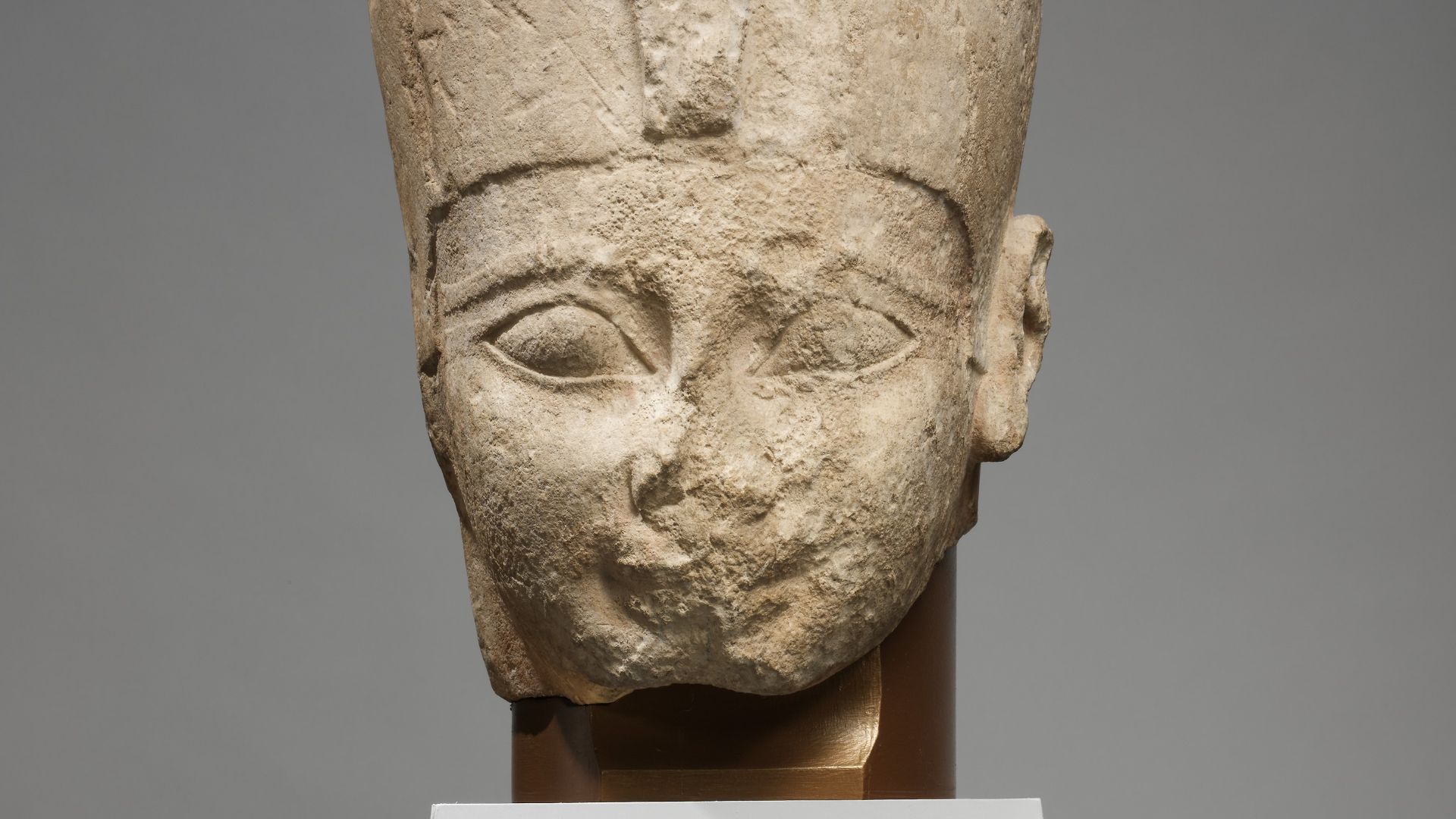
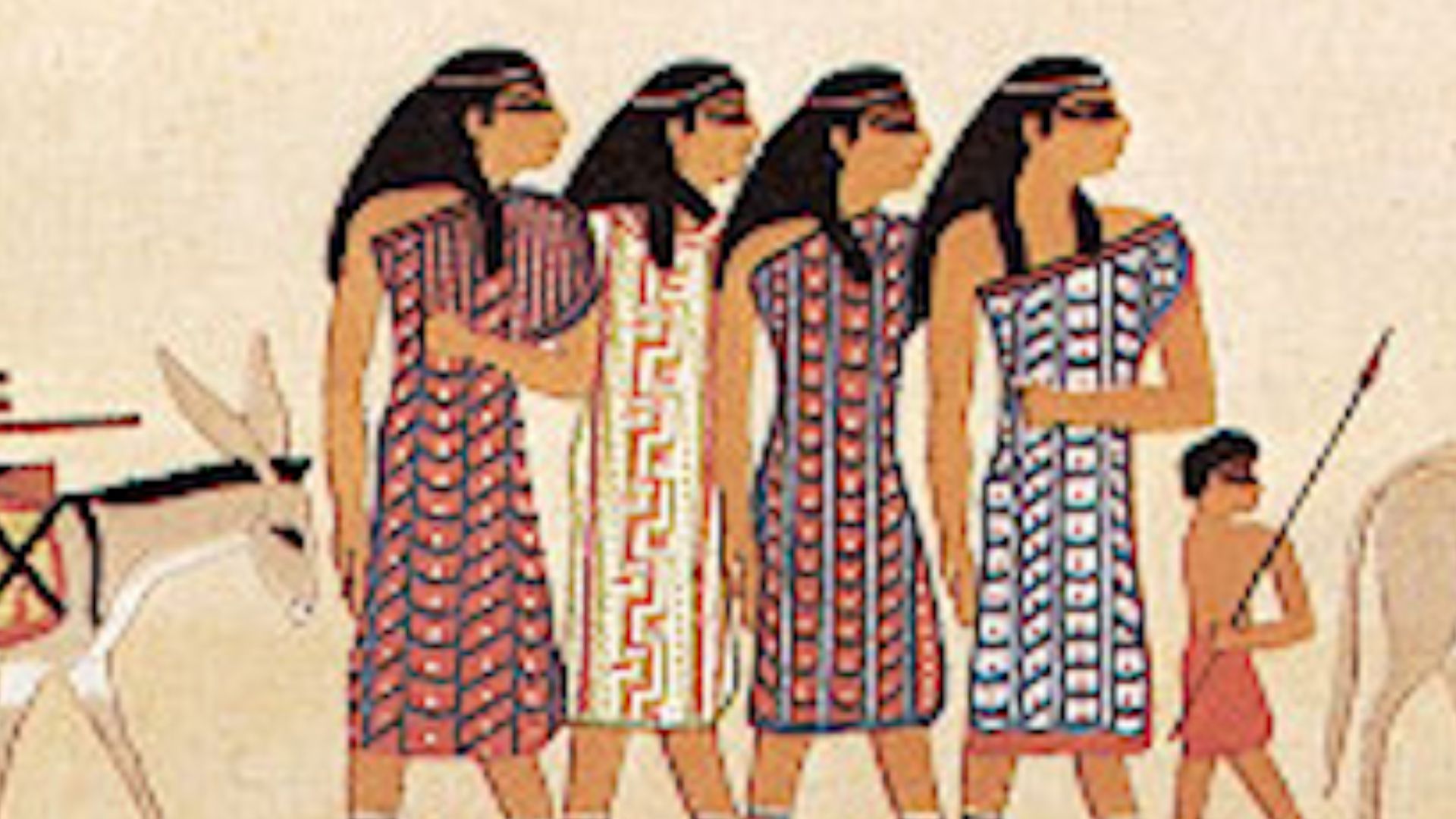
Egyptian art depicts foreign captives from regions to its north and northeast. Ramesside-period objects include representations of Asian prisoners, while Egyptian evidence more broadly documents slaves arriving from areas including Canaan. None identifies these people specifically as Israelites, but the social background resembles parts of Exodus.
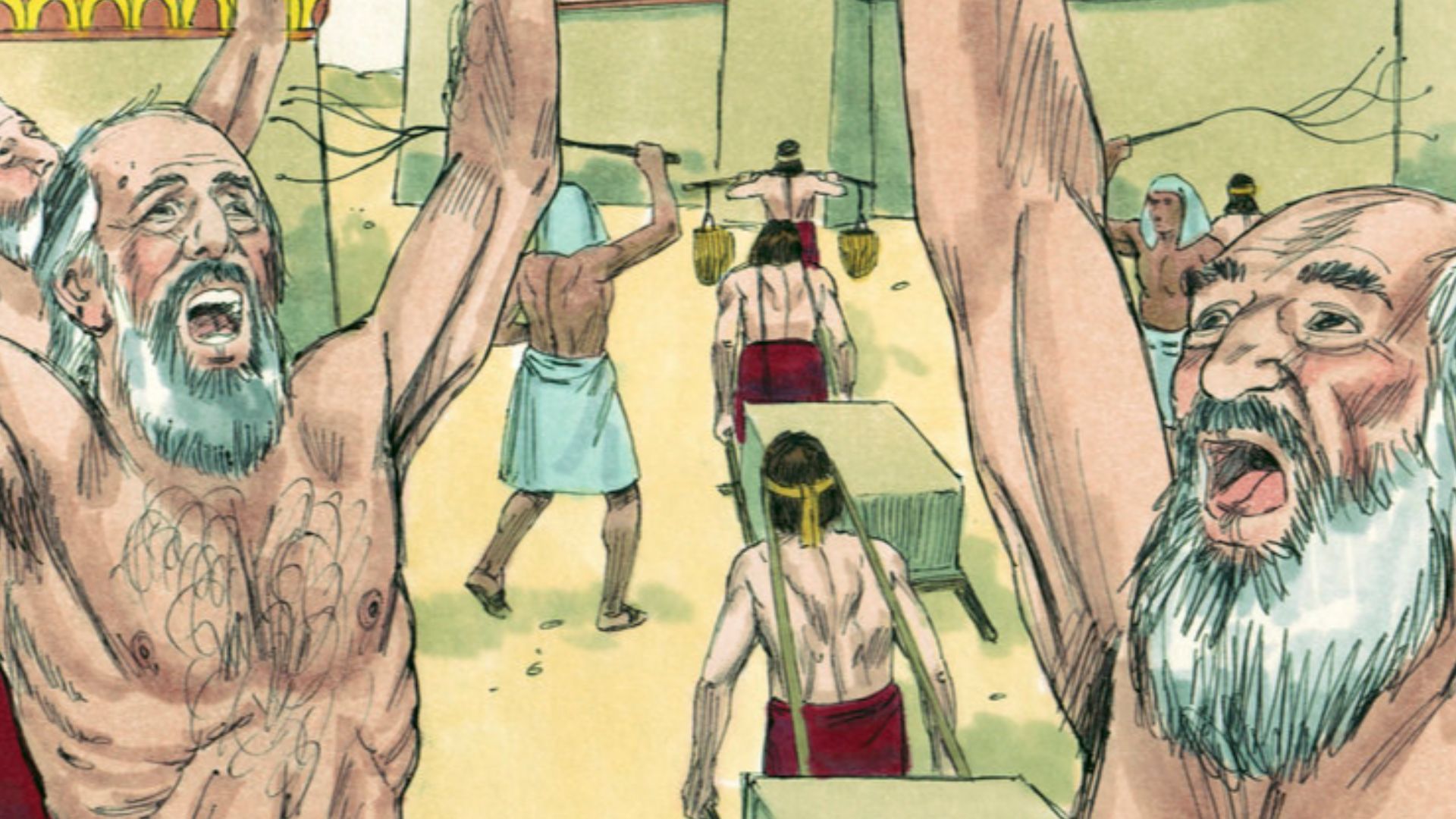
Forced Labor Was Real Too
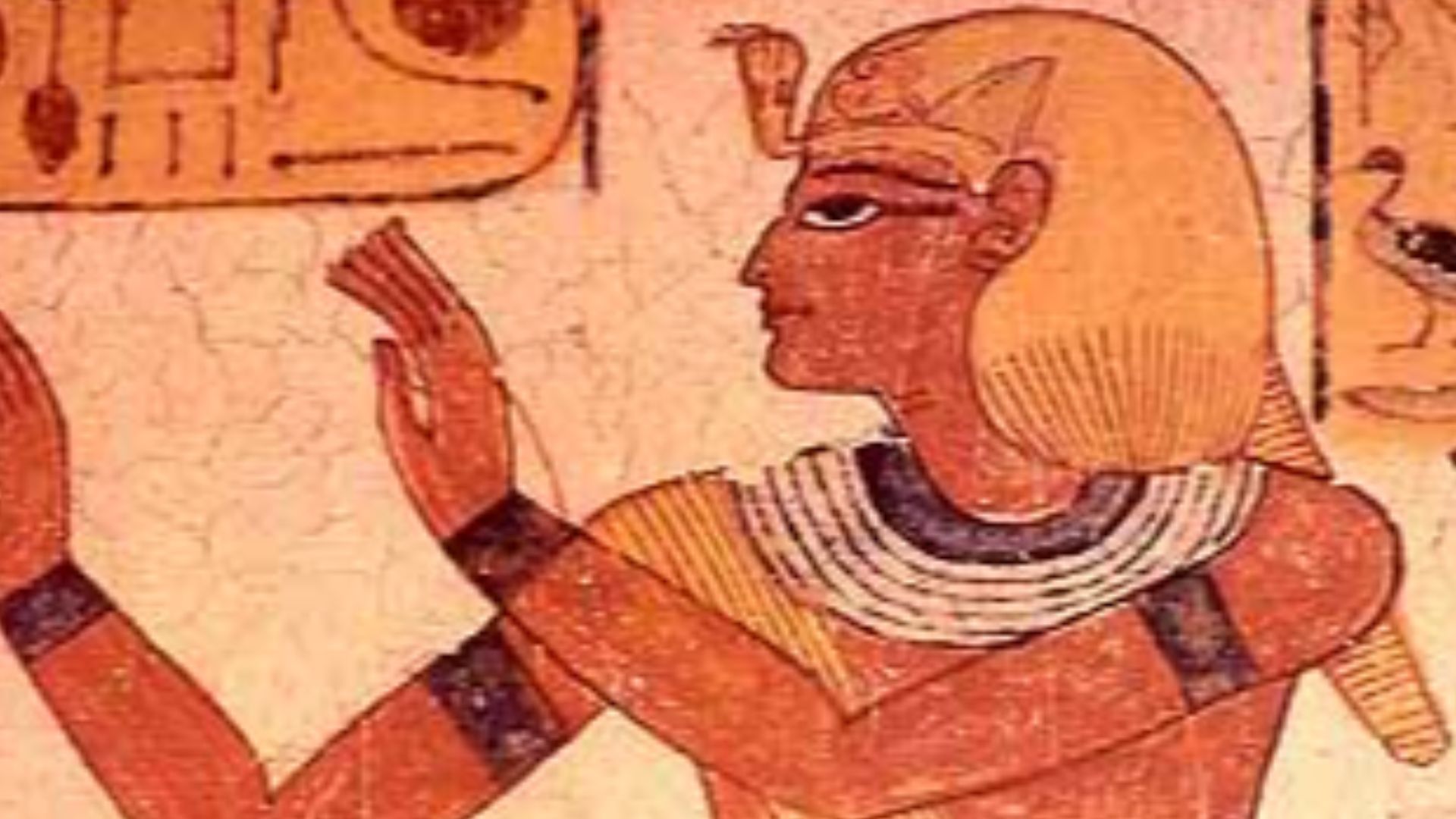
Ancient Egypt depended heavily on organized labor, and surviving documents record people owing labor service to the state and authorities pursuing those who avoided it. Archaeological finds also confirm the widespread manufacture of mud bricks. Exodus therefore places its labor story within recognizable Egyptian practices, even though that does not establish the identity of its workers.
![Tomb relief shows several Nubian war prisoners. Archaeological Museum, Bologna.[1]](https://www.factinate.com/storage/app/media/splashtravels/2026/9/23/17901691910a9c01f314e3a5db4ecf92b8027efa4ba6f38536.jpg)
The City Of Ramesses Actually Existed
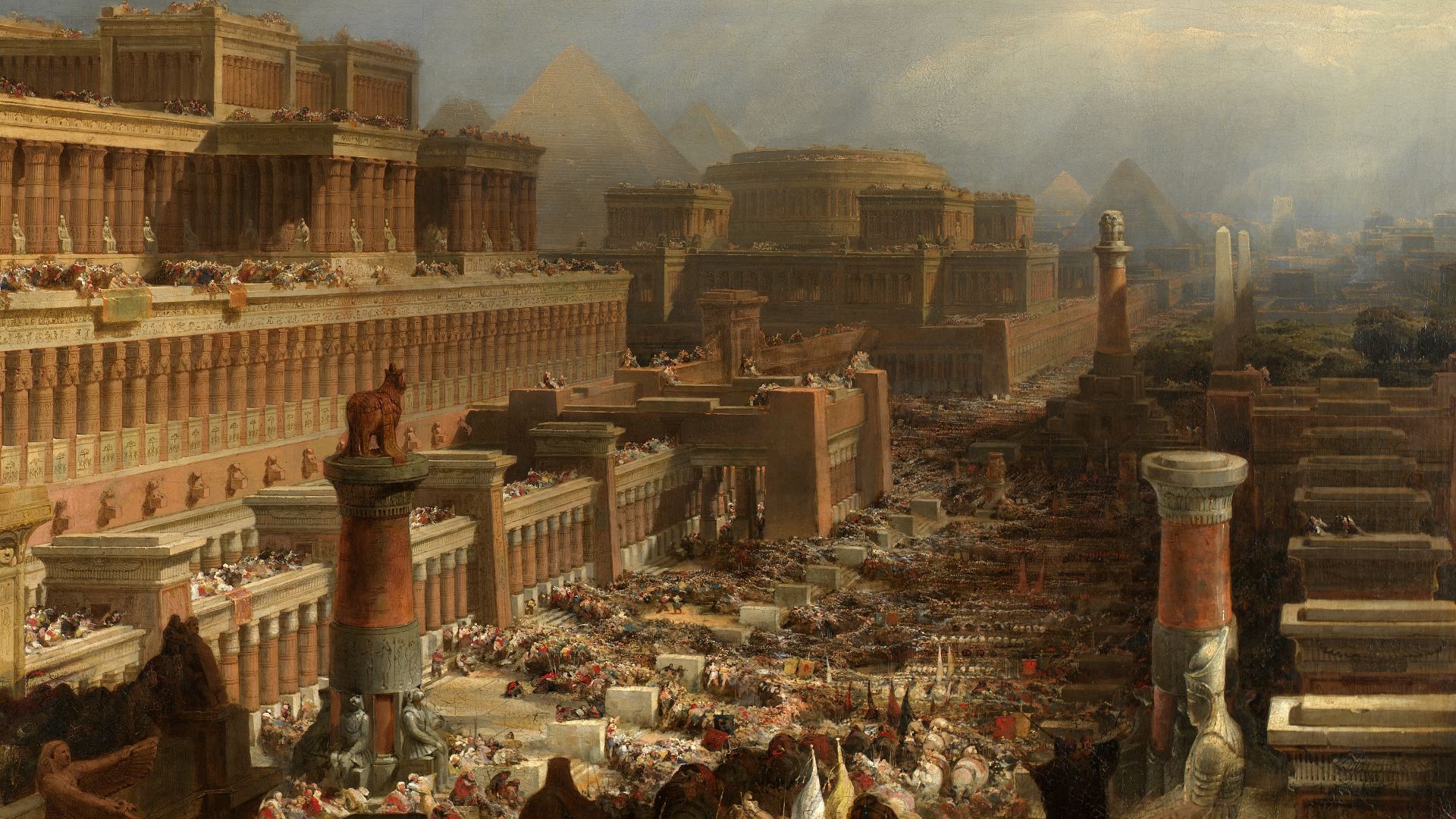
Exodus says the Israelites worked at a place called Raamses. Ramesses II developed Piramesse in the eastern Delta into a major royal city with a palace, harbor, military installations, and temples. The Metropolitan Museum notes that the city's name survived in the Old Testament as Raamses.
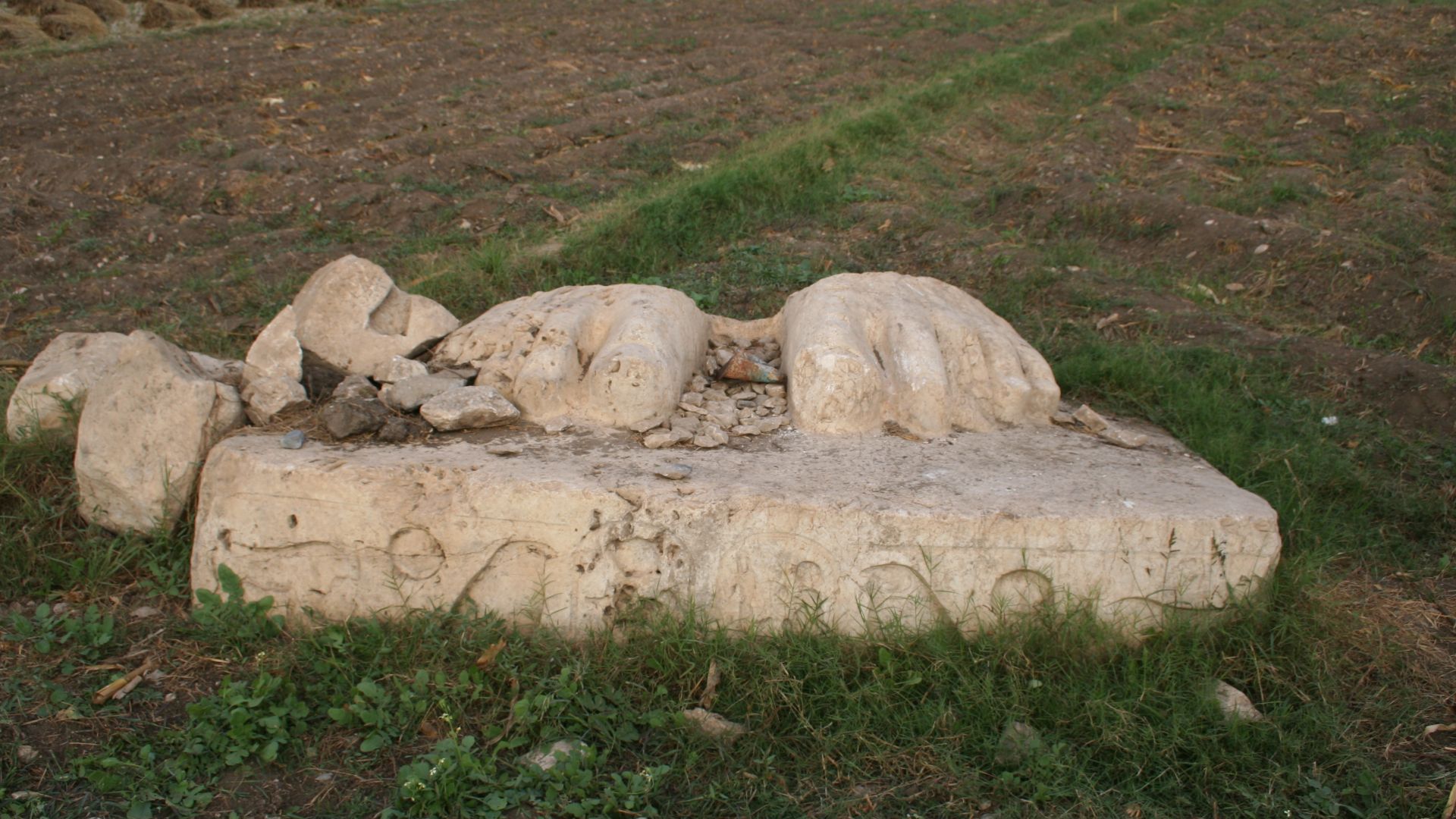 Iri-en-achti, Wikimedia Commons
That Creates A Chronological Clue
Piramesse flourished under Ramesses II in the 13th century BCE, making that era attractive to scholars looking for a historical setting behind Exodus. Yet a recognizable place-name can preserve a later geographical label. It therefore provides historical context rather than a firm date for Moses.
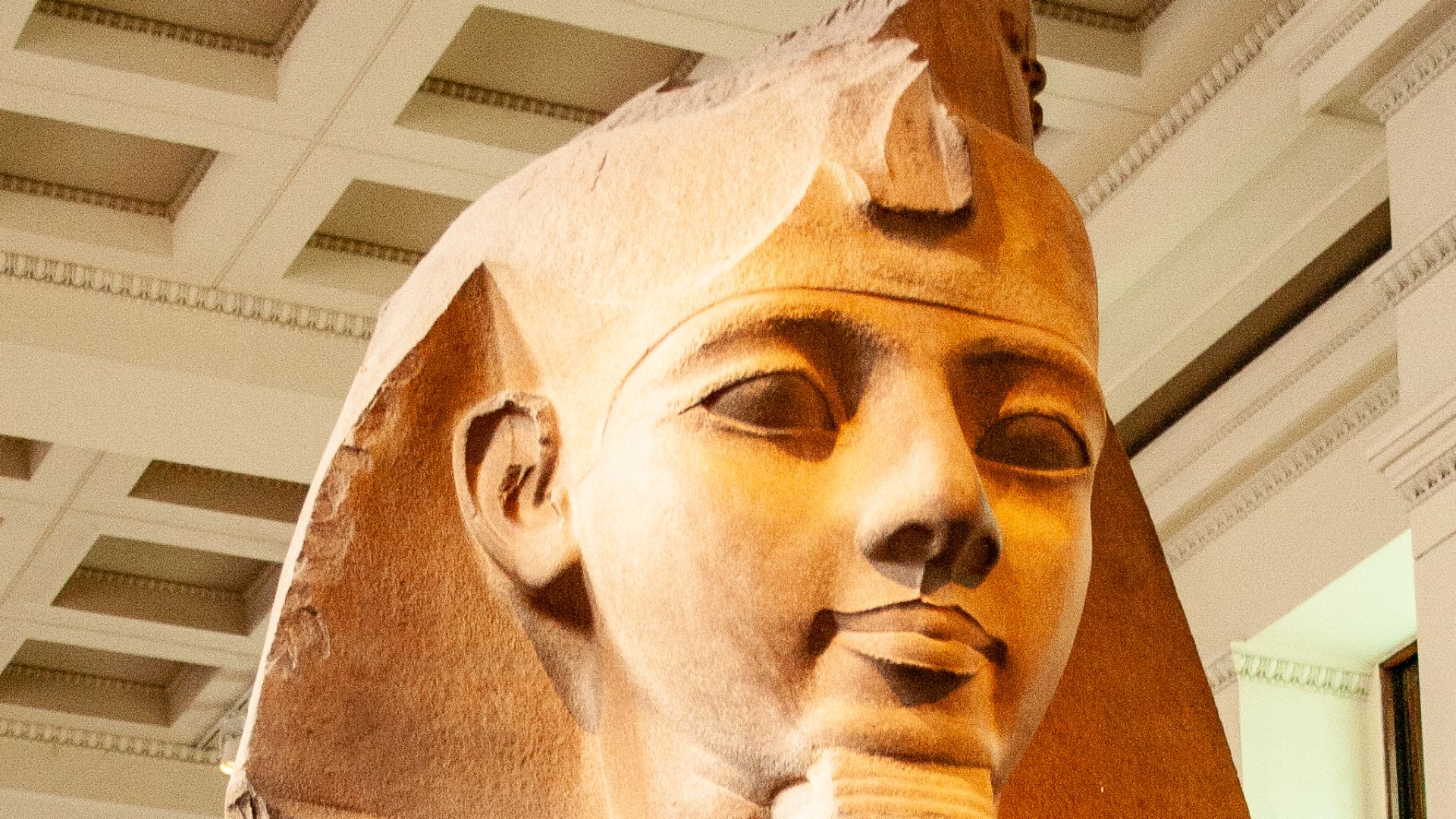 Unknown artistUnknown artist, Wikimedia Commons
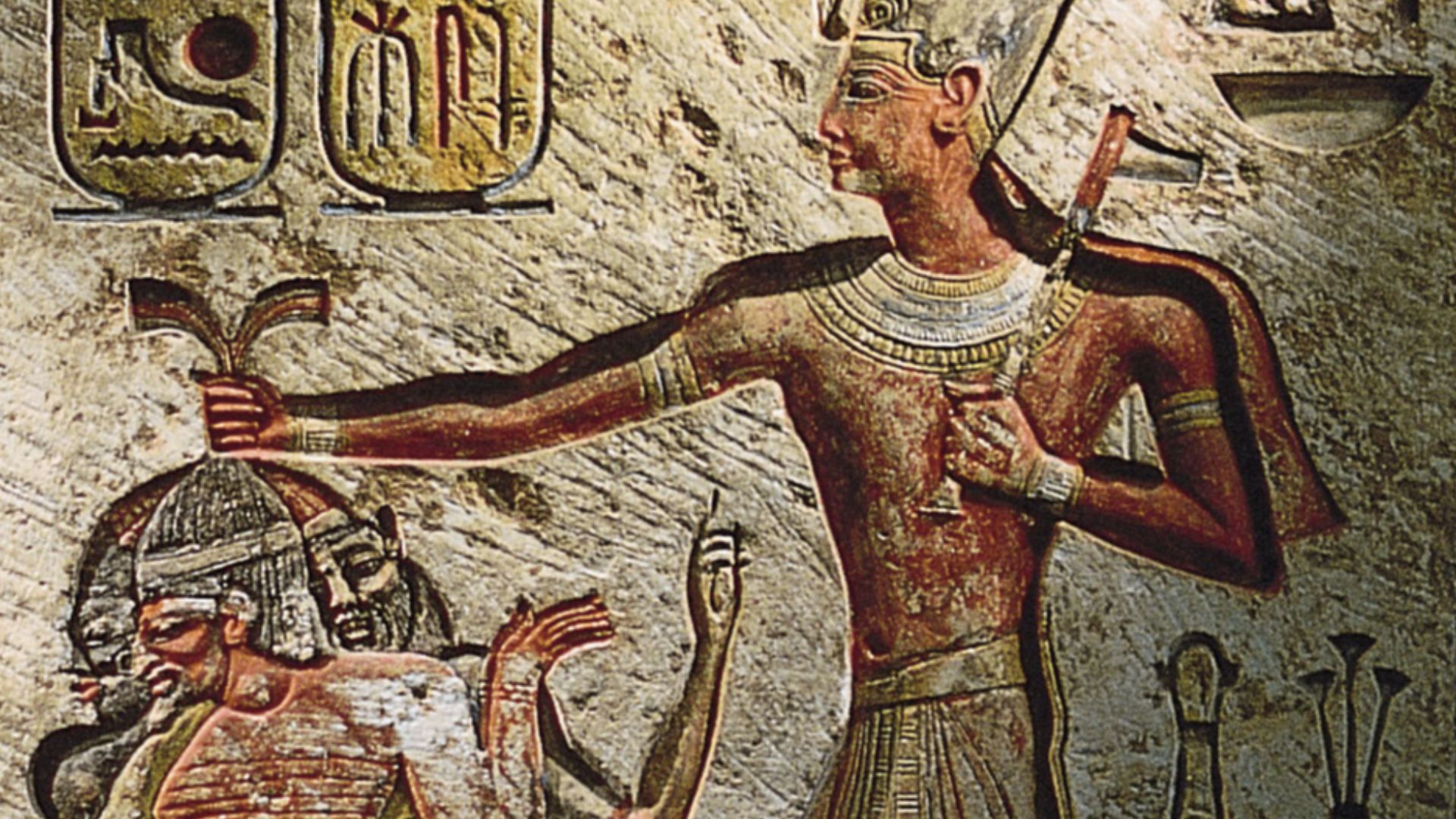
Ramesses II Remains A Famous Candidate
Ramesses II is popularly identified as the Exodus pharaoh, partly because of the biblical place-name and his long reign. The Bible, however, never names its pharaoh. Archaeology has likewise produced no inscription identifying Ramesses II as the ruler confronted by Moses.
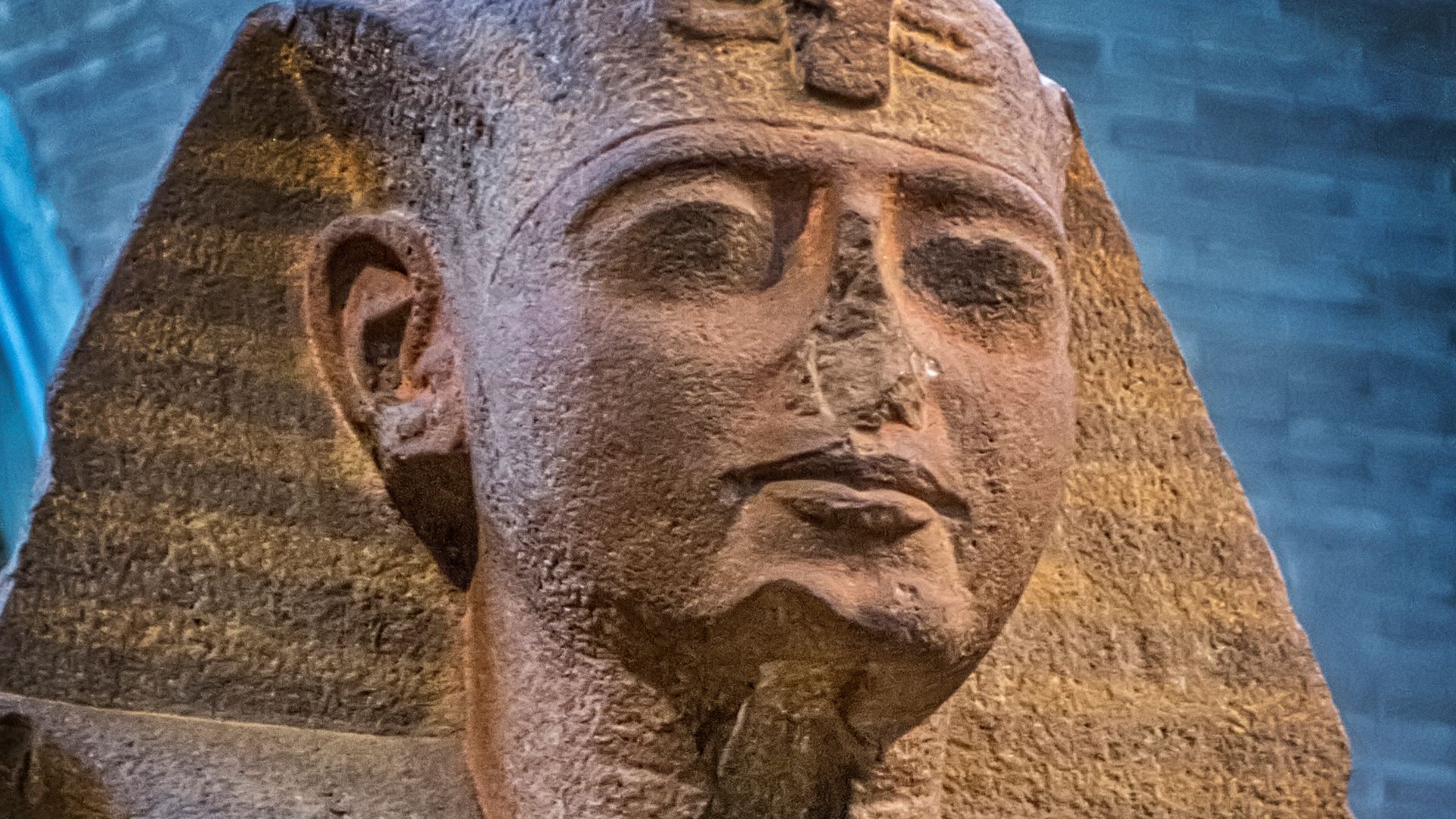 Mary Harrsch, Wikimedia Commons
Then The Merneptah Stele Appears
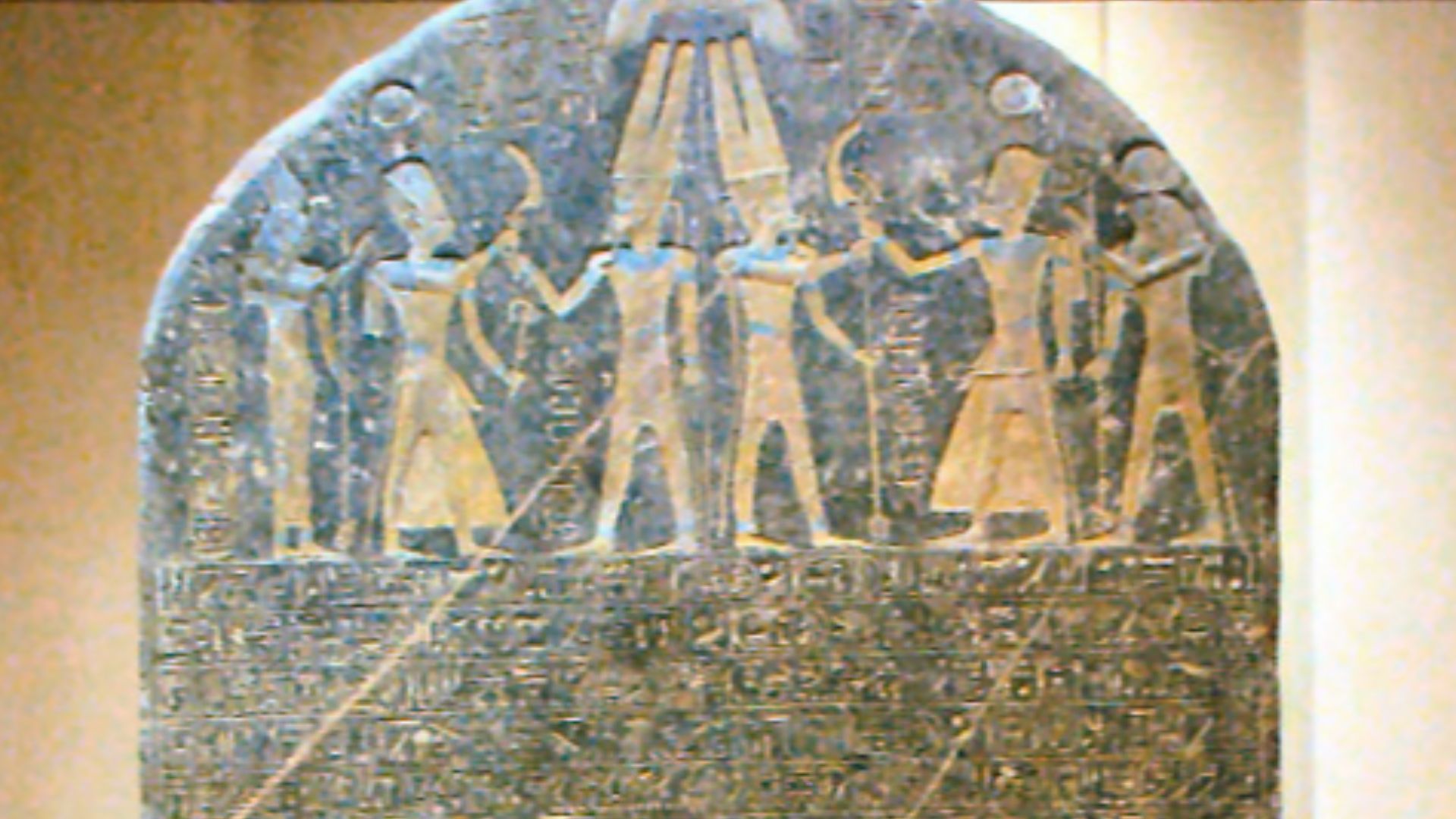
The most important chronological marker comes shortly afterward. Pharaoh Merneptah's victory inscription, dating to roughly 1208 or 1207 BCE, mentions “Israel.” It remains the earliest widely accepted nonbiblical reference to a population bearing that name.
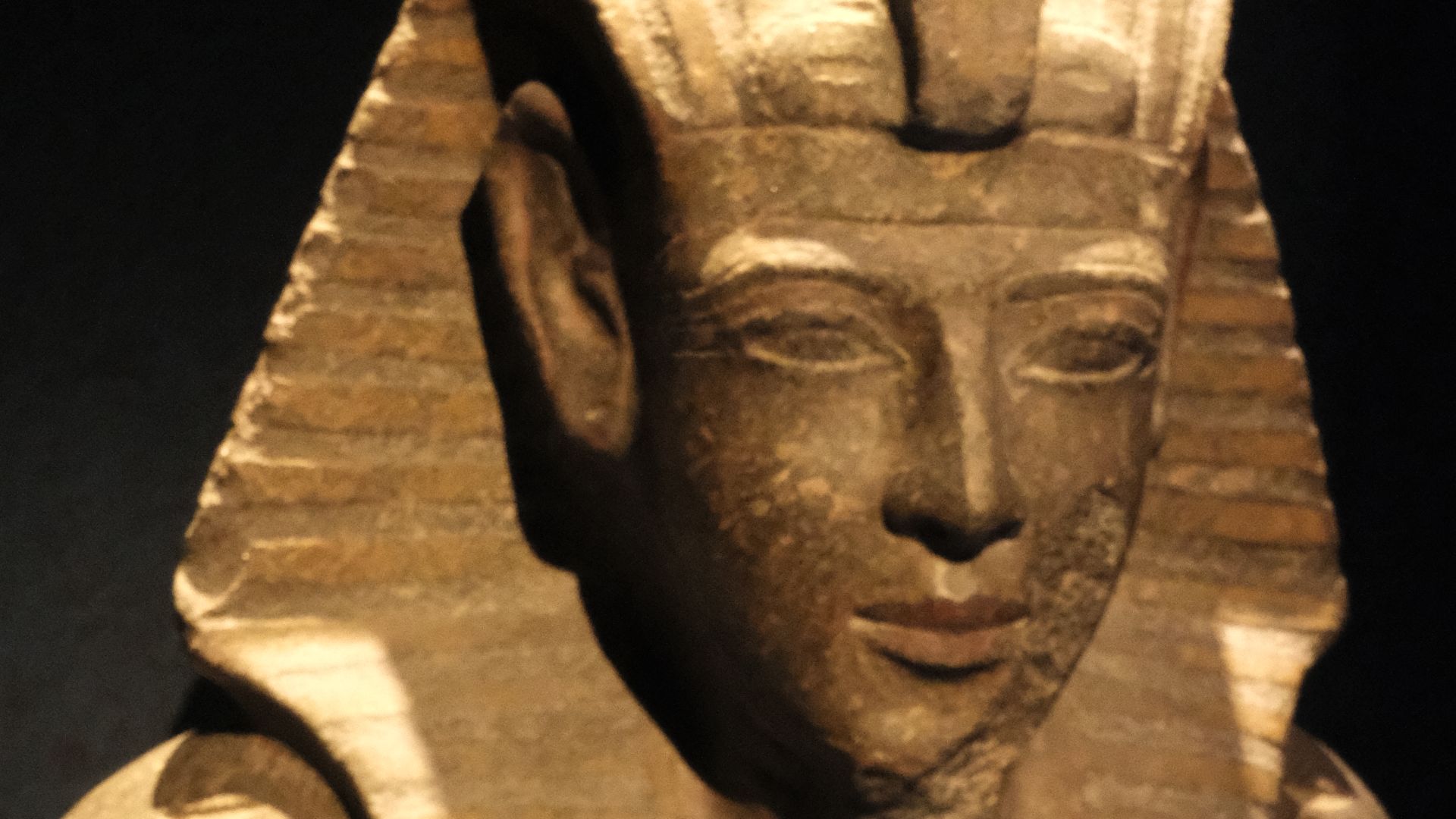 Hyspaosines, Wikimedia Commons
Israel Was Already In Canaan
The inscription places Israel in Canaan by the late 13th century BCE. Crucially, its hieroglyphic determinative treats Israel as a people rather than a city-state. Whatever Israel's earlier history was, a recognizable group carrying that name existed in Canaan by this point.
 Schaff, Philip, 1819-1893, Wikimedia Commons
The Stele Does Not Explain Their Origins
Merneptah tells us Israel existed, not where those people came from. The inscription says nothing about Moses, slavery, plagues, Sinai, or a migration from Egypt. It therefore supplies a vital endpoint for discussions of Israel's emergence without independently verifying Exodus.
Canaan Was Under Egyptian Influence
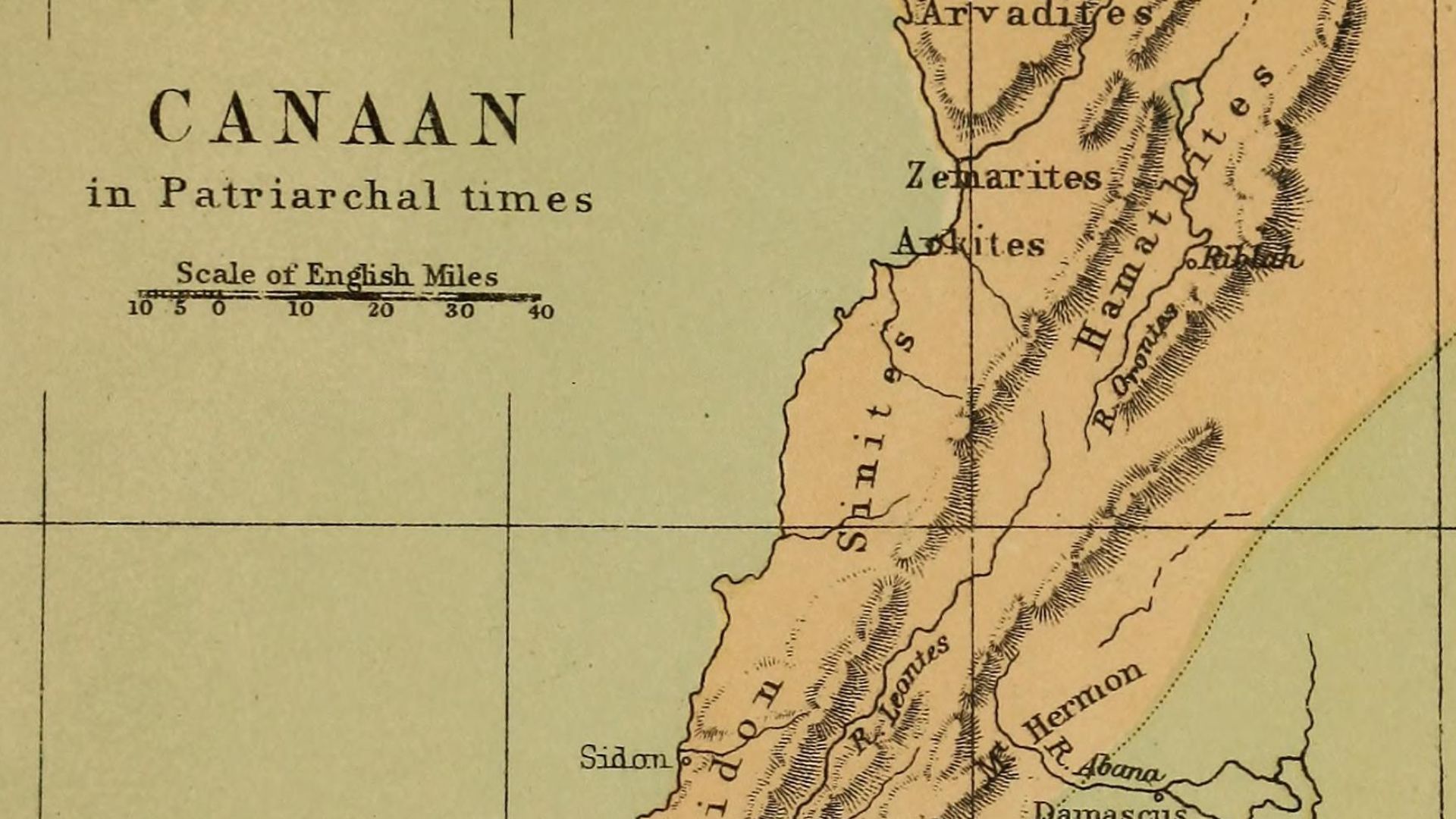
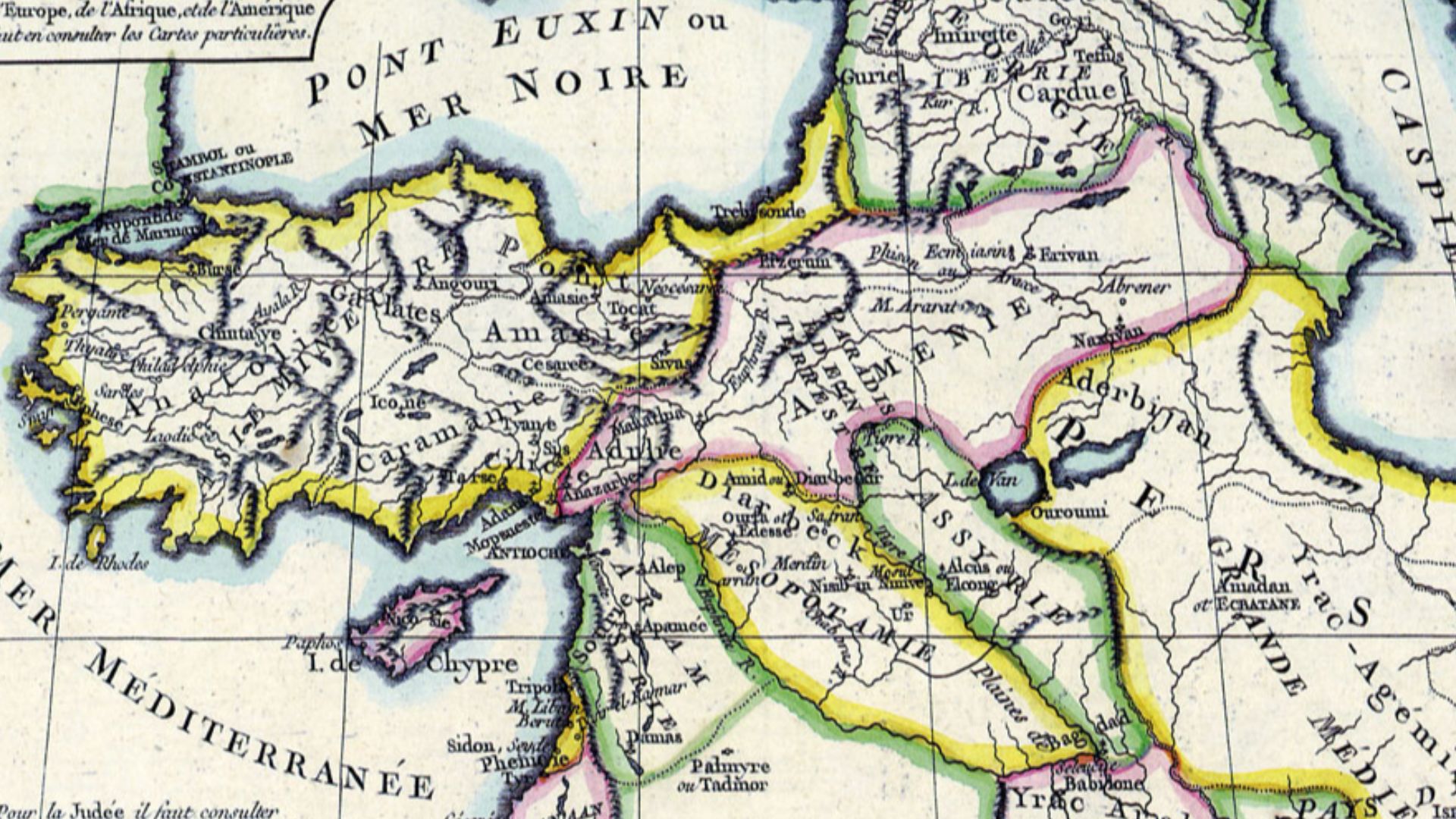
Another complication is political geography. During much of the Late Bronze Age, Egypt exercised substantial power in Canaan through local rulers and military activity. Consequently, an escape from Egypt followed by entry into Canaan could involve moving from Egypt proper into territory heavily influenced or controlled by Egypt.
 Robert de Vaugondy, Wikimedia Commons
Archaeologists Found New Highland Settlements
Around the transition from the Late Bronze to Iron Age, numerous small settlements appeared in Canaan's central highlands. Scholars have long investigated these communities when reconstructing early Israel. Their material remains provide a different way to approach Israelite origins without beginning with the biblical conquest narrative.
Their Houses Became Distinctive
One famous feature is the so-called four-room house, which appeared in the central highlands around the late 13th and early 12th centuries BCE before becoming especially characteristic during the Iron Age. Archaeologists frequently associate the form with Israelite settlements, although architecture alone cannot establish someone's ethnicity.
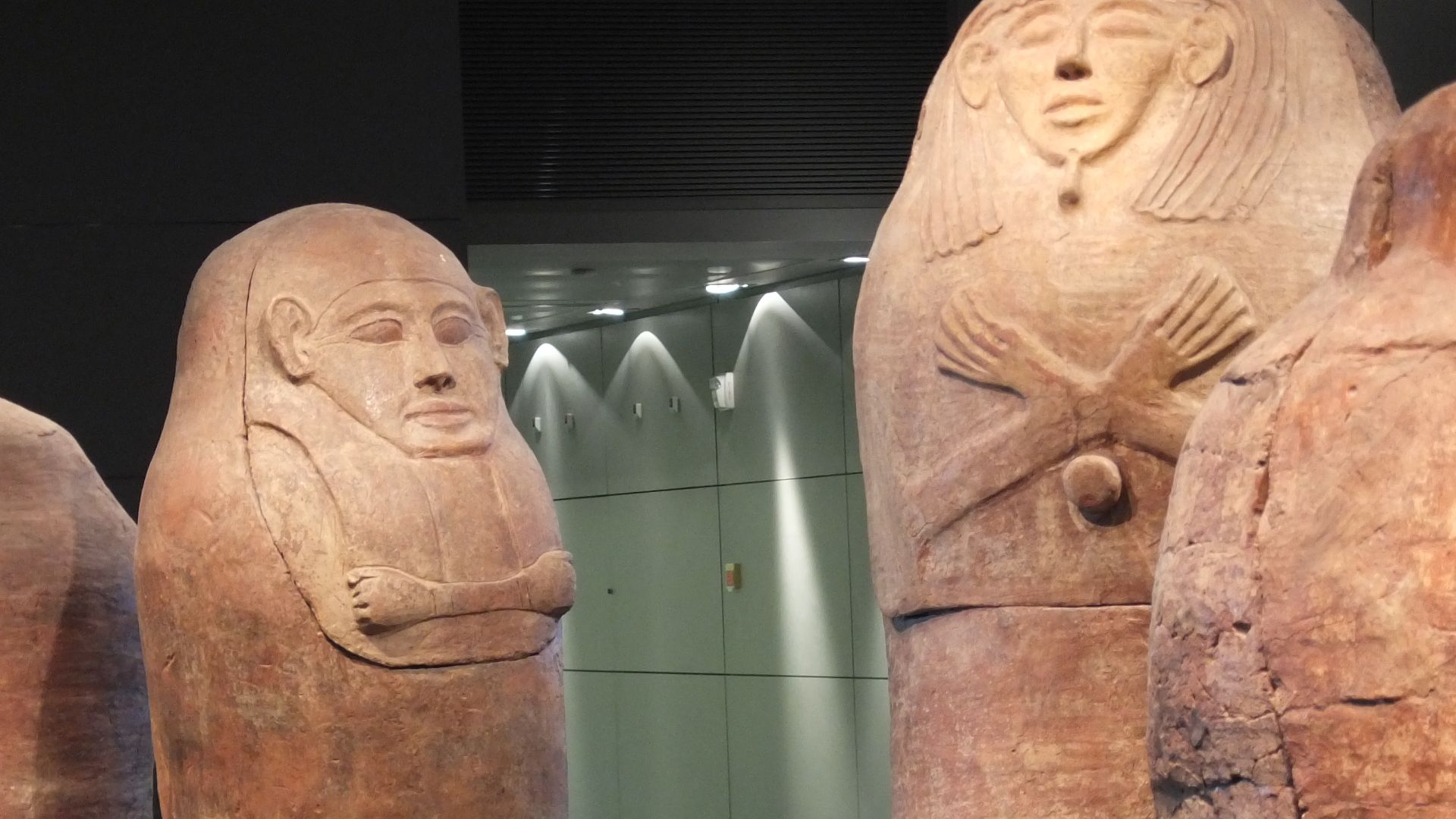
Early Israel Looks Surprisingly Canaanite
Archaeological interpretations increasingly emphasize continuity between early Israel and populations already living in Canaan. Settlement patterns developed locally, while elements of material culture continued older regional traditions. This has encouraged models in which much of Israel emerged from within Canaanite society rather than arriving as one enormous outside population.
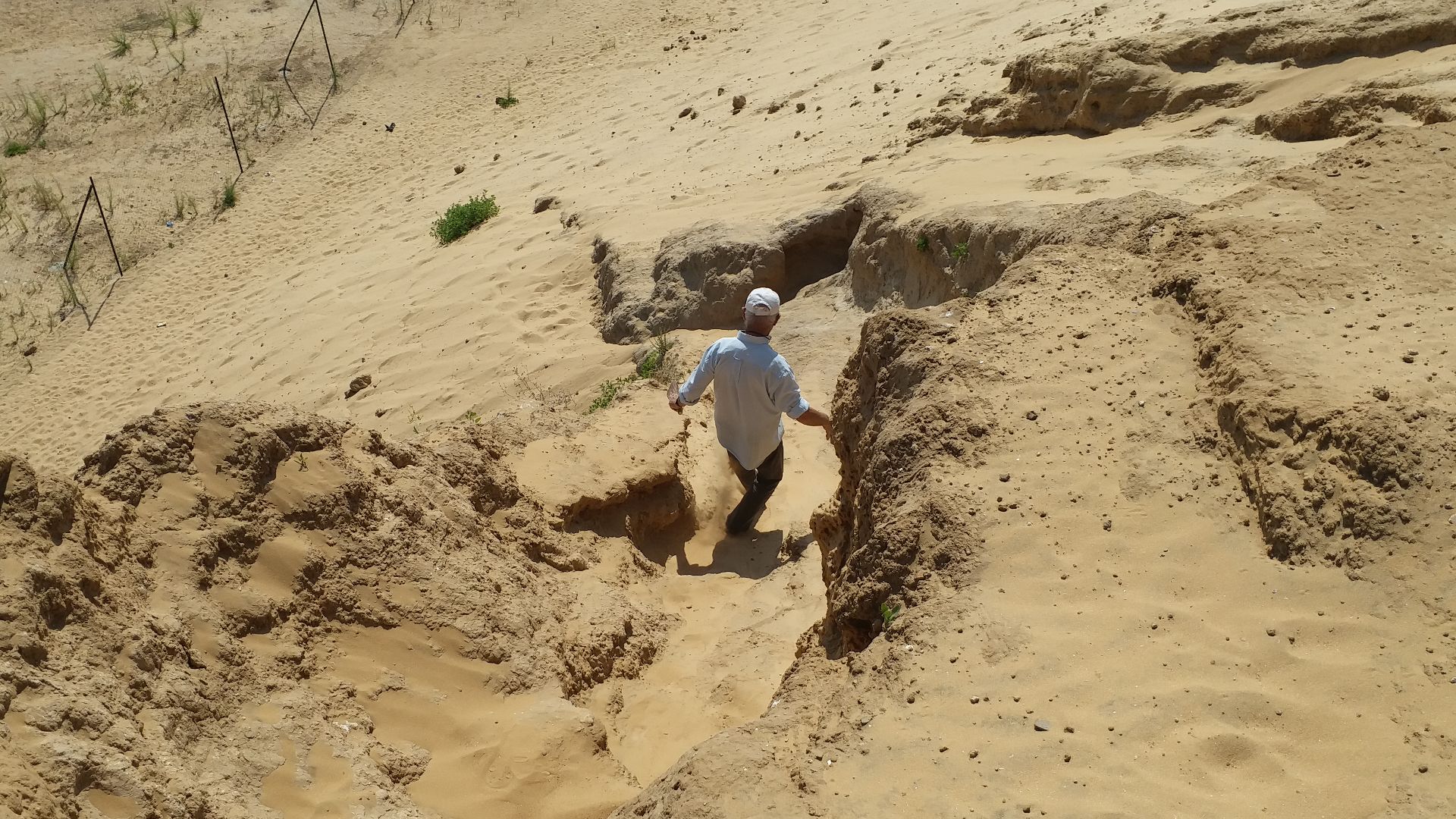 Essam Mohammed Ali Adwan, Wikimedia Commons
That Does Not Rule Out Egypt Entirely
Local Canaanite origins for many Israelites do not logically require that every Israelite ancestor had the same background. Ancient populations formed through migration, intermarriage, political change, and shifting identities. A smaller group carrying memories of Egypt could theoretically have joined communities already living in Canaan.
Some Scholars Favor A Historical Core
Researchers have proposed models in which the biblical narrative preserves memories of a smaller departure from Egypt that grew in significance through generations of storytelling. The interdisciplinary literature contains positions ranging from substantial skepticism to arguments for meaningful historical memories behind the account. There is no single reconstruction accepted by everyone.
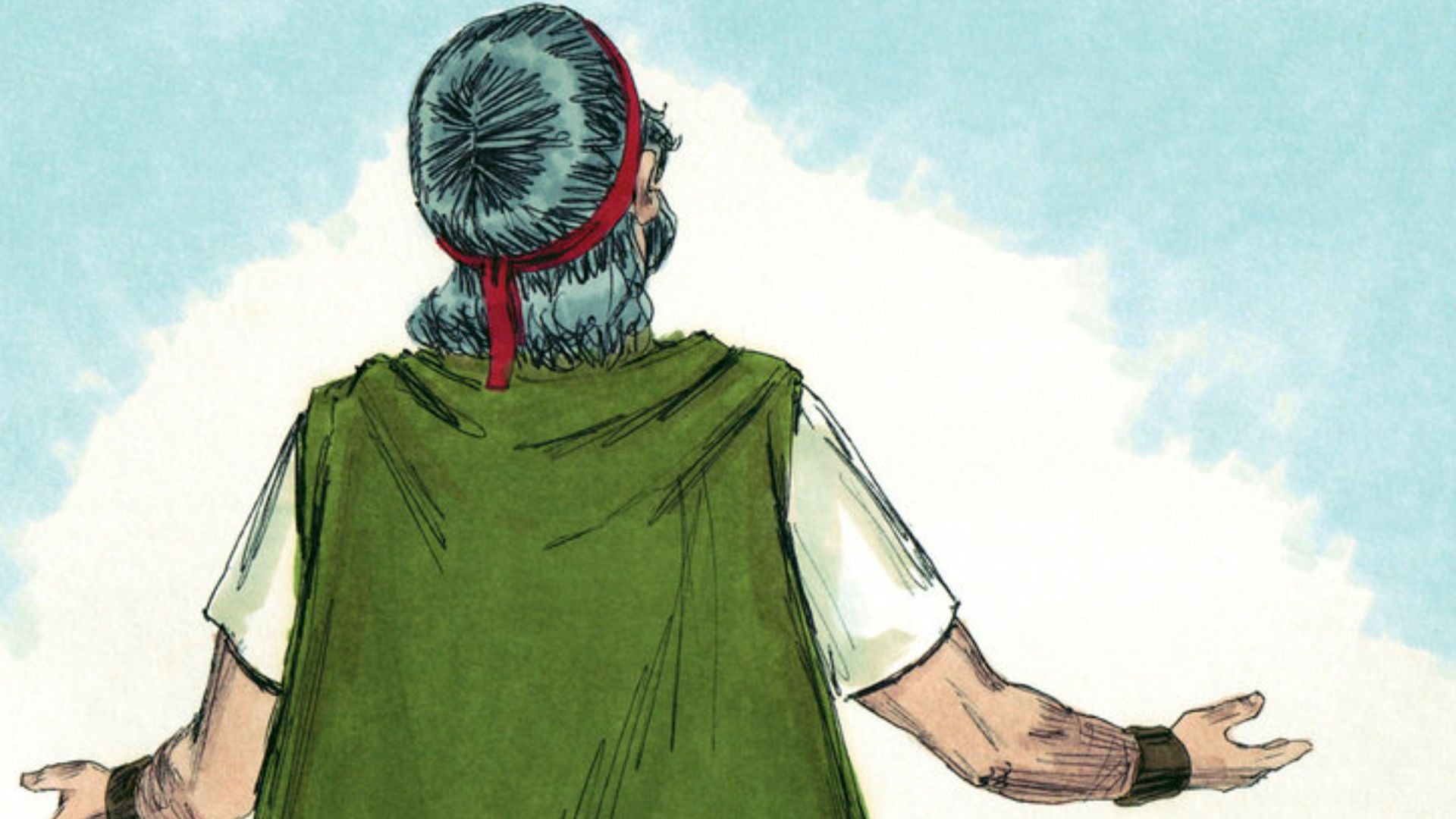 Jim Padgett, Wikimedia Commons
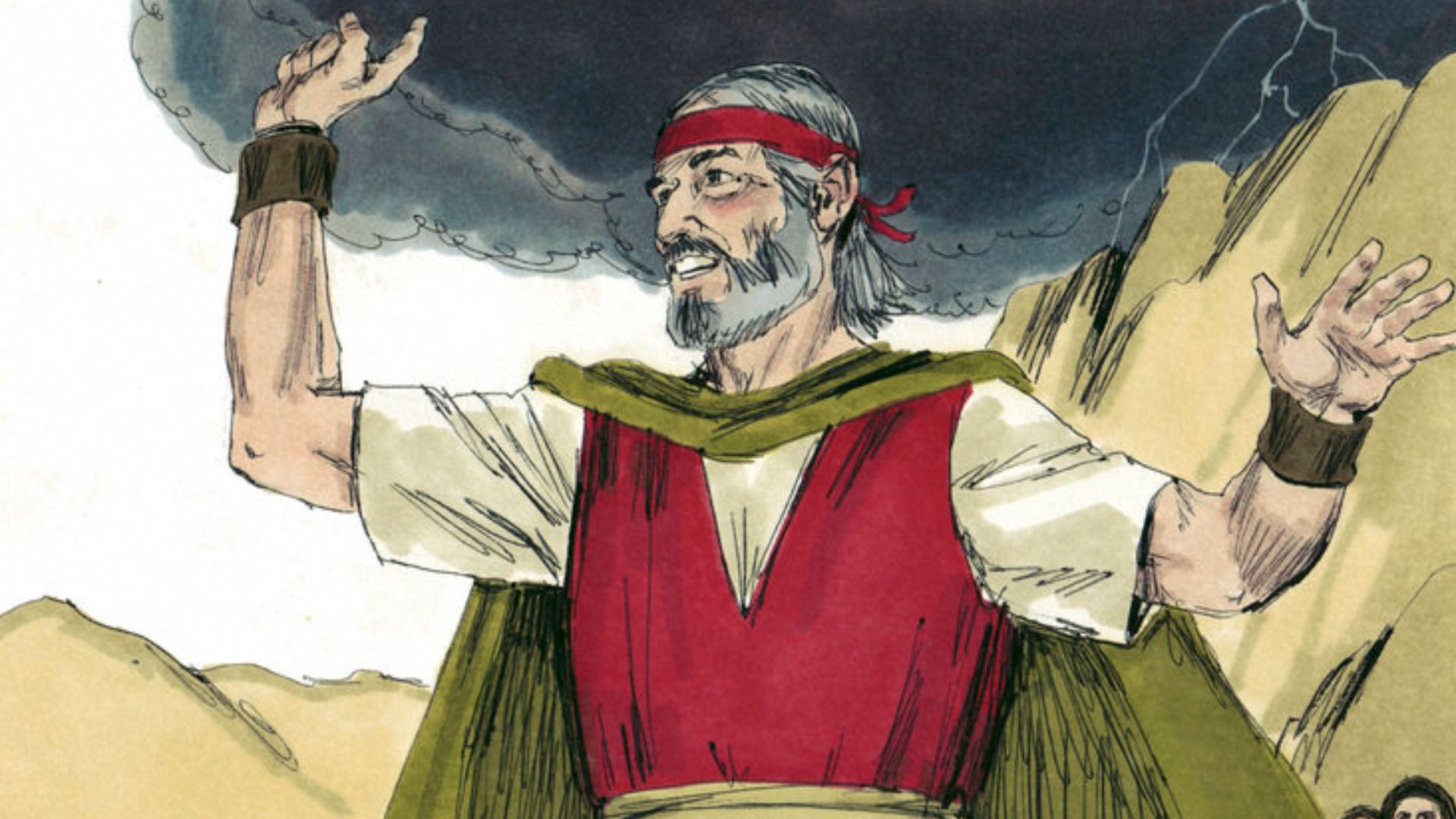
Others Emphasize Cultural Memory
Exodus can also be studied as a national memory rather than a modern chronological report. Stories preserved orally and in writing can combine genuine places, social conditions, older traditions, theology, and later interpretation. That approach allows historical memories to exist without requiring every narrative detail to correspond directly to one event.
 Jim Padgett, Wikimedia Commons
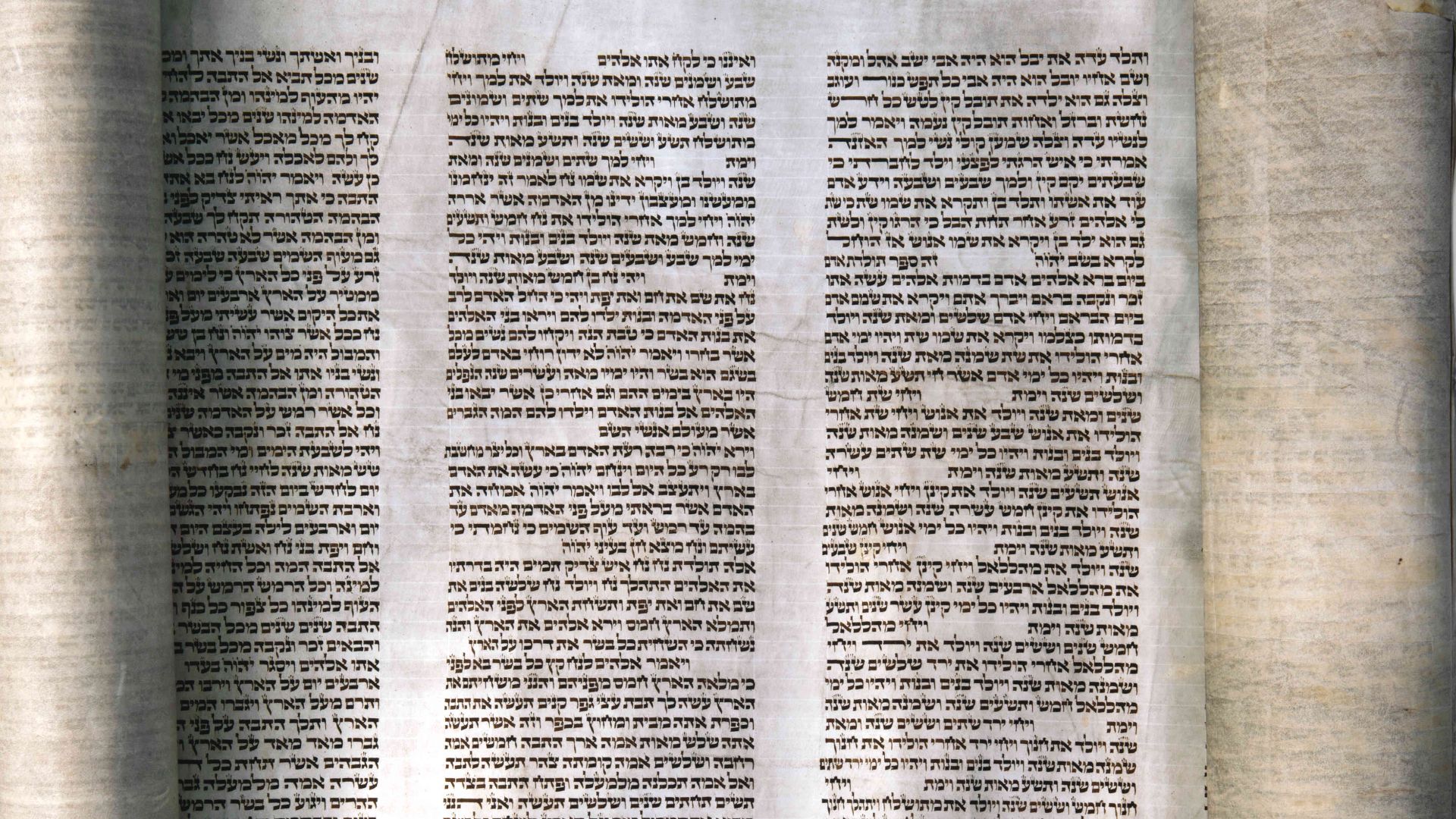
The Text Itself Developed Over Time
Modern biblical scholarship generally does not regard the Pentateuch as a single eyewitness account written in its final form by Moses. Scholars identify multiple literary layers and traditions that were assembled and edited over centuries. That lengthy development makes direct comparison between each biblical detail and one archaeological period difficult.
 Unknown authorUnknown author, Wikimedia Commons
Place Names Can Preserve Real Memories
The appearance of genuine Egyptian geography in Exodus remains important. Piramesse provides an especially clear example of a real Ramesside location reflected in biblical tradition. Scholars disagree over whether such details preserve old memories or entered the tradition during later composition and transmission.
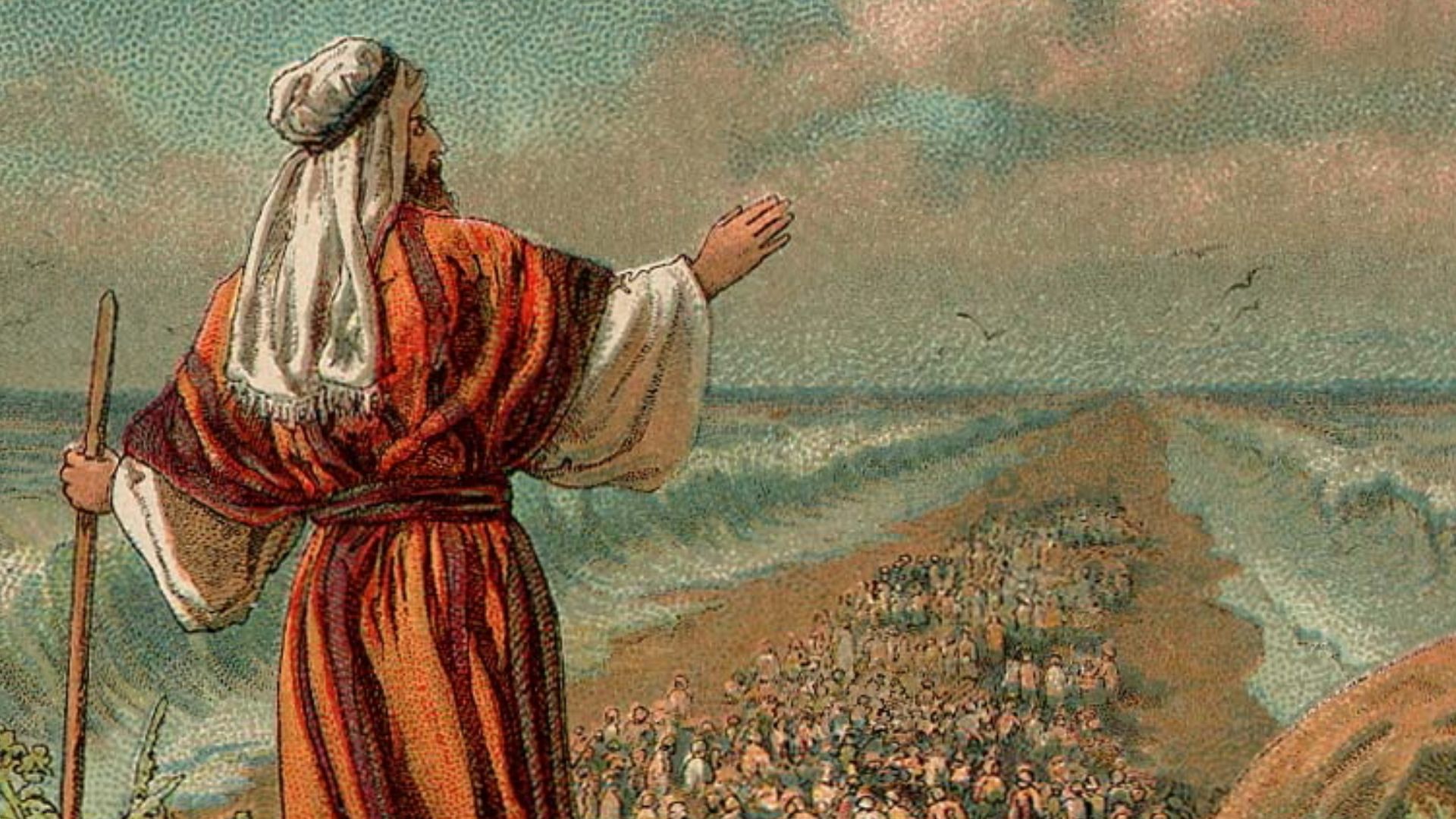
Archaeology Cannot Test The Miracles
Archaeology can investigate settlements, inscriptions, migration patterns, pottery, architecture, and environmental history. It cannot experimentally establish supernatural causation behind the plagues or the parting of waters. Historical investigation therefore addresses the human setting and development of the narrative rather than adjudicating its theological claims.
 David Roberts, Wikimedia Commons
The Evidence Cuts Both Ways
There is no archaeological confirmation of millions of Israelites leaving Egypt, wandering Sinai for 40 years, and entering Canaan exactly as narrated. Yet Egypt contained Levantine communities, foreigners experienced forced labor, Piramesse existed, and a people called Israel was firmly established in Canaan by around 1208/1207 BCE.
 the Providence Lithograph Company, Wikimedia Commons
“Did It Happen?” May Be Too Simple
The archaeological question is not limited to choosing between total invention and a literal transcript of events. A narrative can preserve memories of real migrations, places, political circumstances, and social experiences while reshaping them over centuries. That possibility explains why scholarly discussions often focus on historical kernels and cultural memory.
What We Can Say With Confidence
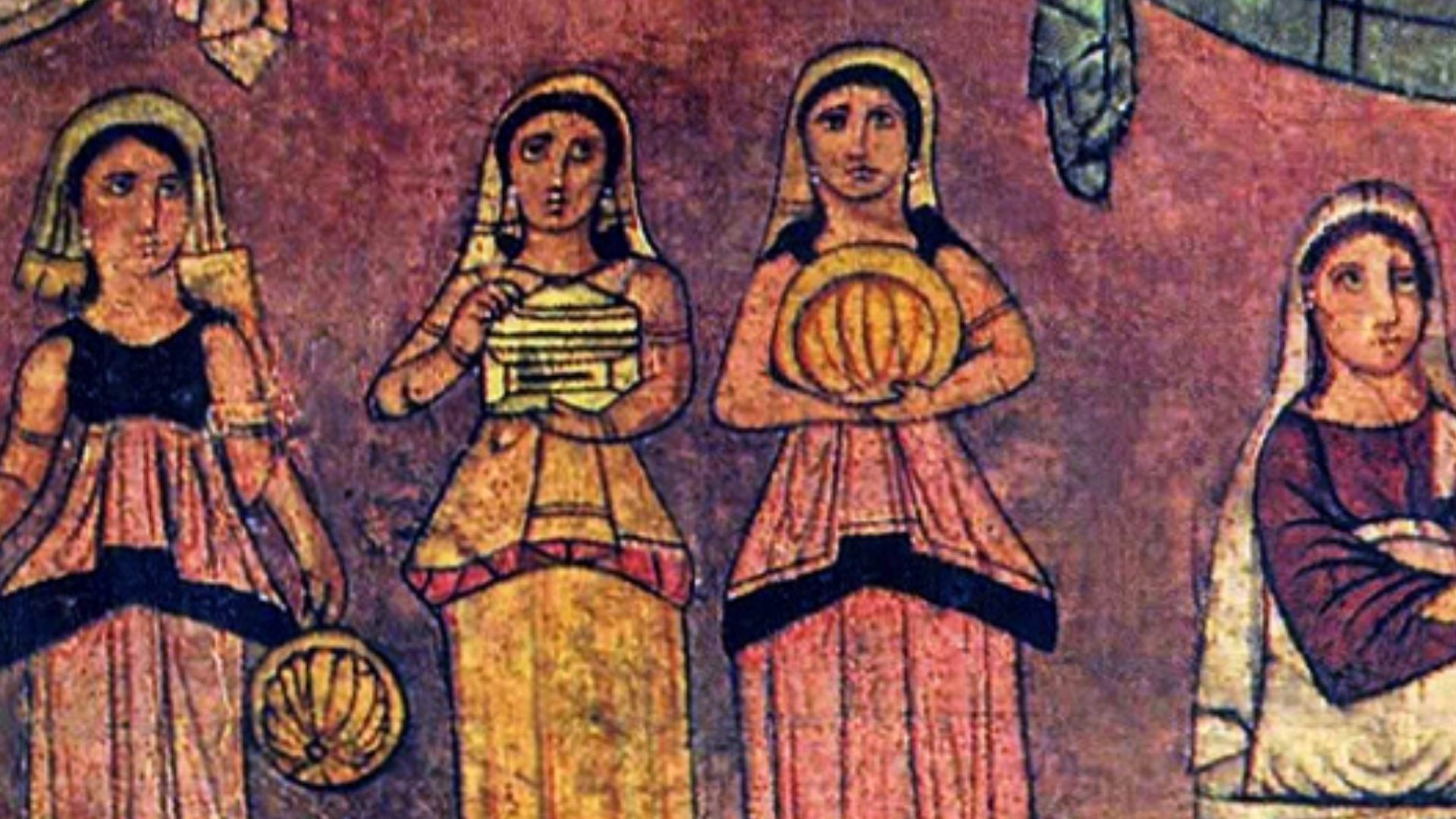
Levantine people lived in ancient Egypt, Egypt maintained deep connections with Canaan, Piramesse was real, and Israel appears in an Egyptian inscription by the late 13th century BCE. Conversely, no known Egyptian text records Moses or the biblical Exodus, and archaeology has not demonstrated the enormous wilderness migration described in Scripture.
 Unknown authorUnknown author, Wikimedia Commons
The Mystery Is In The Middle
The evidence neither supplies a straightforward archaeological duplicate of Exodus nor makes every element historically impossible. Instead, it reveals a complicated environment of migration, Egyptian rule, Canaanite continuity, changing identities, and remembered experiences. The enduring debate concerns how those historical pieces became one of antiquity's most influential narratives.
 Jim Padgett, Wikimedia Commons
You May Also Like:
The Mysteries Of Ancient Human Survival That Scientists Are Still Trying To Explain