The Universe Has Been Keeping A Secret
For decades, scientists searched for evidence of alien civilizations. But along the way, some researchers stumbled onto a much more unsettling possibility. What if the real mystery isn't where aliens are? What if it's what happened to them?
There Should Be Somebody Out There
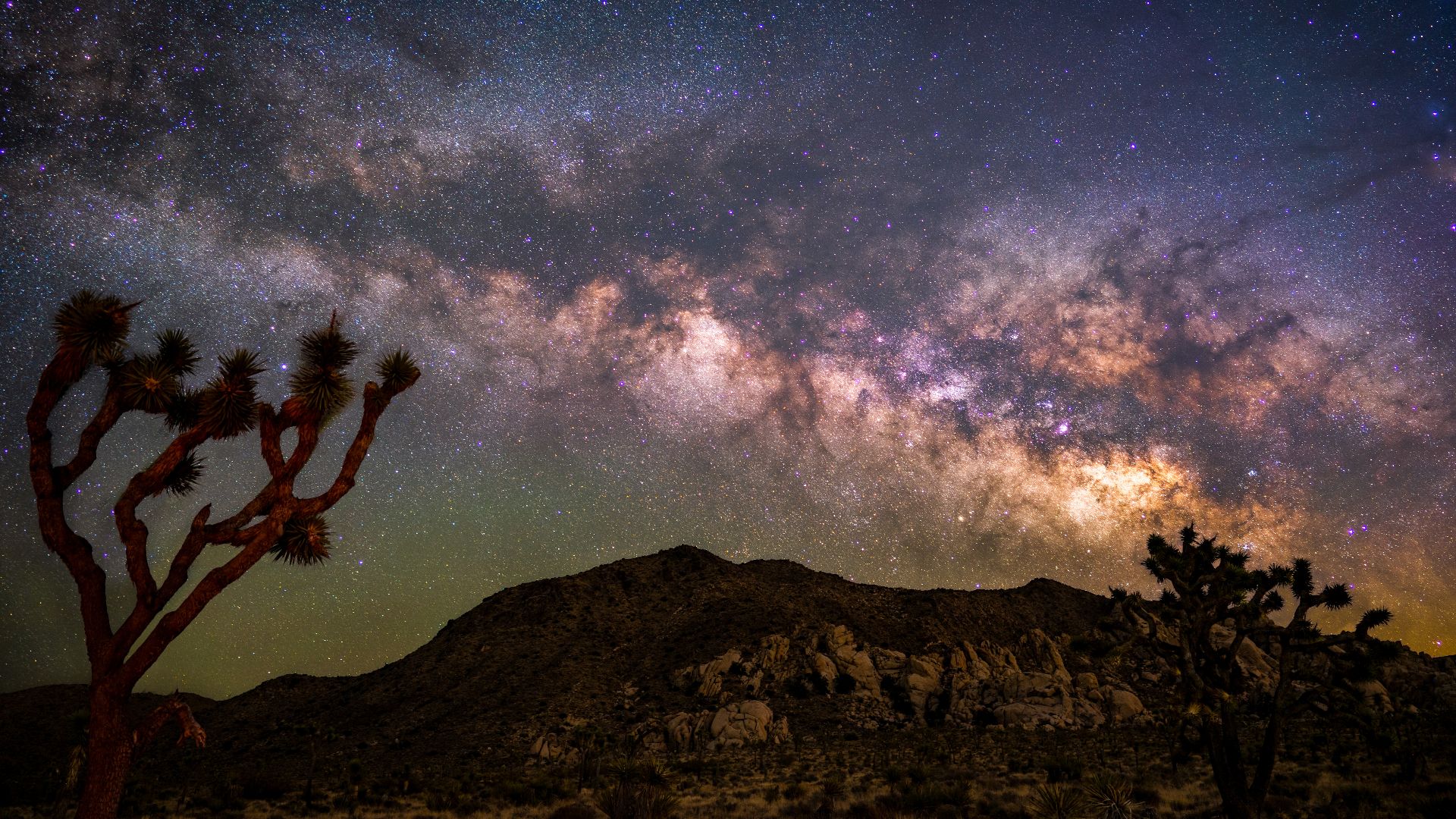
Our galaxy contains hundreds of billions of stars, and scientists now know planets are incredibly common. Given the sheer size and age of the Milky Way, many researchers have argued that we might expect to see some evidence of other technological civilizations by now. Instead, the universe appears strangely quiet.
 Benjamin Inouye, Wikimedia Commons
One Question Changed Everything
In 1950, physicist Enrico Fermi famously asked: "Where is everybody?" If intelligent civilizations should exist elsewhere, why don't we see any signs of them? More than 75 years later, scientists still don't have a definitive answer. But one explanation has become especially difficult to ignore.
 Department of Energy-Office of Public Affairs, restored by Yann, Wikimedia Commons
The Theory Is Called The Great Filter
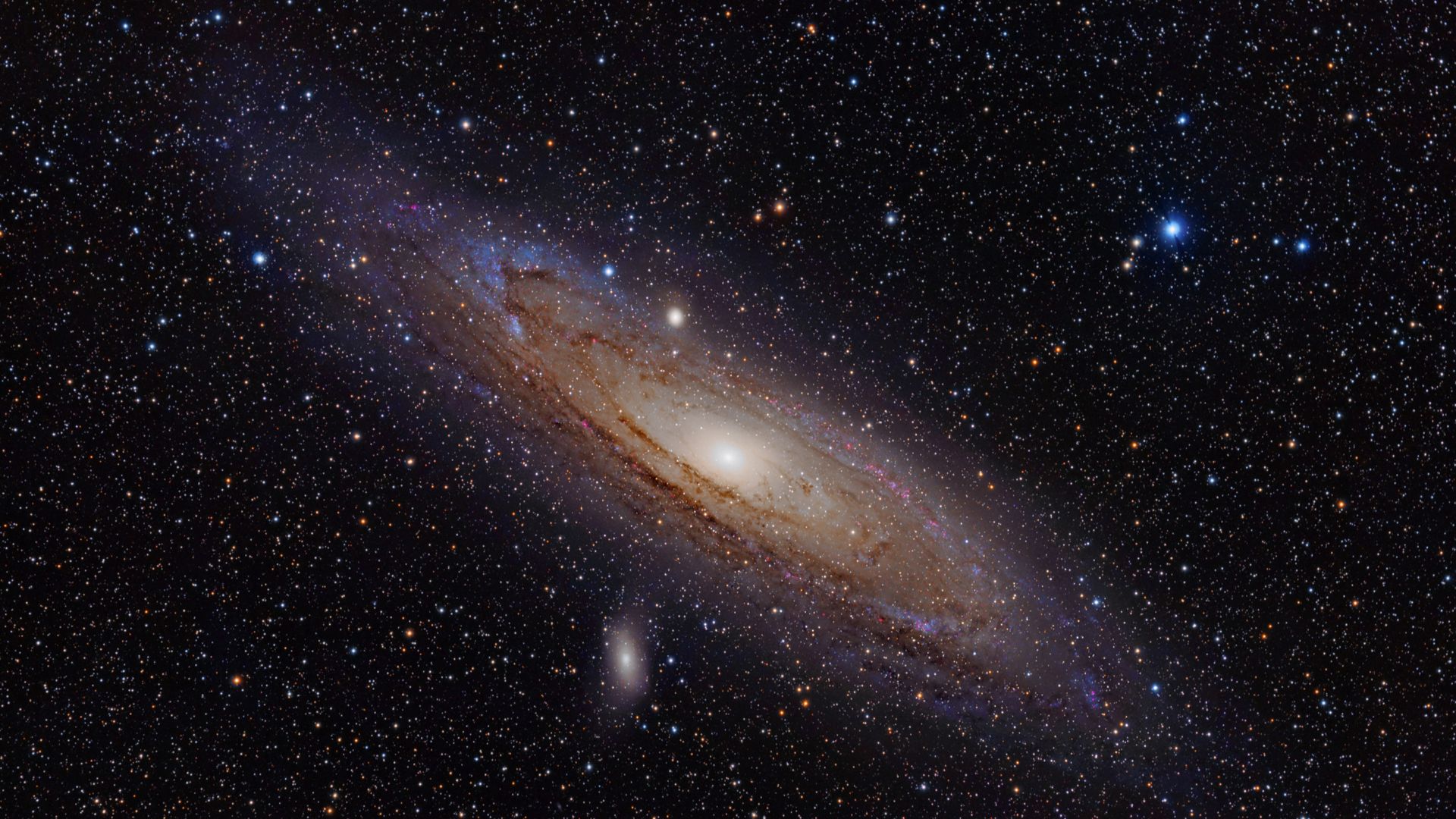
Scientists call it the Great Filter. The idea is that becoming a galaxy-spanning civilization isn't just difficult—it's incredibly unlikely. Somewhere along the path from simple life to advanced civilization, there may be a hurdle so difficult that most species never get past it.
Think Of It Like A Cosmic Obstacle Course
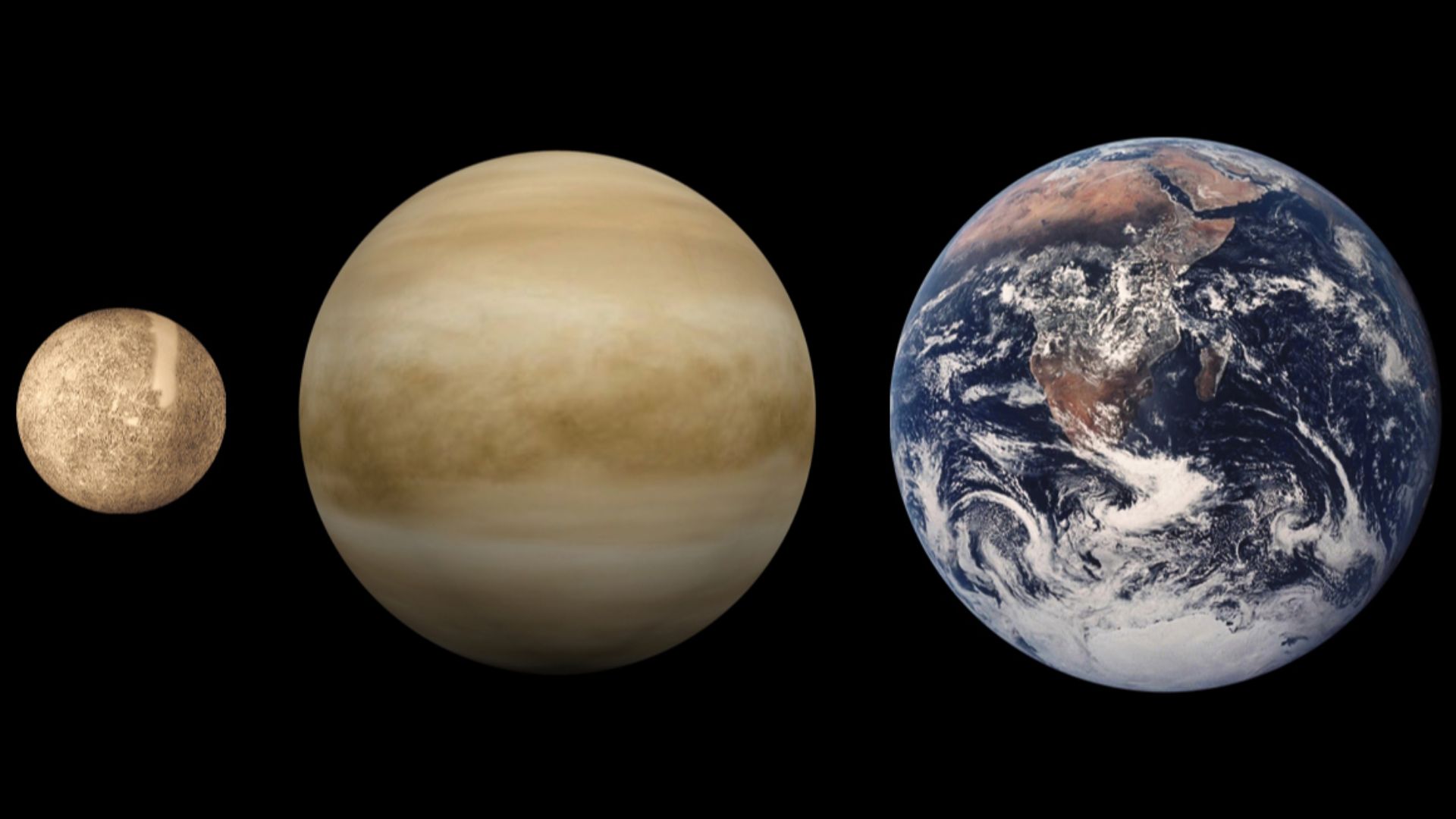
Life has to clear a surprising number of hurdles. A planet must form. Life must appear. Simple organisms must become complex ones. Intelligence must evolve. Technology must develop. According to the theory, one of those steps may be so unlikely that almost every civilization fails to reach the next stage.
 wikipedia user Brian0918, Wikimedia Commons
That's The Part Nobody Knows
Scientists don't know which step is the Great Filter. It could be behind us, meaning humanity already survived it. Or it could be ahead of us, meaning many civilizations reached our level before running into a problem they couldn't overcome. And that's where the theory takes a darker turn.

There Are Only Two Real Possibilities
If the Great Filter is behind us, that's encouraging. It would mean one of the hardest steps in the evolution of intelligent life is already complete. But if it's still ahead of us, the implications become much darker. That immediately raises another question: what could the filter actually be?
That's Where Things Get Uncomfortable
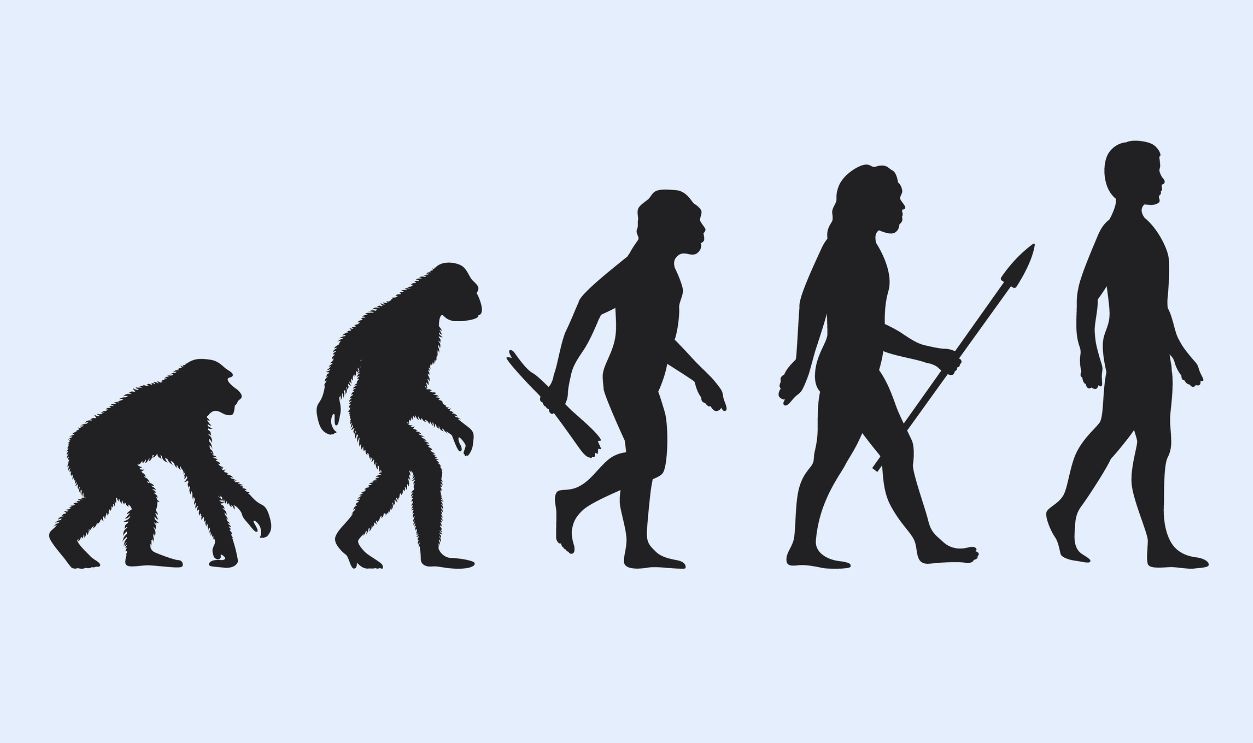
Imagine a civilization that develops science, technology, cities, and dreams of reaching the stars. According to the theory, countless civilizations may have reached that point. The reason we don't see them could be that none of them made it much further. So what stopped them?

Scientists Started Looking For The Culprit
Researchers began asking what kind of obstacle could prevent a civilization from lasting long enough to spread beyond its own star system. Some possibilities are familiar. Others may be risks we haven't even discovered yet.

The First Suspect Is Obvious
Nuclear weapons immediately landed near the top of the list. In less than a century, humanity developed the ability to devastate its own civilization. Some researchers have wondered whether every advanced species eventually reaches a similar crossroads before it's ready.
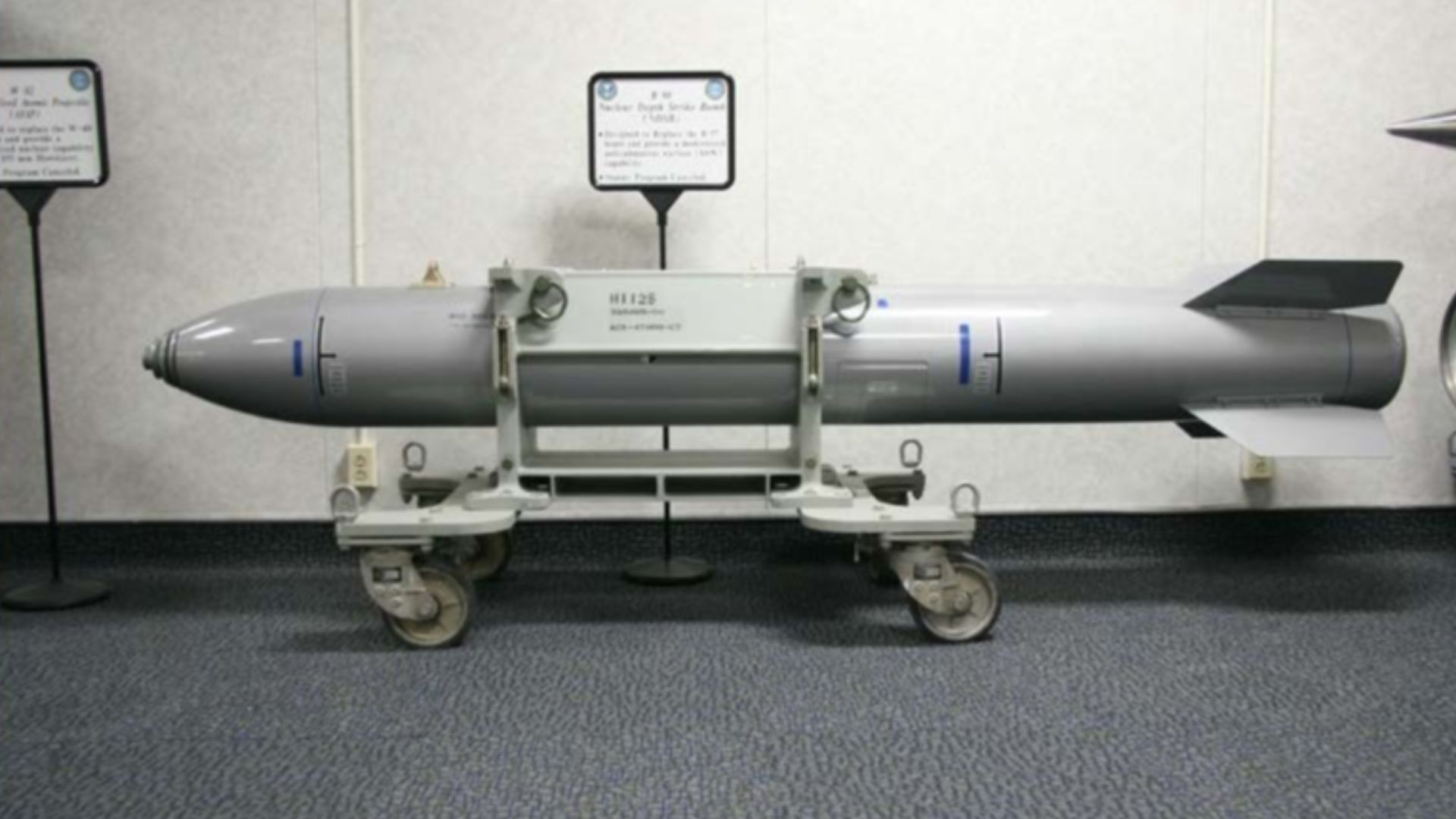 Unknown (DoD), Wikimedia Commons
But The List Is Much Longer
Scientists have also pointed to climate change, ecological collapse, engineered diseases, resource depletion, and artificial intelligence. The theory doesn't identify a specific disaster. It simply suggests there may be a bottleneck that most civilizations fail to survive—or even recognize before it's too late.
 Friedrich Haag, Wikimedia Commons
Humanity Is Living Through A Strange Moment
For most of human history, we had relatively little power to reshape the world. Then everything changed remarkably fast. In just a few generations, humanity developed nuclear weapons, genetic engineering, artificial intelligence, and technologies our ancestors couldn't have imagined. Which raises an uncomfortable question: are we living through the very stage the Great Filter is talking about?

Some Researchers Think That's The Pattern
According to the theory, civilizations may become technologically powerful long before they become wise enough to handle that power. The same discoveries that improve life can also create risks capable of threatening an entire civilization. If that's true, the filter isn't one event. It's a race.

The Great Filter Doesn't Have To Be A Disaster
Here's the twist: the filter doesn't necessarily destroy civilizations. It could simply be an incredibly unlikely step in evolution. Maybe life almost never begins. Maybe complex cells are astonishingly rare. Maybe intelligence itself is the hardest hurdle of all. And that leads to a completely different possibility.
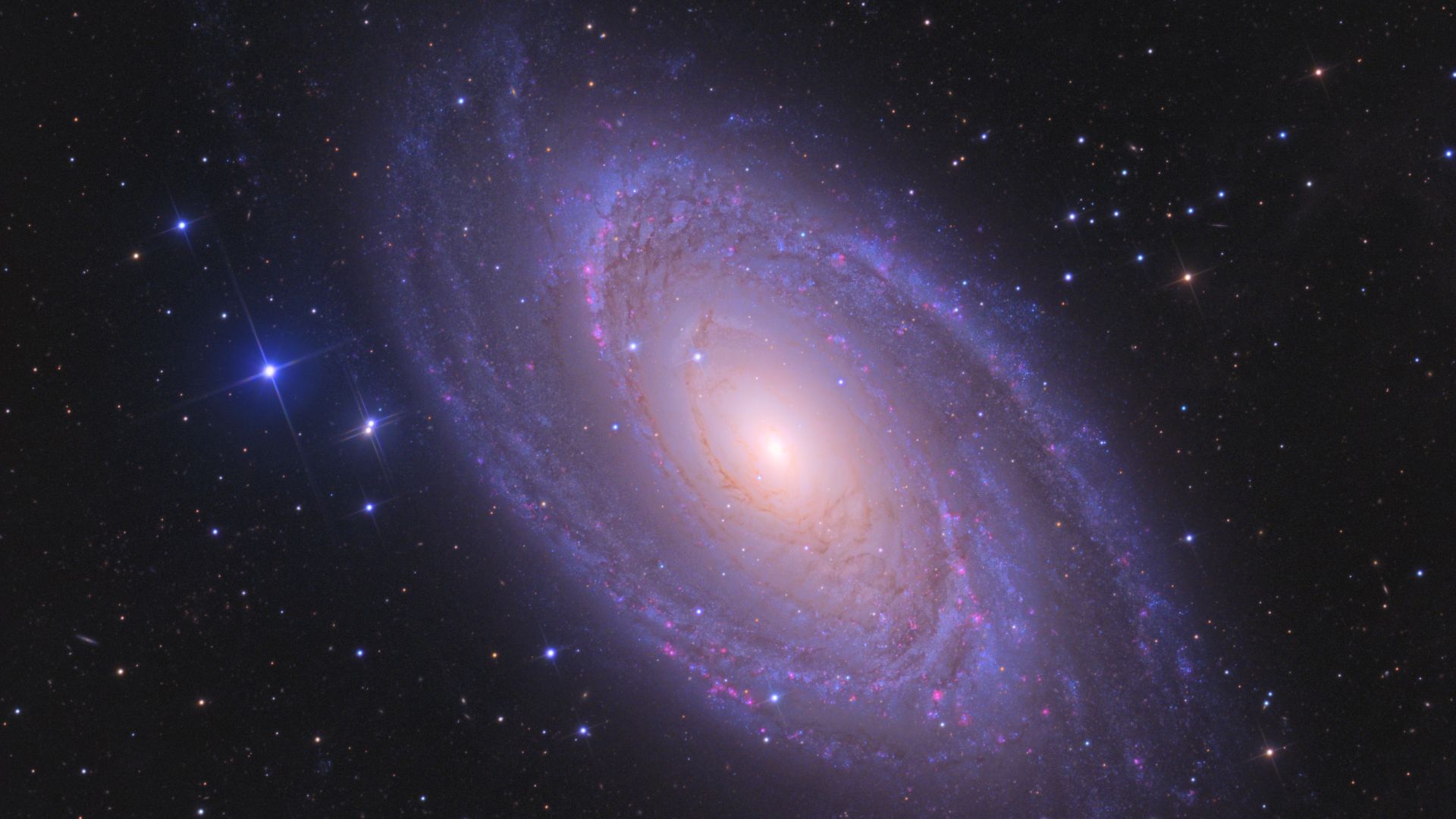 Ken Crawford, Wikimedia Commons
Then Scientists Noticed Another Possibility
What if humanity already passed the filter? If the hardest step happened billions of years ago, then the universe isn't silent because civilizations keep disappearing. It may be silent because almost none ever made it as far as we have.
 YAKOBCHUK VIACHESLAV, Shutterstock
Every New Discovery Makes The Mystery Stranger
Astronomers have now confirmed thousands of exoplanets, with more being discovered every year. Many appear capable of supporting liquid water. Ironically, every promising new world seems to make the silence even harder to explain.
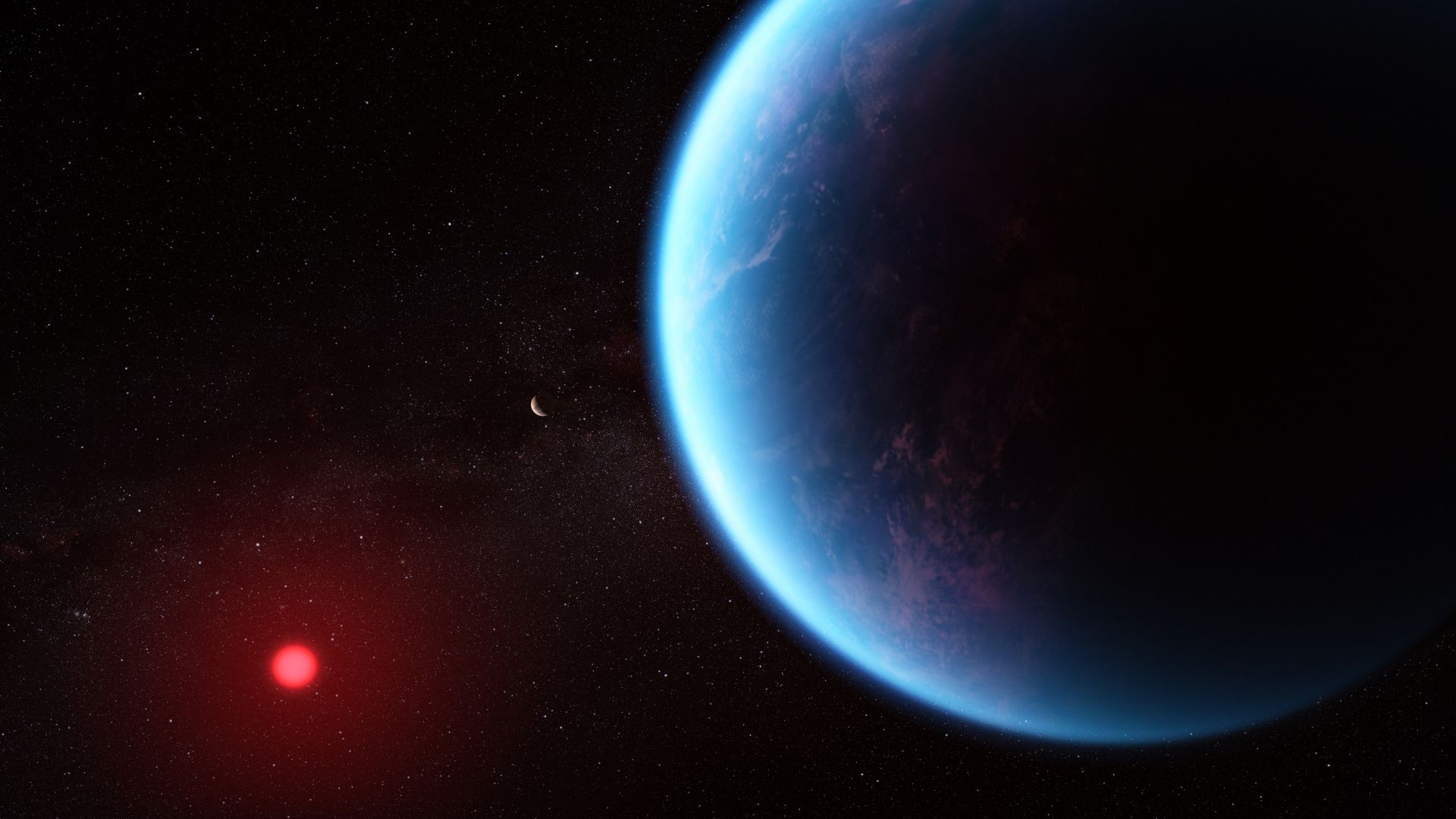
A Small Head Start Could Change Everything
The Milky Way is more than 13 billion years old. Humanity's technological civilization has existed for little more than a century. If another civilization got even a one-million-year head start, it could have explored enormous parts of the galaxy by now. So where is everyone?
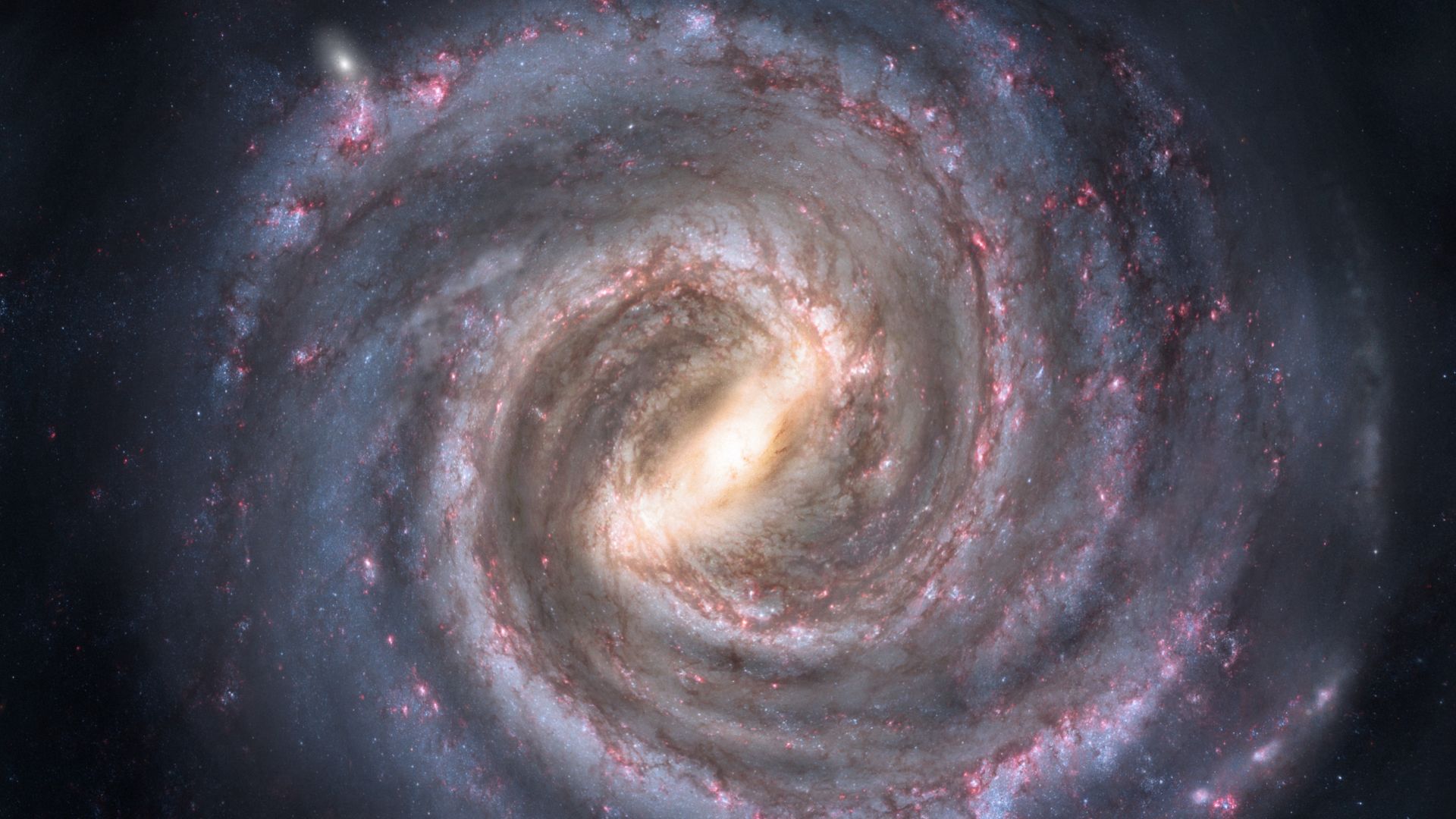 Nick Risinger, Wikimedia Commons
Imagine Finding Earth A Million Years From Now
Think about how much humanity has changed in just the last thousand years. Now imagine another million. If we survive that long, our descendants could be almost unimaginable to us today. That's why scientists find the universe's silence so difficult to explain.
 National Cancer Institute, Unsplash
Yet We Don't See Anything
No confirmed alien spacecraft. No confirmed artificial megastructures. No unmistakable radio signal from another civilization. Scientists continue searching, but the universe remains stubbornly quiet. That silence is what keeps the Great Filter idea alive.

Scientists Are Still Looking
The search is far from over. SETI continues listening for signals, while powerful new telescopes examine distant planets for possible signs of life. Every year brings better technology—and another chance to answer one of humanity's oldest questions.
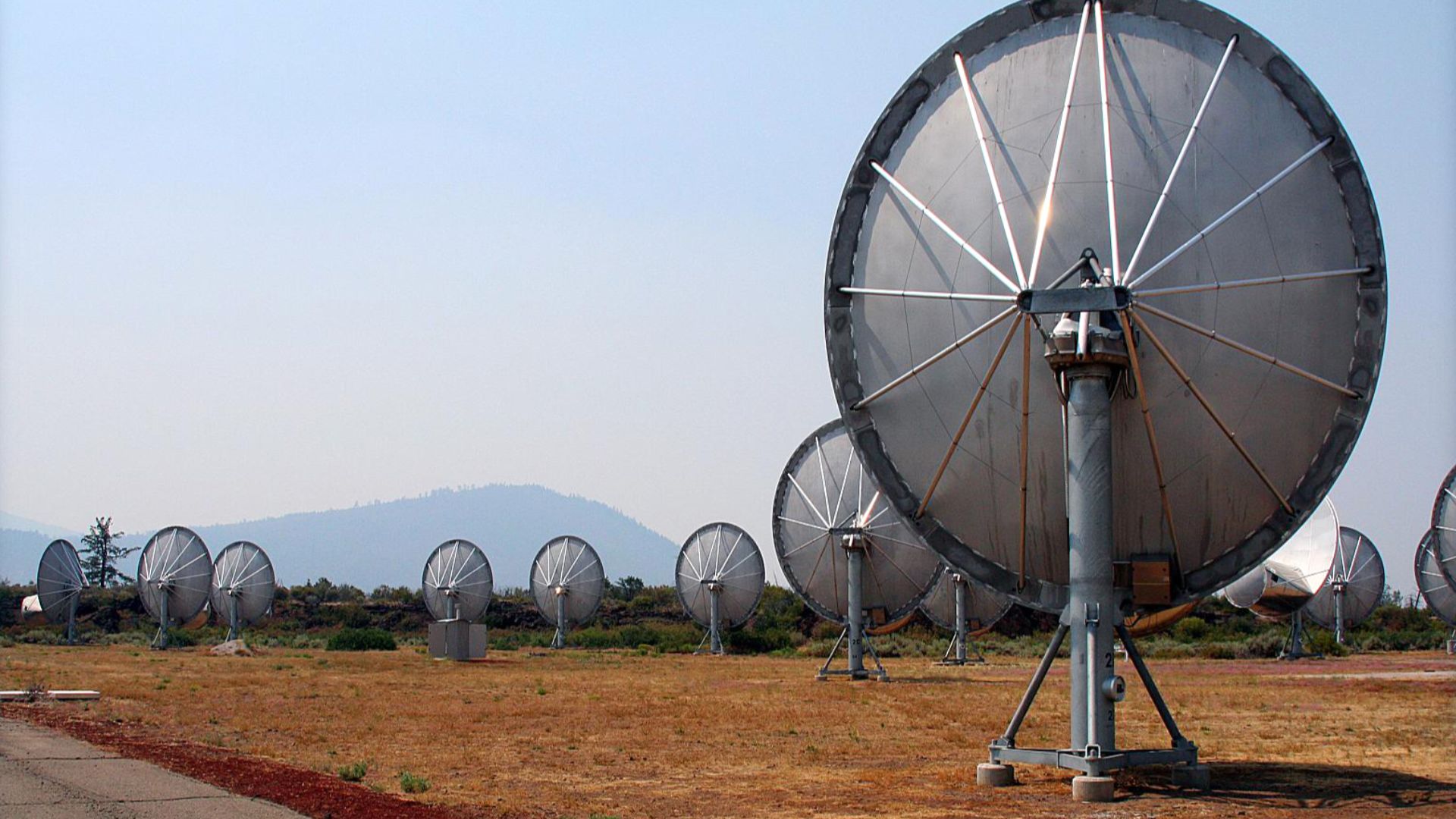 Kathleen Franklin from Marysville, CA, USA, Wikimedia Commons
What If We Really Are Rare?
If intelligent life is genuinely uncommon, humanity may represent one of the universe's few chances for conscious life to survive and eventually spread beyond a single planet. Suddenly this stops being a story about aliens. It becomes a story about us.
 PeopleImages.com - Yuri A, Shutterstock
The Theory Isn't Really About Aliens
That's why scientists keep coming back to the Great Filter. Whether it's behind us or still ahead, the answer could reveal something profound about humanity's future. And until we solve the mystery, every possibility remains on the table.

What If The Silence Is A Warning?
Maybe intelligent life is extraordinarily rare. Maybe advanced civilizations repeatedly fail some crucial test. Or maybe the real answer is something nobody has imagined yet. Until scientists find evidence one way or the other, the silence itself may be the biggest clue.

The Most Unsettling Possibility Of All
The Great Filter remains a hypothesis, not a proven explanation. But it forces us to confront an unsettling possibility. The reason we haven't found advanced alien civilizations may not be because they never existed. It may be because almost none survived long enough to become the civilizations they dreamed of becoming.

You Might Also Like:
Scientists Just Identified The 30 Places Most Likely To Contain Alien Life—Ranked