The Biggest Story Ever Told
Jesus may be the most influential person who ever lived. Billions worship him, and entire civilizations have been reshaped around him. But did he really exist? After 2,000 years of study, you might assume the evidence makes it an open-and-shut case. You would be wrong.
What Would Count As Proof?
This is not about proving that Jesus was divine, performed miracles, or rose from the dead. Historians are asking a much narrower question: Was there a real Jewish preacher behind the story? To answer that, they have examined ancient writings, Roman history, archaeology, and the earliest Christian records. What they found is not quite what most people expect.
 Unknown author, Wikimedia Commons
Start With What Is Missing
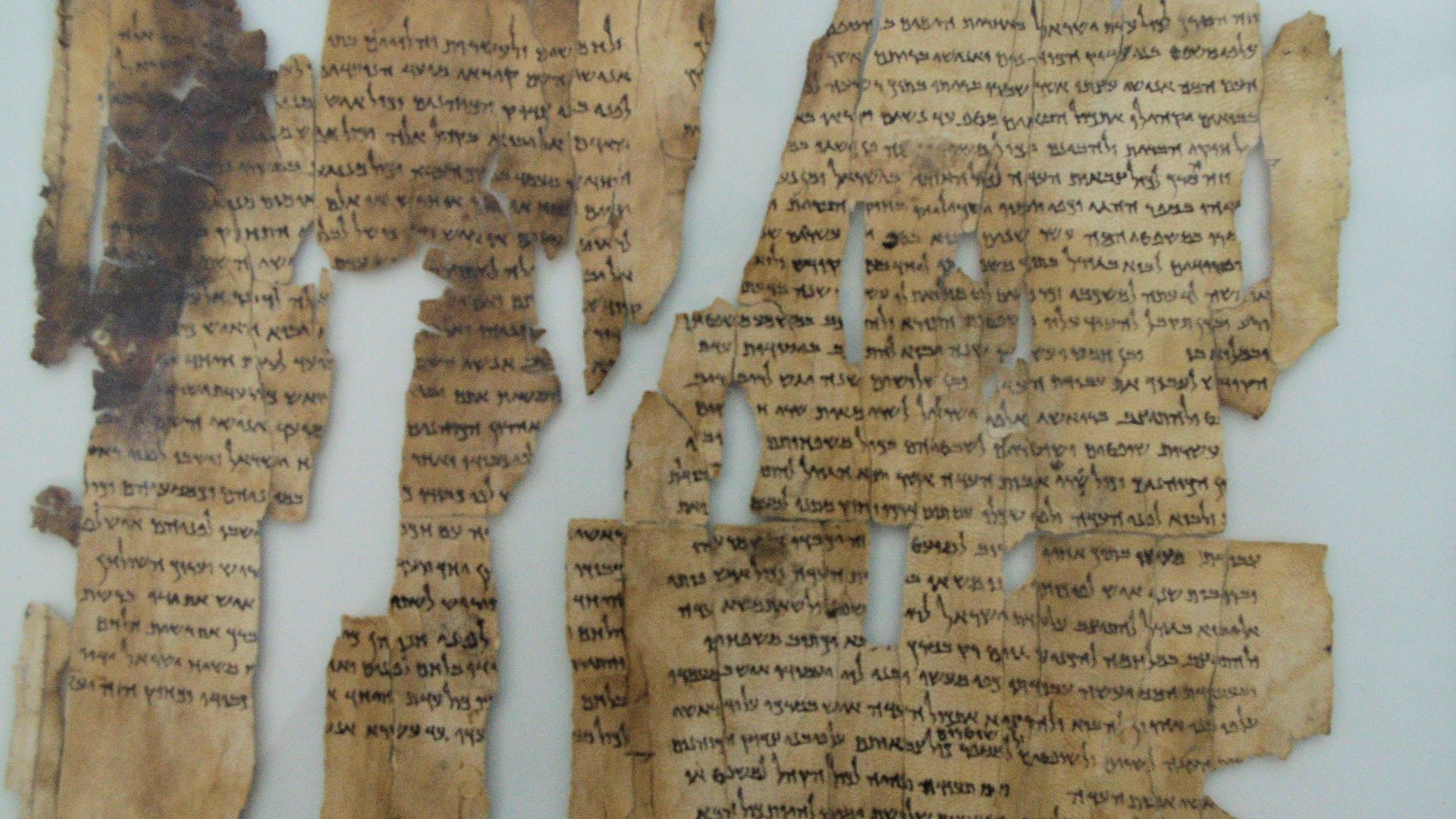
There is no known birth record bearing Jesus’s name. No surviving letter written by him. No contemporary portrait, inscription, coin, court document, or personal possession that historians can confidently connect directly to him. For someone who became so famous, that empty space is immediately striking.
 Ken and Nyetta, Wikimedia Commons
Rome Apparently Did Not Notice Him
No surviving Roman writer from Jesus’s lifetime mentions his preaching, followers, reported miracles, trial, or execution. There is also no surviving Roman report from Pontius Pilate describing the case. The first known Roman references appear many decades later—which sounds like a serious problem. But there is an important catch.
Almost Everyone Disappeared From History
Jesus lived as a Jewish preacher in a relatively obscure corner of the Roman world and probably died before his movement attracted much official attention. Ordinary people rarely left inscriptions, biographies, or personal records behind. Historians lack direct archaeological evidence for nearly everyone who lived in first-century Galilee.
 Unknown authorUnknown author, Wikimedia Commons
The First Evidence Comes From Believers
The earliest surviving writings that mention Jesus were produced by Christians. That makes them interested sources rather than neutral ones, and historians must examine them carefully. But a source having a religious purpose does not automatically make everything in it fictional. The more important question is how early those writings appeared.

Paul Arrives Before The Gospels
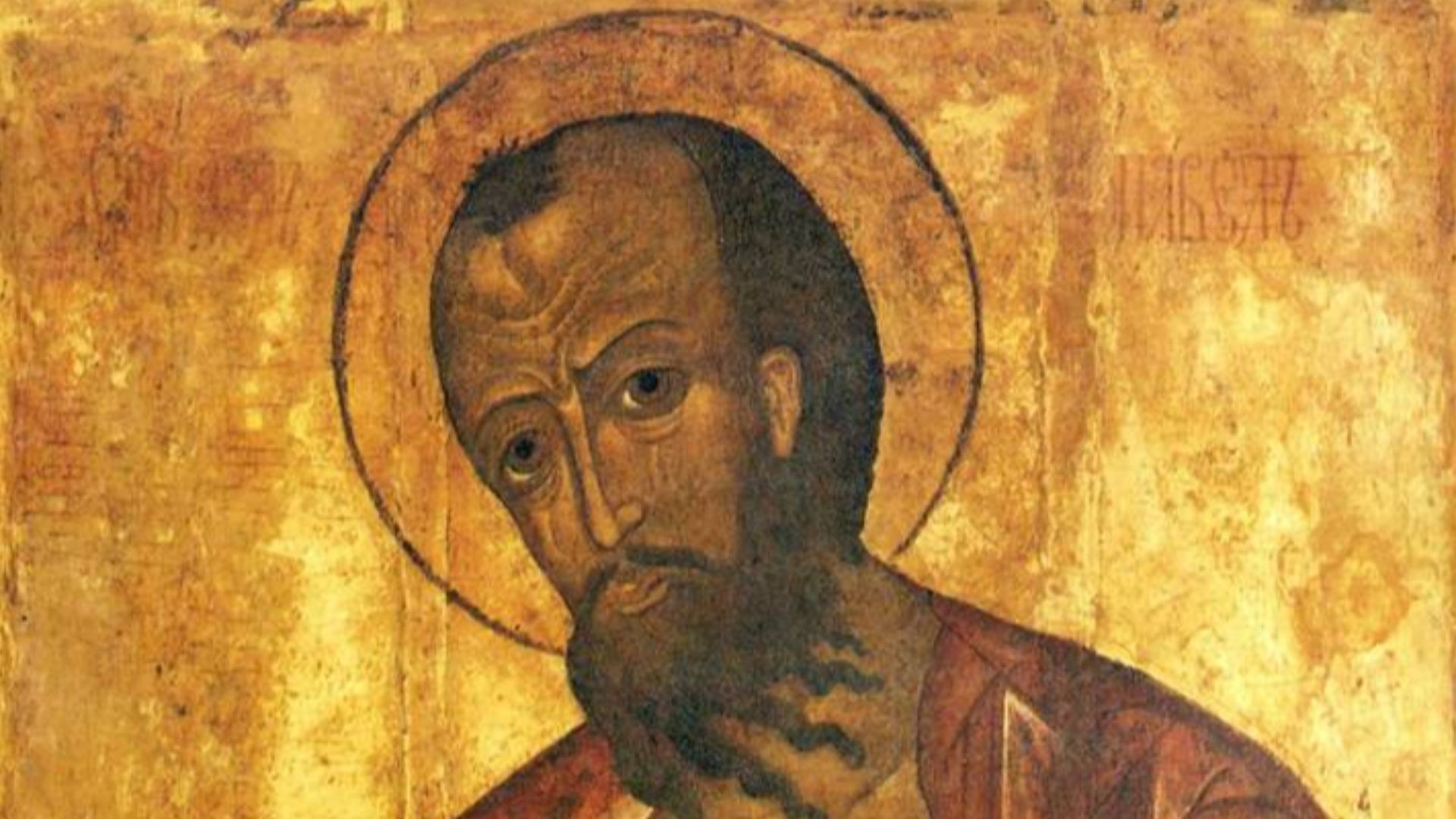
Paul’s authentic letters were written mainly during the 50s CE, roughly two decades after Jesus’s execution. That makes them the earliest surviving Christian documents—not Matthew, Mark, Luke, or John. Paul clearly believed Jesus had recently lived, been executed, and appeared after his death. But Paul presents another complication.
 Unknown authorUnknown author, Wikimedia Commons
Some Of Paul’s Material Was Even Older
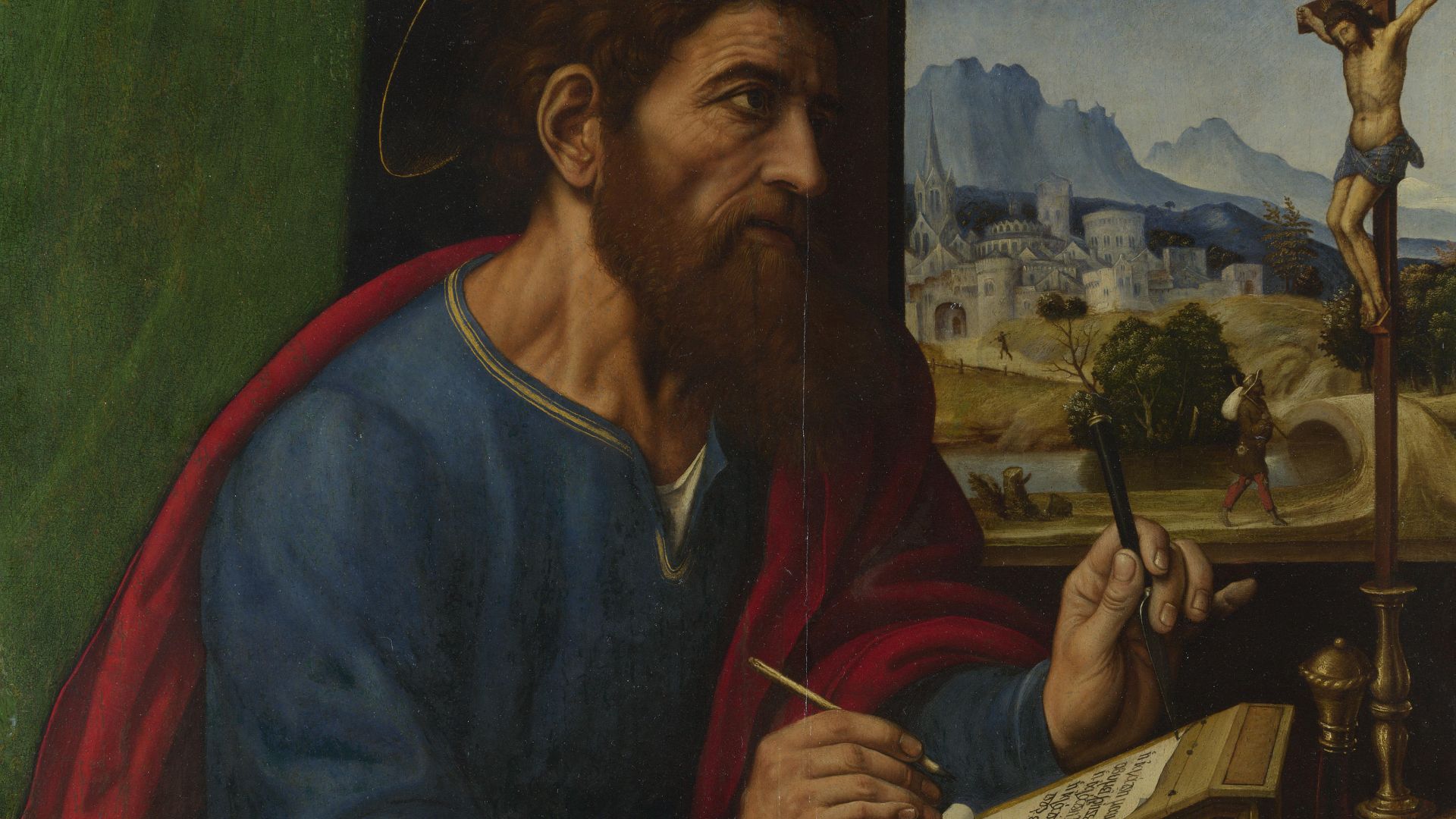
Paul did not present every claim about Jesus as something he invented or learned through revelation. In one letter, he repeated a formula that he said he had previously “received” from others. Historians generally believe this tradition predates the letter—bringing the trail closer to the earliest years of the movement.
 Pier Francesco Sacchi, Wikimedia Commons
Paul Never Followed Jesus During His Ministry
Paul never claims to have walked beside Jesus, heard him preach in Galilee, or witnessed his execution. His conversion came after Jesus’s death through what Paul described as a revelation. That means the earliest surviving Christian writer was not himself an eyewitness to Jesus’s public life. Then Paul reveals whom he met.
Paul Knew People Much Closer To The Story
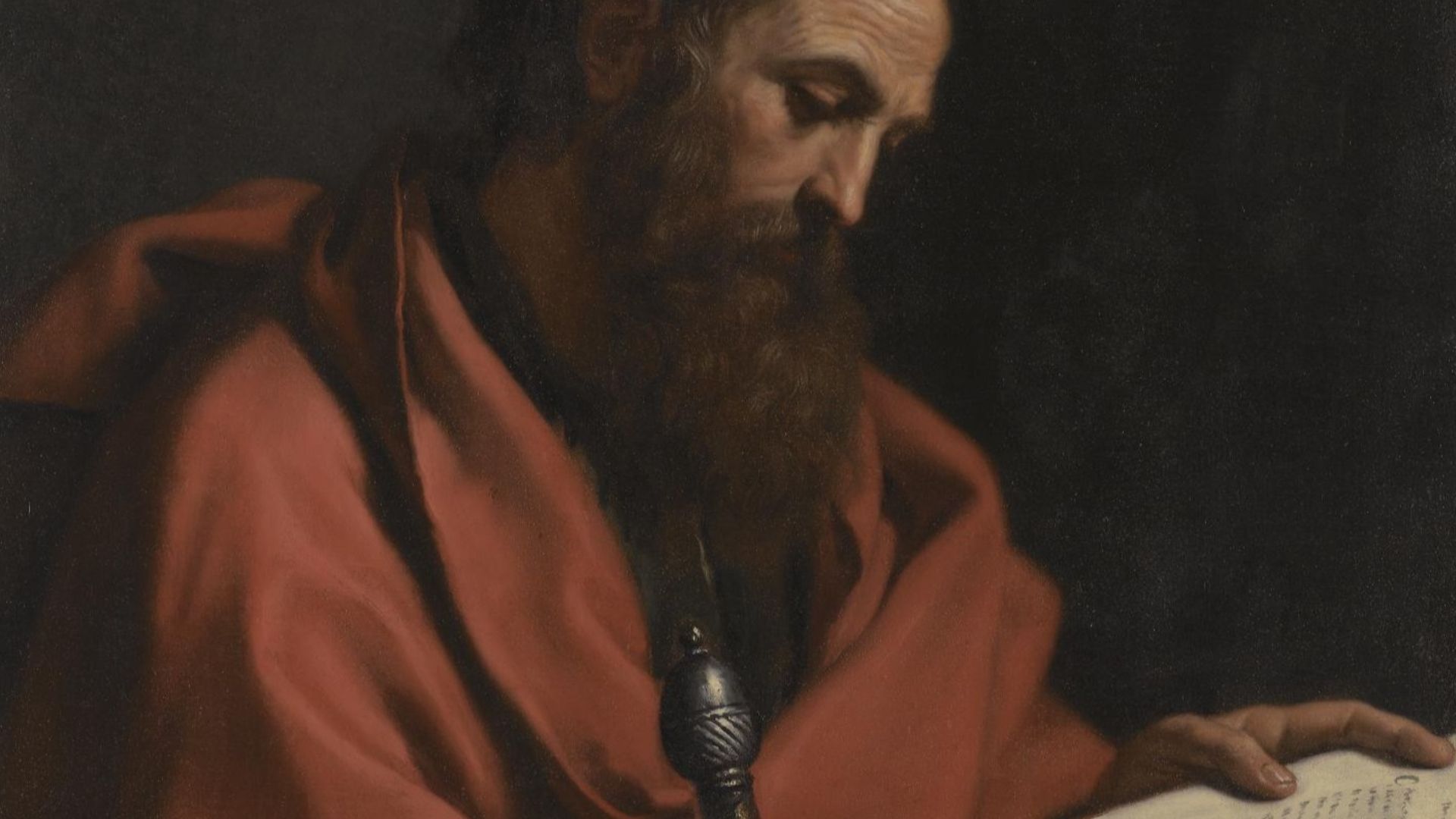
Paul wrote that he visited Jerusalem and stayed with Cephas, usually identified as Peter, for 15 days. He also met James, whom Paul called “the Lord’s brother.” These were central figures in the earliest movement, and Paul was writing while people who claimed to have known Jesus were apparently still alive.
 Jusepe de Ribera, Wikimedia Commons
One Little Phrase Carries Enormous Weight
Calling James “the Lord’s brother” may be one of the strongest early clues that Paul understood Jesus as a recent human being with a real family. Most scholars interpret James as Jesus’s biological brother. A minority argues the phrase could describe a prominent fellow believer, but that is not the usual reading.
The Gospels Came Later Than Many Assume
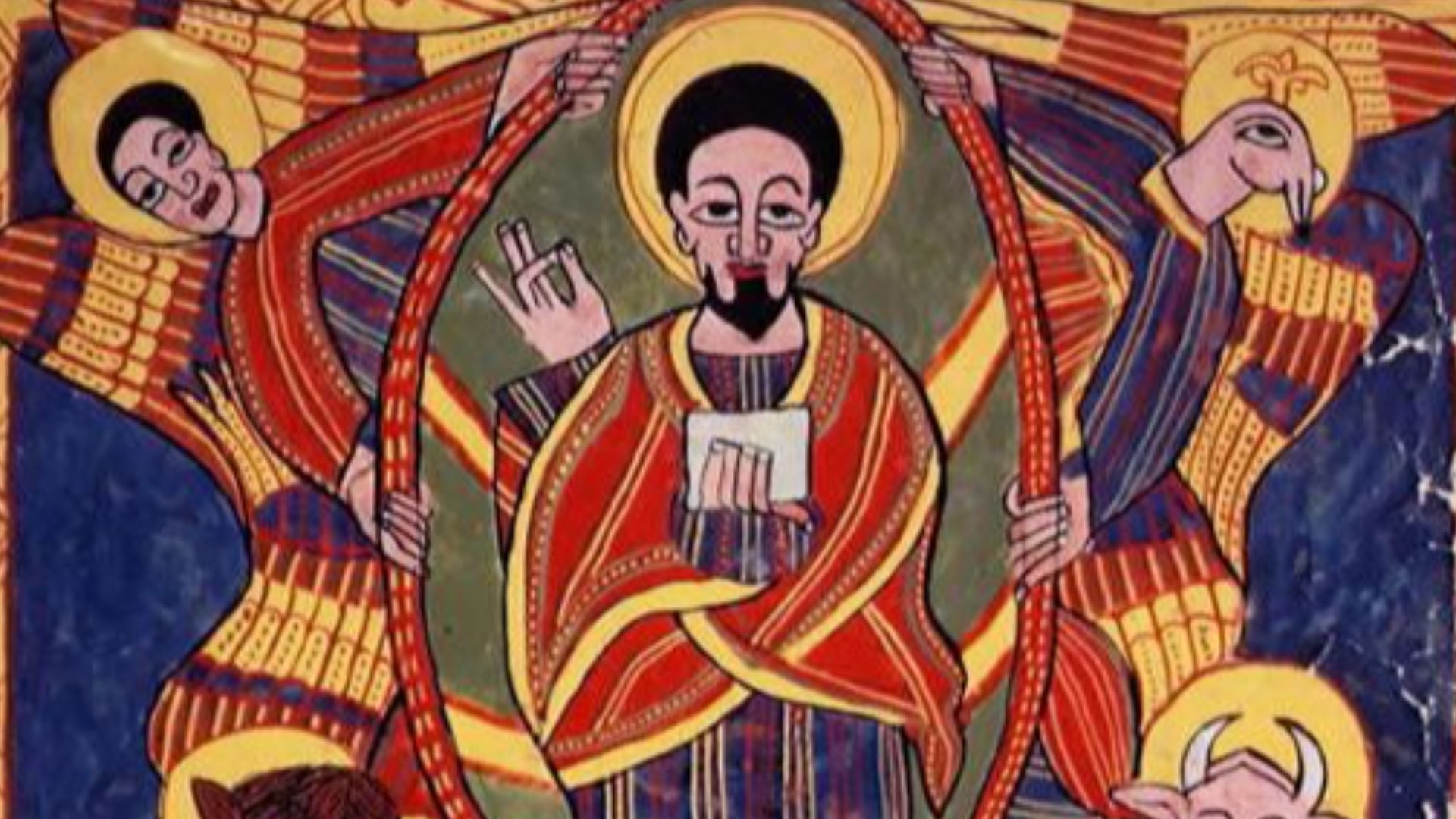
The Gospels contain most of the familiar stories about Jesus, but they were probably written a generation or more after his death. Mark is commonly dated around 70 CE, Matthew and Luke to roughly the 80s or 90s, and John to around 90 to 100 CE—or possibly slightly later.
 Unknown authorUnknown author, Wikimedia Commons
The Authors Do Not Introduce Themselves
The texts themselves do not begin with declarations such as, “I, Matthew, personally witnessed these events.” The familiar author names come from early church tradition and titles attached to the works. Some scholars defend eyewitness connections, but the dominant academic view is that the original Gospel narratives were formally anonymous.
 Leszek Janczuk, Wikimedia Commons
Mark Appears To Have Gone First
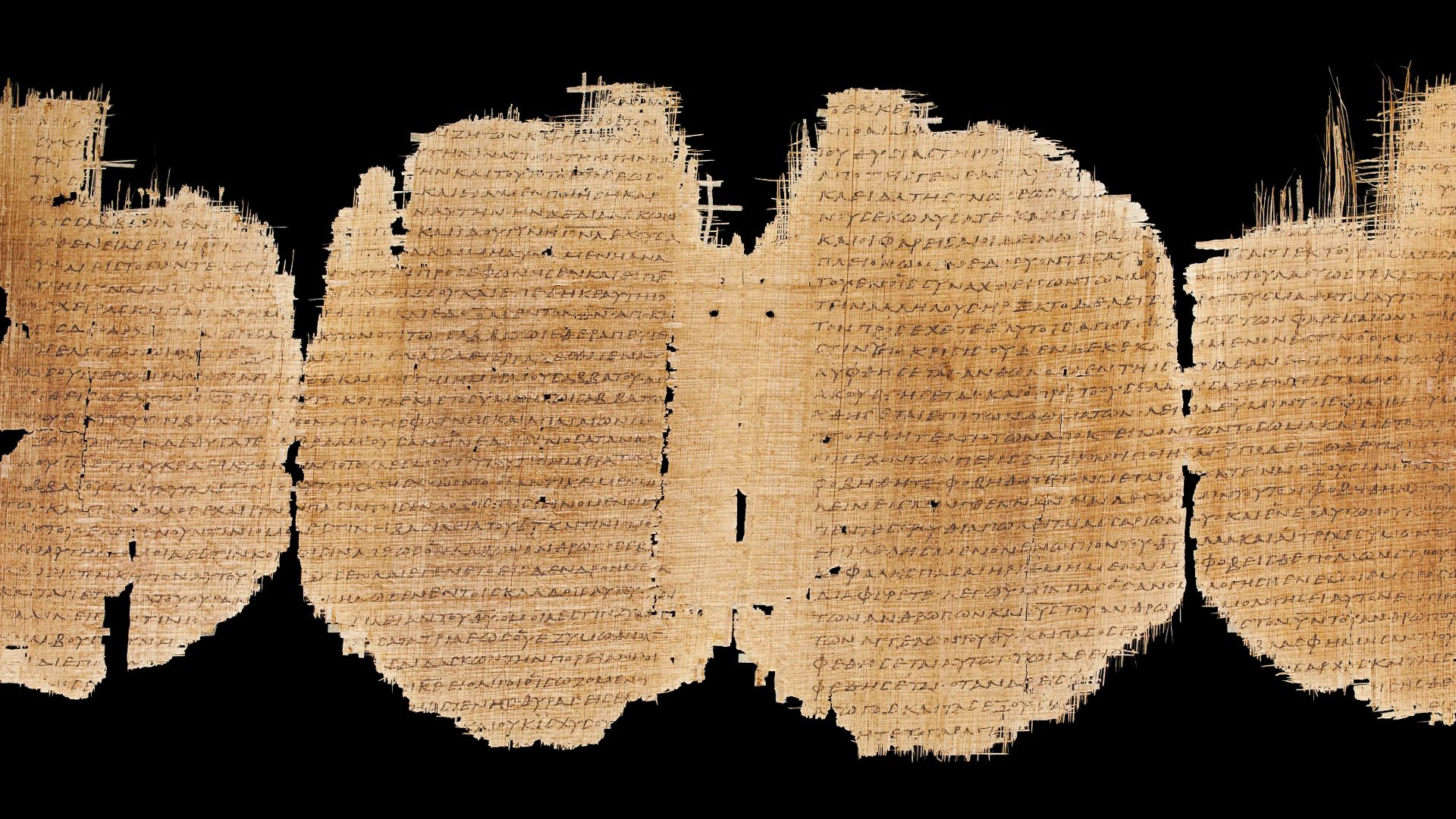
Most scholars consider Mark the earliest surviving Gospel. Its author appears to have drawn on stories, sayings, memories, and traditions circulating among Christian communities, although historians cannot reconstruct exactly how that material reached him. Some of those traditions may have existed long before the complete Gospel was finally written.
 Unknown authorUnknown author, Wikimedia Commons
Matthew And Luke Reused The Story
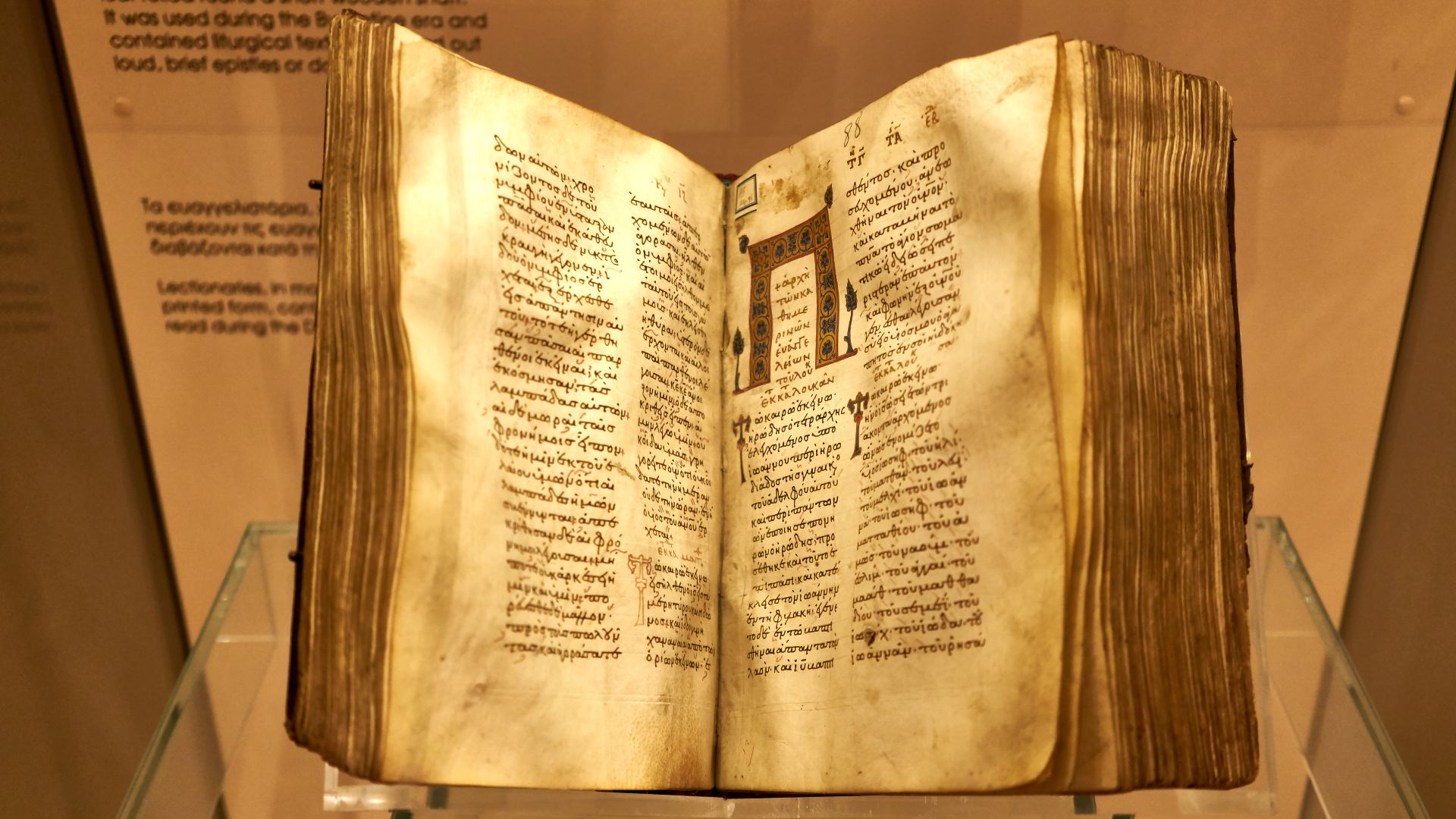
Matthew and Luke repeat much of Mark, sometimes using extremely similar wording and following the same sequence of events. That suggests they were not three entirely independent witnesses telling matching stories. Most scholars believe Matthew and Luke used Mark as a written source, along with other traditions that no longer survive.
 George E. Koronaios, Wikimedia Commons
John Complicates Things Even Further
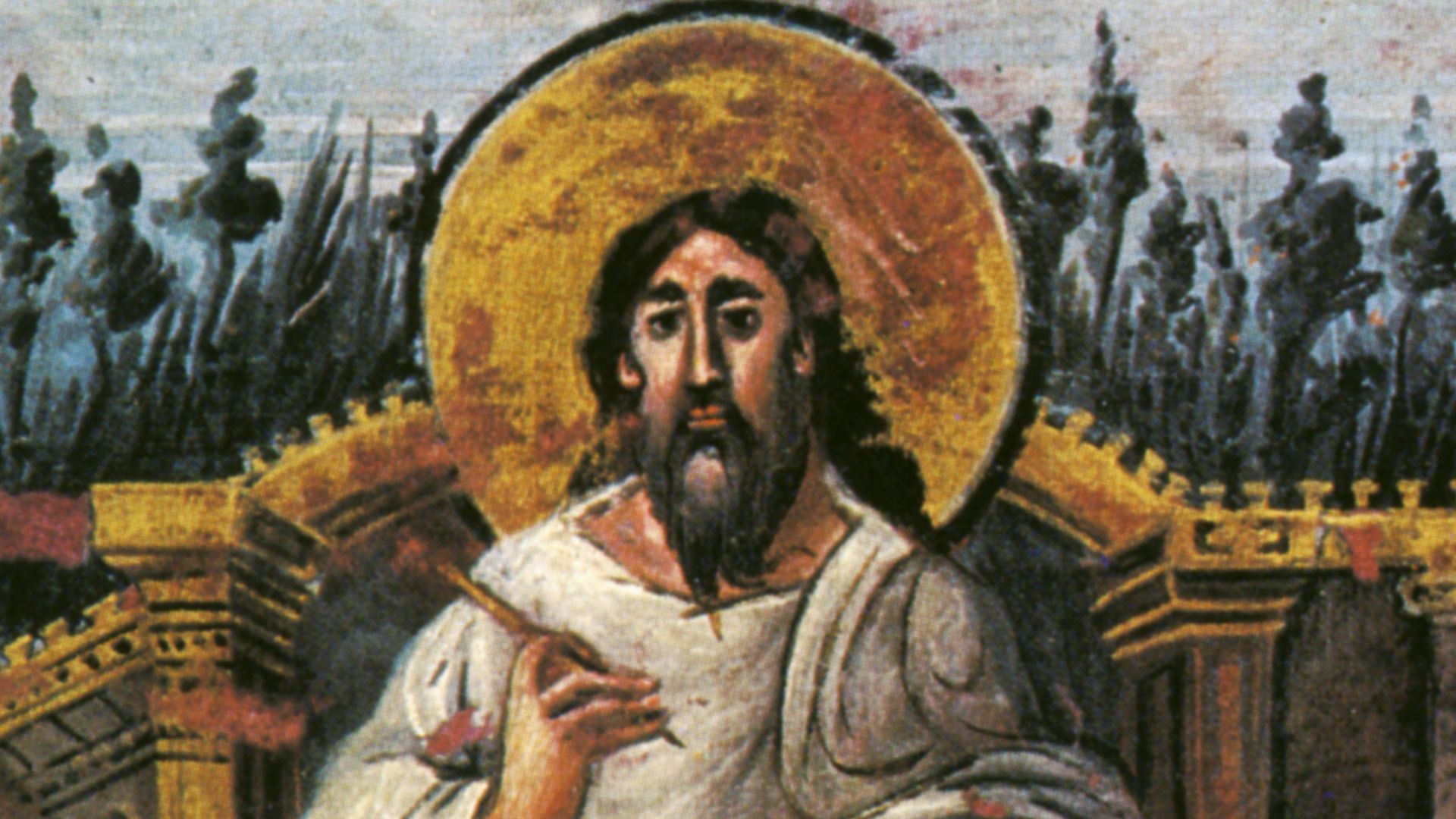
John was written later and often presents Jesus differently from the other three Gospels. Events occur in a different order, some major stories appear only in John, and Jesus speaks in long theological discourses. That does not make John useless, but historians cannot simply combine all four accounts like matching police statements.
 AnonymousUnknown author, Wikimedia Commons
Then A Jewish Historian Mentions Jesus
Around 93 or 94 CE, the Jewish historian Josephus completed Antiquities of the Jews. Jesus appears in two passages. Because Josephus was not a Christian Gospel writer, his testimony sounds like the independent confirmation historians have been looking for. Unfortunately, the more famous passage comes with a rather large warning label.
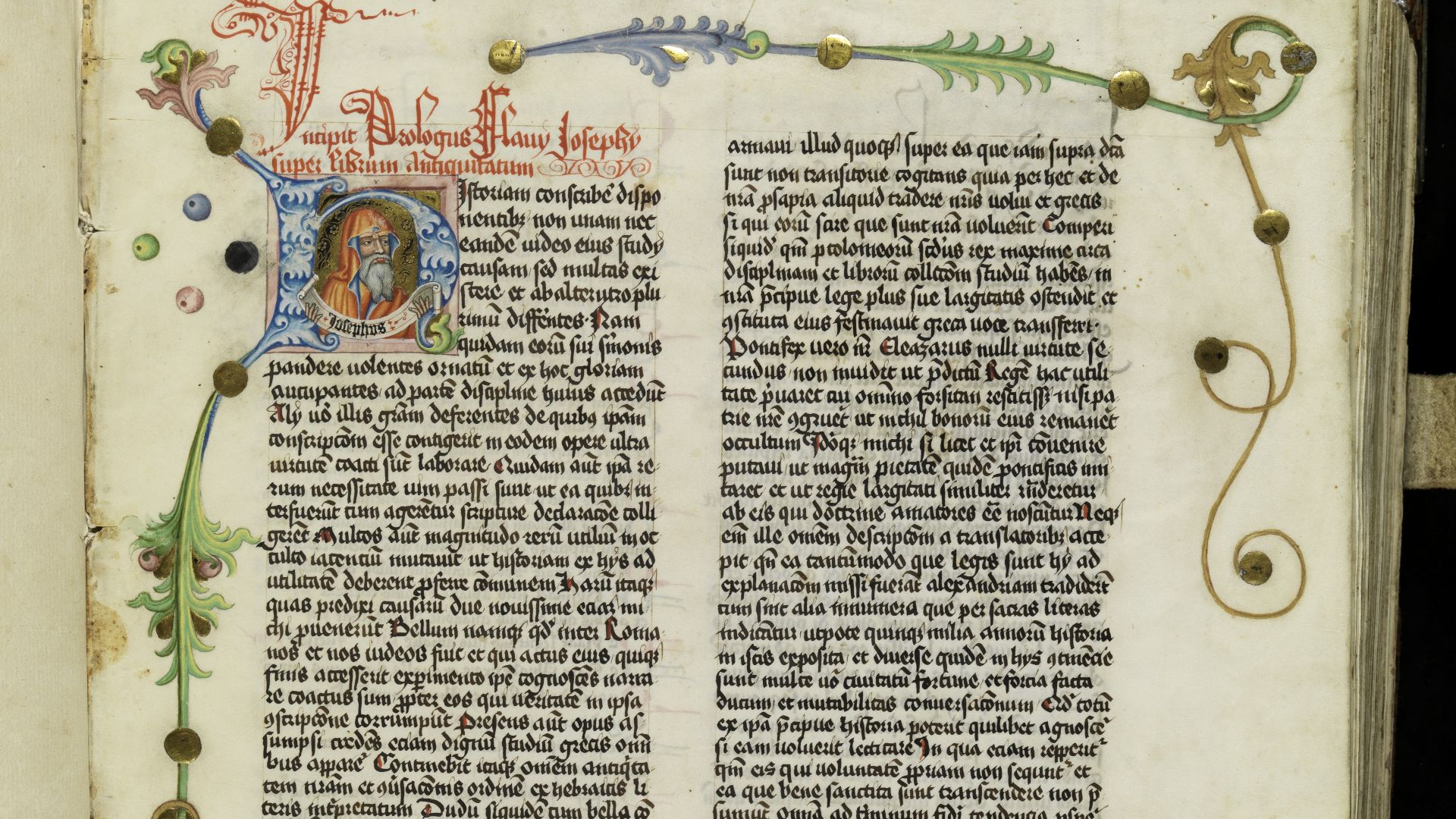 Jozef Flawiusz, Wikimedia Commons
The Josephus Passage Comes With A Warning
In the surviving text, Josephus appears to call Jesus the Messiah and speaks approvingly about his resurrection—language many scholars find unlikely from a Jewish historian who never became Christian. The prevailing view is that Christian copyists altered at least part of the passage, although exactly how much remains disputed.
 William Whiston (originally uploaded by The Man in Question on en.wikipedia.org), Wikimedia Commons
Josephus Mentions James As Well
Elsewhere, Josephus describes the execution of a man named James and identifies him as the brother of “Jesus who was called Christ.” This shorter line lacks the suspicious Christian language found in the other passage, and the large majority of scholars regard it as authentic. Suddenly, Paul’s earlier mention of James becomes even more interesting.
 Scan by NYPL, Wikimedia Commons
Rome Finally Puts Jesus On The Record
Around 116 CE, the Roman historian Tacitus described Emperor Nero blaming Christians for the Great Fire of Rome. Tacitus explained that their name came from “Christus,” who had received the extreme penalty under Pontius Pilate during the reign of Tiberius. It is late—but it is unusually direct.
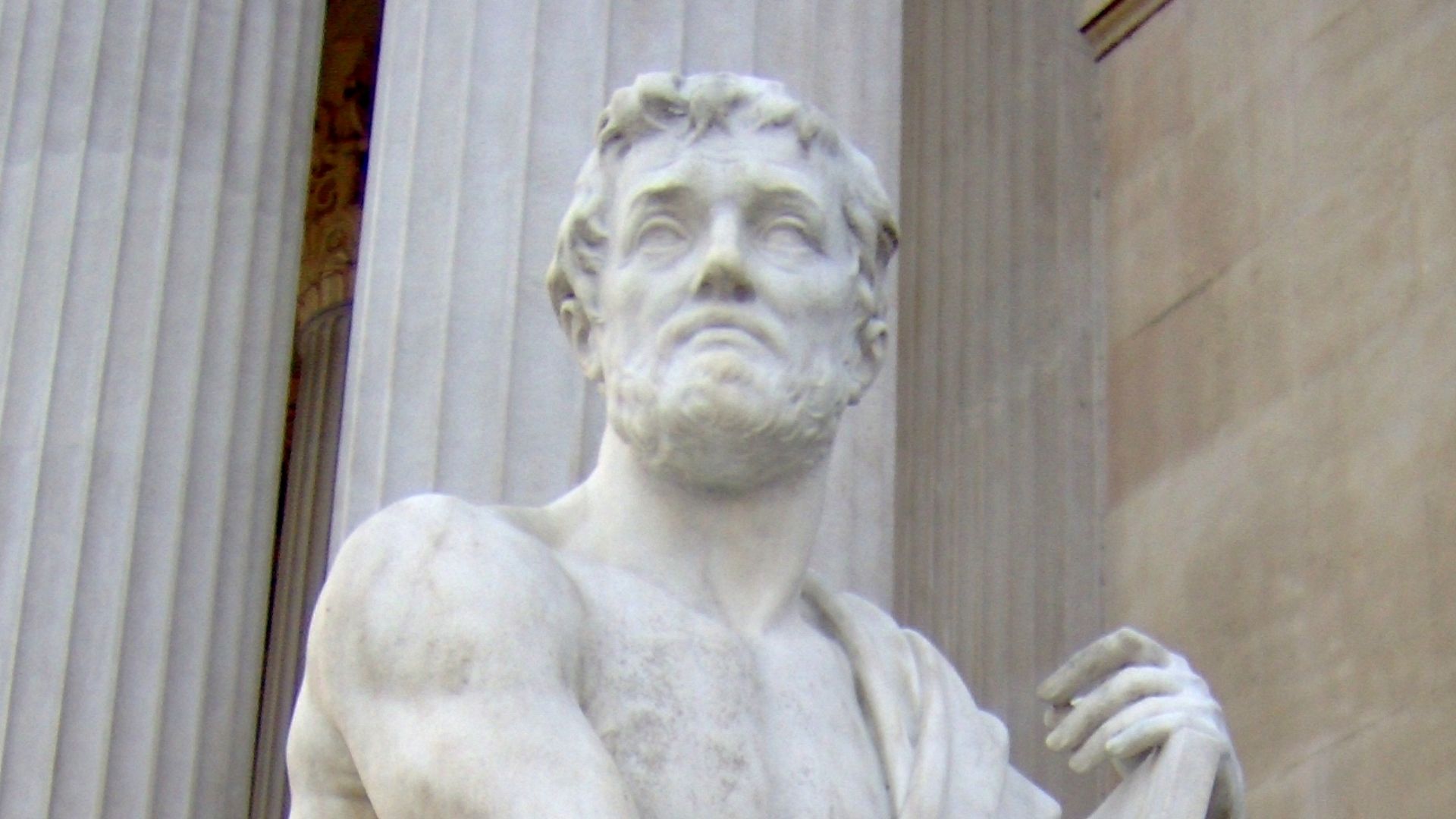
Tacitus Was Definitely Not Trying To Help
Tacitus openly disliked Christians, making it extremely unlikely that he invented the passage to support their religion. His statement shows that educated Romans connected the movement to an executed founder. What remains uncertain is where Tacitus obtained his information—from government records, public knowledge, or information already circulating among Christians.

Pliny Confirms A Movement Had Exploded
A few years before Tacitus, the Roman governor Pliny the Younger wrote that Christians gathered before dawn and sang hymns to Christ “as to a god.” Pliny tells us almost nothing about Jesus’s life. What he does reveal is how widely devotion to Christ had spread by the early second century.
 Angelica Kauffmann, Wikimedia Commons
Suetonius Leaves Historians Guessing
Suetonius reported that Emperor Claudius expelled Jews from Rome because they were causing disturbances at the instigation of someone called “Chrestus.” Some historians think he misunderstood disputes over Christ. Others believe he meant an entirely different person who was actually living in Rome. The passage remains intriguing but cannot safely be treated as direct evidence.
 Unknown authorUnknown author, Wikimedia Commons
Archaeology Confirms The World Around Him
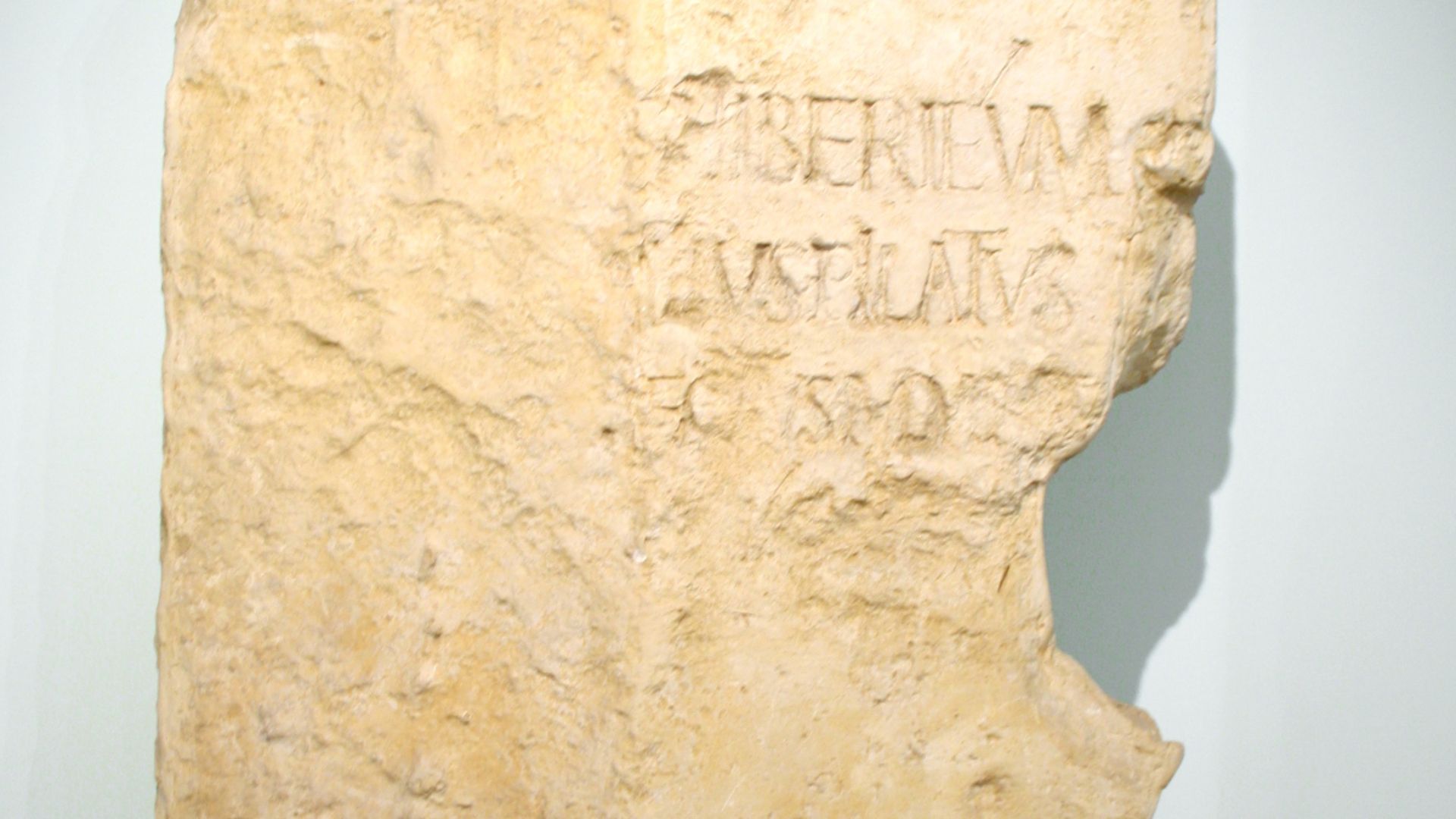
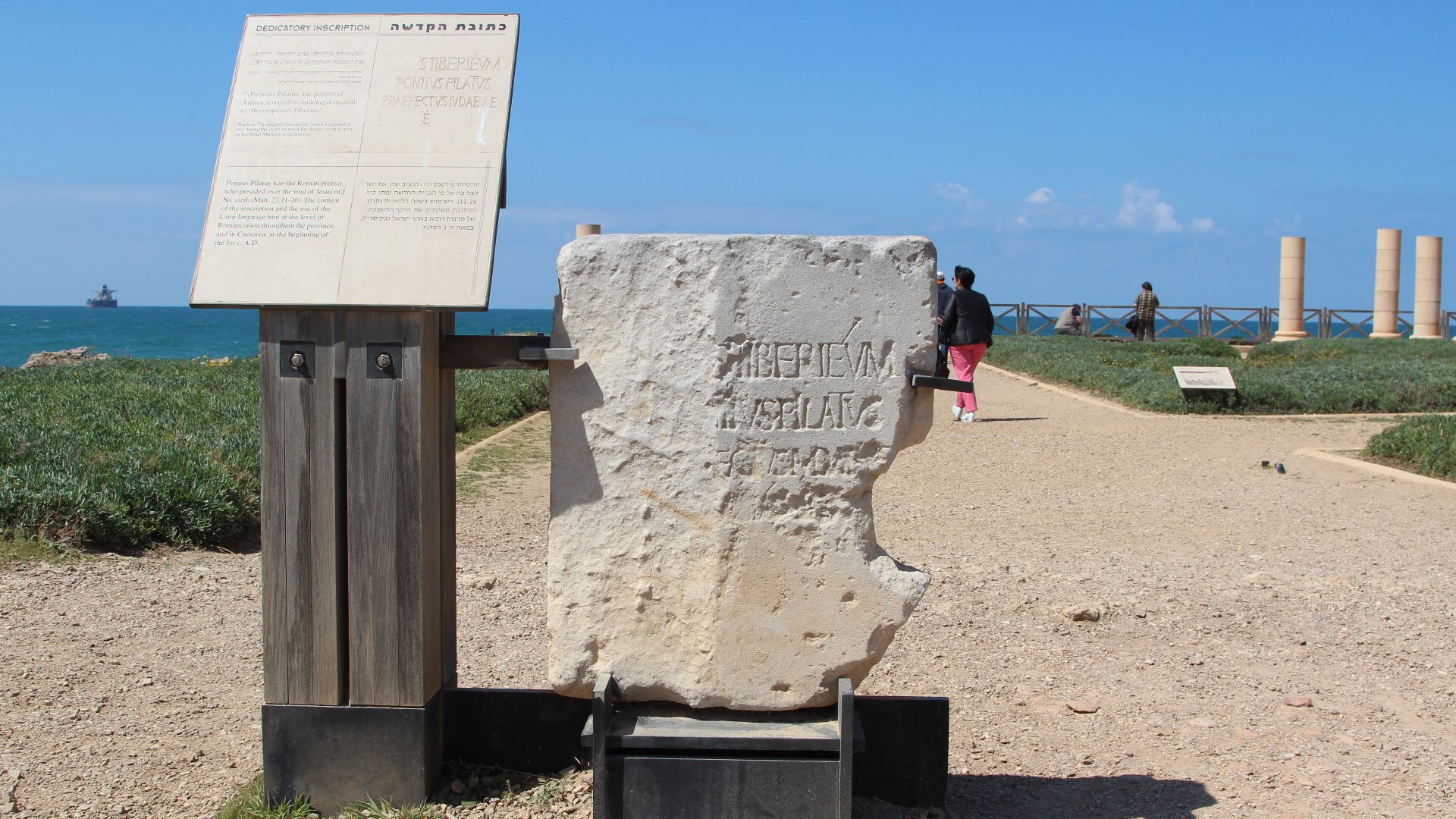
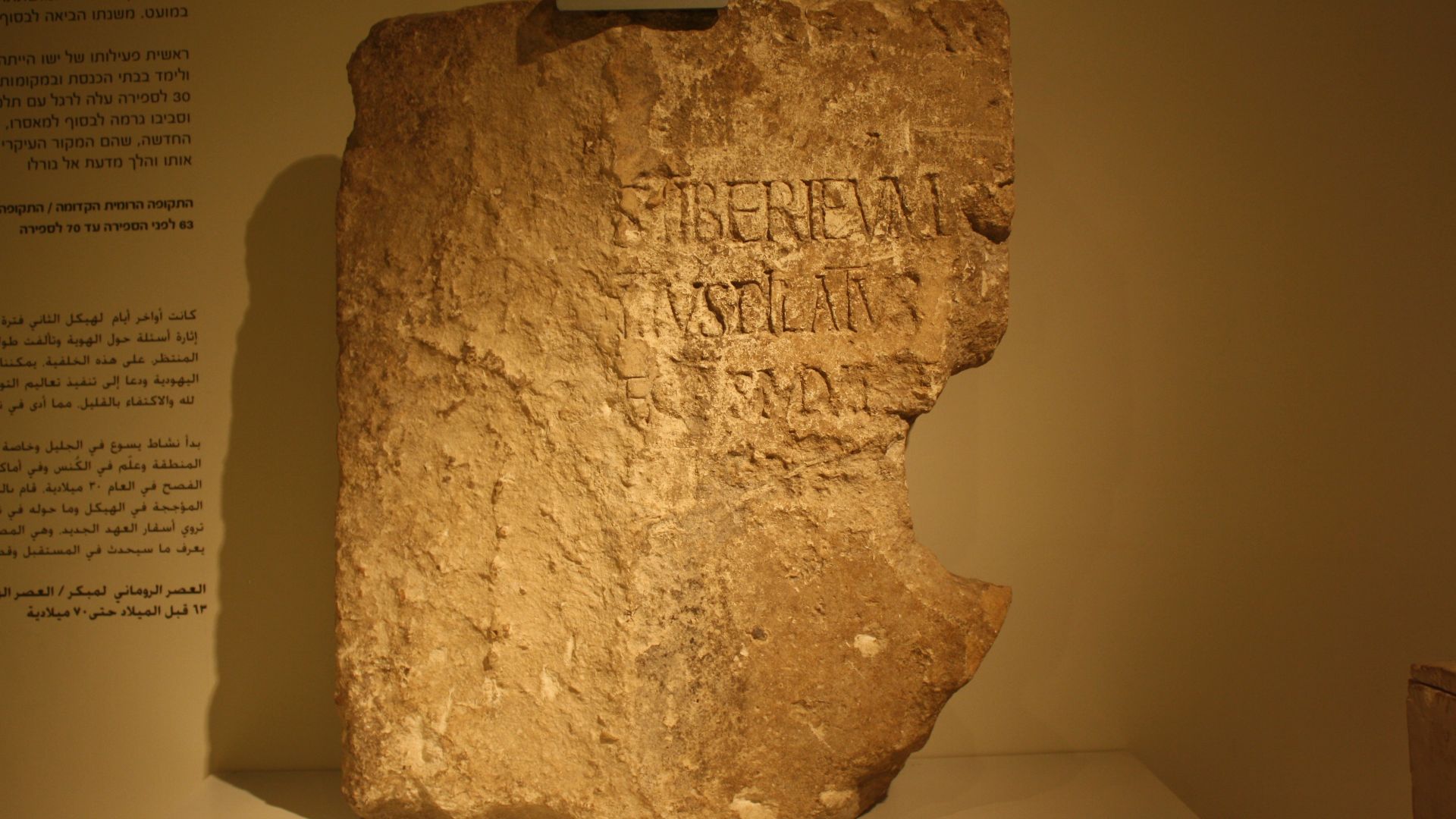
Archaeologists have found evidence of first-century Nazareth, Roman crucifixion, Jewish life in Galilee, and Pontius Pilate, whose name appears on a stone discovered at Caesarea. These finds support the general historical world described in the Gospels. What archaeology has not produced is an artifact that can be directly connected to Jesus himself.
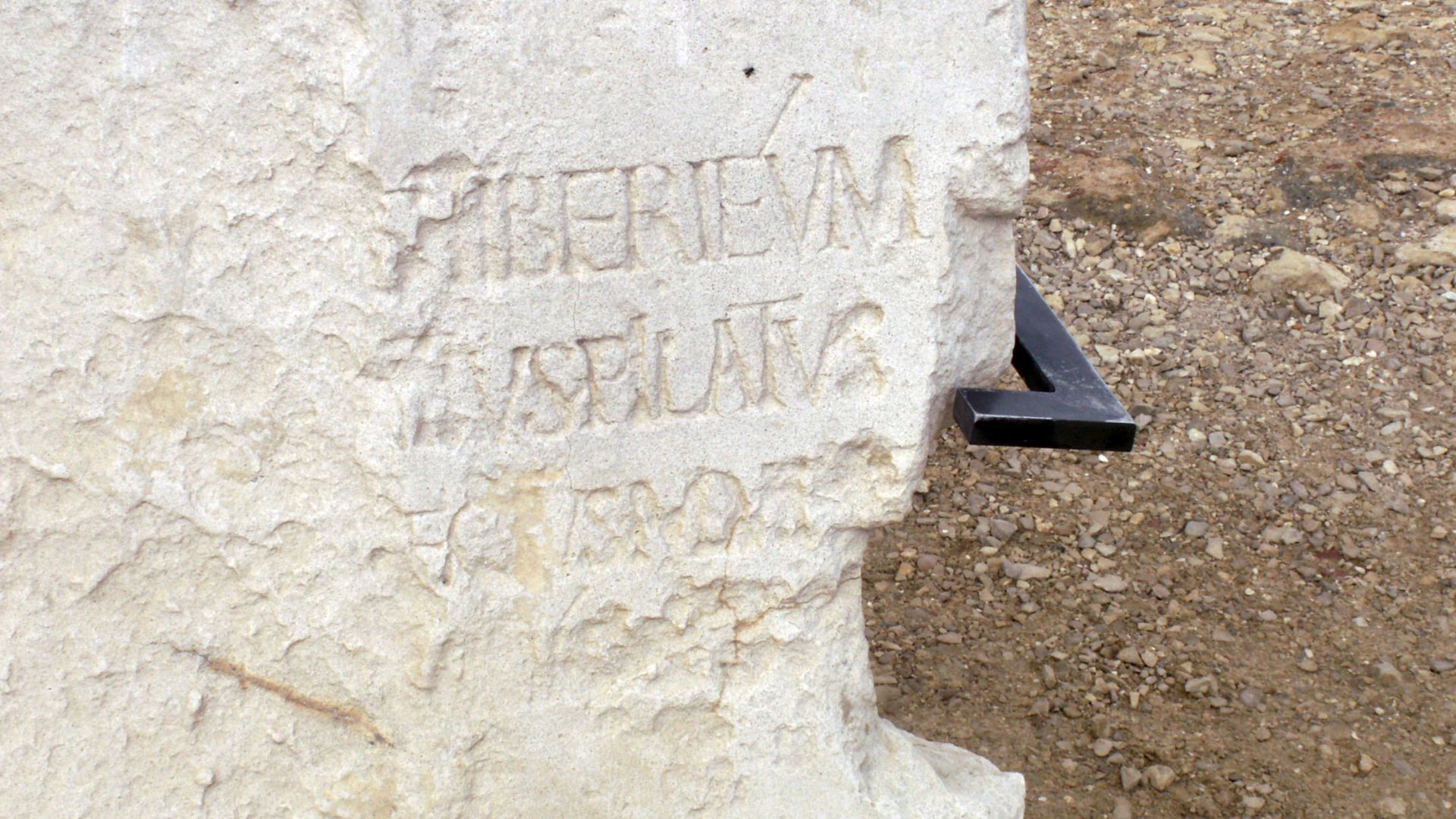 Marion Doss, Wikimedia Commons
Some Researchers Argue Jesus Was Entirely Mythical
A small minority argues that Christianity began with belief in a heavenly or mythical savior who was later transformed into a human character. They point to the absence of contemporary documentation, Paul’s limited biographical detail, and the way the Gospel narratives developed over several decades. It is provocative—but far from the scholarly mainstream.
 Attributed to Valentin de Boulogne, Wikimedia Commons
The Alternative Creates Problems Of Its Own
A fictional-Jesus theory must explain why Paul spoke of meeting Jesus’s brother, why multiple traditions placed Jesus in recent Jewish history, and why later non-Christian writers treated an executed founder as real. It must also explain how that transformation happened without leaving evidence of an early argument over whether Jesus had lived at all.
 Abraham Bloemaert, Wikimedia Commons
The Evidence Is Thinner Than Most People Expect
There is no single piece of evidence that settles the question. No surviving document written during Jesus’s lifetime is generally accepted as mentioning him, the Gospels are later religious texts, and the non-Christian references are brief. Anyone expecting the kind of direct, contemporary documentation many assume exists—or an archaeologist holding up Jesus’s identification card—will be disappointed.
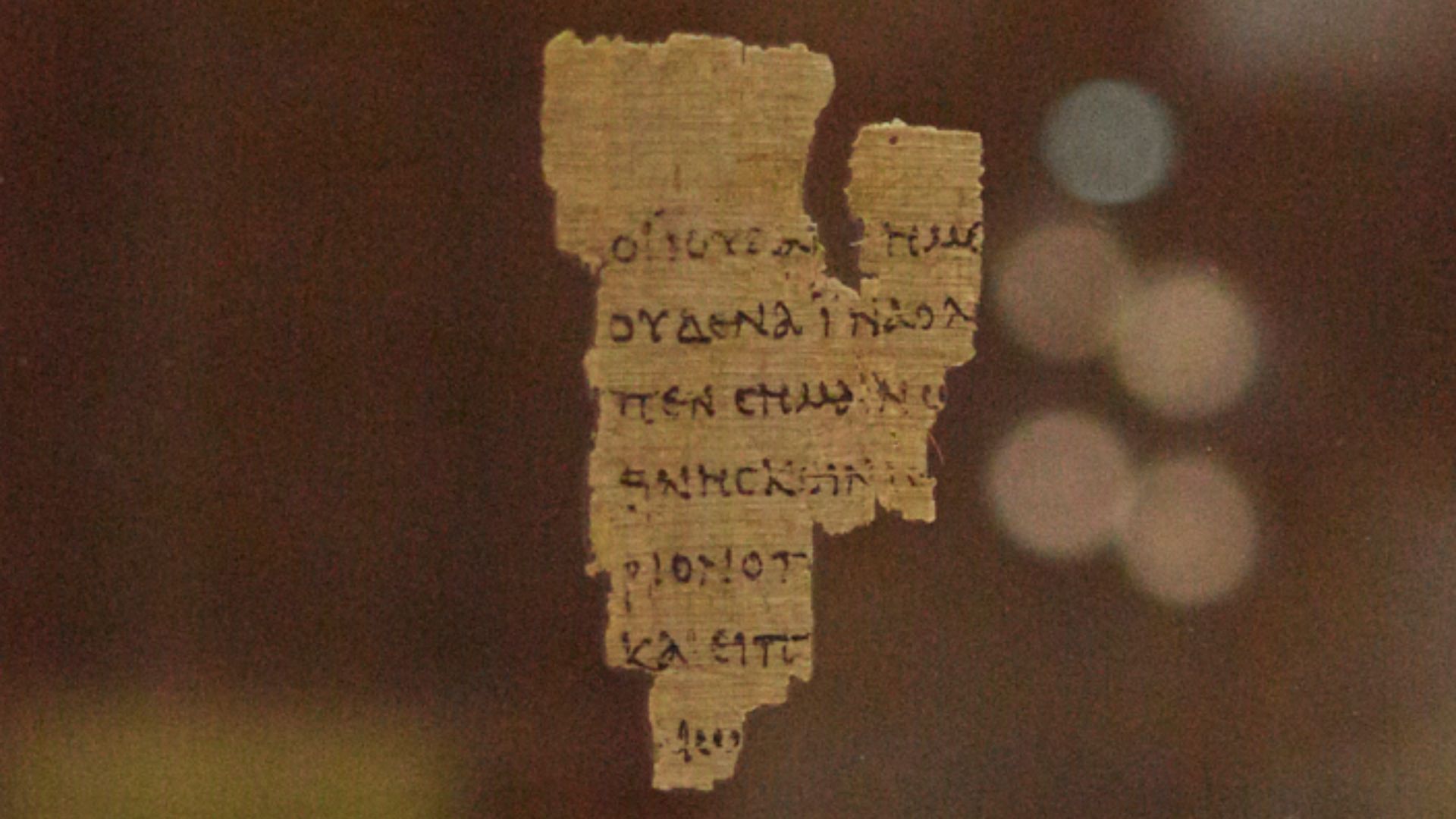 RylandsImaging, Wikimedia Commons
But Historians Still Have An Answer
The evidence is limited, yet the simplest explanation remains that Jesus was a real Jewish preacher who gathered followers and was executed under Pontius Pilate. That is why the overwhelming majority of historians who study the period accept his existence. What he said, what he did, and what happened afterward are much more difficult questions.
History Can Only Go So Far
Historical research can examine whether Jesus probably lived and whether particular events fit the surviving evidence. It cannot settle theological claims such as whether Jesus was divine, performed miracles, or rose from the dead.
Those questions go beyond what ordinary historical methods can establish. The historical Jesus is both better supported—and far less documented—than many people assume.
You Might Also Like:
Scientists found a giant ocean hidden deep inside Earth—but it isn’t water as we know it.