An Ocean Locked Away
Far beneath Earth’s surface lies an enormous reservoir that could contain roughly three times as much water as all the surface oceans combined. Yet this is no underground sea. The water is bound within mantle rock, raising major questions about Earth’s formation, geology, and water cycle.
 Palmi Gudmundsson, Shutterstock; Factinate
Hundreds Of Miles Down
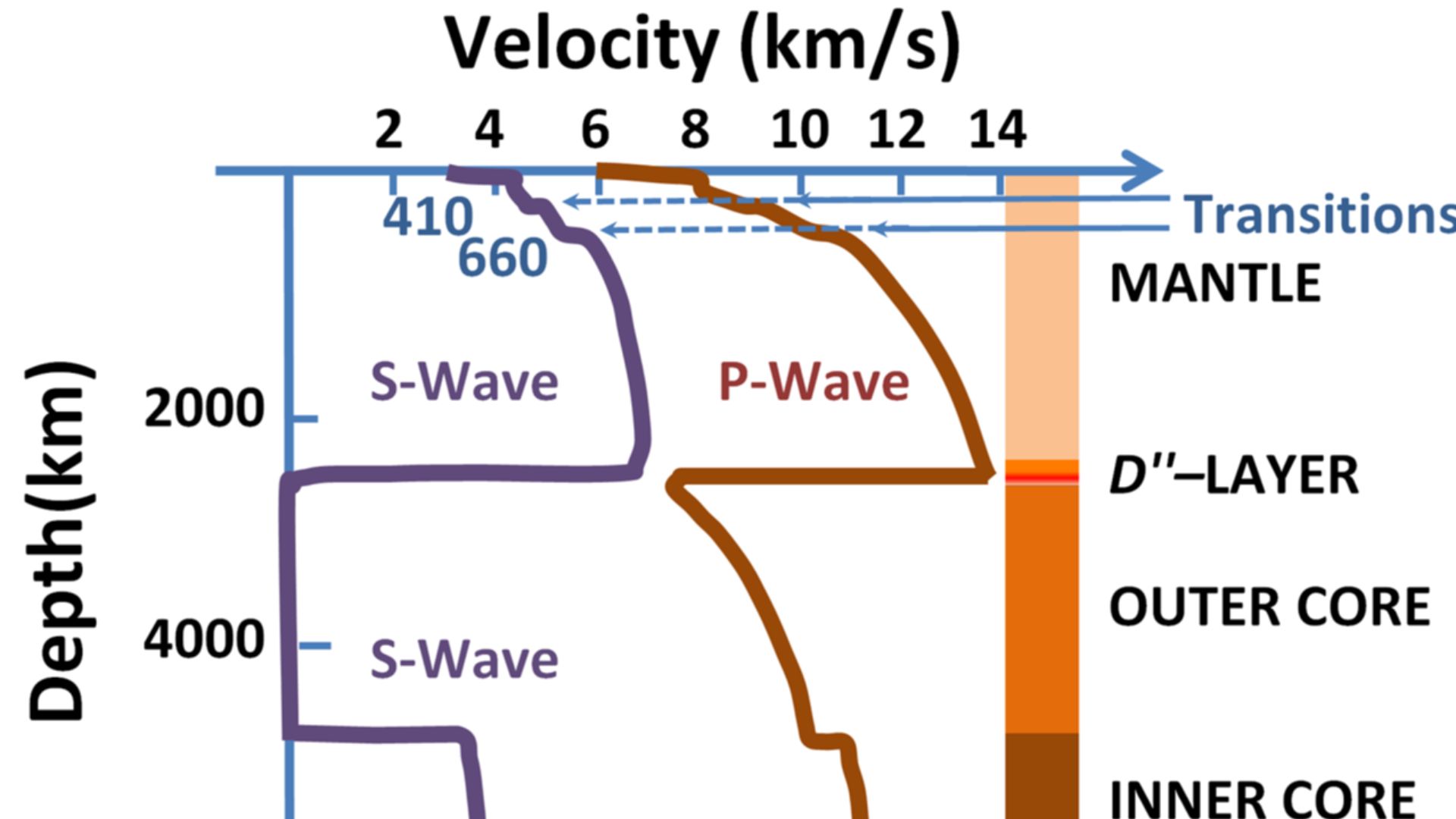
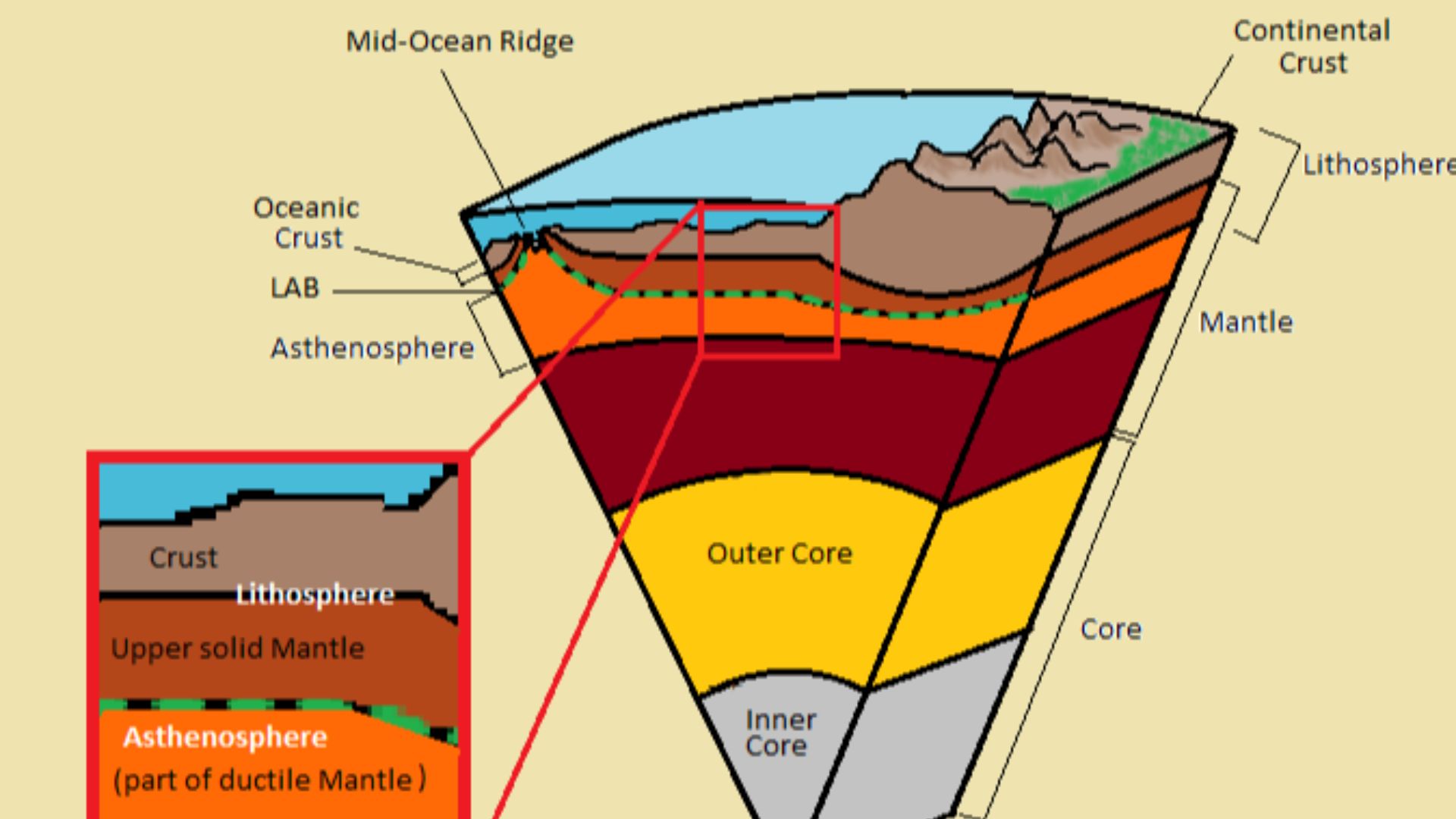
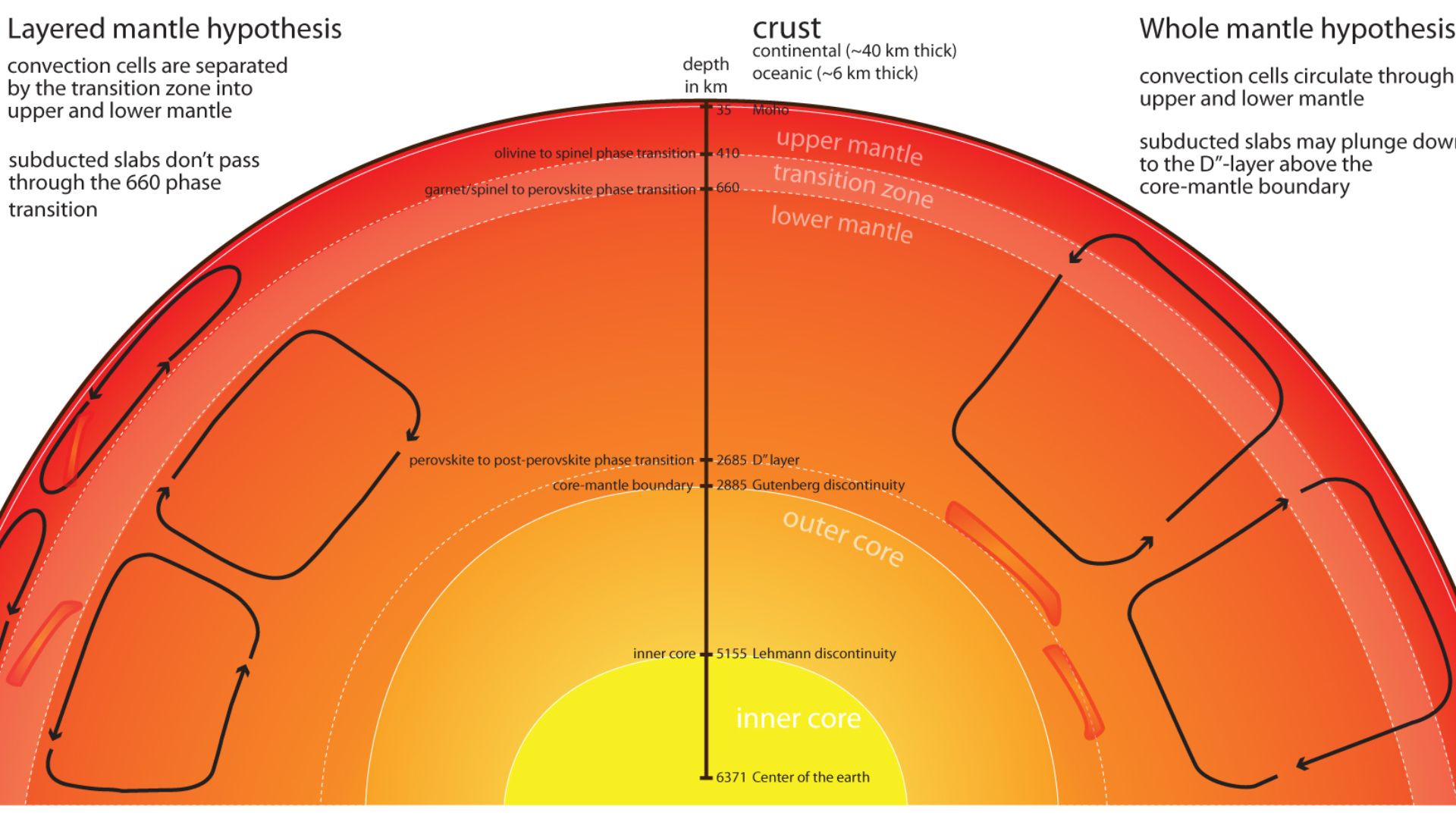
The reservoir is located within the mantle transition zone, roughly 400 miles beneath the surface and extending to depths approaching 700 kilometers. This region lies between the upper and lower mantle, where extreme pressures create minerals capable of storing water within their crystal structures.
 University of Alberta, Wikimedia Commons
Not A Buried Sea
Descriptions of a hidden ocean can be misleading. Scientists did not discover a vast cavern filled with liquid water. Instead, the reservoir exists within rock, where water is incorporated at the molecular level. Researchers have compared the arrangement to a planet-sized sponge holding moisture.
![Self-made composition of [1], File:Jordens inre-numbers.svg and core from File:PIA00519 Interior of Ganymede.jpg](https://www.factinate.com/storage/app/media/splashtravels/2026/7/9/1783578485fff17ae22aa30d7b93878d1ae5ee69932ea51d4b.png)
Ringwoodite Holds The Key
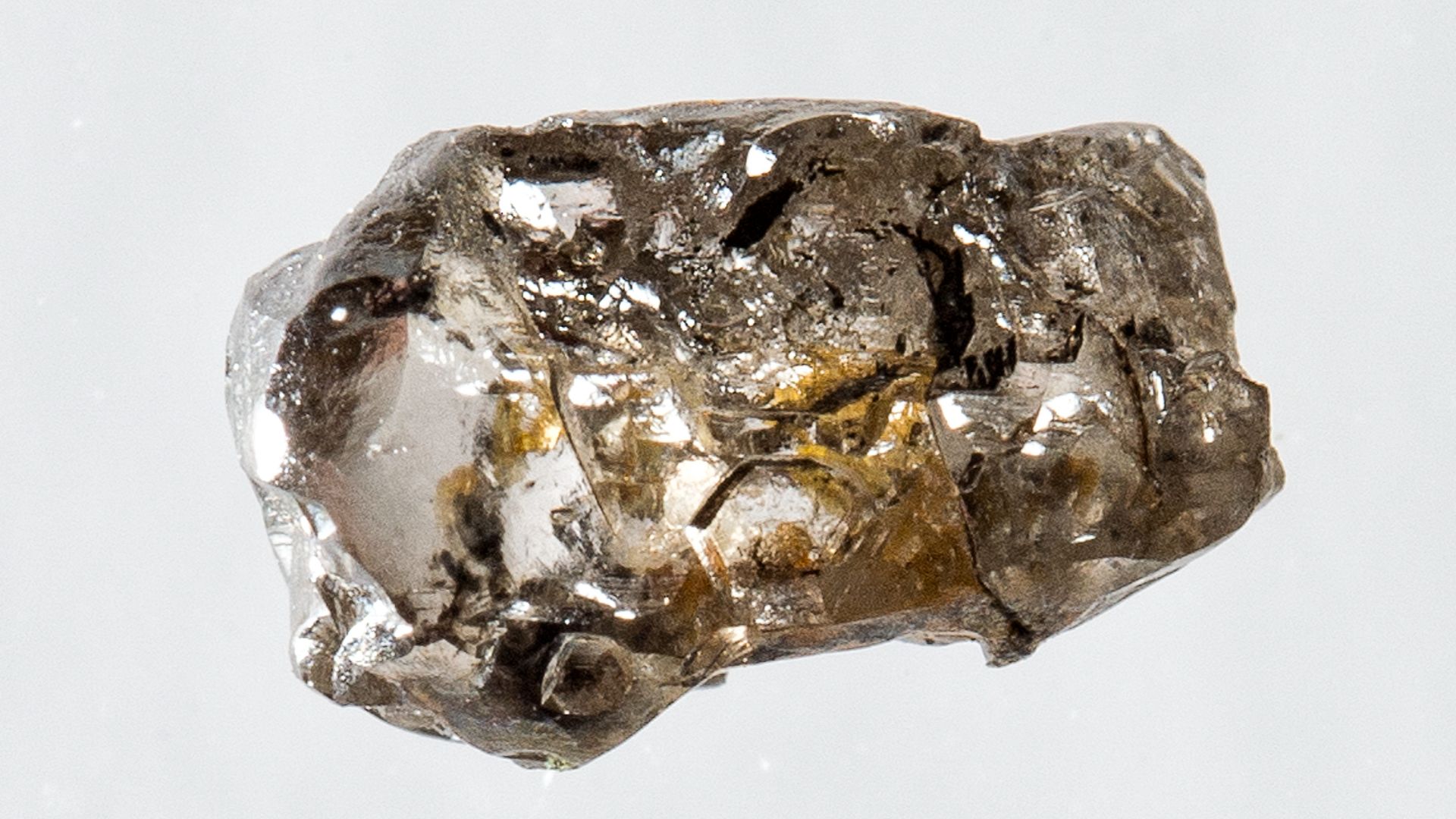
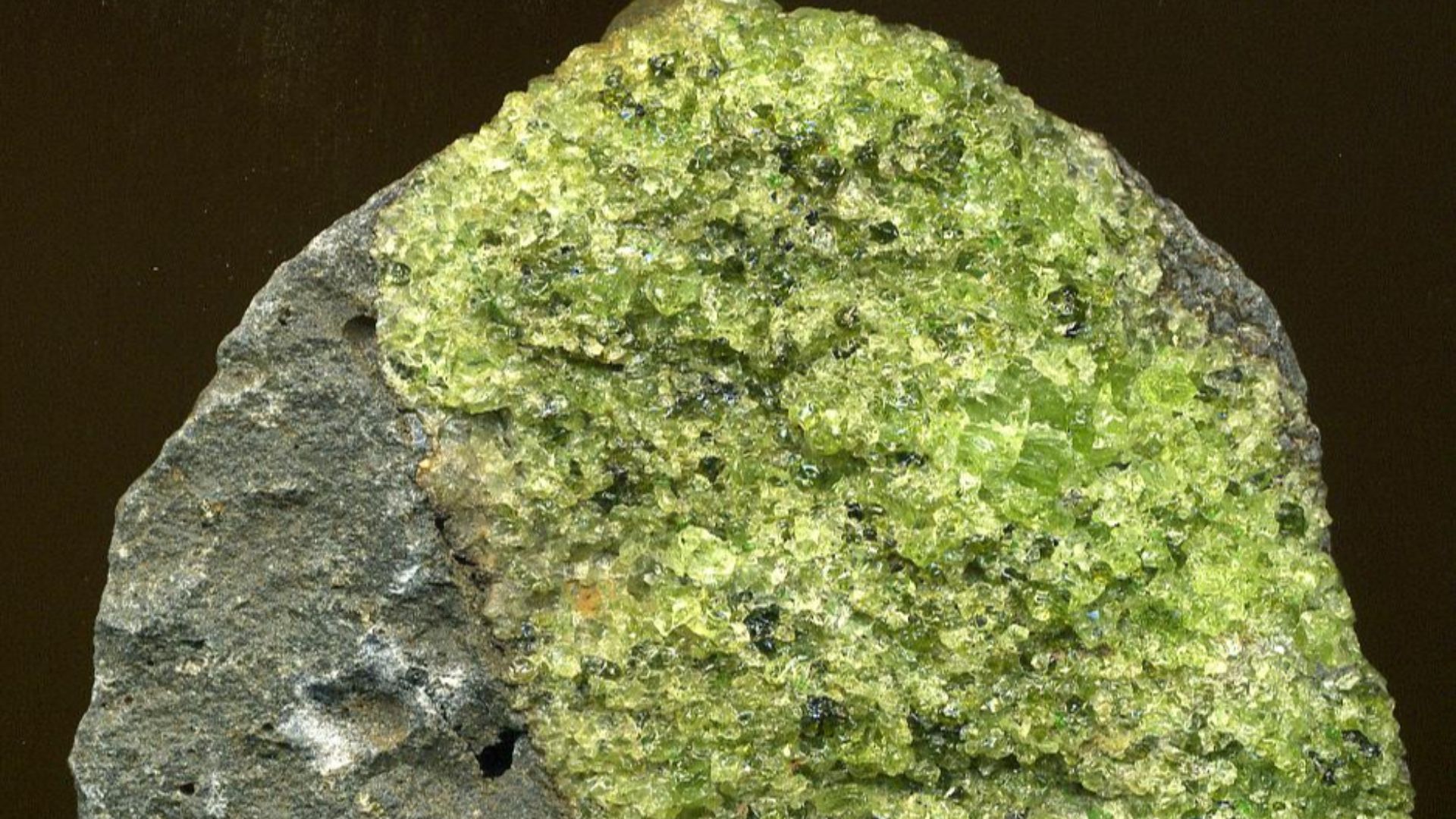
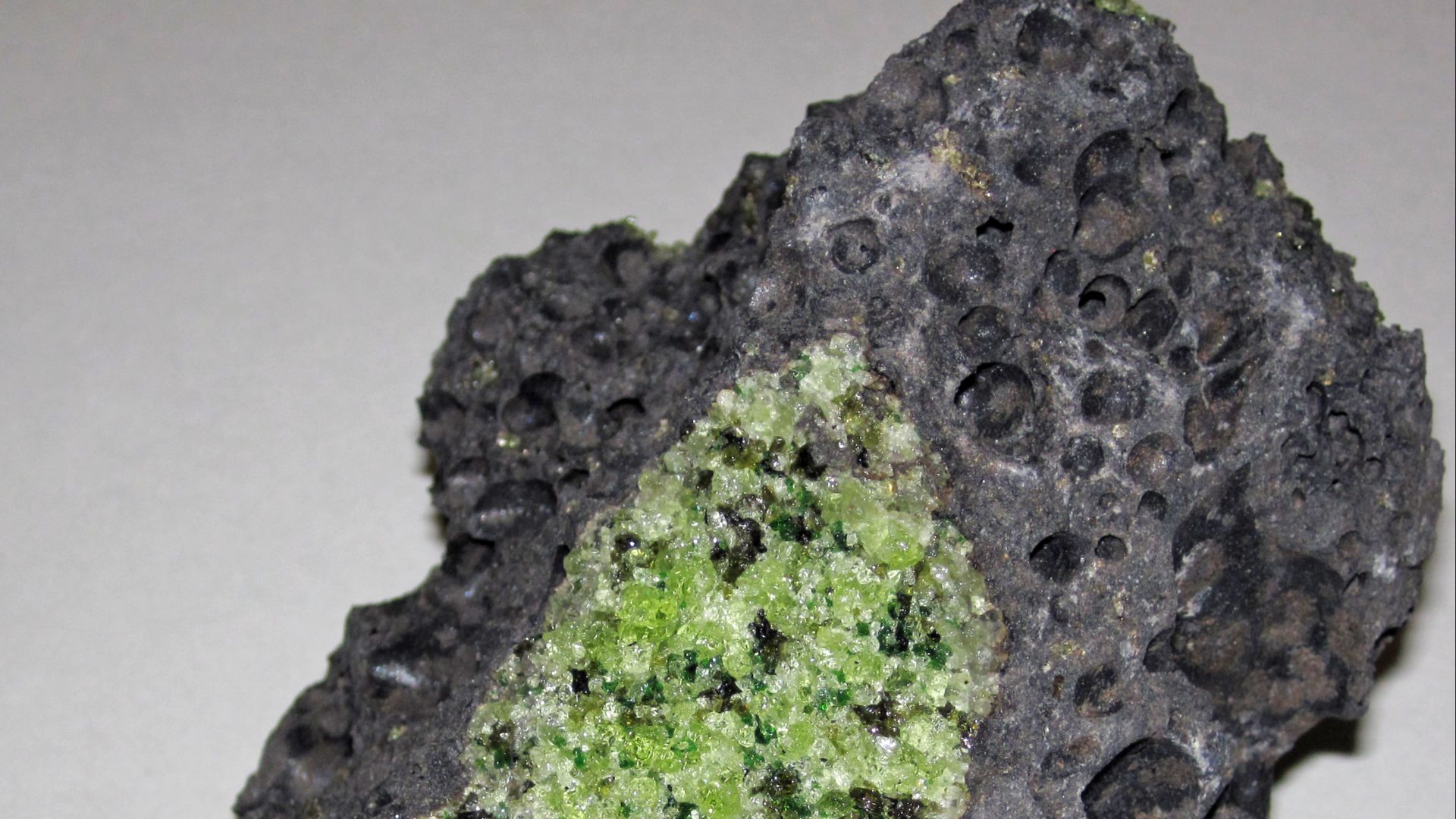
The principal mineral discussed in the findings is ringwoodite, a blue mineral that forms under the tremendous pressures of the mantle transition zone. Its unusual crystal structure allows it to incorporate water, making enormous quantities of rock capable of collectively storing a staggering reservoir.
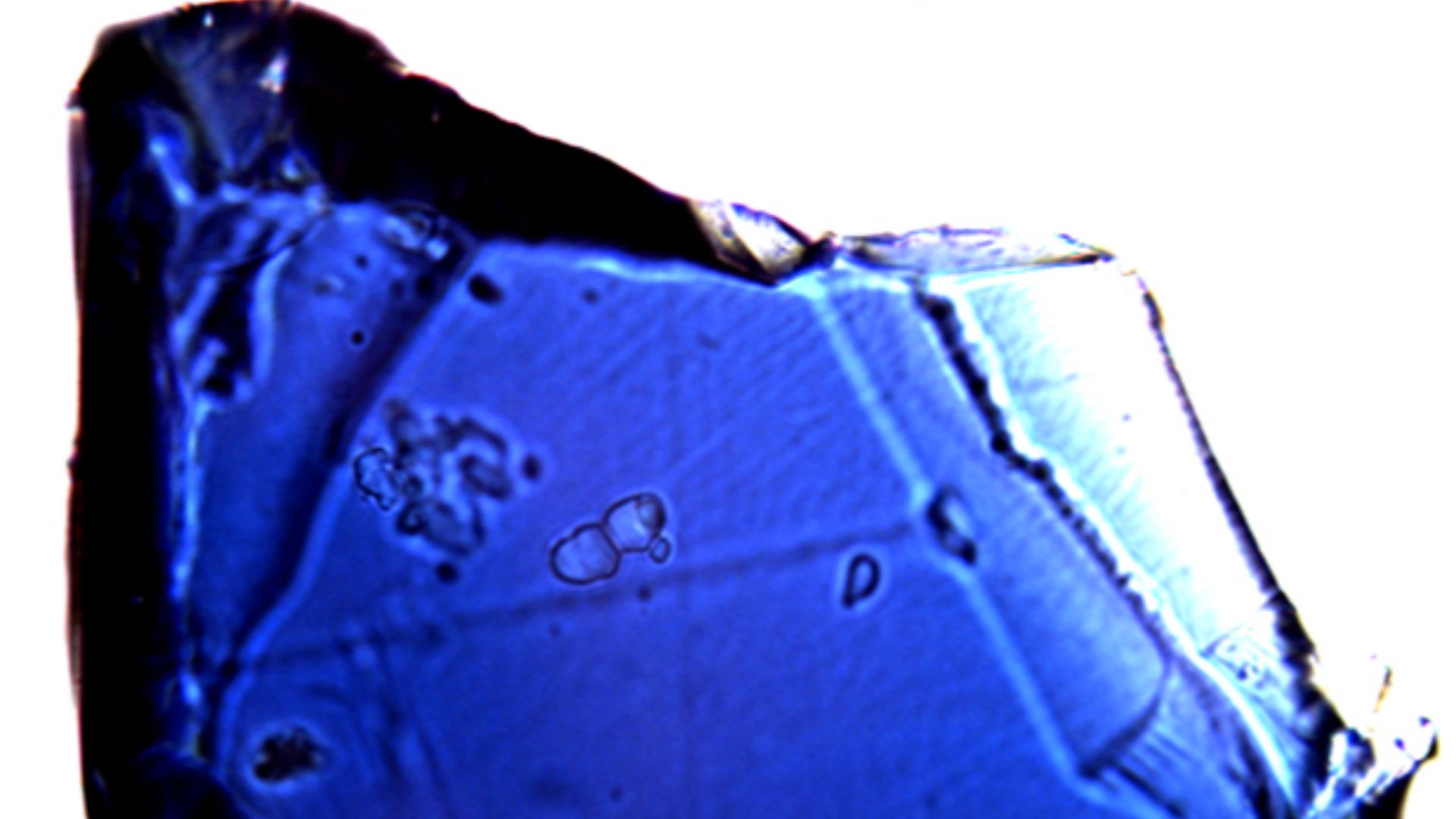
Water Inside A Crystal
The water associated with ringwoodite is fundamentally different from the liquid flowing from a faucet or filling the oceans. It is absorbed into the mineral’s structure at the molecular level rather than collecting as free-flowing liquid, ice, or ordinary water vapor.

A Different Water State
One source describes the water as existing in an unusual state that does not resemble familiar solid, liquid, or gaseous water. What matters physically is that the water is incorporated within ringwoodite’s crystal structure, allowing mantle rock to hold moisture under extreme pressure.
![a Selected-area electron diffraction (SAED) pattern of a ringwoodite grain along the [010] zone axis and (b) its schematic illustration. The grain contains poirierite in two different but equivalent orientations (domain 1: Poi1, domain 2: Poi2). Domain 2](https://www.factinate.com/storage/app/media/splashtravels/2026/7/9/1783578889020842f3717965660f44d5da2c3a3d1d5974c7ec.webp) Naotaka Tomioka, Wikimedia Commons
Naotaka Tomioka, Wikimedia Commons
Earthquakes Revealed The Reservoir
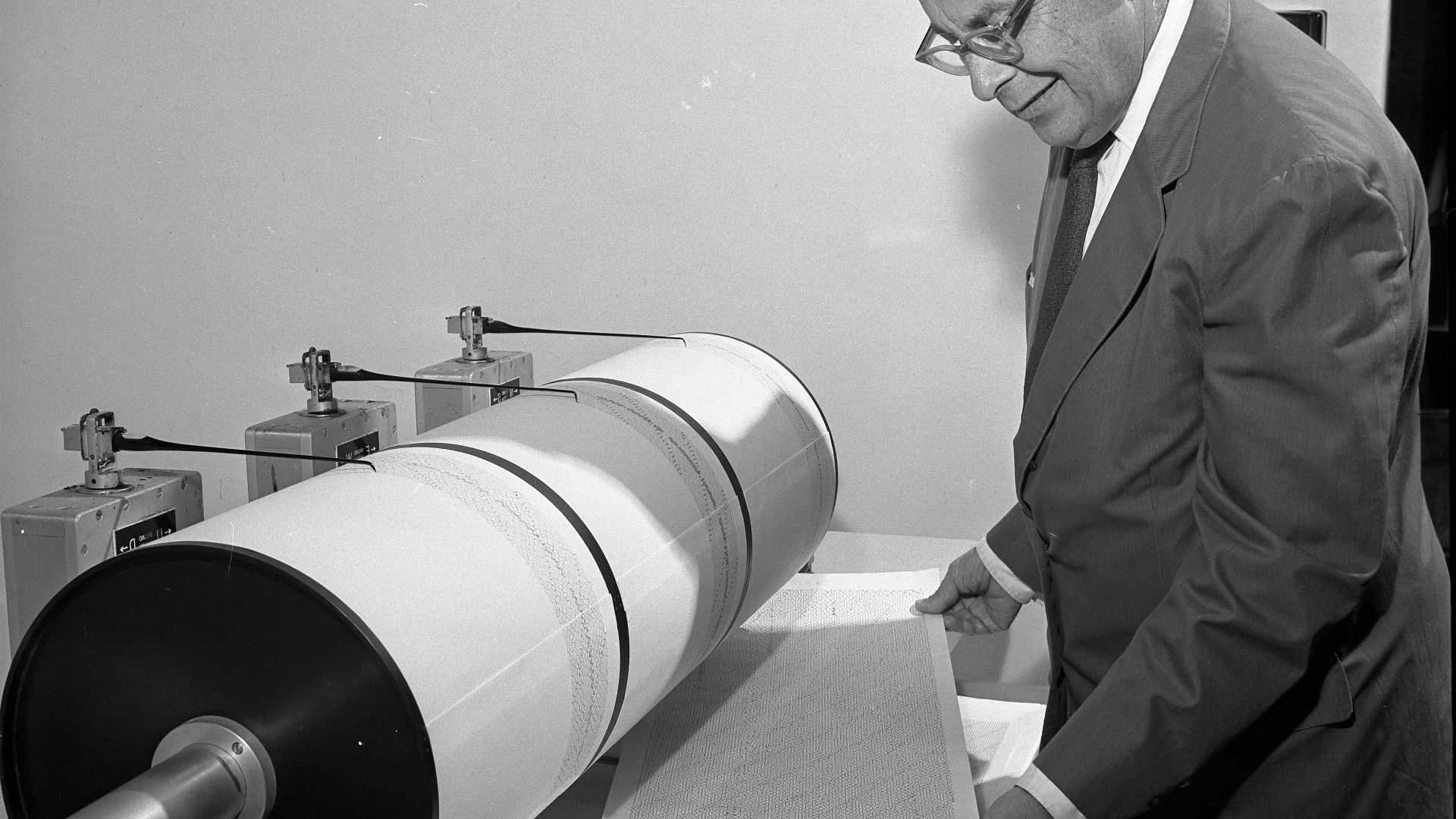
Scientists did not drill hundreds of miles into Earth to find the reservoir. Instead, they studied seismic waves produced by earthquakes. These waves travel through the planet’s interior at different speeds depending on the materials and conditions they encounter along their paths.
 Frank K., CC BY 2.0, Wikimedia Commons
Thousands Of Listening Stations
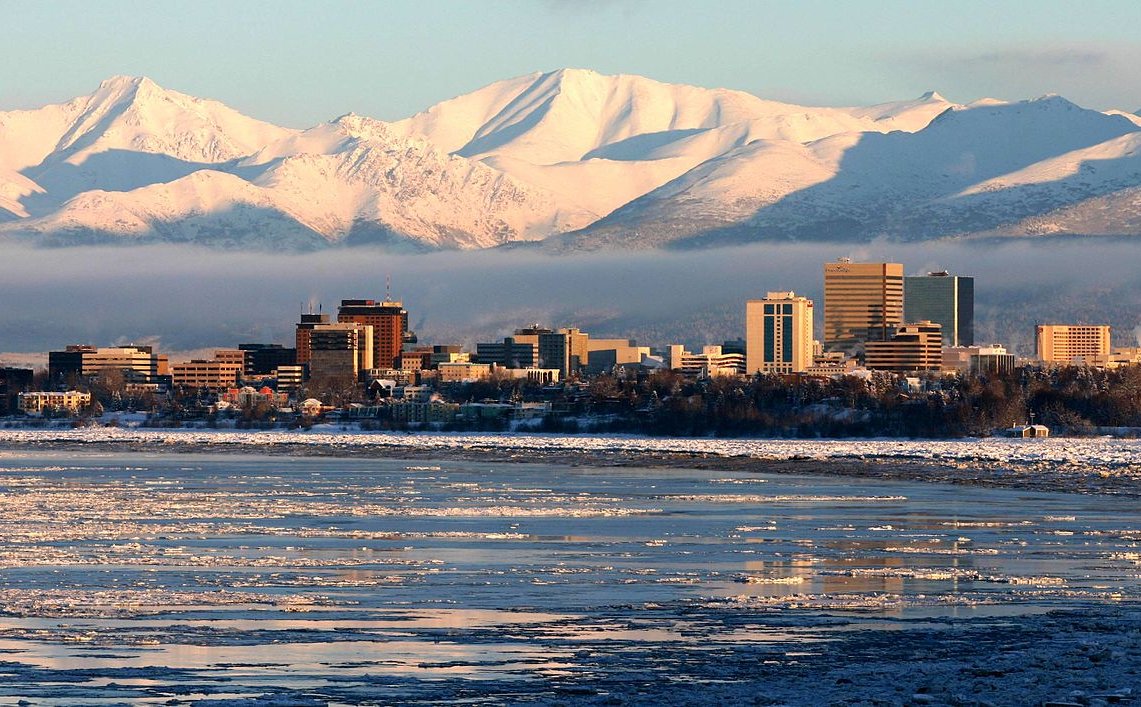
Researchers used data from approximately 2,000 seismographs spread across the United States. They examined seismic waves generated by more than 500 earthquakes, building a picture of how vibrations changed speed as they passed through different parts of Earth’s deep interior.
 Gil Cooper, Los Angeles Times, Wikimedia Commons
The Waves Slowed Down
When seismic waves passed through certain regions of the mantle, researchers detected changes in their speed. Water-rich mantle rock produces a distinctive seismic response, and by mapping these slowdowns, scientists inferred the presence of enormous quantities of water-bearing ringwoodite deep below the surface.
 Brews ohare, Wikimedia Commons
Earth As A Scanner
The method works somewhat like performing a medical scan on the planet. Earthquakes provide the energy, while seismographs record how that energy changes during its journey. Researchers can then use those changes to infer properties of otherwise unreachable rock deep inside Earth.
 Nealey Sims, Wikimedia Commons
A Truly Enormous Estimate
The potential scale of the reservoir is difficult to imagine. The sources report that if only about one percent of the relevant mantle rock contained water, the total amount could equal approximately three times the water held by all of Earth’s surface oceans.
 James St. John, Wikimedia Commons
Steven Jacobsen’s Research
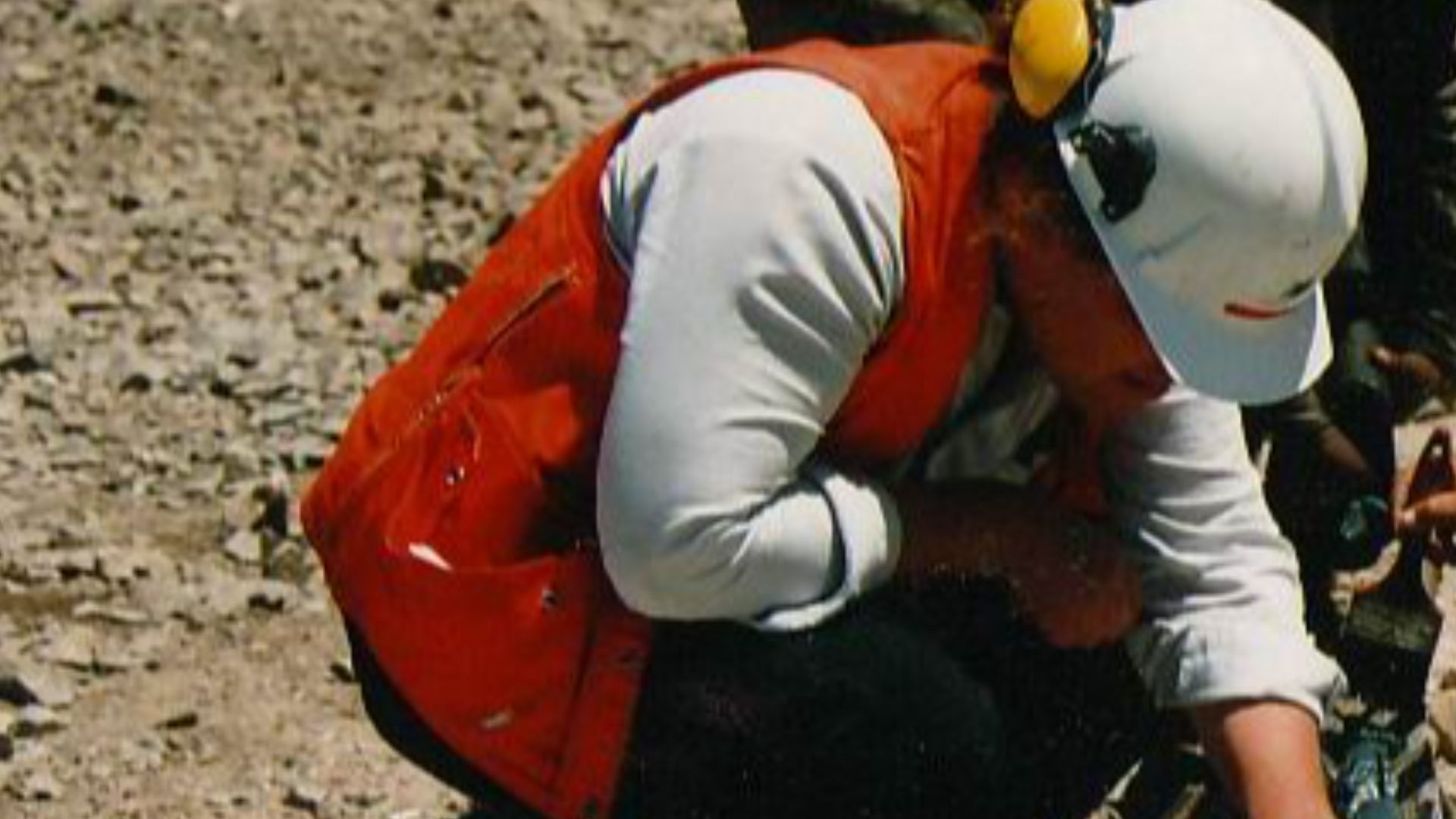
Geophysicist Steven Jacobsen of Northwestern University is identified as a lead researcher associated with the work. Jacobsen has described the reservoir as tangible evidence supporting the idea that Earth’s water came from within the planet rather than entirely from external sources.
 No machine-readable author provided. Geoz assumed (based on copyright claims)., Wikimedia Commons
Where Did Oceans Begin?
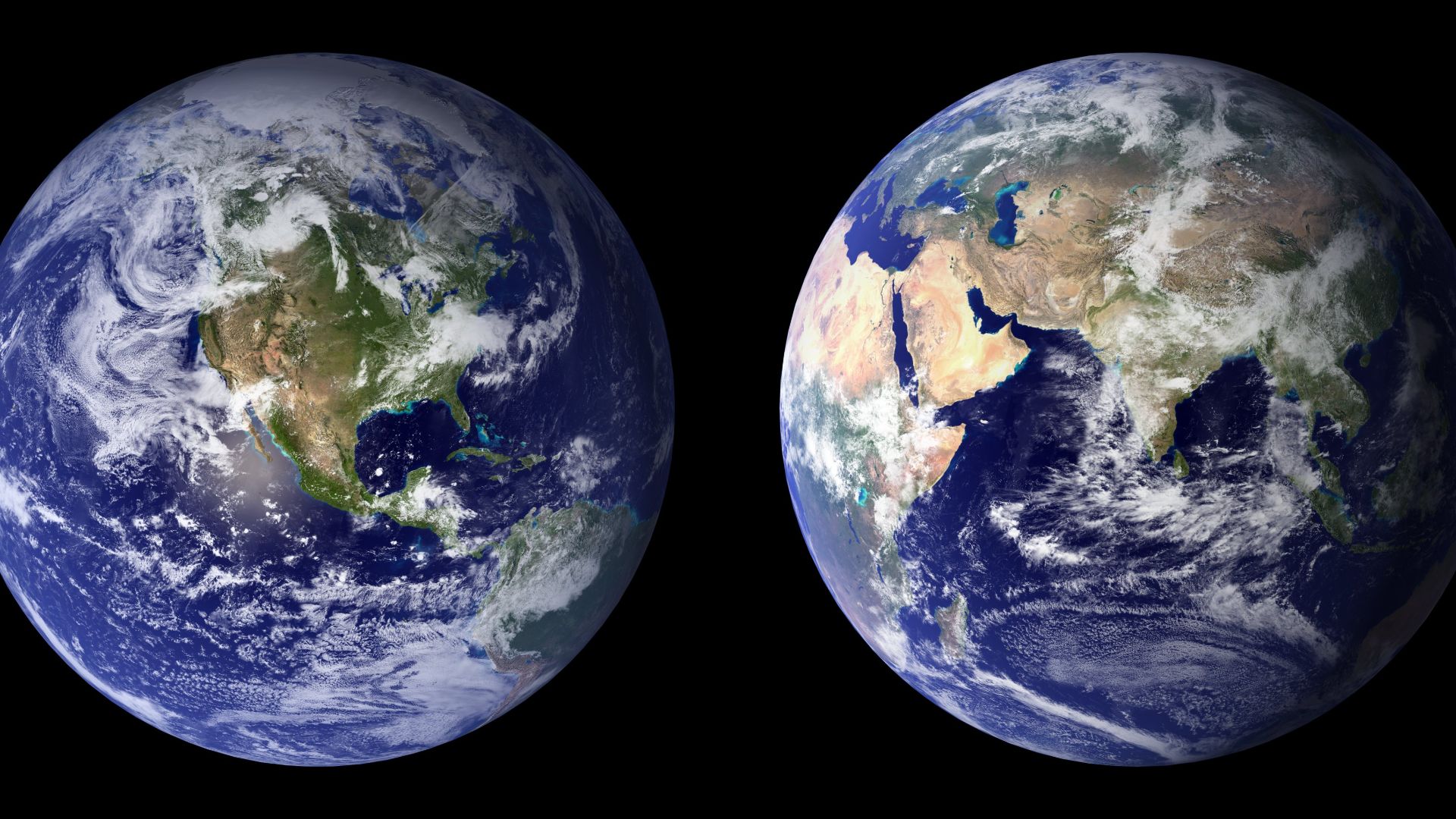
Earth’s surface water has long inspired debate about its origins. Some explanations emphasize delivery by icy comets or water-rich asteroids. The deep reservoir supports another possibility: significant amounts of water may have originated within Earth and gradually reached the surface over geological time.
 Reto Stöckli (land surface, Wikimedia Commons
A Planet-Wide Water Cycle
The findings suggest that Earth’s water cycle extends far deeper than clouds, rainfall, rivers, and oceans. Water can move into the mantle and later return toward the surface, connecting familiar surface processes with a much larger system operating hundreds of kilometers underground.
![Diagram describing the rock cycle, from [1] (archived here)](https://www.factinate.com/storage/app/media/splashtravels/2026/7/9/17835801139f47ba0eb4d994e1603a28e00ba0e1477219b468.png)
Water Travels Downward
According to the sources, oceanic crust descending into the mantle at subduction zones can carry surface water downward. Within the transition zone, minerals including ringwoodite can absorb and store part of that water, adding another stage to Earth’s vast internal water cycle.
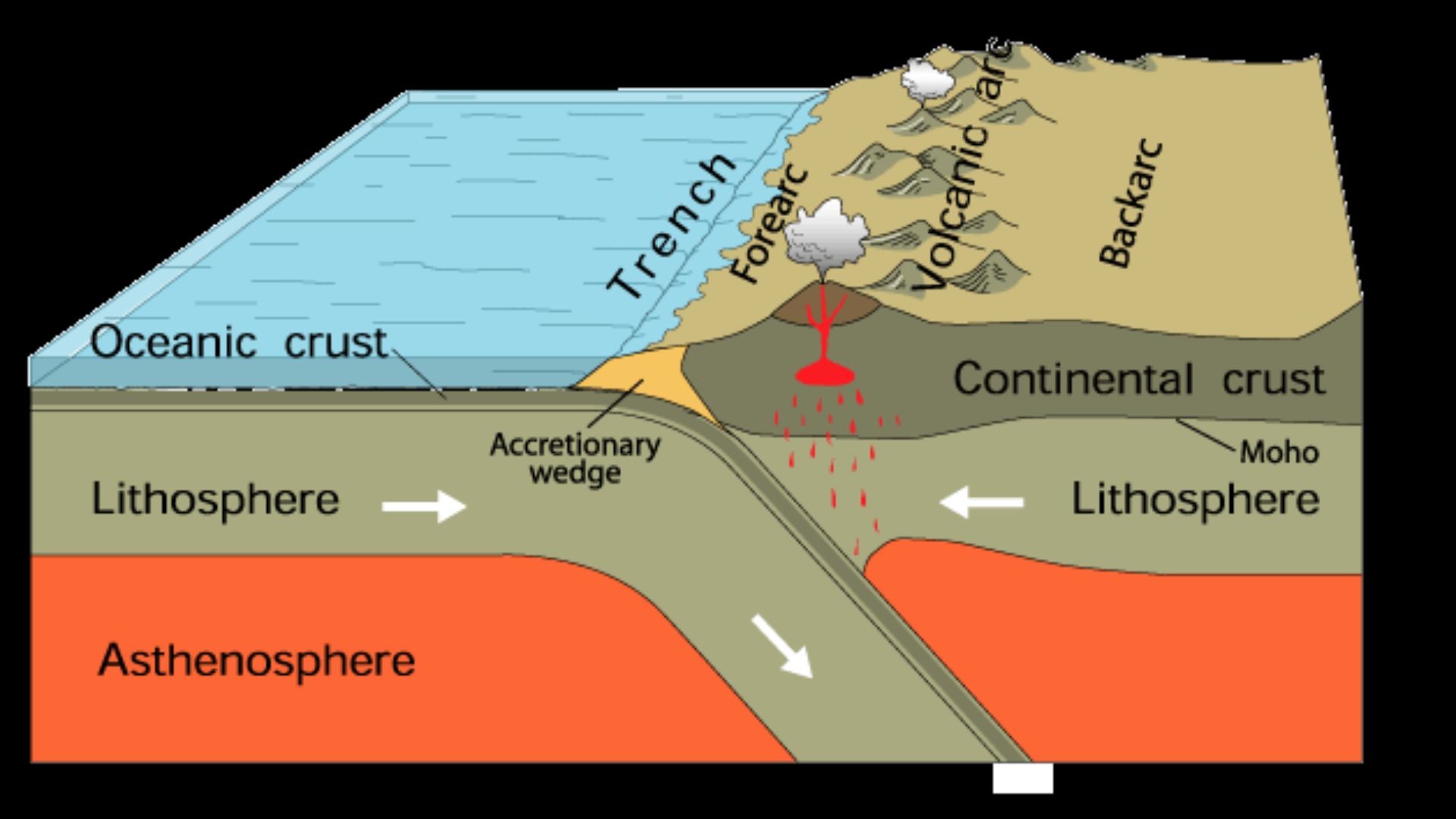 W. Jacquelyne Kious and Robert I. Tilling, USGS, Wikimedia Commons
Water Can Return
The deep water is not necessarily locked away forever. Over geological time, some material can move upward again through mantle upwelling and volcanic activity. This exchange provides a mechanism for water to circulate between Earth’s deep interior and its surface environment.
Stabilizing The Surface Oceans
Jacobsen and other researchers have suggested that deep internal water storage may help explain why the volume of Earth’s surface oceans has remained relatively stable over hundreds of millions of years, despite changing continents, geological activity, and major shifts in climate.
 NASA/Apollo 17 crew; taken by either Harrison Schmitt or Ron Evans, Wikimedia Commons
A Much Wetter Earth
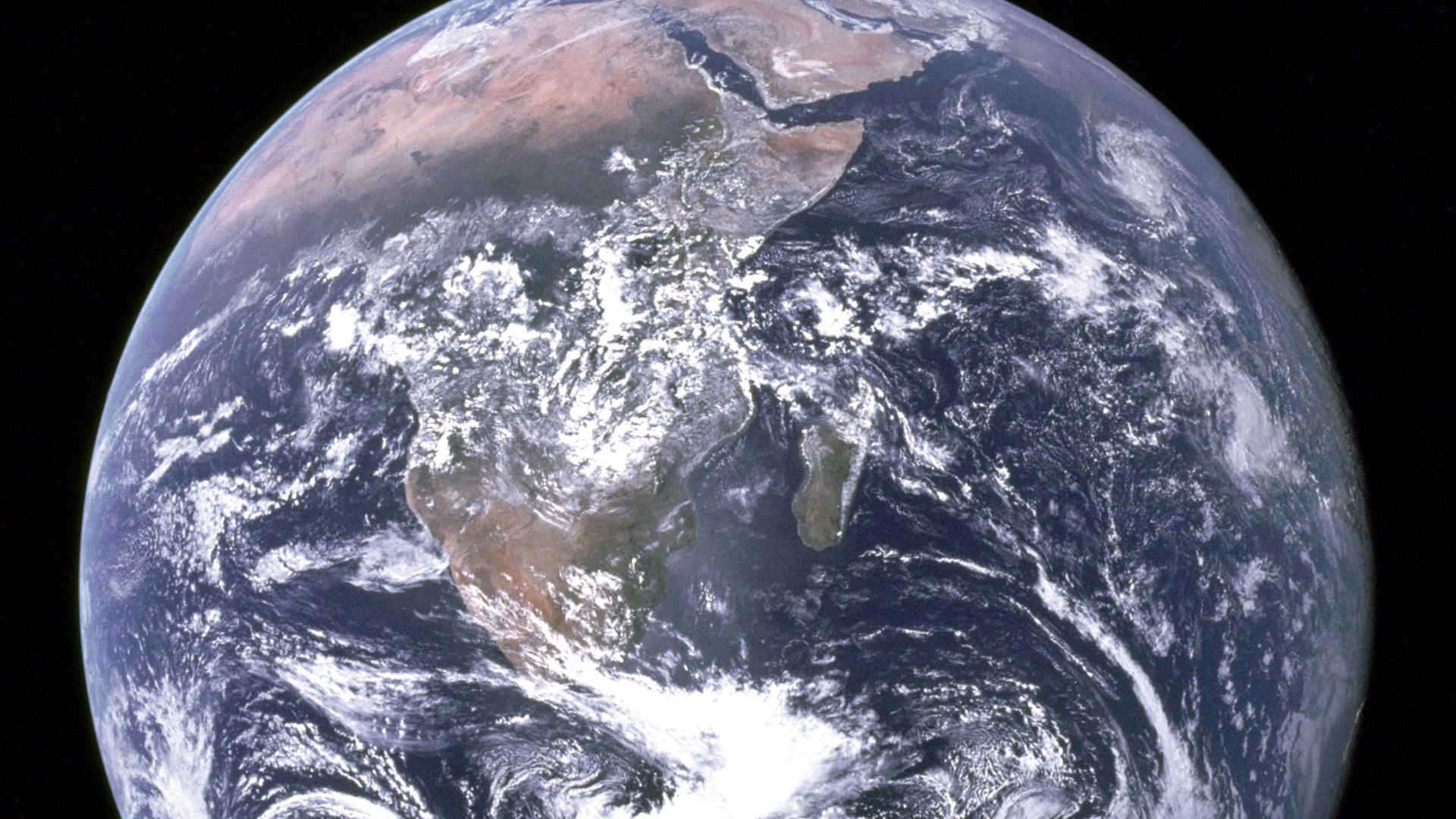
Jacobsen has offered a dramatic illustration of the reservoir’s possible importance. Without the mantle acting as an internal storage system, far more water might occupy the surface. In that scenario, he suggested, only mountain peaks might remain visible above a vastly expanded global ocean.
Changing Earth From Within
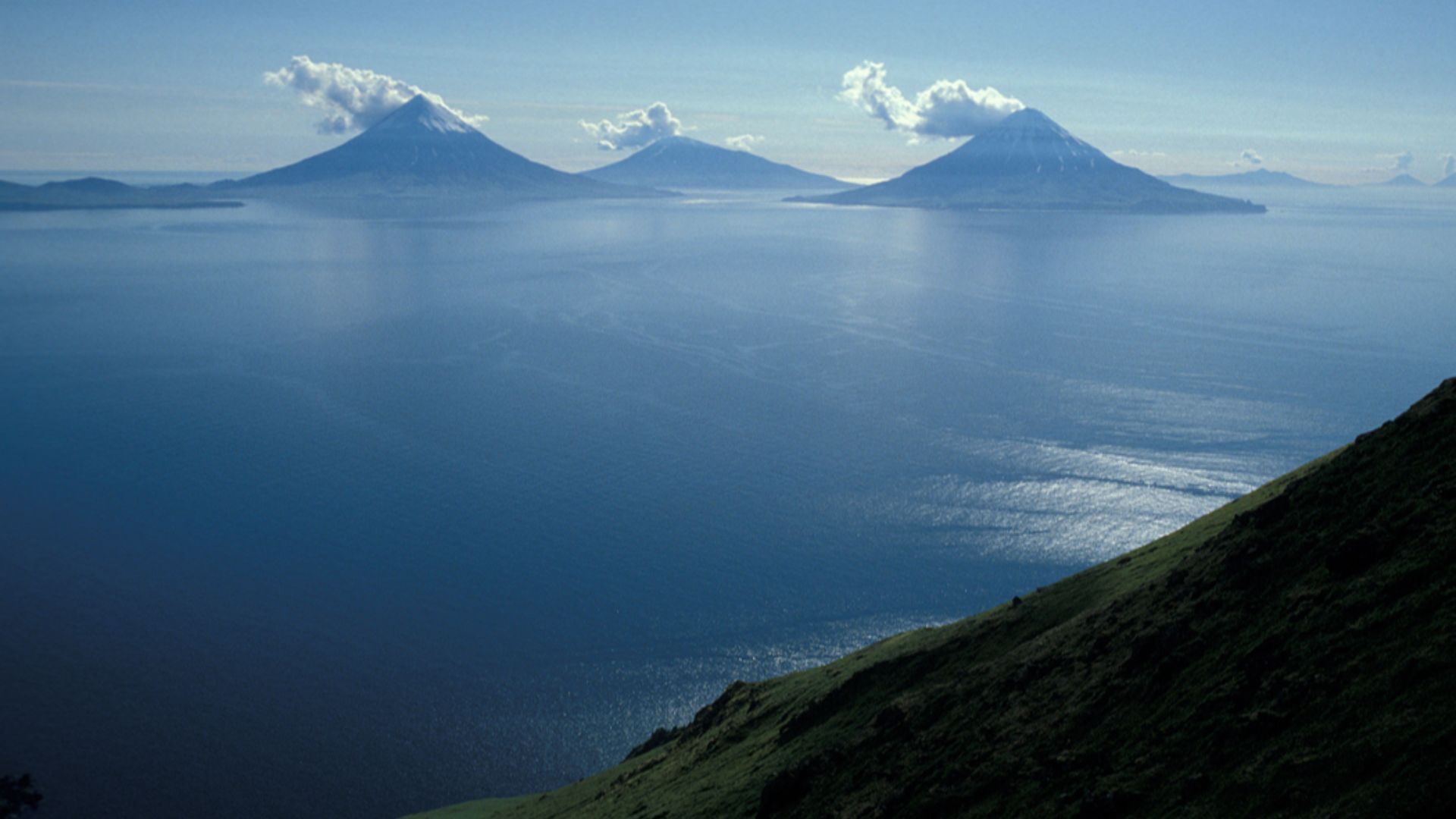
Deep water may have consequences beyond the oceans. The sources suggest that water stored within the mantle could influence volcanic eruptions, earthquakes, and the processes involved in continental formation. Researchers are investigating how water affects the physical behavior of Earth’s interior.
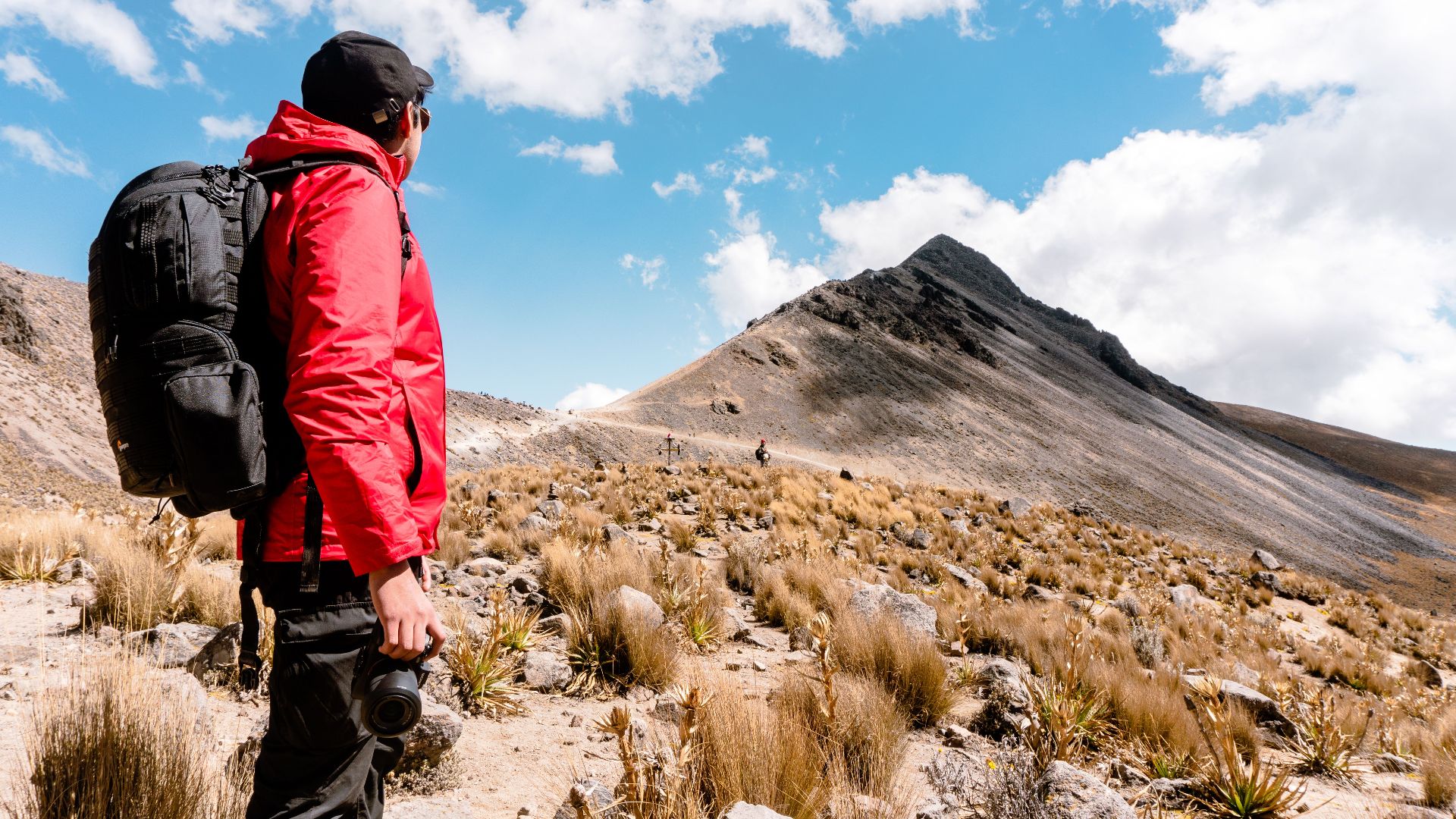
Water And Planetary Motion
Understanding the reservoir could improve models of plate tectonics and Earth’s long-term geological development. Water moving with descending crust, storage within transition-zone minerals, and eventual return through upwelling connect the hidden reservoir with the enormous movements continually reshaping the planet.
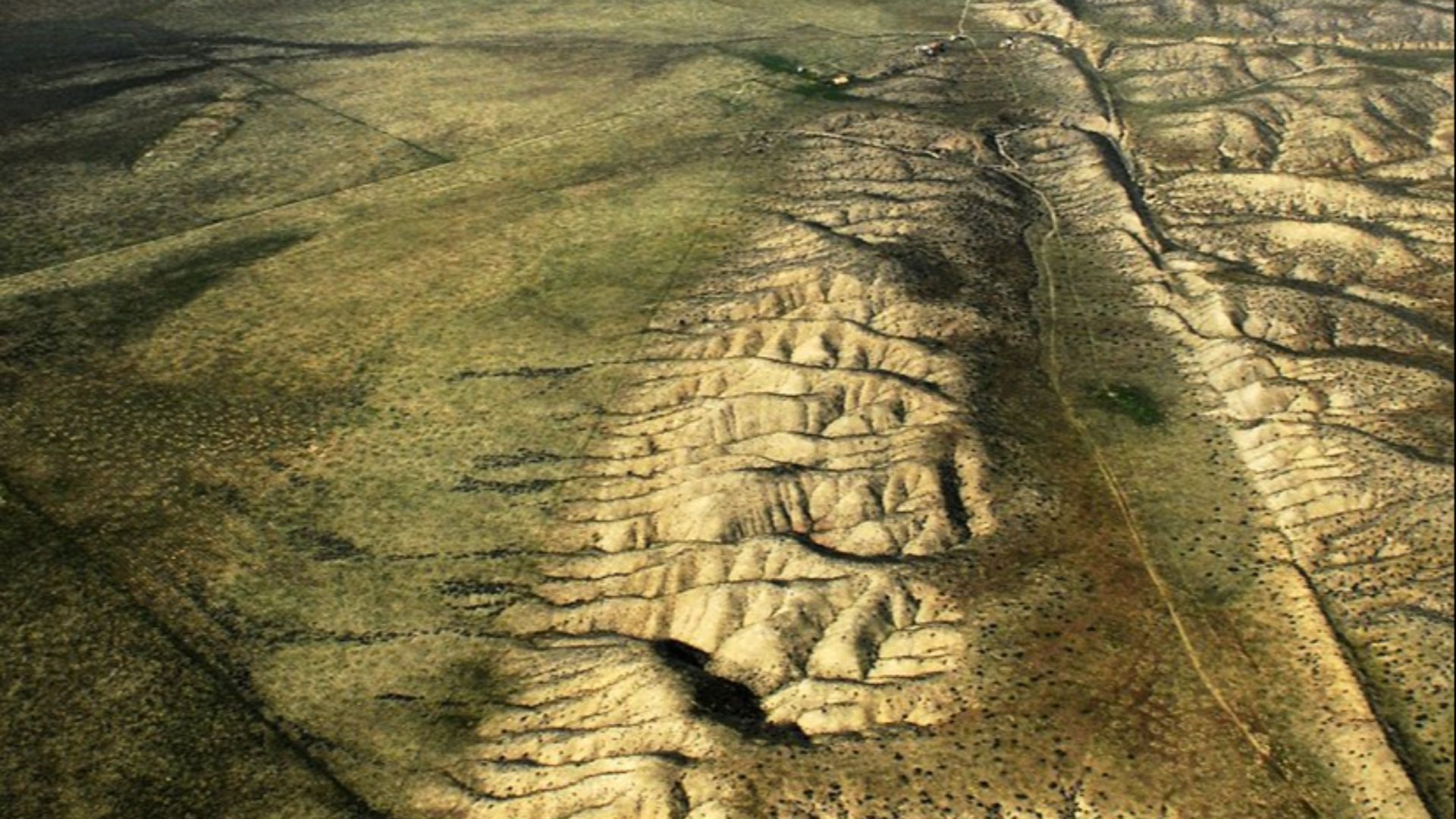 John Wiley User:Jw4nvc - Santa Barbara, California, Wikimedia Commons
Can Humans Reach It?
Despite its enormous size, the reservoir offers no practical solution to water shortages or drought. The water is trapped within minerals at extreme pressures and temperatures hundreds of kilometers underground, placing it far beyond any realistic drilling, pumping, or extraction technology.
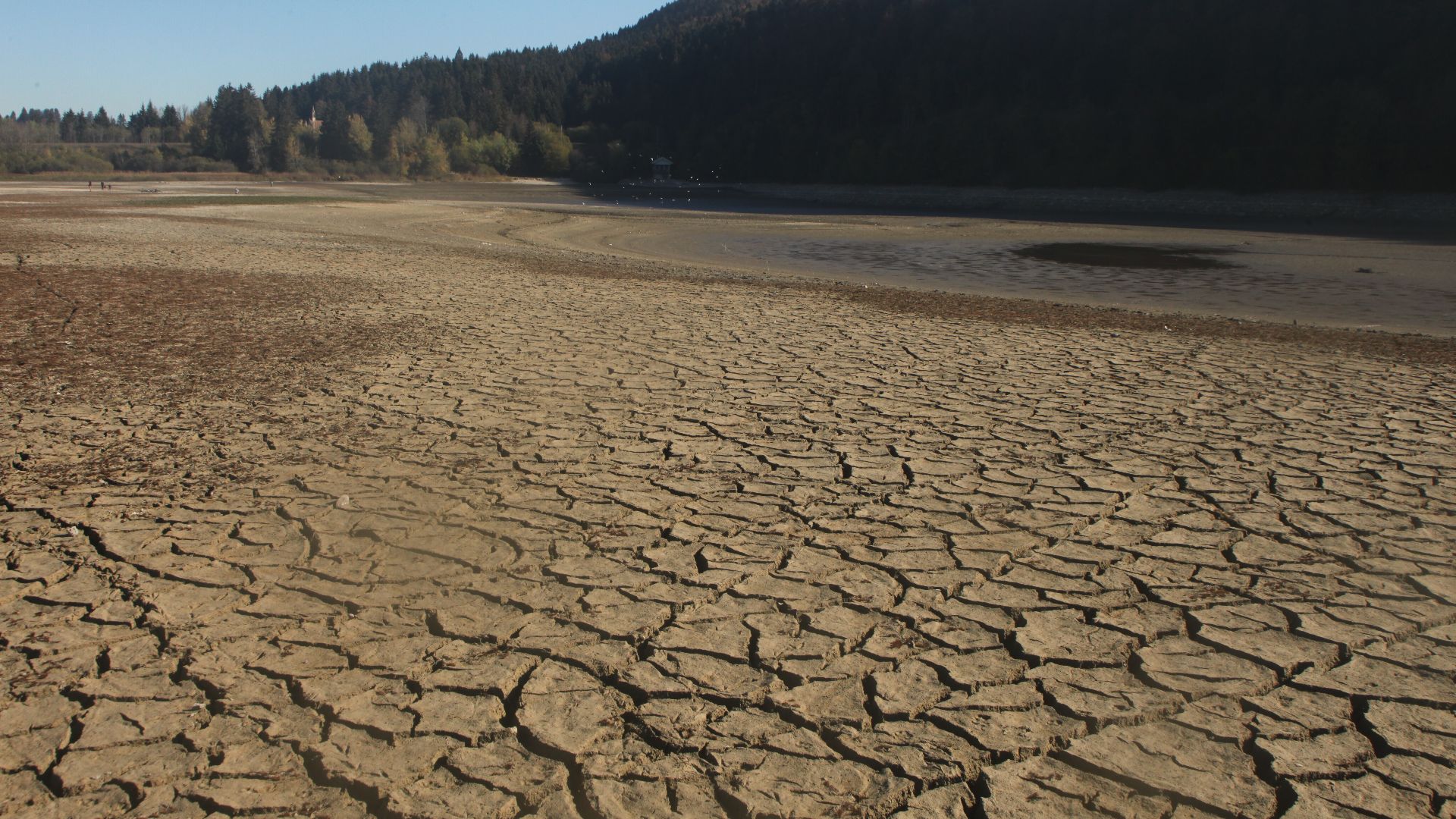
Not A Future Aquifer
This reservoir should not be confused with underground aquifers found within Earth’s crust. The sources also describe smaller stores of water in deep aquifers and minerals, but the ringwoodite reservoir is dramatically deeper and physically bound within mantle rock rather than available as ordinary groundwater.
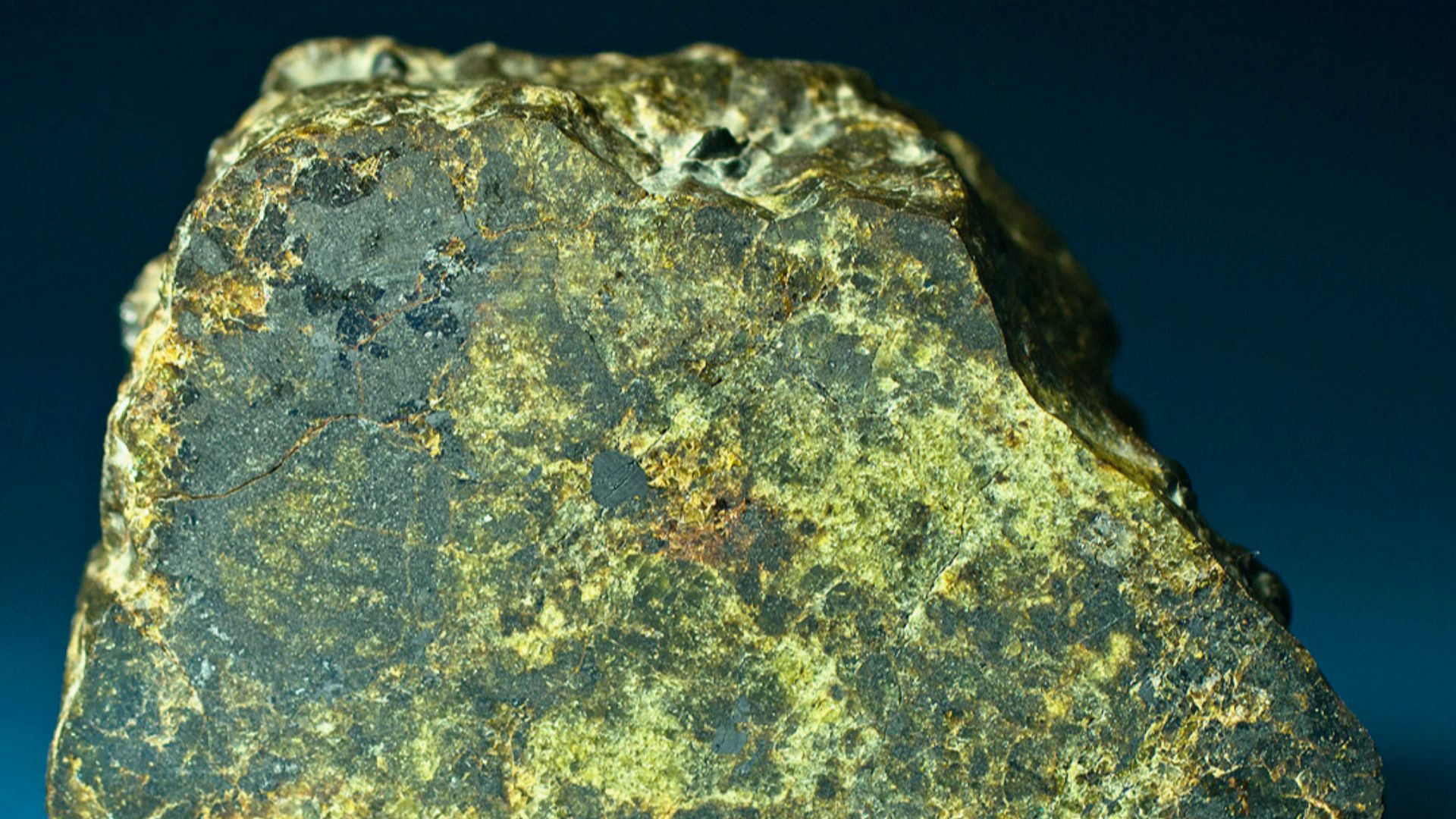 Steve Jurvetson from Los Altos, USA, Wikimedia Commons
The Geographic Question
Much of the seismic evidence discussed in the sources comes from beneath North America. Researchers now want comparable observations from other parts of the world to determine whether water-rich ringwoodite is globally widespread or concentrated within particular regions of Earth's deep interior.
Measuring The Deep Cycle
Future research will seek more precise estimates of how much water the transition zone actually holds and how quickly water enters and leaves the reservoir. Better seismic coverage could clarify how this deep cycle interacts with plate tectonics, volcanic activity, and surface oceans.

A New View Of Earth
The hidden reservoir changes the familiar picture of Earth as a rocky planet with oceans resting on its surface. Instead, water appears deeply integrated into the planet itself. Future global seismic studies could reveal how widespread this system is and how strongly it has shaped Earth’s evolution.
 James St. John, Wikimedia Commons
You May Also Like:
Researchers discovered metal highways hidden beneath the Earth's crust.
Scientists are investigating a strange signal coming from deep beneath Earth's surface.