


A Signal That Shouldn't Exist
Scientists are investigating unusual radio signals detected in Antarctica that appear to originate from below the continent's vast ice sheets. These observations have attracted the keen interest of researchers, because they say the signals have no correlation to what current models of physics predict should be possible.
The Antarctic Discovery
The strange events were detected by the Antarctic Impulsive Transient Antenna, better known as ANITA. This experimental antenna is designed to search for high-energy particles arriving from space, but instead recorded something researchers did not expect to find.
 Drummermean, Wikimedia Commons
What ANITA Does
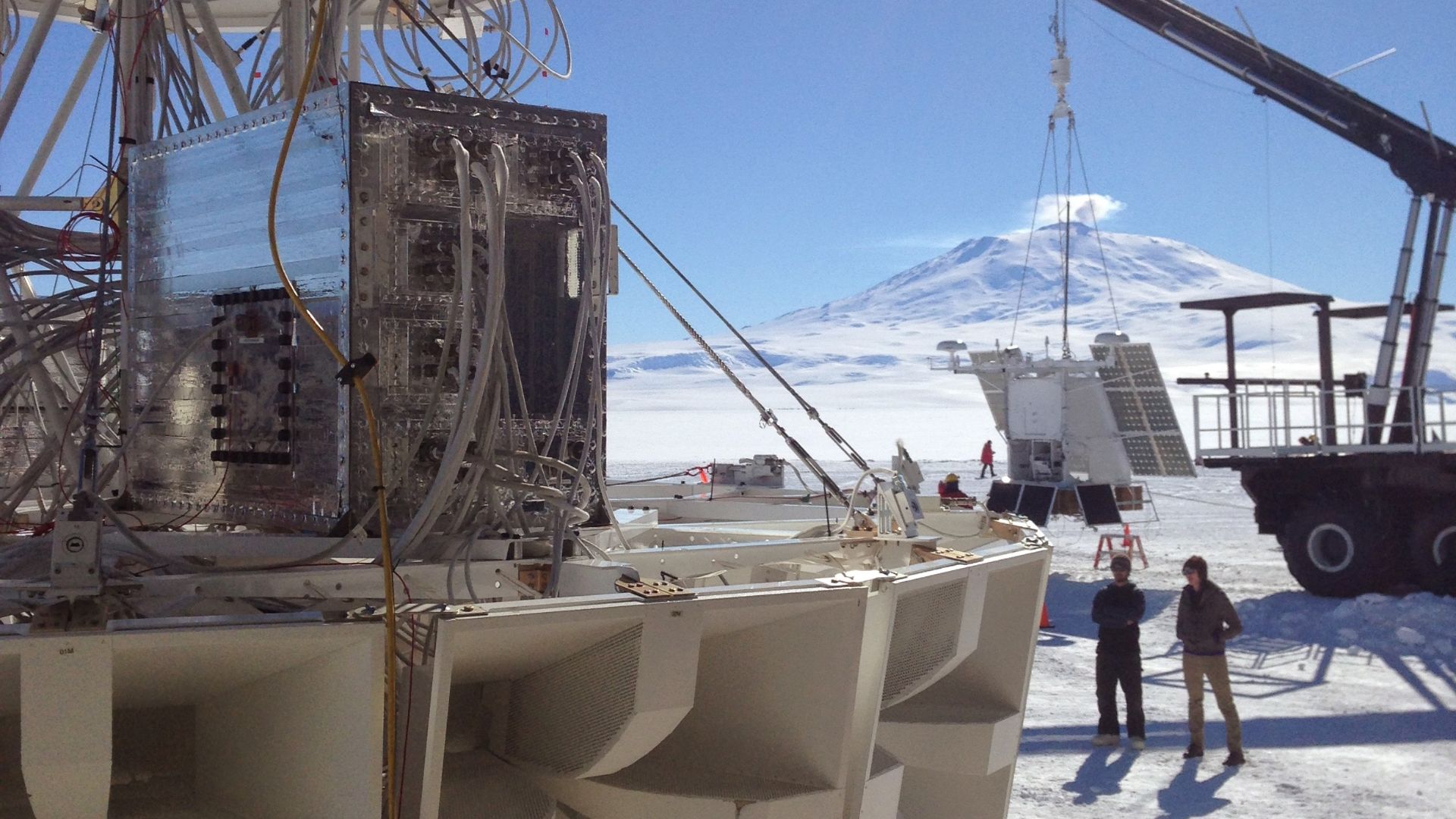
ANITA consists of instruments carried high above Antarctica by a balloon. From that vantage point, it listens for radio pulses generated when extremely energetic particles interact with the ice sheet below.
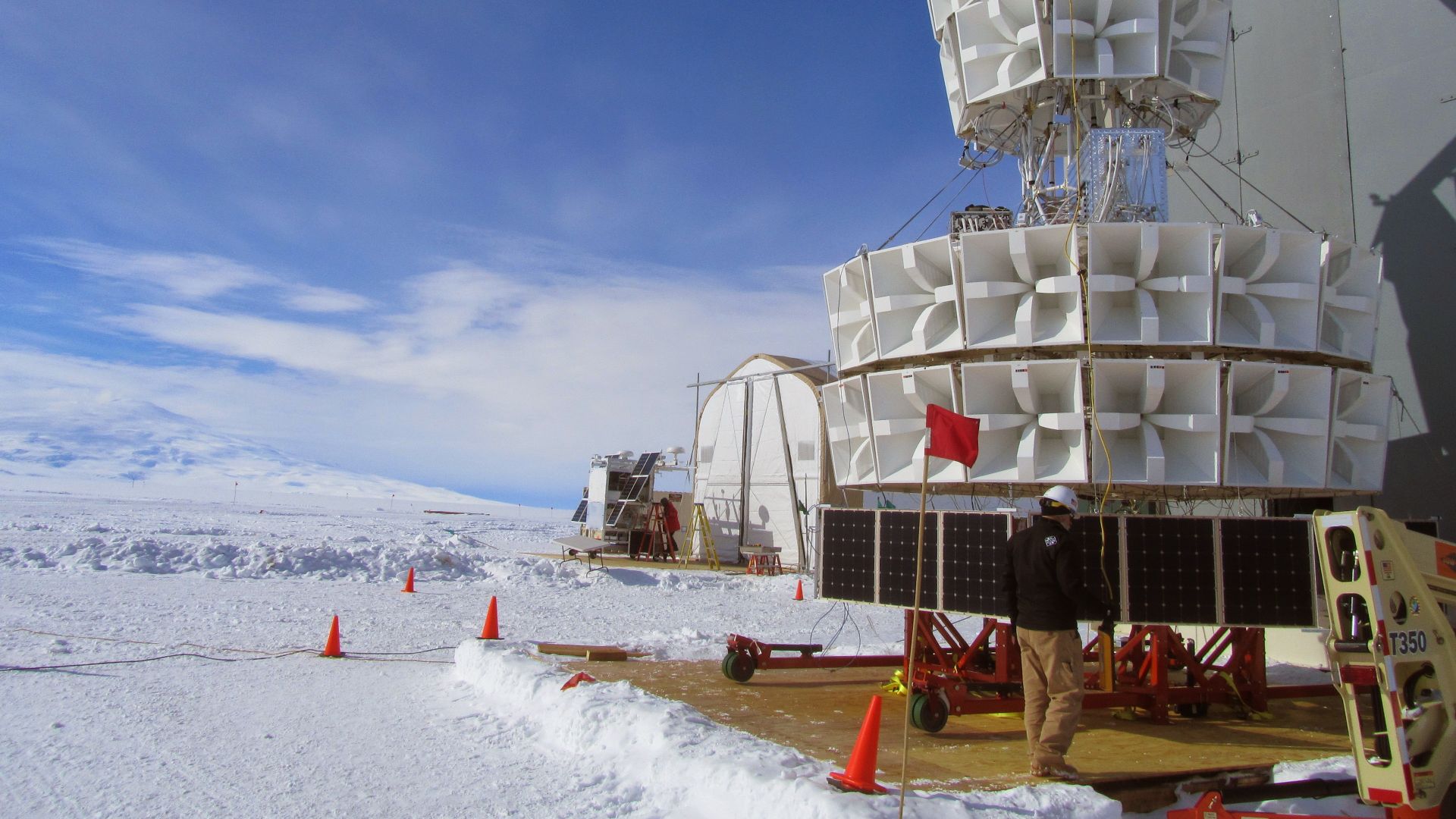 UCL Mathematical and Physical Sciences from London, UK, Wikimedia Commons
Looking For Neutrinos
One of ANITA's goals is to detect neutrinos, nearly massless particles that can pass through enormous amounts of matter. Scientists hoped that these elusive particles would reveal information about powerful cosmic events occurring across the universe.
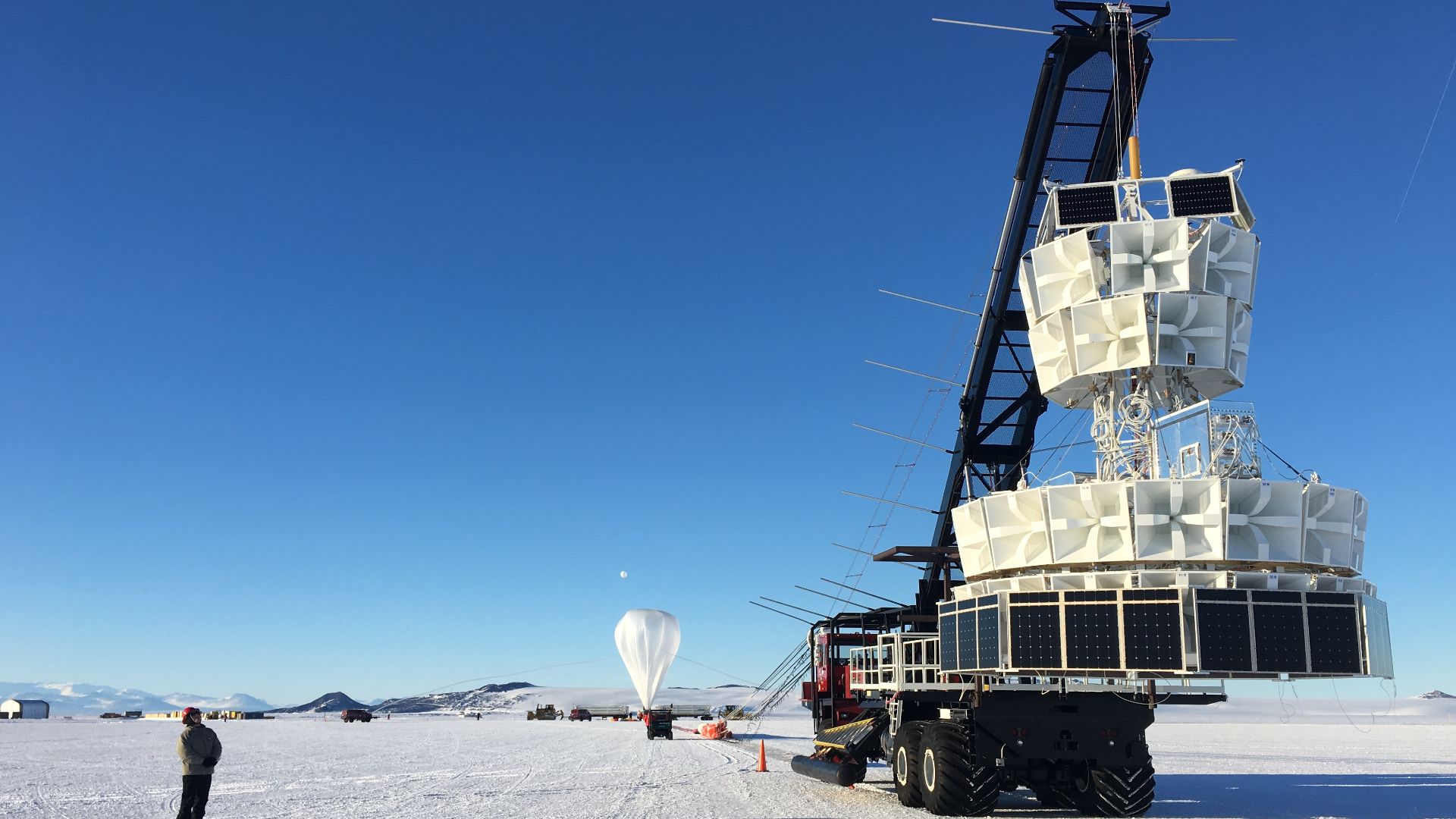 NASA Goddard Space Flight Center from Greenbelt, MD, USA
A Puzzling Direction
The mystery began when ANITA detected radio signals apparently emerging upward from deep underneath the Antarctic ice. According to our current understanding, the particles thought to create such signals should have been absorbed long before reaching the detector.
 NASA Goddard Space Flight Center from Greenbelt, MD, USA, Wikimedia Commons
The Physics Problem
Researchers calculated that the signals appeared to arrive at angles that would require particles to travel through thousands of kilometers of rock before emerging. Existing theories suggest such particles should lose energy or be stopped entirely.
 UCL Mathematical and Physical Sciences from London, UK, Wikimedia Commons
Why Scientists Are Confused
The detected events don’t fit neatly into any known subatomic particle behavior. According to researchers, no currently accepted explanation can fully account for the characteristics of the observed signals, making them a significant scientific puzzle.
 Simon Swordy, Wikimedia Commons
Rechecking The Data
Scientists carefully reviewed the observations to determine whether equipment malfunctions or analysis errors might explain the results. The signals remained unusual even after extensive examination of the recorded data.

Comparing Other Experiments
Researchers compared ANITA's observations with results from other neutrino observatories. They examined data from the IceCube Neutrino Observatory at the South Pole, and the Pierre Auger Observatory in Argentina while searching for similar events.
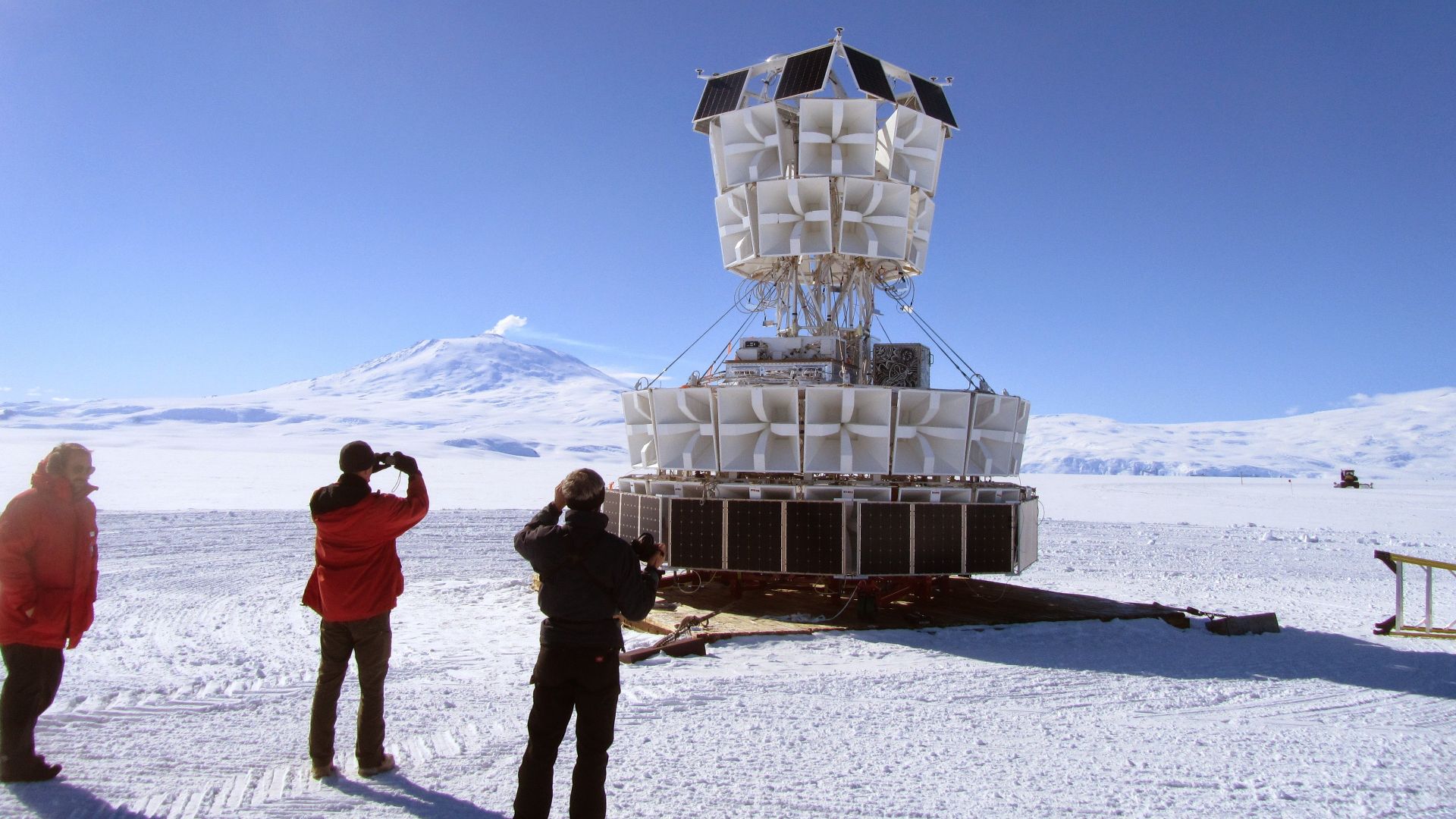 Ryan Nichol (UCL Physics & Astronomy), Wikimedia Commons
No Matching Evidence
The comparison posed an additional challenge. Scientists reported that other major observatories found no evidence to support the same type of signal, making the ANITA detections even more difficult to interpret.

A New Analysis
Researchers recently put together a comprehensive study using data from multiple observatories. Their goal was to determine whether the events could be explained by known ultra-high-energy neutrinos or other established particle interactions.
 UCL Mathematical & Physical Sciences from London, UK, Wikimedia Commons
Known Explanations Fail
According to the study, the unusual signals couldn't be adequately explained by standard neutrino models. Researchers have come to the shocking conclusion that the events remain inconsistent with currently accepted descriptions of these particles.
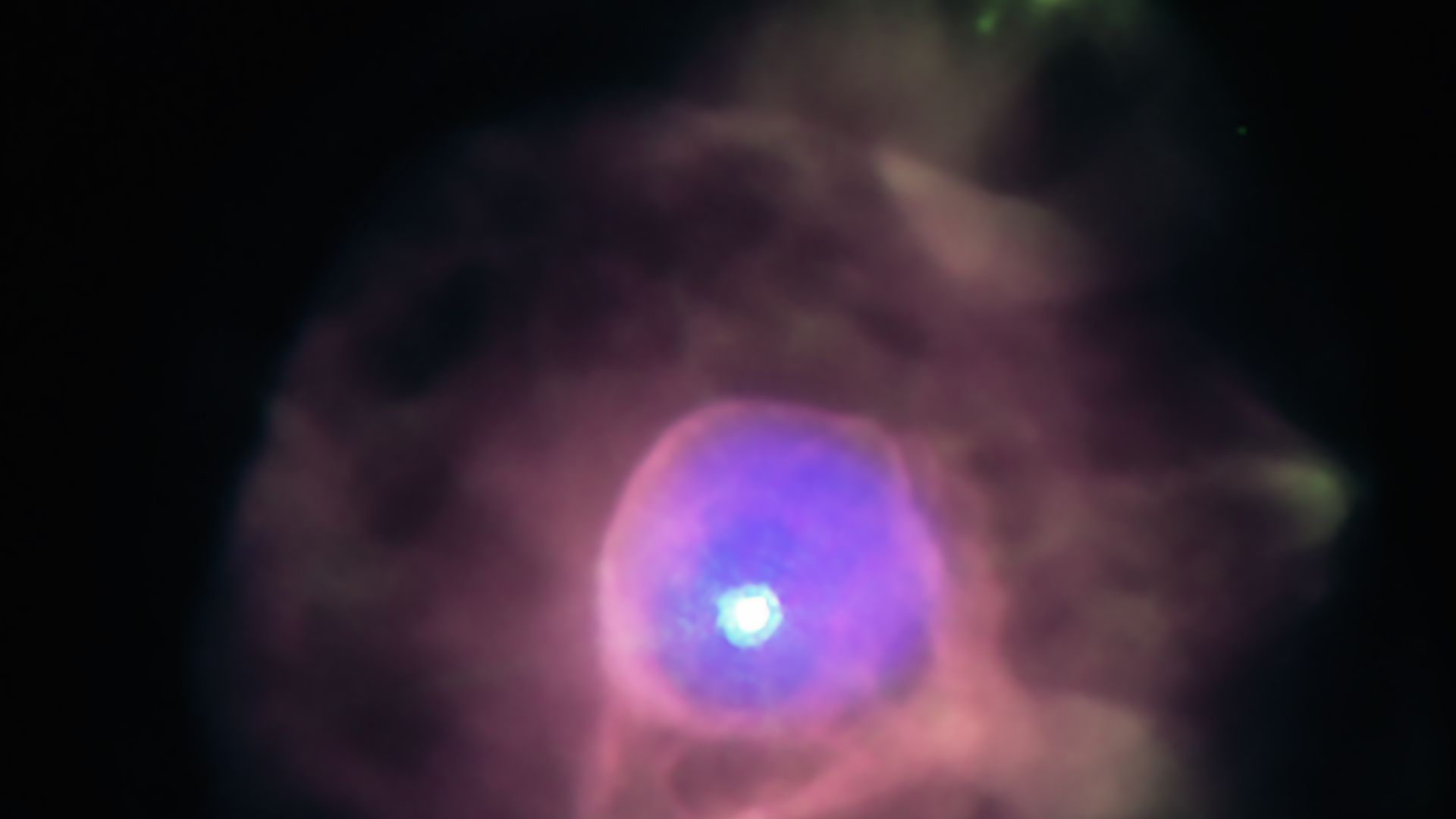 X-ray: NASA/CXC/UNAM/J. Toalá et al.; Optical: NASA/STScI, Wikimedia Commons
Antarctica's Unique Conditions
Antarctica is especially useful for this type of research because its vast, relatively undisturbed ice sheet provides an enormous detection medium. The remote environment also reduces many sources of radio interference that could complicate measurements.
 Andrew Mandemaker, Wikimedia Commons
The Ice Matters
When energetic particles interact with Antarctic ice, they can generate radio pulses detectable over large distances. This makes the continent one of the best locations on Earth for experiments searching for rare particle events.
 Robert L. Dale, Wikimedia Commons
Possibility Of New Physics
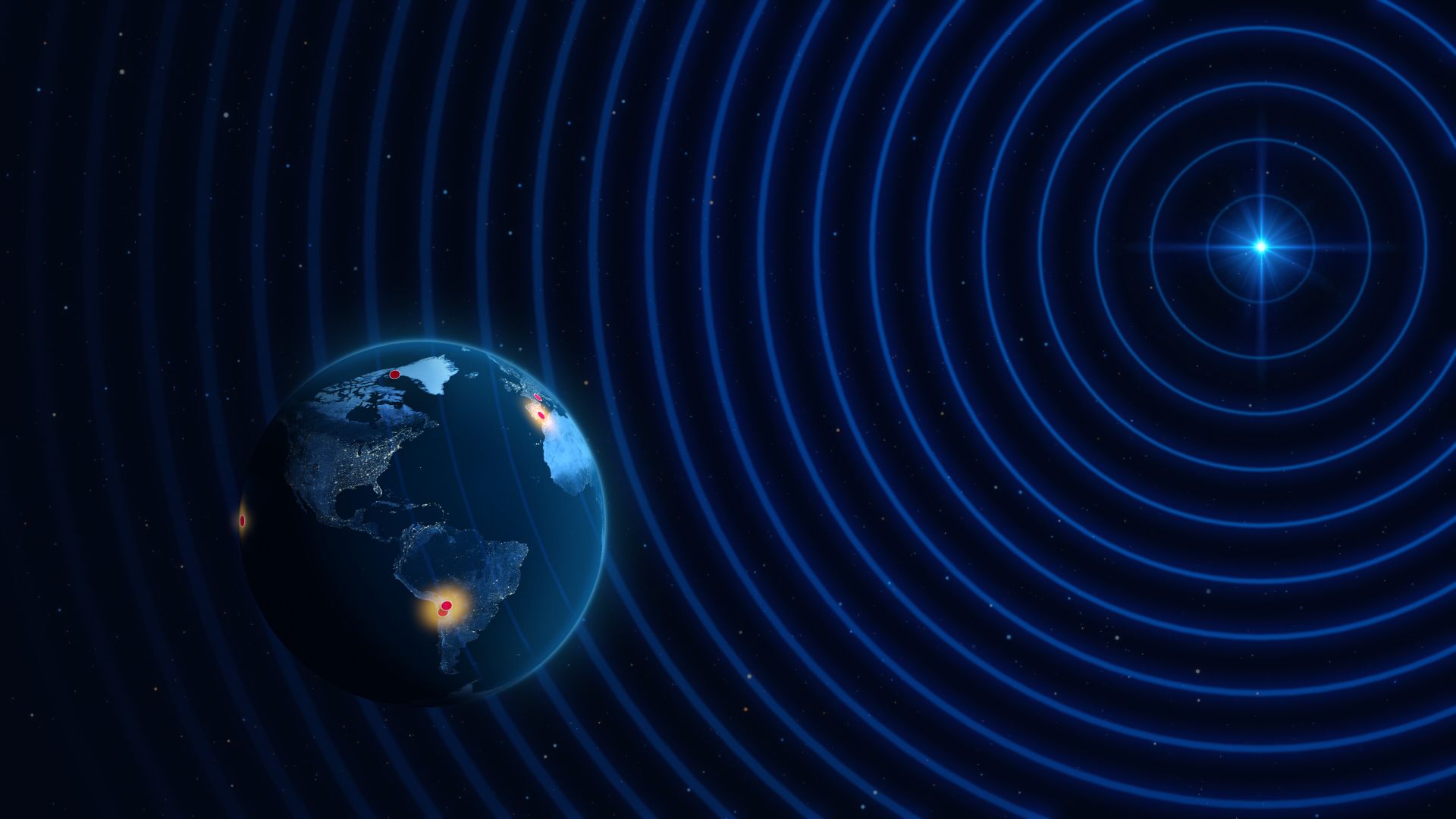
One explanation being considered is that the signals could point toward previously unknown physical processes. Researchers are at great pains to tell us that this remains speculative, but unusual observations sometimes reveal gaps in existing scientific theories.
 ESO/M. Kornmesser, Wikimedia Commons
Exotic Particle Theories
Some scientists have bandied about the idea that unknown particles beyond the Standard Model of particle physics could be involved. However, researchers emphasize that there is currently no direct evidence supporting any specific exotic particle explanation.
 Jino john1996, Wikimedia Commons
Signals From Space
The mystery may ultimately involve extremely energetic cosmic particles arriving from distant astrophysical sources. Understanding their origin could help scientists learn more about some of the universe's most powerful phenomena.
 Simon Swordy, Wikimedia Commons
Future ANITA Missions
Researchers continue refining their analyses while developing future observations. Additional flights and improved instruments may help determine whether the signals represent a genuine phenomenon or a rare observational anomaly.
 NASA Goddard Space Flight Center from Greenbelt, MD, USA, Wikimedia Commons
Enter PUEO
Scientists are preparing a new experiment called the Payload for Ultrahigh Energy Observations (PUEO). The instrument is designed to be significantly more sensitive than ANITA and could provide valuable new information.
 UCL Mathematical and Physical Sciences from London, UK, Wikimedia Commons
Better Detection Capabilities
PUEO is expected to improve researchers' ability to identify rare high-energy particle events. Scientists hope its enhanced sensitivity will reveal whether similar signals occur more frequently than previously recognized.
 UCL Mathematical & Physical Sciences from London, UK, Wikimedia Commons
Long-Term Implications
If future observations confirm that the signals cannot be explained by current theories, researchers may need to reconsider aspects of particle physics. The discovery could potentially influence understanding of both fundamental particles and cosmic phenomena.
 UCL Mathematical & Physical Sciences from London, UK, Wikimedia Commons
Mystery Still Unsolved
For now, the strange Antarctic signals remain unexplained. Scientists continue gathering evidence, comparing observations, and testing competing explanations. Until more data becomes available, one of Antarctica's most intriguing scientific mysteries remains open.
 UCL Mathematical and Physical Sciences from London, UK, Wikimedia Commons
You May Also Like:
NASA researchers detected a mysterious signal from deep space that repeats every 44 minutes.






.jpg)