When Vacations Were Anything But Ordinary
Vacations have changed dramatically over the centuries, and some once-popular travel traditions would leave modern tourists scratching their heads. From being pushed into freezing seawater to spending weeks pretending to be a cowboy, earlier generations had some unusual ideas about relaxation. Many of these customs reflected the medical beliefs, social expectations, and transportation limitations of their time. Looking back reveals just how strange an ordinary holiday could be.
Beachgoers Were Wheeled Into The Ocean
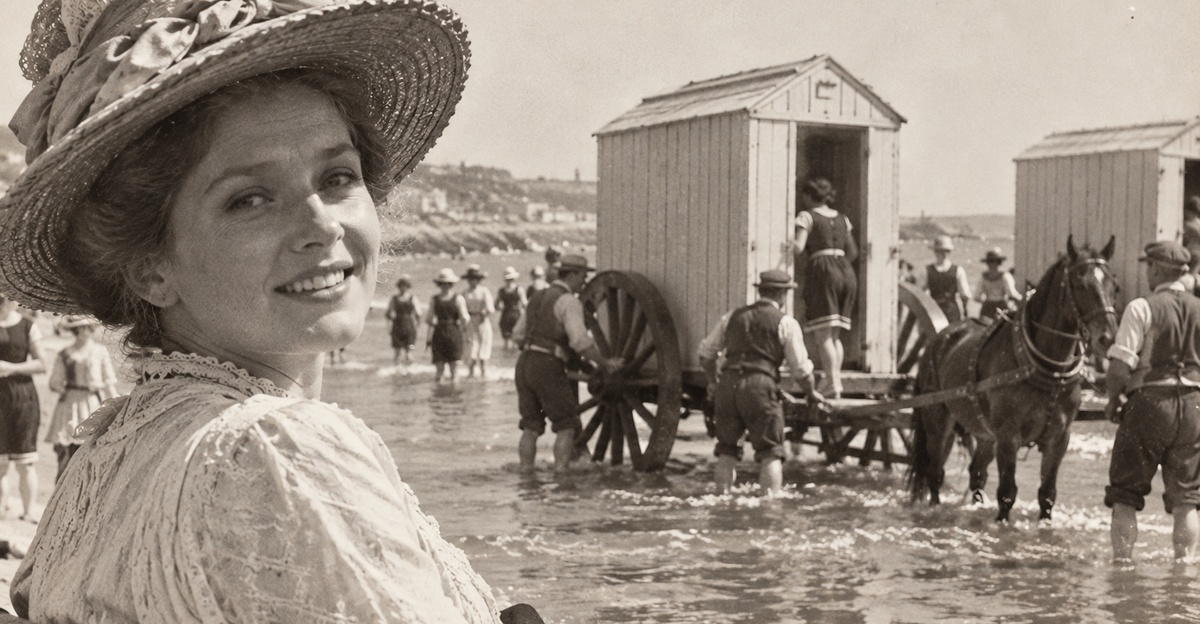
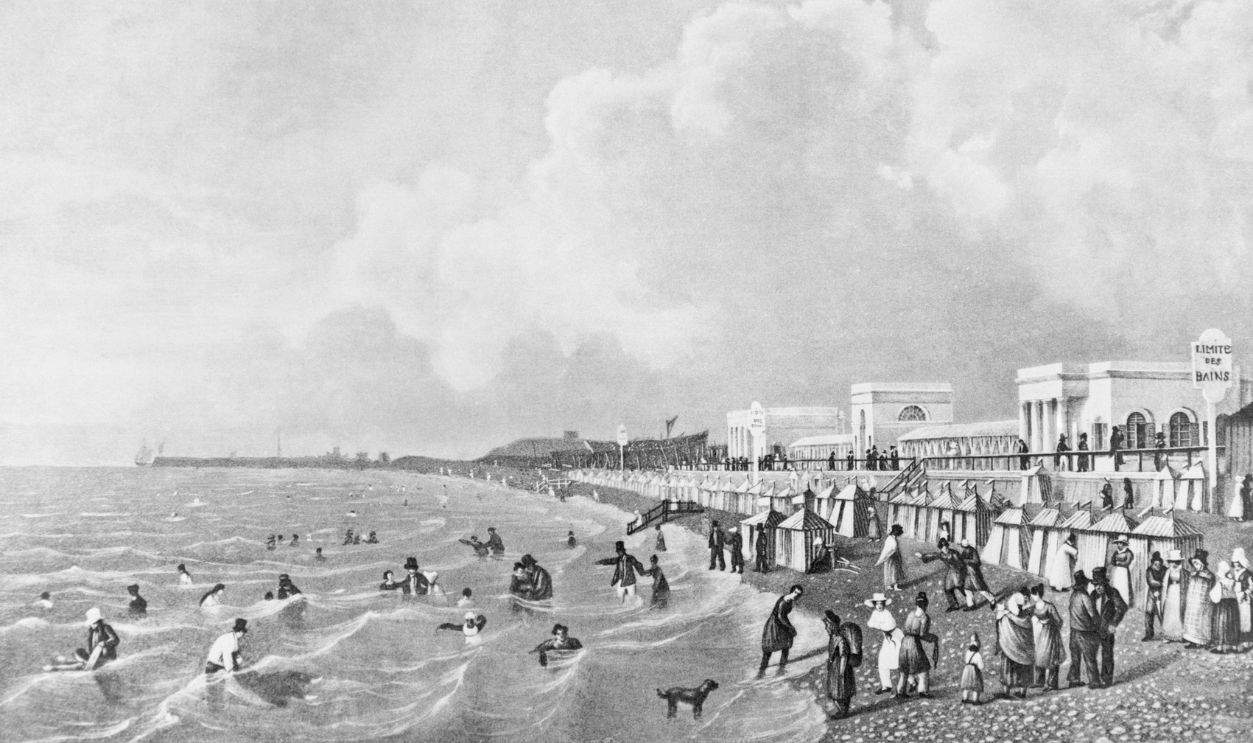
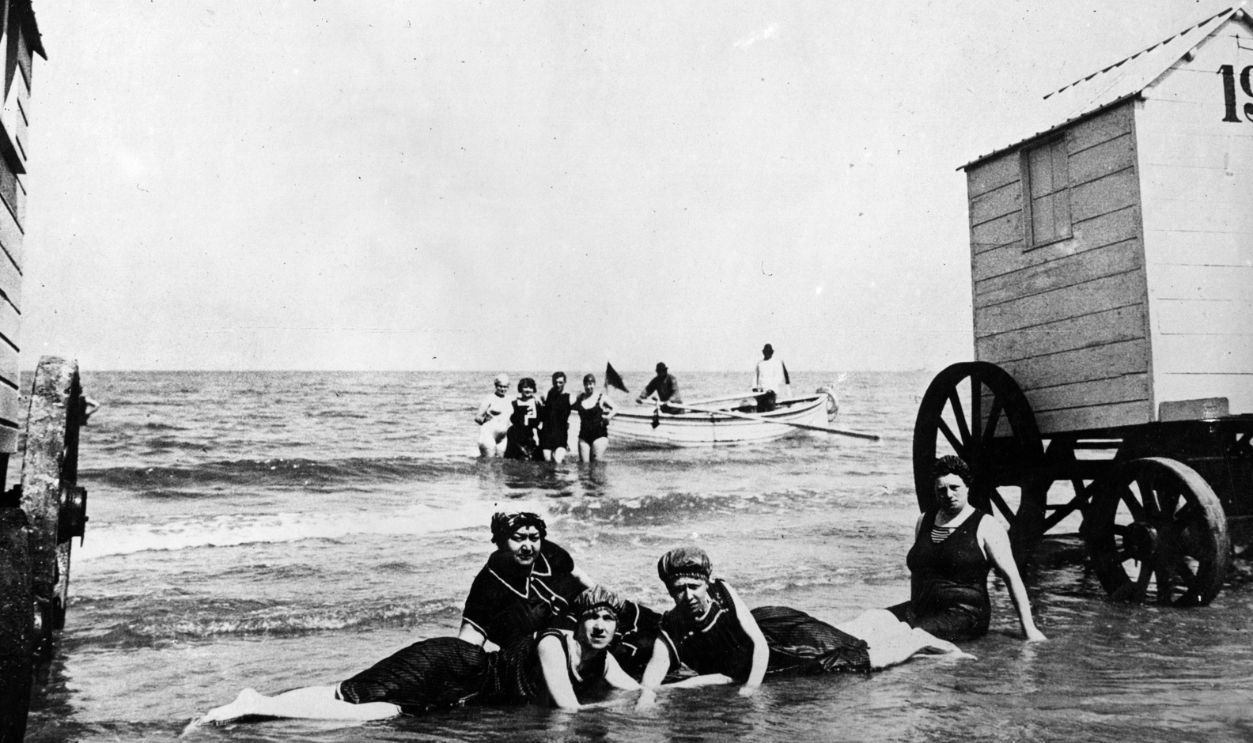
During the 18th and 19th centuries, British seaside visitors sometimes entered the water inside wooden changing cabins mounted on wheels. These contraptions, known as bathing machines, were pulled toward the sea by horses or attendants. They allowed bathers, particularly women, to change privately and enter the water without attracting unwanted attention. The machines became such a familiar sight that they helped define the Victorian seaside holiday.
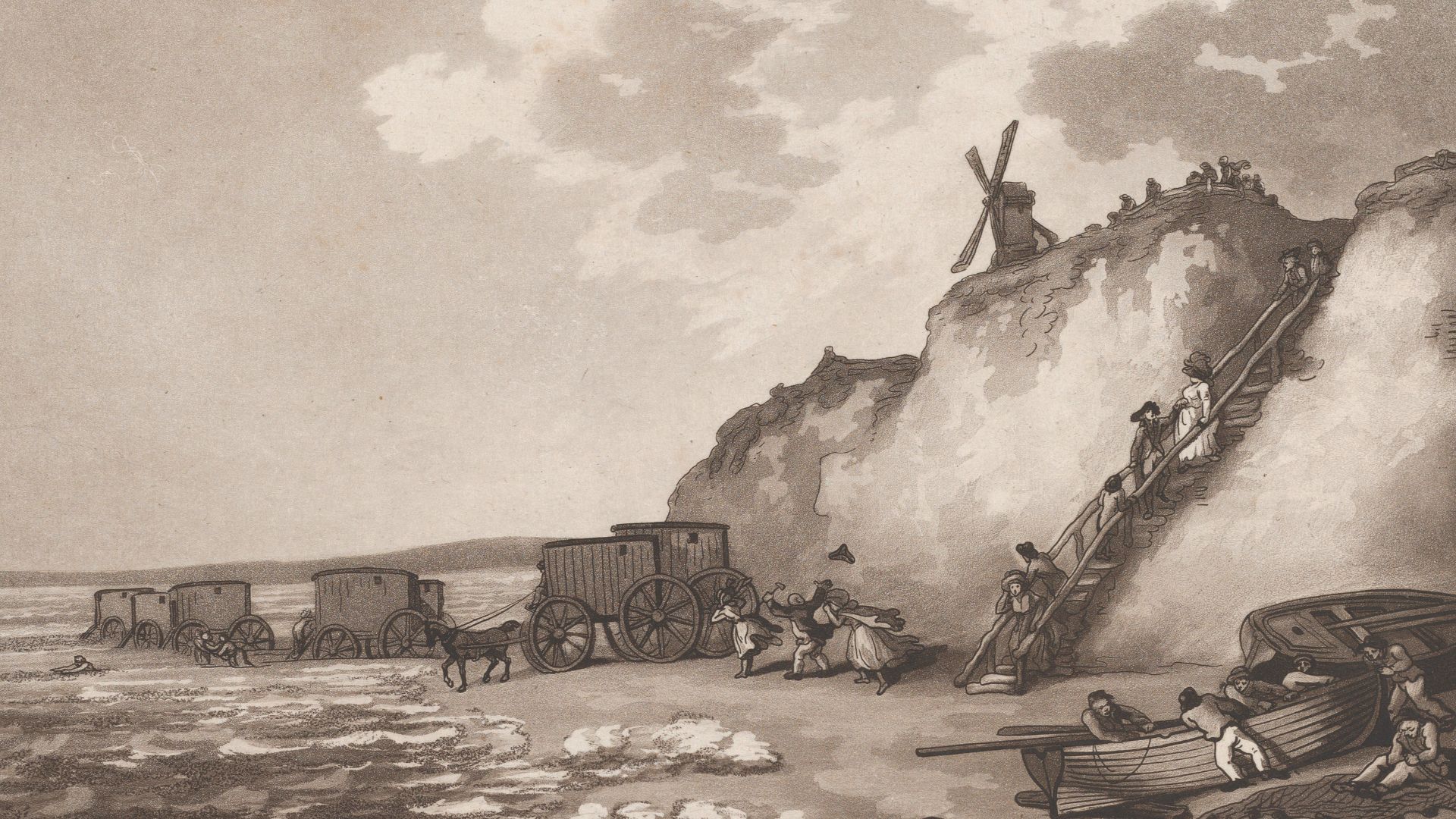 Henry Wigstead / Thomas Rowlandson / Samuel Alken, Wikimedia Commons
Strangers Were Paid To Dunk You Underwater
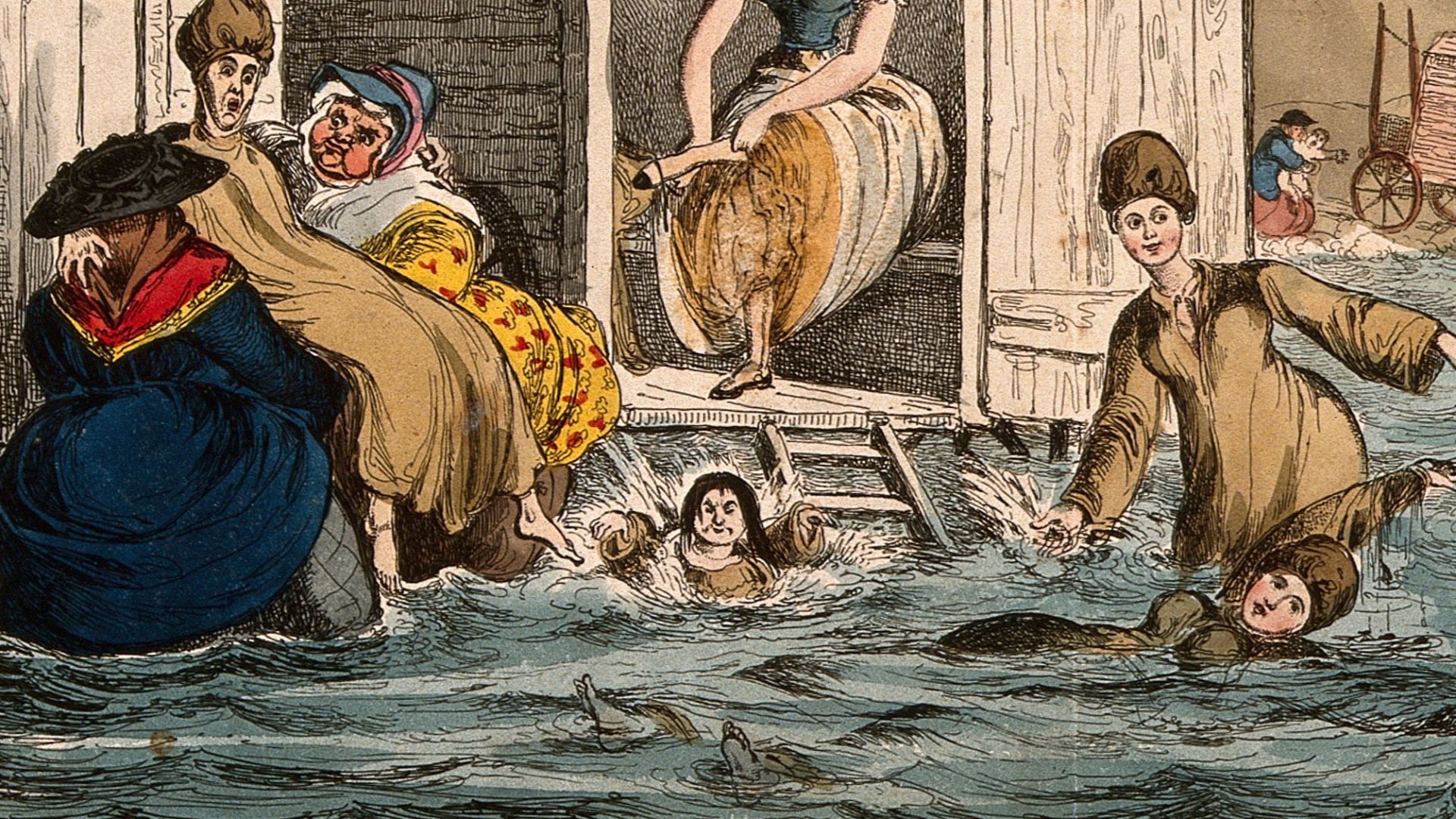
A trip to the beach once involved more than simply stepping into the waves. During the Georgian era, professional attendants called dippers helped visitors immerse themselves in seawater as part of a supposed health treatment. Some bathers were physically plunged beneath the surface rather than left to swim independently. Even novelist Jane Austen described receiving assistance from an enthusiastic dipper during a seaside visit in 1804.
Doctors Recommended Swimming In Freezing Water
Modern vacationers often dream of warm beaches, but Georgian medical advice could encourage the opposite. Cold seawater was believed to help treat numerous ailments, including conditions that modern medicine recognizes as requiring entirely different treatments. Some patients were encouraged to visit coastal resorts during the winter months for supposedly greater benefits. A seaside vacation could therefore mean shivering through an uncomfortable treatment rather than enjoying a sunny afternoon.
Queen Victoria Needed A Special Swimming Cabin
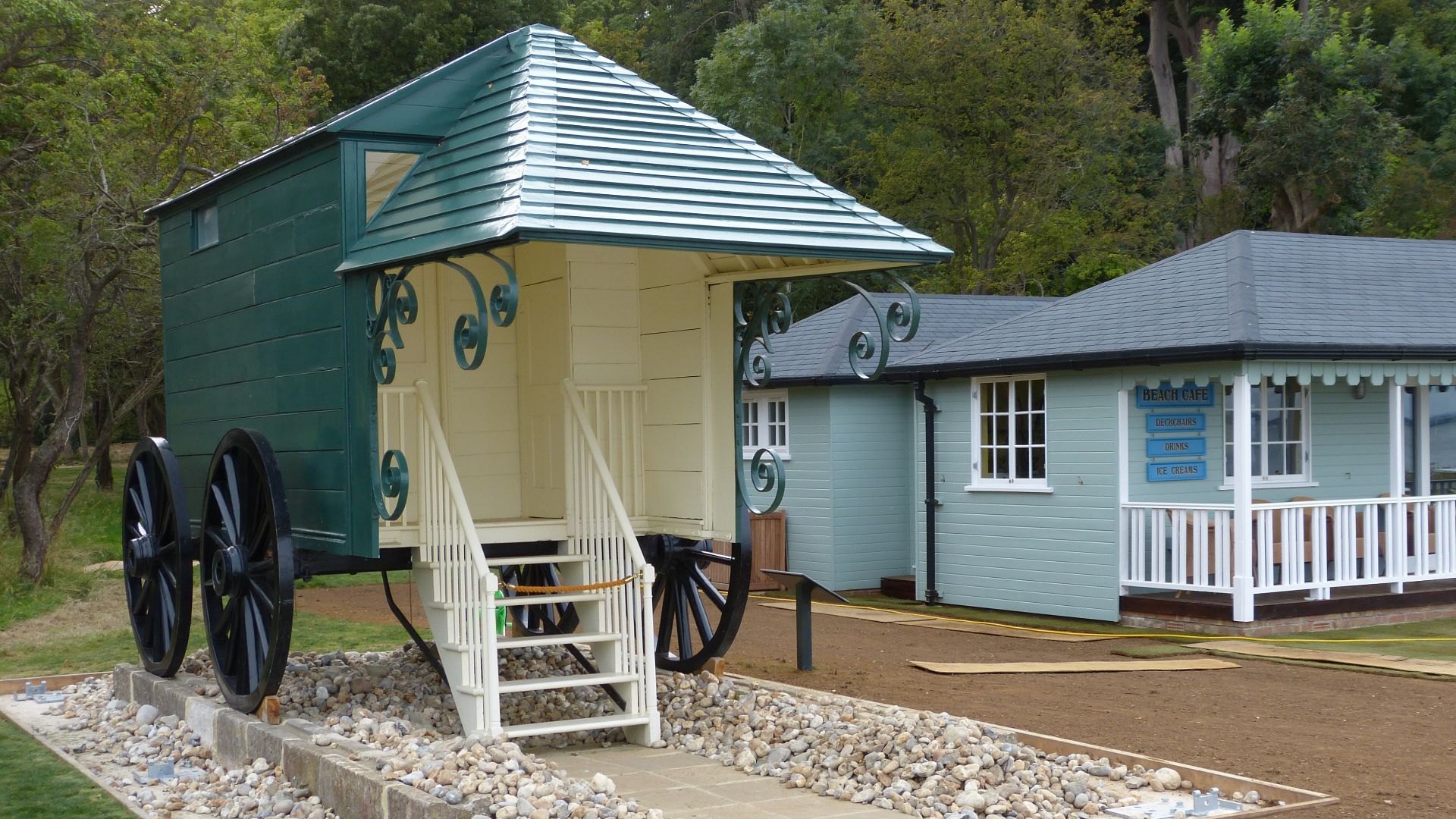
Even royalty followed the elaborate seaside customs of the Victorian period. Queen Victoria used a specially constructed bathing machine at Osborne on the Isle of Wight, where she took her first sea swim in July 1847. Her cabin traveled along rails and could be lowered toward the water using a winch and cable. What modern travelers might consider an ordinary swim required a remarkable amount of equipment and preparation.
 grumpylumixuser, Wikimedia Commons
Beach Holidays Followed A Medical Schedule
Early seaside vacations were often organized around medical recommendations rather than personal preference. Bathing typically took place in the morning, leaving the rest of the day available for more leisurely pursuits. Visitors could then attend theaters, visit circulating libraries, or socialize in assembly rooms and coffeehouses. The beach itself was not always the main entertainment destination that modern travelers would expect.
 General Photographic Agency, Getty Images
Visitors Traveled To Resorts Just To Drink Mineral Water
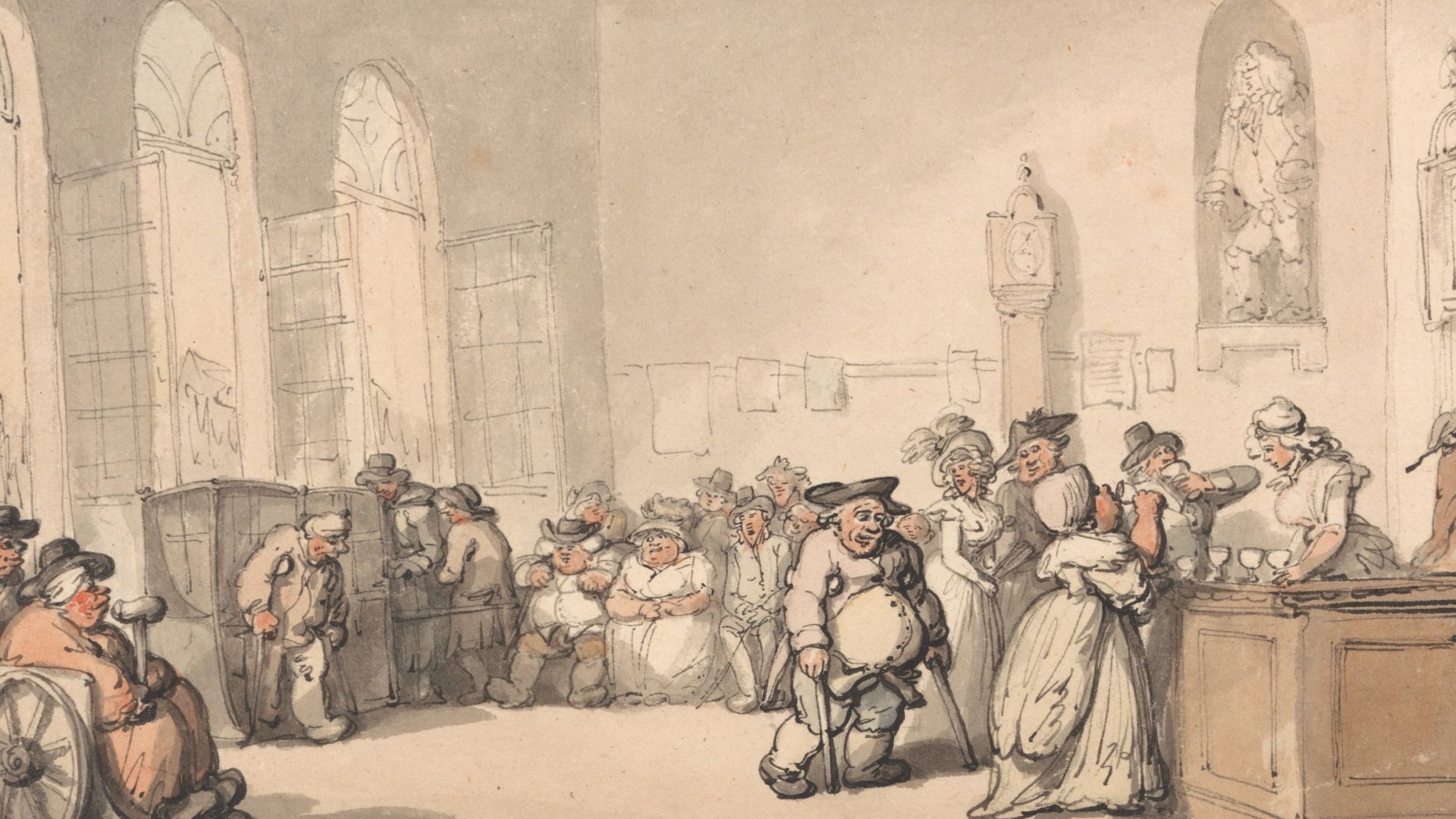
Before beach vacations became fashionable, many travelers visited spa towns for their supposedly healing waters. Places such as Bath in England developed reputations as fashionable destinations where health treatments and socializing went together. Visitors could spend their holidays following routines built around bathing, drinking mineral water, and attending social gatherings. The experience was closer to a medical retreat mixed with a society event than a modern weekend getaway.
 Thomas Rowlandson, Wikimedia Commons
Train Excursions Were Organized Around Avoiding Alcohol
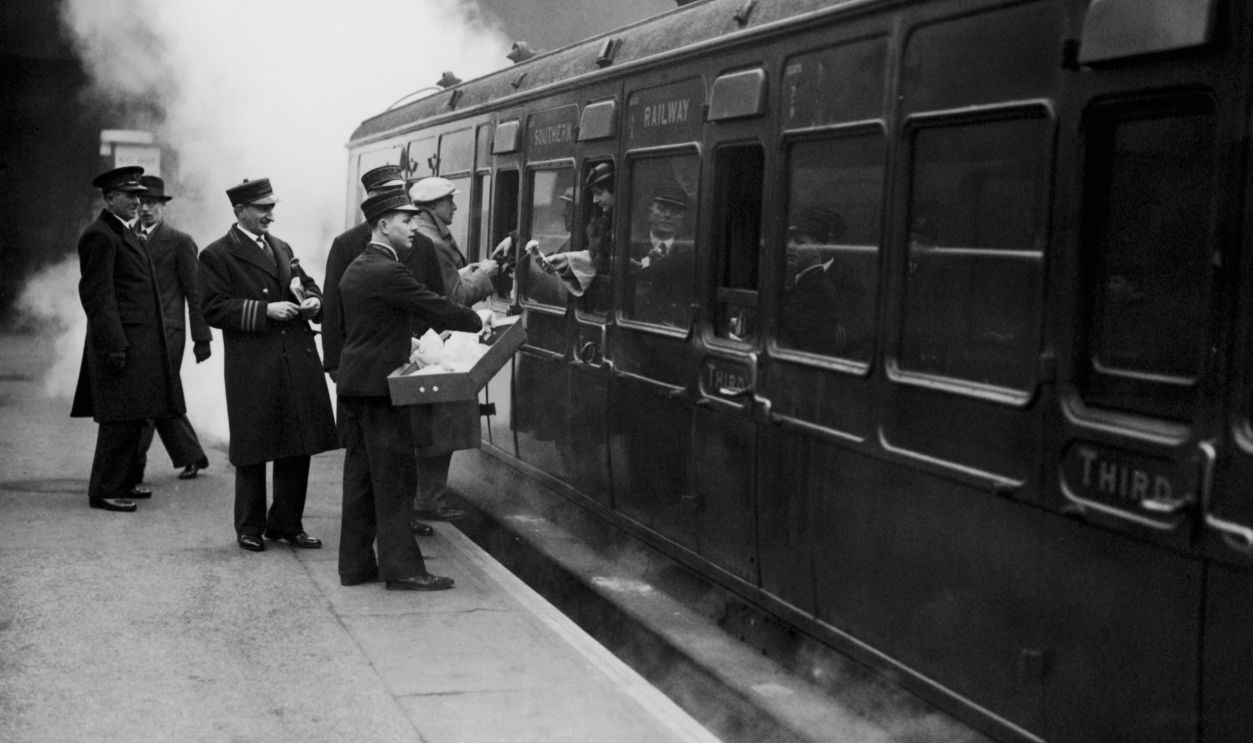
One of the pioneers of organized tourism began by arranging a railway journey for a temperance gathering. In 1841, Thomas Cook organized an excursion from Leicester to Loughborough for people attending a meeting promoting abstinence from alcohol. Passengers paid a set fare for the journey, helping establish a model for organized group travel. The origins of modern package tourism therefore included a trip designed around a moral and social campaign.
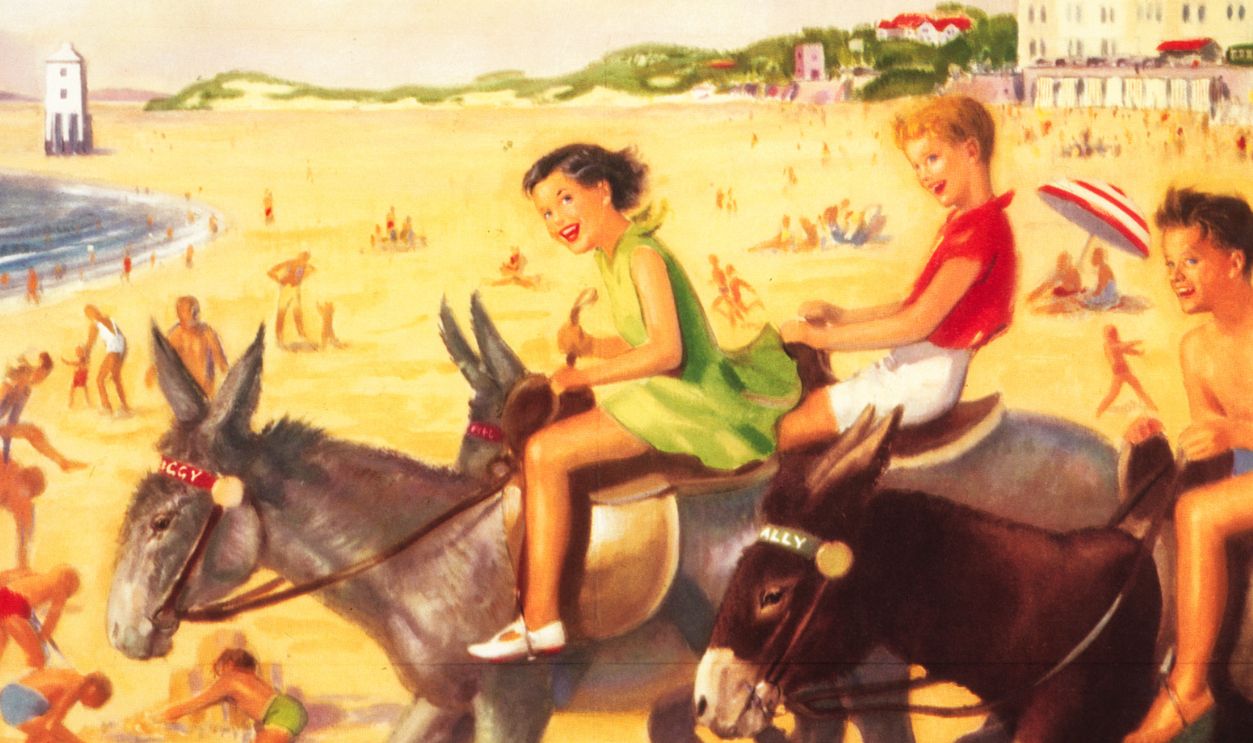
Tourists Rode Donkeys Along Crowded Beaches
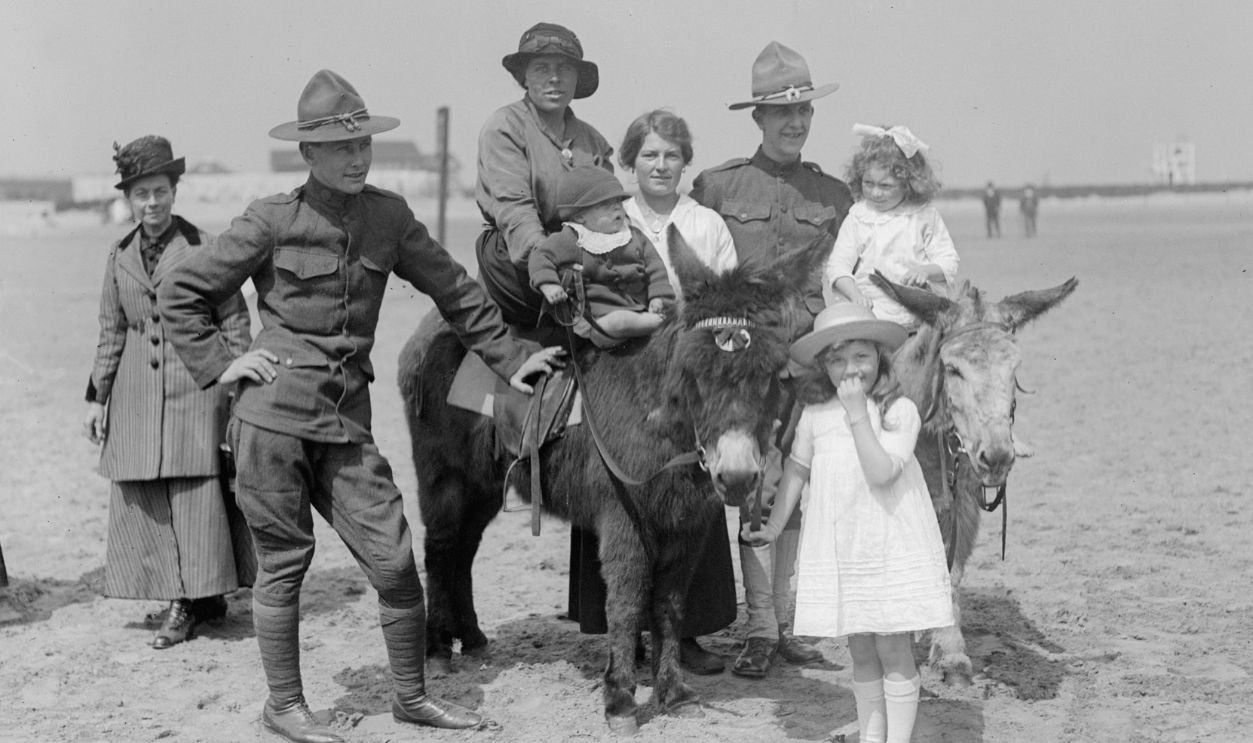
Donkey rides were once a recognizable part of the British seaside experience, particularly for families with children. Historic photographs show animals waiting on beaches while holidaymakers enjoyed rides across the sand. At resorts such as Blackpool and Southport, the animals became part of the entertainment alongside promenades and other attractions. Although donkey rides have not disappeared entirely, their prominent role in traditional beach tourism feels unusual beside modern resort activities.
Beach Entertainment Included Fighting Puppets
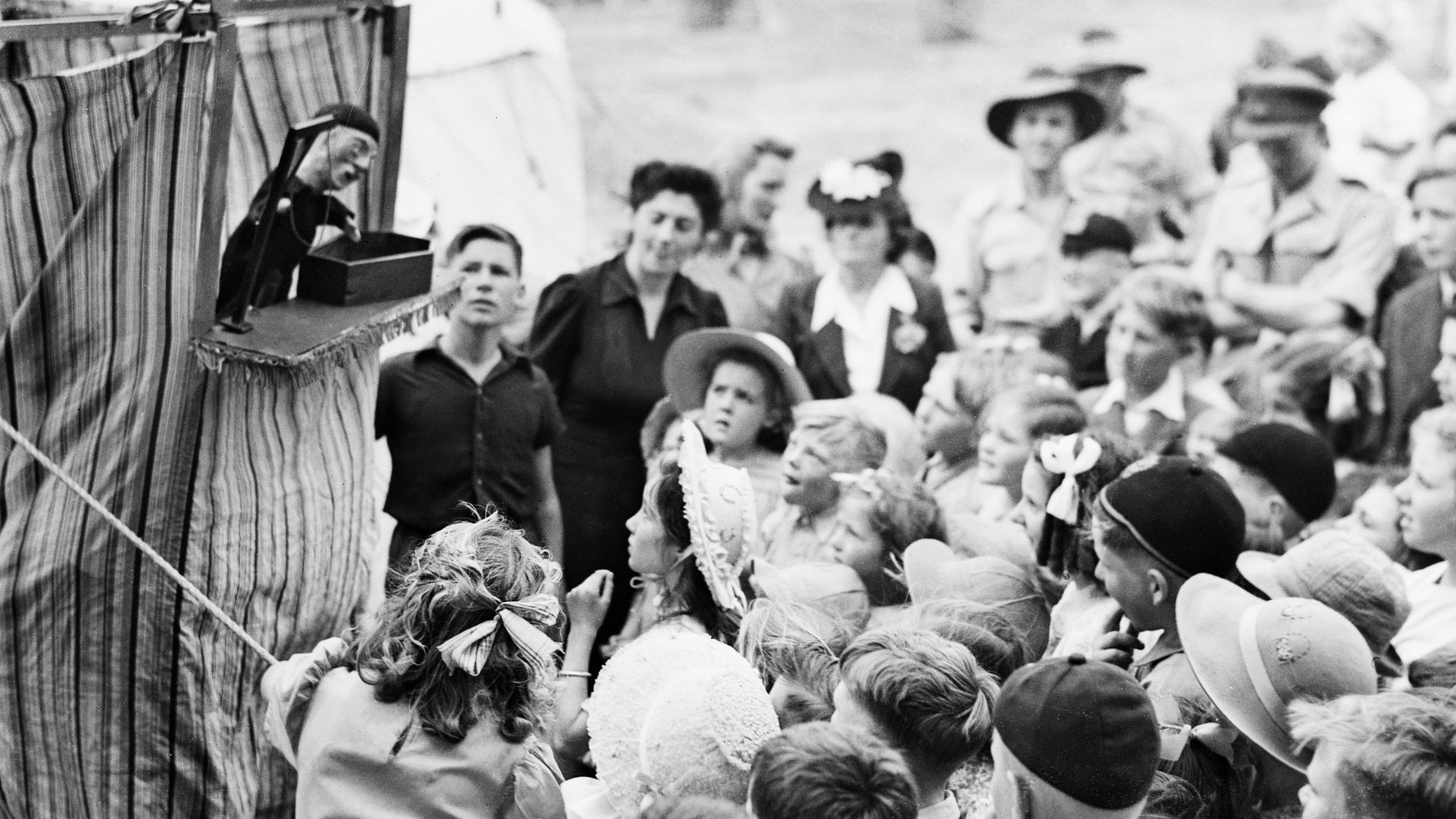
A seaside vacation in Victorian Britain could include watching a Punch and Judy puppet show. These performances featured exaggerated characters, slapstick comedy, and confrontations that modern audiences might find surprisingly aggressive. The shows became part of the traditional entertainment associated with British seaside resorts. Historic England's photographic collections preserve examples of Punch and Judy performances taking place on beaches.
 Australian War Memorial collection, Wikimedia Commons
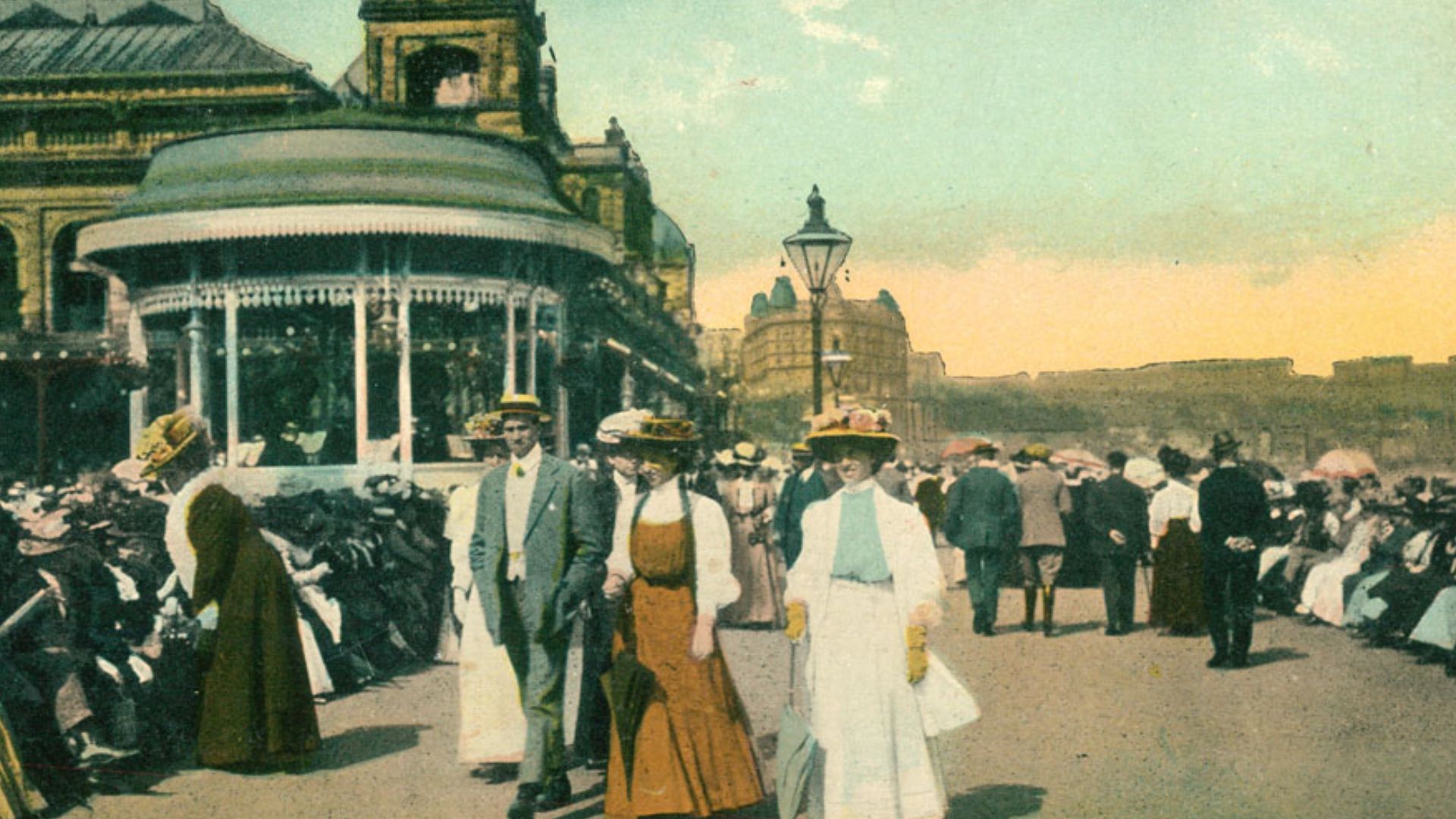
Visitors Could Spend Hours Simply Walking Along A Promenade
In fashionable seaside resorts, taking a leisurely stroll was an important part of the holiday experience. Promenades provided spaces where visitors could enjoy the sea air while participating in the social life of the resort. Towns such as Southport and Scarborough developed impressive seafront spaces for these activities. What sounds like an ordinary walk today could be a central part of a carefully planned Victorian vacation.
 East Riding Archives, Wikimedia Commons
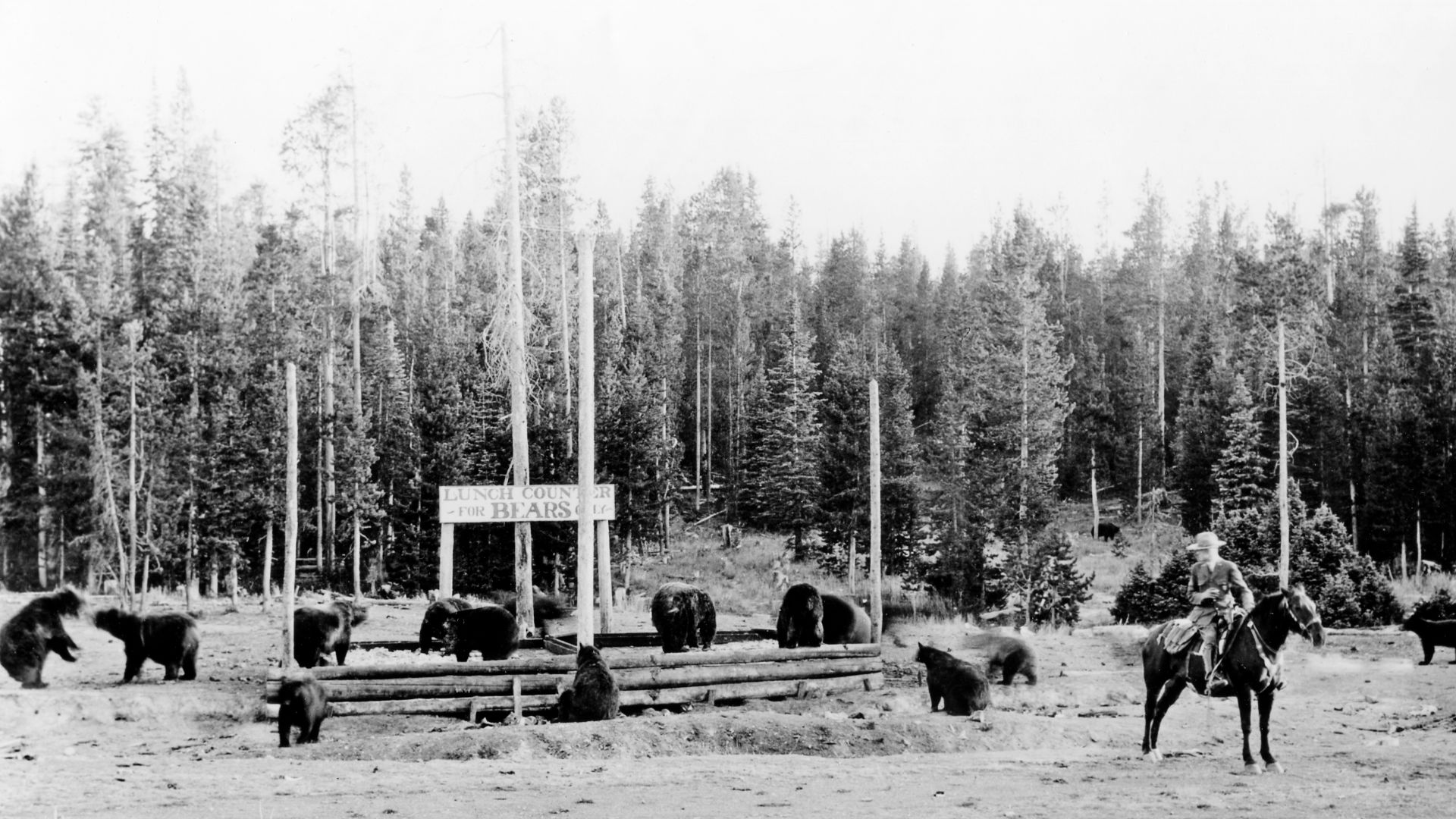
Vacationers Watched Bears Eat Garbage For Entertainment
Early visitors to Yellowstone and Yosemite sometimes attended organized bear-feeding spectacles. Park operators and staff allowed bears to gather around garbage dumps, where tourists watched the animals feed. Some viewing areas even featured barriers, grandstands, and educational presentations. The practice created serious safety and wildlife-management problems, making it one of the most startling examples of how vacation entertainment has changed.
 Yellowstone National Park from Yellowstone NP, USA, Wikimedia Commons
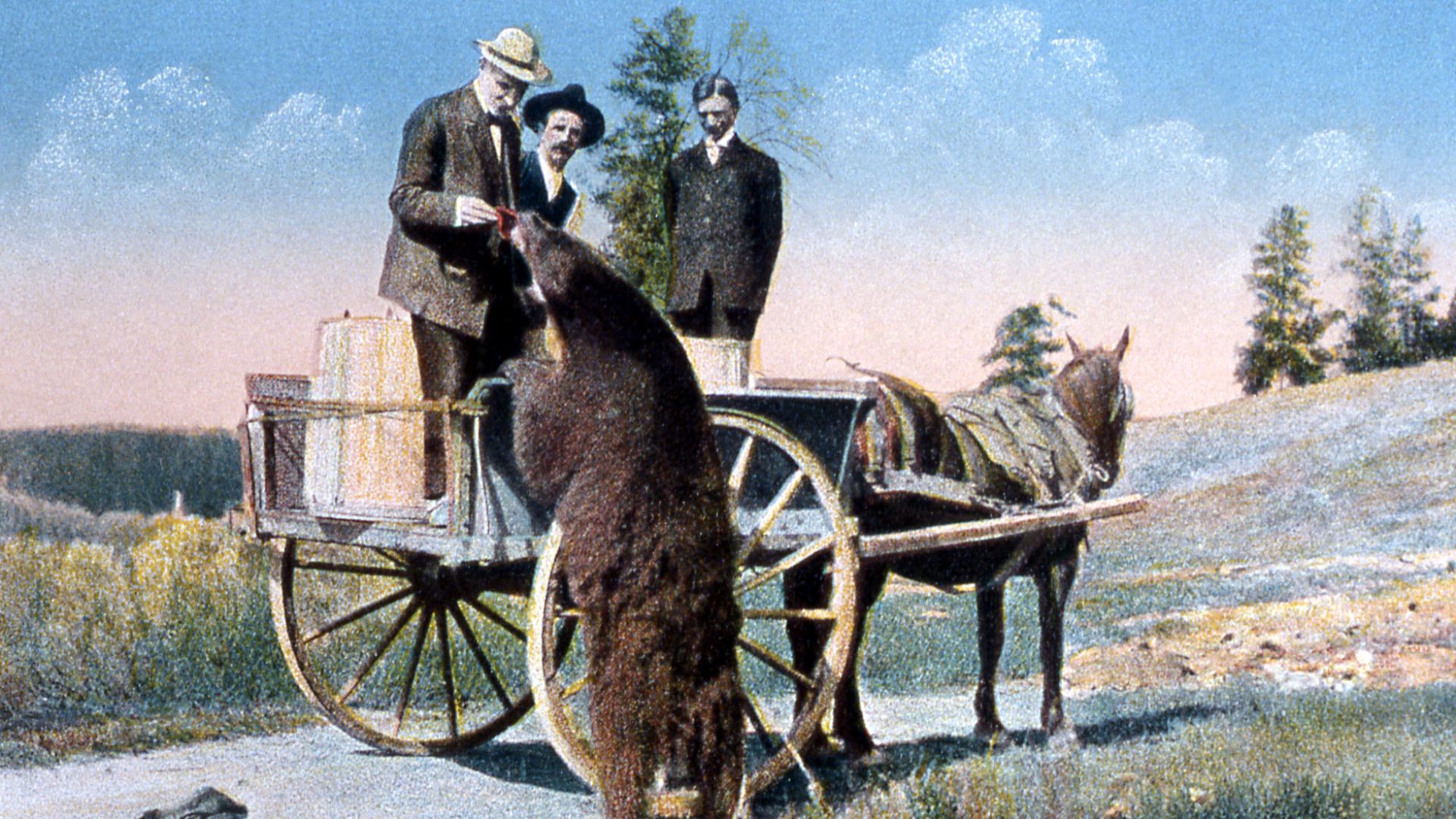
Feeding Wild Bears Became A Tourist Activity
Watching bears from a distance was not enough for some early national park visitors. Tourists regularly offered food to bears from roadsides, campsites, and vehicles, despite warnings about the dangers. Park employees and concession workers sometimes encouraged similar interactions, making enforcement difficult. Yellowstone eventually introduced stricter bear-management measures to reduce injuries and prevent wildlife from depending on human food.
 Yellowstone National Park from Yellowstone NP, USA, Wikimedia Commons
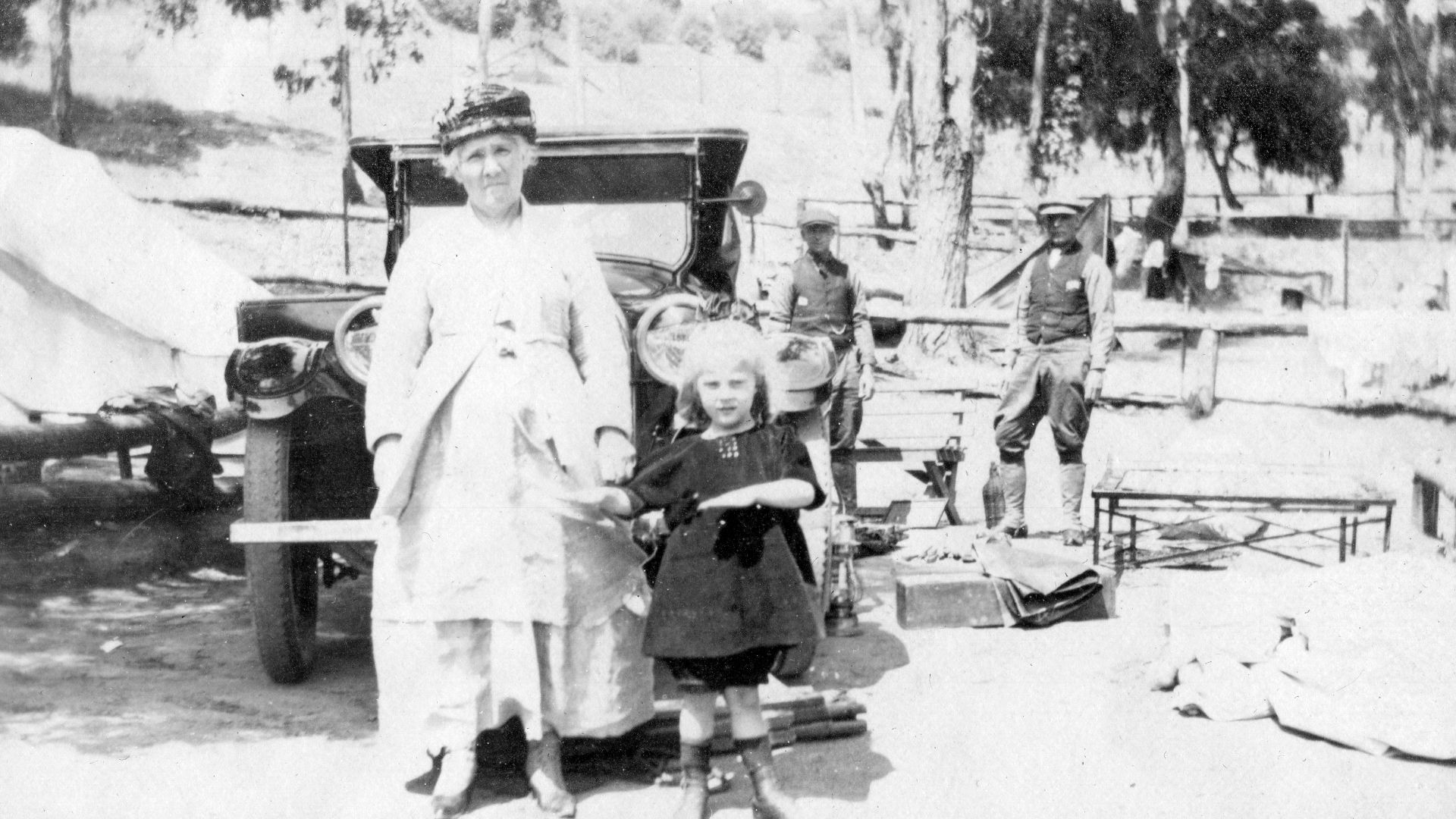
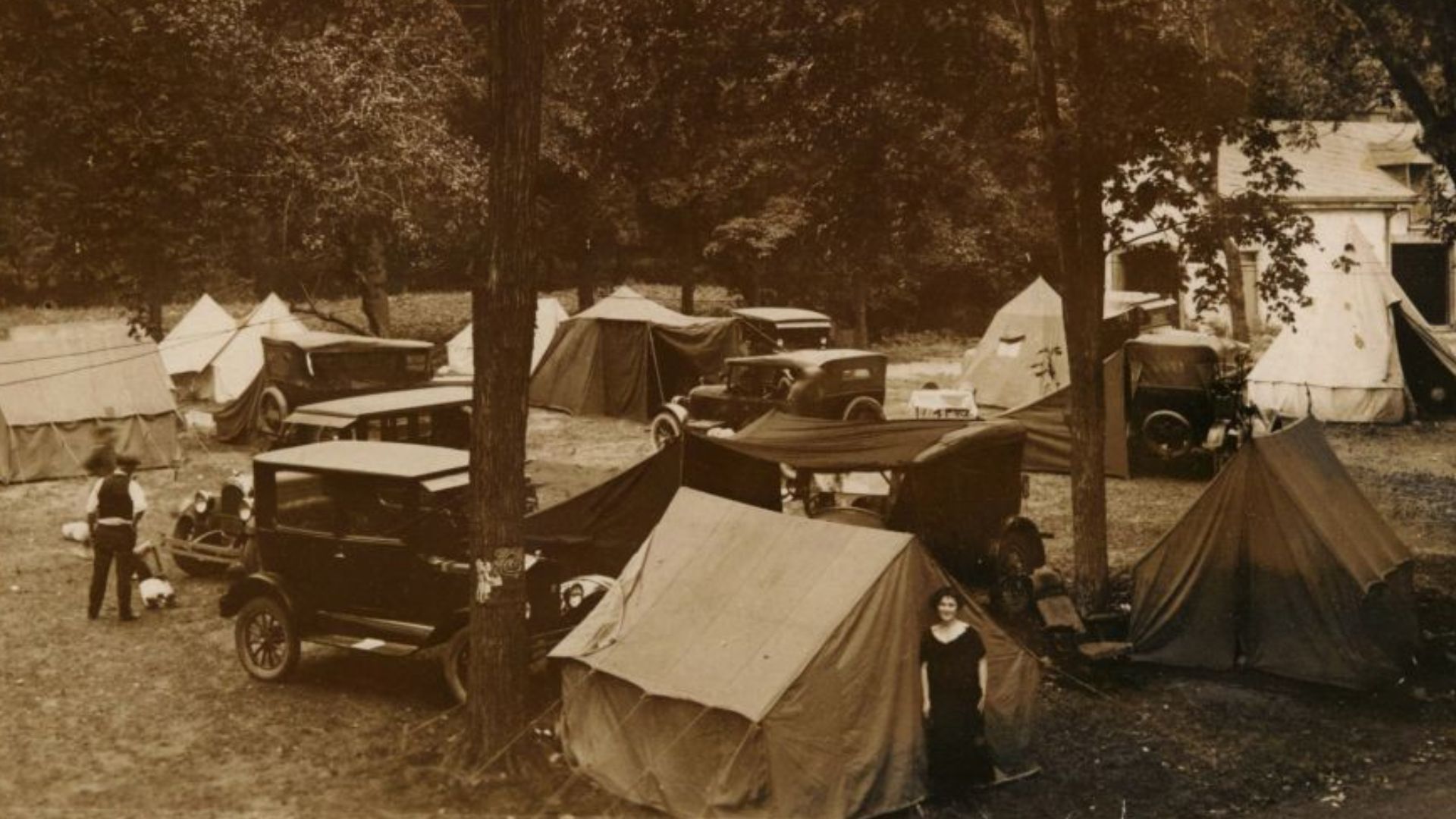
Early Road Trippers Slept Beside Their Cars
When automobile tourism became popular in the early 20th century, roadside accommodations looked very different from modern motels. Families often carried camping equipment and pitched tents near their vehicles rather than booking conventional hotel rooms. Towns responded by establishing municipal automobile camps, while private operators offered increasingly elaborate facilities. These early camping areas eventually helped inspire the roadside cabin courts and motels that became familiar to later generations.
 John Atherton, Wikimedia Commons
Some Tourists Camped In Makeshift Roadside Villages
Early automobile camps gradually developed into small communities designed around motorists. By the 1920s, some offered stores, gasoline services, permanent tents, and cabins equipped for cooking. Travelers could spend their vacations surrounded by other motorists who had arrived with their own supplies and equipment. The arrangements reflected a period when the freedom of automobile travel was exciting, but the infrastructure supporting it was still developing.
Yellowstone Vacations Once Required Stagecoach Rides
Before automobiles became established in Yellowstone, visitors frequently arrived by train and continued their sightseeing in horse-drawn vehicles. Stagecoaches and wagons carried tourists along rough roads between the park's famous attractions. The first automobiles were officially admitted in 1915, beginning a major transformation in how people explored the park. Earlier travelers had to accept long, bumpy journeys as part of their sightseeing experience.
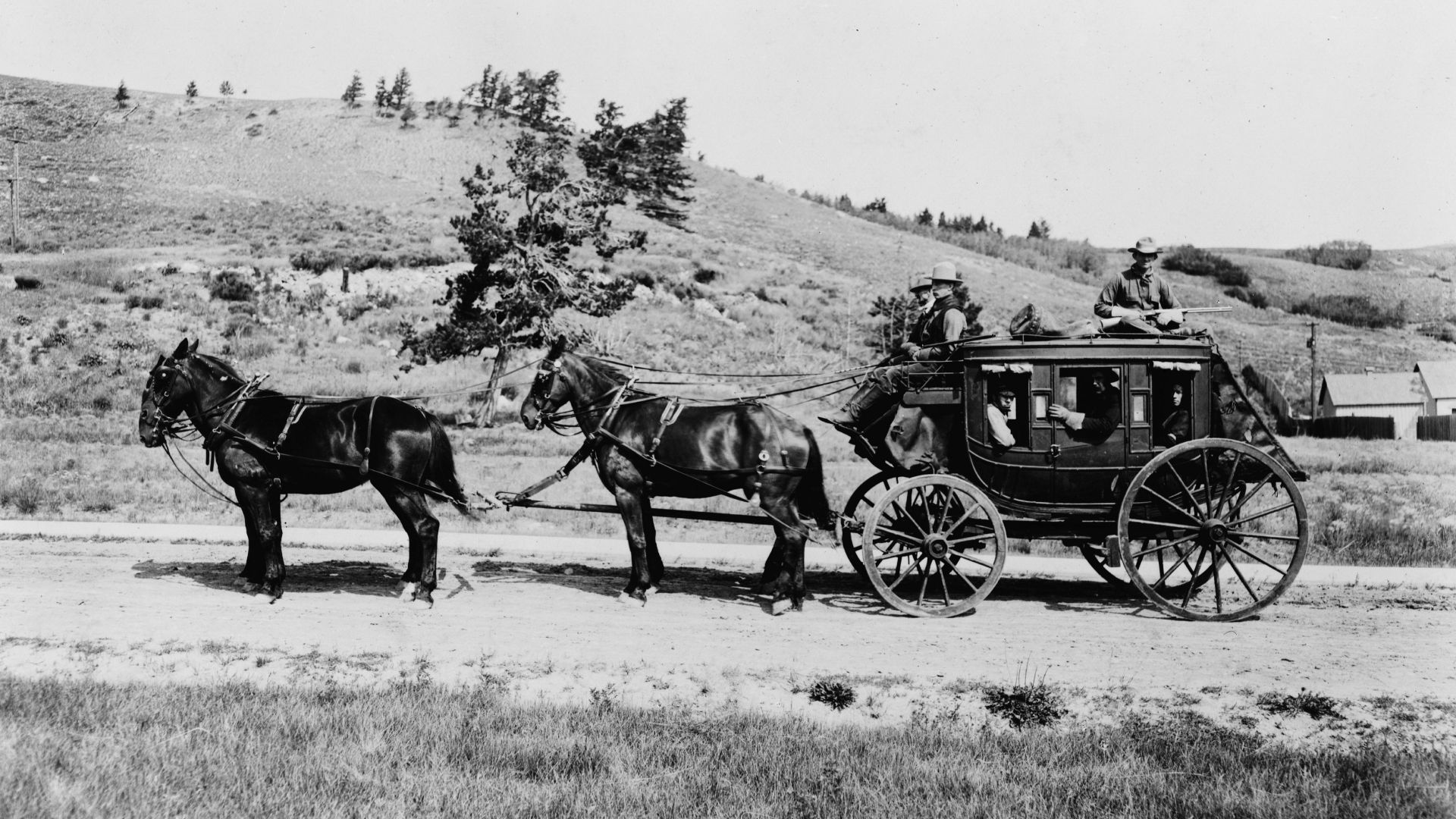 Miscellaneous Items in High Demand, PPOC, Library of Congress, Wikimedia Commons
Wealthy Tourists Paid To Pretend They Were Cowboys
During the early 20th century, dude ranches became fashionable destinations for wealthy Americans seeking a taste of Western life. Guests paid to stay at ranches where horseback riding, fishing, hunting, and other outdoor activities were arranged for their enjoyment. Some establishments offered a carefully managed version of frontier living without the hardships of running a working cattle ranch. The idea of spending a vacation imitating someone else's demanding occupation became a successful tourist business.
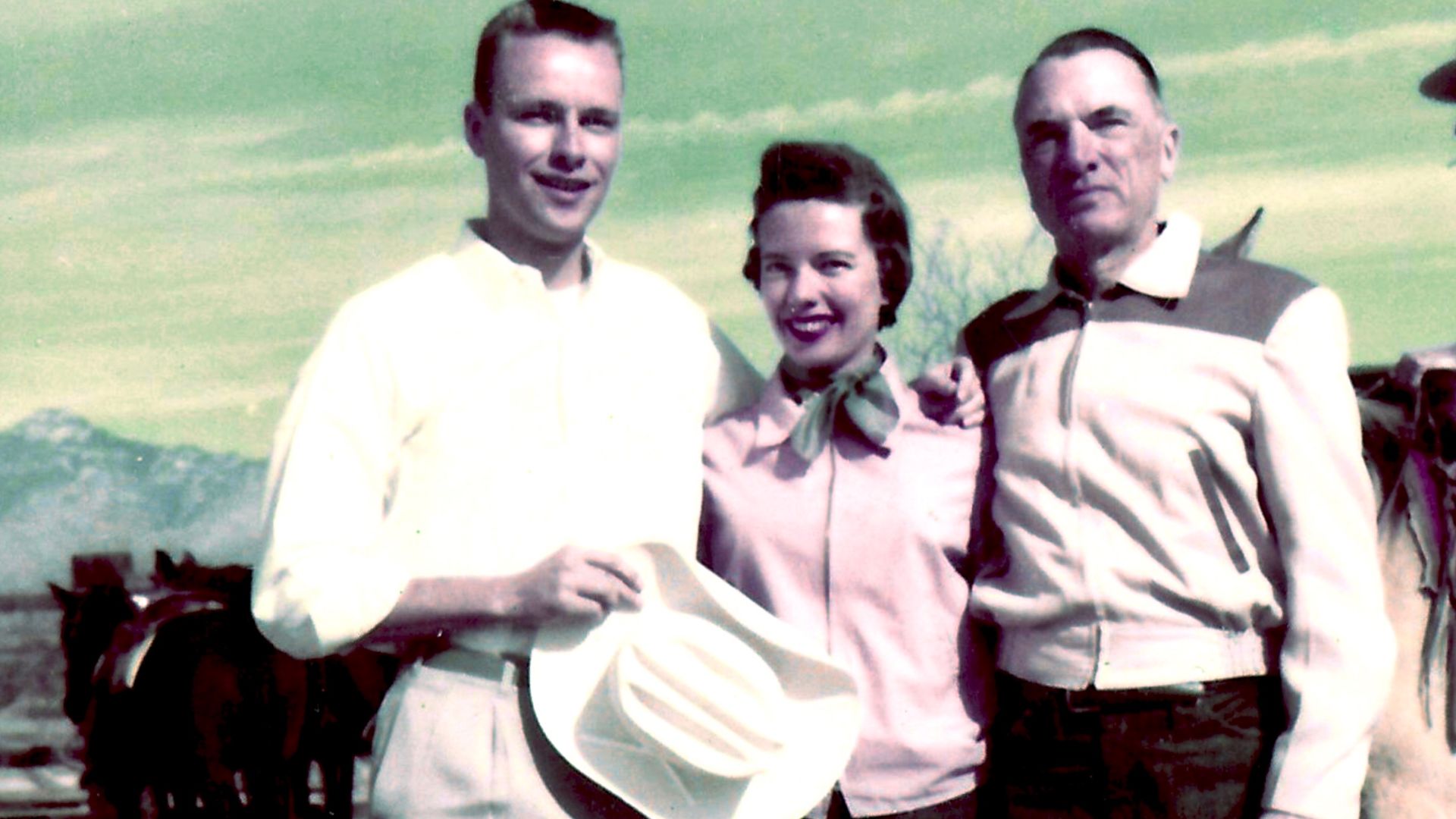
Ranch Vacations Could Last An Entire Month
Modern travelers might book a weekend ranch experience, but early dude ranch guests sometimes stayed for weeks. At the Bar BC Ranch in Wyoming, wealthy visitors could spend extended periods enjoying the landscape and organized activities. During its peak, the ranch accommodated guests at a monthly rate of approximately $300 per person. For those who could afford it, an extended stay offered a complete escape from urban social routines.
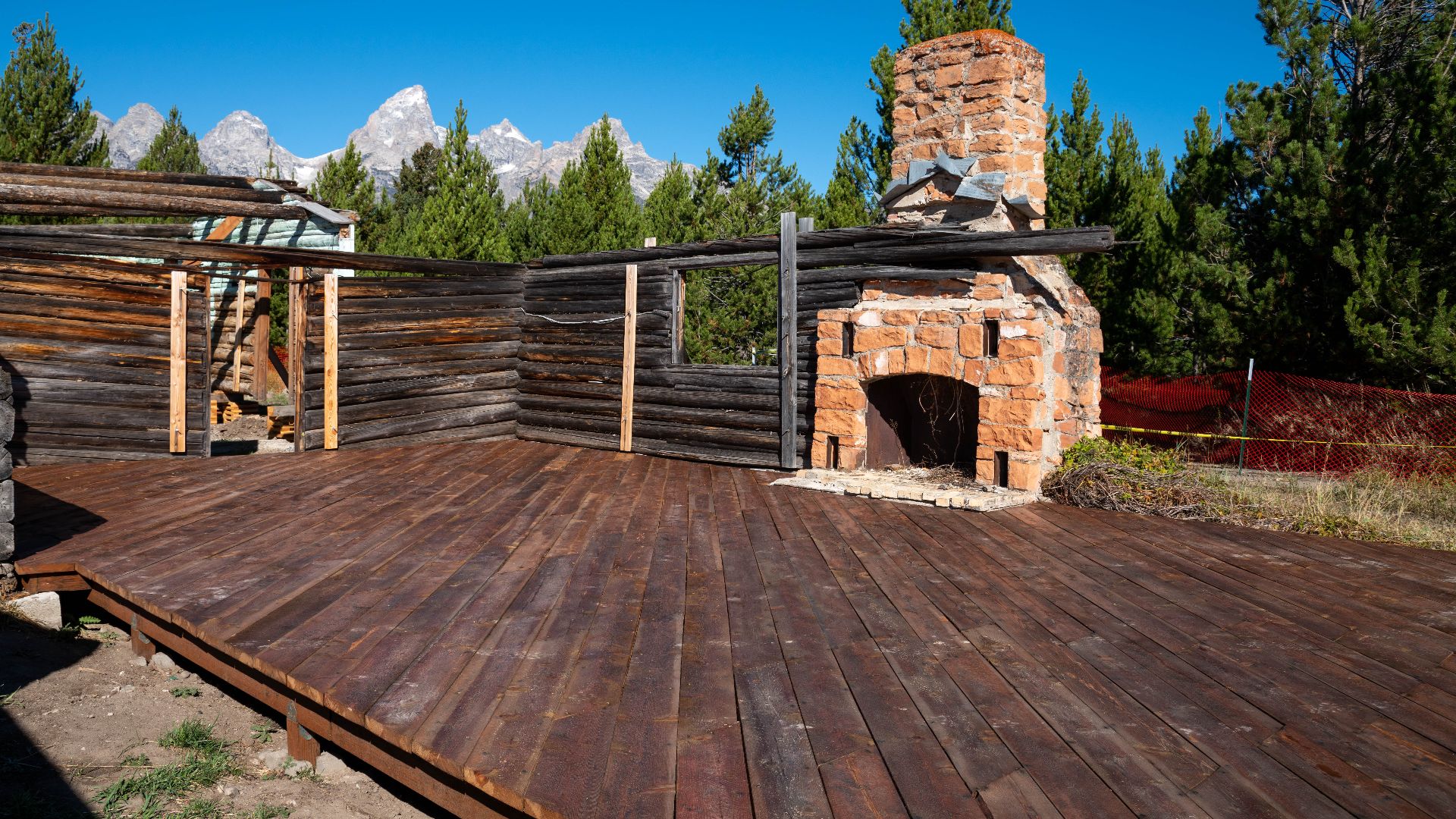 GrandTetonNPS, Wikimedia Commons
Some Ranch Holidays Included Costume Parties And Plays
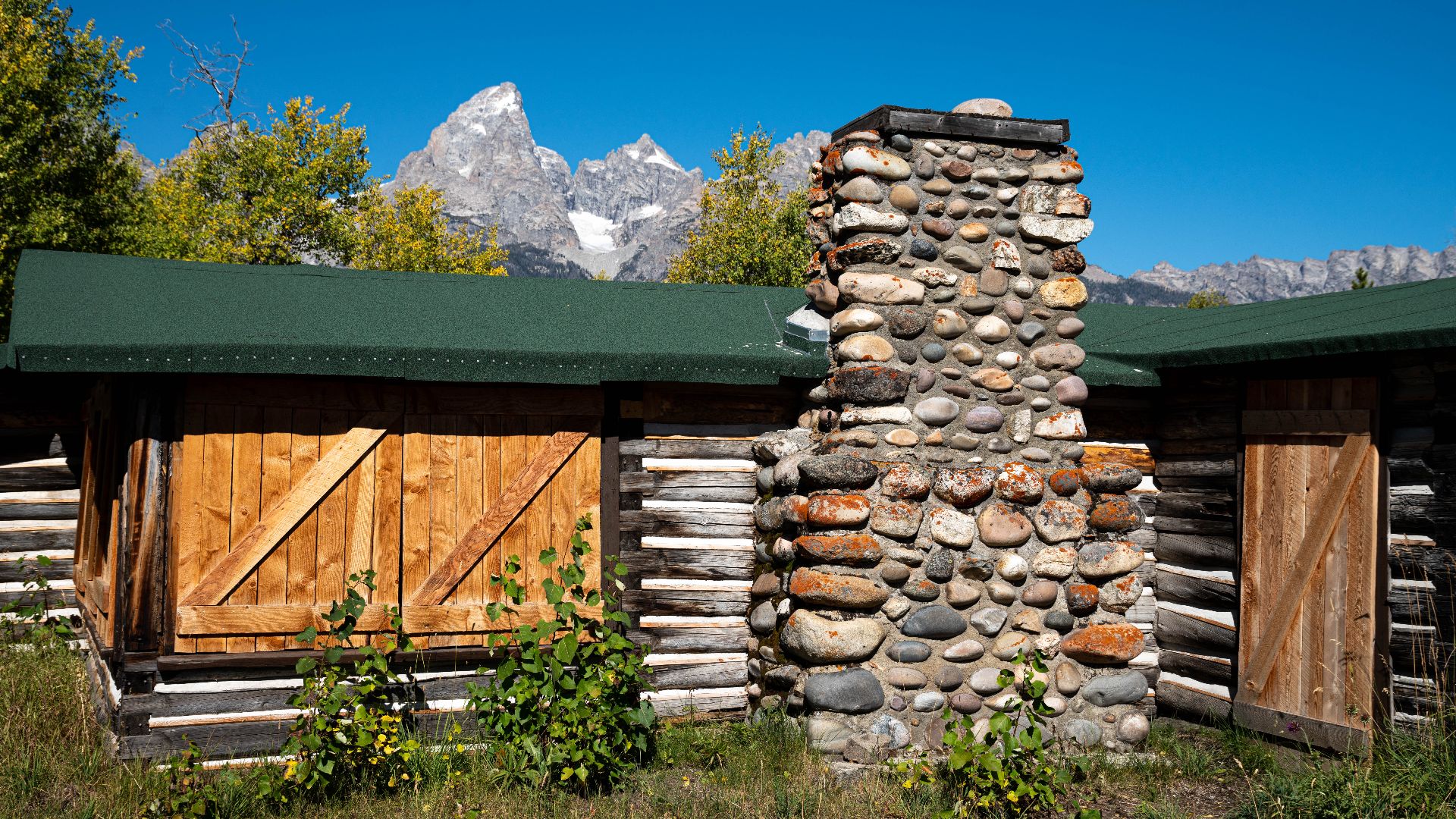
Not every dude ranch vacation was devoted entirely to riding horses and exploring wilderness. The Bar BC Ranch also entertained guests with costume parties, theatrical performances, and literary discussions. Its founder Struthers Burt attracted writers, artists, and socialites who appreciated this unusual combination of rustic surroundings and intellectual entertainment. Some visitors even brought typewriters along on their Western vacations.
 GrandTetonNPS, Wikimedia Commons
Guests Paid To Experience Actual Ranch Work
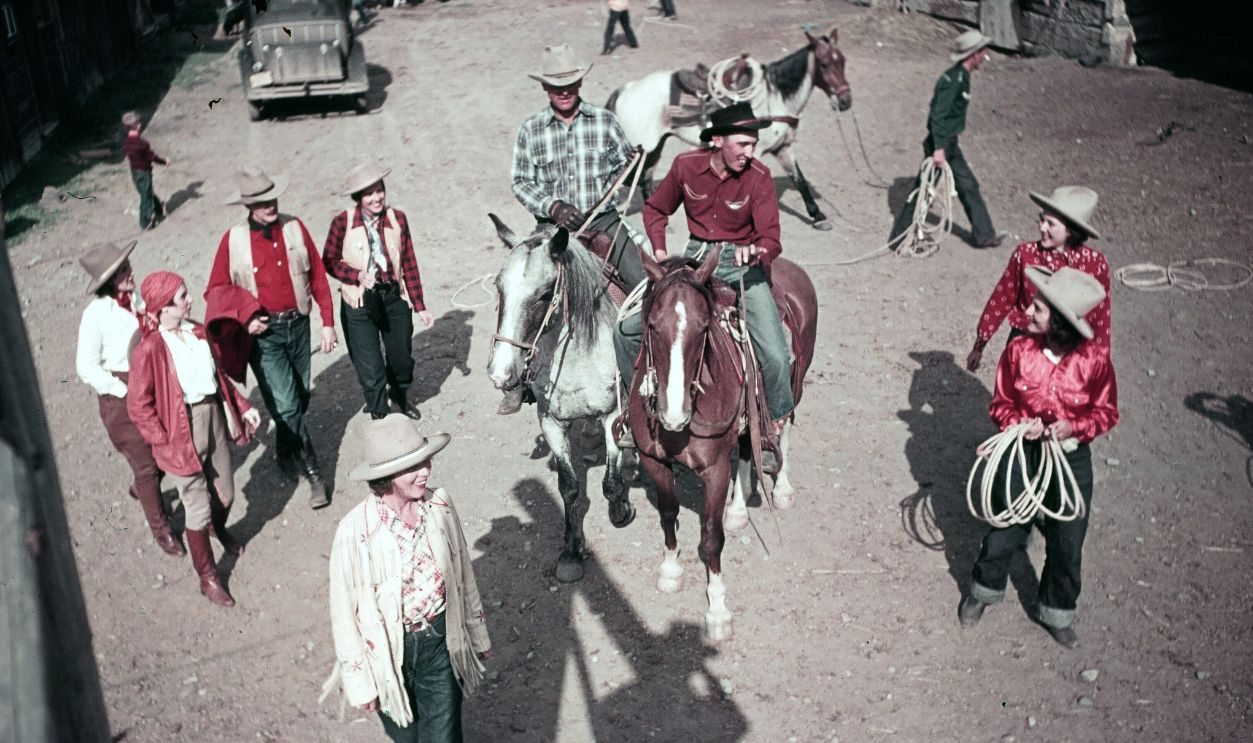
Some early ranch vacations went beyond sightseeing and encouraged visitors to participate in activities associated with Western ranch life. At Peaceful Valley Ranch in North Dakota, vacationers enjoyed branding, roundups, horseback excursions, and cookouts. These activities helped create an experience that felt more adventurous than staying in a conventional resort. Modern travelers might consider spending their holiday participating in ranch work an unusual definition of relaxation.
 Michael Ochs Archives, Getty Images
Tourists Cooled Their Drinks In Outdoor Ditches
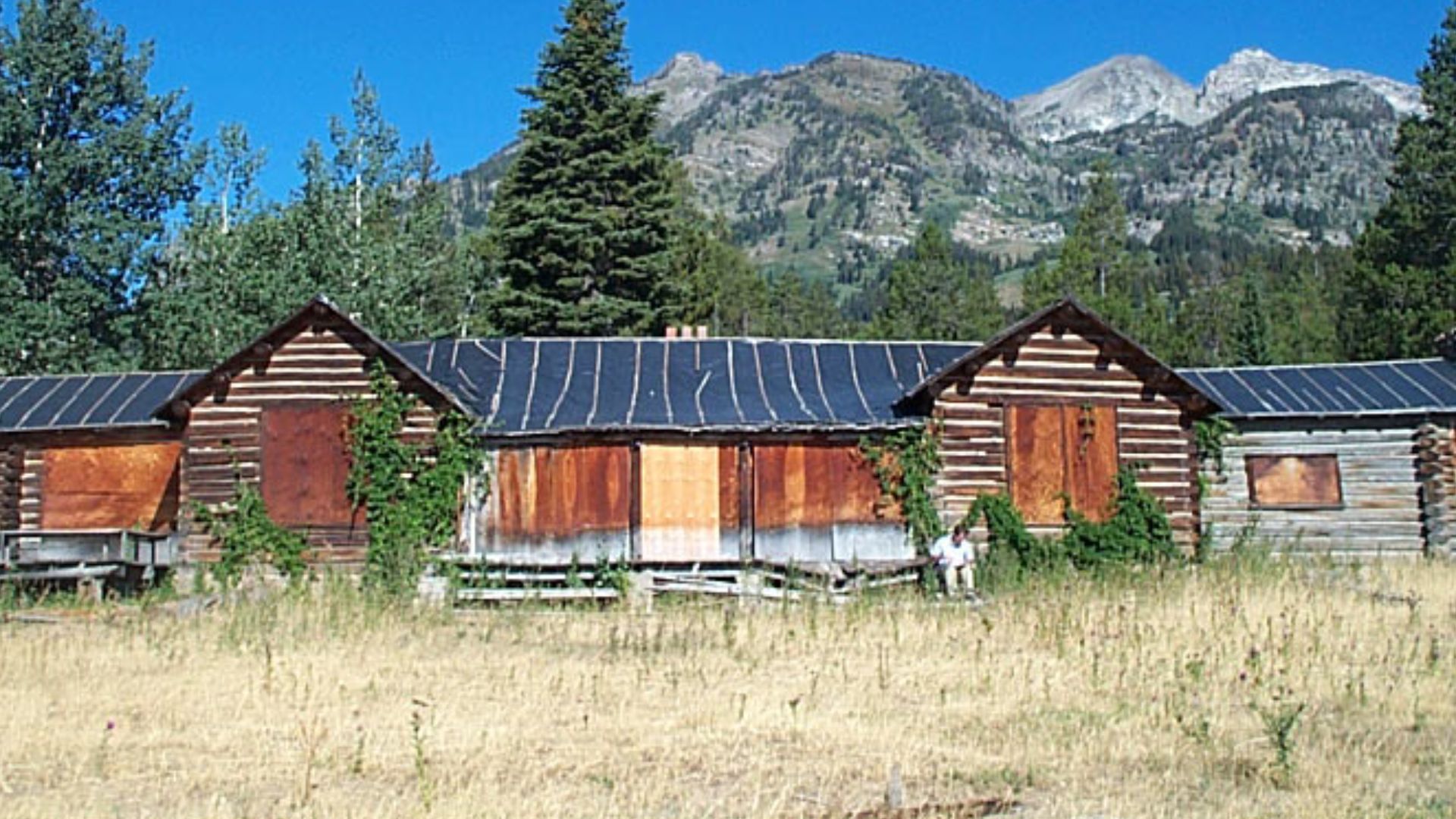
Remote dude ranches sometimes developed inventive solutions to provide guests with basic comforts. At Wyoming's White Grass Ranch, workers diverted mountain water through channels that passed near guest cabins. Visitors could use the cold running water to chill their beverages, long before modern refrigeration was available everywhere. The ranch also used diverted water to support a swimming pool and a small pond.
 National Park Service inventory, Wikimedia Commons
Tourists Used Hot Springs To Wash Their Clothes
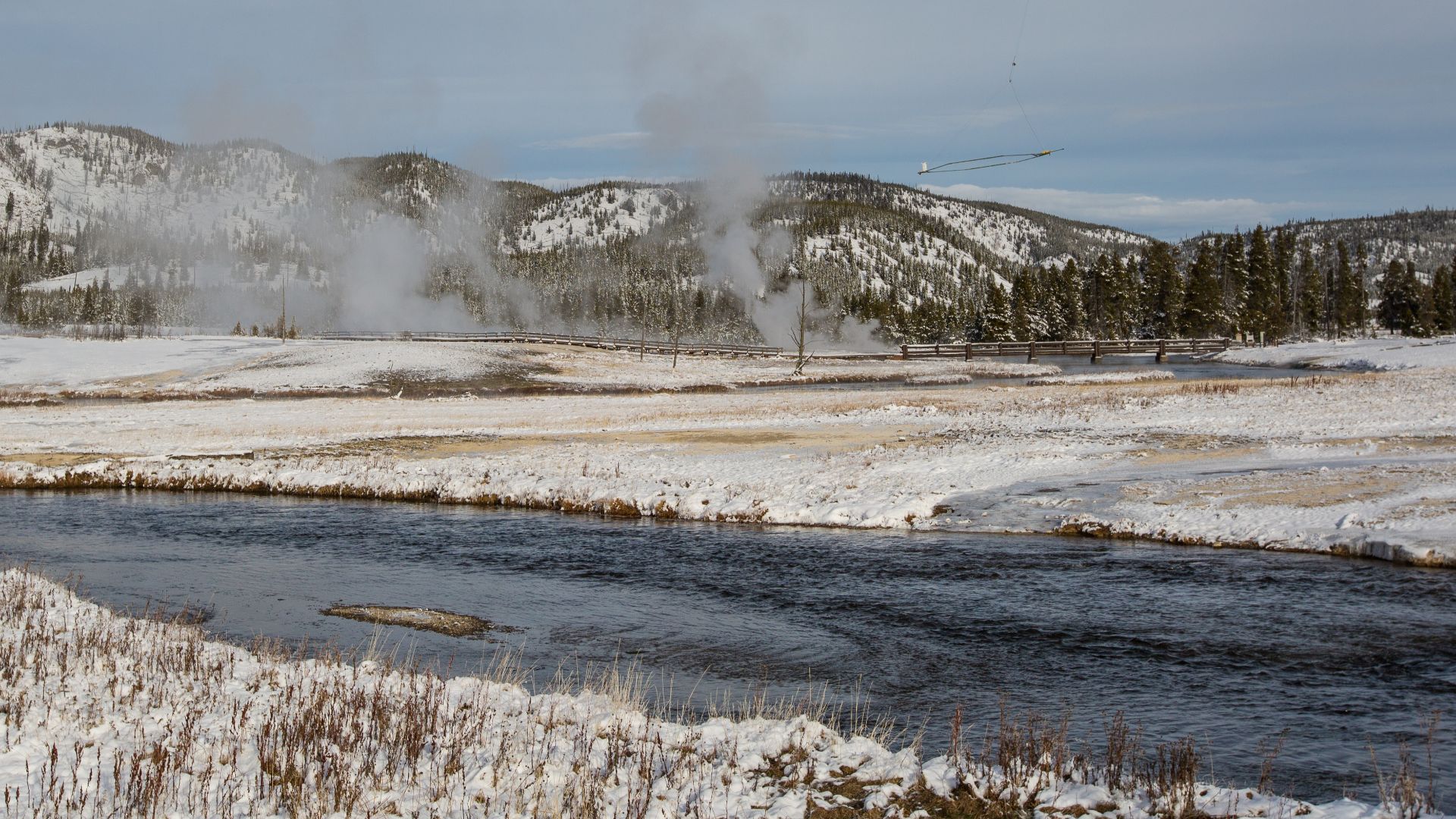
Some early Yellowstone visitors found an unconventional use for the park's geothermal waters. Historical photographs document members of Howard Eaton's touring parties washing clothing at Biscuit Basin. These travelers explored Yellowstone on extended horseback expeditions, carrying supplies and camping along the way. The sight of vacationers doing laundry around geothermal features would be startling today, especially given modern park rules protecting these fragile environments.
 Yellowstone National Park, Wikimedia Commons
Holidaymakers Sent Postcards Instead Of Photographs
Before smartphones and instant messaging, picture postcards were an important way to share vacation experiences. In the early 1900s, Americans could purchase cards showing famous hotels, scenic landscapes, and popular tourist destinations. Postcard use expanded rapidly after postal changes in 1907 allowed messages and addresses to appear together on the reverse side. Travelers could send a scenic picture and a short greeting home, although the message would arrive long after it was written.
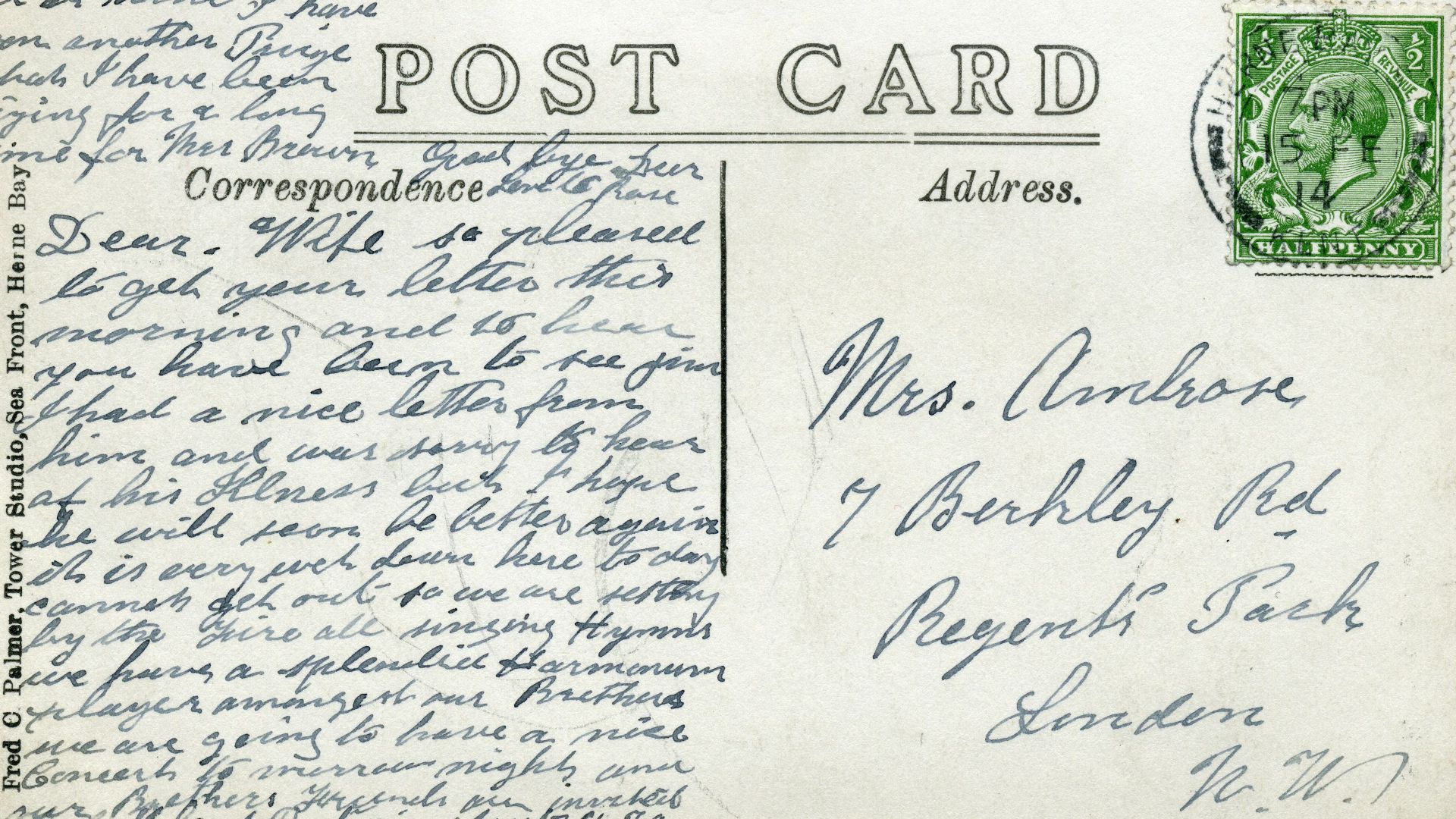 Fred C. Palmer (d.1930s), Wikimedia Commons
Tourists Collected Pictures Of Places They Had Never Visited
The postcard industry did more than help travelers document their own vacations. Publishers produced extensive collections of scenic images featuring destinations such as Niagara Falls, Yellowstone, and the Grand Canyon. These pictures were marketed to consumers who wanted visual reminders of America's famous landscapes and attractions. Collecting such images offered a way to experience distant destinations through printed pictures rather than personal travel.
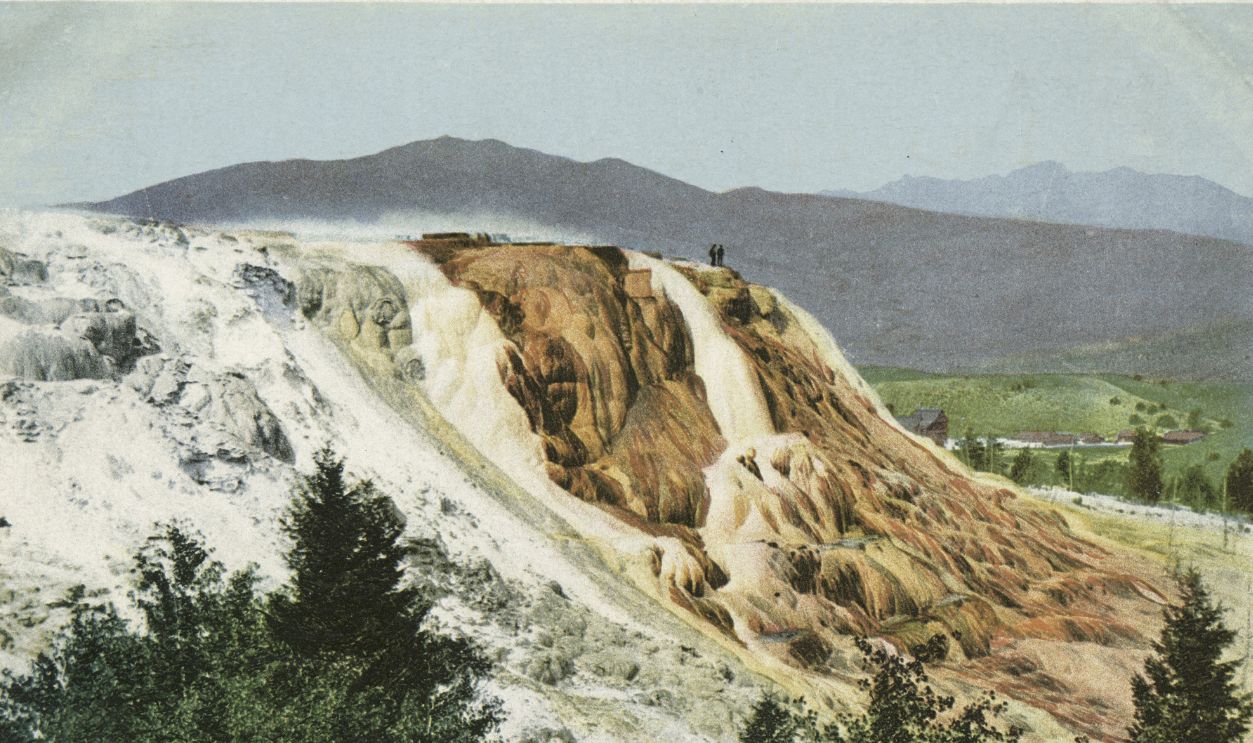 Smith Collection/Gado, Getty Images
Seaside Visitors Could Be Pushed Around In Special Chairs
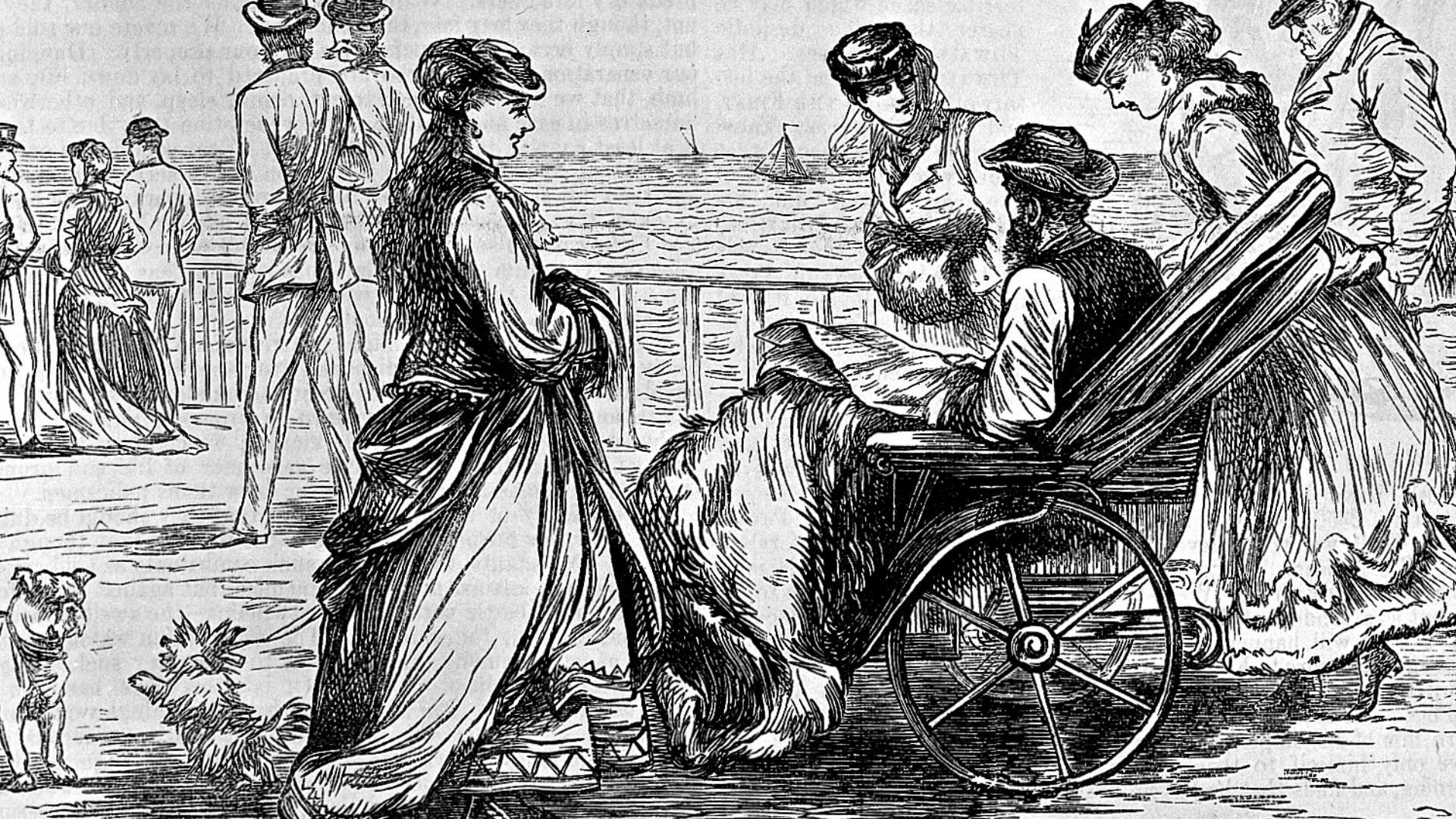
Not every Victorian holidaymaker explored a resort on foot. Bath chairs, wheeled passenger chairs that became popular during the Victorian period, helped people with illnesses or limited mobility travel around. Attendants commonly pushed or pulled these vehicles, while some later versions could be controlled by their occupants. An 1891 photograph of Weston-super-Mare even records a donkey-drawn bath chair near the beach.
Families Traveled To The Beach For A Single Day
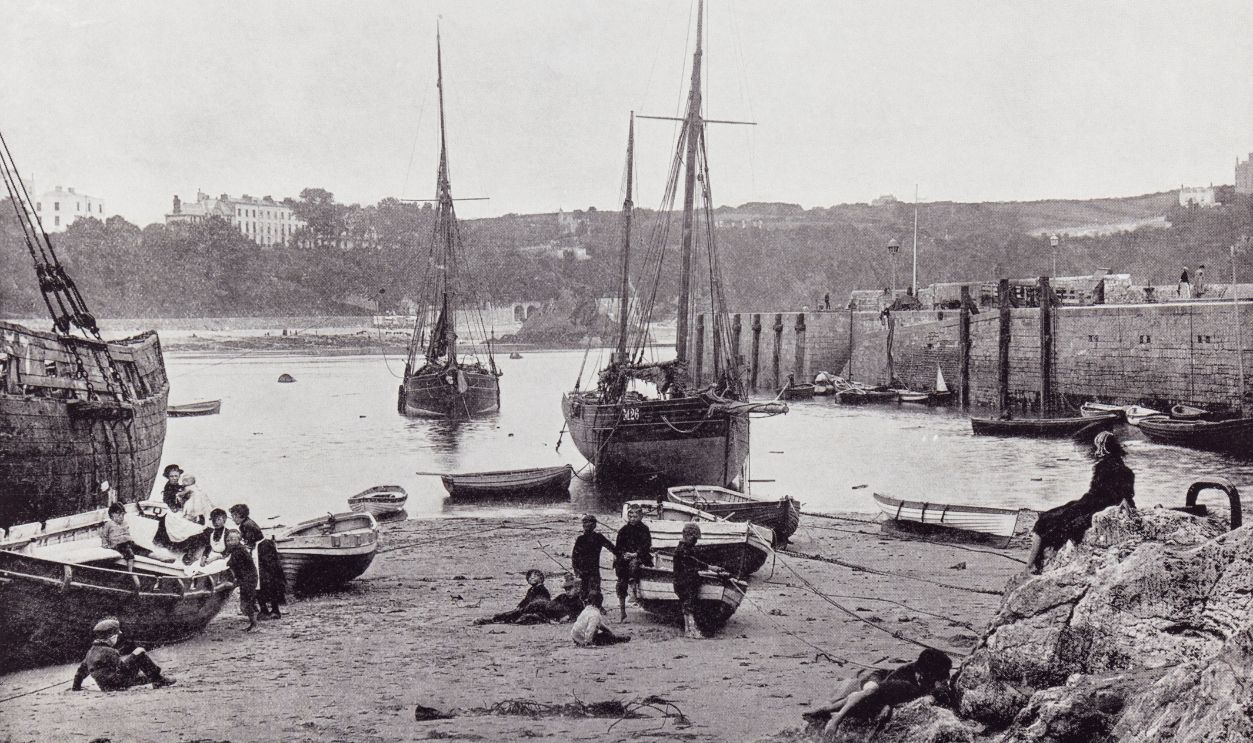
As railway networks expanded during the 19th century, seaside destinations became accessible to growing numbers of working people. Excursion trains and holiday services helped transform coastal towns into busy tourist centers. Some visitors could enjoy the seaside without committing to an extended stay in a resort hotel. The arrival of large numbers of rail passengers helped create the crowded beach scenes associated with Britain's traditional seaside holidays.
 Design Pics Editorial, Getty Images
Entire Beaches Became Outdoor Amusement Parks
Early seaside resorts offered far more than sand and swimming. A photograph of Burnham-on-Sea from 1913 shows fairground attractions operating directly on the beach, including a merry-go-round, chair swings, and donkey rides. These activities brought carnival-style entertainment into spaces that modern visitors might associate primarily with sunbathing and relaxation. For many holidaymakers, the beach was as much an amusement destination as a place to enjoy the water.
 Science & Society Picture Library, Getty Images
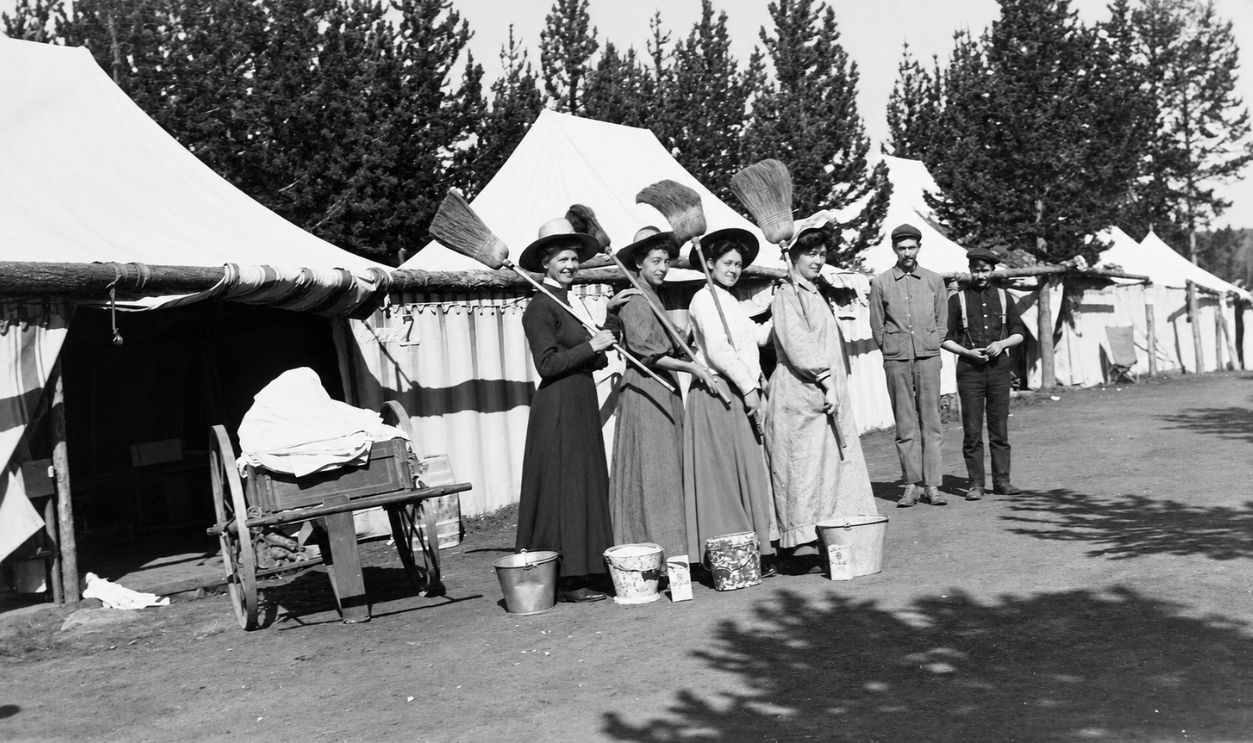
Some Vacationers Traded Hotels For Permanent Tent Camps
Early national park tourism developed an unusual compromise between wilderness camping and comfortable hotel accommodation. Yellowstone offered permanent camps where visitors could stay without carrying every piece of equipment themselves. Wealthier guests could choose grand hotels, while others preferred campfires, cookouts, and more rustic surroundings. These arrangements helped make outdoor vacations appealing to travelers with different budgets and expectations.
 Yellowstone National Park, Wikimedia Commons, Enhanced
You May Also Like:
Things Americans Find Surprisingly Complicated About Traveling In Canada
Hotel Chains From The 1980s That Became American Road Trip Staples—And Are Now Long Gone