A Tiny Assyrian Inscription Found In Jerusalem
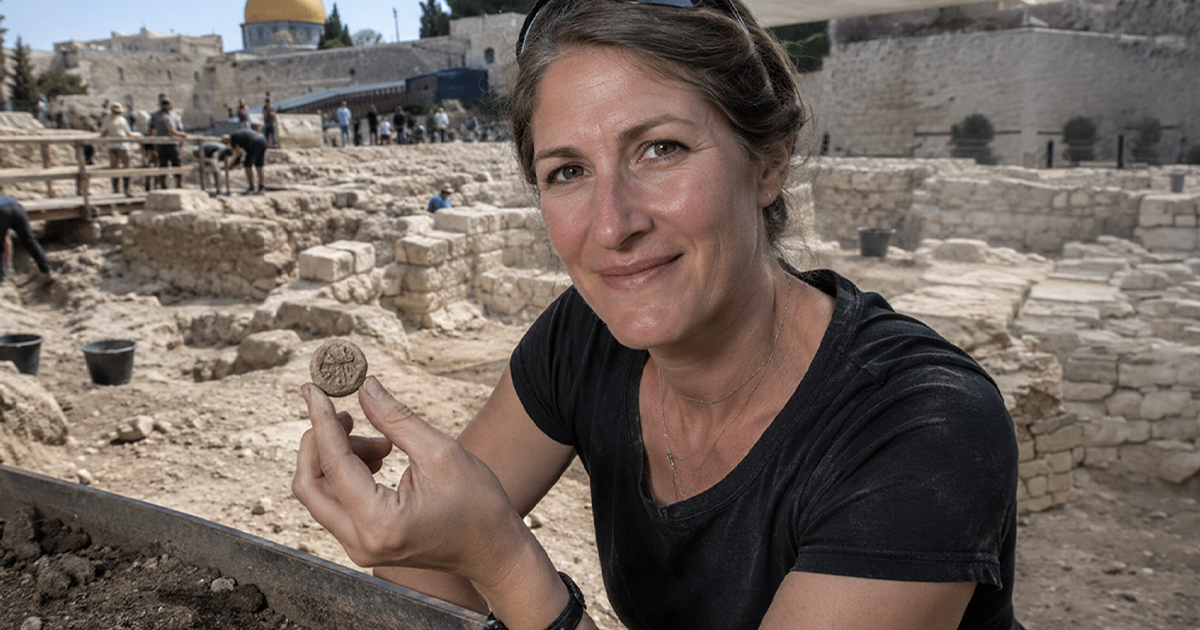
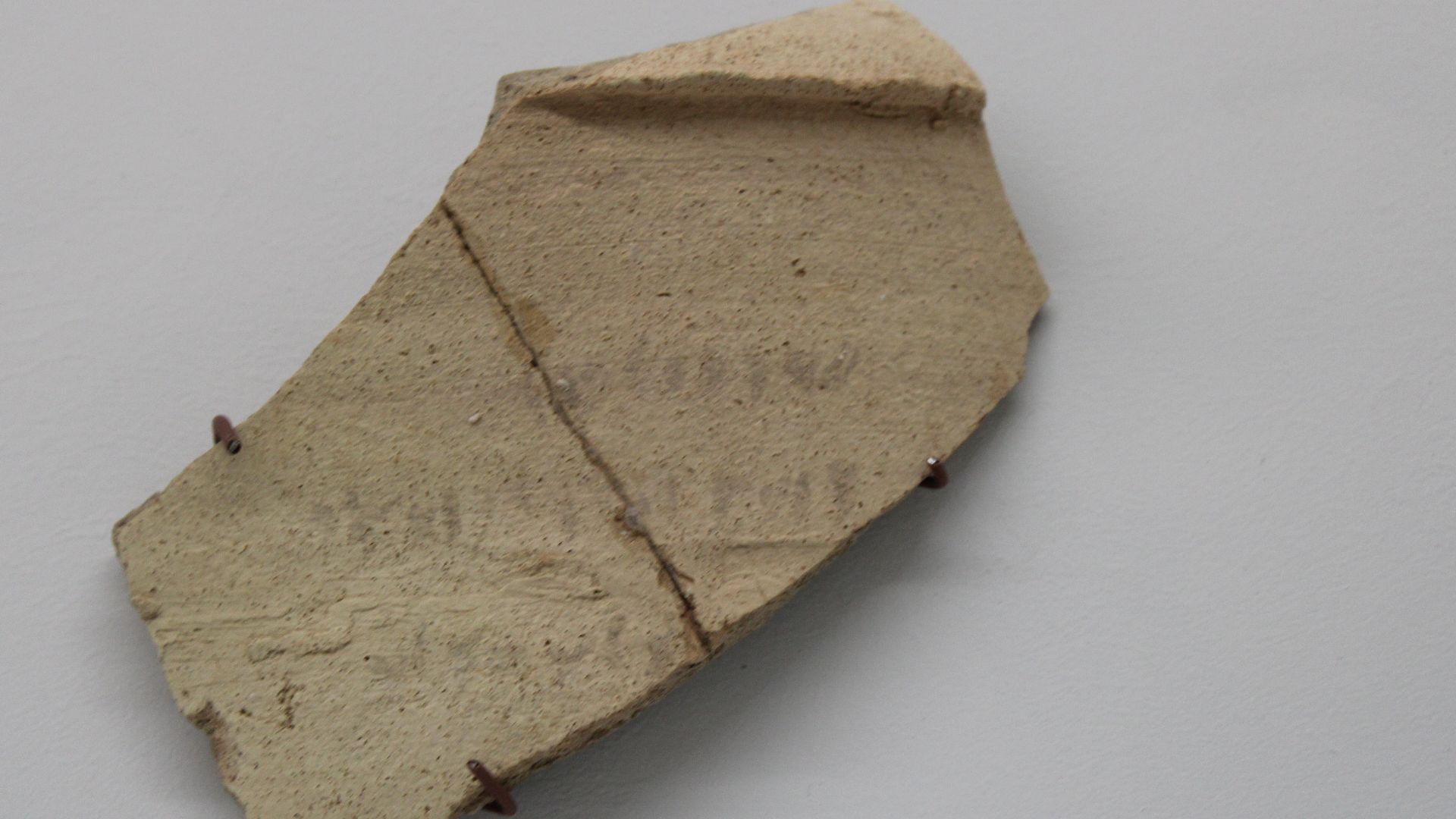
Most archaeological discoveries that make headlines are massive buildings, ancient tombs, or buried cities. This one could fit in the palm of your hand. In October 2025, archaeologists announced the discovery of a tiny fragment of Assyrian cuneiform in Jerusalem—the first inscription of its kind ever found in the city. Despite measuring only about an inch across, it may preserve a real conversation between the Assyrian Empire and the Kingdom of Judah during the biblical period.
A Discovery Near The Temple Mount
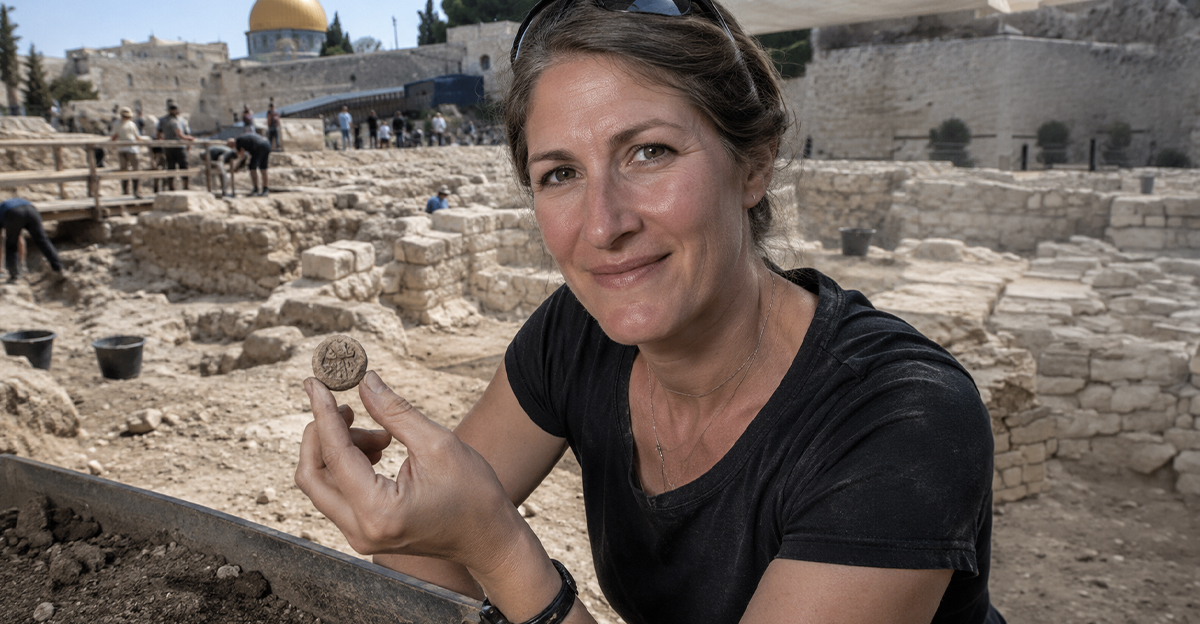
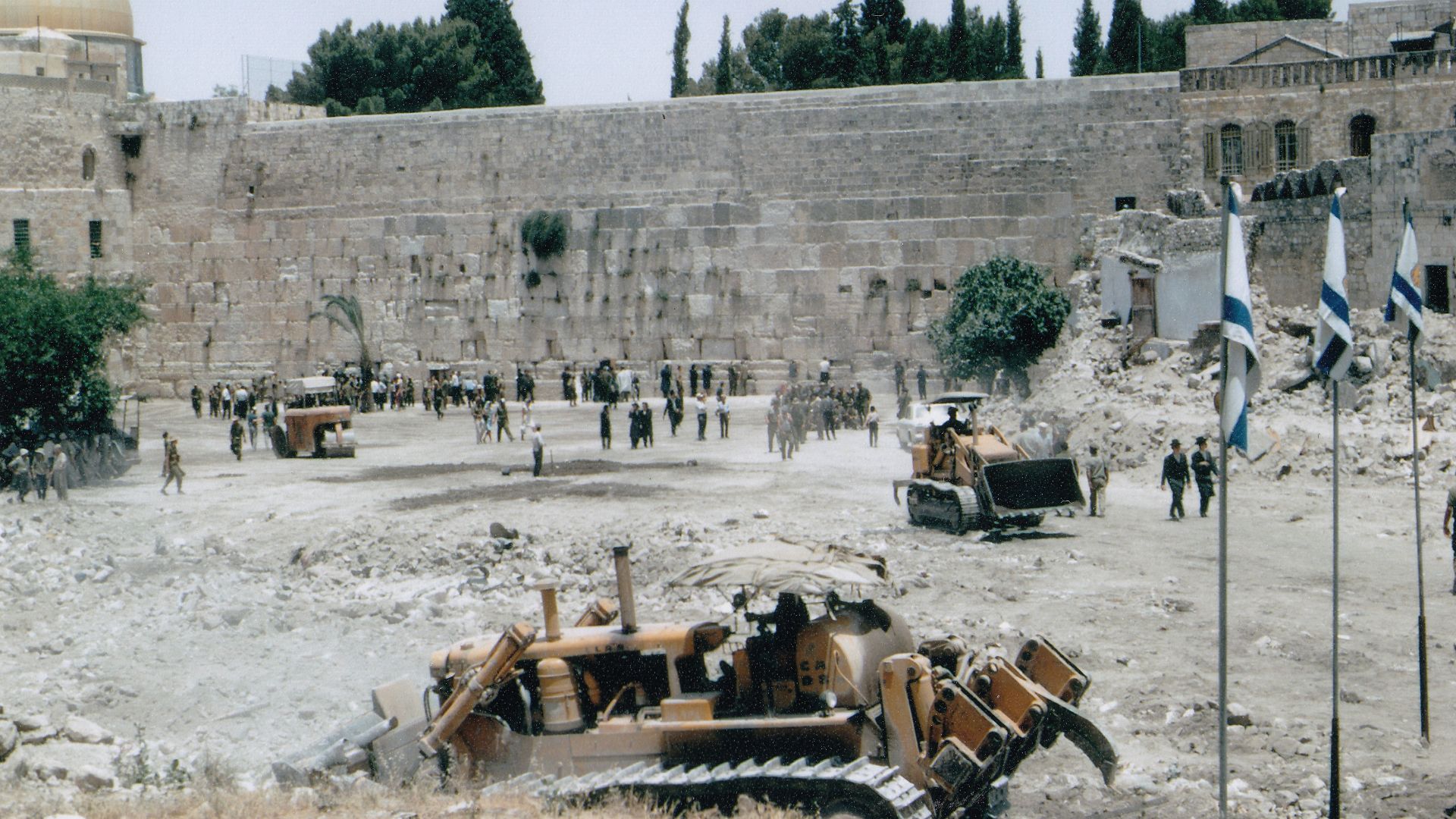
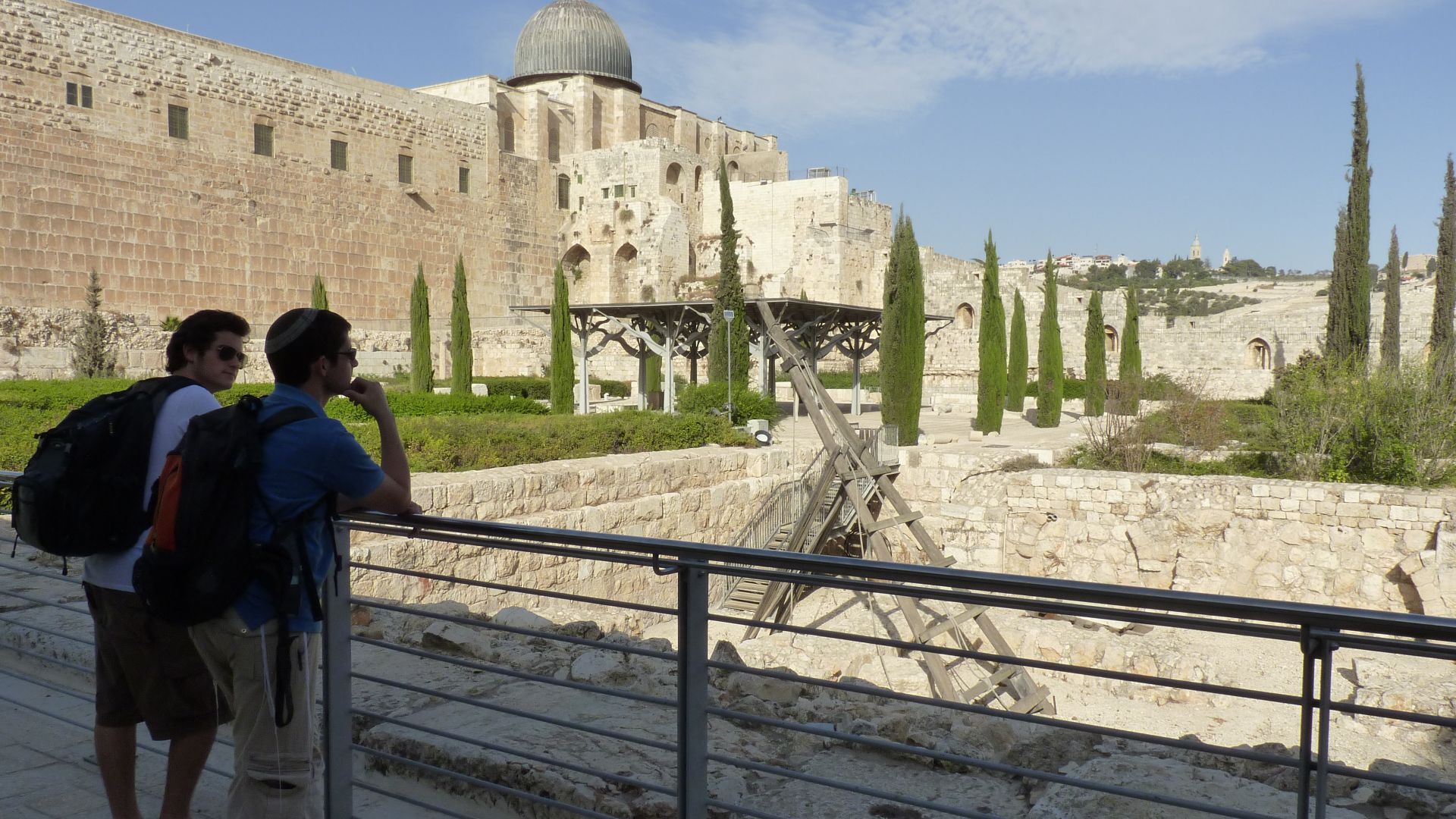
The pottery fragment was uncovered during excavations near the Western Wall of the Temple Mount, just north of the City of David in Jerusalem. The excavation is being conducted by the Israel Antiquities Authority (IAA) in partnership with the City of David Foundation. Although tiny, researchers immediately recognized the artifact as something extraordinary.
 יהודה גרינברג, Wikimedia Commons
It’s The First Of Its Kind
Jerusalem has produced thousands of ancient inscriptions over the years, but never one like this. According to the IAA, this is the first Assyrian cuneiform inscription from the First Temple period ever discovered in Jerusalem. That alone makes it one of the most significant epigraphic discoveries in the city in recent years.
 Trialsanderrors, Wikimedia Commons
Tiny Artifact, Huge Story
The fragment measures only about 2.5 centimeters (1 inch) in diameter. It is part of a broken pottery sealing, known as a bullae or sealing, that once accompanied an official document. Sometimes the most important discoveries aren't the biggest—they're just the easiest to overlook.
 Franz Heinrich Weißbach, Wikimedia Commons
Written In The Language Of An Empire
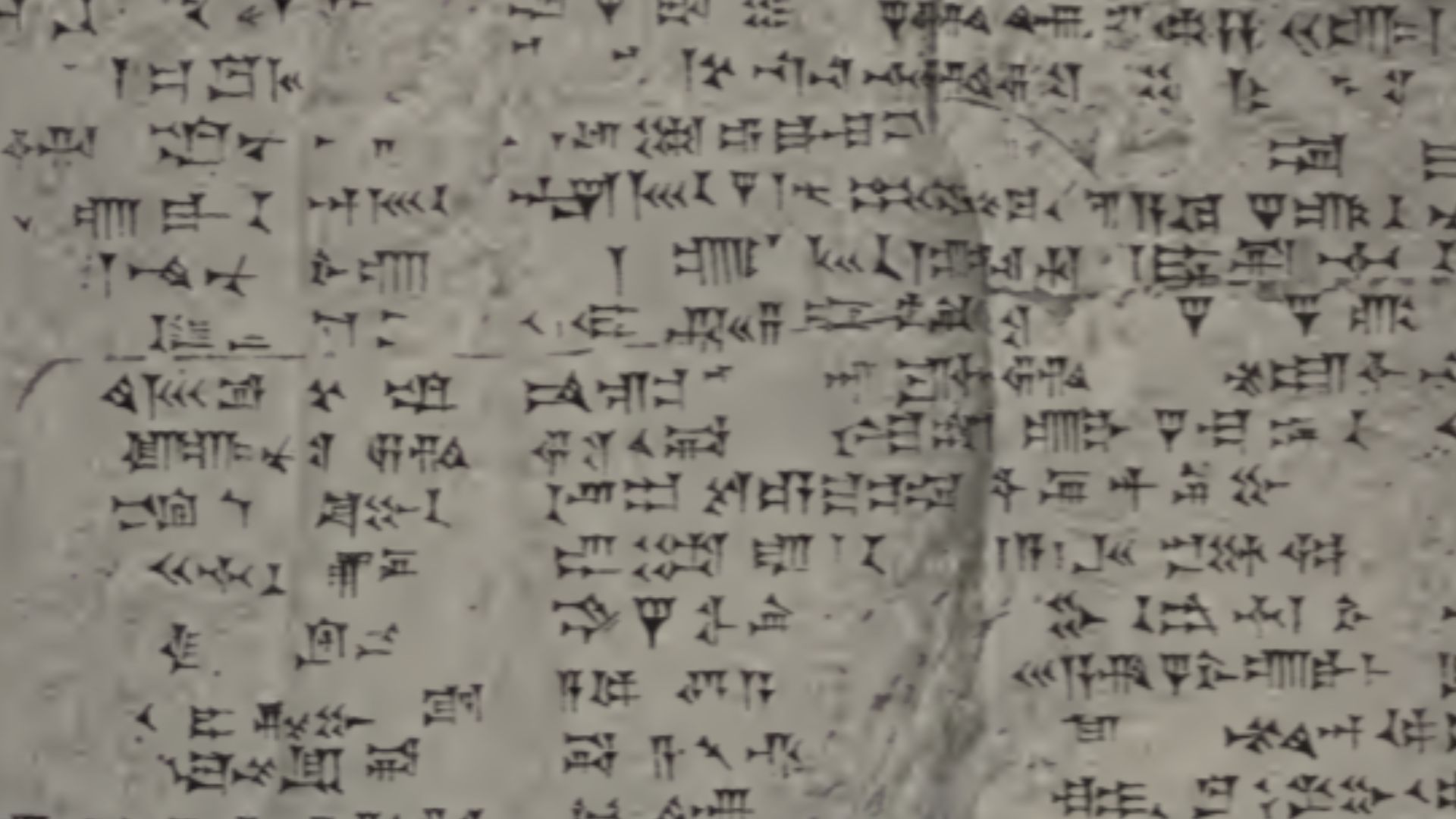
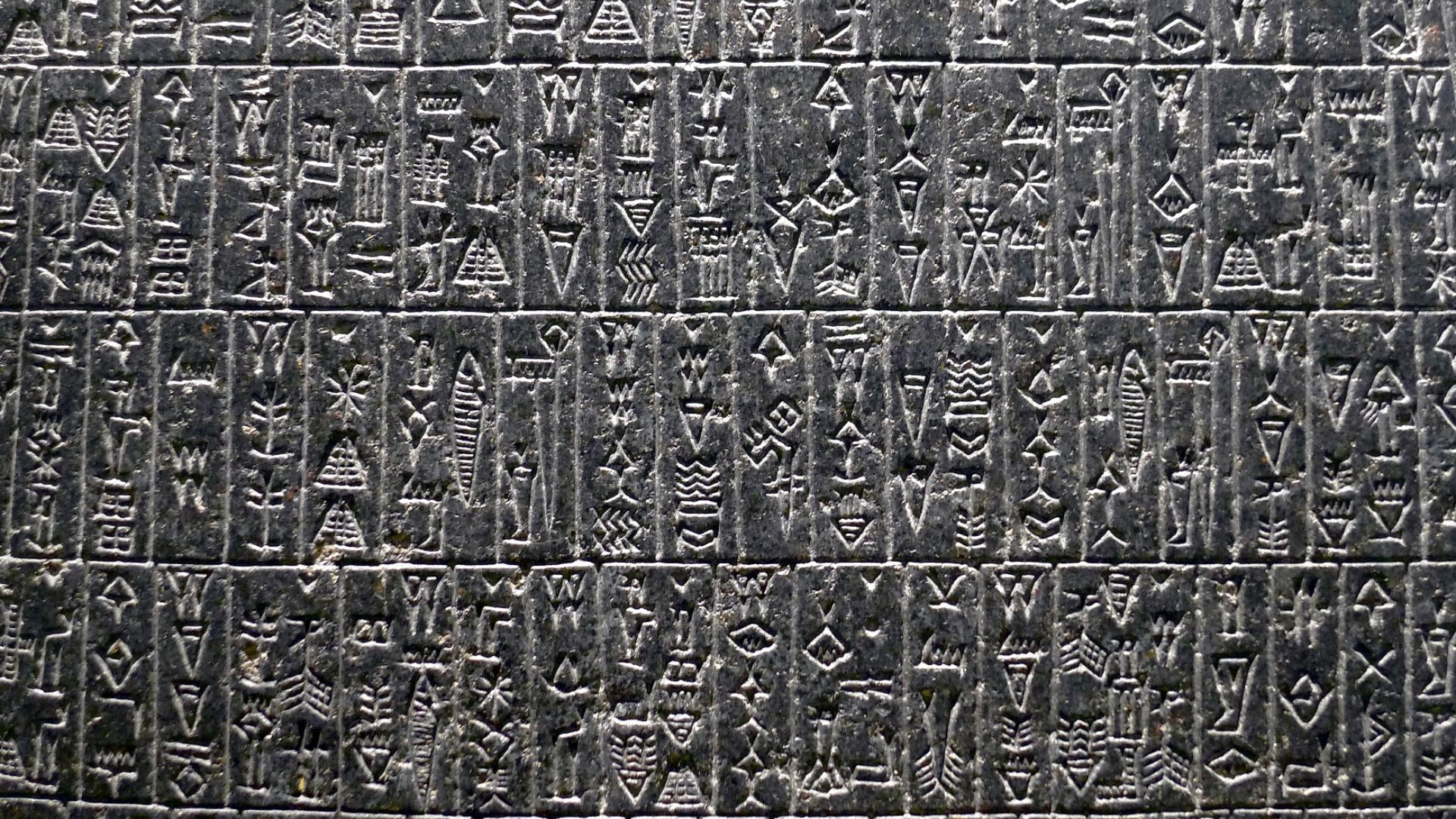
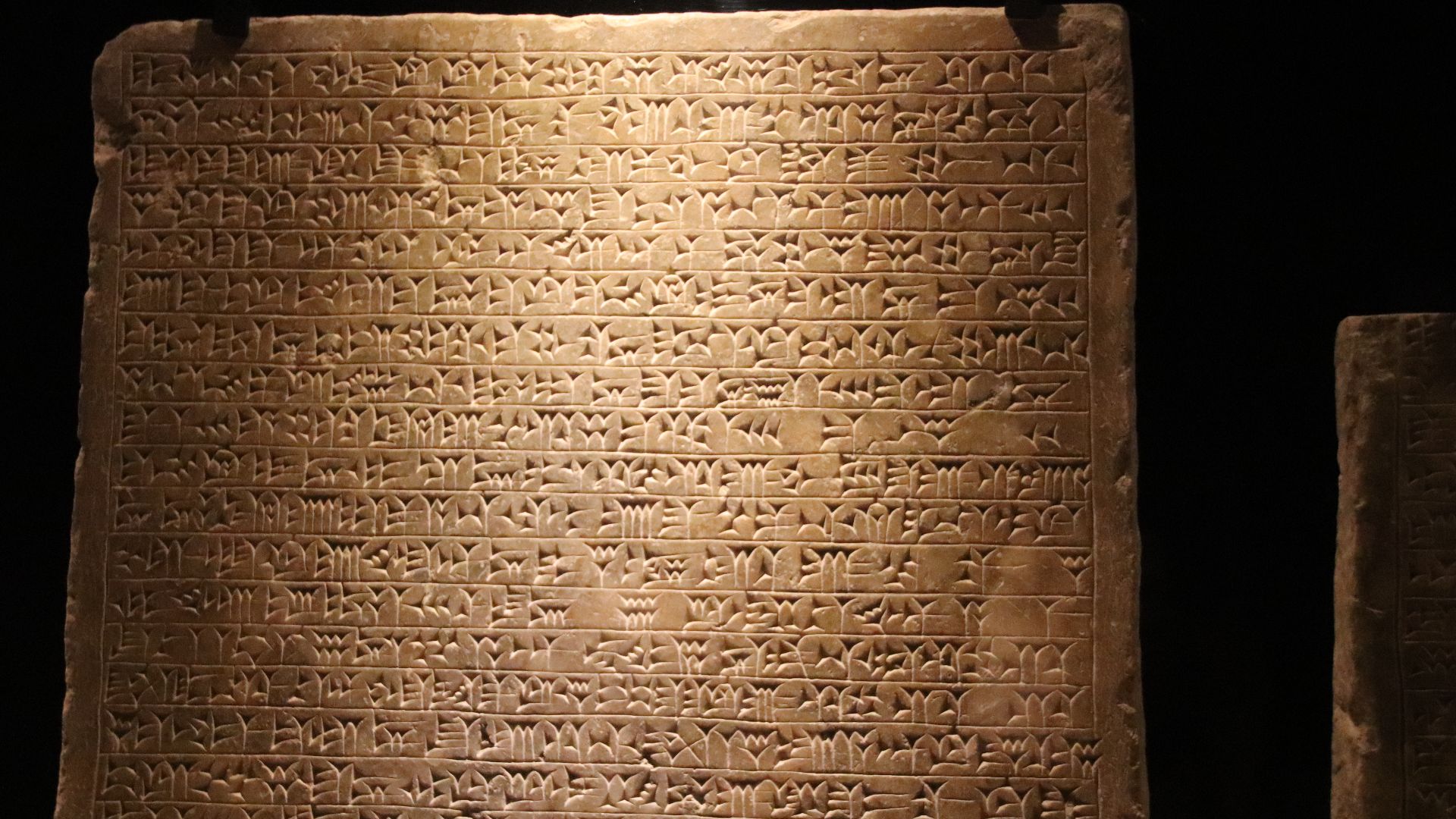
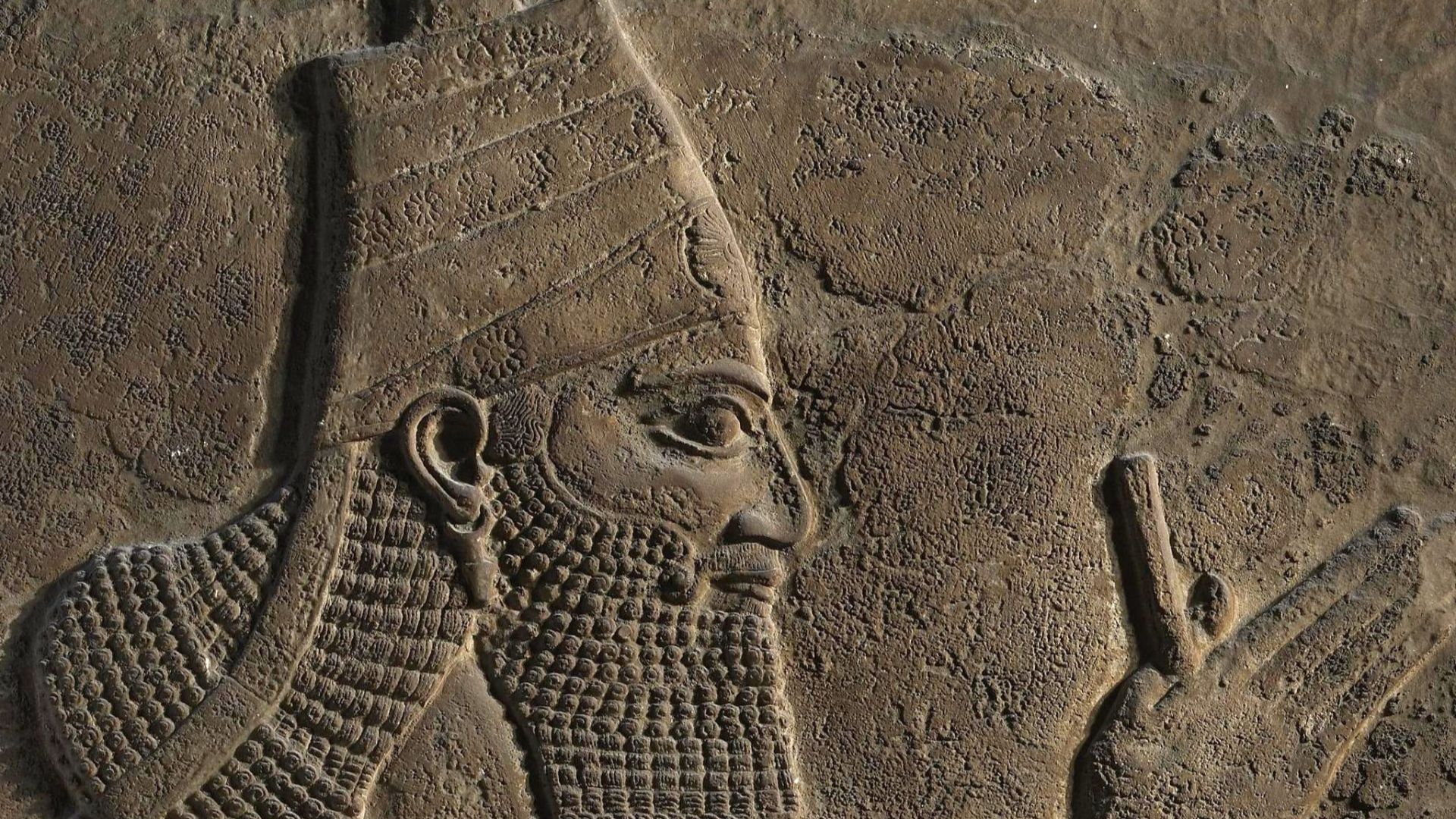
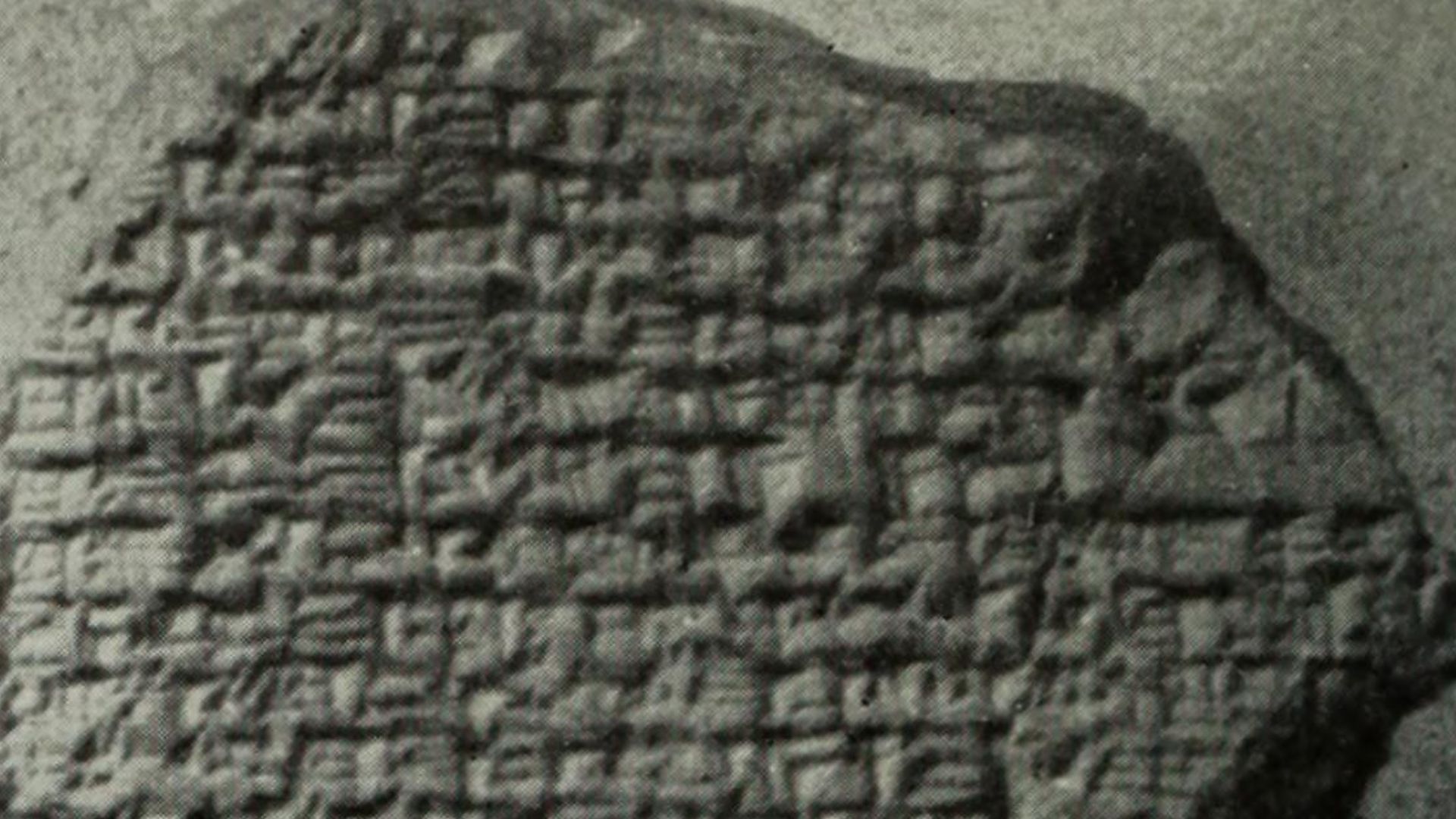
The inscription is written in Akkadian, the diplomatic language of the Assyrian Empire, using cuneiform, one of the world's oldest writing systems. During the eighth and seventh centuries BCE, Akkadian served much like an international language for governments across the Near East.
 Unknown artistUnknown artist, Wikimedia Commons
Dating Back About 2,700 Years
Researchers date the inscription to roughly the 8th or 7th century BCE, placing it firmly within the First Temple period (c. 1000–586 BCE). This was a time when the Kingdom of Judah existed under the shadow of the expanding Assyrian Empire.
 Francois Vatable, Wikimedia Commons
Found During An Unexpected Moment
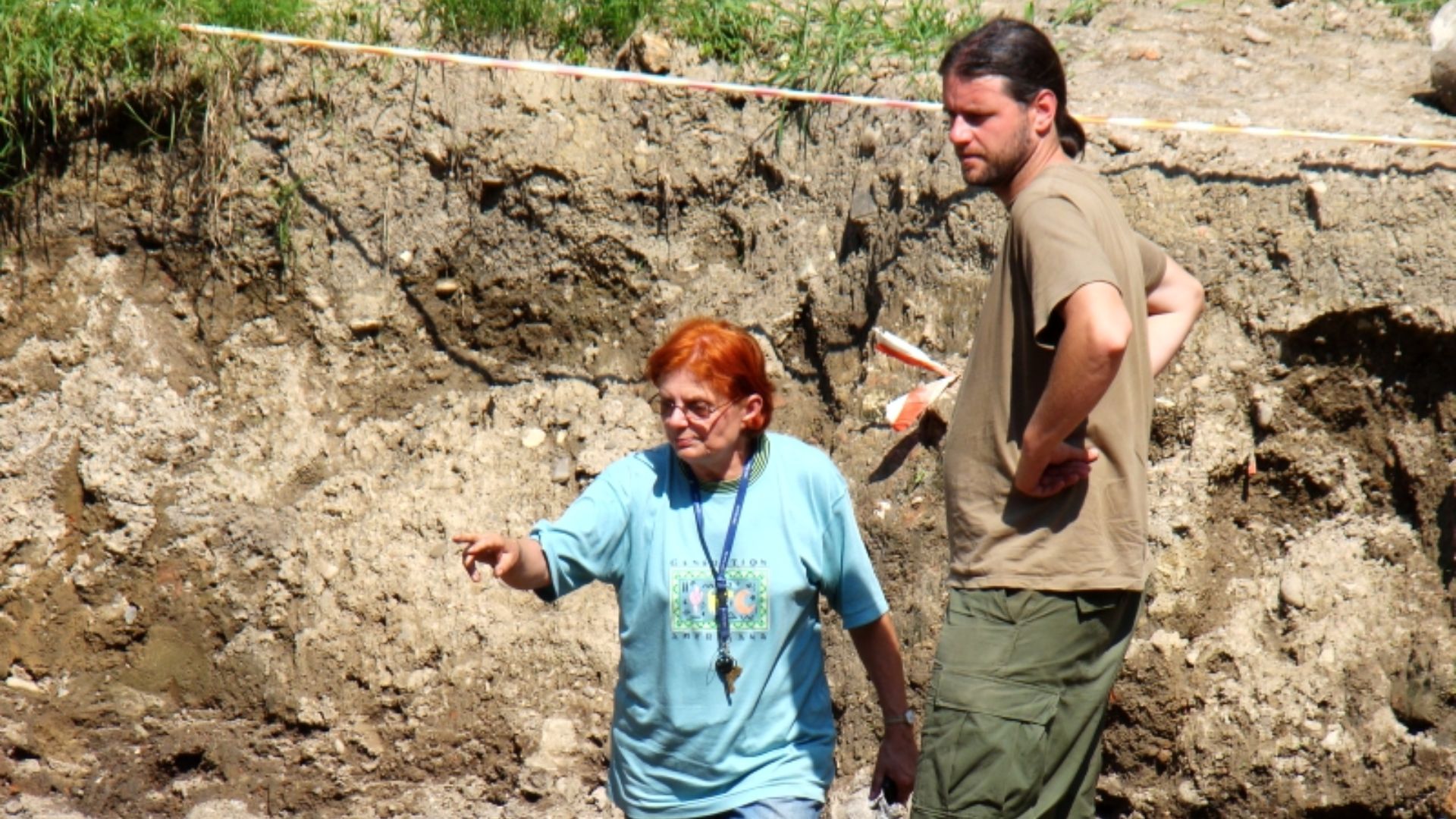
The artifact wasn't spotted during excavation itself. It was discovered while Moriah Cohen, an employee working at the Emek Tzurim archaeological sifting project, was wet-sifting excavated soil. She later recalled, "I screamed out of excitement" when she realized the markings weren't decoration, but ancient cuneiform writing.
Deciphering The Ancient Message
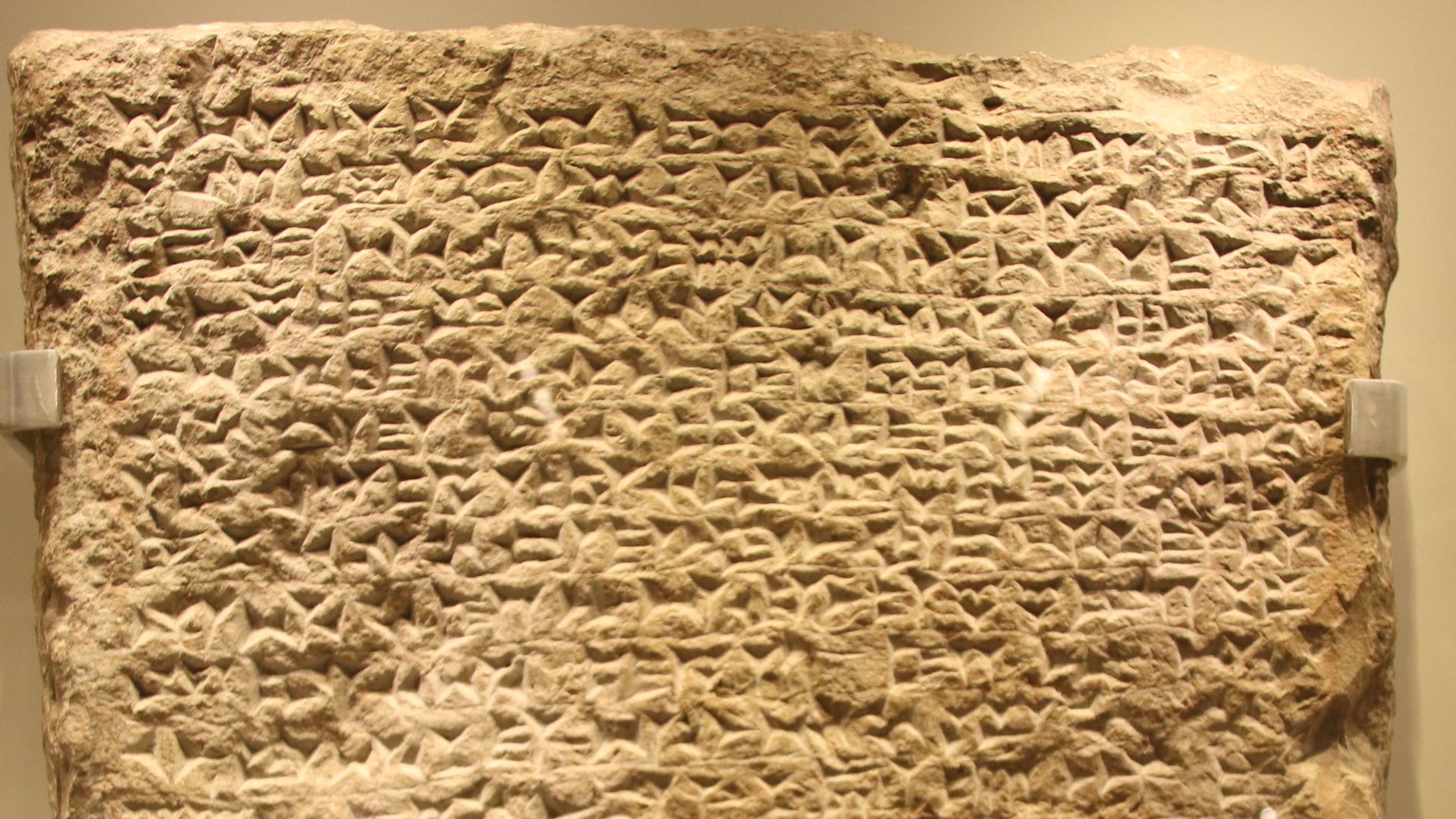
Once the fragment reached specialists, it was analyzed by Dr. Filip Vukosavović of the Israel Antiquities Authority together with Dr. Peter Zilberg of Bar-Ilan University. Their job wasn't easy—the inscription survives only in fragments, meaning every wedge-shaped mark had to be carefully interpreted.
 Gary Todd from Xinzheng, China, Wikimedia Commons
It May Have Been An Official Letter
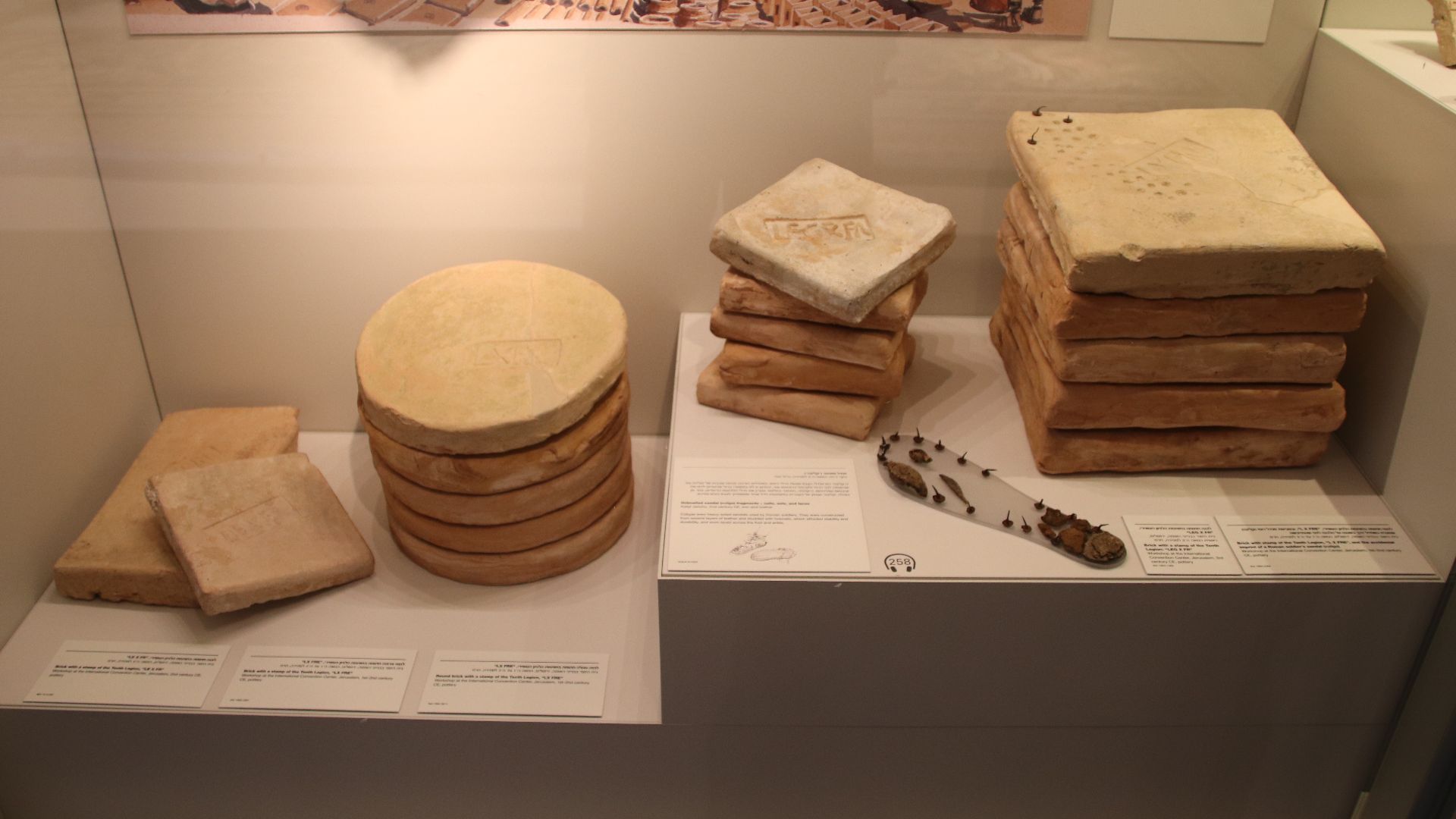
The researchers believe the pottery fragment originally sealed an official communication sent by the Assyrian royal administration. Similar sealings were attached to important government correspondence throughout the empire. In other words, this may have been ancient diplomatic mail.
 Gary Todd from Xinzheng, China, Wikimedia Commons
A Late Payment?
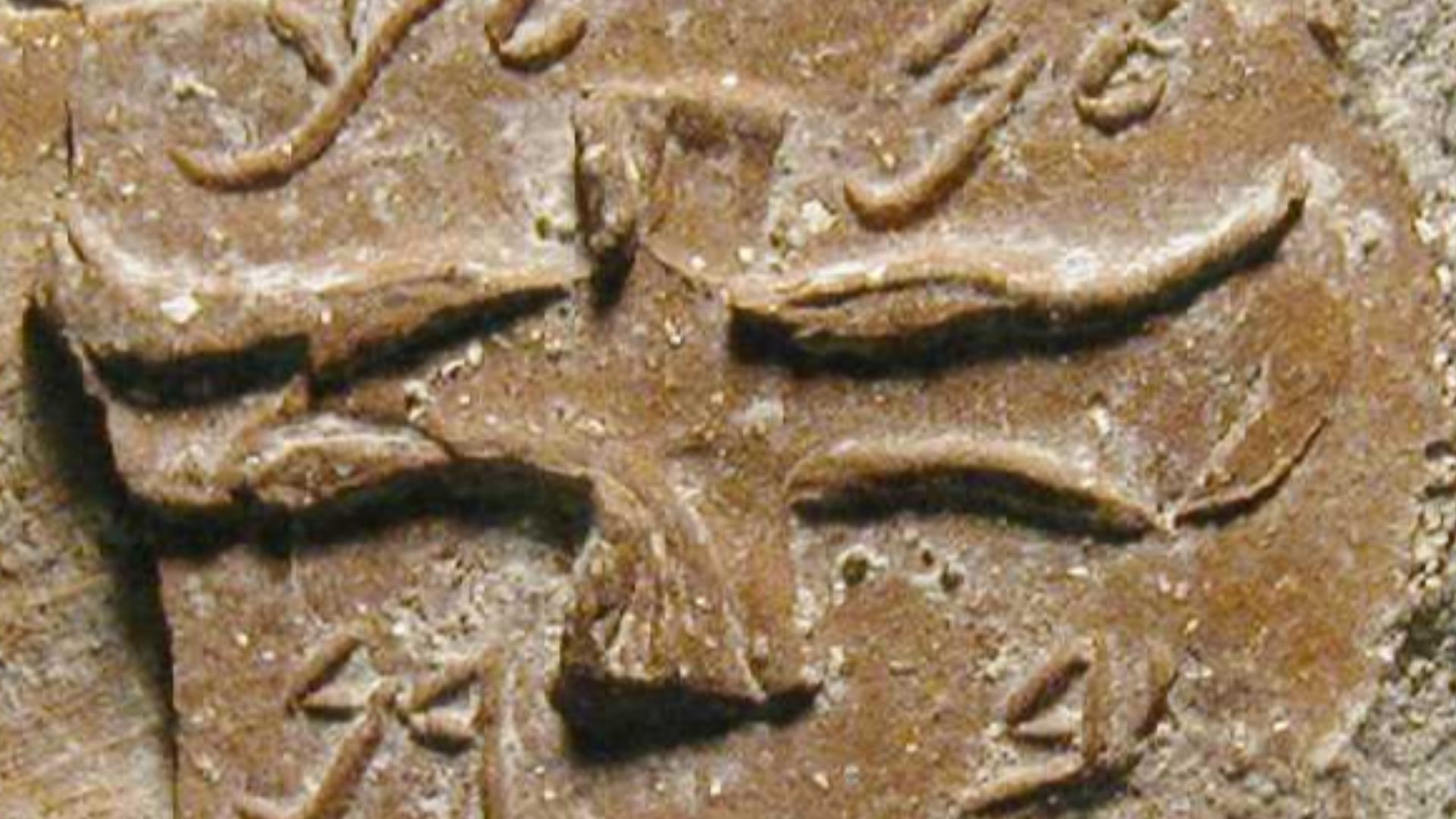
The surviving text appears to mention a delayed payment due by the first day of the month of Av. Researchers believe it may refer to overdue tribute owed by the Kingdom of Judah to Assyria. While only part of the message survives, that small detail provides an intriguing glimpse into ancient government business.
 Funhistory at English Wikipedia, Wikimedia Commons
The Biblical Connection
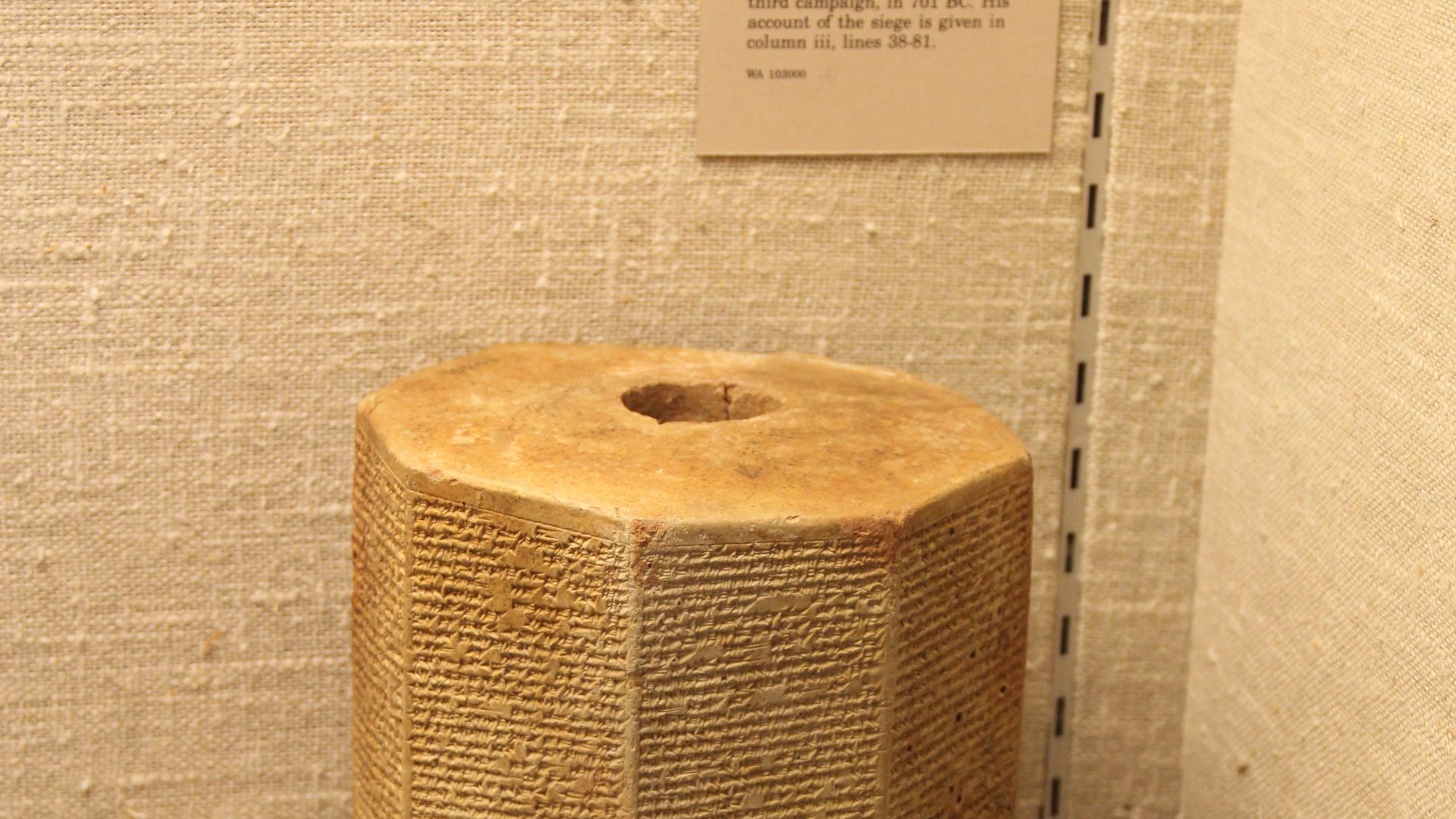
This possibility immediately caught historians' attention because the Hebrew Bible describes Judah paying tribute to Assyria during the reign of King Hezekiah. In 2 Kings 18, Hezekiah sends silver and gold to King Sennacherib of Assyria after Assyria invades Judah. The inscription cannot be tied to that exact event, but it fits remarkably well within the same historical period.
 Hippolyte Flandrin, Wikimedia Commons
History From Two Sides
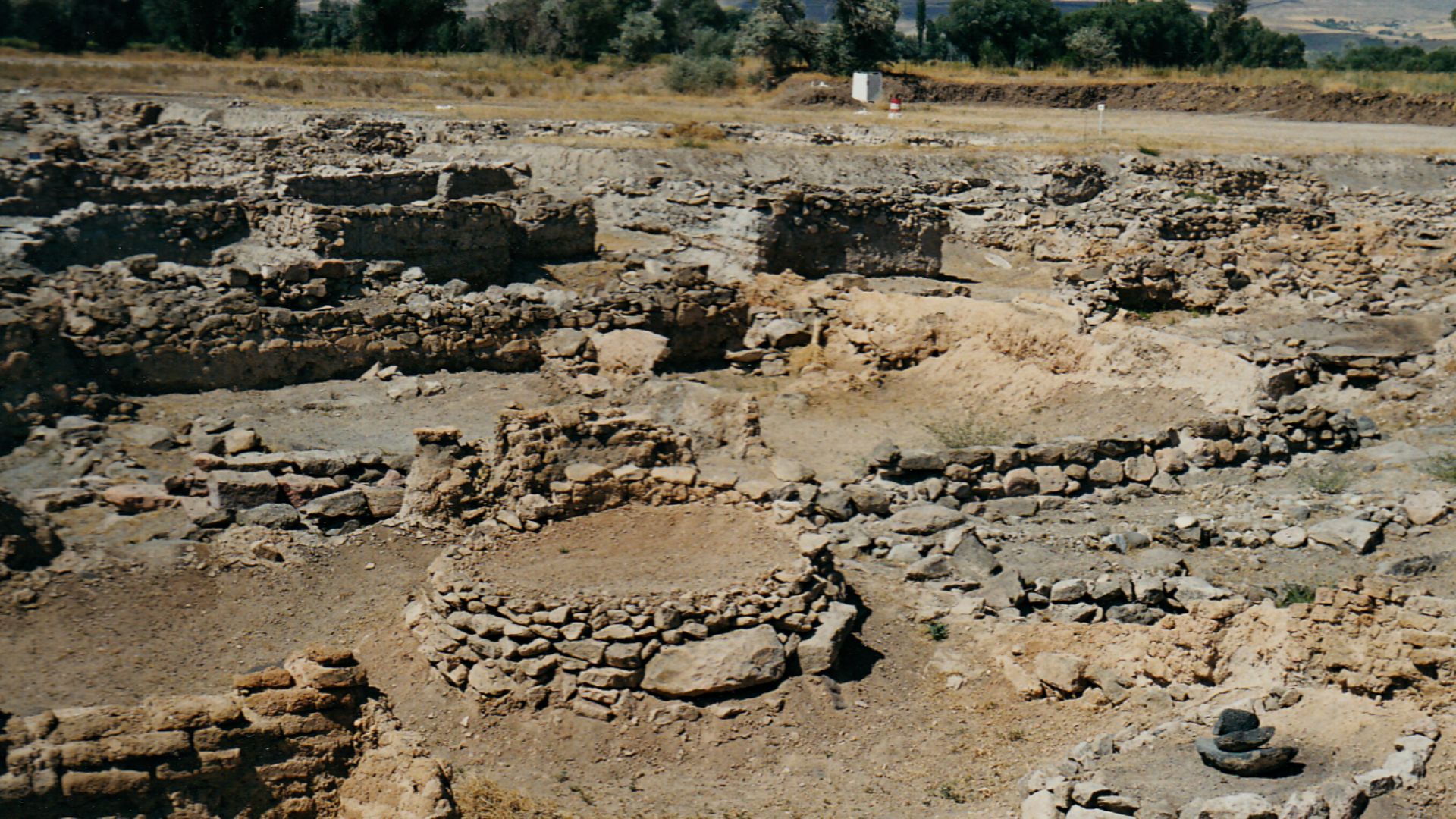
What's especially fascinating is that historians already knew about Judah's relationship with Assyria from both biblical texts and Assyrian royal records. This inscription may represent direct administrative correspondence between those two kingdoms. That's incredibly rare evidence to recover from archaeology.
 Klaus-Peter Simon, Wikimedia Commons
A Flashlight In The Fog
Historian Dr. Peter Zilberg described the discovery by saying, "For me as a historian, this is somewhat of a flashlight in the fog of history." Even though the inscription is incomplete, it shines light on everyday political relationships that rarely survive in the archaeological record.
 Gary Todd from Xinzheng, China, Wikimedia Commons
The Clay Told Another Story
Researchers also analyzed the clay itself. Mineral testing suggests it originated near the Tigris River basin, the heartland of the Assyrian Empire. That means the sealing was likely produced in Assyria before eventually making its way to Jerusalem.
 Unknown artistUnknown artist, Wikimedia Commons
Why That Matters
If the clay really came from Assyria, it strengthens the idea that this wasn't a local imitation. Instead, it may have arrived in Jerusalem as part of official communication from the imperial government. That's about as close as archaeology gets to ancient international mail.
 Internet Archive Book Images, Wikimedia Commons
Assyria Was The Superpower
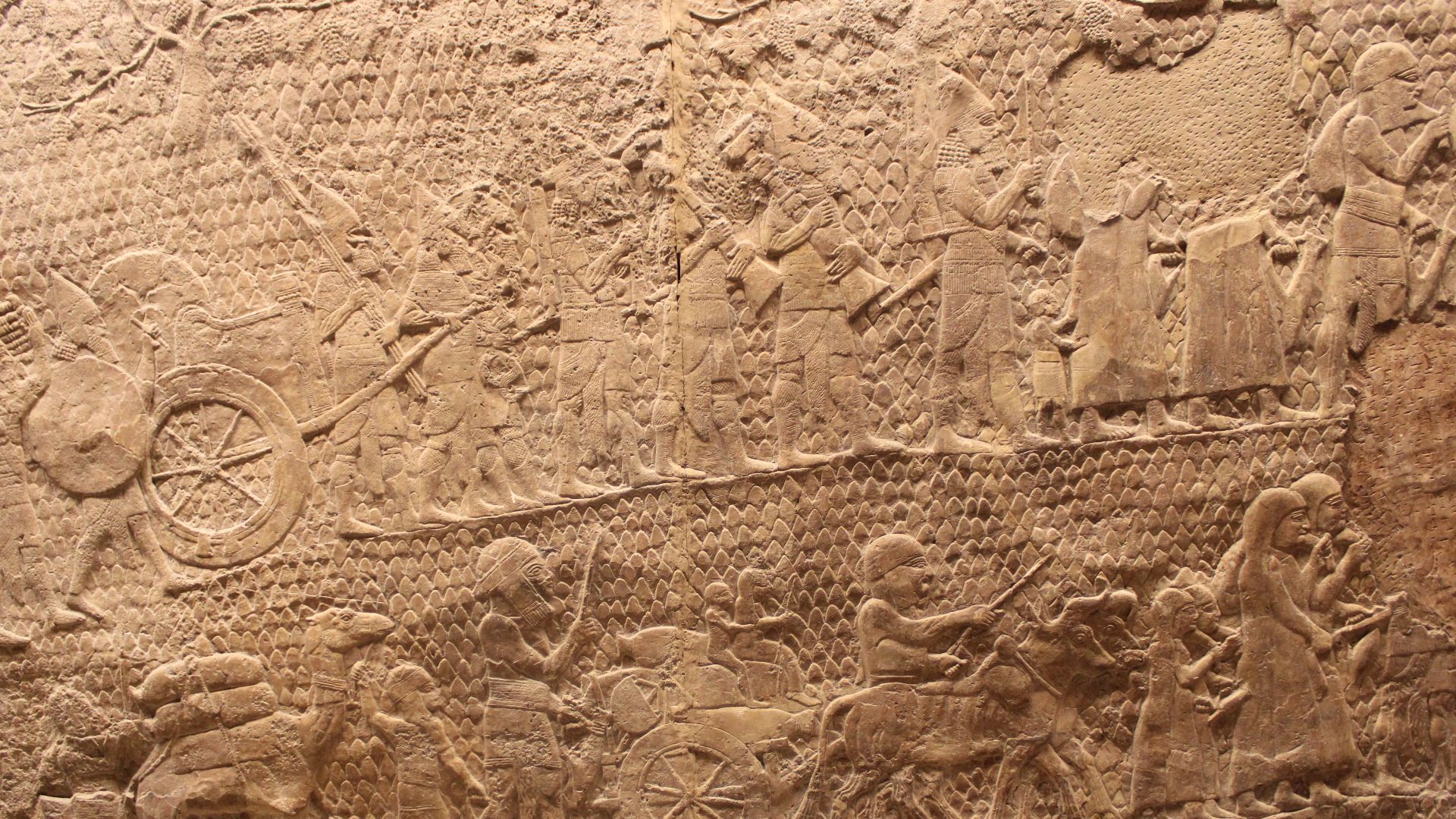
During the eighth century BCE, Assyria dominated much of the ancient Near East. Smaller kingdoms like Judah often became vassal states that paid tribute to avoid destruction. Those political pressures form the backdrop for many of the events described in the Hebrew Bible.
Jerusalem Was Already A Political Center
The discovery also reinforces the importance of Jerusalem during the First Temple period. Official correspondence from the Assyrian Empire wouldn't have been sent just anywhere. It was destined for the government of Judah itself.

Archaeology Meets Scripture Again
Like many discoveries in Jerusalem, this inscription doesn't prove the Bible. Instead, it provides independent evidence that matches the political world described in biblical accounts. That's exactly the kind of discovery historians hope to find.
 Joshua Keller, Wikimedia Commons
A Reminder That Ancient History Was International
It's easy to picture ancient kingdoms as isolated worlds, but they weren't. Diplomats, merchants, military officers, and royal officials regularly exchanged messages across vast distances. This tiny fragment is a reminder that Jerusalem was connected to one of history's greatest empires.
 Guillermo de Tiro, Wikimedia Commons
Not Every Question Is Answered
Because the inscription is incomplete, researchers cannot identify the exact king or the precise year it was written. It could date to the reign of Hezekiah, Manasseh, or even Josiah. More discoveries may eventually help narrow the answer.
 Guillaume Rouille, Wikimedia Commons
Why Scholars Are So Excited
Finding any cuneiform inscription is unusual. Finding one in Jerusalem from the First Temple period is unprecedented. It offers direct evidence of communication between Judah and Assyria that historians previously knew only through written records.
 Shlomo Spitzer (שלמה שפיצר), Wikimedia Commons
Tiny Finds Can Change Big Stories
At first glance, this looks like nothing more than a broken piece of pottery. But archaeology has a habit of turning tiny fragments into major historical discoveries. Sometimes one inch of clay tells a bigger story than an entire ruined building.
 Upper times, Wikimedia Commons
Jerusalem Still Has Secrets
Even after more than 150 years of archaeological work, Jerusalem continues to surprise researchers. New excavations regularly uncover discoveries that deepen our understanding of the city's biblical past. Every layer seems to reveal another chapter waiting to be read.
 Ricardo Tulio Gandelman from Rio de Janeiro, Brazil, Wikimedia Commons
More Questions Than Answers
Researchers hope future excavations will uncover additional Assyrian documents or sealings. If they do, historians may eventually reconstruct a much larger picture of how Assyria governed Judah during one of the Bible's most turbulent periods.
One Inch Of Clay, Nearly Three Thousand Years Of History
It's remarkable that a fragment smaller than a golf ball can reshape our understanding of the ancient world. Whether it recorded taxes, tribute, or royal orders, this tiny inscription reminds us that history often survives in the smallest pieces—and sometimes those pieces connect directly to the stories people have been reading for thousands of years.
 Berthold Werner, Wikimedia Commons
You May Also Like: