Some Canadian Stories Get Much Darker After Sunset
Some legends begin with a real tragedy. Others start with a strange sighting, a newspaper story, or one person insisting they heard something in the woods. In Canada, those stories have produced some genuinely creepy folklore, and a few get stranger the more closely you look at them.
The Screaming Tunnel: A Dark Passage Beneath The Railway
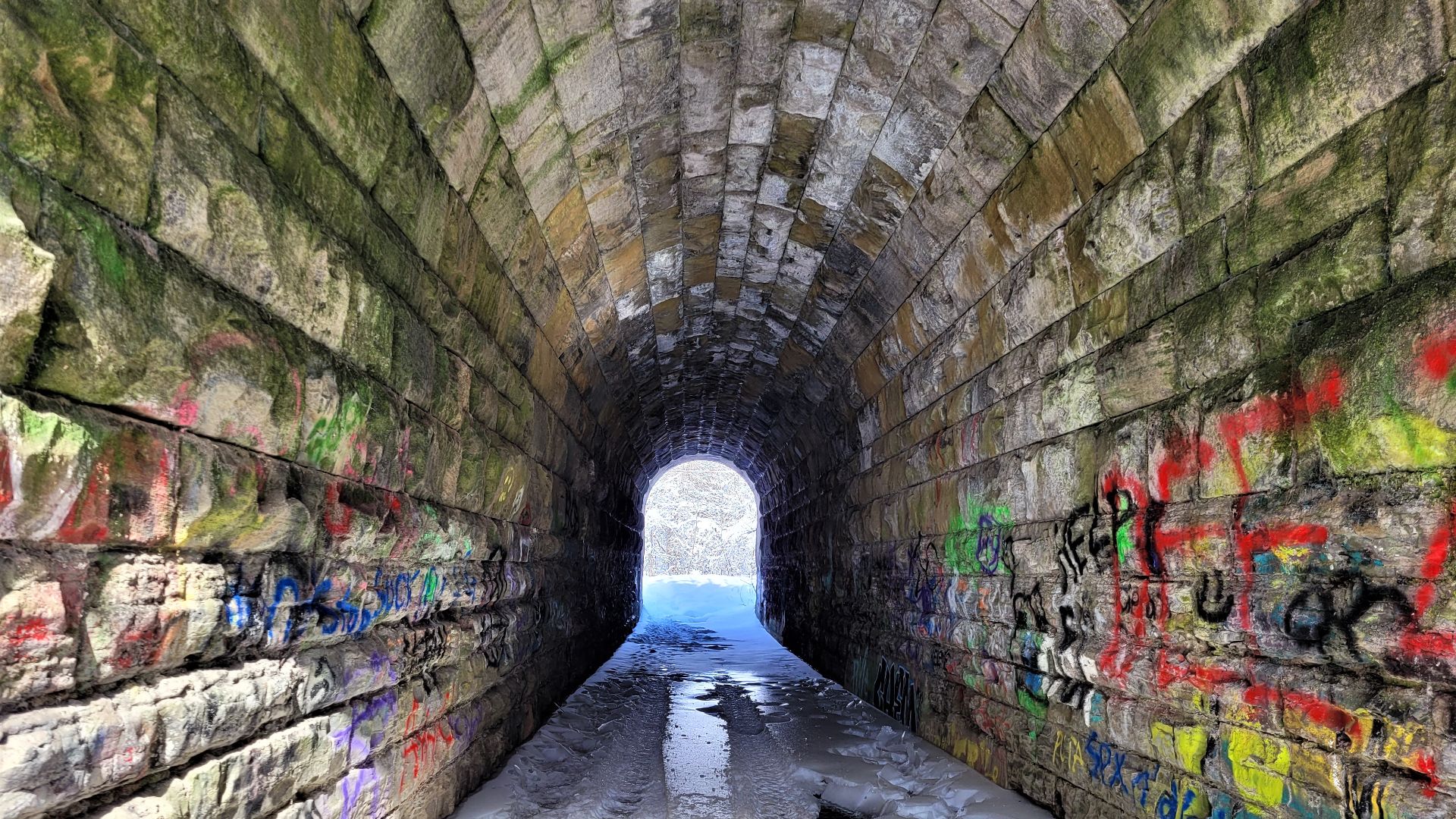
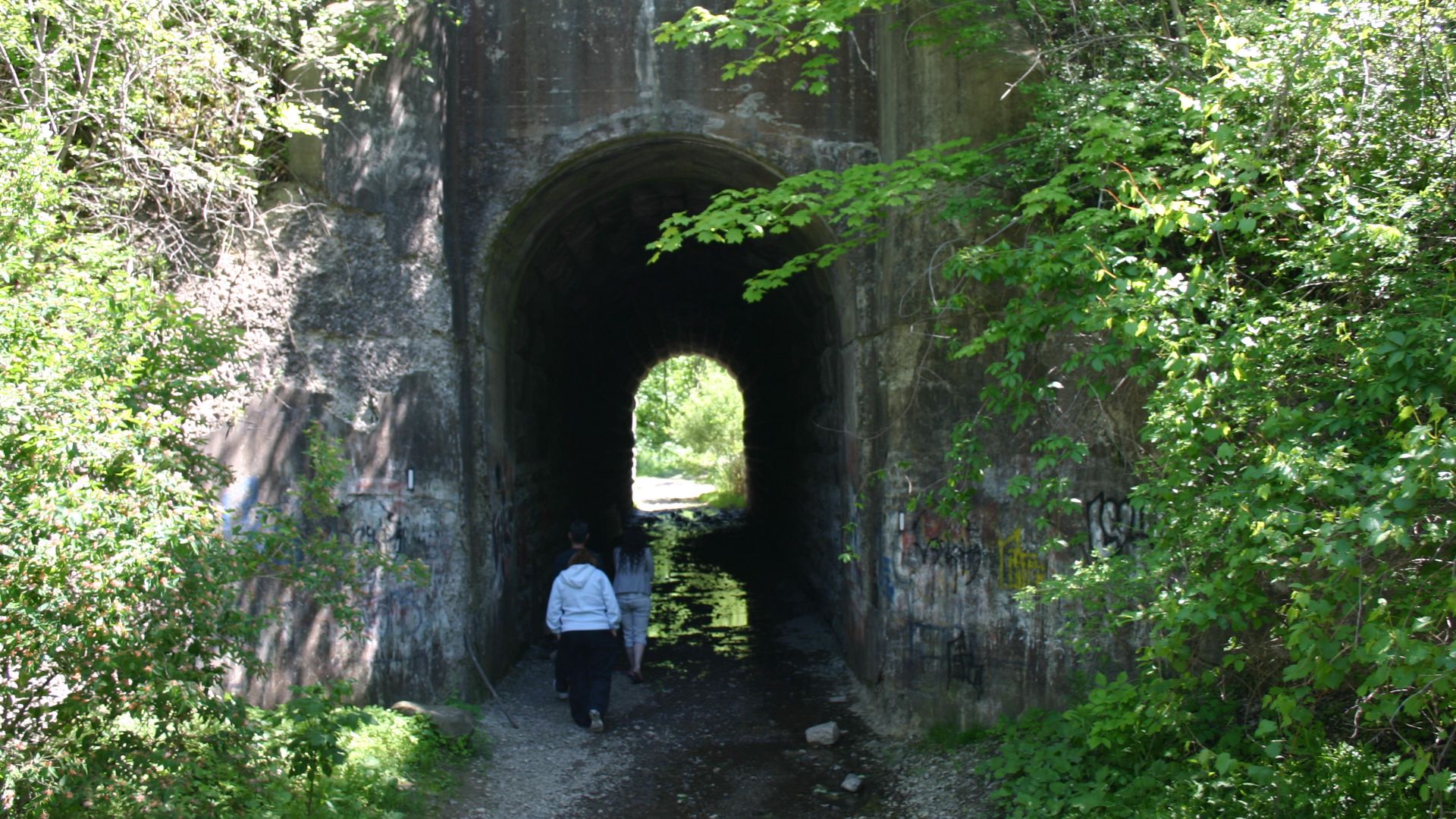
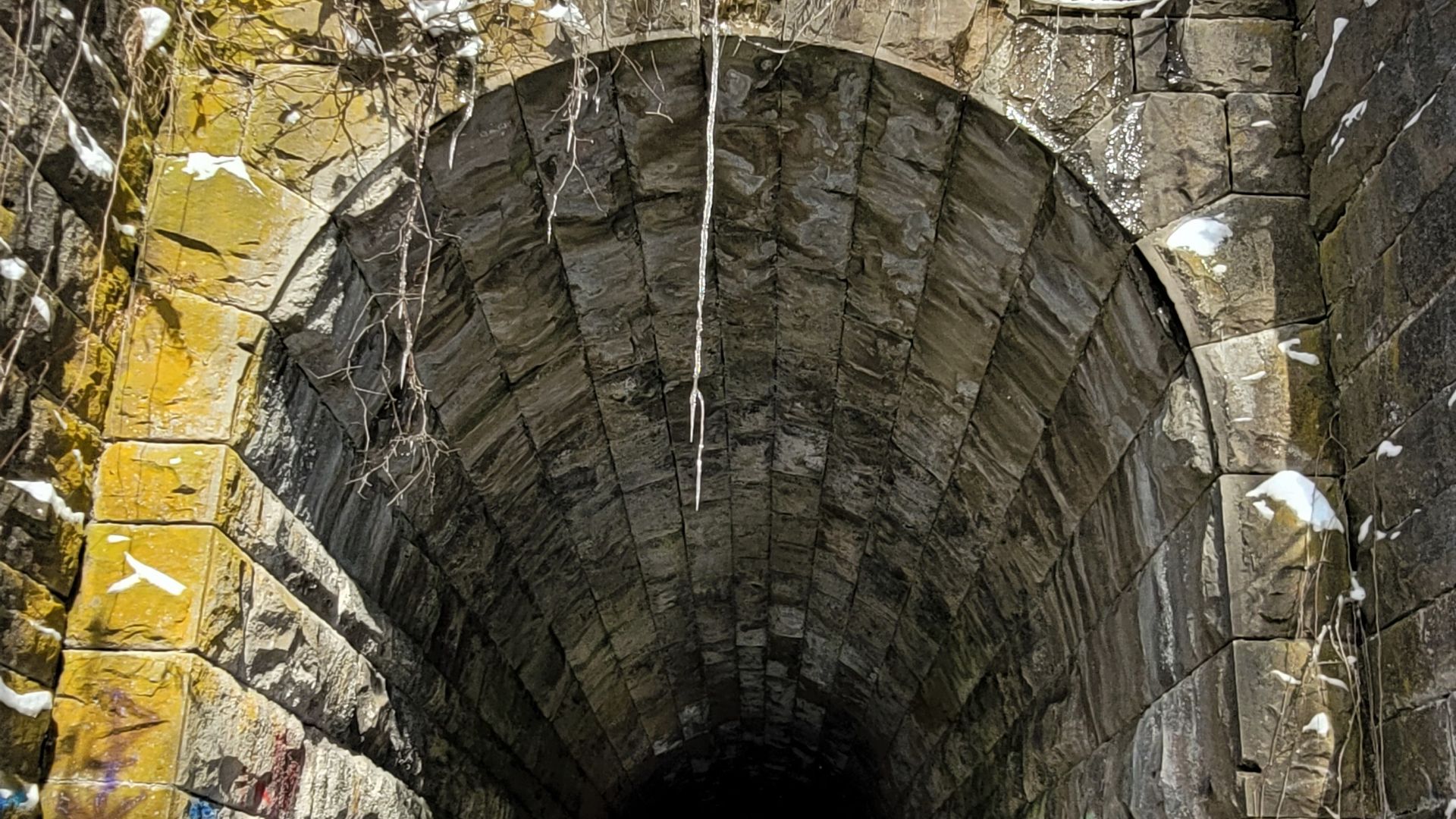
Outside Niagara Falls, Ontario, a short limestone tunnel runs beneath an old railway bed near Warner Road. Roughly 125 feet long, the passage was associated with drainage and provided a way beneath the railway rather than being built as some mysterious underground structure. None of that sounds particularly frightening in daylight. Add darkness, damp stone walls, echoes, and a story about someone dying horribly inside, however, and an ordinary piece of infrastructure becomes one of Ontario's most famous haunted locations.
 Mhsheikholeslami, Wikimedia Commons
The Screaming Tunnel: The Girl Who Supposedly Perished In Flames
The best-known version says a nearby farmhouse or barn caught fire sometime around the turn of the twentieth century. A young girl escaped the burning building, but her clothes had already caught fire. She ran toward the tunnel seeking help and collapsed inside before anyone could save her. According to the legend, her final screams became trapped there somehow, waiting to be heard again whenever somebody recreates one very specific condition.
 saychinqua1, Wikimedia Commons
The Screaming Tunnel: Other Versions Make The Story Even Darker
Like a good urban legend, the Screaming Tunnel story refuses to stay consistent. Another version claims the girl's father deliberately set her on fire after a violent family dispute. Still darker retellings introduce an attacker who took her life and burned her body to conceal the crime. None of these versions has produced convincing historical documentation identifying the supposed victim. The details change, but every telling arrives at the same horrifying image: a burning girl dying alone in the tunnel.
 Mhsheikholeslami, Wikimedia Commons
The Screaming Tunnel: The Match Is Supposed To Summon Her
The ritual attached to the legend is almost as famous as the ghost. Visitors are told to stand inside the tunnel, traditionally around midnight, and strike a wooden match. According to the story, an unexplained gust immediately extinguishes the flame. Then comes a girl's scream echoing through the passage. Niagara Falls Public Library's own historical collection records a version of the match ritual, showing how thoroughly the legend has become part of local folklore. Naturally, a damp, drafty tunnel also provides several less supernatural reasons a match might go out.

The Screaming Tunnel: Hollywood Made The Tunnel Even Creepier
The tunnel eventually acquired a second claim to spooky fame when it appeared in David Cronenberg's 1983 adaptation of Stephen King's The Dead Zone. That connection helped introduce the location to people who had never heard the Niagara legend. Today, hikers encounter the tunnel along the Bruce Trail and can walk directly through it. The haunting remains unverified, but that's almost beside the point. Once someone tells you what you're supposed to hear inside, every drip and echo starts sounding suspicious.
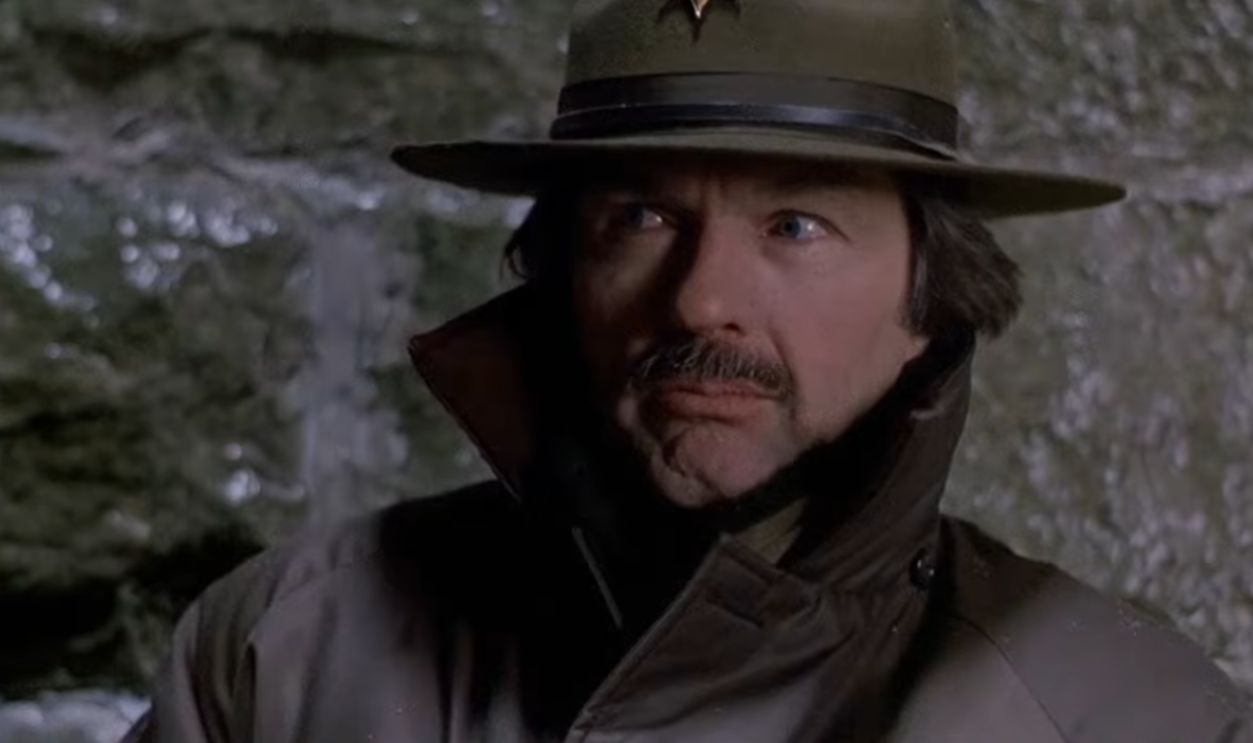 Screenshot from The Dead Zone, Paramount Pictures (1983)
The Monster Of Thetis Lake: Two Teenagers Said Something Came Out Of The Water
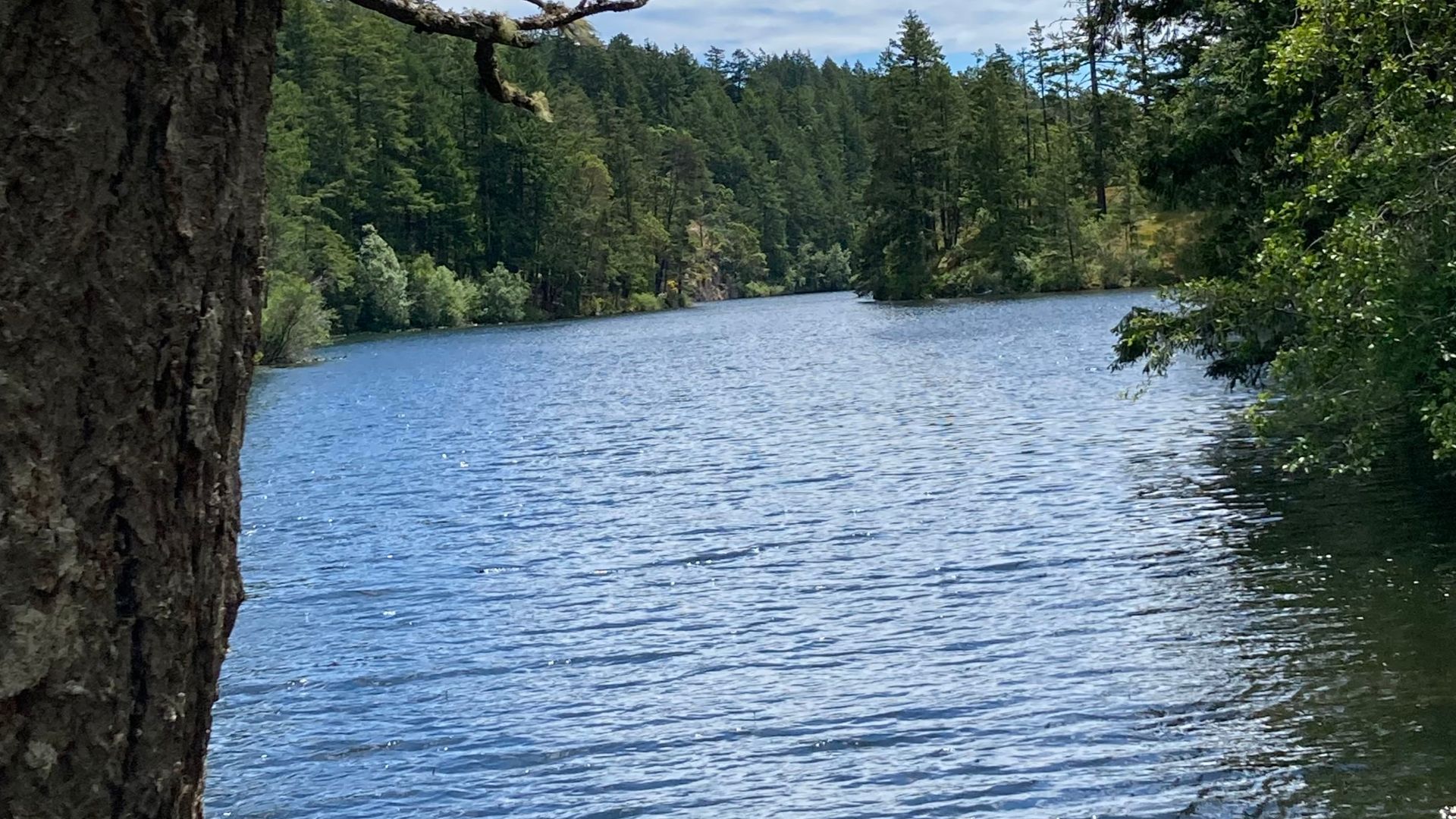
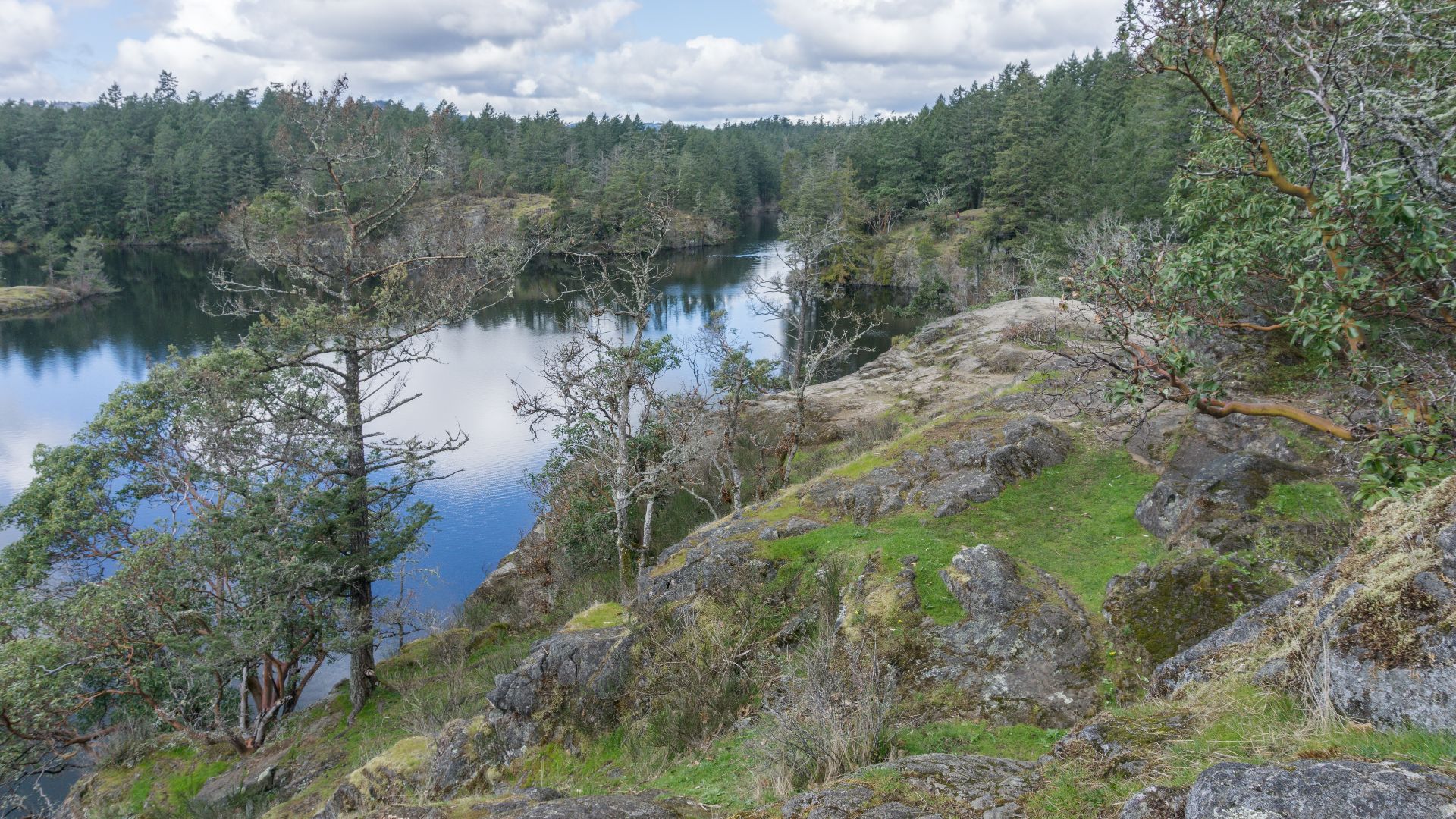
On an August night in 1972, teenagers Gordon Pike and Robin Flewellyn were near Thetis Lake outside Victoria, British Columbia, when they claimed something bizarre approached them from the water. Newspapers described a silvery creature roughly five feet high with a broad, triangular body and frightening features. The boys said they fled toward shore, but not before Flewellyn suffered small cuts or punctures on his hand that were attributed to the creature. Suddenly, Vancouver Island had its own lake monster.
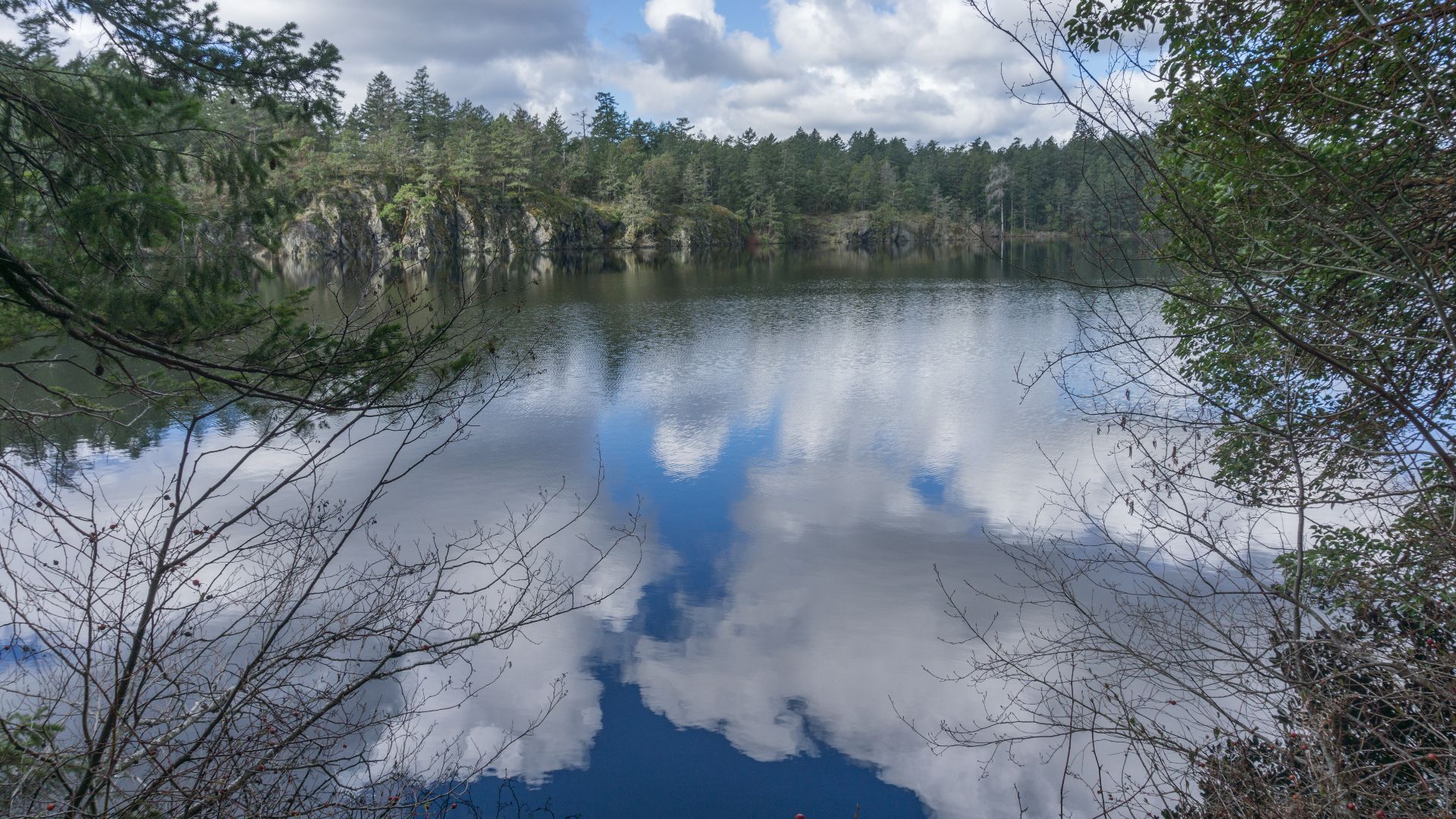 Michal Klajban, Wikimedia Commons
The Monster Of Thetis Lake: It Sounded More Like A Lizard Man Than Nessie
This wasn't a giant serpent glimpsed from hundreds of feet away. Descriptions turned the Thetis Lake creature into something much stranger: a roughly human-sized, scaly being capable of approaching people near shore. Later versions gave it webbed hands, three fingers, spines, and increasingly elaborate reptilian features. Cryptozoology writers eventually grouped it with so-called lizard-man sightings reported elsewhere in North America. But some of those famous details don't actually appear in the earliest newspaper reports, suggesting the monster became more detailed with every retelling.
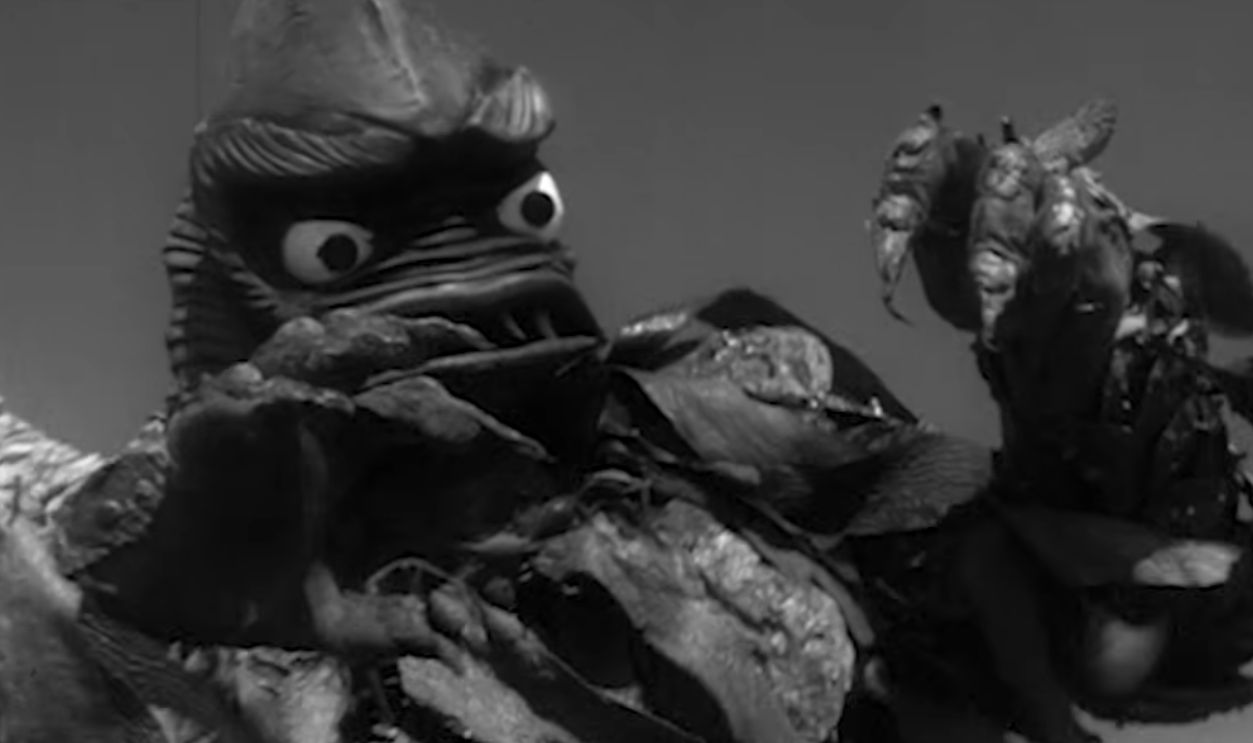 Screenshot from The Beach Girls and the Monster, U.S. Films (1965)
The Monster Of Thetis Lake: More Boys Claimed They Saw It
The initial story caused enough concern that law enforcement looked into the reports. Before long, another pair of young witnesses reportedly claimed to have seen a similar creature while fishing across the lake. That apparent second sighting gave the story a huge boost. One frightened teenager might be mistaken, but several witnesses describing something unusual sounded much more convincing. For decades, paranormal books repeated the additional sighting as evidence that something unexplained really had been wandering around Thetis Lake.
The Monster Of Thetis Lake: A Horror Movie Provided A Suspicious Clue
Researcher Daniel Loxton later went back through contemporary newspapers and television listings, and what he found made the monster look considerably less mysterious. A low-budget creature feature called The Beach Girls and the Monster, also known as Monster From the Surf, had aired on local television shortly before the alleged encounters. Its monster bore an awkward resemblance to the sort of scaly humanoid appearing in the Thetis Lake story. Teenagers reporting a movie-like monster only days after a similar creature appeared on television was quite a coincidence.
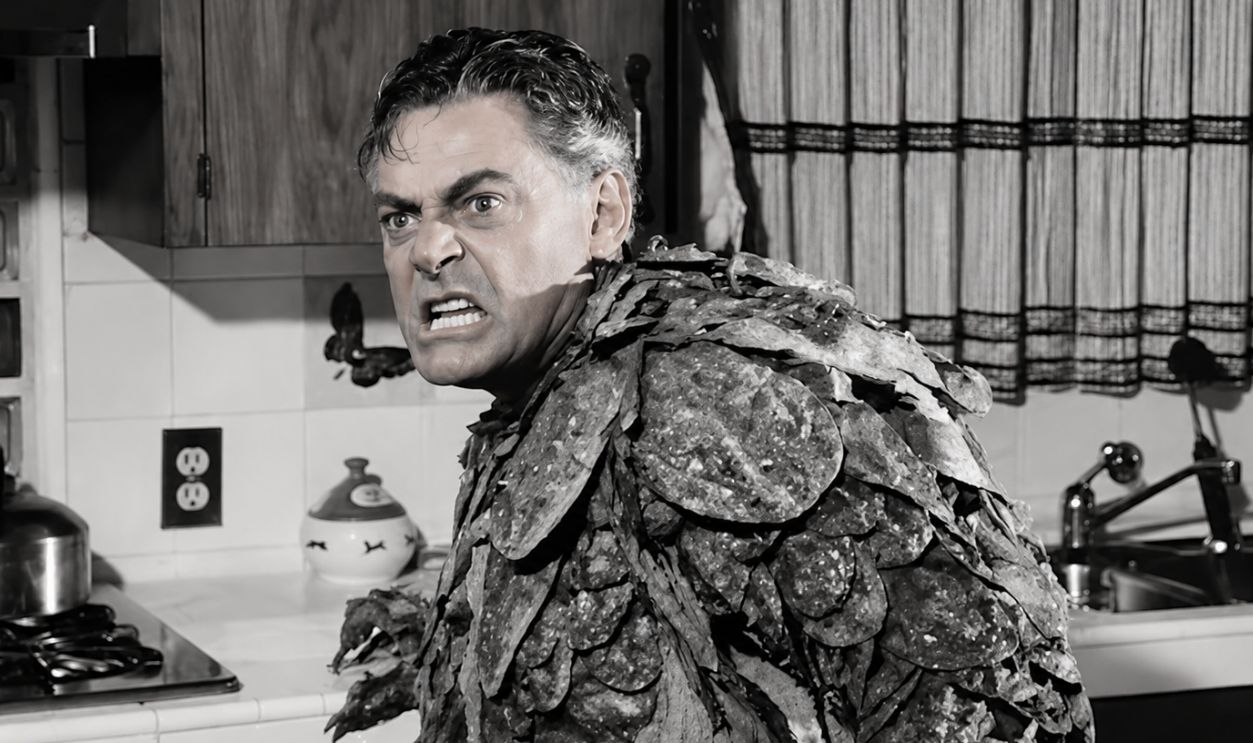 Screenshot from The Beach Girls and the Monster, U.S. Films (1965)
The Monster Of Thetis Lake: One Of The Witnesses Eventually Admitted The Trick
The story weakened further when Loxton tracked down one of the people involved in the later sighting. According to his investigation, the former witness admitted that the encounter had been fabricated for attention. That doesn't necessarily explain every detail of the original teenagers' claim, but it turns the famous second sighting from corroboration into part of the legend-building process. The Thetis Lake Monster survived anyway. Half a century later, a story that appears to contain at least one admitted hoax is still one of British Columbia's best-known cryptid tales.

The Chilling Tale Of Coughlan’s Coffin: A Famous Actor Perished Far From The Place He Loved
The man at the center of this story was actor and playwright Charles Coghlan, whose surname is sometimes rendered differently in retellings of the legend. Coghlan passed on in Galveston, Texas, in November 1899 while touring with his theatrical company. He had strong connections to Prince Edward Island, where he owned a summer property around Fortune Bridge and apparently intended to spend more time. His body was placed inside a metal coffin in a Galveston cemetery vault while his family decided what would happen next.
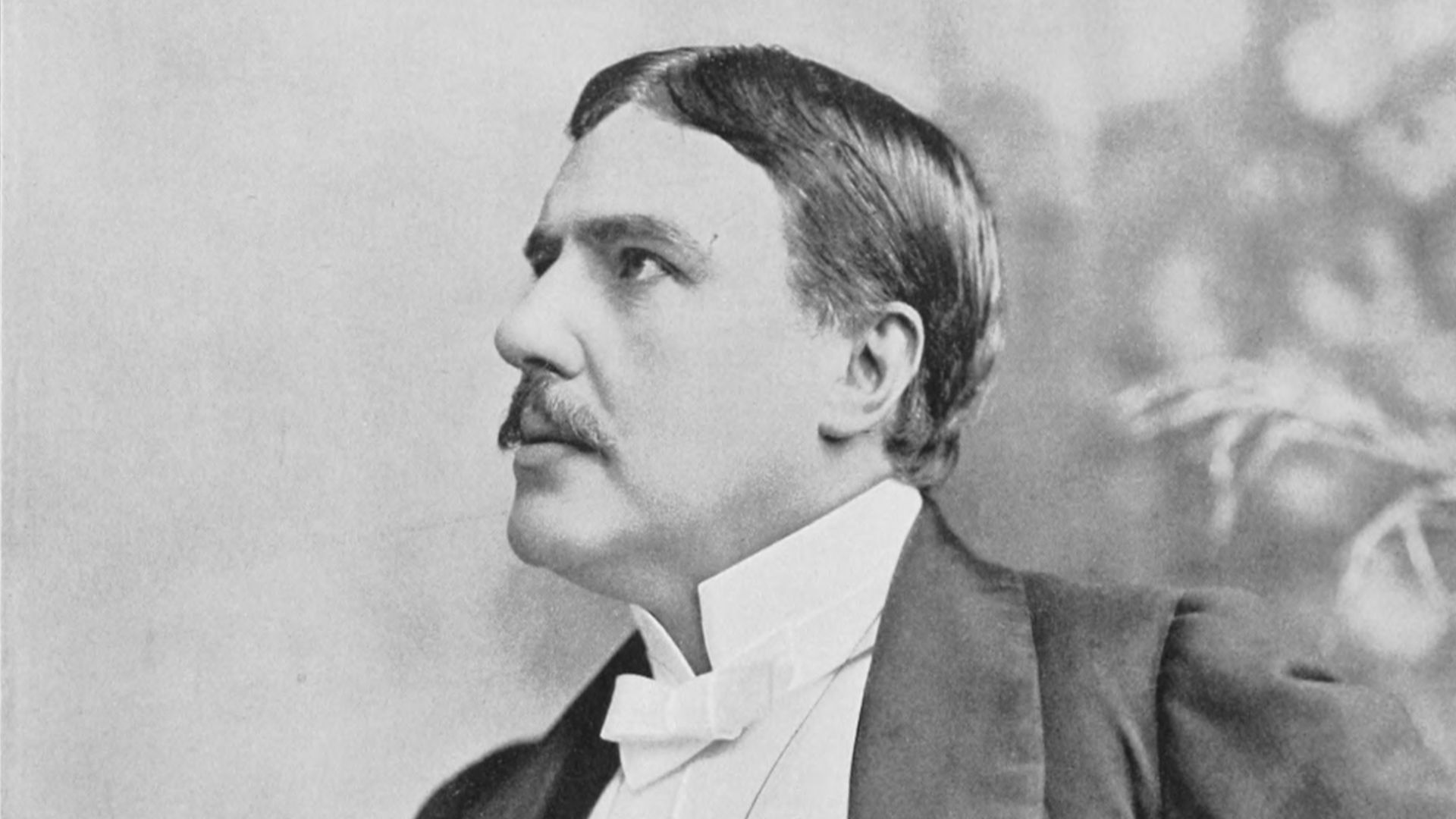 Unknown photographer, Wikimedia Commons
The Chilling Tale Of Coughlan’s Coffin: Then Galveston Was Hit By A Catastrophe
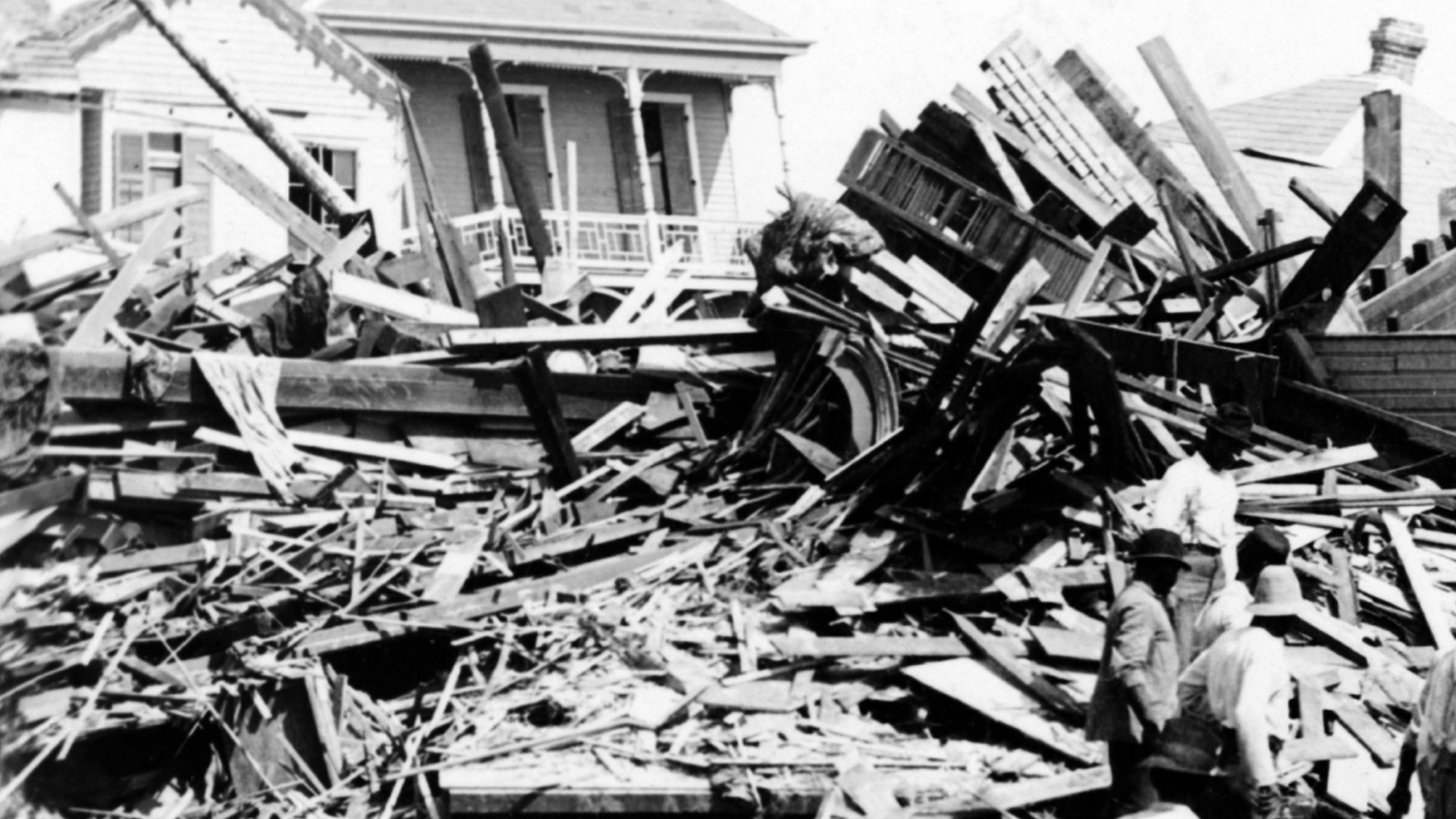
Less than a year later, the Great Galveston Hurricane of 1900 devastated the Texas city and took the lives of thousands of people. Storm surge tore through cemeteries as well as homes and businesses, dislodging coffins and carrying human remains away. Coghlan's casket disappeared from the receiving vault. That part isn't folklore. Contemporary reports really did describe his coffin as missing after the disaster. From this grim historical starting point, however, the story eventually made an extraordinary journey north.
The Chilling Tale Of Coughlan’s Coffin: The Coffin Supposedly Sailed Home To Prince Edward Island
According to the famous version, Coghlan's sealed metal coffin was swept into the Gulf of Mexico and somehow entered currents that carried it around Florida, up the Atlantic coast, and into the Gulf of St Lawrence. Years later, fishermen supposedly discovered it near Prince Edward Island, remarkably close to the place Coghlan had considered home. Some versions have the coffin traveling roughly 2,000 miles before coming ashore. It was the sort of coincidence made for Ripley's Believe It or Not!.

The Chilling Tale Of Coughlan’s Coffin: Later Retellings Made It Feel Like Destiny
The tale became even better as storytellers added details. One version claimed a fortune teller had predicted that Coghlan would never truly rest until he returned home. Another gave him a theatrical final declaration that he would return to Prince Edward Island no matter what stood in his way. Eventually the story became less about ocean currents and more about the departed actor somehow compelling his own coffin toward the island he loved. There's just one inconvenient historical discovery standing in the way.
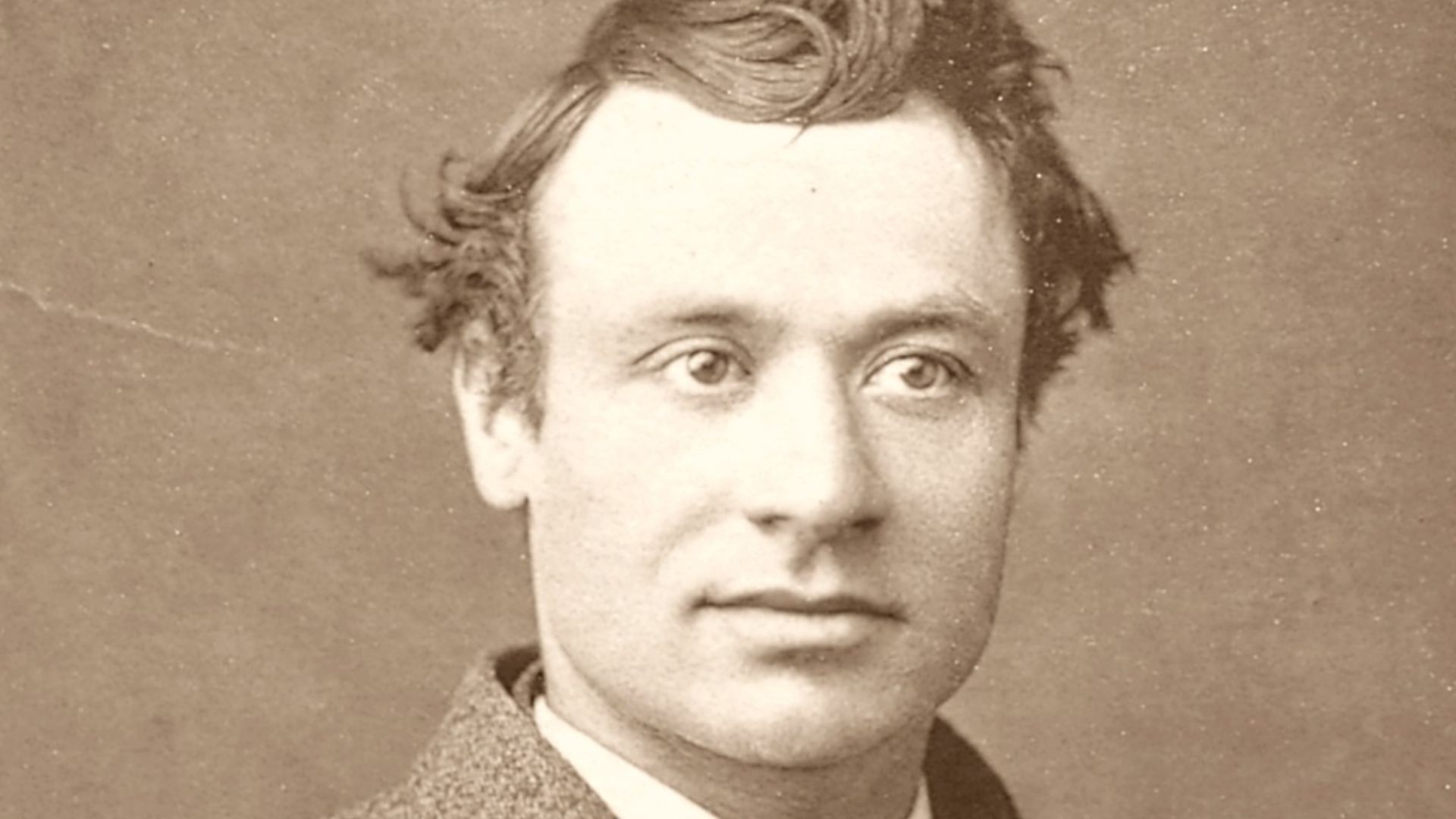 Unknown authorUnknown author, Wikimedia Commons
The Chilling Tale Of Coughlan’s Coffin: His Coffin Apparently Never Made It To Canada
Contemporary reporting indicates that Coghlan's coffin was recovered in January 1907, but not on Prince Edward Island. Hunters reportedly found it partially submerged in a marsh only several miles from Galveston. The spectacular Canadian homecoming story seems to have appeared years later, with an early published version turning up in actor Johnston Forbes-Robertson's 1925 memoir before Robert Ripley's illustrations helped popularize it. The real story is still extraordinary. A hurricane really did take an actor's coffin. It just probably didn't carry him all the way home.
 Miscellaneous Items in High Demand, PPOC, Library of Congress, Wikimedia Commons
The Vanished Village Of Angikuni Lake: A Trapper Arrived And Found Everyone Gone
The legend of Angikuni Lake begins with a scene straight out of horror fiction. In 1930, trapper Joe Labelle supposedly approached an Inuit camp beside the remote Nunavut lake expecting food, company, and shelter. Instead, he found tents standing empty and nobody answering his calls. According to the earliest newspaper account, roughly 25 people associated with six tents had disappeared. There were supposedly signs that the inhabitants had left in an unusual hurry, yet nobody seemed to know where they had gone.
 N. Perrault, auteur du guide complet du canotage, Wikimedia Commons
The Vanished Village Of Angikuni Lake: Later Versions Made The Scene Much Stranger
As the story passed from newspaper articles into paranormal books, the vanished settlement acquired increasingly creepy details. Meals were supposedly abandoned before they could be eaten. A child's garment remained unfinished with a needle still stuck in it. Sled dogs were discovered lifeless from starvation despite food supposedly being available nearby. Some retellings claimed graves had been opened and bodies removed. Eventually the population grew from a few dozen missing people to hundreds or even thousands, an excellent example of how urban legends expand with repetition.
 FOTO:Fortepan — ID 60849: Adományozó/Donor: Lencse Zoltán., Wikimedia Commons
The Vanished Village Of Angikuni Lake: Then The UFOs Arrived
The earliest versions didn't require extraterrestrials. Later ones apparently decided the mystery wasn't strange enough. Stories appeared about mysterious lights crossing the Arctic sky around the time of the disappearance, encouraging theories that the entire community had been abducted. The empty graves were folded neatly into this interpretation, as though whatever took the living had returned for the departed. Once those additions appeared in books and television programs, Angikuni became both a Canadian disappearance legend and a UFO mystery.
 maxime raynal from France, Wikimedia Commons
The Vanished Village Of Angikuni Lake: The Original Newspaper Story Really Did Exist
For years, skeptics sometimes claimed the Angikuni story didn't appear until paranormal writer Frank Edwards published it in his 1959 book Stranger Than Science. That turned out to be incorrect. Researchers eventually located genuine newspaper stories from 1930 by journalist Emmett E. Kelleher describing the alleged disappearance. Joe Labelle also appears to have been a real trapper. Finding the original article makes the legend older than some debunkers once thought, but it doesn't prove that a village actually vanished.
 Anonymous, Wikimedia Commons, Modified
The Vanished Village Of Angikuni Lake: The Mounties Found No Missing Village
The RCMP's position has long been that no mass disappearance matching the legend occurred. A 1931 inquiry attributed to Sergeant J Nelson concluded there was no foundation for the story and questioned several aspects of the newspaper account. One photograph used alongside the tale was reportedly traced to an unrelated image taken years earlier. Later researchers have also pointed out how dramatically the details changed with each retelling. So the best-documented thing to disappear at Angikuni may not have been a village at all. It may have been the boundary between a sensational newspaper story and a legend people desperately wanted to believe.
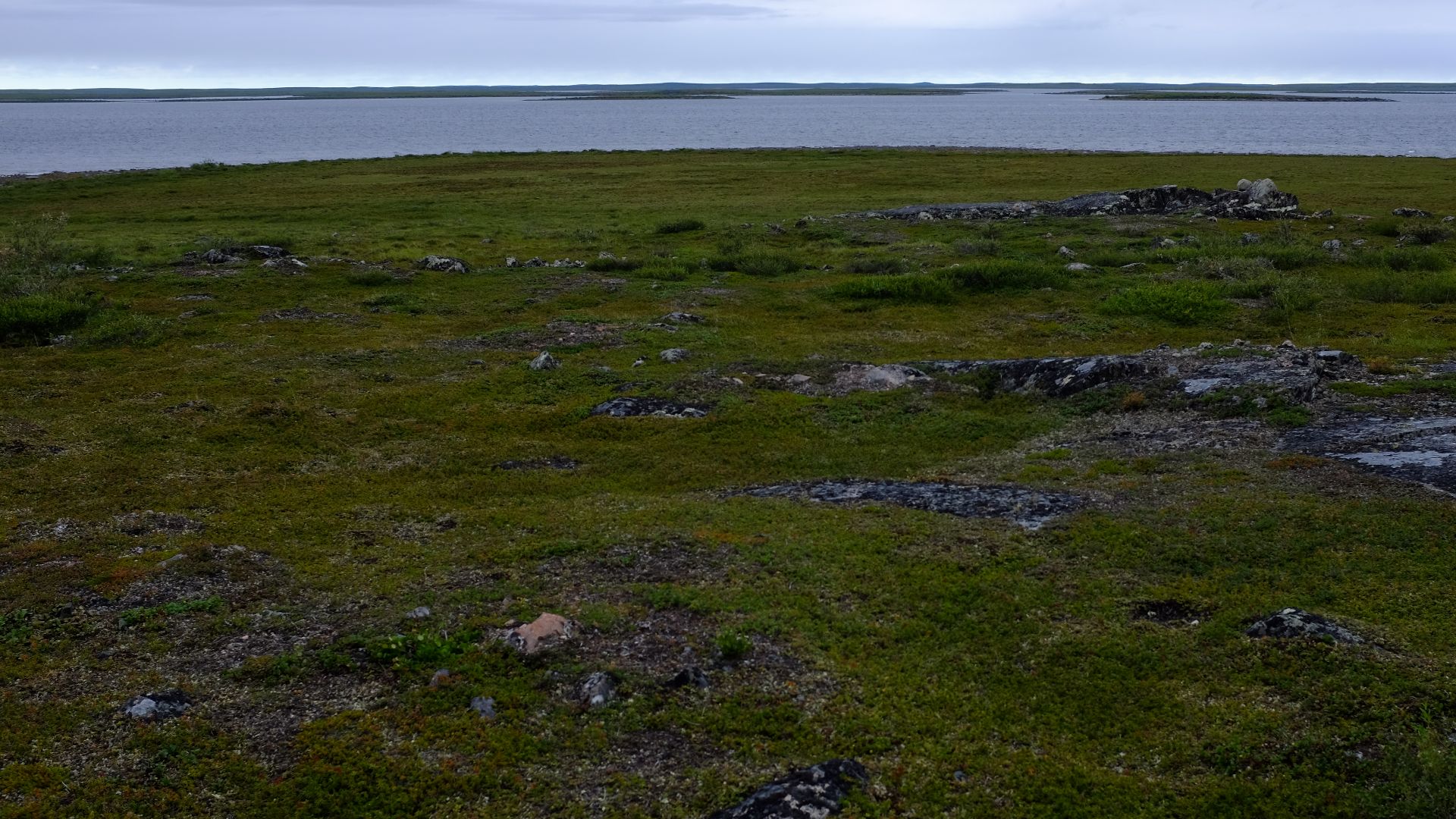 N. Perrault, auteur du guide complet du canotage, Wikimedia Commons
The Dungarvon Whooper: Something Was Screaming In The New Brunswick Woods
Long before highways crossed central New Brunswick, lumber camps filled the forests around the Dungarvon River. Workers spent months in remote camps where darkness, isolation, and strange animal noises were part of everyday life. Out of that environment came one of the province's most enduring ghost stories. Lumbermen began telling of a horrifying cry that echoed through the woods at night, a sound somewhere between a scream and a whoop. According to the legend, it wasn't an animal; it belonged to a dead man who had been slain nearby.
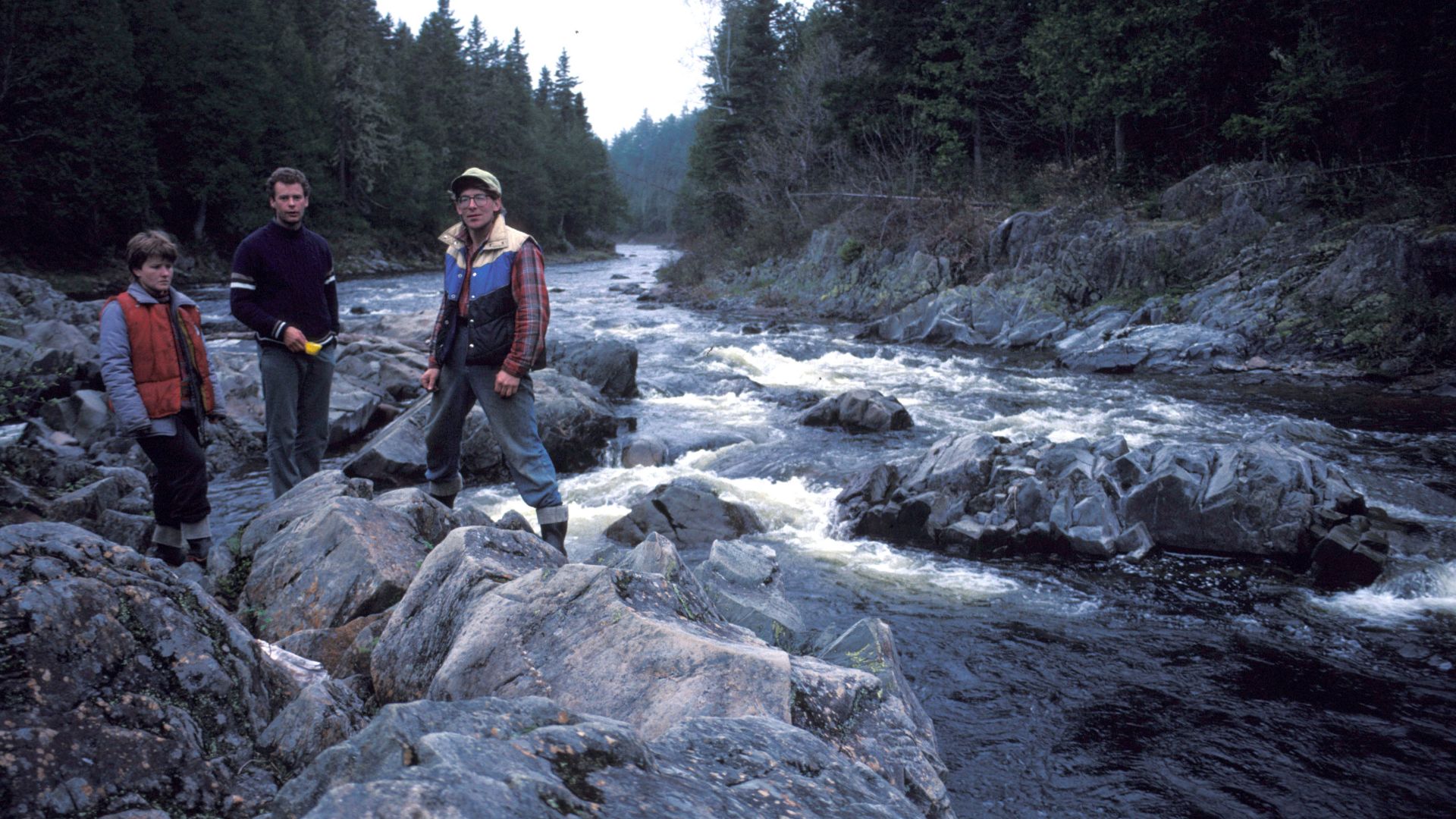
The Dungarvon Whooper: A Young Cook Was Supposedly Slain For His Money
The most famous version centers on a young Irish camp cook, often called Ryan, who was known to carry his savings in a money belt. One day, while most of the lumbermen were away from camp, the camp boss supposedly slew Ryan and took the money. When the workers returned, they were told that the cook had suddenly become ill and passed on. With little reason to question the explanation, they buried him in the forest. That night, however, an awful screaming sound reportedly began coming from the direction of the grave.
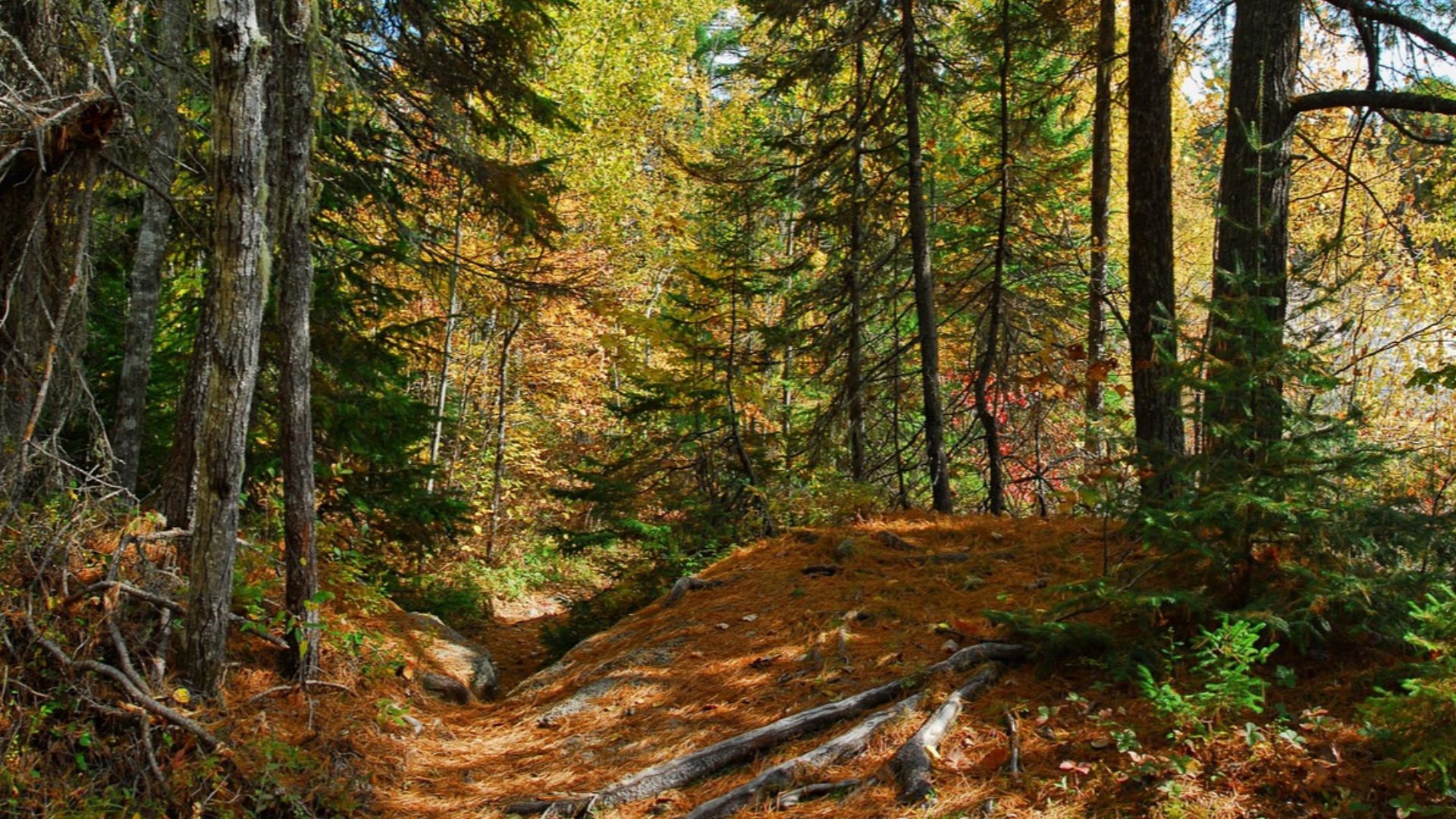
The Dungarvon Whooper: The Whooping Followed The Lumbermen Through The Forest
The sound supposedly became so unbearable that the frightened lumbermen abandoned the camp. Later stories claimed travelers could still hear Ryan's cries around the Dungarvon River, particularly during dark or stormy nights. Some described the sound as a human scream, while others compared it to a baby wailing somewhere deep in the forest. One oral-history account collected in New Brunswick even describes the noise seeming to move around a listener as he walked home. The Dungarvon Whooper became unusual among ghost stories because people generally didn't claim to see it. They heard it.
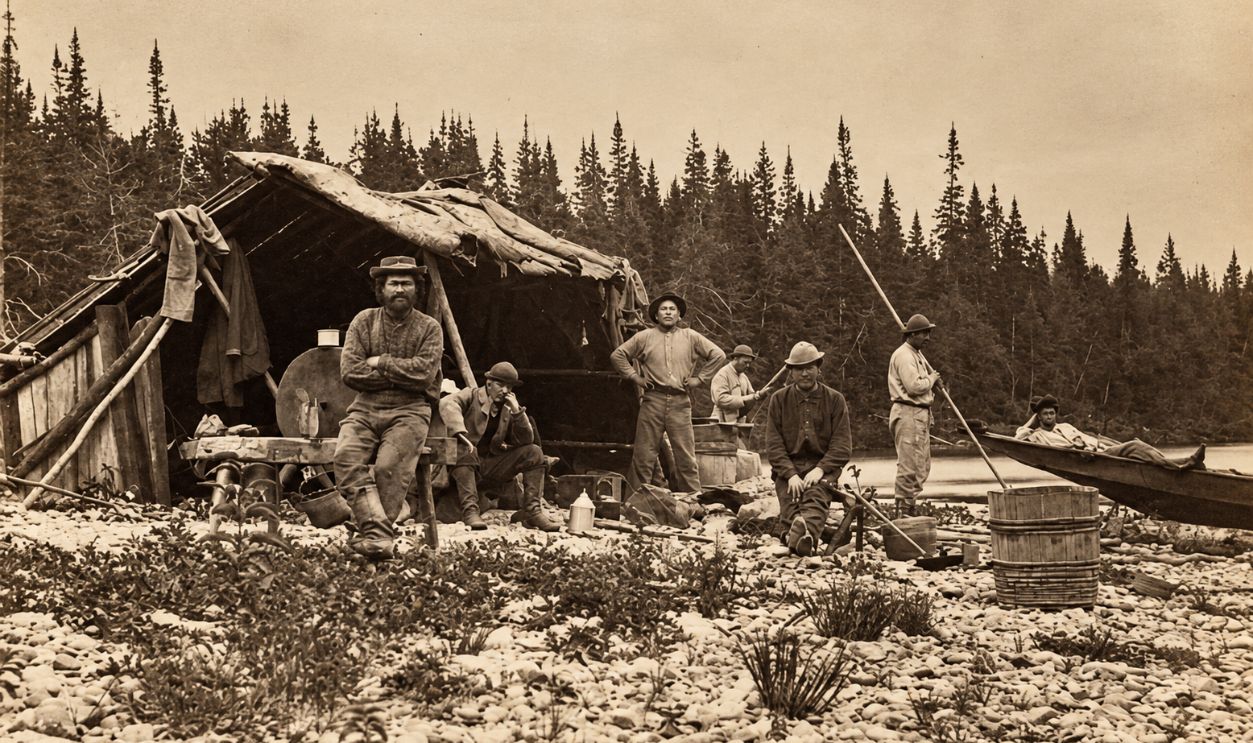 George Thomas Taylor, Wikimedia Commons, Modified
The Dungarvon Whooper: A Priest Was Supposedly Called In To Silence The Ghost
Eventually, the noises became disturbing enough that local legend says a Catholic priest named Father Edward Murdoch traveled to the area and performed a religious ceremony at the supposed gravesite. Some versions say the screaming stopped completely after the exorcism. Others insist it occasionally returned. Another piece of folklore warned people against disturbing the grave at all, claiming that anyone who struck the ground or tampered with it could cause the Whooper to rise screaming again. There were even stories that flowers mysteriously grew over the grave during winter.

The Dungarvon Whooper: Nobody Can Agree On What Actually Happened
The slain-cook version eventually became the standard story, but olFsder oral traditions contain very different explanations. In one, the cook simply became sick and perished while the other lumbermen were away, and his restless spirit cried out because he hadn't received a proper religious burial. Other tales tried to explain the screams as animals, tree branches rubbing together, or something even stranger living in the woods. Whatever started the story, it became deeply embedded in New Brunswick folklore. Canada Post even featured the Dungarvon Whooper on a Haunted Canada stamp in 2016, giving the screaming ghost an unexpectedly official afterlife.

Final Thoughts
What makes these legends linger isn’t just the possibility that something supernatural happened. It’s the way real places, half-remembered tragedies, newspaper stories, local folklore, and outright invention blur together over time. A scream in a tunnel becomes a ghost ritual. A strange lake sighting grows into a monster. A missing coffin turns into a supernatural homecoming, and a remote northern camp becomes the setting for a mystery nobody can verify. The facts may shift, but the stories survive, usually because they’re just believable enough to make you think twice the next time you’re alone somewhere dark.
 Michal Klajban, Wikimedia Commons
You May Also Like:
Every American State's Most Iconic Urban Legend
Disney Parks Urban Legends And Secrets
The Most Haunted Hotel In Every Major American City—Would You Stay Overnight?