The Ice Gives Up Its Secrets
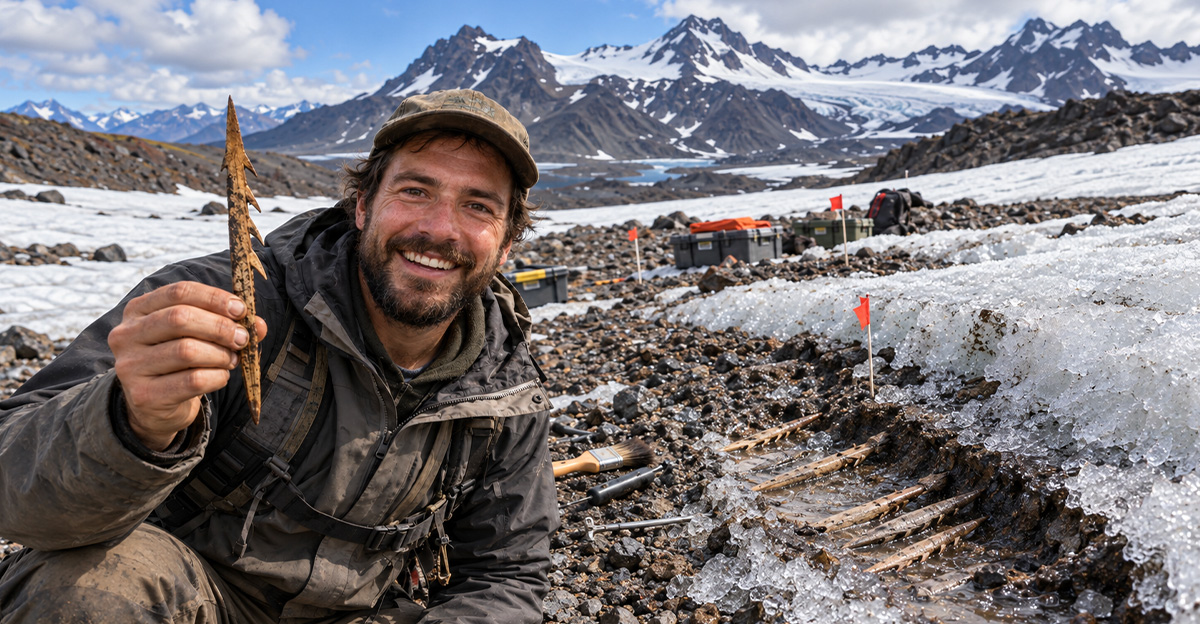
High in northwestern British Columbia, archaeologists have been finding something extraordinary as patches of old ice retreat. Wooden tools, hide, bark containers, and hunting equipment have emerged after spending thousands of years frozen in place. Among those discoveries was a remarkably preserved wooden foreshaft once belonging to an ancient projectile weapon.
This Was No Ordinary Archaeological Site
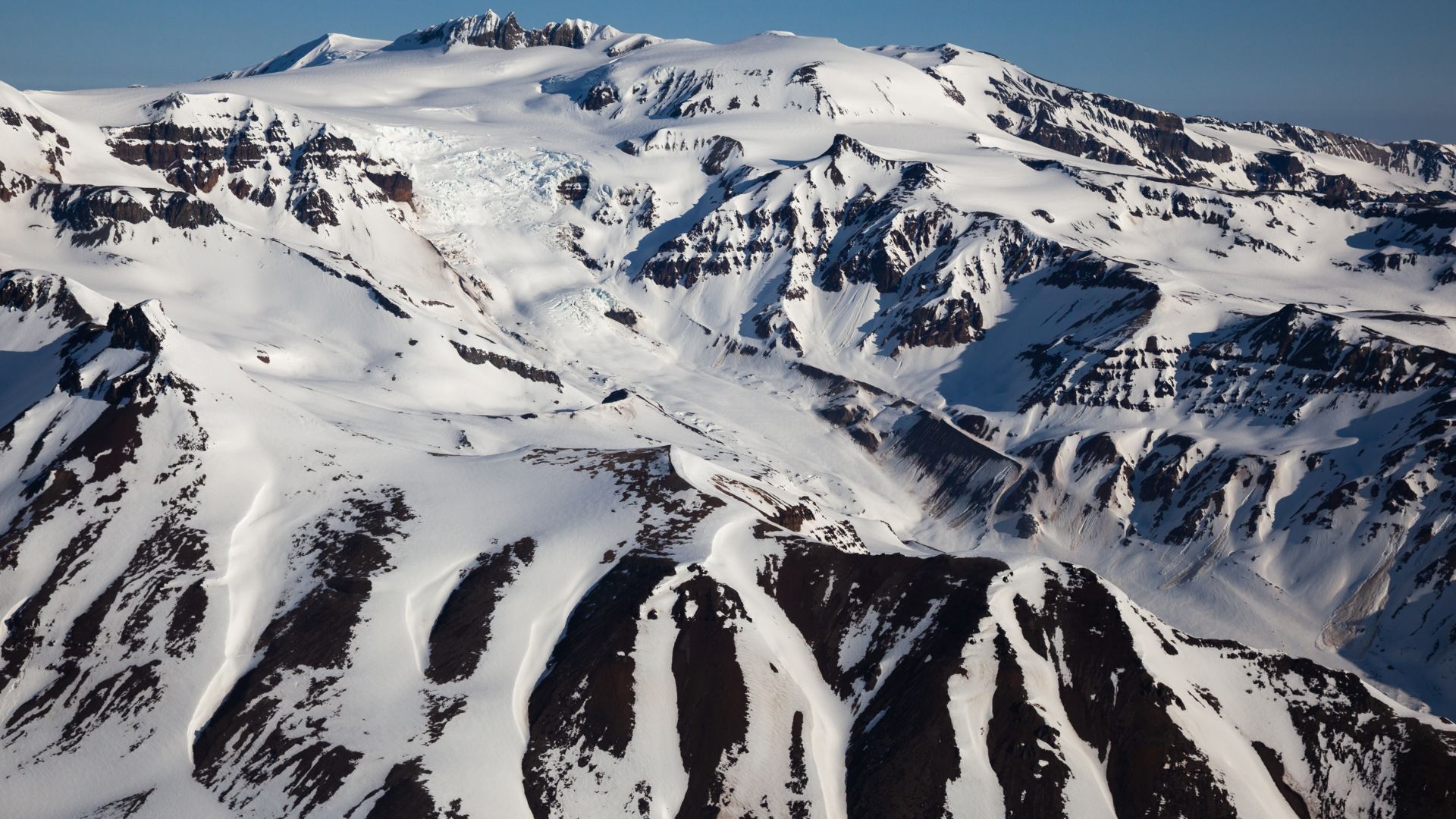
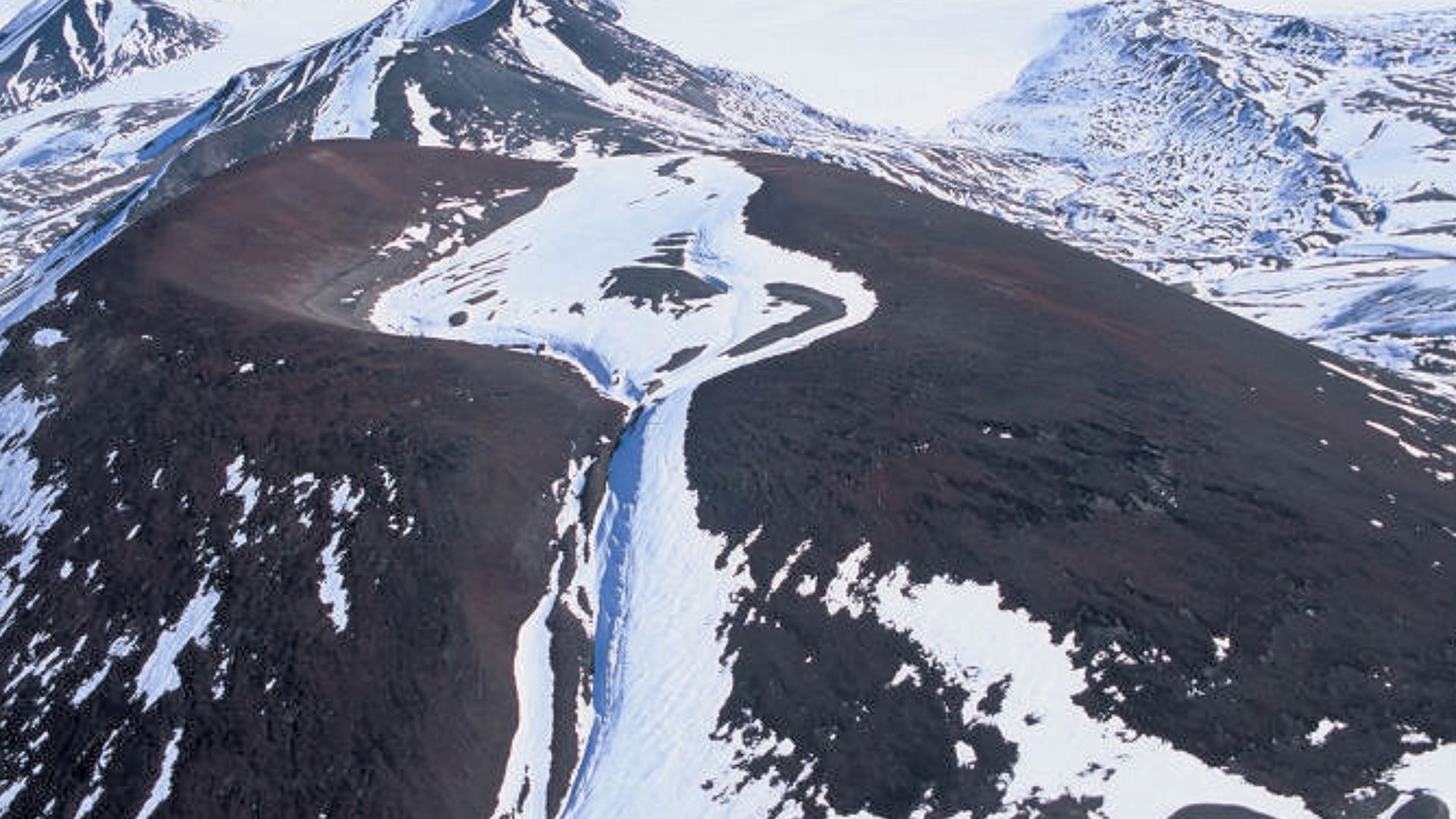
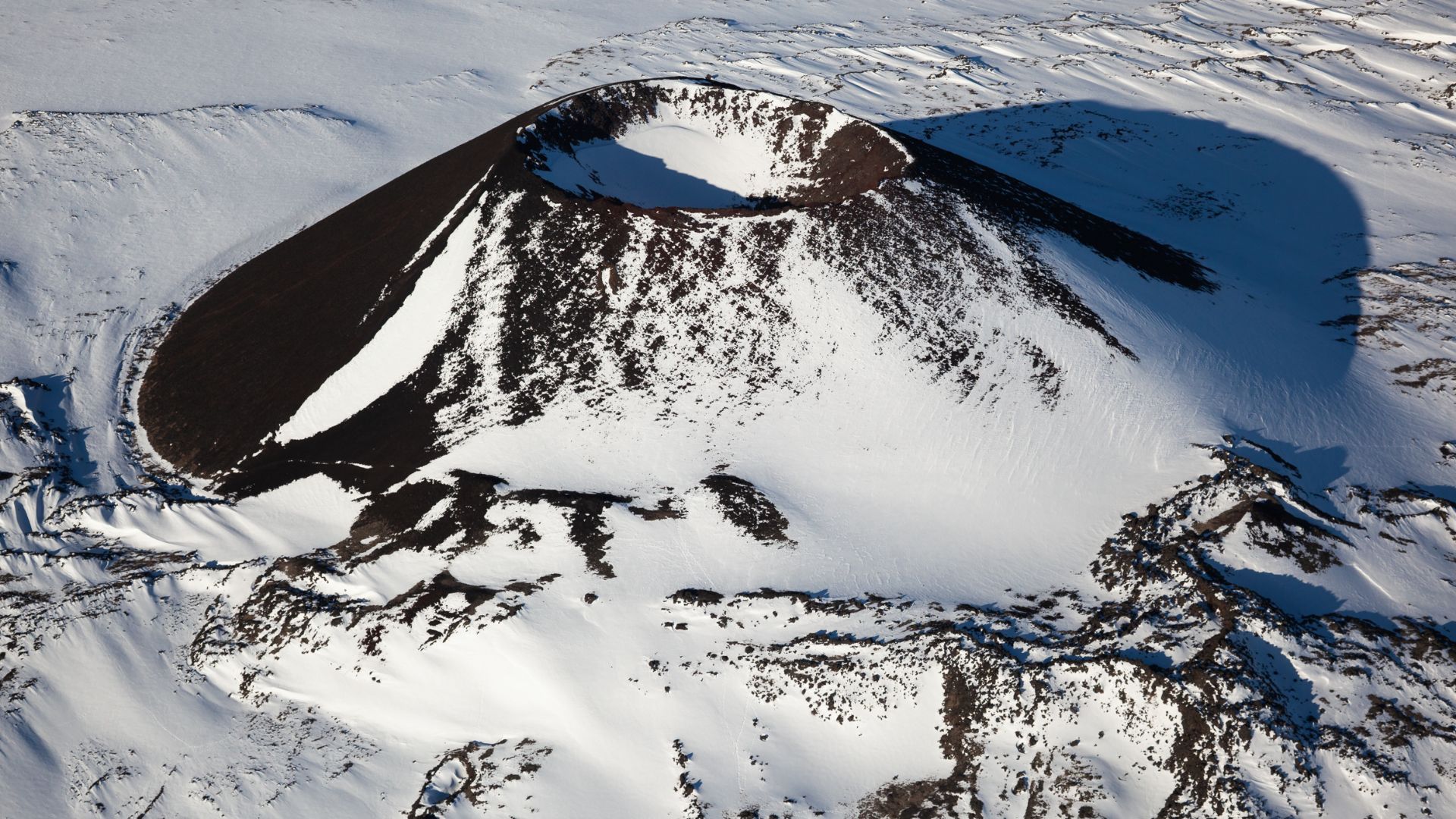
The discoveries came from Mount Edziza Provincial Park, a huge volcanic landscape covering more than 230,000 hectares of the Tahltan Highlands. It is remote, rugged, and largely above the places where archaeologists usually expect delicate organic objects to survive. That made the finds especially surprising.
 John Scurlock, Wikimedia Commons
Welcome To Tahltan Territory
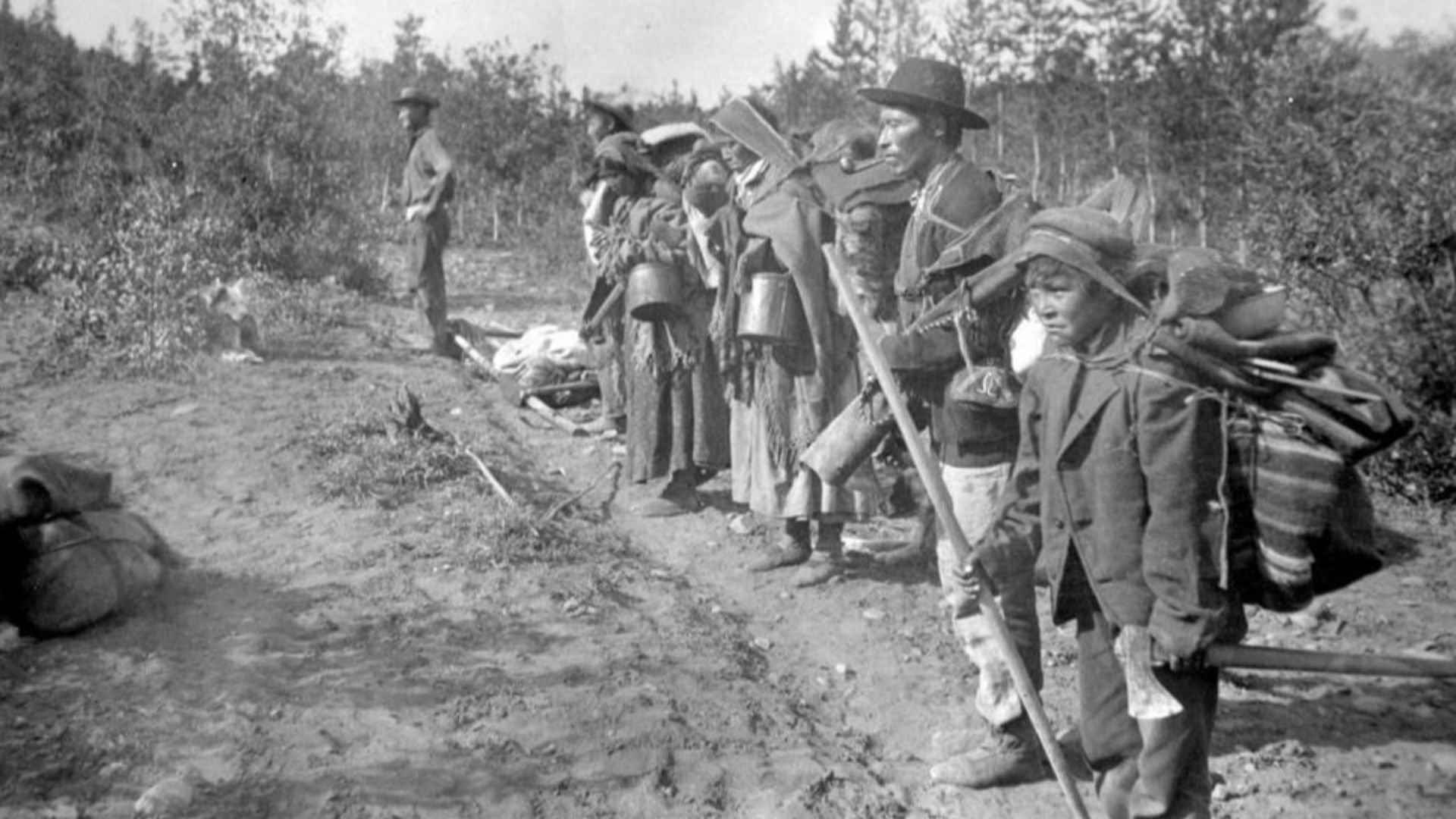
Mount Edziza lies within Tahltan Territory and remains culturally important to the Tahltan Nation. Archaeologists did not stumble into an empty wilderness. They were working in a landscape Indigenous people had travelled, quarried, hunted, gathered from, and understood for generations extending deep into the archaeological past.
 Andrew Jackson Stone, Wikimedia Commons
Why Archaeologists Looked At The Ice
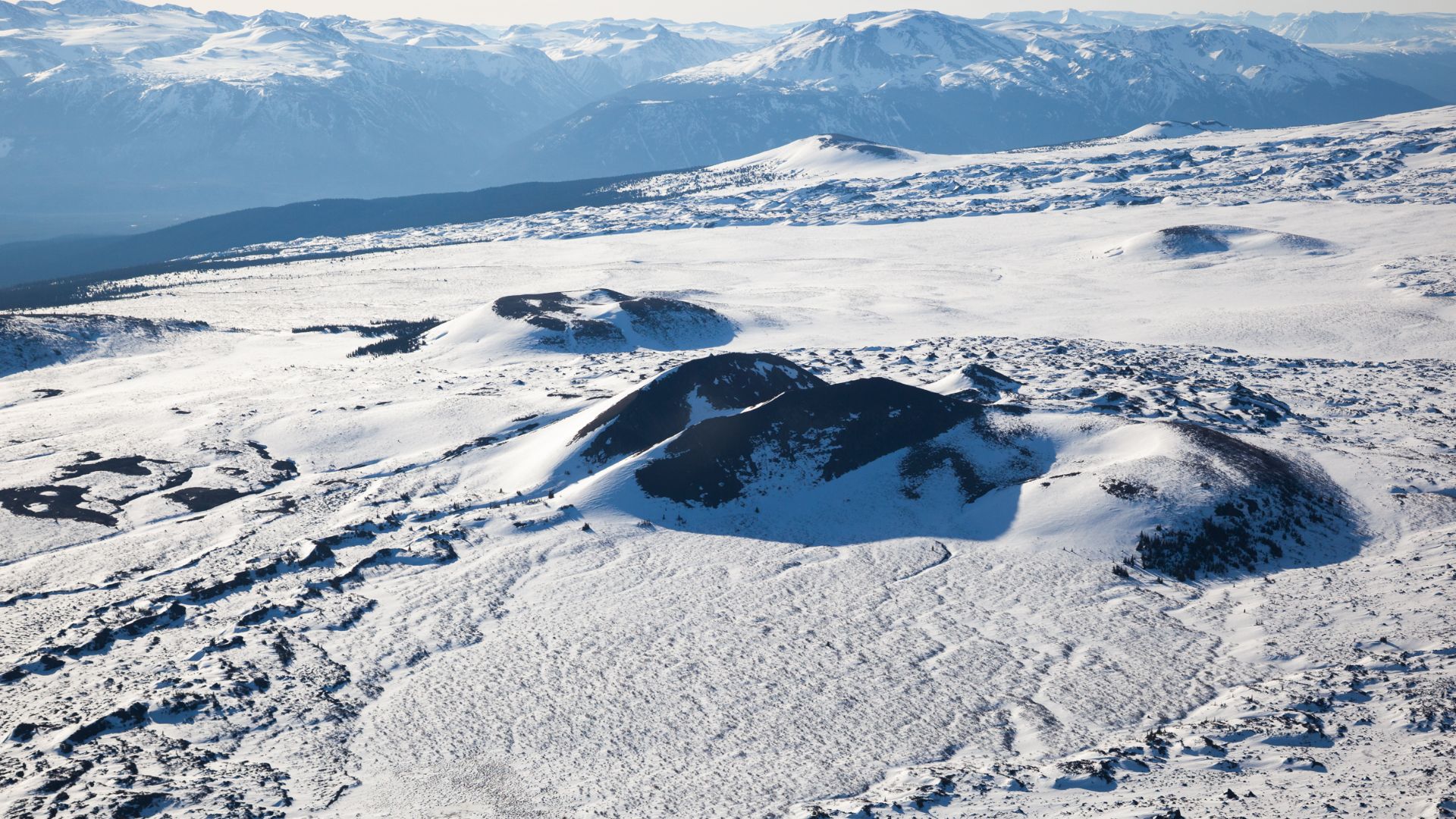
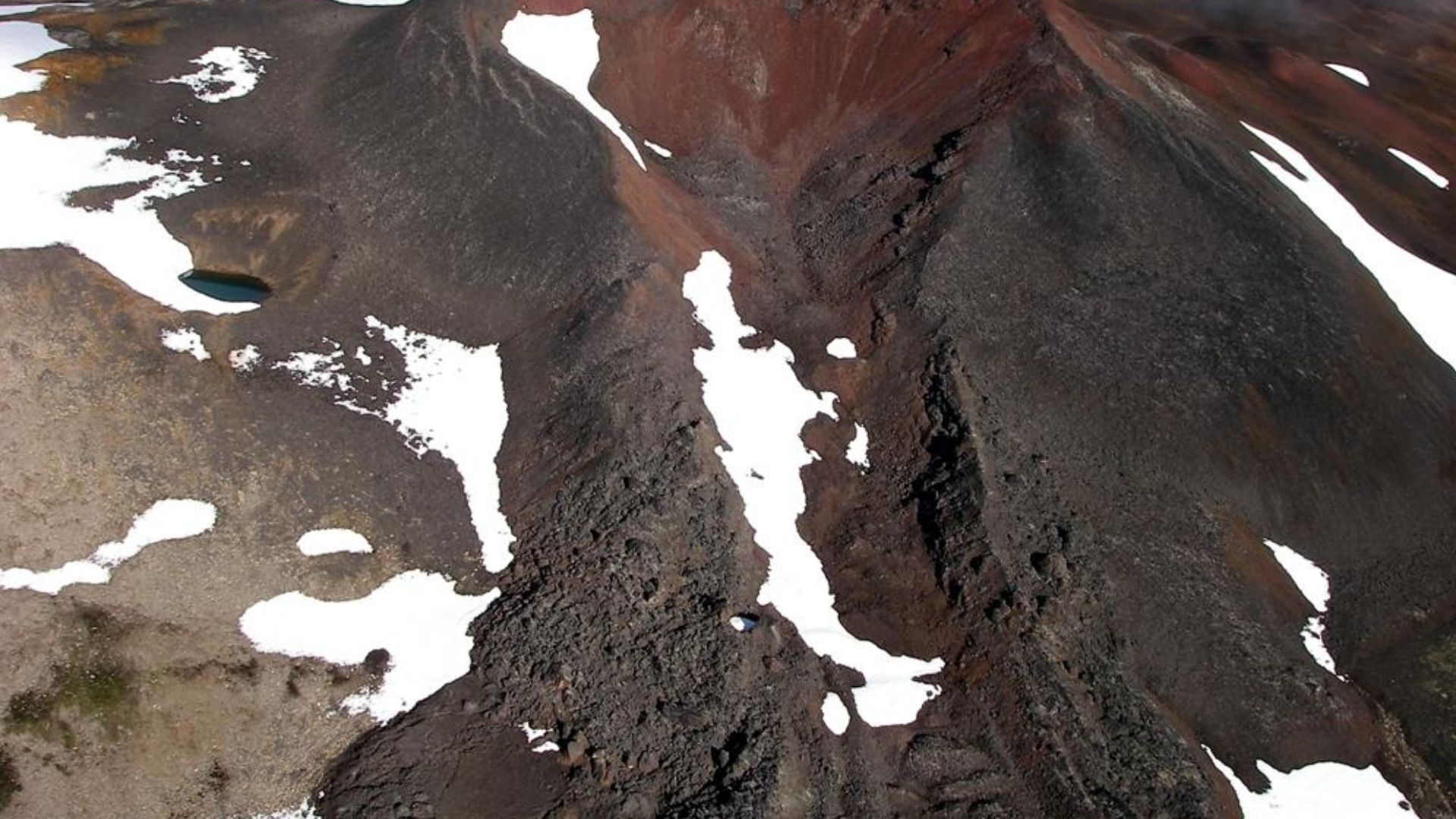
Researchers already knew Mount Edziza was famous for its enormous obsidian deposits. Ancient quarrying had left countless flakes, cores, tools, and pieces of raw volcanic glass scattered across the landscape. What had received much less attention were the shrinking ice patches sitting beside these archaeological riches.
 John Scurlock, Wikimedia Commons
Then The Snowpack Shrunk
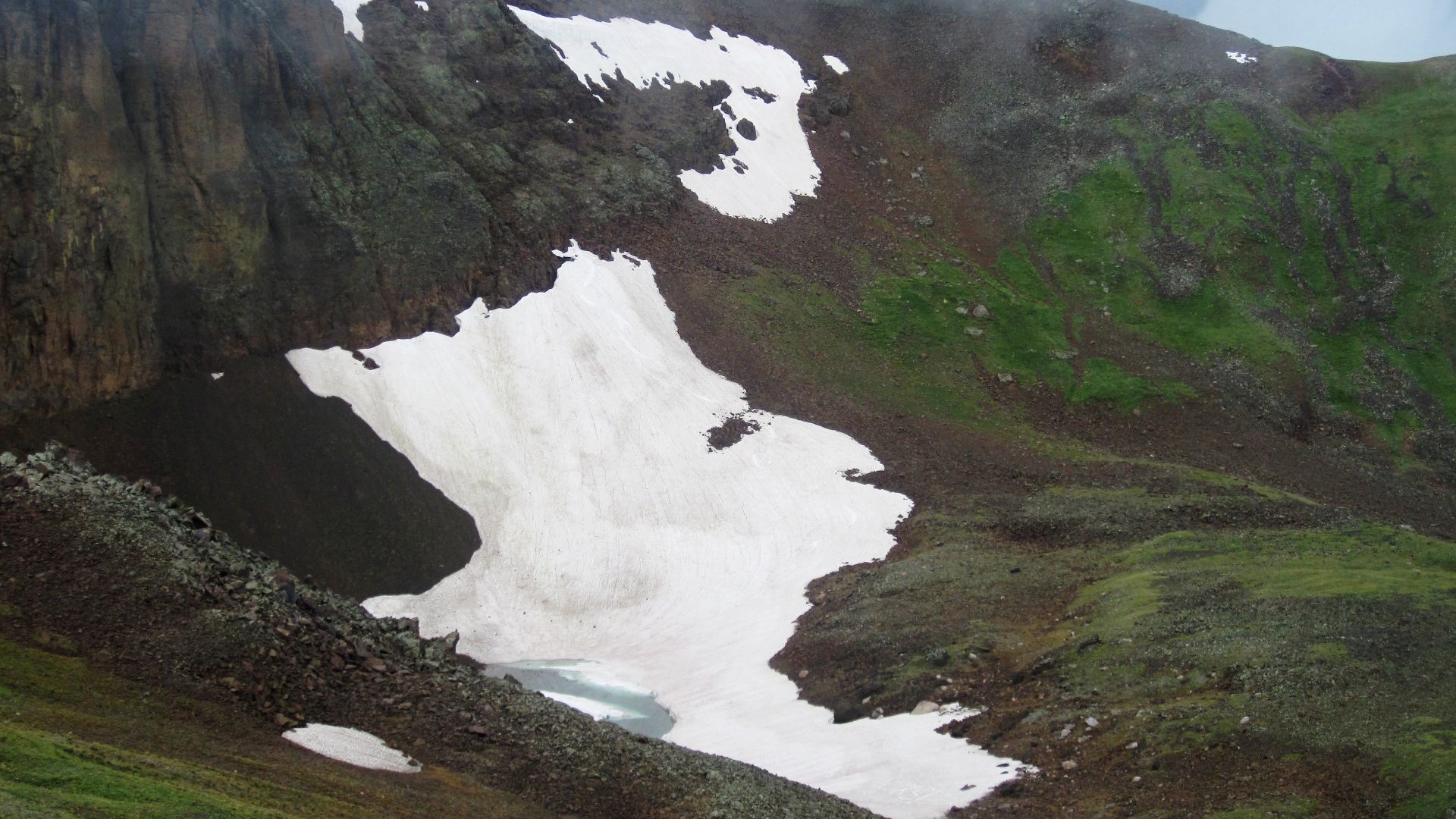
After unusually low snow conditions, researchers surveyed ice patches around Goat Mountain and the Kitsu Plateau. Melting edges exposed objects that normally would have disappeared centuries ago. Wood, bark, hide, and sinew survive poorly in ordinary soil, but long periods of freezing can preserve them almost like an archaeological time capsule.
Fifty-Six Fragile Objects Appeared
The team investigated nine ice patches and recorded 56 perishable artifacts. These included wooden walking staffs, carved sticks, birch-bark containers, animal-hide objects, antler tools, projectile components, and an atlatl dart foreshaft. Suddenly, the stone artifacts surrounding the quarries had company.
 Ethan Doyle White, Wikimedia Commons
The Spear-Like Find Deserves Attention
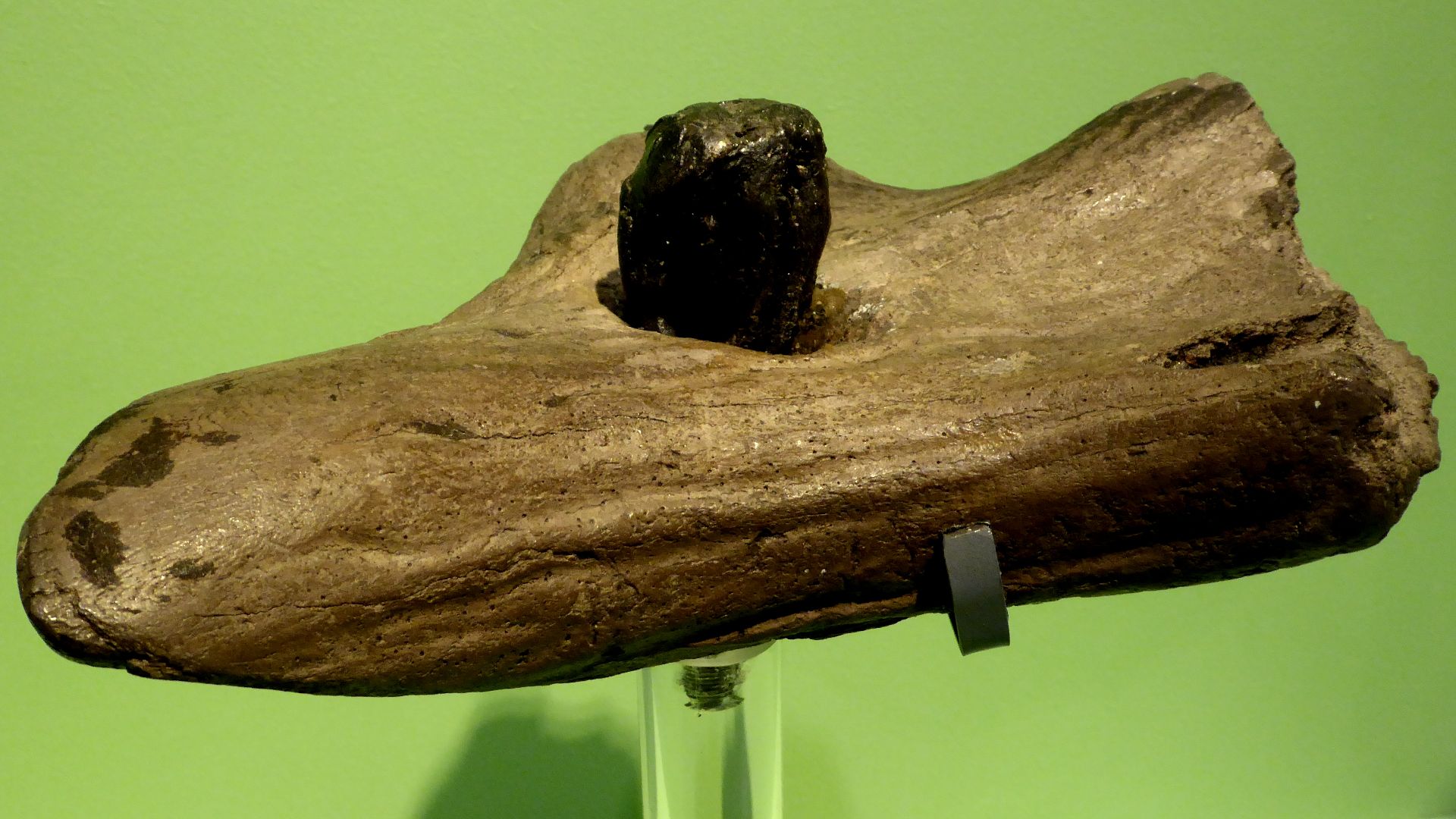
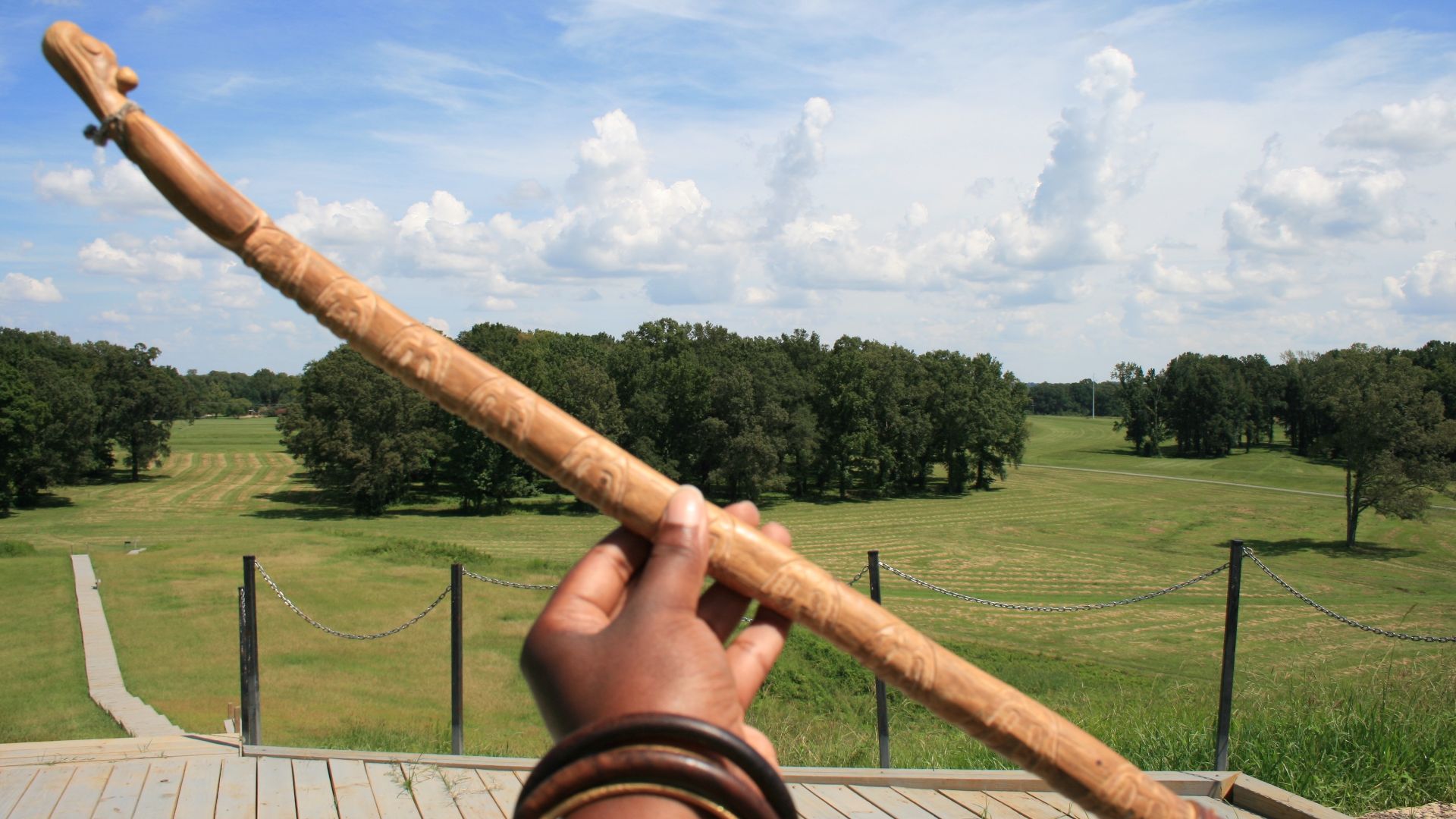
The weapon component has sometimes been loosely described as part of a spear. The published archaeological study more precisely identifies it as an atlatl dart foreshaft. That distinction matters. A foreshaft formed the front portion of a larger projectile launched using a spear-thrower rather than necessarily being thrust by hand.
 Jennifer R. Trotter, Wikimedia Commons
Think Of An Atlatl As Extra Arm Power
An atlatl is essentially a lever used to propel a dart with greater speed and force than the arm alone can easily achieve. The technology was enormously successful across North America. Finding actual wooden pieces is uncommon, however, because the organic components normally rot while stone projectile points survive.

Wood Changes The Story
Stone points can tell archaeologists plenty, but they represent only one piece of a weapon. A preserved foreshaft reveals dimensions, woodworking choices, attachment methods, and craftsmanship that stone alone cannot show. It brings archaeologists much closer to understanding how an ancient weapon actually looked and functioned in somebody's hands.
 vastateparksstaff, Wikimedia Commons
The Objects Span Seven Millennia
Researchers obtained radiocarbon ages for 13 of the perishable finds. Together, those dates stretch across roughly 7,000 years. That extraordinary span suggests people repeatedly travelled through and worked in this high landscape rather than making one brief visit that happened to leave a few objects behind.
One Boot Was Around 6,200 Years Old
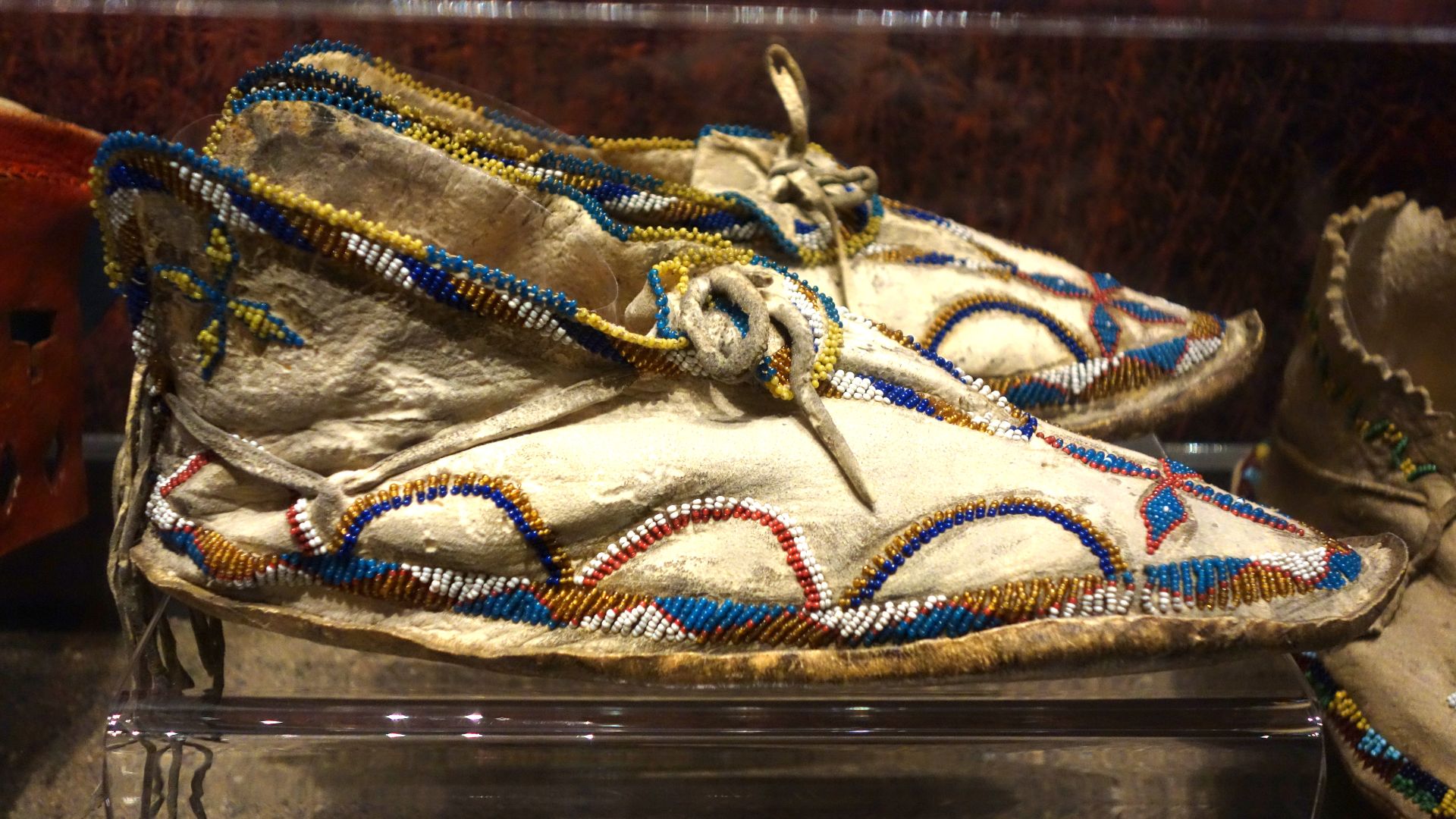
Among the most spectacular finds was a stitched hide object interpreted as part of a moccasin-like boot. It was roughly 6,200 years old and incorporated hides of different thicknesses joined with stitching. Footwear rarely survives for anything close to that long, making the object an especially precious glimpse of ancient clothing technology.
There Was Even An Ancient Ice Tool
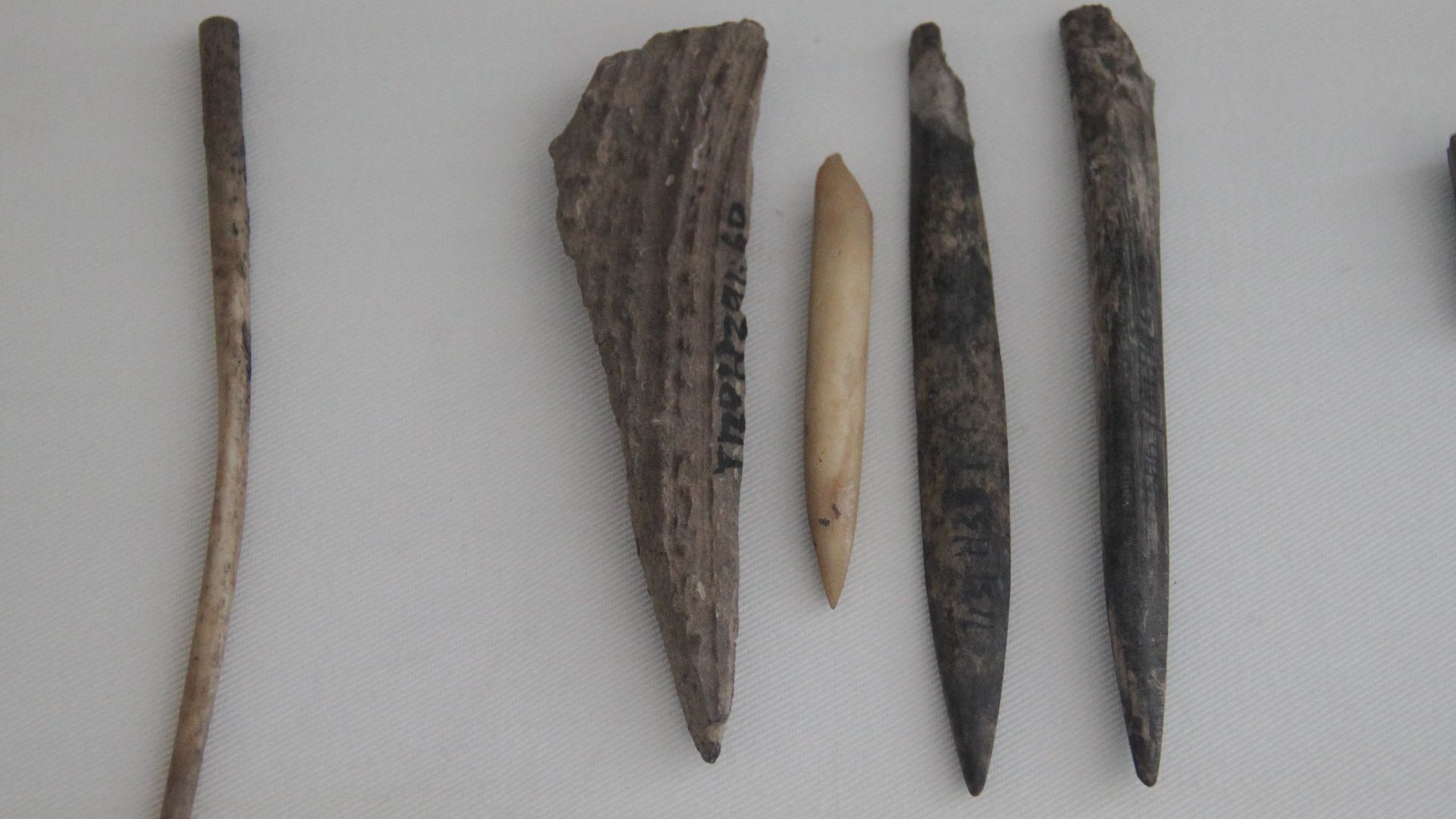
Another object was a roughly 5,300-year-old piece of antler shaped into a three-pronged tool. One end had been sharpened, another showed signs consistent with hammering, and a third portion was broken. Researchers have described it as an ice-pick-like implement, wonderfully appropriate for such demanding mountain terrain.
 Gary Todd from Xinzheng, China, Wikimedia Commons
Birch Bark Became Heavy-Duty Equipment
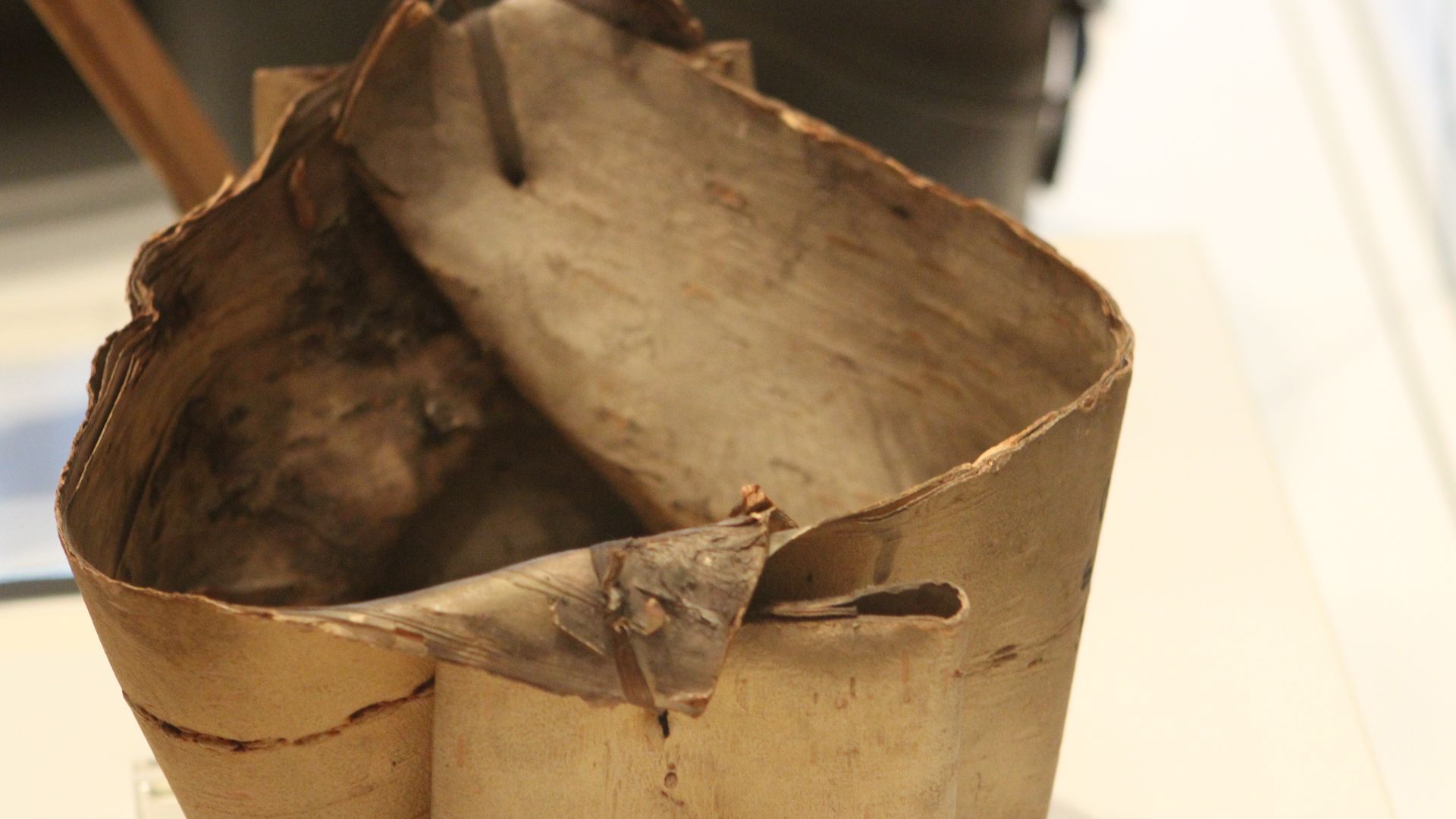
Two stitched birch-bark objects show how versatile plant materials could be. One piece dated to roughly 2,000 years ago, while another reinforced container was more than 1,400 years old. Researchers have suggested the strengthened basket may have helped transport heavy material, potentially including obsidian from the quarries.
 Jason Zhang, Wikimedia Commons
Walking Sticks Tell Their Own Story
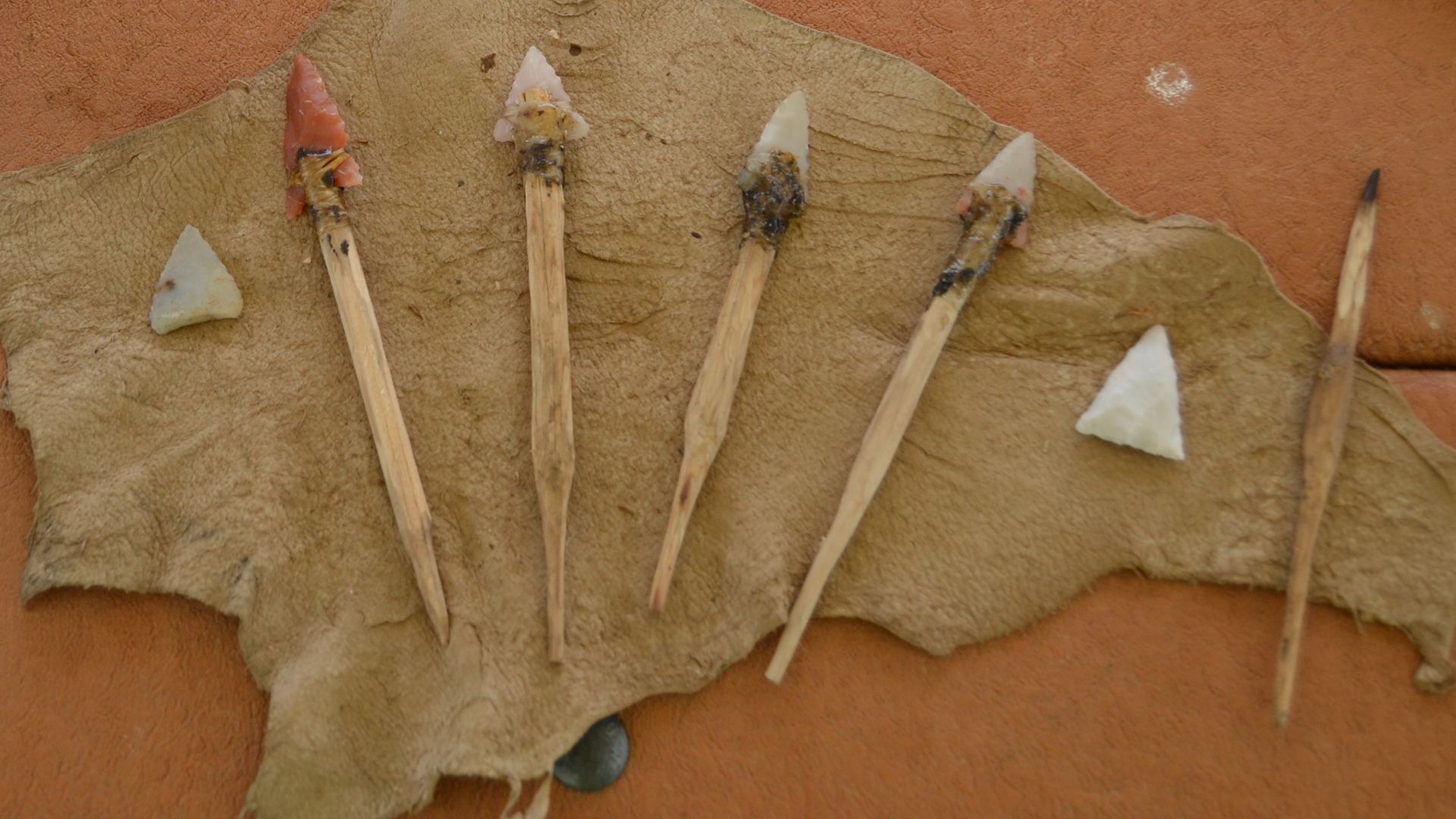
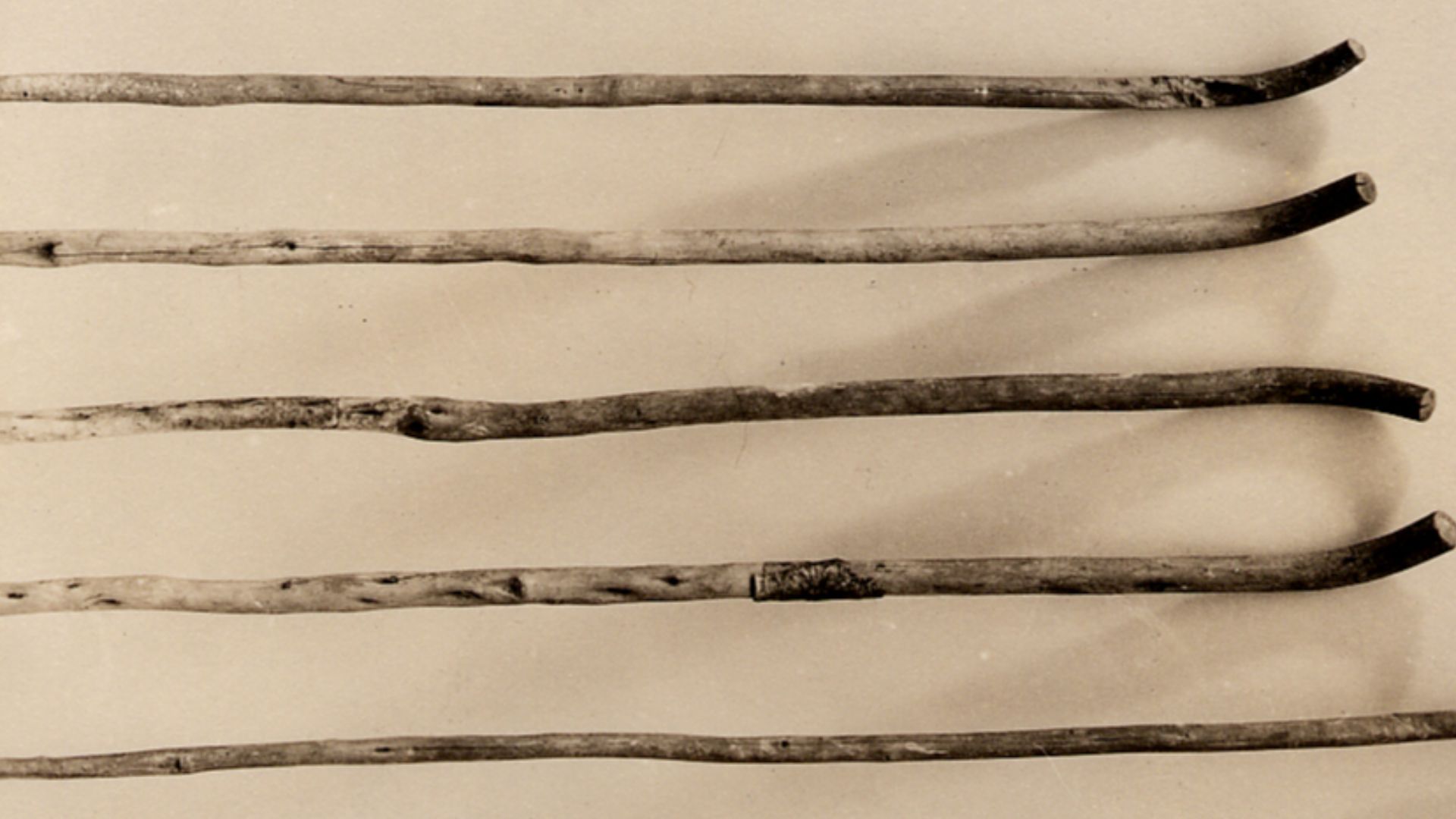
Several wooden staffs were also preserved. At first glance, a walking stick hardly sounds as glamorous as a projectile weapon. Yet in a steep volcanic landscape, such equipment speaks directly to travel. People were moving confidently through high-altitude terrain while carrying tools, supplies, and perhaps valuable quarried stone.
Obsidian Was Everywhere
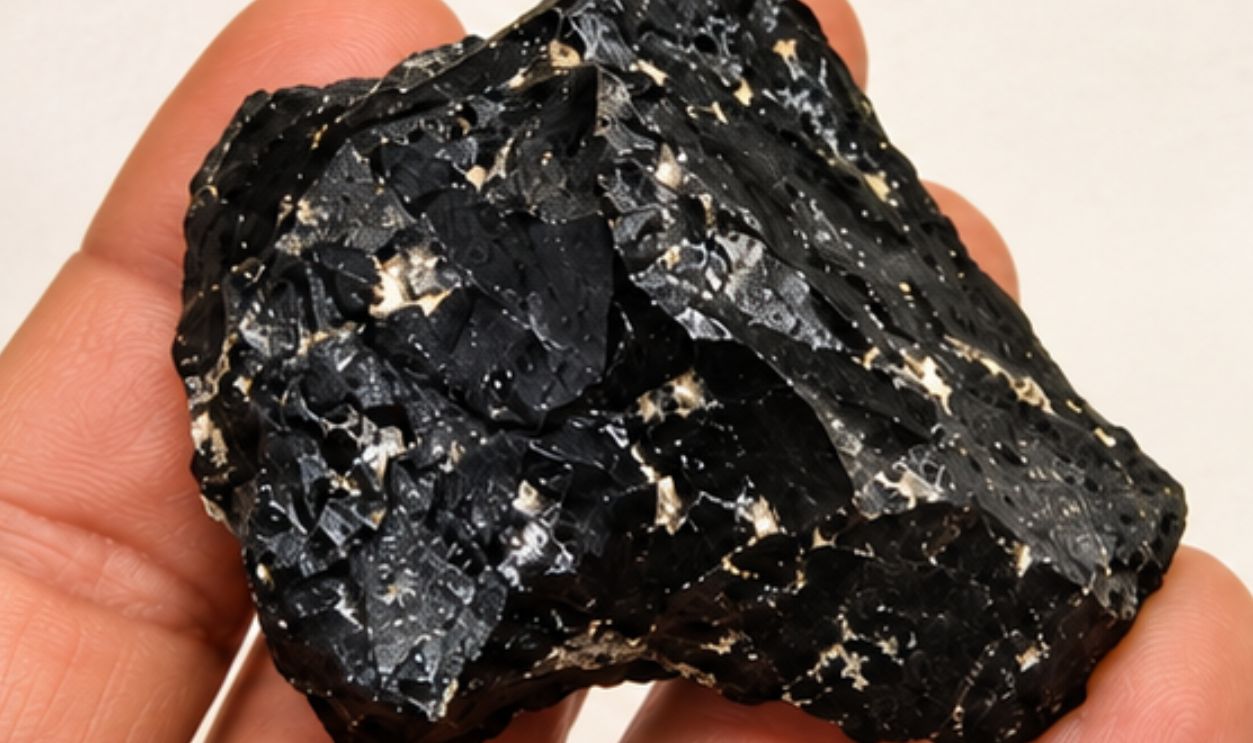
The organic finds appeared amid huge quantities of obsidian debris. Mount Edziza's volcanic glass could be worked into razor-sharp cutting edges and projectile points. BC Parks notes that Indigenous people used the area's obsidian and traded it widely across northwestern North America, making Edziza an important technological landscape.
 Unknown author, Wikimedia Commons, Modified
The Mountains Were Busy Places
It is tempting to picture high alpine landscapes as places ancient people avoided unless absolutely necessary. Mount Edziza argues otherwise. Archaeologist Duncan McLaren's research describes extensive resource procurement in Tahltan alpine territory, involving quarrying, transportation, hunting, and movement through environments that demanded considerable knowledge and preparation.
 John Scurlock, Wikimedia Commons
Barbed Points Have Deep Roots
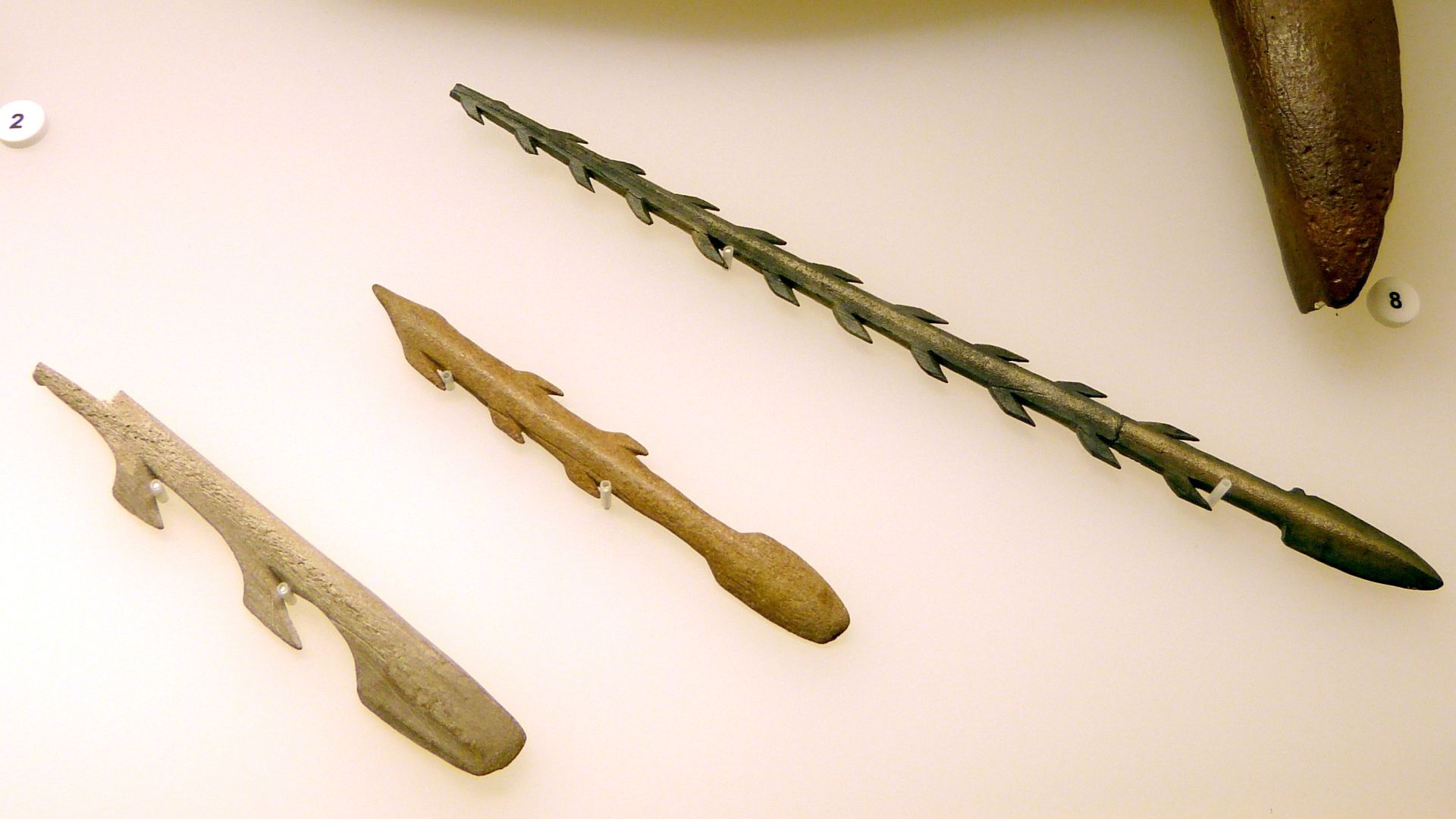
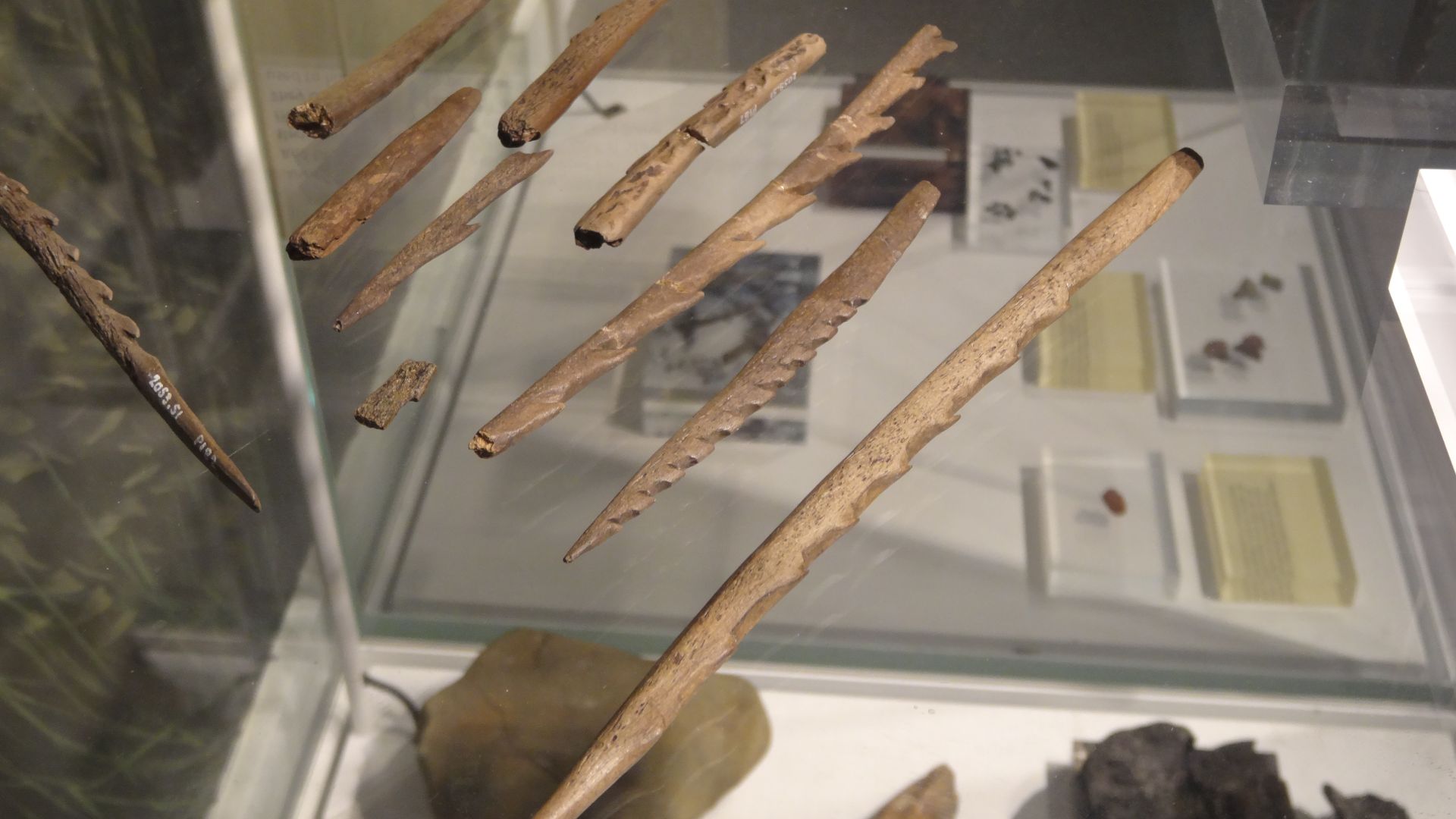
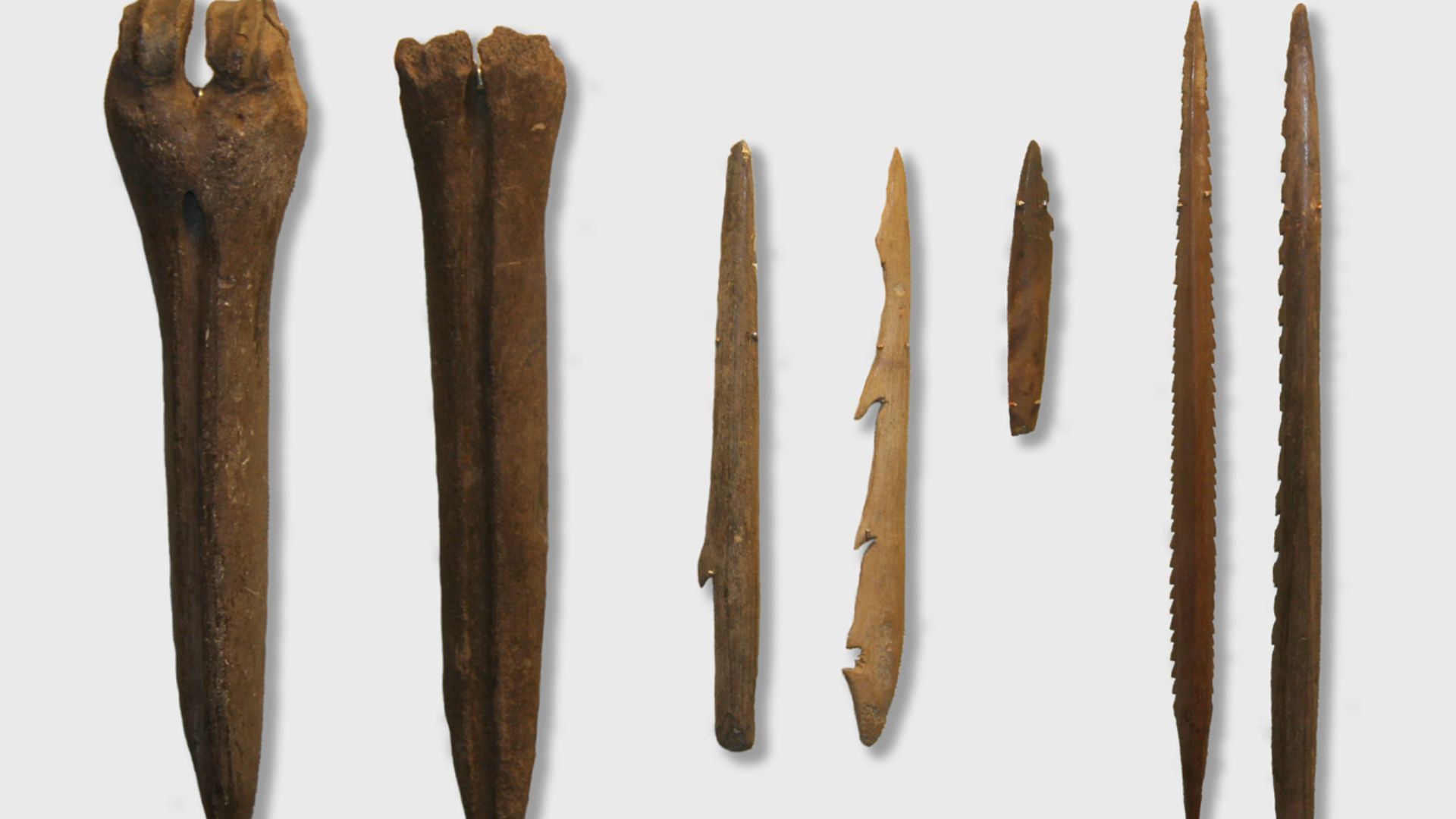
A study of 593 barbed bone and antler points from 56 archaeological sites around the Gulf of Georgia found examples spanning roughly 5,000 years. Twenty-eight specimens in the dataset came from contexts dating to 3,200 years ago or earlier, confirming that barbed technology was already well established.
 Wolfgang Sauber, Wikimedia Commons
Barbs Were Clever Engineering
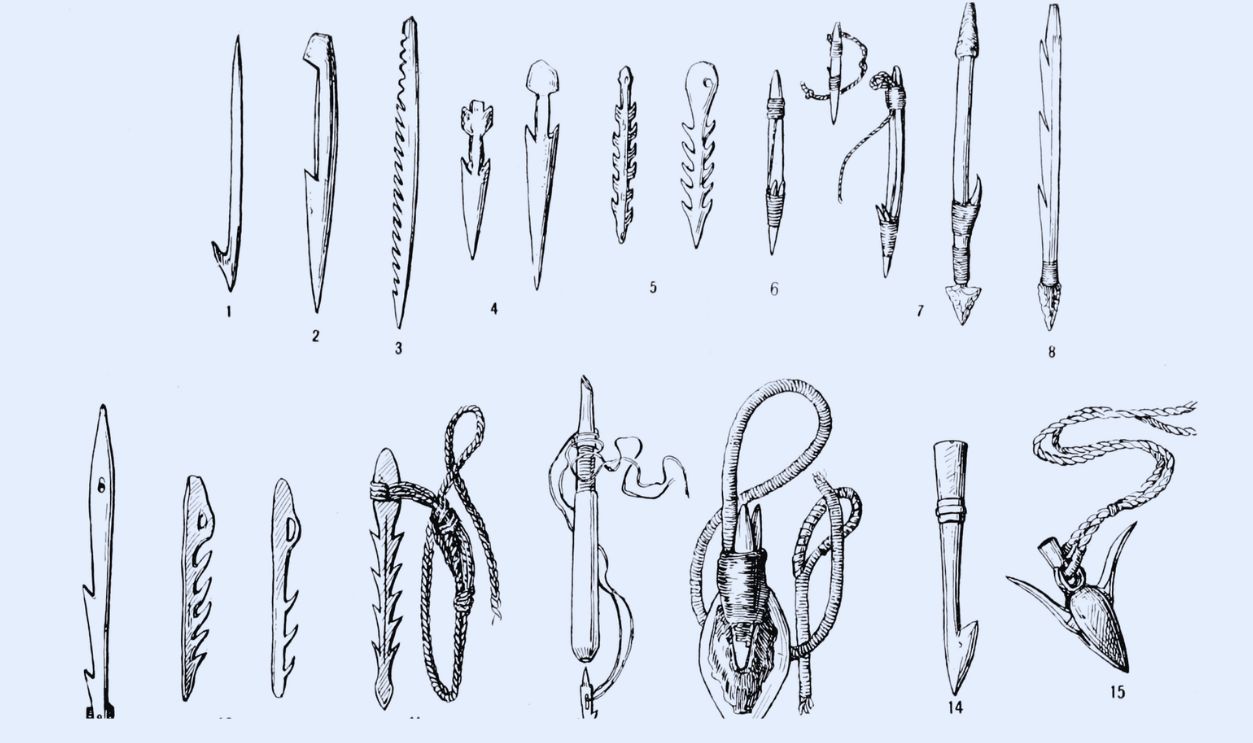
The advantage is wonderfully simple. A smooth point can enter an animal or fish and slip back out. A backward-facing barb makes that considerably harder. Indigenous craftspeople created different barb shapes and attachment systems suited to different jobs, balancing penetration, strength, retrieval, and the behaviour of the intended catch.
 Jonathan Cardy, Wikimedia Commons
Fishing Required More Than One Tool
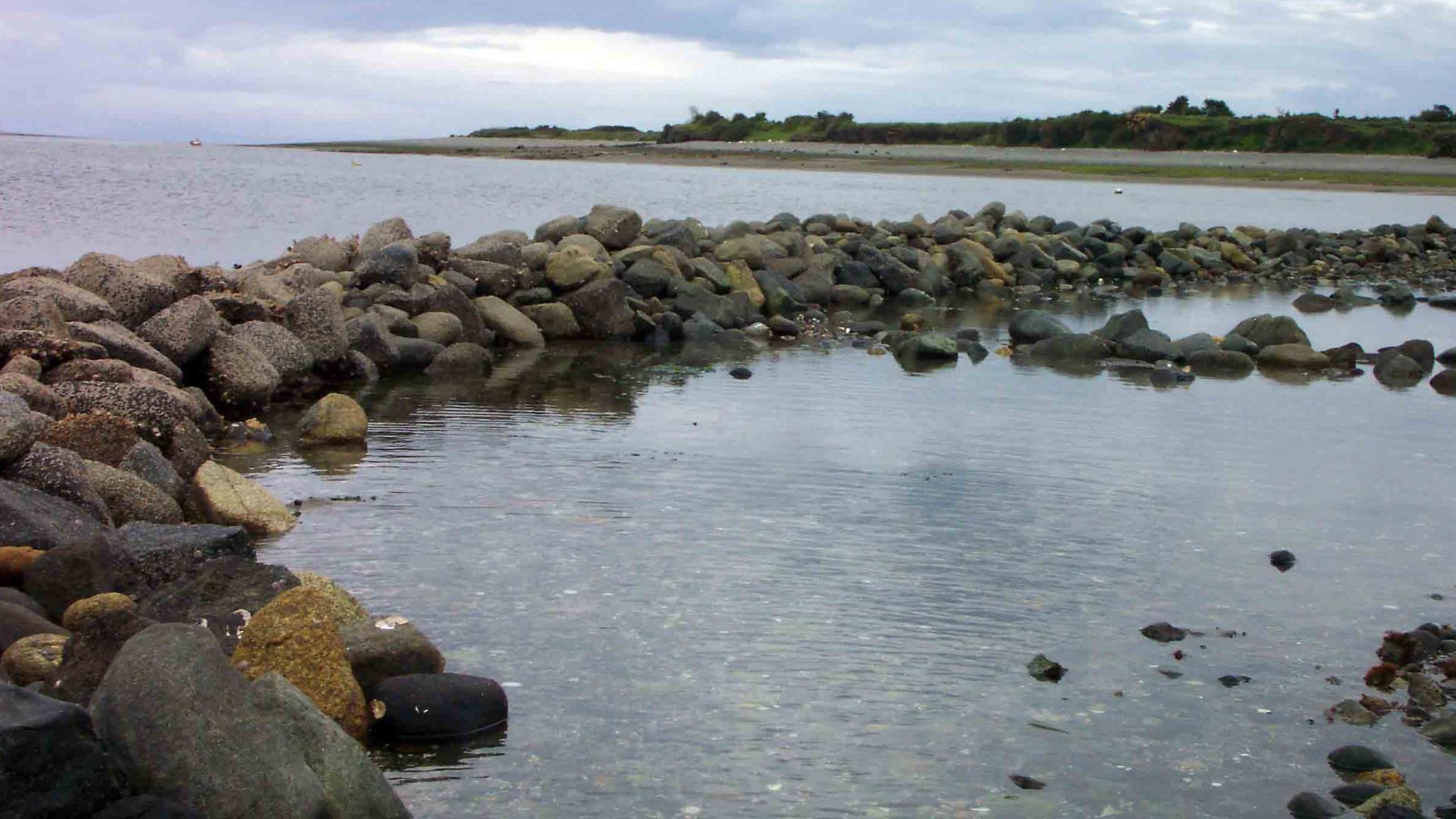
Coastal and river fishing was never dependent on a single invention. Archaeological and ethnographic evidence from British Columbia includes hooks, nets, weirs, harpoons, leisters, sinkers, and spears. Different fish, seasons, currents, and locations called for different solutions rather than one all-purpose piece of equipment.
Leisters Were Particularly Ingenious
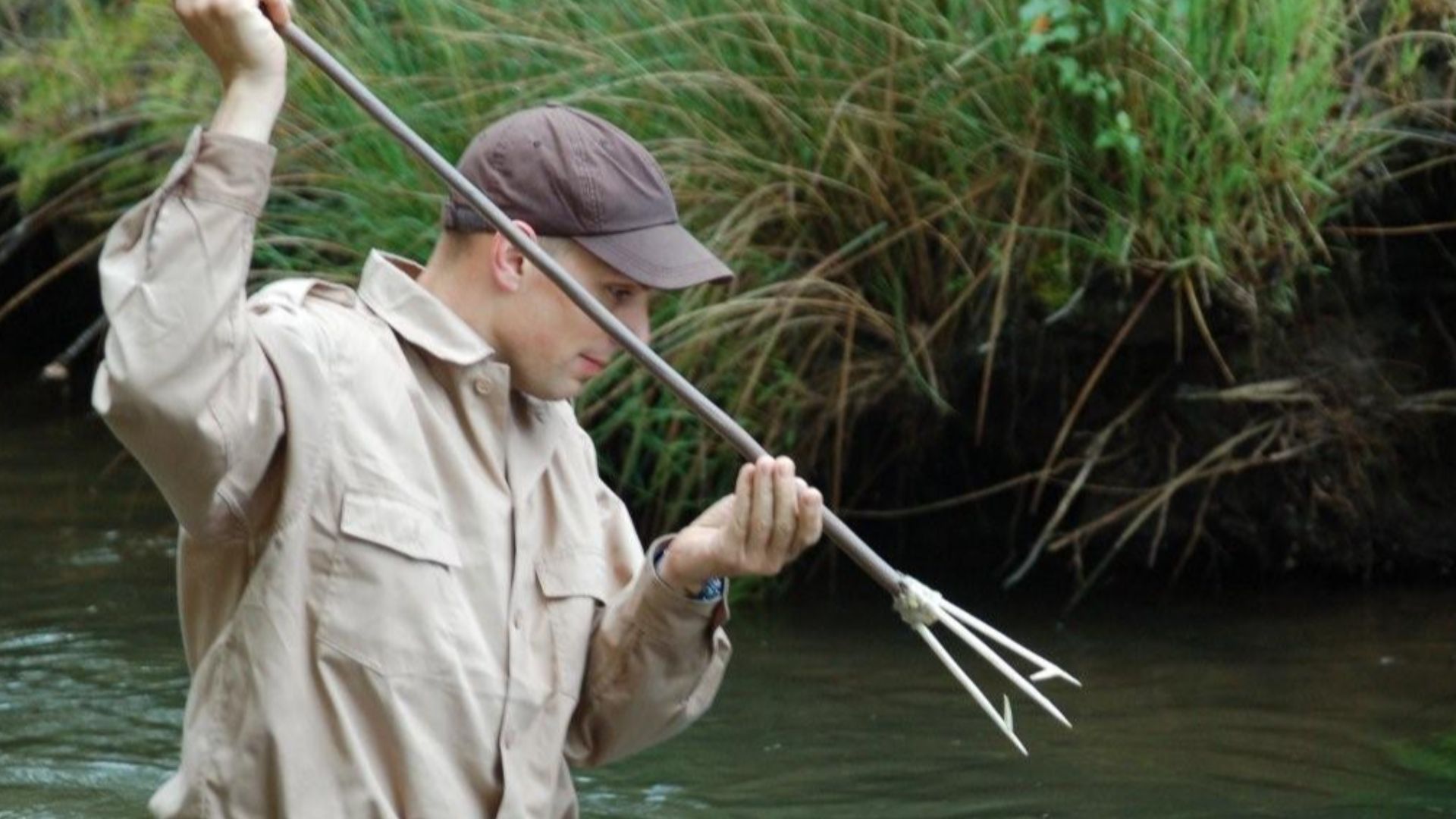
Traditional leisters used multiple points or barbs arranged so a fish could be trapped securely after being struck. Tla'amin archaeological information describes reverse-angled barbs used for salmon and cod, while detachable harpoon systems allowed struggling fish to pull against a line instead of snapping the entire weapon shaft.
 Bushman (Michel van Eupen) at nl.wikipedia., Wikimedia Commons
Survival Meant Understanding Water
Fishing technology tells us as much about knowledge as woodworking. Successful spear fishing requires understanding fish movement, depth, visibility, currents, spawning behaviour, and seasonal timing. A beautifully made point is useless without knowing where to stand, when the fish will arrive, and precisely when to strike.
![A smoky day at the Sugar Bowl--Hupa. Hupa man with spear, standing on rock midstream, in background, fog partially obscures trees on mountainsides. Published 1924 in The North American Indian / Edward S. Curtis. [Seattle, Wash.] : Edward S. Curtis, 1907-3](https://www.factinate.com/storage/app/media/splashtravels/2026/10/1/1790854068b4d793e826acfbf8b0ad54dad37f9c5292a50d53.jpg) Edward S. Curtis, Wikimedia Commons
Edward S. Curtis, Wikimedia Commons
The Technology Kept Evolving
Archaeological studies of Gulf of Georgia barbed points found variation in barb form across thousands of years. That suggests craftspeople were not simply reproducing one frozen design. They were learning established traditions while also making individual choices about how points were shaped and finished.
Ice Preservation Fills In The Missing Pieces
Ordinary archaeological sites naturally favour stone, shell, and bone because they survive well. Ice patches can preserve the wood, bark, leather, and sinew that completed ancient technologies. That gives archaeologists something rare: the softer half of the material record that usually vanishes before anybody has a chance to study it.
 Billy Hathorn, Wikimedia Commons
There Is A Cruel Twist To The Discovery
The same warming conditions revealing these objects also threaten them. Once something made of wood or hide emerges from its frozen environment, deterioration can begin quickly. Researchers warn that some Mount Edziza ice-patch sites could ultimately be destroyed as warming and melting continue.
Archaeologists Are Racing The Melt
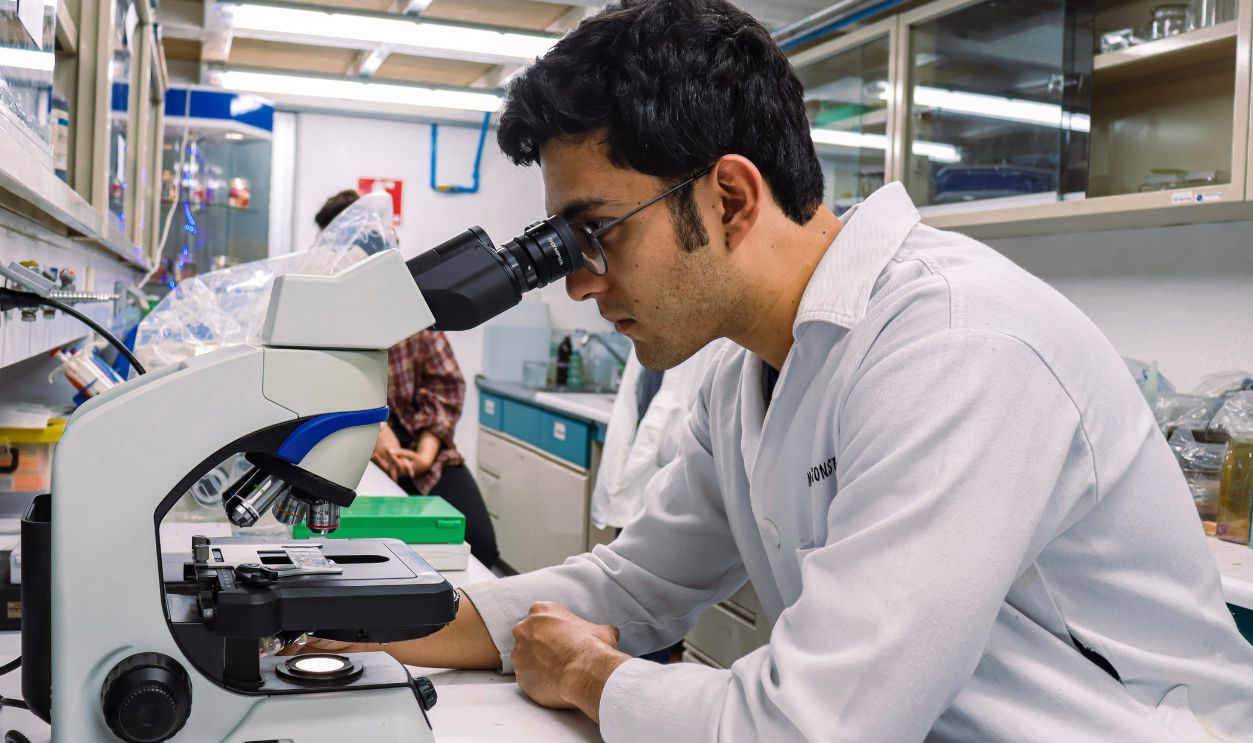
Recovered objects were transferred for climate-controlled conservation and further study. That work is painstaking, but necessary. A wooden shaft that survived thousands of years in ice can become extremely vulnerable once exposed. Archaeologists therefore have to document, stabilize, analyze, and preserve newly revealed material remarkably quickly.
Thousands Of Years Of Ingenuity
The Mount Edziza finds remind us that ancient survival was anything but primitive. People engineered weapons, stitched clothing, reinforced containers, travelled difficult mountain routes, quarried valuable stone, and developed specialized fishing technologies. One melting patch of ice has helped restore parts of that technological world that archaeology almost never gets to see.
You May Also Like:
Things Canadians Notice Immediately When They Drive Through The American Southwest
Top Five Restaurants In The World
The U.S. Cities That Canadians Say Are Better Tourist Destinations Than They Expected