Sometimes, The Best Treasure Is Trash
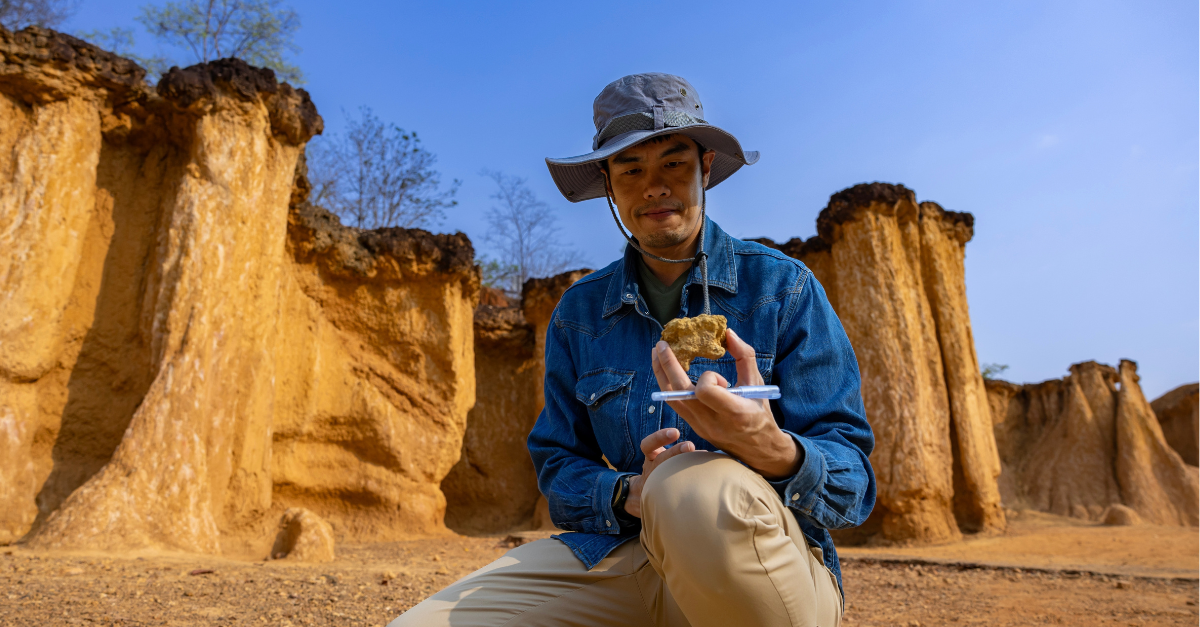
When you imagine an archaeological discovery, you're probably picturing golden treasures, ancient statues, or mysterious tombs. But archaeologists often get just as excited about things most people would throw away. A broken plate, a rusty nail, or a handful of seeds can reveal extraordinary details about ordinary lives. Sometimes, the smallest discoveries answer the biggest historical questions. Akarawut, Shutterstock Images
Broken Pottery
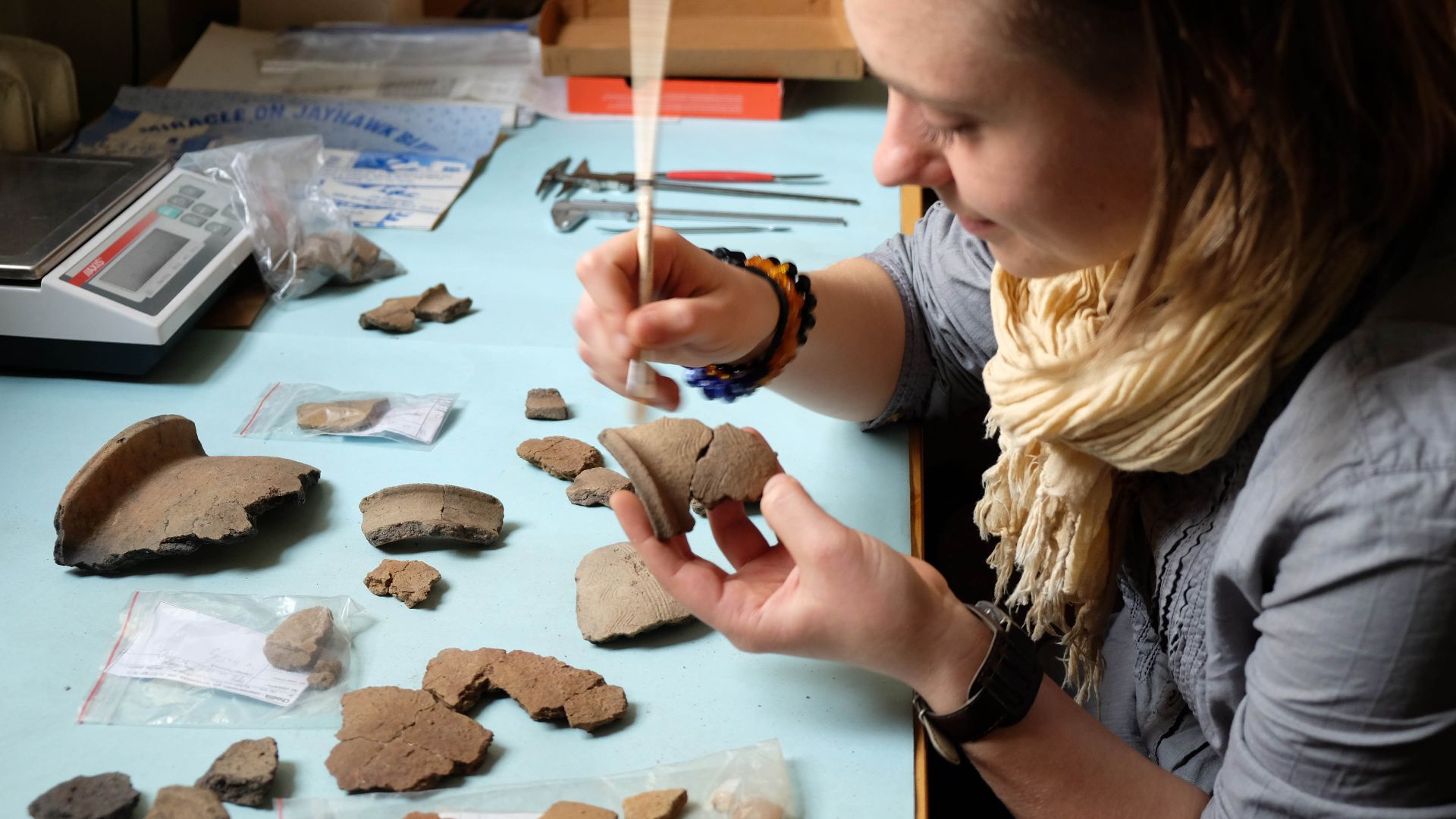
Finding a broken plate might seem disappointing, but pottery fragments are incredibly useful archaeological evidence. Because ceramics survive underground for centuries, their shapes, decorations, and manufacturing techniques can help establish when a site was occupied. Even a tiny piece of an ancient cooking pot can reveal information about food preparation, household habits, or trade.
 Archeologia.chodlik, Wikimedia Commons
Charred Seeds
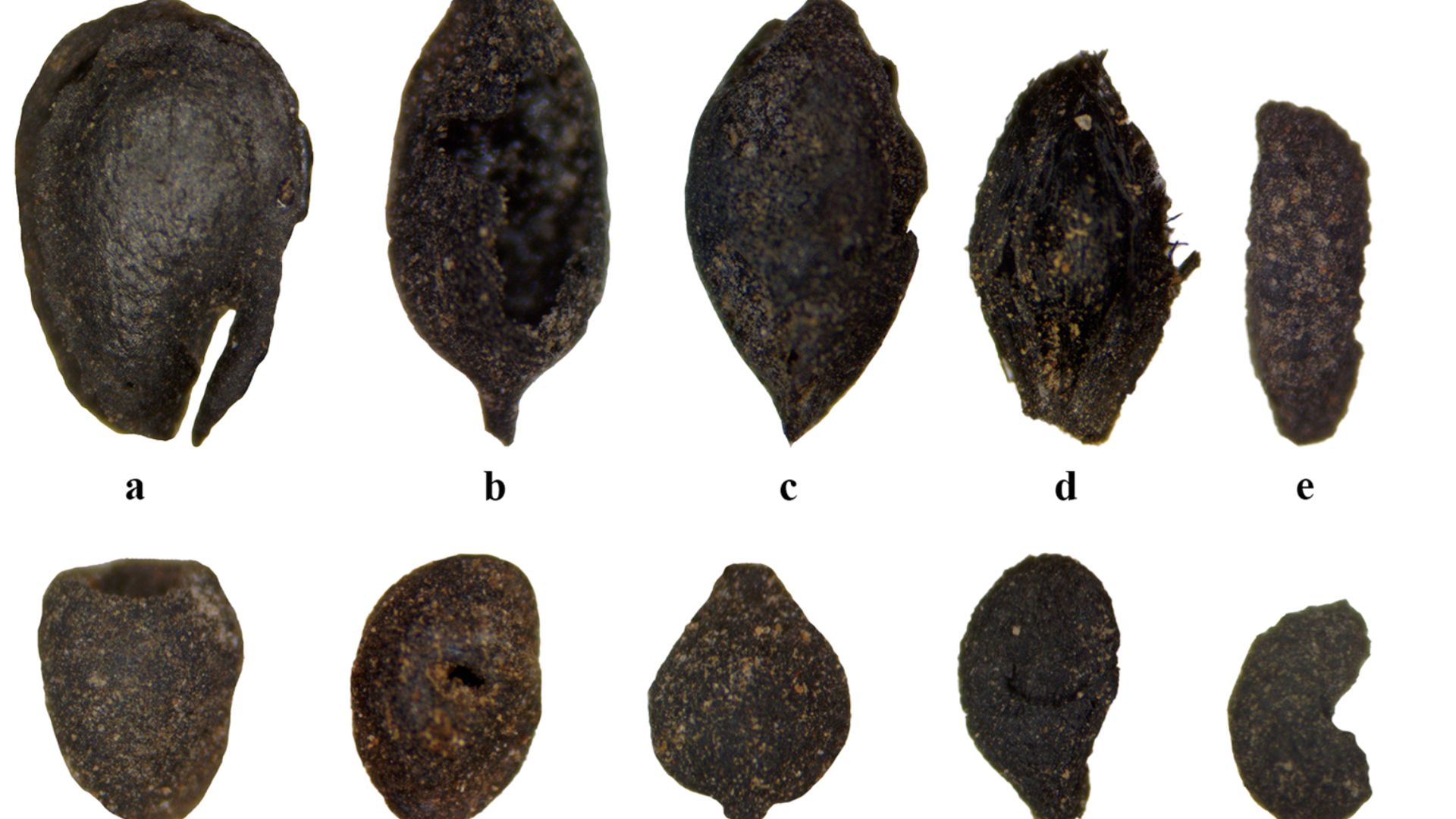
A handful of burnt seeds might look like something swept out of a fireplace, but archaeobotanists see possibilities. Ancient seeds can reveal which crops people grew, what foods they consumed, and how they managed their surroundings. Charring sometimes preserves plant remains that would otherwise decay, leaving behind clues about farming and daily life.
 Katelyn McDonough, et al., Wikimedia Commons
Animal Bones
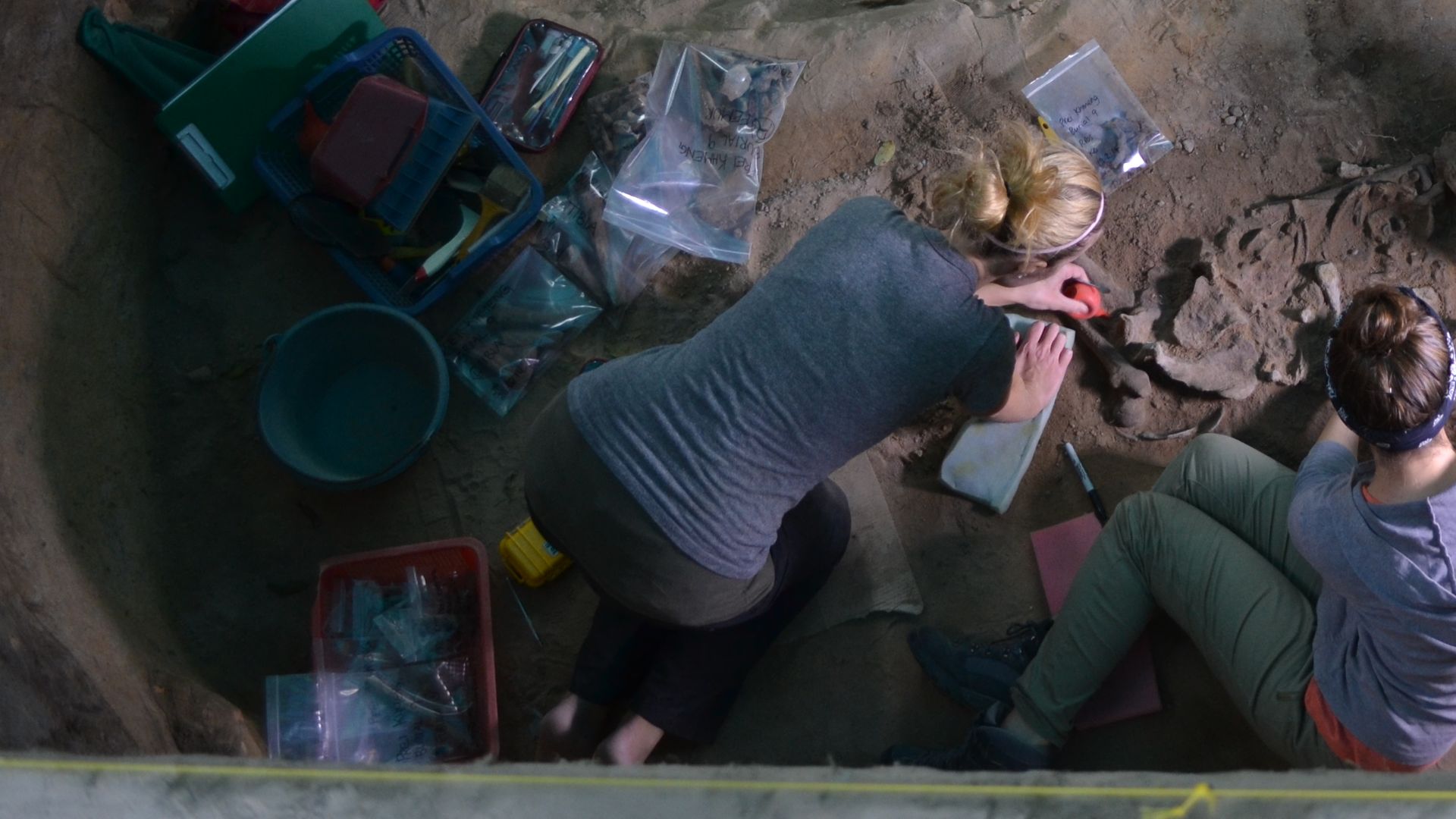
Old animal bones can reveal surprisingly detailed information about ancient meals. At Fort Stanwix, archaeologists uncovered pig bones and other animal remains associated with eighteenth-century soldiers. Studying these discoveries helps researchers understand what people ate, whether they relied on supplied provisions or local resources, and how food habits differed between communities.
 Dougald O'Reilly, Wikimedia Commons
Oyster Shells
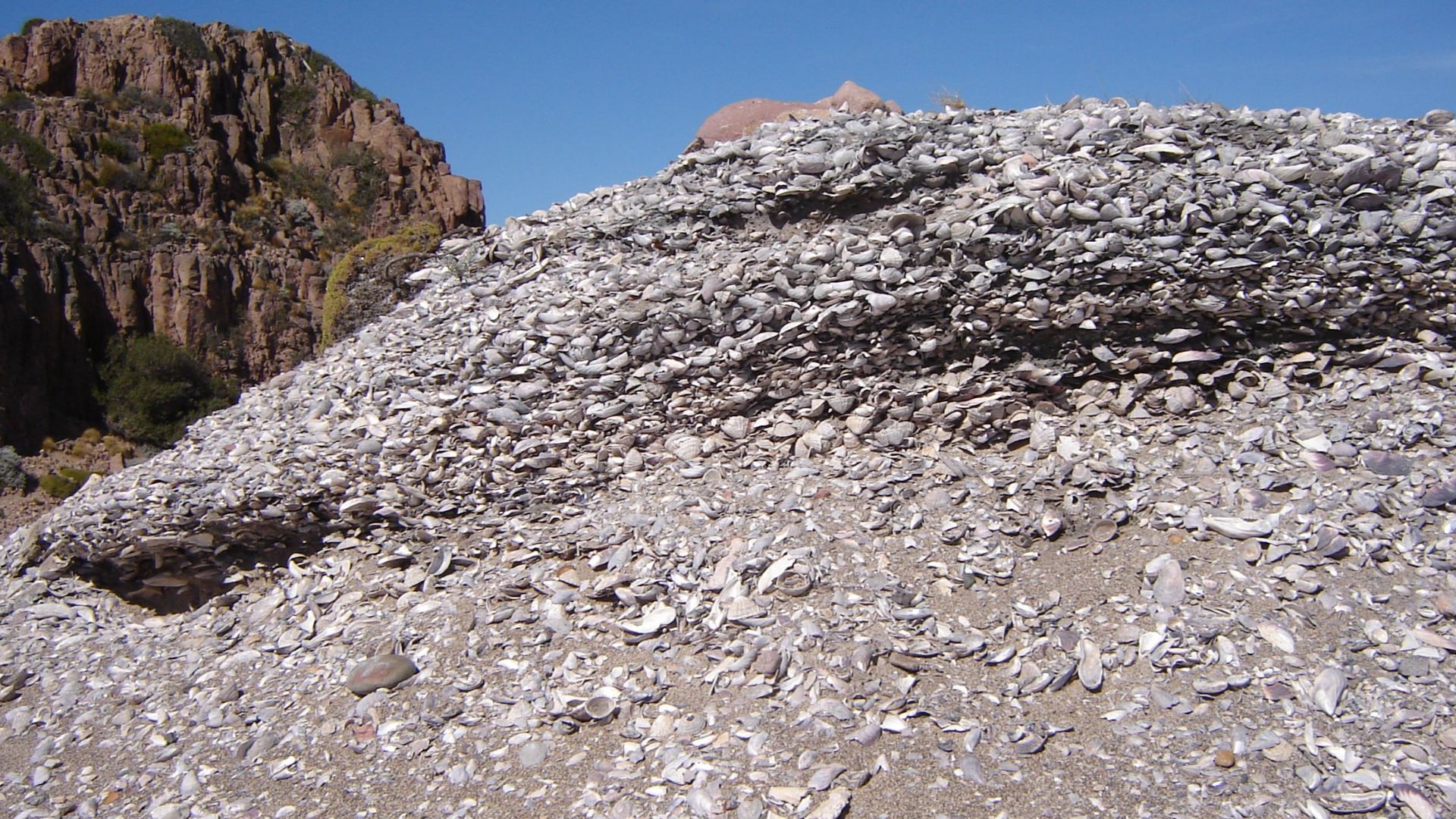
Discarded oyster shells are surprisingly valuable because they preserve evidence of ancient coastal diets. Archaeologists study enormous shell middens, essentially prehistoric garbage heaps, to understand seafood consumption and settlement patterns. Even better, growth rings in certain shellfish can help researchers determine which seasons people collected them, revealing when communities occupied particular locations.
Bits Of Charcoal
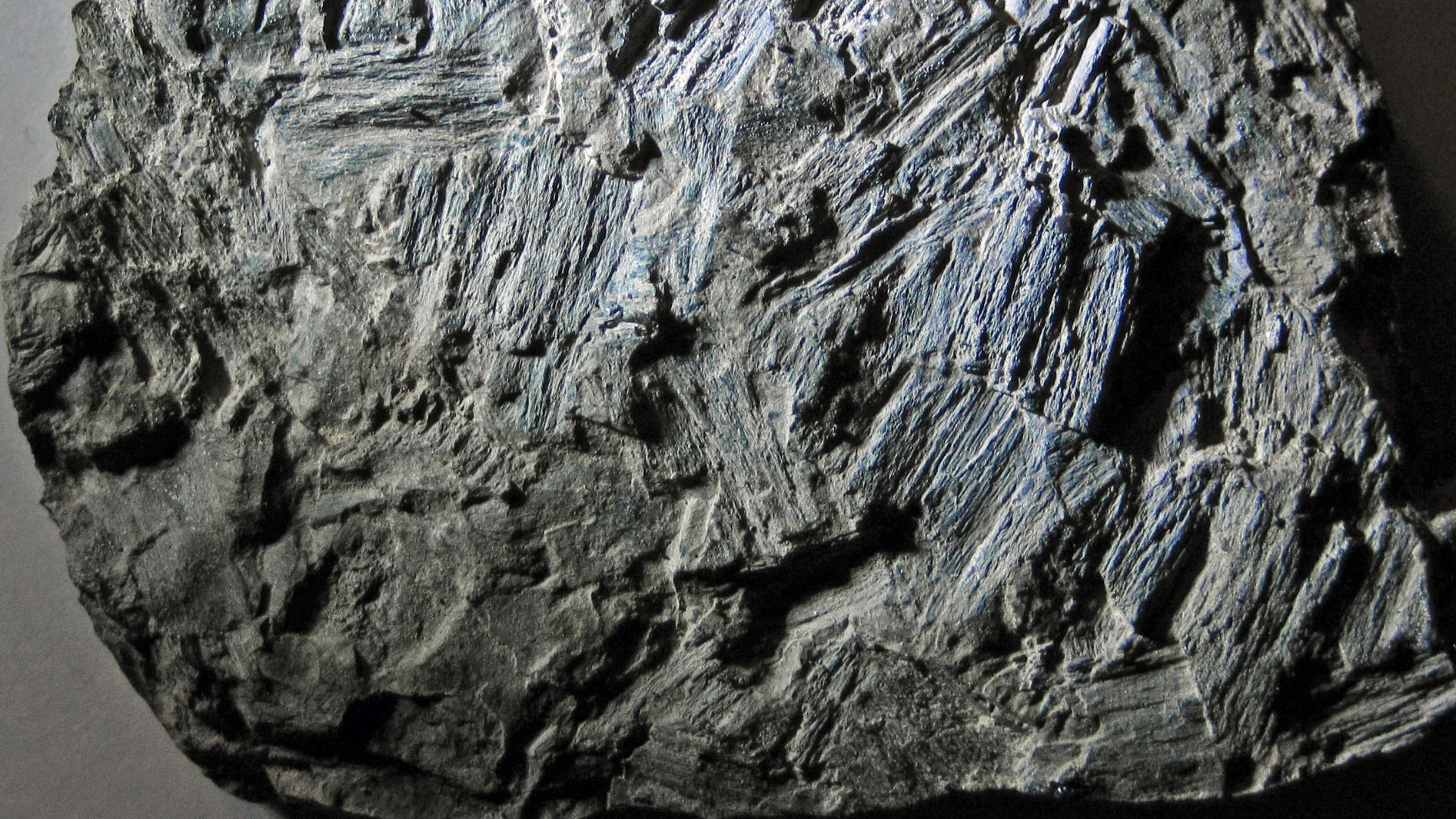
An old piece of burnt wood might be one of the most useful discoveries at an archaeological excavation. Charcoal can be radiocarbon dated, helping establish when a fire burned. At Alaska's Lake Clark, charcoal recovered beside a small stone hearth revealed that people had used the location approximately 4,000 years ago.
 James St. John, Wikimedia Commons
Tiny Stone Flakes
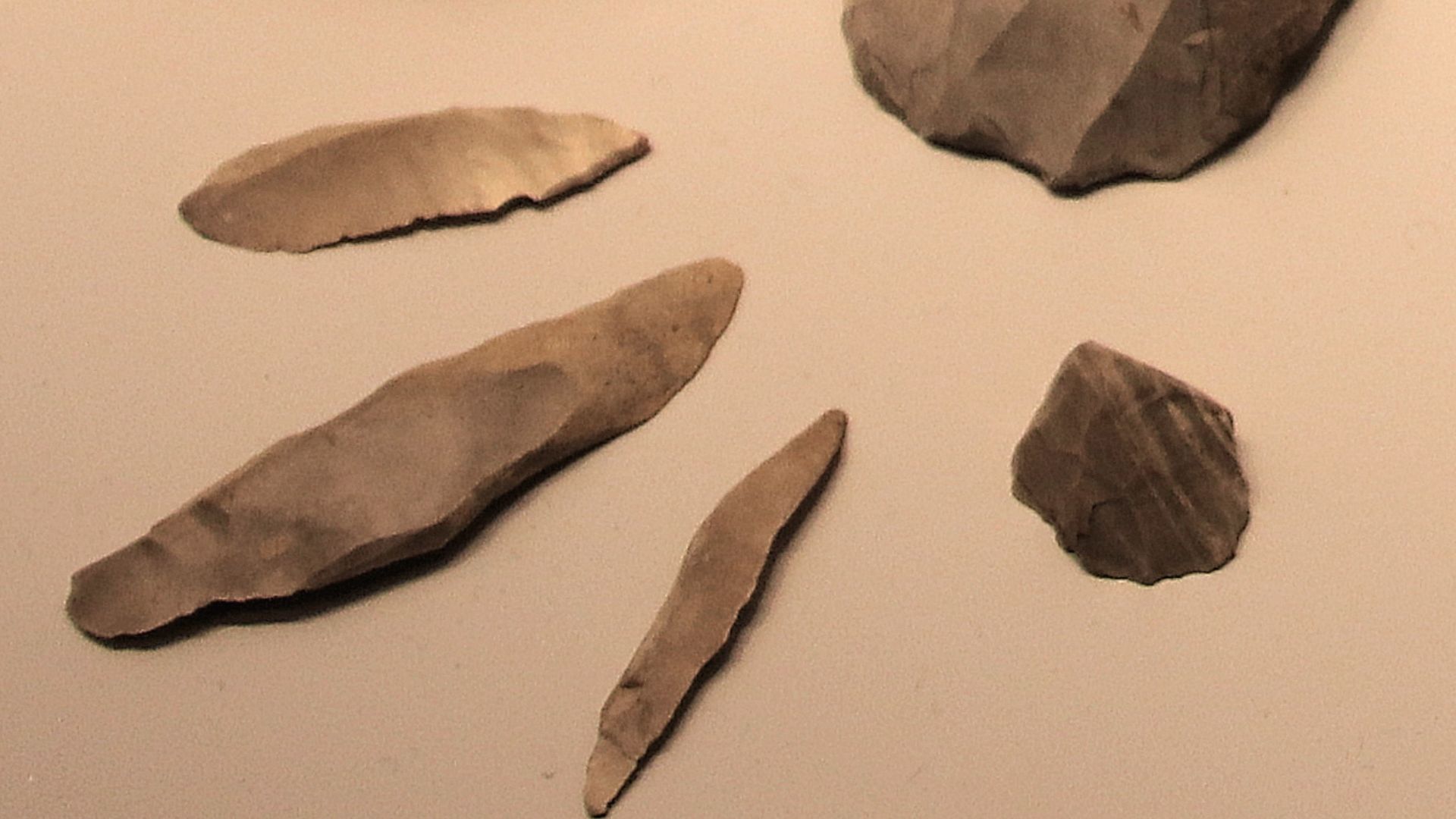
Small stone chips might appear completely insignificant, but they can reveal where ancient people made or repaired their tools. Archaeologists call this leftover material debitage. At an Alaskan archaeological site near Lake Clark, thousands of flakes helped researchers identify an area used for sharpening and maintaining tools rather than manufacturing them entirely from scratch.
Broken Sewing Needles
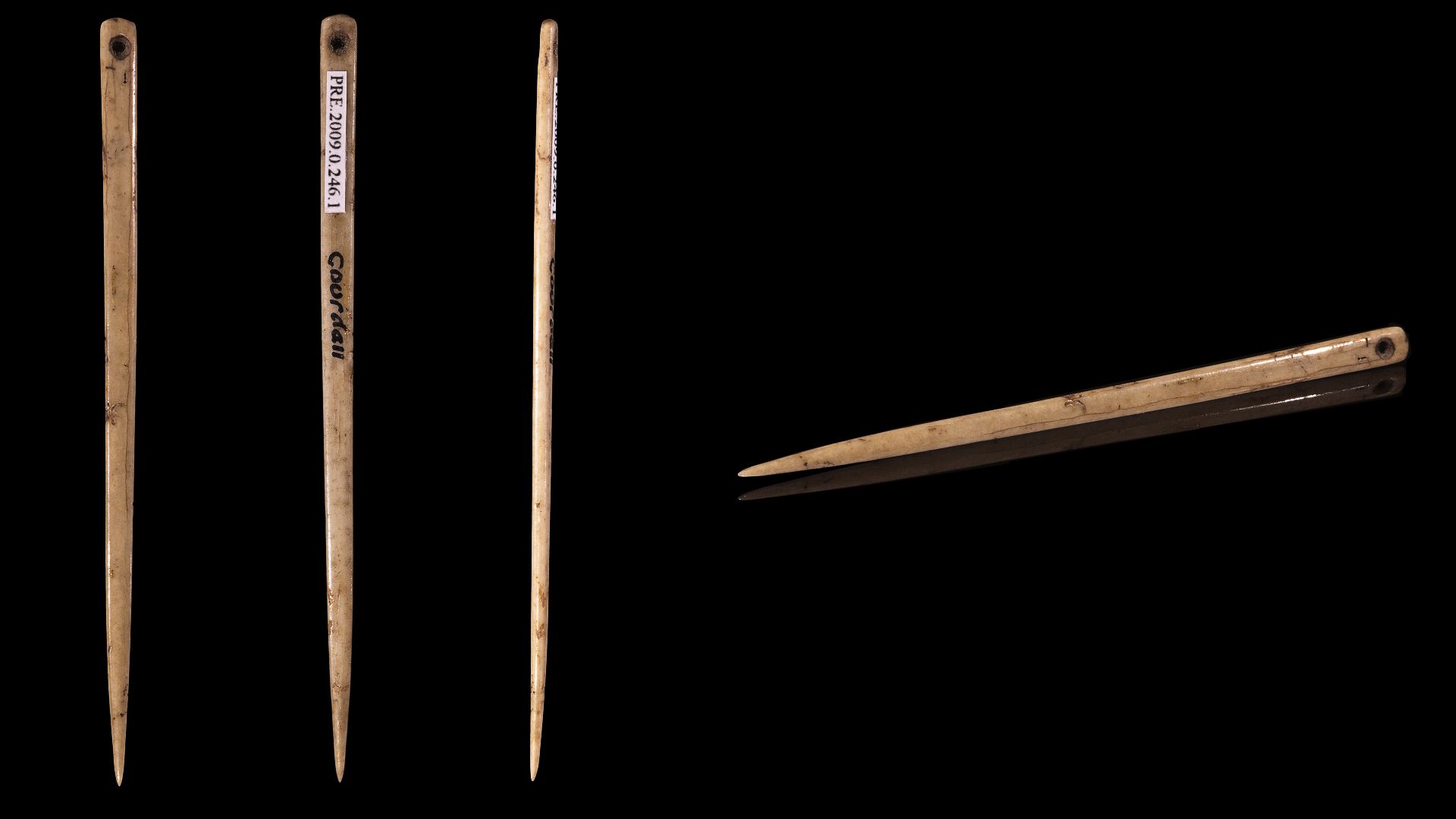
A sewing needle might not look particularly impressive, but finding one can provide a remarkable glimpse into prehistoric craftsmanship. Archaeologists discovered a broken bone needle along Alaska's Katmai coast dating back approximately 4,000 to 4,300 years. Such small objects offer evidence of clothing production and demonstrate how people transformed animal remains into useful household tools.
 Didier Descouens, Wikimedia Commons
Lost Buttons
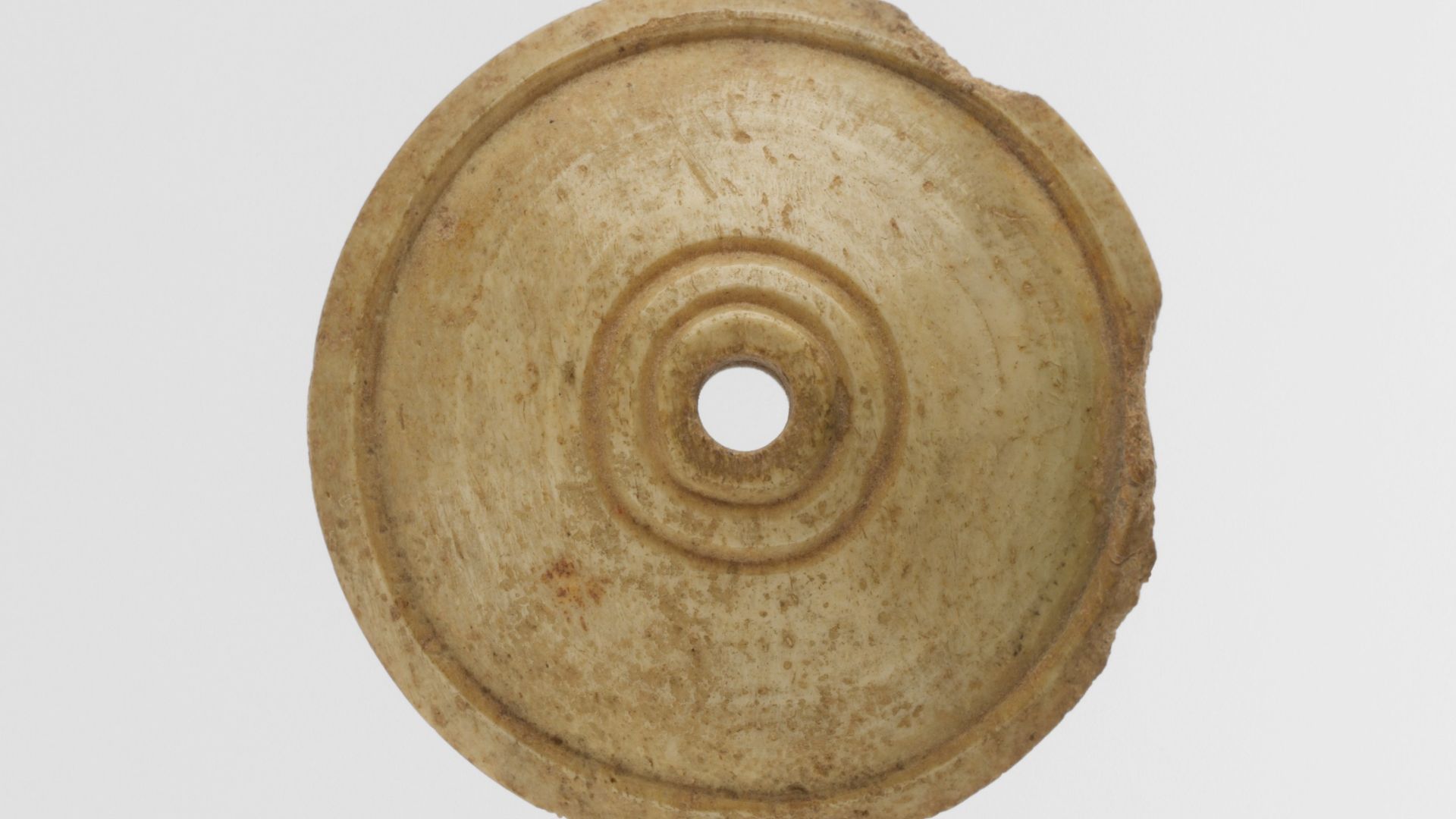
Buttons are particularly exciting because they can reveal details about clothing, manufacturing, and everyday resourcefulness. At Fort Stanwix, archaeologists discovered buttons made from animal bones alongside tools used to produce them. These finds show how eighteenth-century residents sometimes manufactured practical clothing accessories themselves when commercially produced replacements were difficult to obtain.
Glass Beads
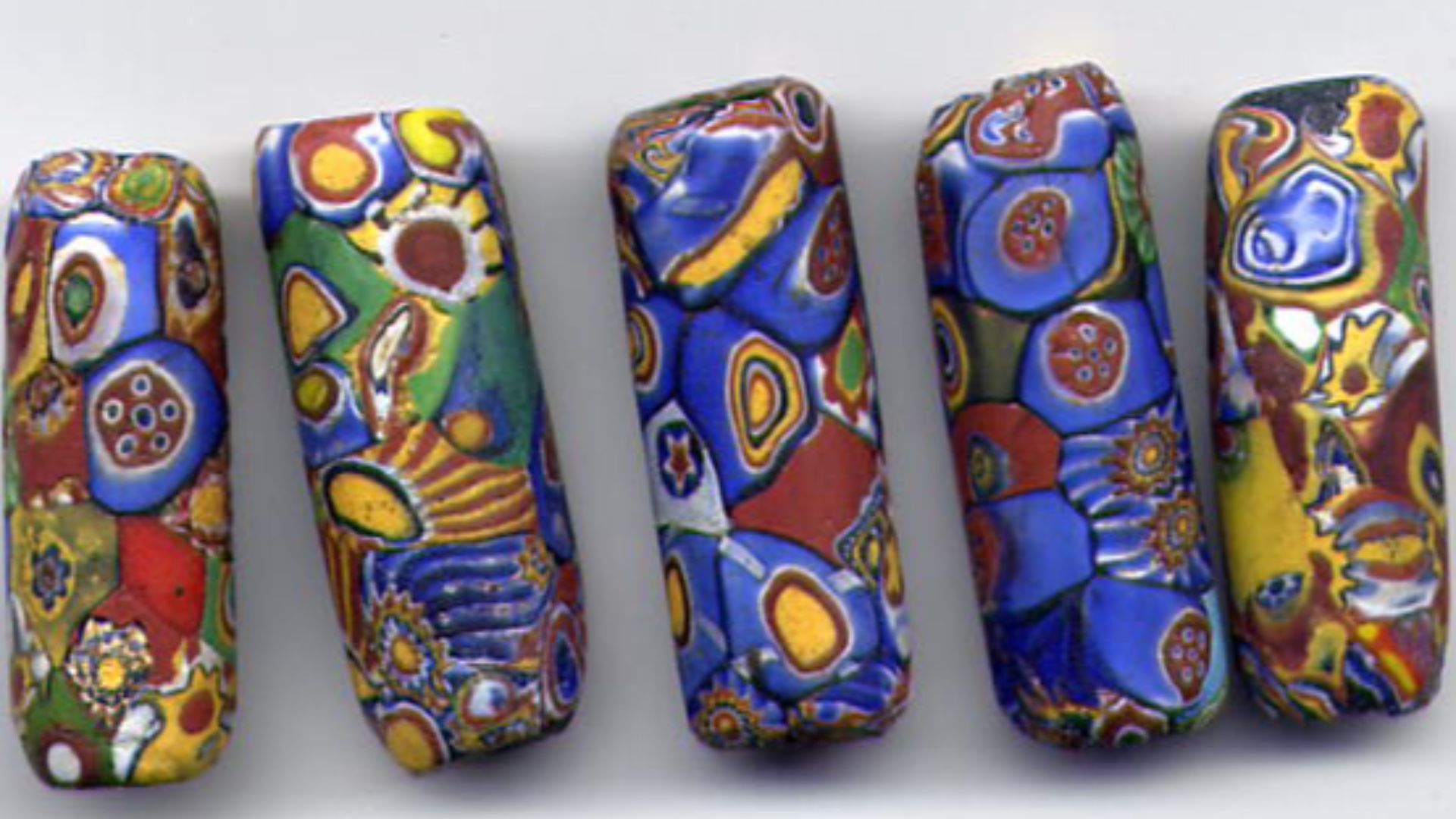
Something as small as a glass bead can reveal connections between distant communities. Archaeologists excavating Fort Pulaski's Workers' Village discovered nine glass beads probably manufactured in Venice or what is now the Czech Republic. Their presence offered clues about personal decoration, cultural practices, and the lives of women who were otherwise less visible in historical records.
 User:EvelynS en.wiki, Wikimedia Commons
Broken Bottles
Archaeologists can learn an extraordinary amount from bottle fragments. The shapes of glass containers, embossed lettering, manufacturing marks, and even distinctive colors can help establish their origins and approximate ages. Excavations at California's former Merrie Way amusement area uncovered numerous beverage and medicine bottles, offering valuable evidence of what visitors purchased and consumed.
Clay Pipe Stems
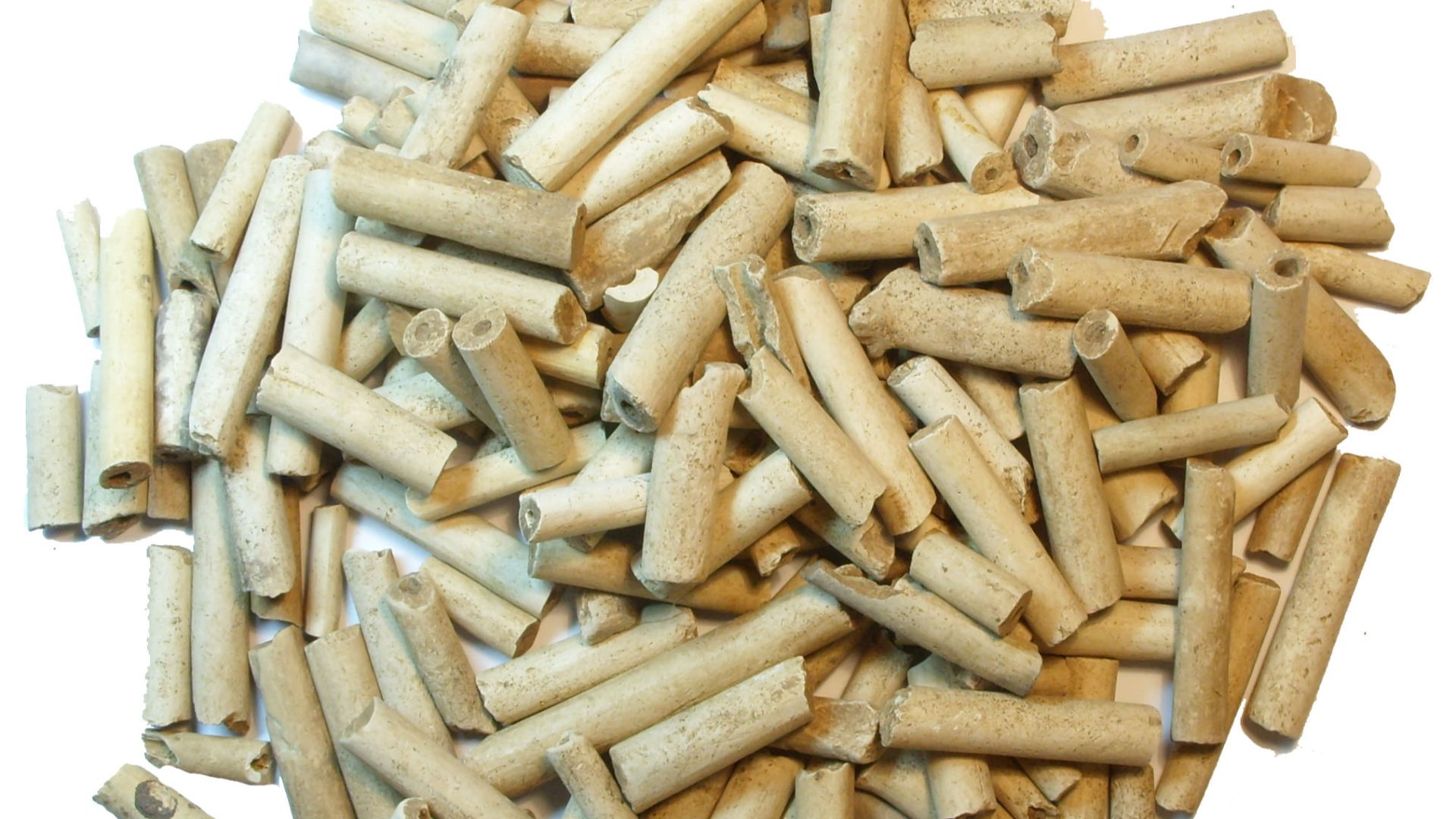
Broken pipes are particularly helpful at historical archaeological sites. Their shapes and manufacturers' markings can provide clues about production periods and consumer habits. At Massachusetts's Fiske Hill, researchers discovered pipe fragments marked with the letters TD, a design used by multiple manufacturers, demonstrating why archaeologists must examine other evidence before assigning precise dates.
 Birmingham Museums Trust, Angie Bolton, 2008-05-16 13:49:59, Wikimedia Commons
Worn-Out Shoes
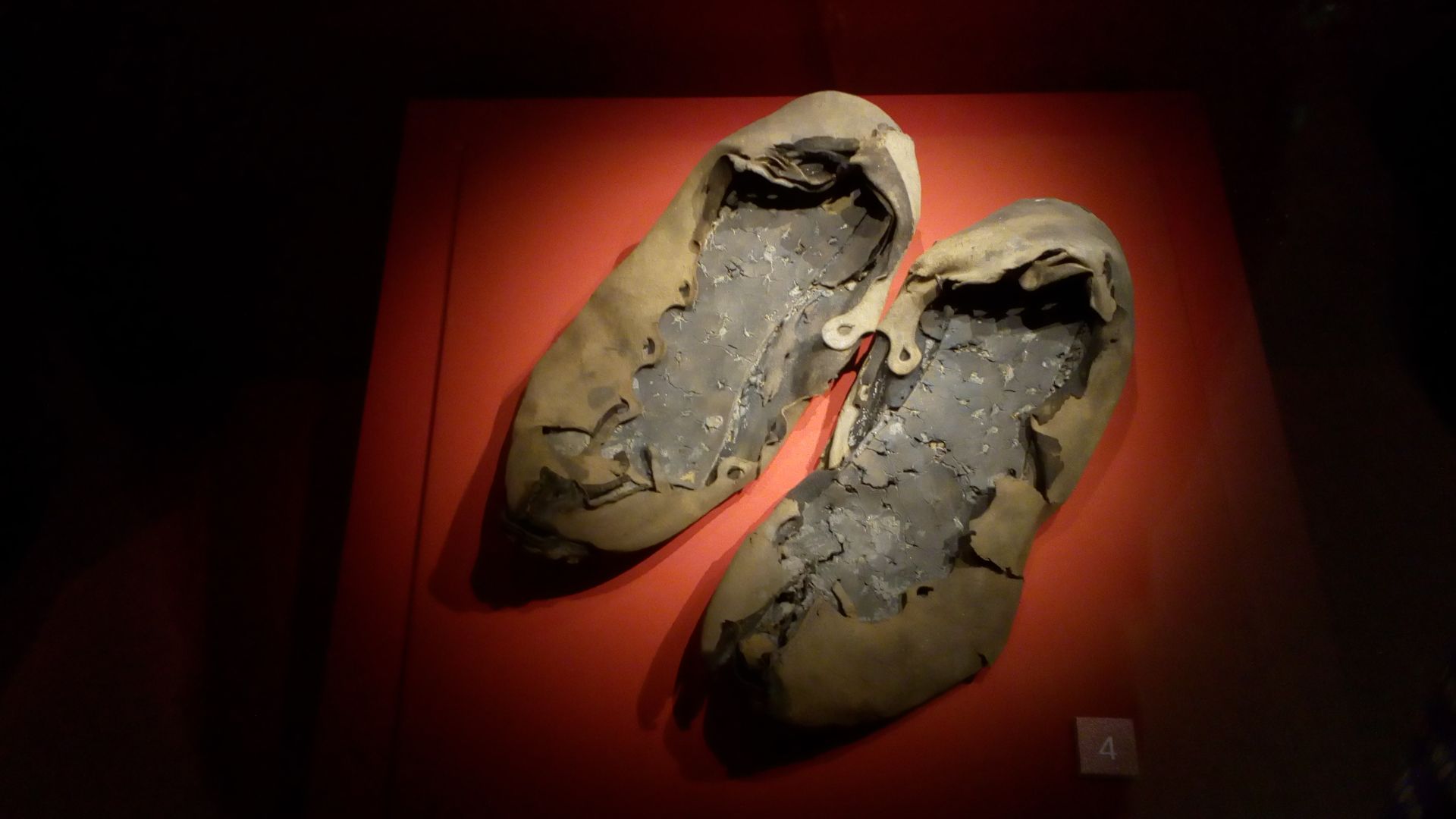
Ancient footwear offers clues about the people who once walked through a settlement. At Roman sites near Hadrian's Wall, archaeologists have uncovered thousands of leather shoes, ranging from children's footwear to soldiers' boots. In 2025, particularly large shoes discovered at Magna Roman Fort highlighted differences between the populations stationed at nearby military settlements.
 Victuallers, Wikimedia Commons
Wooden Writing Tablets
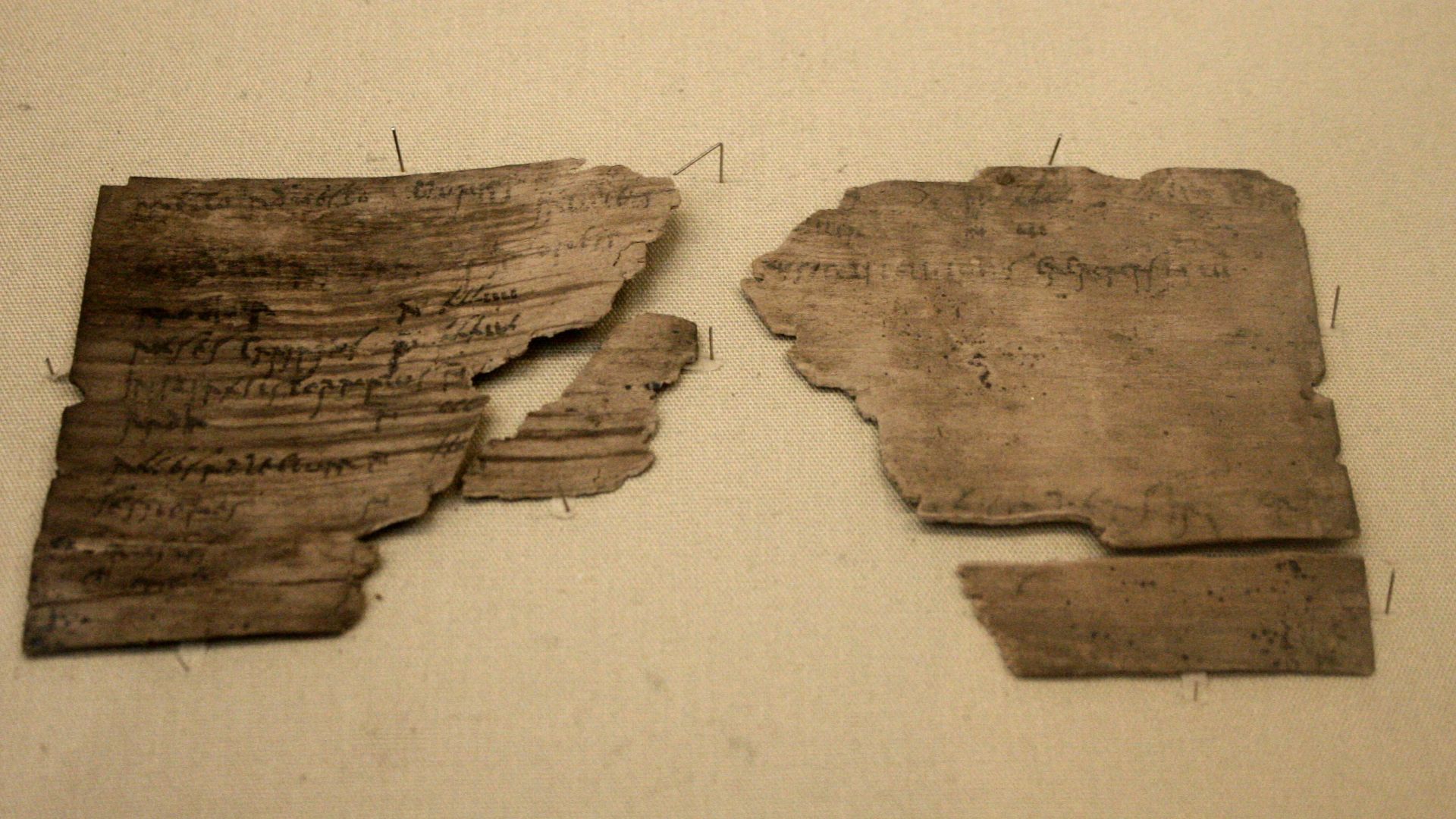
A discarded piece of wood becomes extraordinary when somebody wrote on it nearly 2,000 years ago. At Vindolanda in northern England, archaeologists discovered Roman writing tablets containing supply lists, personal correspondence, and requests for clothing. One famous tablet preserves a birthday invitation that includes an exceptionally early surviving example of Latin handwriting by a woman.
Lice Combs
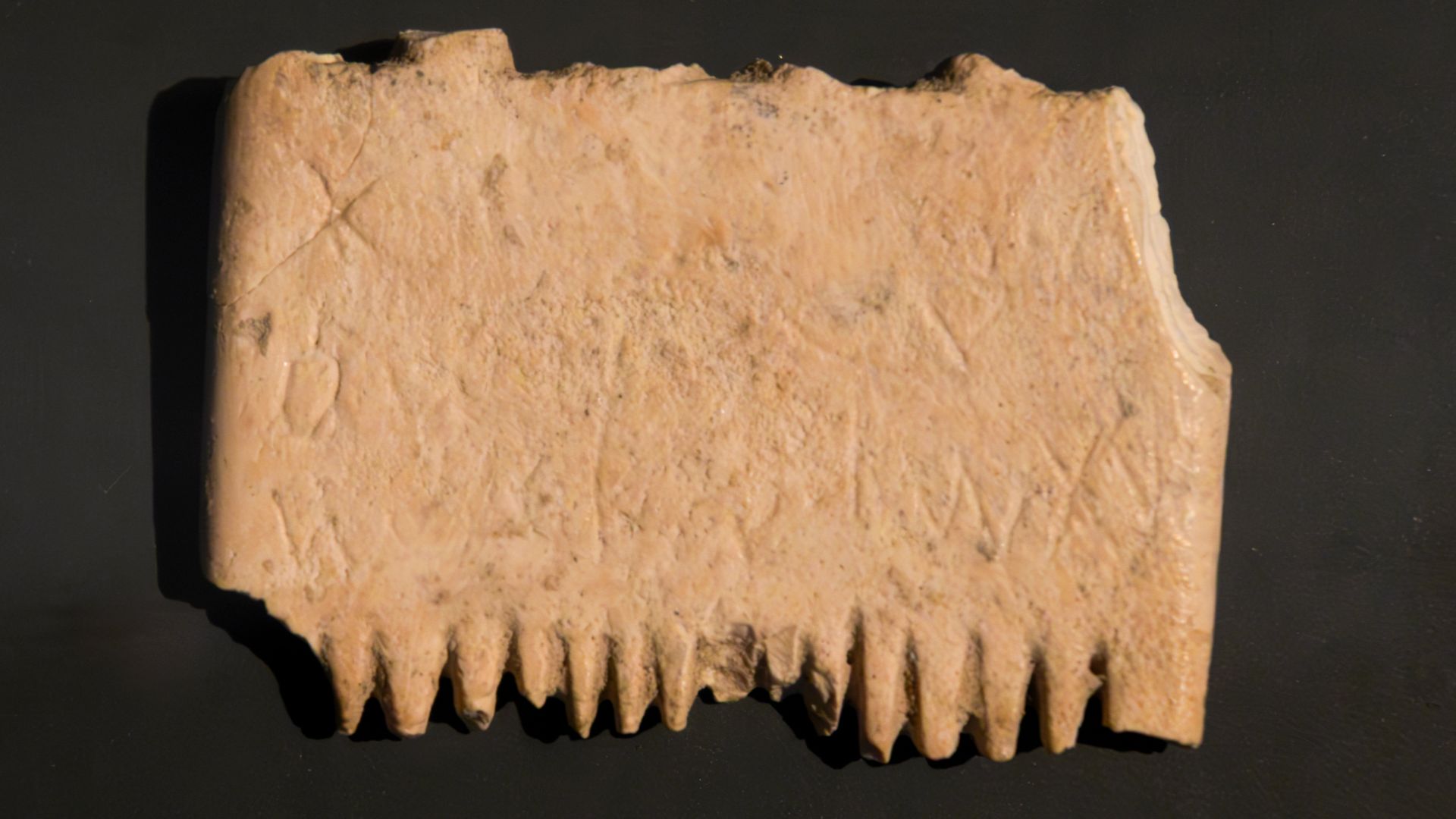
Even ancient grooming tools can produce remarkable archaeological discoveries. At Lachish in Israel, researchers examined an approximately 3,700-year-old ivory comb bearing a tiny inscription about removing lice from hair and beards. Actual louse remains were also identified between its teeth. The discovery provided valuable evidence about ancient personal hygiene and early alphabetic writing.
Spindle Whorls
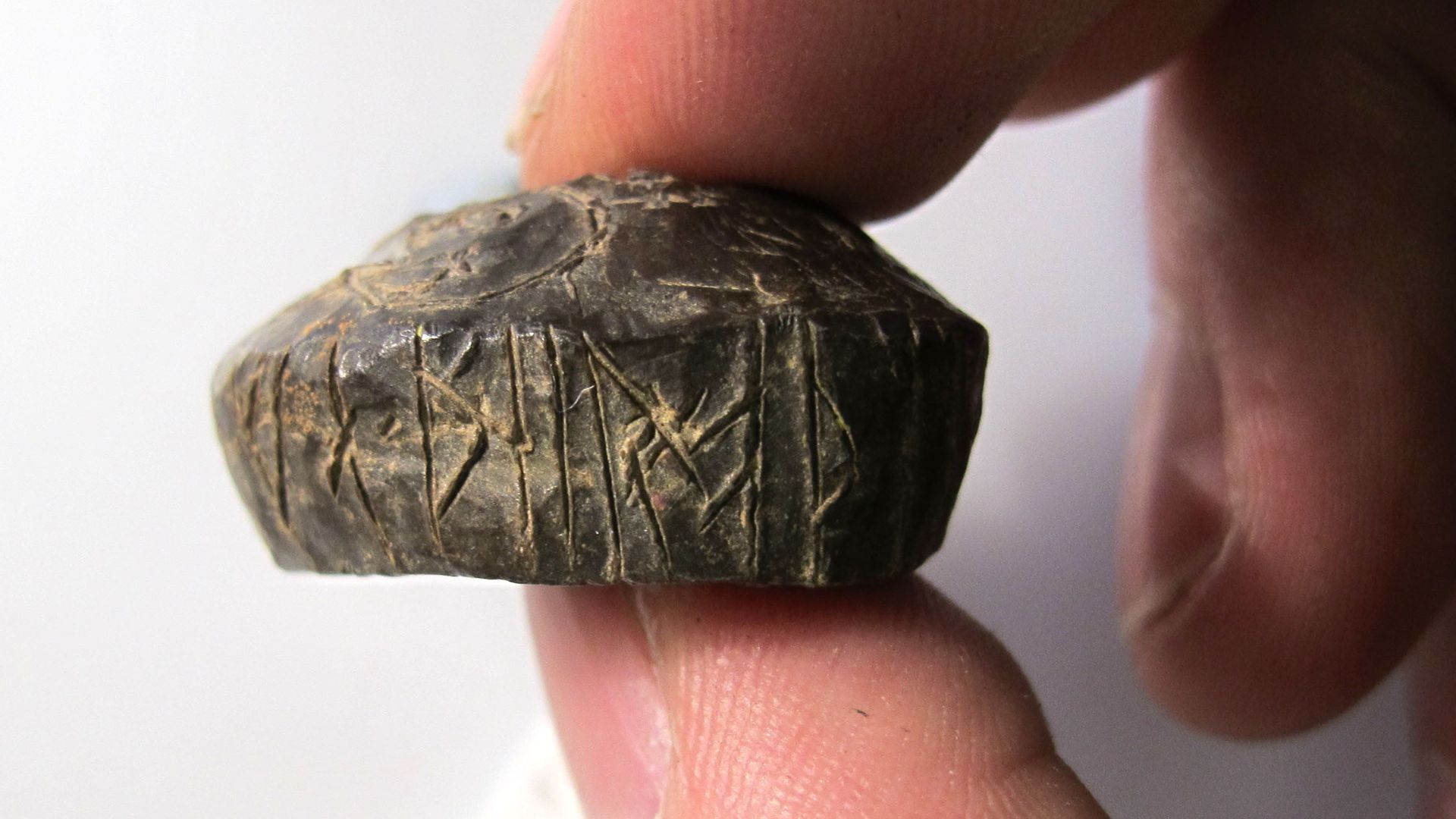
Small weights used in spinning thread might seem unremarkable, but they help archaeologists identify ancient textile production. In 2026, excavations at a Viking-era settlement in Denmark uncovered spindle whorls and loom weights across numerous buildings. The discoveries suggested organized textile manufacturing and offered evidence of economic activity extending beyond ordinary household clothing production.
 Lincolnshire County Council, Adam Daubney, 2011-04-27 11:43:56, Wikimedia Commons
Ancient Dice
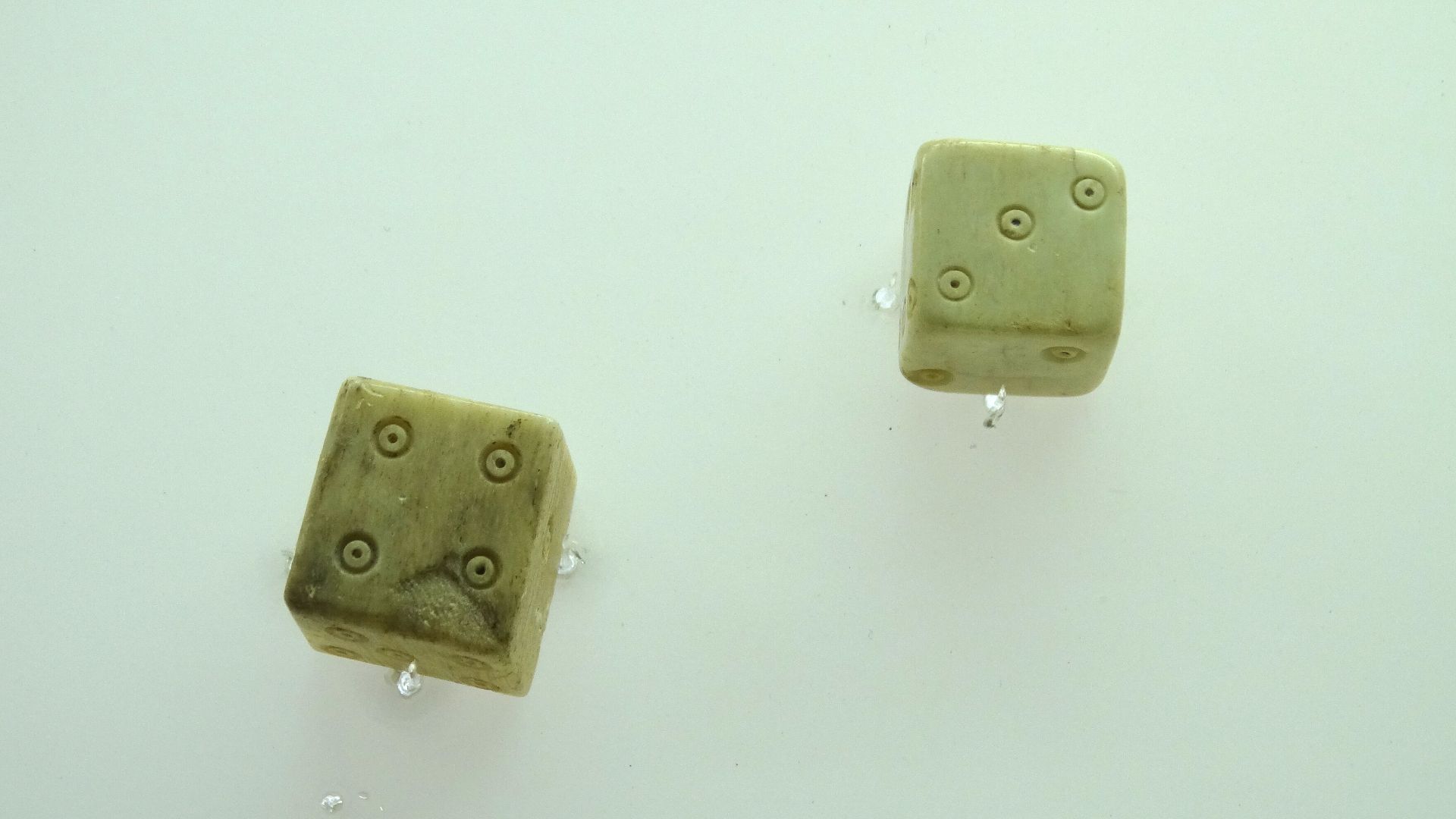
Finding an old gaming dice can reveal how people entertained themselves and understood chance. Researchers comparing dice from Roman, medieval, and Renaissance archaeological sites discovered significant changes in their shapes. Dice gradually became more standardized, offering insights into changing ideas about fairness and probability. Their designs can even help archaeologists date archaeological deposits.
 Adam Jones from Kelowna, BC, Canada, Wikimedia Commons
Ordinary Coins
A lost coin can provide archaeologists with a useful chronological clue. Coins recovered from the Spanish shipwreck sites of La Galga and Juno helped investigators establish possible timelines for the vessels. Their stamped dates meant the ships could not have sunk before those coins were produced, helping researchers connect underwater discoveries with historical records.
 Coinman62 at English Wikipedia, Wikimedia Commons
Rusty Nails
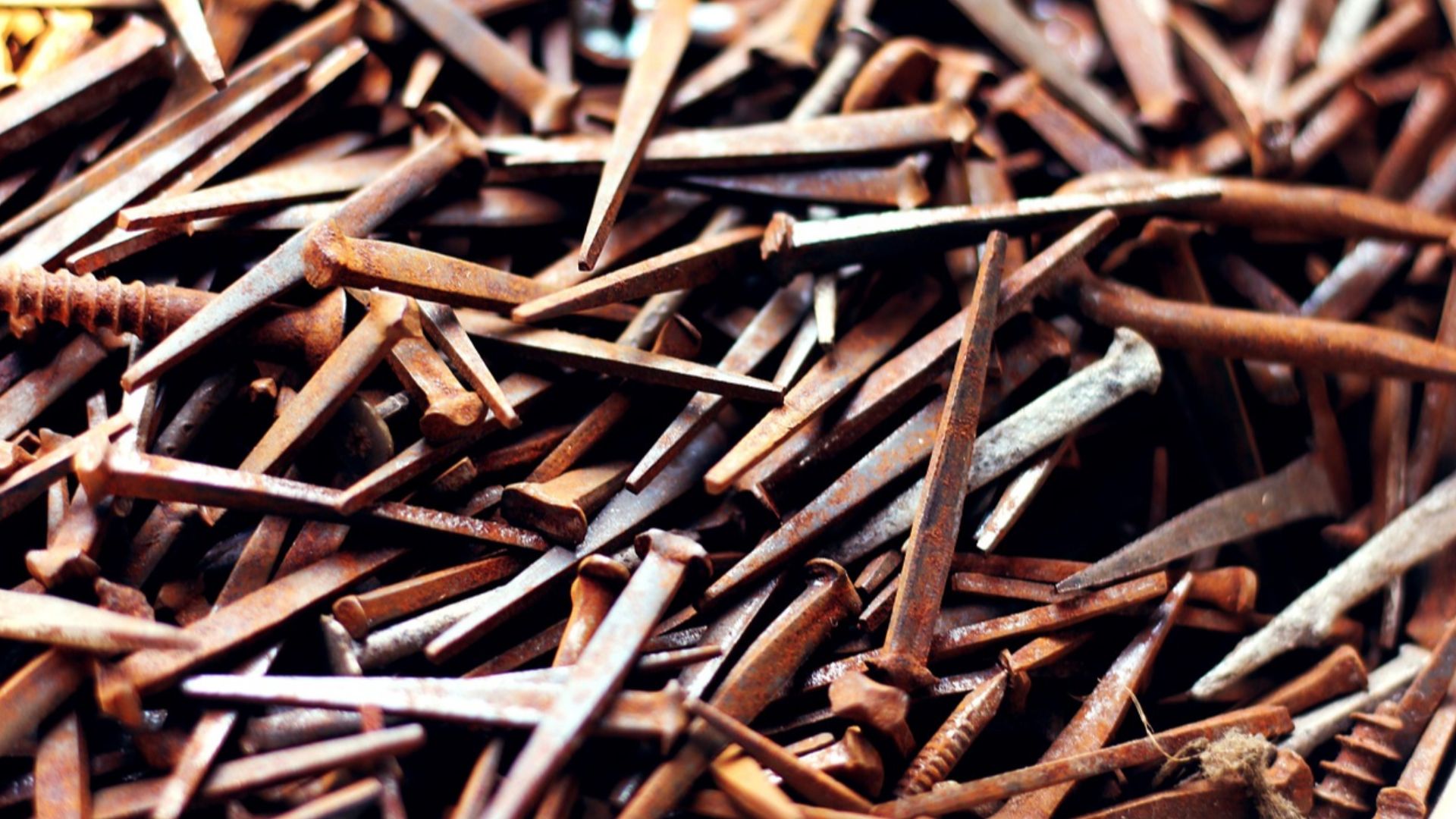
Archaeologists don't automatically dismiss a handful of rusty nails. At Fort Union Trading Post, excavations uncovered hand-forged nails alongside hinges, brick fragments, and other building materials. These ordinary objects helped document construction methods used at the trading post. Combined with structural evidence, they can reveal how historical buildings were assembled, maintained, and altered.
Ancient Poop
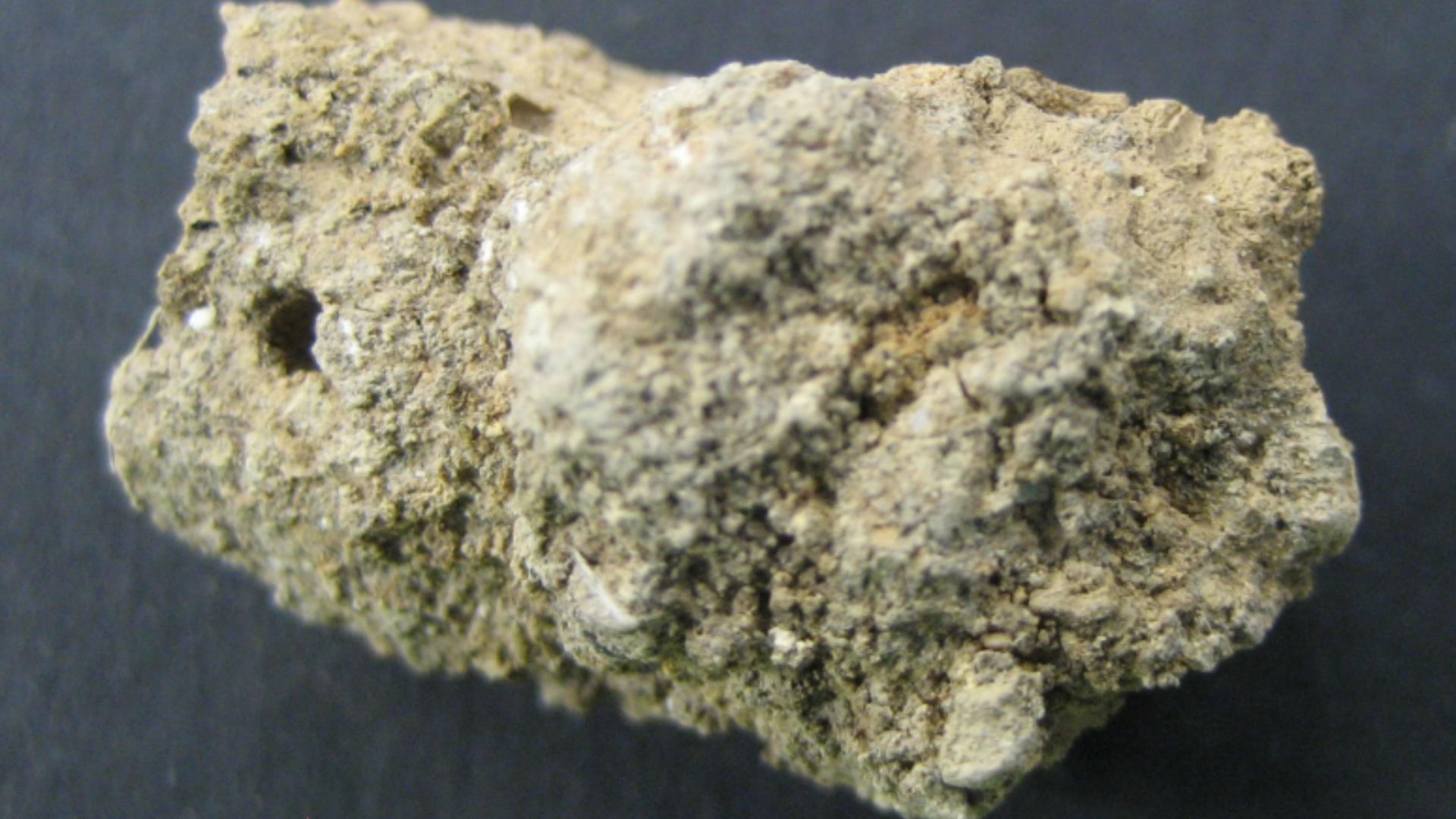
Perhaps the least glamorous archaeological discovery is also one of the most informative. Ancient fecal remains, called coprolites when fossilized, can reveal dietary information. Researchers have even used traces of mercury from historical medicines found at latrine sites to help identify campsites associated with the Lewis and Clark expedition. Apparently, history really does leave evidence everywhere.
 Drlmshillito, Wikimedia Commons
You May Also Like: