A Date NASA Actually Put On The Calendar
Some asteroid stories sound like internet panic dressed up in a lab coat. This one is different. NASA is not saying the sky is falling tomorrow, and no one needs to start building a bunker beside the Costco freezer section.
But scientists have studied one asteroid so closely that they have actually identified a future moment when Earth may have to pay very serious attention.

The Asteroid Is Already Famous
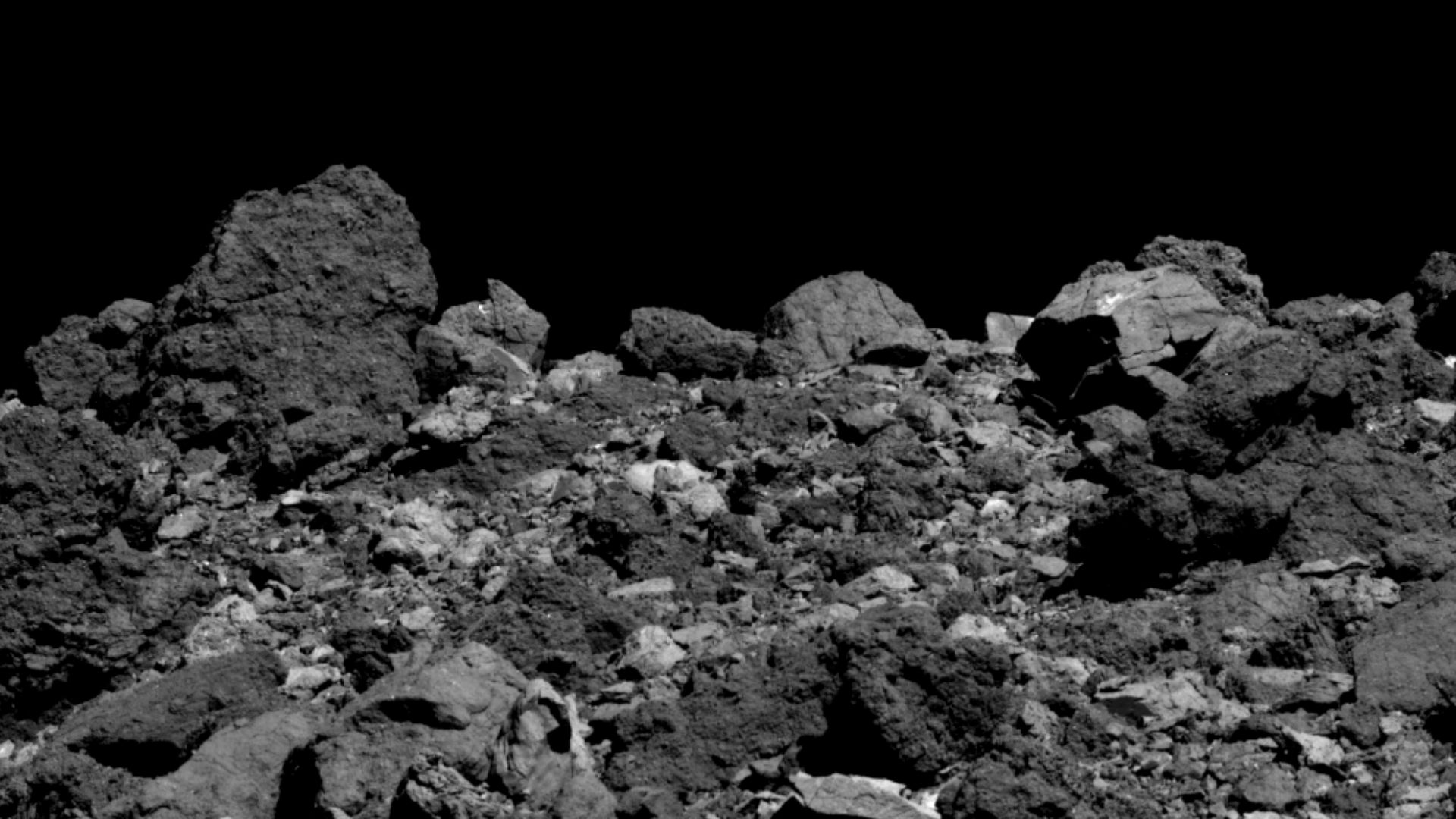
The asteroid is called Bennu, and NASA knows it better than most space rocks drifting around the solar system. Bennu is not some mystery object that just appeared out of nowhere. It has been tracked for years, visited by a spacecraft, photographed up close, and studied in a way very few asteroids ever have been. That is what makes this story so unsettling.
This Was Not A Guess
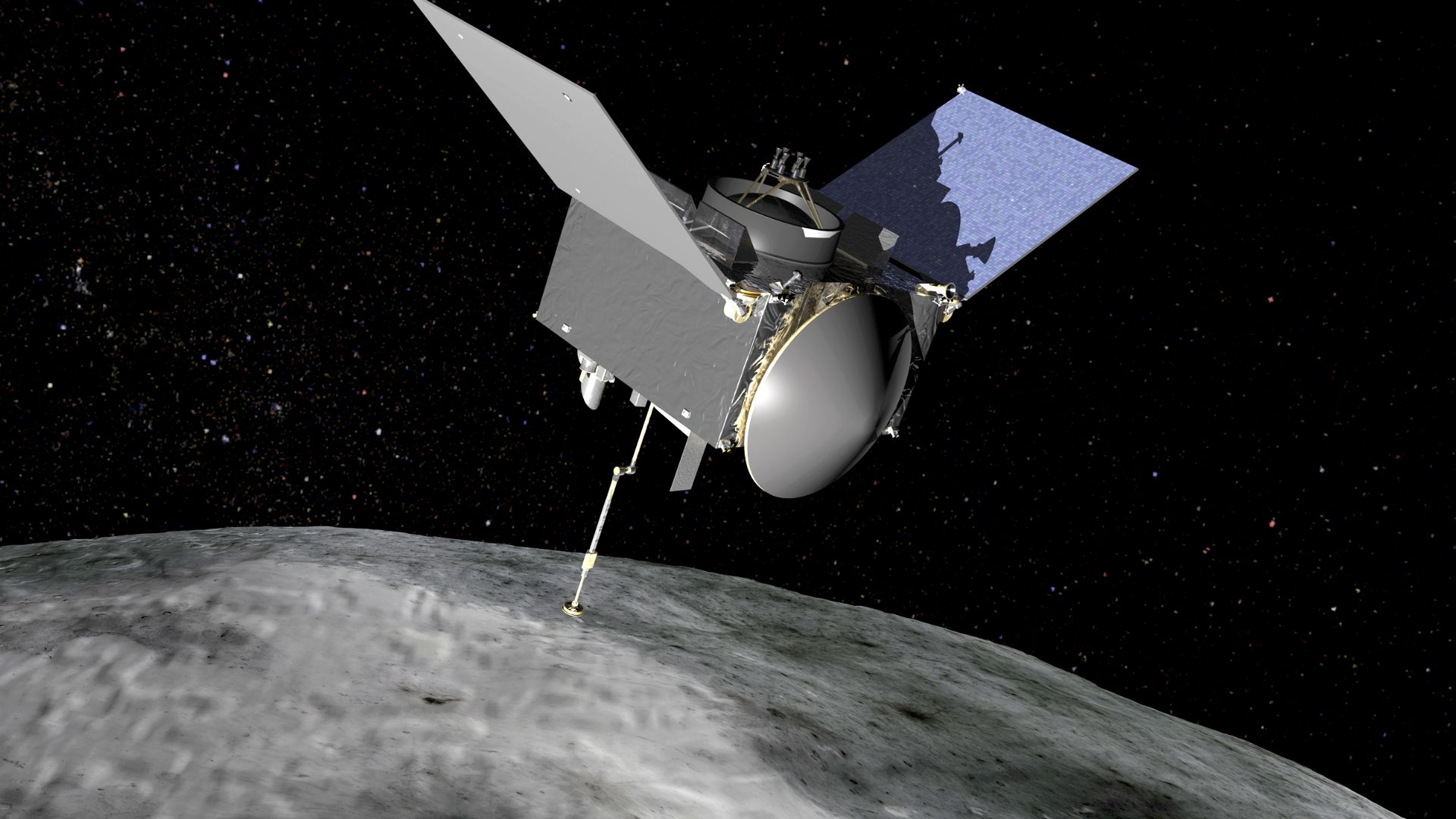
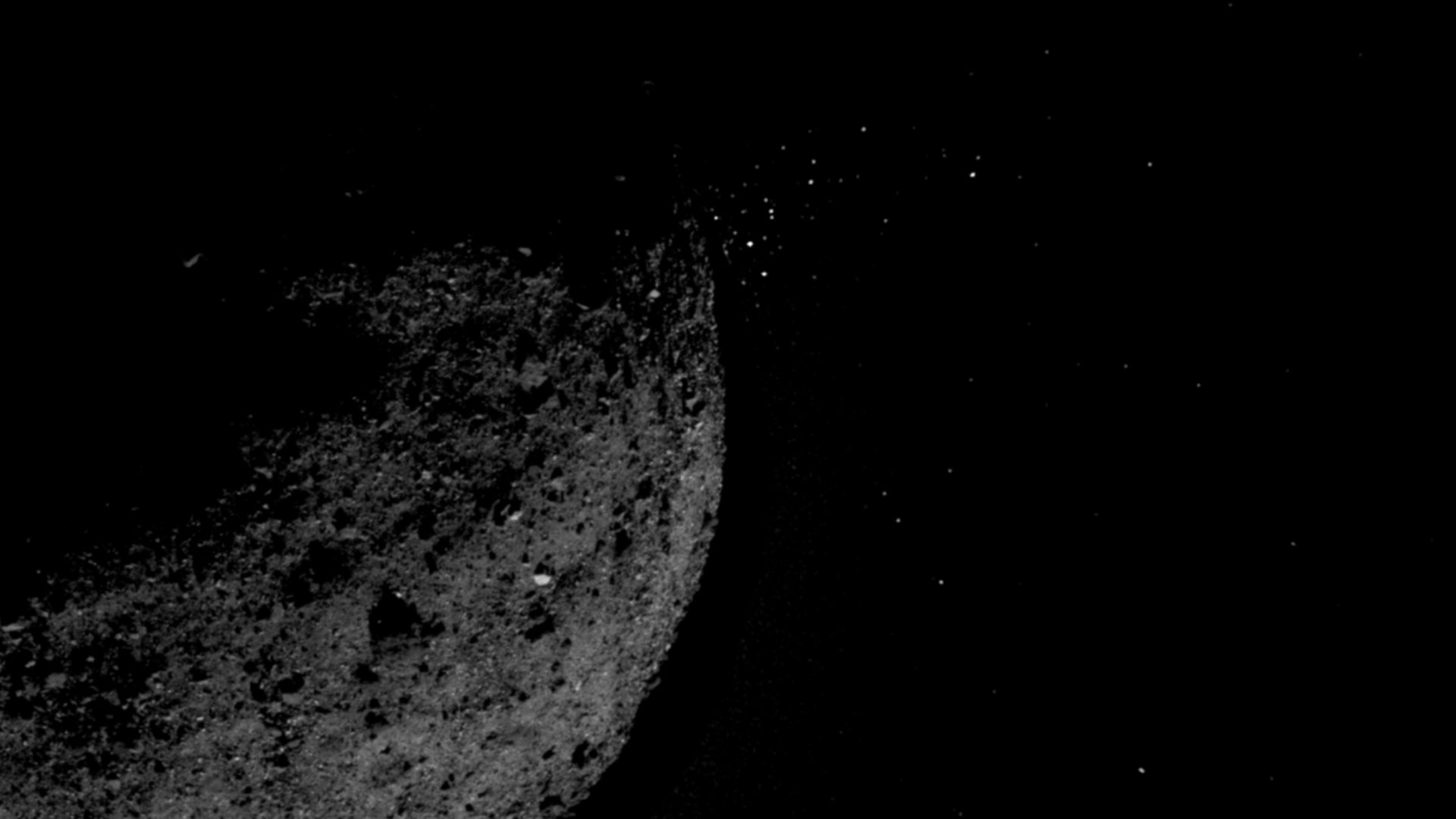
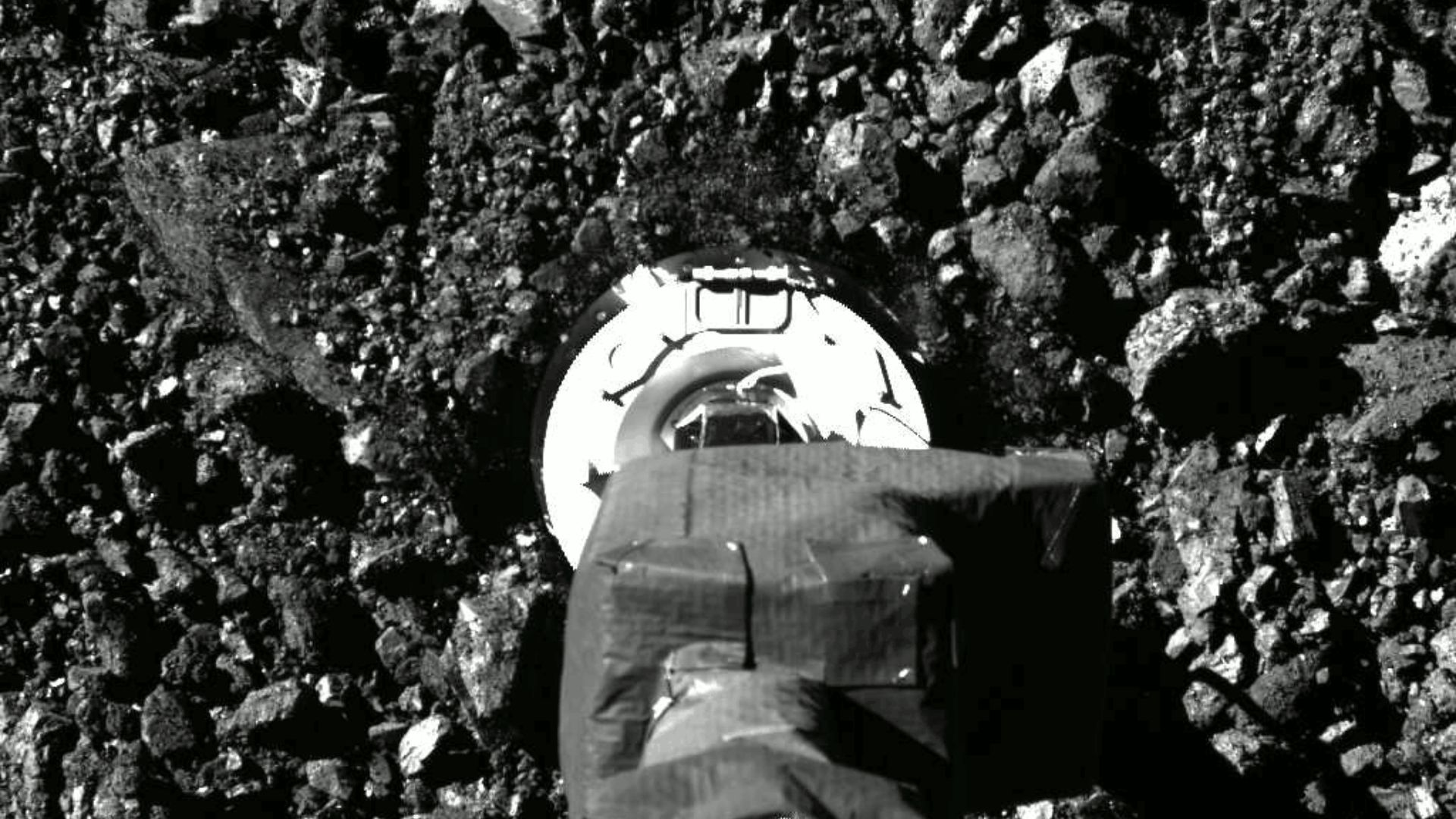
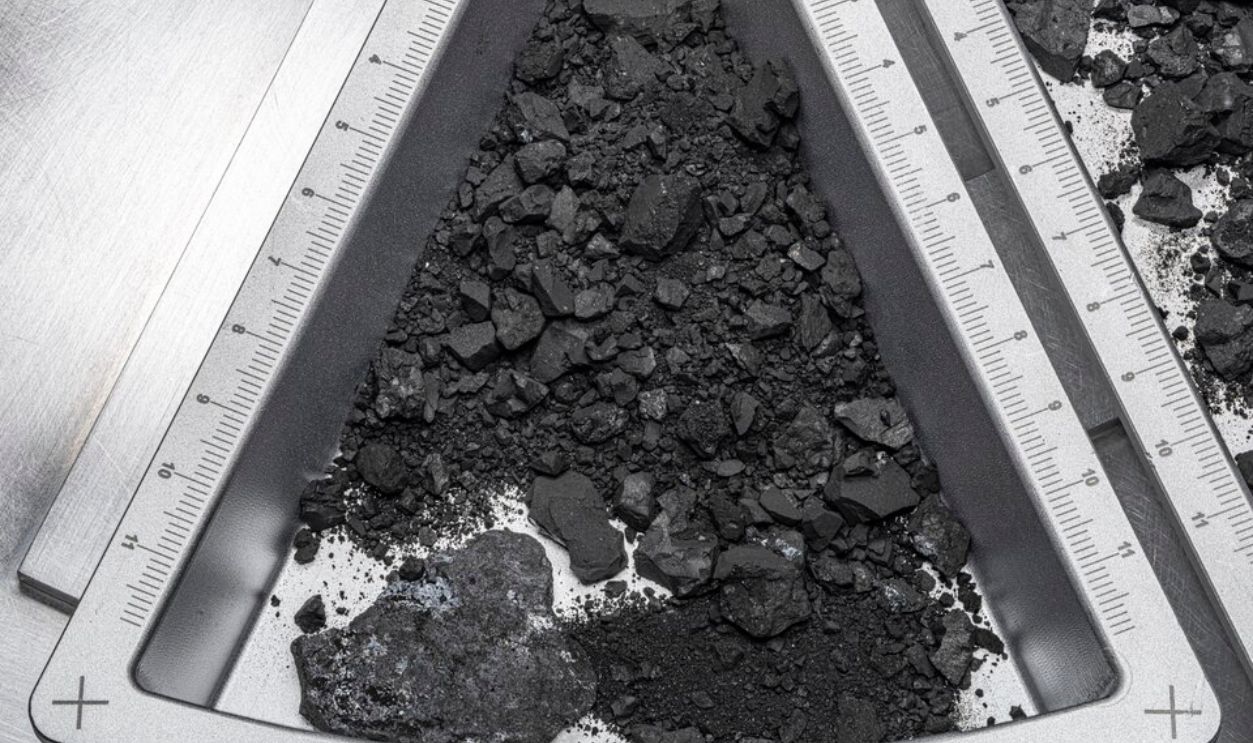
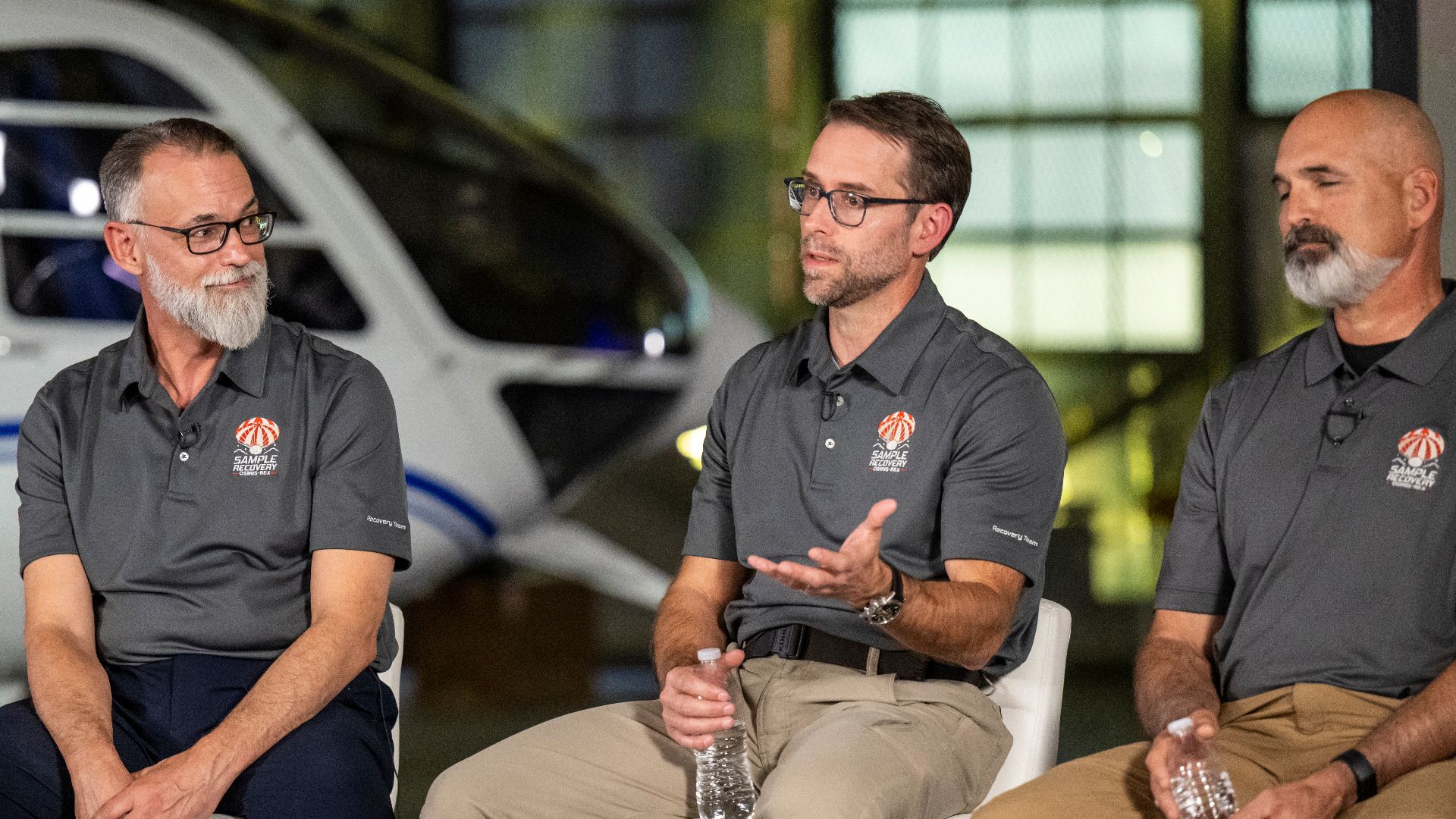
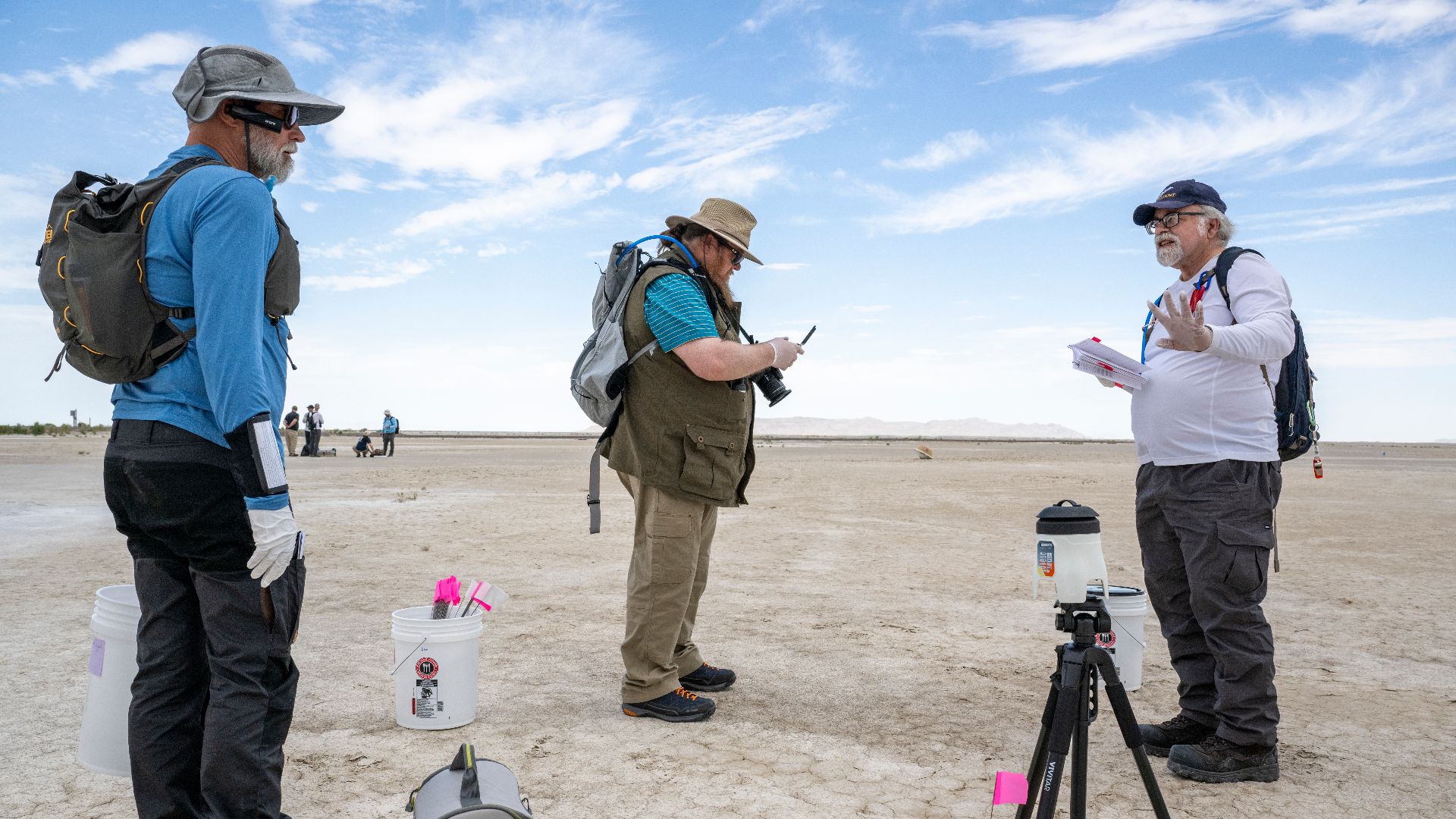
NASA’s OSIRIS-REx mission traveled all the way to Bennu, studied its surface, collected a sample in 2020, and returned that sample to Earth in 2023. That mission gave scientists a much better understanding of Bennu’s orbit, shape, surface, and behavior. In other words, this was not a random prediction made from blurry telescope images. NASA got close. Very close.
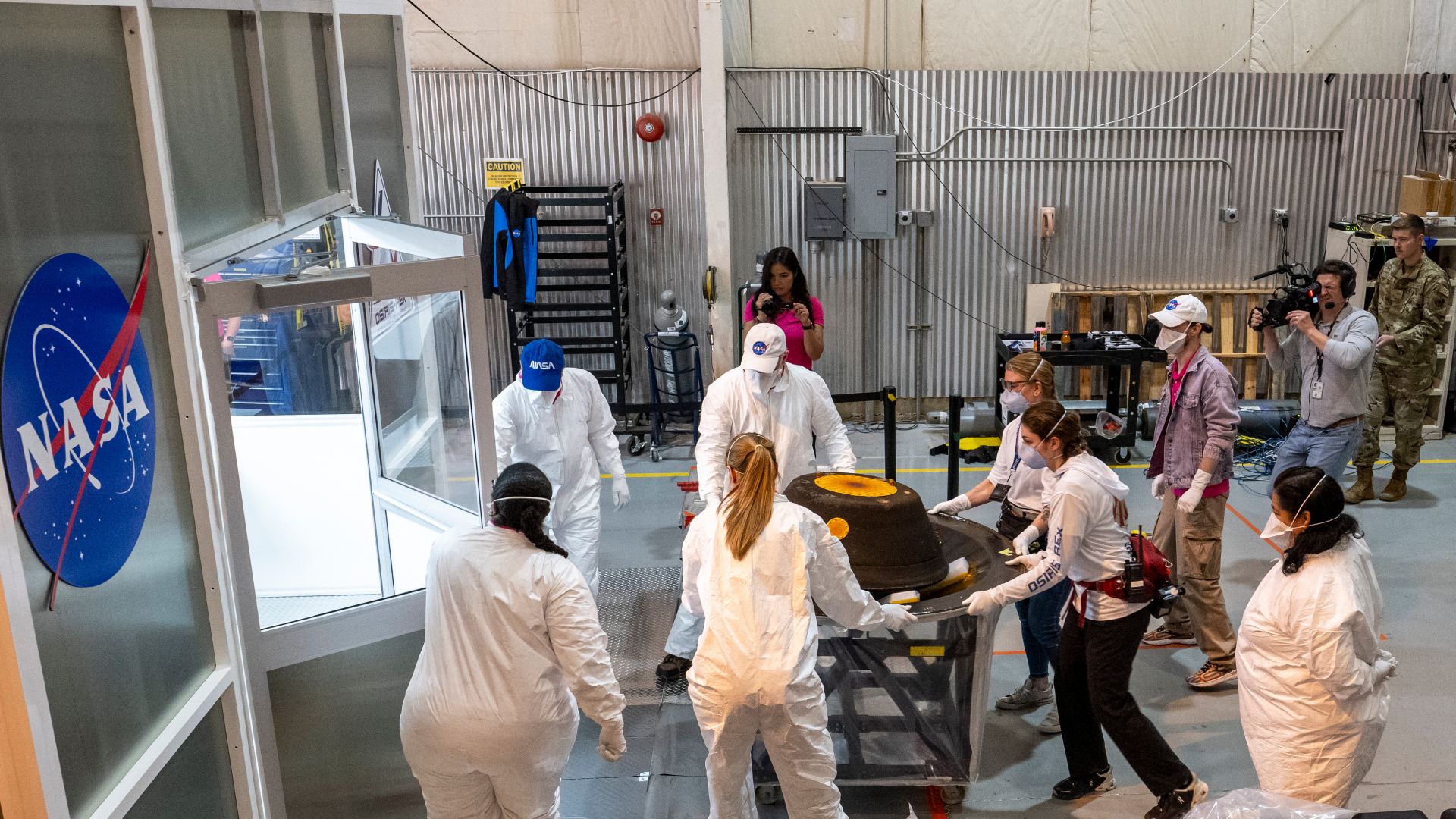 NASA Headquarters / NASA/Keegan Barber, Wikimedia Commons
Then Came The Date
After refining Bennu’s future orbit, NASA identified September 24, 2182, as the most significant single date for a possible impact. That does not mean Bennu is definitely going to hit Earth. It means that, among the possible future scenarios NASA modeled, that date carries the highest individual impact probability. Which is still enough to make the date feel a little less comfortable than it should.
The Odds Feel Strangely Close
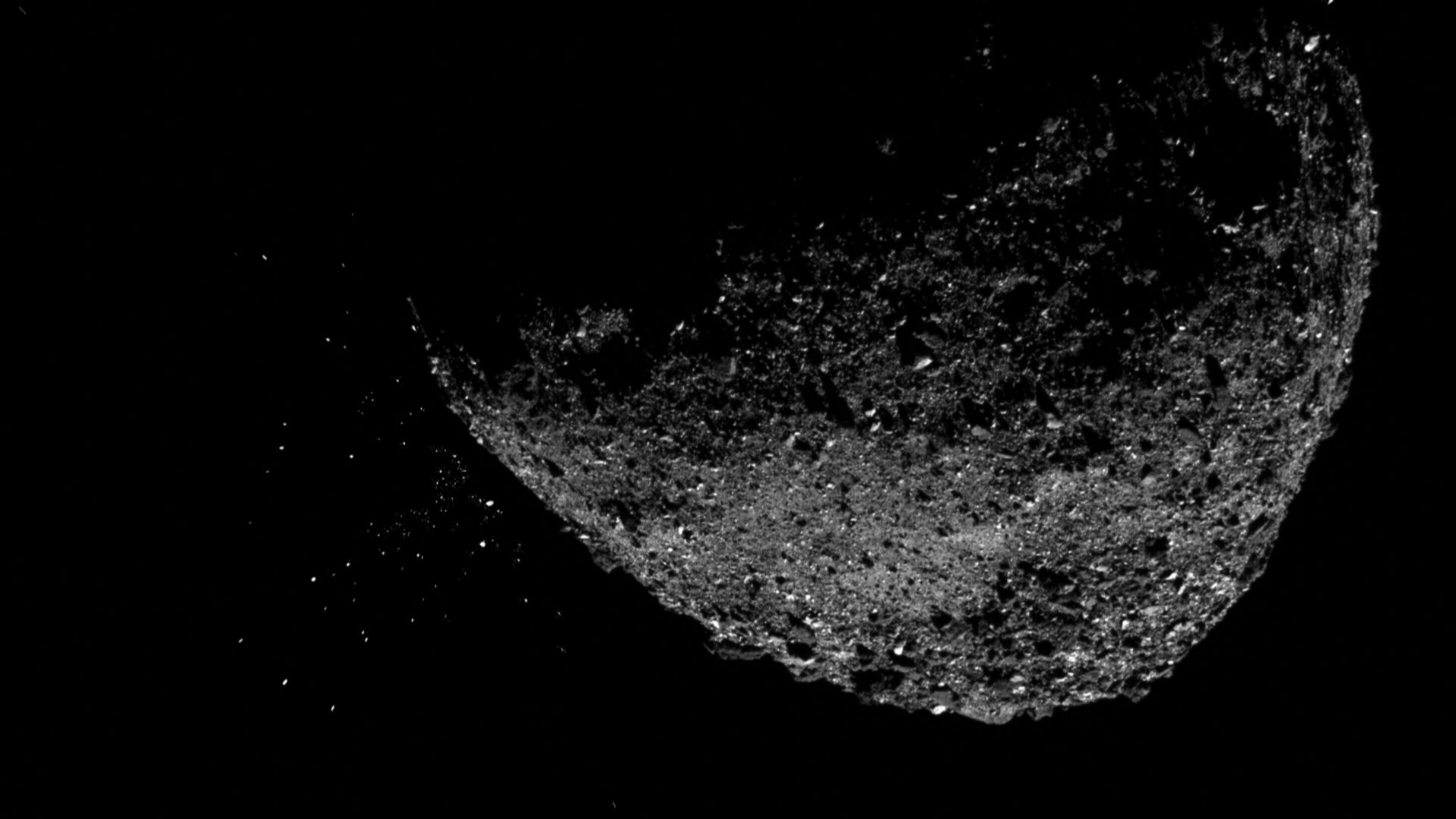
A 1 in 2,700 chance still sounds strangely high for an asteroid impact. Most people probably expect the odds to be something like 1 in a million, not a number that feels like it belongs on a raffle ticket. Bennu is still likely to miss Earth. But when the object is hundreds of meters wide, even odds that small are enough to keep scientists watching.
 NASA/Goddard/University of Arizona/Lockheed Martin, Wikimedia Commons
That Still Leaves A Bigger Question
The most likely outcome is still simple: nothing happens. Bennu misses, Earth keeps spinning, and everyone in 2182 argues about whatever replaced pineapple on pizza. But NASA does not ignore an asteroid just because the odds are small. With objects like Bennu, the whole point is to understand the risk early, while there is still a ridiculous amount of time to do something about it.
Why Bennu Gets Attention
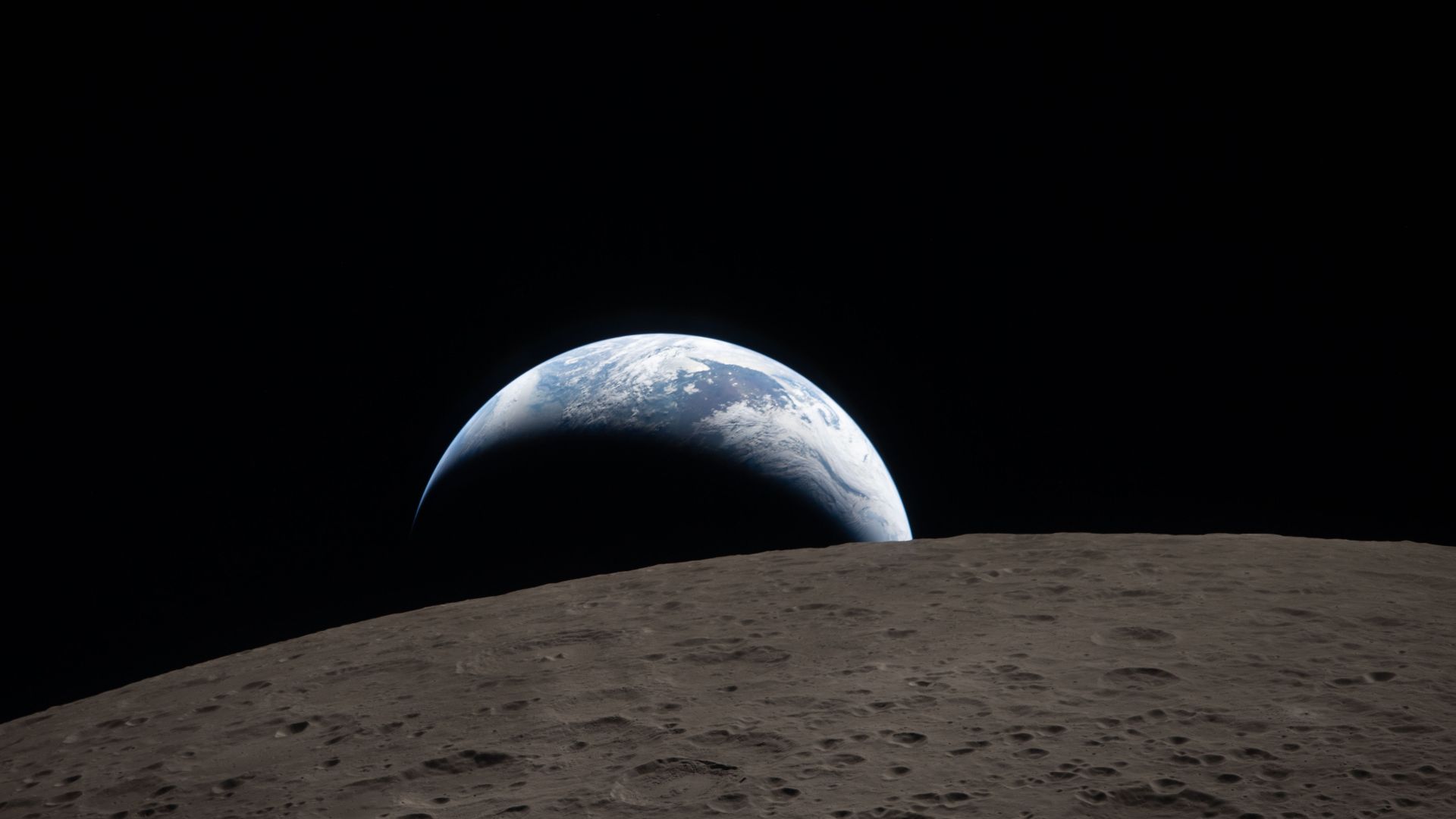
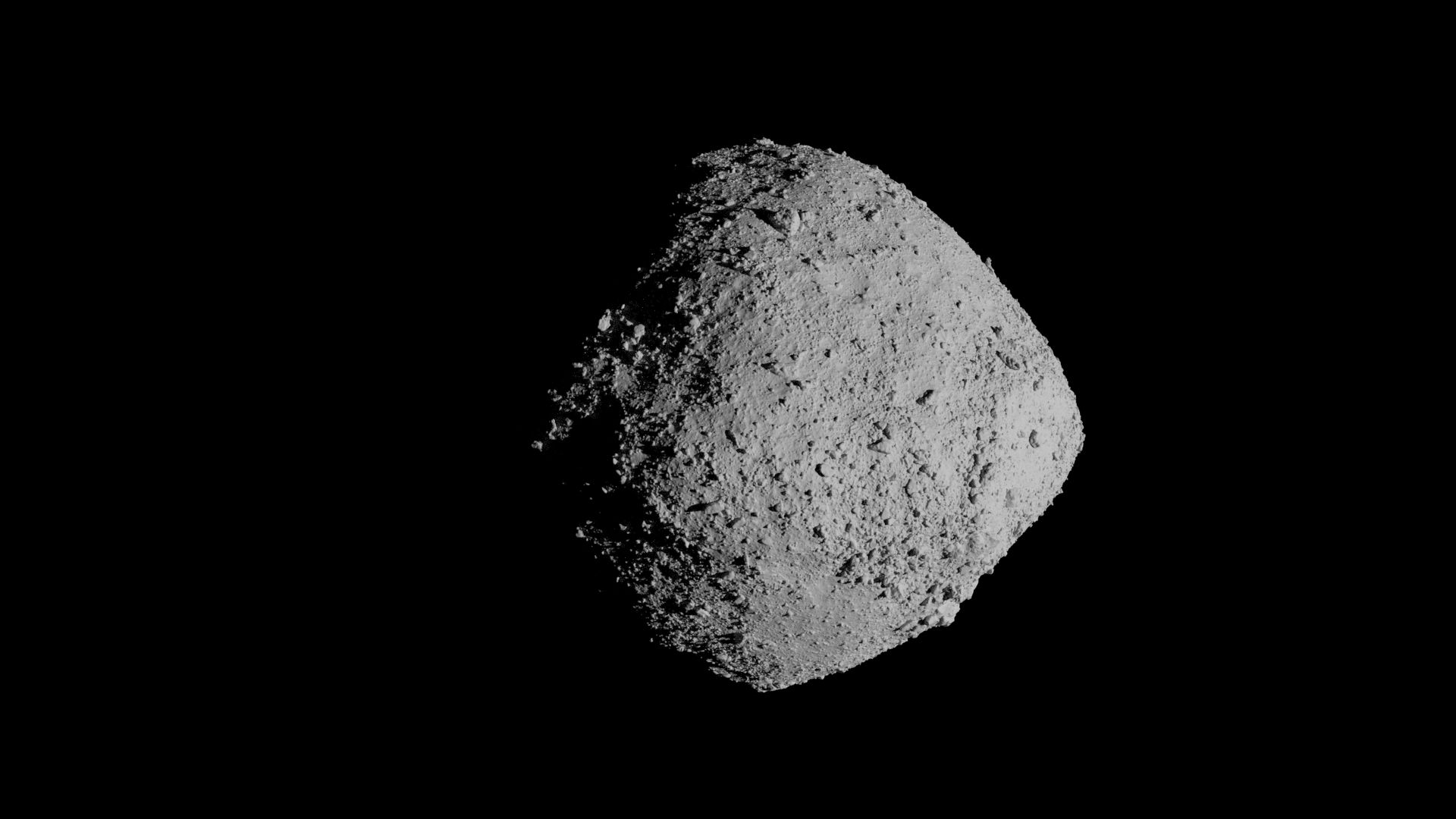
Bennu is about one-third of a mile wide at its equator. That is not planet-ending, but it is absolutely big enough to cause catastrophic damage if it ever struck Earth. That is why Bennu is important for planetary defense—not because impact is likely, but because its size and orbit make it one of the objects scientists want to understand long before it ever becomes urgent.
The Power Is Hard To Picture
If Bennu ever struck Earth, the numbers would be hard to wrap your head around. Planetary-defense researchers have estimated a possible impact at around 1,200 megatons of energy. That is far beyond the scale of any weapon ever used in war, and even larger than the most powerful nuclear weapon ever tested. It would not wipe out humanity—but wherever it hit, the destruction could be catastrophic.

The Damage Would Not Stay Small
If Bennu ever struck Earth, the damage would not be measured in city blocks. A land impact could devastate everything for tens of miles around the strike zone, with destructive effects reaching much farther. And an ocean impact could turn the danger into something even harder to contain, sending powerful waves racing toward coastlines far from where the asteroid actually fell.
The Real Twist Comes Earlier
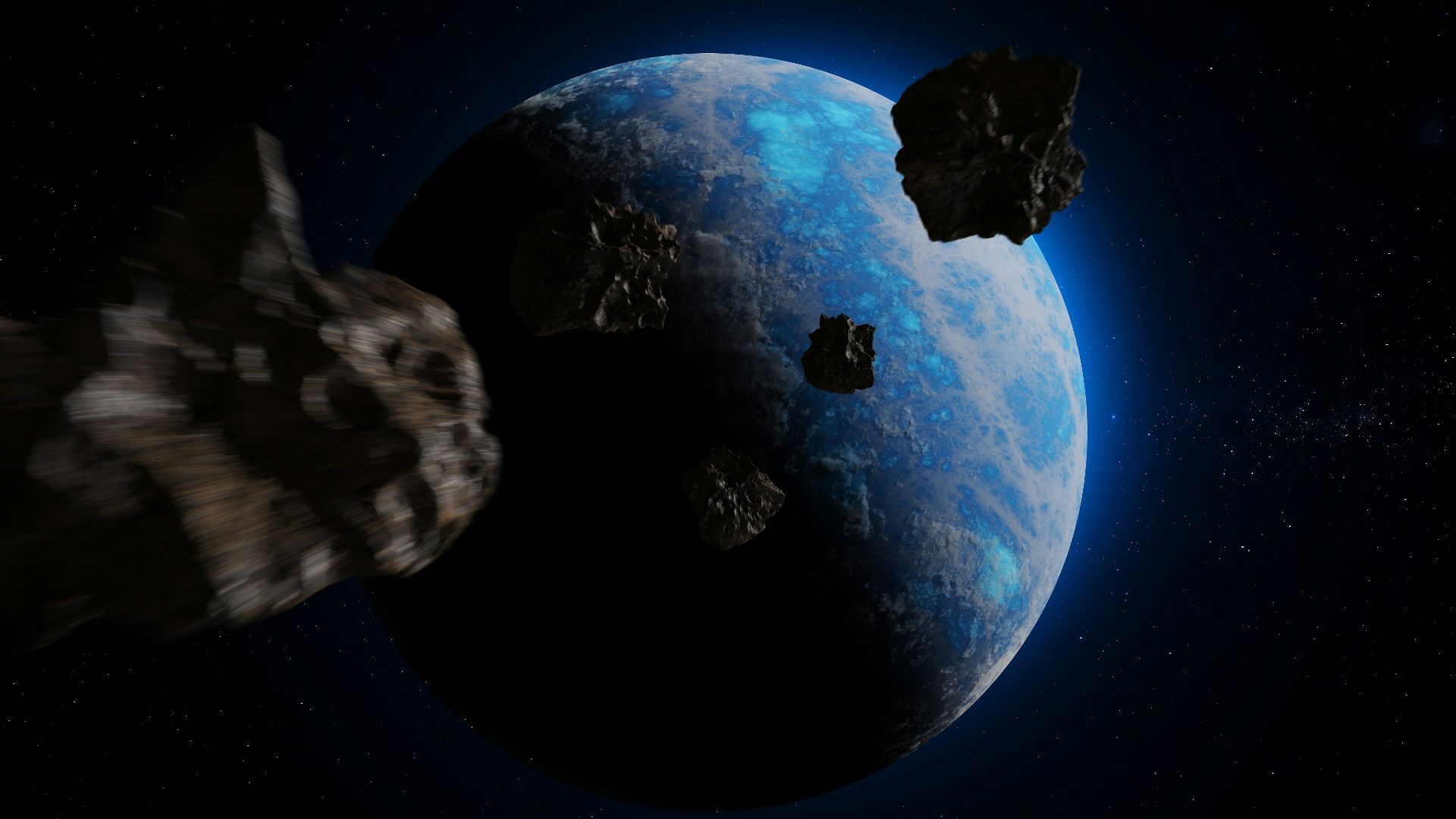
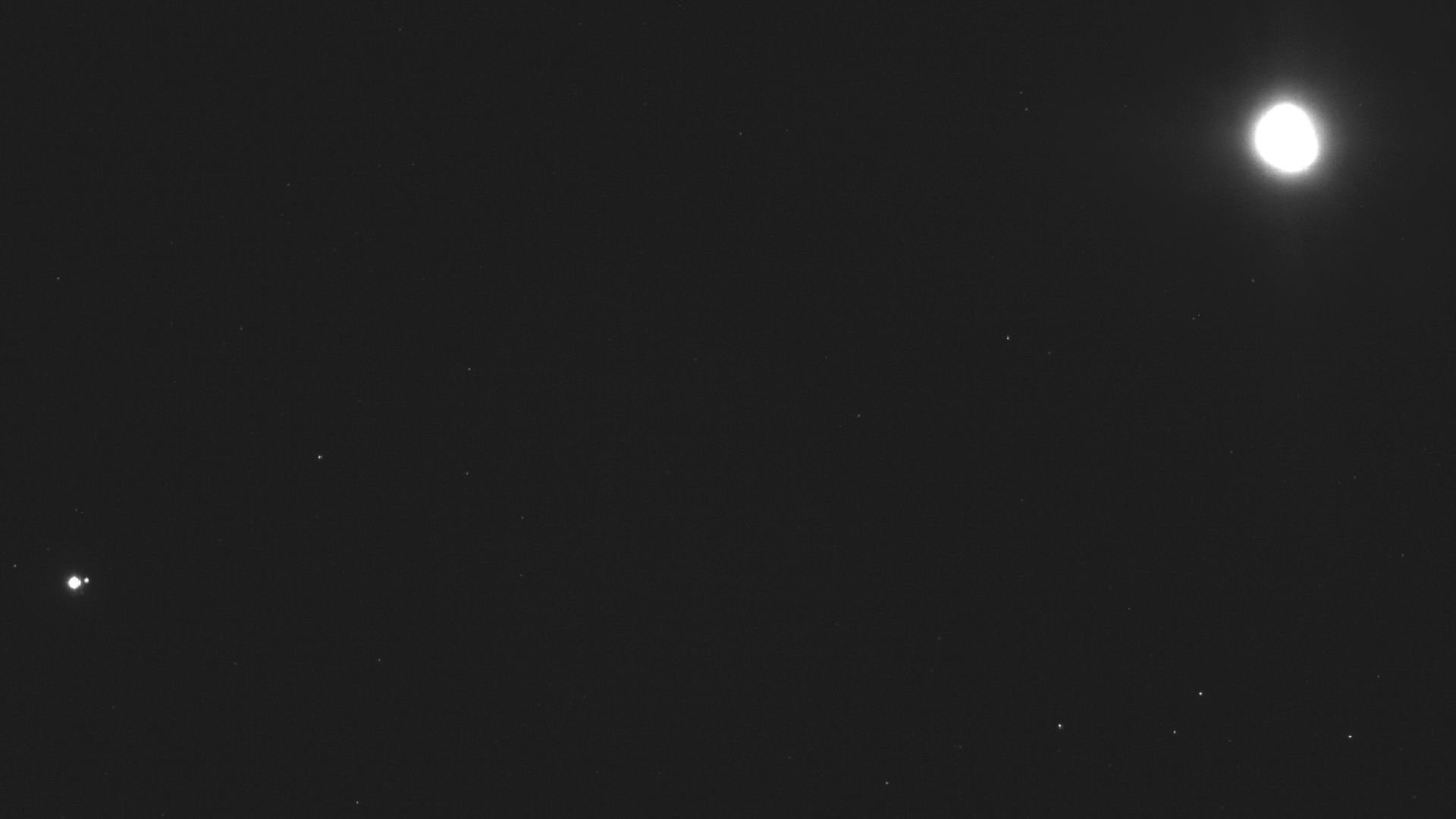
The scariest date in the story might not even be 2182. Bennu is expected to make a very close flyby of Earth on September 25, 2135. That flyby is important because Earth’s gravity could slightly alter Bennu’s path. And with asteroids, “slightly” can become a much bigger deal when you stretch the math across decades.
 NASA/Goddard/University of Arizona/Lockheed Martin Space, Wikimedia Commons
The Keyhole Problem
NASA’s concern involves something called a gravitational keyhole. That is a tiny region in space where, if Bennu passed through it during the 2135 flyby, Earth’s gravity could bend its orbit just enough to put it on a future impact path. It is a little like missing a turn on the highway and somehow ending up in another state 40 years later.
 Kevin Gill from Nashua, NH, United States, Wikimedia Commons
That Sounds Worse Than It Is
The keyhole scenario is still extremely unlikely. But this is exactly why Bennu is so interesting to scientists. It is not just about where the asteroid is now. It is about where it could be after gravity, sunlight, heat, and tiny orbital changes all spend decades nudging it around like the universe is playing the longest game of pool ever invented.
 NASA Goddard Space Flight Center / Molly Wasser, Wikimedia Commons
Sunlight Can Move An Asteroid
One of the tricky forces scientists study is the Yarkovsky effect. Basically, an asteroid absorbs sunlight and later releases heat, and that tiny push can slowly alter its orbit over time. It sounds ridiculous until you remember Bennu has more than a century to be nudged. Space does not need dramatic moves. It just needs patience.
 NASA/Goddard/University of Arizona/Lockheed Martin, Wikimedia Commons
That Is Why OSIRIS-REx Mattered
OSIRIS-REx was not just a cool mission because NASA grabbed asteroid dust and brought it home. The spacecraft also helped scientists refine Bennu’s orbit and better understand how it moves. That gave NASA a clearer picture of the future risk, which is both reassuring and slightly creepy because now there is an actual date attached to the math.
 NASA/Goddard/University of Arizona, Wikimedia Commons
Bennu Also Has A Softer Side
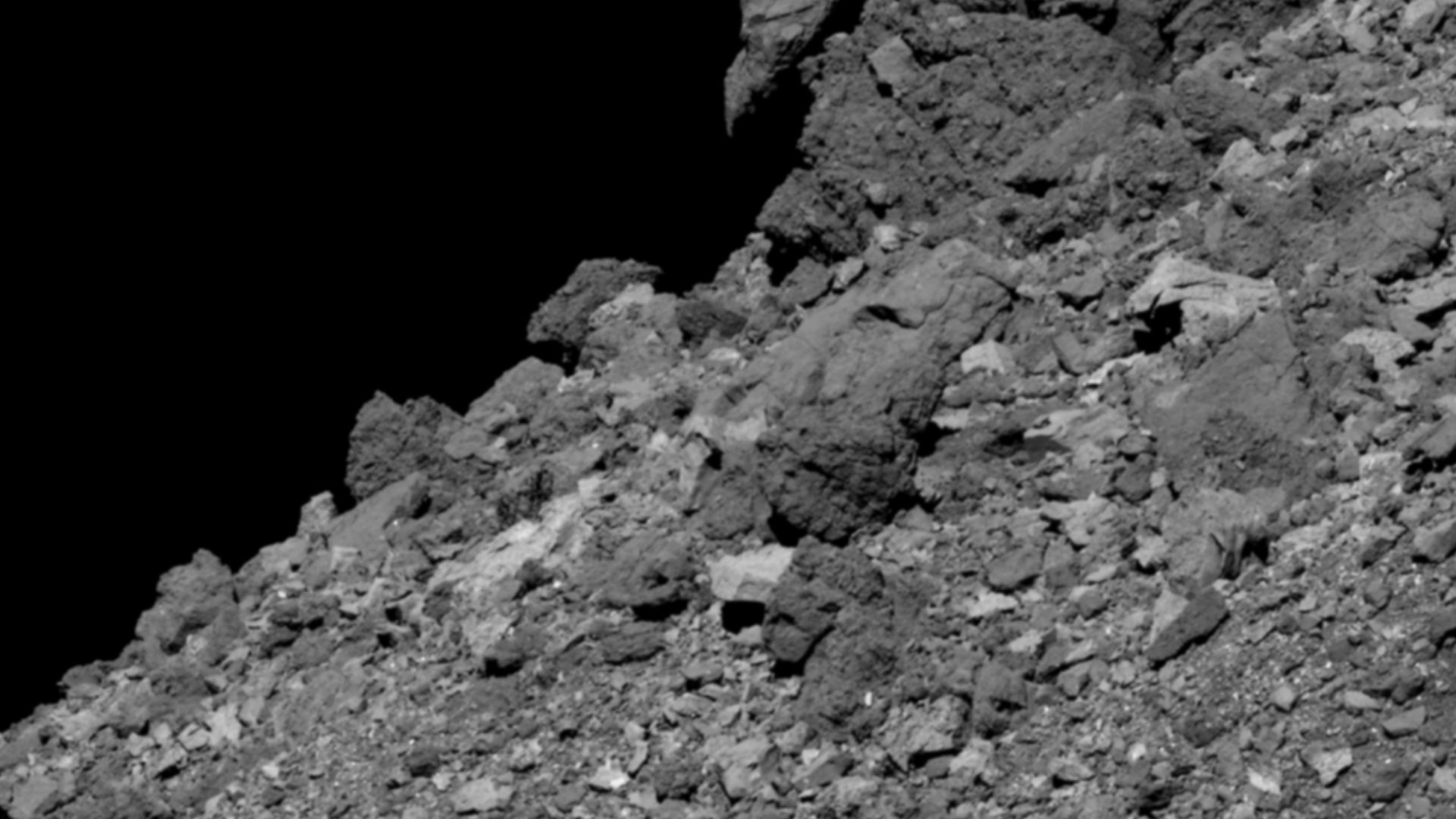
The same asteroid that gets headlines for a possible future impact is also a scientific time capsule. NASA says Bennu is carbon-rich, and its material can help scientists study the early solar system. So Bennu is not only a possible future hazard. It is also a messenger from a time before Earth looked anything like the planet we know.
It Carries Clues About Earth
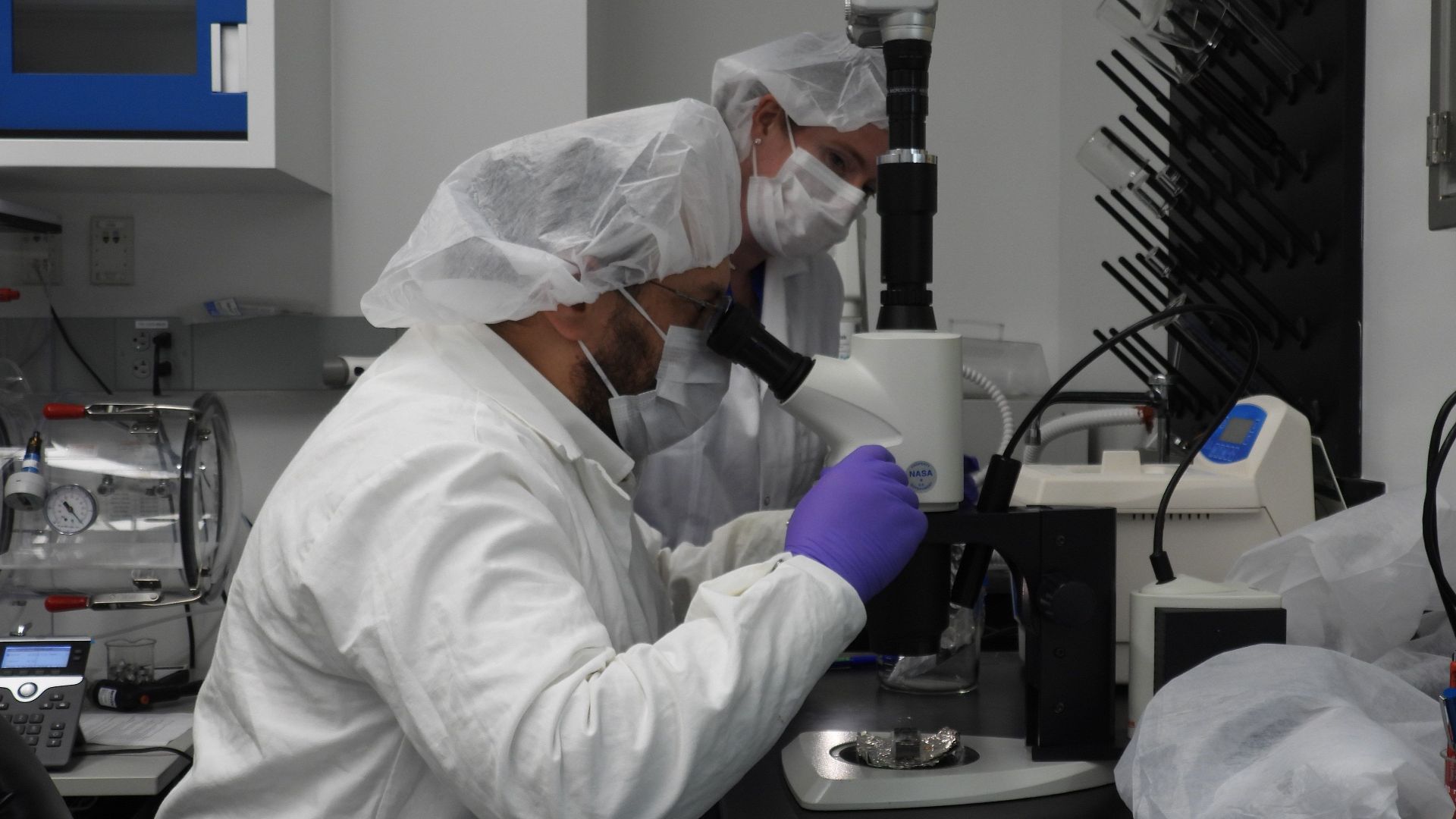
That is why scientists wanted a sample so badly. NASA says researchers are studying Bennu material for clues about water, carbon-rich chemistry, and ingredients connected to the early solar system and the origins of life. So yes, Bennu gets attention because of the impact risk. But it also gets attention because it may help answer questions about where some of Earth’s building blocks came from.
 NASA Johnson Space Center / Erika Blumenfeld & Joseph Aebersold, Wikimedia Commons
NASA Is Not Sounding The Alarm
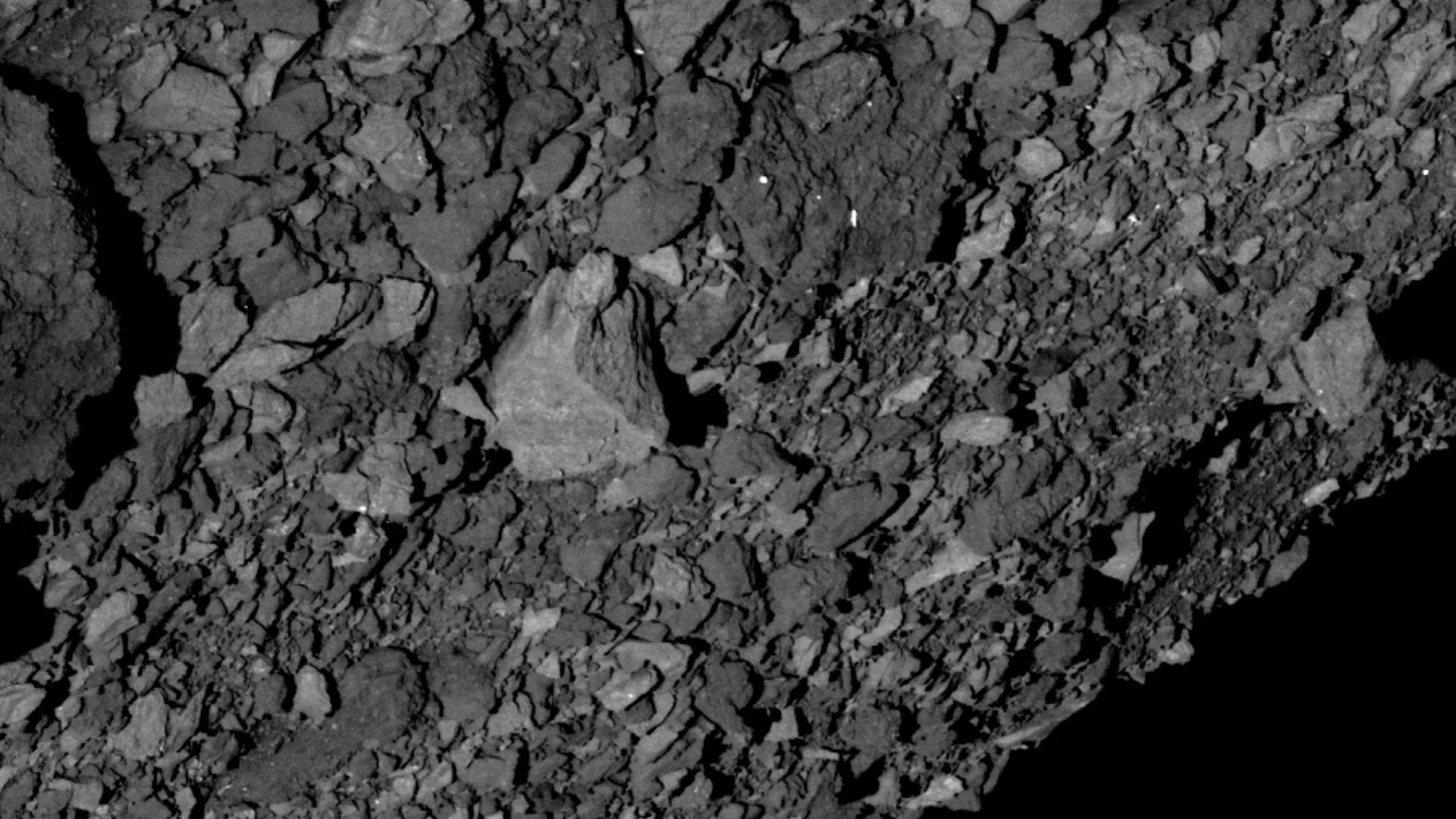
This is the important part. NASA is not warning that Bennu is coming for us. The agency describes the 2182 impact scenario as extremely unlikely, and the known risk is far in the future. Bennu is being watched because that is what planetary defense is supposed to do: find the tiny risks early, study them carefully, and avoid panic later.
 NASA/Goddard/University of Arizona, Wikimedia Commons
The Good News Is The Timeline
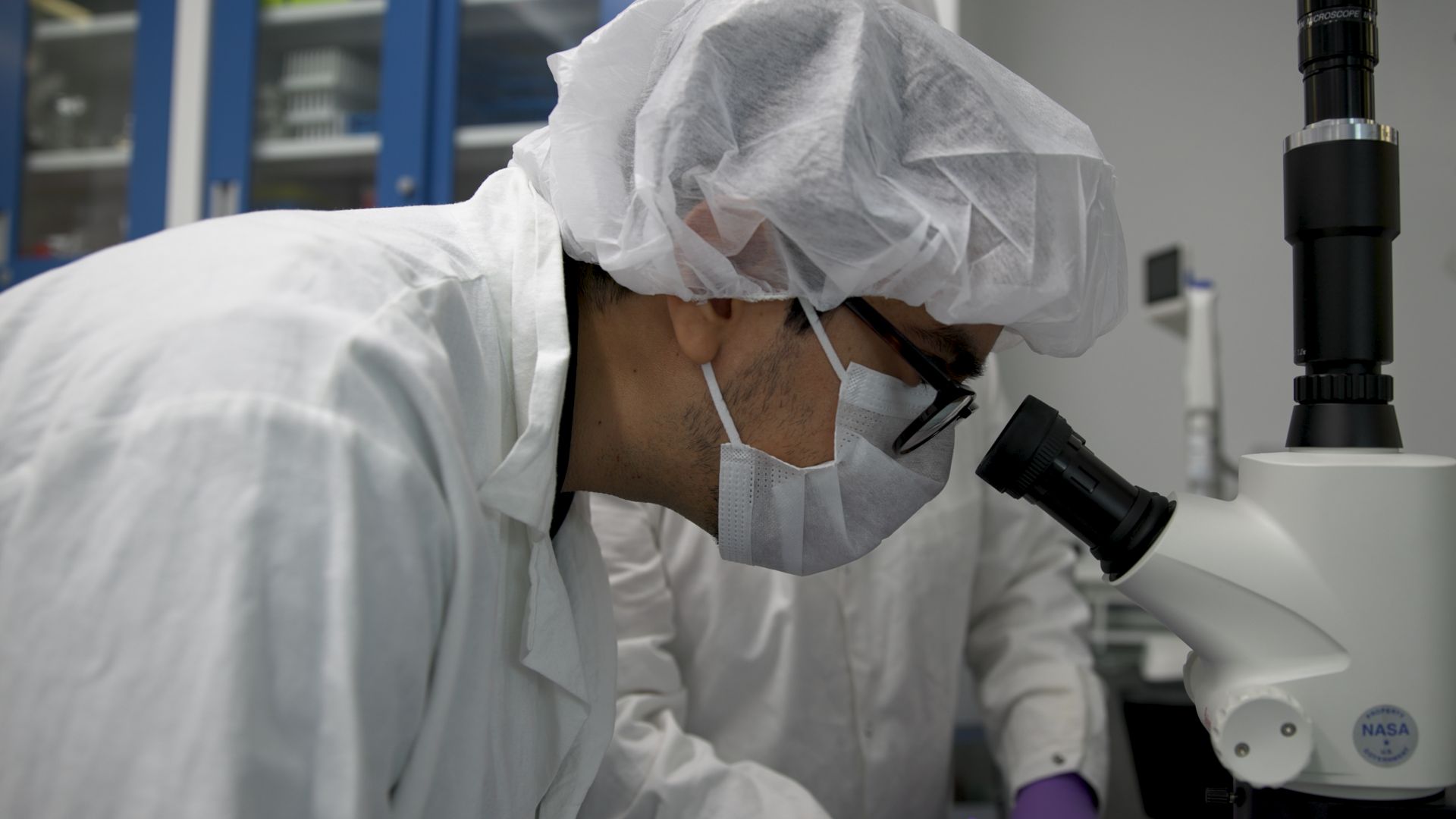
If Bennu ever did become a more serious threat, humanity would not be discovering it at the last second. The whole point of tracking objects like Bennu is that scientists would have decades, possibly more than a century, to study the problem. That is a very different story from movie asteroids that apparently sneak up on Earth like they forgot to use their turn signal.
We Already Know Deflection Can Work
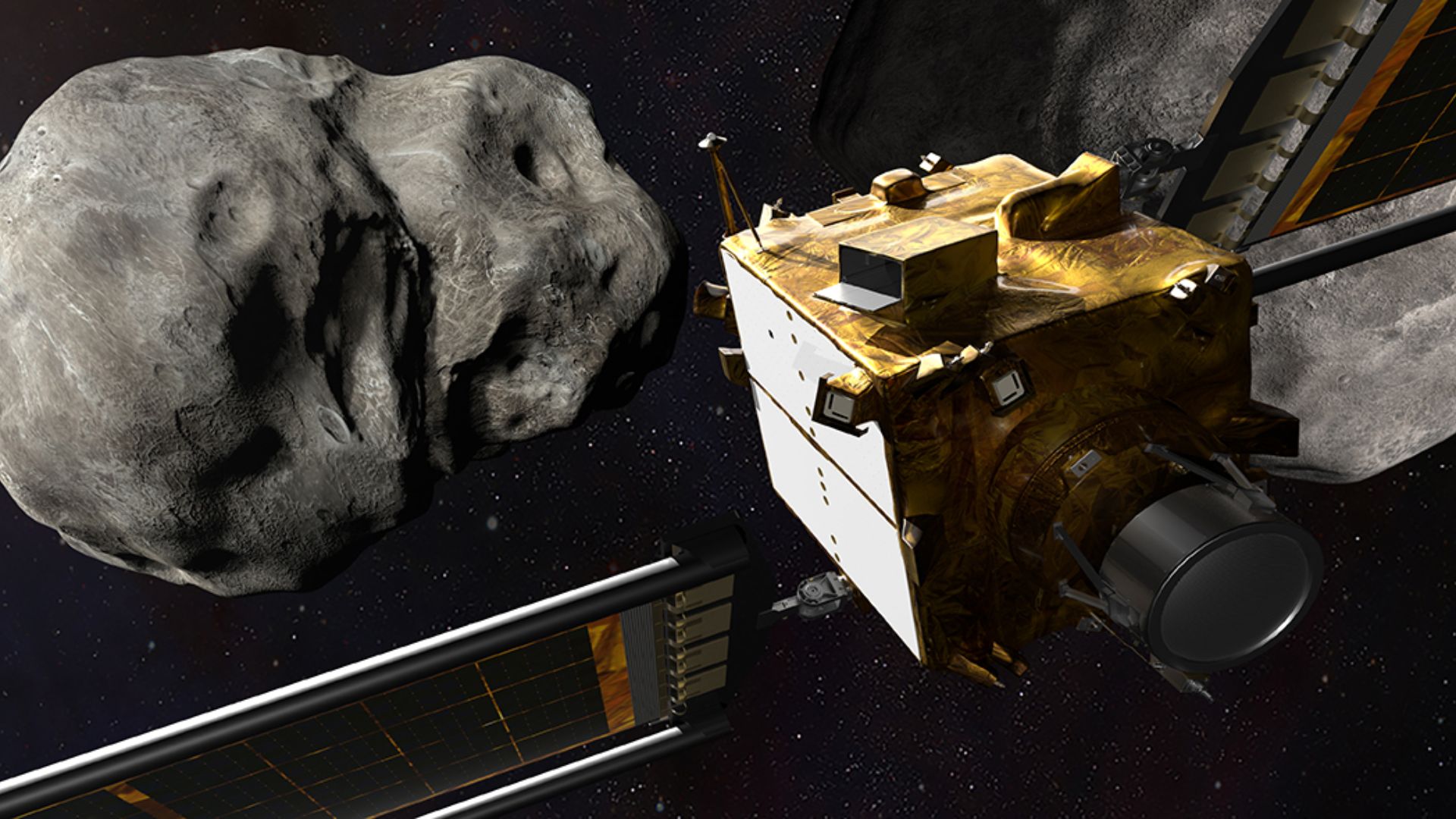
NASA has already tested the basic idea of changing an asteroid’s motion. The DART mission intentionally crashed into the asteroid moonlet Dimorphos in 2022 and successfully changed its orbit. Bennu is a different object with a different timeline, but DART proved that asteroid deflection is no longer just a sci-fi idea people say dramatically in a control room.
 National Aeronautics and Space Administration, Wikimedia Commons
So Why Does This Still Feel Creepy?
Because “very unlikely” does not sound the same when the thing being discussed is an asteroid impact. Nobody hears “1 in 2,700” and feels completely normal afterward. The rational part of your brain understands the odds are tiny. The other part is already picturing a giant space rock with dramatic music playing behind it.

The Real Story Is Precision
The most fascinating part of the Bennu story is not that Earth is doomed. It is that NASA can track a small, dark asteroid millions of miles away so precisely that scientists can identify a possible impact date more than 150 years in the future. That is not panic. That is an astonishing level of cosmic bookkeeping.
 YAKOBCHUK VIACHESLAV, Shutterstock
The Date Is Not The End
September 24, 2182, is not a confirmed impact date. It is the most important date in a set of low-probability scenarios. That distinction matters. The story is not “NASA says an asteroid will hit Earth.” The story is that NASA has narrowed the risk so carefully that we know exactly which future date deserves the most attention.
 NASA Headquarters / NASA/Keegan Barber, Wikimedia Commons
The Asteroid Is Still Out There
Bennu will keep circling the Sun. NASA will keep watching. Future scientists will refine the numbers again after the 2135 flyby. And by then, humanity may have even better tools for dealing with asteroids than we do now. For now, Bennu is not an emergency. But it is a reminder that space is not empty, quiet, or finished with us.
 NASA/Goddard/University of Arizona, Wikimedia Commons
The Scary Part Is Also The Comforting Part
The unsettling part is obvious: NASA has a date for when Bennu could hit Earth. The comforting part is that NASA knows the odds, understands the path, and has more than a century to keep studying it.
 NASA Headquarters / NASA/Keegan Barber, Wikimedia Commons
You Might Also Like:
Scientists Asked Why We Haven't Found Aliens Yet—Their Answer Is Not Good News For Humanity