Ghosts In Our Genes
Entire human populations have disappeared from the historical record without leaving a name, a written record, or even an obvious archaeological trail. Ancient DNA is bringing some of these lost peoples back into view, revealing who lived where, when they vanished, and which later peoples inherited their genes. The tapestry of humanity's deep past is turning out to be a surprisingly crowded and colorful.
Ancient North Eurasians
A genome from the approximately 24,000-year-old Mal'ta boy in Siberia helped reveal a population scientists now call Ancient North Eurasians. They eventually disappeared as a distinct group, but their ancestry survived remarkably widely, contributing to later Siberians, Europeans and Native Americans. Age range: roughly 25,000–15,000 years ago.
Ancient North Siberians
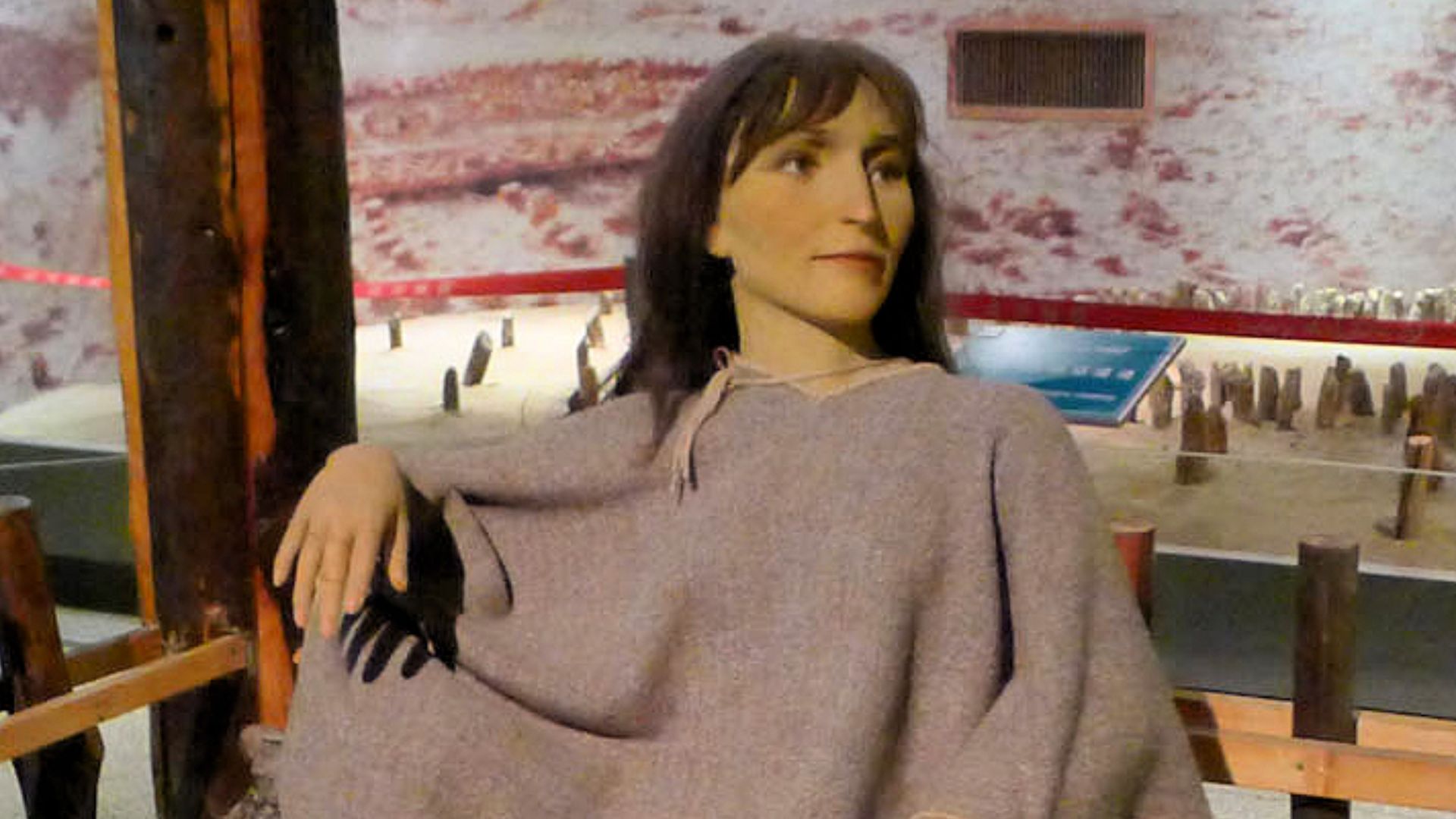
DNA recovered from two approximately 31,000-year-old children at the Yana Rhinoceros Horn Site revealed a previously unknown population living astonishingly far north during the Ice Age. Called Ancient North Siberians, they were related to western Eurasian hunter-gatherers and contributed ancestry to later Siberian peoples before disappearing as a distinct population.
Ancient Palaeo-Siberians
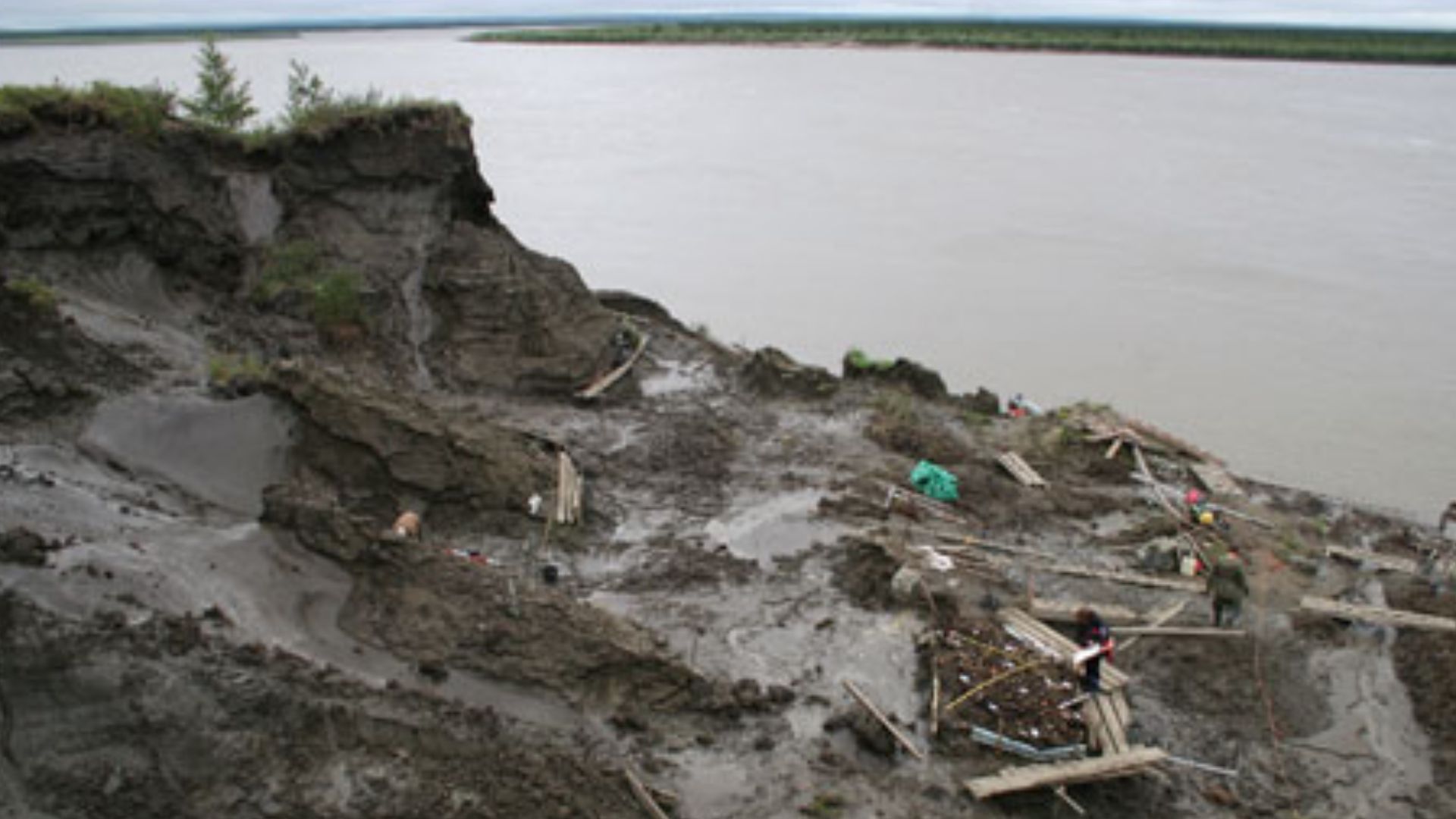
Northeastern Siberia experienced another population transformation near the end of the Ice Age. Ancient DNA identified people researchers call Ancient Palaeo-Siberians, carrying ancestry related to both East Asians and Ancient North Siberians. Their genes also illuminate the complicated relationship between ancient Siberians and the ancestors of Native Americans. Age range: roughly 14,000–10,000 years ago.
The Ancient Beringians
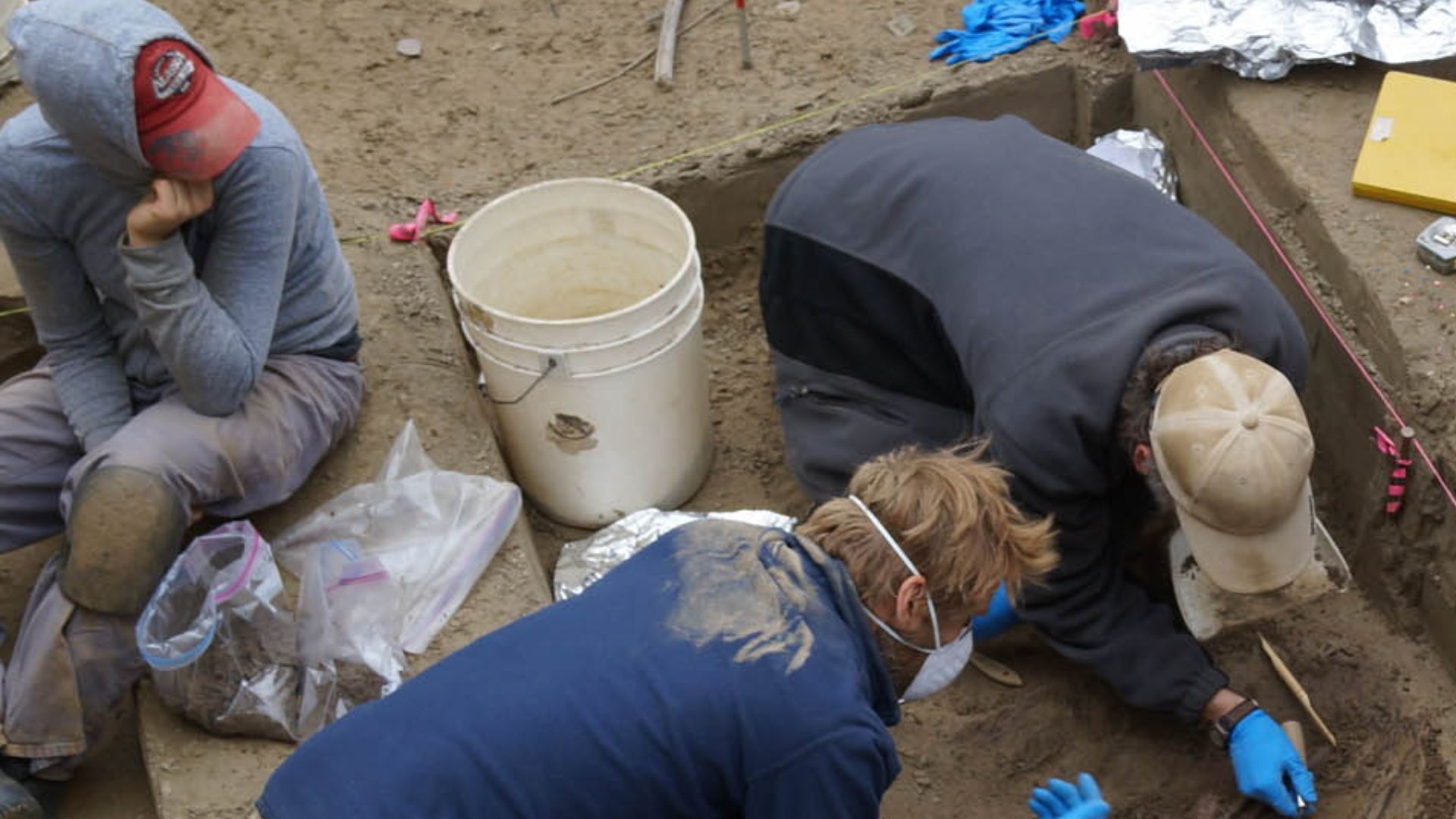
DNA from an approximately 11,500-year-old infant buried at Alaska's Upward Sun River site revealed a branch of humanity nobody had previously recognized. Researchers named them Ancient Beringians. Their ancestors separated early from other Native American populations, and the group eventually disappeared as a genetically distinct population.
 Forest Service Alaska Region, USDA, Wikimedia Commons
The Saqqaq People
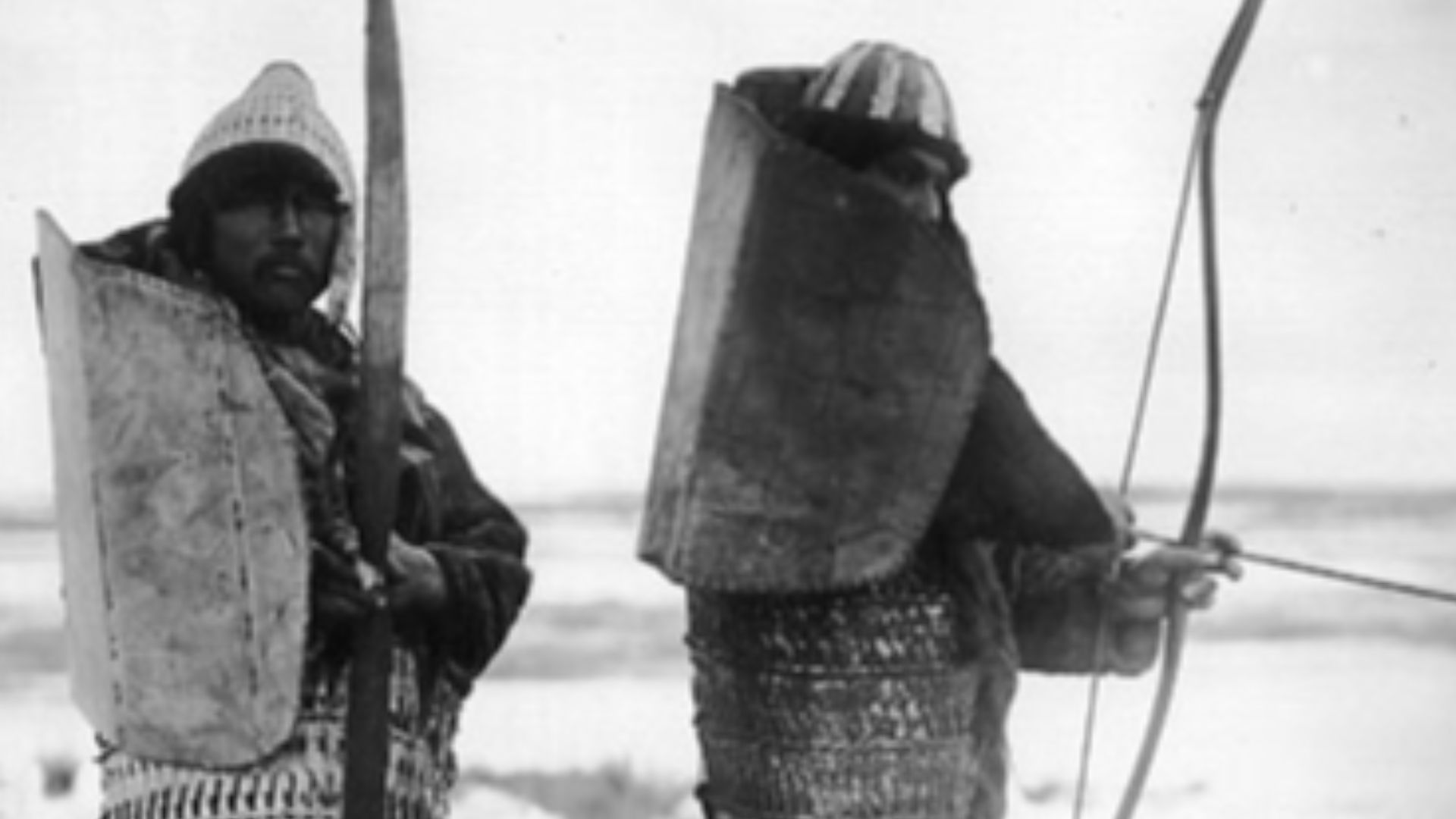
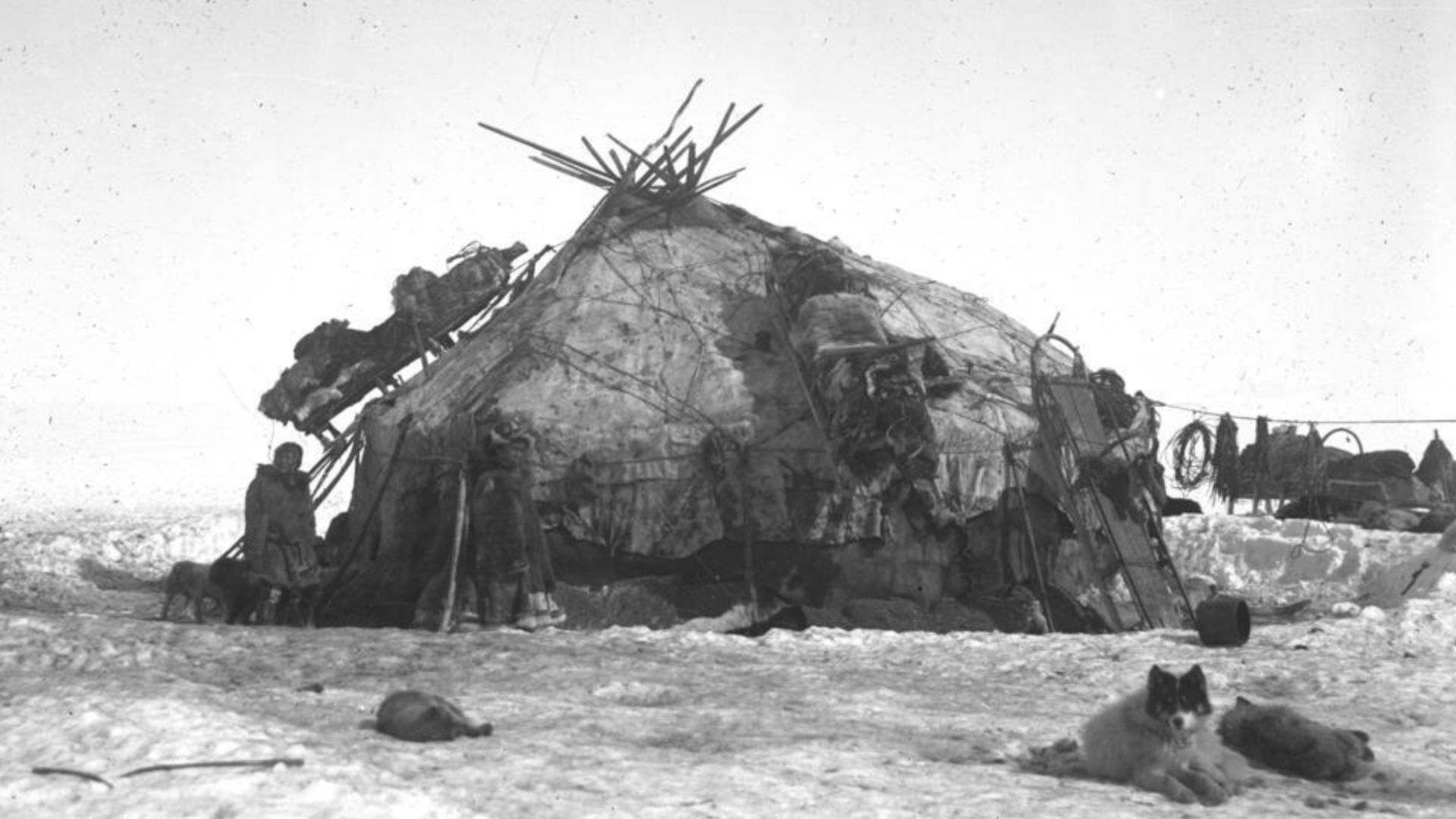
A roughly 4,000-year-old man's hair from Greenland produced the first ancient human genome to be sequenced. His DNA traced Saqqaq ancestry to northeastern Siberia, particularly populations related to today's Chukchi and Koryak. The Saqqaq flourished in Greenland roughly 4,500–2,800 years ago before disappearing.
 Waldemar Bogoras, Wikimedia Commons
The Basal Eurasians
Nobody has yet excavated a skeleton that can simply be labeled “Basal Eurasian.” Geneticists instead inferred this ghost population because ancient Near Eastern people carried ancestry from a lineage that separated very early from other non-African populations. That ancestry subsequently became an important component of Europe's first farmers. Age range: probably more than 25,000 years ago.

Western Hunter-Gatherers
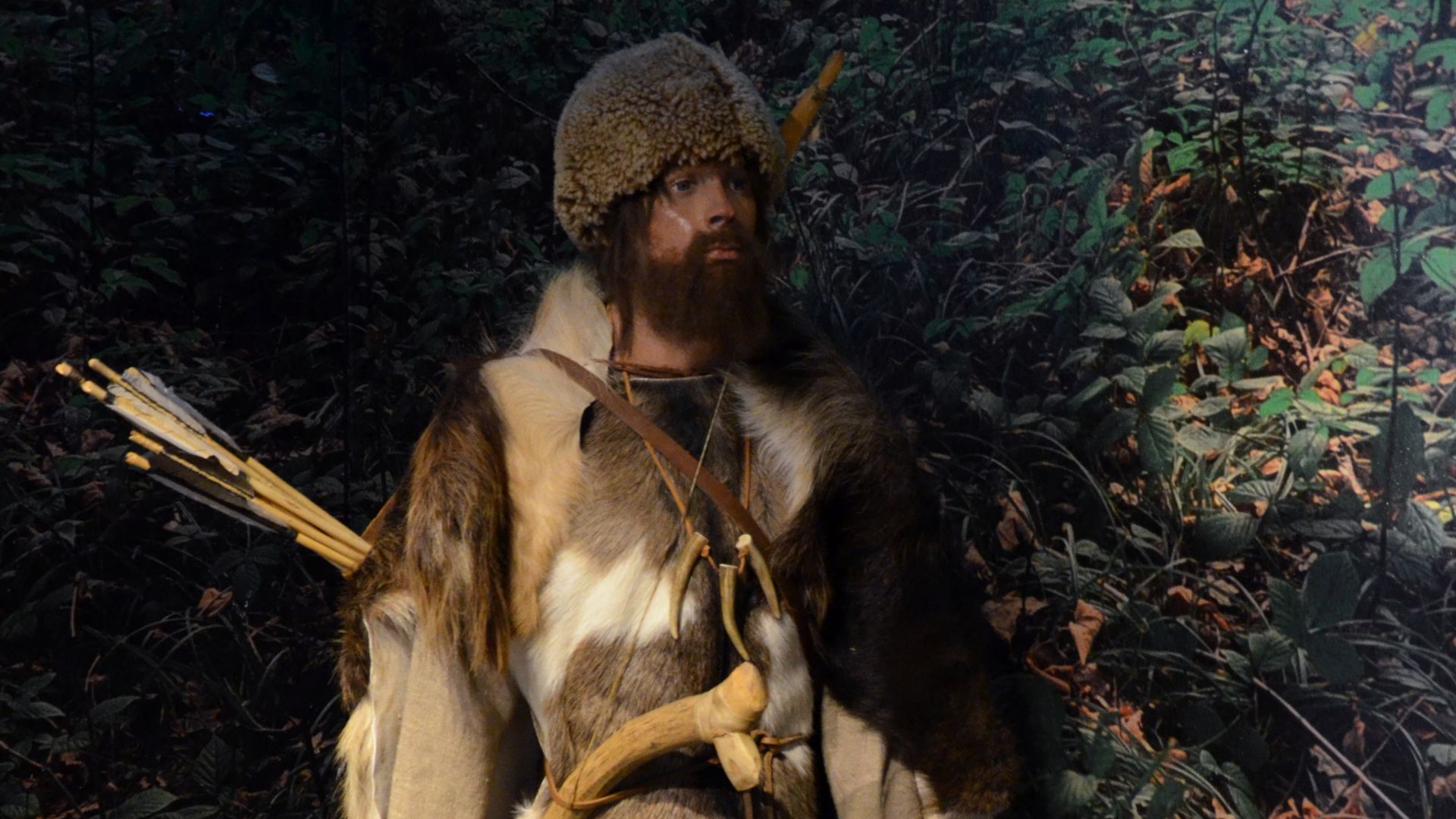
After the Ice Age, people carrying what scientists call Western Hunter-Gatherer ancestry occupied large areas of Europe. They were genetically distinct from the farmers who later arrived from Anatolia. The populations eventually mixed, meaning these vanished hunter-gatherers still contribute ancestry to millions of Europeans today. Age range: roughly 14,000–5,000 years ago.
Eastern Hunter-Gatherers
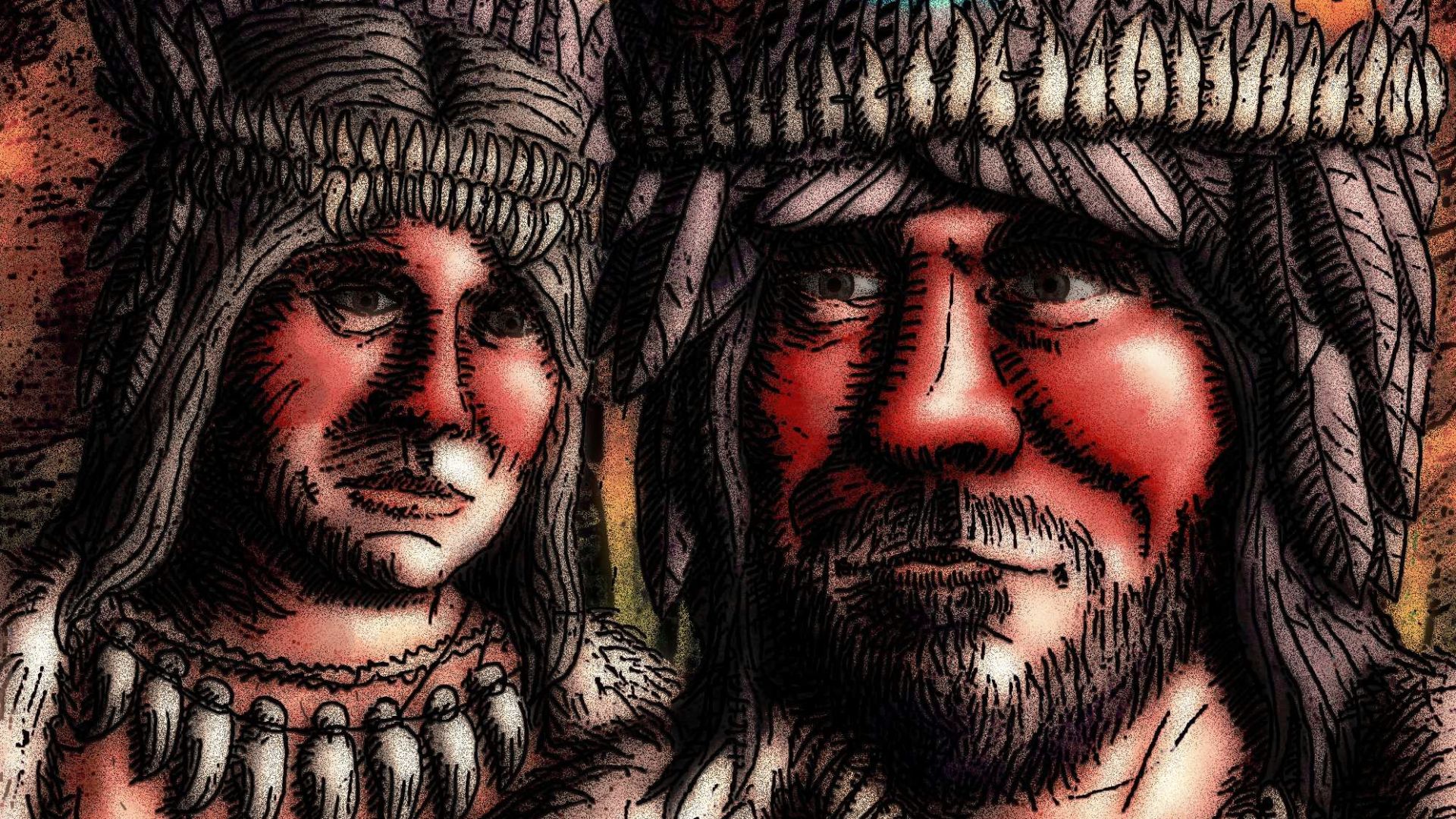
Farther east, ancient genomes uncovered another distinctive population now called Eastern Hunter-Gatherers. They occupied parts of eastern Europe and western Russia before mixing with populations carrying ancestry from farther south. Their descendants contributed substantially to the steppe populations that later expanded across Bronze Age Europe. Age range: roughly 10,000–5,000 years ago.
 Rowyn flowerdew, Wikimedia Commons
Caucasus Hunter-Gatherers
Ancient remains from Georgia revealed a genetically distinctive population that had been relatively isolated for thousands of years. These Caucasus Hunter-Gatherers later contributed ancestry to populations farther north, ultimately becoming one of the major genetic ingredients of the steppe peoples who transformed Bronze Age Europe. Age range: at least roughly 13,000–8,000 years ago.
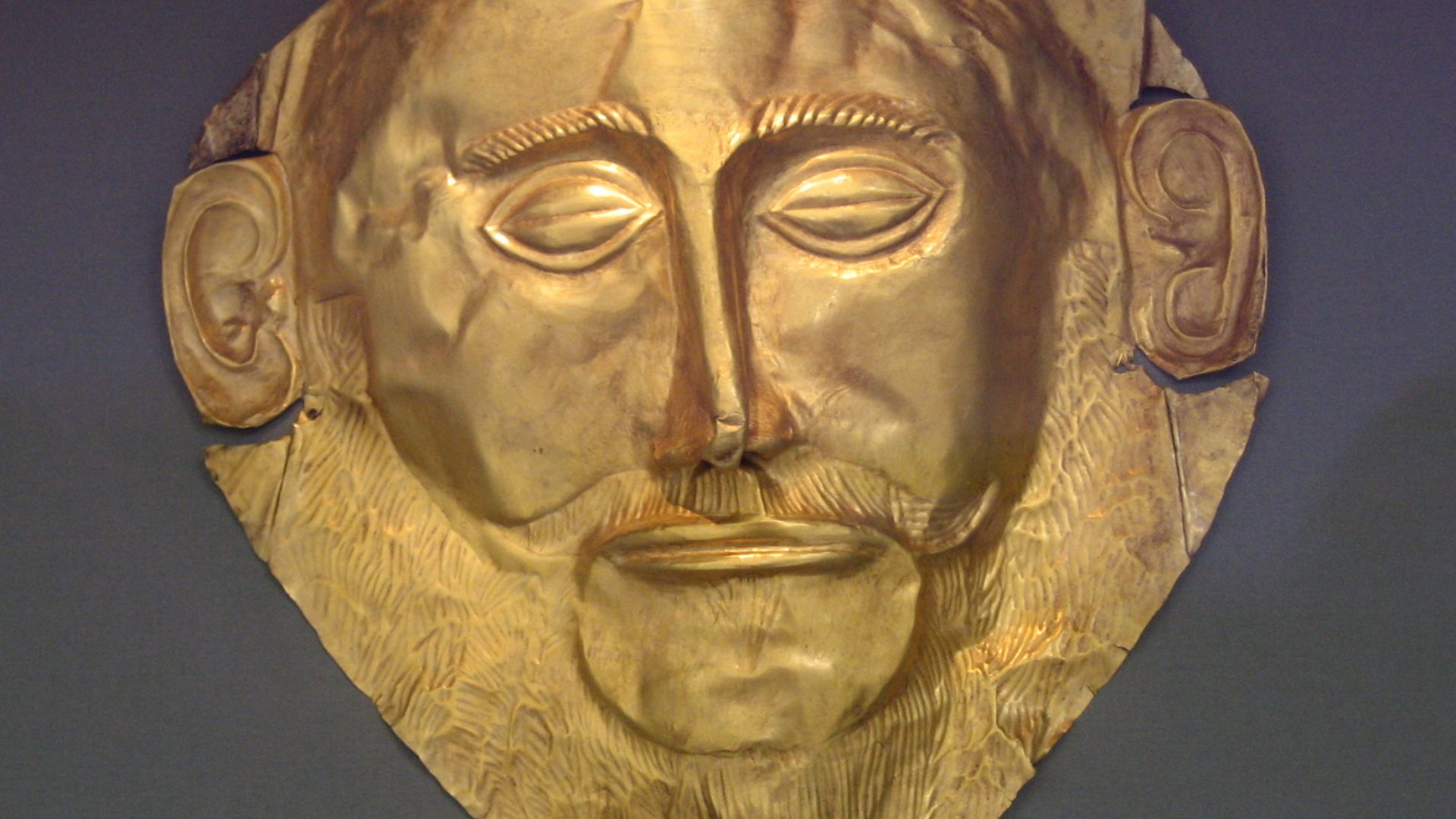 Photoed by User:Mountain, Wikimedia Commons
Caucasus-Lower Volga People
Recent ancient-DNA research identified another important population occupying territory between the North Caucasus and lower Volga. These Caucasus-Lower Volga people supplied a remarkably large proportion of core Yamnaya ancestry, placing a previously obscure population near the beginning of one of prehistory's most consequential migrations. Age range: roughly 6,500–5,000 years ago.
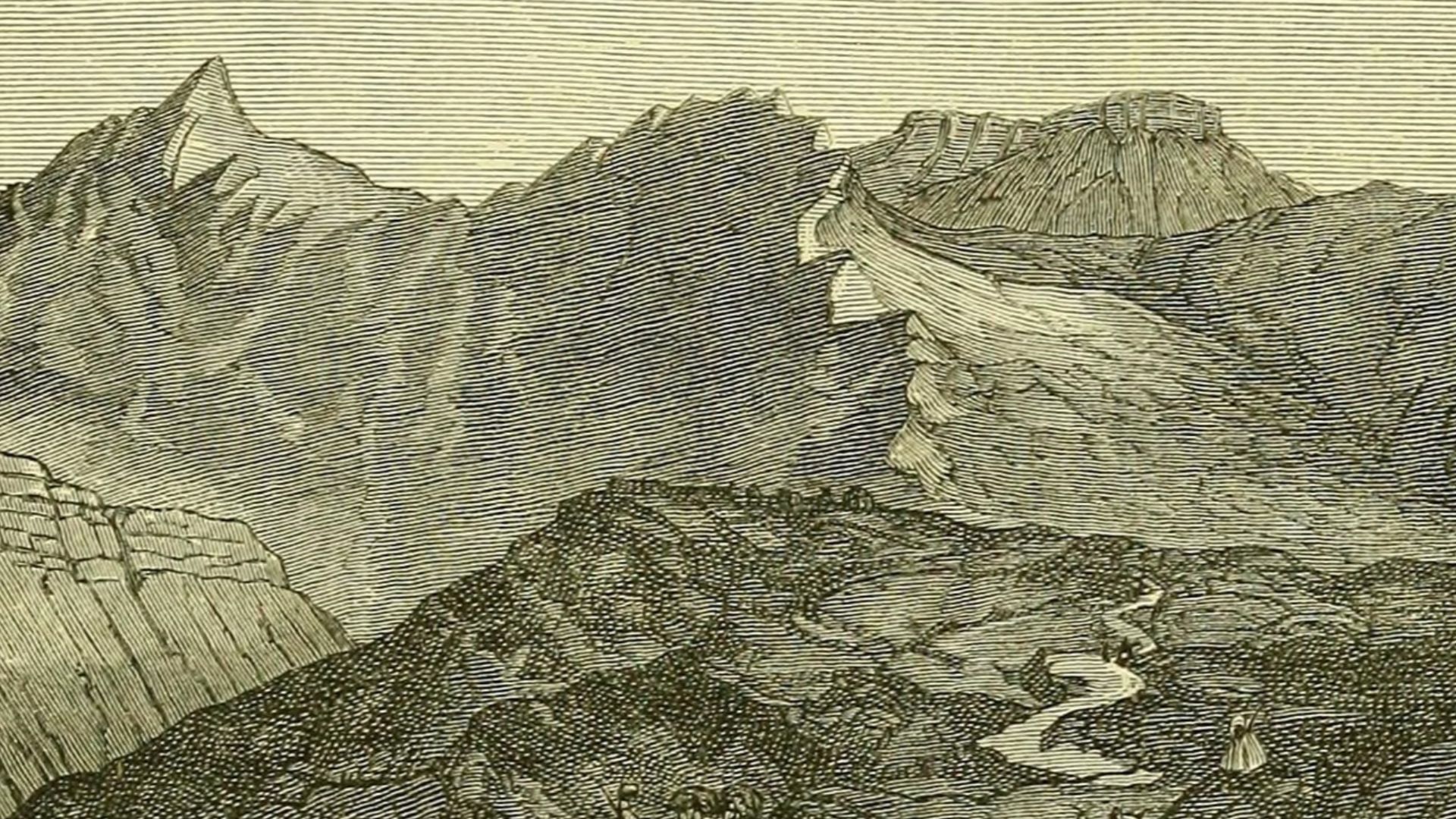 Geological Society of London, Wikimedia Commons
Anatolia's Ancient Foragers
DNA from an approximately 15,000-year-old hunter-gatherer in central Anatolia transformed ideas about farming's origins there. Instead of being replaced wholesale by incoming agriculturalists, local foragers contributed roughly 80 to 90 percent of early Anatolian farmers' ancestry. Farming largely emerged among descendants of people already occupying the region.
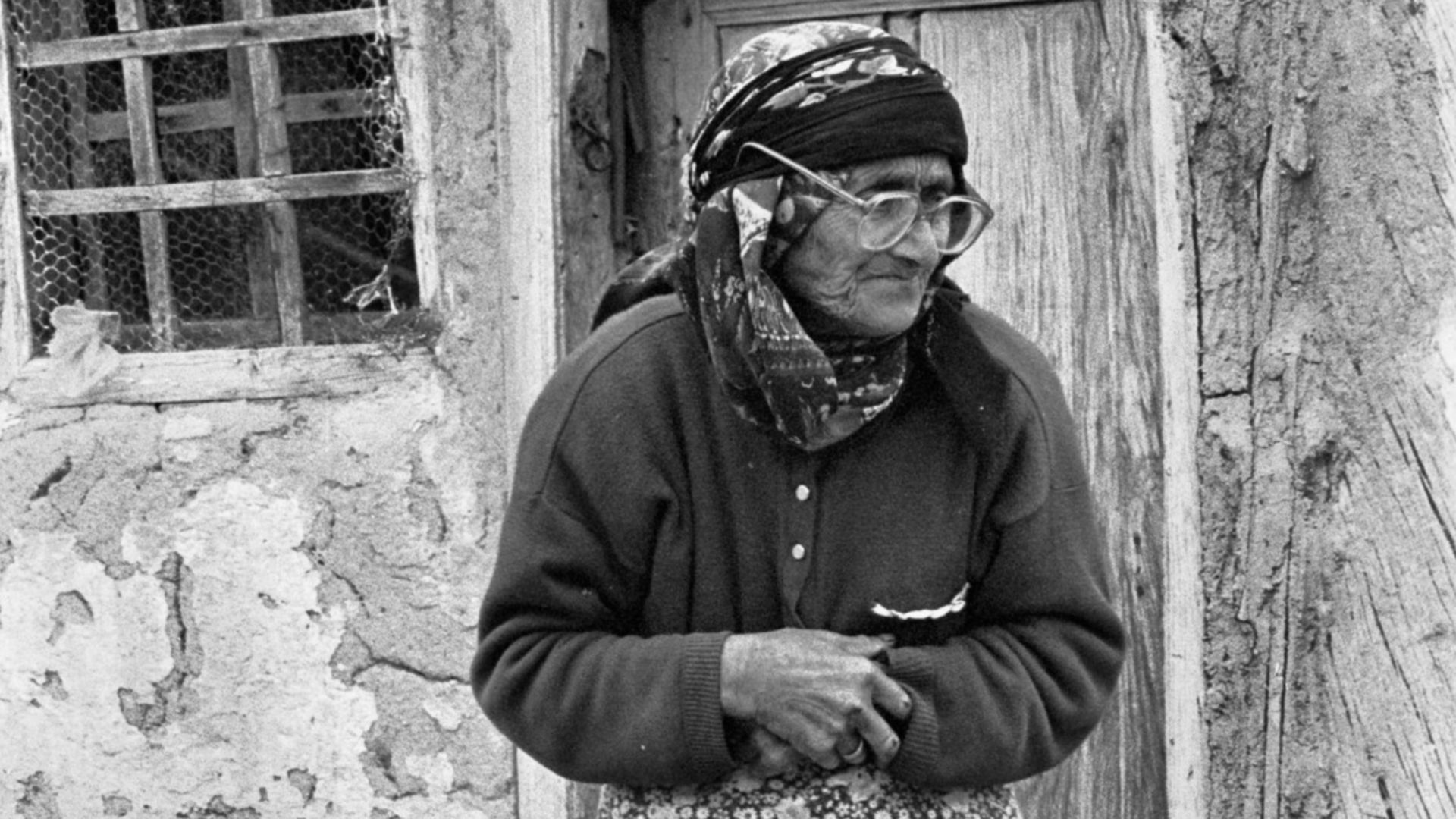
Europe's First Farmers
Ancient DNA showed that agriculture didn't spread through Europe simply because hunter-gatherers copied their neighbors. Beginning roughly 9,000 years ago, people carrying substantial Anatolian farmer ancestry physically migrated into southeastern Europe and eventually across much of the continent, substantially changing Europe's population before gradually mixing with surviving hunter-gatherers.
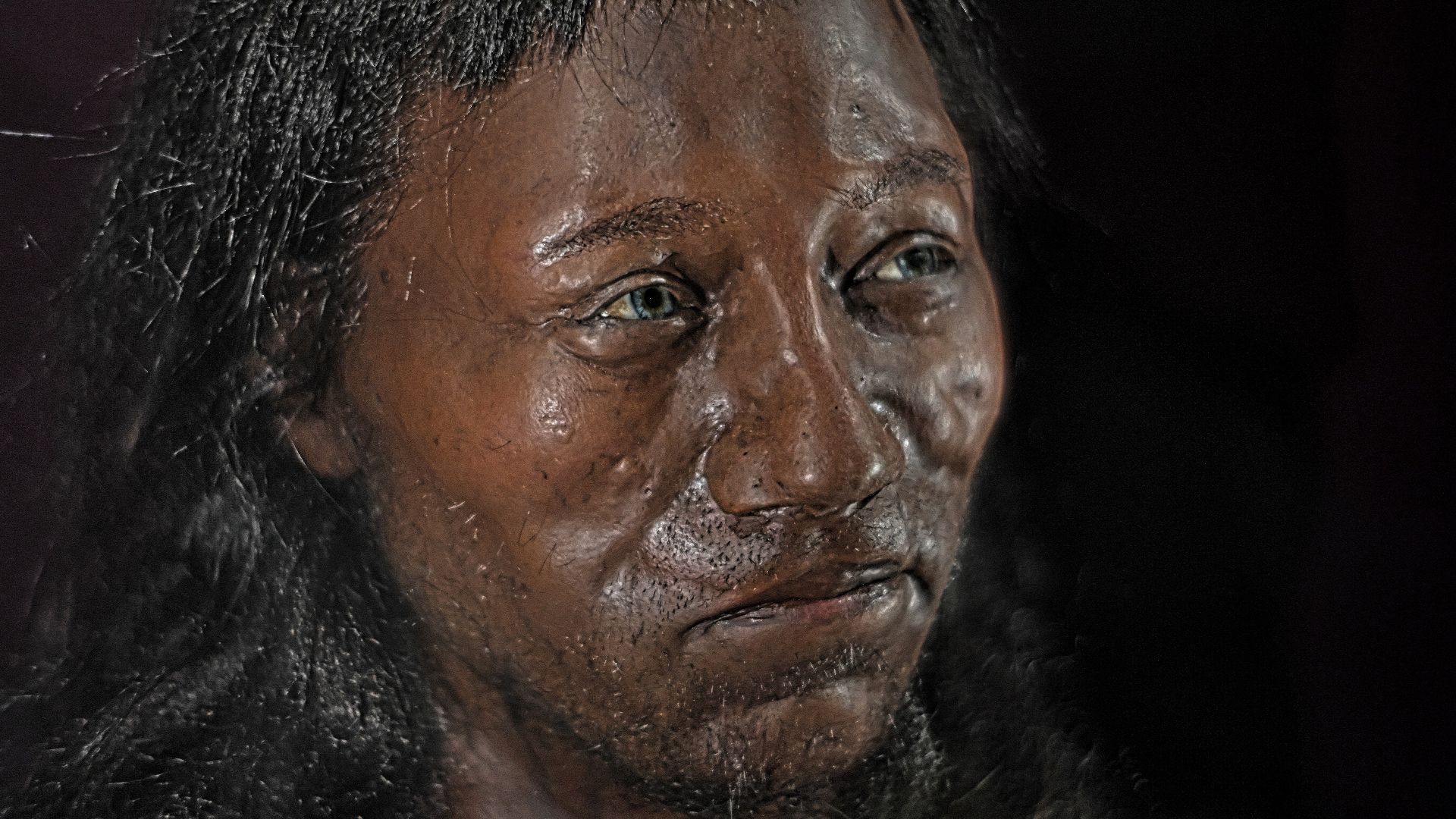 Werner Ustorf, Wikimedia Commons
The Fournol Population
Large-scale analysis of Ice Age Europeans revealed a western genetic cluster associated with Gravettian hunter-gatherers, named after the Fournol site in France. Remarkably, ancestry related to these people survived the Last Glacial Maximum and reappeared in western Europeans thousands of years later. Age range: roughly 35,000–25,000 years ago.
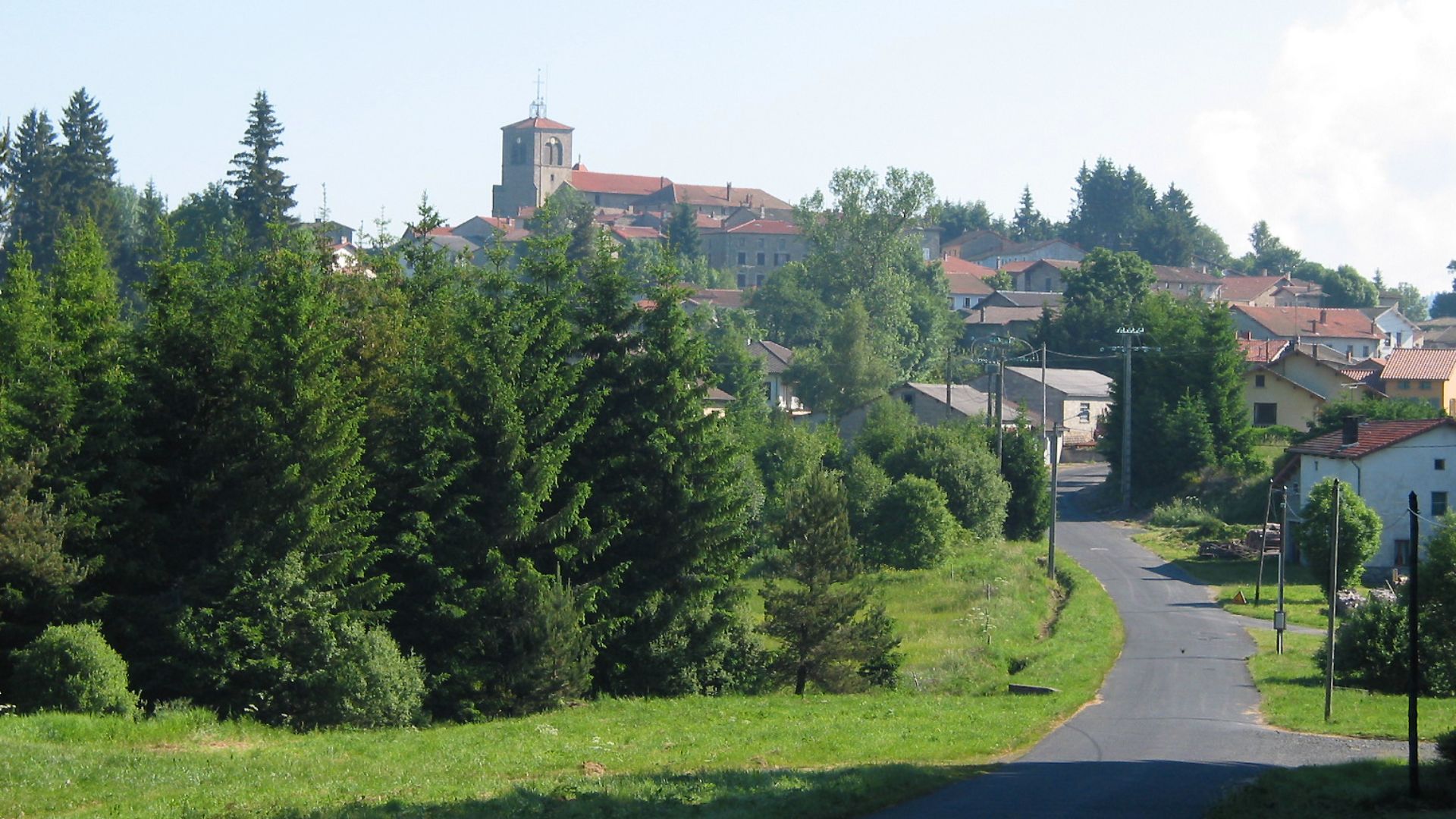 Jean-Pol GRANDMONT, Wikimedia Commons
The GoyetQ2 Population
After the coldest portion of the last Ice Age, people carrying ancestry researchers call GoyetQ2 appeared across parts of western and central Europe. DNA indicates much of their ancestry descended from earlier western European Gravettian populations, revealing genetic continuity that archaeology alone hadn't exposed. Age range: roughly 18,000–14,000 years ago.

The El Mirón Population
The approximately 19,000-year-old “Red Lady” of El Mirón, found in northern Spain, complicated Europe's Ice Age story. Her genome carried ancestry related to earlier western Europeans while also showing affinity toward populations that became important later, demonstrating that Europe's supposed Ice Age refuges weren't completely isolated from one another.
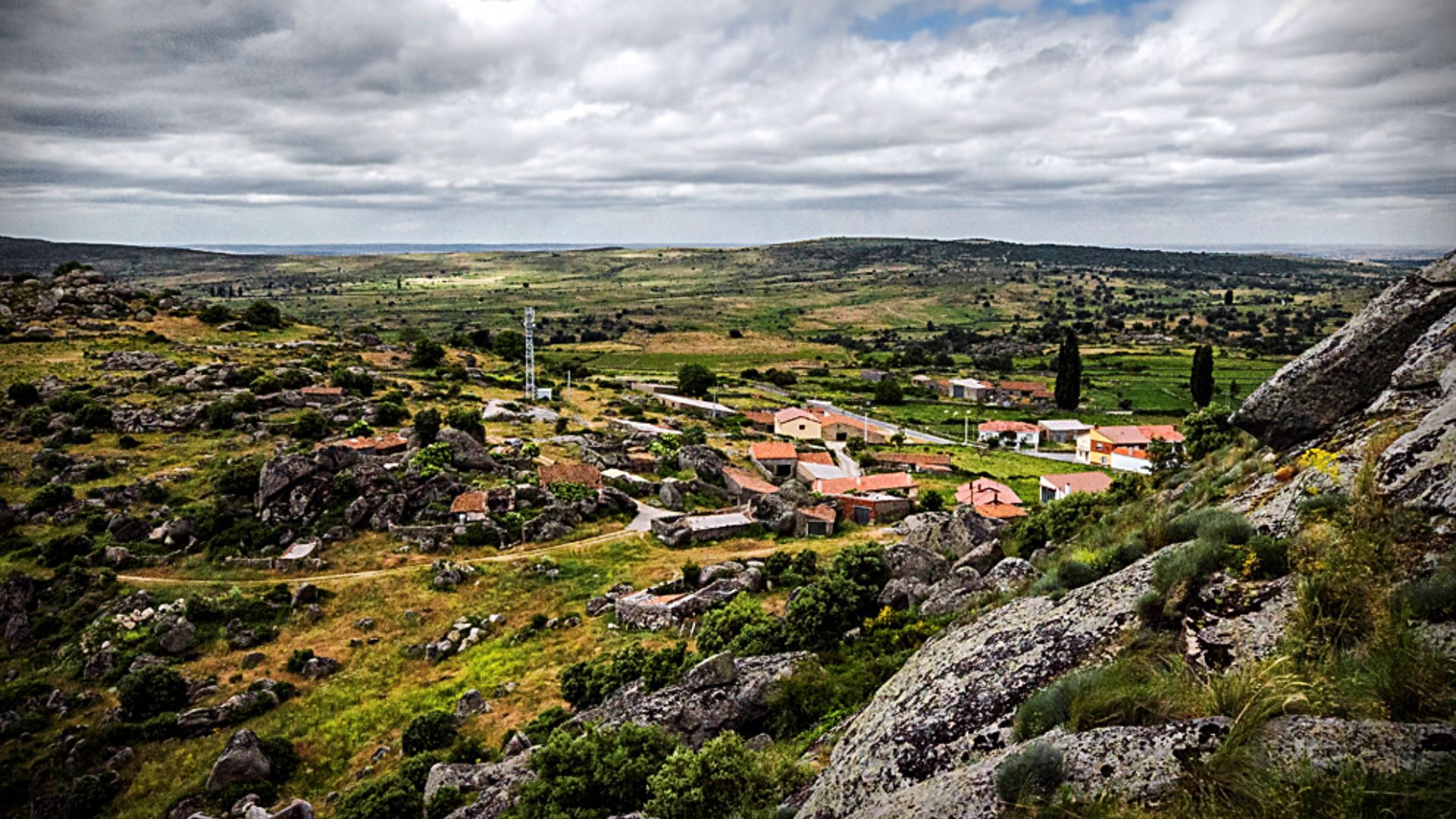 Nicolas G. Mertens, Wikimedia Commons
The Villabruna Population
Beginning around 14,000 years ago, Villabruna-related ancestry became widespread across Europe. Named after ancient remains discovered in northern Italy, these hunter-gatherers showed greater genetic affinity to Near Eastern populations than earlier western Europeans and contributed heavily to Europe's later hunter-gatherer populations. Age range: roughly 14,000–7,000 years ago.
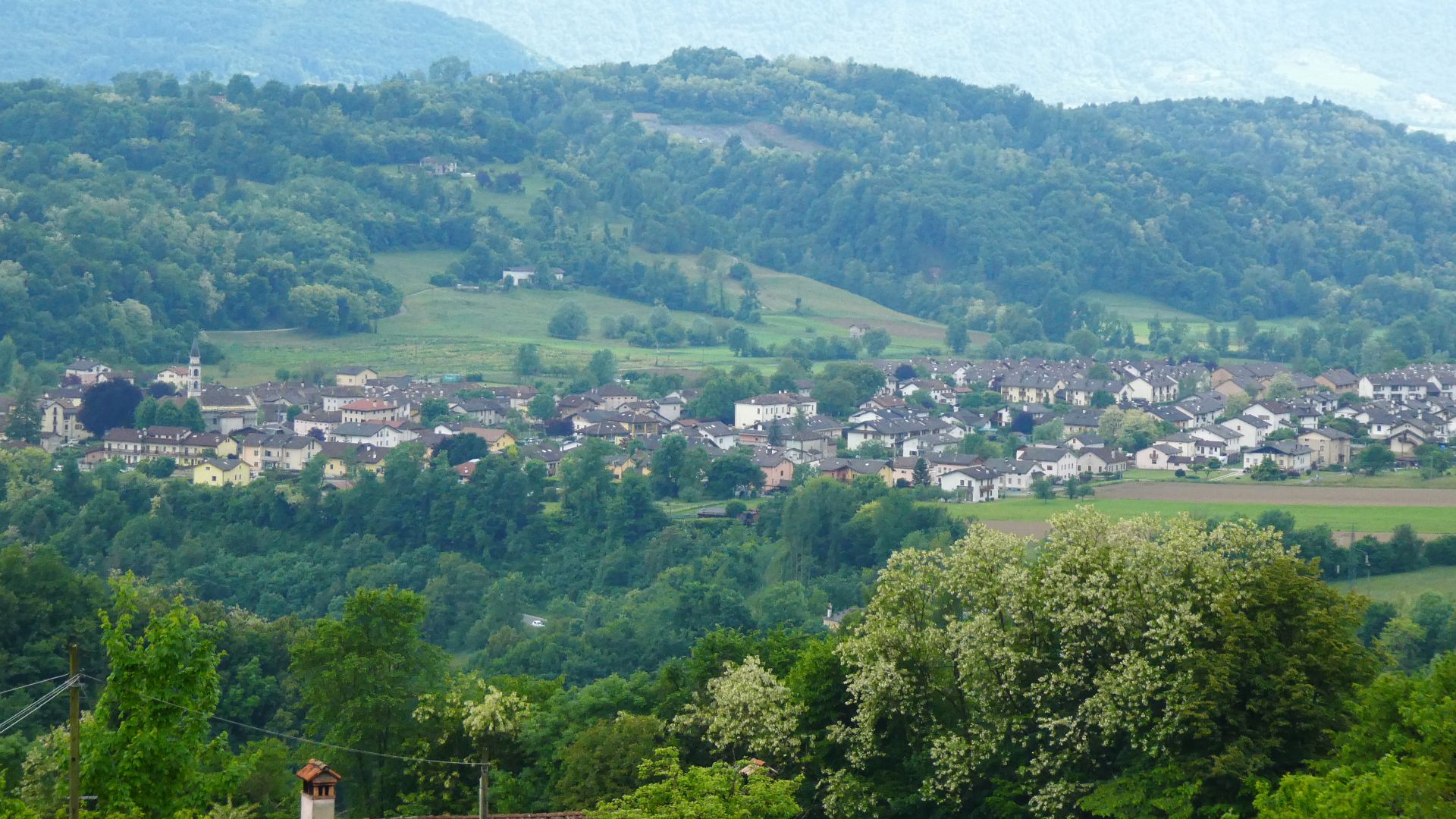
The Shum Laka People
DNA from four children buried at Shum Laka in Cameroon, two approximately 8,000 years ago and two around 3,000 years ago, produced an unexpected result. Their ancestry resembled today's western Central African hunter-gatherers more closely than nearby Bantu-speaking populations. The genetic landscape they represented has largely disappeared.
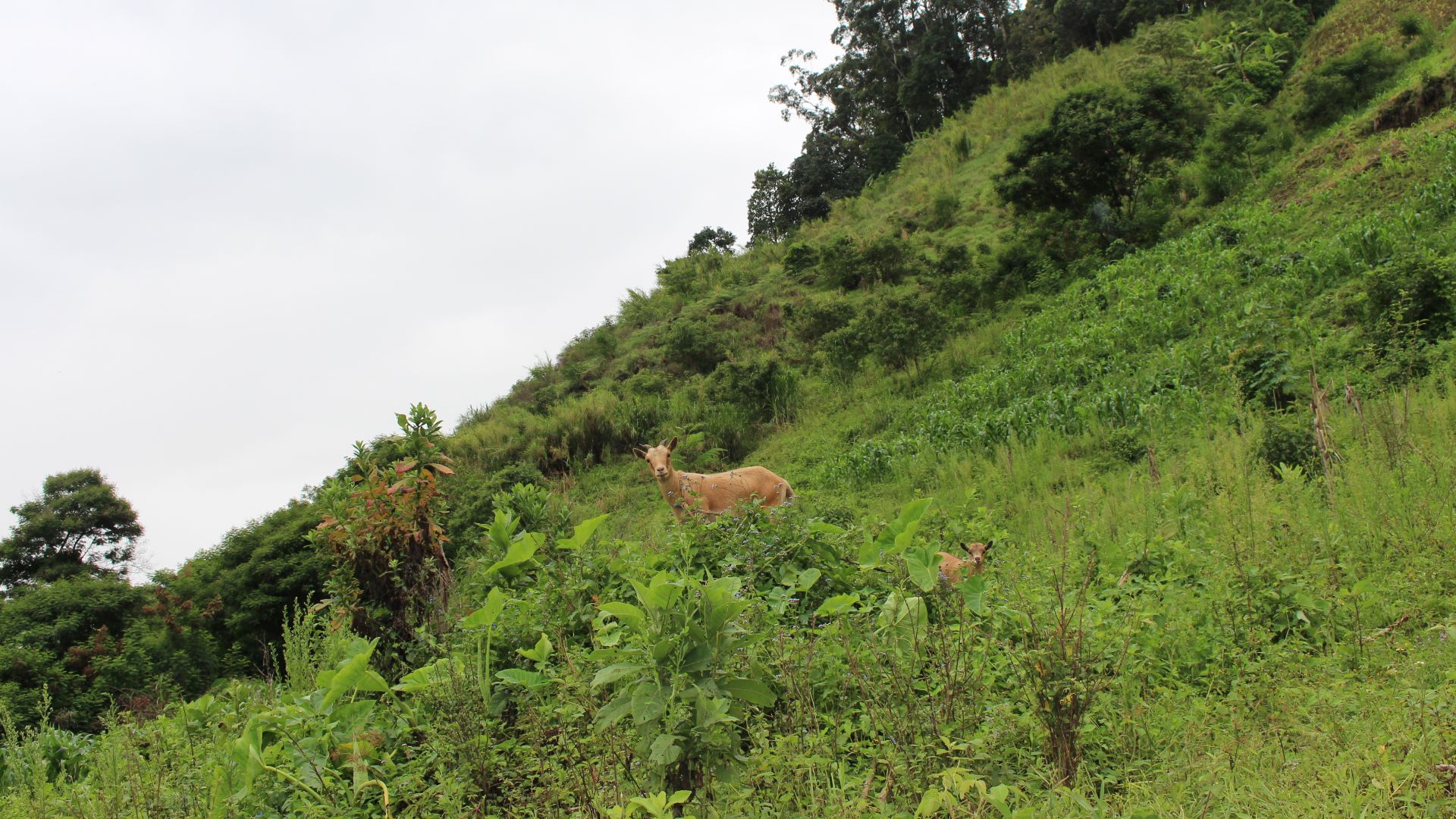 Alangi Derick, Wikimedia Commons
Ancient African Ghosts
Some of ancient DNA's strangest populations haven't been identified from a particular skeleton at all. Genetic models suggest deeply diverged African populations repeatedly mixed with other groups during prehistory, leaving ancestry in later humans without providing researchers with a directly sampled representative. Some of these lineages may extend back tens of thousands of years.

The Hoabinhian Foragers
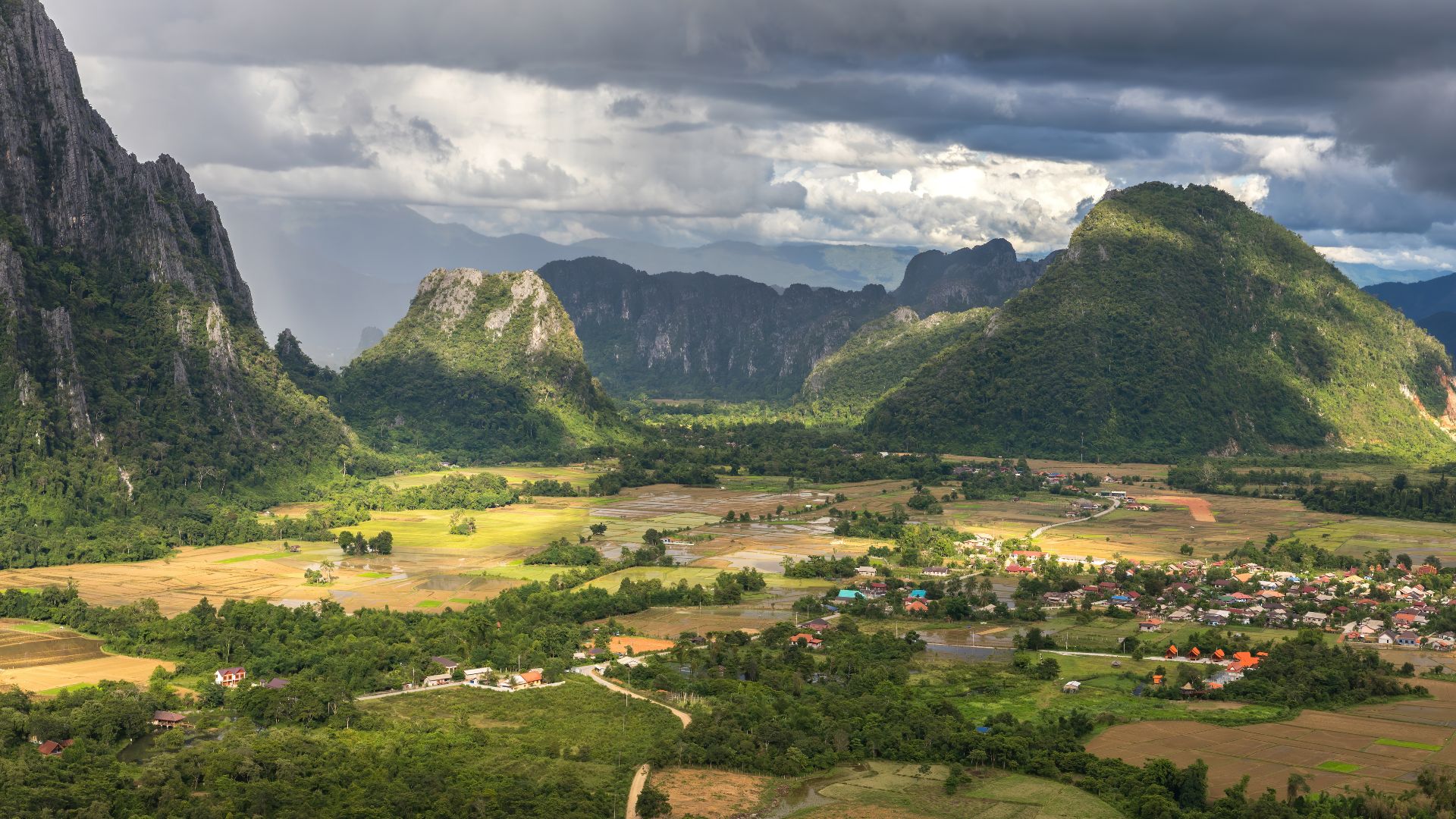
Ancient DNA recovered from hunter-gatherers associated with Southeast Asia's Hòabìnhian tradition gave scientists a glimpse of populations living there before later farmer migrations transformed the region. One genome from Laos dates to approximately 7,900 years ago, while another from Malaysia is about 4,300 years old. Their ancestry survives only partially in later populations.
 Basile Morin, Wikimedia Commons
Wallacea's Mystery Lineage
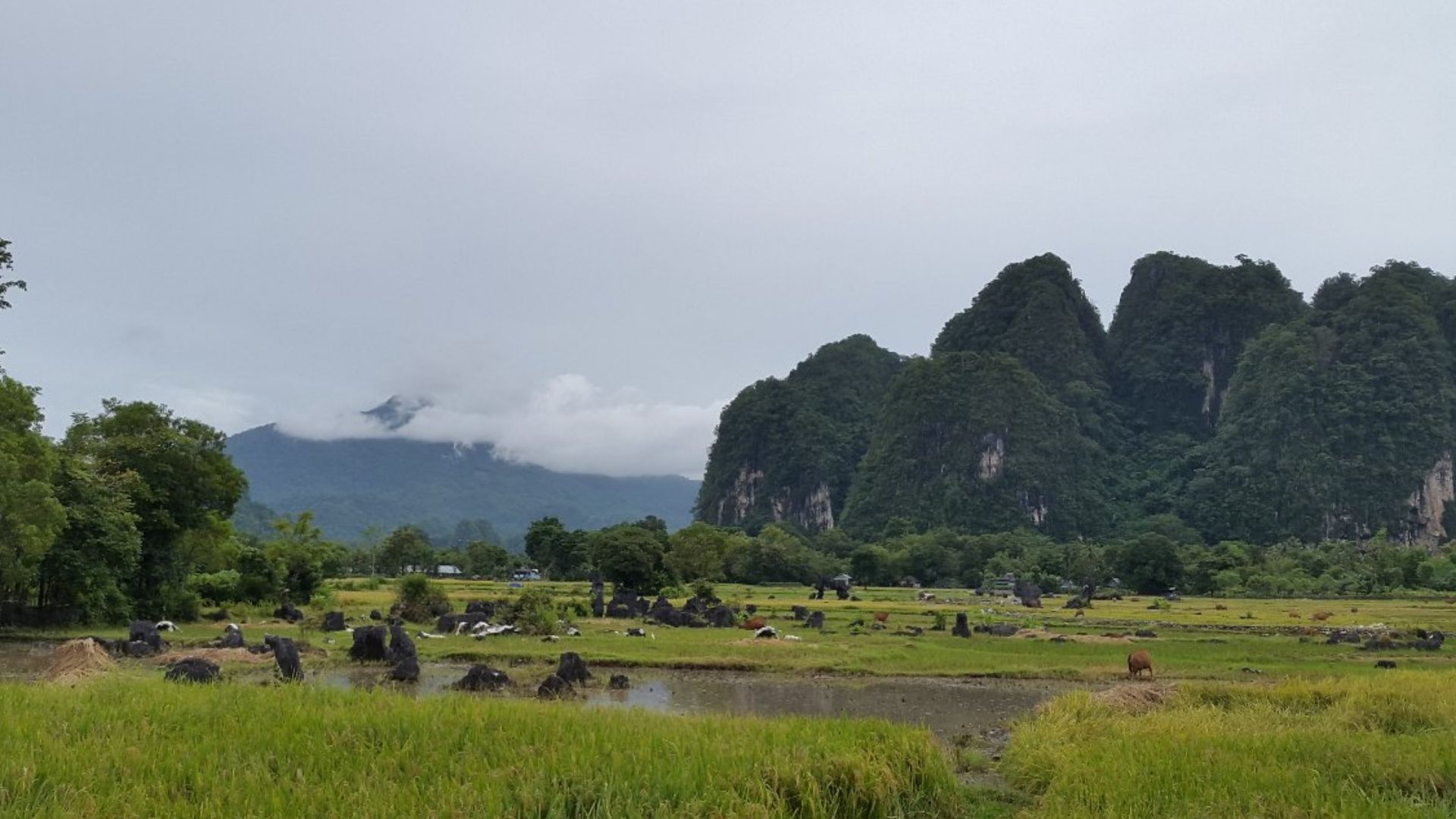
A young woman buried approximately 7,200 years ago on Sulawesi carried a genetic combination found in no modern population. Her genome combined Papuan-related ancestry with ancestry from a deeply diverged Asian lineage, revealing a chapter of Wallacean population history that later migrations largely erased.
 Wibisono.Yamin, Wikimedia Commons
The Toalean People
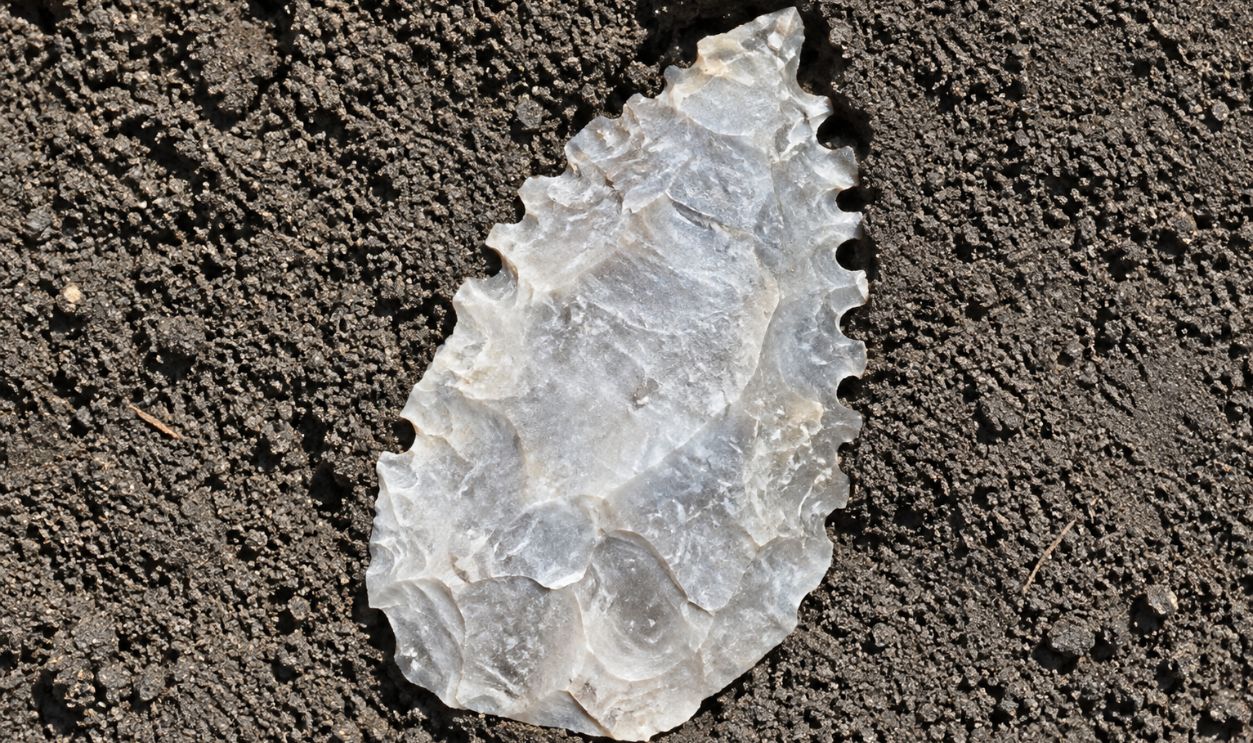
That same Sulawesi woman belonged to the archaeological culture known as the Toaleans, whose distinctive tools had long been known to archaeologists. DNA finally revealed something about the people themselves, connecting them partly to Papuan-related populations while exposing ancestry from an otherwise mysterious Asian lineage. Age range: roughly 8,000–1,500 years ago.
Steppe Maykop Outliers
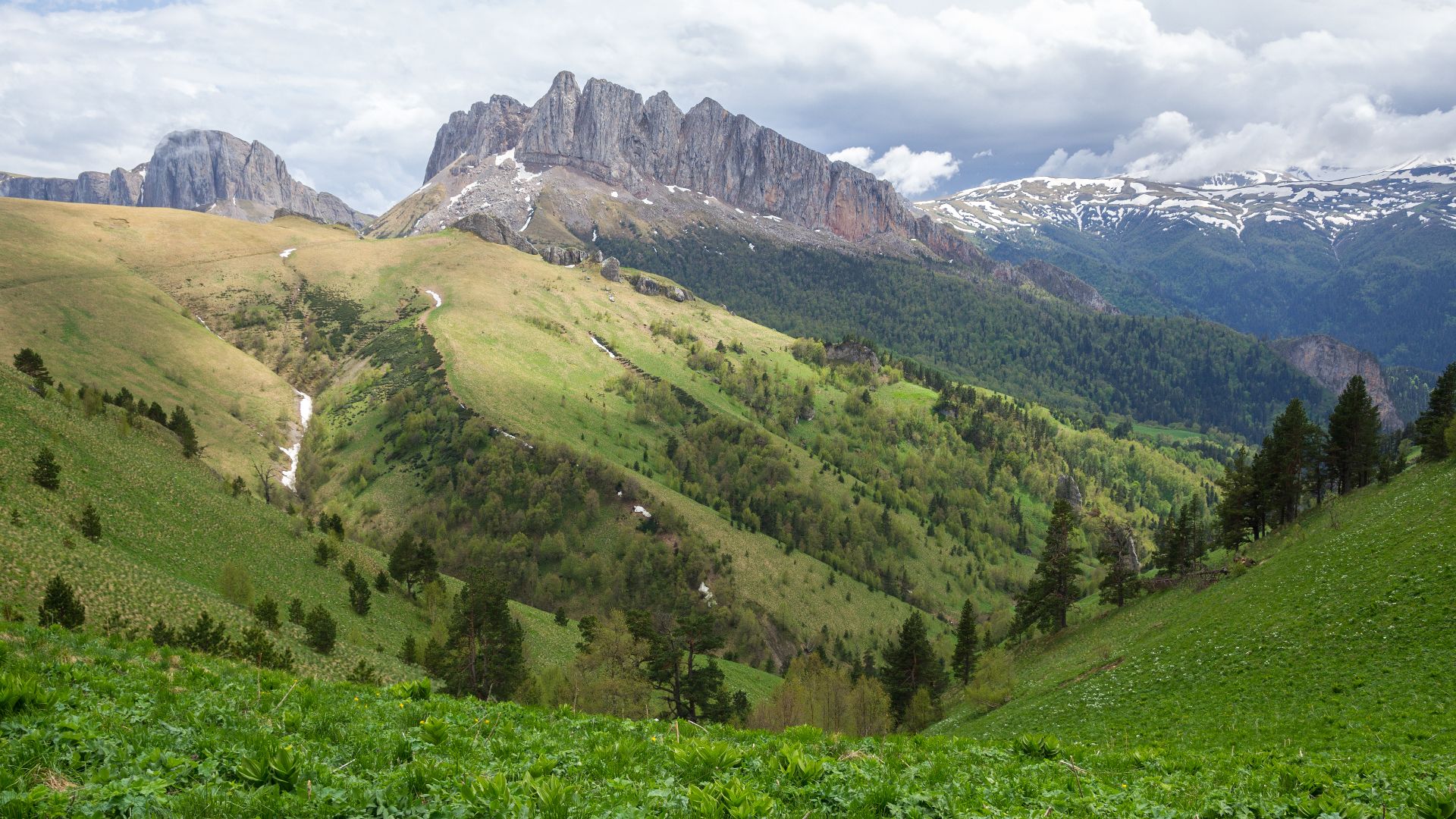
Ancient DNA from several people associated with the Steppe Maykop horizon north of the Caucasus produced an unexpected genetic signal. Some carried ancestry related to ancient Siberians and Native Americans, revealing population connections stretching enormous distances across Eurasia that weren't obvious from archaeological artifacts alone. Age range: roughly 5,300–4,800 years ago.
 Vyacheslav Argenberg, Wikimedia Commons
Polynesians Met Americans
DNA from modern populations across Polynesia and the Americas revealed something extraordinary: Polynesians and Native Americans had contact centuries before Europeans entered the Pacific. Researchers dated the initial encounter to around 1200 AD, with the American ancestry most closely resembling Indigenous populations from the region of present-day Colombia.
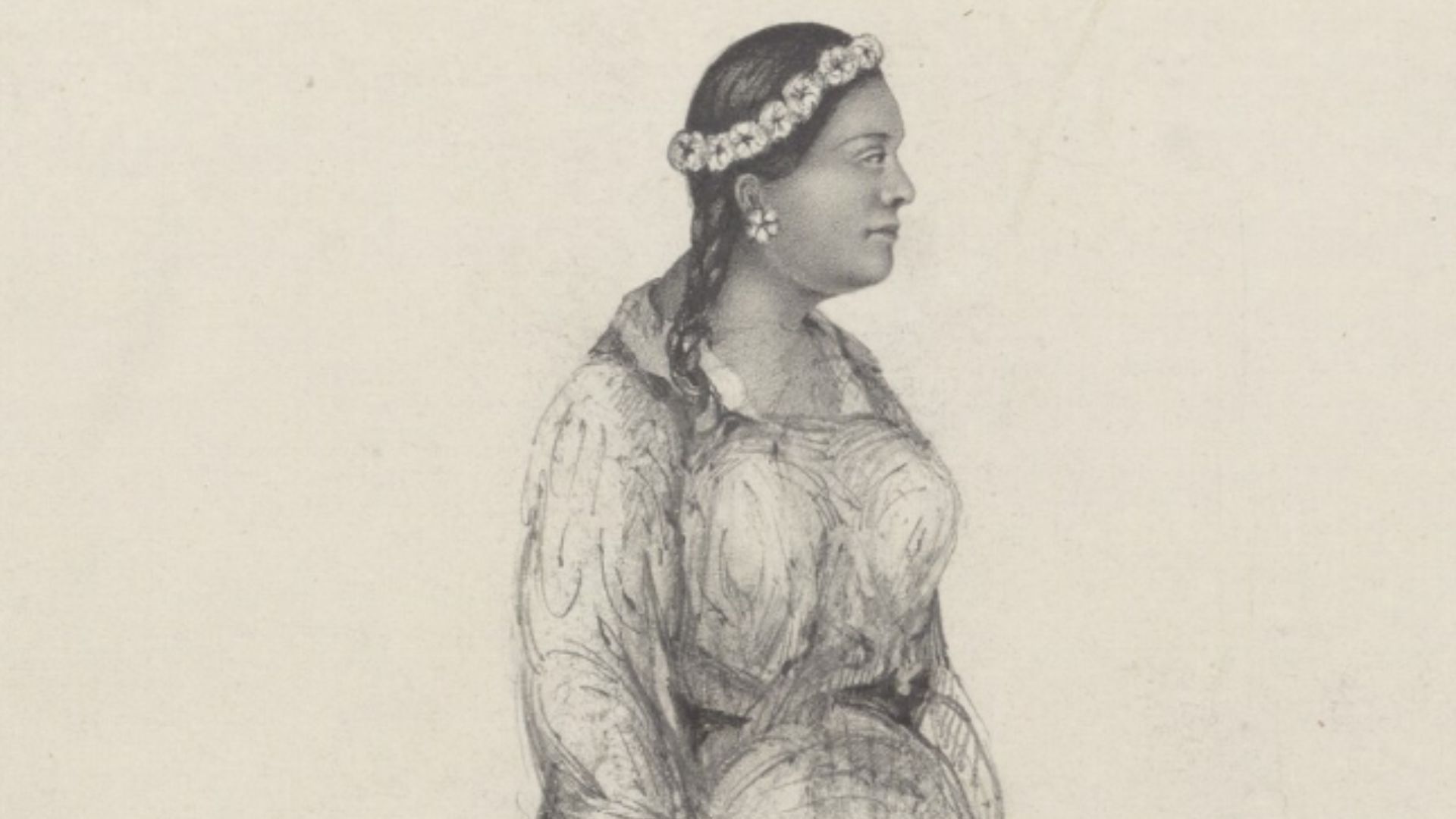 Adele de Dombasle, Wikimedia Commons
Who Crossed The Pacific?
Genetics confirms the encounter, but exactly what happened remains less certain. Polynesian voyagers may have reached the South American mainland and returned, perhaps carrying Native Americans or their descendants with them. Alternatively, Native Americans could have voyaged westward. The DNA establishes contact around 800 years ago more confidently than it establishes the direction.
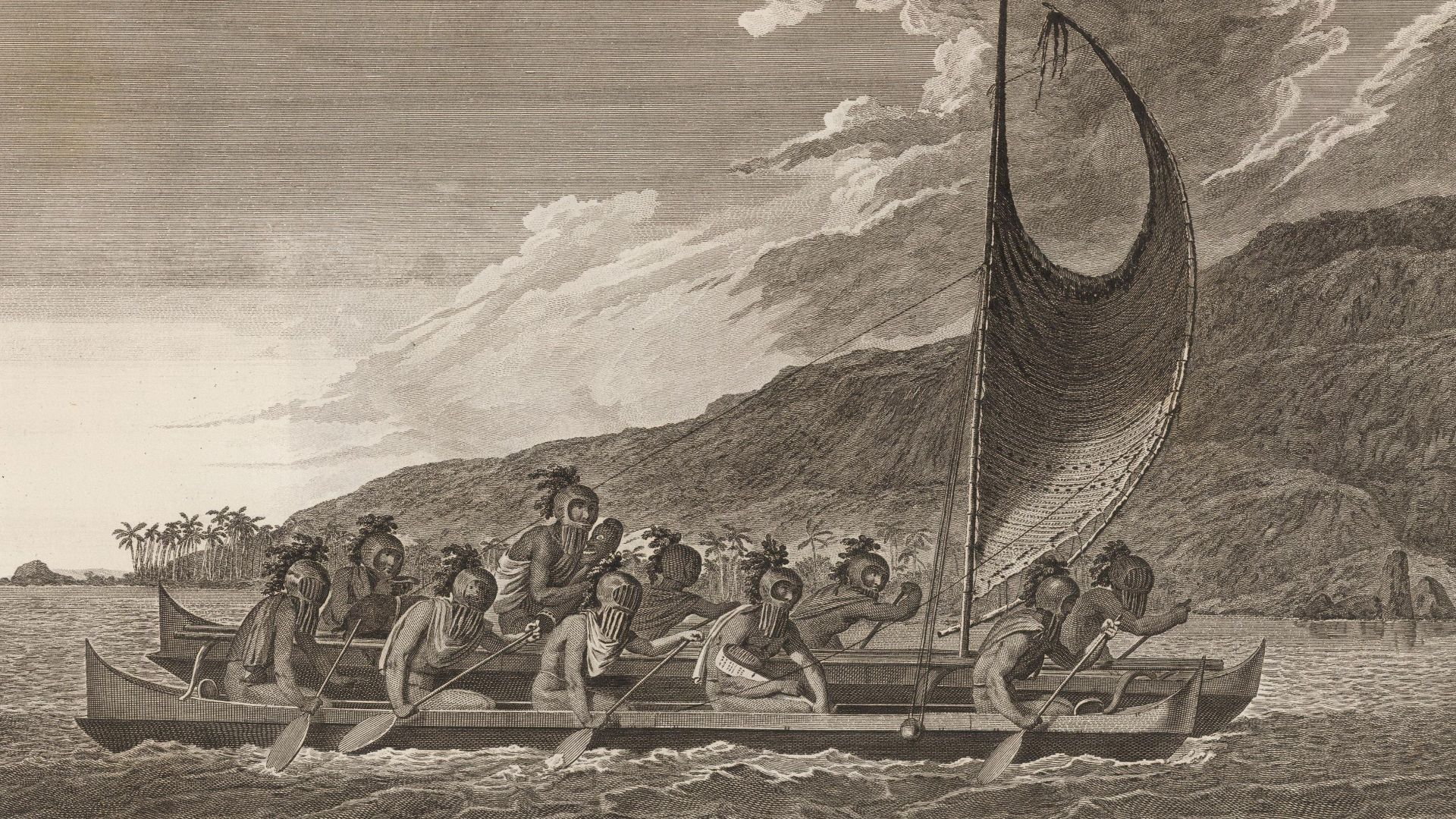 John Webber, Wikimedia Commons
Rapa Nui Added Evidence
Ancient DNA from 15 people associated with Rapa Nui strengthened the case for prehistoric trans-Pacific contact. Researchers detected Native American ancestry and dated the admixture to several centuries before Europeans reached the island in 1722. DNA had confirmed a human connection across thousands of miles of ocean that left no surviving written account.
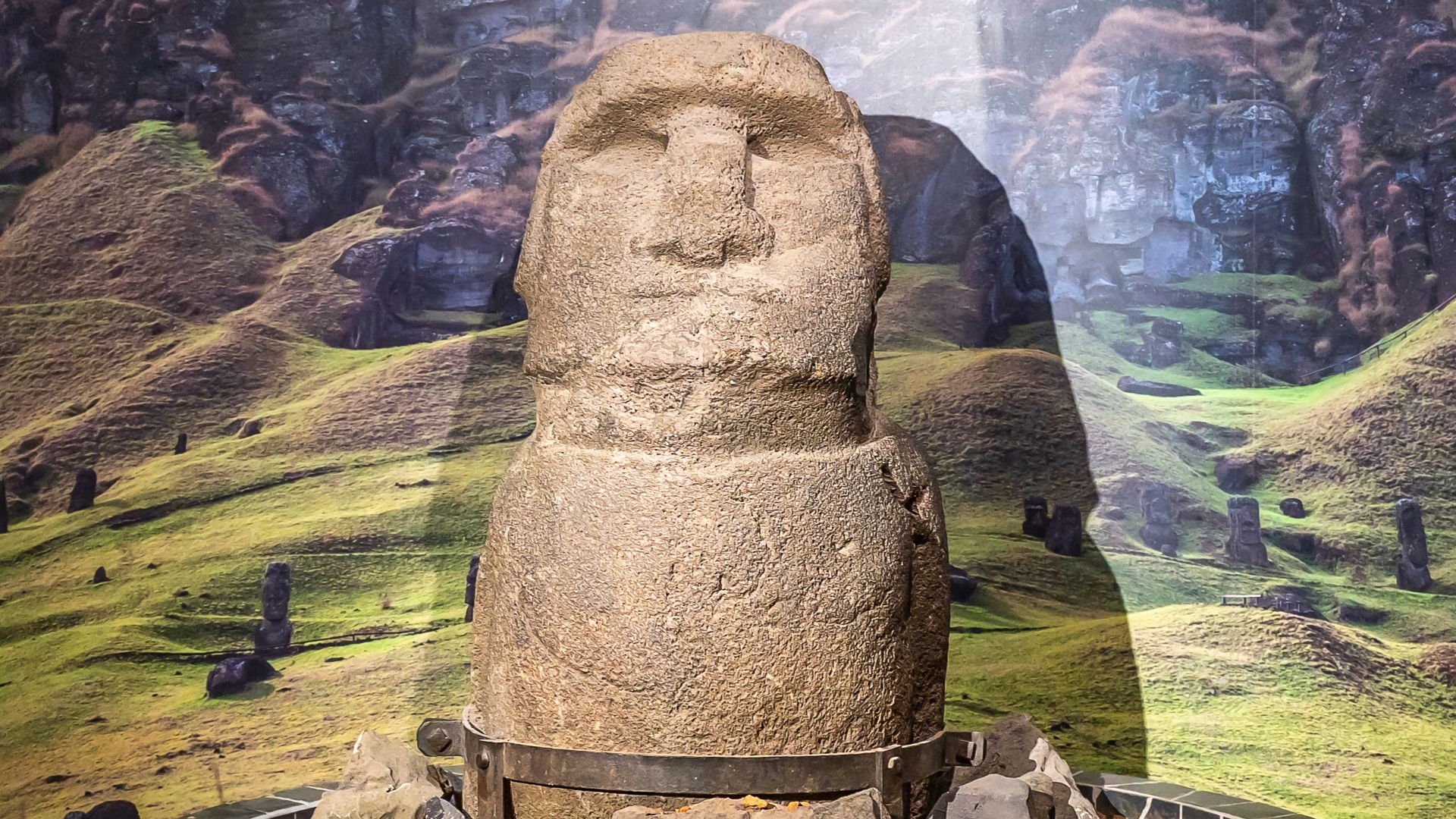
DNA Keeps Finding Ghosts
Ancient DNA has transformed the basic picture of human prehistory, but enormous gaps remain. Africa, tropical Asia and Oceania are particularly difficult because warm, humid conditions destroy DNA. Better extraction techniques and larger genetic databases could expose populations stretching from tens of thousands of years ago into relatively recent prehistory.
Our Family Tree Isn't A Tree
The emerging picture looks less like separate branches and more like a web. Populations split, reunited, migrated, replaced one another and exchanged genes across astonishing distances. A people can disappear culturally while surviving genetically inside millions of descendants, meaning some of history's “lost populations” were never completely lost at all.
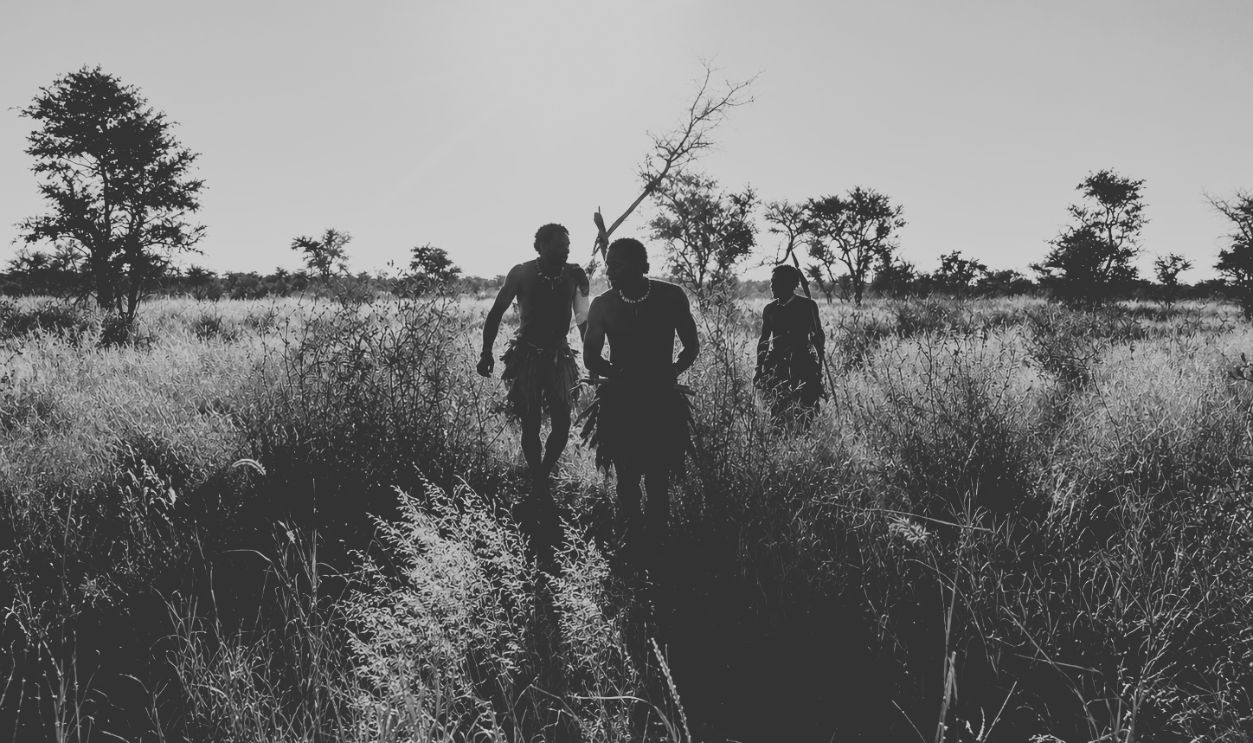 David Barrie, Wikimedia Commons, Enhanced
You May Also Like:
New DNA Discovery Completely Rewrites The Origins Of Humanity
Researchers carried out the first DNA study of the people of ancient Machu Picchu.
Sources: 1, 2, 3, 4, 5, 6, 7, 8, 9, 10, 11, 12, 13, 14, 15, 16, 17