Desert's Forgotten Bloodline
Beneath the world's largest desert, two mummified women lay buried for 7,000 years. Their DNA revealed something extraordinary. They belonged to a human lineage science had never seen before. It was a ghost population lost to time.
 Luca Galuzzi, Wikimedia Commons, Modified
The Sahara Desert Today
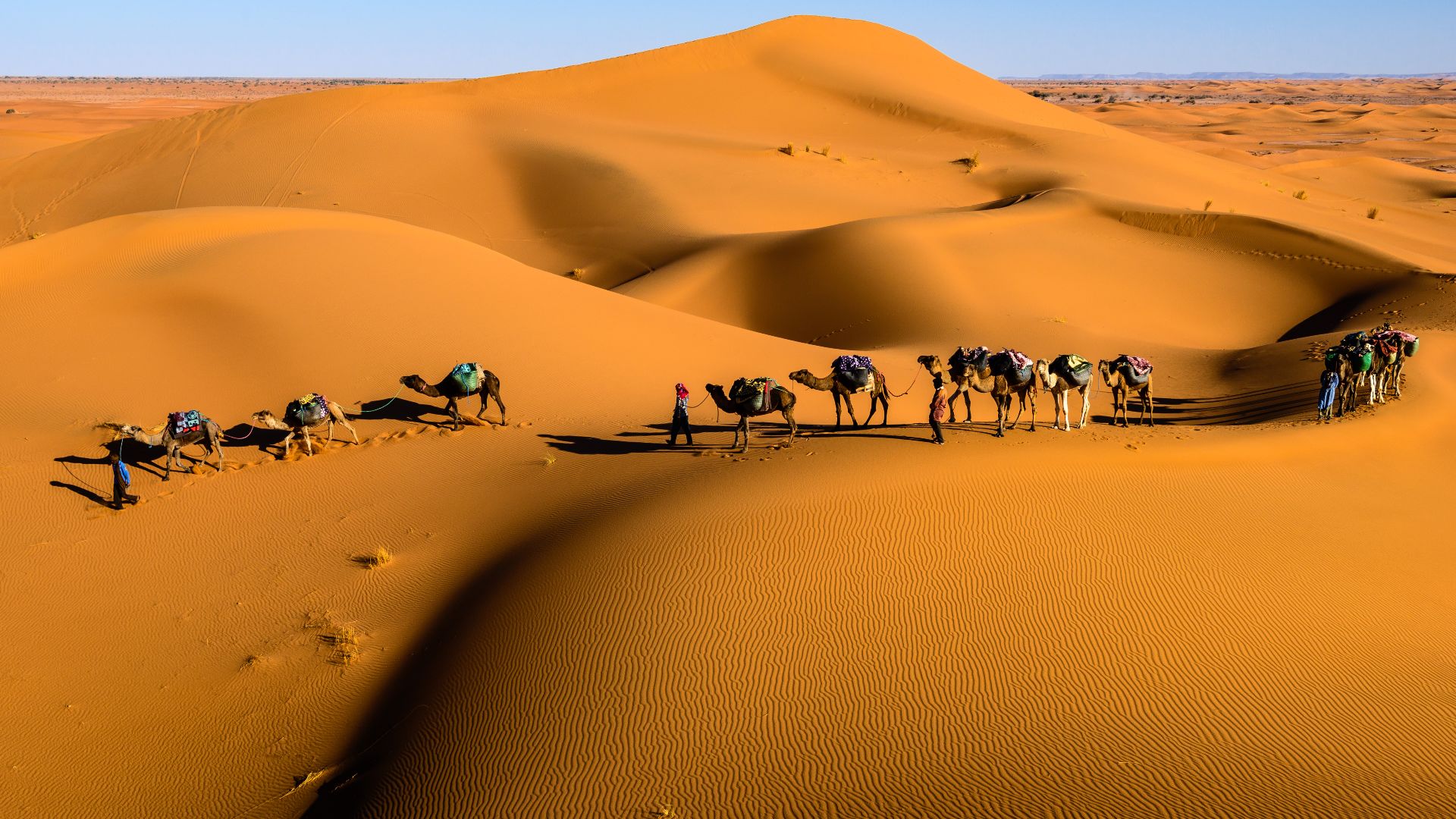
The desert spans 3.6 million square miles across North Africa. It is nearly the size of the entire United States. Temperatures soar to 122°F. Annual rainfall barely reaches three inches. Endless sand dunes stretch toward horizons of barren rock. This is one of Earth's most hostile environments.
 Sergey Pesterev, Wikimedia Commons
Hidden Clues In The Sand
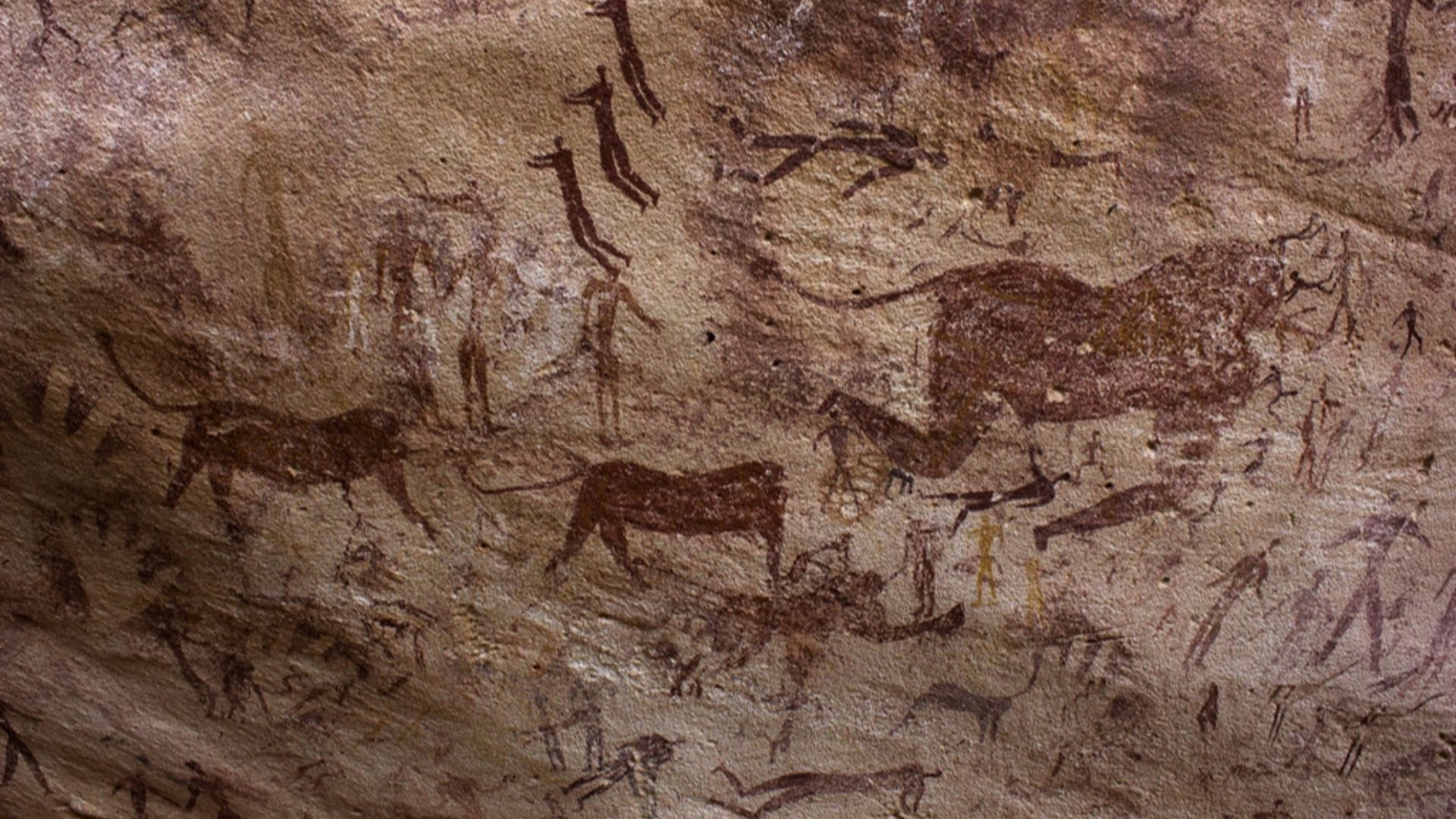
For over a century, archaeologists have found puzzling artifacts scattered across the Sahara. There were rock paintings showing hunters pursuing hippos and giraffes, ancient stone tools, pottery fragments, and human skeletons. These discoveries whispered of a dramatically different past.
 Clemens Schmillen, Wikimedia Commons
The Tadrart Acacus Mountains Of Libya
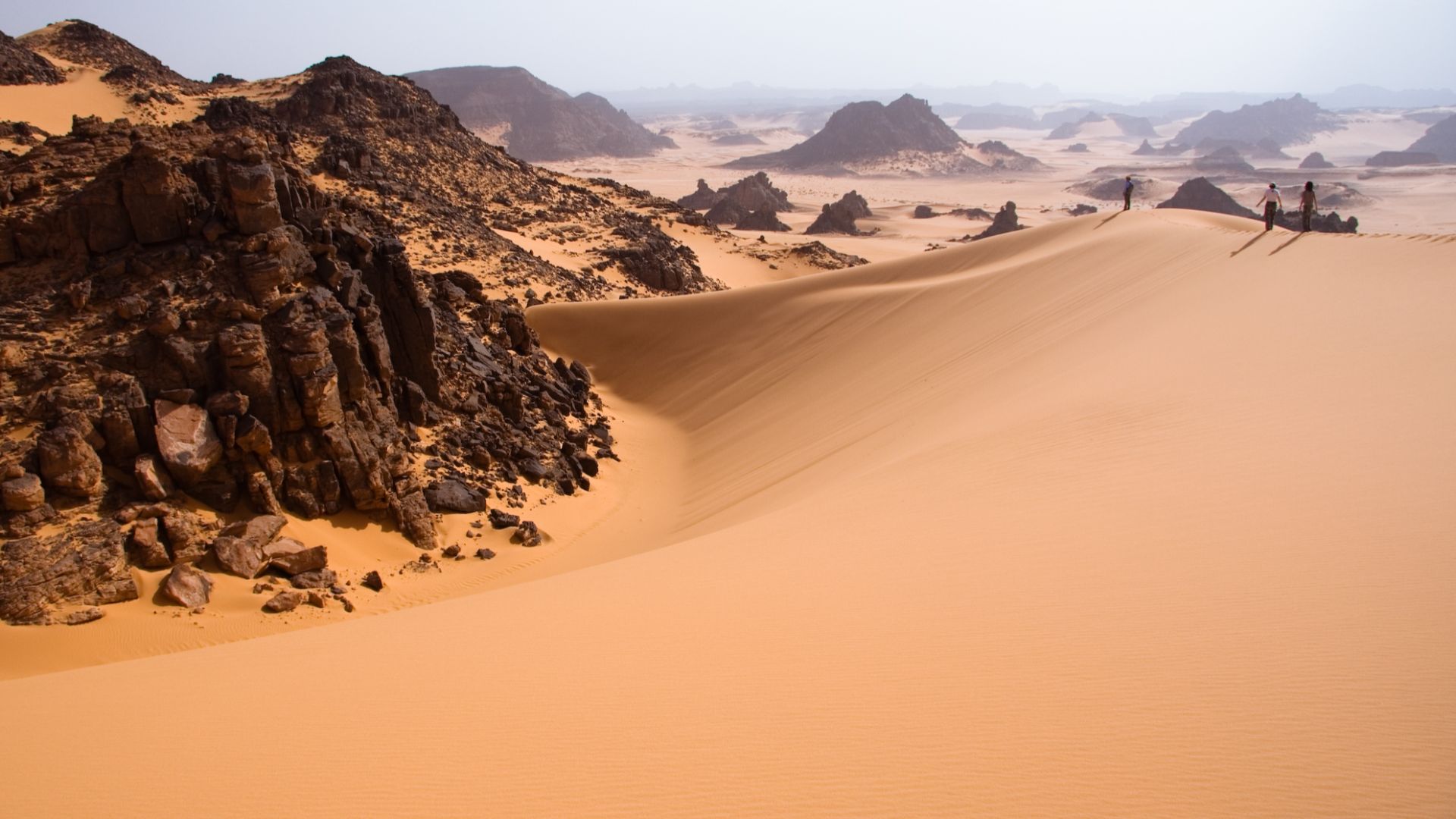
In southwestern Libya, the Tadrart Acacus mountain range is a UNESCO World Heritage site containing thousands of prehistoric rock paintings. Remote and rugged, these sandstone formations create natural shelters. They are protected caves where ancient peoples once sought refuge.
 Luca Galuzzi (Lucag), Wikimedia Commons
The Takarkori Rock Shelter Discovery
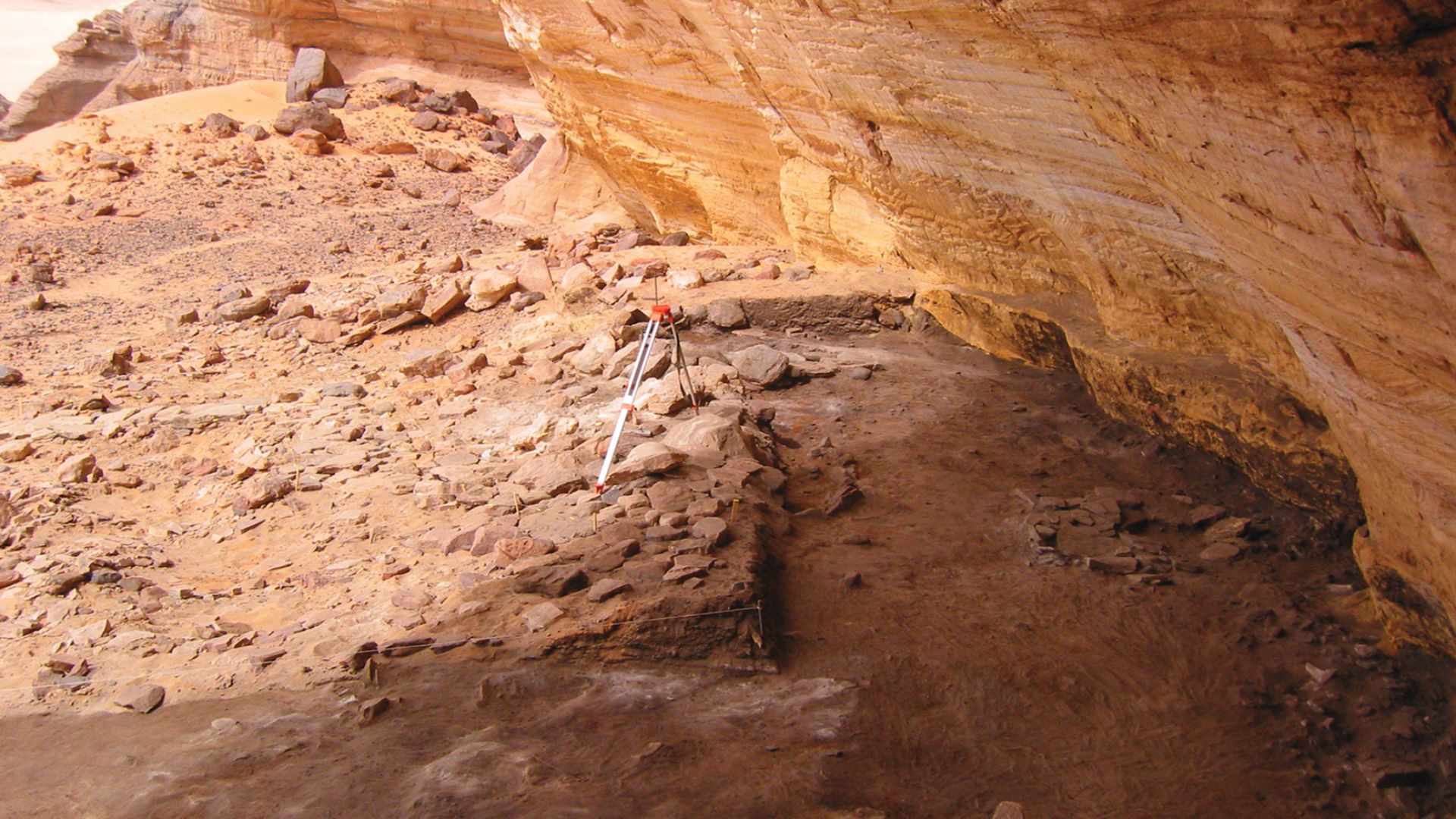
In 1999, archaeologists surveyed a natural rock shelter carved into the Tadrart Acacus mountainside. By 2003, an Italian-Libyan team led by Professor Savino Di Lernia began excavations. The site, accessible only by four-wheel drive, would yield one of archaeology's most significant discoveries.
 Van Neer W, Alhaique F, Wouters W, Dierickx K, Gala M, Goffette Q, et al., Wikimedia Commons
The African Humid Period Revealed
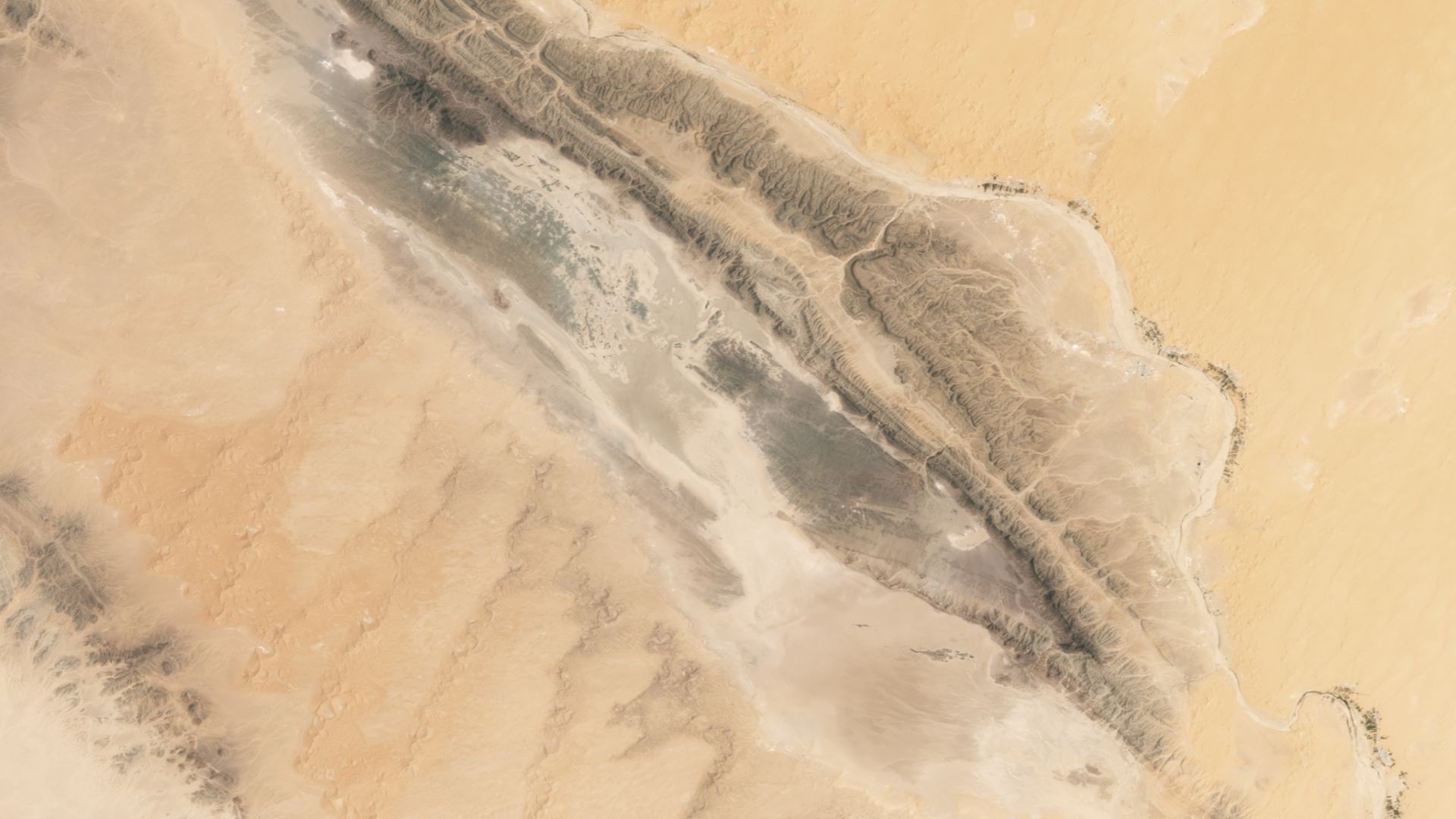
Between 14,500 and 5,000 years ago, the Sahara wasn't a desert at all. Scientists call this the African Humid Period—a time when Earth's largest desert transformed into lush, green terrain. Lake sediments and archaeological evidence prove this dramatic transformation occurred.
The Science Behind The Change
Earth wobbles on its axis in a 20,000-year cycle called axial precession. Around 11,000 years ago, this wobble positioned Earth closest to the Sun during Northern Hemisphere summer. Solar radiation over North Africa increased by 8%. It heated the landmass intensely and triggering profound climate change.

How Orbital Changes Created The Green Sahara
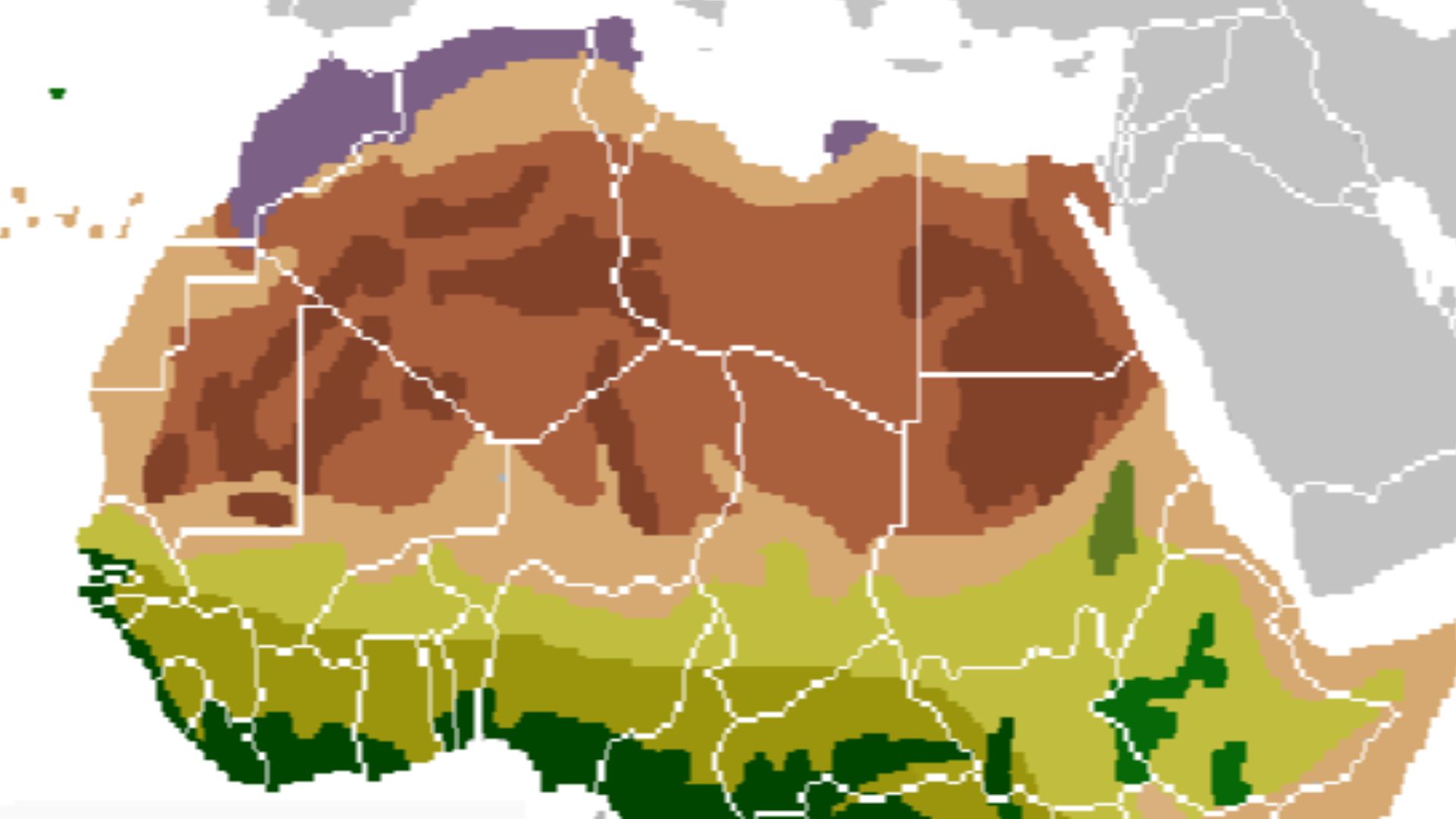
The increased heat created low atmospheric pressure over North Africa, which drew moisture-laden air inland from the Atlantic Ocean. The African monsoon strengthened and pushed northward. It brought seasonal rains deep into modern desert regions. More vegetation grew and trapped additional heat.
 Vegetation-no-legend.PNG: Sten Porse derivative work: Alexchris (talk), Wikimedia Commons
A Landscape Transformed
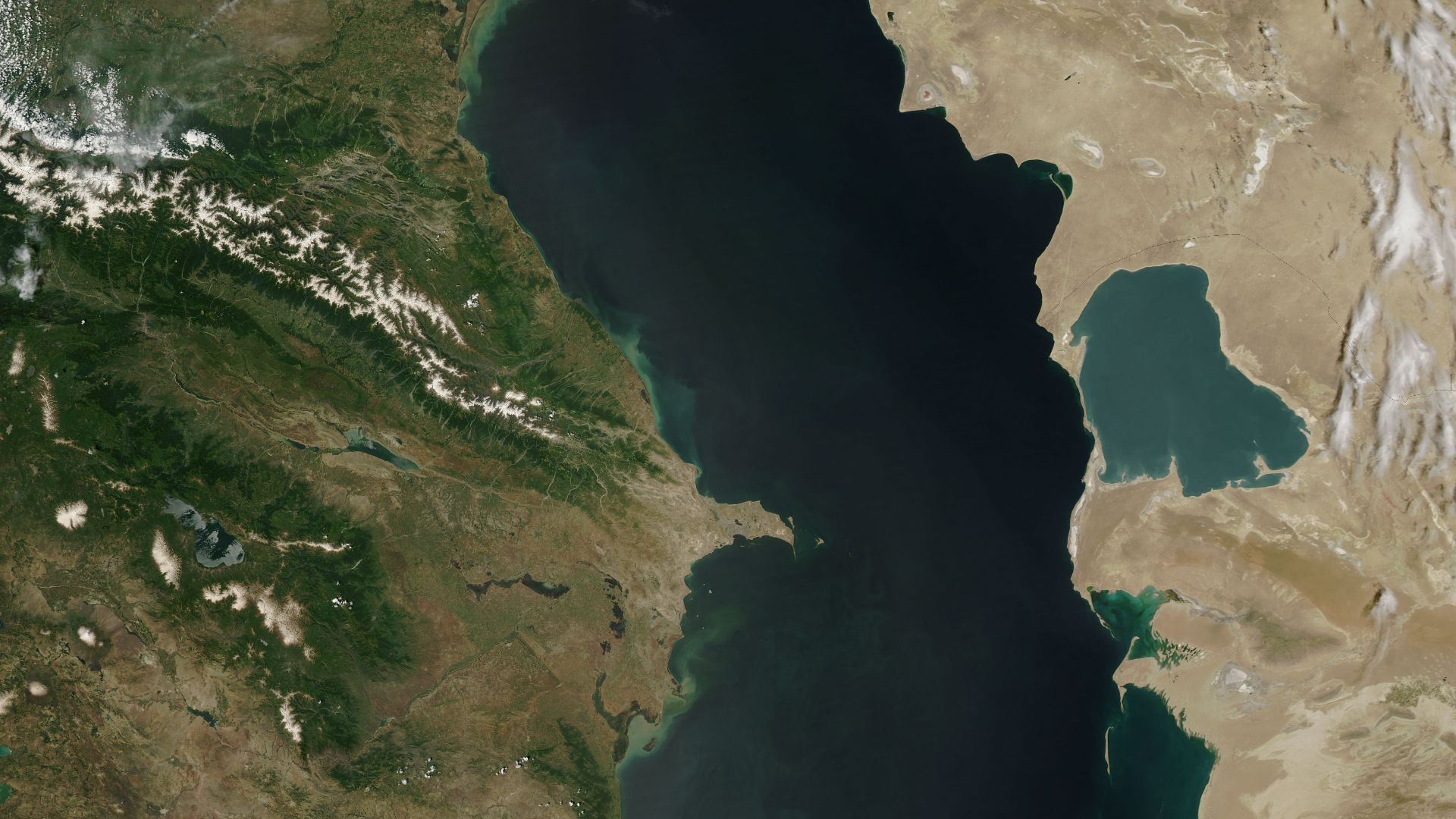
Permanent lakes rivaling the Caspian Sea covered 130,000 square miles. Extensive river systems flowed year-round. Grasslands replaced sand dunes. The region resembled Mediterranean steppe in the north and Sahelian vegetation southward. Water sources dotted the landscape. Life flourished where today only dust survives.
 Jeff Schmaltz, MODIS Rapid Response Team, NASA/GSFC, Wikimedia Commons
The Wildlife Of Paradise
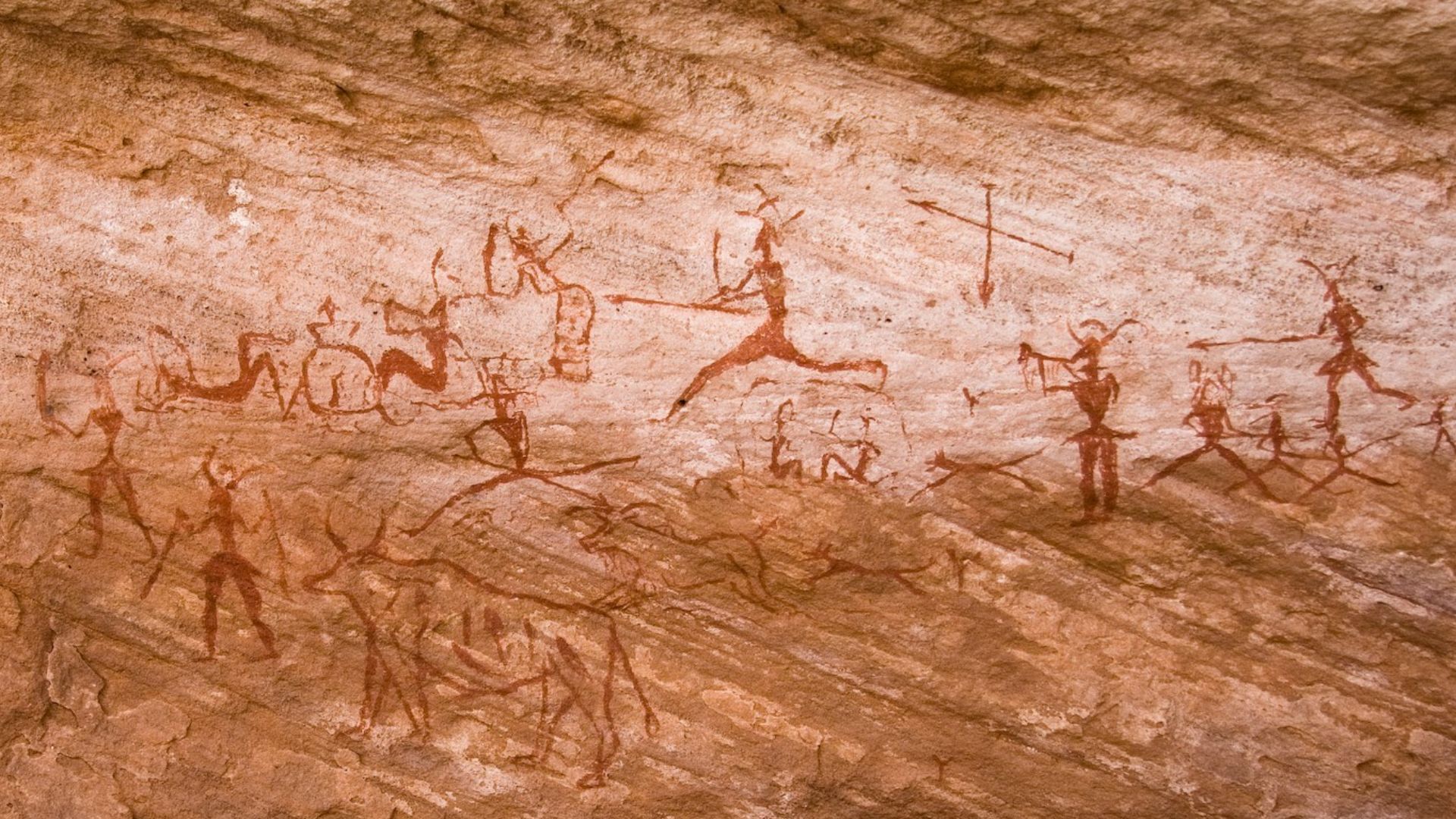
Since there were ample water bodies, there was a natural inflow of a variety of animals. Even the rock paintings discovered earlier depict hunters stalking these animals near water. The Green Sahara supported biodiversity, which matched modern East African ecosystems.
The Italian-Libyan Archaeological Mission Begins
In 2003, Professor Savino di Lernia from Sapienza University of Rome led an international team to Takarkori. Their mission was to uncover the complete timeline of human occupation in the central Sahara and understand how ancient peoples adapted as the climate transformed.
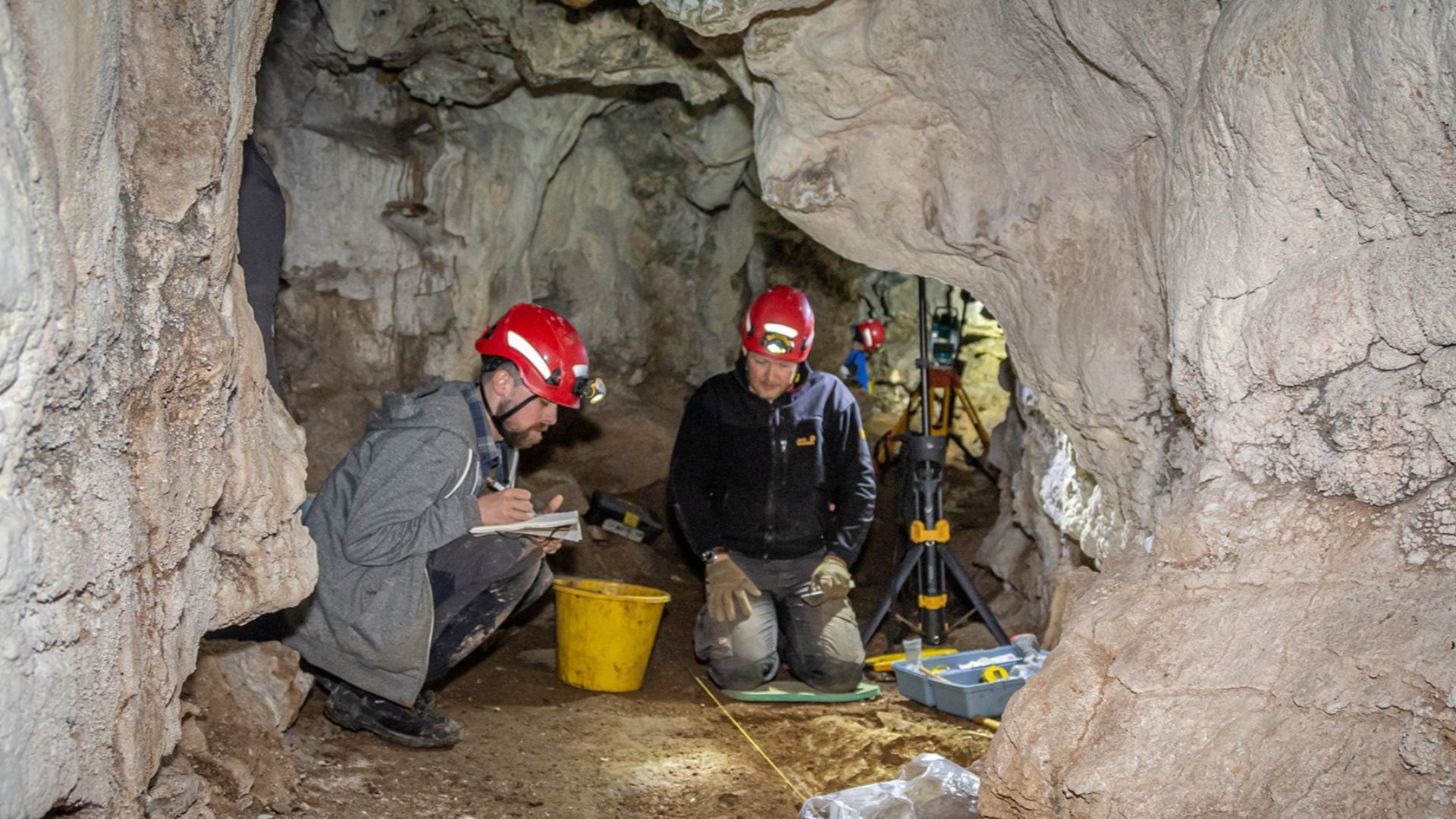 Thorsten Kahlert, Wikimedia Commons
A Wonderful Find
Day two of excavation brought astonishing luck. Professor di Lernia later recalled the moment: "We scratched the sand and found the mandible"( a human jawbone) emerging from the shelter floor. The team immediately recognized exceptional preservation. This was soft tissue that remained intact after thousands of years.
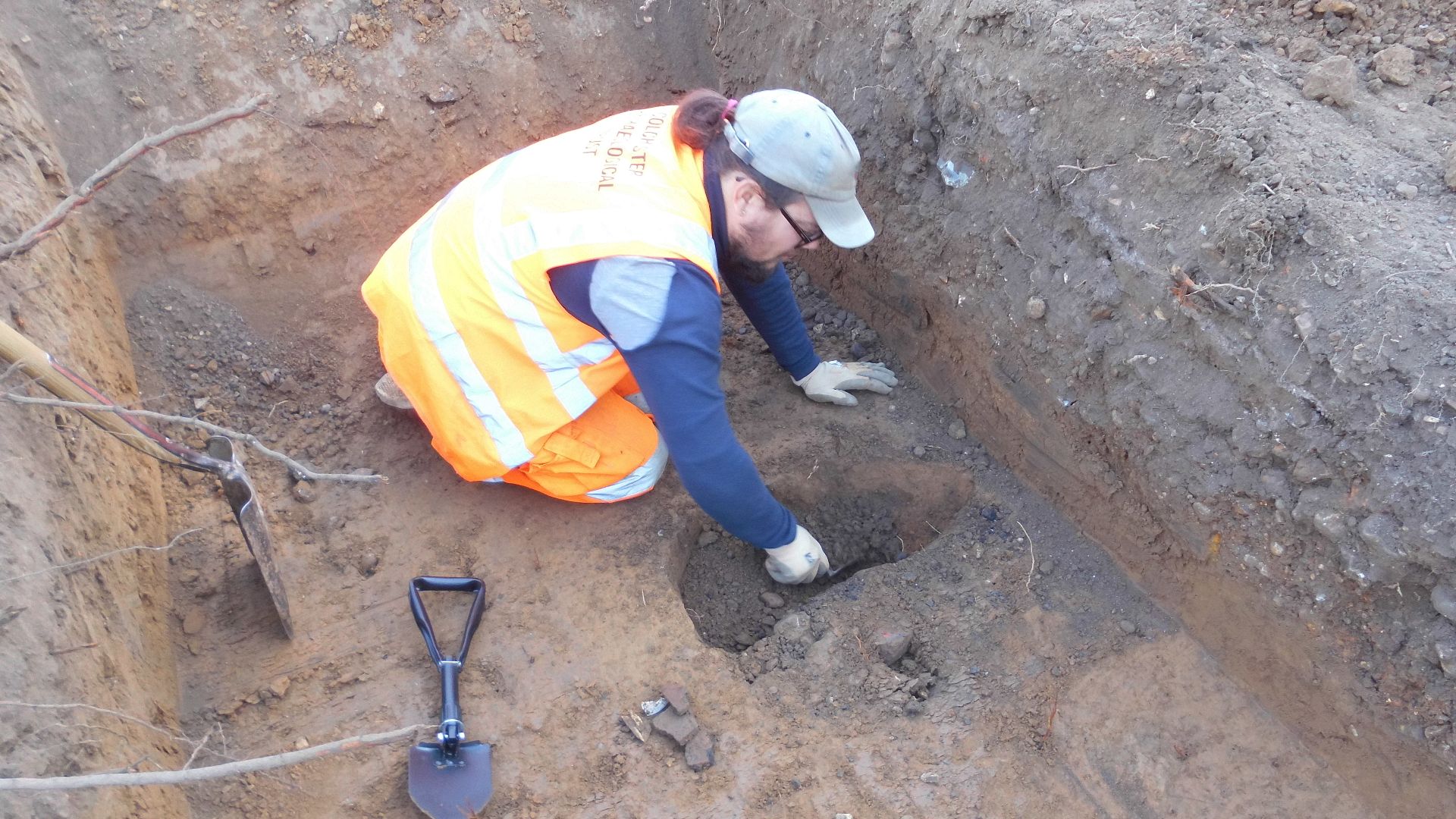 Dr Elliott Hicks, Colchester Archaeological Trust, Wikimedia Commons
Burials Uncovered
The Takarkori rock shelter revealed 15 human burials, all women and children, interred between 8,900 and 4,800 years ago. Most date to the Early and Middle Pastoral periods when the Green Sahara thrived. Remnants of daily life surrounded the graves as evidence of communities that called this shelter home.
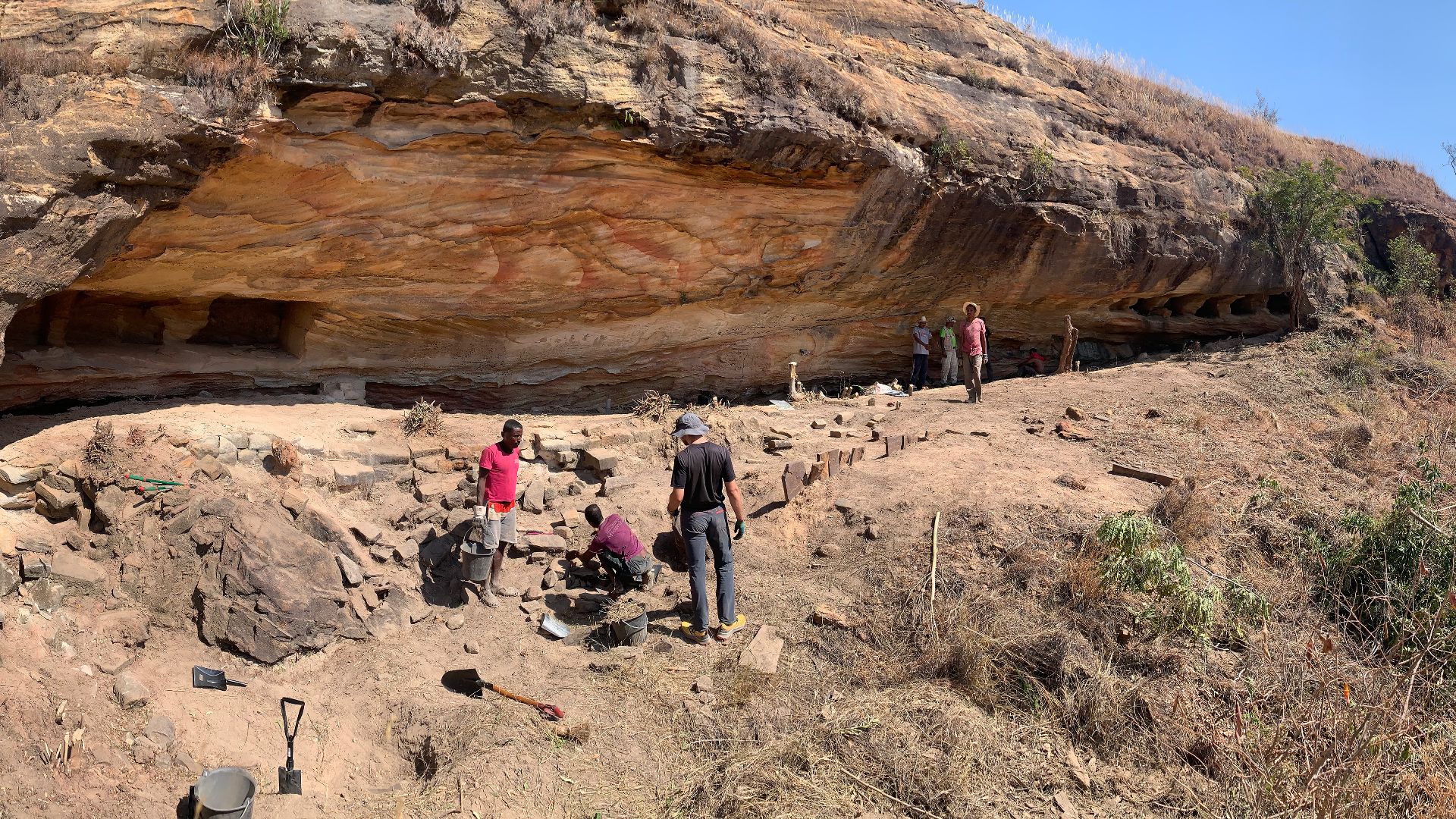 Guido Schreurs, Wikimedia Commons
Natural Mummification In The Desert
Two individuals exhibited extraordinary preservation: both women in their 40s who died around 5,000 BCE, approximately 7,000 years ago. Unlike Egyptian intentional mummification, these bodies were naturally preserved through desiccation. Skin and DNA remained intact despite millennia in extreme heat.
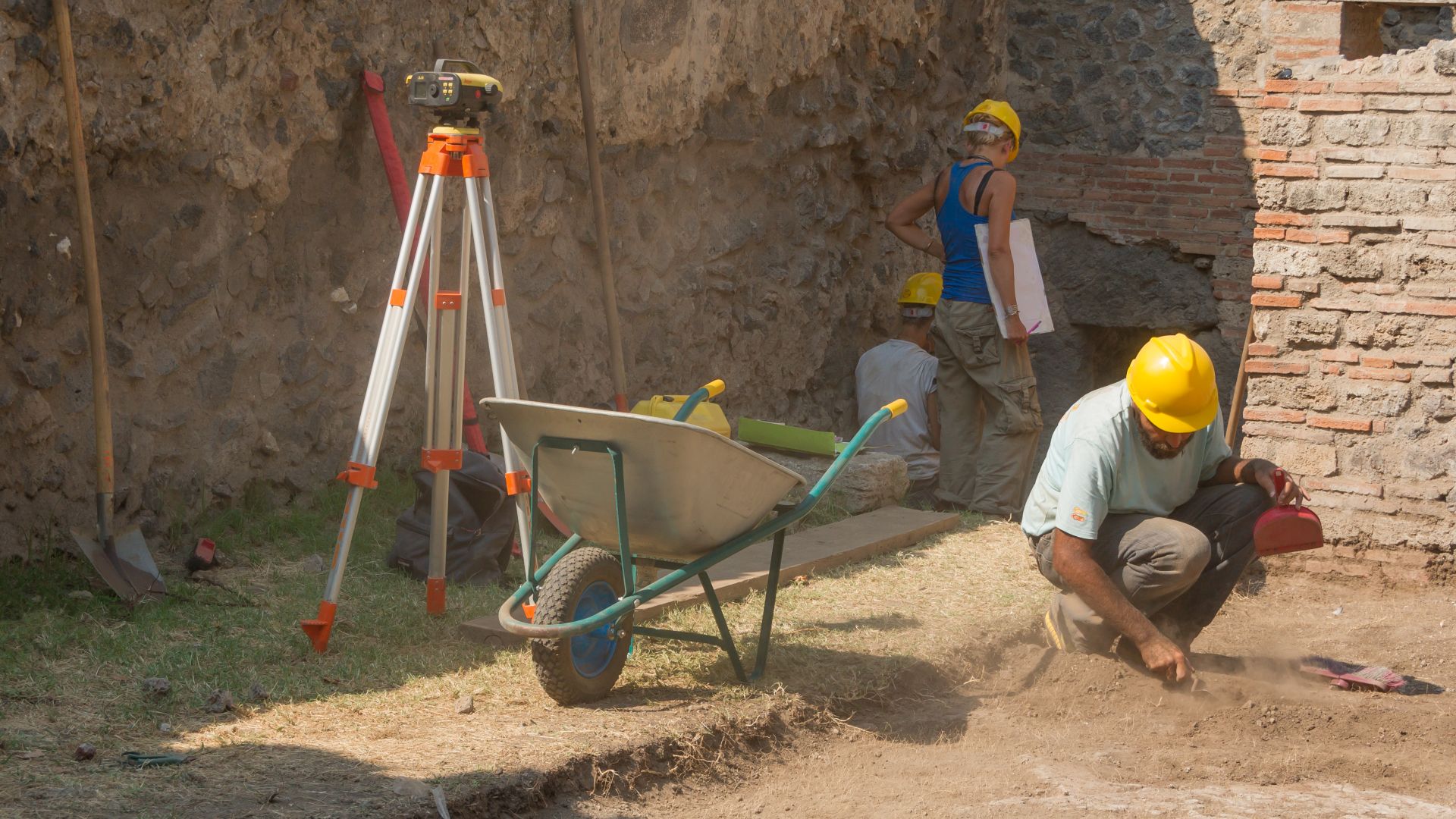
Why This Preservation Was Extraordinary
Ancient DNA degrades rapidly in hot climates. Most ancient genomes come from cold regions like Siberia or Northern Europe, where freezing temperatures preserve genetic material. Africa's relentless heat has frustrated geneticists for decades. It also left the African population's history largely unknown. The Takarkori mummies represented a rare opportunity.

Two Decades Of Waiting
For nearly 20 years after discovery, the Takarkori mummies remained an archaeological mystery. Initial attempts extracted only mitochondrial DNA—inherited solely from mothers—which provided limited information. Full genome sequencing from ancient, heat-degraded samples seemed impossible. The precious samples were carefully preserved, awaiting technological advancement.
 National Human Genome Research Institute (NHGRI) from Bethesda, MD, USA, Wikimedia Commons
The 2025 Breakthrough
On April 2, 2025, archaeogeneticist Nada Salem and Professor Johannes Krause from the Max Planck Institute for Evolutionary Anthropology announced their breakthrough in the Nature journal. They successfully sequenced complete genomes from both Takarkori women—the first whole genomes ever recovered from such hot environments.
 Karolina Grabowska www.kaboompics.com, Pexels
The Initial Analysis
Professor Krause described his shock upon analyzing the results: "At the time when they were alive, these people were almost like living fossils. If you'd told me these genomes were 40,000 years old, I would have believed it." The genetic signatures were profoundly ancient, unlike anything in modern or known ancient populations.

Understanding Ghost Populations
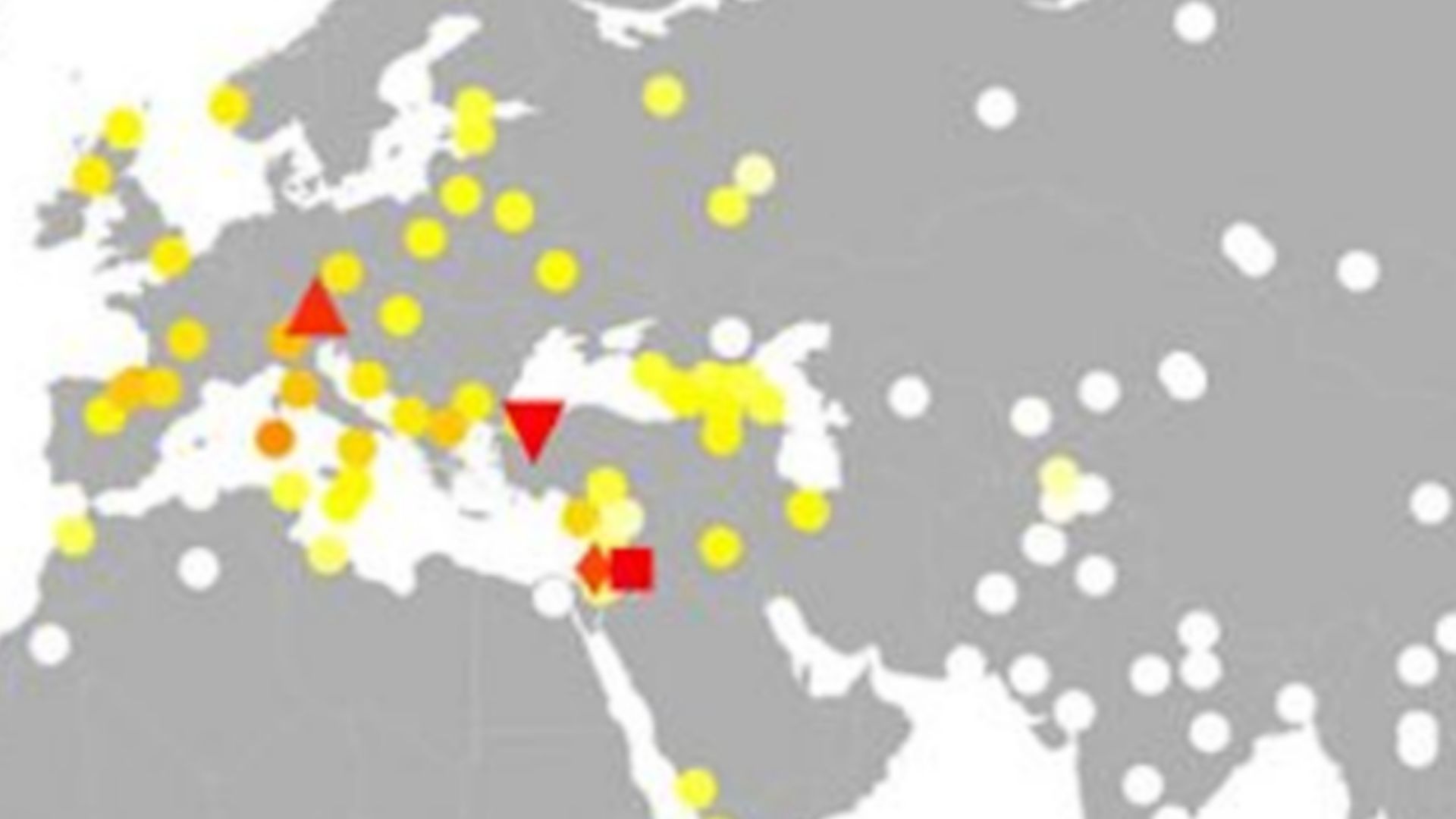
Ghost populations are human lineages inferred through mathematical analysis of modern DNA. They appear as faint echoes in living people's genomes—statistical shadows suggesting ancient peoples who contributed genes but left no fossils or bones. Until now, they existed only as predictions.
An Unknown Human Lineage Emerges
Analysis revealed the Takarkori women belonged to a previously unknown North African genetic lineage. Their DNA matched no modern population. No sub-Saharan African groups. No Near Eastern or European populations. This was finding a major, hidden branch of humanity's family tree that had remained isolated and genetically distinct.

The 50,000-Year Divergence
The North African lineage diverged from sub-Saharan African populations approximately 50,000 years ago. It was precisely when modern humans were spreading out of Africa to populate Europe and Asia. While some humans left Africa to colonize the world, this group remained behind.
Connection To The Ice Age
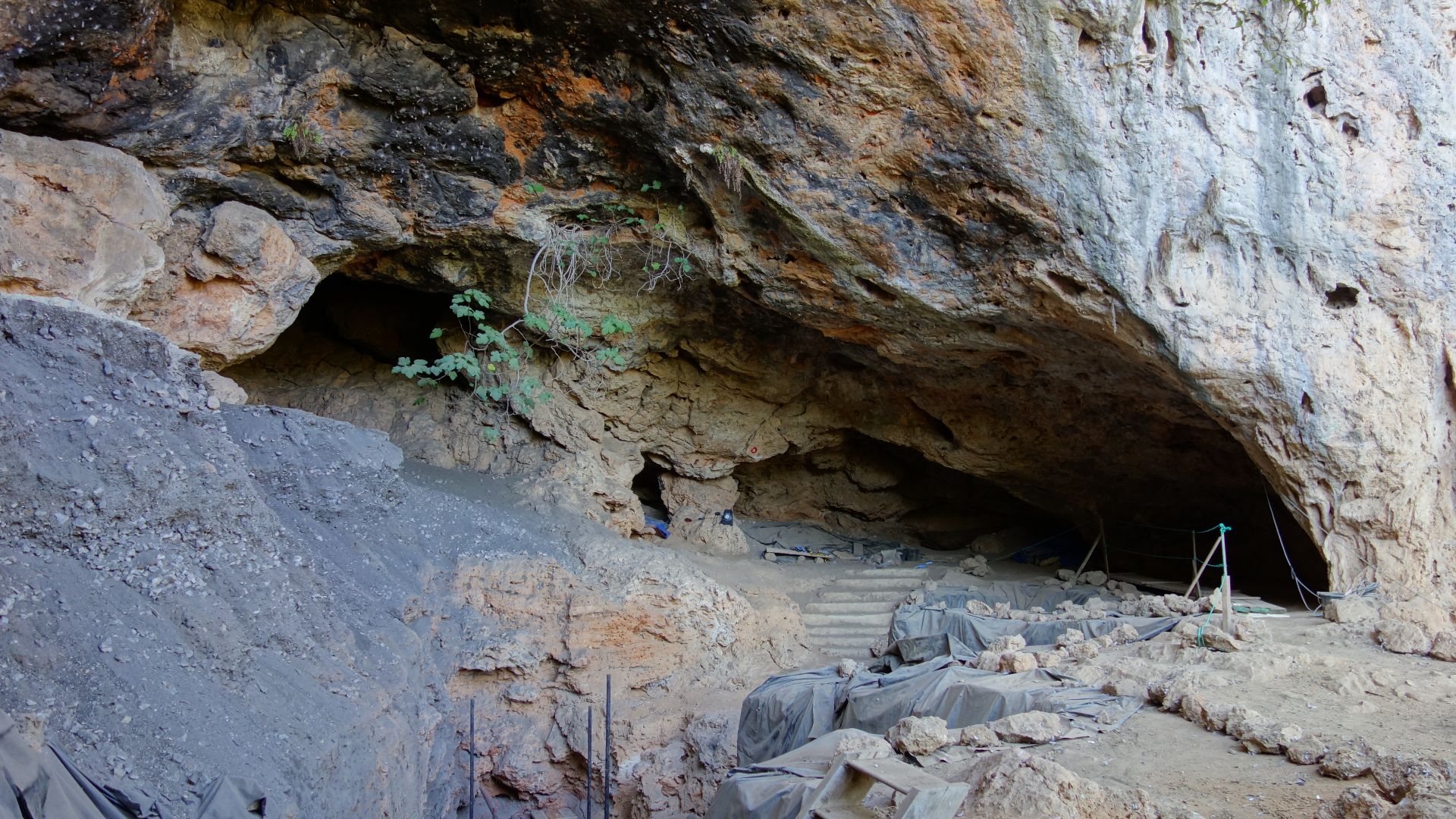
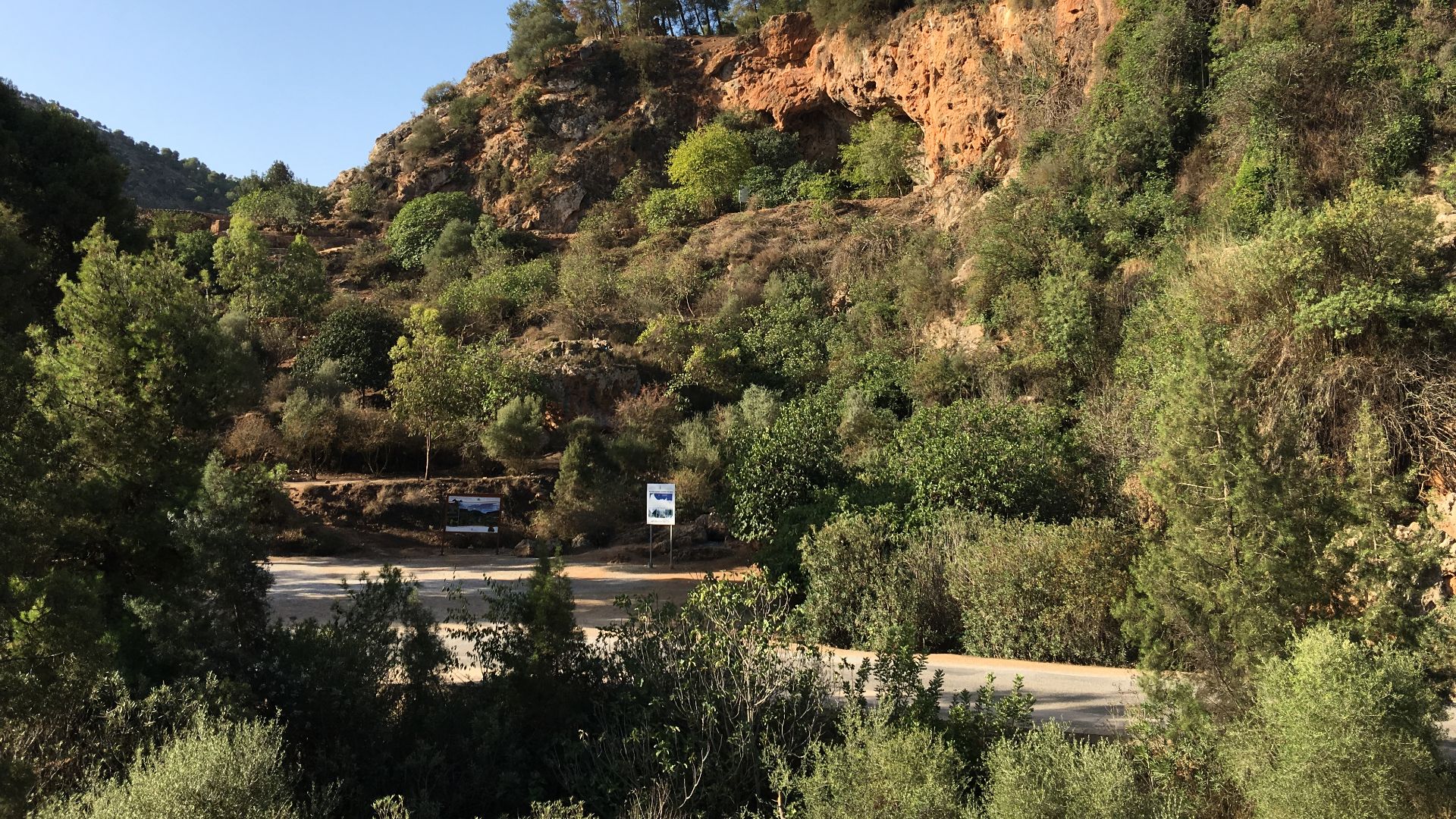
Their closest genetic relatives were 15,000-year-old Ice Age hunter-gatherers from Taforalt Cave in Morocco, associated with the Iberomaurusian culture. Taforalt contains North Africa's oldest known cemetery with 34 skeletons dated 15,100-14,000 years ago. Despite 8,000 separating them, both populations shared remarkably similar genetic signatures.
The Mystery Of 35,000 Missing Years
A profound question emerged: “Where was this population between 50,000 years ago, when they split from other Africans, and 15,000 years ago at Taforalt? Professor Krause admitted, "We actually don't know where they were hanging out". This 35,000-year gap represents archaeology's newest mystery.
No Bridge Across The Green Sahara
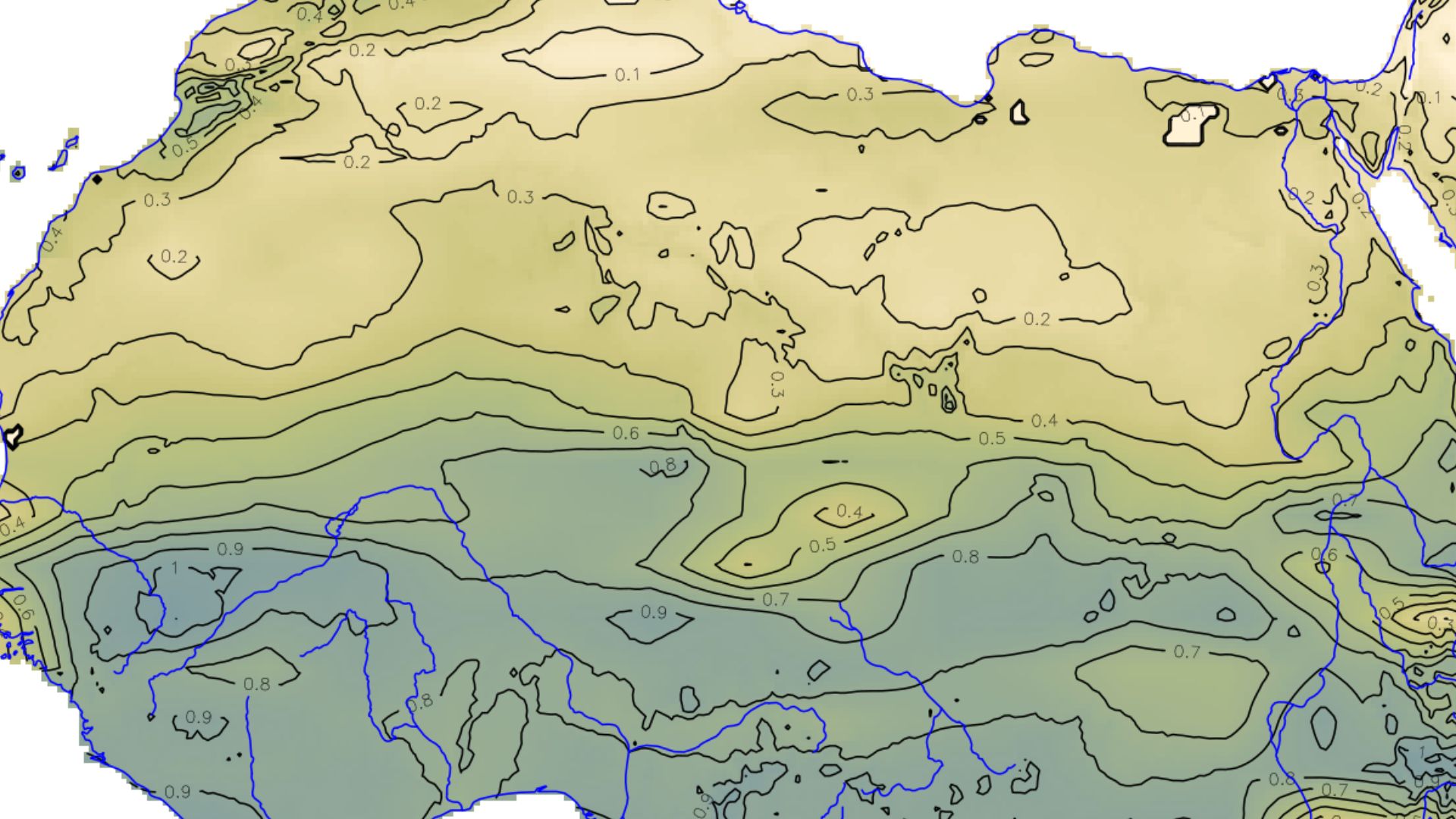
Despite the Sahara being lush and passable for thousands of years, genomic analysis revealed that it did not function as a genetic corridor between North and sub-Saharan Africa. The Takarkori people showed no significant genetic mixing with populations from either direction. Geography doesn't always determine gene flow.
The Pastoralist Puzzle
Archaeological evidence showed the Takarkori people herded domesticated cattle, sheep, and goats. But pastoralism originated in the Near East around 10,000-11,000 years ago, located thousands of miles away. How did an isolated population with zero genetic connection to Near Eastern groups adopt Near Eastern livestock and advanced herding practices?
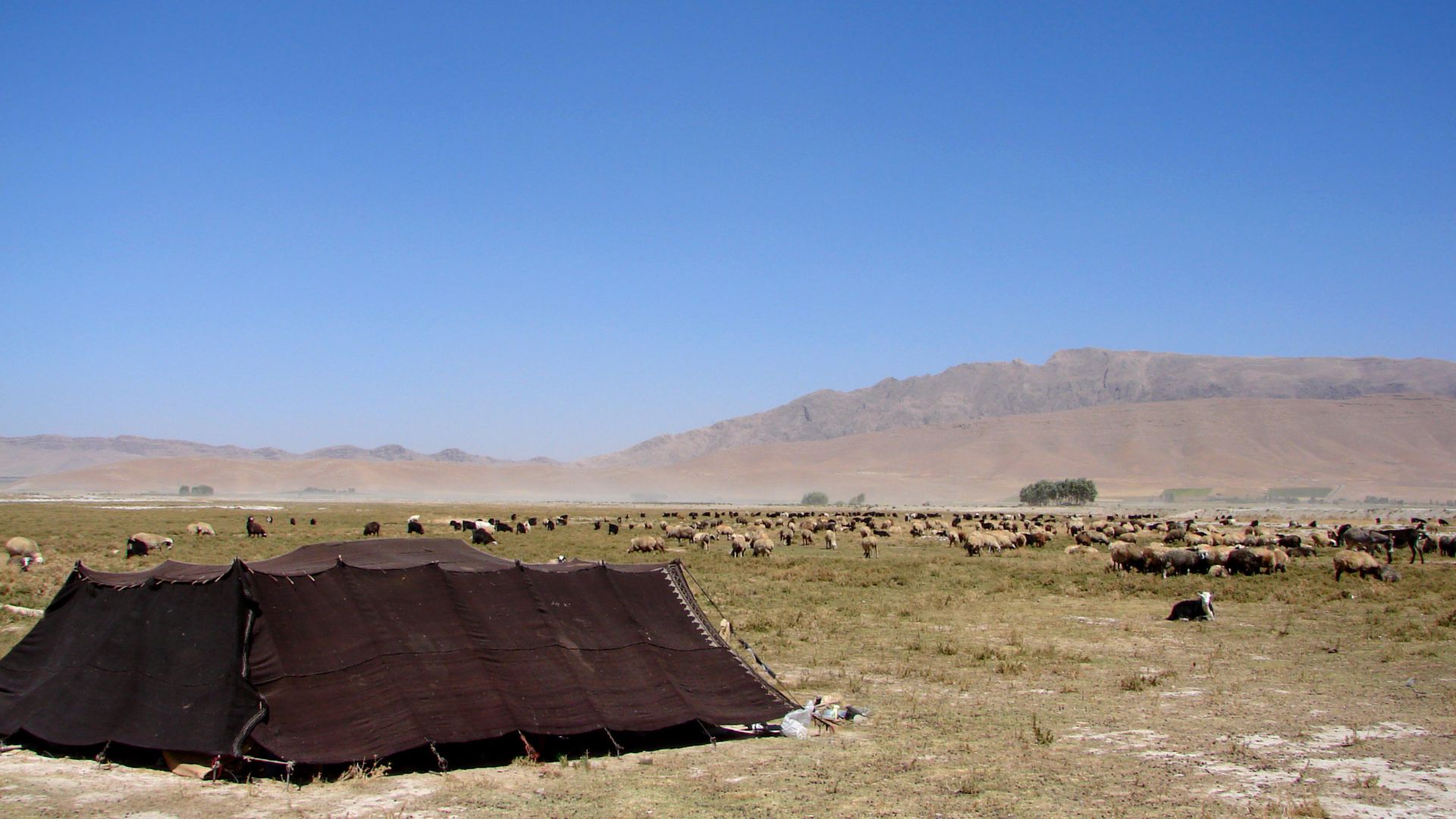 Hamed Saber from Tehran, Iran, Wikimedia Commons
Pottery Tells a Story of Contact
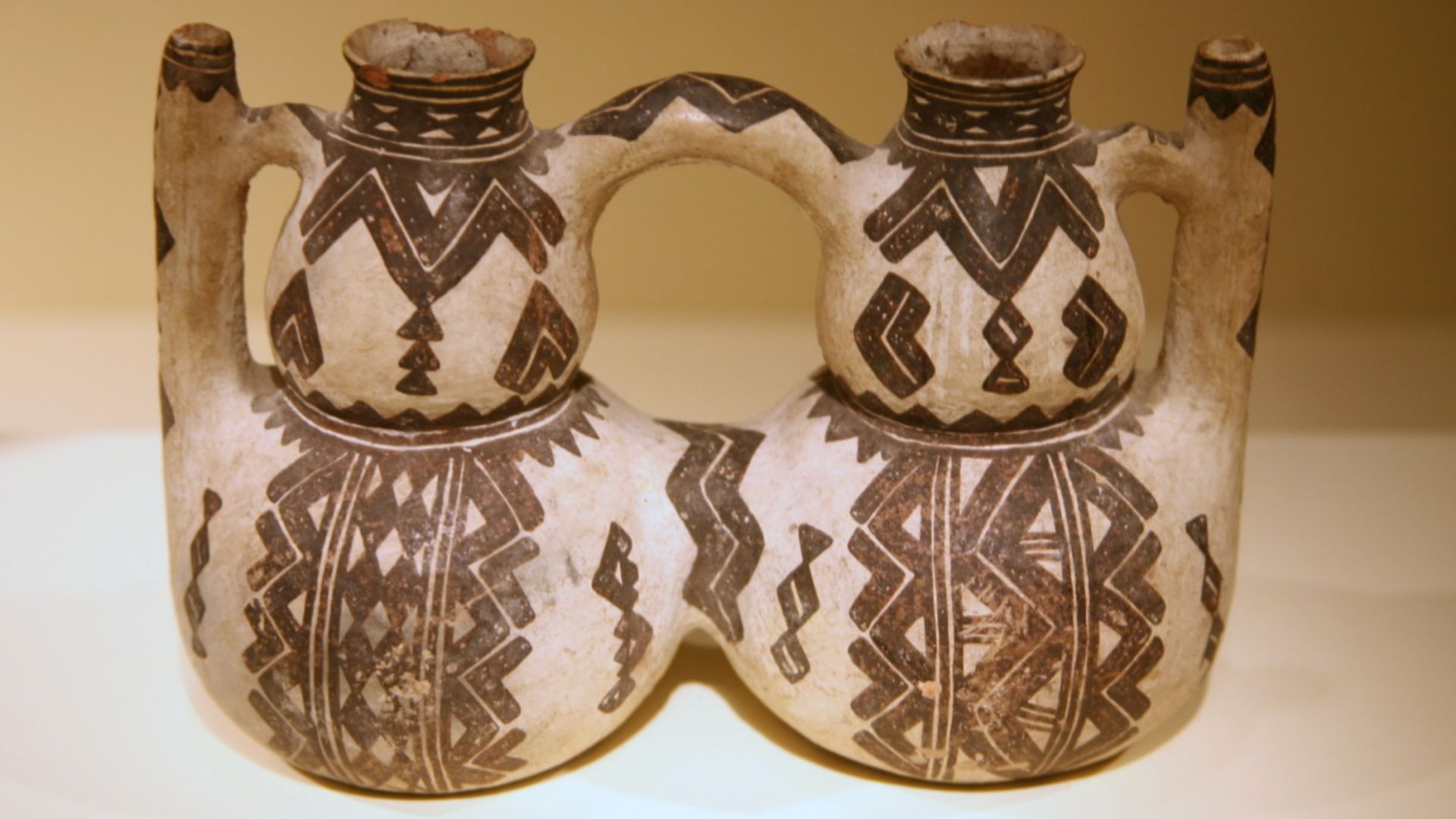
Pottery found at Takarkori matched styles from across North Africa—from sub-Saharan regions and the Nile Valley. Stone tools showed similar widespread influences. The archaeological record clearly demonstrated that the Takarkori people weren't physically isolated. They had contact, trade networks, and cultural exchanges with neighboring groups. Yet genetically, they remained completely separate.