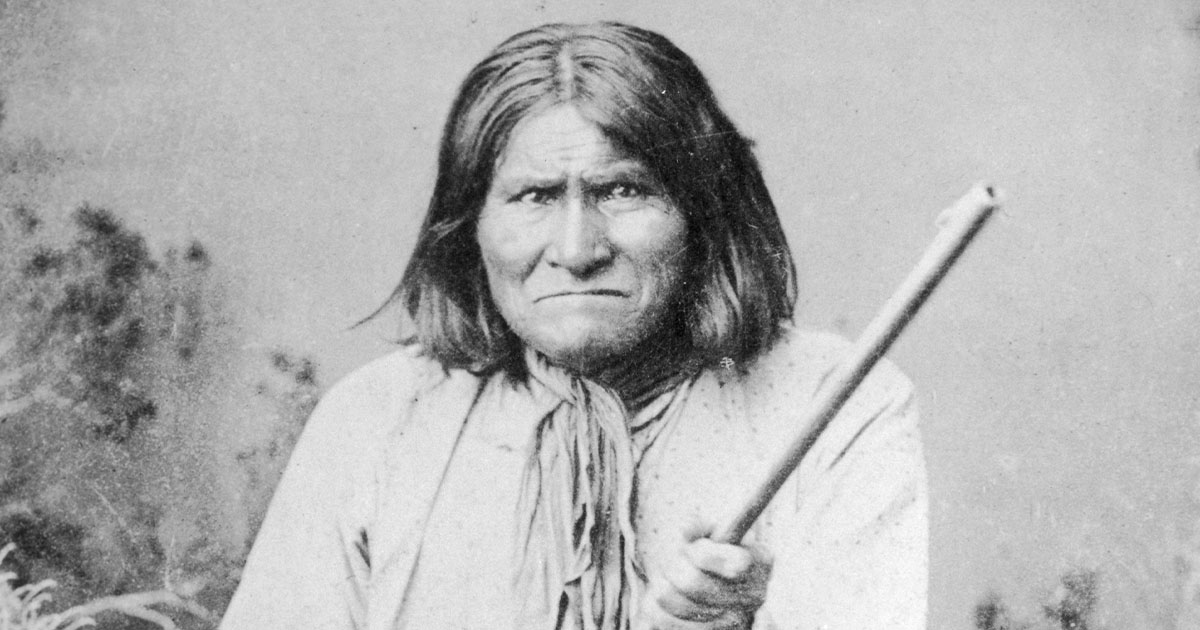
A Name That Never Really Went Quiet
Even today, the name Geronimo carries weight. It gets shouted. It gets remembered. It gets misunderstood. For some, it sounds like legend. For others, it represents resistance. But before the stories grew larger than life, Geronimo was a real man living through one of the most violent chapters in American history.
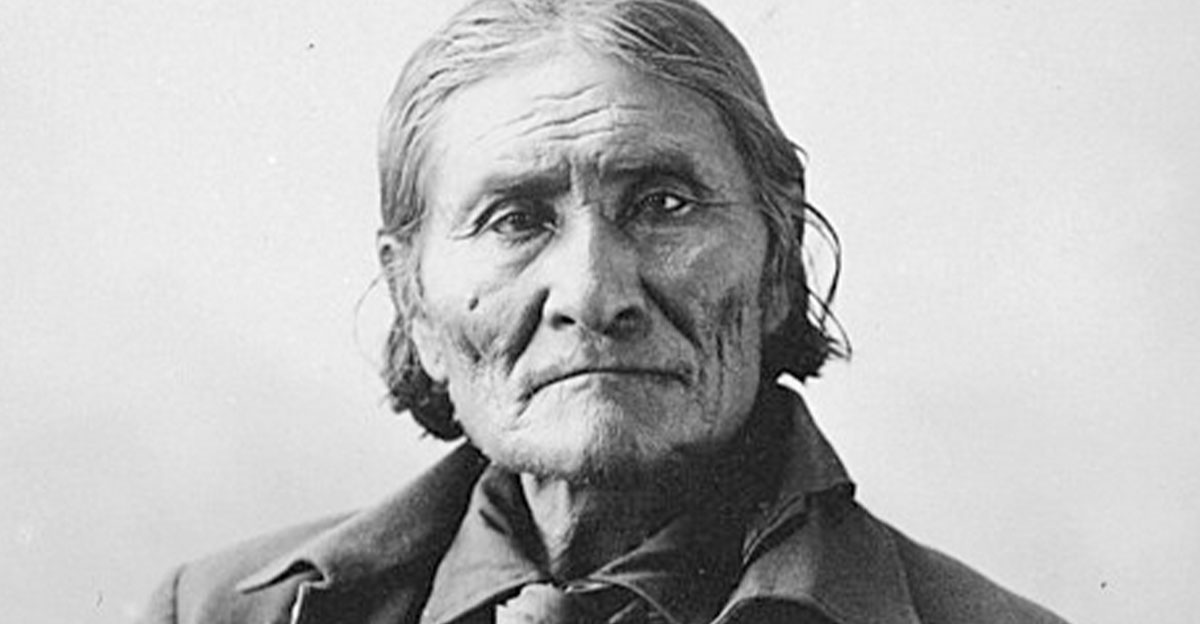
Born Into a Dangerous World
Geronimo was born in June 1829 near the Gila River in what is now western New Mexico. He was part of the Bedonkohe band of the Ndendahe Apache people. His Apache name was Goyaałé, which meant “one who yawns.” From the beginning, his world was unstable. Mexican settlements were already pushing into Apache land, and conflict was never far away.
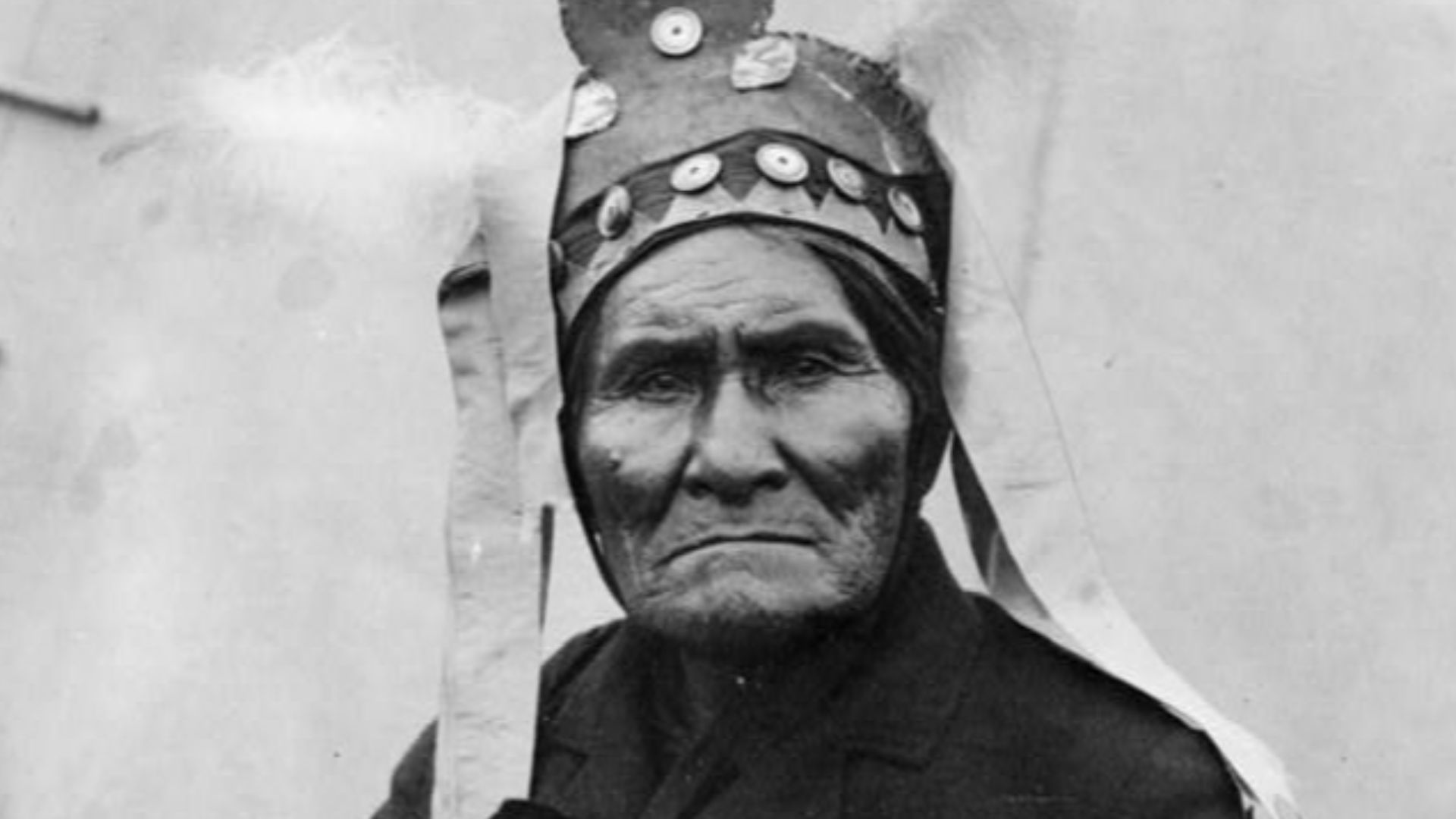 Arnold, C. D. (Charles Dudley), b. 1844, photographer., Wikimedia Commons
Learning to Survive Came First
As a child, Geronimo learned how to hunt, track animals, and move quietly across rocky land. These were not optional skills. Apache children were taught early that survival depended on awareness and discipline. The land could protect you, but only if you respected it.
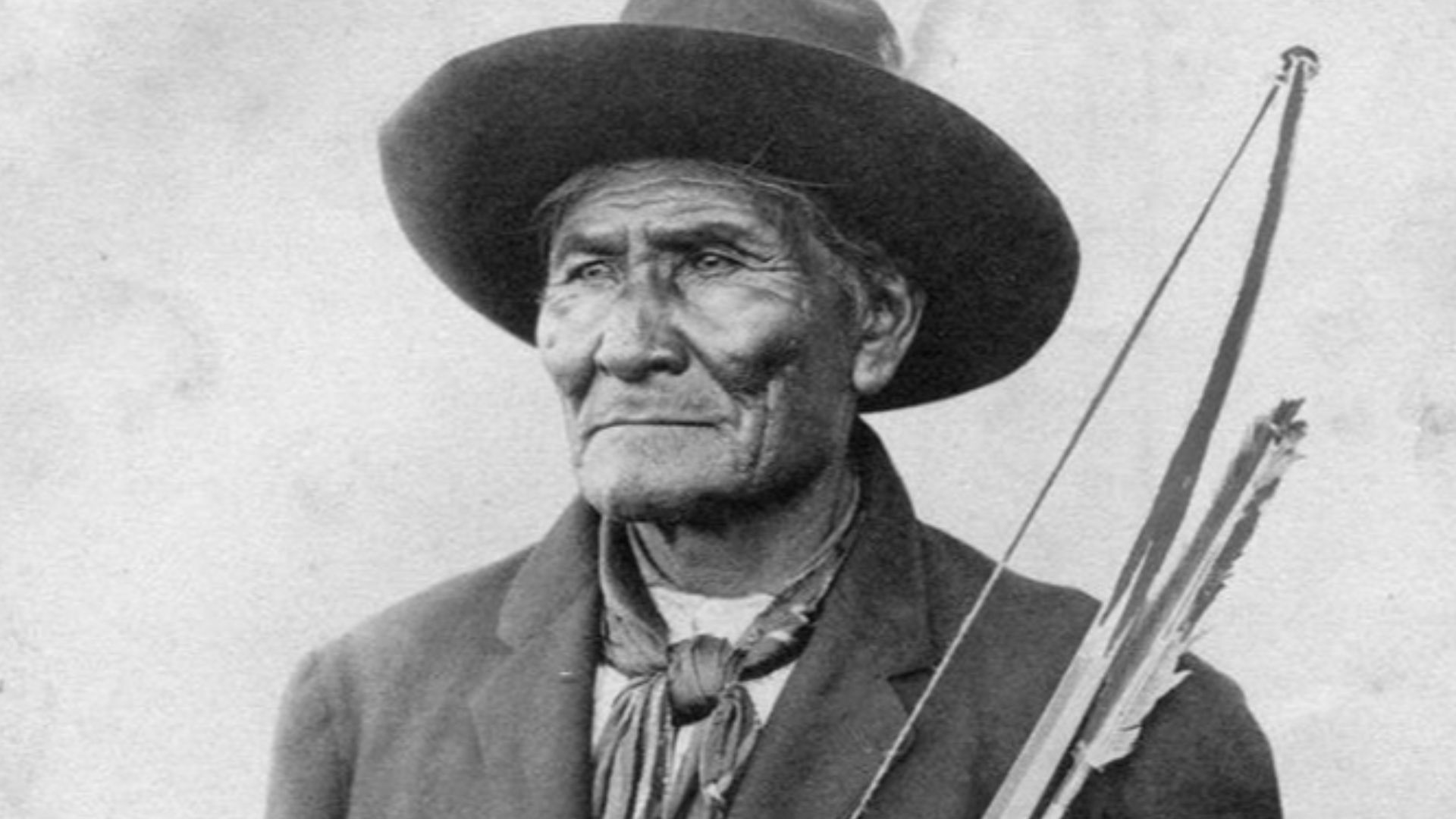 Unknown authorUnknown author, Wikimedia Commons
How Apache Leadership Worked
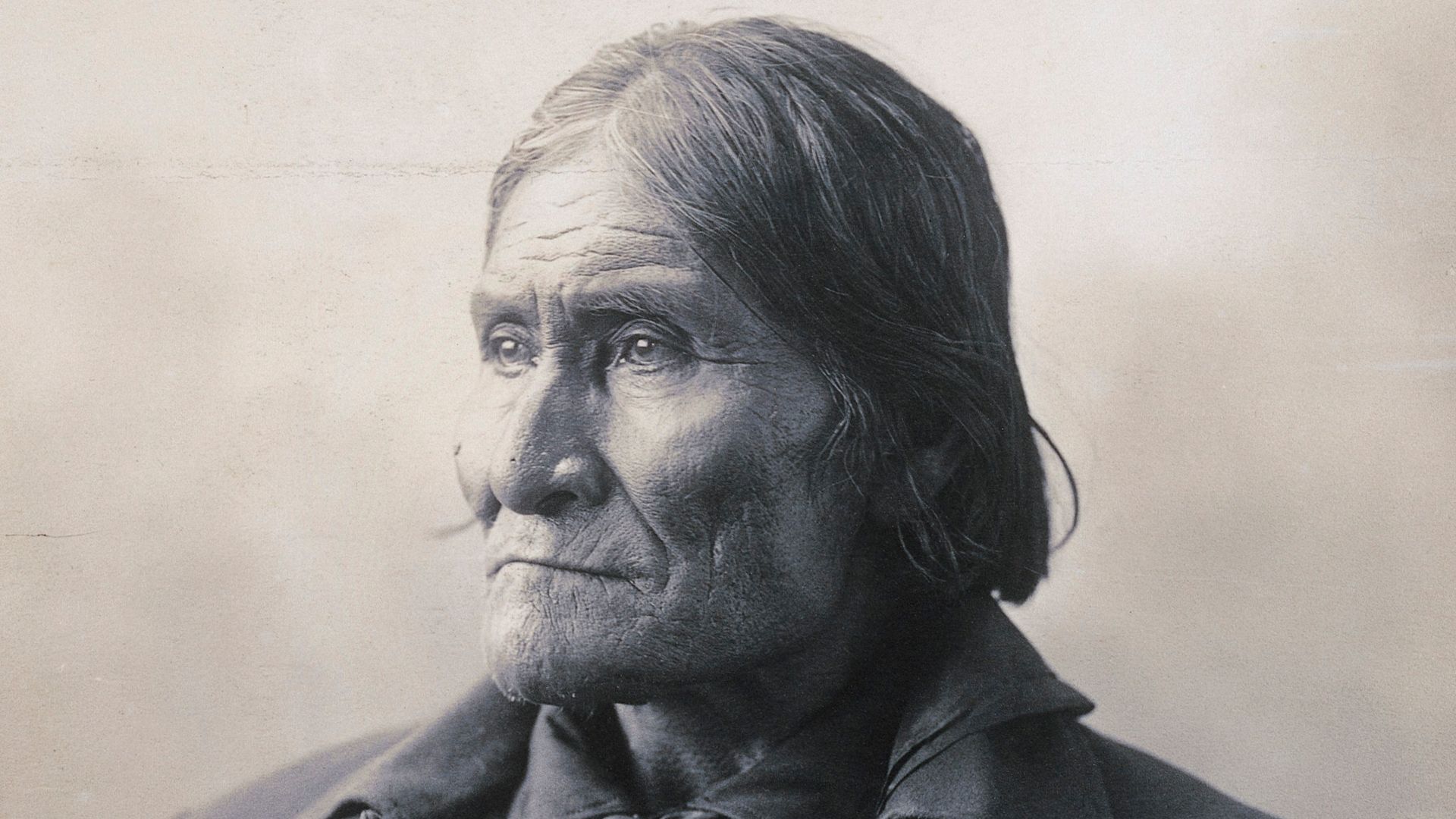
Apache leaders were not born into power. They earned it. People followed those who proved themselves brave, wise, and dependable. Geronimo did not start out as a leader. He became one because people trusted him when things went wrong.
 Adolph F. Muhr, Wikimedia Commons
A Short Time of Peace
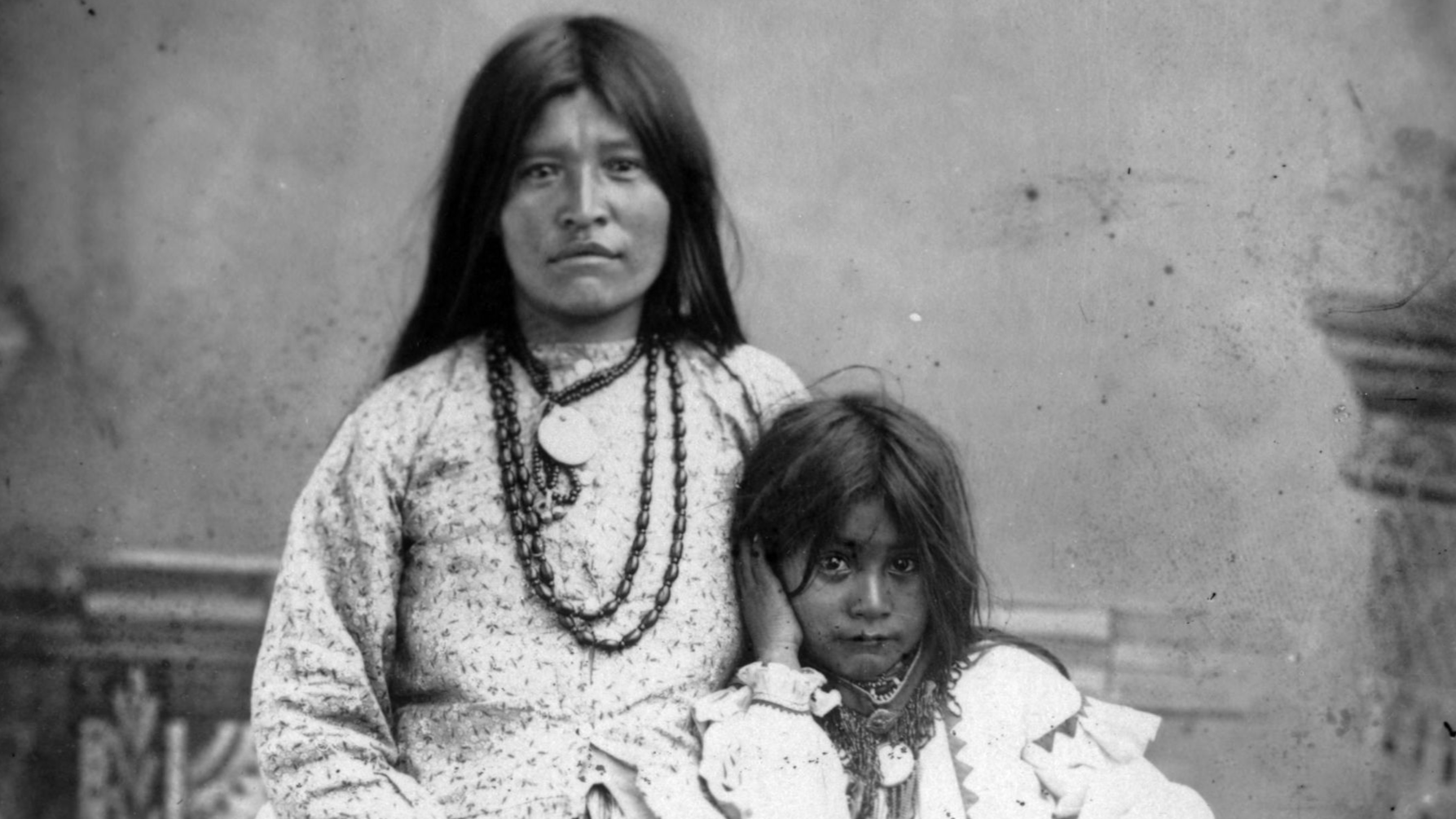
In the early 1850s, Geronimo married and started a family. For a brief time, his life was calm. He focused on his community and his children. That peace did not last long, and when it ended, it ended violently.
 Unknown authorUnknown author, Wikimedia Commons
The Attack That Changed His Life Forever
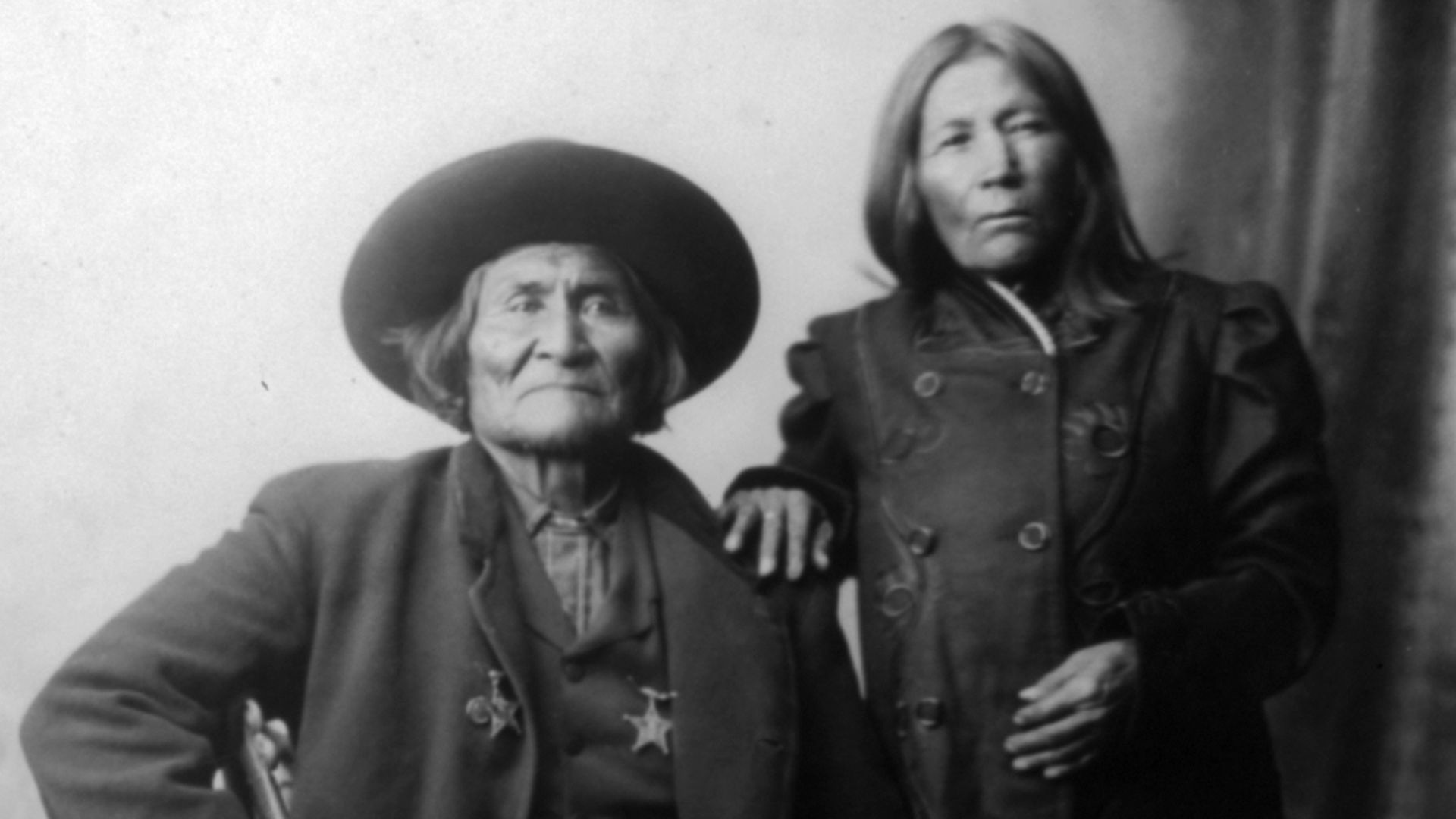
In 1858, while Geronimo was away trading, Mexican soldiers attacked his camp near Janos in Chihuahua, Mexico. When he returned, his mother, his wife, and his children were gone. The camp was destroyed. That moment became the turning point of his life.
 A.B. Canady, Altonna, Kansas, Wikimedia Commons
From Grief to Resistance
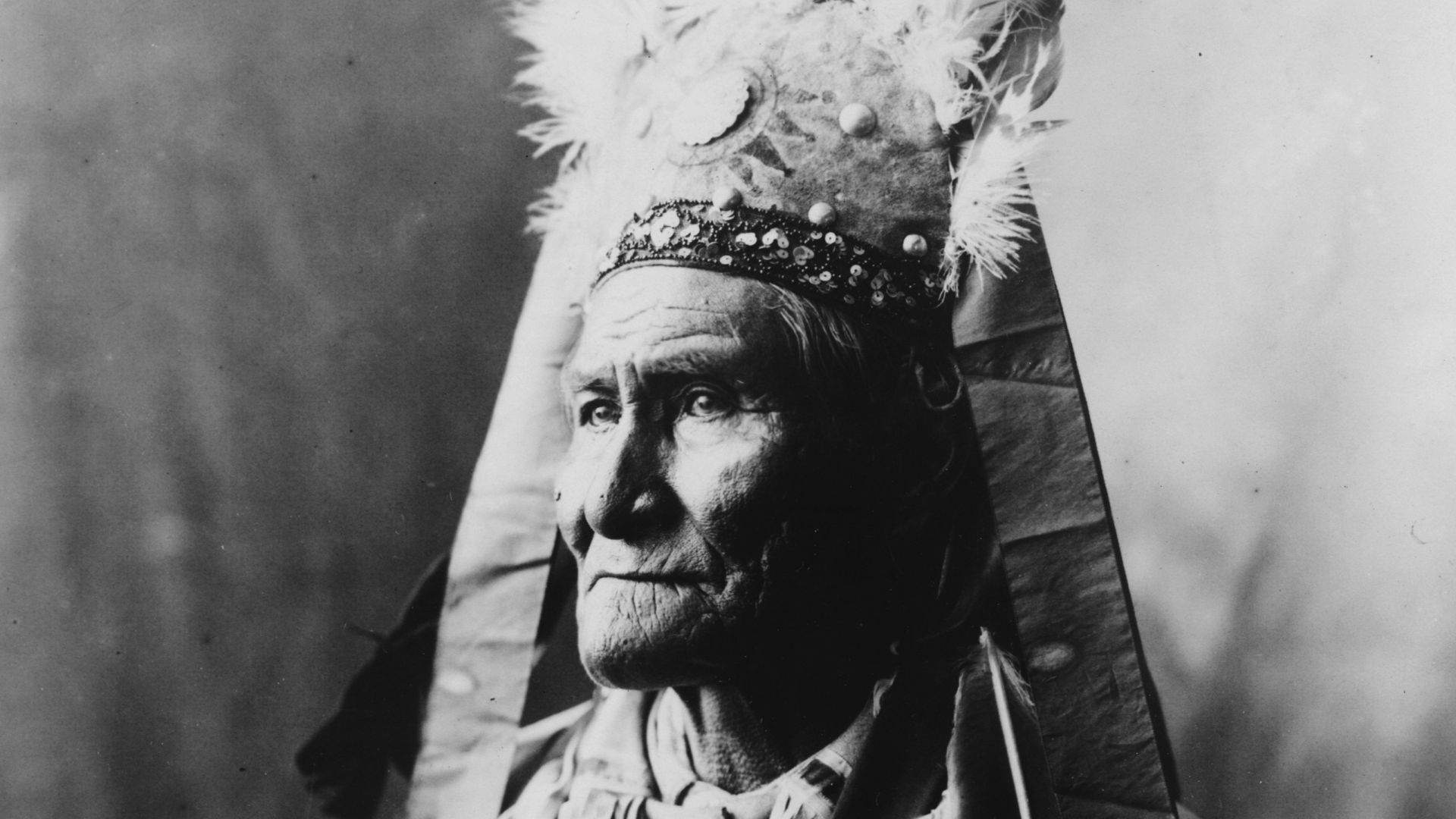
After the attack, Geronimo decided he would never accept submission. His anger was not reckless. It was focused. He joined raids against Mexican military targets and settlements, believing resistance was the only way his people could survive.
 Oliver, Warren Mack, photographer, Wikimedia Commons
Becoming Known as a Fearless Fighter
Geronimo quickly gained a reputation. He led small groups that struck fast and disappeared just as quickly. Mexican soldiers struggled to catch him. His understanding of the land made him nearly impossible to track.
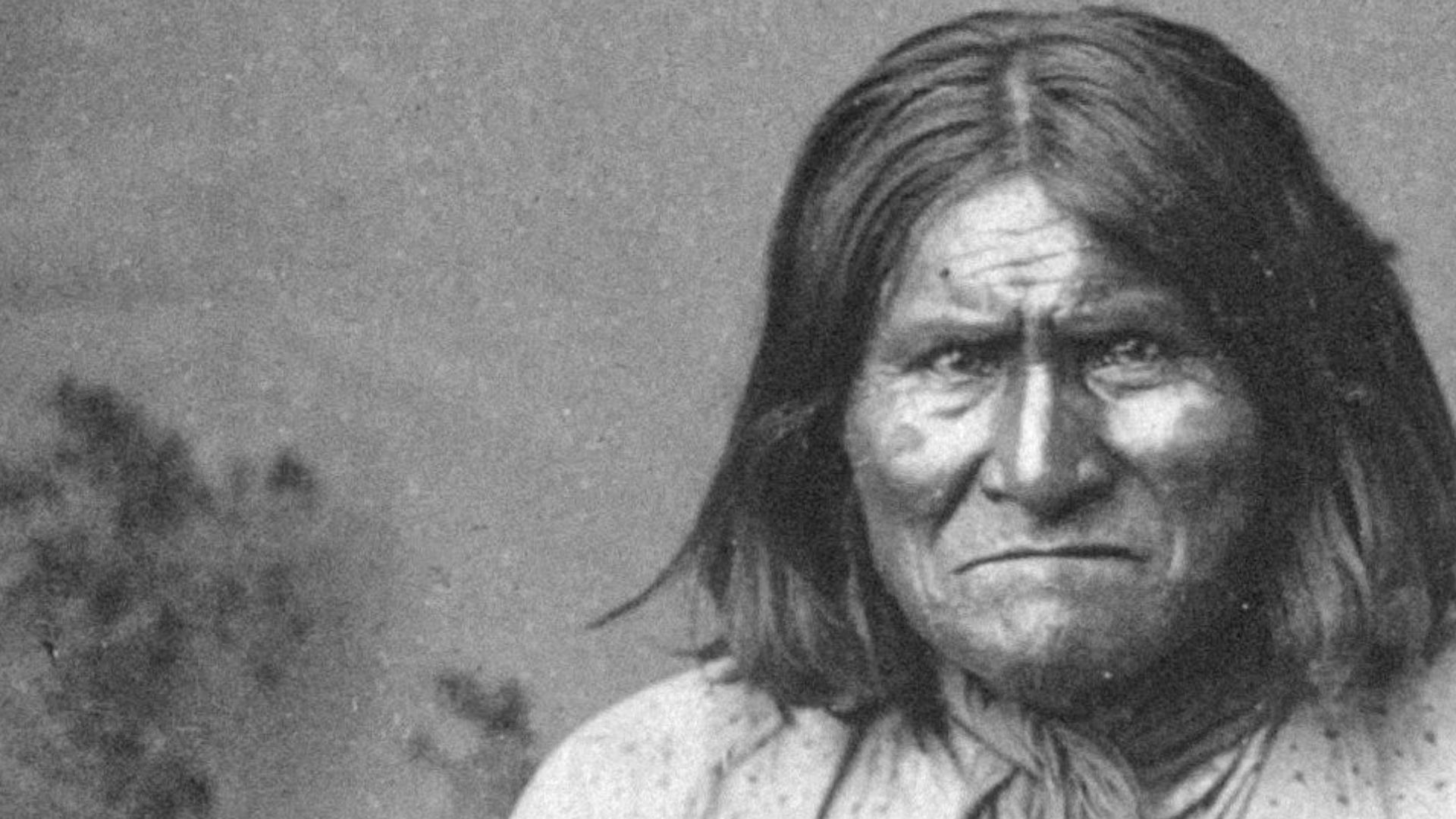 Ben Wittick, Wikimedia Commons
Belief Gave Him Confidence
Geronimo believed he had spiritual protection. He claimed to receive visions that warned him of danger. Among the Apache, this mattered. His confidence made others believe they could survive battles that seemed impossible.
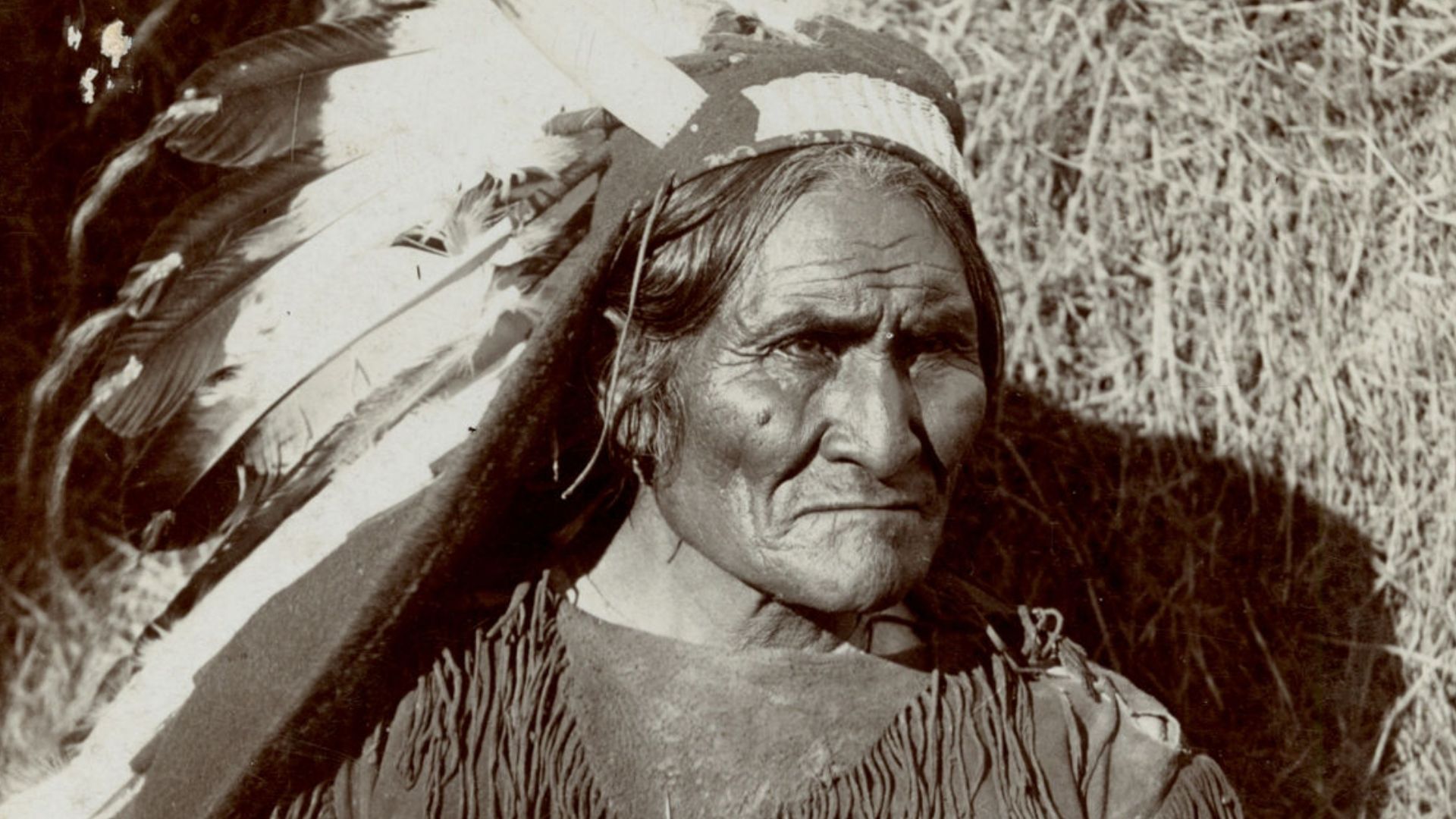 William Irwin, Wikimedia Commons
A New Power Moves In
After the Mexican American War ended in 1848, the United States took control of much of the Southwest. American forts appeared across Arizona and New Mexico. For the Apache, it meant a new authority making demands on land they already fought to keep.
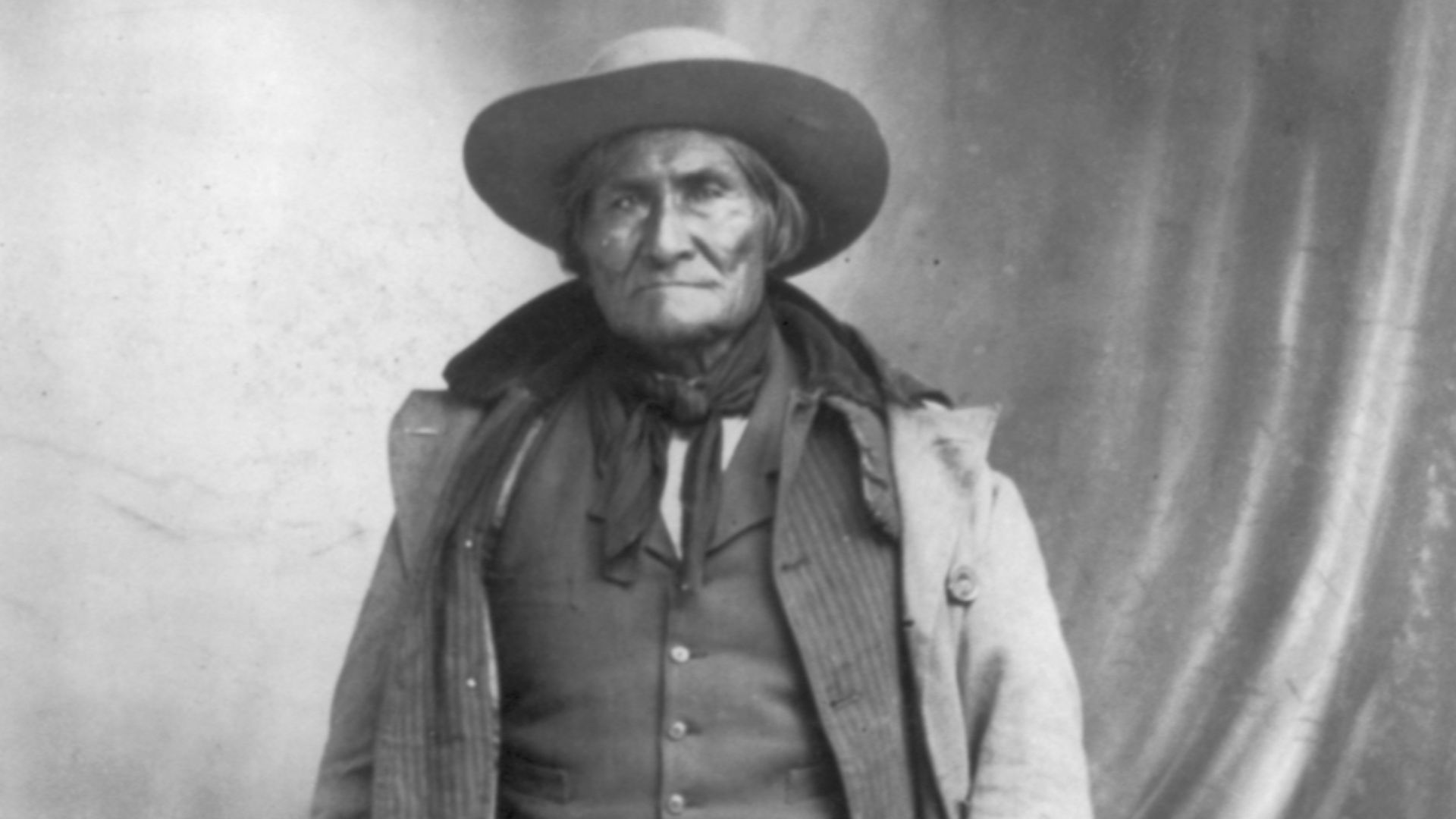
Life on Reservations Failed the Apache
US officials tried to force Apache bands onto reservations. Promises were made and broken. Food was limited. Freedom was restricted. Geronimo refused to stay confined under these conditions.
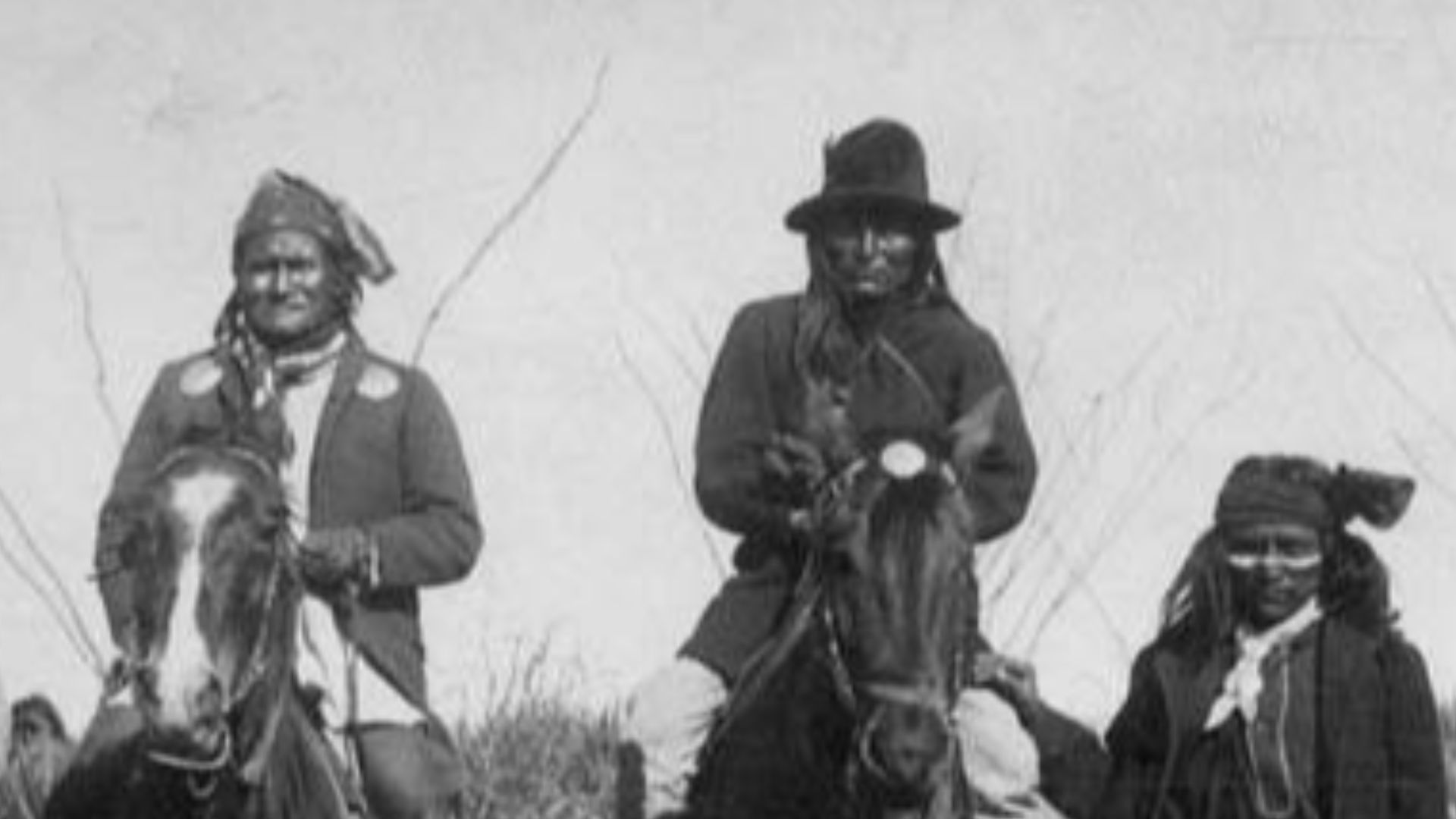
Escape Became a Pattern
Between 1876 and 1886, Geronimo escaped reservation life several times. Each escape meant long journeys through deserts and mountains. His group was small, but they survived by knowing the land better than anyone chasing them.
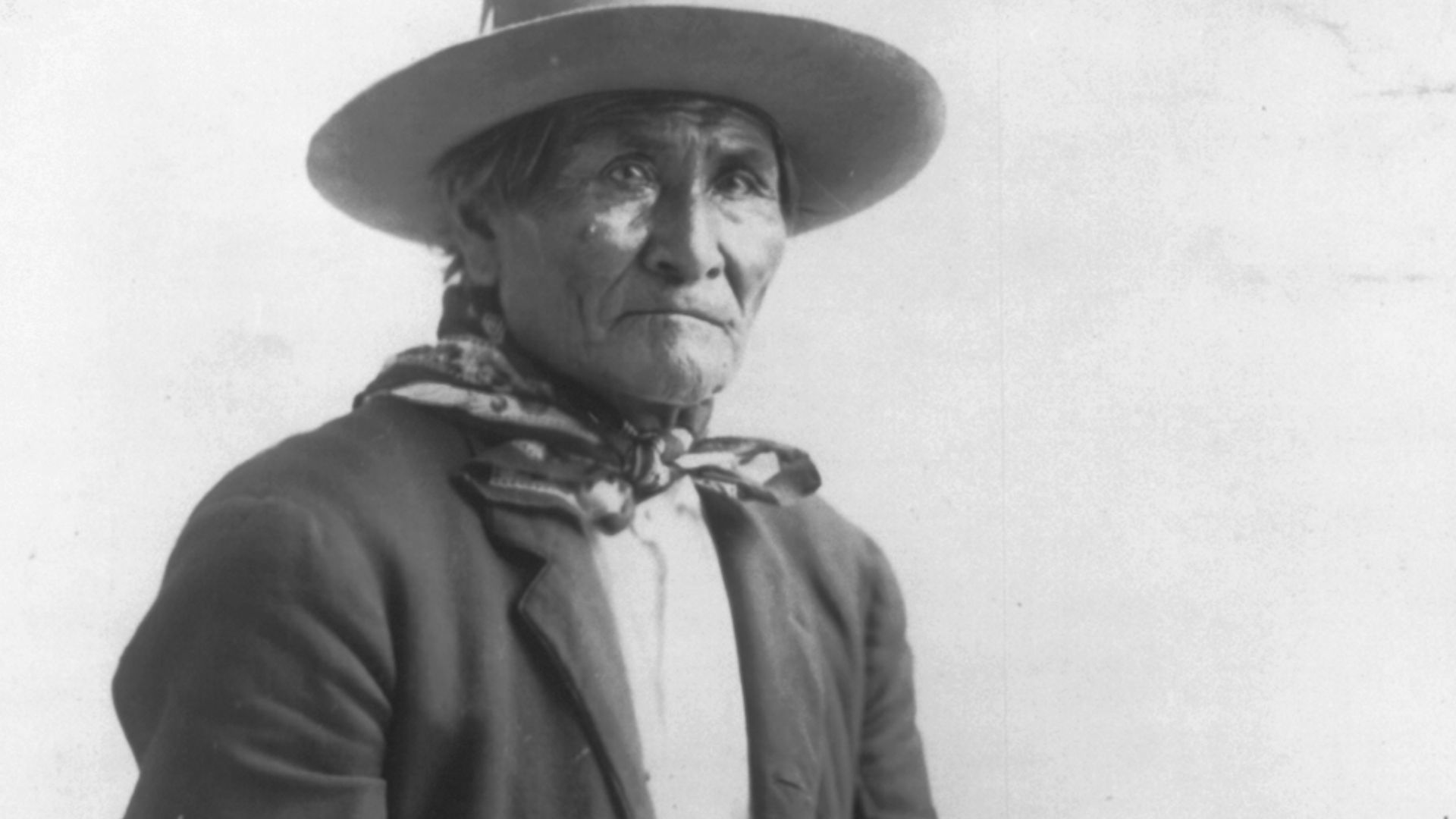 Photo by H. Wyman. This record contains unverified, old data from caption card., Wikimedia Commons
A Chase That Embarrassed the Military
At one point, nearly 5,000 US soldiers were assigned to capture Geronimo and fewer than 40 followers. The imbalance shocked observers. It showed how effective Geronimo’s strategy really was.
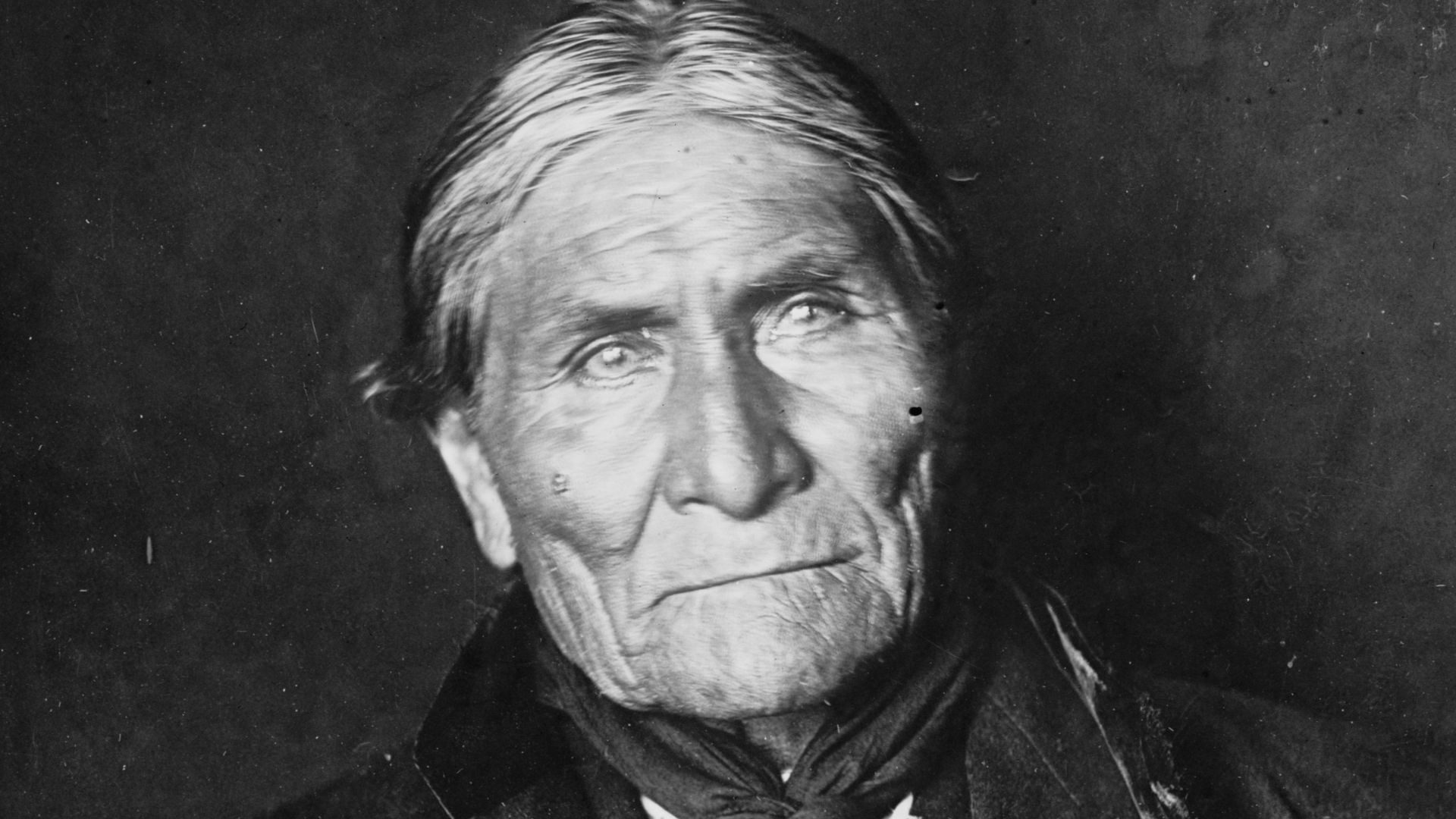 National Photo Company Collection, Wikimedia Commons
General George Crook Tries to Negotiate
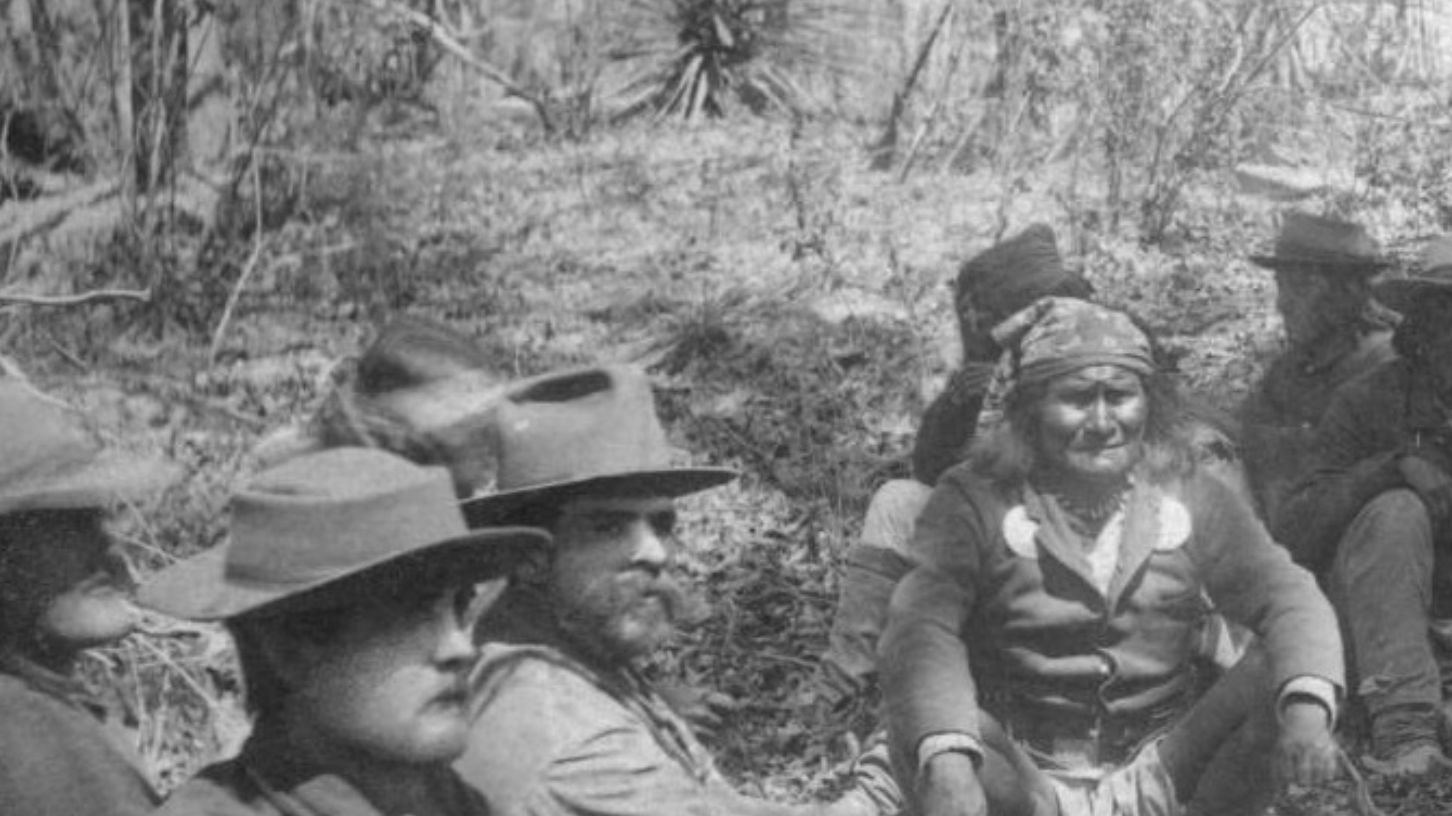
General George Crook was assigned to deal with Geronimo. Crook tried to understand Apache customs more than most officers. In 1886, the two met in Mexico’s Sierra Madre mountains. The talks were tense and filled with mistrust.
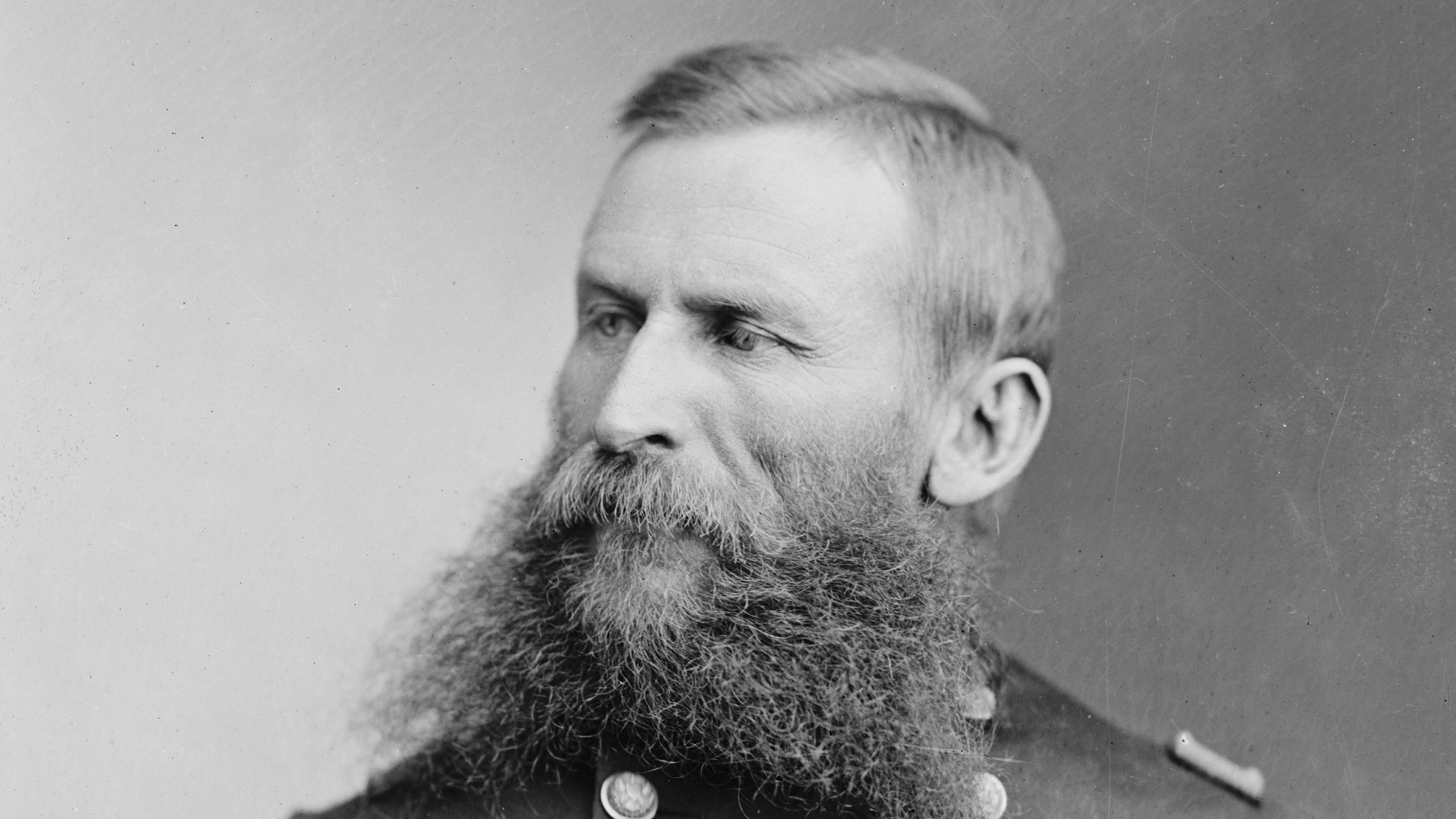 Mathew Benjamin Brady / Levin Corbin Handy, Wikimedia Commons
An Agreement That Fell Apart
Geronimo briefly agreed to surrender under Crook’s terms. Soon after, fear took over. Based on past experience, Geronimo believed the promises would not be honored. He fled again into the mountains.
A Harder Approach Under General Miles
General Nelson Miles replaced Crook and changed tactics. He relied on constant pressure and Apache scouts. The goal was to wear Geronimo down rather than reach compromise.
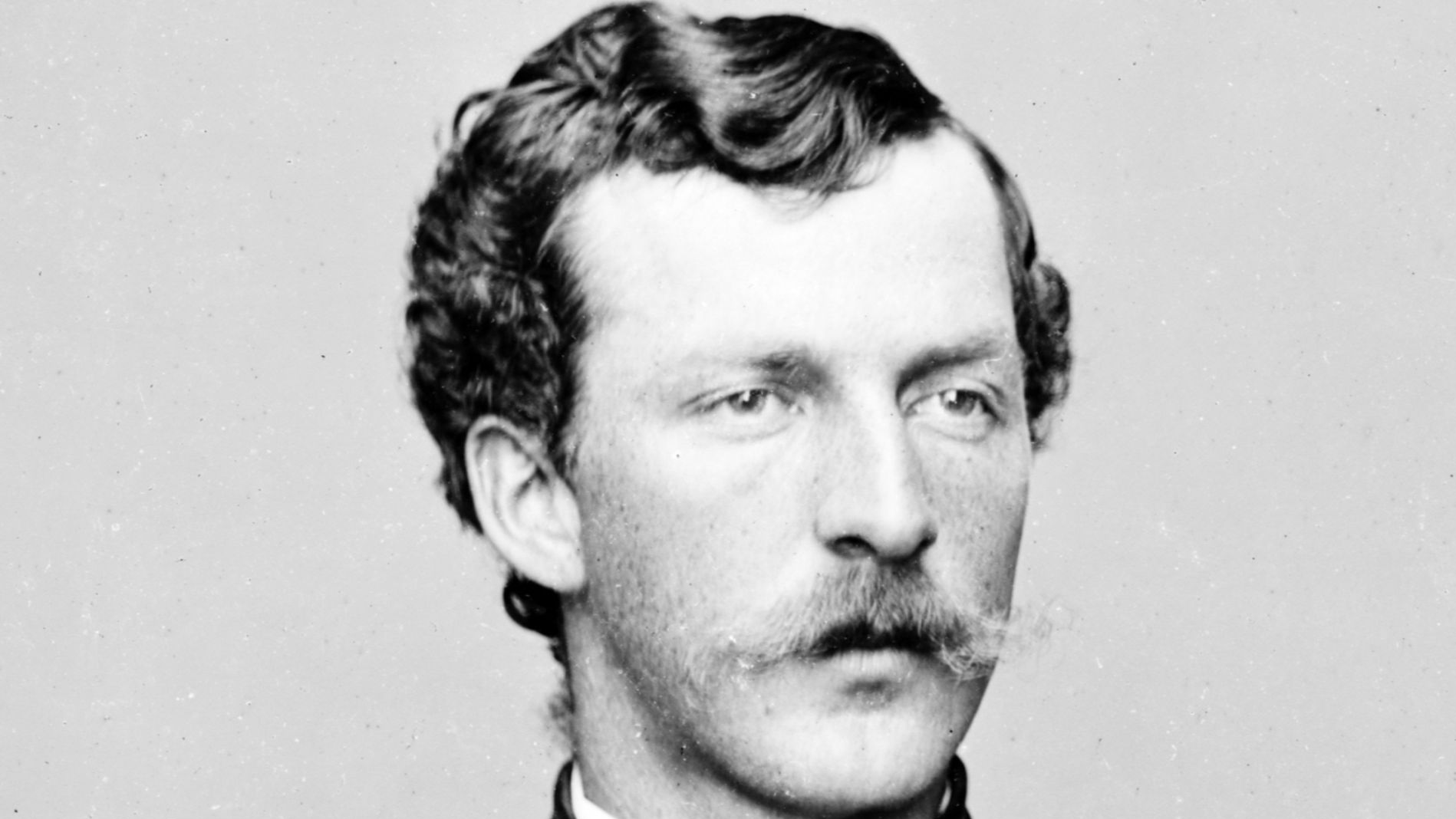
The Final Surrender
On September 4, 1886, Geronimo surrendered to General Miles at Skeleton Canyon in Arizona Territory. He was 57 years old. This surrender marked the end of large-scale Native armed resistance in the continental United States.
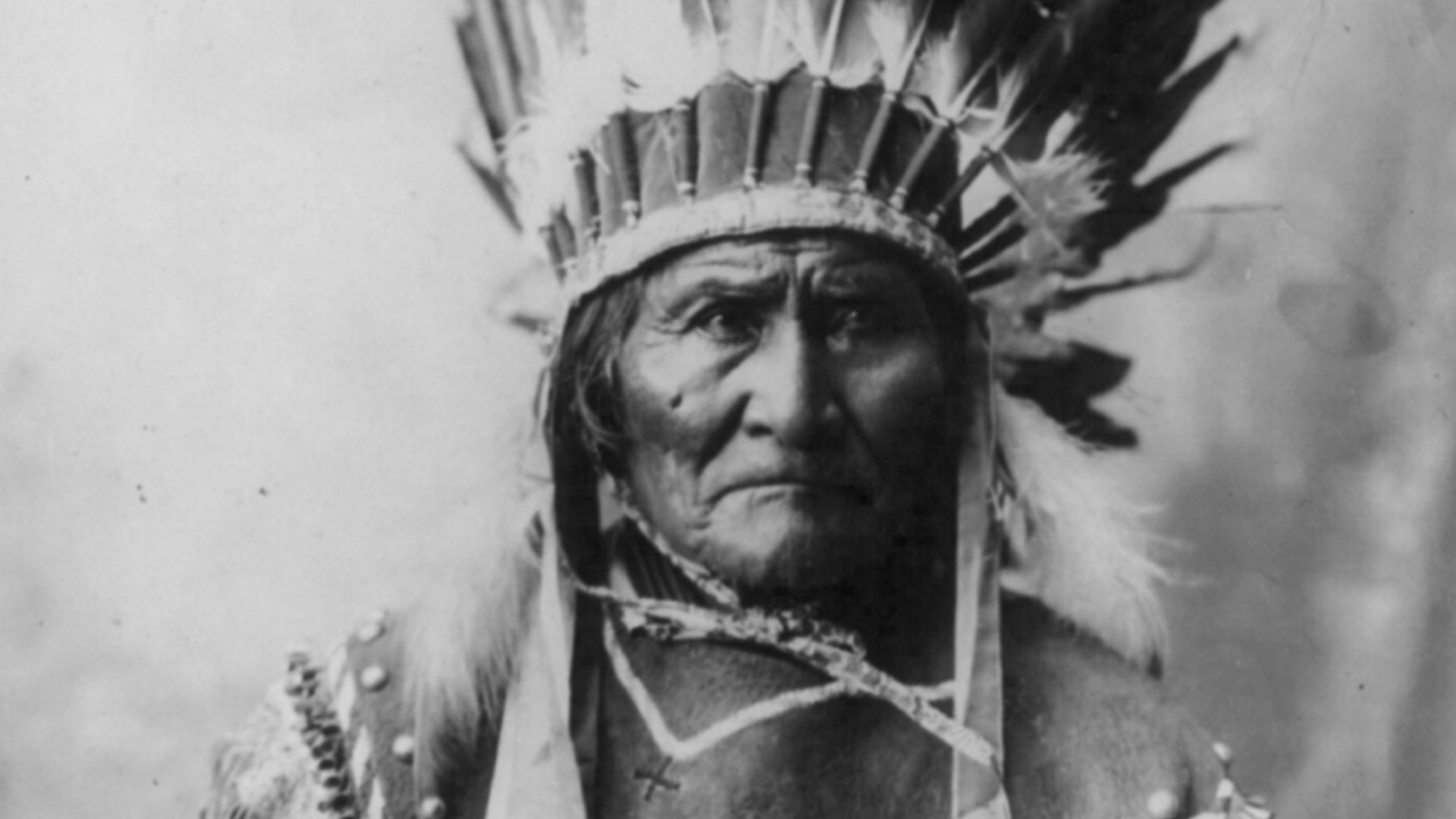
Punished Even After Surrender
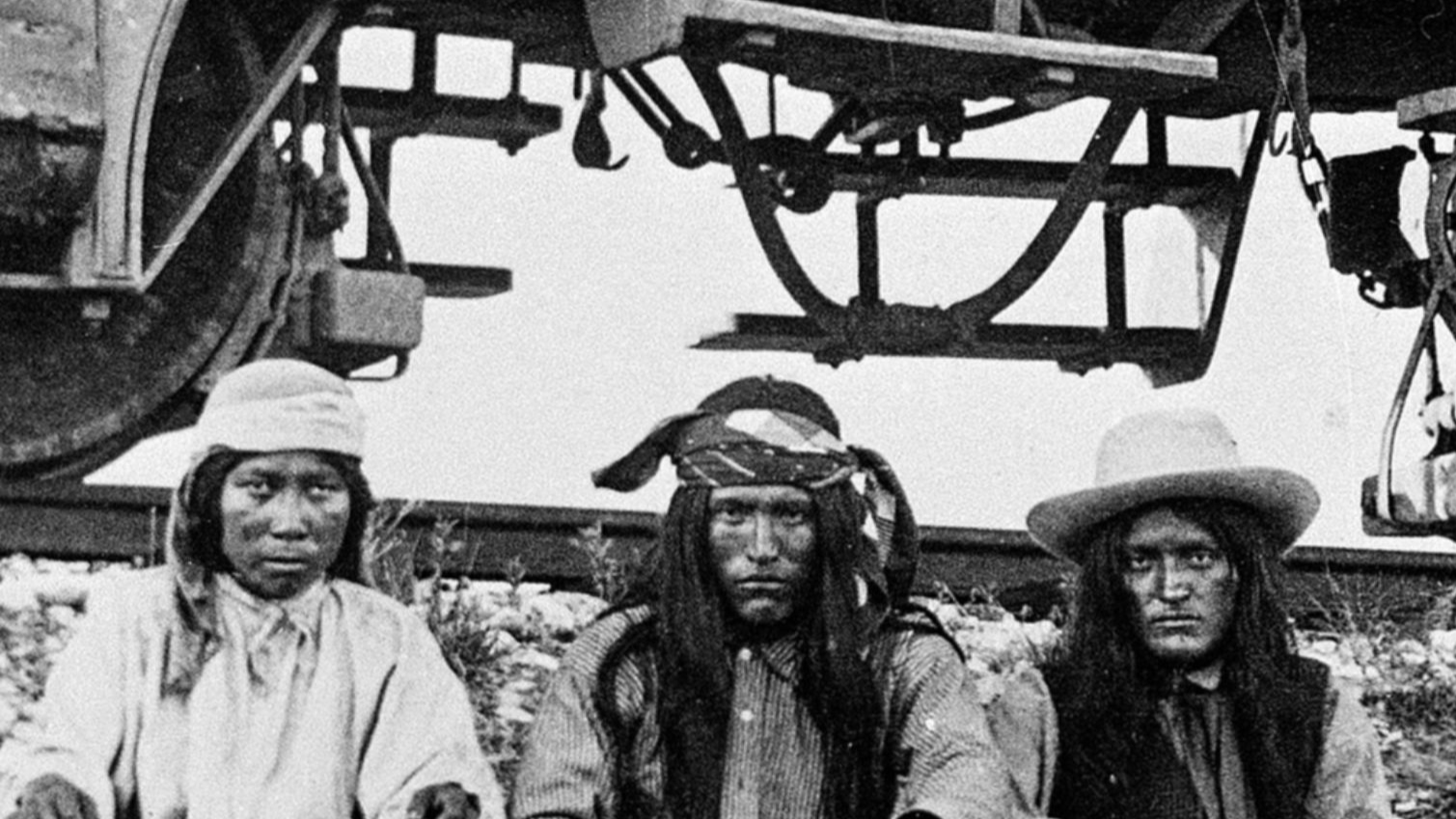
Geronimo and his followers were sent far from their homeland. They were imprisoned in Florida, then Alabama, and later Oklahoma. Even Apache who had not resisted were forced into exile. Many became sick. Some never recovered.
 The original uploader was Rolling Thunder at German Wikipedia., Wikimedia Commons
From Warrior to Spectacle
Despite being a prisoner, Geronimo became a public figure. He appeared at fairs and exhibitions. People paid to see him and collect his autograph. The man once feared by armies was now treated like an attraction.
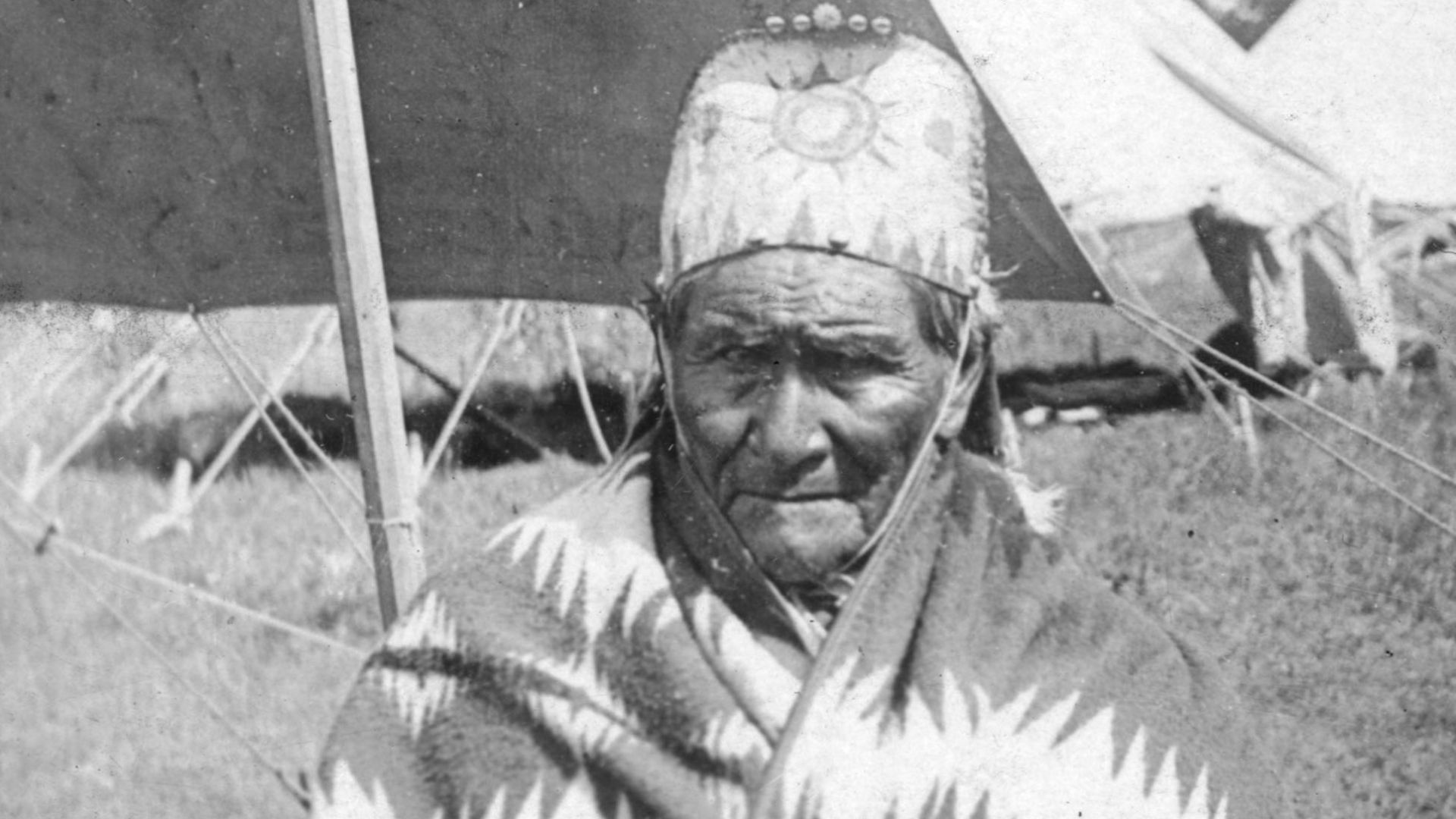
A Conversation with the President
In 1905, Geronimo met President Theodore Roosevelt. He asked to return to his homeland. The answer was no. Officials feared he might inspire more resistance.
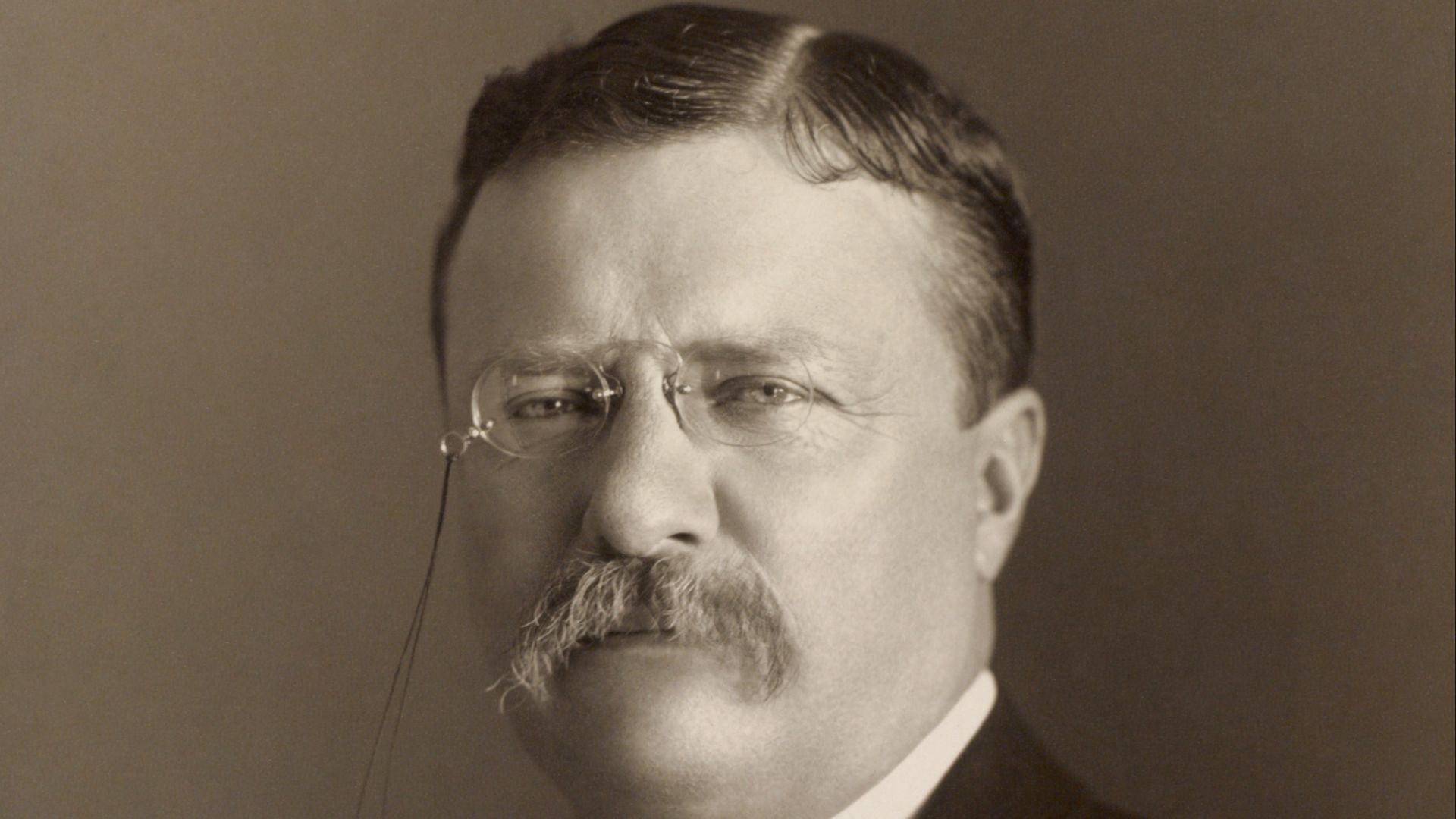 Adam Cuerden, Wikimedia Commons
Telling His Own Story
In 1906, Geronimo worked with S M Barrett to publish his life story. He wanted people to hear his version of events. The book showed a man who understood loss, betrayal, and survival.
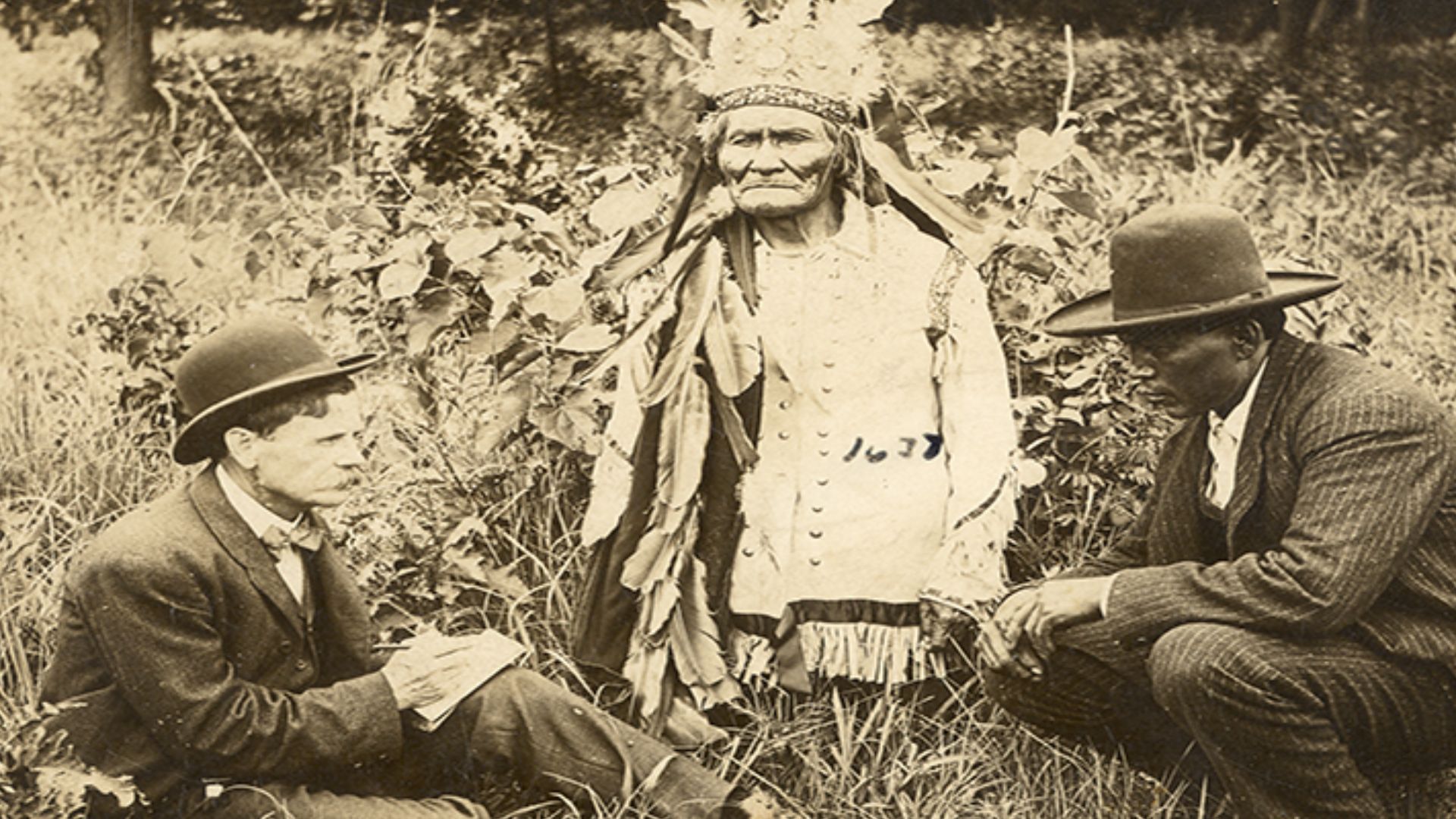 Unknown authorUnknown author, Wikimedia Commons
Still Resisting in His Own Way
Even in captivity, Geronimo never fully accepted defeat. He continued to speak about his people’s suffering. His resistance shifted from physical to symbolic.
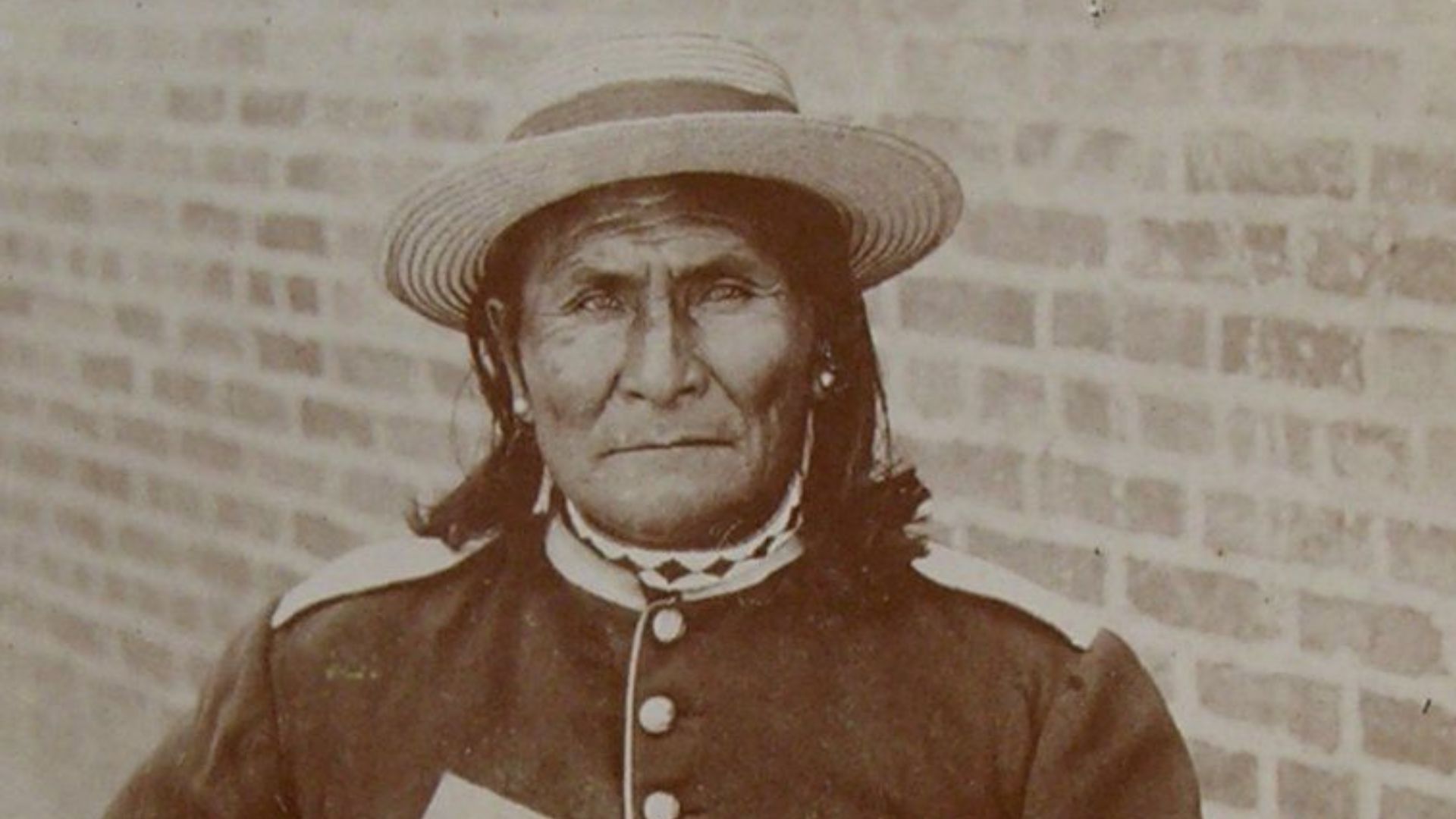 Silas Orlando Trippe, Wikimedia Commons
The Final Years Far from Home
Geronimo spent his last years at Fort Sill, Oklahoma. He never returned to the Gila River or the mountains he loved. On February 17, 1909, he died at around 79 years old. He was buried at Fort Sill. Even in death, he remained far from the land that shaped him.
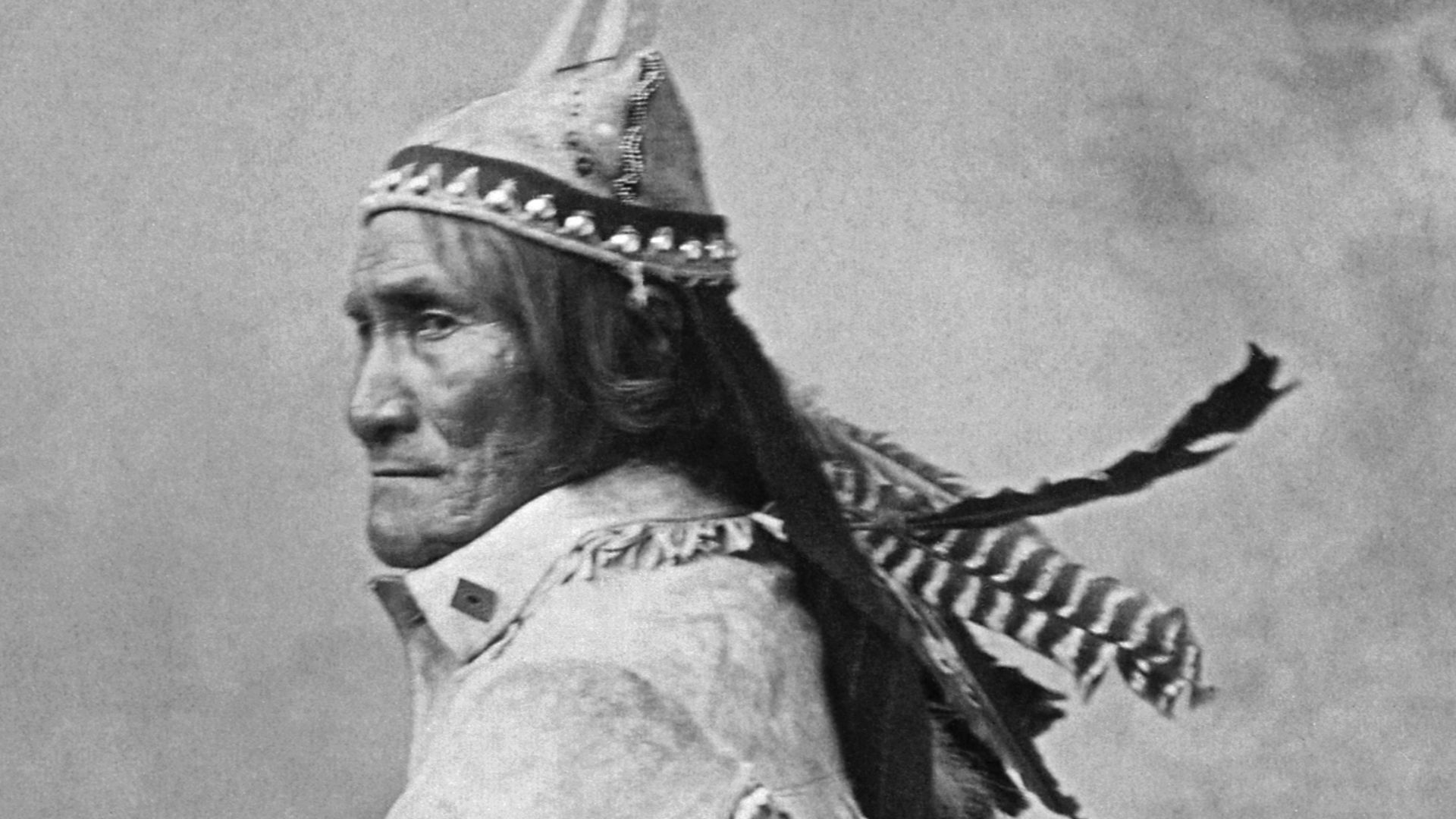 Unknown authorUnknown author or not provided, Wikimedia Commons
Looking Past the Myth
Over time, stories about Geronimo grew larger than the man himself. He was not invincible. He was not heartless. He was shaped by loss and a refusal to watch his people disappear.
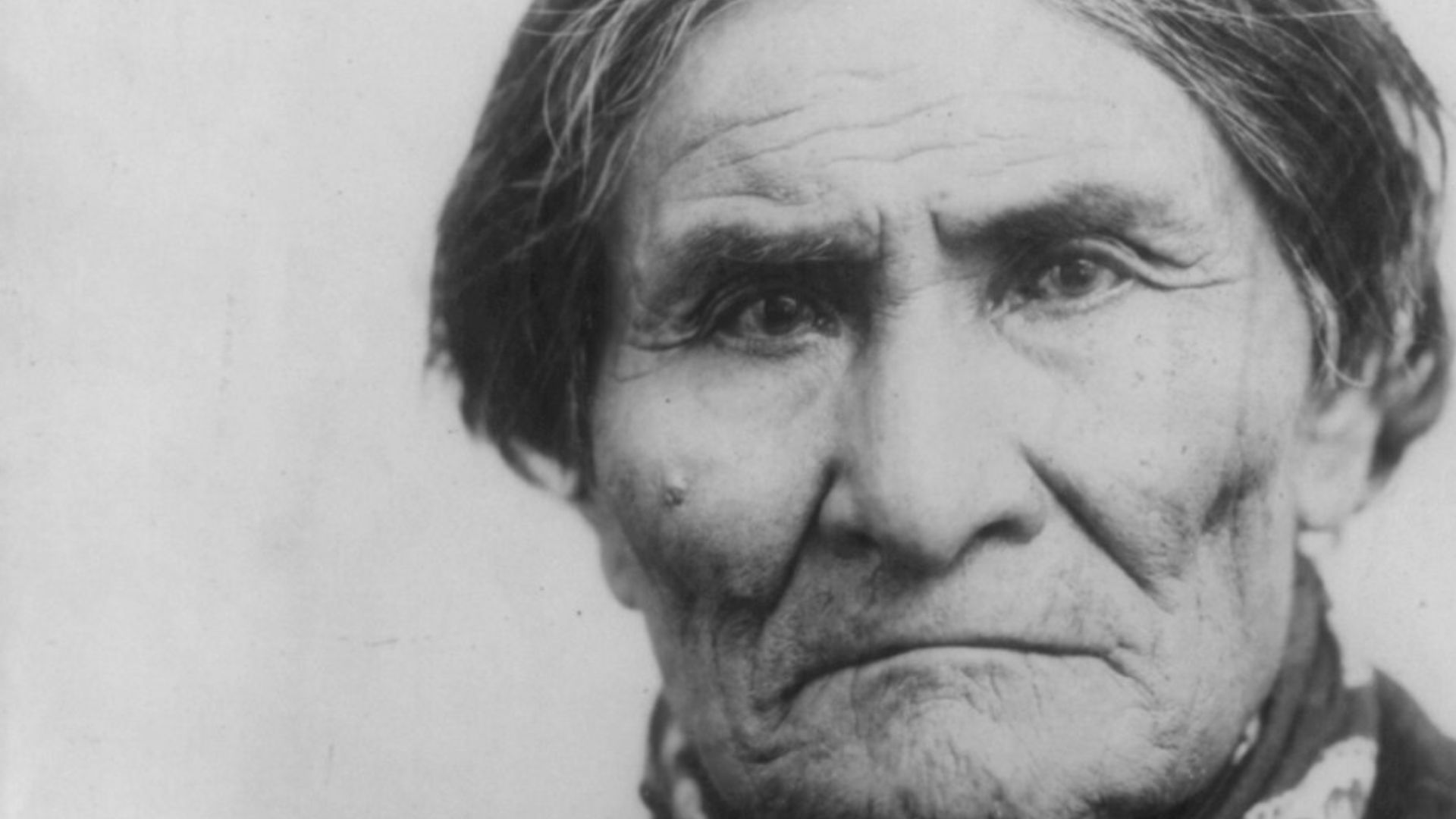 Gerhard Sisters, photographer, Wikimedia Commons
Why Geronimo Still Matters
Geronimo’s story still resonates because it speaks to resistance against overwhelming power. He fought not for fame, but for survival.
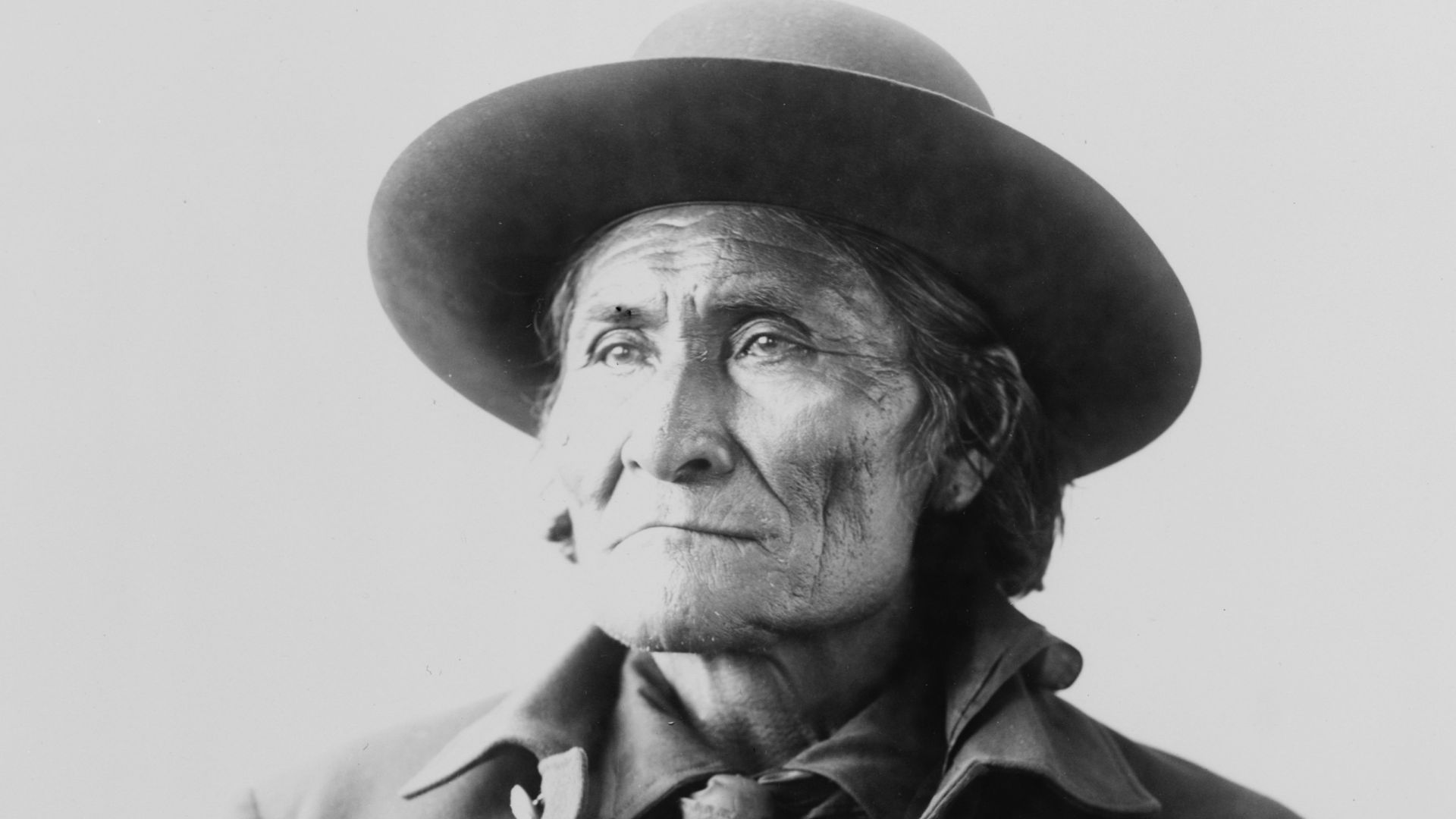 Adolph F. Muhr, Wikimedia Commons
A Legacy That Endures
Today, Geronimo’s name is still spoken around the world. For the Apache, he represents strength and endurance. For history, he remains proof that resistance can survive even when the odds are stacked against it.
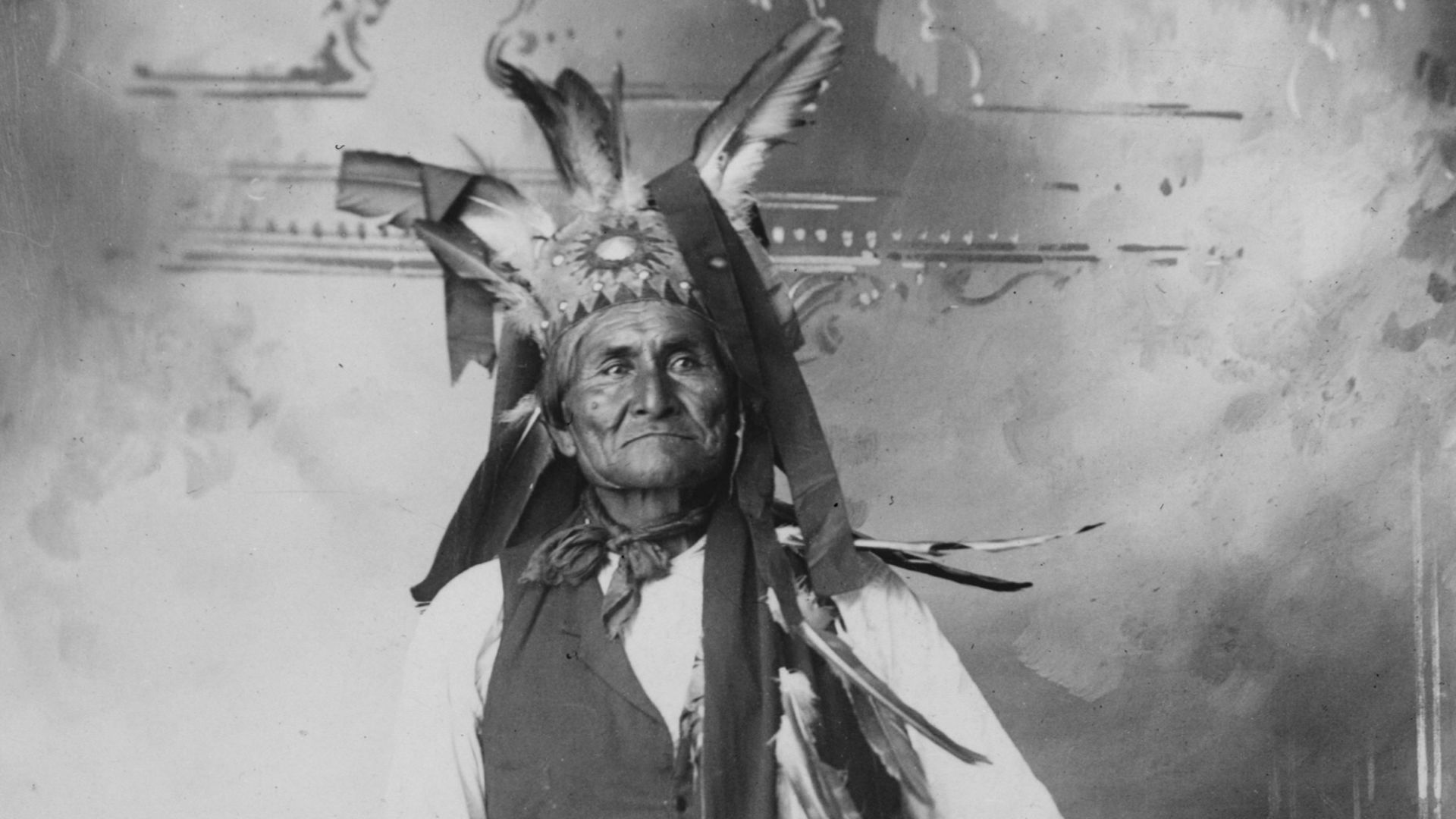 Miscellaneous Items in High Demand, PPOC, Library of Congress, Wikimedia Commons
You May Also Like:
Crazy Horse lived and died protecting his people without ever surrendering his beliefs.
The Comanche created a mounted warrior culture so powerful it reshaped the history of the American West.