A Spring That Shaped A Saga
Apache Spring, Arizona’s most vital desert spring, drew fierce battles at Fort Bowie, built by California Volunteers to control its flow. Sacred to the Chiricahua, chiefs Cochise and Geronimo fiercely defended it, making the historic mountain pass one of the final fronts in the Apache Wars,
The Desert Masters And Their Culture
Ruling Arizona’s unforgiving deserts, the Chiricahua Apaches thrived through skill and cunning. Guided by their deity Ussen, they wove watertight baskets and trained children with endurance runs. Their name? Possibly drawn from “wild turkey”. These were warriors who turned harsh wilderness into an endless resource.
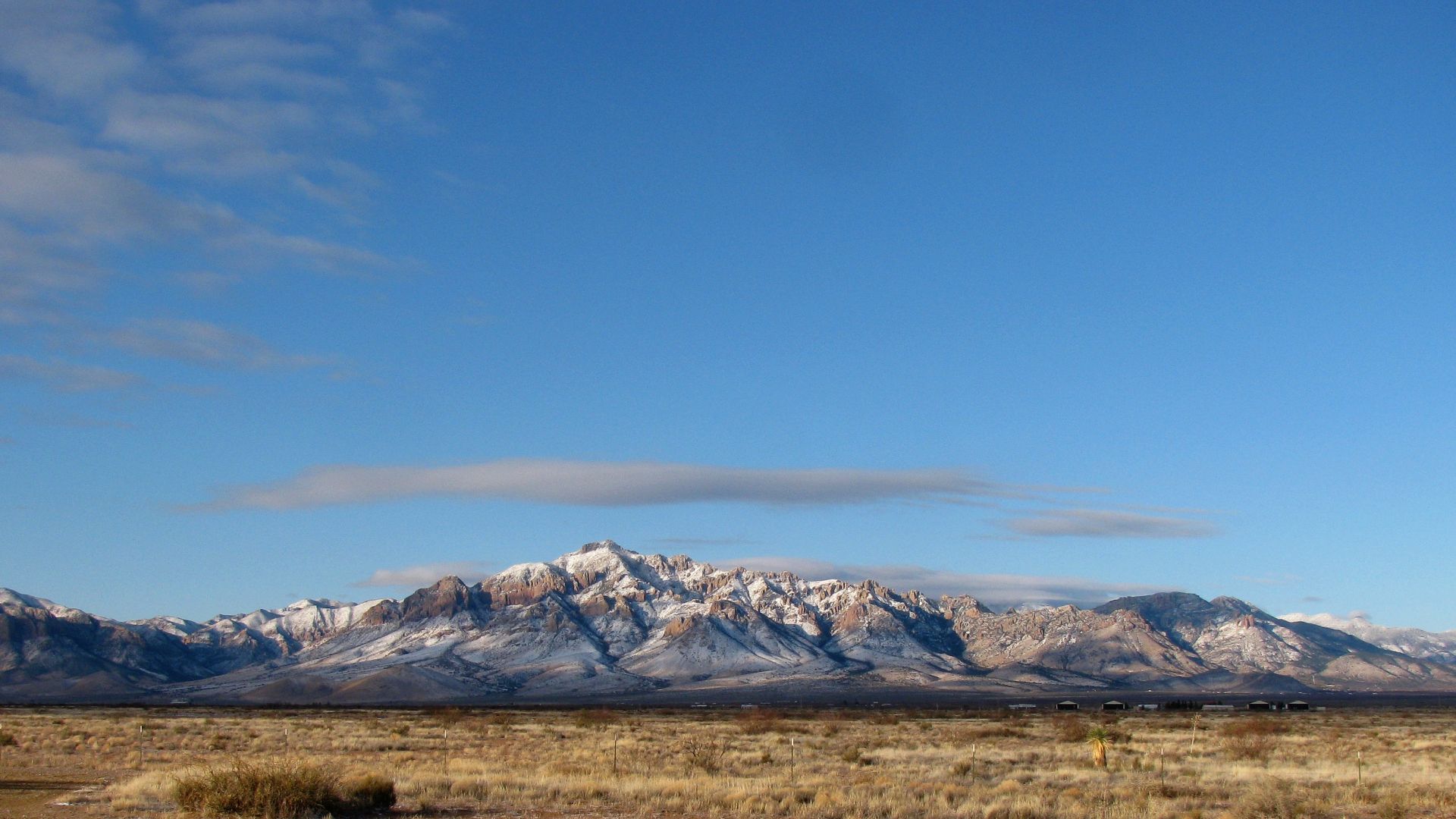
Encroachment And Tension Came After The Gadsden Purchase Fallout
In 1853, the Gadsden Purchase transferred 29,670 square miles—southern Arizona and southwestern New Mexico—from Mexico to the United States for $10 million. Payment in 1854 went to President Antonio Lopez de Santa Anna’s debt-ridden government, which, burdened after the Mexican-American War, agreed to the Treaty of La Mesilla.
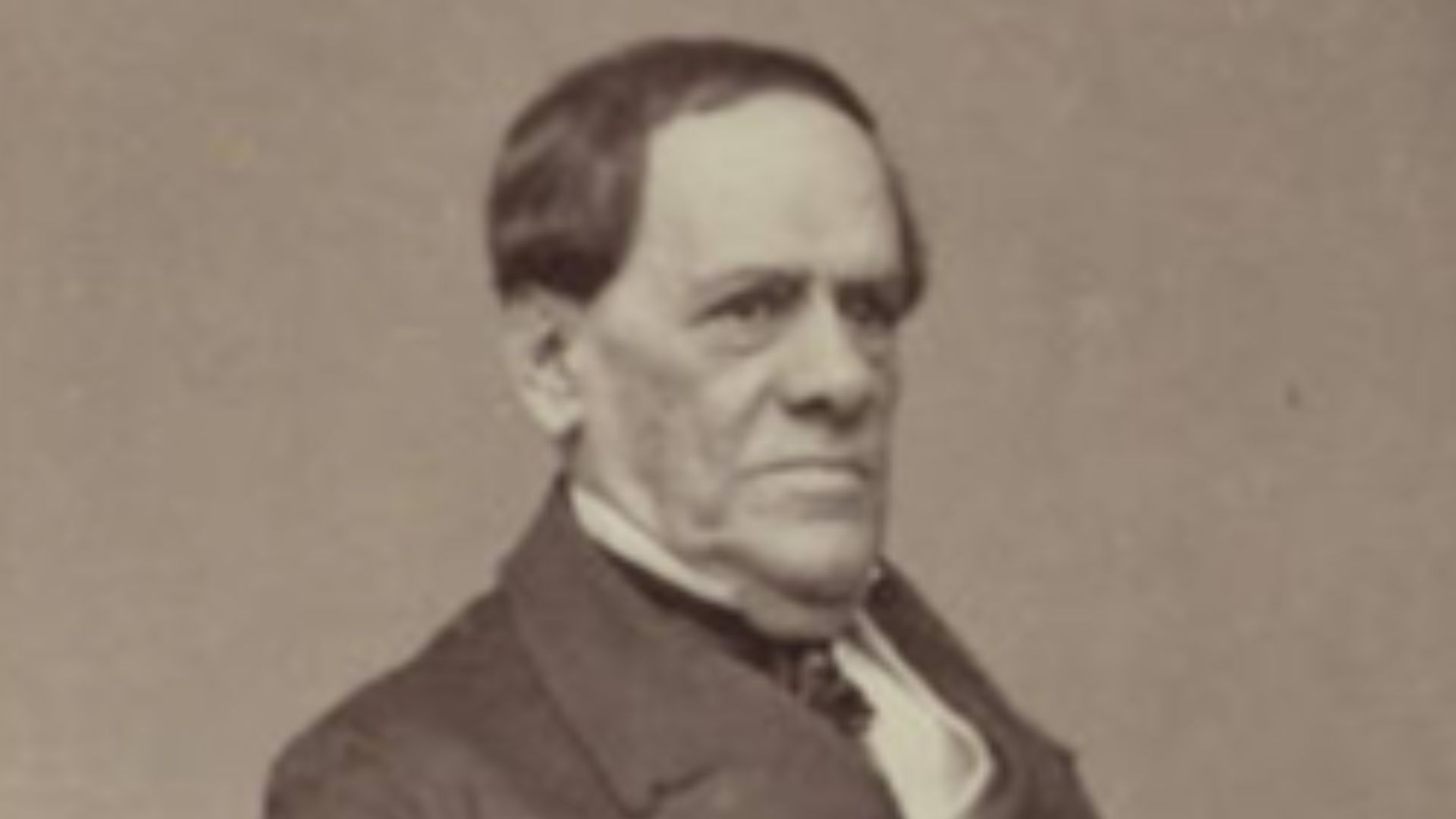 George G. Rockwood, Wikimedia Commons
The Chokonen Leader’s Defiance
With the ink barely settled on the Treaty of La Mesilla, US troops pushed into the land newly claimed but far from pacified. Here, Cochise, a revered chief, stood his ground. The Chokonen leader turned the land into fortresses, and his people became shadows that struck to protect their land.
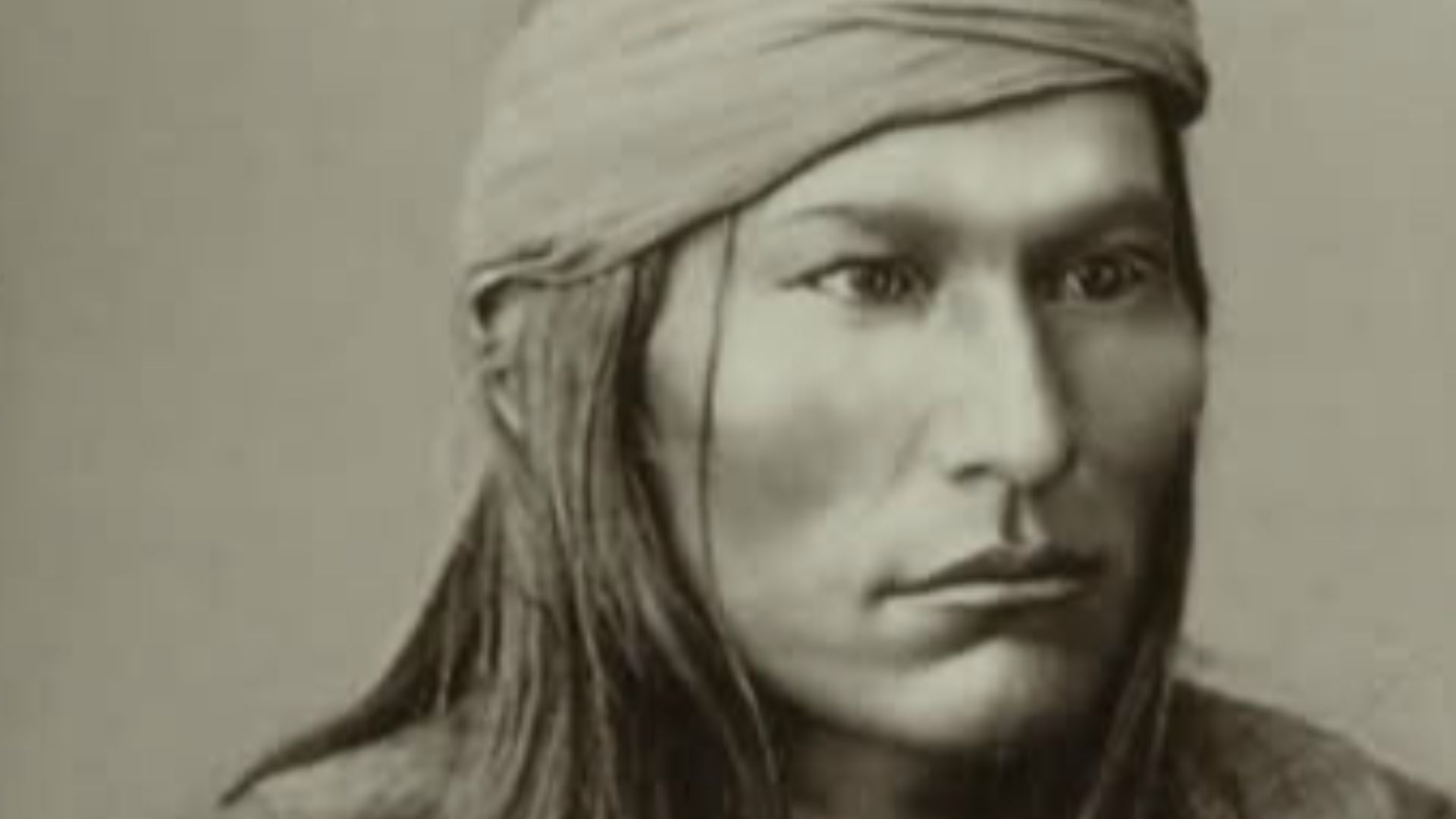 photographer in the 1880's, Wikimedia Commons
Why Did Cochise Protect Apache Pass Fiercely?
Apache Pass was a vital corridor in southeastern Arizona that linked mountain ranges and offered the only reliable water source—Apache Spring. Because of this, it had become a strategic and sacred site for the Chiricahua Apache. That’s why Cochise defended this land fiercely.
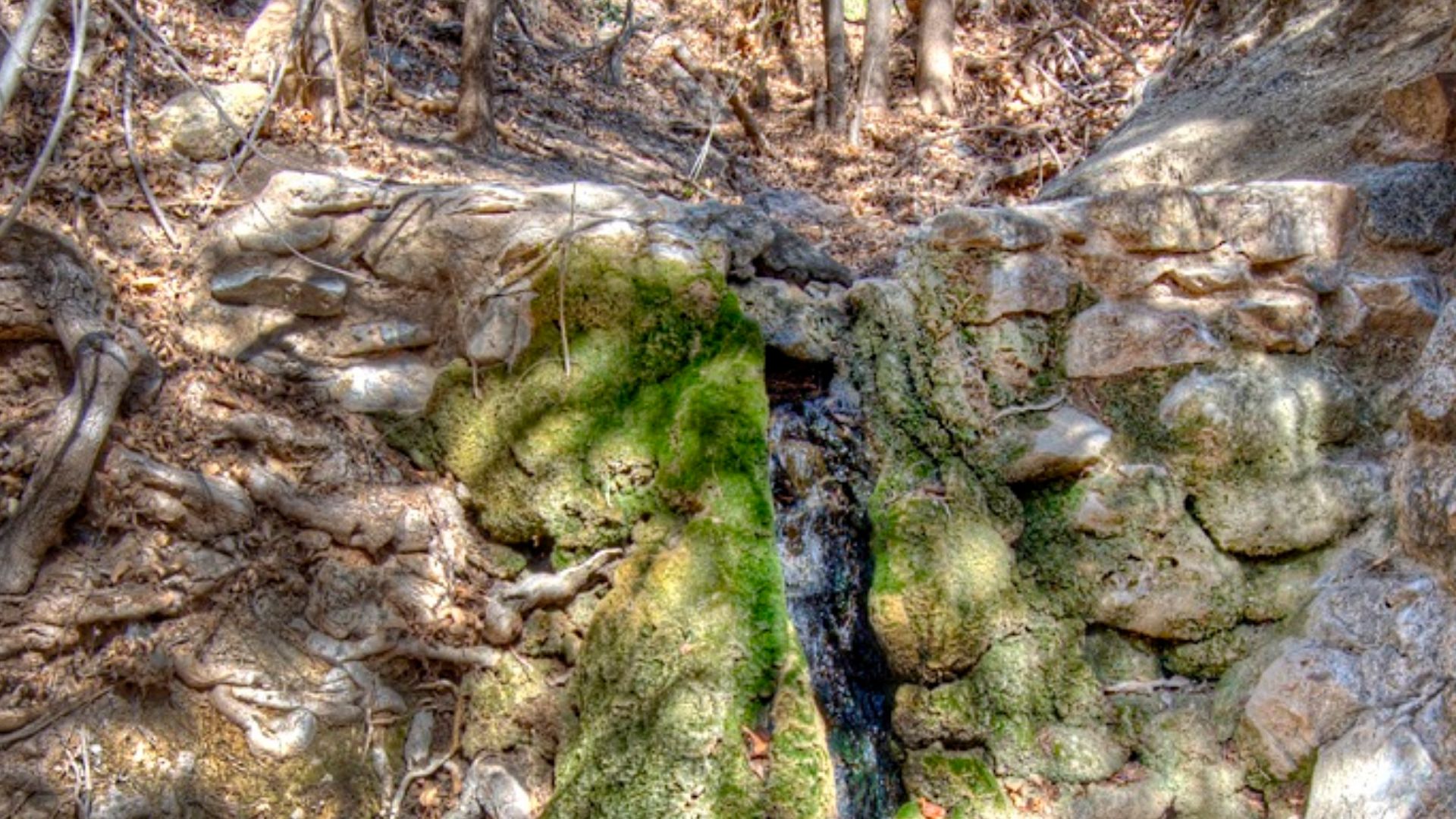 John Fowler from Placitas, NM, USA, Wikimedia Commons
The Butterfield Overland Mail Became A Target For Raids
In 1858, stagecoaches thundered through Apache Pass on their transcontinental route. Gold, mail, and passengers rolled inside, but to the Chiricahua, they signaled more intrusion. Raids soon followed, turning a mail line from St Louis to San Francisco into a battlefield.
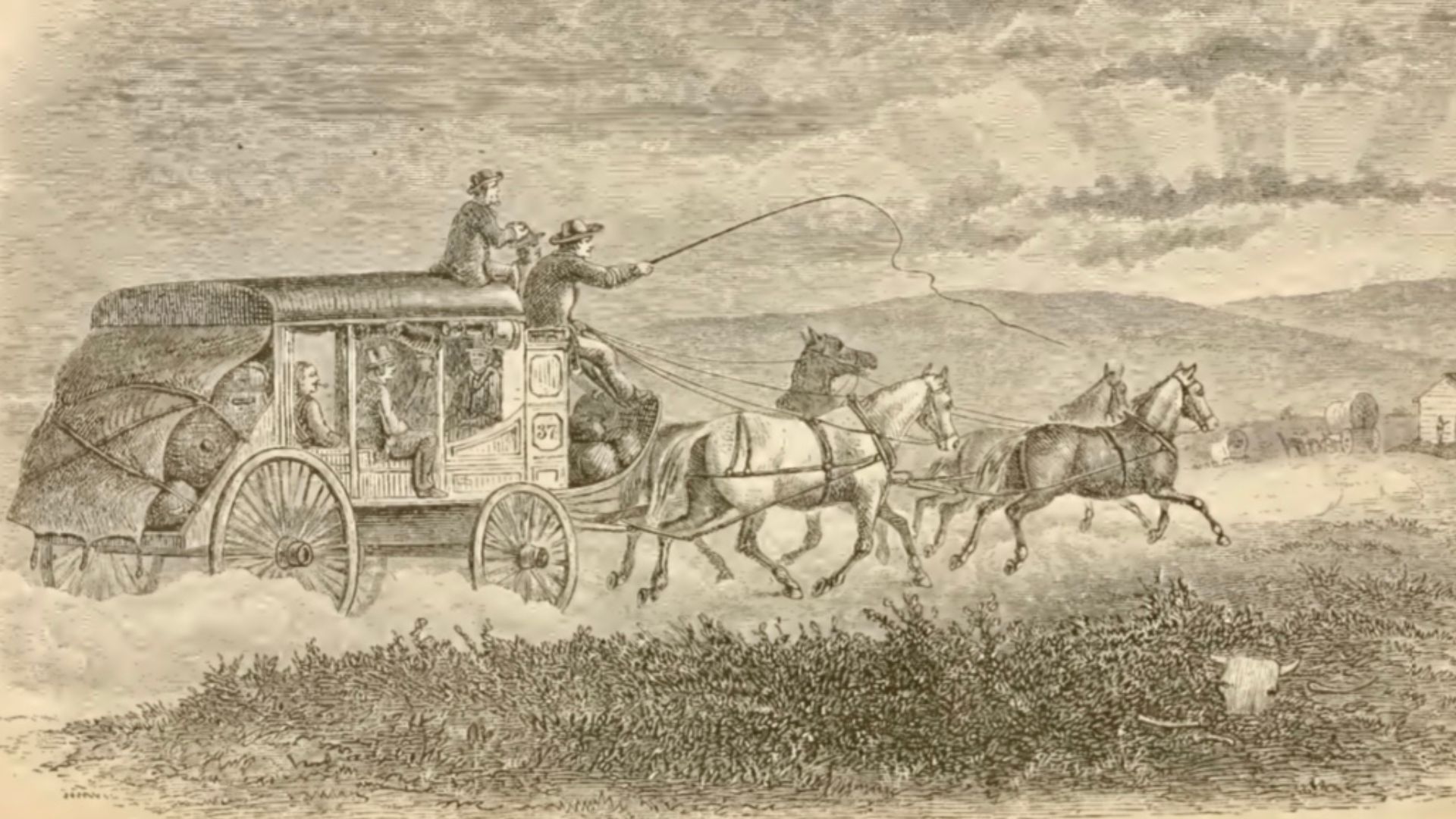 Etching artist unknown, Wikimedia Commons
John Ward’s Ranch Raid Was The Prelude To War
In February 1861, Coyotero Apaches raided John Ward’s ranch near Sonoita, seizing young Felix Ward. The Army wrongly blamed Cochise, which sparked the Bascom Affair and led to decades of war. Raised Apache, Felix—later called Mickey Free—served as a US scout, straddling both cultures and shaping frontier intelligence.
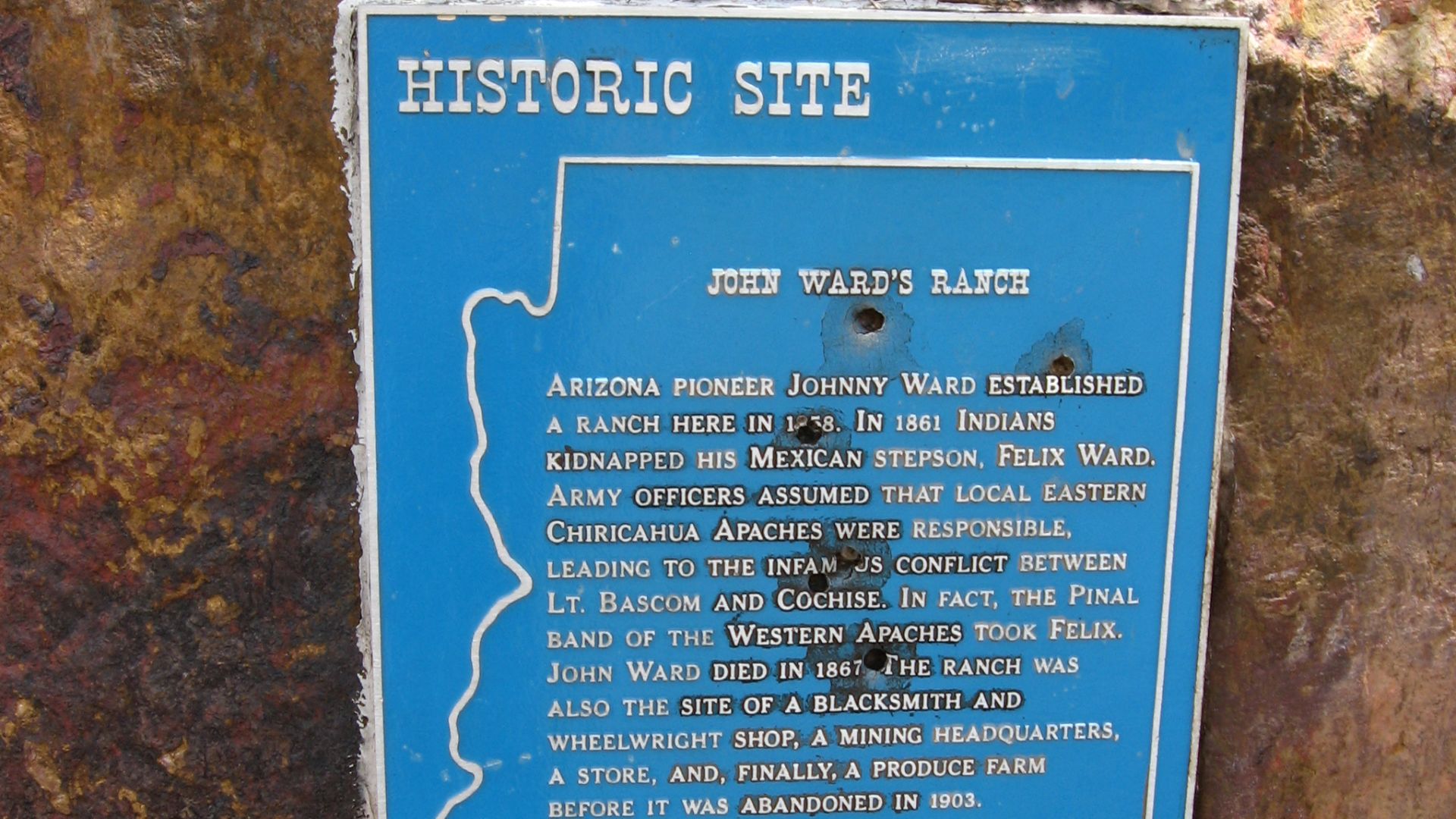 https://www.flickr.com/photos/kenlund/, Wikimedia Commons
Meet Mangas Coloradas, The Giant
Mangas Coloradas, a towering Mimbreno Apache chief, stood over six feet tall and commanded deep respect. In July 1862, he joined forces with Cochise to lead a fierce ambush at Apache Pass. Unfortunately, after Coloradas’s capture in 1863, US soldiers killed him and desecrated his body by removing his skull.
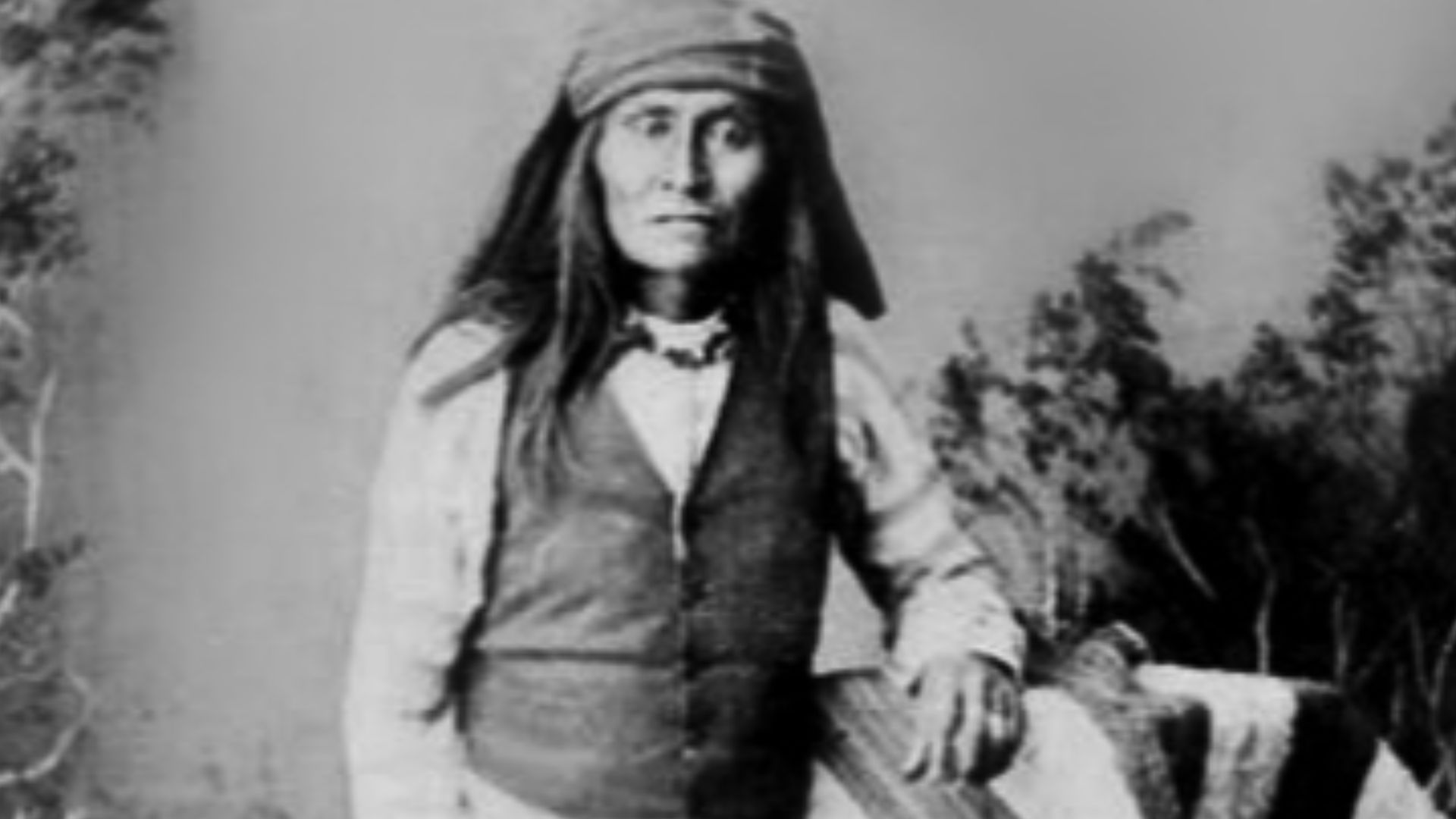 Wiki name~commonswiki, Wikimedia Commons
The 1862 Turning Point
July 1862 marked a massive clash. Five hundred Apache warriors faced the California Column, but howitzers thundered with devastating effect. Forced to retreat, Apaches witnessed Fort Bowie’s creation. Can artillery fire truly redirect history’s path? At Apache Pass, it unquestionably did.
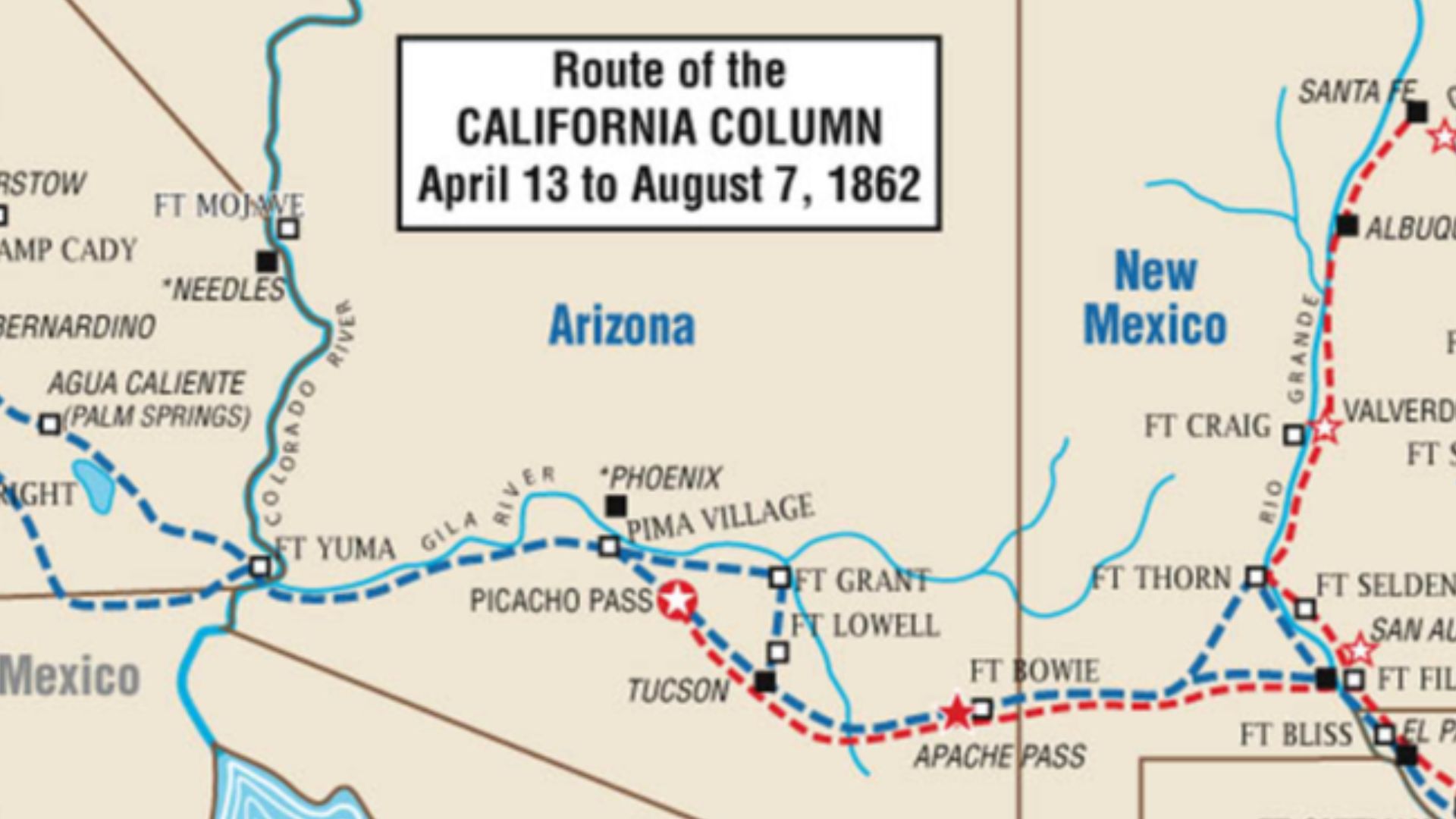 Starwars1977, Wikimedia Commons
Fort Bowie’s Founding
That same summer, adobe walls rose in the desert sun. Built by the 5th California Volunteers, Fort Bowie protected Apache Spring and was named for Colonel George Washington Bowie. Rough stone and timber housed weary soldiers. This was a fort raised where every sunrise promised battle.
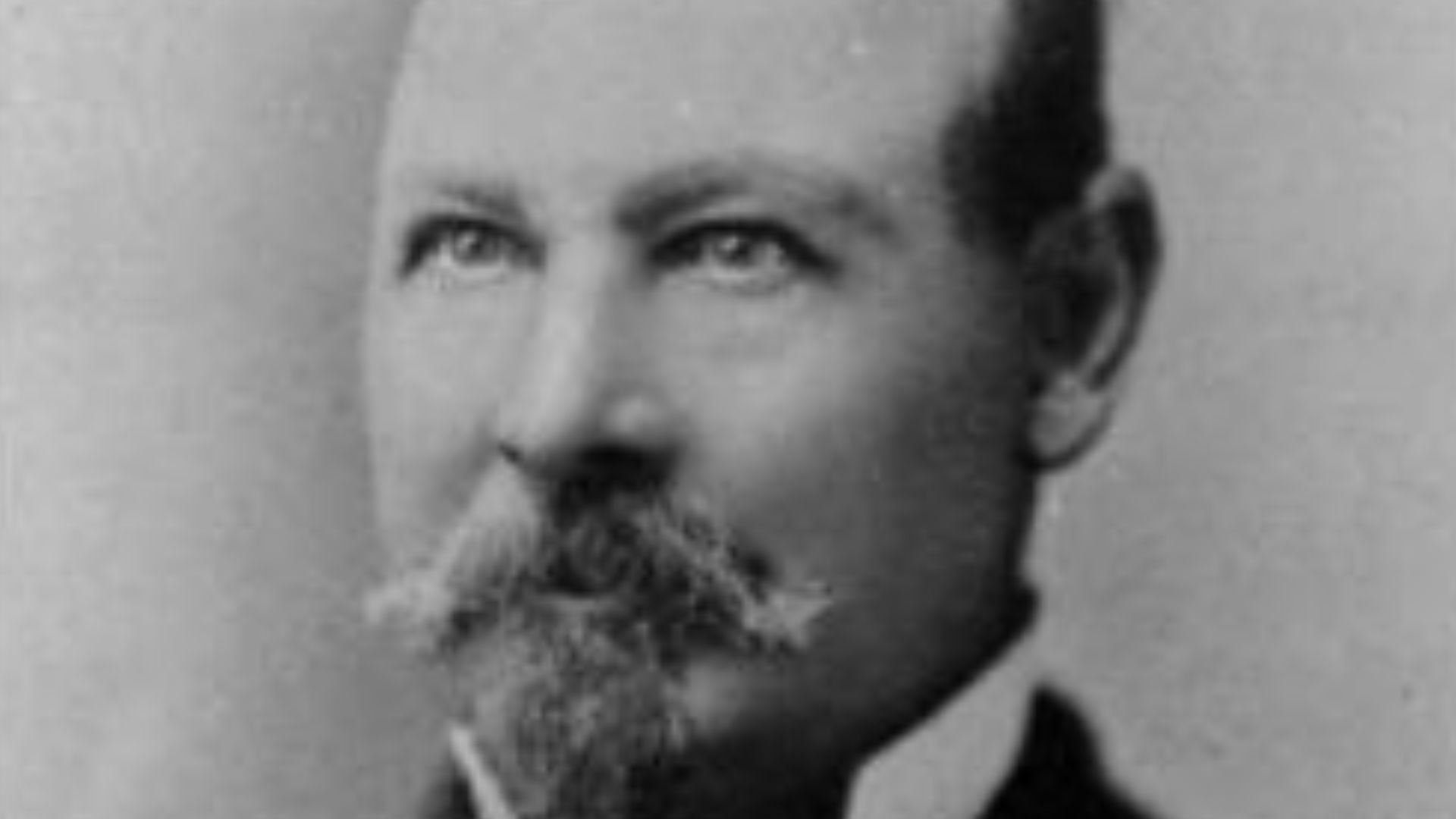 Unknown authorUnknown author, Wikimedia Commons
Special Features
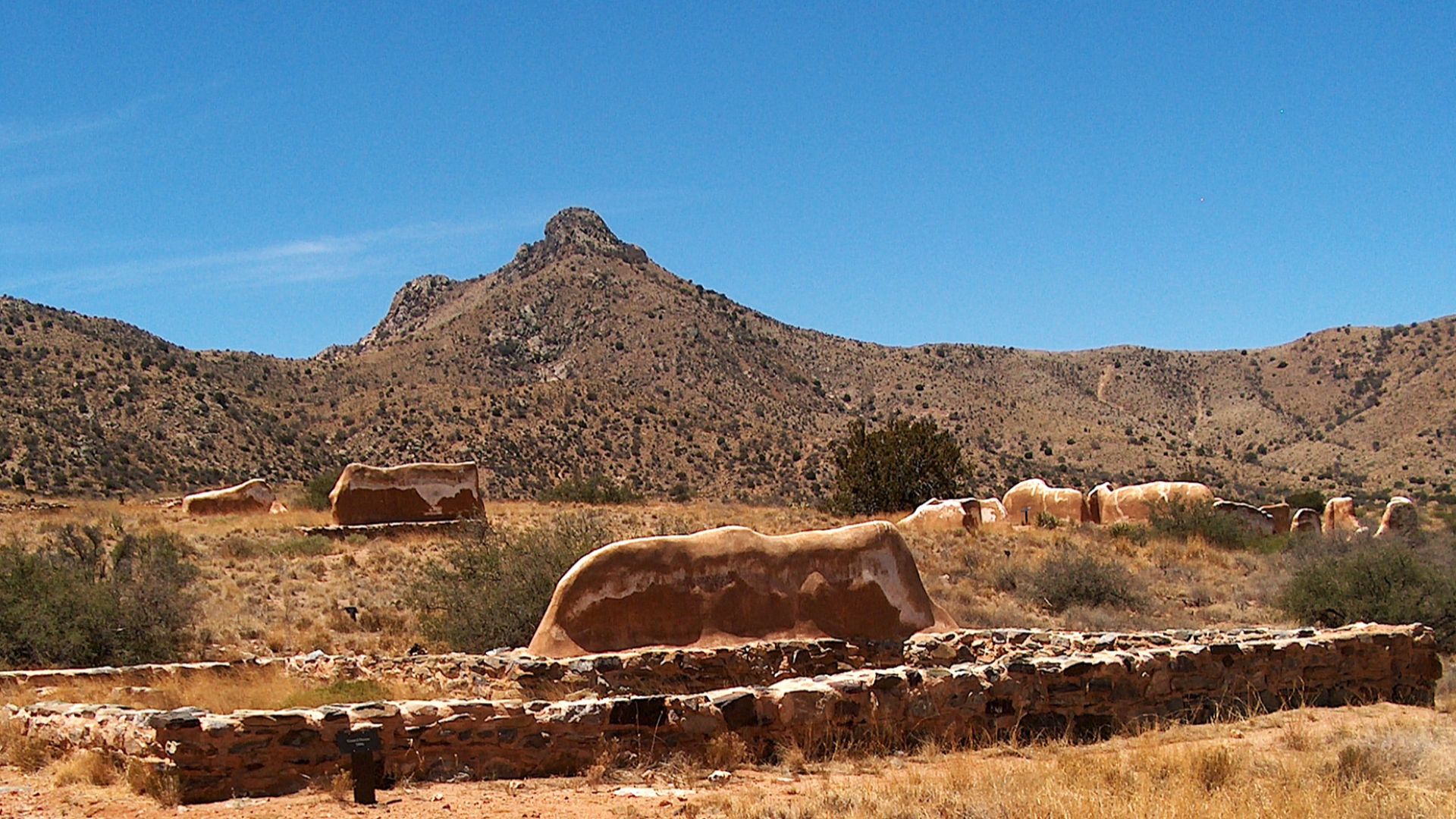
Strategically placed near Apache Spring, Fort Bowie included a trading post, cemetery, and remnants of the Butterfield Stage Station. Its adobe structures blended with the harsh terrain. Though modest in size, its isolation and defensive layout made it a key outpost during the Apache Wars.
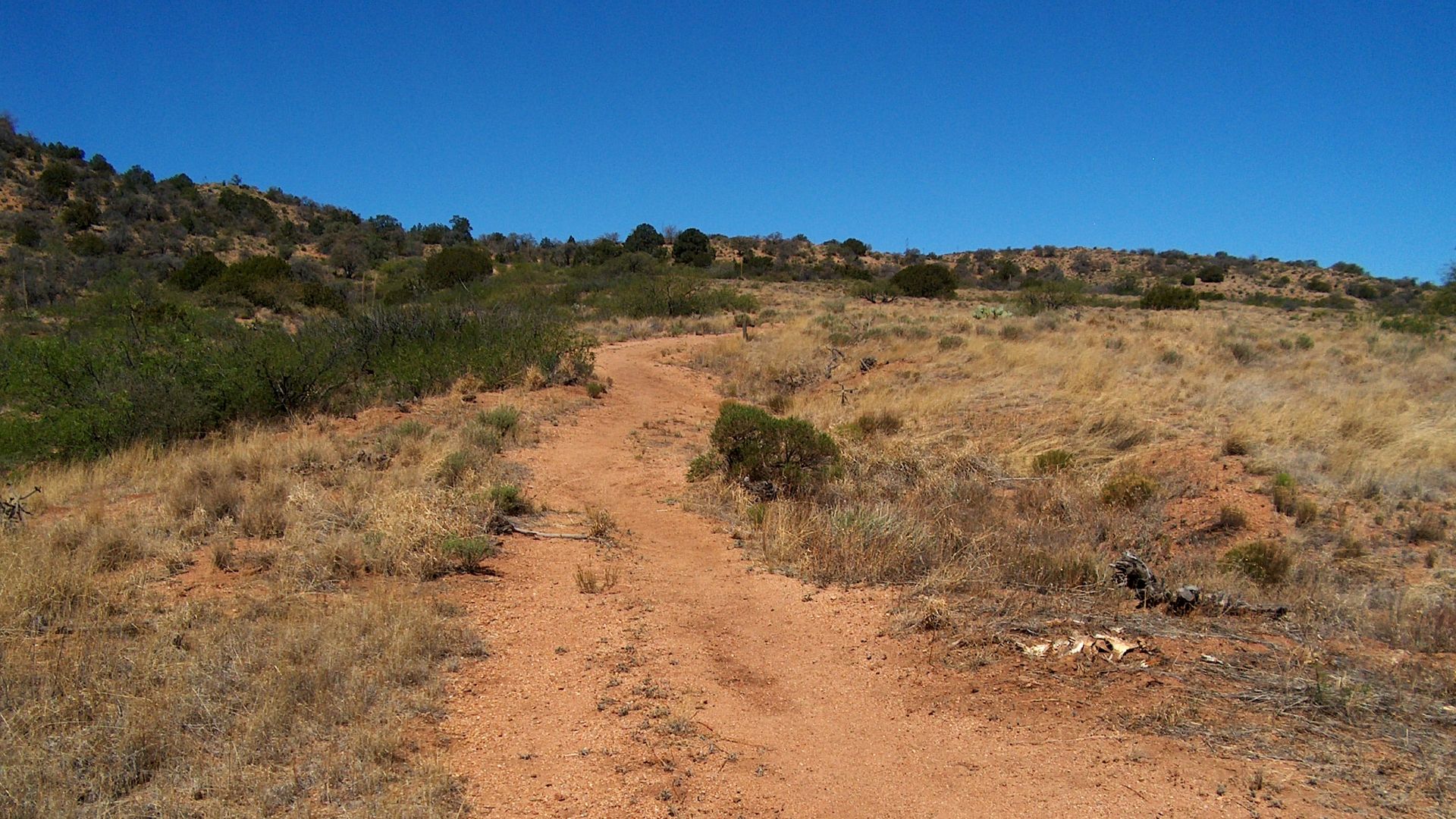 Scotwriter21, Wikimedia Commons
General James Carleton Was Fort Bowie’s Architect
General James Carleton drove the fort’s creation. He ordered harsh campaigns against the Apaches and oversaw the infamous Navajo Long Walk. Bold, controversial, and relentless, Carleton shaped the unforgiving desert wars, and he left a legacy etched in conflict and memory.
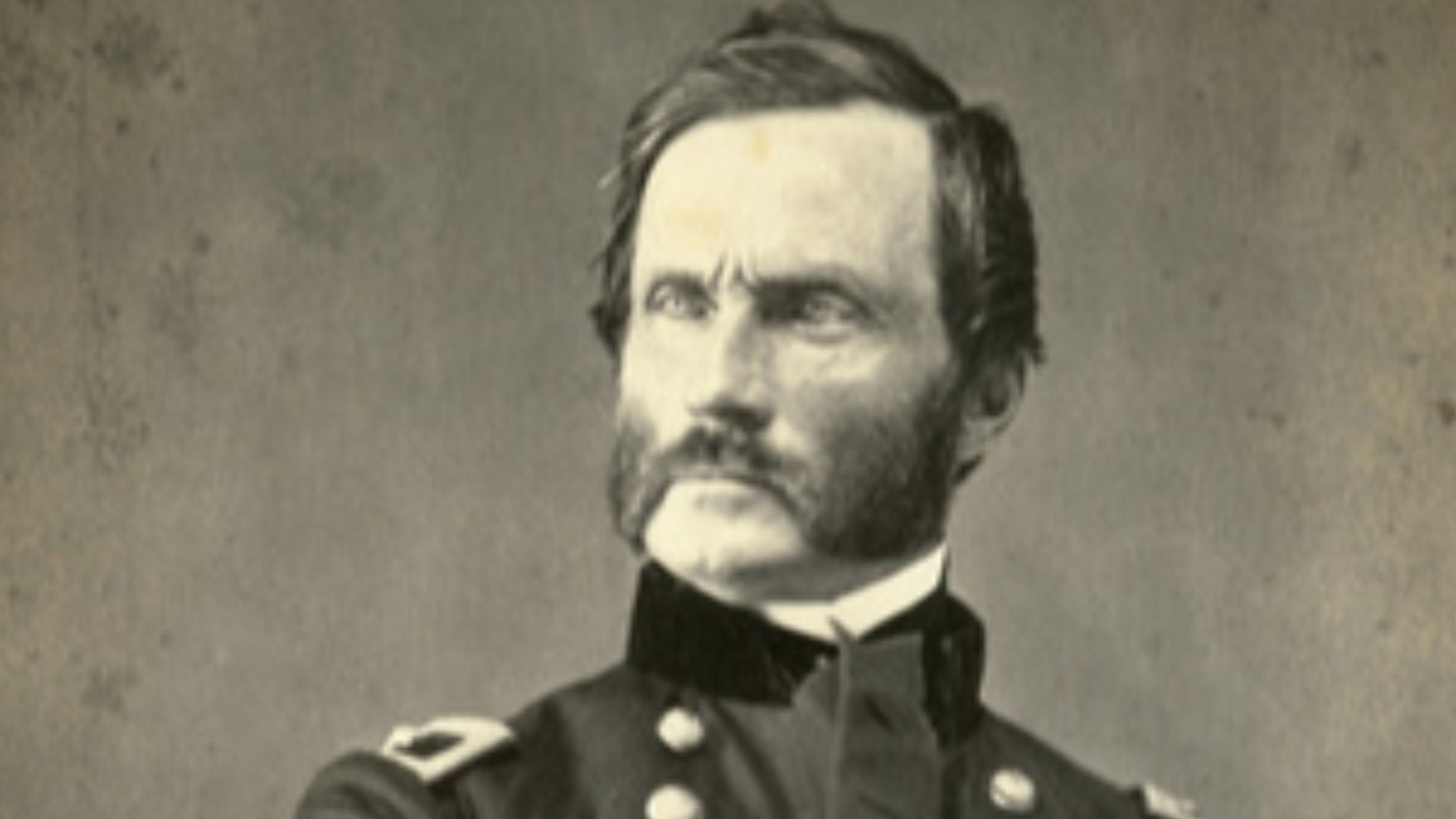 Unknown 19th century photographer, Wikimedia Commons
Cochise’s Warriors Hid In The Dragoon Mountains Haven
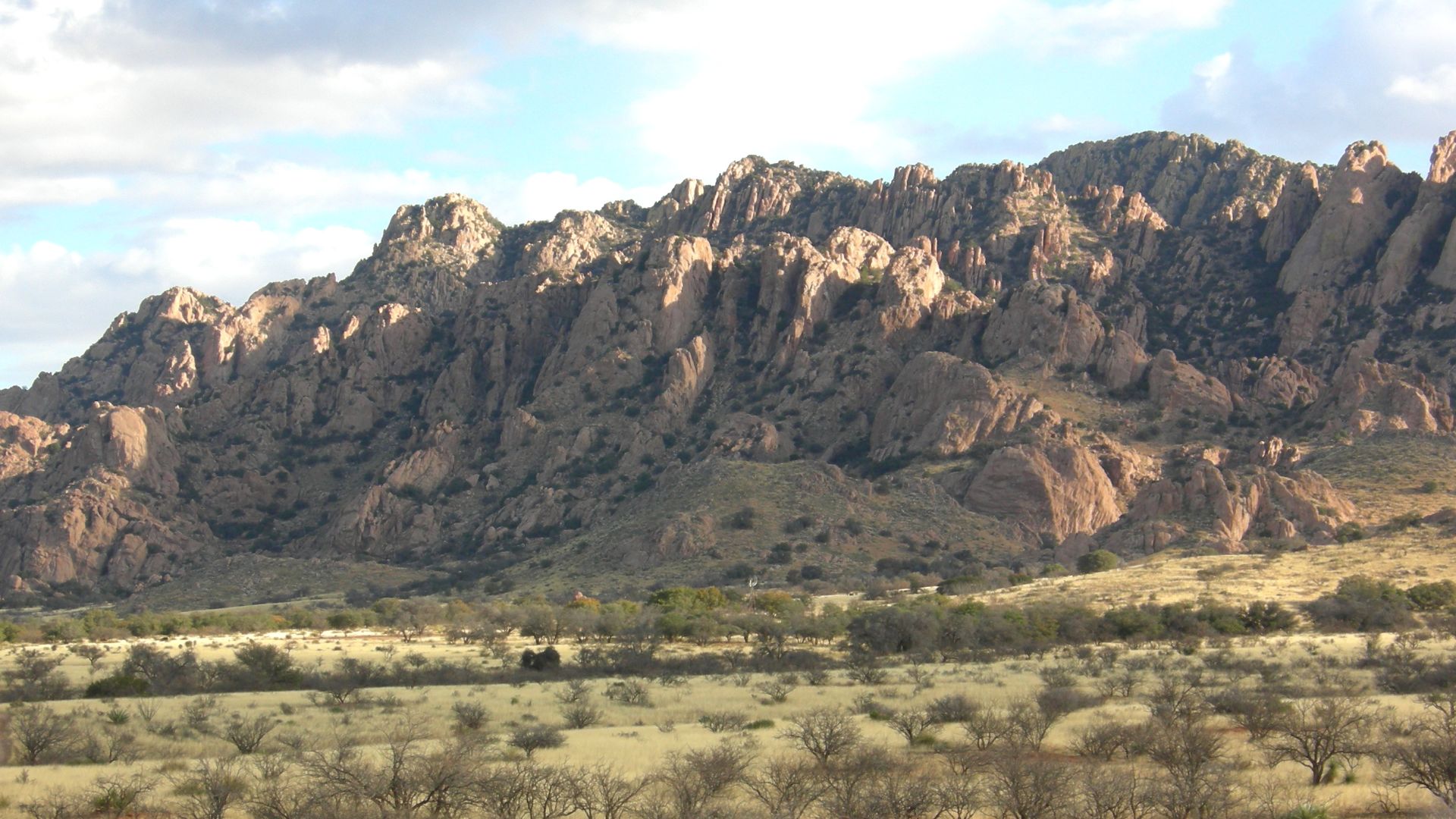
The Dragoon Mountains, jagged and untamed, sheltered Cochise’s warriors. From this fortress, raiding parties launched and vanished before soldiers caught on. Today, hikers trace their steps along Cochise Trail #279. Then, there is the Slavin Gulch Trail that reveals abandoned ore roads and towering cliffs once used as natural defences.
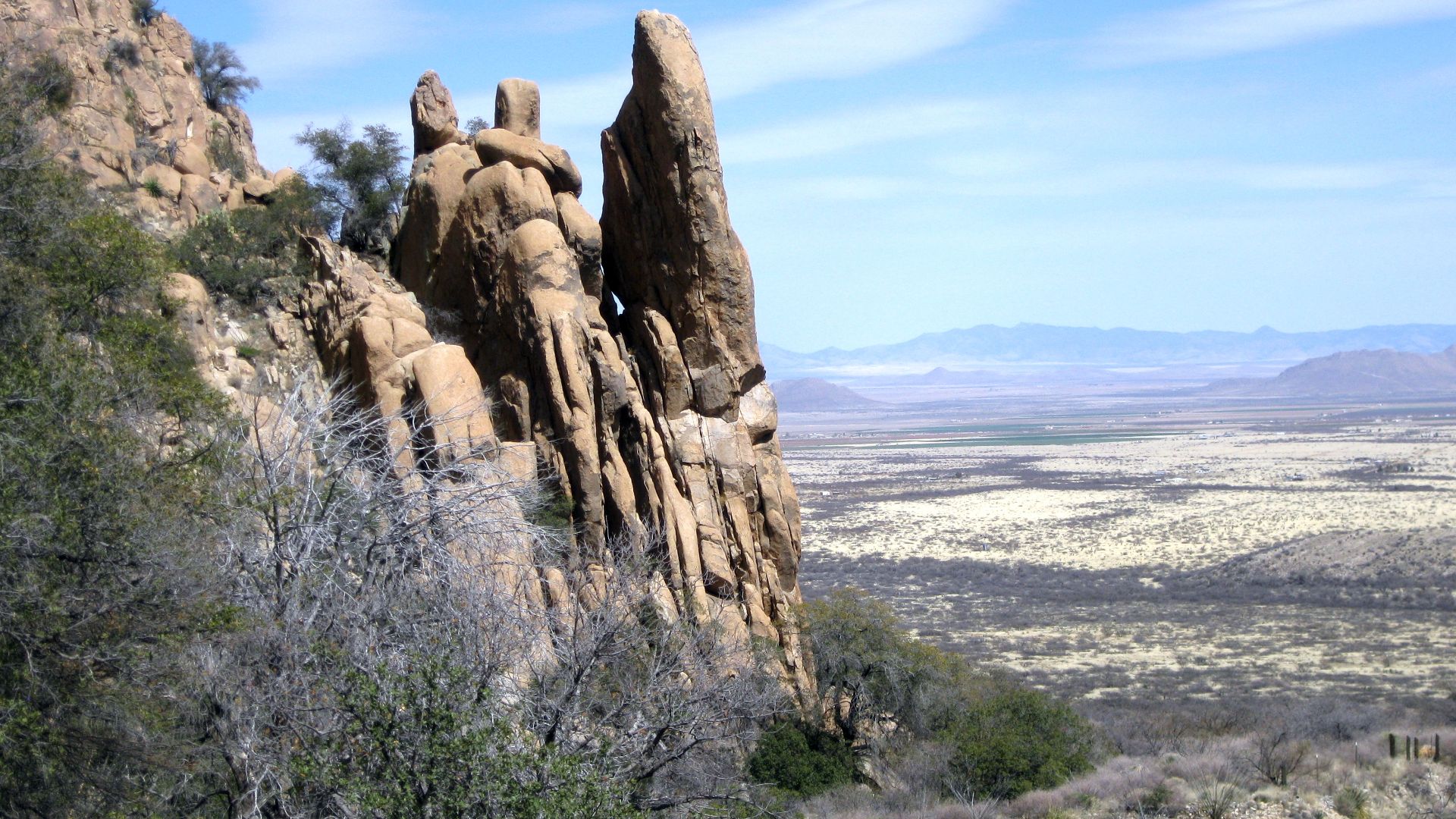 https://www.flickr.com/photos/s_mestdagh/, Wikimedia Commons
Apache Guerrilla Tactics Outsmarted The Enemy
Hit fast, vanish quicker—that was the Apache way. Covering miles daily, warriors used smoke signals and terrain mastery to confound soldiers. Their strikes seemed like shadows flickering across the desert. Trying to catch one was impossible because how do you capture what melts into stone?
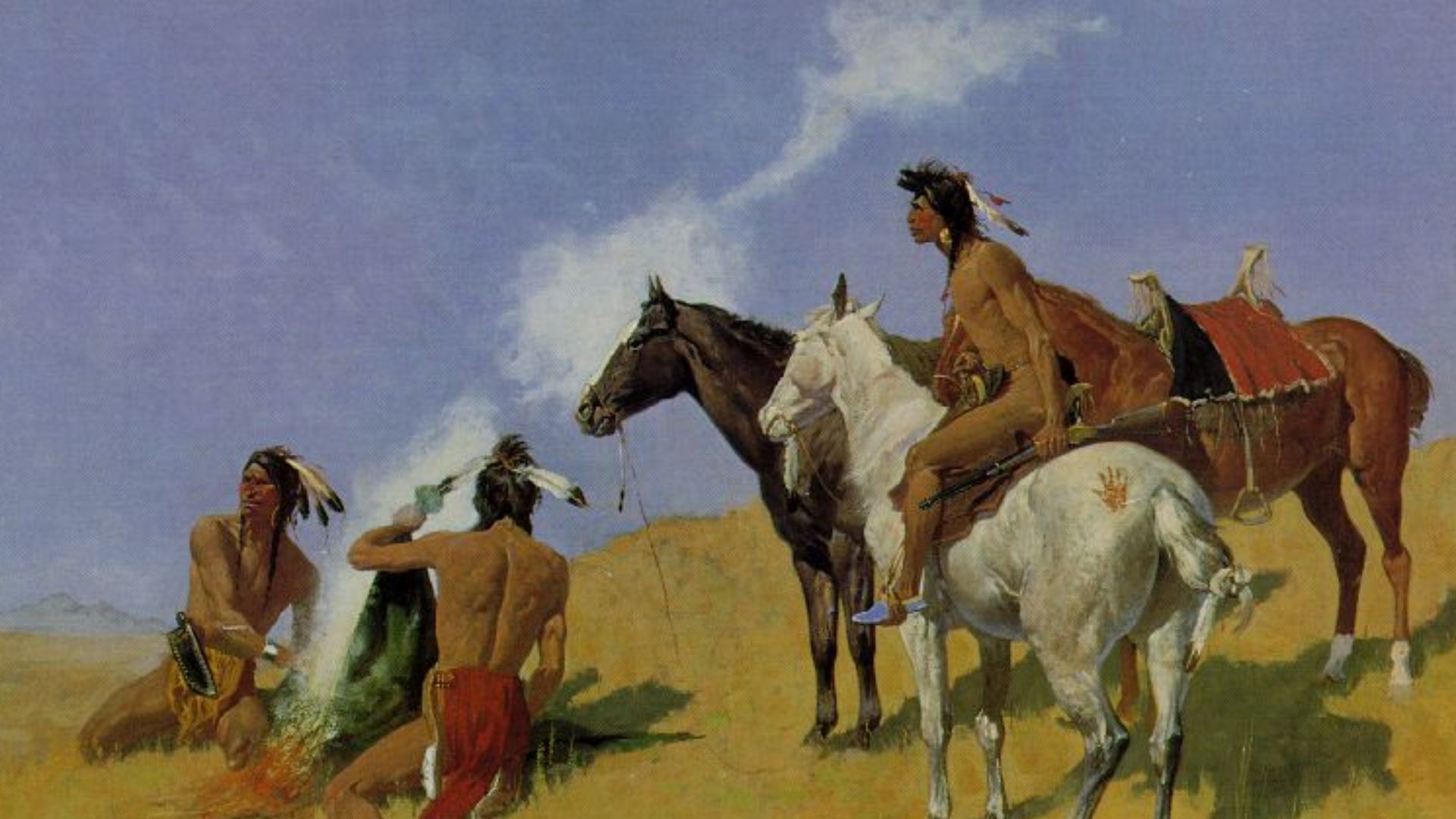 Frederic Remington, Wikimedia Commons
Tom Jeffords Became Cochise’s Unlikely Ally
With his flaming red beard, mail agent Tom Jeffords earned the name “Taglito”. Against all odds, he forged trust with Cochise to become a bridge between enemies. How? Jeffords, familiar with Apache language and cultural practices, led a General to Cochise’s Stronghold and helped secure a treaty. That General was…
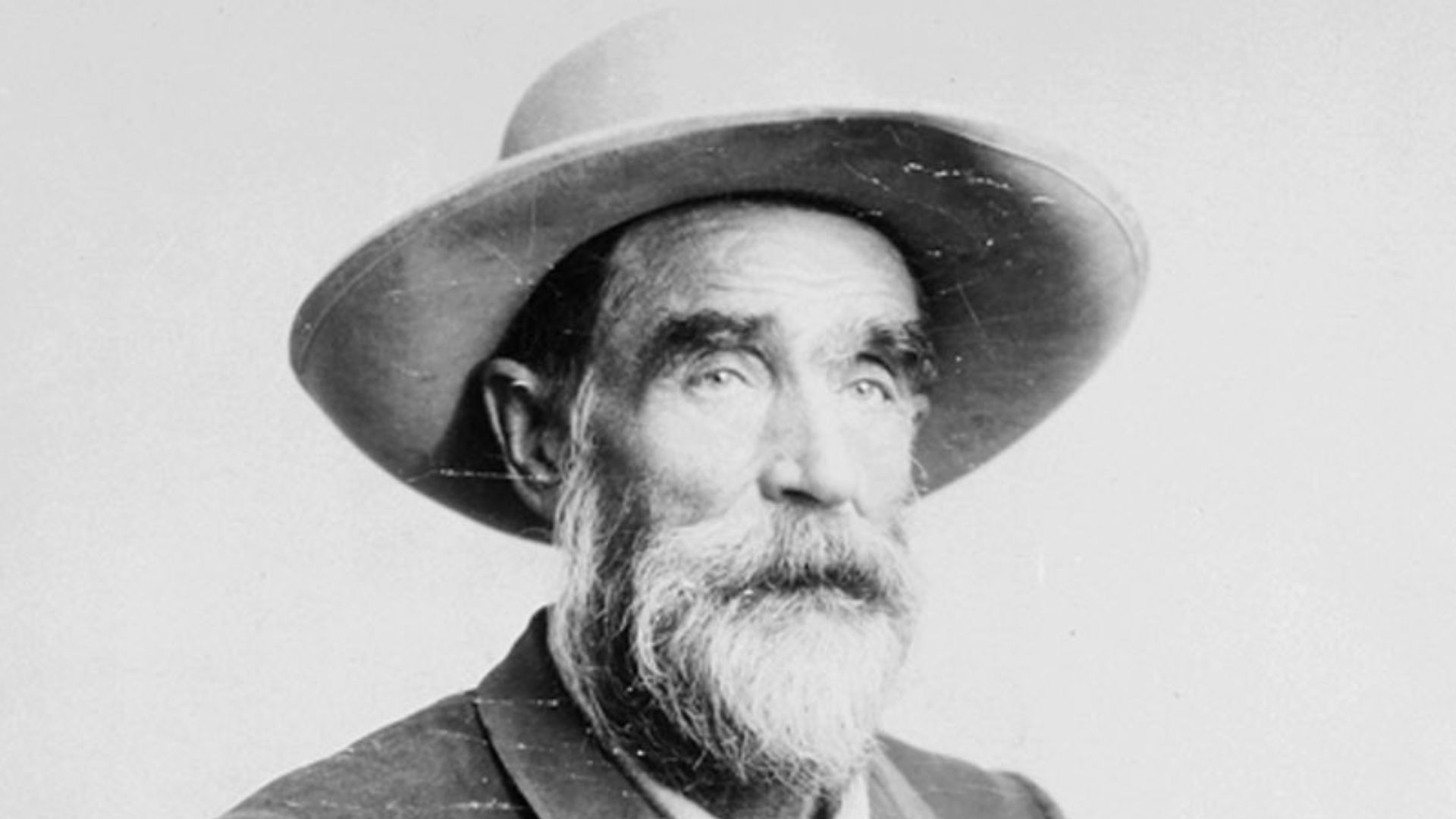 Unknown authorUnknown author, Wikimedia Commons
General Oliver O Howard
Called the “Praying General,” Oliver Howard entered negotiations with one arm missing from the Civil War. In 1872, he and Cochise forged a treaty to establish the Chiricahua Reservation. And it was Tom Jeffords who helped broker the peace. Faith fueled Howard’s mission; friendship fueled Jeffords’s.
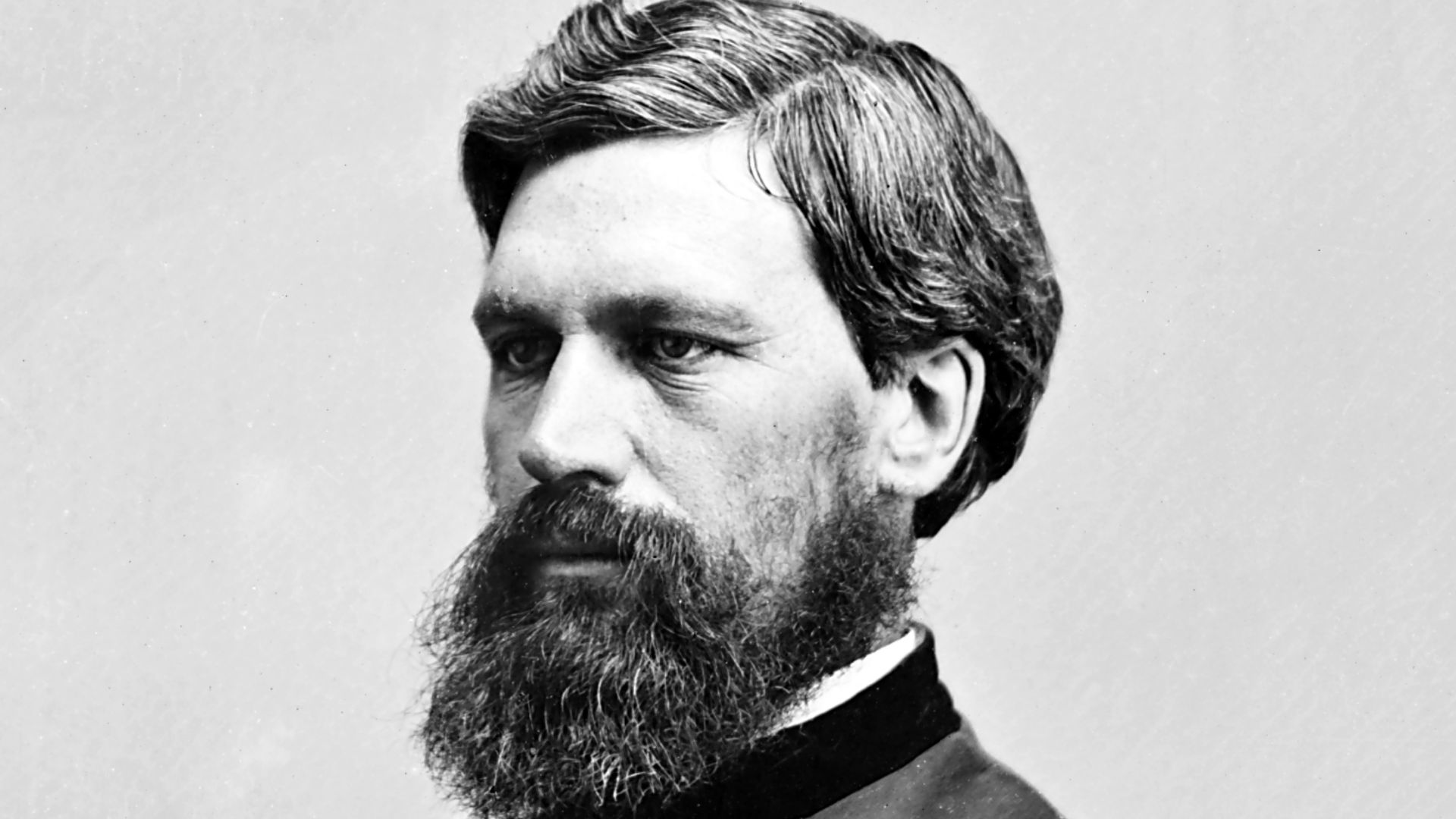 Mathew Brady (1823?–1896) or Levin C. Handy (1855?–1932), Wikimedia Commons
The Chiricahua Reservation Was A Fleeting Haven
Stretching across the Chiricahua Mountains, the reservation created in 1872 gave Cochise’s people temporary peace. Four years later, President Ulysses S Grant signed an executive order, and this shattered stability. Imagine being promised safe ground only to see it vanish beneath your feet. By then, Cochise was already gone.
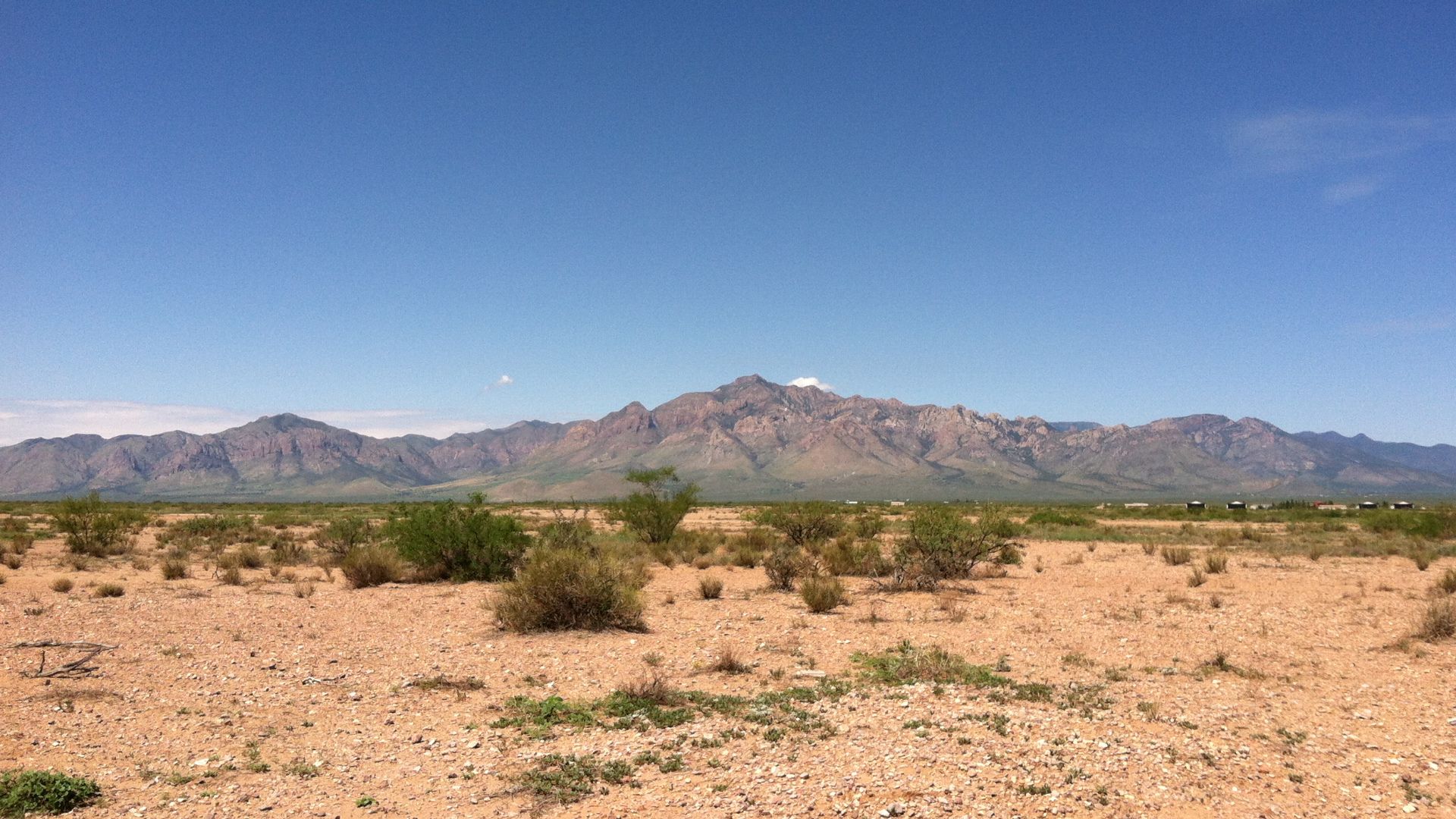 Melissa A. Ausburn, Wikimedia Commons
He Passed On Two Years Before The Treaty Was Dissolved
In 1874, Cochise succumbed, likely to stomach cancer. His burial site remains undisclosed, known only to his band and Tom Jeffords, who was reportedly present at the time. They interred him in a crevice among the rocks, along with his horse, dog, and blankets, following Chokonen Apache tradition.
 Wilson44691, Wikimedia Commons
San Carlos Reservation Faced A Harsh Exile Afterwards
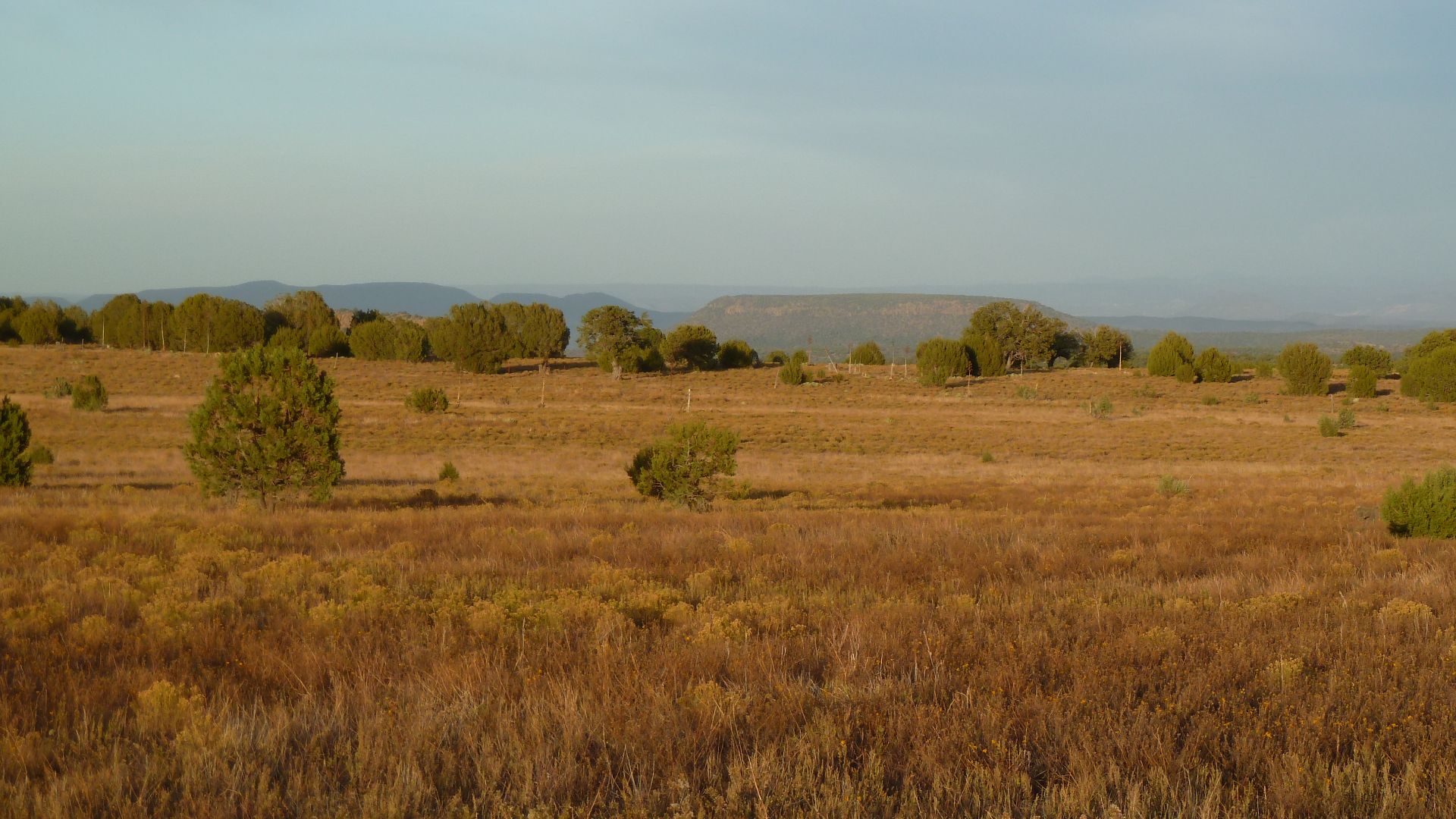
By 1876, the Chiricahua were forced to the San Carlos Reservation—nicknamed “Hell’s Forty Acres”. Overcrowded and desolate, it bred anger and rebellion that fueled raids from this exile. These conditions directly caused the renewed Apache raids by leaders like Geronimo.
 Chris English, Wikimedia Commons
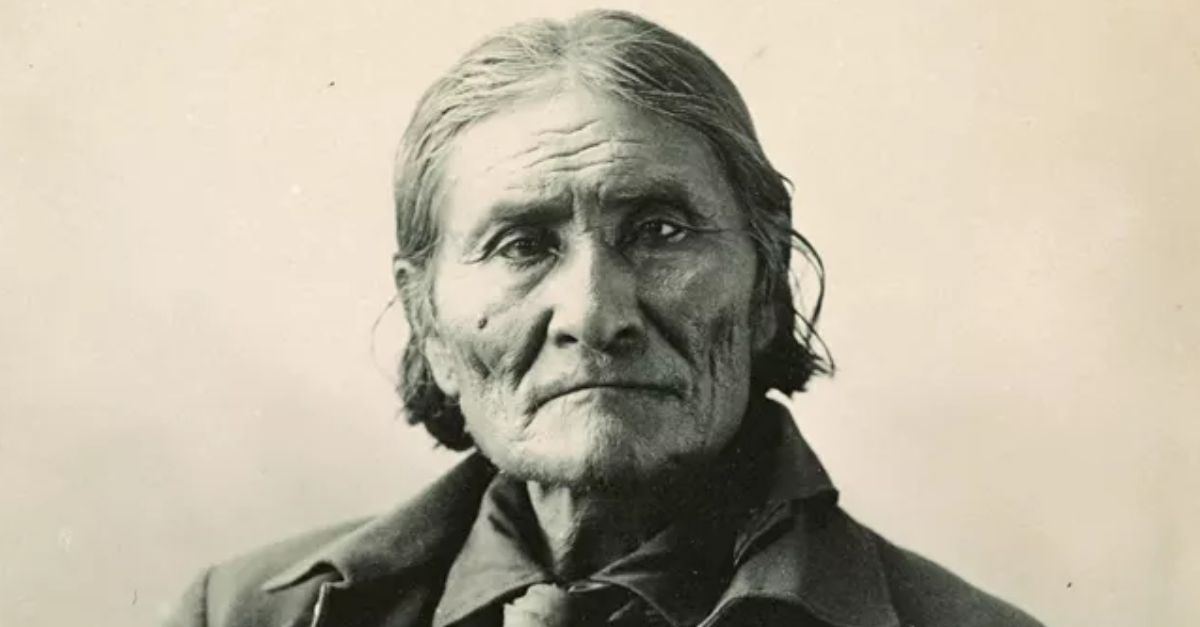
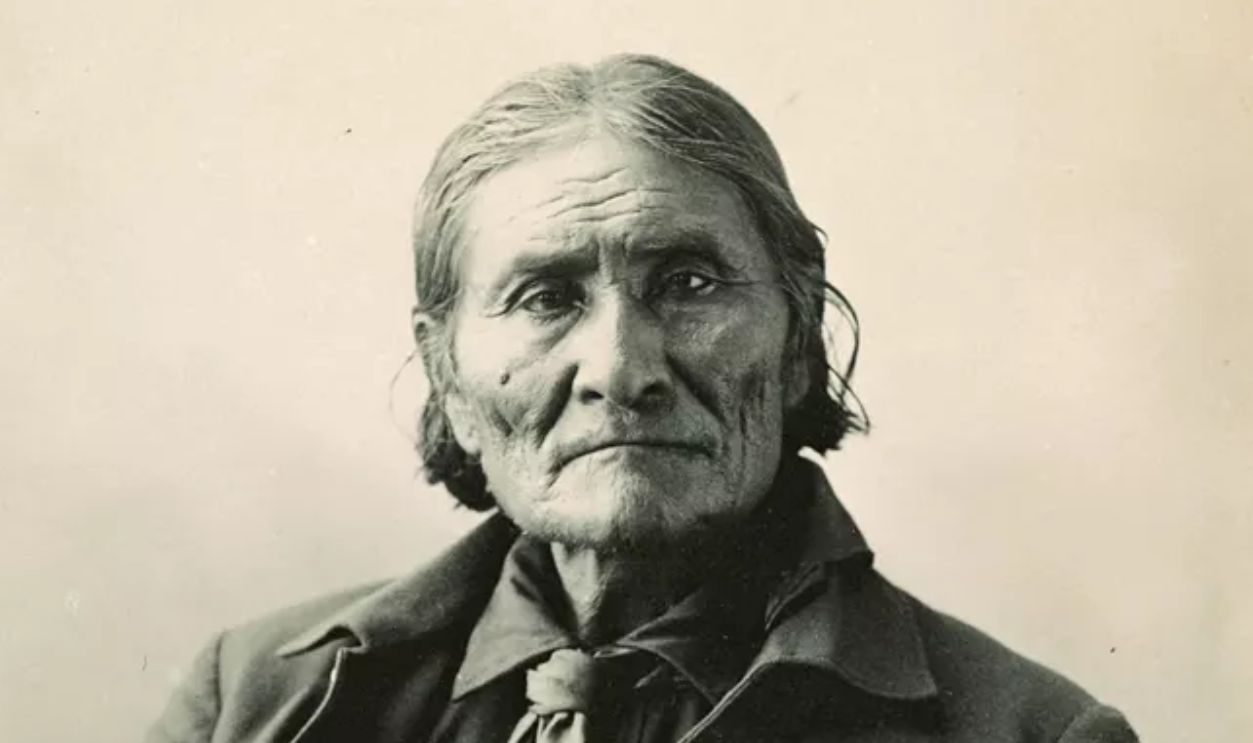
Geronimo, The Bedonkohe Rebel’s Rise
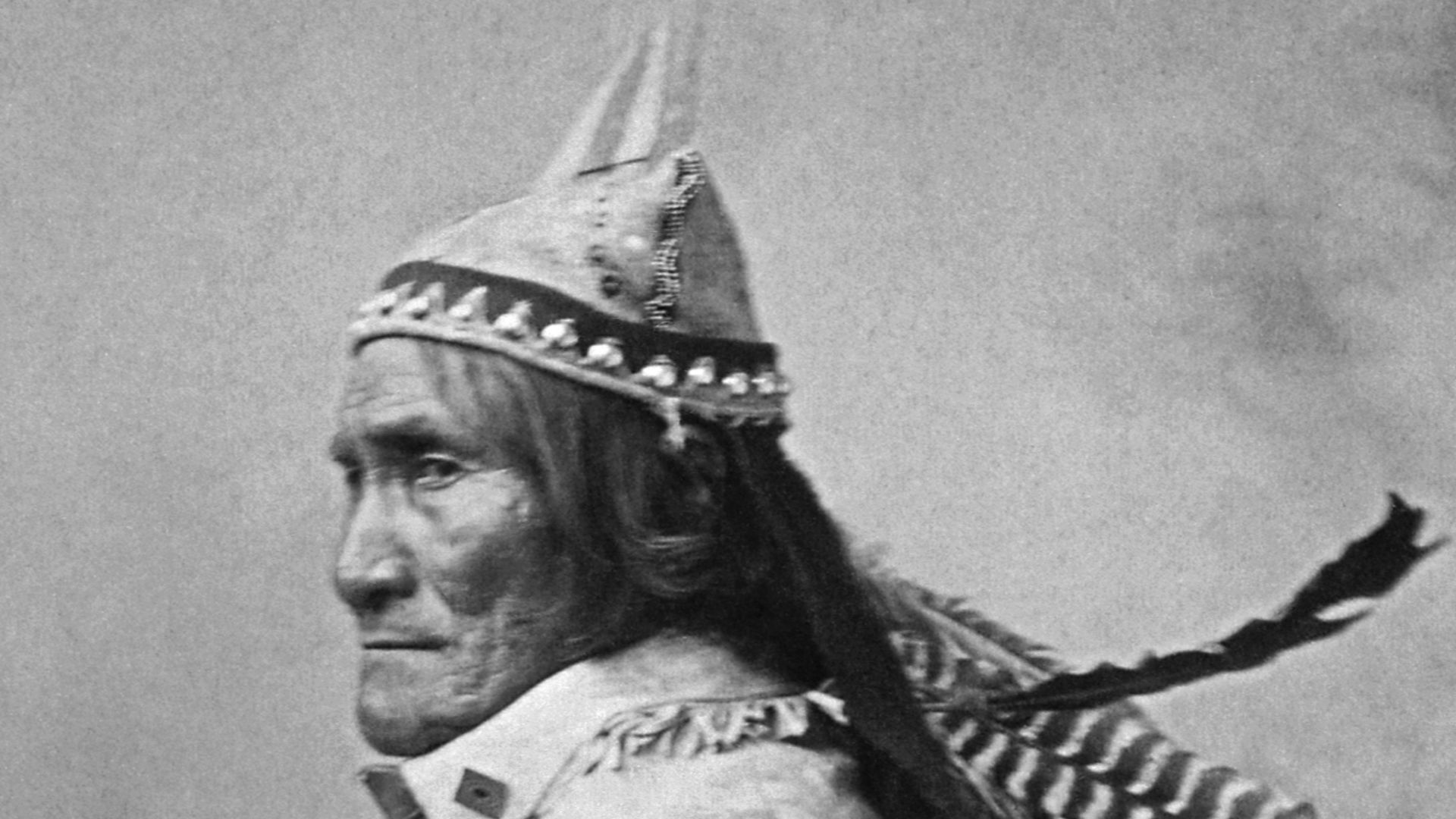
Born Goyaale (“the one who yawns”), Geronimo began as a Bedonkohe Apache medicine man. But after the brutal murder of his family by Mexican soldiers, he transformed into a warrior. Once exiled to the San Carlos Reservation, Geronimo refused confinement, leading multiple breakouts across Arizona, New Mexico, and northern Mexico.
 Unknown authorUnknown author or not provided, Wikimedia Commons
Geronimo’s Sierra Madre Stronghold
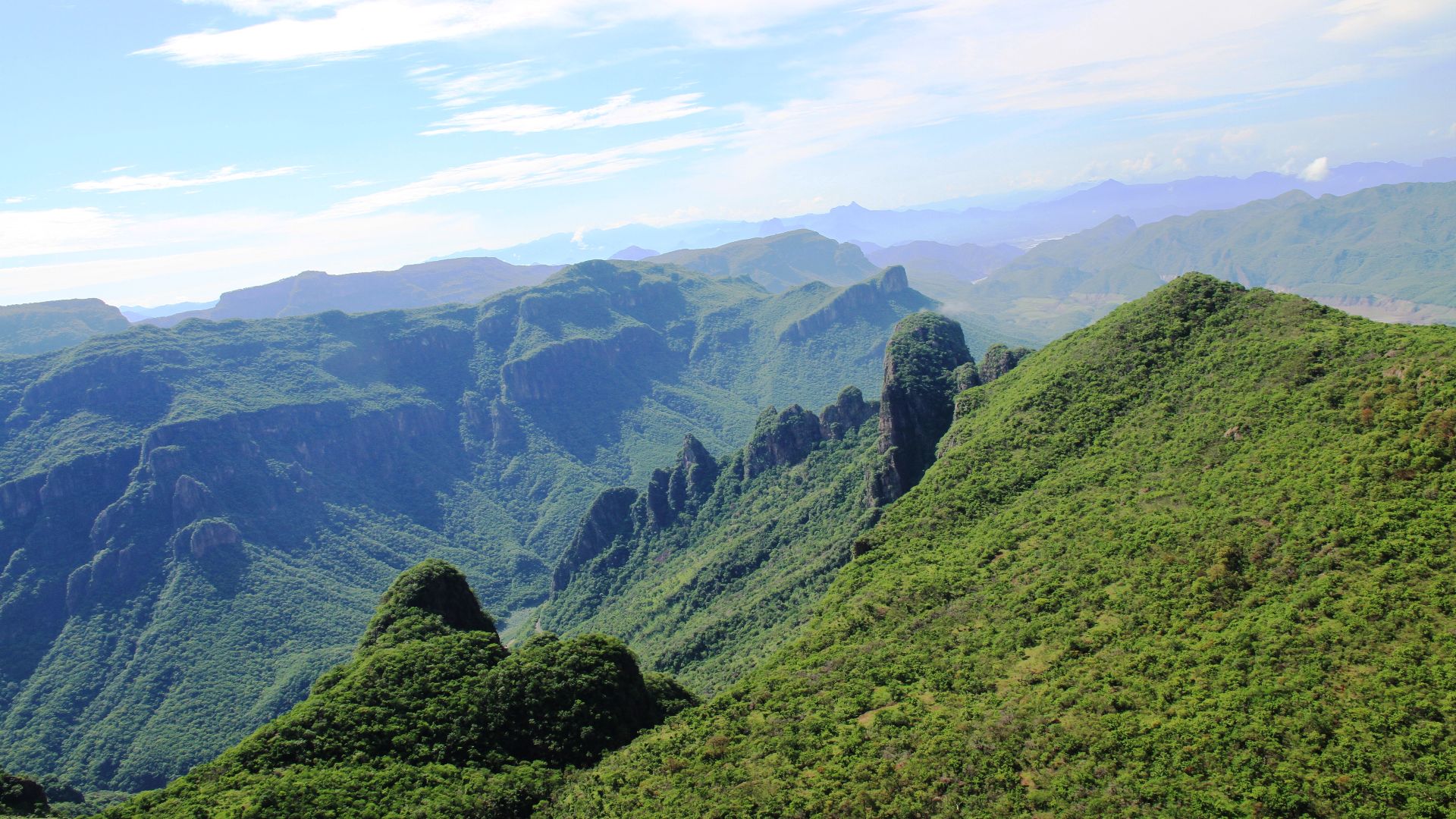
Deep in Mexico’s Sierra Madre, Geronimo’s band hid among labyrinthine ridges spanning several states. From there, cross-border raids erupted, and they confounded US soldiers. These peaks became his ghostly sanctuary, where each trail felt like chasing a mirage.
 panza.rayada, Wikimedia Commons
Fort Bowie’s Growth
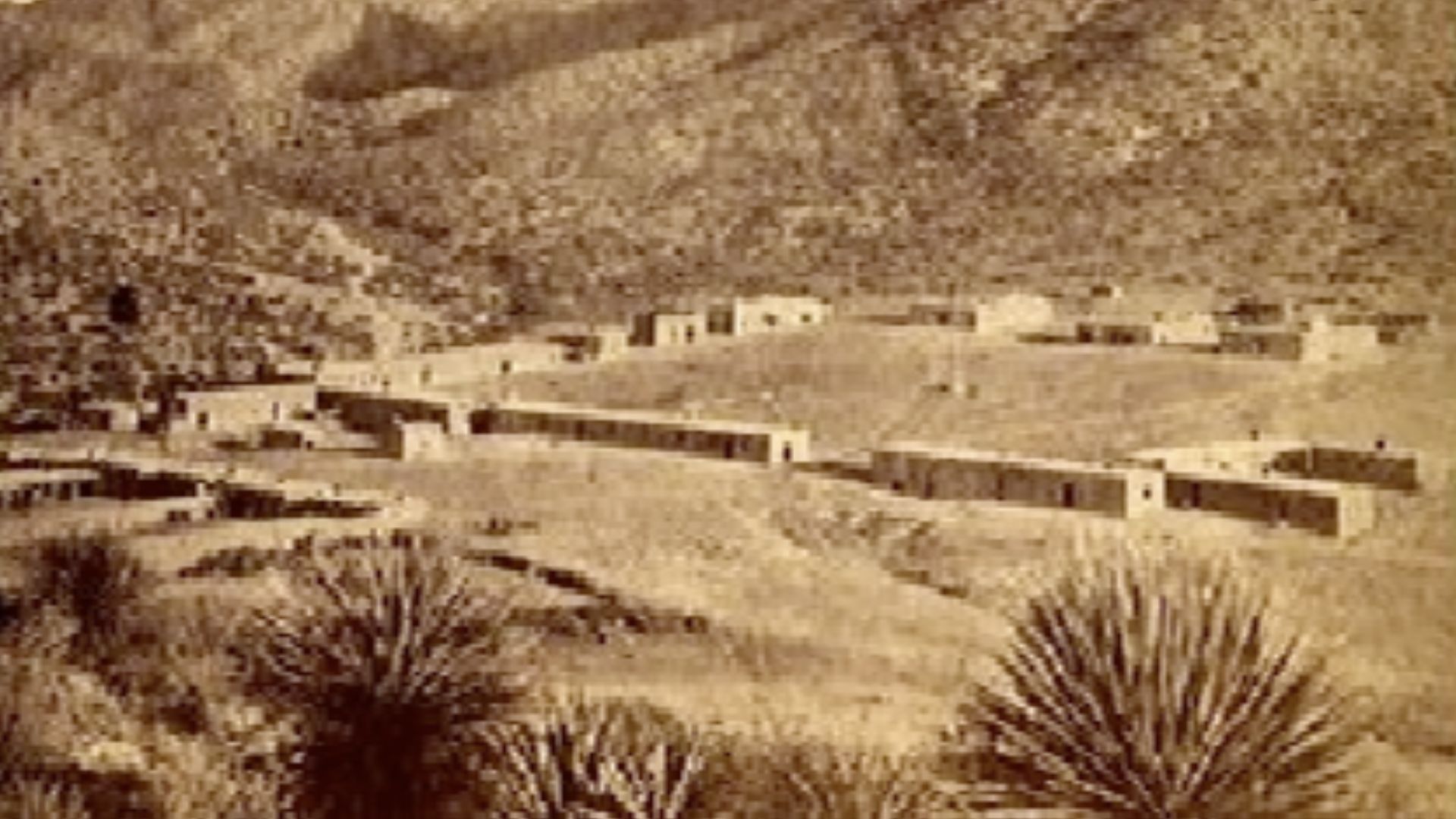
By the 1880s, Fort Bowie buzzed with activity, with barracks, corrals, a hospital, and even a trading post filling its grounds. The post included a bakery, stables, and a guardhouse; a fully operational frontier garrison. A desert fortress that was once a battleground had transformed.
 George Rothrock, Wikimedia Commons
Fort Bowie’s Final Chapter
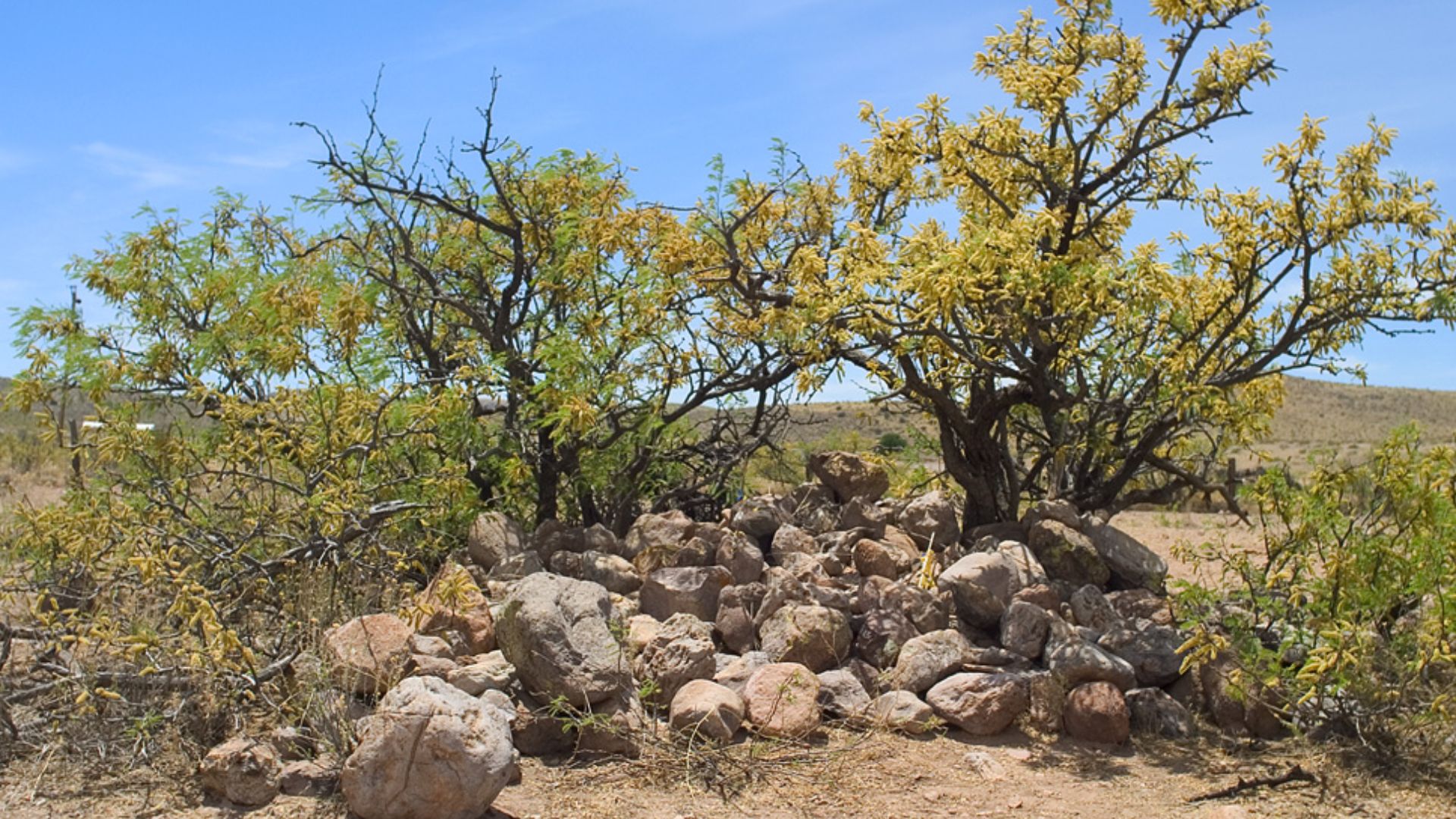
On September 4, 1886, Geronimo surrendered at Skeleton Canyon with only 34 warriors left. Lieutenant Charles Gatewood (“Big-nosed Captain”) secured his trust. Before being transported to Florida, Geronimo stopped at Fort Bowie, where he drank from Apache Spring—the same spring he had fought beside Cochise to defend 24 years earlier.
 Jonathan Patt, Wikimedia Commons
Why Fort Bowie Was Forgotten
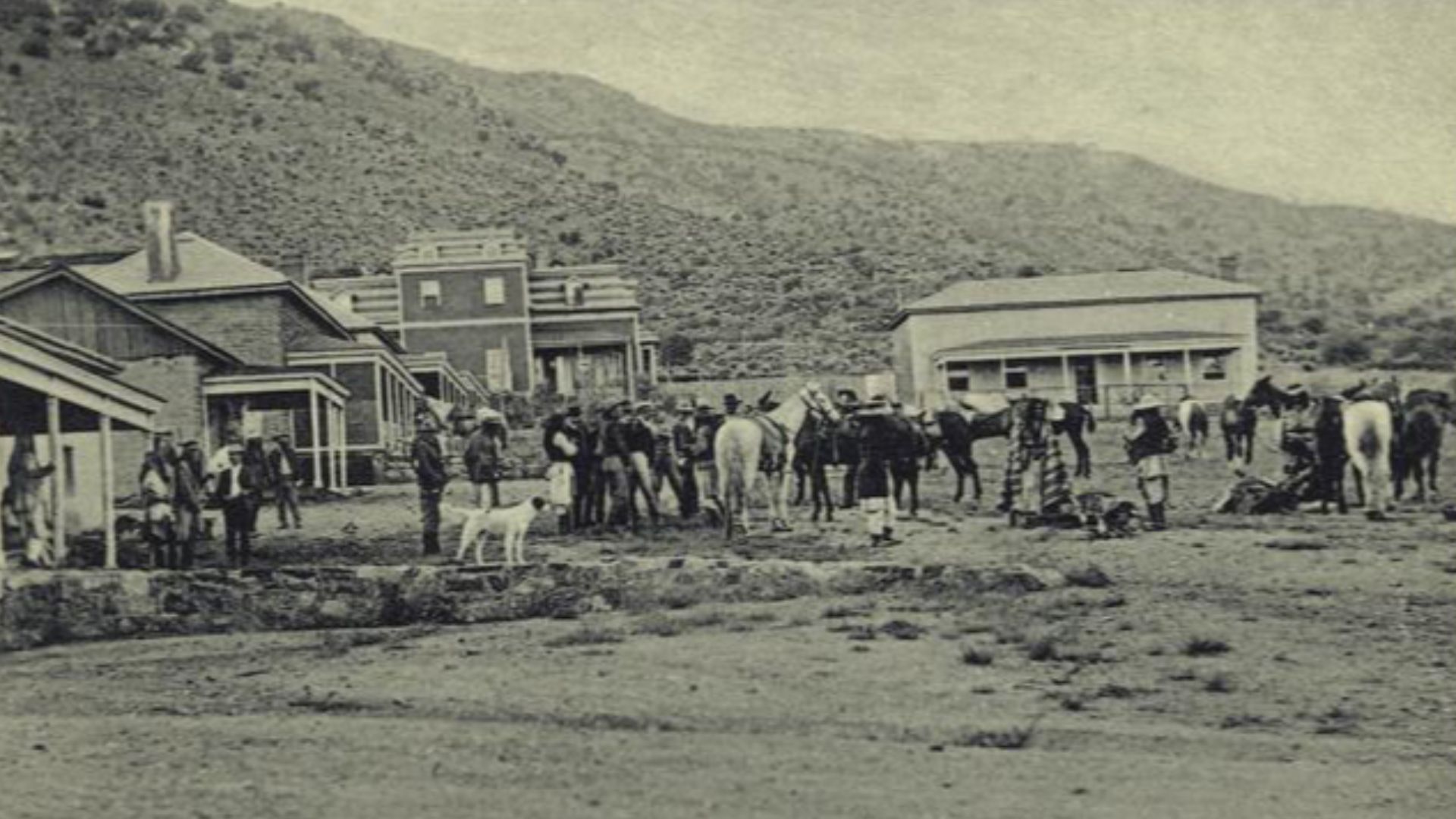
After Geronimo’s surrender, Fort Bowie’s relevance faded. Abandoned in 1894, its remote location and lack of civilian settlement led to obscurity. After that, it vanished from census records, leaving behind ruins and silence until rediscovery as a historic site decades later.
 Fly, C. S. (Camillus Sidney) (1849-1901) (Photographer), Wikimedia Commons
Fort Bowie Today
Now preserved as a National Historic Site, Fort Bowie invites you on a 1.5-mile hike into history. Adobe walls, a cemetery, and the timeless Apache Spring await. Open from sunrise to sunset, it whispers tales of survival. Now, when you go there, you walk where legends clashed.